

Creating a secure environment for aging loved ones begins with a detailed and reliable elderly home safety checklist. Whether you’re caring for aging parents at home or supporting a senior loved one who values independence, this guide helps simplify the process of identifying risks and making safety-enhancing improvements. Many families also seek a free elderly home safety checklist or a home safety assessment checklist to ensure they’ve covered every detail—this article brings all those elements together.
At Westmont of Escondido, we understand that home safety is more than preventing falls. It’s about preserving dignity, independence, and peace of mind. With the right tools, such as a home safety checklist for parents, you can create a safer living environment that supports everyday comfort and confidence.
For more resources, visit Westmont of Escondido.
Assessing Living Spaces for Hazards
A great place to begin your elderly home safety checklist is by evaluating each living space for fall risks. Start with a full walkthrough, using a home safety assessment checklist to ensure no area is overlooked. Identify loose rugs, cords, uneven flooring, or clutter—anything that increases the chance of tripping. A home safety checklist for parents helps you note areas like stairways, where secure handrails and clearly marked steps are essential.
Bathrooms require special attention. Consider installing grab bars near the toilet and in the shower. In the kitchen, keep frequently used items within reach to avoid dangerous stretching or bending. In living rooms and bedrooms, arrange furniture to create clear pathways.
For deeper insight into lighting improvements, see how proper lighting throughout enhances visibility and reduces fall risks.
Ensuring Proper Lighting Throughout the Home
Good lighting is a major component of any home safety assessment checklist, especially for seniors at risk of falls. Natural daytime light is ideal, so keep windows unobstructed. Mirrors can reflect light into dim areas, improving visibility.
At night, well-placed artificial lighting is essential. Install bright, energy-efficient bulbs in all rooms and place lamps in areas frequently used for reading or hobbies. Motion-sensor lighting in hallways and staircases can be lifesaving, especially for older adults waking during the night.
Engaging in enriching activities—such as the Quail egg activity facilitated by Lifestyle Director Stacey Hall at Oceanview Senior Living—also promotes confidence, independence, and overall well-being.
For more lighting tips, consider external resources such as:
- Safe lighting recommendations from the National Institute on Aging.
- Home hazard prevention insights from CDC Home Safety.
Securing Floors and Walkways
A practical elderly home safety checklist always includes steps for securing floors and walkways. Remove clutter and ensure all rugs are taped down or replaced with non-slip mats. These mats are beneficial in kitchens, bathrooms, and hallways.
Consider textured surfaces or slip-resistant flooring for high-traffic areas. Add floor cushions in key spots to soften impact in case of falls. And remember: transitions between flooring types—such as wood to tile—are major tripping points. Regular home safety modifications can significantly reduce risks.
For families seeking structured guidance, a free elderly home safety checklist can simplify these tasks and ensure regular evaluation.
Installing Safety Features in Bathrooms
Bathrooms require top priority on any home safety checklist for parents or a home safety assessment checklist. Wet surfaces increase the risk of slips, and limited space can make maneuvering difficult.
Key additions include:
- Grab Bars – Install near the toilet and inside the shower.
- Non-Slip Mats – Use inside showers and tubs, and also on the bathroom floor.
- Raised Toilet Seats – Improve comfort and reduce the effort required when sitting or standing.
These important features support independence and reduce fall risk. See how specialized equipment enhances bathroom safety for seniors.
Organizing Furniture and Clutter
Clutter-free environments are essential to any elderly home safety checklist. Improper furniture placement can create obstacles that put seniors at risk—position furniture to create clear, wide walkways. Keep items off the floor and ensure everyday essentials are within reach.
A well-organized space also contributes to emotional comfort. Many seniors thrive when living spaces are functional, tidy, and safe. Social and emotional well-being is equally important—something beautifully supported through social connection in active senior living communities.
Here is a helpful table to follow:
| Decluttering Tips | Description |
| Assess each room | Identify what is essential or unnecessary |
| Remove hazards | Clear tripping risks like cords or low objects |
| Use storage solutions | Boxes, organizers, and shelves reduce clutter |
| Keep essentials accessible | Prevent the need for bending or reaching |
| Review frequently | Make decluttering a routine part of care |
Utilizing Assistive Devices and Technology
Assistive devices and smart-home features greatly enhance safety when used alongside a free elderly home safety checklist. Consider mobility aids such as:
Types of Assistive Devices
- Wheelchairs (manual or power)
- Canes, including quad and folding styles
- Walkers and rollators
Smart Home Technology
- Motion sensors detecting abnormal activity
- Automated lighting systems
- Voice-activated assistants for hands-free support
- Fall-detection devices that can notify caregivers instantly
These technologies create a safer home while supporting independence and confidence.
Encouraging Regular Health Check-ups and Exercise
Any home safety checklist for parents should include regular medical appointments and appropriate physical activity.
Importance of Routine Check-ups
- Early detection of health concerns
- Medication review and adjustments
- Monitoring long-term well-being
Benefits of Physical Activity
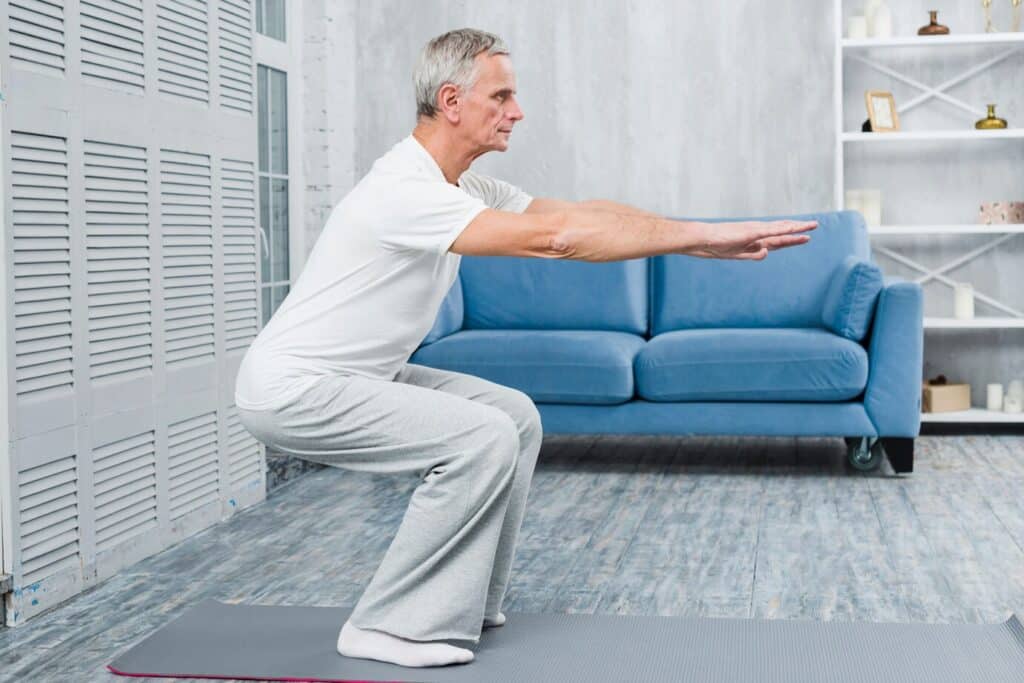
Exercise boosts balance, muscle strength, coordination, and overall emotional health. Activities like tai chi, gentle yoga, and resistance training help reduce fall risks.
Always consult a healthcare provider before beginning a new exercise routine. Additional fall-prevention exercises can be found at the Mayo Clinic.
Ready to Protect Your Loved One? Call Us Today.
Creating a safer home isn’t just a project—it’s a commitment to the well-being of someone you love. Westmont of Escondido is here to support you every step of the way with expert guidance, compassionate care, and helpful tools like an elderly home safety checklist, a free elderly home safety checklist, and a home safety assessment checklist that make fall prevention easier and more effective.
Your loved one deserves safety, comfort, and independence—let us help you make that happen.
📞 Call us today at 760-737-5110
Or schedule a tour to see how we prioritize senior safety and well-being.