

As we age, maintaining a safe living environment becomes more critical—especially in apartment settings where layout, independence, and limited supervision intersect. Families often worry about safety concerns for the elderly in apartments, particularly when it comes to fall risks, emergency preparedness, crime, and home accessibility.
This guide offers practical solutions that address these issues. From home safety inspections for elderly residents to promoting social engagement and health monitoring, this comprehensive resource aims to empower seniors and their families with actionable steps. Whether you’re evaluating your own apartment or helping a loved one, the goal is simple: ensure every senior can live independently, confidently, and safely.
Discover how Lakeview Senior Living in Lincoln City, OR, and similar communities are setting new standards in senior care:
👉 Lakeview Senior Living
Fall Prevention Strategies
One of the most common safety concerns for the elderly in apartments is falling. Over 25% of seniors fall each year, often leading to injury and reduced independence. That’s why safety tips for senior citizens should start with fall prevention.
Improve Mobility and Layout
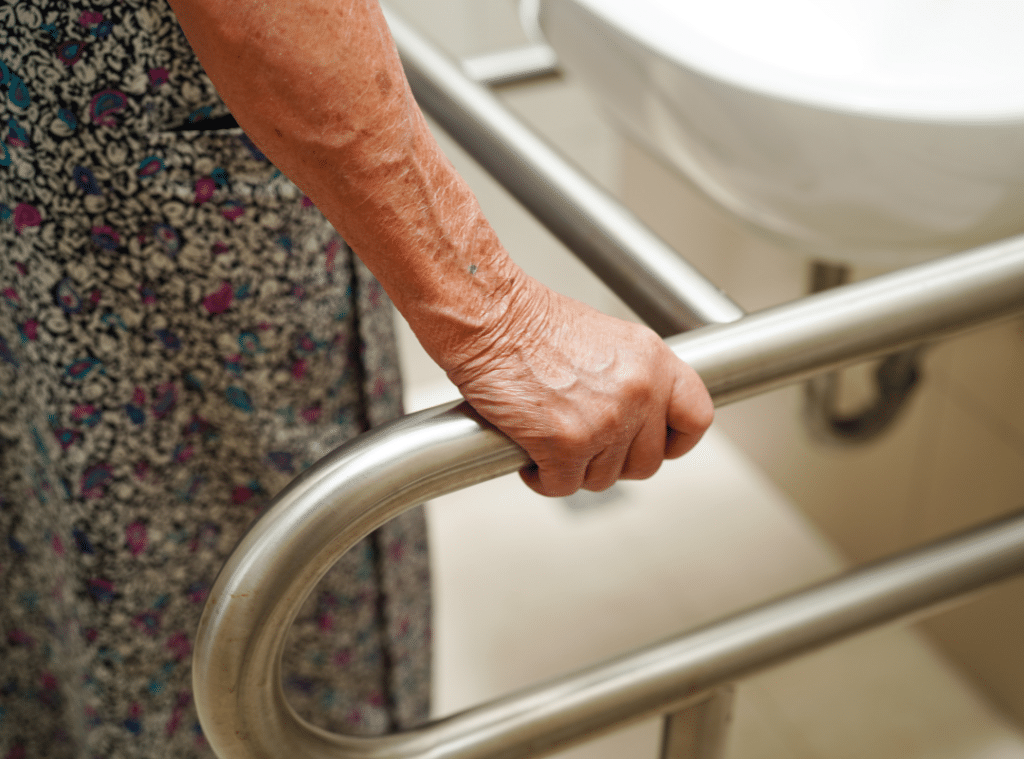
- Add grab bars in hallways and bathrooms.
- Remove tripping hazards like loose rugs or wires.
- Use nightlights in dim hallways and staircases.
Physical Activity Matters
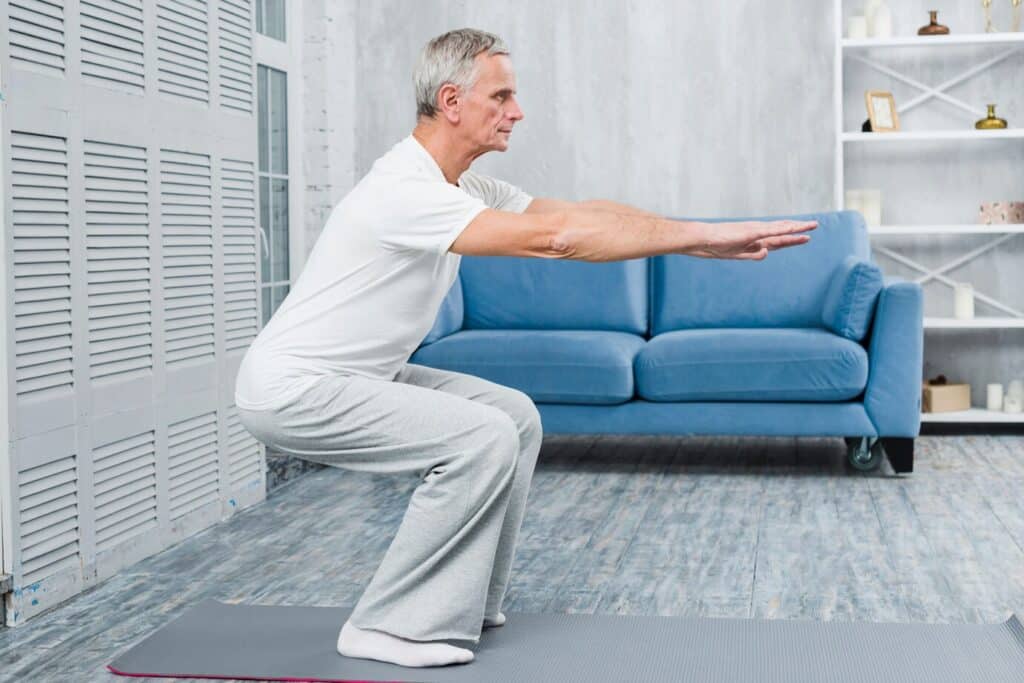
Encouraging balance exercises and mobility aids such as walkers, can boost confidence and strength. Understanding what causes unsteadiness in older people helps in choosing the right preventive measures.
Kitchen Safety Tips
Kitchens can be dangerous for seniors, with risks from burns, cuts, and fire hazards. Here are senior citizens’ problems and solutions related to kitchen safety:
- Store sharp tools and cleaners away from food.
- Use appliances with auto shut-off features.
- Keep fire extinguishers and smoke detectors nearby.
- Label medication or food items clearly to avoid mix-ups.
Family members can help implement senior caregiving essentials that promote confidence and independence in the kitchen.
Emergency Preparedness Measures
Emergencies are unpredictable, and safety for seniors living alone depends on readiness. Here’s how to prepare:
- Keep emergency numbers displayed near every phone.
- Install medical alert systems and wearable devices.
- Establish a simple evacuation plan and review it regularly.
- Conduct a home safety inspection for elderly residents every few months.
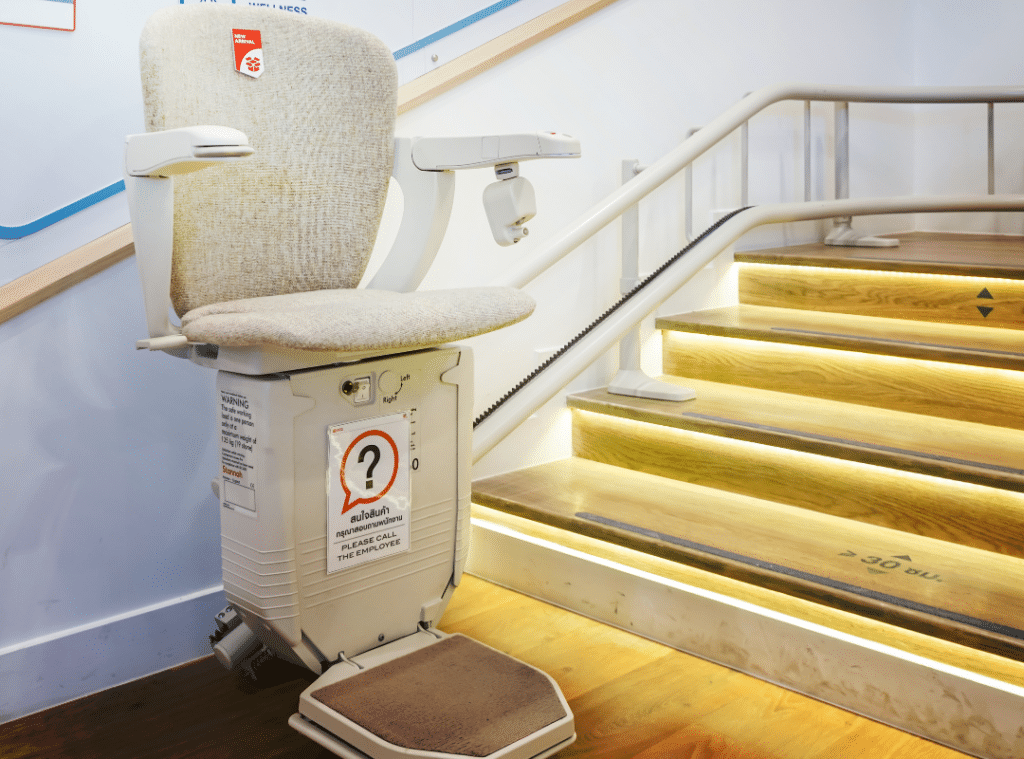
Advanced medical alert systems help ensure rapid response in case of falls or health crises. These systems are especially vital for seniors living independently.
Crime Awareness and Personal Security
Understanding crime risks is vital for apartment safety. Seniors are often targets for scams and break-ins, which makes education and awareness key components of safety tips for senior citizens.
Recognize Scams and Fraud
Scams often start with suspicious calls or emails. Red flags include:
- Pressure to act fast
- Requests for gift card payments
- Claims of lottery winnings or financial windfalls
Learn more about online scams targeting seniors and how to avoid them.
Improve Home Security
- Install peepholes and security cameras at the front door.
- Ensure all windows and doors lock securely.
- Use a video doorbell system.
- Speak regularly with neighbors about suspicious activity.
This kind of vigilance not only provides peace of mind but is a core aspect of safety for seniors living alone.
Living Environment Adjustments
Small changes to the living space can make a big difference in reducing safety concerns for the elderly in apartments.
- Create clear pathways by rearranging furniture.
- Use high-contrast lighting for better visibility.
- Secure cords and wires to walls.
- Place non-slip mats in high-moisture areas like bathrooms and kitchens.
A thorough home safety inspection for elderly residents should include checking lighting, walkways, and accessibility features. For more detailed guidance, consider resources like NIH’s Home Safety Checklist.
Regular Health Monitoring
Health issues often arise without warning, making regular checkups and wellness screenings essential. Senior citizens’ problems and solutions must include a strong emphasis on health.
Preventive Care
- Schedule vision, hearing, and mobility checkups.
- Monitor blood pressure and medications.
- Use telehealth for minor concerns or follow-ups.
Early Detection Is Key
Monitoring for signs of chronic illness helps with early intervention. Keeping a health journal can alert caregivers to patterns or changes. This is a vital part of home safety inspection for elderly people—your body is part of your environment, too.
Building a Support Network
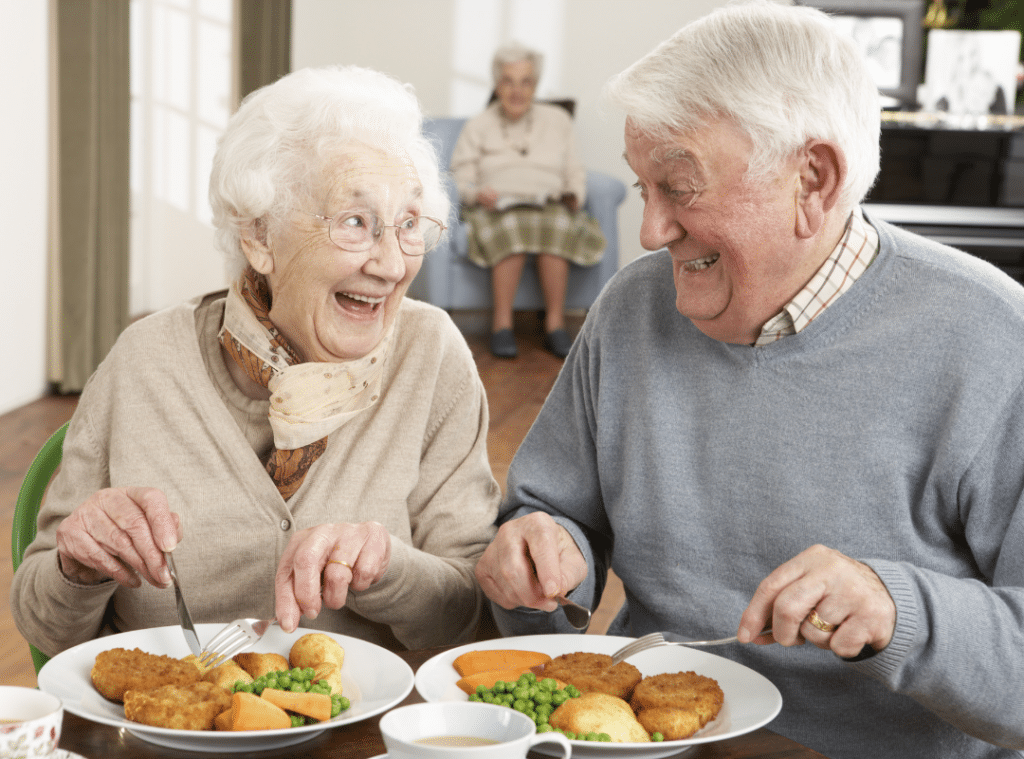
Loneliness is a major issue in senior housing, particularly for those living alone. Forming a support system is one of the most effective safety tips for senior citizens.
Connection Creates Protection
- Check in with neighbors regularly.
- Set up a buddy system for daily check-ins.
- Join senior center activities or library clubs.
Strong networks reduce the feeling of isolation and allow for quicker response if something goes wrong. At Lakeview Senior Living, we encourage connection and community through events and social activities.
If you’re outside of Lincoln City, the Eldercare Locator can help connect you with local resources.
Benefits of a Professional Community
While independent living has its perks, a professional senior community like Lakeview offers added layers of security. From 24/7 assistance to regular wellness checks and social engagement, this kind of setting dramatically reduces safety concerns for the elderly in apartments.
Schedule a tour of Lakeview Senior Living to see firsthand how we prioritize safety, comfort, and connection.
Take Charge of Your Safety Today
The path to secure and confident senior living starts with knowledge and action. By focusing on safety concerns for the elderly in apartments, practicing regular home safety inspections for the elderly, and learning effective safety tips for senior citizens, you can reduce risks significantly. Tackling senior citizens’ problems and solutions doesn’t mean sacrificing independence—it means enhancing it.
At Lakeview Senior Living, your well-being is our top priority. We offer personalized care, safe environments, and vibrant community life.
📞 Call us today at 541-994-7400
🌐 Or take your first step by scheduling a tour
Discover a safe, enriching lifestyle where you or your loved one can thrive—because peace of mind is the foundation of joyful living.
Frequently Asked Questions
What are the safety precautions for the elderly?
Safety precautions for the elderly often focus on preventing falls, accidents, and health-related emergencies. Installing grab bars in bathrooms, ensuring proper lighting, and removing tripping hazards like loose rugs are key measures. Regular medical check-ups and medication management also help reduce risks. Additionally, providing easy access to emergency contacts and devices like medical alert systems ensures a quick response in case of emergencies.
What are the 5 reasons that elderly people have more safety concerns than others do?
Elderly individuals face more safety concerns due to age-related physical and cognitive changes. Reduced balance and muscle strength increase the risk of falls, while chronic health conditions make recovery slower. Vision and hearing impairments can make it difficult to detect hazards. Medication side effects may also cause dizziness or confusion. Lastly, living alone or lacking immediate support can make emergencies more dangerous.
What are the most common home health and safety risks for older people?
The most common risks for older people at home include falls, which are often caused by clutter, slippery floors, or uneven surfaces. Fire hazards from unattended cooking or faulty wiring also pose dangers. Poor lighting and loose stair railings can contribute to accidents. Additionally, improper medication storage or misuse can create serious health risks. These hazards highlight the importance of regular safety checks and adjustments in the home.
How do you maintain the safety of an elderly patient?
Maintaining the safety of an elderly patient requires a combination of preventive measures and ongoing care. Caregivers should ensure a clean, clutter-free environment with supportive equipment like walkers or handrails. Monitoring health conditions, following prescribed medications, and encouraging safe mobility practices are essential. Emotional support and regular communication also help reduce confusion and stress, which can improve overall safety. Using technology like fall detectors or emergency response systems provides added security.