

Cooking and eating well should feel comforting, enjoyable, and stress-free—especially as we age. At Westmont Village Homes, thoughtfully prepared recipes for seniors help support energy, strength, and overall wellness without sacrificing flavor. From hearty soups to soft, satisfying meals, the right recipes can turn everyday dining into something truly special.
Whether you’re preparing meals for yourself or a loved one, focusing on nutrient-rich ingredients and easy preparation makes healthy eating more accessible. Below, we explore delicious ideas, smart nutrition tips, and comforting dishes designed to make every bite both enjoyable and nourishing.
The Role of Nutrition in Healthy Aging
As we grow older, our bodies process nutrients differently, making balanced meals more critical than ever. A diet rich in protein, fiber, calcium, and vitamin D supports muscle strength, digestion, and bone health. Well-planned healthy recipes for seniors can help reduce fatigue, support mobility, and improve overall quality of life.
Protein plays a key role in maintaining muscle mass, while calcium and vitamin D work together to keep bones strong. Fiber supports digestion and heart health, which becomes increasingly important with age. According to the Academy of Nutrition and Dietetics, seniors benefit greatly from meals that combine these essential nutrients in simple, approachable ways.
At Westmont Village Homes, nutrition-focused dining ensures residents receive meals that are both enjoyable and thoughtfully prepared. Nutrition programs can also be valuable resources for learning how to make balanced food choices at home.
Delicious and Easy Fiber-Focused Meals
Fiber is essential for digestive health, yet many older adults don’t get enough of it. Including fruits, vegetables, legumes, and whole grains in daily meals helps prevent constipation and supports heart health. Many simple recipes for seniors naturally incorporate fiber while remaining easy to prepare.
Try a warm quinoa salad mixed with roasted vegetables for a colorful, filling dish. Lentil soup is another excellent option—rich in fiber, protein, and flavor, while being soft and easy to eat. Cooking methods like roasting and steaming enhance taste without overwhelming textures, making them ideal for seniors.
You can find more inspiration by exploring these nutritious recipes created specifically for older adults. Fiber-rich meals can be both comforting and exciting, proving that healthy eating never has to feel boring.
Protein-Packed Meals That Are Gentle and Satisfying
Protein supports muscle strength, immune health, and recovery, making it a cornerstone of effective recipes for seniors. Many older adults benefit from high-protein meals that are easy to chew and digest.
Mini meatloaves made with lean turkey are a perfect example. They’re soft, flavorful, and easy to portion. Hearty lentil soup offers a plant-based protein option that pairs well with whole-grain bread. For breakfast or lunch, vegetable omelets made with eggs or egg whites deliver protein while allowing endless flavor combinations.
These meals are excellent examples of simple recipes for seniors that don’t require complicated steps. Research also shows that balanced nutrition helps reduce chronic disease risk and supports mental clarity in older adults.
Cooking for Chewing Comfort and Ease
Many seniors experience dental challenges or difficulty chewing, making the texture of food just as important as its nutrition. Thoughtfully prepared recipes for the elderly with chewing problems focus on soft textures while keeping flavors rich and satisfying.
Soups, casseroles, scrambled eggs, and slow-cooked vegetables are excellent options. Dishes like mashed sweet potatoes, soft lentils, and baked fish flake easily and require minimal effort to enjoy. These meals can be seasoned gently to enhance taste without overpowering sensitive palates.
By choosing the right cooking techniques—such as simmering, baking, or slow cooking—you can create recipes for the elderly with chewing problems that feel comforting rather than restrictive. These meals help maintain independence while ensuring proper nutrition.
Calcium and Vitamin D Made Simple
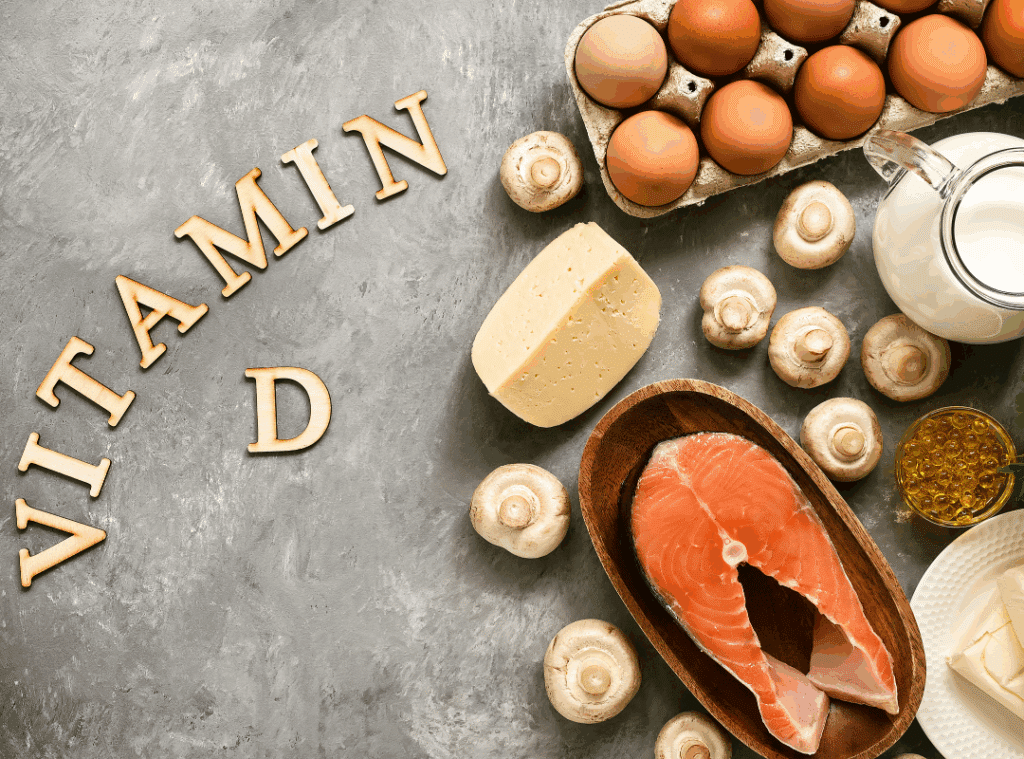
Strong bones are essential for mobility and independence, making calcium and vitamin D vital nutrients for seniors. Incorporating them into everyday meals doesn’t have to be complicated when following healthy recipes for seniors.
Here are easy ways to add them to daily cooking:
- Include Dairy Products – Low-fat milk, yogurt, and cheese are excellent calcium sources.
- Use Leafy Greens – Spinach, kale, and collard greens blend well into soups and omelets.
- Choose Fortified Foods – Cereals and plant-based milks often include added calcium and vitamin D.
- Foods like fatty fish and fortified dairy products provide vitamin D, supporting immune health and reducing osteoporosis risk.
These nutrients are essential components of long-term wellness and are seamlessly incorporated into meals at Westmont Village Homes.
Heart-Healthy Choices Seniors Love
Heart health becomes increasingly important with age, and smart meal planning can make a big difference. Many old-fashioned meals for older adults can be updated with heart-smart ingredients while keeping familiar flavors.
Mini meatloaves with lean protein, carrot soup seasoned with coriander, and roasted vegetables drizzled with olive oil provide nutrients without excess sodium or saturated fat. Almonds, fresh fruit, and whole grains make excellent snacks that support cardiovascular health.
Using herbs and spices like garlic, basil, and turmeric adds flavor without extra salt. A nourishing diet plays a major role in maintaining energy, mobility, and overall happiness in later years.
Comfort Foods with a Healthy Twist
There’s something special about old-fashioned meals for older adults—they bring warmth, familiarity, and comfort. With a few adjustments, these favorites can also become nutritious staples.
Think baked chicken with soft vegetables, oatmeal topped with fruit, or classic soups made with lean protein and fresh herbs. These meals feel familiar while aligning with modern healthy recipes for seniors that support long-term wellness.
Comfort food doesn’t have to mean unhealthy food. By choosing wholesome ingredients and gentle cooking methods, seniors can enjoy their favorite flavors while supporting their health goals.
Discover More at Westmont Village Homes
At Westmont Village Homes, nutritious meals seniors enjoy every day feature balanced dining that focuses on protein, fiber, calcium, and vitamin D—without sacrificing flavor. From lentil soups to vegetable omelets, every meal is crafted with care.
Discover more delightful recipes that enhance health by visiting our website at Westmont Village Homes.
Ready to Enjoy Stress-Free, Nutritious Dining Every Day?
At Westmont Village Homes, we believe great food brings people together and supports vibrant senior living. Our thoughtfully prepared recipes for seniors are designed to nourish the body, delight the senses, and make every mealtime something to look forward to.
📞 Call us today at 951-697-2060 to learn more about our dining experience.
🏡 Or schedule a tour by visiting this link.
Let us help you or your loved one enjoy delicious, comforting, and nutritious meals—every single day.
Frequently Asked Questions
What are five foods that seniors should eat?
Seniors benefit from foods that support muscle strength, bone health, and digestion. Lean proteins like fish, chicken, and eggs help maintain muscle mass as the body ages. Leafy greens and colorful vegetables provide essential vitamins and antioxidants. Whole grains support heart health and digestion, while dairy or fortified alternatives help meet calcium and vitamin D needs. Including these foods regularly can support overall energy and long-term wellness.
What is a good menu for seniors?
A good menu for seniors focuses on balance, simplicity, and nutrient density. Meals should include a source of protein, fiber-rich vegetables, healthy fats, and whole grains. For example, breakfast might include oatmeal with fruit, lunch could be grilled fish with vegetables, and dinner might feature lean meat with a soft grain like rice or quinoa. Snacks such as yogurt, fruit, or nuts help maintain steady energy throughout the day. Hydration should also be part of every daily menu.
What to cook for an elderly person?
When cooking for an elderly person, meals should be easy to chew, easy to digest, and full of flavor. Soft-cooked vegetables, soups, stews, and baked dishes are often ideal choices. Protein-rich options like eggs, slow-cooked meats, or legumes help support strength and recovery. Seasonings should enhance taste without relying heavily on salt. Simple, familiar meals often encourage better appetite and enjoyment.
What are comfort foods for seniors?
Comfort foods for seniors are typically familiar, warm, and easy to eat. Examples include mashed potatoes, oatmeal, soups, casseroles, and soft pasta dishes. These foods often offer emotional comfort while remaining gentle on digestion. Healthier versions can be made by adding vegetables, lean proteins, or whole grains. Comfort foods can support both nutrition and emotional well-being when prepared thoughtfully.