


Falls are one of the leading causes of injury in older adults, yet many falls are preventable. Families and caregivers can significantly reduce risks by understanding the causes, recognizing the symptoms to look for after a fall in the elderly, and implementing proactive solutions. From medication reviews to home safety modifications, there’s a wide range of strategies to help seniors stay independent and safe.
At Westmont of Culver City, fall prevention is a key component of resident care. Our goal is to ensure seniors feel secure, empowered, and confident as they navigate their daily routines—because peace of mind starts with protection.
Understanding the Risk of Falls in Seniors
Falls in seniors are often caused by a combination of factors. As people age, changes in vision, reflexes, and muscle strength can impair mobility. Chronic illnesses like arthritis, diabetes, and heart disease increase vulnerability, while medications may cause dizziness or confusion.
The consequences of falls in the elderly can be serious, including fractures, head trauma, and long-term hospitalization. In fact, studies show that the life expectancy after a fall in the elderly may decline significantly, especially if the fall leads to reduced mobility or independence.
By recognizing risk factors early on and intervening with preventive care, seniors can maintain their quality of life and avoid costly or painful complications.
Explore more about what causes unsteadiness in older people and how to prevent it.
The Vital Role of Bone Health in Fall Prevention
One of the best defenses against injury from falls is building stronger bones. Adequate calcium and vitamin D intake helps maintain bone density, reducing the risk of fractures.
Nutrition Support: Calcium & Vitamin D
Getting enough calcium from leafy greens, dairy, or fortified foods supports bone strength, while vitamin D improves calcium absorption. When dietary intake is insufficient, doctors may recommend supplements to fill the gap. Poor bone health can make even minor falls dangerous for older adults.
A good foundation in nutrient density is essential to help seniors maintain mobility and protect against long-term injury.
Physical Activity Builds Protection
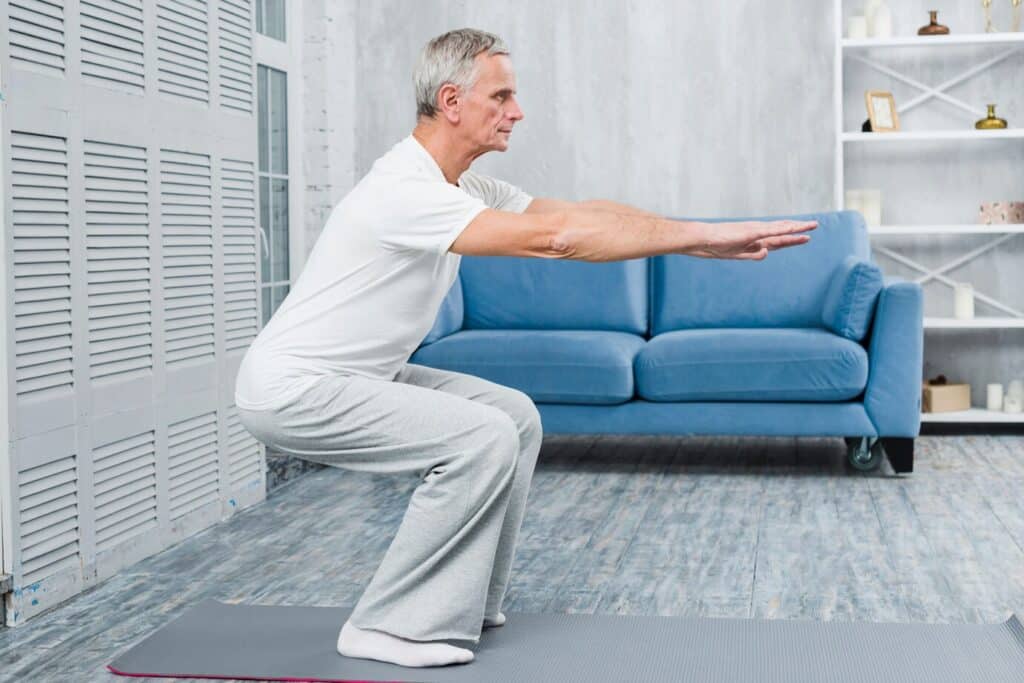
Exercise, particularly strength and balance training, enhances both bone density and flexibility. Whether it’s walking, resistance training, or yoga, physical activity keeps muscles strong and reflexes sharp. Seniors who remain active have a lower risk of falls and recover faster if one occurs.
Read about effective mobility exercises for seniors that promote safe and confident movement.
Smart Home Modifications to Prevent Falls
Preventing falls in seniors often starts in the home. Small changes can make a big impact:
- Remove loose rugs or clutter that may trip someone.
- Add grab bars in bathrooms and along staircases.
- Improve lighting in hallways and entrances.
- Use non-slip mats in the kitchen and shower.
These environmental upgrades support safety and help avoid the symptoms to look for after a fall in the elderly, such as bruising, disorientation, or limited mobility.
For a checklist of fall safety tips and prevention strategies, Westmont of Culver City offers ongoing support.
Exercise and Balance Training for Fall Prevention
Balance and coordination can decline with age, but structured physical activity helps counteract that loss. Regular movement isn’t just about fitness—it’s about independence.
Strength Training
Building core and lower-body strength supports stability. Resistance bands, light weights, and bodyweight exercises (like sit-to-stands) are accessible options for seniors. Just two sessions per week can reduce the risk of falls dramatically.
Strength Training Benefits:
| Physical Benefits | Emotional Benefits | Daily Implementation |
| Stronger muscles | Increased confidence | Home or group workouts |
| Better balance | Reduced anxiety | Resistance bands |
| Improved posture | Greater independence | Chair-based exercises |
Check out senior fitness routines specifically created for fall prevention.
Balance-Focused Activities
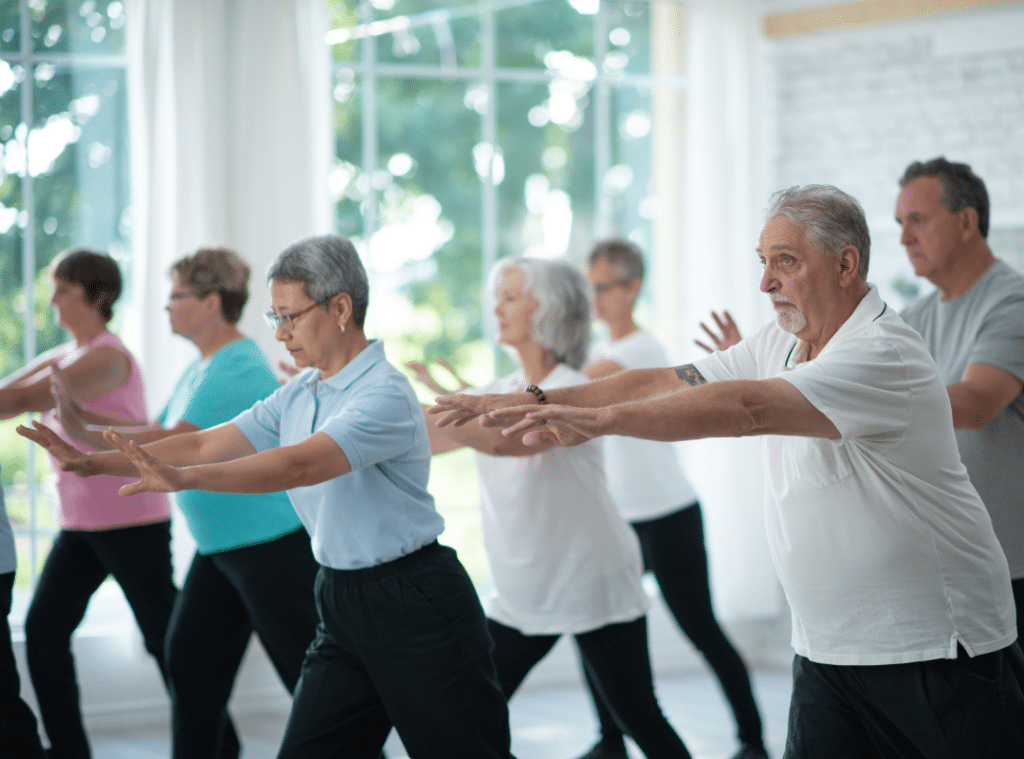
Balance exercises like heel-to-toe walking, single-leg stands, and tai chi are especially beneficial. These improve neuromuscular response and coordination, which are key in preventing missteps.
Fun Daily Movement
Routine movement like walking or gardening helps seniors stay engaged and physically capable. These activities improve both strength and mental health, reinforcing confidence in movement and making daily tasks easier.
Reviewing Medications: A Crucial Fall Prevention Step
One commonly overlooked factor in falls is medication. Some prescriptions can cause lightheadedness, fatigue, or confusion—all major contributors to accidents. Regularly reviewing medications with a healthcare provider helps minimize these risks.
Steps for a Safe Medication Plan:
- Share all prescriptions, supplements, and OTC meds with your doctor.
- Discuss potential side effects, especially dizziness or drowsiness.
- Avoid interactions by simplifying your medication list when possible.
- Schedule frequent medication reviews—especially after a fall.
Learn more from the CDC’s Fall Prevention guidelines for seniors and caregivers.

What to Do After a Fall: Key Next Steps
If a fall does occur, it’s essential to assess the situation calmly and seek help if needed. Knowing the symptoms to look for after a fall in the elderly—like confusion, inability to stand, or visible bruising—is vital.
When in doubt, get a medical evaluation. The consequences of falls in the elderly can sometimes appear days later, especially in cases of internal injuries or brain trauma.
Unfortunately, life expectancy after a fall in the elderly may decline, particularly if the individual becomes bedridden or loses independence. That’s why every fall must be taken seriously and followed up with proper care.
Resources That Help Prevent Falls in Seniors
Taking advantage of reliable resources can improve fall prevention efforts:
- National Council on Aging: Offers online programs and education.
- Rebuilding Together: Provides home modifications for low-income seniors.
- Westmont Community Resources: Provides fitness classes, fall-prevention workshops, and personalized wellness plans.
Take Action Today to Protect Your Loved Ones
Every step you take toward preventing falls in seniors makes a difference. From strengthening bones and muscles to modifying living spaces and reviewing medications, you’re building a foundation of safety and peace of mind.
At Westmont of Culver City, we support seniors with a comprehensive care approach designed to reduce fall risks and enhance quality of life. Ready to explore our fall-prevention care, exercise programs, and supportive services?
📞 Call us at 310-736-4118 or
📅 Schedule a tour today
and take the first step toward a safer, more confident future.
Frequently Asked Questions
What to do if an elderly person keeps falling?
If an elderly person keeps falling, it’s important to first ensure their immediate safety by removing tripping hazards, improving lighting, and using assistive devices like canes or walkers. A medical evaluation should be scheduled to check for balance issues, medication side effects, or underlying health problems. Physical therapy can also help improve strength and coordination, reducing fall risks. In some cases, home modifications such as grab bars and non-slip mats may be necessary to create a safer environment.
What happens after an elderly person falls?
After a fall, the first step is to assess whether the person is injured and seek medical help if needed. Falls in seniors can cause fractures, head injuries, or reduced mobility, even if injuries aren’t immediately visible. Emotional effects, such as fear of falling again, may also limit their confidence and activity levels. Following up with a healthcare provider is essential to identify the causes and prevent future incidents.
What is the most common cause of falls in the elderly?
The most common cause of falls in the elderly is a combination of muscle weakness and balance issues. Other contributing factors include medications that cause dizziness, poor vision, and unsafe home environments like clutter or slippery floors. Chronic conditions such as arthritis, diabetes, or neurological disorders also increase the risk. Identifying these causes early can help families and caregivers create effective fall-prevention strategies.
How long does it take for an elderly person to recover from a fall?
Recovery time after a fall depends on the severity of the injury and the overall health of the elderly person. Minor bruises may heal within a few weeks, while fractures or surgeries can require several months of rehabilitation. Seniors often need physical therapy to regain strength and confidence. For some, recovery may be slower due to pre-existing health conditions, so patience and consistent support are vital.