

Step Into Westmont Living®

Comprehensive Services Offered in Assisted Living, Culver City

Choosing assisted living in Culver City is more than a decision about care—it’s a step toward a more vibrant, supported, and independent life. At Westmont of Culver City, you’ll find a compassionate community offering the perfect balance of care and freedom. If you or your loved one is considering assisted living, you might feel overwhelmed with options, questions about cost, and how to maintain a good quality of life. That’s where we come in.

Whether you need help with daily activities, medication, or simply crave a lifestyle with built-in social engagement, our community offers customized solutions to match your needs. From health programs to chef-inspired meals and reliable transportation, we’ve thought of everything. Discover how the right support in assisted living in Culver City can elevate your daily life.

Personalized Care and Specialized Memory Support

Individual Attention Makes the Difference

Personal care is at the heart of our services. At Westmont, we tailor care plans to suit the physical, emotional, and cognitive needs of each resident. From daily hygiene to mobility assistance, every detail is managed with dignity and respect.

For individuals facing cognitive challenges, our memory care services provide personalized support for dementia and Alzheimer’s care. Caregivers trained in memory care provide structure, comfort, and familiarity. These customized programs prioritize routine and encourage engagement with cognitive stimulation activities designed to slow cognitive decline and enhance quality of life.

Discover the significance of individualized care plans that distinguish our memory care program.

Safe and Smart Medication Management

One of the most critical components of assisted living in Culver City is proper medication management. With professional supervision, residents no longer have to worry about missing doses or medication errors.

Dosage Monitoring Is a Lifeline

Precise dosage monitoring ensures your prescriptions are effective and safe. Incorrect doses can cause side effects or make medications less effective. In our community, trained staff ensure medications are taken exactly as prescribed—on time, every time.

We also incorporate smart medication management systems that improve safety and reduce human error.

Seamless Coordination with Healthcare Providers

Our team collaborates closely with external healthcare professionals to ensure your medication plan remains aligned with your ongoing care needs. This integrated care model offers peace of mind and better health outcomes.

This high-touch approach to medication is part of our larger commitment to personalized health care, giving you the best chance at optimal wellness.

Nutritious Dining and Engaging Culinary Experiences

Meals Designed for Wellness and Taste

One of the key attractions of assisted living in Culver City is the delightful dining experience. Meals are not just about nourishment—they’re about community, flavor, and lifestyle. Our culinary team prepares fresh, seasonal menus tailored to residents’ nutritional needs and taste preferences.

You’ll also enjoy opportunities to join cooking classes and themed dining nights that bring people together and promote healthier habits.

With oversight from dietary professionals, your nutrition is carefully managed to prevent risks like malnutrition, and our assisted living dietary programs are crafted to boost your energy and mood every day.

Housekeeping, Laundry, and Transportation

Daily living tasks shouldn’t limit your freedom. That’s why our services include full support in maintaining a tidy, organized, and comfortable living space.

  • Housekeeping: Routine cleaning ensures a clutter-free and sanitized environment.
  • Laundry: Let us handle the washing and folding so you can enjoy more free time.
  • Transportation: Need to go shopping or to a doctor’s appointment? Our shuttle service takes the stress out of commuting.

If you’re comparing options for assisted living in Culver City for rent, knowing that these services are included adds real value.


assisted living culver city


Holistic Health and Social Wellness Programs

Activities That Keep You Moving and Connected

At Westmont, wellness is more than just staying physically healthy—it’s about nurturing the body, mind, and soul. Residents benefit from:

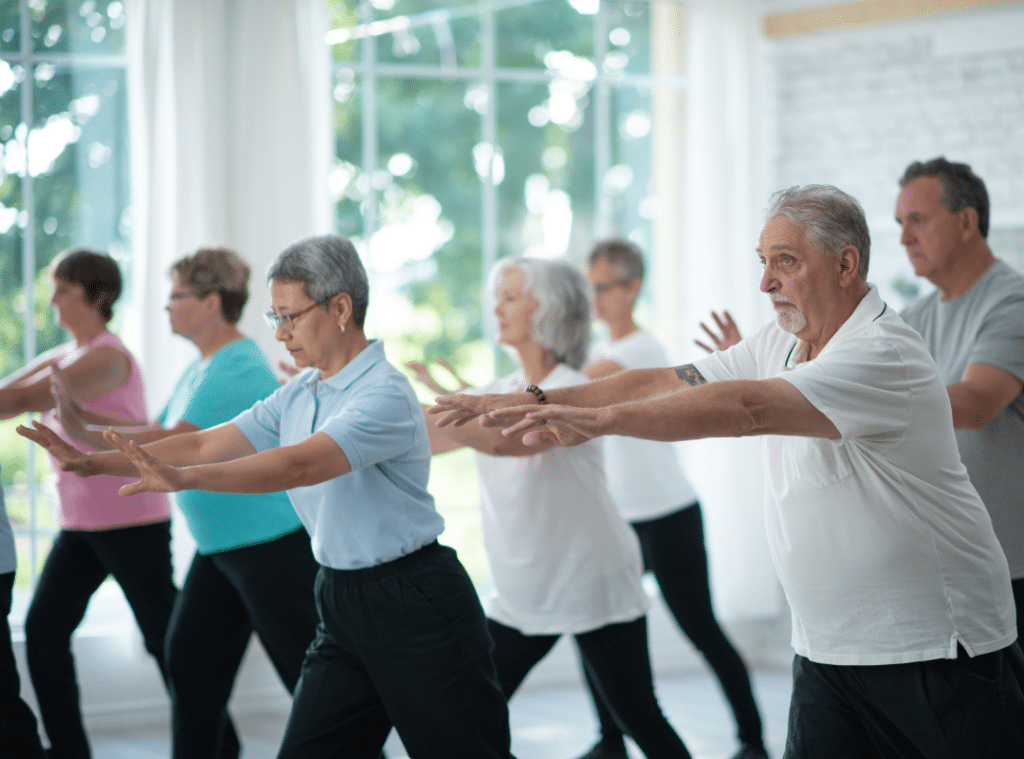
  • Yoga, chair aerobics, and walking clubs
  • Nutrition counseling
  • Group outings and movie nights
  • Arts, crafts, and music sessions

These wellness and social programs are thoughtfully designed to encourage resident engagement and reduce isolation, a common concern among seniors.

When you’re considering Westmont senior living locations, remember that it’s not just about the facility—it’s about the lifestyle.

For more ideas on senior activities, check out NIA’s guide to engaging older adults.

24/7 Safety and Emergency Response

Always Here When You Need Us

Safety is our top priority. Residents and families can rest assured knowing that Westmont of Culver City has robust emergency response protocols in place:

  • Staff trained in emergency procedures
  • Medical response team available 24/7
  • Emergency call systems in every room
  • Regular safety drills and health checks

When exploring assisted living in Culver City, cost and the level of safety support included are important factors to consider.

You can also learn about broader senior safety tips from the CDC to evaluate any facility’s safety standards.

How Much Does Assisted Living in Culver City Cost?

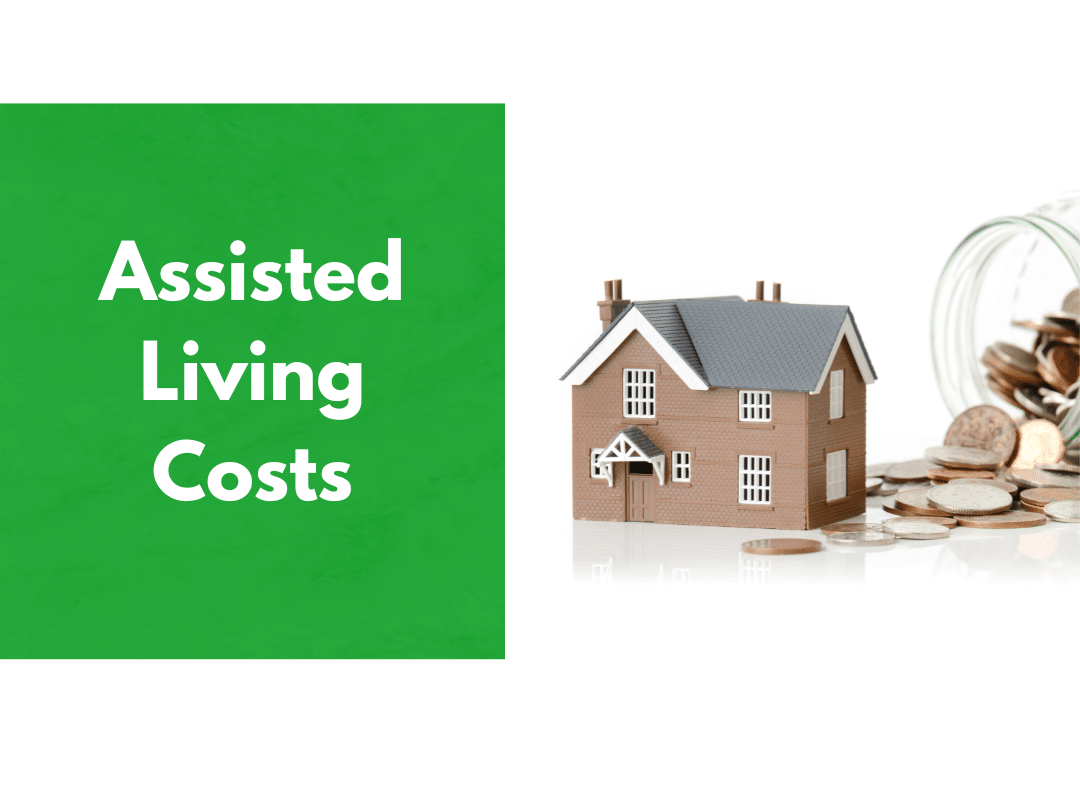
The assisted living Culver City cost depends on your specific care needs, room size, and chosen services. While costs typically start around $3,000/month, your actual investment will vary. That said, it includes care, meals, housekeeping, and access to all amenities, which may offer better value compared to in-home services.

When exploring assisted living in Culver City for rent, be sure to ask what’s included in the monthly rate and whether customized care plans are available. At Westmont of Culver City, transparency is key—our team is here to walk you through every detail.

Ready for a New Chapter? Discover Westmont of Culver City

Choosing assisted living in Culver City means stepping into a life of comfort, community, and personalized support. With services that range from memory care and medication management to vibrant social activities and 24/7 safety, you’re not just finding a place to live—you’re discovering a lifestyle built around you.

Whether you’re comparing Westmont senior living locations or exploring assisted living in Culver City for rent, know that Westmont offers a thoughtful, resident-first approach that empowers you to live fully.

📞 Call us today at 310-736-4118 or schedule a tour to see firsthand how Westmont of Culver City can elevate your lifestyle.


Compare The Costs of Senior Living vs Staying at Home

How Do The Costs Of Moving Into A Quality Senior Care Community Compare With The Costs Of Staying At Home?


Frequently Asked Questions

What is the average cost of assisted living in Los Angeles?

The average cost of assisted living in Los Angeles typically ranges between $4,000 and $6,000 per month, depending on the community, location, and level of care provided. Costs may increase if a resident requires specialized services such as memory care or additional medical support. While this may seem expensive, many communities include meals, activities, transportation, and housekeeping in their monthly fees. Families should compare options and request a detailed breakdown of what’s included to make an informed decision.

Will Medicare pay for assisted living in California?

Medicare does not cover assisted living costs in California, as its primary focus is on hospital care, skilled nursing, and short-term rehabilitation. However, certain medical services provided within an assisted living community, like therapy or doctor visits, may be partially covered. Seniors who require assistance with daily living activities typically must pay out of pocket, use long-term care insurance, or explore Medi-Cal programs for support. Families need to check all available benefits to maximize support.

What is the cheapest way for a senior to live?

The cheapest way for a senior to live often depends on individual needs and available resources. Options include aging in place with in-home care support, sharing housing with family, or exploring low-income senior housing programs. Many communities and government agencies offer subsidies or affordable housing options tailored for seniors. Researching local programs, applying for assistance, and planning ahead can significantly reduce overall living expenses.


Key Tips on Preventing Falls in Seniors to Ensure Their Safety

Falls are one of the leading causes of injury in older adults, yet many falls are preventable. Families and caregivers can significantly reduce risks by understanding the causes, recognizing the symptoms to look for after a fall in the elderly, and implementing proactive solutions. From medication reviews to home safety modifications, there’s a wide range of strategies to help seniors stay independent and safe.

At Westmont of Culver City, fall prevention is a key component of resident care. Our goal is to ensure seniors feel secure, empowered, and confident as they navigate their daily routines—because peace of mind starts with protection.


Understanding the Risk of Falls in Seniors

Falls in seniors are often caused by a combination of factors. As people age, changes in vision, reflexes, and muscle strength can impair mobility. Chronic illnesses like arthritis, diabetes, and heart disease increase vulnerability, while medications may cause dizziness or confusion.

The consequences of falls in the elderly can be serious, including fractures, head trauma, and long-term hospitalization. In fact, studies show that the life expectancy after a fall in the elderly may decline significantly, especially if the fall leads to reduced mobility or independence.

By recognizing risk factors early on and intervening with preventive care, seniors can maintain their quality of life and avoid costly or painful complications.

Explore more about what causes unsteadiness in older people and how to prevent it.

The Vital Role of Bone Health in Fall Prevention

One of the best defenses against injury from falls is building stronger bones. Adequate calcium and vitamin D intake helps maintain bone density, reducing the risk of fractures.

Nutrition Support: Calcium & Vitamin D

Getting enough calcium from leafy greens, dairy, or fortified foods supports bone strength, while vitamin D improves calcium absorption. When dietary intake is insufficient, doctors may recommend supplements to fill the gap. Poor bone health can make even minor falls dangerous for older adults.

A good foundation in nutrient density is essential to help seniors maintain mobility and protect against long-term injury.

Physical Activity Builds Protection

Exercise, particularly strength and balance training, enhances both bone density and flexibility. Whether it’s walking, resistance training, or yoga, physical activity keeps muscles strong and reflexes sharp. Seniors who remain active have a lower risk of falls and recover faster if one occurs.

Read about effective mobility exercises for seniors that promote safe and confident movement.

Smart Home Modifications to Prevent Falls

Preventing falls in seniors often starts in the home. Small changes can make a big impact:

  • Remove loose rugs or clutter that may trip someone.
  • Add grab bars in bathrooms and along staircases.
  • Improve lighting in hallways and entrances.
  • Use non-slip mats in the kitchen and shower.

These environmental upgrades support safety and help avoid the symptoms to look for after a fall in the elderly, such as bruising, disorientation, or limited mobility.

For a checklist of fall safety tips and prevention strategies, Westmont of Culver City offers ongoing support.


falls in seniors

Exercise and Balance Training for Fall Prevention

Balance and coordination can decline with age, but structured physical activity helps counteract that loss. Regular movement isn’t just about fitness—it’s about independence.

Strength Training

Building core and lower-body strength supports stability. Resistance bands, light weights, and bodyweight exercises (like sit-to-stands) are accessible options for seniors. Just two sessions per week can reduce the risk of falls dramatically.

Strength Training Benefits:

Physical Benefits Emotional Benefits Daily Implementation
Stronger muscles Increased confidence Home or group workouts
Better balance Reduced anxiety Resistance bands
Improved posture Greater independence Chair-based exercises

Check out senior fitness routines specifically created for fall prevention.

Balance-Focused Activities

Balance exercises like heel-to-toe walking, single-leg stands, and tai chi are especially beneficial. These improve neuromuscular response and coordination, which are key in preventing missteps.

Fun Daily Movement

Routine movement like walking or gardening helps seniors stay engaged and physically capable. These activities improve both strength and mental health, reinforcing confidence in movement and making daily tasks easier.

Reviewing Medications: A Crucial Fall Prevention Step

One commonly overlooked factor in falls is medication. Some prescriptions can cause lightheadedness, fatigue, or confusion—all major contributors to accidents. Regularly reviewing medications with a healthcare provider helps minimize these risks.

Steps for a Safe Medication Plan:

  1. Share all prescriptions, supplements, and OTC meds with your doctor.
  2. Discuss potential side effects, especially dizziness or drowsiness.
  3. Avoid interactions by simplifying your medication list when possible.
  4. Schedule frequent medication reviews—especially after a fall.

Learn more from the CDC’s Fall Prevention guidelines for seniors and caregivers.

falls in seniors

What to Do After a Fall: Key Next Steps

If a fall does occur, it’s essential to assess the situation calmly and seek help if needed. Knowing the symptoms to look for after a fall in the elderly—like confusion, inability to stand, or visible bruising—is vital.

When in doubt, get a medical evaluation. The consequences of falls in the elderly can sometimes appear days later, especially in cases of internal injuries or brain trauma.

Unfortunately, life expectancy after a fall in the elderly may decline, particularly if the individual becomes bedridden or loses independence. That’s why every fall must be taken seriously and followed up with proper care.

Resources That Help Prevent Falls in Seniors

Taking advantage of reliable resources can improve fall prevention efforts:

  • National Council on Aging: Offers online programs and education.
  • Rebuilding Together: Provides home modifications for low-income seniors.
  • Westmont Community Resources: Provides fitness classes, fall-prevention workshops, and personalized wellness plans.

Take Action Today to Protect Your Loved Ones

Every step you take toward preventing falls in seniors makes a difference. From strengthening bones and muscles to modifying living spaces and reviewing medications, you’re building a foundation of safety and peace of mind.

At Westmont of Culver City, we support seniors with a comprehensive care approach designed to reduce fall risks and enhance quality of life. Ready to explore our fall-prevention care, exercise programs, and supportive services?

📞 Call us at 310-736-4118 or
📅 Schedule a tour today
and take the first step toward a safer, more confident future.


What Level of Care Do You Need?

Discover the level of care you or your family member requires. 


Frequently Asked Questions

What to do if an elderly person keeps falling?

If an elderly person keeps falling, it’s important to first ensure their immediate safety by removing tripping hazards, improving lighting, and using assistive devices like canes or walkers. A medical evaluation should be scheduled to check for balance issues, medication side effects, or underlying health problems. Physical therapy can also help improve strength and coordination, reducing fall risks. In some cases, home modifications such as grab bars and non-slip mats may be necessary to create a safer environment.

What happens after an elderly person falls?

After a fall, the first step is to assess whether the person is injured and seek medical help if needed. Falls in seniors can cause fractures, head injuries, or reduced mobility, even if injuries aren’t immediately visible. Emotional effects, such as fear of falling again, may also limit their confidence and activity levels. Following up with a healthcare provider is essential to identify the causes and prevent future incidents.

What is the most common cause of falls in the elderly?

The most common cause of falls in the elderly is a combination of muscle weakness and balance issues. Other contributing factors include medications that cause dizziness, poor vision, and unsafe home environments like clutter or slippery floors. Chronic conditions such as arthritis, diabetes, or neurological disorders also increase the risk. Identifying these causes early can help families and caregivers create effective fall-prevention strategies.

How long does it take for an elderly person to recover from a fall?

Recovery time after a fall depends on the severity of the injury and the overall health of the elderly person. Minor bruises may heal within a few weeks, while fractures or surgeries can require several months of rehabilitation. Seniors often need physical therapy to regain strength and confidence. For some, recovery may be slower due to pre-existing health conditions, so patience and consistent support are vital.


Discover Relaxing Parks in Culver City for Seniors and Their Families

For seniors and families looking to relax, rejuvenate, and reconnect, the parks in Culver City provide the perfect solution. These green spaces offer gentle walking paths, peaceful gardens, and accessible picnic areas that make it easy to enjoy the outdoors safely and comfortably. Whether you’re catching up with loved ones or simply unwinding in nature, Culver City’s parks are welcoming retreats designed with seniors in mind.

In a world that’s often fast-paced and digital, nature offers healing and connection. The best parks in Culver City for seniors promote well-being through fresh air, movement, and meaningful interactions. Read on to discover ideal outdoor destinations for you and your family—all near Westmont of Culver City, a community dedicated to senior wellness.

Learn more about Westmont of Culver City on our website.

Top Parks for Scenic Walks

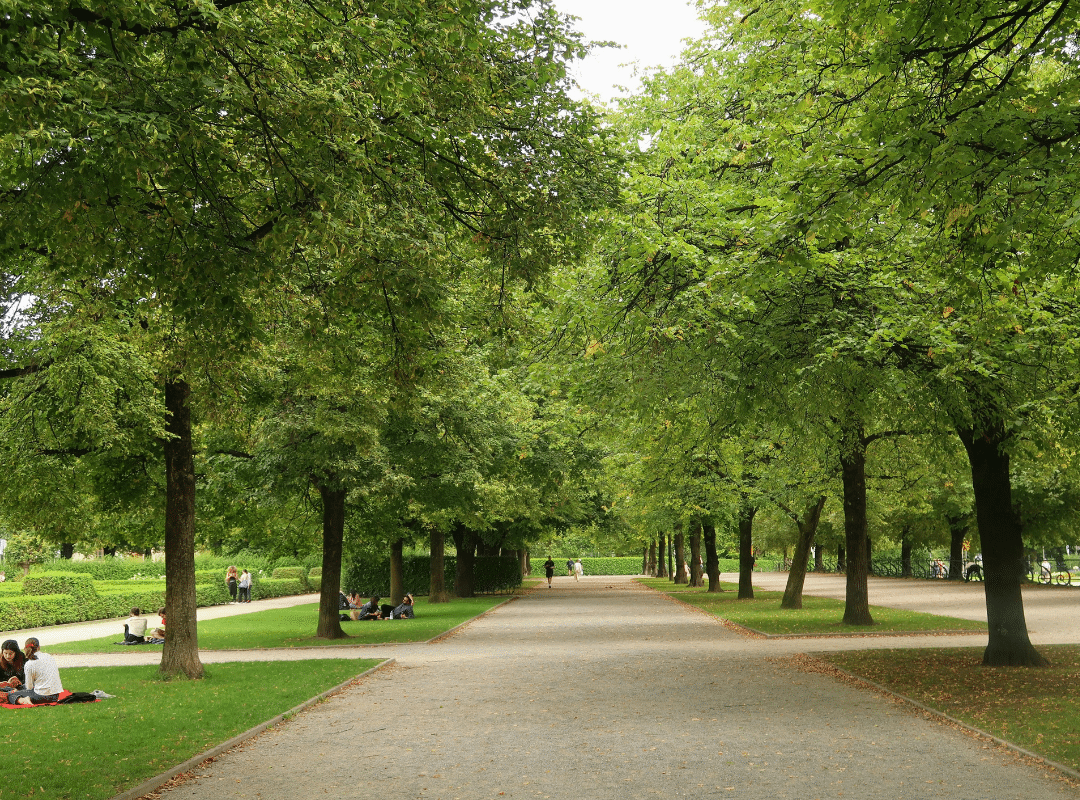
When it comes to parks in Culver City, few compare to Culver City Park, where scenic walking trails wind through lush greenery. These routes offer the ideal pace for seniors, with ample shade and natural beauty to admire.

Veterans Memorial Park also stands out, with wide, well-kept paths and unique art installations, providing both visual stimulation and physical wellness. Exploring these parks encourages movement, supports healthy aging (source), and allows for precious bonding time.

Picnic Areas for Family Gatherings

Family outings are even more memorable when set against the natural backdrop of free parks in Culver City for seniors. These outdoor spaces offer shaded seating, accessible restrooms, and plenty of room to spread out and relax.

Scenic Picnic Spots

Choose a park like El Marino Park or Blair Hills Park to enjoy a laid-back afternoon surrounded by nature. These are the best parks in Culver City for seniors, offering vibrant green spaces, gentle breezes, and comfortable seating—ideal for enjoying good food and laughter with loved ones.

Enjoying a picnic in these settings helps strengthen social connections and supports mental and emotional well-being.

Accessible Facilities Available

All the parks in Culver City for seniors near Culver City, CA, feature accessible walkways and picnic tables, ensuring comfort for everyone in the family. Whether you use a walker or wheelchair, you’ll appreciate wide paved paths, well-maintained restrooms, and flat, shaded areas perfect for a mid-day break.

Recreational Activities Nearby

Many Culver City parks also offer recreational activities, such as art classes, fitness groups, and walking clubs—especially appealing to active older adults. Here’s a quick glance at nearby amenities:

Park Name Amenities
Culver City Park BBQs, shaded tables
Veterans Park Walking trails, playgrounds
El Marino Park Sports fields, picnic tables
Blair Hills Park Quiet sitting areas, scenic views

Want to bring something extra to your picnic? Try these fun nature-themed snacks to add charm to your outing.

Nature Trails for Gentle Strolls

Prefer a calm nature walk? Culver City’s parks feature easy trails for all mobility levels. These paths are ideal for short, enjoyable strolls that allow you to immerse yourself in local flora and fauna.

Best parks in Culver City for seniors, like Blair Hills Park, are known for their gentle slopes and benches positioned along the way—perfect for a breather or conversation.

To get even more from your walks, check out the National Institute on Aging’s walking tips for seniors.

Gardens for Tranquil Moments

Sometimes, the best way to enjoy the outdoors is simply to sit and soak in your surroundings.

Serene Garden Spaces

Several parks in Culver City offer thoughtfully maintained garden areas, complete with vibrant flowers and cozy nooks. These spaces are ideal for reading, chatting, or enjoying a moment of quiet reflection.

Peaceful Nature Trails

These peaceful trails are also great spots for seniors near Culver City, CA, to engage in birdwatching or meditation. Enjoy soft footpaths under your feet and the rustle of leaves overhead—nature’s perfect lullaby.


parks in culver city


Playgrounds for Grandchildren’s Fun

Nothing lights up a grandparent’s day like watching grandchildren laugh and play. Culver City parks feature bright, safe playgrounds where kids can run, climb, and explore while you relax on nearby benches.

While the little ones enjoy slides and swings, you can enjoy a snack, chat with fellow caregivers, or simply relish the view. These moments of grandchild bonding are often the most treasured.

Community Events for Social Engagement

Throughout the year, Culver City hosts free events in public parks. From seasonal festivals to group exercise classes and art fairs, there’s always something to do.

Join local social clubs or attend educational workshops that support lifelong learning and community involvement.

Meeting new people while enjoying nature adds joy and purpose to your day—and that’s what parks in Culver City are all about.

Accessibility Features for Seniors

Safety and comfort are top priorities in parks in Culver City for seniors near Culver City, CA. You’ll find paved paths, ample lighting, ramps, and strategically placed seating throughout most public parks.

From wheelchair-friendly restrooms to shaded rest areas, the thoughtful design helps everyone enjoy time outdoors with ease.

So whether you’re out for a walk, picnic, or grandchild’s soccer game, Culver City has made sure seniors feel welcome and secure.

Make the Outdoors Part of Your Life Today

The best parks in Culver City aren’t just beautiful—they’re functional, accessible, and community-driven. These green spaces provide seniors and families with opportunities to bond, relax, and enjoy life outdoors.

Spending time outside can help reduce stress, lower blood pressure, and improve mood—especially when shared with loved ones. Why not schedule a visit to one of these free parks in Culver City for seniors and create memories that will last a lifetime?

At Westmont of Culver City, we’re proud to support active lifestyles for seniors. For more information or to schedule a tour of our community, please call us at 310-736-4118 or click here to schedule a visit.


What Level of Care Do You Need?

Discover the level of care you or your family member requires. 


Frequently Asked Questions

How much is the membership for the Culver City Senior Center?

Membership at the Culver City Senior Center is affordable and designed to give seniors access to a wide range of programs. Residents of Culver City typically pay a lower rate compared to non-residents, making it budget-friendly for locals. The annual membership covers access to classes, social activities, and specific wellness programs. It’s best to contact the center directly for the most current pricing and available discounts.

What activities does Culver City Park offer?

Culver City Park offers a range of activities suitable for all ages, making it a popular community destination. Visitors can enjoy walking trails, picnic areas, and open green spaces perfect for family outings. The park also features sports facilities such as basketball courts and playgrounds for children. Seasonal community events and fitness activities are often hosted here, creating a lively environment year-round.

How do you spend a day in Culver City?

A day in Culver City can be filled with arts, culture, and relaxation. Start by exploring the local coffee shops and eateries before visiting unique galleries or the Sony Pictures Studios tour. Enjoy the afternoon at a nearby park or take a scenic walk along the Baldwin Hills Scenic Overlook. In the evening, dine at one of the many restaurants and experience the city’s vibrant nightlife.

Where to walk in Culver City?

Culver City offers several excellent walking spots that showcase both natural beauty and urban charm. The Baldwin Hills Scenic Overlook is a favorite for its panoramic city views and hiking trails. For a more relaxed stroll, residents enjoy walking through Culver City Park or around the vibrant downtown area. These walking areas offer a mix of exercise, scenic views, and opportunities to experience the community’s atmosphere.


What Help Can Functional Socks for Neuropathy Do for Seniors?

Living with neuropathy can be challenging, especially for seniors who value comfort, independence, and mobility. One often-overlooked solution? The right pair of functional socks for neuropathy. Whether you’re managing numbness, tingling, or sensitivity in your feet, these specially designed socks can significantly enhance your quality of life.

At Westmont of Culver City, we understand how crucial foot care is for seniors. That’s why we’re taking a closer look at the importance of incorporating neuropathy socks into daily routines, backed by both healthcare insights and senior living expertise.

Understanding Neuropathy and Its Impact on Seniors

As we age, conditions like neuropathy—caused by nerve damage—can begin to affect our everyday lives. For seniors, this often means dealing with numbness, sharp pain, or burning sensations, primarily in the feet. These symptoms not only make walking difficult but can also lead to reduced activity, increased dependence, and a lower overall quality of life.

Understanding these challenges is the first step toward relief. Functional socks for neuropathy are an easy yet effective way to counteract the discomfort. Whether through enhanced blood flow, added padding, or gentle materials, the right socks can offer noticeable daily improvement.

Explore personalized care plans to see how we tailor support for seniors with neuropathy and other conditions.

Benefits of Compression Socks for Seniors With Neuropathy

Compression socks are one of the best functional socks for neuropathy that seniors can use. These socks provide light pressure that boosts circulation, reducing pain and swelling. Here’s how they help:

Benefit Description
Improved Circulation Promotes blood flow to prevent numbness and cold feet
Reduced Pain Light pressure can soothe irritated nerves
Support While Walking Keeps feet stable and helps prevent falls
Various Compression Levels Tailored options for comfort and medical needs

Many functional socks for neuropathy US reviews praise compression styles for their ability to ease discomfort during long periods of standing or walking.

Looking for drug-free pain relief methods? Visit Practical Pain Management Strategies for additional approaches.

The Comfort of Non-Compressive Socks for Sensitive Feet

For some seniors, compression might be too intense. That’s where non-compressive socks come in. These are ideal women’s functional socks for neuropathy that US residents often choose when comfort is the top priority. They provide:

  • Ultra-soft materials for sensitive skin
  • Roomy, seamless toes to avoid friction
  • Breathable fabric that prevents moisture buildup

These socks ensure your feet stay comfortable all day without squeezing or restricting. Seniors with diabetes or heightened nerve sensitivity often prefer this style.

Check out pain management strategies in Brentwood to see how local seniors are finding relief through footwear and more.


functional socks for neuropathy


Choosing the Right Type of Sock for Individual Needs

Not all neuropathy socks are created equal. Your ideal choice depends on your condition, preferences, and daily lifestyle.

Compression vs. Non-Compressive

Compression socks are best if you benefit from gentle pressure that encourages circulation. They’re among the best functional socks for neuropathy that US seniors rely on for improved stability and comfort.

In contrast, non-compressive socks focus on minimizing irritation. They’re invaluable if you experience swelling, extreme sensitivity, or other foot conditions that make tight fabrics unbearable.

Consult a nutritionist in assisted living to learn how a balanced diet may complement your foot care regimen and improve neuropathy symptoms.

Individual Comfort Preferences

No two seniors have the same needs. When selecting functional socks for neuropathy, consider:

  • Fabric softness and breathability
  • Whether you need compression or not
  • How the socks fit your lifestyle (e.g., lounging vs. walking)

Women’s functional socks for neuropathy US shoppers often gravitate toward stylish yet supportive designs, showing that comfort and fashion can go hand in hand.

Consultation With Healthcare Provider

Always speak with a healthcare professional before selecting new foot care items. They can recommend options based on:

Sock Type Best For
Compression Socks Swelling, cold feet, reduced circulation
Non-Compressive Socks High sensitivity, inflammation, and diabetes

Proper guidance ensures your socks not only feel great but also support your overall health plan.

Incorporating Socks Into a Comprehensive Neuropathy Management Plan

Functional socks are just one part of a successful neuropathy plan. Here’s how they fit in:

Types of Neuropathy Socks

  1. Compression Socks: Designed to squeeze your legs, boosting circulation gently.
  2. Non-Compressive Socks: Made from ultra-soft materials, perfect for sensitive skin.
  3. Therapeutic Socks: Feature added support, like arch cushions or moisture control.

Each type plays a role in pain reduction and increased mobility.

Benefits for Seniors

By wearing functional socks for neuropathy, seniors can enjoy:

  • Reduced risk of falls
  • Increased walking comfort
  • Greater independence

Backed by positive functional socks for neuropathy US reviews, these socks offer immediate, drug-free relief while complementing medical treatments.

Consultation for Best Fit

A personalized sock fitting session can lead to:

  1. Better Daily Comfort – No more blisters or bunching
  2. Improved Blood Flow – Essential for healing and warmth
  3. More Active Lifestyle – Comfort encourages movement

Functional socks can dramatically improve your lifestyle. See how they work in real life by reading Harvard Health’s neuropathy guide.

Seeking Professional Guidance for Effective Treatment Options

Functional socks offer relief—but they’re not a cure. A full treatment plan should include:

  • Physical therapy
  • Nutritional support
  • Regular foot exams
  • Medical treatments, when necessary

Consider speaking to a geriatric care expert about long-term neuropathy management. Your socks will perform best when used alongside a holistic health approach.

For more insights, check out the Cleveland Clinic’s peripheral neuropathy resource.

Step Toward Relief—Your Feet Deserve It

Finding the best functional socks for neuropathy, US seniors trust can change your life one step at a time. Whether you’re looking for gentle compression or soft support, there’s a pair out there that can bring real relief.

At Westmont of Culver City, we’re here to help you manage the symptoms of neuropathy through comfortable, personalized care. From exploring women’s functional socks for neuropathy in the US to reviewing product testimonials and trying out what works for your feet, we encourage you to be proactive.

Start your journey toward better foot health today by scheduling a tour at Westmont of Culver City or calling 310-736-4118. Let’s walk together—comfortably and confidently—into a better tomorrow.


What Level of Care Do You Need?

Discover the level of care you or your family member requires. 


Frequently Asked Questions

Are functional socks any good for neuropathy?

Yes, functional socks can be very beneficial for neuropathy. They are specially designed to reduce pressure, improve circulation, and provide gentle compression, which can help ease symptoms like tingling, burning, and numbness. Many are made with moisture-wicking and seamless fabrics to avoid irritation. While they don’t cure neuropathy, they offer comfort and symptom relief that can significantly improve daily life.

What are the best socks to wear for neuropathy?

The best socks for neuropathy are typically seamless, non-binding, and cushioned. Look for socks made from breathable materials like bamboo, merino wool, or moisture-wicking synthetics. Brands that design socks for diabetics often work well for neuropathy, too. Compression socks with mild pressure can also support circulation if recommended by a doctor.

Do neuropathy socks really work?

Neuropathy socks can be effective for managing symptoms, especially when used alongside a broader treatment plan. They don’t treat the underlying nerve damage, but they help by reducing friction, improving circulation, and offering pain relief. Many users report noticeable comfort and fewer flare-ups when wearing them regularly. However, results can vary based on the type and severity of neuropathy.

What socks are good for nerve damage?

Socks designed for nerve damage should prioritize comfort, circulation, and skin protection. Look for soft, padded, and non-constrictive socks that reduce irritation. Compression socks may be beneficial for some individuals, but it’s best to consult a healthcare provider first. Popular choices include diabetic socks or specially labeled “neuropathy socks” with features that support sensitive feet.


Best Assisted Living Options for Seniors in Culver City

Navigating the world of assisted living options can feel overwhelming, especially when trying to balance care needs, lifestyle preferences, and financial considerations. Whether you’re looking for more independence, a vibrant community, or personalized care, finding the right solution matters deeply—for both seniors and their families.

At Westmont of Culver City, you’ll find a senior living experience that checks every box. From location and lifestyle to affordability and support, this community provides solutions that honor dignity, promote well-being, and bring joy to everyday life.


Key Considerations When Exploring Assisted Living

When evaluating assisted living options, consider more than just cost—although that’s certainly a key factor. Think about what truly improves quality of life:

  • Budget and Financial Aid: If you’re concerned about affordability, look into living options for the elderly with no money, such as government programs, veterans’ benefits, and long-term care insurance. Benefits.gov is a helpful starting point.
  • Family Involvement: Families who engage in the process help create a stronger support system, fostering a smoother transition.
  • Amenities and Services: Prioritize facilities that include dining, housekeeping, and wellness programs to ensure comfort and connection.

Understanding the average cost of care helps you plan wisely and explore assistance for seniors on a fixed income.

Why Location and Accessibility Matter

For those seeking senior living options near Culver City, CA, location is more than convenience—it’s a lifestyle factor. A senior-friendly environment makes all the difference in promoting independence and security.

At Westmont of Culver City, you’ll enjoy:

  • Flat walkways and ramps for safer mobility
  • Proximity to trusted healthcare providers
  • Transportation services to medical appointments and local outings
  • A safe, residential neighborhood with walkability

Explore the key benefits of independent living to see how location supports long-term wellness and autonomy.

Quality Care and Enriching Amenities

Beyond location, the quality of care and amenities is what makes a community feel like home. Westmont of Culver City offers elevated senior living options designed to meet both everyday needs and aspirational living goals.

Amenities Include:

  • Chef-prepared meals tailored to dietary needs
  • Fitness classes and wellness programming
  • Medication assistance and mobility support
  • High caregiver-to-resident ratio for personalized attention

Incorporating smart technology in the residences and common areas enhances safety and convenience, empowering seniors to maintain independence.


Building Community Through Connection

Engaging with others is essential to healthy aging. At Westmont, the lifestyle encourages every resident to participate, learn, and thrive.

Vibrant Social Activities

As part of your assisted living options, look for opportunities that encourage personal growth and social bonding. Westmont offers:

  • Daily events such as crafts, games, and movie nights
  • Interest-based clubs and discussion groups
  • Group outings to nearby attractions in Culver City

Participating in social and physical activities keeps the mind sharp and the spirit joyful.

Personalized Lifestyle Support

No two residents are alike, and that’s why Westmont customizes each experience. Their supportive services for seniors include:

  1. Wellness plans focused on your personal goals
  2. Meals curated around dietary needs
  3. Activities tailored to mental and emotional well-being
  4. Adaptive care plans as needs change

It’s these tailored independent living options for seniors that allow individuals to age gracefully and confidently.

Opportunities for Deep Connection

From music therapy and community gardening to group meals and cultural events, residents find countless ways to connect. These community moments combat isolation, promote mental health, and build a true sense of belonging.

Explore how social activities reduce loneliness in senior living environments like Westmont.

Personalized Care That Adapts to You

Truly exceptional assisted living options provide personalized care tailored to evolving needs. Westmont achieves this through:

  • Comprehensive Health Assessments: Evaluating needs on an ongoing basis
  • Custom Wellness Plans: Targeting emotional, physical, and cognitive wellness
  • Family Collaboration: Keeping families in the loop on changes and progress
  • Expert Care Teams: Professionals trained in elder care with a focus on dignity

For those exploring senior living options with flexible levels of care, this approach ensures residents never feel like “just another number.”

Transportation and Mobility Support

Mobility can either empower or isolate. That’s why Westmont of Culver City makes transportation a central part of their offerings.

Whether it’s a trip to the grocery store, a doctor’s appointment, or a community event, shuttle services are available to help residents maintain independence. The community also features barrier-free design, wide walkways, and accessible facilities throughout.

For more support, see resources like the Eldercare Locator for programs that offer free or low-cost transportation for seniors.

How to Schedule a Tour

Seeing a community in person is the best way to understand the value of your assisted living options. Scheduling a tour at Westmont is simple and insightful:

  1. Visit the official Westmont of Culver City page
  2. Click on “Schedule a Tour” to book a date
  3. Bring questions and a family member or friend for support
  4. Ask about availability, care levels, and move-in readiness

You can also call them directly at 310-736-4118 to speak to a team member today.

Your New Chapter Begins at Westmont – Don’t Wait

Choosing the right place to live shouldn’t be about settling—it should be about starting a vibrant new chapter. Whether you’re comparing independent living options for seniors, navigating senior living options near Culver City, CA, or exploring living options for the elderly with no money, Westmont of Culver City offers solutions that meet every lifestyle and budget.

Visit Westmont of Culver City to schedule your personal tour or call 310-736-4118 to speak with a friendly advisor. Discover how you or your loved one can thrive with a community that values care, connection, and comfort.


Find Where You Belong

Dive into the vibrant life our Westmont communities have to offer.


Frequently Asked Questions

What is the most frequent way assisted living is paid for?

The most common way assisted living is paid for is through private funds, such as personal savings, retirement accounts, or proceeds from selling a home. Families often combine these resources with Social Security or pensions to cover monthly costs. Long-term care insurance can also help if purchased in advance. While Medicare typically doesn’t pay for assisted living, some Medicaid programs may offer partial coverage depending on the state.

What is an example of an assisted living facility?

An assisted living facility is a community designed for seniors who need help with daily activities but still want independence. For example, Westmont of Culver City assists residents with meals, medication management, and personal care, while also providing social events and activities. These communities often include private apartments, shared spaces, and dining options. The focus is on maintaining dignity and independence while ensuring safety and support.

What is another term for assisted living?

Another term commonly used for assisted living is “residential care” or “senior living community.” These terms highlight the supportive environment in which older adults receive daily assistance while enjoying a community setting. Some states also refer to them as “board and care homes” or “personal care homes.” Although names may vary, the services and purpose remain similar—supporting seniors with daily needs while fostering independence.

What is the cheapest way for a senior to live?

The cheapest way for a senior to live often depends on their health and support needs. For independent seniors, living at home with the help of family or low-cost in-home care can be the most affordable. Some individuals may qualify for subsidized senior housing or government assistance programs to help reduce their expenses. For those needing more care, shared rooms in assisted living facilities or Medicaid-supported options may help lower costs while still providing essential services.


Living With Purpose: How Our Residents Give Back and Strengthen Their Communities

Living With Purpose: How Our Residents Give Back and Strengthen Their Communities

At the heart of our Mission is a simple but powerful promise: to provide inspiring life experiences that enable our residents and their families to lead full and enriching lives. While many Senior Living communities focus solely on care, amenities, and hospitality, we believe that truly enriching lives means creating opportunities for connection, contribution, and purpose.

This philosophy shines through in our Values, especially the guiding principle of Involvement, which reminds us that participation is the foundation of making a meaningful difference in the community. Time and again, our residents show us that no matter one’s age, the impact of giving back is profound for both  the community and for the individual.

Giving Back Through Generosity

Across our Communities, residents actively engage in initiatives that support the greater good. These are not passive activities, but rather they are moments of genuine contribution, leadership, and camaraderie. A few examples include:

Annual Toy Drives

Residents and team members come together each holiday season to collect toys for local children and families. For many of our Residents, this tradition is a meaningful reminder of the joy and hope they’ve shared across generations. Their generosity fills not only donation bins, but hearts.

Our Westmont of Riverside Community annually partners with Marine Corps Reserve Toys for Tots and is an official Toys for Tots drop-off location for the larger Community. Residents, families, team members, and neighbors are encouraged to donate new, unwrapped toys. These toys are collected and sorted by local campaign coordinators, which are often Marine Reservists, Marine Corps League members, or local community volunteers before being distributed to families identified through trusted social service agencies and nonprofit partners.

One of the highlights of this partnership is the opportunity for our Residents to meet the Marines who make the program possible. Local Marines personally visit Westmont of Riverside to collect the donated toys, offering moments of connection, gratitude, and pride.

Lifestyle Director Todd Mills shared how meaningful this experience has been for the Community:

“Our Residents light up when the Marines arrive. It’s more than just dropping off toys—it’s a shared moment of respect, service, and community spirit. Many of our Residents have lifelong ties to the military, so being able to contribute to Toys for Tots makes them feel connected to something bigger.”
Todd Mills, Lifestyle Director, Westmont of Riverside

Local Food Drives

Our communities proudly partner with local food pantries to help address food insecurity. Residents sort, package, and contribute non-perishable goods, knowing their efforts directly support neighbors in need. This involvement builds a sense of shared responsibility and reinforces that purpose has no age limit.

Charity Crafting & Service Projects

From knitting scarves and beanies for shelters to assembling hygiene kits for outreach programs, residents regularly transform their hobbies into acts of service. These projects nurture creativity, connection, and a sense of accomplishment that comes from helping others.

Our Westmont of Cypress Community is home to a remarkable resident-led group called Women of Westmont, who meet monthly to organize and lead a variety of service projects throughout the year. Their efforts reflect the true spirit of involvement and purpose by giving back in meaningful ways.

Some of their recent initiatives include gathering essential items for local shelters, creating handmade scarves and dolls for women’s shelters, and coordinating additional acts of kindness that support vulnerable community members.

Women of Westmont Mission Statement: “To inspire and enrich all lives through social interaction, service projects, educational programs, and mental and physical health activities to become the best versions of ourselves.”

This is purposeful living in action, aligned with our Vision to exceed expectations while inspiring hearts and minds.

A Community That Gives Together, Grows Together

When residents step forward to support their local communities, something remarkable happens: they rediscover the sense of identity, agency, and belonging that comes from helping others. And when we support these efforts, we honor our Mission by creating spaces where meaningful experiences flourish.

Involvement isn’t just a value we talk about, but it’s a way of life in our Communities.

What to Do in Culver City, CA: Family-Friendly Adventures

Are you wondering what to do in Culver City, CA, for an enriching, family-friendly day? Whether you’re a resident or a visitor, Culver City is full of activities that cater to all ages—from interactive museums and beautiful parks to outdoor recreation and engaging community programs.

Culver City is also a fantastic place for seniors to stay active and connected. With options like the Culver City Senior Center, local parks, and senior-friendly programs, older adults can enjoy leisure, wellness, and even take advantage of senior discounts in Los Angeles. Let’s explore some of the best experiences waiting for you!

Explore the Museum of Jurassic Technology

A visit to this quirky and thought-provoking museum is perfect for the whole family. The Museum of Jurassic Technology blends art, science, and history into an unforgettable experience.

You’ll find interactive exhibits that are both imaginative and intellectually stimulating, creating a perfect blend of education and entertainment. It’s a great spot for a family outing or a senior group tour organized by Culver City senior programs.

And if you’re curious about the unusual, check out how quail eggs inspire culinary creativity—something residents at Oceanview Senior Living have enjoyed.

Connect with Nature at Baldwin Hills Scenic Overlook

Few places offer a better combination of outdoor fun and breathtaking views than Baldwin Hills Scenic Overlook. Ideal for families, couples, or active seniors, this spot offers hiking, photography, and the serenity of nature.

Scenic Hiking Trails

The trails are manageable for most fitness levels, and they’re great for Culver City senior center activities like walking clubs or nature appreciation groups. Make sure to wear comfortable shoes and pack water for a rewarding experience.

Panoramic City Views

After the short hike, you’re treated to a panoramic view of the LA skyline. Capture photos, take a break, and enjoy the fresh air. Outdoor activities like these promote healthy living for all ages, as shared in this article about retirement wellness.

Feature Details
Location Baldwin Hills Scenic Overlook
Elevation 511 ft
Trail Difficulty Easy to Moderate
Best Time to Visit Sunrise or Sunset
Great For Hiking, Photos, Family Fun

Play and Relax at Culver City Park

A favorite among locals, Culver City Park is ideal for children, families, and seniors alike.

Playgrounds and Picnic Areas

The shaded picnic areas and safe playgrounds make it a perfect weekend spot. Bring a blanket, pack a lunch, and let the kids play while you enjoy a peaceful afternoon. It’s a great setting for Culver City senior center activities like tai chi, walking groups, or casual get-togethers.

Sports Facilities and Recreation

From basketball courts to biking paths, there are activities for every age. These areas are especially beneficial for encouraging Culver City senior programs focused on light exercise and community bonding.

Check out this helpful list of games and outdoor activities for seniors for inspiration.


what to do in culver city ca


Dive into History at the Wende Museum of the Cold War

This museum offers more than just artifacts—it provides context, conversation, and connection. The Wende Museum showcases history in a way that resonates with all generations.

From Cold War propaganda to contemporary discussions about peace and unity, the exhibits are ideal for intergenerational visits. It’s also an excellent field trip option for local schools or the Culver City senior center history clubs.

Explore more about the museum on the Wende Museum’s official site.

Shop and Dine at Platform LA

After sightseeing, treat yourself to shopping and a delicious meal at Platform LA.

This vibrant retail center offers boutique shops, cafes, and outdoor dining perfect for people-watching and enjoying Culver City’s energy. Many eateries here offer senior discounts in Los Angeles—just ask!

The space is walkable, stylish, and hosts occasional events that can be a great outing for seniors involved in Culver City senior programs.

Get Wild at Star Eco Station

This educational facility offers rescued wildlife and teaches visitors about environmental conservation. It’s a hit with families and school groups, and also great for seniors looking for unique experiences.

Meet snakes, parrots, and turtles up close, and learn how we can protect our planet. Guided tours make it informative and fun for all age groups, especially those involved in the Culver City senior center education programs.

Learn more about the nonprofit mission at Star Eco Station.

Bike the Culver Boulevard Bike Path

Want to explore Culver City on two wheels? The Culver Boulevard Bike Path offers a scenic and safe option. Whether you’re riding solo, with family, or as part of a senior biking group, this path welcomes all.

Make sure to follow helmet safety rules and rent a bike if you don’t have one. This is also a great addition to Culver City senior programs that promote physical fitness.

For tips on bike safety and trail etiquette, visit NHTSA’s bicycle safety resources.

Discover the Culver City Senior Center

If you’re a local resident or planning an extended stay, don’t miss the Culver City Senior Center. This hub of activity offers classes, clubs, social events, and support services tailored for seniors.

Whether it’s fitness, dance, creative writing, or day trips, the Culver City senior center activities list is both extensive and inclusive. Many participants enjoy the health benefits of staying socially and mentally engaged.

You can learn more about the facility, hours, and programs directly on the City of Culver City website.

🎯 Ready for Your Culver City Adventure?

Culver City has something for everyone—families, kids, and especially seniors looking for enriching experiences. Whether you’re exploring museums, hiking scenic trails, or enjoying the many Culver City senior center activities, there’s no shortage of fun and purpose in this charming city.

Thinking of settling down or staying longer? Westmont of Culver City offers the perfect place to call home. Enjoy personalized support, a vibrant community, and proximity to all the attractions we’ve listed.

📞 Call us at 310-736-4118
📍 Schedule a tour today: Westmont of Culver City

Your next adventure—and your next home—awaits in Culver City!


Compare The Costs of Senior Living vs Staying at Home

How Do The Costs Of Moving Into A Quality Senior Care Community Compare With The Costs Of Staying At Home?


Frequently Asked Questions

How do you spend a day in Culver City?

A day in Culver City can be filled with a mix of art, food, and outdoor experiences. Start by visiting the Culver City Arts District, where galleries and creative studios showcase local talent. For lunch or dinner, enjoy one of the many restaurants offering diverse cuisine from around the world. End your day with a stroll through Culver City’s parks or catch a film at a historic theater for a true local experience.

What is Culver City famous for?

Culver City is best known as a hub for the entertainment industry, with a rich history in film and television. Iconic studios like Sony Pictures have produced countless movies and shows here, earning the city its nickname as the “Heart of Screenland.” Beyond Hollywood ties, Culver City is also famous for its vibrant arts district and thriving food scene. It’s a destination where culture, creativity, and history come together in one place.

What to do in Culver City for free?

There are plenty of free activities in Culver City that make it easy to explore without spending money. You can visit public art installations and murals around the city, especially in the Arts District. Nature lovers can hike at the Baldwin Hills Scenic Overlook for panoramic views of Los Angeles. Additionally, you can enjoy community events, street performances, or simply stroll through historic downtown areas.

Where can I walk around in Culver City?

Culver City offers several walkable spots perfect for leisurely exploration. Downtown Culver City has a pedestrian-friendly layout with shops, restaurants, and public spaces to enjoy. For a nature experience, the Baldwin Hills Scenic Overlook provides trails and scenic paths. You can also walk through the Culver City Arts District to discover galleries, murals, and creative spaces that bring the neighborhood to life.


Is Dementia Considered a Mental Illness? Let’s Clarify the Facts

When people ask, “Is dementia considered a mental illness?” they are often trying to understand what kind of care and support their loved one may need. The answer is more nuanced than a simple yes or no, and it’s important to understand what dementia is, how it differs from traditional mental illnesses, and what kind of help is available.

Dementia, including Alzheimer’s disease, is a growing concern among aging adults and caregivers. Although it affects memory, reasoning, and personality, it is not traditionally classified as a mental illness. This post explores the definitions, classifications, and symptoms of dementia, as well as the roles healthcare professionals and caregivers play in treatment and support.

To learn more about compassionate care options, visit Westmont of Culver City.

Defining Dementia and Mental Illness

Understanding the question “Is dementia a mental illness or a physical illness?” starts with knowing the differences between the two. Dementia is a progressive neurological disorder that affects cognitive functions like memory, language, and problem-solving. It includes diseases like Alzheimer’s disease, vascular dementia, and Lewy body dementia.

In contrast, mental illnesses refer to conditions like depression, bipolar disorder, or schizophrenia. These are generally characterized by disruptions in mood, thought, or behavior rather than cognitive decline due to physical brain changes. According to the National Institute of Mental Health, mental illnesses often have different causes and treatment pathways.

Understanding these differences is essential. Although symptoms like confusion, depression, or aggression may resemble those seen in mental illness, dementia originates from neurodegenerative damage rather than emotional or psychiatric roots.

Explore more about dementia variations and how they affect treatment outcomes.

The Classification of Dementia

So, is dementia a mental illness, as defined by the DSM-5? According to the Diagnostic and Statistical Manual of Mental Disorders (DSM-5), dementia falls under the category of “Neurocognitive Disorders.” This distinction is significant because it differentiates it from classic psychiatric conditions.

The classification includes several major types:

  • Alzheimer’s disease (60–80% of cases)
  • Vascular dementia (15–25%)
  • Lewy body dementia
  • Frontotemporal dementia

Other less common conditions like Creutzfeldt-Jakob disease and Wernicke-Korsakoff syndrome also share dementia-like symptoms, making diagnosis more complex. Understanding these types helps ensure the most effective care strategies are put into place.

Learn how memory care services are tailored to each condition.

Symptoms of Dementia and Their Impact

Cognitive Decline Effects

One of the clearest signs that dementia is not a traditional mental illness is its impact on cognitive function. Patients may struggle to recall recent events, recognize loved ones, or perform tasks they’ve done for years.

This cognitive impairment makes even routine activities overwhelming. Tasks like managing medications, paying bills, or preparing meals may become unmanageable. Recognizing these signs early and addressing them with proper care strategies is crucial for improving quality of life.

Learn more about memory disorder symptoms and early interventions.

Emotional and Behavioral Changes

While dementia is not primarily a psychiatric disorder, emotional symptoms often develop. Patients may show increased irritability, anxiety, depression, or aggression. These changes can lead to misdiagnosis or the mistaken belief that dementia is a mental illness, DSM-classified in the same way as mood disorders.

Recognizing emotional and behavioral shifts is essential. Providing a stable environment, routine, and empathetic care can make a significant difference.

Explore how personalized care approaches support emotional well-being.

Daily Life Challenges

Is dementia a mental illness or a physical illness? The daily life impact suggests it is both cognitive and behavioral symptoms that affect physical independence. Forgetting appointments, wandering, and confusion about time and space are common.

Support tools like calendars, visual reminders, and professional caregiver support can help individuals live more independently while maintaining their dignity.

Additional lifestyle support, like nutrition for dementia, also contributes to symptom management.

Comparing Dementia to Other Mental Illnesses

It’s important not to conflate dementia with traditional psychiatric disorders. While Alzheimer’s disease may include symptoms that resemble mental illness, its cause is rooted in physical changes to the brain.

When you ask, “Is Alzheimer’s a mental illness or a physical illness?”, it’s clear the disease begins as a physical degeneration of the brain. However, it may cause psychological symptoms, blurring the lines for many families.

The difference lies in treatment—psychiatric medications may be used to treat related symptoms, but they do not stop or reverse dementia’s progression.


is dementia considered a mental illness


The Role of Healthcare Professionals in Diagnosis

Diagnosing dementia involves a comprehensive and collaborative medical approach. Physicians, neurologists, psychologists, and geriatricians often work together to assess a patient using multiple tools:

  1. Medical History Review: Evaluates genetics, medications, and existing conditions.
  2. Cognitive Tests: Measure memory, attention, language, and problem-solving.
  3. Brain Imaging and Blood Tests: Identify physical damage or rule out other causes like stroke or tumors.

Clear diagnosis supports effective treatment—early diagnosis is key in managing dementia’s progression.

Treatment Approaches for Dementia

Medication Management Strategies

While no cure exists, medications can slow progression and manage symptoms. Drugs like cholinesterase inhibitors and memantine may be prescribed. To enhance effectiveness:

  • Maintain consistent medication schedules
  • Monitor for side effects
  • Educate caregivers on proper usage

Healthcare providers may also prescribe antidepressants or antipsychotics for related symptoms, though with caution.

Supportive Care Approaches

In addition to medications, non-pharmacologic interventions can dramatically improve quality of life. These may include:

  • Music therapy
  • Pet therapy
  • Reminiscence activities
  • Physical movement and exercise

Support also extends to caregivers, who benefit from counseling, respite care, and dementia education resources.

Visit the Alzheimer’s Association Caregiver Center for free support tools and information.

Living With Dementia: Quality of Life Considerations

Despite the challenges, those with dementia can lead fulfilling lives. Here’s how:

  • Foster relationships with friends and family for emotional support
  • Participate in community programs to reduce isolation
  • Establish routines to maintain a sense of normalcy

Communities like Westmont of Culver City are specially designed to create secure, supportive environments that empower individuals.

Rethinking Dementia: More Than a Diagnosis

So, is dementia considered a mental illness? Not officially, but it affects the mind, body, and emotions in ways that resemble mental disorders. It’s a unique condition that challenges conventional classification, sitting at the intersection of physical and psychological health.

Understanding the difference matters. It helps you seek appropriate care, reduce stigma, and provide informed, compassionate support to your loved ones.

If you or someone you love is navigating the challenges of dementia, Westmont of Culver City is here to support you. Call us at 310-736-4118 or schedule a tour to explore our memory care services today.


Find Where You Belong

Dive into the vibrant life our Westmont communities have to offer.


Frequently Asked Questions

Is dementia a medical or mental illness?

Dementia is considered both a medical condition and a mental illness, depending on the context. Medically, it refers to a group of symptoms affecting memory, thinking, and social abilities caused by physical changes in the brain. From a psychiatric perspective, dementia is often classified under mental disorders because of its impact on cognition and behavior. It is listed in diagnostic manuals like the DSM-5 under neurocognitive disorders. Therefore, it straddles both the medical and mental health fields.

Is dementia classed as a mental disability?

Yes, dementia is commonly recognized as a mental disability because it significantly impairs cognitive functions such as memory, communication, and decision-making. These impairments can interfere with a person’s ability to perform daily tasks independently. As a result, many legal systems and support programs categorize dementia under mental disabilities to provide appropriate services and accommodations. This classification helps in accessing disability benefits and long-term care options. However, it’s important to note that the degree of disability can vary depending on the stage and type of dementia.

Is dementia a mental incapacity?

Dementia can lead to mental incapacity, especially in its moderate to severe stages. Mental incapacity means a person is unable to make informed decisions or understand the consequences of their actions. Individuals with dementia may struggle with tasks like managing finances, giving medical consent, or understanding legal documents. In such cases, legal tools like a power of attorney or guardianship are often put in place. However, not all people with dementia are mentally incapacitated at all times, especially in the early stages.


Smart Designs Start Here: Assisted Living House Plans

Creating the perfect environment for senior living starts with smart, thoughtful design—and that begins with choosing the right assisted living house plans. At Westmont of Culver City, every detail is planned to ensure comfort, safety, and independence. From small assisted living floor plans to larger, more spacious layouts, the goal is the same: to provide a nurturing, accessible, and enriching space for seniors to thrive.

Whether you’re seeking assisted living house plans with dimensions for your loved one or browsing for assisted living house plans free to guide your decisions, understanding what makes a floor plan truly effective can make all the difference. This guide will walk you through everything from safety-first designs to personalized layouts and modern technology integrations—all contributing to a better quality of life for seniors.

Learn more about our offerings at Westmont of Culver City.


Key Features of Assisted Living Floor Plans

The foundation of a comfortable senior living environment lies in well-thought-out assisted living house plans. At Westmont of Culver City, each floor plan is designed to balance independence and support. Whether you’re looking for small assisted living floor plans ideal for individuals or larger accommodations for couples, flexibility is always a priority.

Our private living spaces are tailored to feel like home, encouraging autonomy and dignity. Communal areas are created to promote interaction and emotional well-being. Key features like adaptive furnishings, easy-access storage, and barrier-free designs ensure smooth navigation for all residents. Even the smallest adjustments—like wider doorways or better lighting—can significantly improve the daily experience.

These plans don’t just meet needs—they enhance lifestyles. Explore more essential amenities that are often included in smart designs.

Importance of Accessibility and Safety in Design

One of the core values in crafting assisted living house plans is ensuring the safety and accessibility of every space. Residents must feel confident and secure, and this is achieved by implementing proven safety strategies and universal design principles.

Accessibility Features Safety Features
Wide doorways Grab bars in bathrooms
Non-slip flooring Emergency call systems
Bright, consistent lighting Wheelchair-friendly layouts

These design elements are more than just additions—they are necessities. When developing assisted living house plans with dimensions, our architects factor in safety at every stage, ensuring compliance with both ADA standards and best practices in senior care.

To see how real-world safety practices are implemented, check out our safety protocols.

For an external guide on senior-friendly home design, visit AARP’s HomeFit Guide.

Designing Engaging Communal Spaces

Communal spaces are vital in fostering a sense of community. At Westmont, assisted living house plans incorporate warm, inviting areas where residents can connect, relax, and participate in social activities. Whether it’s a cozy reading corner, a lively game room, or a garden patio, each space is optimized for both accessibility and joy.

A well-designed common area isn’t just about aesthetics—it impacts residents’ mental health and encourages daily engagement. With small assisted living floor plans, efficient communal space planning ensures even smaller communities have room to connect.

Thoughtful touches like soft lighting, calming colors, and accessible furniture create an atmosphere of ease and inclusion. Dining spaces also shine as hubs of activity, where nutritious meals bring residents together in more ways than one.

assisted living house plans

Integrating Technology for Enhanced Living

Technology is no longer a luxury—it’s a necessity in today’s senior living environments. In modern assisted living house plans, technology integration plays a critical role in improving the quality of life. From smart thermostats to video calling systems, tech empowers both residents and caregivers.

Some tech-enhanced features include:

  • Voice-activated lights and appliances
  • Wearable health monitors
  • Smart emergency alert systems
  • Entertainment and communication devices

Health monitoring and communication tools allow staff to respond swiftly to residents’ needs while keeping families connected. These innovations are especially important in assisted living house plans with dimensions that allow for in-room accessibility tools.

Want to learn more about how tech is shaping the future of senior care? Read this Harvard report on tech in aging.

Also, explore how Westmont uses technology in senior living to enhance everyday experiences.

Customization Options for Individual Needs

No two residents are alike—so why should their spaces be? One of the most valuable features in assisted living house plans is the ability to personalize them. This ranges from modifying layouts to choosing specific furniture, paint colors, or fixtures.

Customization can include:

  • Adjustable counters and cabinetry
  • Furniture designed for ease of use
  • Flexible room layouts for mobility aids
  • Personalized décor that reflects the resident’s life story

This focus on individuality is critical in small assisted living floor plans, where efficient use of space must still allow for personal touches. Working with professional designers ensures that assisted living house plans free from barriers or discomfort can still reflect each resident’s identity.

Learn more about how we support personalization in living spaces.

Benefits of Collaborating With Design Experts

Working with experienced senior living design professionals can transform an average layout into a truly livable space. Their guidance ensures that all elements—from lighting to layout—support wellness, accessibility, and joy.

Key advantages of collaborating with design experts:

  • Aligns your project with assisted living house plans free resources
  • Delivers precision in assisted living house plans with dimensions
  • Blends safety and beauty seamlessly
  • Boosts functionality in small assisted living floor plans
  • Offers insight into future-focused design trends

Their feedback often includes integrating modular elements, which allow facilities to adapt over time as residents’ needs evolve.

By investing in expert consultation, you’re not just building a facility—you’re building a thriving community.

Ready to Build a Better Future? Here’s Your Next Step

Finding the right environment for your loved one doesn’t have to be overwhelming. With expertly designed assisted living house plans, you can create a setting that emphasizes safety, connection, and comfort. From small assisted living floor plans to expansive layouts, your choices shape the daily experiences of those you care about.

Whether you’re starting from scratch or refining an existing design, you can use assisted living house plans with dimensions or even explore assisted living house plans free online to guide your decisions. But to truly bring those plans to life, you need more than inspiration—you need a partner.

📞 Call us at 310-736-4118 to speak with a team member at Westmont of Culver City.
🗓️ Ready to visit? Schedule a tour today.
🏡 Discover how your vision for the perfect assisted living space can become a reality.

Let’s build something extraordinary—together.


Find Where You Belong

Dive into the vibrant life our Westmont communities have to offer.


Frequently Asked Questions

What is one of the biggest drawbacks of assisted living?

One of the biggest drawbacks of assisted living is the cost, as it can be higher than many families initially expect. While these communities provide valuable care, the monthly fees can add up, especially when additional support or medical services are needed. Another drawback is the emotional adjustment, as seniors may find it difficult to leave their longtime home. However, for many, the benefits of safety, social interaction, and support outweigh these challenges.

What is the most frequent way assisted living is paid for?

The most frequent way assisted living is paid for is through private funds, which often include savings, retirement income, or proceeds from selling a home. Some families also help cover the costs directly. Long-term care insurance may contribute if the policy includes assisted living coverage, though not all do. Medicaid can help in certain cases, but eligibility and coverage vary by state.

What is the best age to move to assisted living?

There isn’t a “perfect” age, but most residents transition to assisted living in their late 70s to mid-80s. The right time often depends more on a person’s health, mobility, and ability to manage daily tasks than on age alone. Families typically start considering the move when safety, socialization, or consistent caregiving becomes a concern. Moving earlier can sometimes provide a smoother adjustment and more time to enjoy the community lifestyle.

What are the disadvantages of assisted services?

One disadvantage of assisted services is the potential loss of independence, as some individuals feel limited by scheduled routines or staff oversight. Costs can also be high, particularly when extra care is needed beyond the basic service package. Adjusting to new surroundings and building connections with other residents may take time. Despite these challenges, many find that the improved safety and support make the transition worthwhile.

What is the greatest operational challenge most assisted living residences will encounter?

The greatest operational challenge for assisted living residences is staffing—hiring and retaining qualified caregivers. High staff turnover can affect both the quality of care and resident satisfaction. Training, scheduling, and maintaining staff morale are ongoing challenges in this field. Communities that focus on strong support systems and employee development often see better outcomes for both residents and staff.

What are the disadvantages of living in a care home?

Living in a care home may feel restrictive compared to the independence of living at home. Residents may also need to adapt to set schedules for meals, activities, and care. Another disadvantage is the emotional difficulty of leaving a familiar environment and adjusting to a communal setting. However, many residents find comfort in the companionship and support care homes provide.

Do people decline faster in assisted living?

Not necessarily—people in assisted living may actually maintain their health and independence longer due to regular care, safety measures, and social engagement. However, for those with serious health conditions, decline can still occur regardless of where they live. Sometimes, families may perceive a quicker decline because changes become more noticeable in a structured environment. Assisted living aims to slow decline by providing consistent support and improving quality of life.


National Assisted Living Week 2025: Celebrating an Ageless Adventure Across Westmont Living Communities

Each September, assisted living communities across the country come together to celebrate National Assisted Living Week® (NALW) — a time to honor the residents, families, and team members who make senior living meaningful and full of heart.

This year’s theme, “Ageless Adventure,” encouraged everyone to rediscover the joy of exploration, creativity, and connection — a beautiful reminder that adventure has no age limit.

Across all Westmont Living communities, our residents and staff embraced the spirit of the theme, filling the week with laughter, storytelling, and unforgettable moments.


A Week of Celebration and Connection

Each day brought a new reason to smile:

  • Sunday – Grandparents Day
    We kicked off the week celebrating the love, legacy, and wisdom of grandparents with family gatherings, music, and heartfelt tributes.

  • Monday – Team Spirit Tour
    Communities proudly represented their favorite sports teams with jerseys, hats, and cheer-worthy enthusiasm.

  • Tuesday – Time Traveler’s Tuesday
    Residents and staff traveled through time with vintage outfits and nostalgic decorations.

  • Wednesday – Passport to Adventure
    Culinary and cultural celebrations highlighted flavors and traditions from around the world.

  • Thursday – Heroes Among Us
    We recognized everyday heroes who inspire us — from veterans and first responders to caregivers and community leaders.

  • Friday – Whimsical Wonderland
    A magical day of costumes and creativity, where residents dressed as favorite storybook and fantasy characters.

  • Saturday – Ageless Adventure Day
    We wrapped up the week with nostalgic camp-style fun and reflection on how life’s greatest adventures never end.


Adventure Without Age

At its heart, National Assisted Living Week was a celebration of connection, joy, and purpose. Residents reflected on personal adventures, staff deepened their relationships, and families came together to share in the moments that make life at Westmont Living truly meaningful.


🎥 Watch the Highlights

We’re proud to share a special video featuring our communities from California to Oregon as they celebrated this year’s Ageless Adventure together.


At Westmont Living, we believe that every day is an opportunity to explore, create, and connect.

Thank you to our residents, families, and team members for making this year’s celebration one to remember.

#AgelessAdventure #NALW2025 #WestmontLiving #SeniorLivingWithHeart #LiveYourWay

Floor Plans & Pricing

Make yourself at home where a happy, healthy lifestyle goes hand-in-hand with your personal fulfillment, enrichment, and growth.

Answer a few quick questions to unlock the exciting future senior living can offer!

Resident Login