


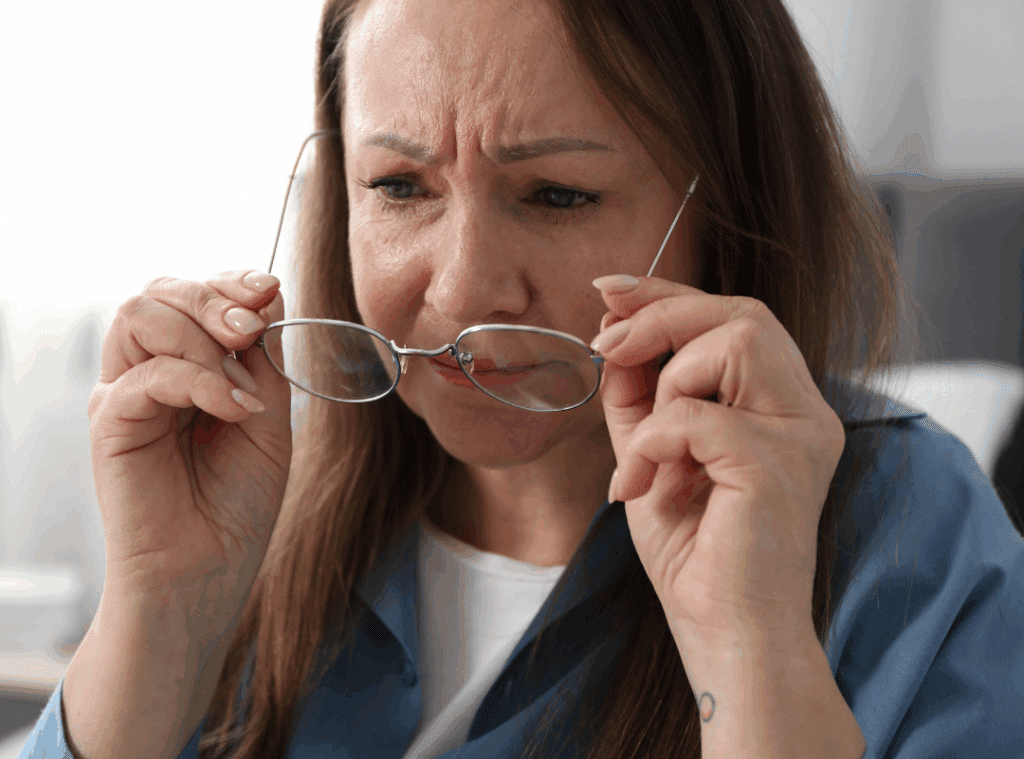
As we get older, our eyes naturally go through changes — some subtle, others more noticeable. Seniors often experience common age-related eye problems, such as blurry vision, glare sensitivity, and difficulty seeing at night. While these changes can feel overwhelming, the good news is that many age-related conditions can be managed with early detection and proactive care. Keeping your eyesight strong not only preserves independence but boosts confidence, safety, and quality of life.
For seniors and families, knowing which conditions are considered the most common eye diseases in older adults, understanding the list of common eye diseases, and recognizing the four most common eye problems can empower you to take action early. With regular checkups and healthy habits, maintaining clear vision becomes far more achievable. For more information on senior wellness, visit Westmont of Culver City.
Overview of Age-Related Eye Problems
As you age, your eyes may be affected by a range of conditions, many of which are included in the list of common eye diseases that affect older adults. Among the most common eye diseases in older adults are age-related macular degeneration (AMD), glaucoma, presbyopia, and cataracts — conditions that can lead to significant vision changes if untreated. These four also represent what are the four most common eye problems that seniors should monitor closely.
Other issues include dry eye syndrome, floaters, and gradual vision reduction, all of which may influence daily comfort and independence. It’s also normal to experience shifting average eyesight by age, especially after 60, as the eye’s lens becomes less flexible. Regular comprehensive eye exams allow early detection, timely treatment, and stronger long-term vision outcomes.
It’s crucial for seniors to address blurry vision promptly, as it can be a sign of underlying eye health issues.
Symptoms and Causes of Common Age-Related Eye Conditions
As we navigate the realities of getting older, new vision symptoms often emerge. Blurry vision, halos, trouble reading small print, or sensitivity to light are all signs of common eye problems with age. Many of these symptoms overlap with the most common eye disease in older adults, making awareness essential.
Regular eye exams enable early detection — the most powerful tool for preventing permanent loss of sight.
Common Symptoms Experienced
Several symptoms can indicate the onset of conditions listed as common eye diseases. You may notice cloudy or blurry vision, eye discomfort, trouble seeing colors, or difficulty adjusting to dim lighting. Floaters, dry eyes, or increasing reliance on brighter light for reading may also appear.
These symptoms often relate to what are the four most common eye problems affecting seniors: cataracts, AMD, glaucoma, and presbyopia. Recognizing symptoms early ensures proper treatment and helps protect against the natural decline in average eyesight with age.
It’s also important to consider preventing and managing hearing loss, as sensory impairments can compound and affect daily functioning.
Underlying Causes Explained
Many age-related changes stem from natural physical shifts in the eyes. Decreased tear production leads to dry eyes, while changes in lens proteins may cause cataracts. Reduced lens flexibility makes it difficult to see up close, and changes in the retina may increase the risk of macular degeneration.
These causes help explain why the conditions listed as common eye diseases are so prevalent among seniors. For some individuals, nearsightedness improves slightly with age, but this does not replace the need for ongoing eye care.
Risk Factors Identified
Key risk factors include heredity, UV exposure, diabetes, high blood pressure, smoking, and poor nutrition. Each of these contributes to the development of the most common eye disease in older adults.
Adopting a nutrient-rich diet can help reduce the decline in average eyesight with age. Healthy habits also minimize the risk of developing any conditions listed in the list of common eye diseases. Learn how good nutrition reduces chronic diseases — and benefits vision health, too.
Diagnosis and Treatment of Age-Related Eye Problems
Maintaining healthy vision begins with annual eye exams, especially for seniors. Diagnostic tools such as dilation, retinal imaging, and pressure tests help specialists detect the most common eye disease in older adults early.
Treatment may include glasses, lubricating drops, supplements, medications, or surgery such as cataract removal. Addressing common eye problems with age early increases the likelihood of maintaining strong vision well into the senior years.
Prevention and Care for Eye Health
Preventive habits significantly reduce the risk of developing the conditions listed as common eye diseases. Key recommendations include:
- Annual eye exams for early detection
- Wearing UV-blocking sunglasses
- Eating leafy greens, salmon, and antioxidant-rich foods
- Controlling blood pressure and diabetes
Maintaining eye health also supports better average eyesight by age, helping seniors continue enjoying daily life with clarity and confidence.
Authoritative external resources:
- Learn about AMD from the National Eye Institute
- Explore cataract information from the American Academy of Ophthalmology
- Understand glaucoma risks via the Glaucoma Research Foundation
Resources and Support for Eye Health
Support networks, educational materials, and routine eye care appointments all empower seniors to manage common eye problems with age. Connecting with vision specialists and utilizing community resources can help seniors maintain independence and well-being.
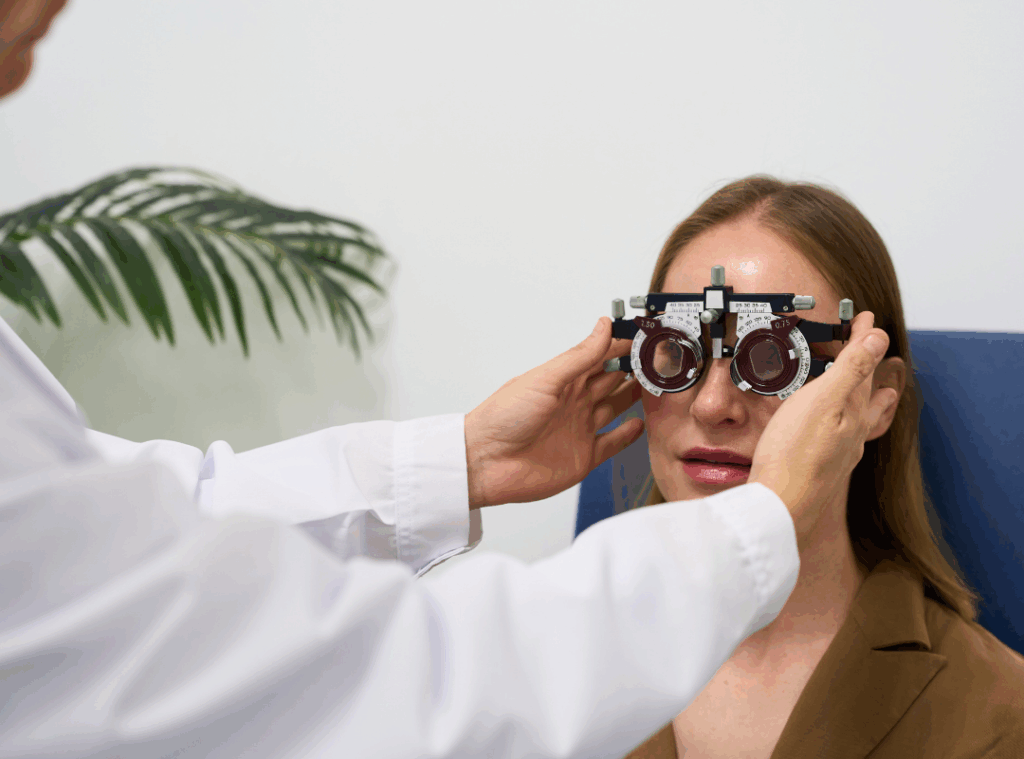
Importance of Regular Eye Exams
Regular exams remain essential for detecting what are the four most common eye problems early. A thorough evaluation also allows providers to assess shifts in average eyesight by age, ensuring accurate prescriptions and timely treatment.
Early Detection Benefits
Early detection allows eye specialists to intervene before irreversible damage occurs. This is especially important when identifying the most common eye disease in older adults.
Comprehensive Eye Health
An extensive approach to eye exams ensures all areas of your eye structure and function are monitored. This is crucial for managing conditions within the list of common eye diseases and preserving long-term vision clarity.
Scheduling Regular Appointments
Consistent checkups ensure that age-related concerns — especially the what are the 4 most common eye problems — are monitored closely.
See Clearly, Live Fully — Protect Your Vision Today
Your eyesight shapes the way you experience every moment. Don’t let aging diminish the way you see the world. At Westmont of Culver City, our team empowers seniors and families with knowledge, resources, and compassionate care to keep vision strong for years to come.
If you’ve noticed changes in your eyesight — or want a trusted partner in senior wellness — call us today at 310-736-4118 or schedule a tour. Your clearer, brighter future starts here.
Frequently Asked Questions
What is the most common eye problem related to aging?
The most common eye problem related to aging is cataracts. Cataracts occur when the lens of the eye becomes cloudy, leading to blurry or dim vision. They typically develop slowly and can affect daily activities like reading or driving. While common, cataracts are treatable through surgery, which is highly effective in restoring vision.
Can an eye injury cause nausea?
Yes, an eye injury can cause nausea in some cases. This happens because the eye and the brain are closely connected, and trauma to the eye may disrupt balance or trigger a neurological response. Injuries such as corneal scratches, blunt force trauma, or foreign objects in the eye can lead to discomfort that results in nausea. If nausea occurs after an eye injury, medical attention is recommended to rule out serious complications.
What are the five common eye problems?
Five common eye problems include cataracts, glaucoma, age-related macular degeneration (AMD), diabetic retinopathy, and dry eye syndrome. Each condition affects vision differently and may progress slowly or rapidly depending on overall health and age. Regular eye exams help detect these issues early, improving the chances of successful treatment. Understanding their symptoms can also support timely care and prevent vision loss.
What are the three most common eye problems?
The three most common eye problems are cataracts, glaucoma, and age-related macular degeneration (AMD). Cataracts cloud the lens of the eye, glaucoma damages the optic nerve, and AMD affects central vision. These conditions are prevalent in older adults and often develop gradually. Early diagnosis and treatment are essential to protect vision and maintain quality of life.