

Step Into Westmont Living®

Short Term Care for Seniors: Comfort and Support Options

When life throws unexpected changes or recovery challenges your way, short-term care for seniors can provide much-needed relief, support, and peace of mind. Whether your loved one is healing from surgery, recovering from an illness, or simply needs extra help while a primary caregiver is unavailable, short-term care solutions are built to ease these transitions smoothly and compassionately.

At Westmont of Escondido, we specialize in flexible, high-quality care designed for temporary stays. From short-term assisted living near you to short-term respite care facilities near you, our goal is to meet each individual’s physical, emotional, and social needs with personalized attention. Let’s explore how you can make the most of this essential resource.

For more information, visit Westmont of Escondido.


Benefits of Short-Term Care for Seniors

There are many advantages to choosing short-term care for seniors, especially during times of recovery or change. First and foremost, these services provide expert assistance with daily activities such as bathing, grooming, dressing, and medication management. In a short-term care facility for elderly individuals, residents benefit from consistent attention and specialized care tailored to their needs.

Another essential benefit is the emotional support and social engagement provided. Recovery can feel isolating, but engaging in activities and enjoying friendly companionship can help reduce loneliness and promote overall well-being. At Westmont of Escondido, programs are designed to create a sense of community even during short stays.

Families also benefit greatly from short-term elderly care near you. Whether for caregiver relief or an interim solution, having professional care in place allows loved ones to recharge. This is why short-term stays, including short-term assisted living near you, are a practical and valuable choice for all parties involved. Learn more about dementia respite care benefits.

Types of Services Offered in Short-Term Care

Short-term care includes a wide range of support services that prioritize comfort, recovery, and independence. At a short-term care facility for elderly residents, services typically include:

  • Daily living support (bathing, dressing, mobility)
  • Medication management
  • Rehabilitation therapy for physical recovery
  • Nutritious meals tailored to dietary needs
  • Social and recreational activities
  • 24/7 on-site staff

Facilities offering short-term respite care near you also emphasize custom care plans, ensuring your loved one receives the exact level of help they need. If you’re exploring short-term elderly care near you, be sure to ask about available therapies and lifestyle programs that support a smoother healing process. Additional insights on assisted living services can help you understand what’s included.

Accessing Short-Term Care: A Step-by-Step Guide

Finding and arranging short-term care for seniors may seem overwhelming, but taking it step by step makes the process manageable. Begin with these clear actions:

Step Action Purpose
1. Assess Needs Determine type and level of care Matches support the condition
2. Research Options Look for a short-term care facility for elderly services Find local and trusted providers
3. Visit Facilities Tour short-term respite care facilities near you See the environment firsthand
4. Discuss Finances Understand pricing and assistance Prepare financially
5. Schedule the Stay Book a start date Ensure smooth transition

It’s always wise to plan ahead to avoid delays when a need arises. The more prepared you are, the better the experience for your loved one.

Choosing the Right Short-Term Care Provider

With many providers offering short-term elderly care near you, how do you find the right one? Focus on three critical factors:

  1. Experience and Reputation: Look for providers with excellent reviews and a proven history in senior care.
  2. Customization and Flexibility: Ensure the facility offers tailored care plans and adaptable services to meet changing needs.
  3. Supportive Environment: Evaluate the warmth of the community, cleanliness, and friendliness of staff.

At Westmont of Escondido, we provide compassionate care, personalized programs, and expert staff to make your short stay comfortable. We also offer expert care services that enhance recovery experiences.

Access to Medical Professionals

Understanding Costs and Payment Options

Financing short-term care for seniors may seem confusing at first, but many families are surprised at how manageable it can be. Most short-term assisted living facilities near you offer transparent pricing and flexible plans. Begin by asking for a breakdown of daily or weekly rates and whether services like therapy or medication are included.

Next, explore potential financial assistance such as:

  • Long-term care insurance coverage
  • Medicaid (if eligible)
  • Veterans’ benefits
  • State-funded respite programs

Use tools and resources like this short-term care guide to assess available funding options. Remember, careful financial planning ensures your loved one gets the support they need without unnecessary stress.

Maximizing the Benefits of Short-Term Care

Once you’ve secured a short-term care facility for elderly needs, take active steps to get the most from the experience:

  • Communicate clearly with the care team about preferences, routines, and needs.
  • Stay involved with regular visits or check-ins, especially if your loved one is staying in a short-term assisted living near you.
  • Encourage participation in social or rehabilitation programs that boost emotional and physical recovery.

Active involvement ensures that your loved one not only receives excellent care but thrives during their stay.

Community Engagement and Lifestyle Assessment for Seniors

Part of effective short-term care for seniors includes fostering community connection and evaluating lifestyle needs. Facilities offering short-term respite care near you should include activities that promote socialization—such as games, music, and group exercises—to help seniors feel engaged.

Lifestyle assessments are also vital to uncover potential areas of risk or support. Whether it’s mobility, nutrition, or social interaction, identifying these needs allows staff to customize care and plan ahead for transitions back home or into longer-term options. A healthy community atmosphere makes recovery both joyful and enriching.

For external reading, check out these helpful resources:

Discover Peace of Mind Through Short-Term Senior Care

Choosing short-term care for seniors isn’t just about medical support—it’s about giving your loved one the dignity, comfort, and connection they deserve. With personalized services, round-the-clock attention, and a compassionate environment, facilities like Westmont of Escondido empower families to rest easy knowing their loved ones are in trusted hands.

Whether you’re searching for short-term elderly care near you, looking into short-term respite care facilities near you, or preparing for future needs, now is the time to act. Don’t wait until an emergency arises—explore your options and prepare today.

To learn more or schedule a visit, call 760-737-5110 or book a tour. Let us show you how short-term care can make a lasting difference.


Compare The Costs of Senior Living vs Staying at Home

How Do The Costs Of Moving Into A Quality Senior Care Community Compare With The Costs Of Staying At Home?


Frequently Asked Questions

Does Medicare cover short-term care for seniors?

Yes, Medicare does cover short-term care for seniors under specific conditions. Typically, this includes short-term stays in a skilled nursing facility, home health care, or rehabilitation after a hospital stay. Coverage usually requires a qualifying hospital admission and a physician’s order for skilled care. However, it does not include long-term custodial care like help with bathing or dressing.

What happens if an elderly person has no one to care for them?

If an elderly person has no one to care for them, several support systems can step in. Social services, adult protective services, and local senior programs can help assess their needs and connect them to care. Depending on their condition and financial eligibility, they may qualify for in-home care, assisted living, or nursing home placement through Medicaid or state programs. Community resources, including nonprofit organizations, also offer valuable support.

Does Medicare pay for short-term caregivers?

Medicare may pay for short-term caregivers if the senior qualifies for home health care services. This includes part-time skilled nursing care, physical therapy, and sometimes a home health aide to assist with personal needs. To qualify, the senior must be under a doctor’s care and meet certain medical requirements. Medicare does not cover long-term or full-time personal caregiving services.

How many days is short-term care?

Short-term care generally refers to services provided for a limited time, usually from a few days up to 100 days. In Medicare’s case, skilled nursing facility stays are covered for up to 100 days following a qualifying hospital stay. The exact number of days depends on the individual’s recovery progress and medical needs. After the Medicare-covered period ends, out-of-pocket costs may apply.




Travel Tips for Seniors: Your Guide to Safe, Joyful Journeys

Travel can be one of life’s most enriching experiences, especially for older adults. With the right preparation, exploring the world becomes more than just possible—it becomes empowering. Whether you’re planning a quick weekend getaway or an international trip, thoughtful planning ensures comfort, health, and excitement along the way. That’s why travel tips for seniors are essential to making your next adventure as smooth and enjoyable as possible.

This guide explores everything you need to know, from health management and packing strategies to navigating new cultures and choosing accessible accommodations. Whether you’re traveling alone, with a partner, or wondering where to travel with elderly parents, we’ve got you covered with expert-backed recommendations and real-world strategies tailored to older adults.

Mental and Emotional Benefits of Travel for Seniors

Exploring new places boosts more than just your photo album—it enhances mental well-being. Traveling encourages cultural curiosity, cognitive stimulation, and emotional joy. For many trips for seniors over 60, the value lies in the shared moments and novel experiences. Activities like watching quail eggs hatch can help connect with nature and foster lifelong memories.

Participating in local customs, trying new foods, and engaging with different communities cultivates a sense of purpose and curiosity. Research confirms that staying mentally active through travel supports emotional resilience and reduces stress levels in seniors. Add in the joy of bonding with loved ones, and you’ll quickly see why traveling is a powerful tool for healthy aging.

Smart Pre-Travel Planning and Paperwork Preparation

Preparation is the cornerstone of every successful journey. Before setting off, gather all important documents like passports, Medicare cards, and emergency contacts. Scan and store digital backups securely online and leave a copy with a trusted family member.

When seeking international travel tips for seniors, consider investing in travel insurance that covers medical emergencies and trip cancellations. It’s also wise to research visa requirements and travel advisories through official government sites like Travel.State.Gov or the CDC’s travel health page.

Accessibility is another key factor. Confirm hotel amenities and local transportation options that support mobility needs. Check out the ultimate guide to caring for elderly parents for tips on managing potential care needs while on the road.

Managing Health and Medications On the Go

One of the most crucial travel tips for seniors is managing your medications effectively. Pack prescriptions in your carry-on and label them clearly. Use a travel-friendly pill organizer to keep your routine simple and stress-free. Include a printed list of medications and dosages to share with healthcare providers if needed.

If you’re looking for safety travel tips for seniors, don’t forget to:

  • Stay hydrated with bottled water, especially during flights.
  • Maintain a light exercise routine like walking or stretching.
  • Stick to regular meal schedules and eat nutritious foods.

Check out this guide on over-the-counter medications and supplements to stay informed about how medications may interact during your trip.

Sample Medication Checklist

Item Action
Prescriptions Pack in a labeled container
Backup Copy Keep the list in the travel bag
Time Zones Set medication reminders
Local Pharmacies Research in advance

travel tips for seniors


Safety Travel Tips for Seniors

Ensuring safety while traveling is non-negotiable. Whether you’re crossing state lines or international borders, the following safety travel tips for seniors will help provide peace of mind:

  • Stay in touch: Share your full itinerary with a friend or relative.
  • Carry ID and medical alert cards in a wallet or lanyard.
  • Secure valuables: Use hotel safes and avoid carrying all valuables at once.

When booking hotels, prioritize those with secure entries, good lighting, and positive security reviews. Apps like Smart Traveler (from the U.S. State Department) or Smart911 can also add a layer of preparedness.

For even more preparedness, check out our post on common old-age health problems to prepare for health challenges before they happen.

Efficient Packing and Luggage Tips

Travel becomes easier when you pack smart. Choose lightweight luggage with wheels and organize items using packing cubes. Roll, don’t fold, to save space and minimize wrinkles.

  • Clothing tip: Choose neutral colors that mix and match.
  • Essentials: Always keep medications, ID, and chargers in your carry-on.
  • Footwear: Comfortable walking shoes are a must.

Packing light doesn’t mean sacrificing comfort. A little forethought ensures a relaxed journey, especially on trips for seniors over 60, where mobility and convenience matter most.

Finding Accessible Transportation and Stays

One of the most critical travel tips for European seniors is understanding the accessibility of hotels and transportation. Look for:

  • Hotels with elevators, grab bars, and wide hallways
  • Public transportation that offers senior or mobility assistance
  • Tour companies like ElderTreks that specialize in senior travel

European cities like Barcelona, Vienna, and Amsterdam are particularly known for their senior-friendly infrastructure. When wondering where to travel with elderly parents, these cities offer excellent healthcare, safe public areas, and exciting attractions.

International Travel Tips for Seniors

International travel presents added layers of complexity, but it’s absolutely doable with planning. The best international travel tips for seniors include:

  1. Learn key phrases in the local language or use a translation app.
  2. Convert currency in advance or use trusted ATM networks to avoid high exchange fees.
  3. Adjust to time zones slowly by arriving early and staying hydrated.

Don’t forget to check with your doctor about vaccinations and travel-specific health risks before heading abroad. For added convenience, enroll in STEP (Smart Traveler Enrollment Program) through the U.S. State Department to receive safety updates about your destination.

Best Trips for Seniors Over 60

Need ideas for trips for seniors over 60? Consider these:

  • River cruises in Europe are ideal for slow-paced, scenic journeys.
  • National parks in the U.S. with senior passes and guided tours.
  • Cultural cities like Kyoto, Lisbon, or Prague combine relaxation with discovery.

If you’re seeking more inspiration, websites like Road Scholar offer senior-specific travel programs with guided educational tours.

Where to Travel With Elderly Parents

Choosing where to travel with elderly parents depends on interests, health needs, and energy levels. Top recommended spots include:

  • San Diego, CA: Mild weather, senior-friendly attractions.
  • Banff, Canada: Stunning views and wellness-focused accommodations.
  • Tuscany, Italy: Relaxing countryside, food tours, and light hiking.

Remember to build downtime into your itinerary and avoid over-scheduling. Consider destinations close to home, too—sometimes the best trips don’t require a passport!

Make Every Journey Count

Every trip is more than a change in scenery—it’s an opportunity to grow, bond, and explore. With these travel tips for seniors, you’ll navigate the globe safely and confidently, enriching your life and relationships.

At Westmont of Escondido, we understand that seniors thrive when they feel supported, at home or abroad. If you’re preparing for travel and would like support or resources, call us today at 760-737-5110. Better yet, schedule a tour and let us help you explore how we support seniors in every stage of life, including on the road to adventure.


What Level of Care Do You Need?

Discover the level of care you or your family member requires. 


Frequently Asked Questions

How to make traveling easier for seniors?

Traveling can be easier for seniors with a bit of planning and preparation. Choose direct flights, request airport assistance, and pack medications and essentials in a carry-on bag. Staying hydrated, dressing in layers, and keeping important documents handy also help ensure a smooth journey. Lastly, consider travel insurance and consult with a doctor before any long trips.

At what age do most seniors stop traveling?

There is no specific age when seniors stop traveling—it largely depends on individual health, mobility, and personal preference. Many seniors continue traveling well into their 80s or even 90s, especially with supportive travel accommodations. The key factor is ensuring their physical condition allows for a safe and enjoyable trip. Adjusting travel style and pace can help extend travel years.

What are the TSA rules for 75-year-olds?

TSA offers modified screening procedures for travelers aged 75 and older. Seniors can keep on their shoes and light jackets during screening and may receive expedited processing. If they have difficulty standing, they can request to be seated during a pat-down. Always inform TSA officers of any medical devices or implants in advance.

What are the three most important travel tips you consider before traveling?

The top three travel tips are planning, prioritizing health, and packing smart. Planning ahead includes booking accessible accommodations and securing travel insurance. Health-wise, ensure all medications are packed and any necessary vaccinations or doctor’s approvals are taken care of. Lastly, pack light but effectively, keeping essentials like IDs, medications, and emergency contacts within easy reach.


Home Health Care vs Assisted Living: A Family Guide

Home Health Care vs Assisted Living: Choosing Smart Care

Making the right decision between home health care vs assisted living can be one of the most important steps you take to support a senior loved one. As aging individuals face new health and mobility challenges, families often wonder which care model offers the best combination of comfort, affordability, and support.

Whether you’re seeking a solution that enables your loved one to remain at home or considering the benefits of a structured care community, understanding the pros and cons of home care vs assisted living can help clarify your path. In this guide, we’ll explore services, costs, and strategies for selecting the most fitting option, ensuring you make a confident, informed decision.

Understanding Home Health Care: Services and Benefits

When exploring in-home assisted living services, it’s essential to recognize the personalized and often flexible support they offer. Home health care involves trained professionals delivering services in the patient’s home. These may include skilled nursing, physical therapy, and help with daily activities such as bathing, grooming, or preparing meals.

Choosing home care helps your loved one retain a familiar environment and autonomy. Many seniors benefit emotionally and mentally from staying in their own homes while receiving assistance. Moreover, in-home assisted living services can be tailored to specific needs and schedules, providing a level of customization that may not be feasible in larger communities.

Professionals offering in-home assisted living near you often work closely with families to deliver consistent, high-quality care. This allows for better communication and personalized health management. A qualified healthcare team is essential for this model to succeed, ensuring physical, emotional, and mental well-being.

Exploring Assisted Living: Features and Advantages

On the other side of the spectrum, assisted living communities like Westmont of Escondido provide structured, around-the-clock care in a community setting. Residents receive help with daily living activities while maintaining a level of independence.

Assisted living promotes a sense of belonging through regular social activities, wellness programs, and group events. This active environment plays a crucial role in emotional wellness and can combat the loneliness that many seniors face while aging at home.

Safety and peace of mind are additional advantages. Facilities have 24/7 staff and medical support. If care needs increase, regular assessments allow for tailored care plans that adapt over time, as detailed in this article on the benefits of assisted living.

Comparing Costs: Home Health Care vs. Assisted Living

A critical factor in your decision-making will be cost. Comparing in-home care vs assisted living costs reveals both short- and long-term implications. Home care often bills by the hour, which can range widely depending on services required. If extensive daily care is needed, this cost can escalate quickly.

In contrast, assisted living typically has a predictable monthly fee that includes housing, meals, basic health support, and amenities. When evaluating the in-home assisted living cost, families should factor in hidden expenses like home modifications, meal preparation, and transportation that are already bundled into assisted living.

This breakdown of what’s included in assisted living costs highlights the all-inclusive nature of community-based care. Understanding this comparison helps determine which model aligns with both your loved one’s needs and your financial resources.

Evaluating Pros and Cons of Each Option

When weighing the pros and cons of home care vs assisted living, think about flexibility, convenience, medical support, and emotional needs.

Home Care Pros:

  • Personalized one-on-one attention
  • Comfort of staying at home
  • Flexible scheduling

Home Care Cons:

  • May become costly with increasing needs
  • Limited social engagement
  • Requires the home to be adequately equipped

Assisted Living Pros:

  • Structured environment with 24/7 care
  • Built-in social and wellness activities
  • Predictable monthly costs

Assisted Living Cons:

  • May feel less personal or private
  • The adjustment period can be emotionally challenging
  • Less flexibility in choosing care providers

These points help highlight the broader picture and allow you to make a more informed choice for your family.


home health care vs assisted living


Assessing Individual Needs: A Personalized Approach

When deciding on home health care vs assisted living, consider the current and future needs of your loved one. In-home assisted living services may be sufficient if they’re mostly independent but need help with a few tasks. However, assisted living may be more suitable if they need more comprehensive assistance or crave a social environment.

Assessing cognitive health, medication routines, fall risk, and social preferences is also wise. Review your loved one’s overall quality of life and daily challenges. You can use a professional care level assessment to clarify your decision.

Making the Transition: Helping Loved Ones Adjust

Helping your loved one transition into either in-home assisted living near you or a community can be delicate. Communication is key. Discuss their concerns, explore trial periods, and visit assisted living communities together. These steps help create a sense of inclusion and comfort.

Create a support network of family and friends to encourage emotional well-being. Reassure them that the goal is improved safety, health, and happiness, not a loss of independence.

If choosing in-home care, slowly increase caregiver hours to allow adjustment. If transitioning to a community, begin with short visits and gradually build familiarity. These approaches make the move feel like a choice rather than a forced change.

For more on balancing quality and cost, this guide on senior care options offers a great resource.

Empowering Your Senior Care Decision

Choosing between home health care vs assisted living doesn’t have to be overwhelming. With thoughtful evaluation of in-home care vs assisted living costs, the pros and cons of home care vs assisted living, and your loved one’s specific needs, you can make a confident, compassionate choice.

Remember, both care models are valid and offer different strengths. Whether you select the flexibility of in-home assisted living services or the structure of a caring community like Westmont of Escondido, your decision should reflect your loved one’s lifestyle, health, and happiness.

To learn more or schedule a personalized tour, call Westmont of Escondido at 760-737-5110 or visit our website: Schedule a Tour


Compare The Costs of Senior Living vs Staying at Home

How Do The Costs Of Moving Into A Quality Senior Care Community Compare With The Costs Of Staying At Home?


Frequently Asked Questions

What is the difference between home health care and assisted living facilities?

Home health care provides medical and non-medical services to individuals in their own homes, often including nursing, physical therapy, or personal care. On the other hand, assisted living facilities offer a residential setting where seniors receive help with daily activities such as bathing, dressing, meals, and medication management. While home care supports aging in place, assisted living provides a structured environment with 24/7 support. The choice depends on the individual’s health needs and personal preferences.

Which is more expensive, home care or assisted living?

The cost of home care can vary widely depending on the number of hours needed per day, making it potentially more expensive for those requiring round-the-clock care. Assisted living usually includes a flat monthly fee covering housing, meals, and assistance with daily activities, which may be more cost-effective for comprehensive support. However, in-home care may be cheaper for seniors who need only minimal help. It’s important to compare both options based on specific needs and local pricing.

What does home health care not include?

Home health care does not typically include services like 24-hour supervision, housekeeping, meal preparation, or social activities unless arranged separately. It focuses mainly on skilled nursing care, physical therapy, and other medical services ordered by a doctor. For full lifestyle support, individuals may need to supplement home care with additional services. This limitation often leads some families to consider assisted living facilities instead.

Do people live longer at home or in assisted living?

Longevity can depend on many factors, including health status, social engagement, and access to medical care. Some seniors may thrive at home with proper support, especially in a familiar, comfortable environment. However, assisted living can offer consistent care, nutrition, and social interaction, which may enhance quality of life and well-being. Ultimately, the best setting is the one that matches the senior’s physical, emotional, and social needs.


How To Involve Family Members In Your Dementia Care Plan

Family Roles in a Strong Dementia Care Plan

Caring for a loved one with dementia is never a solo effort. Building a solid dementia care plan is crucial for ensuring consistency, quality, and compassion in day-to-day caregiving. A well-structured plan that actively involves family members can reduce stress, strengthen relationships, and ultimately provide better care for your loved one.

At Westmont of Escondido, collaboration between professionals and families leads to the best outcomes. By identifying who should be involved, assigning roles, and creating a framework for communication, families can offer meaningful support while navigating the complexities of dementia. This approach aligns closely with principles found in a quality nursing care plan for Alzheimer’s disease, where coordinated care plays a vital role in enhancing comfort and safety.

To discover more ways to support your loved one, visit us at Westmont of Escondido.

Why Family Participation is Key to Dementia Care

Effective dementia care doesn’t happen in isolation. Family participation ensures emotional, physical, and logistical support, especially as symptoms such as impaired memory progress. A strong, impaired memory care plan can only succeed with active family input that adapts to the individual’s evolving needs. Each person in the family may have unique insights into the loved one’s habits, emotional triggers, and preferences.

According to the Alzheimer’s Association, shared caregiving responsibilities can decrease burnout and create a more balanced approach to daily needs. This collaboration mirrors the structure of a nursing care plan for memory loss, where input from multiple caregivers ensures holistic care. Engaging family members also enhances emotional bonds, leading to improved well-being for both caregivers and those living with dementia.

To understand how family engagement can elevate care, read about enhancing memory care through active involvement.

Choosing the Right Family Members for Involvement

Not everyone is equipped or willing to contribute equally to a dementia care plan—and that’s okay. Start by identifying family members who live nearby or have flexible schedules. It’s essential to prioritize those who are emotionally prepared and capable of handling sensitive tasks.

Consider three key qualities when identifying support:

  • Proximity and availability for hands-on care
  • Willingness to maintain consistent communication
  • Emotional stability and compassion

Some families may face the challenge of taking dementia patients out of their environment due to relocation or medical needs. Having supportive family nearby during such transitions can make the process smoother and less disorienting. Encouraging participation in sensory-based activities like those described here can help comfort your loved one during these transitions.

Communication: The Foundation of Shared Care

The most successful care teams rely on open, respectful, and frequent communication. Building a communication plan into your dementia care plan helps prevent misunderstandings and ensures that responsibilities are shared fairly. Using “I” statements, listening actively, and scheduling regular family check-ins will improve collaboration and trust.

When difficult topics arise—like changing routines or behavioral concerns—it’s helpful to lean on principles from a nursing care plan for Alzheimer’s disease, where proactive planning and flexibility are key. Practicing empathy during these conversations also helps minimize tension, especially when considering emotionally difficult topics like taking dementia patients out of their environment.

Explore how family engagement enhances memory care through stronger communication practices.

Collaborative Planning Techniques

Collaboration leads to better decision-making and sustainable caregiving. Techniques that support a family-focused dementia care plan include:

  • Family meetings: Establish a forum for sharing updates, addressing concerns, and making decisions.
  • Clear role division: Assign tasks based on each member’s abilities and willingness.
  • Community service research: Together, explore services like respite care or home visits.

These techniques are integral to any successful nursing care plan for memory loss and promote teamwork that benefits your loved one’s daily experience. Take time to evaluate if your current care services align with your goals and values.

Family Involvement

Building an External Support Network

Even the best dementia care plan will benefit from community support. Resources like respite care, dementia support groups, and elder care training can be transformative. Check directories like Eldercare Locator or your local Area Agency on Aging.

Start by:

  • Joining support groups for caregivers
  • Utilizing adult day services
  • Participating in caregiver education workshops

These resources often enhance an impaired memory care plan by providing guidance and emotional support. In cases where a family contemplates taking dementia patients out of their environment, community guidance can ease the transition and help maintain continuity of care.

Read more about the value of collaborative care planning to reduce caregiver fatigue and improve care outcomes.

Balancing Roles and Schedules

Maintaining balance is essential for family caregivers. Consider creating a structured schedule that rotates tasks such as grocery shopping, doctor appointments, and companionship. This system not only ensures continuous care but also reflects the structure of a professional nursing care plan for Alzheimer’s disease.

Role Assignment Best Practices

Create a list of all caregiving responsibilities, then discuss who is best suited for each task. Roles can include:

  • Managing finances
  • Coordinating medical visits
  • Providing emotional companionship

By recognizing strengths and encouraging flexibility, families can develop an individualized memory care plan that evolves over time and with experience.

Scheduling That Works for Everyone

Utilize online tools, such as shared calendars or care management apps (e.g., Lotsa Helping Hands or CaringBridge), to distribute caregiving responsibilities evenly. Revisit the schedule regularly to make updates based on availability and evolving needs.

Schedules are especially helpful when taking dementia patients out of their environment, as they ensure familiar faces surround your loved one during the transition.

Emotional Considerations and Mental Health

A compassionate dementia care plan also acknowledges caregiver well-being. Burnout, depression, and anxiety are common among family caregivers. Joining a support group, taking breaks, or consulting a mental health professional should be part of every plan.

It’s equally important to monitor how your loved one responds to changes in routine. A personalized nursing care plan for memory loss will anticipate behavioral triggers and outline strategies for redirection or calming interventions.

A Care Plan Rooted in Family Strength

Building a family-centered dementia care plan takes time, but the payoff is significant. For instance, families who schedule weekly check-ins and rotate roles often find that caregiving becomes more manageable and emotionally fulfilling. A collaborative mindset paired with clear planning—like in a strong nursing care plan for Alzheimer’s disease—can help ensure everyone feels supported.

At Westmont of Escondido, we encourage families to take an active role in shared responsibility and participate in care planning. If you’d like to explore our support services or schedule a tour, call us at 760-737-5110 or visit this link.


What Level of Care Do You Need?

Discover the level of care you or your family member requires. 


Frequently Asked Questions

What is included in a dementia care plan?

A dementia care plan includes a detailed outline of a patient’s medical, emotional, and daily living needs. It typically covers medication management, safety measures, communication strategies, routines, and activities tailored to the person’s cognitive abilities. The plan is customized to the stage of dementia and often involves family input to ensure comfort and familiarity. It may also include long-term goals and regular reassessments.

What is the nursing care plan for dementia?

A nursing care plan for dementia focuses on promoting safety, reducing confusion, supporting independence, and managing behavior. It outlines specific nursing interventions such as assisting with daily tasks, monitoring for signs of distress, and ensuring a structured environment. Nurses also document responses to care and update the plan based on progression. Education for families and caregivers is often included.

What type of care is needed for dementia?

People with dementia require comprehensive and progressive care that addresses their physical, emotional, and cognitive needs. This includes help with personal hygiene, medication reminders, structured routines, social interaction, and supervision for safety. As dementia advances, care often expands to include memory care facilities or in-home support. Compassionate, consistent care is essential for quality of life.

What are the 4 R’s of dementia care?

The 4 R’s of dementia care are Reassure, Routine, Redirect, and Reminisce. Reassure the person to ease anxiety, use routines to create stability, redirect negative behavior gently, and encourage reminiscing to spark positive memories. These techniques help manage behaviors and support emotional well-being. Caregivers and professionals widely use them to provide compassionate, person-centered care.


Exploring Senior Living Memory Care Options at Westmont of Escondido

Senior Living Memory Care Options at Westmont Escondido

Navigating senior living memory care options for a loved one with Alzheimer’s or dementia is one of the most important decisions your family will make. Westmont of Escondido provides a safe, enriching environment focused on cognitive wellness and compassionate care.

Whether you’re exploring memory care vs. assisted living, evaluating the cost of memory care vs. assisted living, or wondering when to move from assisted living to memory care, this guide offers answers. Westmont’s personalized approach ensures your loved one receives care that meets their needs now and into the future.

Understanding Senior Living Memory Care and Its Importance

Senior living memory care is a specialized type of long-term care designed for individuals experiencing cognitive impairments. Unlike traditional assisted living, memory care offers secure environments, staff trained in dementia care, and structured programs that support mental stimulation.

To better understand what is memory care vs assisted living, explore Westmont’s educational breakdown on personalized care in memory care facilities. While assisted living is suited for seniors needing light daily assistance, memory care provides more comprehensive cognitive and behavioral support.

Many families ask, what is the average monthly cost for memory care? According to national data and Westmont’s own Cost Comparison Guide, memory care typically costs $1,000–$2,000 more per month than assisted living due to specialized staffing and safety features.

The Westmont of Escondido Philosophy

Westmont of Escondido is dedicated to compassionate, personalized senior living memory care. Its philosophy centers around connection, routine, and dignity.

  1. Empathetic Staff: Trained caregivers offer personalized support based on each resident’s abilities and life story.
  2. Holistic Approach: Wellness activities and nutritious meal planning support physical, emotional, and mental health.
  3. Family Inclusion: Loved ones are encouraged to participate in care planning and family engagement strategies.
  4. Purposeful Living: Daily activities like music and art therapy are tailored to each individual’s interests and capabilities. 

When to Move from Assisted Living to Memory Care

A crucial decision point for many families is recognizing when to move from assisted living to memory care. Signs may include:

  • Frequent confusion or disorientation
  • Wandering behavior or increased agitation
  • Inability to perform activities of daily living
  • Safety concerns that assisted living facilities can’t adequately address

Westmont’s Care Assessment Tool helps families determine the right time and level of care for their loved one.

What is Memory Care vs Assisted Living?

Understanding the distinction between memory care vs assisted living is critical for informed decision-making. Assisted living offers assistance with bathing, dressing, meals, and medication, but memory care includes:

  • Structured routines
  • Staff specially trained in dementia care
  • Environments designed to minimize confusion
  • Enrichment therapies for memory support

For an in-depth overview, read the Memory Care vs Assisted Living Comparison blog post.

Safety Features & Memory Care Facility Requirements

Westmont meets and exceeds memory care facility requirements with secure, thoughtfully designed spaces and safety protocols:

  • Controlled access to prevent wandering
  • 24/7 surveillance for constant monitoring
  • Emergency response systems throughout the property
  • Personalized safety plans for each resident

More on their secure environment design explains how peace of mind for families is prioritized.


Personalized Memory Care: More Than Just a Service

Innovative Therapies & Daily Engagement

Westmont offers enriching experiences tailored to cognitive function. Residents benefit from:

Music Therapy

  • Stimulates memory and emotional connection
  • Encourages group participation and joy
  • Helps reduce anxiety and agitation

Art & Creative Expression

Residents express emotions non-verbally through painting, drawing, and crafting, building confidence and social interaction.

Movement & Mindfulness

Mind-body activities such as yoga, balance exercises, and mindfulness sessions help maintain mobility and reduce stress. Learn more about their engaging wellness options.

Nutrition and Daily Wellness

Proper nutrition is key to memory care success. At Westmont:

  • Menus are created to support brain health
  • Dietary restrictions and personal preferences are honored
  • Residents are encouraged to participate in meal-related decisions, promoting autonomy

This nutritional strategy ties into their broader mission of promoting independence and cognitive wellness. More on this can be found in their senior nutrition guide.

Comparing the Cost of Memory Care vs Assisted Living

When considering the cost of memory care vs assisted living, it’s essential to weigh the value of enhanced services. While assisted living may range from $3,000–$5,000/month, memory care typically costs $5,000–$7,000, depending on services and location.

Use Westmont’s Cost Comparison Tool for a tailored estimate. You can also explore the national average via the Genworth Cost of Care Survey.

Support Resources for Families

Westmont offers comprehensive resources for families:

Embrace Memory Care That Honors Life’s Journey

Choosing senior living memory care at Westmont of Escondido means choosing a community where your loved one is valued, protected, and inspired daily. From personalized care plans and cognitive therapies to secure facilities and holistic wellness, your family can rest assured knowing their needs will be met with compassion and expertise.


Compare The Costs of Senior Living vs Staying at Home

How Do The Costs Of Moving Into A Quality Senior Care Community Compare With The Costs Of Staying At Home?


Frequently Asked Questions

What is the difference between memory care and dementia care?

Memory care is a specialized type of long-term care designed specifically for individuals with memory loss, including Alzheimer’s and other forms of dementia. Dementia care is a broader term that can be provided in various settings, including in-home care or assisted living, and it encompasses services for all types of dementia. Memory care facilities offer secure environments, trained staff, and structured activities tailored to cognitive impairments. In contrast, dementia care may not always include the same level of security and specialized support.

Will Medicare pay for memory care?

Medicare does not typically cover long-term memory care, such as residential services or assistance with daily living activities. However, it may pay for certain medical services in memory care, like doctor visits or prescriptions. Some short-term rehabilitation stays may also be covered under specific conditions. Families often explore Medicaid, long-term care insurance, or personal funding for broader support.

Does memory care cost more than assisted living?

Yes, memory care generally costs more than assisted living due to the specialized services and increased staff support required. These facilities offer enhanced security, 24/7 supervision, and personalized care plans for individuals with cognitive decline. Memory care costs can average 20-30% higher than standard assisted living. Prices also vary based on location, amenities, and level of care needed.

How do I get someone into a memory care facility?

To move a loved one into memory care, start with a professional assessment from a doctor or geriatric specialist to confirm the need for specialized care. Next, research and tour local memory care communities to find the right fit. Once a facility is chosen, complete the necessary paperwork, medical forms, and arrange for a move-in date. Involve the person gently in the transition to reduce stress and confusion.


What Makes a Great Nursing Home Dining Room for Seniors?

What Defines a Comfortable Nursing Home Dining Room?

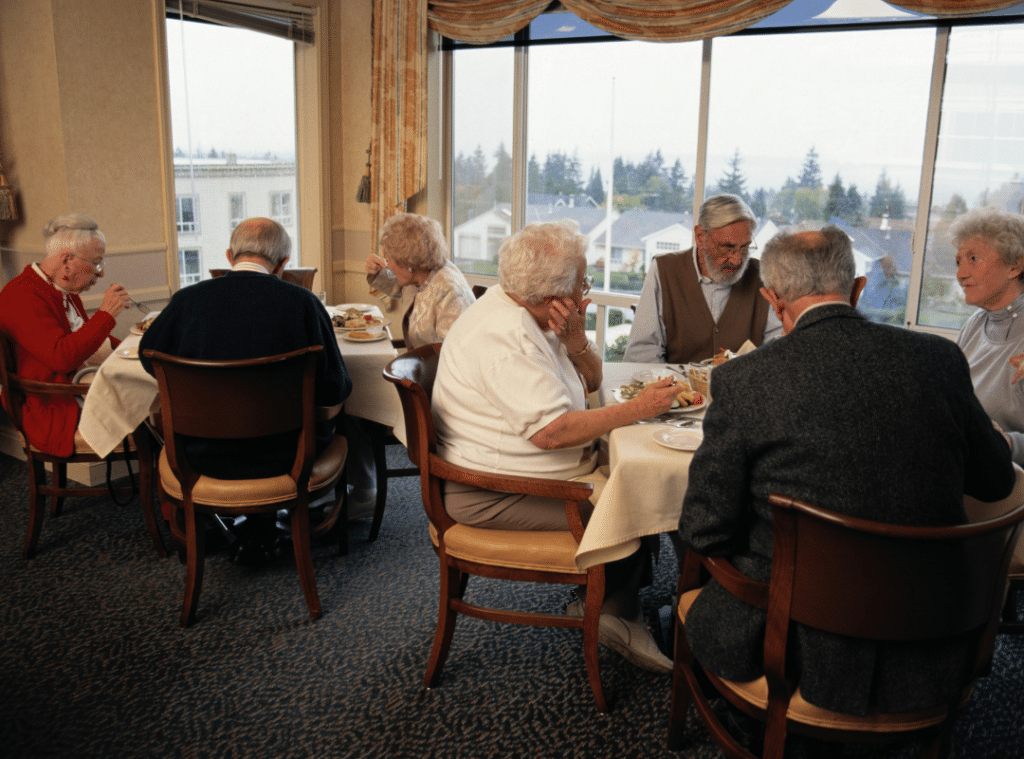
A well-designed nursing home dining room blends comfort, health, and connection, enriching the lives of seniors through thoughtful design and personalized care. At Westmont of Escondido, dining rooms are more than a place to eat; they are social hubs where residents feel at ease, supported, and respected. Every element is crafted to suit their unique needs, from seating arrangements to cultural meal offerings. A welcoming space invites conversation, builds community, and encourages well-being. Cleanliness and safety are top priorities, and the staff play a critical role in shaping the atmosphere. Each meal becomes a moment to enjoy, not just a routine.

Explore how these dining spaces evolve and impact quality of life.

Ergonomic Comfort in the Nursing Home Dining Room Layout

Comfort begins with thoughtful nursing home dining room layout choices. Seniors need chairs with supportive backrests and correct height to allow smooth transitions from sitting to standing. Westmont of Escondido incorporates wide pathways between tables, giving residents using mobility aids the ability to move with ease.

Large communal tables also support unity, encouraging conversations and connections. Proper spacing not only aids accessibility but also reduces the feeling of crowding. Every design choice makes residents feel safe, independent, and at home in their dining experience.

Creative Nursing Home Dining Room Ideas for Socialization

A successful dining experience includes more than just food. Engaging nursing home dining room ideas—like seasonal themes, community meals, and entertainment—make each visit enjoyable. Warm lighting, gentle music, and friendly decor add to the upbeat mood.

The space fosters social interaction, helping residents feel less isolated. Dining becomes an anticipated event. At Westmont, staff also participate in mealtime conversations, offering support and connection. Social engagement over meals is a powerful way to improve mental health and emotional well-being.

Discover how community enhances independence.

Nutrition and Variety in Nursing Home Dining Room Plans

A great dining room also promotes good health through carefully curated menus. Thoughtful nursing home dining room plans emphasize variety, taste, and nutrition. Residents enjoy meals that reflect their dietary needs and personal preferences.

Westmont uses seasonal produce and integrates dishes from diverse cultural backgrounds. This approach supports both nutritional health and emotional satisfaction. Whether someone follows a low-sodium plan or prefers vegetarian meals, there’s always something tailored to their needs.

Read more about dietary plans at Westmont.

Seasonal Ingredients and Healthful Dining

Each season brings fresh flavors to the table. Menus rotate regularly to include vibrant fruits and vegetables that offer essential nutrients. This ensures meals are not only delicious but also aligned with wellness goals.

For instance, winter menus might include hearty soups with root vegetables, while summer could bring light salads with local tomatoes and cucumbers. Using seasonal ingredients reinforces freshness and taste, improving meal satisfaction.

Explore healthy tips for senior meals.

Cultural Diversity in Dining Room Choices

Recognizing cultural preferences in dining is central to feeling at home. Residents come from diverse backgrounds, and honoring those identities builds trust and comfort. Including meals from various cuisines ensures everyone finds something familiar and comforting.

Beyond taste, cultural sensitivity can be seen in how meals are served—whether it’s with traditional utensils or specific preparation styles. These thoughtful touches help foster a sense of dignity and belonging, vital to a positive dining experience.

Learn more about culturally rich menus.

Cleanliness and Sanitation in the Dining Room

Every resident deserves a clean and sanitary place to enjoy their meals. Maintaining rigorous hygiene standards is non-negotiable in a nursing home dining room. Westmont follows strict daily cleaning routines to ensure surfaces are disinfected and spaces are safe.

Dining tables, chairs, and food service areas are regularly sanitized. Proper ventilation and waste management are also key to keeping the dining room healthy. Hand sanitizers at multiple stations encourage residents and staff to practice hygiene.

Understanding Nursing Home Dining Room Cost

Understanding nursing home dining room cost is vital for families researching senior living. While costs vary by community and service level, dining often includes daily meals, snacks, and unique diet options.

Westmont of Escondido ensures that meals are included in its comprehensive care plan, balancing affordability and quality. Families should inquire about what’s included—whether it covers holiday meals, special diets, or resident preferences. Transparency in cost planning helps eliminate surprises and builds trust.

Staff Training and Meaningful Interaction

Excellent service goes beyond delivering plates. Staff in nursing home dining rooms are trained in hospitality, communication, and empathy. Their interaction with residents often defines the atmosphere of the room.

Staff who listen, remember preferences, and create small moments of joy help transform ordinary meals into meaningful experiences. When caregivers are engaged and consistent, residents feel supported and valued. This consistency nurtures relationships and emotional comfort.

nursing home dining room

Resident Choice and Empowerment at Mealtime

Empowering seniors with meal choices boosts confidence and autonomy. Westmont provides flexible dining schedules and rotating menus that allow residents to select what and when they eat.

This autonomy promotes independence and can even help improve appetite and mood. When residents contribute to decisions about their food, they’re more likely to enjoy meals and engage with others. Choice is essential to dignity and self-respect.

Elevating Dining Room Experience Through Design

Physical design plays a massive role in the atmosphere. The best nursing home dining room ideas often stem from listening to resident feedback. Soft lighting, acoustic-friendly ceilings, and windowed walls for natural light help shape a calming space.

Incorporating natural textures, cheerful color schemes, and decor that feels like home all contribute to a more welcoming environment. Every design element should support relaxation and sociability.

Why Nursing Home Dining Room Layout Matters

A poorly arranged dining room can create stress and limit movement. That’s why investing in the right nursing home dining room layout is crucial. Spaces must accommodate walkers and wheelchairs without crowding. Visual cues and signage also help residents with memory challenges navigate more confidently.

Westmont’s dining rooms are intentionally designed to minimize confusion and maximize comfort. Smooth traffic flow, quiet zones, and adjustable table heights improve the dining experience.

Whether you’re researching for a loved one or exploring community life, a thoughtfully crafted nursing home dining room makes a profound difference. At Westmont of Escondido, every element—from cost transparency to personal choice—reflects a commitment to dignity, health, and connection.

Schedule a tour or speak with our team at 760-737-5110 today.


Find Where You Belong

Dive into the vibrant life our Westmont communities have to offer.


Frequently Asked Questions

Do nursing homes have dining rooms?

Most nursing homes have designated dining rooms where residents can enjoy their meals together. These communal spaces help encourage social interaction and create a more home-like environment. Meals are typically served at scheduled times, and staff usually accommodate dietary needs. Some facilities may also offer room service options if residents prefer to dine privately.

What is the biggest complaint in nursing homes? 

One of the most common complaints in nursing homes concerns staff responsiveness and quality of care. Residents and families often express concerns about slow response times or inconsistent attention to personal needs. Other frequent issues include food quality, cleanliness, and a lack of engaging activities. Addressing these concerns often depends on regular communication with staff and choosing a well-reviewed facility.

Who pays for nursing homes if you have no money near me?

Government assistance programs like Medicaid may help cover the cost if you cannot afford a nursing home. Eligibility requirements vary by state, but typically include income and asset limits. Many nursing homes accept Medicaid, especially those certified for long-term care. Local social services agencies can assist you in applying and finding nearby facilities that participate in the program.

How much is a room in a nursing home?

The cost of a room in a nursing home varies depending on location, level of care, and whether the room is private or shared. On average, a semi-private room may cost around $7,000–$8,000 per month, while a private room can exceed $9,000 per month. These rates usually include housing, meals, medical care, and daily assistance. Depending on your circumstances, financial assistance or insurance may help offset some of the cost.


Support Groups for Lonely Seniors: Hope and Connection

Support Groups for Lonely Seniors Near Escondido

Support groups for lonely seniors are more than a lifeline—they’re a path to meaningful connection, purpose, and emotional renewal. At Westmont of Escondido, these groups offer an open space for older adults to share their stories and build new relationships. Even when surrounded by others, loneliness can persist, but it doesn’t have to. For many seniors, support groups bridge isolation and companionship, often sparking joy where silence once stood. 

Whether through heartfelt conversation or engaging group activities, seniors discover they’re not alone in how they feel. The sense of belonging from these spaces can genuinely improve quality of life. If you or someone you love is struggling with isolation, Westmont of Escondido can help you find comfort and connection in the community.

Understanding Loneliness in Older Adults

Many older adults experience loneliness despite being around family or caregivers. Losing lifelong partners, physical ailments, and less social engagement often contribute to a sense of emotional distance. Loneliness can creep in slowly, becoming part of everyday life without warning. This emotional state isn’t just unpleasant—it’s linked to health issues like depression, weakened immune systems, and cognitive decline. 

That’s why it’s essential to recognize how common it is and work toward positive change. The good news? Solutions are out there. Support groups for lonely seniors near Escondido, CA, are helping many individuals turn the tide on social isolation. These groups address more than loneliness through shared dialogue and activities—they rekindle the human spirit.

Why Support Groups Matter for Seniors

Joining a support group creates emotional and psychological benefits that ripple into all areas of a senior’s life. These groups offer safe environments where people can open up without fear of judgment. Being heard is powerful, and knowing others feel the same way builds an emotional safety net. Seniors begin to thrive when they feel seen and supported. Participating in loneliness support groups near Escondido, CA allows individuals to bond over shared challenges and victories. The relationships built here often evolve into genuine friendships that extend beyond the group. As time passes, members gain confidence, purpose, and a greater well-being.

support groups for lonely seniors​

Exploring Groups for Lonely Adults

Finding the right kind of support matters. At Westmont of Escondido, seniors can explore various group options tailored to their interests and needs. Informal social hours focus on conversation, and structured discussion circles offer guidance on specific emotional issues. These groups for lonely adults aren’t just about talking—they’re about listening, relating, and growing together. 

Some groups incorporate creative outlets like painting, music, or writing to foster expression and healing. Others involve light physical movement to combine wellness with connection. The goal is always the same: help seniors feel less alone and more empowered in their day-to-day lives. Learn more about the importance of interaction at Westmont of Brentwood.

Community-Based Support Options

Community support plays a vital role in reducing senior loneliness. At Westmont, group gatherings aren’t just one-time events. They are regular, expected parts of community life that seniors look forward to. These recurring events help reduce anxiety and establish routine social contact. For those seeking free loneliness support groups near Escondido, CA, community-based options offer accessible solutions that don’t require a financial burden. 

Some meet in common areas of senior living communities; local churches or nonprofits host others. When you walk into one of these groups, you immediately feel warmth, a welcoming tone, and the quiet understanding that everyone is there for similar reasons. You begin to feel less invisible and more valued.

Activity-Based Support Enhances Well-being

Incorporating activity into support group sessions can lift the overall mood and create a sense of fun. Shared activities bring people together in ways that words alone sometimes can’t. Whether painting, singing, or working in a garden, active engagement deepens connections and brings moments of joy. These structured group experiences are an effective strategy for reducing social isolation in elderly individuals. They allow seniors to rediscover forgotten passions or pick up new hobbies while bonding with others. You can read more about how community events transform senior life at Westmont of Santa Barbara.

Local Access to Loneliness Support

Seniors in Escondido don’t need to search far for meaningful support. At Westmont of Escondido, our team helps residents connect with support groups for lonely seniors near Escondido, CA, that suit their personalities and needs. For non-residents, public resources like community centers and local nonprofits often advertise upcoming support gatherings. The city provides an excellent connection landscape, from cozy meeting rooms to outdoor courtyards. Seniors looking for loneliness support groups near Escondido, CA, can also explore online directories or visit Westmont to ask about available programs. Local involvement is essential—being a part of something close to home builds trust and familiarity, reducing the barriers to joining.

Stories That Inspire Connection

At Westmont, we’ve seen firsthand the transformative power of community. Take John, for instance, who moved into our community after losing his wife. At first, he spent much of his time alone. But after attending a weekly group meeting, he slowly began to open up. Today, he leads a small circle for other men going through similar experiences. Or consider Dolores, who found healing in an art-based support group after years of feeling invisible. 

Their stories are reminders that no matter how isolated you feel, there’s always a path back to connection. These stories remind seniors that change is possible, even late in life. Loneliness isn’t fixed; it can be softened and replaced with community, belonging, and joy. These moments are more than memories. They’re milestones of hope.

Support groups for lonely seniors are helping reshape what aging looks like in Escondido. Whether you join for the companionship or come seeking healing, the outcome is often the same: renewed confidence and meaningful connection. Let Westmont of Escondido be the place where your next chapter begins. Visit Westmont Living or call us today at 760-737-5110 to discover how you can become part of something truly special.


What Level of Care Do You Need?

Discover the level of care you or your family member requires. 


Frequently Asked Questions

How can I help the elderly with loneliness?

You can help by spending quality time with them, listening to their concerns, and encouraging regular social interaction. Even small gestures like phone calls, visits, or inviting them to community events can make a big difference. Helping them connect with others through technology or local programs can ease feelings of isolation. Consider also encouraging hobbies or volunteer opportunities that bring purpose and connection.

What support group is good for the lonely elderly?

Support groups for seniors vary by location, but local senior centers, religious organizations, and nonprofits like AARP or the National Council on Aging often offer excellent resources. Many groups provide opportunities for discussion, shared activities, and emotional support. Online platforms like Meetup and Facebook also host virtual or in-person senior-focused groups. Matching the group with the senior’s interests and comfort level is essential.

What groups help with loneliness?

Several national and local organizations help fight loneliness, including Meals on Wheels, Senior Companions, and AgingCare. These groups offer everything from home visits to social programs and wellness checks. Faith-based communities and neighborhood clubs are also excellent sources of connection. Some health care providers may even recommend therapy or structured group activities for seniors.

Where can lonely seniors go?

Lonely seniors can visit senior centers, libraries, community clubs, or places of worship to connect with others. Many towns offer recreational programs tailored for older adults, including fitness classes, art groups, and games. Adult day care centers are another great option, providing care and socialization. Transportation services are often available to help seniors get to these locations safely.


Art Therapy in Memory Care: Unlocking Creativity and Memories

Art Therapy in Memory Care: Embracing Creative Healing

Art therapy in memory care is more than just painting; it’s a powerful tool that opens emotional doors and rekindles memories. At Westmont of Escondido, art therapy in memory care helps individuals reconnect with themselves and others, even when memory loss makes communication difficult. Within these creative spaces, residents rediscover the joy of expression, whether it’s through colors, textures, or movement. Emotional healing begins to unfold as individuals channel their feelings into visual form.

This therapeutic process also creates opportunities for connection with memories, family, and community. Professional art therapists tailor each session to meet unique needs, ensuring accessibility and engagement. These moments become more than just art; they become shared experiences, expressions of identity, and windows into the past.

The Benefits of Art Therapy for Dementia

When someone is experiencing memory decline, words may no longer suffice. That’s where art therapy for dementia ideas come into play. These sessions create a bridge for communication through imagery and design. Residents at Westmont engage in drawing, painting, and sculpting as ways to express their inner world. Each stroke becomes a form of storytelling, allowing individuals to explore their emotions with clarity and confidence. The benefits of art therapy for dementia are rooted in emotional well-being.

After each session, participants often feel more centered, less anxious, and more capable. These emotional shifts build over time, enhancing mental health and cognitive stimulation. The act of creating something beautiful becomes a reminder of capability and purpose. Families witnessing these sessions often see sides of their loved ones they feared were lost, as creativity revives connections. This process is deeply therapeutic, even joyous.

Exploring Art and Dementia Together

The link between art and dementia is powerful and rooted in sensory stimulation. Engaging the senses through color, motion, and texture helps spark memories that might otherwise remain dormant. Professional art therapists guide residents through personalized sessions that adapt to their cognitive needs. Whether it’s shaping clay or selecting colors for a watercolor piece, the goal is to create moments of engagement and self-recognition.

Art becomes a tool for building identity, especially when verbal language becomes challenging. Through consistent practice, individuals begin to show increased awareness and responsiveness. It’s not about the technical quality of the work but about the emotional and psychological responses it evokes. These moments affirm dignity and capability, offering validation through creative success. Art becomes a bright and reassuring presence for those navigating the shadows of memory loss.

Easy Painting Ideas for Dementia Patients

Crafting sessions don’t need to be complex to be meaningful. Easy painting ideas for dementia patients are designed to simplify choices while providing freedom for personal expression. Westmont’s sessions include guided painting activities like nature scenes, abstract swirls, or familiar household objects. These art activities reduce cognitive load and help residents focus on the joy of creating. Even those who haven’t picked up a brush in decades find delight in the simplicity of these projects.

Therapists emphasize encouragement and validation throughout the process, reinforcing each resident’s self-worth. The painting becomes a moment of stillness, of joy, and often, a window into personal memories. It’s not unusual for a specific color or shape to trigger a story or memory long forgotten. The goal is not perfection but presence—being here, now, and expressing oneself freely.

Social Interaction and Community Building

How Art Therapy Courses Empower Memory Care

Professional guidance is at the heart of Westmont’s memory care programming. Art therapy for dementia courses are led by certified therapists who understand both the emotional and neurological layers of dementia. These courses go beyond one-off art sessions; they are structured programs that evolve with each resident’s needs. Techniques are drawn from psychological frameworks and are adapted to accommodate varying stages of cognitive decline. Through these structured sessions, therapists introduce materials that are safe, accessible, and stimulating. Residents learn at their own pace, often gaining confidence with each creation.

These courses also open the door to group engagement, which supports socialization and reduces isolation. Group sessions offer shared joy and mutual support, reinforcing the value of community. With each session, participants aren’t just engaging in art; they’re reclaiming a part of themselves.

Creating Meaningful Family Connections Through Art

One of the most moving aspects of art therapy is how it invites families into the healing process. When loved ones participate, the impact of art therapy in memory care becomes even more profound. Creating art together builds emotional bridges and opens the door to shared reflection. It becomes a time to communicate beyond words, using brushes, textures, and colors. These joint sessions often lead to unexpected conversations and laughter, deepening emotional bonds.

Family members gain insight into their loved one’s inner world, sometimes seeing flickers of personality that hadn’t surfaced in a long time. These moments are precious and build lasting memories. They also remind both parties that the connection is still possible and meaningful. For caregivers, this time provides emotional relief and an opportunity to shift from a caregiving role to simply being present as family.

Building Community Through Artistic Expression

Art therapy enriches individual lives and builds stronger communities within memory care environments. At Westmont, art exhibits celebrate resident creations, inviting families and friends to appreciate the beauty born from each session. These public showcases highlight the transformative power of art and dementia as residents share their talents proudly. Each piece becomes a testament to their journey, inviting recognition and admiration.

These exhibits spark conversations and foster inclusion, bridging the gap between residents and the wider community. Visitors leave with a deeper understanding of the richness still present in those living with dementia. These shared experiences nurture a culture of empathy and respect, turning memory care into a place of creative possibility. Art becomes a common language, connecting hearts in unexpected ways.

Art therapy continues to shine as one of memory care’s most uplifting forms of support. It helps individuals reconnect with themselves, strengthens bonds with loved ones, and brings community into the experience. Through programs at Westmont of Escondido, residents are not just receiving care—they’re rediscovering joy, identity, and connection. Contact us today at 760-737-5110 to explore how you or your loved one can benefit from creative memory care programs.


Compare The Costs of Senior Living vs Staying at Home

How Do The Costs Of Moving Into A Quality Senior Care Community Compare With The Costs Of Staying At Home?


Frequently Asked Questions

How does art therapy help dementia patients?

Art therapy provides dementia patients with a way to express themselves when words may be challenging to find. Creating art can reduce stress, improve mood, and stimulate cognitive function. It encourages social interaction and emotional connection, helping patients feel more engaged and valued. This creative outlet can also reduce agitation and promote a sense of accomplishment.

What is the art program for dementia patients?

An art program for dementia patients typically involves guided activities like painting, drawing, or sculpting, adapted to the individual’s abilities. These programs are designed to be relaxing and non-judgmental, focusing on the process rather than the end result. Many programs are led by trained therapists or facilitators familiar with dementia care. They aim to support emotional expression, memory stimulation, and meaningful engagement.

How can art help with memory?

Art can trigger emotional and visual memories, often remaining intact longer than verbal memory in dementia patients. Familiar colors, patterns, or subjects may help individuals recall past experiences or emotions. Engaging in art also supports mental stimulation and can help maintain neural connections. It fosters concentration and can lead to moments of clarity or recognition.

What type of art is best for dementia patients?

The best types of art for dementia patients are simple, sensory-based, and open-ended, such as painting, coloring, or clay modeling. These forms allow personal expression without requiring advanced skills or fine motor control. Activities should be tailored to each person’s interests and comfort level. Soft materials, bright colors, and familiar themes encourage participation and enjoyment.

Senior Social Connections in Independent Living: Building Community and Friendships

Senior Social Connections: Empowering Independent Living

In the world of independent living, senior social connections are more than just enjoyable—they’re vital to a meaningful and healthy lifestyle. At Westmont of Escondido, relationships are nurtured every day through a dynamic calendar of activities and programs designed to bring people together in fun and fulfilling ways.

Whether participating in group outings or bonding over shared hobbies, residents benefit from the importance of social connections for seniors. These relationships ease the impact of social isolation and loneliness in older adults while enhancing physical, mental, and emotional well-being.

The Role of Senior Social Connections in Well‑Being

Why Social Engagement for Seniors Matters

The importance of social connections for seniors cannot be overstated. Regular engagement not only uplifts the spirit but also contributes to cognitive stimulation, emotional balance, and longevity. At Westmont of Escondido, social wellness is woven into every aspect of community life.

Research shows that social isolation and loneliness in older adults are closely linked to poor health outcomes. Conversely, thriving social engagement for seniors helps build community, offers emotional support, and provides a sense of belonging. For example, the importance of social activities in assisted living in San Diego demonstrates how shared experiences greatly improve quality of life.

Strategies for Strengthening Friendships Among Residents

To build meaningful senior social connections, Westmont of Escondido emphasizes multiple community-based strategies.

● Organize Regular Social Activities

Frequent social events form the backbone of any healthy community. Whether it’s game night or themed dinners, these occasions give residents a chance to interact, share stories, and grow friendships. These gatherings reduce social isolation and loneliness in older adults by encouraging regular social participation.

The benefits of stimulating, interactive activities are also highlighted in the Westmont of Carmel Valley blog, which shows how inclusive events foster social engagement for seniors.

Another internal example includes classes and lifelong learning, which keep residents mentally active while forming new connections.

● Foster Shared Interest Groups

Interest groups built around hobbies like gardening, books, crafts, or music help residents bond naturally. These clubs provide spaces where senior social connections deepen through shared goals and creativity.

This approach is reinforced in the blog on maintaining social connections in independent living, highlighting the role of clubs in reducing social isolation and loneliness in older adults.

● Encourage Group Outings

Whether it’s a trip to a museum or a nearby café, group excursions create lasting memories and strengthen bonds. Shared experiences during these outings encourage social participation and help seniors feel part of a larger community.

You can find inspiration for fun and inclusive trips in this list of social activities, which promote social engagement for seniors through exploration and adventure.

Embrace Technology

The Positive Impact of Social Engagement for Seniors on Health

Engaging in regular social activity supports holistic senior health in several impactful ways:

  • Cognitive stimulation: Talking, listening, and learning keep the brain active.
  • Emotional well-being: Friendships alleviate stress and depression.
  • Physical wellness: Group activities promote movement and healthier habits.
  • Longevity: Studies link senior social connections with longer life expectancy.

External research supports this as well. The National Institute on Aging notes that seniors who stay socially active tend to be healthier overall. Likewise, the Centers for Disease Control and Prevention (CDC) explores the risks associated with social isolation and loneliness in older adults.

Navigating Challenges in Building Bonds

Overcoming Relationship Fears

For many, making new friends later in life can feel intimidating. But small actions—like greeting a neighbor, joining a club, or asking staff for recommendations—can lead to meaningful relationships.

Tips include:

  • Start with light conversations.
  • Join shared-interest groups to meet like-minded individuals.
  • Use active listening to build trust.
  • Talk to staff who can help you meet others.

Each step reduces social isolation and loneliness in older adults and fosters deeper senior social connections.

Engaging Community Activities

At Westmont of Escondido, a structured calendar of events makes engaging easy. From art workshops to educational lectures, these programs promote social participation and give residents regular chances to bond.

Visit Westmont of Escondido’s Independent Living blog to see how the community builds connections through shared experiences.

Enhancing Community Through Shared Experiences

Residents form lasting Senior Social Connections through:

  1. Group Dining: Mealtimes become moments of fellowship.
  2. Story Circles: Storytelling helps uncover shared experiences and promotes empathy.
  3. Excursions: Trips create group memories and laughter.
  4. Workshops: Art and music events inspire collaboration and joy.

When these events are planned around resident interests, they foster sustained social engagement for seniors.

Westmont of Escondido: A Model for Connection

Westmont of Escondido has become a model community where senior social connections are an integral part of everyday life. Activities are resident-focused and always evolving based on feedback and participation.

From lifelong learning sessions to enriching social events, the community ensures that social engagement for seniors remains strong.

Whether attending classes, enjoying shared meals, or going on outings, residents have every opportunity to stay connected.

Embrace Connection, Embrace Life

In a community like Westmont of Escondido, the value of senior social connections cannot be overstated. They foster belonging, well-being, and purpose. By embracing social participation, engaging in activities, and reaching out to others, you help shape a vibrant environment where everyone thrives.

Don’t let social isolation and loneliness in older adults take root—connect, support, and grow together. Whether you’re considering Westmont for yourself or a loved one, know that each day brings the opportunity to make friends, share experiences, and live fully.

For more information, schedule a tour, call us at 760-737-5110, or visit Westmont of Escondido.


What Level of Care Do You Need?

Discover the level of care you or your family member requires. 


Frequently Asked Questions

Where is the best place for seniors to make friends?

The best places for seniors to make friends include senior centers, community clubs, faith-based organizations, and local classes or workshops. Many seniors also enjoy socializing in 55+ communities or during group travel events designed for older adults. Volunteering can also offer meaningful connections. These environments provide a sense of belonging and regular opportunities to meet others.

What is social connection for the elderly?

Social connection for the elderly refers to maintaining meaningful relationships and regular interactions with others. It helps prevent feelings of isolation and promotes emotional and mental well-being. Staying connected can come from family visits, friendships, community involvement, or participating in group activities. Strong social ties have been linked to better health outcomes in seniors.

What is the best cure for loneliness in the elderly?

Combating loneliness in the elderly often involves a combination of social engagement, physical activity, and emotional support. Joining local clubs, taking classes, or adopting a pet can greatly improve their sense of connection. Regular contact with family and friends also helps reduce isolation. Professional counseling and support groups may be beneficial when loneliness is persistent.

Where do old people go to get taken care of?

Older adults can receive care in various settings based on their needs, ranging from assisted living communities to skilled nursing facilities and in-home care services. Independent seniors might choose retirement communities, while those needing more help may require long-term care or nursing homes. Memory care units are available for those with dementia. The choice depends on health, mobility, and personal preferences.


Essential Diet for Broken Bones: Speed Up Your Recovery

Best Diet for Broken Bones Recovery at Any Age

Healing from a fracture is more than rest—nutrition plays a decisive role. At Westmont of Escondido, we believe that understanding the diet for broken bones can transform your recovery journey. Your bones are living tissues that demand specific nutrients to regenerate efficiently. With the right foods, you support not just healing but overall well-being. Protein, calcium, and vitamins repair tissues and strengthen your bones. 

Staying hydrated ensures these nutrients circulate properly, while sleep and movement help the body regenerate. But knowing what to eat—and what to avoid—is just as important. Let’s examine how a healing-friendly diet and lifestyle can bring you back to full strength. For more resounding support, visit us at Westmont of Escondido.

Why Nutrition Matters for Bone Healing

When recovering from a fracture, your body enters a high-demand repair mode. This means it needs more nutrients than usual to rebuild damaged bone tissue. A targeted diet plan for fracture patient recovery helps provide the raw materials your body requires. Nutrients like calcium, protein, vitamin D, and phosphorus are central to this process. But food isn’t just fuel—it’s medicine. What you eat can either accelerate or delay your recovery. 

Choosing bone-healthy foods, staying hydrated, and avoiding nutrient-depleting habits contribute to faster healing. Keep in mind that your dietary habits don’t just impact healing today but also help prevent future fractures.

What Helps Broken Bones Heal Faster

The answer lies in consistency and nutrient density if you’re wondering what helps broken bones heal faster. Protein helps rebuild tissues, while calcium forms the structure of new bone. Vitamin D is vital for calcium absorption, and phosphorus gives bones rigidity. Eating regularly and in balance is key. Spread protein throughout the day, and don’t skip meals. Include anti-inflammatory foods like leafy greens and omega-3-rich fish to ease pain and swelling. Sleep well and hydrate often. Together, these steps ensure your body has everything to mend faster.

Foods to Avoid with Broken Bones

While focusing on healing foods is critical, knowing the foods to avoid with broken bones is just as important. Highly processed foods loaded with salt can deplete your calcium stores. Excessive caffeine or soda may also reduce calcium absorption. Alcohol and smoking interfere with blood flow and bone regeneration. Refined sugars can trigger inflammation, which may delay healing. 

Instead, focus your meals on whole, nourishing ingredients. Cutting out these harmful foods helps your body direct all its energy toward recovery.

Top Nutrients in the Diet for Broken Bones

A strategic diet for broken bones should include a variety of key nutrients. Calcium remains the cornerstone of bone healing. You can get it from dairy, kale, and fortified plant milks. Vitamin D helps absorb that calcium and is found in egg yolks, fatty fish, and sunlight. Protein from lean meats and legumes supports tissue repair. 

Phosphorus partners with calcium for bone structure and can be found in dairy and whole grains. Also, consider vitamin K from leafy greens and magnesium from nuts. All of these nutrients together create a robust framework for bone restoration.

Best Calcium for Broken Bones

Wondering about the best calcium for broken bones? Natural food sources are ideal because they’re easier for your body to absorb. Dairy products like yogurt and cheese offer bioavailable calcium, meaning your body can use it more effectively. Leafy greens like kale and bok choy are great for plant-based options. 

Fortified almond or soy milk can also be excellent additions. If you struggle to get enough through food, your doctor may recommend a supplement—but food-first is the best approach. Calcium works best when paired with vitamin D, so ensure both are present in your meals.

diet for broken bones

Creating a Diet Plan for Fracture Patient Needs

Every healing journey is unique, so a tailored diet plan for fracture patient recovery matters. Start with three nutrient-dense meals daily, each containing a protein source, a calcium-rich food, and some healthy fats. Include snacks like Greek yogurt, nuts, or fruit with nut butter to keep energy levels steady. If appetite is low, smoothies can pack in calories and nutrients. 

Stay away from sugary snacks or empty-calorie foods. Stick to water, herbal teas, or calcium-fortified beverages. Planning meals ahead of time can remove stress and ensure consistent intake, speeding up the healing process.

What Is the Best Medicine for Broken Bones

You might ask, what is the best medicine for broken bones? While medications like pain relievers or anti-inflammatories play a role, real healing begins with what you eat. Nutrients are the foundation of bone repair. A nutrient-rich diet supports natural bone regeneration better than anything. That said, always follow your doctor’s treatment plan, and use food as an active partner in that healing process. When combined, medicine and diet provide the strongest path to recovery.

Supportive Habits for Better Bone Healing

Your body heals best when everything is working together. Pairing the diet for broken bones with healthy routines creates an environment primed for recovery. Gentle movement, like short walks or stretches, can promote blood flow without overstraining the injury. Rest is equally essential—aim for quality sleep to allow your body to repair. 

Hydration supports nutrient delivery and helps manage inflammation. Try to maintain a positive mindset; emotional well-being can influence physical healing. These habits amplify the impact of your nutritional efforts.

Putting It All Together

Healing from a broken bone takes time, but the right choices can help you get there faster. The foundation is a smart diet for broken bones, free of harmful foods and rich in healing nutrients. Remember to limit foods to avoid with broken bones, stay consistent with your meal plan, and seek out the best calcium for broken bones through whole food sources. 

A thoughtful diet plan for fracture patients, with restful habits and gentle movement, will set you on the path to wellness. For those looking to go deeper, or if you need additional support with nutrition and recovery, we invite you to contact Westmont of Escondido at 760-737-5110 or learn more here.


Compare The Costs of Senior Living vs Staying at Home

How Do The Costs Of Moving Into A Quality Senior Care Community Compare With The Costs Of Staying At Home?


Frequently Asked Questions

What foods help broken bones heal faster?

Foods rich in calcium, vitamin D, and protein can help bones heal faster. Dairy products like milk, yogurt, and cheese provide calcium, while fatty fish and fortified foods are good sources of vitamin D. Protein from lean meats, beans, and nuts supports tissue repair and bone strength. Including leafy greens, eggs, and fruits can also provide essential nutrients for recovery.

What not to eat when healing a broken bone?

Avoid excessive alcohol and caffeine, as they can interfere with bone healing. Highly processed foods with added sugars or low nutritional value may also slow recovery. Too much salt can lead to calcium loss, so it’s best to limit salty snacks and fast food. Smoking should also be avoided, as it reduces blood flow and delays healing.

How can I speed up the healing of a broken bone?

To speed up healing, eat a balanced diet rich in bone-building nutrients, stay hydrated, and follow your doctor’s instructions closely. Rest is essential, but gentle movement or physical therapy may be recommended as healing progresses. Avoid putting stress on the injured area until cleared by a healthcare provider. Supplements may help if you’re low on calcium or vitamin D, but only take them with medical guidance.

What stimulates bone healing?

Combining nutrients, rest, and proper blood circulation stimulates bone healing. Calcium, vitamin D, protein, and minerals like magnesium and zinc are key. Once a doctor approves, moderate exercise can improve blood flow and support recovery. Avoiding harmful habits like smoking and ensuring good overall health can accelerate bone healing.


Floor Plans & Pricing

Make yourself at home where a happy, healthy lifestyle goes hand-in-hand with your personal fulfillment, enrichment, and growth.

Answer a few quick questions to unlock the exciting future senior living can offer!

Resident Login