


Step Into Westmont Living®

Exploring the Impact of Chronic Conditions On Seniors

Chronic Conditions on Seniors: Health & Daily Impact

Chronic conditions can profoundly affect seniors’ daily routines, independence, and emotional stability. With nearly 80% of older adults experiencing at least one chronic illness, it becomes increasingly important to explore how these health challenges reshape lives. You may notice that even small tasks—like preparing meals or going for walks, feel more demanding. Social interactions might decline, leading to a sense of isolation or sadness. The effort to manage medications, attend doctor appointments, and stay physically active can be draining. But there’s hope. Many supportive solutions and tools now exist to ease these burdens. At Westmont of Escondido, we’re dedicated to helping you or your loved ones navigate these changes with strength, confidence, and dignity.

Understanding Chronic Conditions in Seniors

The phrase chronic conditions in seniors refers to long-term illnesses like diabetes, heart disease, and arthritis that last for a year or more. These conditions often limit your ability to perform essential daily functions and can reduce your sense of autonomy. They don’t just affect physical health. Chronic diseases in older adults are frequently linked to emotional and social struggles, which can complicate treatment and healing. It’s essential to understand the scope of these conditions. The most common chronic diseases in older adults include high blood pressure, arthritis, and heart conditions, all of which require ongoing care and lifestyle adjustments.

At Westmont, we focus on recognizing the condition and the person experiencing it. That perspective allows for a holistic approach to care: emotional support, personalized routines, and an understanding environment.

What Is the Most Common Disease in the Elderly?

When asking, what is the most common disease in the elderly is, hypertension frequently tops the list. It quietly impacts millions of older adults, increasing the risk of stroke and heart disease if left unmanaged. Other prevalent conditions include arthritis, which limits mobility, and diabetes, which affects diet and energy levels. These chronic illnesses tend to appear together, creating a complex care environment. Seniors and caregivers must recognize early symptoms and monitor changes closely.

By staying informed and seeking timely support, you can mitigate the long-term effects of these illnesses. Simple steps like monitoring blood pressure and maintaining a balanced routine can have a meaningful impact.

The List of Old Age Diseases

When discussing the list of old age diseases, it’s more than just medical terminology—it’s about understanding the evolving needs of the aging population. This list includes arthritis, osteoporosis, Alzheimer’s, chronic respiratory diseases, and heart-related conditions. What makes this topic especially vital is how these diseases often overlap. A person with diabetes may also struggle with vision problems or nerve pain.

By identifying these patterns early, we can improve the quality of care and reduce complications. It’s also an opportunity to educate families and caregivers on approaching elder care with more compassion and awareness.

The Impact on Daily Life

How to Prevent Old Age Diseases Before They Start

Preventing chronic illness begins with small, sustainable changes. So if you’re wondering how to prevent old age diseases, the answer lies in consistency. Eating a nutrient-rich diet, staying physically active, managing stress, and getting regular health screenings all contribute to preventing age-related decline. It’s not just about longevity—it’s about living better in your later years.

At Westmont of Culver City, we emphasize fall prevention, strength training, and active engagement as part of a broader health plan. Maintaining strong social connections is also helpful. Loneliness can accelerate many physical health problems, so staying emotionally connected is just as essential as staying physically active.

Old Age Health Problems and Solutions that Work

Facing old age health problems and solutions requires a proactive mindset. While chronic conditions may limit mobility or mental alertness, there are fundamental, evidence-based approaches that improve outcomes. One solution lies in tailored fitness routines that accommodate physical limitations, such as chair yoga or water aerobics. Another is mental stimulation—engaging in games, conversation, or art therapy.

Support also matters in managing medications accurately and preparing healthy meals. Meal prep strategies help ease stress around eating and promote better nutrition. It’s about combining health, enjoyment, and purpose in everyday life.

The Most Common Chronic Diseases in Older Adults

So what are the most common chronic diseases in older adults? Besides hypertension and arthritis, other common ones include osteoporosis, chronic obstructive pulmonary disease (COPD), depression, and cognitive impairments like dementia. These conditions affect more than the body—they often influence how people view themselves and their place in the world.

Understanding that seniors manage more than one illness at a time encourages a more sensitive, personalized approach. This is where professional support can make a meaningful difference, providing practical aid and emotional reassurance.

Combating Chronic Conditions with Technology

Advancements in senior-focused technology are helping redefine what it means to age well. For those living with chronic conditions in seniors, tools like wearable health monitors, mobile health apps, and virtual consultations offer increased convenience and peace of mind. These innovations make tracking symptoms, monitoring medication schedules, and communicating with healthcare providers easier.

Telehealth appointments reduce the burden of travel, while wellness apps help seniors stay engaged with exercise and nutrition goals. These tools also benefit emotional health, as virtual support groups and connection apps help fight loneliness.

 

Patient-Centered Care Strategies

Support That Makes a Difference

If you’re coping with the effects of chronic illness or supporting someone who is, know that guidance and resources are available. At Westmont of Escondido, our team is ready to help you discover personalized strategies that make everyday life easier, healthier, and more fulfilling. Let’s take on chronic conditions with strength, clarity, and compassion.

For support or to learn more, call us at 760-737-5110 or schedule a tour of our community today.


Find Where You Belong

Dive into the vibrant life our Westmont communities have to offer.


Frequently Asked Questions

What is the most common chronic condition in the elderly?

The most common chronic condition in older adults is hypertension (high blood pressure). It affects a significant portion of the senior population and often goes unnoticed without regular checkups. While it can be managed with medication and lifestyle changes, it increases the risk of heart disease, stroke, and other health issues if left untreated.

What is the hardest chronic illness to live with?

The most challenging chronic illness to live with can vary depending on the individual, but many consider Alzheimer’s disease and other forms of dementia incredibly challenging. These conditions affect memory and cognition and impact daily functioning and relationships. The emotional toll on the individual and their caregivers can be profound, making long-term support essential.

What are the 8 most common conditions found in the geriatric patient?

The eight most common conditions among geriatric patients include hypertension, arthritis, heart disease, diabetes, osteoporosis, dementia, depression, and chronic obstructive pulmonary disease (COPD). These conditions often co-occur and can significantly affect a senior’s quality of life. Managing multiple chronic illnesses requires coordinated care and regular monitoring.

What are examples of chronic diseases?

Chronic diseases are long-lasting health conditions that typically progress slowly over time. Examples include heart disease, diabetes, arthritis, asthma, and chronic kidney disease. These illnesses often require ongoing treatment and lifestyle management to control symptoms and prevent complications.



Celebrating National Senior Health and Fitness Day – Movement, Vitality, and Joy!

Celebrating National Senior Health and Fitness Day – Movement, Vitality, and Joy!
May 28th, 2025, marks National Senior Health and Fitness Day, a time to celebrate the power of movement and the importance of maintaining an active, balanced lifestyle at every stage of life. At Westmont Living, we believe wellness is more than just exercise — it’s a commitment to optimal physical health through fitness, proper nutrition, rest, and relaxation.

This year, we’re honoring the Health & Fitness dimension of our wellness philosophy by showcasing our vibrant community in action. From cardio drumming and water aerobics to gentle mind-body practices and energizing group workouts, our seniors continue to inspire us with their strength, enthusiasm, and dedication to well-being. Join us in celebrating the movement, momentum, and meaningful moments that shape a healthier tomorrow.

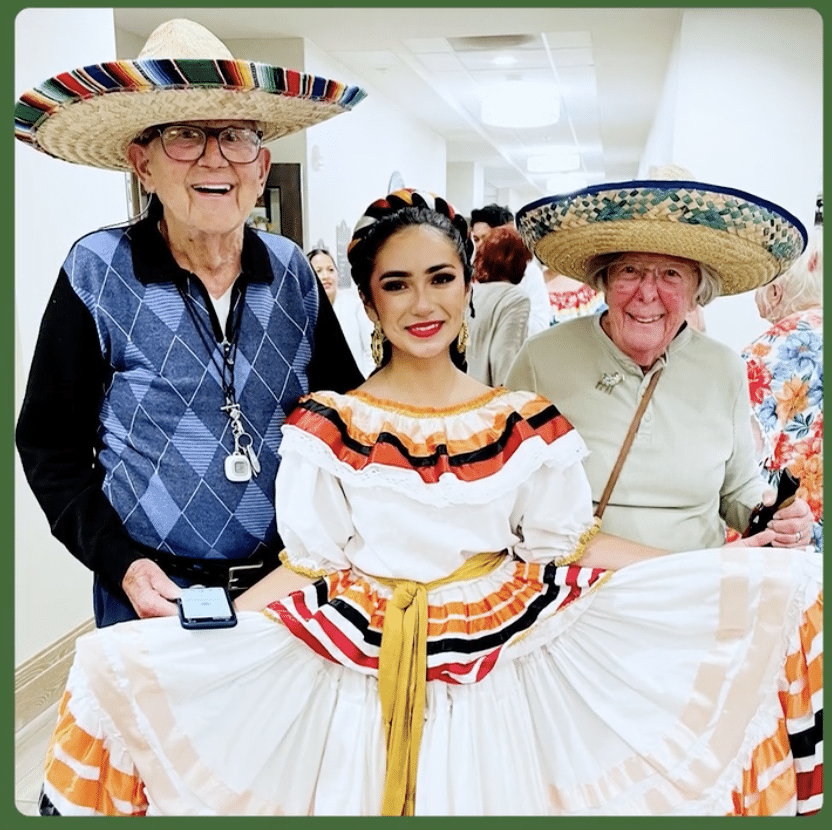
Cinco de Mayo

Celebrating Cinco de Mayo at Westmont Living: Culture, Community & Connection 🎉🌮💃

Cinco de Mayo is more than just a festive day filled with tacos and mariachi music—it’s a meaningful celebration of culture, community, and resilience. At Westmont Living, we’re proud to honor this holiday across our communities with joy, inclusivity, and of course, a lot of great food!

A Little History 🌎
Cinco de Mayo commemorates the Battle of Puebla in 1862, when a small Mexican army triumphed over a much larger French force. While it’s not Mexico’s Independence Day (that’s September 16), the victory has become a symbol of perseverance and pride—especially celebrated in the United States as a way to honor Mexican culture and heritage.

Community Comes Alive 🇲🇽
From vibrant decorations and traditional music to flavorful dishes like tacos, guacamole, and sweet treats, our residents and staff came together to celebrate in true Westmont style. Some communities enjoyed live performances, others hosted themed buffets and socials—but all shared in the spirit of togetherness.

Celebrating with Heart ❤️
At Westmont Living, we believe in creating spaces where everyone feels seen, valued, and celebrated. Cinco de Mayo gives us a chance to learn from one another, share stories, and connect through cultural traditions in meaningful (and fun!) ways.

A heartfelt thank you to all the residents, team members, and local performers who made this year’s Cinco de Mayo celebrations so memorable. Here’s to many more moments of unity, joy, and cultural appreciation! ¡Feliz Cinco de Mayo! 🎊

Senior Apartment Living: Finding the Perfect Fit

Senior Apartment Living: Finding the Right Fit

Finding the right senior apartment for rent at Westmont of Escondido means understanding your lifestyle needs. Consider your health, daily routines, and hobbies. Prioritize accessibility to healthcare and public transport.

Check for amenities like fitness centers and social spaces that promote connection and well-being. Community engagement is essential, so explore volunteer opportunities within the Westmont community.

Finally, budget for all associated costs, including senior apartment living costs, housing, and healthcare. There’s much more to learn about selecting the perfect space at Westmont of Escondido that fits your unique needs and desires.

Understanding Your Lifestyle Needs

How can you guarantee that your new home meets your lifestyle needs when considering senior apartment living? Start by evaluating your personal health and daily routines. Think about how your living environment can support your well-being. For instance, if you have mobility concerns, look for apartments with accessible features. If you love cooking, a well-equipped kitchen could enhance your daily experiences.

Engage in conversations with staff and residents to understand the community’s culture. Ensure social activities resonate with your interests, promoting a sense of belonging. Ultimately, the right apartment should support your physical needs and emotional and social wellness, creating a nurturing environment that enhances your quality of life. Additionally, consider the importance of community and social engagement in fostering connections and reducing feelings of isolation.

Evaluating Location and Accessibility

Where will you feel most at home? When evaluating location and accessibility, consider your proximity to essential services. Look for senior apartments near healthcare facilities to access medical care without hassle. Proximity to these resources can provide peace of mind for you and your loved ones. Equally important are public transportation options. Easy access to buses or trains can enhance your independence, allowing you to stay connected to friends, family, and community activities. As you explore different neighborhoods, think about your daily needs and how each location can support your lifestyle. Finding the right fit means prioritizing accessibility and ensuring you can enjoy life confidently and efficiently—your comfort and well-being matter. Additionally, consider the availability of assisted living options nearby, as they can provide necessary support if your needs change.

Assessing Amenities and Services

How do you envision your daily life in a senior apartment? Consider how amenity selection can enhance your comfort and well-being. Reviewing the services and ensuring they align with your lifestyle needs are crucial. Picture yourself enjoying:

  1. A cozy lounge area for social gatherings with friends.
  2. A fitness center that encourages physical activity and wellness.
  3. Regular transportation services that keep you connected to the community.

While evaluating amenities and services, consider what will truly enrich your life. This thoughtful service review helps you find a place that meets your needs and supports your desire to serve and engage with others. Additionally, social connection plays a vital role in enhancing the overall well-being of seniors. Choose wisely, and you’ll create a fulfilling living experience.

Exploring Community Engagement Opportunities

Engaging with your community can give you a sense of belonging and purpose. Various volunteer programs allow you to give back, and a social events calendar offers opportunities to connect with neighbors. These activities not only enrich your experience but also help foster lasting friendships. Additionally, social interactions are vital for enhancing quality of life, making these engagements even more meaningful.

Volunteer Programs Available

While many seniors seek relaxation and companionship in their communities, getting involved in volunteer programs can offer a fulfilling way to connect with others and make a positive impact. Engaging in volunteer opportunities enriches your life and strengthens the community around you. Here are three rewarding options to contemplate:

  1. Local Food Banks: Help distribute food to needy people, ensuring everyone can access meals.
  2. Animal Shelters: Spend time caring for animals, providing love and attention while promoting adoption.
  3. Tutoring Programs: Share your knowledge with younger generations, helping them succeed academically.

Social Events Calendar

As you explore the vibrant social events calendar within your senior community, you’ll discover many opportunities to connect with others and enrich your daily life. Engaging in social activities not only fosters friendships but also promotes emotional well-being. From game nights to art classes, each event is thoughtfully planned to cater to diverse interests, ensuring everyone feels included.

Involvement in event planning can be a rewarding experience, allowing you to share your skills and ideas. Whether organizing a potluck or a book club, your contributions can significantly impact community spirit. Embrace these chances to connect, learn, and grow alongside your neighbors, creating lasting bonds that enhance your golden years.

Budgeting for Senior Living

When planning for senior living, it’s essential to carefully consider your budget to guarantee a comfortable and fulfilling lifestyle. By engaging in thoughtful financial planning, you can identify affordable options that suit your needs. Evaluate your income sources and expenses, then prioritize what matters most. Here are three key areas to focus on:

  1. Housing Costs: Understand rent, utilities, and maintenance fees.
  2. Healthcare Expenses: Factor in insurance, medications, and regular checkups.
  3. Lifestyle Activities: Include costs for social events, transportation, and hobbies.

senior apartment living

Touring Potential Apartments and Communities

How can you guarantee that your new home feels just right? Start by touring potential apartments and communities with an open heart and mind. Pay close attention to the apartment features—consider layout, accessibility, and amenities that promote comfort and safety. Don’t forget to explore the community culture; friendly neighbors and organized activities can greatly enhance your experience. Engage with residents to understand their daily lives and how they connect. Each community has its unique vibe, so trust your instincts as you assess what resonates with you. Take notes, ask questions, and envision yourself in the space. Ultimately, finding a home that aligns with your values and needs will make all the difference in your new chapter.

Finding the right senior apartment isn’t just about walls and roofs; it’s about creating a home that nurtures your spirit. At Westmont of Escondido, we understand that while the excitement of new beginnings can feel overwhelming, the comfort of a supportive community can turn anxiety into joy. You deserve a space that reflects your lifestyle, offers accessibility, and fosters connections. As you explore your options, remember that the right fit can transform your golden years into a vibrant chapter filled with laughter, friendship, and peace. For more information, feel free to contact us at 760-737-5110.


Compare The Costs of Senior Living vs Staying at Home

How Do The Costs Of Moving Into A Quality Senior Care Community Compare With The Costs Of Staying At Home?


Frequently Asked Questions

What is the cheapest way for a senior to live?

The most affordable living option for a senior depends on their needs and lifestyle. Some low-cost options include subsidized senior housing programs, shared housing with roommates, or living with family members. Government programs such as Section 8 housing assistance can help reduce rental costs for eligible seniors. Additionally, some seniors opt for mobile homes, tiny houses, or independent living communities with affordable rent structures.

Are senior apartments cheaper than regular apartments?

Senior apartments can be more affordable than regular apartments, depending on the location and amenities provided. Some senior housing communities receive government subsidies, which can lower rent for qualifying individuals. However, market-rate senior apartments with added services and amenities may cost more than standard rentals. It’s essential to compare prices and available benefits to determine the best option for a senior’s budget.

How do you rent an apartment if you are retired?

Retirees can rent an apartment by demonstrating a stable income source, such as Social Security, pensions, or retirement savings. Some landlords may require proof of financial stability, such as bank statements or a guarantor. Seniors may also qualify for income-based housing programs that provide rental assistance. Researching senior-friendly housing options and discussing lease terms that accommodate fixed incomes is helpful.

What is a senior living apartment?

A senior living apartment is a residential unit designed for older adults, typically 55 or older. These apartments often include age-friendly features such as step-free access, safety enhancements, and social amenities. Some senior living apartments are independent, while others offer services like housekeeping, transportation, and recreational activities. Many are part of communities that encourage socialization and an active lifestyle for older residents.


The Levels of Care in Assisted Living: Always Care For Your Loved One

Levels of Care in Assisted Living: Tailored Support at Every Step

Understanding the levels of care in assisted living is key to making informed decisions for your loved one. At Westmont of Escondido, each level ensures residents receive the right balance of support, independence, and community engagement. From those who need a light touch of assistance to those requiring daily care, each individual is met with personalized attention. Residents thrive in a nurturing environment with this approach while maintaining their dignity and autonomy.

Families gain peace of mind knowing their loved ones are in a safe, compassionate place. This breakdown helps you understand what to expect, how to navigate transitions between care levels, and how to ensure your loved one’s evolving needs are met. Explore how each level offers purposeful care, emotional support, and improved well-being.

What Are the Levels of Care in Assisted Living?

The levels of care in assisted living typically span from Level 1 to Level 3, each tailored to address a senior’s specific physical and emotional needs. At Westmont of Escondido, Level 1 encourages independence while providing essential support like medication reminders or light housekeeping. Moving up, Level 2 delivers more hands-on assistance with daily activities, ensuring comfort and safety without compromising autonomy.

When we consider level 3 care in assisted living, we refer to residents who require more consistent attention, such as help with mobility, hygiene, or chronic health conditions. This level also includes support for cognitive challenges. Each transition between levels follows a thorough assessment, ensuring the care plan evolves with the resident. Westmont also references an assisted living level of care chart to guide families and caregivers in matching the right level of care to their loved one’s changing needs.

Benefits of the 5 Levels of Care in Assisted Living

While some communities offer three distinct levels, others may categorize care more specifically. These are often known as the five levels of care in assisted living, which include additional nuance in services provided. Whether labeled as Level 1 through 5 or simplified into three, the essence remains: your loved one receives care aligned to their requirements.

Each level focuses on maintaining dignity and enhancing quality of life. Social interaction, health monitoring, and emotional support are interwoven into the daily experience. Recognizing what is the highest level of care in assisted living is critical—it typically involves continuous staff supervision, advanced medical coordination, and assistance with every aspect of daily living. Westmont ensures that the residents’ well-being and fulfillment remain central regardless of the level.

Levels of Care

Levels of Care

How Care Levels Are Determined: Individual Assessments

Choosing the right level starts with a comprehensive resident evaluation. Factors like mobility, memory, and the ability to manage tasks independently are carefully reviewed. The results shape a care plan tailored to individual needs, which can adapt as those needs evolve. These assessments are more than just medical—they also consider emotional and social wellness.

To better illustrate these considerations, Westmont’s care team uses a thorough assessment tool aligned with industry standards and guided by an assisted living level of care chart to guide families. This proactive approach helps families feel confident in the decision-making process.

Personalized Support Through Every Level

A unique strength of Westmont’s approach lies in how each care level is implemented through customized plans. The levels of care in assisted living are not rigid categories—they’re flexible, person-centered systems built to evolve. Caregivers collaborate with families to adjust support as residents progress through their journey.

In Level 1, this might mean checking in during meals or assisting with laundry. By Level 3, it may involve escorting residents to meals, managing medication schedules, or helping with bathing. So, if you’re wondering what level 3 care in assisted living is, it’s a blend of compassionate service and responsive attention that promotes dignity and comfort. These enhancements ultimately elevate the quality of life, especially for residents facing progressive health conditions.

Care for Residents

Financial Aspects and Care Level Transitions

Understanding the costs associated with each care level helps families plan wisely. Naturally, the highest level of care in assisted living comes with increased costs due to the staffing and medical resources required. However, Westmont works with families to explore coverage options and design affordable care plans.

A transparent communication process ensures families are updated on care needs and costs, especially when a transition between levels is necessary. This transparency ensures that decisions are based on the resident’s well-being rather than surprises in billing. Financial planning resources and assistance programs are available for families navigating long-term care budgets for added peace of mind.


Compare The Costs of Senior Living vs Staying at Home

How Do The Costs Of Moving Into A Quality Senior Care Community Compare With The Costs Of Staying At Home?


Why Understanding Care Levels Improves Quality of Life

When families understand the levels of care in assisted living, they’re empowered to support their loved one’s journey with empathy and foresight. Knowing the signs that indicate a higher care level is needed can prevent unnecessary stress and ensure timely transitions.

Quality of life isn’t just about physical health and social engagement, autonomy, and emotional wellness. Each level fosters community in different ways. For example, Level 1 residents may participate in excursions and social activities independently, while Level 3 residents enjoy more guided experiences that prioritize joy and connection. The entire care system is designed to adapt while preserving the resident’s spirit and sense of purpose.

At Westmont of Escondido, the approach is holistic—caregivers don’t just treat conditions; they nurture relationships and create an environment where residents feel seen, safe, and supported. Whether you’re asking about the highest level of care in assisted living or trying to understand how to begin, the compassionate staff is ready to guide you.

Your loved one deserves comfort, respect, and compassionate care in every season of life. Westmont of Escondido offers a spectrum of support through every stage. To speak with our team and discover the right fit, call us at 760-737-5110 or visit our community to learn more.


Assessment Process

Assessment Process

Frequently Asked Questions

What are the three levels of assisted living?

Assisted living typically includes three levels of care: low, moderate, and high. These levels reflect the support a resident needs with daily tasks such as bathing, dressing, and medication management. Low-level care is for those who are primarily independent, while high-level care is for residents needing more hands-on assistance. Communities assess each person to determine the right level of care.

What are the 4 levels of care in nursing?

The four levels in nursing usually refer to skilled nursing, intermediate care, custodial care, and sub-acute care. Skilled nursing involves licensed medical professionals providing advanced medical treatment. Intermediate and custodial care focus more on daily living support, with custodial care being non-medical. Sub-acute care falls between hospital care and skilled nursing, often used after a hospital stay.

What does level 3 mean in assisted living?

Level 3 care in assisted living generally indicates the highest level of support within that setting. Residents at this level often need significant help with most or all activities of daily living, such as mobility, hygiene, and medication management. They may also require regular monitoring or support due to medical conditions. While still less intensive than nursing home care, level 3 is designed for those needing comprehensive daily assistance.

What is level 6 care?

Level 6 care is a term sometimes used in long-term care settings to describe exceptionally high or complex needs, often associated with advanced memory care or medical dependency. It may involve 24-hour supervision, total assistance with daily tasks, and specialized care for conditions like advanced dementia. Not all communities use this terminology, so asking how each provider defines their care levels is essential. Level 6 is the most intensive tier available outside of hospital care.


What Is a Retirement Home? Explore its Senior Living Benefits

What Is a Retirement Home: A Complete Guide for Seniors

If you’ve ever asked yourself, what is a retirement home, you’re likely exploring living options for seniors that blend independence with supportive care. A retirement home, also known as a home for old person is called a senior living community, provides a residential setting where older adults can thrive in a vibrant social atmosphere with personalized care services. Communities such as Westmont of Escondido exemplify this balance beautifully.

These homes offer maintenance-free living environments, allowing residents to engage fully in hobbies and social activities. Financial planning is simplified, enabling seniors to manage the retirement home cost effectively. Choosing the right retirement home enhances your quality of life, providing comfort, security, and community connection in your golden years.

Definition and Purpose of Retirement Homes

Retirement homes are designed for older adults seeking independence and tailored support. Unlike nursing homes, which provide intensive medical care, retirement homes offer a residential setting focused on lifestyle and wellness. Understanding the differences in retirement home vs nursing home helps clarify what best suits your needs.

Retirement homes prioritize your autonomy, supporting active living through various health and wellness programs. Facilities often reflect thoughtful retirement home architecture with accessible designs that blend comfort and safety. At Westmont of Escondido, the environment encourages an active and socially engaged lifestyle, ensuring residents thrive physically, mentally, and emotionally.

The dedicated team understands your unique needs, ensuring you receive the right level of assistance without compromising your independence. By choosing a retirement home, you’re embracing a lifestyle that balances support and autonomy, allowing you to focus on enjoying your golden years in comfort and companionship. This holistic approach to wellness integrates medical, social, and emotional support, ensuring you receive comprehensive care that enhances your overall well-being.


Personalized Care and Support Services

When you move into a retirement home, personalized care and support services are at the heart of enhancing your living experience. Your unique needs and individual preferences shape the care you receive, ensuring you feel valued and understood.

You’ll benefit from:

  1. Customized care plans are explicitly tailored to your health and lifestyle.
  2. One-on-one support from trained staff fosters meaningful connections.
  3. Specialized therapy programs, including physical and memory care, to promote well-being.
  4. Dietary accommodations that honor your preferences and restrictions make mealtimes enjoyable.

These personalized services provide essential support and encourage your independence and dignity. By focusing on your individual needs, retirement homes help create an environment where you can thrive, surrounded by compassion and understanding. Additionally, regular assessments ensure that your care adapts as your changing needs arise.

Social Opportunities and Community Engagement

Personalized care is just one part of the enriching experience in a retirement home. Here, you’ll discover a vibrant community with social opportunities that enhance your well-being. Engaging in social clubs and community events fosters connections and combats feelings of loneliness. These activities are crucial for seniors’ overall well-being and support mental and emotional health.

Activity Type Benefits Examples
Social Clubs Build friendships and support Book clubs, gardening
Community Events Create shared experiences Holiday parties, picnics
Exercise Classes Promote health and fun Yoga, dance classes
Creative Arts Encourage self-expression Painting, crafting
Volunteer Programs Give back to the community Service projects

These interactions provide a sense of belonging, purpose, and joy. You’ll find that each meaningful connection enriches your days, making your retirement experience truly fulfilling.

Maintenance-Free Living and Financial Considerations

Living in a retirement home means enjoying a carefree lifestyle, as it eliminates the stress of household chores and maintenance tasks. This maintenance-free living allows you to focus on what truly matters—your well-being and happiness. Here are some key benefits:

  1. Extra Time. You’ll have more time for socializing, hobbies, and relaxation.
  2. Safety First. With maintenance taken care of, you reduce risks associated with home upkeep.
  3. Financial Planning. Evaluating your retirement savings helps cover long-term care costs, ensuring peace of mind.
  4. Support Options. Explore long-term care insurance and government assistance for added financial security. Additionally, understanding assisted living costs is essential for effective budgeting and planning.

Understanding how to plan financially for retirement home living can significantly ease the transition. Resources like AARP’s retirement planning and information on senior housing costs provide valuable insights into budgeting and financial management.


Discovering the Right Retirement Home Near Escondido, CA

Westmont of Escondido offers exceptional options for those searching for a retirement home near Escondido, CA. This community conveniently blends premium living with easy access to local amenities, ensuring comfort, convenience, and community involvement. The thoughtful retirement home architecture provides a secure, accessible, and attractive environment for seniors.

When considering locations, proximity to family, healthcare facilities, and recreational areas an essential factor. Communities like Westmont integrate these elements, providing comprehensive benefits significantly enhance your living experience.

Embracing Community and Connection

Retirement homes provide more than just housing; they create vibrant communities where seniors can thrive. Active participation in community life promotes feelings of purpose, belonging, and emotional fulfillment. Your input is valued, contributing to the overall well-being of the community.

Community Involvement Benefits
Social Activities Reduces isolation
Volunteer Opportunities Sense of purpose
Resident Committees Empowerment and feedback
Wellness Programs Healthy lifestyle promotion

Creating these connections transforms your experience, making each day more rewarding and enjoyable.


Begin Your New Chapter Today

Choosing a retirement home marks an exciting new chapter filled with opportunities for growth, friendship, and wellness. Retirement communities provide personalized care, vibrant social lives, and maintenance-free living, all structured to enhance independence and comfort.

Whether you’re comparing retirement home vs nursing home options, evaluating retirement home cost, or simply exploring retirement home architecture, understanding your needs is crucial. Communities like Westmont of Escondido offer tours that give insights into daily life and services.

To explore all the benefits Westmont of Escondido offers, call 760-737-5110 or schedule a tour today. Your new, fulfilling retirement awaits!


What Level of Care Do You Need?

Discover the level of care you or your family member requires. 


Frequently Asked Questions

How do retirement homes work?

Retirement homes are residential communities designed for older adults who are generally independent but may benefit from some daily support. Residents live in private or semi-private units and can access services like meals, housekeeping, transportation, and social activities. These communities often provide a safe, maintenance-free environment with optional support as needs change. While not medical facilities, many retirement homes offer wellness programs and connections to health services.

What age is best for a retirement home?

There isn’t a strict age requirement, but most people consider moving into a retirement home between the ages of 70 and 80. The best time depends on individual health, lifestyle preferences, and the desire for a more supportive or social living environment. Some adults move earlier to enjoy the amenities and community life while still active and independent. Others wait until they need more assistance with daily tasks or no longer want the responsibilities of homeownership.

What is the difference between a retirement home and a nursing home?

A retirement home caters mostly to independent seniors who want a supportive, community-style living arrangement with optional services. A nursing home, on the other hand, provides round-the-clock medical care and support for individuals with severe health conditions or disabilities. While retirement homes focus on lifestyle and convenience, nursing homes are medical facilities focused on care. A nursing home’s level of assistance and supervision is typically much higher than in a retirement home.

What are the three criteria that make up the definition of a retirement home?

Retirement homes are defined by three main criteria: age eligibility, level of independence, and availability of support services. First, residents are typically seniors, often 55 or older. Second, they maintain a degree of freedom in daily living. Third, retirement homes offer support services like meals, housekeeping, and social activities to enhance quality of life without providing intensive medical care.


A Complete Guide to Assisted Living Dietary Programs for Seniors

Essential Benefits of an Assisted Living Dietary Program

An effective assisted living dietary program goes beyond basic meal preparation; it plays a critical role in senior health and quality of life. At Westmont of Escondido, seniors benefit from carefully tailored meals that address their nutritional needs, preferences, and health conditions, ensuring physical vitality and emotional satisfaction.

An excellent dietary program integrates balanced nutrition with engaging dining experiences, crucial for overall wellness. Seniors in assisted living thrive when meals are nutritious, delicious, and socially enriching.

Understanding Nutritional Needs for Seniors

As you age, your body requires specific essential nutrients to maintain health and well-being. Understanding these nutritional needs can help you make informed choices about your diet, ensuring you get the right balance of vitamins, minerals, and proteins. Focusing on these key nutrients can support your overall well-being and enhance your quality of life. Incorporating easy-to-digest foods into your meals can further assist in maintaining a balanced diet suitable for seniors.


Essential Nutrients for Seniors

Adhering to dietary guidelines for assisted living includes focusing on vital nutrients:

Nutrient Importance
Protein Supports muscle health and strength
Fiber Aids digestion and reduces heart disease risk
Calcium Strengthens bones, preventing osteoporosis
Vitamin D Enhances calcium absorption and immunity
Omega-3 Fatty Acids Supports cognitive function and heart health

A balanced intake of these nutrients supports seniors’ well-being, helping them maintain an active and fulfilling lifestyle.

Working with an assisted living dietitian can guarantee these nutrients are balanced in meals, promoting ideal health for seniors in your care. Additionally, good nutrition plays a crucial role in reducing chronic disease risk and enhancing life expectancy.

Meal Options Offered in Assisted Living Facilities

You’ll find various meal options in assisted living facilities to meet diverse tastes and dietary needs. Many facilities offer customizable menus, allowing you to choose meals that satisfy your palate and adhere to nutritional guidelines. This flexibility guarantees you can enjoy balanced, flavorful meals tailored to your preferences and health requirements. Additionally, these menus are designed to accommodate residents’ dietary preferences and ensure that all nutritional needs are met.

Meal Variety and Customization

Many assisted living facilities prioritize meal variety and customization to meet their residents’ diverse dietary needs and preferences. By working closely with an assisted living dietary aide, you can guarantee that meals cater to specific tastes and health requirements. Here are three key aspects of meal variety in assisted living diets:

  1. Personalized Menus. Facilities often offer options that allow residents to choose meals based on their preferences and dietary restrictions.
  2. Cultural Inclusivity. Many communities provide dishes from various cultures, ensuring everyone feels represented and satisfied.
  3. Seasonal Ingredients. Utilizing fresh, seasonal produce enhances flavor and promotes better nutrition. Additionally, personalized nutrition plans are essential in supporting the individual dietary needs of seniors.

Senior Enjoyable Mealtime Environment

Addressing Dietary Restrictions and AllergiesWhen considering dietary options for seniors, it’s essential to recognize common nutritional restrictions that may affect their meals. Many individuals face limitations due to allergies, diabetes, or other health conditions, and these must be thoughtfully addressed. Understanding these restrictions can help create a more inclusive dining experience that promotes health and enjoyment. Additionally, personalized dietary programs can significantly enhance the nutritional intake and overall well-being of residents in assisted living communities.

Common Dietary Restrictions

As seniors age, they often face various dietary restrictions due to health conditions or allergies that can impact their nutritional needs. Understanding these restrictions is essential for creating practical dietary guidelines for assisted living. Here are three common nutritional restrictions:

  1. Diabetes. Seniors may require low-sugar, low-carbohydrate diets to manage blood glucose levels.
  2. Heart Disease. Low-sodium and low-fat diets are necessary to maintain cardiovascular health.
  3. Food Allergies. Common allergens, like gluten or nuts, must be avoided to prevent adverse reactions.

Knowing what a dietary aide does in a nursing home is significant in assisted living facilities. They guarantee meals meet these specific needs, helping seniors maintain a balanced diet while prioritizing their health and well-being.

The Role of Nutrition in Senior Health

Proper nutrition significantly influences senior health, impacting everything from immune strength to cognitive ability. A balanced diet is essential for aging adults, reducing disease risks and enhancing quality of life.

Importance of a Balanced Diet

A balanced dietary program helps seniors by:

  • Enhancing energy levels for sustained activity
  • Improving immune response to reduce illness frequency
  • Facilitating digestion and gastrointestinal health
  • Supporting cognitive clarity and emotional well-being

Consulting with a skilled assisted living dietitian ensures meals are nutritionally balanced and enjoyable, significantly improving residents’ daily experiences.

Enhancing Social Interaction Through Dining Experiences

Dining experiences in assisted living settings enhance seniors’ social interaction, fostering connections essential for emotional well-being. Sharing meals satisfies nutritional needs and cultivates a sense of community. Here are three ways to enhance these dining experiences:

  1. Themed Dinners. Organizing themed meals encourages participation and sparks conversations about favorite dishes or cultural backgrounds.
  2. Family-Style Dining. This approach allows residents to serve themselves and engage in discussions, creating a more interactive atmosphere.
  3. Cooking Classes. Involving seniors in meal preparation promotes teamwork and gives them a sense of accomplishment, enhancing their social bonds.


Diet Plans

Transform Senior Life with Nutritious, Enjoyable Dining

Optimizing nutrition through a comprehensive assisted living dietary program significantly enhances seniors’ quality of life, addressing both physical health and emotional well-being. Facilities like Westmont of Escondido prioritize a balanced diet alongside meaningful social dining experiences.

Through professional guidance from an assisted living dietitian and committed assisted living dietary aides, dietary programs blend health and pleasure, creating a positive and vibrant environment. By choosing facilities that prioritize these comprehensive dietary programs, families ensure their loved ones enjoy nutritional health and enhanced social experiences.

For more information about dietary plans at Westmont of Escondido or to discuss your options, please call us at 760-737-5110. You can also schedule a tour of our facility by visiting this link.


Find Where You Belong

Dive into the vibrant life our Westmont communities have to offer.


Frequently Asked Questions

Does assisted living pay for food?

Yes, most assisted living communities include meals as part of their monthly fees. Residents typically receive three nutritious meals per day along with snacks, prepared by on-site culinary teams. Meals are often served in communal dining areas to encourage social interaction. Special dietary needs or preferences can be accommodated with advance notice.

What does a dietary manager do in assisted living?

A dietary manager in assisted living oversees the planning and preparation of meals that meet residents’ nutritional needs. They ensure menus follow dietary guidelines and accommodate medical restrictions such as diabetes or low-sodium diets. The manager also supervises kitchen staff, monitors food safety protocols, and works with healthcare providers to address residents’ dietary concerns. Their goal is to support residents’ health and satisfaction through balanced, enjoyable meals.

What is an elderly nutrition program?

An elderly nutrition program, often funded by government or nonprofit organizations, provides older adults access to healthy meals and nutrition education. These programs may offer meals at senior centers, through home delivery, or at community dining sites. In addition to food, they often include services like nutrition counseling and social support. Their main goal is to reduce hunger, promote wellness, and support independent living for seniors.

What is one of the biggest drawbacks of assisted living?

One of the most significant drawbacks of assisted living is the cost, which can be high and is typically not covered by Medicare. Many families find monthly fees add up quickly, especially when extra care services are needed. Another concern is the emotional transition, as moving into assisted living can be challenging for seniors who value independence. Additionally, depending on the community’s policies, some residents may feel a lack of privacy or autonomy.


Music and Memory Care: The Therapeutic Power of Melodies

The Therapeutic Power of Music and Memory Care Programs

Music is more than mere entertainment—it’s a powerful connection to the past, a catalyst for emotional healing, and a beacon of hope for individuals experiencing memory loss. At Westmont of Escondido, music and memory care integration create transformative experiences. Individuals find pathways back to their cherished memories and emotional comfort through personalized melodies and dedicated music therapy. As you explore this fascinating intersection of music and memory, you’ll discover why it’s essential for enhancing the quality of life for those with dementia and Alzheimer’s.

Music therapy goes beyond enjoyment, significantly impacting emotional health, social connections, and cognitive function. Let’s delve deeper into music’s profound impact on memory care settings.

The Science Behind Music and Memory

Listening to music is not just a pleasant experience; it triggers powerful brain changes. Studies show that music can activate areas linked to memory, emotion, and movement, creating a unique pathway for recalling cherished moments. Understanding this neurological impact can help you appreciate how music is an essential tool in memory care. Additionally, music therapy enhances quality of life by reducing stress and anxiety, further supporting cognitive functions.

Research into music and dementia reveals that rhythmic and melodic elements stimulate the hippocampus and other memory-related brain areas. This stimulation brings past experiences to life and enhances cognitive abilities. Moreover, a wealth of music and dementia research supports the effectiveness of therapeutic music interventions in improving overall well-being.

Neurological Impact of Music

Exploring the neurological impacts of music reveals compelling evidence supporting its therapeutic use. Individuals dealing with music and memory dementia often show profound responses to personalized musical stimuli. Studies confirm that familiar melodies can reactivate memory centers, promoting emotional responses that might remain inaccessible.

Different types of music therapy for dementia include individualized playlists, live performances, and interactive group sessions, each offering unique benefits. Additionally, studies indicate that the healing power of music can significantly improve the emotional well-being of those in memory care.

Here’s a quick overview of some music therapy approaches:

Type of Therapy Benefits
Individualized Playlists Personal connection to memories
Group Music Sessions Social interaction and engagement
Live Music Interventions Real-time emotional responses

Neurological effects of music in memory care

How Music Stimulates Memory Recall

Think about the last time a song transported you back to a cherished moment. That emotional connection isn’t just a fleeting experience; it plays an essential role in how music sparks memory recall. By tapping into those feelings, music can release forgotten memories and create meaningful moments for you and those in your care. Additionally, personalized music experiences can enhance cognitive abilities such as attention and memory, making the therapy even more effective.

Emotional Connection to Songs

Familiar songs can unlock emotional connections, providing comfort and recalling memories long forgotten. Witnessing an individual with Alzheimer’s react to a favorite song underscores the power of music in dementia care. These musical interactions often evoke deep emotions, helping caregivers reconnect with their loved ones.

Music stimulates memory recall and emotional expression, creating meaningful interactions. By engaging individuals with melodies that resonate personally, caregivers can effectively improve mood, reduce anxiety, and enhance social interactions, substantially boosting quality of life. Moreover, art therapy can complement these musical interventions, enhancing emotional and cognitive well-being in seniors.

Personalized Playlists: Tailoring Music for Individuals

Creating personalized playlists means tuning into what resonates with each individual. By identifying their musical preferences, you can spark joy and connection that enhances their memory care experience. It’s about finding those songs that make them smile and feel alive, turning music into a powerful tool for healing. Engaging residents in enriching activities can further enhance their cognitive function and emotional well-being.

Identifying Musical Preferences

Determining individual musical tastes involves active communication and observation. Begin conversations about favorite artists or songs from pivotal moments in their lives. Noticing emotional or physical reactions—smiles, rhythmic tapping, or humming—can indicate significant connections to specific tunes. Use these insights to develop personalized playlists, enhancing the effectiveness of the music and memory program.

This personalized approach ensures that every musical encounter is impactful, resonant, and comforting, becoming vital to their daily therapeutic routine.

Family Participation in music in memory care

Engaging Activities: Incorporating Music Into Daily Routines

Imagine starting each day with a gentle music session that lifts spirits and sparks memories. You can create a comforting atmosphere that encourages connection and expression by incorporating daily music moments into routines. These engaging activities enrich lives and foster a sense of belonging and joy.

Daily Music Sessions

Integrating daily music sessions into the routines of individuals in memory care can transform their experience, fostering connection and enhancing their well-being. Music sparks joy and evokes memories and emotions, creating a bridge to their past. Consider setting aside time daily to sing familiar songs, play instruments, or simply listen to their favorite melodies. These moments can provide comfort, encouraging engagement and social interaction.

You’ll witness smiles, laughter, and perhaps even spontaneous dancing as you weave music into daily activities—whether during meals, exercise, or relaxation. By prioritizing these sessions, you’re not just filling silence; you’re enriching lives, nurturing relationships, and creating a vibrant, supportive environment for those in your care.

Group Bonding with music in memory care

The Role of Music in Enhancing Emotional Well-Being

Music possesses an innate ability to access and soothe emotions, playing a crucial role in emotional regulation and mental health in memory care environments.

Music as Emotional Catalyst

Music is particularly effective at eliciting emotional responses, facilitating connections to past experiences and loved ones. This emotional catalyst provides comfort, joy, and even relief from anxiety or agitation. The emotional resonance fostered by music therapy sessions enriches daily life, significantly boosting overall emotional and mental health.

By integrating music deeply into therapeutic routines, caregivers provide essential emotional support, creating a stable, supportive, and emotionally fulfilling environment.

Success Stories: Transformative Effects of Music Therapy

Stories of transformation through music therapy illuminate its incredible potential. Individuals previously withdrawn or non-responsive due to memory impairment have experienced extraordinary awakenings through musical interaction.

In one notable example, a man with advanced Alzheimer’s began communicating clearly when engaged with his favorite songs, reconnecting profoundly with his family. Countless other experiences highlight similar transformations, illustrating music therapy’s profound impact.

To better understand the benefits of structured music therapy programs, explore organizations such as Music & Memory and resources from the American Music Therapy Association.

Music Collaboration in Memory Care

Rediscover Life Through Music

Incorporating music therapy into memory care at Westmont of Escondido represents more than an additional activity—it’s a fundamental component of compassionate, effective care. Understanding and harnessing the profound connection between music and memory offers unparalleled emotional and cognitive healing opportunities. Embrace the melody-driven journey towards rediscovering lost memories, enriching daily lives, and building joyful experiences through the extraordinary power of music.

To discover how music therapy could transform your life or the life of a loved one, call us at 760-737-5110 or schedule a tour to experience firsthand the remarkable integration of music into memory care.


Compare The Costs of Senior Living vs Staying at Home

How Do The Costs Of Moving Into A Quality Senior Care Community Compare With The Costs Of Staying At Home?


Frequently Asked Questions

Can music therapy improve memory?

Yes, music therapy has been shown to improve memory, especially in individuals with dementia or Alzheimer’s disease. It can stimulate different brain parts, including memory recall and emotional processing. Familiar songs often trigger memories, helping individuals reconnect with experiences and loved ones. Over time, consistent exposure to music therapy may support cognitive engagement and slow down memory decline.

How does music help with memory?

Music helps with memory by activating brain areas related to emotion, attention, and long-term recall. When someone listens to music they recognize, it can evoke powerful memories and emotions tied to specific life events. This is particularly beneficial for people with memory loss, as it creates a bridge to personal experiences that may otherwise feel inaccessible. Music also promotes relaxation and reduces anxiety, enhancing focus and memory retention.

Is music good for dementia patients?

Music is highly beneficial for dementia patients. It can improve mood, reduce agitation, and help manage behavioral symptoms like anxiety or depression. Familiar songs often evoke emotional responses and memories, even in advanced stages of dementia. Additionally, group music activities provide social interaction and mental stimulation, improving overall quality of life.

What are three things to never do with your loved one with dementia?

First, never argue or try to correct their memory—it can cause confusion and distress. Second, avoid asking too many open-ended questions or insisting they remember details, as it may overwhelm them. Third, never ignore their feelings; even if their words seem confused, their emotions are authentic and valid. Instead, respond with patience, validation, and reassurance to maintain trust and calm.


Exploring Menus for Assisted Living Facilities

Menus for Assisted Living Facilities: Nourishing Senior Lives

Choosing the right dining options can significantly enhance life in assisted living facilities, making menus an essential aspect of resident care. The dining experience in these communities extends beyond basic nutrition; it promotes health, community engagement, and overall happiness among residents. By carefully designing menus for assisted living facilities, senior communities like Westmont of Escondido can cater to diverse dietary needs, enhance social interactions, and ensure nutritional well-being.

Exploring dining menus at Westmont of Escondido’s assisted living facility is crucial for your health and social life. Facilities offering diverse, nutritious, customizable meal options can transform dining from mere nourishment into a delightful daily event. A thoughtfully designed menu addresses nutritional needs and creates opportunities for social connections and personal satisfaction.

Evaluating the Needs and Benefits of Assisted Living Dining

When considering assisted living, it’s essential to evaluate your dining needs and the benefits that come with them. You should reflect on your personal goals regarding nutrition and wellness, and ensure that the facility you choose aligns with your dietary preferences. This involves examining meal variety, quality, and the ability to accommodate specific dietary restrictions.

Facilities that prioritize residents’ dining experiences often foster a sense of community, encouraging socialization during meals. Look for places that offer flexible dining options, such as in-room service or varied meal times, which can enhance your independence while still providing necessary support.

Additionally, engaging with staff about menu options and providing feedback can lead to more tailored meals that meet your nutritional requirements. Ultimately, the right dining experience contributes to your physical health and promotes a fulfilling lifestyle in your new community. Moreover, consider how personalized nutrition can enhance your overall well-being and satisfaction with dining options.

Considering the Benefits

Nutritional Considerations and Special Diet Options

Nutrition is paramount when reviewing menus for assisted living facilities. Facilities must prioritize nutritionally balanced dishes designed explicitly for seniors, including fresh, natural ingredients. A good facility’s menu will cater to specialized dietary needs, providing vegetarian, vegan, gluten-free, and medically tailored meal options.

Consider facilities offering clear examples, such as an elderly nursing home food menu sample, showcasing their dedication to nutritional excellence. Collaboration with dietitians and healthcare providers ensures that dietary plans effectively address medical conditions like diabetes, hypertension, and other age-related nutritional concerns.

Additionally, personalized nutrition plans ensure each resident’s dietary needs are met, enhancing their overall health and well-being.

Customization, Flexibility, and Dining Experience

Menus should be flexible and customizable to address varied tastes and nutritional needs comprehensively. Residents should have access to clearly defined choices through a detailed assisted living dinner menu, ensuring meals align with individual preferences and dietary restrictions.

Facilities can enhance dining experiences by conducting regular surveys and feedback sessions with residents, allowing culinary teams to refine their offerings continually. Options like in-room dining, flexible meal times, and personalized meals contribute significantly to resident satisfaction. Additionally, incorporating good nutrition into menu planning can help reduce chronic disease risk and improve mental acuity among residents.


What Level of Care Do You Need?

Discover the level of care you or your family member requires.


Quality, Freshness, and Variety of Ingredients

When choosing an assisted living facility, consider how it prioritizes quality and freshness in its ingredients. Sourcing local produce enhances flavor and supports sustainability and community health. A diverse menu incorporating seasonal and international dishes can keep meals exciting and cater to various dietary preferences. Additionally, dietitians play a key role in ensuring that meal plans are tailored to meet the specific nutritional needs of seniors.

Sourcing Local Ingredients

Sourcing local ingredients enhances the quality and freshness of meals and supports the health and well-being of residents in assisted living facilities. By partnering with local farms, facilities can guarantee ingredient sustainability, positively impacting nutrition and taste. Fresh produce from nearby sources retains more nutrients and flavor, creating meals that residents look forward to.

Benefit Description
Quality Fresh ingredients improve the taste
Health Local sourcing boosts nutritional value
Sustainability Supports the local economy and reduces waste

Menu Diversity Importance

Menu diversity is essential in enhancing the quality of life for residents in assisted living facilities. By implementing effective menu rotation strategies, you guarantee meals remain fresh and engaging, helping to combat meal fatigue. Integrating cultural cuisine caters to varied tastes and fosters community and connection among residents. High-quality, fresh ingredients are vital, as they directly impact meals’ nutritional value and overall healthiness. Offering a variety of dietary options, including vegan and gluten-free, accommodates individual needs and preferences. This commitment to diverse, nutritious menus supports a balanced diet, promoting wellness and satisfaction for residents while encouraging socialization during mealtime.

Vegetarian and Vegan Choices

Vegetarian and Vegan Choices

Enhancing Community Through Dining

Dining is essential in fostering community within assisted living facilities, as it creates opportunities for residents to connect and engage. Sharing meals encourages social engagement, allowing residents to build friendships and support networks. Culinary events, such as themed dinners or cooking classes, stimulate interest in food and promote interaction among residents and staff.

When dining experiences are thoughtfully designed, they cater to diverse preferences and dietary needs, ensuring everyone feels included. Regular feedback from residents helps shape menus, contributing to a sense of ownership and satisfaction in their dining options. By prioritizing nutritious, appealing meals, facilities can enhance residents’ overall well-being while creating a vibrant community atmosphere. Ultimately, the dining experience becomes a cornerstone for connection, fostering relationships and enriching the lives of those in assisted living.

Next Steps for Exploring Assisted Living Dining Options

To make informed decisions, thoroughly explore available dining options at potential assisted living facilities. Start by reviewing current menu trends and nutritional offerings. Request a detailed assisted living monthly dinner menu during tours to comprehensively assess meal variety and dietary accommodations.

Engage with current residents to gather feedback about their dining experiences. Observing mealtime dynamics provides valuable insights into social interactions and the community environment fostered through shared meals. Ensuring facilities offer customizable meal plans and flexible dining options further aligns dining experiences with individual lifestyles and health needs.

Dining: The Heartbeat of Assisted Living Communities

Ultimately, dining is more than nourishment—it’s the heartbeat of community life in assisted living facilities. At Westmont of Escondido, thoughtfully designed dining experiences promote vibrant social connections, enhance overall health, and enrich residents’ daily lives. Choosing a facility that prioritizes exceptional dining ensures a fulfilling, flavorful, and engaging lifestyle.

For more information or to schedule a tour, please call 760-737-5110 or visit our website here.


Compare The Costs of Senior Living vs Staying at Home

How Do The Costs Of Moving Into A Quality Senior Care Community Compare With The Costs Of Staying At Home?


Frequently Asked Questions

What is one of the biggest drawbacks of assisted living?

One of the biggest drawbacks of assisted living is the cost. Many communities charge monthly fees that can be difficult for families to afford, especially if long-term care insurance or Medicaid isn’t available. While residents receive help with daily tasks, medical care is often limited compared to a nursing home. Additionally, adjusting to a new environment and loss of independence can be emotionally challenging for some seniors.

Are meals provided in assisted living?

Yes, most assisted living communities provide meals as part of their standard services. Typically, residents receive three daily meals served in a communal dining room, often with menu options tailored to dietary needs. Some communities also offer snacks and in-room dining for convenience. These meal services help ensure seniors maintain proper nutrition without the burden of cooking.

What does Medicare pay for assisted living?

Medicare does not cover the cost of assisted living room and board. However, it may pay for certain medical services a resident receives while living in the community, such as doctor visits, prescription medications, or skilled nursing care. Since assisted living is considered custodial care rather than medical care, most expenses are out-of-pocket. Seniors often explore Medicaid, long-term care insurance, or personal funds to cover costs.

What not to take to assisted living?

Avoid bringing oversized furniture, excessive personal belongings, or items that could pose safety risks like space heaters or sharp kitchen tools. Most assisted living apartments are smaller than traditional homes, so space is limited and needs to be used wisely. It’s also best to leave behind valuables or sentimental items that could be easily lost or damaged. Focus on comfort, functionality, and a few personal touches to make the space feel like home.


Assisted Living Pricing: Factors Affecting the Cost

Assisted Living Pricing: What Affects the Cost?

Several key factors influence assisted living pricing at Westmont of Escondido. Your location plays a significant role, with urban areas generally having higher costs than rural ones. Understanding assisted living costs by state can help families make informed decisions about affordability and budget planning.

Pricing is also affected by the type of accommodation you choose, such as private or shared rooms. The required care levels and additional support services also add to the costs.

Community amenities and lifestyle offerings at Westmont of Escondido can enhance your experience but may include hidden fees. Knowing what is included in assisted living costs helps families prepare for financial commitments.

Location and Its Impact on Pricing

When considering assisted living options, the location greatly influences pricing, as various factors come into play within different regions. Urban vs. rural settings can create significant disparities in regional pricing. In urban areas, demand often drives costs higher due to a larger population and increased competition for services. Additionally, urban centers may offer more amenities and healthcare access, which can justify the elevated prices. Conversely, rural locations typically present lower pricing structures but may lack certain services or immediate medical facilities. Understanding these dynamics allows you to make informed decisions, ensuring that the chosen location aligns with financial considerations and the needs of those you aim to serve. Evaluating these factors is essential for effective planning and budgeting. Furthermore, understanding senior living costs is crucial in navigating the financial landscape of assisted living options.

Types of Accommodations Available

When considering assisted living, evaluating the types of accommodations available is crucial, as they considerably influence pricing. You’ll encounter options like private versus shared rooms and studio versus one-bedroom units, each affecting cost and comfort. Additionally, the amenities and services vary widely, impacting your overall experience and budget. Understanding monthly base fees helps align the chosen accommodation with individual financial planning.

Private vs. Shared Rooms

Though preferences vary, choosing between private and shared rooms in assisted living facilities dramatically impacts the overall experience and cost.

When considering your options, weighing each type’s benefits and drawbacks is crucial. Here’s a quick comparison:

Aspect Private Rooms Shared Rooms
Privacy Higher privacy, personal space Less privacy, shared environment
Cost Generally more expensive More budget-friendly
Social Interaction Limited interaction Increased opportunities to socialize

Private room benefits include personalized living space and autonomy, while shared room considerations involve companionship and reduced expenses. Additionally, the choice of accommodation can influence a couple’s average cost of assisted living, especially when comparing assisted living and memory care services. Ultimately, your choice should reflect personal needs and financial circumstances, ensuring you or your loved one feels comfortable and supported.

Studio vs. One-Bedroom

Choosing between a studio and a one-bedroom apartment in assisted living can considerably affect your living experience and budget. A studio layout typically offers a more compact space, combining living and sleeping areas. This layout may suit those who prefer simplicity or have limited mobility. However, this design can feel constraining for individuals who appreciate a sense of separation between areas.

On the other hand, one-bedroom benefits include increased privacy and space, allowing for more personalized décor and a designated area for sleeping versus living. This can enhance comfort and foster a more homelike atmosphere. Ultimately, your choice should reflect your lifestyle needs, social preferences, and budget considerations, ensuring a fulfilling assisted living experience. Additionally, the average monthly costs of each accommodation type can significantly influence your decision-making process.

Amenities and Services Offered

The choice between studio and one-bedroom accommodations is just one aspect of the broader assisted living experience, encompassing various amenities and services designed to enhance residents’ quality of life. When evaluating options, consider the wellness programs that promote physical and mental health, such as fitness classes and nutritional guidance. These programs can considerably impact residents’ overall well-being. Additionally, social activities play an essential role in fostering community and connection. Organized outings, game nights, and art classes keep residents engaged and encourage friendships. Ultimately, combining these amenities and services contributes to a supportive environment, allowing you to make informed decisions prioritizing the needs and preferences of those you serve.

Levels of Care and Support Services

When considering assisted living, it’s crucial to understand the various levels of care and support services available. Facilities offer essential assistance, specialized care options for specific health needs, and additional support services that can enhance one’s quality of life. Evaluating these options will help determine the best fit for one’s requirements and budget.

Basic Assistance Levels

As you explore assisted living options, understanding the basic assistance levels is essential for determining the right fit for your needs. Basic assistance typically encompasses personal care services like bathing, dressing, grooming, and medication management. These services are tailored to support individuals who may require help with daily activities but do not need extensive medical care.

Evaluating your specific requirements will help you identify the right level of personal care, ensuring a comfortable living environment. Facilities often categorize assistance levels into tiers, allowing you to select a plan that aligns with your needs and budget. By understanding these basic assistance levels, you can make informed decisions to enhance the quality of life for yourself or your loved ones in assisted living.

Specialized Care Options

While basic assistance levels provide a foundation for care, many individuals may require specialized care options that cater to specific health conditions or needs. These specialized therapies and memory care programs address unique challenges, ensuring tailored support.

Care Type Key Features Cost Factors
Memory Care 24/7 supervision, cognitive activities Staffing, facility design
Physical Therapy Rehabilitation, mobility support Equipment, therapy frequency
Occupational Therapy Daily living skill enhancement Therapist qualifications, session duration
Speech Therapy Communication skill improvement Specialist fees, session length
Respite Care Temporary relief for caregivers Duration, service level

Additional Support Services

How do you determine the right level of care for yourself or a loved one in assisted living? Evaluating additional support services is essential. These services can significantly influence pricing and provide necessary residential support. Consider the following factors:

  • Personalized Care Plans: Customized services that address specific needs.
  • Medication Management: Assistance with prescriptions and health monitoring.
  • Mobility Assistance: Support for those needing help with daily activities.
  • Social Engagement: Programs that promote interaction and community involvement.

Amenities and Lifestyle Offerings

Choosing an assisted living community means considering the essential care services, amenities, and lifestyle offerings that enhance the quality of life. The presence of engaging community activities can significantly impact residents’ emotional well-being and social connections. Look for programs tailored to various interests, from arts and crafts to fitness classes, as these foster interaction and personal growth. Dining options also play an essential role; nutritious, delicious meals prepared with residents’ preferences in mind can elevate their daily experiences. Evaluate the flexibility of dining schedules and the quality of food served. Ultimately, these amenities contribute to a holistic living environment, ensuring that residents feel valued, supported, and actively engaged in their community.

Additional Costs and Fees to Consider

When evaluating assisted living options, it’s essential to look beyond the advertised base rates and consider the additional costs and fees that may apply. Many facilities have hidden fees and unexpected expenses that can significantly impact your budget. Understanding what is included in assisted living costs helps prevent surprises and allows for better financial planning. To guarantee you’re fully informed, here are some typical costs to investigate:

  • Move-in fees: One-time charges for administrative processing.
  • Care level adjustments: Costs that rise if your loved one’s care needs increase.
  • Activity fees: Charges for participation in special events or outings.
  • Medication management: Fees for assistance with prescriptions or health monitoring.

assisted living pricing

Financial Assistance and Payment Options

Although steering through assisted living costs can be intimidating, understanding the available financial assistance and payment options can significantly ease the burden. You might explore various financial aid forms, such as Medicaid, which can cover some expenses depending on your financial situation. Additionally, some states offer programs specifically designed for low-income seniors. Many facilities also provide flexible payment plans, allowing you to manage costs more effectively. Consider discussing these options with the management at your chosen facility to see what’s available. They can guide you through potential grants or scholarships as well. By exploring all financial avenues, you can guarantee your loved ones receive the quality care they deserve without undue financial strain.

In your search for assisted living, consider that costs can fluctuate dramatically based on location, accommodations, and care levels. At Westmont of Escondido, we understand these factors and are here to help you make informed decisions that align with your needs and budget. Don’t let intimidating details deter you; instead, embrace exploring options. With the proper research and resources, you’ll discover a suitable sanctuary where support and serenity intertwine, enhancing your quality of life in meaningful ways. For more information, feel free to reach out to us at 760-737-5110.


Find Where You Belong

Dive into the vibrant life our Westmont communities have to offer.


Frequently Asked Questions

What is the average monthly cost of assisted living?

The average monthly cost of assisted living varies by location, amenities, and required care level. Nationally, it typically ranges from $4,000 to $6,000 per month, but it can be higher in metropolitan areas. This cost generally includes housing, meals, assistance, and activities. Some communities may offer additional services at an extra charge, such as memory care or specialized medical support.

How is most assisted living care usually paid for?

Most assisted living care is paid for through personal savings, retirement income, and long-term care insurance. Some individuals may use home equity or sell assets to cover expenses. While Medicaid may help with costs in certain states, it typically only covers specific services, not full room and board. Veterans’ benefits and life insurance conversions can also help offset costs for eligible individuals.

Is assisted living cheaper than nursing homes?

Yes, assisted living is generally more affordable than nursing homes because it provides a lower level of medical care. The average monthly cost of a nursing home is significantly higher, often ranging from $8,000 to $10,000 or more, depending on the level of care and location. Nursing homes offer 24/7 medical supervision, which increases overall expenses. Assisted living is a better fit for those who need help with daily activities but do not require constant medical care.

How do people afford to live in assisted living?

Many individuals use a combination of savings, pensions, Social Security benefits, and long-term care insurance to afford assisted living. Some families help cover costs, while others utilize home equity or bridge loans. Medicaid may provide financial assistance in certain states, but eligibility requirements vary. Veterans and their spouses may qualify for benefits through the VA Aid and Attendance program, which helps cover assisted living expenses.


Floor Plans & Pricing

Make yourself at home where a happy, healthy lifestyle goes hand-in-hand with your personal fulfillment, enrichment, and growth.

Answer a few quick questions to unlock the exciting future senior living can offer!

Resident Login