

Step Into Westmont Living®

What You Should Know About Nutritional Supplements in Senior Diets

As we age, maintaining good health often becomes more challenging—but it’s also more important than ever. That’s where nutritional supplements in senior diets can play a vital role in helping older adults maintain strength, energy, and quality of life.

For many seniors, dietary needs shift with age. Slower metabolism, reduced appetite, medication interactions, and other changes can make it difficult to get essential nutrients from food alone. Nutritional supplements offer practical solutions—supporting everything from bone density to cognitive health—especially when tailored to individual needs.

In this guide, we’ll explore how the best nutritional supplements for the elderly can fill in nutritional gaps, improve daily well-being, and even help manage chronic conditions. You’ll also find advice on vitamins for seniors over 70, personalized tips for older women, and when to seek professional guidance.

For additional support, visit Westmont of Escondido and explore our resources designed to enhance senior health and vitality.

Understanding the Nutritional Needs of Seniors

With age comes change—especially in how the body processes nutrients. Your metabolism slows, your appetite may decrease, and your body’s ability to absorb vitamins and minerals often declines. These changes make it crucial to understand your evolving nutritional needs.

For example, vitamins for seniors over 70 become essential due to decreased absorption rates. Vitamin B12, calcium, and vitamin D are common deficiencies in this age group. Recognizing these gaps early allows for preventative care rather than reactive solutions.

While nutritional supplements in senior diets are incredibly helpful, they should never replace whole foods. Seniors should still focus on meals rich in fruits, vegetables, lean proteins, whole grains, and healthy fats. These whole foods provide antioxidants, fiber, and other nutrients not found in supplement form.

At Westmont, we help guide residents toward balanced meals and support with dietary tips for seniors designed specifically for their unique needs.

Essential Nutrients for Optimal Senior Health

Certain nutrients become increasingly important with age. Supplements can provide a necessary boost when dietary intake alone doesn’t suffice.

  • Vitamin D and Calcium: These two work together to protect bone strength and prevent osteoporosis. They’re especially vital for older women at higher risk of fractures. 
  • Vitamin B12: Absorption naturally declines with age, making supplementation important for nerve function and red blood cell production. 
  • Magnesium: Supports heart health, muscle function, and sleep. 
  • Omega-3 Fatty Acids: Found in fish oil, they may reduce inflammation and improve brain and heart health. 

These nutrients represent some of the best nutritional supplements for the elderly, especially when chosen with medical guidance. They work best when added to a diet already rich in whole foods and tailored to individual needs.

Explore how these elements align with special dietary needs for seniors at Westmont.

Choosing the Right Supplements for Seniors

The supplement aisle can be overwhelming—but it doesn’t have to be. Here’s how seniors can make informed decisions:

1. Consult a Healthcare Professional

Before starting any supplement, speak with your doctor or dietitian. This is especially important if you take medications that may interact with supplements.

2. Check Quality and Certification

Choose third-party tested products with labels from trusted organizations like USP, NSF, or ConsumerLab. This ensures the product contains what it claims—without contaminants.

3. Personalize Your Regimen

Your gender, age, health history, and lifestyle all affect what supplements you may need. For example, knowing what vitamins a 60-year-old woman should take daily—such as calcium, vitamin D, and iron—can guide choices toward better health outcomes.

Westmont offers nutritional counseling services to help residents make confident, informed supplement choices.


Incorporating a Variety of Foods

Addressing Common Concerns With Supplements

Although supplements offer many benefits, seniors must also be aware of potential risks. Over-supplementation, for instance, can cause toxicity or interact with prescriptions. Always follow dosing instructions and avoid self-medicating without professional input.

Another common concern is effectiveness. Some supplements have strong clinical backing (like omega-3s and vitamin D), while others lack sufficient research. Look for guidance from reputable medical sources like Mayo Clinic or the National Institute on Aging for evidence-based advice.

Also, stress and chronic illness can impair nutrient absorption, so managing overall well-being is key. A nutritional supplement in senior diets works best when integrated into a healthy lifestyle that includes hydration, physical activity, and a heart-healthy meal plan.

Learn more about supporting longevity with a nutrition-rich diet.

Special Considerations for Senior Women

Women experience unique health challenges as they age—especially post-menopause, when hormonal changes increase the risk of osteoporosis and cardiovascular disease.

For these reasons, the best supplements for an older woman include:

  • Calcium + Vitamin D for bone strength
  • Magnesium for sleep and mood regulation
  • B-Complex Vitamins for energy and metabolism
  • CoQ10 or Omega-3s for heart health

Understanding what vitamins a 60-year-old woman should take daily is essential for preventive care. These include vitamin D, calcium, iron (if still menstruating), and possibly probiotics for digestive support.

With the right supplementation plan and ongoing checkups, women can protect their vitality and reduce age-related health risks well into their golden years.

Staying Informed on Nutritional Science

New information about dietary supplements emerges constantly. Here are three tips for staying current:

  1. Read Reliable Sources: Follow health organizations, journals, or newsletters that share evidence-based research.
  2. Attend Community Workshops: Many senior communities, including Westmont, offer educational sessions on nutrition.
  3. Regular Health Assessments: Partner with your physician to revisit your supplement plan regularly.

Digestive health also plays a major role in nutrient absorption. Incorporating fiber-rich foods and probiotics can help seniors improve digestion and maximize the benefits of any supplements they take.

Ready to Feel Your Best? Here’s Your Next Step

Adding nutritional supplements to senior diets can be a transformative step toward better health and aging gracefully. Whether you’re exploring vitamins for seniors over 70 or researching the best supplements for an older woman, making informed choices today will pay off for years to come.

With the proper support and expert guidance, seniors can enjoy better immunity, stronger bones, and sharper minds. And with options like omega-3s, B12, calcium, and magnesium, there’s something for every need.

At Westmont of Escondido, our team is dedicated to helping seniors like you find the right balance of nutrition and care. Call us today at 760-737-5110 to speak with a care advisor or explore our offerings in person.

Schedule a personalized tour here and take the next step toward vibrant living!


What Level of Care Do You Need?

Discover the level of care you or your family member requires.


Frequently Asked Questions

What supplements are recommended for seniors?

Many seniors benefit from supplements that support bone, heart, and immune health. Common recommendations include calcium and vitamin D for bone strength, vitamin B12 for energy and brain function, and omega-3 fatty acids for heart and joint health. Probiotics may also help with digestion, while magnesium supports muscle and nerve function. Always consult a healthcare provider before starting new supplements, as individual needs vary.

What is the best nutrition for seniors?

The best nutrition for seniors focuses on a balanced diet rich in whole foods. This includes lean proteins, whole grains, fruits, vegetables, and healthy fats to support energy and overall wellness. Hydration is equally important, as many seniors are at risk of dehydration. Reducing processed foods and added sugars helps maintain a healthy weight and lowers the risk of chronic illness. A registered dietitian can tailor a nutrition plan to meet specific health needs.

Should 70-year-olds take supplements?

At age 70, many individuals may not get all the necessary nutrients through diet alone. Vitamin D, calcium, and B12 are especially important, as the body absorbs them less efficiently with age. Depending on health conditions, omega-3s, magnesium, or a multivitamin may also be beneficial. However, supplements should complement—not replace—a nutritious diet. It’s best to speak with a doctor to determine which supplements are truly needed.

What four supplements does a doctor specializing in nutrition and healthy aging take daily?

Many doctors specializing in healthy aging recommend a core group of four supplements: vitamin D for bone and immune health, omega-3 fatty acids for heart and brain function, magnesium for muscle and nerve support, and vitamin B12 for energy and cognitive health. These are chosen because they address the most common deficiencies in older adults. Of course, needs differ based on diet, lifestyle, and health conditions. Seniors should always confirm with their healthcare provider before following a supplement routine.


 

Healthy Recipes for Seniors: Simple Meals to Nourish Every Day

Finding the right recipes for seniors can be a challenge—especially when considering dietary needs, textures, ease of preparation, and nutritional balance. Whether you’re a caregiver or a senior cooking at home, having access to simple, delicious, and nutritious meals is key to maintaining energy, supporting health, and enjoying food again.

This guide offers solutions that fit all levels of need, including a 7-day meal plan for the elderly, soft food options for those with chewing difficulties, and easy meals for the elderly to reheat. Let’s explore how you can turn daily mealtime into a moment of comfort, connection, and nourishment—without the stress.

For more support and personalized care, visit Westmont of Escondido.

Energizing Breakfasts from a 7-Day Meal Plan for the Elderly

Starting the morning off right is especially important for seniors. With a 7-day meal plan for the elderly in mind, your breakfast options should be rich in nutrients and simple to prepare. Here are some healthy choices:

  • Pumpkin Oatmeal – This fiber-rich option is gentle on digestion and naturally sweetened.
  • Carrot Ginger Smoothie – An immune-boosting blend that’s easy to consume.
  • Quinoa Porridge with Mashed Bananas – A soft, warm option perfect for seniors with sensitive stomachs.

These breakfast choices are perfect examples of simple recipes for seniors. They can be prepped ahead of time and served in soft textures to accommodate chewing needs.

Adding spices or herbs as appetite stimulants can also help make meals more inviting. According to AgingCare, taste and smell changes are common with aging, so enhancing flavor naturally can encourage better eating habits.

Midday Nourishment: Simple Recipes for Seniors

Lunchtime plays a crucial role in maintaining stamina and alertness. If you’re building a 7-day meal plan for elderly loved ones, lunch should strike a balance between protein, fiber, and flavor. Try these easy options:

Dish Nutritional Benefit
Spinach & Mushroom Omelette High in protein, rich in iron
Quinoa & Black Bean Bowl Full of fiber and antioxidants
Creamy Vegetable Soup Soft texture, full of nutrients

Each of these dishes is a simple recipe for seniors, requiring minimal prep while delivering maximum nourishment. If texture is a concern, pureed or finely chopped versions work just as well.

To keep meals quick and hassle-free, use meal prep techniques to cook in batches. Store portions in the fridge for easy meals for the elderly to reheat later.

Cozy Dinners: Comfort-Filled Recipes for Seniors

Evenings are the perfect time for comfort foods that calm the body and satisfy the soul. Here are four dinner ideas from our library of recipes for seniors:

1. Stuffed Green Peppers

Use lean ground turkey and brown rice for a high-protein, high-fiber meal that’s easy to chew and enjoy.

2. One-Pot Garlic Pasta

A classic favorite with a heart-healthy twist. Use whole-grain pasta, olive oil, and steamed veggies for a balanced meal.

3. Coconut Chickpea Curry

Plant-based and loaded with anti-inflammatory benefits, this is a flavorful option for cozy nights.

4. Creamy Vegetable Soup

Smooth, warm, and easily digestible—ideal for recipes for the elderly with chewing problems.

Each dinner can be part of a rotating 7-day meal plan for elderly individuals. Meals like these also contribute to heart-healthy nutrition—a top concern for aging adults.

Healthy Snacks and Easy Meals for the Elderly to Reheat

Small snacks between meals can help stabilize blood sugar and energy. These options are perfect for seniors who need easy meals for the elderly to reheat or nibble on throughout the day:

  • Yogurt with Soft Fruits – Rich in probiotics and easy on the stomach.
  • Whole Grain Toast with Almond Butter – Offers fiber and healthy fats.
  • Applesauce or Mashed Avocado – Great for recipes for the elderly with chewing problems.
  • Cottage Cheese and Banana – Soft, protein-packed, and easy to mix.

A few of these options can double as breakfast or dessert, depending on the preference. Check out Healthline’s snack ideas for seniors for more inspiration on keeping nutrition high and preparation low.

Also, consider including antioxidant-rich choices from this list of foods that promote longevity.

recipes for seniors

Adapting Recipes for the Elderly with Chewing Problems

One of the most important considerations in recipes for seniors is meal texture. Many seniors experience dental issues, sore gums, or trouble chewing. Luckily, recipes for the elderly with chewing problems don’t have to be bland or boring.

Here’s how to adapt everyday favorites:

  • Puree Soups and Stews – Make them smoother without compromising nutrients.
  • Mash soft veggies and beans – Think lentils, peas, and yams.
  • Use ground meats – Add to rice or soft grains for protein-packed meals.
  • Blend smoothies – Combine fruit, spinach, oats, and nut butters for drinkable meals.

These tweaks also make meals safer and reduce choking risk. You can support better health with nutritionally balanced meals and enjoyable textures.

How to Build a 7-Day Meal Plan for Elderly Loved Ones

Ready to implement a full week of healthy eating? Here’s how you can mix and match from the recipes for seniors above into a manageable 7-day meal plan for elderly adults:

Day 1:

  • Breakfast: Quinoa porridge
  • Lunch: Spinach omelette
  • Dinner: Coconut chickpea curry

Day 2:

  • Breakfast: Carrot smoothie
  • Lunch: Creamy vegetable soup
  • Dinner: Garlic pasta

Day 3:

  • Breakfast: Pumpkin oatmeal
  • Lunch: Quinoa bowl
  • Dinner: Stuffed green peppers

Repeat or swap variations for the remaining days, adjusting based on preferences or chewing abilities. Add soft snacks between meals and refrigerate extras for easy meals for the elderly to reheat later.

Taste Wellness at Westmont of Escondido

Eating well in your golden years isn’t just possible—it’s joyful when you have the right recipes for seniors to guide you. Whether you’re meal prepping for a loved one or planning your own meals, focusing on simple, nourishing foods is the first step toward better health and more enjoyable days.

At Westmont of Escondido, we take senior nutrition seriously. From customized care to engaging culinary experiences, we’re here to support every aspect of aging well.

If you’re ready to explore our community and taste our chef-prepared meals for yourself, schedule a tour today. You can also call us at 760-737-5110 to speak directly with a team member. Your next chapter of comfort and health begins here.


Find Where You Belong

Dive into the vibrant life our Westmont communities have to offer.


Frequently Asked Questions

What are the easy meals for seniors?

Easy meals for seniors should be simple to prepare, nutritious, and require minimal cooking. Options like scrambled eggs, oatmeal, vegetable soups, and sandwiches are excellent choices because they are quick and filling. Smoothies made with fruits, yogurt, and protein powder can also provide balanced nutrition without much effort. These meals are not only easy to make but also gentle on digestion, making them ideal for older adults.

What are five foods that seniors should eat?

Seniors benefit most from foods that support bone, heart, and brain health. Five excellent options include leafy greens (like spinach and kale), fatty fish (such as salmon), whole grains, berries, and low-fat dairy products. These foods are rich in essential vitamins, minerals, and antioxidants. They help maintain energy levels, improve memory, and reduce the risk of chronic illnesses. Including these in daily meals can greatly support healthy aging.

What are good make-ahead meals for the elderly?

Good make-ahead meals for seniors include casseroles, soups, stews, and baked pasta dishes that can be stored in the fridge or freezer. Preparing meals in batches allows seniors or caregivers to save time and reduce daily cooking stress. Dishes like chicken and vegetable stir-fries or chili are both healthy and easy to reheat. Having these ready-to-eat options ensures consistent nutrition and makes mealtime more convenient.

What food is good for senior citizens?

Foods that are nutrient-dense and easy to chew are especially good for senior citizens. Fresh fruits, vegetables, lean proteins, whole grains, and calcium-rich dairy products provide essential vitamins and minerals. Soft options like yogurt, steamed vegetables, or poached fish are also gentle on teeth and digestion. Prioritizing balanced meals helps seniors maintain strength, energy, and overall health.


National Assisted Living Week 2025: Celebrating an Ageless Adventure Across Westmont Living Communities

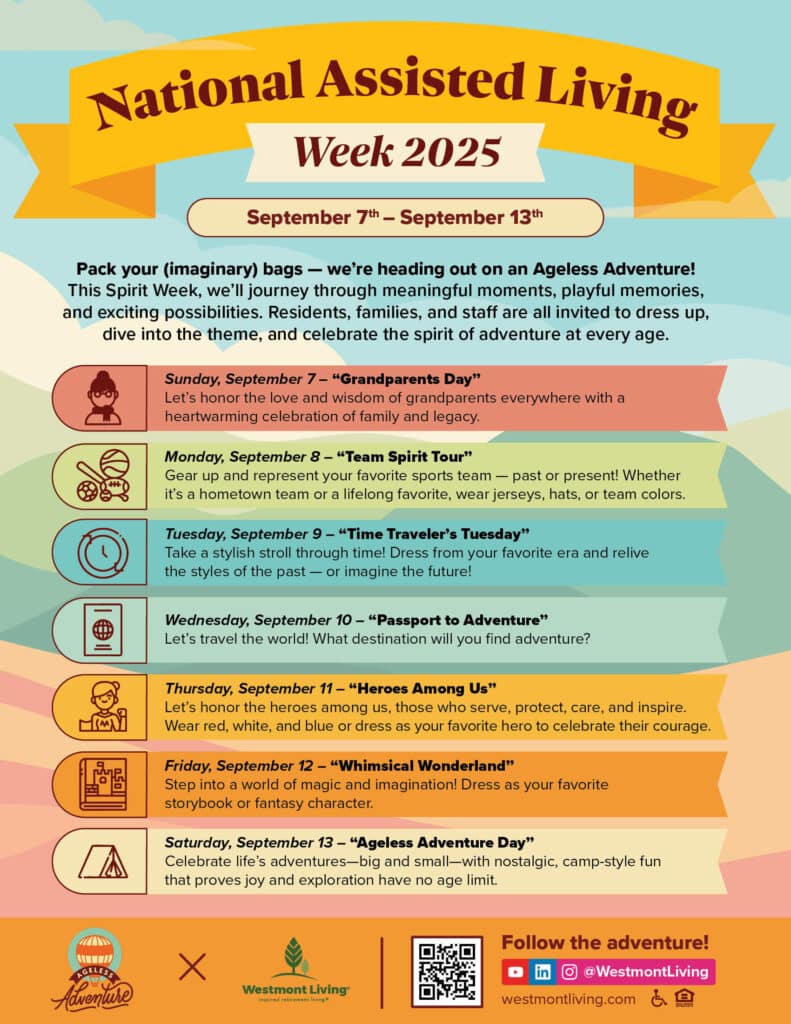
Each September, assisted living communities across the country come together to celebrate National Assisted Living Week® (NALW) — a time to honor the residents, families, and team members who make senior living meaningful and full of heart.

This year’s theme, “Ageless Adventure,” encouraged everyone to rediscover the joy of exploration, creativity, and connection — a beautiful reminder that adventure has no age limit.

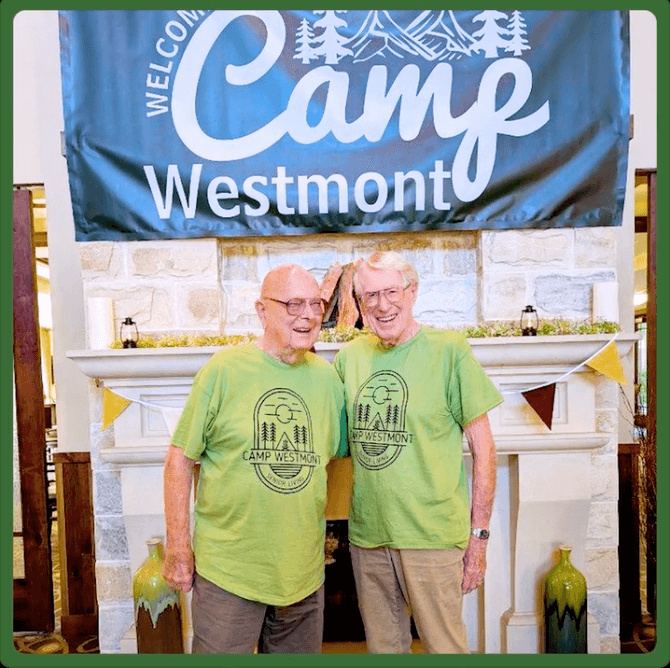
Across all Westmont Living communities, our residents and staff embraced the spirit of the theme, filling the week with laughter, storytelling, and unforgettable moments.


A Week of Celebration and Connection

Each day brought a new reason to smile:

  • Sunday – Grandparents Day
    We kicked off the week celebrating the love, legacy, and wisdom of grandparents with family gatherings, music, and heartfelt tributes.

  • Monday – Team Spirit Tour
    Communities proudly represented their favorite sports teams with jerseys, hats, and cheer-worthy enthusiasm.

  • Tuesday – Time Traveler’s Tuesday
    Residents and staff traveled through time with vintage outfits and nostalgic decorations.

  • Wednesday – Passport to Adventure
    Culinary and cultural celebrations highlighted flavors and traditions from around the world.

  • Thursday – Heroes Among Us
    We recognized everyday heroes who inspire us — from veterans and first responders to caregivers and community leaders.

  • Friday – Whimsical Wonderland
    A magical day of costumes and creativity, where residents dressed as favorite storybook and fantasy characters.

  • Saturday – Ageless Adventure Day
    We wrapped up the week with nostalgic camp-style fun and reflection on how life’s greatest adventures never end.


Adventure Without Age

At its heart, National Assisted Living Week was a celebration of connection, joy, and purpose. Residents reflected on personal adventures, staff deepened their relationships, and families came together to share in the moments that make life at Westmont Living truly meaningful.


🎥 Watch the Highlights

We’re proud to share a special video featuring our communities from California to Oregon as they celebrated this year’s Ageless Adventure together.


At Westmont Living, we believe that every day is an opportunity to explore, create, and connect.

Thank you to our residents, families, and team members for making this year’s celebration one to remember.

#AgelessAdventure #NALW2025 #WestmontLiving #SeniorLivingWithHeart #LiveYourWay

How to Lose Weight in Your 60s: Tips That Work Today

Losing weight later in life doesn’t have to feel overwhelming. Whether you’re a man or a woman, how to lose weight in your 60s begins with understanding your changing body and adopting healthier habits tailored to your lifestyle.

At Westmont of Escondido, we support a holistic approach to wellness that includes nutrient-dense meals, regular physical activity, mindful living, and personalized strategies that make weight loss achievable and sustainable.

For a healthier, more energetic future, we invite you to explore our community at Westmont of Escondido.

Understanding How to Lose Weight in Your 60s

Aging affects metabolism, hormones, and muscle mass—all of which can impact weight. That’s why how to lose weight in your 60s naturally requires a different mindset than in earlier decades. The key lies in combining smart nutrition with intentional movement and mental wellness.

For how to lose weight in your 60s as a woman, hormone shifts during and after menopause may lead to stubborn fat gain. Meanwhile, how to lose weight in your 60s, for males, usually involves tackling declining testosterone and reduced muscle mass. In both cases, resistance training and a high-protein, low-sugar diet can make a big difference.

Setting realistic goals and practicing self-compassion are equally important. By prioritizing overall wellness instead of crash diets, weight loss becomes part of a healthier lifestyle rather than a stressful goal.

For additional guidance on healthful eating, see this article on good nutrition for older adults.

Nutrient-Dense Foods That Support Weight Loss

Choosing nutrient-dense foods is foundational to losing weight at any age. But when you’re in your 60s, your body especially benefits from meals that provide more nutrients with fewer calories.

Top Food Groups to Prioritize

  • Leafy greens and colorful vegetables for antioxidants and fiber
  • Lean proteins such as grilled chicken, lentils, and tofu support muscle
  • Whole grains like quinoa, brown rice, and oats provide sustained energy
  • Healthy fats from avocados, olive oil, and nuts for satiety

Read more about maintaining a balanced diet for seniors in assisted living.

Practical Tips to Stay on Track

  • Cook meals at home to control portions and ingredients
  • Keep healthy snacks on hand to avoid empty calories
  • Consider meal prepping and storing in individual containers

Not eating enough? Use these appetite-boosting tips to maintain your nutritional intake even when your appetite dips.

Physical Activity: The Heart of Healthy Aging

Exercise is one of the most effective ways to lose weight and stay mobile. Whether you’re aiming for general fitness or specific fat loss, daily movement supports cardiovascular health, muscle strength, and metabolism.

Fitness Plan for People Over 60

  • Cardio: Walking, cycling, or swimming for 30 minutes, 5 days a week
  • Strength Training: 2–3 sessions per week using bodyweight or light dumbbells
  • Flexibility: Gentle stretching or yoga 2–3 times a week to stay limber

Joining social activities like group exercise classes or walking clubs also improves emotional well-being. Explore these senior exercise programs to make fitness more fun and engaging.

Meal Planning That Makes a Difference

Learning how to lose weight in your 60s naturally involves smart meal planning that balances calorie intake with essential nutrients.

Portion Control and Plate Planning

  • Use the plate method: half vegetables, one-quarter protein, one-quarter whole grains
  • Be mindful of portion sizes—your energy needs are lower now
  • Avoid high-sugar and high-sodium processed foods

When grocery shopping, bring a list and avoid shopping when hungry. Choose seasonal and bulk items when possible to save time and money.

By eating mindfully and planning ahead, you can support both weight loss and lifelong vitality. See more senior caregiving essentials for better nutrition practices.

how to lose weight in your 60s

The Power of Strength Training

Muscle naturally declines with age, but you can preserve it through resistance training. This supports your metabolism and enables your body to burn more calories even at rest.

Benefits for Men and Women

  • Boosts metabolism: Makes it easier to lose fat
  • Preserves independence: Strengthens balance and coordination
  • Improves mood: Exercise releases endorphins, reducing stress

Aim for two sessions weekly, focusing on major muscle groups. Incorporate bodyweight movements or resistance bands at home. For men wondering how to lose weight in their 60s, male routines with added weight training can be especially helpful.

Hydration and Digestion: Often Overlooked, Always Important

Staying hydrated can improve digestion, help you feel full, and support your metabolism.

Smart Hydration Habits

  • Carry a refillable water bottle
  • Infuse water with lemon or cucumber for taste
  • Include hydrating foods like celery, watermelon, and tomatoes

Hydration can often be mistaken for hunger, leading to unnecessary snacking. Proper hydration is a small change that makes a big difference.

Mindset, Stress, and Holistic Health

Weight loss isn’t just about food and fitness—it’s also about your mindset. Stress, sleep, and emotional wellness all play major roles in your journey.

How to Create a Holistic Plan

  • Mindful eating: Chew slowly, savor your meals, and avoid distractions
  • Stress management: Use breathing exercises, meditation, or nature walks
  • Adequate sleep: Aim for 7–9 hours to regulate appetite hormones

When asking yourself what is the fastest way to lose weight after 60, remember that quick fixes rarely work long term. The fastest and healthiest route is one that honors your body’s needs.

Check out Harvard Health’s tips for weight control after 60 and Mayo Clinic’s aging nutrition advice.

Your Wellness, Your Way: Start Now

Weight loss after 60 is not only possible—it’s empowering. Whether you’re focusing on how to lose weight in your 60s as a woman, how to lose weight in your 60s as a male, or simply want to feel better naturally, the path to success starts with small steps.

At Westmont of Escondido, we’re here to support you through personalized wellness programs and a community that inspires. You don’t need to navigate this journey alone.

For more guidance on healthy aging and to explore our vibrant lifestyle, call us at 760-737-5110 or schedule a tour. Every healthy choice you make today brings you closer to the vibrant future you deserve.


Compare The Costs of Senior Living vs Staying at Home

How Do The Costs Of Moving Into A Quality Senior Care Community Compare With The Costs Of Staying At Home?


Frequently Asked Questions

What is the easiest way for a 60-year-old woman to lose weight?

The easiest way for a 60-year-old woman to lose weight is to adopt a balanced lifestyle focused on whole foods, portion control, and regular physical activity. Prioritizing lean proteins, vegetables, and healthy fats while reducing sugar and processed foods can make a big difference. Low-impact exercises like walking, swimming, and strength training help burn calories and maintain muscle. It’s also important to get enough sleep and manage stress, as these factors affect metabolism and appetite. Consulting a healthcare provider ensures a safe and customized weight loss plan.

How does a 60-year-old lose belly fat?

To lose belly fat at 60, combine healthy eating habits with targeted exercise. Focus on reducing refined carbs and increasing fiber intake to support digestion and regulate blood sugar. Engaging in strength training and cardio workouts helps burn visceral fat and improve core strength. Stress management techniques such as yoga or meditation can also help, as high stress levels contribute to belly fat. Staying consistent with these habits is key to seeing gradual and lasting results.

Is it possible for a 60-year-old to lose weight?

Yes, a 60-year-old can lose weight with the right approach. Although metabolism naturally slows with age, lifestyle changes such as nutritious eating, regular movement, and hydration can lead to successful weight loss. Building muscle through resistance training helps boost metabolism and improve overall body composition. It’s important to set realistic goals and be patient with progress. A doctor or dietitian can help tailor a safe plan based on individual health needs.

Why is losing weight after 60 so hard?

Losing weight after 60 is challenging due to several factors, like a slower metabolism, hormonal changes, and reduced muscle mass. Many older adults also experience decreased physical activity or health issues that can impact weight loss efforts. Additionally, lifestyle habits formed over decades can be difficult to change. However, with the right guidance, determination, and support, weight loss is still achievable. Focusing on health rather than just the scale can also lead to more sustainable changes.


Who Is Eligible for Assisted Living? Know the Criteria

Assisted living offers a safe and supportive environment for seniors who need help with daily tasks while still maintaining their independence. But who is eligible for assisted living? Understanding the requirements helps families and individuals make confident decisions about transitioning into these care communities.

At Westmont of Escondido, our community provides a compassionate and customized experience. From age and health needs to financial considerations, this guide outlines the qualifications and offers insight into support systems available to help you get started.

For more information, visit Westmont of Escondido.

Age Requirements for Assisted Living

When considering assisted living, age is a key factor. Most facilities—including Westmont of Escondido—welcome residents aged 55 and older. However, some communities may set the minimum age at 62 or 65, depending on their care model and services.

This flexibility allows a wide range of individuals to benefit from assisted living support. It’s ideal for seniors who seek independence but need some level of assistance with daily tasks. While age is often the first qualifier, it’s just one piece of the puzzle in determining who is eligible for assisted living.

To explore your best options, check out this helpful guide on types of senior living facilities.

Health and Support Needs

A major component of eligibility lies in understanding your health and support requirements. Many seniors face chronic health conditions or mobility limitations that interfere with independent living. If daily tasks become too difficult without assistance, it may be time to consider a supportive community.

Facilities like Westmont conduct assessments that review medical history, physical capacity, and cognitive health. These help build customized care plans that ensure residents receive personalized, dignified support.

If you or a loved one needs help with medication, nutrition, or social engagement, assistance with daily living activities is a vital service provided by many assisted living communities.

Understanding the physical requirements for assisted living—such as the ability to transfer, manage some self-care, or safely participate in daily routines—is key in determining suitability.

Activities of Daily Living (ADLs)

Eligibility for assisted living often centers on the ability to perform Activities of Daily Living (ADLs). These include essential tasks such as bathing, dressing, eating, grooming, using the restroom, and moving around independently.

If someone struggles with two or more of these areas, they may meet the criteria for assisted living vs a nursing home. Nursing homes often provide medical care and are better suited for those with significant medical needs, whereas assisted living is designed for those who need moderate assistance and seek a more residential setting.

At Westmont of Brentwood, daily assisted living programs promote wellness and independence, supporting seniors as they continue engaging with life.

Assessment and Care Plans

Once a senior expresses interest in assisted living, a professional assessment helps determine their care needs. This includes reviewing physical and mental health status, medication requirements, and social needs.

From this evaluation, a care team will design a tailored plan. Ongoing evaluations ensure that the support remains aligned with the individual’s changing health. These care plans are collaborative and prioritize the resident’s preferences and autonomy.

Planning also includes financial discussions. The average monthly cost of assisted living varies by location and services, so it’s essential to understand both current costs and available support.

Financial Assistance Options

For families asking how to get into assisted living with no money, there are a range of programs and options:

Type of Financial Assistance Description Eligibility Criteria
Medicaid Covers some assisted living costs for low-income individuals. Income and asset limits vary by state.
Assisted Living Waiver (ALW) California-specific financial aid for assisted living. Must meet income and care need criteria.
Veterans Benefits Aid & Attendance and other benefits for eligible veterans. Service-connected disability or income thresholds apply.
Long-Term Care Insurance Helps pay for assisted living. Based on private policy terms.
Personal Savings Out-of-pocket or savings used for costs. No eligibility requirements.

These resources can make assisted living more attainable. For more guidance, view this article on how to finance senior care.

Additionally, organizations like the National Council on Aging provide tools and programs for low-income seniors, and Benefits.gov offers a helpful eligibility checker for public assistance.

who is eligible for assisted living

New Rules for Assisted Living Facilities

The new rules for assisted living facilities impact who qualifies and how care is provided. These regulations, which vary by state, often address staffing ratios, safety protocols, medication administration, and resident rights.

California’s updated requirements include clearer licensing standards, more robust care plan regulations, and enhanced infection control protocols. Understanding these evolving rules is crucial when choosing a facility or determining eligibility.

Staying informed ensures you or your loved one receives quality care under compliant conditions that protect health and well-being.

Comparing Criteria for Assisted Living vs Nursing Home

Distinguishing the criteria for assisted living vs nursing homes is vital. Nursing homes offer medical care with 24/7 supervision for seniors with complex health conditions. Assisted living, by contrast, supports those who are mostly independent but need help with daily activities.

If a senior needs constant medical care (e.g., IV medications or skilled nursing), a nursing home may be more suitable. For seniors who can manage some self-care but struggle with a few daily tasks, assisted living is a better fit.

This distinction not only affects care outcomes but also determines what programs—like Medicaid—may cover.

Physical Requirements for Assisted Living

To qualify, many assisted living communities require residents to meet certain physical requirements for assisted living. These generally include the ability to:

  • Transfer from bed to chair (with or without assistance)
  • Eat independently or with minimal help
  • Move safely with or without mobility devices
  • Participate in social and recreational activities
  • Follow directions and engage with the care team

These physical criteria ensure that residents can thrive in a supportive environment without the need for round-the-clock medical intervention.

How to Get into Assisted Living with No Money

Securing a spot in assisted living with limited financial resources is possible. Seniors can begin by applying for Medicaid and state-specific waiver programs, such as California’s Assisted Living Waiver (ALW). These programs prioritize individuals based on care needs and income.

Additionally, veterans and their surviving spouses may be eligible for benefits through the U.S. Department of Veterans Affairs. Nonprofits and community grants may also assist.

Understanding how to get into assisted living with no money starts with researching all available options and speaking with a senior care advisor or case manager.

Making the Right Move: Choose Independence and Support

Navigating the path to assisted living doesn’t have to feel overwhelming. By understanding who is eligible for assisted living, including health, age, financial, and physical criteria, families can make well-informed decisions that prioritize safety and happiness.

At Westmont of Escondido, we’re here to help you every step of the way. Whether you’re comparing options, reviewing criteria for assisted living vs nursing homes, or learning about new rules for assisted living facilities, we offer clarity and support.

Call us today at 760-737-5110 to discuss your needs—or take the next step and schedule a tour to experience our welcoming community firsthand.


Find Where You Belong

Dive into the vibrant life our Westmont communities have to offer.


Frequently Asked Questions

Which person would be the most likely candidate for assisted living?

The most likely candidate for assisted living is someone who can no longer perform daily tasks safely and independently, such as bathing, dressing, or managing medications. These individuals may not need full-time medical care, but they do require support with routine activities. They may also benefit from the social environment and structured setting assisted living provides. Often, candidates are older adults who experience mobility challenges or memory issues.

Who is best suited for assisted living?

Assisted living is ideal for seniors who need help with daily activities but do not require the intensive care provided by a nursing home. It suits individuals who value their independence but want the peace of mind of having assistance available when needed. Residents usually benefit from meal services, housekeeping, medication reminders, and access to community activities. It’s a balanced option for maintaining autonomy while receiving support.

At what age do most people require assisted living?

Most people move into assisted living between the ages of 75 and 85. However, age is not the sole factor—health, cognitive ability, and the need for help with daily living tasks are more important indicators. Some individuals may require assisted living earlier due to medical conditions, while others remain independent well into their 90s. The decision is typically based on individual needs rather than a specific age.


Geriatric Dental Care Guide for Comfortable Senior Smiles

Maintaining proper geriatric dental care is essential to ensuring your senior loved ones can smile, eat, and speak comfortably every day. At Westmont of Escondido, we understand that seniors face unique challenges when it comes to oral health. From mobility issues to chronic conditions and medication side effects, aging often calls for a more compassionate, tailored approach to dental care.

Whether you’re searching for a geriatric dentist near you or planning regular check-ups with a dentist for the elderly, having a solid care plan in place can make all the difference. This guide outlines best practices and practical steps for optimizing your loved one’s dental health, supported by the right professionals and thoughtful care strategies.

Understanding the Needs of Seniors in Dental Care

As people age, oral health often becomes more complex. Seniors are more prone to gum disease, dry mouth, tooth decay, and oral cancer. These concerns highlight the importance of specialized geriatric dental care.

A trusted geriatric dentist will take into account not just teeth and gums but the whole person—medical history, medications, cognitive condition, and physical limitations. Effective care must also consider the emotional and social aspects of aging, building a trusting relationship with patients who may be anxious or resistant to treatment.

Good nutrition is a major factor too, as dietary habits can influence oral and overall health outcomes. Soft diets, common among seniors, can limit exposure to chewing and stimulate less saliva, increasing the risk of cavities and gum disease.

Creating Personalized Geriatric Dental Plans

When working with a dentist for the elderly near you, developing a customized plan ensures care aligns with the patient’s full health picture.

1. Reviewing Medical Background

The best geriatric dentist near you will begin by evaluating the patient’s medical history, current medications, and chronic illnesses. For example, someone taking antihypertensive drugs might experience dry mouth, which increases the risk of gum infections and decay. Tailoring dental care to these details is critical.

Explore how different levels of senior care affect oral hygiene routines, especially for seniors requiring daily assistance.

2. Using Individualized Treatment Checklists

A geriatric dental care checklist should include:

  • Medication interactions that could affect dental treatment
  • Prioritization of treatments based on pain or urgency
  • Accessibility needs for mobility or hearing challenges
  • Preventive strategies to maintain oral hygiene between visits

Including these steps not only enhances care but also reduces future complications.

3. Addressing Psychological & Social Health

Emotional well-being impacts oral health. Seniors with cognitive decline or depression may neglect dental care. Recognizing emotional cues, creating a comforting environment, and incorporating caregivers in the process can improve outcomes.

Learn more about how depression affects memory and, consequently, dental habits among seniors.

Improving Dental Visits Through Comfort and Communication

A welcoming and accommodating environment at your geriatric dentistry near you can relieve anxiety and create a smoother experience for seniors.

Enhancing Patient Comfort

Adjusting the environment and appointment process includes:

  • Scheduling during quiet hours
  • Providing extra time per visit
  • Ensuring dental chairs and tools accommodate reduced mobility
  • Offering sedation or gentle numbing methods when needed

Communicating with Clarity and Empathy

Dentists and caregivers should adopt strategies like:

  • Using short, simple sentences
  • Allowing time to process and respond
  • Using non-verbal cues or visual aids
  • Reassuring and validating feelings

Building this connection improves the experience for both the senior and the care team.

Making Senior-Friendly Accommodations

If you’re searching for a dentist for the elderly near you, prioritize practices that understand senior needs:

  • Accessibility: Wheelchair ramps, wide doorways, and adjustable chairs make the clinic more accommodating.
  • Sensory Support: Provide written instructions or visual cues for those with hearing or cognitive impairments.
  • Extra Time: Allowing more time for each visit helps the patient feel relaxed and heard.

Look for professionals who advertise themselves as geriatric dentist near you or have experience in geriatric dentistry near you to ensure they provide these services.

Maintenance Strategies for Lifelong Oral Health

Regular dental visits should be part of your loved one’s wellness plan, whether they live independently or in assisted living. Key steps include:

  • Professional cleanings at least twice a year
  • Daily brushing and flossing, possibly with adaptive tools
  • Denture cleaning and fit checks
  • Monitoring dry mouth and other side effects from medication

Resources like Tips for Managing Aging Health Problems offer additional support in addressing related concerns.


geriatric dental care


Innovations and Opportunities in Geriatric Dentistry

Dental technology continues to evolve, and seniors can now benefit from improved techniques and tools. Some advancements to look for include:

  • Laser dentistry for less-invasive procedures
  • 3D imaging for accurate diagnoses
  • Sedation options for comfort
  • Specialized implants for aging gums and bones

Clinics that offer these services often market themselves as experts in geriatric dental care or geriatric dentistry near you—an indicator that they’re equipped to meet senior needs.

Explore resources like the American Dental Association on Aging and Dental Health and NIH’s Guide to Dental Care for Older Adults to stay informed about the latest in senior dental wellness.

Bright Smiles Ahead: Supporting Senior Oral Health

Investing in geriatric dental care means investing in your loved one’s dignity, comfort, and quality of life. By working closely with a qualified geriatric dentist, conducting thorough assessments, and ensuring clear communication, you’re setting the stage for long-term oral health success.

Whether you’re seeking a dentist for elderly near you or want to better understand what to expect in geriatric dentistry near you, these strategies can help you take informed steps toward better care. A compassionate, knowledgeable team can transform dental visits from stressful experiences into opportunities for healing, comfort, and confidence.

For personalized care solutions and compassionate support, contact Westmont of Escondido at 760-737-5110. Learn more and book a tour on our website: Schedule a Tour.


What Level of Care Do You Need?

Discover the level of care you or your family member requires. 


Frequently Asked Questions

What is geriatric dentistry?

Geriatric dentistry is a specialized branch of dental care focused on meeting the unique oral health needs of older adults. It addresses age-related dental conditions, such as dry mouth, root decay, and gum disease. This type of care often involves personalized treatment plans to manage chronic health conditions and medications that may affect oral health. Geriatric dentists aim to improve both the function and comfort of elderly patients’ teeth and gums.

What is the most common geriatric dental problem?

The most common dental problem in seniors is periodontal (gum) disease, which can lead to tooth loss if untreated. Age-related issues, such as dry mouth caused by medications, can worsen gum problems and tooth decay. Many elderly individuals may also face difficulty maintaining oral hygiene due to physical or cognitive limitations. Regular dental check-ups and proper oral care can help manage and prevent these issues.

What are the oral changes in geriatric patients?

As people age, they often experience oral changes such as reduced saliva production, gum recession, and increased tooth sensitivity. These changes can make the mouth more vulnerable to infections, cavities, and difficulties with chewing or speaking. Some seniors may also wear dentures, which require special care and adjustment. Recognizing these changes early allows for better management and improved quality of life.

What is considered geriatric care?

Geriatric care refers to comprehensive healthcare services tailored to the needs of older adults. It includes medical, dental, emotional, and social support to help seniors maintain independence and quality of life. This care often involves coordination among healthcare professionals to manage multiple health conditions. The goal is to promote well-being, prevent decline, and support aging with dignity.


Celebrating Centenarians Day: Honoring Our Remarkable Residents Across Our Communities

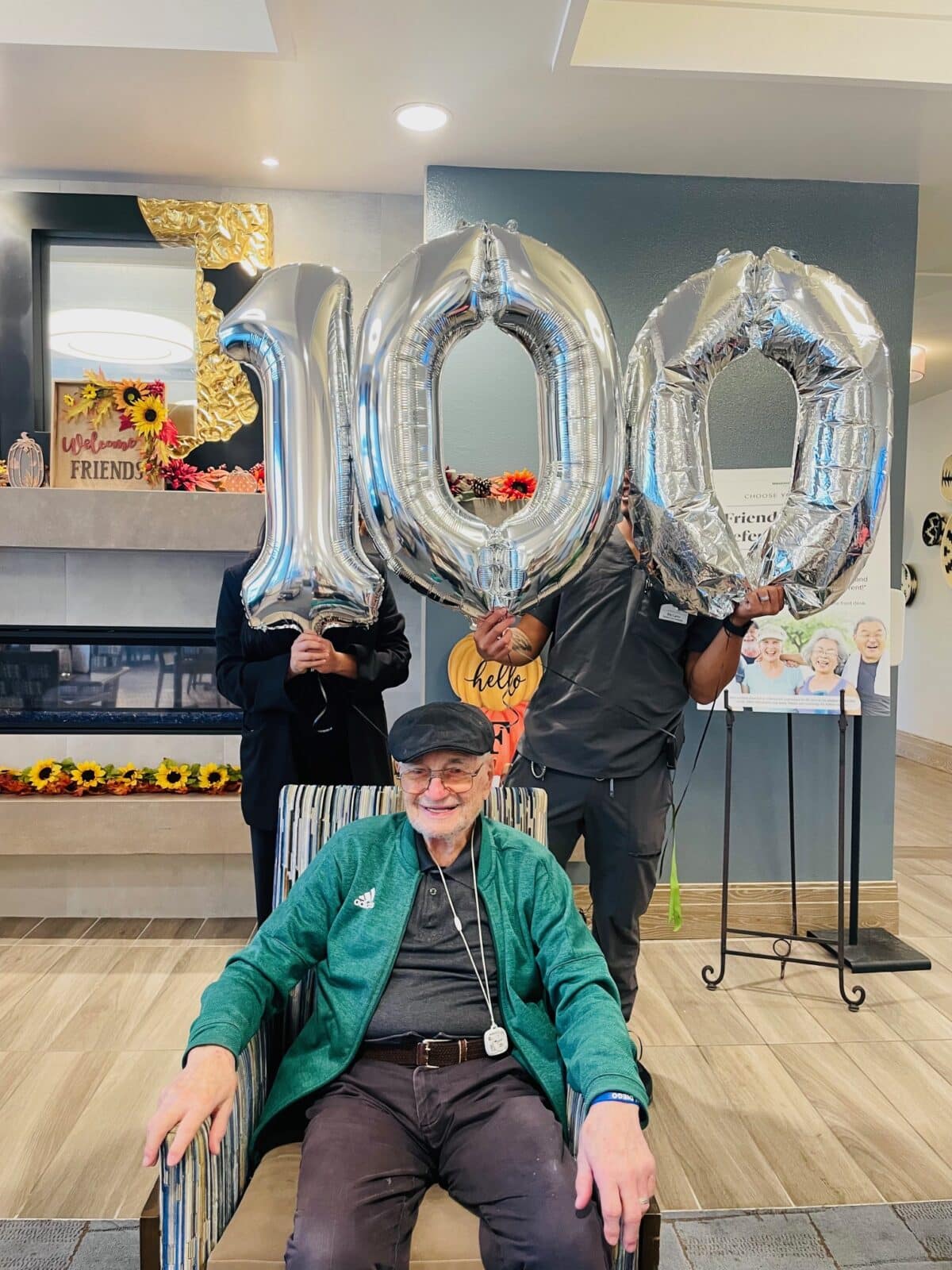
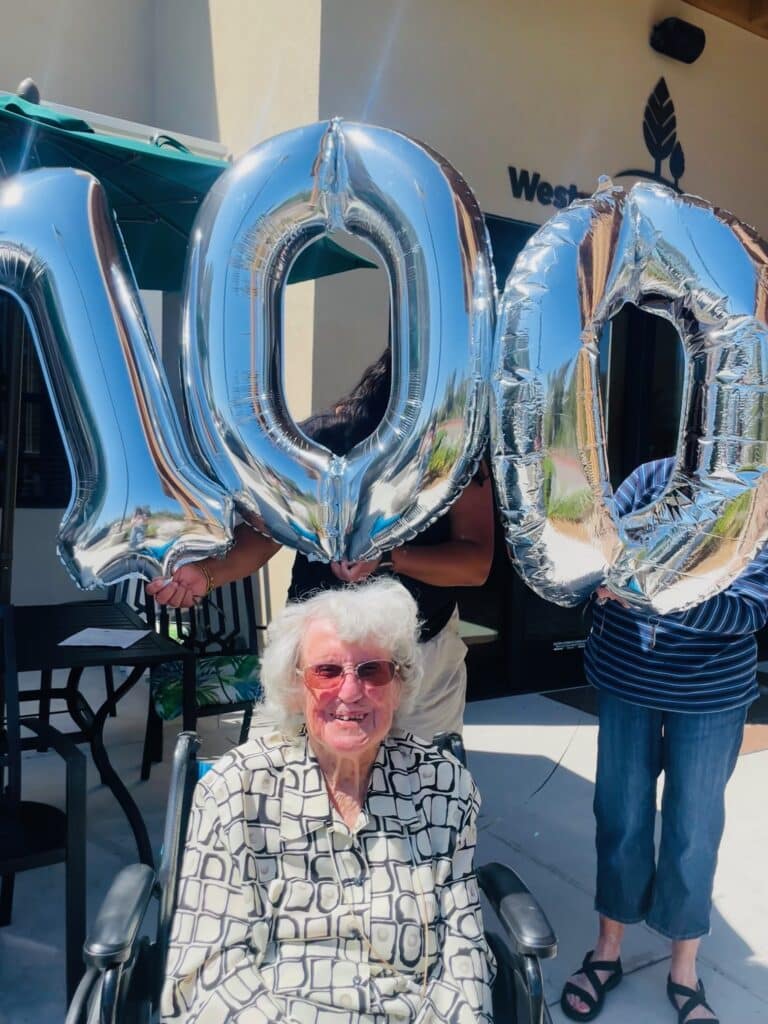
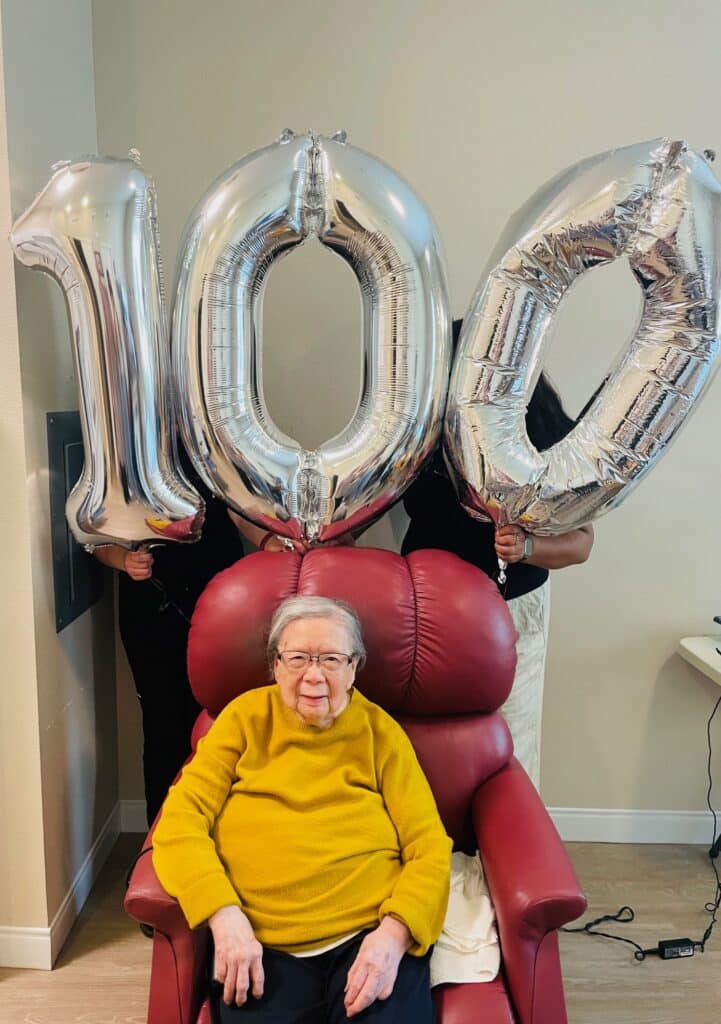
On September 22nd, we celebrate the first day of fall along with joining people around the world in celebrating Centenarians Day. It’s a special occasion dedicated to honoring those who have reached the incredible milestone of 100 years or more. This day is not only about celebrating longevity, but it’s about cherishing the wisdom, history, and enduring presence of centenarians in our lives.

Across all of our Communities, we are honored to have 24 extraordinary residents who are 100 years young and beyond, including 13 who have surpassed the century mark. Each one of them is a living connection to history, carrying with them stories that span a century of experiences, triumphs, and memories. Their journeys remind us of the resilience of the human spirit and the beauty of a life well-lived.

What Centenarians Day Means

  • Celebrating Longevity: Reaching 100 years is a remarkable achievement, a testament to strength, perseverance, and vitality.
  • Honoring Wisdom and History: Our centenarians are storytellers of times past, offering invaluable lessons, insights, and a bridge between generations.
  • Gratitude for Contributions: We celebrate not just their years, but their lifelong contributions, impacting families, communities, and the world in meaningful ways.

On this day, we encourage our centenarians, along with all our Residents, to continue to Live Your Way®. At Westmont Living, Live Your Way® means embracing life on your terms—with your style, your choices, and your passions. The legacies of our centenarians inspire us to live with gratitude, purpose, and joy each day.

To our 24 centenarian residents, thank you for your wisdom, your stories, and your shining example of resilience. Today and every day, we celebrate you.


Centenarians 2025

Lakeview Senior Living
William Walton – Born 1924 – Age 101
Westmont of Chico
Hope Heintz – Born 1924 – Age 101
Evelyn Penick – Born 1925 – Age 100
Dave Elliotte – Born 1924 – Age 101
Barbara Carney – Born 1923 – Age 102
Westmont of Escondido
Iris Wicks – Born 1923 – Age 101
The Oaks at Nipomo
Erving Morlee – Born 1924 – Age 100
Westmont at San Miguel Ranch
Maria Escarcega – Born 1925 – Age 100
Walter “Walt” Travis – Born 1924 – Age 101
Gracie Hill – Born 1925 – Age 100
Westmont of Brentwood
Bettye Sturla – Born 1925 – Age 100
Geraldine Baker – Born 1923 – Age 102
Constance Daniels-Idle – Born 1921 – Age 103
Westmont of Carmel Valley
Dorothy Goo – Born 1924 – Age 101
Westmont of Culver City
Betty Kronick – Born 1921 – Age 103
Westmont of Cypress
Terri Tamaru – Born 1925 – Age 100
Westmont of Encinitas
Beverly Evans – Born 1924 – Age 101
Rose Chang – Born 1924 – Age 100
Peter Sanzo – Born 1922 – Age 103
Westmont of Fresno
Vicki Coughlin – Born 1924 – Age 101
Georgia Hobson – Born 1925 – Age 100
Westmont of Morgan Hill
Florence Boyce – Born 1925 – Age 100
Westmont of Riverside
Inez-Blanche Holmes – Born 1922 – Age 102
Lois Wurschinger – Born 1925 – Age 100
Marina Gabus – Born 1920 – Age 105
Harold Platt – Born 1925 – Age 100


Eye Diseases in the Elderly: Causes, Care & Prevention Tips

Vision health becomes increasingly important as we age. Eye diseases in elderly individuals can develop gradually or suddenly, often affecting quality of life and independence. Understanding these conditions and how to prevent them empowers older adults and their caregivers to make informed choices.

From blurry vision to more serious complications, seniors face a wide eye problems list. By learning how to protect aging eyes through exams, nutrition, and lifestyle, seniors can take proactive steps toward clearer vision. At Westmont of Escondido, we believe in equipping families and seniors with the tools to promote lasting eye health.

Understanding Eye Diseases in the Elderly

Many age-related vision issues stem from degenerative changes in eye structures. The most common eye diseases in older adults include cataracts, glaucoma, macular degeneration, and diabetic retinopathy. These conditions often progress silently and are typically detected during routine eye exams. According to the CDC, more than 3.4 million Americans aged 40 and older are either legally blind or visually impaired, and this number is expected to grow.

If left unchecked, these 10 diseases of the eye can lead to permanent vision loss:

  1. Cataracts
  2. Glaucoma
  3. Age-related Macular Degeneration (AMD)
  4. Diabetic Retinopathy
  5. Retinal Detachment
  6. Dry Eye Syndrome
  7. Conjunctivitis
  8. Presbyopia
  9. Floaters
  10. Eye Infections

Engaging in mentally stimulating activities may support cognitive function, which is closely connected to sensory health.

Symptoms and Early Warning Signs

Recognizing symptoms early is essential in managing eye diseases in elderly adults. Here are a few signs to watch for:

  • Sudden blurred vision in elderly individuals may signal a serious issue like retinal detachment or a stroke.
  • Difficulty adjusting to light or darkness.
  • Redness, discharge, or pain.
  • Seeing floaters, halos, or flashes of light.
  • Gradual loss of peripheral or central vision.

The following chart outlines typical symptoms and potential causes:

Symptom Possible Condition
Sudden blurred vision Retinal detachment, glaucoma
Halos around lights Cataracts, corneal swelling
Loss of central vision Macular degeneration
Peripheral vision loss Glaucoma
Persistent eye dryness Dry eye syndrome

It’s vital to address these signs early. Don’t dismiss sudden blurred vision in elderly loved ones—this could indicate a medical emergency.

Risk Factors and Prevention

The primary risk factor for eye diseases in elderly adults is age. However, genetics, lifestyle, and health conditions also contribute. The most common eye disease in older adults—like glaucoma and AMD—often run in families. Chronic illnesses such as diabetes and hypertension further increase the risk.

Proactive steps to reduce risk include:

  • Wearing UV-protective sunglasses
  • Avoiding smoking
  • Managing chronic health conditions
  • Eating an eye-healthy diet
  • Getting regular eye checkups

Learning how to reverse aging eyesight may not mean literal reversal, but smart prevention and care can slow or reduce vision loss. The American Academy of Ophthalmology offers useful prevention tips for aging eyes.

Importance of Eye Exams

Routine vision screenings are essential for those over 50. Annual eye exams help detect early signs of eye diseases in elderly adults and guide treatment plans before vision deteriorates further. Regular checkups are especially important for those with a family history of eye conditions or existing health concerns.

Early detection of cataracts, AMD, and glaucoma dramatically improves treatment outcomes. A comprehensive eye exam can reveal not only eye issues but also other underlying health problems such as diabetes and high blood pressure.

Don’t wait until symptoms appear—make eye exams part of your preventive care strategy.

Diet and Lifestyle Tips for Healthy Eyes

The right nutrients can significantly protect against eye diseases in elderly individuals. Incorporating foods high in antioxidants, omega-3 fatty acids, zinc, and vitamins A, C, and E can reduce your risk.

Key Dietary Additions:

  • Leafy greens (spinach, kale)
  • Fatty fish (salmon, mackerel)
  • Colorful fruits (oranges, berries)
  • Nuts and seeds (walnuts, chia seeds)
  • Whole grains (brown rice, quinoa)

Lifestyle choices also matter. Exercise improves circulation, which benefits the eyes. Hydration helps prevent dryness, and proper lighting can ease eye strain.

Healthy Food Eye Health Benefits
Carrots and sweet potatoes Vitamin A to support the retina
Salmon and flaxseed Omega-3s reduce inflammation
Blueberries and oranges Antioxidants combat oxidative damage
Almonds and sunflower seeds Vitamin E protects eye cells

Explore nutritional strategies for seniors to boost overall and vision health.

Emergency Situations and Immediate Care

It’s important to recognize signs that require urgent medical care. If an elderly loved one experiences sudden blurred vision, pain, or vision loss, take immediate action. These symptoms may indicate:

  • Retinal detachment
  • Acute glaucoma
  • Eye infections or injuries
  • Stroke

Quick intervention can prevent long-term damage. Visit an emergency care center or ophthalmologist immediately. Additionally, staying up-to-date on vaccinations for seniors reduces the risk of systemic infections that may affect the eyes.


eye diseases in elderly


Strategies for Reversing Aging Eyesight

Although it’s impossible to fully reverse age-related changes in vision, improvements are possible with proper care. Seniors can learn how to reverse aging eyesight with the right tools:

  • Use magnifiers and enhanced lighting
  • Follow a structured eye exercise routine
  • Try vision-enhancing supplements
  • Wear updated prescription glasses
  • Consider surgical options for cataracts or LASIK (where applicable)

Technological aids like e-readers with adjustable font sizes and smart glasses can help seniors read comfortably and safely navigate their environments.

Eye Care in Senior Living Communities

At Westmont of Escondido, we provide seniors with supportive resources and access to preventive health services. Regular wellness checks, including eye care coordination, help our residents maintain optimal vision.

Whether you’re researching care for a loved one or planning your own future, choosing a community focused on wellness can make a major difference. Explore more about our services and community features by scheduling a tour with us today.

Vision for the Future: Invest in Eye Health Today

Caring for your eyes is a lifelong commitment that grows more important with age. By understanding the 10 diseases of the eye, watching for symptoms like sudden blurred vision in elderly individuals, and acting on prevention, you can maintain clearer sight and independence.

Learning how to reverse aging eyesight involves adopting healthier habits, using available technologies, and consulting with professionals. Don’t overlook the importance of routine checkups—especially with the most common eye disease in older adults progressing silently.

At Westmont of Escondido, we’re here to support you. Call us at 760-737-5110 to speak with a team member or schedule your personal tour. Your eyes deserve the very best care—let’s preserve your vision together.


Compare The Costs of Senior Living vs Staying at Home

How Do The Costs Of Moving Into A Quality Senior Care Community Compare With The Costs Of Staying At Home?


Frequently Asked Questions

What are the most common eye problems in elderly people?

The most common eye problems in elderly people include cataracts, glaucoma, macular degeneration, and diabetic retinopathy. These conditions can lead to blurred vision, vision loss, or even blindness if not treated. Regular eye exams are essential for early detection and management. Lifestyle changes and medical treatments can help slow progression.

What are the symptoms of power in the eyes?

Symptoms of “power” in the eyes, often referring to refractive errors, include blurry vision, headaches, eye strain, and difficulty seeing objects at certain distances. You may notice squinting or needing to sit closer to screens or books. These symptoms usually indicate nearsightedness, farsightedness, or astigmatism. An eye exam can confirm the condition and help prescribe corrective lenses.

What are the eye conditions for adults?

Adults commonly experience eye conditions such as presbyopia, cataracts, glaucoma, dry eyes, and refractive errors. These can affect near or distant vision, cause discomfort, or increase the risk of vision loss. Age, lifestyle, and medical history all influence eye health. Routine eye checkups can help manage and treat these conditions effectively.

What is it called when your eyes deteriorate with old age?

The gradual deterioration of vision with age is commonly referred to as age-related macular degeneration (AMD) or simply presbyopia. Presbyopia affects the ability to focus on close objects, while AMD affects central vision. Both are normal parts of aging but can be managed with glasses, medications, or medical procedures. Early diagnosis improves outcomes significantly.


How to Choose the Best Senior Independent Living Today

Exploring senior independent living can be one of the most empowering decisions for older adults ready to embrace a lifestyle of freedom, choice, and community. Whether you’re planning ahead or making an immediate change, choosing the right community depends on more than just amenities – it’s about finding a place that enhances your lifestyle.

From understanding the requirements of independent living facilities to evaluating your personal needs, this guide will help you navigate the available options. We’ll also explore how to locate senior independent living near you, what services to expect, and how to determine the average cost of senior independent living per month. Let’s dive into how to find affordable independent living for seniors that feels like home.

Understanding Your Senior Independent Living Options

When considering a move, understanding what senior independent living truly means is essential. These communities offer older adults aged 55+ an active, low-maintenance lifestyle while providing optional services like meals, transportation, and housekeeping. Unlike assisted living, independent living focuses on autonomy rather than medical care – it’s designed to support residents in a safe and engaging environment.

You’ll find different setups, from apartment-style complexes to cottage-style homes. Some communities are luxurious with extensive services, while others focus on affordable independent living for seniors, offering the essentials without the extra cost. Check out Westmont of Cypress for an example of a community that strikes a balance between independence, comfort, and care.

Key Independent Living Facility Requirements

Before moving into a community, it’s important to understand independent living facility requirements. Most communities require that residents be mostly self-sufficient and do not need ongoing medical care. Other typical requirements include:

  • Being at least 55 years of age
  • Being able to handle personal hygiene and mobility independently
  • A willingness to participate in community life

Facilities may also conduct assessments to ensure that residents are a good fit for the community lifestyle. Knowing these independent living facility requirements can help you prepare ahead of time and choose a setting that complements your independence.

Determining What You Want in a Community

Every person’s needs differ, and your ideal senior independent living environment will reflect your unique lifestyle. Begin with a self-assessment. What are your priorities – social activities, quiet surroundings, close proximity to loved ones, or maybe access to nature?

Daily Living Needs

Use a table like this to evaluate your personal care needs:

Task Importance (1-5)
Cooking
Transportation
Housekeeping
Socializing
Health Maintenance

Understanding your daily needs ensures you choose a facility that meets your preferences while respecting your independence.

Social and Activity Preferences

Do you enjoy group events, cultural outings, or quiet reading time? The best senior independent living near you will support those preferences with programming tailored to different interests. This guide is helpful in understanding how a community can foster meaningful connections.

What Is the Average Cost of Senior Independent Living per Month?

One of the most common concerns is what is the average cost of senior independent living per month is. Nationally, the cost can range between $1,500 and $4,000 monthly depending on location, services, and community features.

  • Basic apartment with few services: ~$1,500
  • Mid-range community with dining and housekeeping: ~$2,800
  • Luxury communities with full amenities: $4,000+

Some communities, like Westmont of Escondido, offer flexible options that include both affordable independent living for seniors and upgraded packages with additional features. Explore their pricing and options on their website.

Also consider financial programs, long-term care insurance, or veterans’ benefits that may help offset costs. For further budgeting guidance, visit SeniorLiving.org’s Cost Guide to compare pricing by state and amenities.

How to Find Senior Independent Living Near You

Finding senior independent living near you involves more than typing into a search engine. Start with:

  • Referrals from healthcare providers or senior advisors
  • Online directories like A Place for Mom
  • Local senior centers or housing offices

Be sure to tour communities in person when possible. Interact with staff, observe daily activities, and ask about security, transportation, and dining. Communities like Westmont of Escondido offer tours and online scheduling to make this process easy.


senior independent living


Amenities and Services That Matter

Amenities vary across communities, but standard offerings often include:

  • Housekeeping and laundry
  • Transportation and shuttle services
  • Dining with nutritious, chef-prepared meals
  • Fitness programs and wellness checks
  • Recreational, educational, and volunteer activities

When comparing senior independent living communities, make a list of must-have amenities. For example, if social activities are a priority, find a facility with daily events, hobby groups, and outings. If transportation is vital, verify availability and destinations. Consider reading this guide to senior community living for an in-depth look at features that improve daily life.

Touring Communities and Talking With Residents

Once you’ve narrowed down your options, visit potential communities. Use this checklist during your visit:

Area What to Observe
Cleanliness Well-maintained and organized spaces
Resident Interactions Friendly and engaged conversations
Staff Behavior Respectful, warm, and helpful
Community Vibe Calm or lively – based on your style
Safety Measures Emergency systems and accessibility

Ask residents what they love about their community and what could be improved. Their insights are invaluable when evaluating senior independent living near you.

Planning a Smooth Transition

The move to senior independent living should be planned like any major life change:

  • Downsize slowly – begin with non-essentials
  • Visit your new home several times before moving
  • Create a familiar setup with furniture and keepsakes
  • Engage with neighbors and staff early on

Emotional readiness matters just as much as practical logistics. Celebrate this step as a new beginning. To help guide your transition, check out this moving guide for seniors.

A New Beginning: Embrace Independent Living With Confidence

Choosing senior independent living is about more than relocating – it’s about reclaiming joy, connection, and peace of mind. Communities like Westmont of Escondido offer the perfect balance of comfort, safety, and social opportunity, all while honoring your independence.

Whether you’re exploring affordable independent living for seniors, assessing independent living facility requirements, or researching what the average cost of senior independent living per month is, you now have the tools to make a confident, informed decision.

To take the next step, call Westmont of Escondido at 760-737-5110 or schedule a tour to experience the community for yourself. Your next chapter of independence, friendship, and fulfillment begins today.


Find Where You Belong

Dive into the vibrant life our Westmont communities have to offer.


Frequently Asked Questions

What is the average cost of senior independent living?

The average cost of senior independent living typically ranges from $2,000 to $4,000 per month, depending on location, amenities, and services offered. Luxury communities or those in major cities may cost more. This fee generally covers rent, utilities, meals, housekeeping, and community activities. It’s important to contact local communities for exact pricing and available packages.

What is the difference between senior living and independent living?

Senior living is a broad term that includes various housing and care options such as assisted living, memory care, and nursing homes. Independent living, on the other hand, is specifically for active seniors who need little to no assistance with daily activities. Independent living focuses on lifestyle and convenience rather than medical care. It’s ideal for seniors who want community living without giving up their autonomy.

Does Medicare pay for senior independent living?

No, Medicare does not pay for senior independent living because it is not considered a medical expense. Medicare may cover healthcare services provided within the community, such as doctor visits or therapy, but not housing or personal care. Seniors may need to use personal funds, pensions, or long-term care insurance for living costs. It’s a good idea to consult a financial planner or eldercare advisor for other support options.

What is independent living for the elderly?

Independent living for the elderly refers to residential communities designed for seniors who are self-sufficient and desire a maintenance-free lifestyle. These communities offer private apartments or homes, along with amenities like meal services, social activities, and transportation. They provide the opportunity to live among peers and enjoy an active, engaging lifestyle without the responsibilities of home upkeep. It’s a great choice for seniors looking to simplify life while staying independent.


8 Facts about UTI or Kidney Stone Risks in Seniors

Urinary health issues like UTI or kidney stone problems are far more common in older adults than many realize. However, these conditions don’t always present with textbook symptoms in seniors. Confusion, agitation, or changes in appetite may be warning signs—making awareness and early action crucial.

As seniors age, changes in their hydration levels, immune system, and hormones can significantly increase the likelihood of developing urinary tract infections (UTIs) and kidney stones. Gender, health history, and lifestyle choices all contribute to the risk. In this guide, we explore crucial information about these conditions to help families and caregivers spot early warning signs, understand the difference between UTI and kidney stone symptoms, and take the right steps toward treatment or prevention.

Visit Westmont of Escondido for more resources on senior health and wellness.


1. Atypical Symptoms of UTIs in Seniors

Urinary tract infections in seniors often don’t follow the typical symptoms seen in younger people. Instead of burning during urination or abdominal pain, older adults might present symptoms such as confusion, mood swings, or sudden behavioral changes. Recognizing this difference is key to timely diagnosis.

Families should be alert to cognitive shifts or unusual agitation, especially in seniors with existing memory issues. UTIs can escalate quickly if untreated, potentially leading to hospitalization. A strong support system can help monitor these signs and assist with prompt care.

2. The Connection Between Aging and Kidney Stones

With aging comes an increased risk of developing kidney stones, largely due to physiological changes such as reduced kidney function and lower hydration levels. Conditions like osteoporosis can also contribute, affecting calcium metabolism and increasing stone formation risk.

Age-Related Risk Factors

Many seniors experience the following changes that can lead to kidney stones:

Physiological Change Effect on Urinary Health
Reduced hydration Promotes mineral concentration
Decreased kidney function Slows filtration and waste elimination
Hormonal changes Alters calcium and salt balance
Certain medications Can increase stone-forming compounds

Alongside these changes, chronic health issues like diabetes or hypertension can also heighten risks.

Gender-Specific Differences

Gender plays a role too. The kidney stone vs UTI female experience can differ drastically from that of males. Women are more prone to UTIs, while men—especially older men with enlarged prostates—are more vulnerable to kidney stones.

Women might experience bloating, frequent urination, and discomfort during urination, which could overlap with stone symptoms. Men often report intense lower back pain, a hallmark of kidney stones. Understanding these gender distinctions helps identify whether it’s a UTI or kidney stone more accurately.

3. Prevention Strategies That Work

Preventing UTIs and kidney stones in seniors involves multiple factors: hydration, hygiene, and diet. A healthy lifestyle can significantly reduce risks.

Practical Lifestyle Adjustments

Lifestyle Tip Why It Works
Increase daily water intake Flushes out bacteria and minerals
Maintain a healthy weight Reduces pressure on urinary system
Eat more calcium-rich foods Prevents calcium oxalate stones
Limit sodium and sugar Reduces urine concentration
Reduce caffeine Avoids dehydration

Living in an environment that encourages health management—such as a Medicaid-approved assisted living community—can also be helpful.

4. The Vital Role of Hydration

One of the simplest yet most overlooked ways to prevent both UTI and kidney stone issues is proper hydration. Adequate fluid intake dilutes the urine, making it harder for stones to form and bacteria to grow.

Here’s how hydration helps:

  • Flushes out toxins and bacteria
  • Improves kidney function
  • Prevents mineral buildup

Encourage seniors to consume water, herbal teas, and water-rich foods like fruits and broths. Tracking fluid intake can be a helpful tool for caregivers and families.

5. Recognizing Early Symptoms

It’s not always obvious whether someone is suffering from a UTI or kidney stone. Knowing the subtle signs can make all the difference.

Early UTI Warning Signs

  • Sudden confusion or disorientation
  • Increase in falls or dizziness
  • Changes in appetite or sleep

Kidney Stone Red Flags

  • Sharp pain in the lower back or abdomen
  • Blood in urine
  • Nausea and vomiting

These symptoms often overlap. Taking a kidney stone, or UTI quiz—like this example from Cleveland Clinic—can provide guidance and prompt a visit to a healthcare provider.

Symptoms of Kidney Stones

6. Gender Differences in Symptoms and Treatment

As mentioned earlier, kidney stone vs UTI female cases differ significantly from male cases. Women are more likely to experience recurrent UTIs, especially post-menopause, due to hormonal shifts. Men, on the other hand, may not show symptoms until the stone causes severe obstruction.

Understanding these differences supports accurate treatment and better care outcomes.

7. Medical Care and Treatment Options

Once diagnosed, both conditions require timely intervention. Antibiotics for UTI and kidney stones are commonly prescribed. While antibiotics treat infections, kidney stones may require additional approaches such as:

Never self-medicate. A medical professional should evaluate seniors to ensure the correct diagnosis and care plan.

8. Myths That Harm More Than Help

A few common myths can be dangerous:

  • “UTIs only cause pain when urinating.” False. Many seniors show no pain but exhibit behavioral changes.
  • “Kidney stones always pass on their own.” Not true—some require surgical intervention.
  • “Drinking less avoids frequent urination.” Wrong—this increases concentration and worsens symptoms.

Dispelling these myths is essential in promoting better outcomes and awareness.

Unexpected Symptoms to Watch

In addition to confusion or pain, UTIs or kidney stones can present as:

  • Fatigue or lethargy
  • Loss of coordination
  • Sudden incontinence
  • Fever and chills

Don’t ignore these signs—seek help promptly.

Evaluate the Right Level of Support

Determining the right care approach is critical. Here are three key factors to consider:

  1. Symptom tracking – Use a daily log for hydration and urination patterns
  2. Hygiene practices – Ensure cleanliness, especially after bathroom use
  3. Professional guidance – Consult doctors for repeat infections or persistent symptoms

For added support, communities like Westmont of Escondido offer resources and guided care tailored to seniors’ health needs.

Protecting Senior Health Starts with Awareness

Seniors and caregivers must remain proactive about the risks of UTI or kidney stone complications. Recognizing early signs, understanding gender differences, and prioritizing hydration and hygiene can prevent serious health issues. Knowing the difference between UTI and kidney stones symptoms empowers families to act quickly and effectively.

If you’re unsure whether your loved one is showing signs of a UTI or kidney stone, consider using a kidney stone or UTI quiz, seek medical testing, and don’t delay care. Whether it’s choosing the right environment, learning about antibiotics for UTI and kidney stones, or simply ensuring enough water is consumed daily, the steps you take today will make a lasting difference in long-term health.

To learn more about how we support senior wellness at Westmont of Escondido, call 760-737-5110 or schedule a tour today. Let us help you prioritize your loved one’s health—because every moment matters.


Find Where You Belong

Dive into the vibrant life our Westmont communities have to offer.


Frequently Asked Questions

Can a kidney stone be mistaken for a UTI?

Yes, a kidney stone can be mistaken for a UTI because both conditions can cause similar symptoms like pain during urination, frequent urges to go, and cloudy or bloody urine. However, kidney stones often cause more intense pain that radiates from the back or side toward the groin. UTIs, on the other hand, usually come with a burning sensation and strong-smelling urine. It’s important to consult a doctor to determine the exact cause through urine tests or imaging.

How can you tell if you have kidney stones or a kidney infection?

Kidney stones typically cause sharp, cramping pain in the back or side, often accompanied by nausea, vomiting, and blood in the urine. A kidney infection may share some symptoms but also includes fever, chills, and a general feeling of illness. Infections also tend to cause more consistent pain, while stone pain can come in waves. A doctor can diagnose the issue with a combination of urine analysis, imaging, and symptom history.

How do you tell if it’s a UTI or kidney infection?

A UTI generally involves symptoms like frequent urination, urgency, burning during urination, and lower abdominal discomfort. A kidney infection is more severe and includes high fever, chills, back or side pain, and sometimes nausea or vomiting. Both start with similar urinary symptoms, but systemic signs like fever usually indicate the infection has reached the kidneys. Medical testing is needed to confirm and treat the condition correctly.

Can a UTI feel like a stone?

Yes, in some cases, a UTI can feel like a kidney stone, especially when there is intense pain or cramping in the urinary tract. However, stone pain is usually sharper and moves as the stone travels. UTIs tend to cause more consistent discomfort and are accompanied by burning, cloudy urine, and possibly fever. Only a proper medical evaluation can differentiate between the two accurately.


Floor Plans & Pricing

Make yourself at home where a happy, healthy lifestyle goes hand-in-hand with your personal fulfillment, enrichment, and growth.

Answer a few quick questions to unlock the exciting future senior living can offer!

Resident Login