Step Into Westmont Living®

Wound Care for Elderly Thin Skin: Prevention and Treatment Tips

Wound care for elderly, thin-skinned individuals focuses on two goals: preventing skin tears before they happen and treating them gently when they do. At The Oaks at Nipomo, we often speak with families who notice that aging skin bruises, tears, or bleeds more easily than it used to. This guide explains why thin skin is more fragile, how to reduce the risk of injury, and the safest next steps for treating skin tears in elderly adults, including dressing options and what to watch for.


Skin Safety at The Oaks at Nipomo: Daily Prevention That Helps

Even small bumps can cause skin tears when the skin is thin, dry, or fragile. Prevention is often the best “treatment” because it reduces the chance of repeated wounds.

Here are simple ways many families reduce risk day to day:

Protect the skin from friction and bumps

  • Choose long sleeves or soft protective layers for arms and shins (especially during transfers or outings).
  • Keep your nails trimmed (and those of caregivers, too) to avoid accidental scratches.
  • Use soft blankets and avoid rough fabrics that tug the skin.

Create a safer home setup

  • Add good lighting in hallways and bathrooms.
  • Remove sharp furniture edges or cover them with padding.
  • Keep walkways clear to prevent trips and sudden grabs that can tear skin.

Keep skin comfortable and supported

Dry skin tears more easily, so hydration and gentle moisturizing can help support the skin barrier. If nutrition is a concern, improving daily routines around hydration and balanced meals can also help overall skin health. (For general wellness support, see nutrition and diet.)

Tip: If a loved one has memory changes, they may forget to moisturize, drink water, or use protective clothing. In that case, a consistent routine can help. You may find this helpful as background: age-related memory loss.

Wound care for elderly thin skin: What to do first

When a skin tear occurs, the first minutes matter because fragile skin can worsen with excessive rubbing, scrubbing, or pulling.

Start here:

  1. Wash your hands and put on gloves if available.
  2. Control bleeding with gentle pressure using clean gauze or a clean cloth.
  3. Rinse with saline or clean water. Avoid harsh antiseptics unless a clinician specifically recommends them.
  4. Do not scrub. Pat around the area gently.
  5. If there is a skin flap, try to lay it back into place (if it moves easily and looks viable). This supports skin flap wound healing.

If the wound is large, won’t stop bleeding, looks infected, or your loved one is on blood thinners, it’s wise to contact a healthcare professional for guidance.

wound care for elderly thin skin

Skin tear types pictures: How to recognize what you’re seeing

Families often search for skin tear pictures or pictures of skin tears in elderly adults because it’s hard to describe these wounds. While photos online can be helpful for learning, they can also be alarming and may not match your loved one’s situation.

A calmer way to think about skin tear types pictures is to focus on the flap’s appearance and whether skin is missing.

Quick guide (simple visual cues)

Skin tear type (common grouping) What “skin tear pictures” usually show What it often means
Flap present and can be laid back down A thin “sheet” of skin is still attached Handle gently and protect the flap so it can settle back into place
Partial flap loss Some skin missing, uneven edges Needs protection and moisture balance to support healing
Total flap loss No flap visible, open raw area Needs careful dressing choice and monitoring for infection

If you’re unsure, take a clear photo for the clinician (if appropriate), note the date/time, and track changes over the next 24–48 hours.

Type 2 skin tear treatment: Gentle steps that support healing

A “Type 2” skin tear is commonly described as a tear where the skin flap is partially lost or cannot fully cover the wound. The goal is to protect what’s there, keep the wound comfortable, and avoid further trauma.

Type 2 skin tear treatment basics:

  • Clean with saline or a wound cleanser recommended by a clinician.
  • If a flap remains, reposition it gently without stretching it.
  • Choose a dressing that won’t stick aggressively to fragile skin.
  • Secure dressings with skin-friendly methods (avoid harsh tape when possible).
  • Check daily for early signs of infection, such as increased redness, warmth, swelling, pain, odor, or discharge.

If you want a broader view of supportive routines that help older adults stay steady and safe during recovery, you may also find this helpful: personalized care services.

Best dressing for skin tear in elderly adults

The best dressing for a skin tear in elderly adults depends on drainage (exudate), skin fragility, and whether a flap is present. The wrong dressing can cause more tearing during removal, so comfort and gentle wear matter.

Common dressing options (what they’re often used for)

Dressing type Why is it used When it may help
Soft silicone dressings Gentle removal, less trauma Fragile skin, frequent dressing changes
Non-adherent dressings Reduces sticking to the wound Many skin tears, especially when pain is a concern
Foam dressings Absorbent and cushioning Moderate drainage or areas prone to bumping
Transparent film (in select cases) Allows visibility Very light drainage and intact surrounding skin (not for all tears)
Hydrocolloid (used carefully) Supports moist healing Some wounds with moderate drainage, only if the skin can tolerate it

If you’re deciding between products, ask a clinician what’s safest for your loved one’s skin and how often to change the dressing. That guidance is especially important for recurring tears or slow healing.

Skin tears treatment: What to avoid

When skin is thin, “stronger” is not always better. These common missteps can make wounds worse:

  • Using harsh antiseptics that irritate fragile skin
  • Scrubbing the wound or rubbing it dry
  • Pulling off dressings quickly
  • Using aggressive adhesives directly on delicate skin
  • Leaving a wound uncovered when it’s at risk for friction or bumping

A steady, gentle approach usually leads to greater comfort and fewer setbacks.

When extra support may help

If a loved one is experiencing frequent skin tears, it may indicate they need more day-to-day support with safety, hydration, routines, or supervision. Families exploring care options often start with a simple needs check to determine which level of support best fits their needs.

If you’re exploring safer daily support for an older adult with fragile skin, The Oaks at Nipomo is here to help you talk through options in Independent Living, Assisted Living, or Memory Care. Schedule a tour, call us, or contact us to learn how our community can support your family’s comfort, routines, and peace of mind.


What Level of Care Do You Need?

Discover the level of care you or your family member requires. 


Questions on Wound Care and Skin Protection for the Elderly with Fragile Skin

What is the best wound care for a skin tear in the elderly?

The best approach is gentle cleaning, wound protection, and a dressing that will not traumatize fragile skin during removal. If there’s a skin flap, carefully laying it back into place can support skin flap wound healing. Many families find silicone-based or non-adherent options helpful, but a clinician should guide product selection and dressing change frequency based on the wound.

How do you treat thin skin wounds?

Start by rinsing the area with saline or clean water, then pat it dry around the wound, not rubbing. Cover it with a non-adherent dressing to protect the skin and help maintain a comfortable healing environment. If wounds recur, ask a healthcare professional to review contributing factors such as dryness, medication effects, or mobility issues.

What is the best wound dressing for fragile skin?

A good choice is usually a dressing that removes gently and does not pull on the surrounding skin. Soft silicone and non-adherent dressings are commonly used because they can reduce skin trauma during changes. A clinician can help match the dressing to the drainage level, location, and skin sensitivity.

What helps thin skin in the elderly?

A consistent routine can help: gentle cleansing, moisturizing, and avoiding friction or harsh products. Hydration and balanced meals also support overall skin health. If your loved one has memory concerns or needs help staying consistent, structured routines and extra support can make these steps easier to maintain.

How to prevent skin tears in the elderly?

Focus on reducing friction and bumps, keeping skin moisturized, and adjusting the environment to ensure safety. Protective clothing for arms and legs can help, especially during transfers or outings. Also consider caregiver technique, like slow repositioning and avoiding pulling on the skin.


Residential Care vs Assisted Living for Seniors: A Comparison

Comparing Residential Care Vs Assisted Living for Seniors

Choosing between residential care and assisted living for seniors can feel like maneuvering through a maze, with each path leading to different levels of support and community. At The Oaks at Nipomo, you might find that one option offers a cozy, intimate environment while the other promotes a vibrant social scene. Understanding these differences is essential, as they can greatly impact your loved one’s quality of life. What factors should you consider to guarantee the best fit? Exploring these aspects at The Oaks at Nipomo can uncover insights that might surprise you.


Residential Care vs Assisted Living

When deciding between residential care and assisted living for seniors, it’s crucial to understand the fundamental differences that can impact quality of life.

Assisted living facilities cater to seniors who need help with daily activities but still seek a degree of independence. They typically offer personal care services, such as bathing, medication management, and meal preparation, in a communal setting. These facilities range from 40 to 300 beds and provide 24/7 staff support, ensuring safety and assistance at all times.

On the other hand, residential care homes are smaller, often accommodating 10 to 15 residents. This environment fosters a more intimate atmosphere, allowing for personalized attention and deeper connections with caregivers. Many of these homes are converted residences, offering a homelike experience that can be comforting for seniors.

While both options provide crucial services, the choice between them often comes down to the level of care needed and the preference for social interaction. Additionally, social connection in these environments plays a significant role in enhancing residents’ overall well-being.

Understanding these differences can help you make an informed decision that prioritizes the well-being and happiness of your loved one.

residential care vs assisted living

Difference between Assisted Living and Nursing Home

Many families find themselves wondering about the differences between assisted living and nursing homes as they seek the best care options for their loved ones.

Here are three key distinctions to take into account:

  1. Level of Care: Assisted living facilities provide support with daily activities like bathing and medication management, while nursing homes offer more thorough medical care for individuals with serious health issues.
  2. Environment: Assisted living often resembles a community with apartments and social activities, whereas nursing homes tend to have a more clinical, institutional feel.
  3. Staffing: In assisted living, staff-to-resident ratios are typically lower, allowing for more personalized care. Nursing homes usually have more medical professionals available around the clock to handle complex needs.

Understanding these differences can help you make informed decisions. Additionally, comprehensive elderly services are often available in both settings to cater to residents’ needs.

If your loved one values independence and requires minimal assistance, assisted living may be a better fit. Conversely, if they need substantial medical supervision and care, a nursing home could be the right choice.

Each option has its merits, and assessing your loved one’s specific needs will guide you toward the best solution.

5 levels of care in assisted living

Levels of care in assisted living are crucial for guaranteeing that seniors receive the appropriate support tailored to their individual needs. Understanding these levels helps you make informed decisions about the services that best fit the seniors in your life.

Here’s a breakdown of typical levels of care in assisted living:

Care Level Description Services Included
Independent Living Minimal assistance needed Meal preparation, housekeeping
Assisted Living Help with daily activities needed Bathing, medication management
Memory Care Specialized care for dementia and Alzheimer’s 24/7 supervision, cognitive therapies
Skilled Nursing extensive medical care Nursing services, rehabilitation
Respite Care Short-term relief for caregivers Temporary housing, personal care

Each level provides specific services to meet varying needs, whether that’s assistance with daily tasks or more intensive medical support. By recognizing these levels, you can guarantee that seniors receive the right amount of care, allowing them to maintain their independence while receiving the help they need. Your thoughtful consideration plays a crucial role in enhancing their quality of life. Additionally, the needs-based assessment ensures that care plans are tailored to the specific needs of residents, promoting their overall well-being.

In choosing between residential care and assisted living, it’s crucial to evaluate your unique needs and preferences. Notably, nearly 70% of seniors will require some form of long-term care in their lifetime, highlighting the importance of making an informed decision. Residential care offers a close-knit environment with personalized attention, while assisted living fosters independence and social interaction. At The Oaks at Nipomo, we are dedicated to helping you navigate these options. Ultimately, the right choice can greatly enhance your quality of life, ensuring you receive the support you deserve. For more information, please call us at (805) 723-5206.


Compare The Costs of Senior Living vs Staying at Home

How Do The Costs Of Moving Into A Quality Senior Care Community Compare With The Costs Of Staying At Home?


Questions About Residential Care and Assisted Living

Q: What is an example of residential care?
A: Residential care includes settings like group homes or facilities where individuals receive personal support, such as help with daily activities (e.g., bathing, dressing, and meals). These environments provide a home-like atmosphere with 24/7 supervision for those who need assistance but not intensive medical care.

Q: What is the difference between a personal care home and assisted living?
A: Personal care homes generally focus on providing basic assistance with daily activities, often in a smaller, more intimate setting. Assisted living facilities typically offer a broader range of services, including social activities, medication management, and more extensive support for residents who are still relatively independent.

Q: What is another name for a residential care facility?
A: Residential care facilities are also known as group homes, adult care homes, or board and care homes. These terms vary by region but describe similar services for individuals needing assistance in a residential setting.

Q: What is the difference between a residential care home and a care home?
A: A “residential care home” typically refers to smaller facilities that provide personal care in a home-like environment. In contrast, “care homes” is a broader term that can include residential and nursing homes that offer medical services.

Q: When should someone move from assisted living to a nursing home?
A: A move from assisted living to a nursing home is often needed when an individual requires round-the-clock medical care or rehabilitation services that assisted living cannot provide. This transition is common for those with significant mobility issues, advanced dementia, or chronic medical conditions requiring skilled nursing care.

Q: What is a residential care facility?
A: A residential care facility is a housing option for individuals who need assistance with daily activities but do not require intensive medical care. These facilities provide personal care, meals, social activities, and 24-hour supervision in a community setting.

Q: What is the difference between assisted living and a nursing home?
A: Assisted living focuses on helping residents maintain independence by providing support with daily tasks in a community setting, often with private apartments. On the other hand, nursing homes offer comprehensive medical care and supervision for individuals with more complex health needs.

Q: Who qualifies for assisted living?
A: Individuals who qualify for assisted living are typically older adults or people with disabilities who need help with daily activities such as bathing, dressing, or managing medications but do not require extensive medical care. Assisted living is a great option for those who value independence but benefit from support and social engagement.


What Technology is Used in Assisted Living Facilities

What Technology Is Used in Assisted Living Facilities for Care

In assisted living facilities like The Oaks at Nipomo, technology serves as a silent yet powerful ally in providing exceptional care for residents. Smart home devices, health monitoring systems, virtual reality therapy, medication management apps, and emergency response systems are just a few examples of how technology is revolutionizing the way care is delivered. The integration of these cutting-edge tools not only streamlines operations but also enhances the overall well-being of residents in ways that were previously unimaginable. These advancements are shaping the future of assisted living care at The Oaks at Nipomo, ensuring a more personalized and efficient approach to meeting residents’ needs.

Smart Home Devices

With the rise of technology in assisted living facilities, smart home devices have revolutionized the way residents interact with their living spaces. Through remote monitoring, caregivers can keep a watchful eye on residents without intruding on their privacy. This technology provides peace of mind to both residents and their families, knowing that assistance is readily available if needed. Personalization options allow residents to tailor their living environment to their specific needs and preferences. From adjusting lighting to setting the thermostat, smart home devices empower residents to create a space that truly feels like home. These options not only enhance comfort but also promote independence and autonomy. Imagine being able to control your surroundings with a simple voice command or the touch of a button. Smart home devices make this a reality, fostering a sense of empowerment and convenience for residents. By embracing this innovative technology, assisted living facilities are providing a higher level of care and support to those they serve. In addition, prioritizing safety devices such as smart doorbells ensures a secure living environment for residents.


Health Monitoring Systems

As residents in assisted living facilities embrace the convenience and empowerment of smart home devices, the focus now shifts towards enhancing their health monitoring systems. Remote monitoring has revolutionized the way caregivers keep track of residents’ health in real-time. Through wearable devices or sensors placed around living spaces, essential signs like heart rate, blood pressure, and activity levels can be continuously monitored. These systems provide caregivers with instant alerts in case of any irregularities, allowing for prompt intervention.

Data analysis plays a vital role in health monitoring systems by identifying patterns and trends in residents’ health data. By analyzing this information, caregivers can predict potential health issues before they escalate, leading to proactive care that improves overall well-being.

Furthermore, data-driven insights can help in creating personalized care plans tailored to each resident’s specific needs. The integration of remote monitoring and data analysis not only enhances the quality of care but also provides residents with a sense of security and comfort knowing that their health is closely monitored.

Virtual Reality Therapy

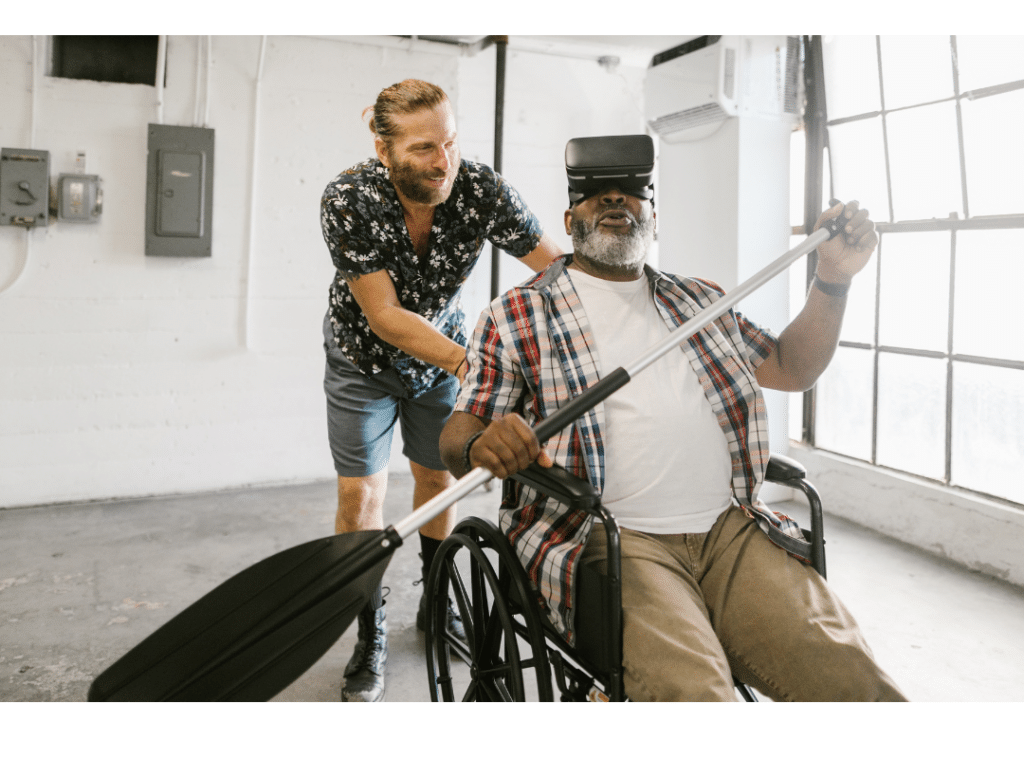
Immerse yourself in a new realm of therapeutic possibilities with Virtual Reality Therapy, a cutting-edge approach that’s revolutionizing care in assisted living facilities. Through immersive experiences, residents can engage in virtual journeys that transport them to tranquil landscapes, vibrant cities, or even nostalgic places from their past. This technology not only offers a form of entertainment but also provides cognitive stimulation, triggering memories, enhancing mood, and improving mental acuity. Virtual Reality Therapy allows individuals to participate in activities that may have been challenging due to physical limitations, fostering a sense of independence and achievement. Additionally, motion sensors and automated lighting can prevent accidents at home.

Medication Management Apps

Venture into a new frontier of personalized care with Medication Management Apps, a groundbreaking tool that streamlines the administration and tracking of medications for residents in assisted living facilities. These apps offer a range of benefits, including:

  • Personalized Reminders: Medication Management Apps provide timely reminders for residents, ensuring they never miss a dose and promoting medication adherence.
  • Remote Consultations: Through these apps, healthcare providers can conduct remote consultations to monitor medication effectiveness and adjust treatment plans as needed.
  • Centralized Medication Tracking: Residents, caregivers, and healthcare professionals can access a centralized platform to track medication schedules, dosages, and any related notes, fostering better communication and coordination.
  • These apps seamlessly integrate with the existing Medication Management systems in assisted living facilities, ensuring a comprehensive approach to medication administration.


What Level of Care Do You Need?

Discover the level of care you or your family member requires. 

Emergency Response Systems

Ready to enhance the safety and well-being of residents in assisted living facilities? Emergency Response Systems play a vital role in ensuring quick assistance during unforeseen situations. These systems often incorporate remote monitoring and fall detection technologies to provide round-the-clock support to residents. Remote monitoring allows caregivers to keep a close eye on residents without intruding on their privacy. By using sensors and cameras, staff can remotely observe activity levels and respond promptly in case of emergencies. Additionally, telemedicine and monitoring systems are integrated into these emergency response systems to enhance the overall quality of care provided to residents.

As you marvel at the technology enhancing the care at The Oaks at Nipomo, don’t forget the simple joy of a human touch. After all, nothing beats a warm smile, a comforting hug, or a listening ear. So, while technology may be the future of care, remember that sometimes the most powerful tool is good old-fashioned human connection.

For more information, please contact The Oaks at Nipomo at (805) 723-5206.


Retirement for Dummies: Easy Guide to Planning for the Future

Retirement for Dummies: Your Easy Guide to Planning Your Future

You might think that planning for retirement is too complicated and overwhelming. However, this quick retirement for dummies breaks down the process into simple, actionable steps that anyone can follow. From understanding the basics to creating a solid retirement savings plan, we got you covered. Whether you’re just starting your career or nearing retirement age, you can gain practical advice and expert insights to help you navigate the journey toward a secure financial future with The Oaks at Nipomo. So, are you ready to take the first step towards a worry-free retirement?

Understanding Retirement Basics

When it comes to retirement planning, understanding the basics is vital to setting yourself up for a secure future. Retirement options and saving strategies play a pivotal role in ensuring financial stability during your golden years. Retirement options encompass various vehicles such as 401(k) plans, Individual Retirement Accounts (IRAs), pensions, and Social Security benefits. Each option has its unique features and benefits, so it’s important to explore and understand them to make informed decisions.

Saving strategies are fundamental in building a robust retirement fund. Consistent contributions to retirement accounts, taking advantage of employer matching programs, and diversifying your investments are key components of effective saving strategies. Understanding the power of compound interest and starting to save early can greatly impact the growth of your retirement nest egg over time.


Setting Financial Goals

To ensure your retirement planning journey stays on track, it’s crucial to establish clear financial goals that align with your aspirations and lifestyle expectations. Budgeting strategies play a pivotal role in achieving these goals. Start by evaluating your current expenses and income to determine how much you can save for retirement each month. Consider creating a detailed budget that includes categories for essentials, savings, and discretionary spending. This will help you prioritize your retirement savings and guarantee you’re living within your means.

Long-term planning is vital when setting financial goals for retirement. Take into account factors such as inflation, healthcare costs, and potential changes in income. Set specific targets for your retirement savings based on your desired lifestyle during retirement. Regularly review and adjust your goals as needed to stay on track.


Find Where You Belong

Dive into the vibrant life our Westmont communities have to offer.


Exploring Investment Options

Explore various investment options as a necessary step in your retirement planning journey. Diversifying your portfolio is vital to mitigate risks and maximize returns. To make informed decisions, conduct a thorough risk assessment to align your investments with your financial goals and risk tolerance. Additionally, consider the long-term growth potential of stocks when crafting your investment strategy.

Creating a Retirement Savings Plan

As you embark on the journey of creating a retirement savings plan, it’s crucial to lay a strong financial foundation that will support you in your later years. Start by assessing your current financial situation and setting a budget that includes regular contributions to a savings account specifically designated for retirement. Consider using budgeting strategies such as tracking your expenses and identifying areas where you can cut back to allocate more towards savings.

Moreover, take advantage of retirement calculators available online to estimate how much you’ll need to save based on your desired retirement age and lifestyle. These tools can help you set realistic savings goals and adjust your budget accordingly.

Furthermore, if your employer offers a retirement savings plan, make sure to maximize any contributions they match. Employer contributions are essentially free money that can significantly boost your retirement savings over time.

Securing Your Retirement Income

Now, moving forward in your retirement planning journey, it’s time to focus on securing your retirement income. Ensuring a stable income during retirement is important for a worry-free future. Here are some key steps to help you secure your retirement income:

  1. Maximize Social Security benefits: Understand how Social Security works and explore strategies to optimize your benefits. Consider factors like when to start claiming benefits and how your work history affects your payments.
  2. Explore Pension Plans: If you have access to a pension plan through your employer, make sure to understand the details of the plan. Learn about the vesting schedule, contribution limits, and potential payout options.
  3. Consider Additional Income Streams: Look into other sources of retirement income, such as part-time work, rental properties, or investment dividends. Diversifying your income sources can provide added security.
  4. Consult with a Financial Advisor: Seeking advice from a financial professional can help you create a thorough retirement income plan tailored to your specific needs and goals. They can assist in optimizing your investments and maximizing your income potential.
  5. Addressing depression as part of memory loss management is essential for overall well-being and cognitive function.

As you commence on your retirement planning journey with The Oaks at Nipomo, remember that every step you take towards securing your financial future is like planting a seed for a bountiful harvest. Just as a gardener tends to their garden with care and patience, so too must you nurture your retirement savings with diligence and foresight. By following the guidance in “Retirement for Dummies,” you will sow the seeds of a prosperous and fulfilling retirement.

For more information, please contact The Oaks at Nipomo at (805) 723-5206.


Involving Residents in Decision-Making: The Power of Assisted Living Councils

The Essence of Assisted Living Councils in Assisted Living

Nipomo, California, known for its serene landscapes and community-centric living, is home to The Oaks at Nipomo, a premier assisted living facility. Here, the concept of Assisted Living Councils plays a pivotal role in shaping a resident-centric environment. These councils are more than just a feature; they are a cornerstone in empowering our residents ensuring their voices are heard and valued.

The Role of Assisted Living Councils

Assisted Living Councils serve as a bridge between residents and management at facilities like The Oaks at Nipomo. They provide a structured platform for residents to express their needs, preferences, and concerns. This democratic approach not only enhances the quality of life for the residents but also leads to more personalized and efficient facility management.


Benefits of Resident Involvement in Decision Making

Involving residents in decision-making processes has profound benefits. It promotes a sense of ownership and community, improves the relevance and effectiveness of the services provided, and fosters an environment of respect and dignity. This approach aligns perfectly with the ethos of The Oaks at Nipomo, where resident satisfaction is paramount.

The Impact of Resident Councils on Community Life

Fostering a Sense of Community and Belonging

At The Oaks at Nipomo, the Assisted Living Councils foster a strong sense of community. By involving residents in decisions that affect their daily lives, these councils help create a more inclusive and welcoming environment where every individual feels valued and heard.

Enhancing Communication and Transparency

The councils are crucial in enhancing communication between residents and the management. Regular meetings and open forums ensure transparency and keep residents informed about changes and developments within the community. This openness is vital in building trust and a sense of shared purpose.

Enhancing Communication and Transparency

Enhancing Communication and Transparency

Empowering Residents Through Active Participation

Active participation in council activities empowers residents, giving them a platform to share their experiences, ideas, and feedback. This empowerment is crucial in an assisted living setting, as it helps maintain the residents’ sense of autonomy and self-worth.

The Structure and Functioning of Assisted Living Councils

Composition and Leadership of the Councils

Assisted Living Councils at The Oaks at Nipomo are composed of residents who are elected by their peers. This democratic structure ensures that the council truly represents the resident population. Leadership roles within the council are also held by residents, further emphasizing the resident-driven nature of these bodies.

Regular Meetings and Agenda-Setting

Council meetings are held regularly, providing a structured opportunity for discussion and decision-making. The agenda for these meetings is set collaboratively, ensuring that the topics discussed are relevant and of interest to the residents.

Collaboration with Facility Management

One of the key strengths of the Assisted Living Councils at The Oaks at Nipomo is their collaborative approach to facility management. This partnership ensures that resident feedback is not only heard but also acted upon, leading to continuous improvement in services and facilities.

Enhancing Quality of Life through Resident Councils

Impact on Daily Living and Activities

The influence of Assisted Living Councils at The Oaks at Nipomo extends to various aspects of daily living. From dining menu selections to activity planning, the councils have a significant say, ensuring that the offerings align with resident preferences and needs. This level of involvement ensures that the lifestyle at the facility is both vibrant and resident-centered.

Advocating for Individual Needs and Preferences

One of the primary roles of the councils is to advocate for the individual needs and preferences of residents. Whether it involves accommodation adjustments, special dietary requirements, or personalized care plans, the councils ensure that each resident’s voice is heard and considered in the decision-making process.

Creating a Responsive and Adaptive Environment

The dynamic nature of the resident councils allows The Oaks at Nipomo to be a responsive and adaptive environment. As resident needs and preferences evolve, the councils play a crucial role in identifying these changes and advocating for necessary adjustments in services and facilities.

Building a Collaborative Community Culture

Encouraging Resident Engagement and Participation

Encouraging active engagement and participation in council activities is a key focus at The Oaks at Nipomo. Regular meetings, open forums, and feedback sessions are designed to be accessible and inviting, ensuring that all residents feel comfortable contributing their thoughts and ideas.

Nurturing Leadership and Personal Growth

Participation in the Assisted Living Councils is not only about influencing community decisions; it’s also an opportunity for personal growth and leadership development. Residents who take on council roles develop valuable skills, gain confidence, and enjoy a renewed sense of purpose.

Strengthening Relationships and Mutual Understanding

Through their collaborative efforts, the councils help strengthen relationships among residents and between residents and staff. This mutual understanding and respect are fundamental to creating a harmonious and supportive community.

Addressing Challenges and Enhancing Services

Responding to Resident Feedback and Concerns

One of the key responsibilities of the councils is to address feedback and concerns raised by residents. This proactive approach ensures that issues are resolved promptly and effectively, enhancing the overall living experience at The Oaks at Nipomo.

Driving Continuous Improvement

The insights and suggestions provided by the councils are invaluable in driving continuous improvement in services and facilities. This feedback loop allows the management to make informed decisions that directly benefit the residents.

Adapting to Changing Needs and Trends

In a rapidly evolving senior care landscape, the councils play a critical role in ensuring that The Oaks at Nipomo stays ahead of trends and adapts to changing resident needs. This forward-thinking approach guarantees that the facility continues to provide top-tier care and services.

Embracing the Future with The Oaks at Nipomo

At The Oaks at Nipomo, we are committed to empowering our residents through active participation in decision-making. Our Assisted Living Councils are a testament to our dedication to creating a vibrant, responsive, and resident-centered community. We invite you to experience the difference that a truly collaborative and empowering environment can make in senior living.

Join Us in Shaping a Better Future

If you or your loved ones are considering assisted living options, we encourage you to explore the unique community we have built at The Oaks at Nipomo. Our team is ready to provide you with more information and support. Feel free to reach out to us at (805) 723-5206 to discover how we can help you make informed decisions for a fulfilling and empowered life in our community.

Services Offered at a Center for Independent Living

Discover a range of services at The Oaks at Nipomo, a center for independent living designed to support your journey towards enhanced well-being and independence.

Engage in Peer Counseling and Support to discuss mental health concerns and build resilience through community connections.

Access Independent Living Skills Training for essential life skills tailored to your unique challenges.

Explore Assistive Technology Resources for guidance on accessibility solutions and empowerment through technology.

Benefit from Employment Support Programs, Transportation Services, Recreation and Socialization Activities, and Personal Care Attendant Services for a holistic approach to empowerment.

Find out how these services can empower you on your path to independence and community connection.


Key Takeaways

  • Peer Support Services for mental health discussions and community connections.
  • Independent Living Skills Training for daily tasks and empowerment.
  • Assistive Technology Resources for accessibility solutions and training.
  • Accessible Housing Assistance for grants and rental support.
  • Employment Support Programs for job placement and career development.


What Level of Care Do You Need?

Discover the level of care you or your family member requires.


Information and Referral Services

Are you seeking guidance and resources to navigate the challenges you’re facing? Regarding Information and Referral Services at our Center for Independent Living, we recognize the importance of having access to the right resources and support during difficult times.

We’re here to connect you with valuable community resources that can help address your specific needs. Whether you need assistance finding housing options, job opportunities, or healthcare services, our team is dedicated to facilitating resource connections that empower you toward independence.

At our center, we prioritize your emotional well-being by offering peer support services creating a supportive community where you can share experiences and build meaningful connections with others facing similar challenges.


Peer Counseling and Support

When facing challenges, having someone who understands and empathizes with your experiences can make a difference. Peer counseling allows you to receive support from individuals who can relate to your journey and provide valuable insights.

Support group activities foster community and belonging, helping you navigate obstacles with strength and resilience.


Peer Counseling Benefits

Discover the invaluable support and guidance that peer counseling offers at a Center for Independent Living. Peer counseling provides a safe space for individuals to discuss mental health concerns and prioritize self-care. Through peer counseling, you can receive empathy, understanding, and practical advice from someone who’s navigated similar challenges. This form of support can be especially beneficial for those feeling isolated or overwhelmed by their mental health journey.

Peer counseling encourages you to explore your emotions, thoughts, and coping strategies in a non-judgmental environment. By sharing experiences and learning from others, you can develop new ways to manage stress, anxiety, and other mental health issues.

The peer support you receive can help you build resilience, enhance your self-awareness, and foster a sense of community within the Center for Independent Living.

Embracing peer counseling as part of your self-care routine can improve mental well-being and a stronger support network. Take advantage of this valuable resource to nurture your mental health and enhance your overall quality of life.


Support Group Activities

Exploring support group activities, particularly peer counseling and support, can provide an important lifeline for individuals seeking understanding and camaraderie in their mental health journey.

In the world of mental health support, virtual gatherings play a significant role in fostering connections and offering a safe space for individuals to share their experiences. These online support group activities enable participants to engage in peer counseling, where they can both give and receive guidance, validation, and encouragement. Through virtual gatherings, individuals can access a diverse network of support, breaking the barriers of physical distance and providing a sense of community even in the digital sphere.

To illustrate the benefits of support group activities further, here is a glimpse into the types of virtual gatherings commonly offered at Centers for Independent Living:

Support Group Activities Description Benefits
Virtual Peer Counseling One-on-one support sessions Personalized guidance
Online Mental Health Workshops Interactive educational sessions Skill-building opportunities
Virtual Support Group Meetings Group discussions and sharing Emotional support

Engaging in these support group activities can foster resilience, enhance coping strategies, and empower individuals on their mental health journey.


Independent Living Skills Training

When it comes to Independent Living Skills Training, you’ll learn essential life skills that empower you to confidently navigate daily tasks.

These programs are tailored to your needs, ensuring personalized training that addresses your unique challenges and goals.

Embrace the opportunity to enhance your independence and self-sufficiency through targeted skill development at the Center for Independent Living.


Essential Life Skills

Understanding and mastering essential life skills is vital for achieving independence and confidence in daily living. At the Center for Independent Living, we offer a range of practical workshops and tips to help you develop these key competencies.

Our cooking workshops are designed to teach you essential culinary skills, such as meal planning, grocery shopping, and cooking techniques. Participating in these workshops can enhance your ability to prepare nutritious and delicious meals for yourself.

In addition to cooking workshops, our center provides budgeting tips to help you manage your finances effectively. Learning to create a budget, track expenses, and save money is essential for achieving financial independence. Our experts are here to guide you through the process and empower you to take control of your financial well-being.

Mastering essential life skills like cooking and budgeting promotes independence and boosts confidence in tackling daily challenges. Join us at the Center for Independent Living and embark on a journey towards a more self-sufficient and empowered life.


Personalized Training Programs

Developing essential life skills is a foundational step towards living independently and confidently. Our Center for Independent Living offers personalized training programs tailored to your unique needs and goals. Here’s how we can support you on your journey to independence:

  1. Individualized Coaching: Our team of experienced coaches works closely with you to identify areas where you may need additional support. Through one-on-one sessions, we provide personalized guidance and encouragement to help you develop the skills necessary for independent living. Additionally, our center empowers seniors through engaging social activities and community events.
  2. Customized Workshops: In addition to individual coaching, we offer customized workshops designed to address a variety of independent living skills. These workshops cover budgeting, meal planning, time management, and more. You can choose workshops that align with your specific goals and interests.
  3. Skill-Building Activities: Our training programs include hands-on and practical exercises to enhance your skills. These activities are designed to reinforce learning and provide opportunities to practice and apply what you’ve learned in a supportive environment.


Advocacy and Community Outreach

At the Center for Independent Living, our Advocacy and Community Outreach services are designed to empower individuals with disabilities to navigate systems and access resources effectively. We believe in the importance of policy advocacy and local partnerships to create lasting change. We work towards building a more inclusive society through community engagement and grassroots initiatives. Our team is dedicated to amplifying the voices of individuals with disabilities and advocating for their rights at all levels.

Advocacy and Community Outreach Services
– Policy advocacy – Local partnerships – Community engagement
– Grassroots initiatives

We understand the challenges you may face in accessing services and support. Our advocacy efforts aim to break down barriers and create a more accessible environment for everyone. By collaborating with local organizations and engaging with the community, we endeavor to foster a sense of belonging and empowerment for individuals with disabilities. Let us work together to advocate for a more inclusive and supportive community.


Assistive Technology Resources

Managing daily tasks and activities can sometimes present challenges, especially when living with a disability. At our Center for Independent Living, we acknowledge the importance of assistive technology resources in enhancing your daily life. Here are some ways we can support you:

  1. Technology Training: Our center offers personalized technology training sessions to help you become proficient in using assistive devices and software tailored to your needs. Whether it’s learning to navigate communication apps or mastering mobility aids, we’re here to empower you every step of the way.
  2. Accessibility Solutions: We provide guidance on various accessibility solutions, from smart home devices to ergonomic tools that make your living space more inclusive and comfortable. Our team can assist you in selecting the right solutions that align with your preferences and requirements.
  3. Equipment Demonstrations: Equipment demonstrations allow you to explore various assistive technologies firsthand, allowing you to make informed decisions about the tools that best suit your lifestyle. We’re dedicated to ensuring that you have access to the resources you need to live independently and confidently.


Accessible Housing Assistance

Are you looking for ways to make your living space more accessible? At the Center for Independent Living, we support securing housing modification grants to adapt your home to your needs.

Additionally, our rental assistance programs can provide financial aid to help you find a comfortable and accessible living environment.


Housing Modification Grants

Are you thinking about making your home more accessible and comfortable but unsure where to start? One great option to ponder is applying for Housing Modification Grants. These grants can provide funding opportunities to help you make necessary home alterations to enhance your quality of life and independence. Here are three key points to keep in mind:

  1. Financial Assistance: Housing Modification Grants offer financial support to help cover the expenses of making your home more accessible. This can include installing ramps, widening doorways, or adding bathroom grab bars to improve safety and mobility.
  2. Professional Guidance: These grants often provide access to professionals who can assess your home and recommend the best modifications to suit your needs. They can provide valuable insights and expertise to ensure the alterations are done correctly.
  3. Application Process: The application process for Housing Modification Grants may vary, but staff at a Center for Independent Living can assist you in navigating through the paperwork and requirements, making the process smoother and more manageable.


Rental Assistance Programs

Considering the challenges of finding accessible housing that meets your needs, Rental Assistance Programs can be valuable in securing a comfortable and supportive living environment. These programs aim to provide individuals with the housing stability and financial security they need to thrive independently. By offering assistance with rental payments, they help alleviate the economic burden of accessible housing, ensuring you have a safe and suitable place to call home.

Benefits of Rental Assistance Programs Description Impact
Financial Support Helps cover a portion of your rent, easing the financial strain Increases affordability of accessible housing
Housing Stability Maintains consistent support to uphold a secure living situation Promotes long-term housing security
Application Assistance Provides guidance and aid with applying for rental assistance Facilitates access to necessary resources

Rental Assistance Programs offer financial aid and contribute to your overall well-being by fostering housing stability and economic security. If you face challenges in securing accessible housing, consider exploring these programs to find the support you need to thrive independently.


Employment Support Programs

When seeking employment support programs at the Center for Independent Living, you can access various services designed to empower you on your journey toward meaningful work opportunities. Here are some key offerings to assist you:

  1. Job Placement Assistance: The center provides personalized job placement services tailored to your skills and interests. From resume building to interview preparation, we’re here to support you in securing employment that suits your needs.
  2. Career Development Workshops: Engage in workshops focused on enhancing your professional skills, setting career goals, and exploring different job paths. Our team of experts will guide you in creating a roadmap for your career growth and development.
  3. Employer Connections: Benefit from our network of employers looking to hire individuals with diverse abilities. We facilitate connections between you and potential employers, increasing your chances of finding a job that aligns with your aspirations.

At the Center for Independent Living, we’re committed to helping you achieve your employment goals and build a fulfilling career.


Transportation Services

Exploring transportation services provided by the Center for Independent Living opens avenues to enhance mobility and independence. Whether you need assistance with ride-sharing, access to accessible vehicles, guidance on public transit, or personalized mobility training, the center supports your transportation needs.

Ride-sharing services can offer a convenient and cost-effective way to get around, while accessible vehicles guarantee that your mobility challenges are met with suitable transportation options.

If you want to navigate the public transit system more confidently, the center can provide valuable information and tips to make your journeys smoother.

Additionally, mobility training sessions can empower you with the skills and knowledge to travel independently and safely.


Recreation and Socialization Activities

To engage in a fulfilling and vibrant lifestyle, the Center for Independent Living offers various recreation and socialization activities to foster connections, create meaningful experiences, and promote overall well-being.

  1. Inclusive Events: The center organizes various inclusive events such as movie nights, game tournaments, and art workshops where individuals can come together, socialize, and enjoy fun activities in a welcoming environment.
  2. Social Clubs: Joining social clubs tailored to different interests and hobbies allows you to connect with like-minded individuals, build friendships, and engage in shared activities that bring joy and fulfillment to your life.
  3. Community Outings: Regular community outings to parks, museums, and local attractions offer opportunities to explore new places, socialize with peers, and create lasting memories while enjoying the world’s beauty.


Personal Care Attendant Services

Recognizing the significance of preserving independence while receiving necessary support, our Center for Independent Living offers Personal Care Attendant Services tailored to assist individuals in their daily routines and activities. Our dedicated personal care attendants help with personal hygiene, ensuring that individuals can uphold their cleanliness and sense of comfort.

Along with aiding in personal hygiene, our in-home care services encompass a wide array of support to assist individuals with tasks they may find challenging for various reasons.

Our personal care attendants are trained to deliver caring and considerate assistance, fostering dignity and self-sufficiency for those we serve. Whether you require support with dressing, grooming, bathing, or any other personal care needs, our attentive staff is here to assist you.


Find Where You Belong

Dive into the vibrant life our Westmont communities have to offer.


Final Thoughts

To sum up, the services offered at The Oaks at Nipomo, a center for independent living, are designed to empower individuals with disabilities to live their lives to the fullest. From information and referral services to personal care attendant support, these programs are here to assist you in every aspect of daily living. Remember, you are not alone in this journey – a community of people is ready to support and guide you toward independence and success.

For more information, please contact The Oaks at Nipomo at (805) 723-5206.

Exploring the Benefits of Senior Living Independent Community

As you or your loved one approaches the golden years, you’re faced with a crucial decision: where to live and how to maintain independence while receiving the support needed. You’re not alone in this journey. Many seniors are discovering the advantages of senior living independent communities, where they can thrive in a vibrant environment, surrounded by like-minded individuals, and enjoy a range of amenities and services tailored to their needs. At The Oaks at Nipomo, located in Nipomo, CA, we’re dedicated to providing a unique blend of freedom, comfort, and community. Choosing our senior living independent community will unlock a life of fulfillment, connection, and purpose. Contact us today at (805) 723-5206 to explore how our community can become your perfect haven.


What Services Are Offered in Senior Independent Living Communities?

A senior independent living community offers services to support your independence and enhance your quality of life. These communities provide a comprehensive approach to senior living, from housing and amenities to healthcare and wellness.


Housing and Amenities

With private living quarters, including apartments or condos, senior independent living communities provide a comfortable and secure environment. You’ll also have access to shared amenities like community kitchens, fitness centers, and recreational spaces.

Housing and Amenities

Housing and Amenities

Healthcare and Wellness

Living in a senior independent living community means accessing various healthcare and wellness services. These may include fitness programs, health education, and on-site medical care, ensuring you receive the support you need to maintain your physical and mental well-being.


It’s worth noting that many senior independent living communities also offer additional healthcare services, such as medication management, physical therapy, and occupational therapy. These services can be tailored to meet your needs, providing you with the support you need to thrive.


The Importance of Social Connection in Older Adults

One of the most critical aspects of senior living in independent communities is the emphasis on social connection. Social connections become increasingly vital for our mental and emotional well-being as we age. Studies have shown that older adults who are socially active tend to live longer and have better physical health than those who are not Exploring the Benefits of Senior Living Communities. At The Oaks at Nipomo, we understand the importance of social connection and strive to create an environment that fosters meaningful relationships and a sense of community.


Combating Loneliness and Isolation

Social isolation can have devastating effects on older adults, leading to depression, anxiety, and even premature mortality. By living in a senior living independent community, you can combat loneliness and isolation by being surrounded by like-minded individuals who share similar interests and experiences.


Fostering Friendship and Community

Fostering friendships and a sense of community is at the heart of our senior living independent community at The Oaks at Nipomo. We believe that social connections are crucial for a happy and healthy life, and we strive to create an environment that encourages residents to form meaningful relationships with one another.


Isolation can be a significant challenge for older adults, especially those who live alone. Living in a senior living, independent community can break free from the constraints of isolation and connect with others with similar interests and experiences. Our community offers a range of social activities, events, and programs designed to bring residents together and foster a sense of belonging.


What Level of Care Do You Need?

Discover the level of care you or your family member requires.


Maintaining Independence and Autonomy

It’s no secret that seniors value their independence above all else. As you consider senior living options, you want to ensure that you or your loved one can maintain autonomy while still receiving the support needed to thrive. Independent senior living communities, like The Oaks at Nipomo, offer the perfect balance of freedom and assistance. According to Top 5 Benefits of Independent Senior Living Communities, residents in these communities enjoy a greater sense of control over their daily lives.


Supportive Services for Daily Living

An essential aspect of maintaining independence is having access to supportive services that cater to one’s daily needs. At The Oaks at Nipomo, you’ll find a range of amenities and services designed to make one’s life easier, from housekeeping and laundry to transportation and meal preparation.


Encouraging Active Lifestyles

Active seniors are happy seniors! Independent senior living communities understand the importance of staying engaged and active, which is why they offer a variety of fitness programs, social activities, and hobbies to keep you entertained and motivated.


This approach enhances physical health and fosters a sense of community and belonging. By staying active and connected, you’ll be more likely to maintain your independence and autonomy, even as your needs change.

Encouraging Active Lifestyles

Encouraging Active Lifestyles

What Are the Benefits of Senior Independent Living?

Many seniors and their families are discovering the advantages of senior independent living communities. According to Top 7 Benefits of Retirement Communities, these communities offer a unique combination of independence, socialization, and support. You can enjoy a more fulfilling and engaging lifestyle by choosing senior independent living.


Enhanced Quality of Life

Enhancing your quality of life is a top priority in senior independent living communities. You’ll have access to various amenities and services to promote physical, emotional, and social well-being. You’ll find plenty of opportunities to stay active, engaged, and connected, from fitness classes to social events.


Peace of Mind for Residents and Families

Any concerns about safety and security can be alleviated in a senior independent living community. With 24-hour security, emergency response systems, and on-site staff, you and your loved ones can rest assured that you’re in good hands.


Residents of senior independent living communities can enjoy a sense of peace and tranquility, knowing that they have access to support and care when they need it. This sense of security can be particularly reassuring for families, who can trust that their loved ones receive the care and attention they deserve. At The Oaks at Nipomo, we’re committed to providing all our residents with a safe, supportive, and welcoming environment. Contact us at (805) 723-5206 to learn more about our senior living independent community in Nipomo, CA.


Financial Considerations and Affordability

Once again, transitioning to a senior living independent community requires careful planning, including financial considerations. The cost of living in a senior community can vary greatly depending on location, amenities, and level of care. It’s essential to weigh the costs and benefits of different options to ensure you’re making the best decision for your financial situation.


Compare The Costs of Senior Living vs Staying at Home

How Do The Costs Of Moving Into A Quality Senior Care Community Compare With The Costs Of Staying At Home?


Cost-Effective Options

Any senior considering independent living should explore cost-effective options that fit their budget. Many communities offer flexible pricing plans, discounts for long-term commitments, and financial assistance programs. By researching and comparing prices, you can find a community that meets your needs without breaking the bank.


Financial Planning and Assistance

Considerations such as veterans’ benefits, Medicaid, and other government programs can help offset the cost of senior living. Additionally, some communities offer financial planning resources and assistance to help residents navigate the complex process of funding their care.


Plus, many senior living communities, like The Oaks at Nipomo, offer various financial options and resources to help make independent living more affordable. From rent subsidies to financial counseling, these communities are committed to helping seniors achieve their goal of maintaining independence while staying within their budget. By taking advantage of these resources, you can enjoy the benefits of senior living without sacrificing your financial security.


Unlike other major life decisions, selecting a senior independent living community requires careful consideration of your unique needs, preferences, and priorities. With so many options available, it’s crucial to approach this decision with a clear understanding of what you’re looking for in a community.

Financial Planning and Assistance

Financial Planning and Assistance

Research and Evaluation Seniors like you deserve a living environment that supports their independence, comfort, and happiness. Researching and evaluating potential communities is crucial to finding the perfect fit. Start by making a list of your must-haves, nice-to-haves, and deal-breakers. Consider factors such as location, amenities, services, and cost.


Making an Informed DecisionOne of the most critical steps in choosing a senior independent living community is making an informed decision. This involves weighing the pros and cons of each community, considering factors such as staff qualifications, community reputation, and resident testimonials.


Evaluation is critical to making an informed decision. Ask yourself: What are the community’s policies on care and support? How do they handle emergencies? What opportunities are there for socialization and engagement? By carefully evaluating each community, you can make a confident decision that aligns with your needs and goals.


Find Where You Belong

Dive into the vibrant life our Westmont communities have to offer.


Unlock the Full Potential of Your Golden Years

You’ve discovered the numerous advantages of senior living and independent communities and how they can enhance your life as you age. By choosing The Oaks at Nipomo, you’ll gain access to a vibrant community that supports your independence while providing the necessary assistance to live life to the fullest. With a range of amenities and services tailored to your needs, you’ll thrive in a warm and welcoming environment. Call us today at (805) 723-5206 to schedule a tour and take the first step towards a more fulfilling tomorrow.


Lawn Games for Adults: 7 Senior-Friendly Choices

Lawn games for adults are a simple, enjoyable way to stay moving, keep your mind engaged, and spend time with others. At The Oaks at Nipomo, residents and visiting families often look for easy outdoor activities that feel fun, not tiring. This guide shares seven senior-friendly game ideas, along with practical ways to adapt them into sit-down games for senior citizens, party games for senior Citizens, and even indoor lawn games for adults when the weather changes.

The Oaks at Nipomo: Lawn Games for Adults That Fit Your Day

One of the best things about adult lawn games is their flexibility. You can play for 10 minutes or an hour. You can play one-on-one, in small groups, or as part of a larger gathering. At The Oaks at Nipomo, outdoor time can be a comfortable part of the day, with shared spaces that make it easier to connect and enjoy simple activities together.

If you are also exploring what level of support may be the right fit, you can start with the community’s Care Assessment to help guide your next steps.

lawn games for adults

Why Outdoor Play Matters as We Age

Outdoor games can support wellness in a natural way. Gentle movement can help with everyday strength and steadiness, while simple games often encourage focus, planning, and turn-taking. Many people also enjoy the social aspect most, as games facilitate easy conversation and shared laughter.

If you want more ideas for staying active, you may like these leg exercises for seniors. For additional inspiration, explore outdoor games for seniors and outdoor game ideas for senior citizens.


What Level of Care Do You Need?

Discover the level of care you or your family member requires.


Getting Started with Outdoor Games

A good game is one you want to play again. If you are choosing games for yourself, a parent, or a group, start with comfort and simplicity. Look for games that are easy to learn, low-impact, and flexible enough to play standing or seated.

It also helps to set up the space with comfort in mind. Having water nearby, a stable chair, and comfortable shoes can make outdoor time easier. Small details like light layers, sun protection, and a shaded spot can also help people stay relaxed and enjoy the game.

For more ways to stay engaged, you can also read 7 activities to keep a vibrant senior lifestyle active and engaged.

lawn games for adults

Best Lawn Games for Senior Adults: 7 Easy Ideas

Below are the seven best lawn games for senior adults that work well for different comfort levels. Each includes simple ways to adapt the game so more people can join in.

1) Bocce Ball

Bocce is a classic, low-pressure game. Players roll larger balls toward a smaller target ball. It works well because it is slow-paced, social, and easy to adjust for different abilities.

To make it more comfortable, shorten the distance and allow seated rolls if needed. Pair play can also keep scoring simpler and help the game move along.

2) Cornhole (Easy as a Sit-Down Game)

Cornhole is popular because it can be played while seated, making it one of the easiest sit-down games for senior citizens. Players toss bean bags toward a board with a hole.

To reduce strain, move the boards closer and use lighter bags. Many groups also enjoy quick rounds, like “first to five,” instead of longer scoring.

3) Croquet

Croquet adds a touch of strategy while remaining gentle. Players use mallets to tap balls through hoops. It encourages light walking, focus, and coordination, and it often feels like a relaxed social activity.

If full play feels like too much, shorten the course and set a simple time limit for turns. Using lighter mallets can also reduce strain on the wrists and shoulders.

4) Lawn Bowling (Or “Roll and Target”)

Lawn bowling has a similar feel to bocce, using rolling and aiming rather than throwing. It is calm and flexible, and it works well for small groups.

To adapt it, use lighter balls, shorten the lane, and allow an extra roll for a second try. Small changes like these keep the game encouraging rather than frustrating.

5) Ring Toss or Hoop Toss

Ring toss is fast to learn, easy to repeat, and great for mixed ages. It also works well when you want party games for senior Citizens, because people can join for a round or two without needing a long explanation.

For easier play, use larger rings and shorten the distance. It can also be played seated with a simple “best of ten throws” format.

lawn games for adult

6) Giant Jenga (Outdoor or Indoor Option)

Giant Jenga creates a fun “yard game” feeling, but it can often be moved inside. That makes it a strong choice for indoor lawn games for senior adults, especially when outdoor conditions are not ideal.

If balance or reach is a concern, play seated and allow two hands. Many groups also prefer short sessions, where the game ends after the tower falls once, then players rotate.

7) Scavenger Hunts (No Equipment Option)

If you want outdoor games for seniors, no equipment, scavenger hunts can be simple and enjoyable. You can theme it around colors, nature, or everyday items, such as “find something blue,” “spot a bird,” or “notice three different textures.”

To make it more accessible, keep the hunt in a small area and use pairs or teams. Picture-based lists can also make it easier for groups with mixed abilities.

For more outdoor activity ideas, visit Outdoor Activities to Help Older Adults Stay Active.

lawn games for adult

Quick Comparison: Pick the Right Game Fast

Game Best for Seated-friendly Equipment needed Can work indoors
Bocce Ball Calm, social play Yes Yes Sometimes
Cornhole All-ages fun Yes Yes Sometimes
Croquet Focus + light movement Sometimes Yes No
Lawn Bowling Gentle aiming Yes Yes Sometimes
Ring Toss Quick rounds Yes Yes Yes
Giant Jenga Groups + laughs Yes Yes Yes
Scavenger Hunt No-equipment movement Yes (modified) No Yes (modified)

Free Lawn Games for Senior Adults (Simple Ideas That Cost Nothing)

If you are looking for free lawn games for senior adults, start with “no-equipment” options that still feel like a real game. A simple scavenger hunt is one option, but you can also try an “I Spy” nature version or a light “follow-the-leader walk” where each person chooses a short destination and the group takes turns leading. These can also work well as free party games for senior citizens when family visits, and you want something casual that includes everyone.

If you would like to learn more about life at The Oaks at Nipomo and how our community supports independent living, assisted living, and memory care, our team is here to help. Schedule a tour, call us, or contact us to talk through what you are looking for and get your questions answered.


Find Where You Belong

Dive into the vibrant life our Westmont communities have to offer.


Frequently Asked Questions

What are the benefits of lawn games for adults?

Lawn games for adults can support gentle movement, focus, and social connection. Many games encourage balance, coordination, and simple problem-solving. They are also a fun way to spend time outdoors and stay engaged with others.

Can lawn games be adapted for adults with mobility issues?

Yes. Many games can be adjusted by shortening distances, using lighter equipment, or playing seated. Cornhole is often comfortable as a seated game, and bocce can be rolled instead of thrown. The goal is to keep it enjoyable and safe, not perfect.

How can I get started with adult lawn games?

Start small with one game and a short play time. Invite a friend or family member, or join a casual group activity. Choose a game that feels easy to learn, then adjust the rules so everyone can participate comfortably.

10 Family Games and Outdoor Activities for Seniors


As the warm weather approaches, you’re likely eager to get outside and make the most of the sunshine. At The Oaks at Nipomo, we understand the importance of staying active and engaged, especially for seniors. That’s why we’ve compiled a list of 10 family games and outdoor activities perfect for seniors looking to stay active and have fun with loved ones. We’ve covered you from classic lawn games like horseshoes and croquet to more adventurous activities like metal detecting and golf. So why not gather your family and friends, head outdoors, and start enjoying the great outdoors together? 


Outdoor Games for Seniors

A beautiful day outdoors can be incredibly uplifting for seniors. Fresh air, sunshine, and social interaction can do wonders for physical and mental well-being. At The Oaks at Nipomo, we encourage residents to take advantage of our lovely outdoor spaces and engage in fun family games and activities.


Gentle Exercises for Mobility

On a sunny day, take a stroll around our gardens or courtyard. Gentle exercises like walking, stretching, or tai chi can help improve mobility and flexibility. You can also try light yoga poses or chair exercises to move those joints.

Gentle Exercises for Mobility

Gentle Exercises for Mobility

Low-Impact Sports for Fun

Sports enthusiasts will love our low-impact outdoor games, designed specifically for seniors. From horseshoes to bocce ball, these activities provide a fun way to stay active without straining your body.

Gentle sports like badminton, croquet, or even a game of washers can be a great way to exercise while enjoying the company of friends and family. These low-impact activities can help improve hand-eye coordination, balance, and overall physical fitness while having a blast outdoors.

Remember always to prioritize your health and safety when engaging in outdoor activities. If you have any concerns or need assistance, don’t hesitate to contact our friendly staff at The Oaks at Nipomo. Call us today at (805) 723-5206 to learn about our outdoor activities and family games for seniors.


What Level of Care Do You Need?

Discover the level of care you or your family member requires.


Nature-Based Activities

Any outdoor enthusiast knows nature-based activities are a great way to stay active and engaged. They provide physical exercise, mental stimulation, and a sense of connection to the natural world.

For inspiration, you can check out 51 Great Games for Seniors & Elderly People, which offers a range of ideas for outdoor games and activities that can be adapted to suit your needs and abilities.


Gardening for Seniors: A Guide

Nature-based activities like gardening are perfect for seniors who want to stay active while enjoying nature’s fresh air and beauty. Gardening can be adapted to suit your mobility and energy levels, and it’s a great way to grow your fruits and vegetables or simply enjoy the therapeutic benefits of nurturing plants.


Birdwatching: A Leisurely Pursuit

An excellent nature-based activity for seniors is birdwatching, which can be done from the comfort of your backyard or on a leisurely walk around the neighborhood. Birdwatching is a low-impact activity that requires minimal equipment, making it accessible to seniors of all abilities.

It’s a great way to connect with nature and observe the fascinating behaviors of different bird species. You can even keep a journal to record your observations and identify the species you spot. The Oaks at Nipomo, located in Nipomo, CA, offers beautiful outdoor spaces perfect for birdwatching and other nature-based activities. Contact them at (805) 723-5206 to learn more.

Birdwatching: A Leisurely Pursuit

Birdwatching: A Leisurely Pursuit

Group Games for Socializing

Some of the best ways to stay active and engaged as a senior involve group games that promote socializing and teamwork. When considering outdoor activities older people can enjoy, research suggests that group games can significantly impact mental and emotional well-being.


Lawn Games for Seniors: Bocce Ball and More

One of the most popular lawn games for seniors is bocce ball, which is easy to learn and can be played with friends or family members. Other options include croquet, horseshoes, and washers, which can be adapted to suit different mobility levels and abilities.


Outdoor Scavenger Hunts for Teams

One of the most exciting ways to get outside and socialize is through outdoor scavenger hunts, which can be tailored to suit different ages and abilities. These games encourage teamwork, problem-solving, and exploration, making them an excellent way to stay active and engaged.

For instance, you could create a scavenger hunt that involves finding specific objects in nature, such as leaves, rocks, or birds, or one that requires teams to complete challenges or puzzles along the way. The possibilities are endless, and the benefits of socializing and staying active are undeniable. At The Oaks at Nipomo, we encourage our residents to participate in family games and outdoor activities that promote socialization and teamwork, such as outdoor scavenger hunts and lawn games. Contact us at (805) 723-5206 to learn more about our community and how we support active aging.


Find Where You Belong

Dive into the vibrant life our Westmont communities have to offer.


To wrap up

With this in mind, we hope you’ve found inspiration in these ten family games and outdoor activities for seniors to stay active at The Oaks at Nipomo, Nipomo, CA. Whether you’re looking to challenge yourself with a game of horseshoes, relax with a picnic, or simply enjoy the fresh air, there’s something for everyone. By incorporating these outdoor activities into your daily routine, you’ll stay active and create lasting memories with your loved ones. So why not call us at (805) 723-5206 to learn how we can help you stay active and engaged? Get ready to make the most of the great outdoors!


Easy How-To Exercises For Lower Back Pain Relief For Seniors

Most seniors experience lower back pain at some point, but incorporating simple exercises into your daily routine can help alleviate discomfort and improve mobility. At The Oaks at Nipomo in Nipomo, CA, we understand the importance of staying active and pain-free as we age. In this blog post, we will guide you through easy-to-follow exercises designed for seniors with lower back pain. These exercises can be done in the comfort of your home and are a great way to take control of your back health. Let’s get started on the path to relief!


Understanding Lower Back Pain in Seniors

Aging brings about natural changes to the spine, leading to lower back pain for many seniors. The Oaks at Nipomo in Nipomo, CA, recognizes the importance of addressing this issue and relieving our residents.


Common Factors Contributing to Lower Back Pain

  • As we age, wear and tear on the spine can cause degenerative changes.
  • Conditions such as osteoarthritis and osteoporosis can also contribute to lower back pain.
  • Proper posture and spinal alignment prevent and manage lower back pain.
Lower Back Pain

Lower Back Pain

Tips for Identifying Early Warning Signs

While lower back pain is joint among seniors, it’s imperative to recognize early warning signs to manage the condition effectively. The Oaks at Nipomo recommends the following tips for identifying potential issues:

  • Changes in gait or walking patterns can indicate underlying back problems.
  • This can lead to reduced mobility and increased discomfort if left untreated.

Pain in the lower back region is often the first sign of spinal issues in seniors. This discomfort can range from a dull ache to sharp, shooting pains, affecting daily activities. If you experience persistent lower back pain, consult a healthcare professional to prevent further complications.

  • Another critical warning sign is numbness or tingling in the legs, indicating potential nerve compression.
  • This may require prompt intervention to avoid long-term damage.


How-To Exercises for Lower Back Pain Relief

There’s nothing worse than chronic lower back pain. However, some exercises can help alleviate this discomfort, particularly for seniors. By incorporating gentle stretching and strengthening exercises into your daily routine, you can improve flexibility, reduce pain, and enhance the overall health of your back.


Gentle Stretching Exercises for Seniors

Lower back pain often stems from tight muscles in the area, so gentle stretching exercises can provide much-needed relief. Simple movements like knee-to-chest stretches, seated twists, and cat-cow stretches can help release tension in the back and improve flexibility. It’s essential to perform these stretches slowly and mindfully, holding each stretch for about 20-30 seconds and breathing deeply.

Gentle Stretching Exercises

Gentle Stretching Exercises

Strengthening Exercises for Core and Back Muscles

Strengthening exercises are crucial in supporting the lower back and preventing future pain. You can help stabilize the spine and improve posture by targeting the core and back muscles. Typical exercises include pelvic tilts, bridging, and plank variations. With consistent practice, you can build strength in these key muscle groups, reducing lower back discomfort and improving overall mobility.

With The Oaks at Nipomo in Nipomo, CA, seniors can access various amenities and activities to support their fitness and well-being, including group exercise classes and personalized fitness plans. Contact them at (805) 723-5206 for more information.


What Level of Care Do You Need?

Discover the level of care you or your family member requires.


Additional Tips for Managing Lower Back Pain

Managing lower back pain involves more than exercise. Other factors that can help alleviate discomfort and promote overall wellness should be considered. Some additional tips for managing lower back pain include maintaining good posture throughout the day, incorporating relaxation techniques such as yoga or meditation, staying hydrated, and avoiding prolonged periods of sitting or standing.

  • Prioritize proper sleep and invest in a supportive mattress and pillows.
  • Consider incorporating regular massage therapy or acupuncture sessions to help relieve tension and improve circulation.
  • Any new exercise regimen or treatment plan should be discussed with a healthcare provider to ensure safety and effectiveness.


Factors to Consider When Choosing Exercise Equipment

When choosing exercise equipment to manage lower back pain, consider stability, adjustability, and comfort factors. Prioritize equipment that provides adequate support for the back and encourages proper alignment during exercise to prevent further strain or injury.

  • Choose equipment that allows customization and adjustment to accommodate individual needs and limitations.
  • Though resistance bands, stability balls, and low-impact cardio machines are generally safe options for those with lower back pain, consulting with a fitness professional or physical therapist is necessary to determine the best equipment for your specific condition.
Choosing Exercise Equipment

Choosing Exercise Equipment

How-To Modify Exercises for Limited Mobility

Modifying exercises to ensure safety and effectiveness when dealing with limited mobility due to lower back pain or other factors is essential. Some simple modifications include reducing the range of motion, using supportive props or chairs for balance, and selecting seated or reclined positions for specific exercises to alleviate pressure on the lower back.

Individuals with limited mobility may benefit from gentle stretching, breathing exercises, and water-based activities to improve flexibility, circulation, and overall comfort.


To wrap up

Ultimately, these easy how-to exercises for lower back pain relief for seniors can make a significant difference in managing discomfort and improving overall mobility. By incorporating gentle movements and stretches into a daily routine, seniors at The Oaks at Nipomo can experience relief from chronic back pain and increase their quality of life. Seniors must consult with their healthcare provider or a physical therapist before starting any new exercise regimen, ensuring that the exercises are safe and tailored to their needs.

For seniors residing in Nipomo, CA, The Oaks at Nipomo provides a supportive and caring environment where individuals can focus on their health and well-being. With a dedicated team and various amenities, including assistance with exercise and wellness programs, residents can work towards alleviating back pain and maintaining an active lifestyle. Contact The Oaks at Nipomo at (805) 723-5206 to learn more about our services and how we can help seniors achieve comfort and relief from lower back pain.


Find Where You Belong

Dive into the vibrant life our Westmont communities have to offer.


FAQ

Q: What are some easy exercises for lower back pain relief for seniors?

A: Some easy exercises for lower back pain relief for seniors include gentle stretches like knee-to-chest stretches, cat-cow stretches, and pelvic tilts. Walking and swimming are great, low-impact exercises for alleviating lower back pain.


Q: How often should seniors perform exercises for lower back pain relief?

A: Seniors should aim to perform lower back pain relief exercises at least 3-4 times a week, with rest days in between to allow the muscles to recover. It’s essential to listen to your body and not overdo it, starting with a few repetitions and gradually increasing as tolerated.


Q: Can seniors with mobility issues do any exercises to relieve lower back pain?

A: Seniors with mobility issues can try seated exercises like spinal twists, leg lifts, and marches to help alleviate lower back pain. These exercises can be modified to accommodate different levels of mobility while still providing relief for the lower back.


Floor Plans & Pricing

Make yourself at home where a happy, healthy lifestyle goes hand-in-hand with your personal fulfillment, enrichment, and growth.

Answer a few quick questions to unlock the exciting future senior living can offer!

Resident Login