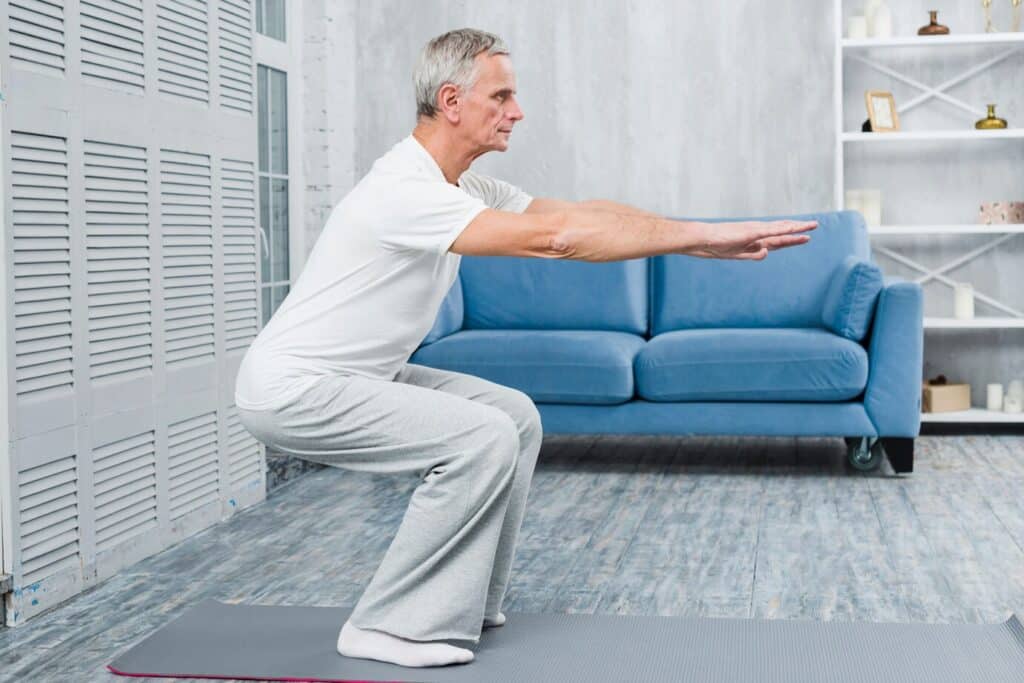



Exercises for lower back pain can help seniors ease stiffness, support mobility, and build the strength needed for daily comfort. If your back feels tight when you get out of bed, stand up from a chair, or walk through your day, gentle movement may help you feel steadier and more comfortable.
At The Oaks at Nipomo in Nipomo, CA, movement and wellness are part of everyday life through features like the Fitness Center and the Live Your Way Wellness Program. The need for safe activity is real – the Centers for Disease Control and Prevention says about 31 million adults 50 or older are inactive, which can make strength, balance, and mobility harder to maintain over time.
What Causes Lower Back Pain in Seniors?
Lower back pain in seniors is often caused by age-related spinal changes, weaker core muscles, reduced flexibility, and everyday posture habits. It can also feel worse after long periods of sitting, especially when your back and hips stay in one position for too long.
Age-Related Spinal Changes
As you get older, normal wear on the spine can affect comfort and movement. Conditions such as osteoarthritis and osteoporosis may also add strain to the lower back, especially when muscles around the spine are not strong enough to offer steady support.
Weak Core and Posture Habits
Your core helps support your back during simple tasks like standing, bending, and walking. When those muscles weaken, small daily movements can feel more tiring and may lead to soreness or stiffness.
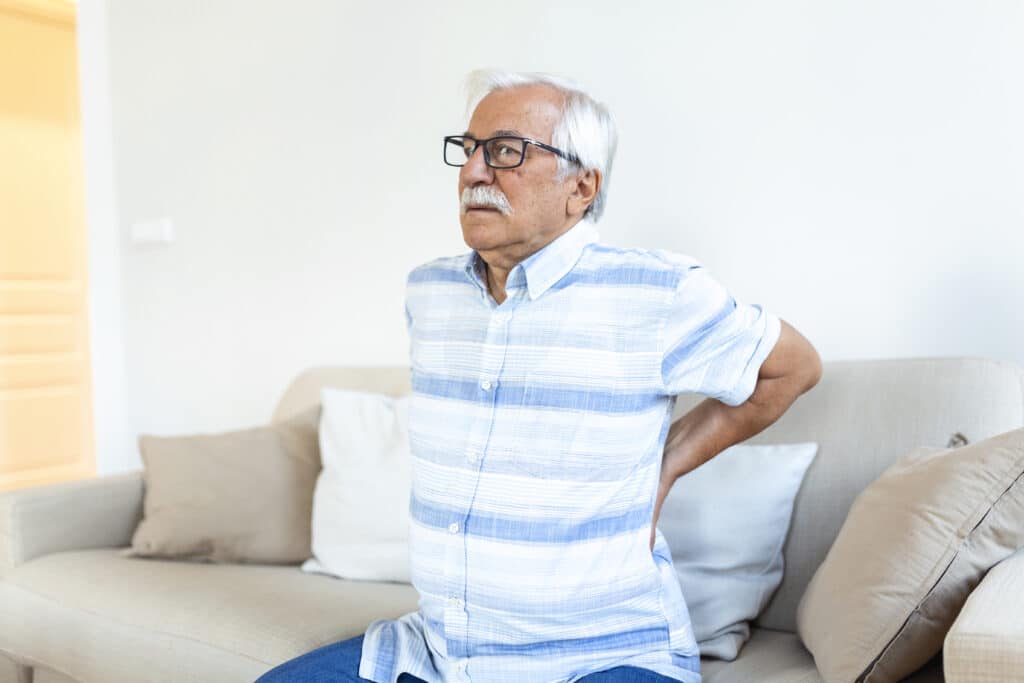
Lower Back Pain
What Is the Best Exercise for Lower Back Pain?
There is not one single best exercise for lower back pain for every senior. The best choice is usually a gentle movement that improves mobility and supports the core without causing strain.
Gentle Mobility Exercises
Many seniors do well with the same kinds of movements often used in physiotherapy exercises for lower back pain, especially when those exercises are simple and controlled. The National Institute on Aging recommends a mix of aerobic, muscle-strengthening, and balance activities for older adults, which supports a steady and well-rounded routine.
- Pelvic tilts for gentle lower back support
- Short walks to reduce stiffness
- Knee-to-chest stretches for flexibility
- Chair-supported core work for stability
7 Exercises for Lower Back Pain for Seniors
These exercises for lower back pain are simple, practical, and easy to ease into at home. If you are just getting started, move slowly and focus on comfort instead of doing a lot at once.
- Knee-to-chest stretch
- Cat-cow stretch
- Seated spinal twist
- Pelvic tilts
- Bridge exercise
- Chair marches
- Daily walking routine
If you want broader movement ideas that support strength and consistency, you can also explore sports and fitness programs for seniors from The Oaks at Nipomo.
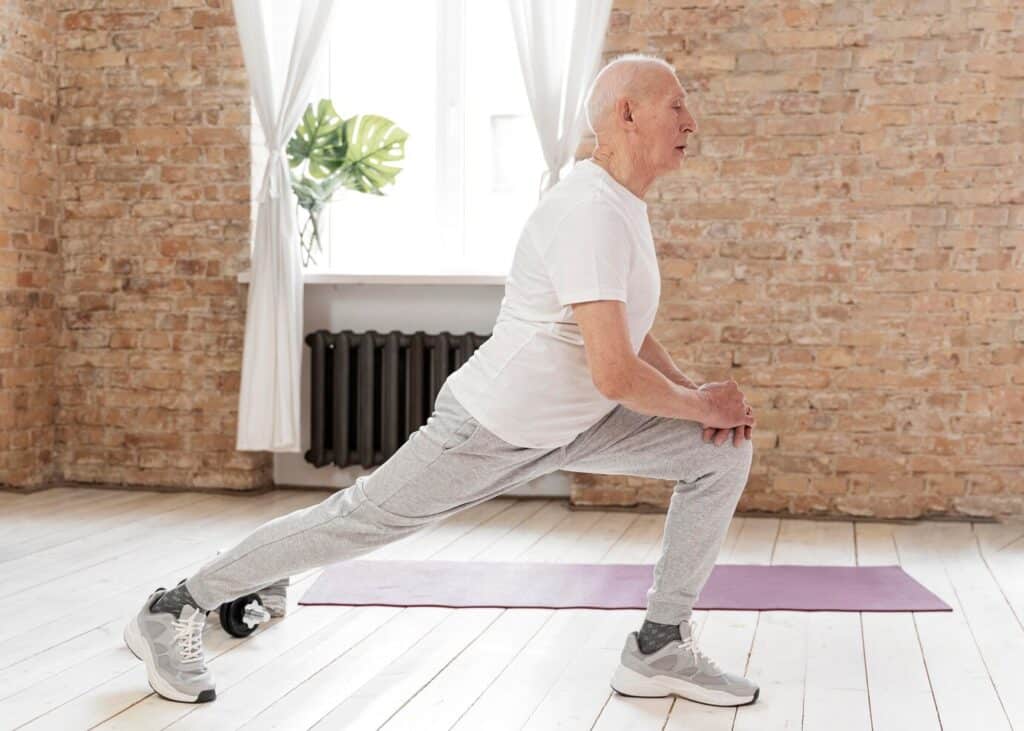
Gentle Stretching Exercises
Best Lower Back Exercises for Seniors With Limited Mobility
If standing exercises feel unsteady, seated movement can still help improve circulation, flexibility, and comfort. This is often a helpful place to start if your back feels stiff in the morning or if longer periods of standing leave you sore.
Chair marches, seated twists, and chair pelvic tilts can support mobility without putting as much pressure on the lower back. These options can also make core strengthening exercises for lower back pain for seniors feel more approachable when balance is a concern.
Core Strengthening Exercises for Lower Back Pain
A stronger core helps reduce stress on the lower back by improving posture, control, and stability. That matters when you are reaching, turning, or simply moving through your day with more confidence.
Beginner-Friendly Options
Bridges, gentle abdominal bracing, and chair-supported balance work can help support the muscles around the spine. The American Academy of Orthopaedic Surgeons also notes that regular exercise should combine aerobic activity with movements that keep the back and abdominal muscles strong and flexible.
How to Treat Lower Back Pain at Home
Mild lower back pain often improves with daily movement, better posture, and a more supportive routine at home. The goal is not to push through pain, but to stay gently active and avoid long stretches of inactivity.
| Home Strategy | How It Helps |
| Daily walking | Reduces stiffness and supports circulation |
| Gentle stretching | Improves flexibility and comfort |
| Supportive sleep position | Helps reduce pressure on the lower back |
| Movement breaks during the day | Keeps muscles from tightening up |
| Steady core work | Supports posture and stability |
Exercise Safety Guide for Seniors: Before You Begin
Safe movement matters more than doing a lot. Start with short sessions, use a sturdy chair or countertop for support, and stop if pain becomes sharp, spreads down the leg, or causes numbness.
If you are unsure where to begin, The Oaks at Nipomo lifestyle options include supportive services designed to help residents stay engaged in daily wellness. If you want a better sense of support needs, the care assessment can also be a useful next step.
Support the Way You Move Every Day
A few gentle exercises for lower back pain can make everyday life feel more manageable, whether you want to walk more comfortably, stand with better support, or keep doing the routines that matter to you. With Independent Living, Assisted Living, and Memory Care, The Oaks at Nipomo offers a setting where comfort, wellness, and personal support can work together naturally.
If you would like to see how that looks in person, Schedule a Tour, Contact Us, or Call Us at 805-723-5206 to talk with the team about the right next step for you or someone you love.
Frequently Asked Questions
What is the best exercise for lower back pain?
The best exercise for lower back pain is usually a gentle movement that improves flexibility or core support without making pain worse. For many seniors, that may mean walking, pelvic tilts, or a simple knee-to-chest stretch. The right choice depends on your comfort, balance, and mobility level. Start with controlled movement and build gradually. If pain increases, it is best to stop and seek guidance.
What is the best lower back exercise for seniors?
For many seniors, pelvic tilts and short walks are strong starting points because they are simple and easy to adjust. Seated movements can also work well if standing feels uncomfortable or unsteady. The best lower back exercise is one you can do safely and consistently. It should help you feel more supported, not more strained. Comfort and control matter more than intensity.
What is the cause of low back pain?
Low back pain may come from age-related spinal changes, weak core muscles, reduced flexibility, poor posture, or conditions like arthritis and osteoporosis. Sitting too long can also make stiffness and soreness more noticeable. In some cases, pain may start after lifting, twisting, or a sudden movement. Ongoing discomfort deserves attention, especially if it affects walking or balance. Knowing the cause can help guide the right next step.
How to treat lower back pain at home?
You can often treat mild lower back pain at home with gentle movement, stretching, posture support, and steady daily habits. Walking, movement breaks, and simple core work can help reduce stiffness and support the back. A comfortable sleep position may also make a difference. The goal is to stay active without overdoing it. If symptoms persist, worsen, or travel down the leg, medical guidance is important.