
Step Into Westmont Living®

Understanding Elderly Malnutrition in Assisted Living

The Importance of Addressing Elderly Malnutrition

Recognizing the Risks

Malnutrition in the elderly is a significant health concern, often overlooked or misunderstood. At The Oaks at Nipomo, located in the heart of Nipomo, CA, we prioritize understanding and addressing this issue, as it can lead to a myriad of health complications, including weakened immune systems, muscle weakness, and an increased risk of hospitalization.

The Role of Nutrition in Senior Health

Nutrition plays a pivotal role in maintaining the health and well-being of older adults. Our nutritional needs change as we age, and it becomes crucial to adapt our diets accordingly. Proper nutrition is not just about the quantity of food but also its quality and nutritional value.

Identifying the Signs of Elderly Malnutrition

Early identification of malnutrition is key to effective intervention. Common signs include weight loss, fatigue, and a decline in overall health. Families and caregivers must be vigilant in monitoring these signs to ensure timely action.

Factors Contributing to Elderly Malnutrition

Physiological Changes

As we age, our bodies undergo several changes that can affect our nutritional status. These include a decreased sense of taste and smell, which can reduce appetite and interest in food. Additionally, dental issues and difficulty swallowing can make eating a challenge.

Psychological Factors

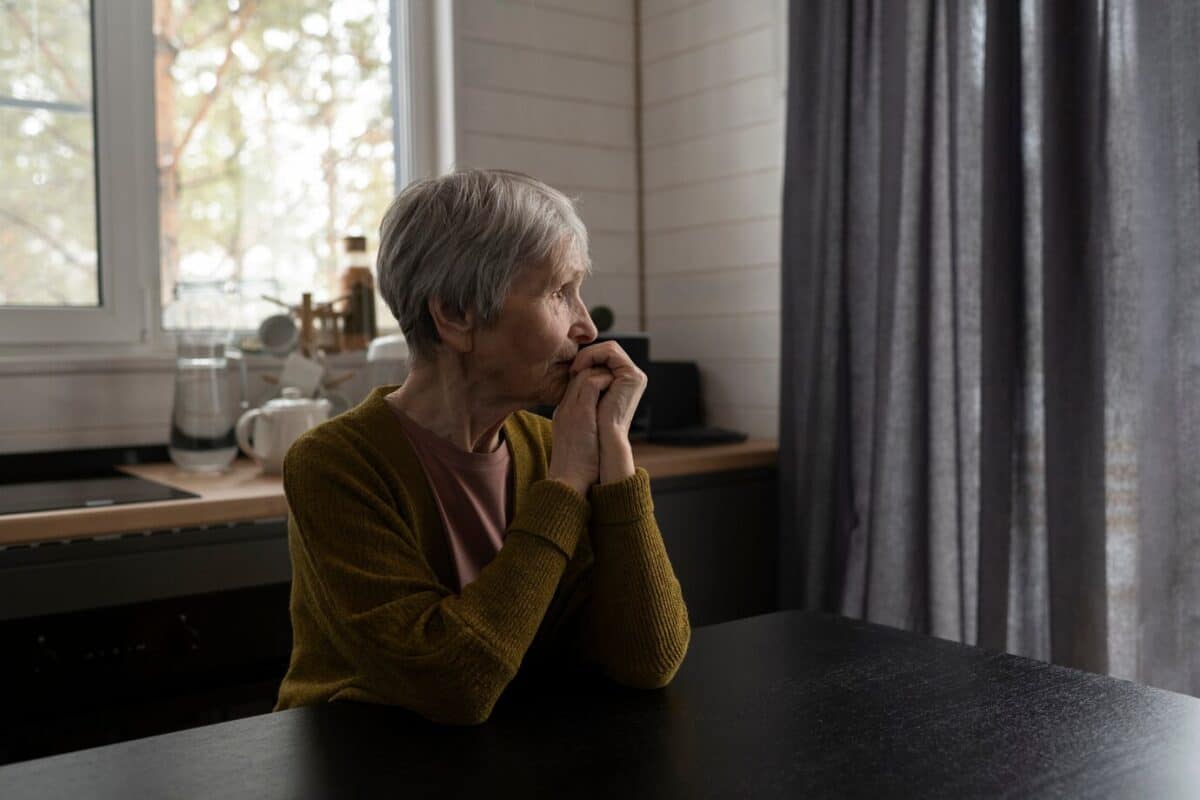
Mental health plays a significant role in nutrition. Conditions like depression and loneliness, common among the elderly, can lead to decreased appetite and neglect of dietary needs.

Medications and Chronic Conditions

Many seniors take multiple medications that can impact appetite and nutrient absorption. Furthermore, chronic conditions such as diabetes or heart disease require specific dietary adjustments, which, if not managed correctly, can contribute to malnutrition.

Addressing Elderly Malnutrition: A Holistic Approach

The Importance of a Balanced Diet

A balanced diet is essential for preventing and treating malnutrition. This includes a variety of fruits, vegetables, lean proteins, and whole grains. Special attention should be given to nutrients that are commonly deficient in older adults, such as vitamin D, calcium, and fiber.

The Importance of a Balanced Diet

The Importance of a Balanced Diet

Personalized Nutrition Plans

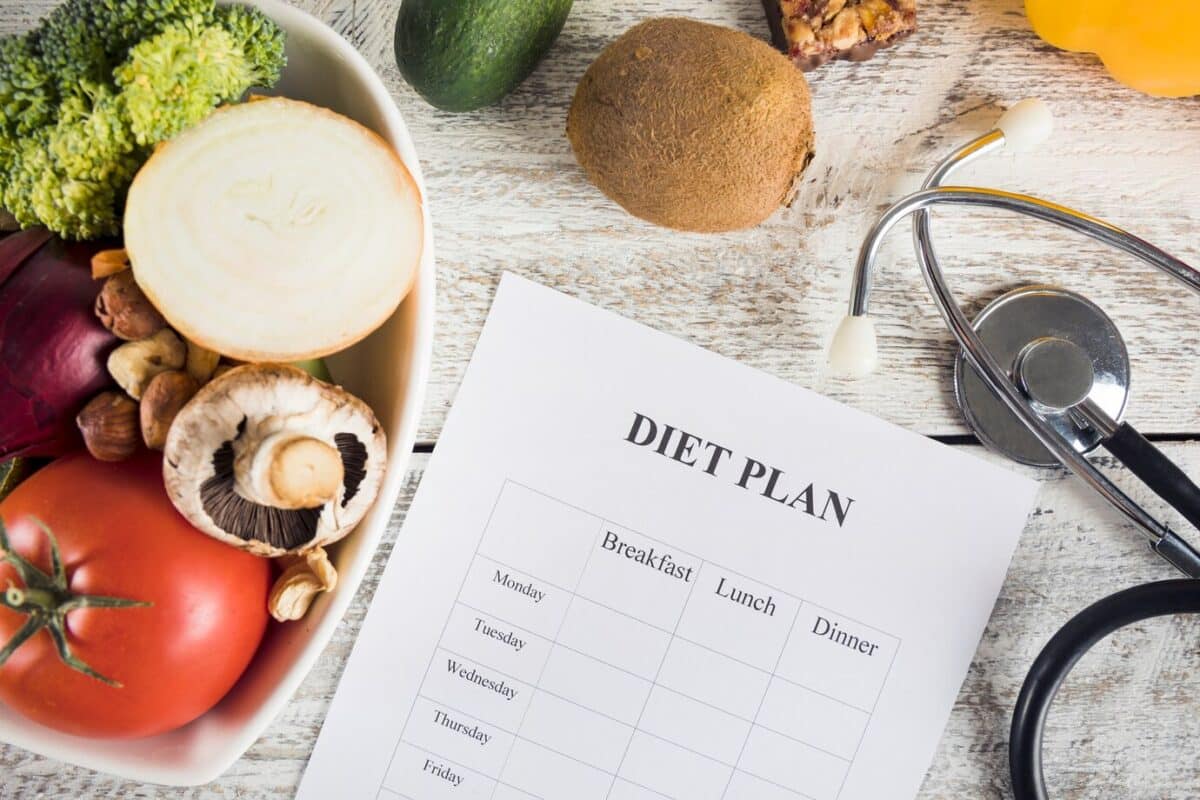
At The Oaks at Nipomo, we understand that each individual has unique dietary needs. Our nutritionists and healthcare professionals work closely with residents to create personalized nutrition plans catering to their specific health conditions and preferences.

The Role of Hydration

Hydration is often overlooked but is crucial for overall health. Dehydration can exacerbate health issues and impact cognitive function. Seniors need to consume adequate fluids throughout the day.

Enhancing Nutritional Intake in Seniors

Creative Meal Preparation

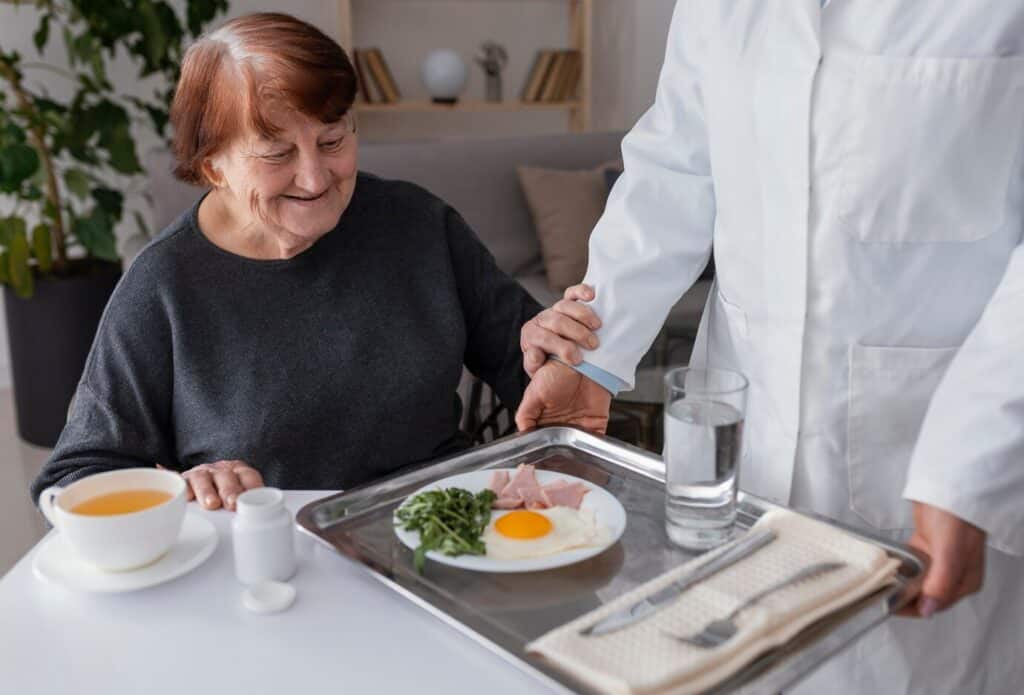
One of the ways to combat malnutrition is through creative meal preparation. At The Oaks at Nipomo, our chefs focus on preparing meals that are nutritious and appealing to the palate. A visually appealing and tasty meal can significantly enhance appetite and enjoyment.

Importance of Social Meals

Eating is not just a physical need but also a social activity. Dining with others can greatly improve food intake and enjoyment. We encourage communal meals and social gatherings around food to create a more stimulating and appetizing dining experience.

Supplementing Nutrition

Sometimes, dietary supplements may be necessary to ensure adequate nutrient intake. However, this should always be done under the guidance of a healthcare professional to avoid any adverse effects and ensure compatibility with any existing health conditions or medications.

Overcoming Barriers to Good Nutrition

Addressing Physical Challenges

Physical limitations, such as difficulty handling utensils or chewing, can impede proper nutrition. At The Oaks at Nipomo, we provide assistance and adaptive devices to help residents overcome these challenges and ensure they can enjoy their meals comfortably.

Transportation and Access to Food

Access to fresh, nutritious food can be a barrier for many seniors, especially those living independently. Our facility ensures that residents have access to various healthy food options without worrying about transportation or physical limitations.

Educating Caregivers and Families

Education plays a crucial role in addressing malnutrition. We provide resources and training for caregivers and family members on how to identify signs of malnutrition and ways to encourage healthy eating habits.

The Role of Regular Health Assessments

Monitoring Nutritional Status

Regular health assessments are vital in detecting and addressing malnutrition early. These assessments should include weight monitoring, dietary intake analysis, and screening for any signs of nutritional deficiencies.

Collaborative Healthcare Approach

At The Oaks at Nipomo, our approach is collaborative. We work closely with healthcare providers, dietitians, and families to ensure a comprehensive nutritional plan for each resident.

Adjusting Care Plans as Needed

Individual needs can change over time, and so should care plans. Regular reassessments ensure that nutritional plans remain relevant and practical, adapting to any changes in health status.

The Oaks at Nipomo: Your Partner in Senior Nutrition

Our Commitment to Health and Wellbeing

Our commitment at The Oaks at Nipomo is to ensure the health and well-being of our residents. We understand the complexities of nutrition in the elderly and are dedicated to providing the highest level of care.

Expert Team of Nutritionists and Caregivers

Our team of nutritionists and caregivers are experts in elderly nutrition. They work tirelessly to ensure that each resident receives personalized, compassionate care that meets their needs.

A Community Focused on Health and Happiness

We believe in creating a community that not only focuses on physical health but also on our residents’ happiness and overall well-being. Nutrition is a vital part of this, and we are proud to be a leading provider of elderly care in Nipomo, CA.

Empowering Seniors Through Nutrition Education

The Power of Knowledge

Education is a powerful tool in combating malnutrition among the elderly. At The Oaks at Nipomo, we emphasize the importance of educating our residents about the value of good nutrition and helping them make informed choices about their diet.

Tailored Educational Programs

Our educational programs are tailored to the unique needs of the elderly. We cover topics such as the importance of various nutrients, how to read food labels and tips for healthy eating. These sessions are designed to be engaging and informative, empowering residents to participate actively in their nutrition.

Involving Residents in Meal Planning

Involvement in meal planning can greatly increase interest in eating. We encourage residents to share their favorite recipes, participate in menu planning, and provide meal feedback. This collaborative approach ensures that our dining options cater to the tastes and preferences of our community.

Supporting Mental and Emotional Health

Understanding the Emotional Aspect

Mental and emotional health is intrinsically linked to nutritional well-being. Stress, loneliness, and depression can all lead to poor eating habits. We provide a supportive environment where residents can address these issues through counseling and community support.

Activities and Engagement

Regular activities and social engagements are crucial for mental wellbeing. At The Oaks at Nipomo, we offer a range of activities that entertain and encourage social interaction and a sense of community, contributing to better emotional health and, consequently, better nutritional habits.

Technology and Innovation in Nutrition

Leveraging Technology

We leverage technology to enhance the nutritional care of our residents. From apps that track dietary intake to telehealth consultations with nutritionists, we utilize the latest advancements to ensure comprehensive and convenient care.

Innovative Meal Solutions

Innovative solutions, such as meal delivery services for those living independently and personalized meal plans based on dietary needs and preferences, are part of our commitment to addressing malnutrition.

Building a Supportive Community

The Role of Family and Friends

Family and friends play a crucial role in the nutritional well-being of the elderly. We encourage regular visits and engagement, providing opportunities for families to be involved in the care and nutritional planning of their loved ones.

Community Resources and Partnerships

We partner with local organizations and resources to provide additional support and services. These partnerships enable us to offer a wider range of options and expertise, ensuring the best possible care for our residents.

The Oaks at Nipomo: A Leader in Senior Nutrition and Care

Our Dedication to Excellence

At The Oaks at Nipomo, our dedication to excellence in senior care extends to every aspect of our services, especially nutrition. We understand the critical role nutrition plays in the health and happiness of our residents.

A Welcoming and Caring Environment

Our facility is more than just a place to live; it’s a community where residents feel valued, cared for, and respected. We strive to create an environment that promotes health, well-being, and a sense of belonging.

Contact Us for Expert Care

For those seeking expert care in addressing the nutritional needs of the elderly, The Oaks at Nipomo is here to help. Please contact us at (805) 723-5206 for more information or to discuss how we can assist you or your loved ones. Together, we can ensure that the nutritional needs of our senior community are met with care, compassion, and expertise.


Expert Dietary Management for Diabetes at The Oaks at Nipomo

Introduction to Dietary Management in Assisted Living

The Importance of Specialized Care

At The Oaks at Nipomo, we understand the crucial role that dietary management plays in the overall health and well-being of our residents with diabetes. Managing diabetes effectively goes beyond medication; it requires a comprehensive approach that includes tailored nutrition plans. We are committed to providing our residents with personalized care that addresses their unique dietary needs.

Our Approach to Nutrition and Wellness

Our expert team at The Oaks at Nipomo believes in a holistic approach to health. This means that for our residents with diabetes, dietary management is not a one-size-fits-all solution. We take into consideration various factors, such as individual health profiles, preferences, and lifestyle habits, to craft a dietary plan that promotes optimal health and glucose control.

Collaborative Care for Best Outcomes

Collaboration is key in managing diabetes effectively. Our registered dietitians work closely with the entire healthcare team, residents, and their families to ensure that dietary plans are not only nutritionally adequate but also enjoyable and sustainable in the long term.

Collaborative Care for Best Outcomes

Collaborative Care for Best Outcomes

Understanding Diabetes and Nutrition

The Role of Diet in Diabetes Control

Diet plays a pivotal role in the management of diabetes. At The Oaks at Nipomo, we emphasize the importance of balanced meals that help maintain blood sugar levels within the target range. Our dietary plans are designed to prevent spikes in blood sugar while also being heart-healthy.

Carbohydrate Management Strategies

Carbohydrates have the most immediate effect on blood glucose levels. Our dietitians at The Oaks at Nipomo are skilled in carbohydrate counting and the glycemic index, teaching residents how to choose carbohydrates that provide energy while keeping blood sugar levels steady.

Ensuring Nutritional Adequacy

Nutritional adequacy is non-negotiable when it comes to managing diabetes. We ensure that our residents receive a diet that is rich in nutrients, with an appropriate balance of protein, carbohydrates, and fats, along with the necessary vitamins and minerals to support overall health.

Personalized Meal Planning

Assessing Individual Needs

At The Oaks at Nipomo, each resident’s dietary needs are assessed individually. This assessment includes understanding their medical history, current health status, and personal preferences. This information forms the basis of a personalized meal plan that aligns with their diabetes management goals.

The Importance of Variety and Balance

We believe that a variety in the diet not only caters to the taste buds but also contributes to nutritional balance. Our meal plans are crafted to include a range of foods that provide a spectrum of nutrients, ensuring that meals are both appealing and beneficial for our residents with diabetes.

Continuous Monitoring and Adjustment

Dietary management for diabetes is an ongoing process. At The Oaks at Nipomo, we continuously monitor the effectiveness of our meal plans and make necessary adjustments based on glucose readings, HbA1c levels, and other health indicators.

Education and Support for Self-Management

Empowering Residents

Education is a cornerstone of diabetes management. At The Oaks at Nipomo, we empower our residents with the knowledge they need to make informed choices about their diet and health. Our educational programs cover topics such as reading nutrition labels, understanding portion sizes, and recognizing the signs of hypoglycemia and hyperglycemia.

Support Groups and Counseling

Living with diabetes can be challenging, but residents at The Oaks at Nipomo do not face these challenges alone. We offer support groups and individual counseling sessions that provide emotional support as well as practical advice for managing diabetes day-to-day.

Integrating Lifestyle Changes

Dietary management is just one aspect of diabetes care. We also encourage and support our residents in making healthy lifestyle changes that complement their dietary efforts, such as regular physical activity, adequate sleep, and stress management techniques.

Advanced Dietary Techniques and Technologies

Utilizing Technology for Better Management

At The Oaks at Nipomo, we leverage the latest technology to enhance dietary management for our residents with diabetes. This includes the use of apps and devices that help track food intake, monitor blood glucose levels, and even provide reminders for meal times and medication.

Innovative Cooking Methods

Our culinary team at The Oaks is trained in innovative cooking methods that preserve the nutritional value of food while ensuring delicious flavors. We focus on healthy cooking techniques such as steaming, grilling, and baking, avoiding excessive use of oils and fats, which are detrimental to diabetes management.

Special Dietary Considerations

We understand that some of our residents may have other dietary restrictions or preferences, such as vegetarian, vegan, or gluten-free diets. Our team is adept at creating meals that cater to these requirements while still aligning with diabetes management principles.

Community Involvement and Family Engagement

Involving Families in Dietary Planning

The involvement of family members is encouraged at The Oaks at Nipomo. We regularly consult with families to understand their loved one’s preferences and any cultural or personal dietary needs. This collaboration ensures that our residents feel at home and cared for on a personal level.

Community Events and Educational Workshops

We regularly host community events and workshops focusing on diabetes awareness and nutrition education. These events are open to residents and their families, fostering a community spirit and a shared understanding of the importance of dietary management in diabetes.

Continuous Learning and Improvement

Our team at The Oaks is committed to continuous learning and improvement. We stay updated on the latest research and advancements in diabetes care and nutrition, ensuring that our residents receive the most effective and up-to-date dietary management.

Safety and Emergency Preparedness

Handling Dietary Emergencies

Our staff is trained to handle dietary emergencies related to diabetes, such as hypoglycemia. We have protocols in place to quickly identify and address such situations, ensuring the safety and well-being of our residents.

Regular Health Check-ups

Regular health check-ups and monitoring are part of our comprehensive care approach. These check-ups help in the early identification of any health issues and allow for timely adjustments in dietary plans.

Safety in Meal Preparation

Food safety is paramount at The Oaks at Nipomo. Our kitchen adheres to strict hygiene and safety protocols to ensure that all meals are prepared in a safe and clean environment.

Building a Supportive Environment

A Community of Care

At The Oaks at Nipomo, we pride ourselves on creating a supportive and caring environment. Our staff is not just caregivers but also friends and advocates for our residents. We strive to make every resident feel valued and respected.

Holistic Wellness Programs

In addition to dietary management, we offer a range of wellness programs that address the physical, emotional, and social needs of our residents. These programs include fitness classes, meditation sessions, social gatherings, and more, all aimed at enhancing the quality of life for our residents.

Personalized Attention and Care

Every resident at The Oaks at Nipomo receives personalized attention and care. We understand that each individual is unique, and we go above and beyond to cater to their specific needs and preferences.

Your Partner in Diabetes Management

At The Oaks at Nipomo, we are not just an assisted living facility; we are partners in the health and well-being of our residents. Our comprehensive approach to dietary management for diabetes is designed to provide the best care and support for our residents, ensuring they lead healthy and fulfilling lives.

Join Our Community Now!

If you or your loved one is looking for expert care in dietary management for diabetes, The Oaks at Nipomo is here to help. Contact us at (805) 723-5206 to learn more about our services and how we can support you in managing diabetes with care, compassion, and expertise.


Combating Malnutrition in the Elderly: Expert Insights from The Oaks at Nipomo

Our nutritional needs evolve as we age, making it crucial to adapt our diets accordingly. At The Oaks at Nipomo, a leading assisted living community in Nipomo, CA, we understand the unique challenges the elderly face regarding nutrition. This guide offers expert advice to combat malnutrition among seniors, ensuring a healthier, more vibrant life in their golden years.

Understanding Malnutrition in the Elderly

The Hidden Epidemic

Malnutrition in older people is often a hidden epidemic. It can result from various factors, including diminished appetite, medication side effects, and decreased nutrient absorption. Recognizing the signs of malnutrition is the first step towards addressing it.

The Role of Assisted Living Communities

Assisted living communities like The Oaks at Nipomo are pivotal in preventing and managing malnutrition. With tailored meal plans and nutrition education, these communities are on the frontline of ensuring seniors receive the nutrients they need.

Nutritional Needs of Seniors

Critical Nutrients for Aging Bodies

As we age, our bodies require different nutrients. Calcium and Vitamin D are essential for bone health, while proteins are crucial for muscle maintenance. Antioxidants in fruits and vegetables help combat free radicals, reducing the risk of chronic diseases.

Hydration: A Vital Aspect

Hydration is often overlooked but is vital for senior health. Dehydration can exacerbate health issues and affect cognitive function. Encouraging regular fluid intake is a simple yet effective step in combating malnutrition.

Hydration: A Vital Aspect

Hydration: A Vital Aspect

Practical Tips for Enhancing Nutrition

Creating Appetizing and Nutritious Meals

At The Oaks at Nipomo, we focus on preparing tasty and nutritious meals. This involves using fresh, high-quality ingredients and catering to our residents’ diverse tastes and dietary needs.

Supplementing Diets When Necessary

Sometimes, dietary supplements are necessary to meet the nutritional needs of older people. Consulting with healthcare providers ensures that any supplements used are safe and effective.

Engaging Seniors in Meal Planning

Involving seniors in meal planning and preparation can enhance their interest in food and improve their nutritional intake. This engagement also provides a sense of control and independence.

The Role of Family and Caregivers

Education and Support

Family members and caregivers play a crucial role in ensuring the nutritional well-being of older people. Educating them about the specific dietary needs and preferences of seniors is critical.

Recognizing and Addressing Barriers

Understanding and addressing barriers to good nutrition, such as difficulty chewing or swallowing, can make a significant difference. Simple adjustments, like altering food textures, can significantly improve food intake.

The Importance of Regular Nutritional Assessments

Proactive Health Management

Regular nutritional assessments are crucial in elderly care. These evaluations help identify any dietary deficiencies early, allowing for timely interventions. At The Oaks at Nipomo, our healthcare professionals conduct these assessments periodically to ensure each resident’s nutritional needs are met.

Personalized Nutrition Plans

Based on these assessments, we create personalized nutrition plans for our residents. These plans cater to individual health conditions, preferences, and dietary restrictions, ensuring a balanced and enjoyable diet.

Enhancing Mealtime Experiences

The Social Aspect of Eating

Mealtime is not just about nutrition; it’s a social event. We encourage our residents to dine together, fostering a sense of community and belonging. This social interaction can stimulate appetite and improve food intake.

Comfortable and Inviting Dining Settings

Creating a comfortable and inviting dining setting is critical. Our dining areas are designed to be warm and welcoming, making mealtime a pleasant and anticipated part of the day.

Overcoming Common Eating Challenges

Addressing Appetite Loss

Appetite loss is expected in older people. To combat this, we offer smaller, more frequent meals and provide a variety of flavors and textures to stimulate appetite.

Managing Dietary Restrictions

For residents with dietary restrictions due to health conditions like diabetes or heart disease, we ensure their meals are safe and enjoyable. Our chefs are skilled in creating delicious meals that adhere to these restrictions.

The Role of Physical Activity in Nutrition

Promoting a Healthy Appetite

Regular physical activity is essential for maintaining a healthy appetite. At The Oaks at Nipomo, we offer a range of activities suitable for different fitness levels to keep our residents active and engaged.

Enhancing Digestion and Metabolism

Physical activity also aids digestion and boosts metabolism, improving nutritional health. Our tailored exercise programs help residents maintain these critical bodily functions.

Nutritional Education for Residents and Families

Workshops and Seminars

We regularly conduct workshops and seminars on nutrition for our residents and their families. These sessions provide valuable information on healthy eating habits, understanding food labels, and making nutritious choices.

One-on-One Counseling

Our nutritionists are available for one-on-one counseling sessions. These sessions allow residents and families to ask specific questions and receive personalized advice.

Partnering with Healthcare Providers

Collaborative Care Approach

We believe in a collaborative approach to care. We work closely with healthcare providers to ensure our residents’ nutritional needs align with their healthcare plan.

Regular Health Check-Ups

Regular health check-ups with physicians help monitor the health status of our residents and adjust their dietary plans as needed.

Conclusion

At The Oaks at Nipomo, we understand the crucial role nutrition plays in the health and well-being of older people. Our comprehensive approach ensures our residents receive the best possible care and nutrition.

If you or a loved one needs assistance with nutritional care in an assisted living setting, please get in touch with us at (805) 723-5206. Our team of experts is ready to provide personalized support tailored to your needs.


Floor Plans & Pricing

Make yourself at home where a happy, healthy lifestyle goes hand-in-hand with your personal fulfillment, enrichment, and growth.

Answer a few quick questions to unlock the exciting future senior living can offer!

Resident Login