


Choosing among senior homes in Orange County often comes down to one question: What level of support will help your loved one stay safe, social, and confident right now, and as needs change? Many families start by comparing independent living, assisted living, and memory care, then narrow choices based on location, daily lifestyle, and peace of mind.
After you’ve read this guide, you’ll have a simple checklist for next steps—and if you’d like to see what community life can look like up close, explore Westmont of Cypress and schedule a visit that fits your timeline.
What are the different senior living options in Orange County?
Orange County offers a wide range of choices, from active, independent lifestyles to higher-support settings. The “best” option depends on daily needs, safety, and how much support is helpful without taking away independence.
Here are the most common options families compare when touring senior homes in Orange County:
- Independent Living: Best for active older adults who want fewer household responsibilities and more built-in community.
- Assisted Living: Ideal when someone needs help with daily tasks while still wanting privacy, choice, and social connection.
- Memory Care: Designed for people living with Alzheimer’s disease or other dementias who benefit from structured routines and added safety.
Many families also explore the best retirement communities in Orange County, CA by looking at lifestyle programming, dining, and the overall “feel” of the community, not just the care level.
What this means for seniors: You don’t have to “wait for a crisis” to choose a community. A good match supports your independence today and helps you feel prepared for tomorrow.
Key benefits of Independent Living for active seniors
Independent living is often a great fit for seniors who want to stay in charge of their day while enjoying easy access to community life.
Common benefits include:
- More time for hobbies, friendships, and routines you enjoy
- Less stress from home upkeep, errands, and chores
- Built-in opportunities for connection (which can support emotional well-being)
Social connection matters. Research consistently links meaningful relationships with better overall health and lower rates of loneliness. For a deeper look at community benefits, see the benefits of social connection, which can support mood, motivation, and quality of life.
Practical tip: When touring, ask: “What does a normal week look like here?” A strong community makes it easy to stay engaged without feeling overwhelmed.
How Assisted Living Services Enhance Independence
Assisted living supports daily needs while helping residents keep control over their choices and routines. The goal is simple: help where it’s needed, and independence everywhere else.
Support may include help with:
- Personal care (like bathing or dressing)
- Medication reminders or management
- Daily routines that feel easier with a hand nearby
Many communities use personalized care plans to match support levels to each resident’s needs—especially helpful when needs change over time.
| Support Area | How It Helps | Why Families Value It |
| Personal care | Less strain and safer routines | Peace of mind |
| Daily support | More energy for enjoyable activities | Better quality of life |
| Community life | Built-in social connection | Less isolation |
| Ongoing check-ins | Care can adjust as needs shift | More confidence in the long term |
What this means for seniors: Getting the right help can actually protect independence—because you can spend more time on what you enjoy, not on what’s getting harder.
Specialized Memory Care for dementia support
When memory changes affect safety, routines, or decision-making, memory care can offer the structure and support that families can’t always provide at home—especially as dementia progresses.
Strong memory care environments typically include:
- Trained staff who understand dementia-related behaviors and communication needs
- A safer setting designed to reduce confusion and support comfort
- Personalized routines that encourage familiarity and calm
- Engaging activities that support connection and daily purpose
At Westmont, specialized memory-care programs are designed to support individuals living with Alzheimer’s and dementia.
Evidence-based note: Dementia education and caregiver guidance from reputable organizations can help families understand what’s normal, what’s changing, and how to plan ahead. Helpful resources include the Alzheimer’s Association and the NIH/NIA Alzheimer’s information hub.
Safety disclaimer: This article is for general education and is not medical advice. If you’re seeing sudden memory changes, new confusion, or safety concerns, contact a clinician promptly.
Amenities and lifestyle: what to look for in Orange County communities
Many families exploring the best senior homes in Orange County (including luxury senior homes in Orange County) care about two things equally:
- How does daily life feel for the resident
- How supported the family feels
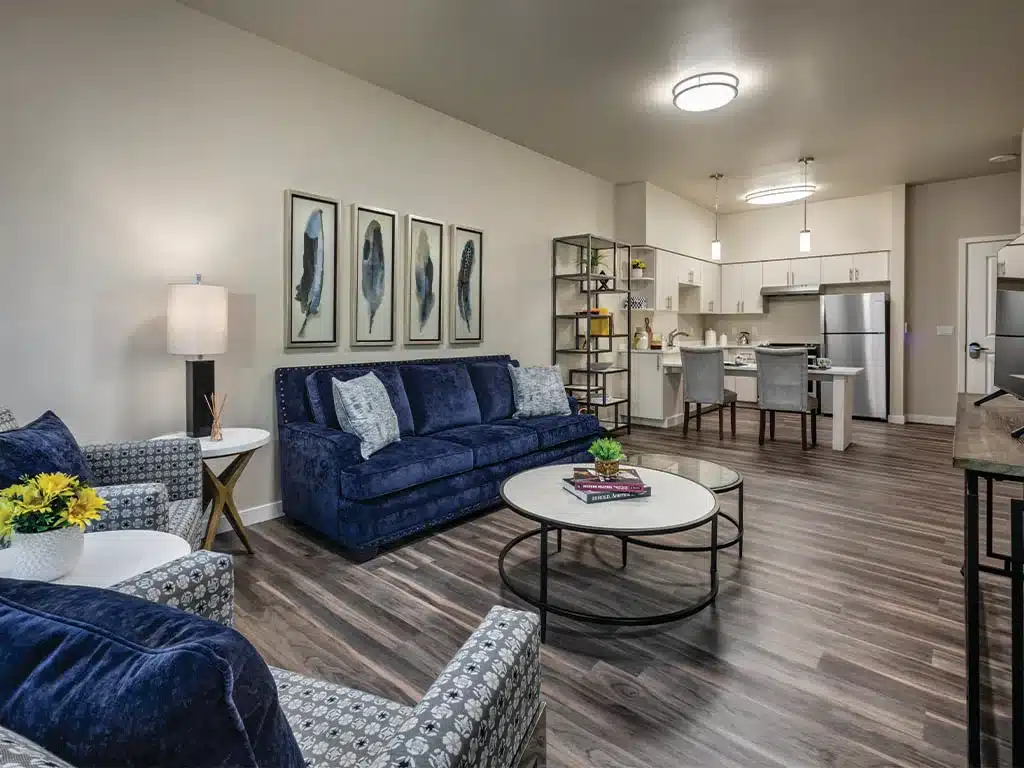
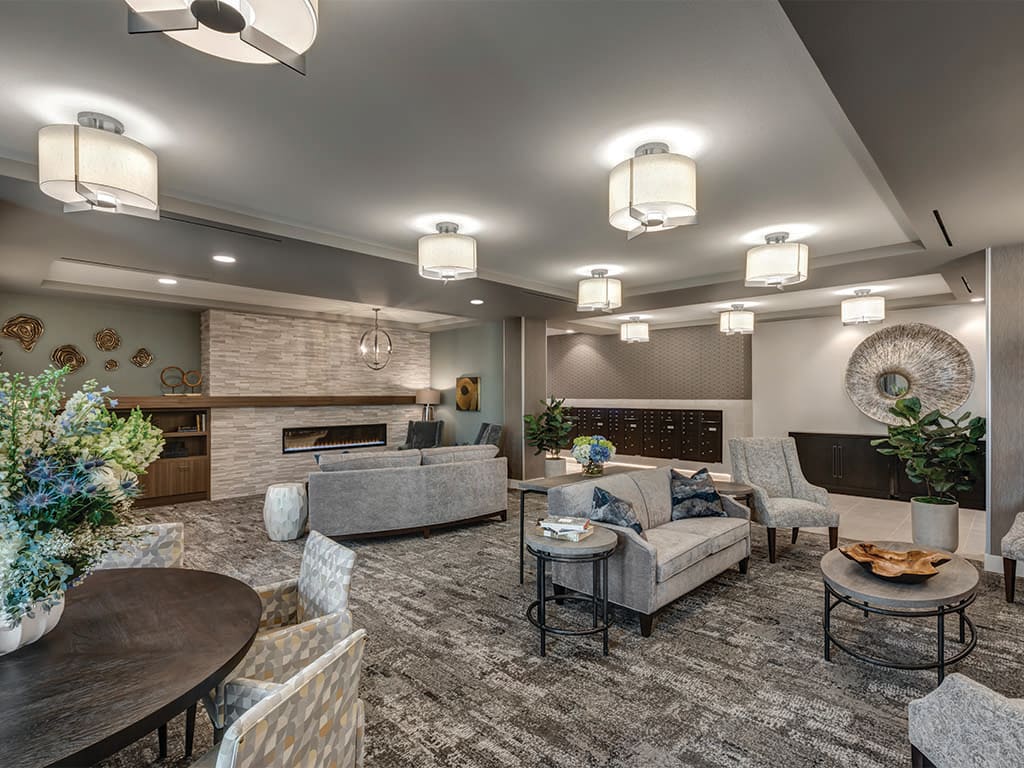
When comparing communities, look for lifestyle features that match your priorities. At Westmont of Cypress, community offerings include Independent Living, Assisted Living, and Memory Care—plus programs and amenities such as the Live Your Way Wellness Program, Dine Your Way, a fitness center, pool, movie theater, outdoor courtyard, library, salon & barber shop, scheduled transportation, and 24-hour availability. Apartment features may include apartment-style living, housekeeping, month-to-month rentals, utilities included, cable-ready setup, and emergency response systems.
Practical tip: During your tour, ask to see the dining area, activity spaces, and the apartment layout. Then ask: “How do you help residents feel connected in the first few weeks?”
If your family loves the outdoors, simple, low-stress options can be great conversation starters. For ideas, see this guide on birdwatching and nature observation—many seniors find nature-based routines calming and energizing.
What to consider when choosing a senior home
Location and accessibility
Location shapes everyday life. When comparing senior homes in Orange County, consider:
- How close the community is to family, friends, and familiar routines
- Transportation options for appointments and outings
- Whether the area feels comfortable and convenient for visitors
Care options available
A good match supports needs now and lays the groundwork for future changes. As you compare communities, confirm:
- Which care levels are offered (and how transitions are handled)
- How care plans are created and updated
- How families stay informed
Actionable takeaway: Make a short list of “must-haves,” then rank them:
- Safety and care fit
- Lifestyle and social connection
- Location and budget
For trustworthy planning resources, families often find guidance through AARP caregiving resources and healthcare coverage basics through Medicare.
Tips for starting the conversation about senior living
This topic can feel emotional for everyone. A calmer, more successful approach usually looks like this:
- Start with values, not logistics: “I want you to feel safe and supported.”
- Ask permission: “Would you be open to exploring options—just to have a plan?”
- Listen more than you talk: Reflect on what you hear before offering solutions.
- Take it one step at a time: A tour can be “information gathering,” not a commitment.
What this means for seniors: You deserve choice and dignity. The goal isn’t to take independence away—it’s to protect it.
Finding a community that fits
The right community helps your loved one feel secure, connected, and respected—while giving families more confidence and support. If you’re comparing senior homes in Orange County, seeing a community in person can make the decision clearer.
To learn more about lifestyle and care at Westmont of Cypress, call 714-252-7144 or schedule a tour. We’re here to help you explore options at your pace.
Frequently Asked Questions
What is the cheapest place to live in Orange County?
Some of the more affordable areas in Orange County include cities like Santa Ana, Anaheim, and parts of Garden Grove. These areas may offer lower housing costs compared to coastal cities such as Newport Beach or Laguna Beach. For seniors, affordability can also depend on access to subsidized housing, senior apartments, or income-based programs. Availability varies, so waitlists are common, especially for lower-cost options.
How do you qualify for senior housing in CA?
To qualify for senior housing in California, individuals typically must be at least 55 or 62 years old, depending on the community. Many senior housing options also have income limits, especially for low-income or subsidized housing. Applicants usually need to provide proof of age, income, and residency status. Additional requirements may apply based on the type of housing, such as assisted living or affordable senior apartments.
What is the average cost of assisted living in Orange County?
The average cost of assisted living in Orange County ranges from $4,500 to $6,500 per month. Pricing depends on factors such as location, apartment size, and the level of care required. Communities closer to the coast or offering more amenities often fall on the higher end of the range. Costs may also increase if additional personal care or memory care services are needed.