

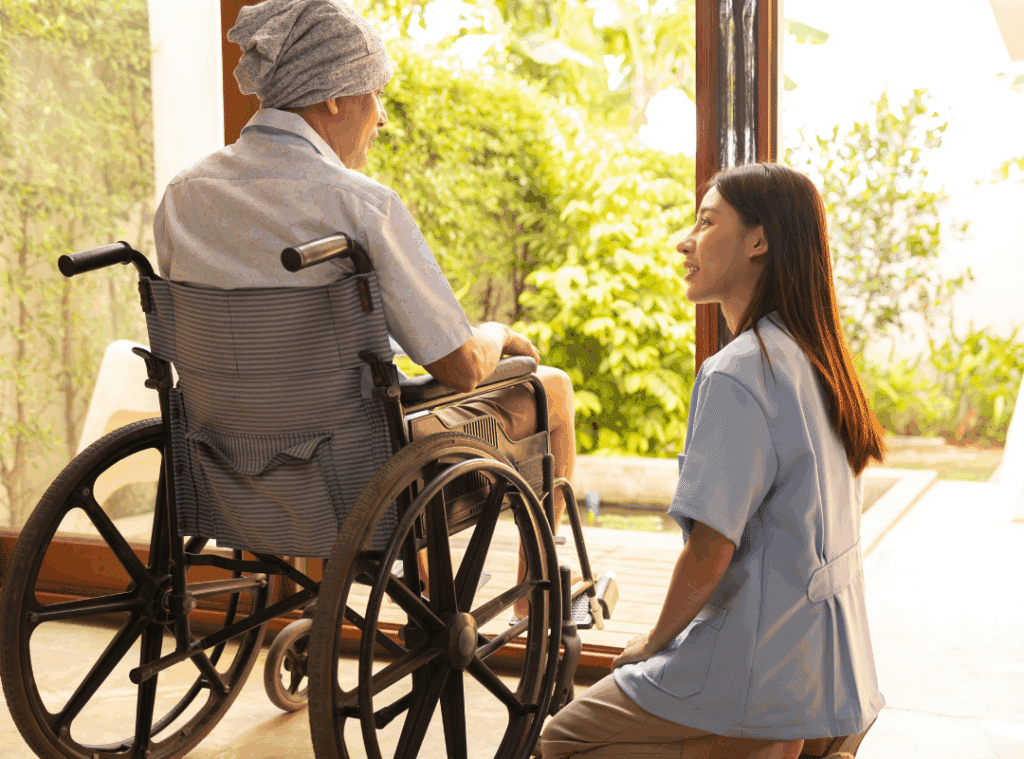
When you’re looking for elder care in Santa Cruz, it’s normal to feel torn between “What’s best?” and “What’s possible right now?” The good news: Santa Cruz County has strong local support—plus senior living options that can grow with your loved one’s needs. If you’re comparing care for a parent, partner, or yourself, this guide will help you understand your choices, what to ask, and where to find trusted local resources.
Want to talk it through with someone who understands the local landscape? Explore Westmont of Santa Cruz and call 831-855-8168 to ask questions or schedule a visit.
For more details about the broader Westmont Living family of communities, you can also visit https://westmontliving.com/.
Types of Elder Care Services in Santa Cruz
Most families start with one simple goal: keep life safe, comfortable, and meaningful. In Santa Cruz County, care usually falls into a few categories:
- In-home support (help with daily routines, meals, errands, companionship)
- Independent Living (for older adults who want freedom with less home hassle)
- Assisted Living (support with daily activities while maintaining independence)
- Memory Care (specialized support for Alzheimer’s disease and other dementias)
If you’re considering a community setting, assisted living can offer a blend of housing and day-to-day help. Here’s a helpful overview of the “why” behind assisted living communities: comprehensive support.
What this means for seniors
Good care isn’t just about tasks—it’s about confidence. The right level of support can reduce stress, prevent accidents, and protect routines that make life feel familiar.
How to Choose the Right Elder Care Service
Start by matching care to today’s needs—then plan for what might change next. A good provider will help you think ahead without pressure.
Quick checklist: what to evaluate
- Caregiver qualifications and training
Ask about experience, supervision, and how the team handles changing needs. - Personalized care planning
Look for a plan that reflects real life: health needs, mobility, preferences, and daily rhythm. If you’re comparing assisted living settings, this guide to personalized health care plans is a useful reference. - Safety and fall prevention
Falls are a common risk as we age. The CDC’s fall-prevention resources (STEADI) can help families know what to watch for and what to ask about. Here’s a practical starting point: CDC STEADI – Older Adult Fall Prevention. - Costs and transparency
Ask what’s included, what changes pricing, and how future needs affect cost. - Flexibility over time
The best care plans evolve—especially after an illness, a fall, or changes in memory.
Benefits of Personalized Elder Care Plans
A “one-size-fits-all” approach often misses what matters most to seniors: dignity, comfort, and control. Personalized plans help by:
- Supporting independence where it’s still safe
- Building predictable routines (especially helpful for memory concerns)
- Aligning care with health goals and family input
- Reducing crisis decisions by planning ahead
Family involvement can also strengthen consistency and emotional well-being. If dementia is part of your family’s journey, routines and familiar faces matter even more—here’s an additional perspective on family engagement.
What this means for seniors
Personalized care can feel less like “help” and more like living life with the right supports in place.

Essential Questions to Ask Before You Decide
Bring these questions to tours, phone calls, or home-care interviews:
- How do you adjust care as needs change?
- Who creates the care plan—and how often is it reviewed?
- What training do caregivers have for mobility support or dementia care?
- How do you handle medications, fall risk, and health coordination?
- How do you keep families informed?
If you’re exploring assisted living more broadly, this related read can help you compare service approaches: personalized care plans.
Local Resources for Elder Care in Santa Cruz and Aptos
You don’t have to do this alone. These local organizations can help you understand benefits, services, and support programs:
- Senior Network Services in Santa Cruz – a nonprofit that helps older adults and people with disabilities connect with resources and support. Learn more here: Senior Network Services.
- Area Agency on Aging in Santa Cruz – Santa Cruz County’s AAA is associated with the Seniors Council (Santa Cruz & San Benito Counties), which helps older adults and caregivers find services and guidance. A helpful county directory reference is here: CA Dept. of Aging – Santa Cruz County services.
- Senior Services in Aptos – if you’re specifically searching for Senior Services in Aptos, you’ll often find support through county-wide programs and partner organizations that serve the Aptos area as well. (Aptos-based listings and contacts are commonly included in local resource directories.)
What this means for seniors
Local resource organizations can save families time, reduce confusion about benefits, and connect you to trustworthy next steps—especially when needs change quickly.
Caregiving support (because families need care, too)
Caregiving is meaningful, but it’s also exhausting. If you’re an adult child or a spouse coordinating, your well-being matters. The National Institute on Aging recommends practical self-care steps to help caregivers stay healthy while supporting someone else. Here’s a trusted guide: NIA: Taking Care of Yourself—Tips for Caregivers.
Health note (friendly disclaimer): This article is for general education, not medical advice. For medication, falls, memory symptoms, or major health changes, talk with a licensed clinician.
Why families consider Westmont of Santa Cruz
Many families exploring elder care in Santa Cruz want a place that supports independence and offers the right level of daily help when needed. Westmont of Santa Cruz offers three core lifestyle options—Independent Living, Assisted Living, and Memory Care—so residents can get support aligned with their goals and care needs.
Santa Cruz also offers a lifestyle that encourages staying connected—whether that’s a scenic drive along West Cliff, time in the redwoods, farmers’ markets, or peaceful coastal afternoons. The right care plan supports seniors in continuing the parts of local life they enjoy.
If you’re comparing elder care in Santa Cruz and want a supportive conversation, Westmont of Santa Cruz is here to help you explore options at your pace. Call 831-855-8168 to ask questions or schedule a tour to see the community in person.
Frequently Asked Questions
What is the average cost of senior care in California?
The average cost of senior care in California varies widely by type of care and location. In-home care and assisted living typically range from several thousand dollars per month, while memory care and skilled nursing can be significantly higher. Urban and coastal areas often have higher costs compared to rural regions. Care needs, room type, and level of medical support also affect overall pricing.
What assistance is available for seniors in California?
California offers a range of assistance programs to support seniors with healthcare, housing, and daily living needs. These include Medi-Cal, In-Home Supportive Services (IHSS), Supplemental Security Income, and various county-based aging services. Many nonprofits and local agencies also provide meal programs, transportation, and caregiver support. Eligibility depends on income, age, and level of need.
Does California pay for elderly care?
California does not directly pay for all elderly care, but it helps cover costs through programs like Medi-Cal and IHSS. These programs can pay for in-home care, long-term care in approved facilities, and certain medical services. Coverage depends on financial eligibility and medical necessity. Medicare may also cover limited short-term skilled care under specific conditions.
What happens to elderly people who have no one to take care of them?
Elderly individuals without family or caregivers may receive support through public programs, social services, or court-appointed guardians. Adult Protective Services and local Area Agencies on Aging can step in to assess needs and arrange care. In some cases, seniors may be placed in assisted living, nursing homes, or receive in-home support funded by public assistance. The goal is to ensure safety, dignity, and access to appropriate care.