

Step Into Westmont Living®

Tips for Elderly People Gardening: Keeping It Fun and Safe

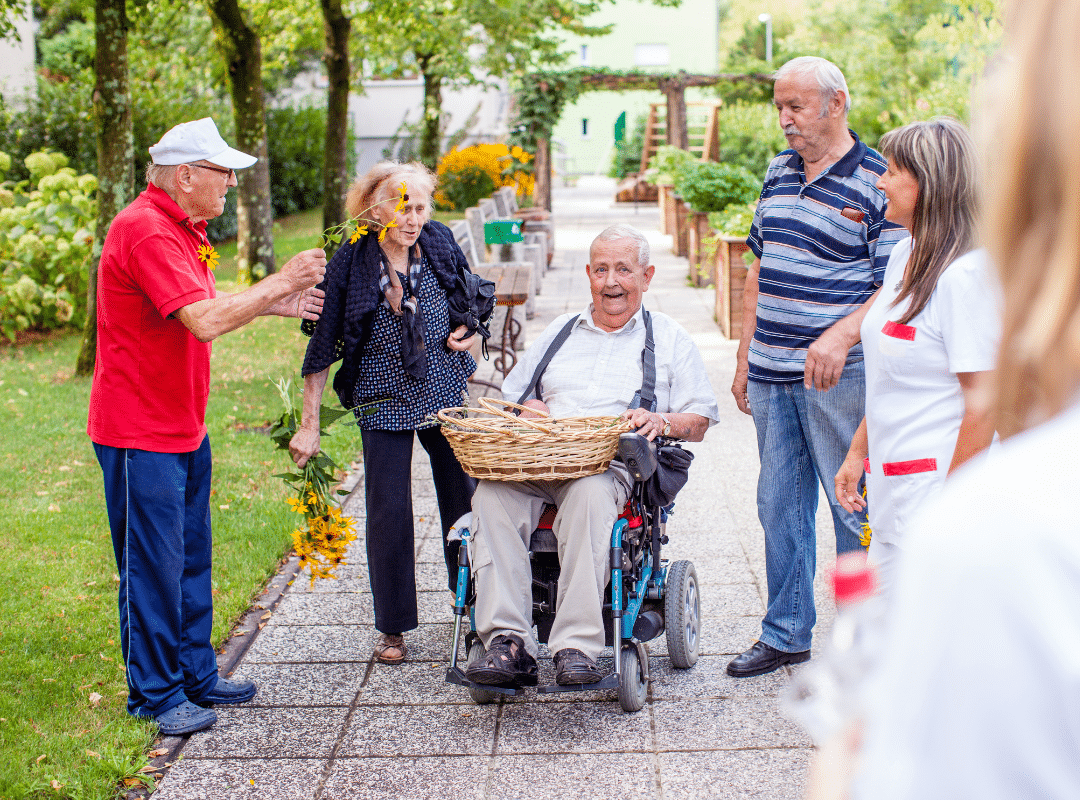
Elderly people gardening is more than just a relaxing pastime—it’s a powerful way to promote wellness, physical activity, and social engagement. At Westmont Village Homes, we believe that gardening offers countless benefits for seniors, from enhancing mental health to building community connections. Whether you’re new to gardening or returning to it after a break, there are plenty of ways to make this activity safe, fun, and fulfilling.

With the right tools, planning, and support, elderly people gardening can flourish into a rewarding part of daily life. From raised beds to lightweight tools, every aspect can be customized to meet your needs. Read on for expert tips, creative ideas, and inspiration to help you start or enhance your gardening journey.

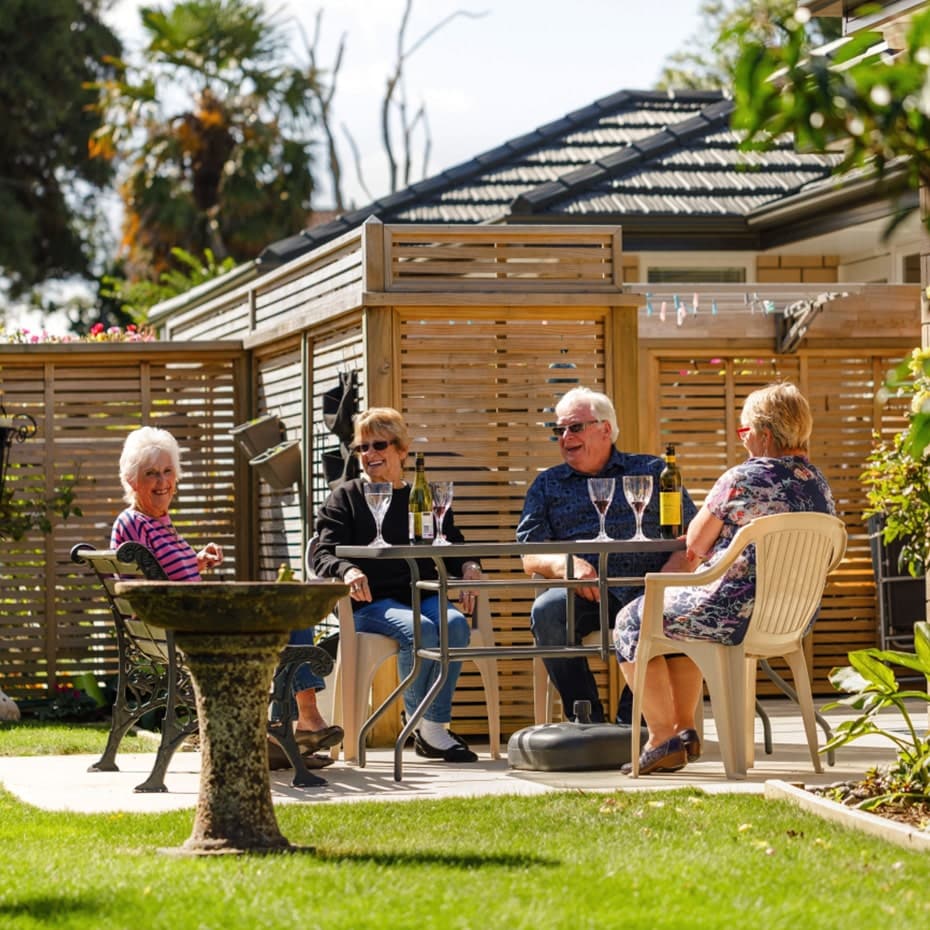
Westmont Village Homes offers a welcoming environment where seniors can enjoy gardening and other enriching activities every day.


Benefits of Gardening for Seniors

Gardening brings more than beauty to your yard—it brings vitality to your life. Elderly people gardening see improved mental and physical well-being through this nature-focused activity. It reduces stress, enhances mood, and sharpens cognitive functions. Gardening also boosts creativity and encourages strategic thinking, especially when planning which plants to grow.

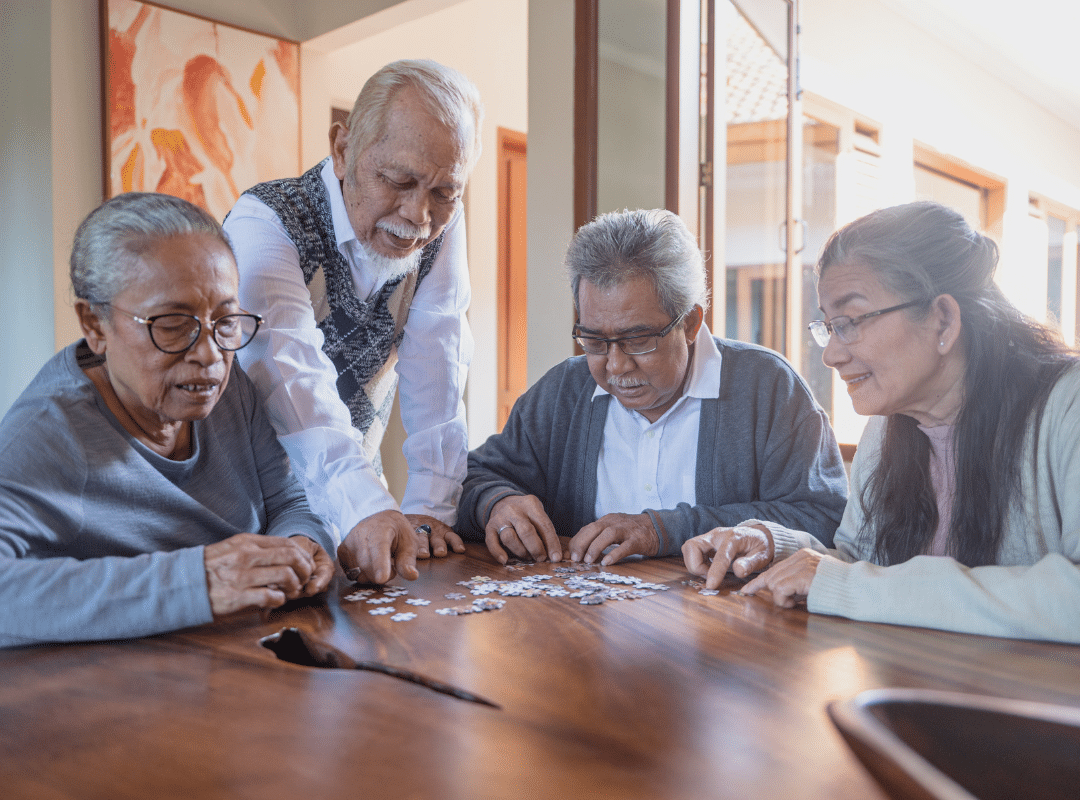
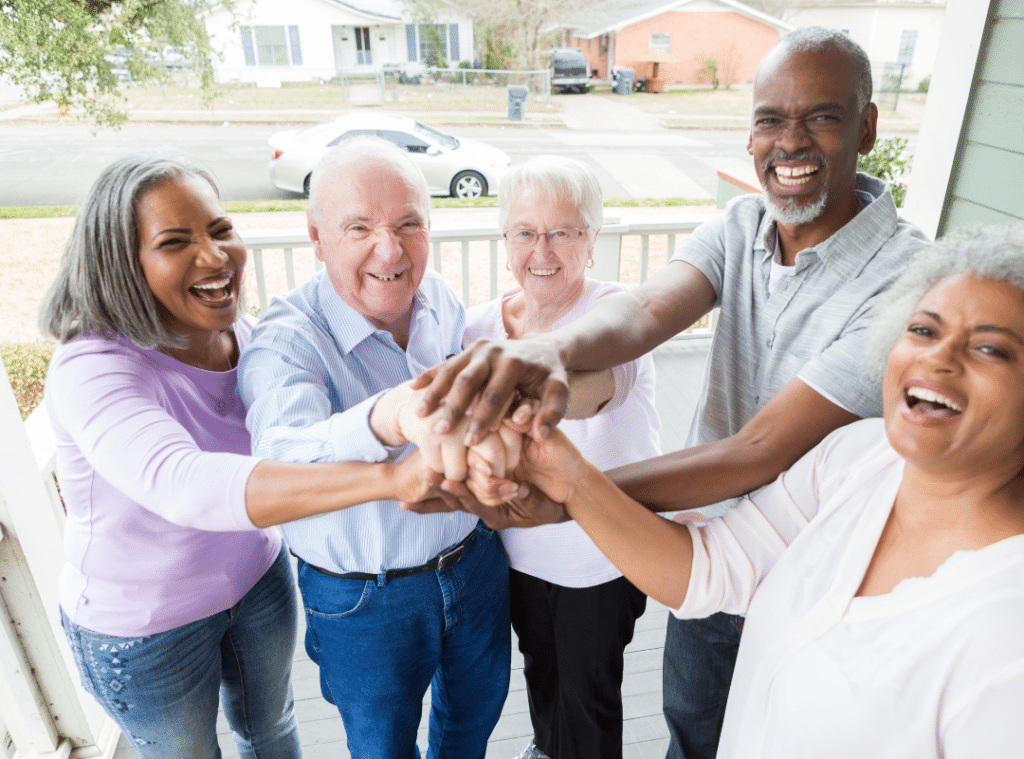
Participation in gardening fosters a sense of accomplishment, especially as you nurture your plants from seed to bloom. It also promotes social interaction—sharing harvests, joining gardening clubs, or simply chatting with neighbors. Gardening even pairs well with other activities like classic board games for cognitive stimulation.

Choosing the Right Tools and Creating Accessible Garden Spaces

To make elderly people gardening comfortable and accessible for elderly people, choosing the right setup is essential. Start with elderly gardening tools designed to reduce physical strain—look for lightweight, ergonomic handles and cushioned grips. These tools help avoid fatigue and minimize pressure on joints.

Consider installing raised beds to eliminate the need to bend or kneel. This setup is perfect for seniors with mobility challenges. Make garden paths wide and smooth, accommodating walkers or wheelchairs, and add benches or shaded resting areas throughout. These modifications can enhance your gardening time and allow for longer, more enjoyable sessions.

As highlighted in our article on social dining experiences, socializing while gardening amplifies the benefits and keeps you connected to your community.

Safety Tips for Elderly Gardeners

Safety is the foundation of successful gardening for seniors. Prioritize comfort and stability with tools like padded kneelers, gloves with grip support, and elderly gardening tools designed for aging hands. Stay hydrated and take breaks in shaded areas to avoid fatigue or heat exhaustion.

Keep garden areas free from clutter and obstacles to prevent tripping. Install handrails near raised beds or along walkways for extra balance. A wide-brimmed hat, sunglasses, and sunscreen will protect you from the sun.

Gardening also contributes to emotional well-being. As discussed in our article about senior companions, nurturing your environment can bring deep satisfaction and a sense of purpose.

Engaging in Light Gardening Activities

Not all gardening has to be intensive. There are plenty of elderly people gardening ideas for elderly people focused on light, enjoyable activities. Container gardening, for instance, is a low-effort way to grow herbs, flowers, or vegetables. Indoor plants like succulents, peace lilies, or pothos are great options—they require minimal upkeep and brighten your home.

Set a gentle watering schedule and use elderly gardening tools like watering wands or long-handled trowels. Ask friends or family to help with heavier lifting or digging. Gardening can also become a tech-savvy hobby—smart watering systems and reminder apps are great examples of technology for elderly care that make gardening more manageable and fun.

Gardening Plants Perfect for Seniors

Choosing the right plants is a big part of elderly people’s gardening. Focus on low-maintenance and rewarding options. Popular elderly people gardening plants include:

  • Herbs like basil, mint, and rosemary
  • Vegetables like lettuce, radishes, and cherry tomatoes
  • Flowers like marigolds, petunias, and pansies

These plants are easy to grow, require minimal pruning, and thrive in containers or raised beds. Avoid plants with thorns or those that require extensive care, and instead, choose varieties that encourage daily enjoyment and beauty.

Looking for more inspiration? Visit Gardeners’ World for expert tips and senior-friendly plant suggestions.

When and How to Seek Help

Knowing when to seek help can make elderly people gardening more enjoyable and safer. There’s no shame in asking for a hand, whether it’s lifting a heavy pot or pruning a tall bush.

  • Ask family or neighbors to help move soil bags or tools.
  • Join local gardening groups for camaraderie and assistance.
  • Utilize community resources, such as senior centers, that provide shared gardening supplies for elderly individuals.

Gardening with others also builds deeper bonds and fosters a sense of purpose. Learn more about how gardening supports meaningful senior relationships.

Establishing a Gardening Routine

A solid routine helps make gardening a reliable part of your life. Structure your tasks based on your energy levels and the season. Mornings may be best for watering or weeding when it’s cooler. Save more demanding tasks for when you feel strongest.

Here’s a sample weekly plan:

  • Monday: Watering and fertilizing
  • Wednesday: Light pruning or deadheading flowers
  • Friday: Harvesting or replanting

The routine can be flexible but should focus on steady, low-stress activities. Using your favorite elderly people’s gardening supplies, you can create a nurturing space that fits seamlessly into your lifestyle.

Building a Gardening Community

Gardening is more fun when shared with others. Local clubs and community gardens offer a wonderful outlet for connection and creativity. Hosting garden days or plant swaps can create beautiful moments of friendship and purpose.

Here are a few ways to get involved:

  • Volunteer at a local senior garden
  • Attend workshops or online classes
  • Share tips and successes in social media gardening groups

If you’re looking for community inspiration, check out The American Horticultural Society for events and programs designed for senior gardeners.


Creative Gardening Ideas for Elderly People

Try these fun and adaptive elderly people gardening ideas:

  • Themed gardens: Create herb spirals or butterfly-friendly flower beds
  • Vertical gardens: Perfect for balconies or small patios
  • Decorative pots: Add color with painted containers or upcycled materials

These creative concepts ensure gardening is always exciting and aligned with your space, mobility, and interests.

A Community That Supports Your Passion for Gardening

Gardening isn’t just about growing plants—it’s about growing joy, health, and connection. Whether you’re tending to herbs on your windowsill or cultivating a raised garden bed, the right tools, supplies, and support make all the difference.

Westmont Village Homes is dedicated to creating an environment where elderly people can thrive. From community garden plots to supportive neighbors and thoughtful design, our community is built with your passions in mind.

For more information, call us at 951-697-2060 or schedule a tour here. Let’s create beautiful memories together in the garden!


Find Where You Belong

Dive into the vibrant life our Westmont communities have to offer.


Frequently Asked Questions

What is the best garden for the elderly?

The best garden for the elderly is one that is accessible, low-maintenance, and safe. Raised garden beds, container gardening, and vertical gardens are excellent choices because they reduce the need for bending or kneeling. Including non-slip pathways, shaded areas, and ergonomic tools can also make gardening more enjoyable and safer. A sensory garden with fragrant flowers and textured plants is especially beneficial for those with dementia or mobility issues.

How will you take care of elderly people?

Caring for elderly people involves meeting their physical, emotional, and social needs with compassion and respect. This includes helping with daily tasks, providing nutritious meals, ensuring regular medical check-ups, and creating a safe living environment. Emotional support is just as crucial—spending time with them, listening, and encouraging hobbies can improve their mental well-being. Personalized care plans that consider their preferences and limitations are essential for effective elder care.

What is the oldest style of gardening?

The oldest style of gardening is believed to be permaculture or forest gardening, which dates back thousands of years. Ancient civilizations like the Mesopotamians, Egyptians, and Chinese practiced early forms of agriculture that mimicked natural ecosystems. These gardens emphasized sustainability, biodiversity, and harmony with nature. Traditional cottage gardens and monastery gardens from the Middle Ages also reflect historic gardening principles still admired today.

How to combat loneliness in elderly people?

Combating loneliness in elderly people starts with regular social interaction, whether through family visits, community programs, or senior groups. Encouraging participation in hobbies, volunteering, or even digital communication can foster meaningful connections. Pet therapy, gardening, and joining clubs tailored for seniors also provide companionship and purpose. Technology like video calls and social apps can help bridge the gap when in-person contact isn’t possible.


Nutritious Snacks for the Elderly for Energy and Wellness

As we age, maintaining energy and overall well-being becomes increasingly important, and a well-balanced diet plays a vital role in that. One of the easiest and most effective ways to support health in seniors is by incorporating nutritious snacks for the elderly into their daily routine. These snacks provide essential nutrients without overwhelming portion sizes and help bridge the gap between meals.

From fiber-rich berries and protein-packed yogurt to easy-to-digest vegetables and whole grains, healthy snacking is not just about curbing hunger—it’s a key to longevity and vitality. In this guide, we’ll explore a variety of nutritious snacks for the elderly that are convenient, delicious, and tailored to meet the specific dietary needs of seniors, including those in care settings like nursing homes.

Visit Westmont Village Homes to explore more health-conscious lifestyle options for seniors.

The Health Perks of Berries for Seniors

Berries are a powerhouse of vitamins, antioxidants, and fiber—making them an excellent choice of nutritious snacks for the elderly. Whether fresh or frozen, strawberries, blueberries, and raspberries are low in calories but high in health benefits. These colorful fruits help combat inflammation and oxidative stress, which are common with aging.

For those searching for nutritious snacks for the elderly to buy, pre-washed packaged berry containers are widely available and require minimal prep. These make perfect snacks for seniors in nursing homes due to their easy accessibility and high nutrient density.

Adding berries to Greek yogurt or a cottage cheese bowl boosts flavor and nutritional value. Learn more about maintaining a balanced senior diet to ensure adequate nutrient intake.

Greek Yogurt: A Creamy and Powerful Snack

Another essential addition to a senior’s snack routine is Greek yogurt. Known for its rich protein content and probiotics, Greek yogurt is one of the top nutritious snacks for the elderly to support digestive health and muscle maintenance.

Not only is Greek yogurt easily digestible, but it’s also available in single-serving containers—making it one of the most convenient packaged snacks for the elderly. Seniors in care homes benefit from its versatility; it pairs well with fruits, honey, or oats, offering both flavor and nourishment.

Greek yogurt also serves as a filling, nutritious snack for the elderly at night, especially when appetite decreases in the evening. For more on how yogurt and other snacks contribute to longevity, check out this guide on nutrition for older adults.

Crunchy Vegetables as Easy Everyday Snacks

Crunchy bite-size vegetables like baby carrots, cucumber sticks, and bell pepper slices are great, nutritious snacks for the elderly that are light yet filling. These veggies can be pre-cut and stored for convenience, making them a smart addition to any snack plan.

Seniors benefit from these fiber-rich choices that support digestion and heart health. When paired with dips like hummus, they create satisfying and energy-boosting snacks for seniors in nursing homes that encourage mindful snacking.

Keep variety in the rotation—snap peas, grape tomatoes, and celery sticks are all excellent options. For more snack inspiration, check out this guide to healthy snacks for seniors.

Eggs and Cottage Cheese: High-Protein Heroes

Eggs and cottage cheese are two often-overlooked yet ideal nutritious snacks for the elderly. Eggs are rich in protein and can be prepared in multiple ways—hard-boiled, scrambled, or mixed into vegetable omelets.

Cottage cheese is equally beneficial, providing a good dose of calcium and B vitamins, all essential for bone and muscle health. Both are ideal nutritious snacks for the elderly at night due to their satisfying nature and ease of digestion.

When shopping for nutritious snacks for the elderly, pre-cooked boiled eggs or individual cottage cheese packs are convenient choices. For more meal ideas that include soft, protein-rich snacks, visit 10 nutritious meal ideas for seniors.

Hummus and Whole Grains: Heart-Healthy Energy Boosts

Pairing hummus with whole grains is a tasty and filling way to boost senior energy levels. Hummus is made from chickpeas and contains healthy fats, iron, and fiber, making it an excellent component of nutritious snacks for the elderly.

Consider these combinations:

  • Whole grain crackers and hummus
  • Sliced cucumbers or bell peppers dipped in hummus
  • Mini pita pockets with hummus and leafy greens

Many packaged snacks for the elderly now include single-serve hummus packs and whole grain crisps, perfect for residents in nursing homes or seniors living independently. These snacks support brain and heart health, especially when consumed regularly.

Make your healthy snacks more accessible by following these meal prep tips for seniors, ensuring your loved ones have nutritious choices ready to go.


nutritious snacks for elderly​


Choosing Convenient Packaged Snack Options

When searching for packaged snacks for the elderly, consider both nutritional value and ease of consumption. Pre-packaged options like:

  • String cheese
  • Trail mix with dried fruit and nuts
  • Whole grain granola bars
  • Single-serve nut butter

These snacks are shelf-stable and travel well, making them ideal snacks for seniors in nursing homes or active adults on the go. They’re also great as nutritious snacks for the elderly to buy when mobility or energy to cook is limited.

For an added nutritional boost, consider these top healthy packaged snacks specifically designed for older adults.

Nighttime Snacking for Energy and Rest

As metabolism changes with age, some seniors experience hunger or restlessness at night. That’s where nutritious snacks for the elderly at night come in. Choosing protein and fiber-rich options like yogurt, soft-boiled eggs, or cottage cheese with fruit can curb hunger without spiking blood sugar.

These calming snacks not only ease nighttime hunger but also promote better sleep and prevent early morning fatigue. Avoid sugary or high-sodium choices, which may cause dehydration or discomfort during the night.

Whether living independently or in a community, make sure nutritious snacks for the elderly at night are readily available for better rest and recovery.

A Smarter Snacking Strategy for Healthier Aging

Adding nutritious snacks for the elderly into daily routines isn’t just about filling time between meals—it’s a strategic way to boost nutrient intake, support energy, and promote long-term health. These snack options are especially important for seniors with reduced appetites or medical conditions that require small, frequent meals.

Whether you’re caring for a loved one at home or supporting residents in a care setting, keep a list of go-to packaged snacks for the elderly and easy-prep options available. Stock your pantry with choices that cater to varying tastes, preferences, and health needs.

Snack Smart, Age Strong: Fueling the Golden Years

Incorporating a variety of nutritious snacks for the elderly—from fresh berries to whole grain and protein options—helps maintain energy, strength, and cognitive health. With plenty of convenient packaged snacks for the elderly, you can support aging adults with quick, balanced choices throughout the day and night.

Prioritizing nutritious snacks for the elderly at night, as well as throughout the day, ensures consistent nourishment and comfort. For families and caregivers, offering the right snacks for seniors in nursing homes can enhance quality of life and promote independence.

To learn more about senior wellness and explore a community dedicated to vibrant living, contact Westmont Village Homes at 951-697-2060 or schedule a tour here.


Find Where You Belong

Dive into the vibrant life our Westmont communities have to offer.


Frequently Asked Questions

What are easy, nutritious snacks for elderly people?

Easy and nutritious snacks for elderly people include options like Greek yogurt, cottage cheese with fruit, mixed nuts, boiled eggs, and whole grain toast with nut butter. These snacks are quick to prepare, rich in essential nutrients, and easy to chew. They support energy levels, bone health, and muscle maintenance. Keeping snacks soft and high in protein or fiber is ideal for older adults.

What are good snacks for the elderly to buy?

Good snacks for the elderly to buy include string cheese, individual packs of trail mix, applesauce cups, protein bars, and low-sugar granola. These pre-packaged or easy-to-store options are convenient and often come in senior-friendly portions. Look for low-sodium and low-sugar varieties to support heart and blood sugar health. Always check labels for added nutrients like calcium and vitamin D.

What is the most nutritious food for seniors?

Leafy greens, fatty fish, eggs, beans, berries, and whole grains are among the most nutritious foods for seniors. These foods provide essential vitamins, including B12, D, and calcium, as well as fiber and healthy fats. They help manage age-related conditions like osteoporosis, cognitive decline, and heart disease. A well-balanced diet that includes these staples supports healthy aging.

What is the best protein snack for seniors?

The best protein snacks for seniors include options like hard-boiled eggs, low-fat cheese, Greek yogurt, protein shakes, and tuna salad. These snacks are not only protein-rich but also easy to prepare and digest. Protein helps maintain muscle mass and strength, which is especially important with age. Choose snacks that are low in added sugars and easy to chew for best results.


Celebrating Centenarians Day: Honoring Our Remarkable Residents Across Our Communities

On September 22nd, we celebrate the first day of fall along with joining people around the world in celebrating Centenarians Day. It’s a special occasion dedicated to honoring those who have reached the incredible milestone of 100 years or more. This day is not only about celebrating longevity, but it’s about cherishing the wisdom, history, and enduring presence of centenarians in our lives.

Across all of our Communities, we are honored to have 24 extraordinary residents who are 100 years young and beyond, including 13 who have surpassed the century mark. Each one of them is a living connection to history, carrying with them stories that span a century of experiences, triumphs, and memories. Their journeys remind us of the resilience of the human spirit and the beauty of a life well-lived.

What Centenarians Day Means

  • Celebrating Longevity: Reaching 100 years is a remarkable achievement, a testament to strength, perseverance, and vitality.
  • Honoring Wisdom and History: Our centenarians are storytellers of times past, offering invaluable lessons, insights, and a bridge between generations.
  • Gratitude for Contributions: We celebrate not just their years, but their lifelong contributions, impacting families, communities, and the world in meaningful ways.

On this day, we encourage our centenarians, along with all our Residents, to continue to Live Your Way®. At Westmont Living, Live Your Way® means embracing life on your terms—with your style, your choices, and your passions. The legacies of our centenarians inspire us to live with gratitude, purpose, and joy each day.

To our 24 centenarian residents, thank you for your wisdom, your stories, and your shining example of resilience. Today and every day, we celebrate you.


Centenarians 2025

Lakeview Senior Living
William Walton – Born 1924 – Age 101
Westmont of Chico
Hope Heintz – Born 1924 – Age 101
Evelyn Penick – Born 1925 – Age 100
Dave Elliotte – Born 1924 – Age 101
Barbara Carney – Born 1923 – Age 102
Westmont of Escondido
Iris Wicks – Born 1923 – Age 101
The Oaks at Nipomo
Erving Morlee – Born 1924 – Age 100
Westmont at San Miguel Ranch
Maria Escarcega – Born 1925 – Age 100
Walter “Walt” Travis – Born 1924 – Age 101
Gracie Hill – Born 1925 – Age 100
Westmont of Brentwood
Bettye Sturla – Born 1925 – Age 100
Geraldine Baker – Born 1923 – Age 102
Constance Daniels-Idle – Born 1921 – Age 103
Westmont of Carmel Valley
Dorothy Goo – Born 1924 – Age 101
Westmont of Culver City
Betty Kronick – Born 1921 – Age 103
Westmont of Cypress
Terri Tamaru – Born 1925 – Age 100
Westmont of Encinitas
Beverly Evans – Born 1924 – Age 101
Rose Chang – Born 1924 – Age 100
Peter Sanzo – Born 1922 – Age 103
Westmont of Fresno
Vicki Coughlin – Born 1924 – Age 101
Georgia Hobson – Born 1925 – Age 100
Westmont of Morgan Hill
Florence Boyce – Born 1925 – Age 100
Westmont of Riverside
Inez-Blanche Holmes – Born 1922 – Age 102
Lois Wurschinger – Born 1925 – Age 100
Marina Gabus – Born 1920 – Age 105
Harold Platt – Born 1925 – Age 100


Group Activities for Seniors that Foster Social Connection

As we age, maintaining social bonds and engaging in mentally and physically stimulating experiences becomes increasingly important. Group activities for seniors provide essential opportunities to build friendships, enhance wellness, and foster a sense of belonging within a community. At Westmont Village Homes, these shared experiences transform everyday living into something more meaningful and connected.

From creative arts and book clubs to dance sessions and mindfulness exercises, participating in group programs leads to improved mood, reduced isolation, and higher life satisfaction. Whether you’re seeking fun activities for the elderly in nursing homes or more unique activities for seniors looking to stay mentally engaged, there’s something for everyone. Let’s explore how these enriching experiences can help seniors thrive.

Visit Westmont Village Homes to learn more about the activities available in your community.

Engaging Arts and Crafts for Creative Expression

Indoor group activities for seniors, like arts and crafts, are a delightful way to express creativity while connecting with peers. Painting, pottery, knitting, and jewelry-making offer both mental stimulation and emotional satisfaction. These hands-on projects bring people together to collaborate, share stories, and admire each other’s work.

Engaging in simple craft projects also supports cognitive function and emotional well-being. Creative workshops allow for both independent and cooperative art-making experiences, making them ideal group activities for seniors who want to have fun while expressing themselves.

Community Gardening for Growth and Connection

Gardening is one of the most unique activities for seniors, blending physical movement with purpose. At Westmont Village Homes, seniors can enjoy soil preparation, planting, and harvesting together. These experiences promote social interaction, sensory engagement, and even nutritional health.

Whether arranging flowers or harvesting herbs, gardening can strengthen community ties and uplift spirits. Communal gardening spaces are wonderful tools for enhancing engagement and creating lasting memories.

Lifelong Learning as a Group Activity

Many residents enjoy participating in shared learning experiences, which are excellent indoor group activities for seniors. Whether it’s a local history class, creative writing course, or virtual seminar, group learning fosters both cognitive health and camaraderie.

Explore programs through platforms like Coursera or Udemy to continue learning with friends. Lifelong learning programs available at Westmont Village Homes include guest lectures, technology lessons, and language classes.

For more structured opportunities, look into senior-focused courses offered by local community colleges or adult education centers.

Book Clubs and Writing Workshops

Joining a book club or writing group provides an intellectual outlet and strengthens social bonds. These group activities for seniors promote discussion, memory recall, and creativity. Whether you’re discussing a classic novel or writing a memoir, these events offer more than just entertainment—they build community.

Participants often explore diverse topics, improve their writing skills, and share life stories. These free activity ideas for seniors are low-cost, high-impact ways to stay mentally and emotionally engaged.

Fun and Interactive Games

When it comes to fun activities for the elderly in nursing homes, games are always a hit. Bingo nights, trivia contests, and charades bring joy and laughter to every gathering.

  1. Bingo: Enhances focus and social interaction.
  2. Trivia Games: Sharpen memory and encourage storytelling.
  3. Pictionary or Charades: Promote teamwork and creativity.

These indoor group activities for seniors are accessible, energizing, and inclusive. They can be easily modified to suit varying mobility or cognitive levels, making them perfect for both assisted and independent living environments.

Joyful Music and Dance Activities

Music and movement offer therapeutic benefits, particularly when practiced in a group setting. Group sing-alongs, drum circles, and dance sessions allow for emotional release, cultural appreciation, and physical wellness.

Group activities for seniors that involve music can stimulate memory and improve coordination. Try hosting themed music nights or incorporating dance therapy into weekly routines. These are not only fun activities for the elderly in nursing homes, but they also promote long-lasting connections and joy.

Mindfulness and Group Relaxation

Practicing mindfulness exercises helps residents create a calm, focused space, reducing anxiety and improving focus. Group breathing sessions, guided meditations, and chair yoga are excellent indoor group activities for seniors that support emotional well-being.

These shared moments of stillness foster a sense of community and provide an important mental reset. Incorporating free activity ideas for seniors like gratitude circles or storytelling meditations can further enhance group cohesion and support.


group activities for seniors


Technology Workshops and Virtual Games

Tech-savvy seniors are more connected than ever. Hosting group tech workshops—whether for email, Zoom, or smartphone use—can empower residents and improve digital literacy.

You can also organize virtual group activities for seniors, such as:

  • Online puzzle rooms
  • Multiplayer card games
  • Interactive virtual tours

These activities offer unique activities for seniors who want to explore modern entertainment or stay in touch with distant family and friends.

Theme Days and Cultural Celebrations

Bringing everyone together for themed events—such as International Day, Movie Night, or Decades Day—creates unforgettable memories. Residents can dress up, cook meals from different cultures, and learn about traditions from around the world.

These group activities for seniors are great opportunities to involve staff, family, and volunteers, making the experience even richer.

Volunteering and Purpose-Driven Projects

Give back as a group through activities like assembling care packages, knitting blankets for hospitals, or creating cards for military members. These free activity ideas for seniors offer emotional fulfillment and a strong sense of purpose.

Group volunteerism not only strengthens community ties but also aligns with many seniors’ lifelong values of service and contribution.

Creative Competitions and Talent Shows

Let your creativity shine through talent shows or friendly contests. Seniors can showcase music, poetry, storytelling, or painting in a supportive, uplifting environment.

These fun activities for the elderly in nursing homes highlight individual talents while promoting appreciation and encouragement from peers.

Build Community Through Shared Joy

A thriving senior lifestyle includes more than just care—it includes connection, creativity, and joy. At Westmont Village Homes, we believe group activities for seniors play a vital role in enhancing well-being and nurturing friendships.

From fun activities for the elderly in nursing homes to unique activities for seniors who love to learn and create, there are endless ways to connect and thrive. Whether you’re enjoying a quiet book discussion or laughing over bingo, you’re building community in every moment.

To join our engaging programs or learn more about our vibrant community, please call us at 951-697-2060 or schedule a tour by clicking here.


Find Where You Belong

Dive into the vibrant life our Westmont communities have to offer.


Frequently Asked Questions

What are some fun activities for the elderly?

Fun activities for the elderly often include arts and crafts, light gardening, chair yoga, walking clubs, or music appreciation sessions. These activities help improve mental engagement and physical mobility. Group storytelling or reminiscing sessions are also popular, promoting social connection and emotional wellness. Choosing activities that align with personal interests ensures greater participation and enjoyment.

What are the activities for the senior citizens group?

Senior citizen groups often enjoy organized outings, game days, wellness classes, and community service projects. Other popular group activities include book clubs, cooking demonstrations, movie nights, and group exercise programs. These encourage social bonding, reduce isolation, and keep participants mentally and physically active. Activities should always consider the comfort level and ability of group members.

What are some fun games for seniors indoors?

Fun indoor games for seniors include bingo, trivia, card games like bridge or rummy, and word puzzles like crosswords or Scrabble. These games stimulate the brain while promoting lighthearted competition and social engagement. Chair volleyball and balloon tennis are also great for light physical activity indoors. Keeping the games simple and accessible ensures everyone can join in.

What is a good game for seniors?

A good game for seniors is easy to understand, doesn’t require fast reflexes, and encourages interaction—like dominoes, memory games, or checkers. Many enjoy games that spark nostalgia or use familiar content, such as Name That Tune or themed trivia. Games that can be played in teams also foster a strong sense of community. The best games strike a balance between fun and mental stimulation.


How to Strengthen the Nervous System: A Guide for Seniors At Any Age

Learning how to strengthen the nervous system is essential, especially for older adults seeking to maintain vitality and independence. A healthy nervous system supports everything from mobility to memory, and knowing the right methods to care for it can make a profound difference in quality of life.

At Westmont Village Homes, we believe it’s never too late to build resilience. Whether through tailored fitness programs, mindful nutrition, or professional guidance, seniors can take daily steps to strengthen their nervous system and enhance well-being. Let’s explore how.

Understanding the Nervous System and Its Importance in Seniors

The nervous system operates as the body’s command center, and as we age, its proper function becomes even more critical. The brain, spinal cord, and peripheral nerves all play key roles in daily movement, reflexes, and cognition. Unfortunately, aging can lead to reduced efficiency and symptoms of a weak nervous system, such as memory decline, numbness, or coordination issues.

Supporting the nervous system helps preserve independence and improve overall health. Seniors can benefit greatly from adopting routines that include exercise, balanced meals, hydration, and social engagement. At Westmont Village Homes, we emphasize community involvement and supportive care to promote lasting vitality.

Common Nervous System Issues Faced by Seniors

Seniors often face neurological changes that can interfere with everyday life. Understanding the signs of a deteriorating system can help you act early.

Recognizable Conditions Include:

  1. Cognitive Decline – Including memory loss, confusion, and slower thinking.
  2. Peripheral Neuropathy – Pain or numbness in the extremities due to nerve damage.
  3. Sleep Disorders – Often caused by disrupted neurotransmitter activity.

Understanding these issues is the first step in learning how to repair the nervous system naturally. Identifying these symptoms early can lead to timely support and improved outcomes. Managing sleep and mental clarity is just one part of the equation.

Daily Exercise: A Natural Nerve Booster

One of the most reliable ways to strengthen weak nerves naturally is through consistent physical activity. Exercise stimulates the production of neurotrophic factors that help nerves grow and repair.

Effective Exercises for Seniors

Exercise Type Benefits Frequency
Balance Training Enhances stability and motor coordination 3–4 times/week
Flexibility Workouts Reduces stiffness and improves nerve mobility Daily (10–15 mins)
Cardio/Aerobic Increases blood flow to the brain and nerves 150 mins/week

Staying physically active supports brain health, boosts mood, and is essential in preventing falls, making it a core part of any plan on how to strengthen the nervous system.

Nutrition: Feeding the Nervous System

Proper nutrition isn’t just about staying strong—it’s about fueling the body’s command system with what it needs to perform.

Essential Nutrients for Nerve Health

  • Omega-3 Fatty Acids (in salmon, flaxseeds) help regenerate nerve tissue.
  • B-Vitamins (like B12 and B6) maintain nerve insulation and transmit signals.
  • Antioxidants (in berries and greens) reduce oxidative stress on the brain.

Good nutrition also means improving digestion and reducing inflammation—two factors that affect nerve health. Supplements may also be considered under medical guidance.

Best Food for Nerve Repair

To repair and maintain your nervous system, incorporate:

  • Salmon, mackerel, sardines – Omega-3s
  • Spinach, kale, broccoli – Antioxidants and vitamins
  • Whole grains – B vitamins for nerve conduction
  • Nuts and seeds – Magnesium and zinc for nerve stability

These are among the best foods for nerve repair and help build long-term resilience.


how to strengthen nervous system


The Power of Hydration

Dehydration can cause symptoms similar to a weak nervous system, including dizziness, confusion, and fatigue.

Easy Hydration Tips:

  • Drink water consistently throughout the day.
  • Eat hydrating foods like watermelon, cucumbers, and oranges.
  • Limit caffeinated beverages, which may dehydrate.

Hydration supports cellular communication and the transmission of electrical nerve signals, both critical to senior health.

Soak Up Sunlight: Healing from the Outside In

Sunlight provides vitamin D, which supports nerve and brain function. Even 15 minutes daily can help.

Benefit Impact on Nervous System
Vitamin D Synthesis Improves calcium absorption and nerve signaling
Mood Boost Enhances serotonin, reducing anxiety
Physical Activity Walking or gardening stimulates nerves

Outdoor exposure encourages movement, improves sleep patterns, and reinforces circadian rhythms. For more holistic healing, try forest bathing, or gentle walks in green environments.

Learn more about the benefits of sunlight on the nervous system at Harvard Health Publishing.

Spotting the Symptoms of a Weak Nervous System

Early intervention depends on recognizing red flags. Common symptoms of a weak nervous system include:

  1. Numbness or tingling in hands and feet
  2. Memory loss or confusion
  3. Tremors or shaking
  4. Trouble with coordination
  5. Unexplained fatigue

These symptoms are warning signs that something deeper may be affecting your neural health. Don’t ignore them.

How to Repair the Nervous System Naturally

Holistic strategies are key in restoring balance to your nervous system. Here’s how to repair the nervous system naturally:

  1. Eat Whole Foods – Choose organic, plant-based, and omega-rich meals.
  2. Meditate – Relaxation lowers cortisol levels and inflammation.
  3. Stretch and Walk – Gentle movement supports blood flow and nerve healing.
  4. Sleep Well – Aim for 7–8 hours to allow overnight recovery.

These methods also help with how to strengthen weak nerves naturally, allowing gradual healing through lifestyle alignment.

For evidence-backed strategies, visit the Cleveland Clinic’s Neurology Resources.

Seeking Professional Help for Neurological Issues

Knowing how to strengthen the nervous system is empowering, but sometimes you need professional support.

Signs You Should Consult a Specialist

  • Persistent muscle weakness
  • Sharp nerve pain or burning sensations
  • Trouble speaking or swallowing
  • Balance issues or falls

Finding the Right Neurologist

  • Use online tools like Zocdoc or Healthgrades
  • Contact nearby hospitals like DPU Hospital
  • Check national registries such as the American Academy of Neurology

Specialists can provide tests, imaging, and tailored care plans for more serious or chronic issues.

Personalized Treatment Plans

Doctors may recommend:

  1. Physical Therapy – Exercises tailored to nerve health
  2. Occupational Therapy – Restoring motor skills
  3. Nutritional Counseling – Optimizing meals for nerve repair
  4. Medications or Supplements – Where needed for pain, inflammation, or deficiencies

This kind of plan supports both immediate relief and long-term healing.

Thrive with Westmont Village Homes

You don’t have to face nervous system challenges alone. At Westmont Village Homes, we offer tailored wellness programs, nutritious dining, and expert-led fitness classes—all designed with seniors in mind.

Call us today at 951-697-2060 or schedule a tour to learn how we can support your health journey.

Nurture a Healthier Nervous System Today

Caring for your nervous system is an ongoing commitment, but the rewards are life-changing. From eating the best food for nerve repair to engaging in simple exercises and spending time in the sun, each small action contributes to big changes in your well-being.

With the right approach, including professional support when needed, you can age vibrantly and confidently. Let Westmont Village Homes be your partner in health, providing the resources and environment to keep your nervous system strong for years to come.


Find Where You Belong

Dive into the vibrant life our Westmont communities have to offer.


Frequently Asked Questions

What are the signs of nervous system problems?

Signs of nervous system problems can include persistent headaches, numbness or tingling in the hands or feet, sudden vision changes, or difficulty with coordination and balance. Other symptoms may involve muscle weakness, memory issues, or involuntary muscle movements. Mood changes, sleep disturbances, and sensitivity to light or sound are also common. If you notice multiple symptoms occurring regularly, it may be time to consult a neurologist.

How to restore the nervous system?

Restoring the nervous system involves a combination of healthy lifestyle choices and targeted therapies. Regular physical activity, a balanced diet rich in omega-3 fatty acids, and stress-reducing practices like meditation can help. Adequate sleep is crucial for repair and recovery. Some individuals also benefit from therapies such as acupuncture, massage, or chiropractic care to support nervous system health.

How do you know your nervous system is healing?

Signs of nervous system healing include improved energy levels, better sleep quality, and reduced symptoms such as tingling, pain, or brain fog. You may also notice increased mental clarity, coordination, and emotional stability. Consistent progress in physical and cognitive functions often indicates recovery. It’s important to track your symptoms and consult a healthcare provider to assess improvement.

How to treat nervous system problems?

Treatment for nervous system problems depends on the underlying condition but often includes medications, physical therapy, and lifestyle changes. Anti-inflammatory drugs, pain relievers, or nerve-specific medications may be prescribed. In some cases, cognitive therapy or occupational therapy can support recovery. A comprehensive approach involving diet, exercise, and stress management typically yields the best results.


Independent Living Activities for a Fulfilling Senior Lifestyle

Living independently in your senior years doesn’t mean giving up engagement or enrichment—it means choosing how you want to live each day. At Westmont Village Homes, residents enjoy a wide variety of independent living activities designed to support physical health, mental wellness, social connection, and personal growth.

From wellness classes and group hobbies to the latest in smart home technology, independent living can be empowering and invigorating. This article examines the numerous enriching independent living activities available to seniors and how these offerings contribute to a vibrant lifestyle for today’s older adults.

Visit Westmont Village Homes to explore how these activities are incorporated into daily life and enhance each resident’s journey.

Mental and Emotional Wellness Through Mindfulness

Prioritizing mental and emotional wellness is key to successful independent living activities for the elderly. Mindfulness techniques, such as meditation, journaling, and deep breathing, offer seniors valuable tools for self-reflection, peace of mind, and emotional regulation. Writing about your thoughts each day not only enhances self-awareness but also helps you manage stress more effectively.

Incorporating gratitude journaling or storytelling groups can also help seniors feel a greater sense of purpose. Participating in community wellness events allows for shared experiences and creates emotional support among residents. These independent living activities for seniors promote confidence, connection, and clarity—helping you stay mentally strong in your golden years.

Daily Movement and Gentle Fitness Routines

Physical wellness is a cornerstone of independent living activities. Even modest daily movement—like stretching, walking, or light strength training—can lead to increased mobility, flexibility, and energy. Seniors at Westmont Village Homes benefit from options like chair yoga, tai chi, and guided stretching routines.

Chair-supported squats and leg strengthening exercises are particularly beneficial in developing balance and lower-body strength, which are essential for preventing falls and promoting independence. These routines are not only easy to adapt to any fitness level but also encourage social bonding when done in group settings.

Whether you’re walking with a friend or joining a fitness class, independent living activities for the elderly help maintain physical function and independence.

Social Growth Through Group Activities

Community life thrives on social interaction. That’s why group activities are a fundamental part of independent living activities for seniors. Options such as book clubs, art workshops, cooking demonstrations, and gardening groups offer more than just fun—they create friendships and emotional support networks.

Participating in engaging social programs helps combat loneliness and provides opportunities for continued learning. For example, cooking together can rekindle old traditions while learning new recipes. Art classes can unleash your inner creativity and offer a meditative escape.

These types of independent living activities not only enrich your days but also foster a sense of belonging and joy that’s vital to mental health.

independent living activities

Stimulating the Mind with Cognitive Hobbies

Your brain, like your body, needs regular exercise. Cognitive hobbies are a key category of independent living activities for the elderly, helping seniors maintain mental sharpness and creativity. Activities like crosswords, memory games, and board games are excellent ways to support brain health.

At Westmont Village Homes, many residents find fulfillment in creative writing groups, history discussion clubs, and other mentally enriching programs. These hobbies encourage critical thinking, storytelling, and emotional expression.

Incorporating brain-boosting games into your weekly routine helps stimulate the mind while also creating fun, shared experiences with others in your community.

Tech Tools That Keep You Connected

Technology is a powerful tool that can enhance independent living activities for seniors by making it easier to stay connected and engaged. Many older adults are now using tablets, smartphones, and voice-activated assistants to communicate, learn, and manage their daily lives.

Below are some tech tools that enhance the independent living experience:

Tool Function
Video Calling (Zoom, Skype) Stay in touch with family face-to-face
Smart Home Devices (Alexa) Control lights, reminders, and safety alerts
Online Classes (Coursera, Udemy) Learn new skills or hobbies
Wearable Health Monitors Track heart rate, steps, and medication reminders

Integrating technology into independent living not only simplifies daily tasks but also keeps seniors mentally stimulated and socially involved. From virtual museum tours to online fitness programs, a digital world awaits exploration.

Creative and Expressive Outlets

One of the most rewarding aspects of independent living activities is the chance to reconnect with hobbies that spark joy. Whether it’s painting, knitting, playing an instrument, or trying your hand at photography, these outlets help you express yourself and add color to your day.

These kinds of independent living activities for the elderly also support cognitive health, dexterity, and emotional expression. Sharing your creations in community exhibitions or talent nights adds another layer of interaction and celebration.

Local resources like AARP’s Creative Arts Programs offer guidance and ideas for keeping the creative spark alive in your later years.

Volunteering and Lifelong Purpose

For many seniors, giving back is a powerful way to stay engaged. Volunteering can take many forms—mentoring a student, organizing a food drive, or helping maintain a community garden. These independent living activities for seniors bring fulfillment and purpose while also benefiting others.

Communities like Westmont Village Homes often partner with local charities and schools, allowing residents to remain active contributors to their community. These meaningful activities align well with personal values and help create a sense of continued legacy.

Unlock a Life Full of Meaning and Joy

Your retirement years are the ideal time to engage in enriching, independent living activities that nurture your body, mind, and spirit. Whether it’s staying active through fitness, connecting with others through group events, or exploring new passions like writing or painting, these activities help you live fully and purposefully.

Westmont Village Homes offers a supportive and vibrant environment where residents enjoy a rich array of independent living activities for seniors. Every day presents a new opportunity to grow, connect, and thrive—making life not just longer, but fuller and more joyful.

Ready to start your next chapter? Call us at 951-697-2060 or Schedule a Tour to explore the enriching lifestyle waiting for you at Westmont Village Homes.


Find Where You Belong

Dive into the vibrant life our Westmont communities have to offer.


Frequently Asked Questions

What are examples of independent living skills?

Independent living skills are the abilities that enable a person to manage their daily life independently. These include cooking, cleaning, managing money, using transportation, and personal hygiene. For seniors, it may also involve managing medications, using assistive technology, or navigating healthcare services. These skills support autonomy and improve quality of life.

What is an example of independent living?

An example of independent living is a senior residing in a retirement community, where they maintain their own apartment, cook their own meals, and come and go as they please. While they may have access to optional services like housekeeping or transportation, they do not rely on full-time care. Independent living settings promote freedom with the reassurance of community support when needed.

What is an independent living thing?

An independent living thing refers to any organism that can perform life-sustaining activities on its own. In a biological sense, this includes humans, animals, and plants that grow, reproduce, and respond to their environment without external control. In the context of seniors, it means a person who is able to live without daily assistance from caregivers.

What counts as living independently?

Living independently means being able to meet one’s own basic needs without relying on others for constant help. This includes managing finances, maintaining a home, preparing meals, and attending appointments. For seniors, it often involves living in a private residence or independent living community with optional support services. Independence can look different for everyone depending on their health and preferences.


Active Adult Living: A Guide to Senior Lifestyles

Exploring a new chapter in life brings exciting possibilities, especially when it includes a vibrant, supportive environment designed for those aged 55 and better. At Westmont Village Homes, active adult living isn’t just a lifestyle—it’s a gateway to wellness, connection, and fulfillment. Surrounded by like-minded neighbors, you’ll enjoy activities that support physical and mental health while cultivating long-lasting friendships.

Whether you’re researching active adult living near you or seeking a new place to call home, Westmont Village Homes offers a warm community where independence and engagement are top priorities. From thoughtfully designed amenities to inclusive events and services, this lifestyle provides the perfect balance of freedom, support, and opportunity.

Learn more at Westmont Village Homes.

Understanding Active Adult Living

Active adult living is crafted to support individuals 55 and older who want to enjoy retirement on their own terms. Rather than focusing on medical care or high-level assistance, these communities promote autonomy while offering opportunities for socialization, fitness, and enrichment.

Whether you’re attending a group exercise class or volunteering with your neighbors, this lifestyle fosters a sense of purpose. Unlike traditional retirement models, active adult living apartments offer private residences paired with shared community spaces, allowing for both privacy and connection. These communities often offer services such as housekeeping, maintenance, and wellness programs that support a carefree lifestyle.

Read more about supportive care services offered in such communities.

Key Features of Active Adult Communities

Living in an active adult living for rent community often includes access to:

  • Fitness centers and group classes
  • Outdoor walking trails and landscaped gardens
  • Organized clubs and social events
  • Maintenance-free housing options
  • Nearby access to shopping, dining, and recreation

The design of these communities encourages interaction, wellness, and exploration. Whether it’s yoga on the lawn or happy hour mixers, these spaces are meant to bring people together and support healthy aging. At Westmont, you’ll also benefit from social wellness programs that uplift both body and mind.

The Benefits of Active Adult Living

What makes active adult living near you such a valuable lifestyle choice? For starters, it’s about more than just where you live—it’s how you live. Some major benefits include:

  • An emphasis on wellness activities that keep you physically and mentally strong
  • Reduced stress from home maintenance and daily chores
  • Increased opportunities for forming new friendships and community ties
  • Programs and amenities that align with your interests and values

The uplifting energy of active adult living apartments helps reduce loneliness, promote personal growth, and encourage lifelong learning.

Learn more about senior wellness benefits.

Comparing Active Adult and Independent Living

While both styles encourage independence, active adult living emphasizes structured engagement. Independent living may offer more privacy and flexibility, but generally has fewer community-centered programs.

Age Restrictions

Active adult living for rent typically has an age minimum, most often 55 or 62. This creates a peer-oriented environment, making it easier to connect over shared life stages. Independent living may be open to younger residents, offering more flexibility but less commonality.

Social Dynamics

One of the main differences lies in community involvement. Residents of active adult living near you participate in daily group activities, wellness events, and clubs that reinforce a sense of purpose. Independent living offers more unstructured time and tends to attract those who prefer autonomy over engagement.

Explore how social activities enhance senior living.

Services and Amenities

From maintenance-free homes to concierge services, both living options offer convenience, but the lifestyle focus differs. Active adult living apartments prioritize wellness programs, fitness facilities, and community engagement. Independent living tends to provide dining options, housekeeping, and less structured services.

Social Life and Enrichment Opportunities

One of the top perks of active adult living is the enriching social environment. These communities often host:

  • Book clubs, gardening groups, and travel clubs
  • Community festivals, barbecues, and holiday events
  • Fitness classes like Tai Chi or Zumba
  • Volunteer drives and fundraising activities

Clubs and Groups

Active adult living apartments create built-in opportunities to explore interests and make new friends. You’re not just joining a community—you’re joining a lifestyle that thrives on connection. Group activities allow you to form bonds that support your well-being and enrich your daily routine.

Community Events

Want to know what to expect at a thriving active adult living near you? Here are just a few events that bring neighbors together:

  • Weekly happy hours
  • Art workshops and creative classes
  • Guided wellness walks
  • Charity drives for local causes

These experiences promote fulfillment and engagement, two cornerstones of healthy aging.

active adult living

Pros and Cons of Active Adult Living

Like any lifestyle choice, there are pros and cons to consider for active adult living before making a decision.

Pros

  • Built-in social community
  • Low-maintenance housing
  • Access to wellness amenities
  • Age-appropriate lifestyle
  • Emotional support and friendship

Cons

  • May not include medical care
  • Often limited to people aged 55+
  • Some costs can be higher than traditional apartments
  • Lifestyle may feel too structured for highly independent individuals

Understanding the active adult living pros and cons helps ensure you choose a setting that fits your personality and goals.

How to Choose the Right Active Adult Community

When comparing options, ask yourself:

  • Do I value social connection or prefer solitude?
  • Do I need access to wellness and fitness amenities?
  • Am I seeking active adult living for rent that fits my budget?
  • Would I prefer a larger or smaller community?

Also, take time to tour communities in your area. Look for strong resident involvement, accessible design, and a warm, inclusive atmosphere.

You can also explore external guides like:

  • AARP’s guide to active adult communities
  • RetireGuide’s comparison of senior housing options

Your Next Chapter Begins at Westmont

In choosing active adult living, you’re investing in a lifestyle that celebrates wellness, independence, and connection. Westmont Village Homes provides everything you need to thrive in this next chapter—social programs, beautiful surroundings, fitness opportunities, and a strong community bond.

Whether you’re searching for active adult living for rent, evaluating the active adult living pros and cons, or simply dreaming of a more engaging retirement lifestyle, the answer may be closer than you think. Let Westmont be the place where your retirement dreams take root.

Call us at 951-697-2060 or visit Westmont Village Homes to schedule a tour or learn more.


Find Where You Belong

Dive into the vibrant life our Westmont communities have to offer.


Frequently Asked Questions

What does active adult living mean?

Active adult living refers to residential communities designed for adults aged 55 and older, who are typically retired or nearing retirement, yet still live independently. These communities promote a lifestyle centered around wellness, social activities, and low-maintenance living. Amenities often include fitness centers, pools, walking trails, and organized group events. The goal is to offer a vibrant, engaging environment for older adults without the responsibilities of traditional homeownership.

What are the disadvantages of living in a 55+ community?

While 55+ communities offer many benefits, there are some potential drawbacks to consider. These may include age restrictions that limit younger family members from living with you full-time, as well as higher HOA fees. Some residents may find the environment too quiet or lacking in diversity. Additionally, resale value may be impacted due to the limited buyer demographic.

Can I live in an active adult community?

You can live in an active adult community if you meet the minimum age requirement, typically 55 or older. Some communities allow younger spouses or partners under certain conditions. You must also be capable of independent living, as these communities generally do not offer personal care services. It’s ideal for those seeking a socially engaging and low-maintenance lifestyle.

What is an active adult model home?

An active adult model home is a fully furnished sample residence used to showcase the design, layout, and amenities of homes within a 55+ community. These homes allow prospective buyers to visualize what living in the community would be like. Often, model homes highlight popular features such as open floor plans, accessibility, and modern finishes. Visiting a model home can help potential residents decide if the community meets their lifestyle needs.


Explore the Best Active Senior Living Residence Options

Finding the perfect active senior living residence means more than just choosing a new home—it’s about discovering a vibrant lifestyle that brings joy, comfort, and connection. Whether you’re beginning to explore options or ready to transition, understanding the wide range of choices available can help you make the best decision for your future.

From evaluating amenities to comparing living styles like active adult vs independent living, this guide will walk you through the essential steps to find your ideal setting in the heart of senior communities in California. Whether you’re looking for thriving planned retirement communities or cozy 55+ communities California, Westmont Village Homes we’ll help you make a confident choice.

Understanding Active Senior Living Communities

When considering a move to an active senior living residence, it’s crucial to understand what sets these communities apart. Designed to promote autonomy, social interaction, and wellness, these communities offer far more than just a place to live—they provide an enriching environment that supports your lifestyle.

Unlike traditional retirement homes, senior living communities California emphasize social activities, group classes, and maintenance-free living. You’ll have opportunities to form meaningful friendships and participate in events that match your interests. These environments are ideal for those who want to enjoy life while staying physically and mentally active. Discover the importance of social connection in supporting overall health and happiness.

Comparing Active Adult vs Independent Living

It’s important to recognize the distinction between active adult vs independent living as you explore your options. Active adult communities generally cater to those aged 55+ and offer a lifestyle filled with recreational opportunities but without daily medical or personal care services. On the other hand, independent living may include light services like meals, housekeeping, and transportation in a more supportive setting.

Understanding these differences can help you choose a community that aligns with your desired level of independence and involvement. Whether you’re leaning towards the energetic atmosphere of planned retirement communities or the supportive environment of independent living, the right fit is out there.

Exploring Types of Living Options

When evaluating active senior living residence options, consider the different living styles that accommodate your personal preferences. From private senior apartments to spacious homes within 55+ communities in California, choices abound.

Many senior communities in California provide options that include:

  • Independent living residences with flexible meal plans
  • Cozy senior apartments in walkable neighborhoods
  • Single-story homes in gated planned retirement communities

You can also enjoy personalized care services in select communities, ensuring peace of mind without sacrificing independence.

Financial Considerations for Seniors

Budgeting for an active senior living residence is essential to making a sustainable and satisfying choice. Start by outlining your income, assets, and future medical needs. Consider financial tools like long-term care insurance, VA benefits, and home equity.

Explore payment models within senior living communities in California, including rental options and buy-in communities. Knowing the financial landscape ensures you’re choosing a residence that balances affordability with quality. For more guidance, check out payment options.

Researching the Best Senior Communities in California

There is no substitute for thorough research when it comes to choosing a senior living residence. Touring several senior communities in California helps you compare amenities, atmospheres, and resident satisfaction.

Important aspects to evaluate include:

  • Community culture and social events
  • Amenities like fitness centers and libraries
  • Accessibility to medical care and local attractions

Visit with a checklist and engage with residents to understand their experiences. For additional help, explore types of senior living options to better match your preferences.


active senior living residence


Health and Leisure Activities in Senior Living

Wellness and leisure play vital roles in active senior living residence communities. A diverse range of activities ensures there’s something for everyone, whether it’s group yoga, art classes, or walking clubs.

Communities often host:

Health Programs Social Activities
Fitness classes Book clubs
Tai chi & yoga Game nights
Nutrition guidance Gardening groups

Find communities that prioritize wellness programs to help you stay physically and mentally engaged.

Evaluating Community Amenities and Services

When choosing your future active senior living residence, assess the services and amenities offered. These features can significantly impact your quality of life, from fitness centers and dining halls to group outings and lecture series.

Essential Amenities Overview

Top amenities in 55+ communities in California often include:

  • On-site wellness and fitness centers
  • Nutritionally balanced dining options
  • Spacious lounges and gathering rooms
  • Pet-friendly policies

These amenities enrich everyday living, help build friendships, and foster a supportive, secure environment. Communities that offer lifestyle-enhancing amenities are often the most rewarding.

Services for Active Living

Many planned retirement communities also provide services that cater to an active lifestyle:

  • Scheduled transportation for shopping and medical visits
  • Concierge and housekeeping
  • Activity coordinators who curate engaging events

By prioritizing these services, you can ensure your life remains active, comfortable, and deeply connected.

Making the Final Decision

You may wonder when it’s the right time to transition into an active senior living residence. Key indicators include the desire for more meaningful social interaction, a need for reduced home maintenance, and the pursuit of a more enriching lifestyle.

Ask yourself:

  • Are you looking for more community engagement?
  • Do you want easier access to health and leisure activities?
  • Would you benefit from a simplified living arrangement?

Choosing a residence is a major step, but it can lead to profound improvements in happiness, health, and daily enjoyment. When in doubt, lean into options that emphasize vibrant living.

Your Path to a Rewarding Retirement Starts Here

Embracing the next chapter in life means choosing a community where you can truly thrive. A well-chosen active senior living residence can open doors to new friendships, fulfilling hobbies, and a supportive environment that celebrates your independence. Whether you’re drawn to senior communities in California or searching for the perfect planned retirement communities, your ideal lifestyle is within reach.

Take time to explore, tour, and envision your future in a place designed to enhance your well-being. For a firsthand experience, schedule a tour of Westmont Village Homes today or call 951-697-2060 to learn more.


Find Where You Belong

Dive into the vibrant life our Westmont communities have to offer.


Frequently Asked Questions

What type of housing is best for seniors?

The best type of housing for seniors depends on their individual needs, preferences, and level of independence. Independent living communities suit those who are active and need minimal assistance, while assisted living provides help with daily tasks. Memory care is ideal for individuals with Alzheimer’s or dementia, and skilled nursing facilities offer 24/7 medical care. It’s important to consider medical needs, lifestyle goals, and budget when choosing.

What is an active community?

An active community is a residential setting designed for independent adults, typically 55 and older, who lead an active lifestyle. These communities often offer amenities like fitness centers, walking trails, social clubs, and planned activities to support wellness and engagement. They do not typically provide medical or personal care services. The focus is on maintaining independence and enjoying a vibrant, community-oriented lifestyle.

What are the most common types of senior living options?

The most common types of senior living options include independent living, assisted living, memory care, and skilled nursing facilities. Independent living is for seniors who can care for themselves but want a community setting. Assisted living offers help with daily activities like bathing or medication. Memory care supports those with cognitive issues, and skilled nursing provides intensive medical care.

Who are active adults?

Active adults are typically retired or semi-retired individuals aged 55 and older who lead a physically and socially engaged lifestyle. They generally do not require assistance with daily living and choose to live in communities that support their independence and interests. These adults often enjoy recreational activities, travel, volunteer work, and continuing education. Active adult communities cater to this lifestyle with social events and wellness amenities.


Discover the Joy of 55+ Active Adult Communities

Retirement is no longer just about slowing down—it’s about stepping into a vibrant, active, and fulfilling lifestyle. 55+ Active Adult Communities are redefining what it means to enjoy your golden years, offering a unique blend of independence, connection, and excitement.

From stunning California landscapes to welcoming neighbors and resort-style amenities, these communities create a place where you can thrive. Whether you’re looking to pursue new hobbies, stay fit, or make meaningful connections, there’s no better place to start than senior living communities California residents trust for excellence and engagement.

What Are 55+ Active Adult Communities?

55+ Active Adult Communities like Westmont Village Homes are purpose-built for older adults seeking a dynamic lifestyle filled with social, recreational, and wellness opportunities. These communities prioritize low-maintenance living so that you can focus on enjoying your time, not managing your home.

Whether it’s a cozy condominium or a spacious single-family residence, many California retirement communities offer customizable living arrangements designed to support your lifestyle. Unlike traditional senior housing, 55+ communities in California focus on active, engaged living rather than medical care, making them ideal for independent older adults ready to enjoy this next phase of life.

Amenities That Elevate Everyday Living

Living in 55+ Active Adult Communities means access to an exceptional range of amenities. At Westmont Village Homes, for example, residents enjoy:

  • Fitness centers with classes tailored to all levels
  • Swimming pools, walking trails, and golf courses
  • On-site bistros and community game rooms
  • Lifestyle programming for personal enrichment

These features align with what the best retirement communities for active adults offer—spaces and services that empower residents to live life to the fullest. Whether you’re staying fit, relaxing in beautifully landscaped gardens, or pursuing new passions through community workshops, you’ll find your days filled with purpose and fun.

To explore more amenities commonly found in these communities, check out Senior Resource’s guide to active adult living or Retirement Living’s top-rated 55+ communities.

A Social Life that Enriches Your Soul

One of the most enriching aspects of senior communities in California is the opportunity to build deep and lasting connections. These communities are designed to foster interaction through shared spaces and regular events, from wine tastings and cultural outings to book clubs and holiday celebrations.

Residents often form strong friendships with like-minded peers who share their values and interests. Social well-being is an essential part of aging gracefully, and senior living communities that California residents love are intentional about promoting engagement.

Community events aren’t just fun—they’re crucial to emotional wellness. In fact, many independent living communities emphasize communal spaces to make every moment count. Being part of an engaged neighborhood significantly improves mental health, combats loneliness, and enriches daily life.


55+ Active Adult Communities


The Health and Wellness Advantage

A hallmark of 55+ Active Adult Communities is their commitment to holistic health. With built-in wellness programs and easy access to fitness activities, residents benefit from services that prioritize mind, body, and spirit.

These communities often include:

  • Daily exercise classes (yoga, tai chi, water aerobics)
  • Wellness screenings and health workshops
  • Mental health programming and peer support groups
  • Healthy dining options and nutrition counseling

Health-conscious environments are a defining feature of the best retirement communities for active adults. At Westmont of Carmel Valley, for instance, residents receive support tailored to their unique needs, promoting independent, healthy living with dignity.

Life Without the Hassle: Low-Maintenance Living

Imagine a lifestyle where you no longer have to worry about mowing the lawn, fixing the roof, or coordinating home repairs. That’s the reality of 55+ communities in California, where professional maintenance services are included.

This low-maintenance lifestyle allows residents to redirect time and energy toward more enjoyable pursuits—like exploring new hobbies, traveling, or spending time with loved ones.

These conveniences also make California retirement communities an attractive option for couples and individuals who value freedom and simplicity in retirement. By removing the stress of home upkeep, residents gain peace of mind and more time to engage in what matters most.

Choosing the Right 55+ Community for You

Not all senior living communities California offers are the same, so choosing the right fit matters. Ask yourself:

  • Do I prefer an urban or suburban setting?
  • How important are amenities like pools, fitness centers, or art studios?
  • Does the community support my hobbies or lifestyle preferences?
  • Is the environment social or more private?

Visiting potential communities, like Westmont at San Miguel Ranch, can offer valuable insight. Speak with current residents, attend events, and explore the community culture firsthand.

Location is another major factor. Many of the best retirement communities for active adults are found in sunny states like California. The abundance of California retirement communities offers retirees a variety of climates, cultures, and lifestyle options—from beach towns to desert hideaways.

Embracing the Future with Confidence

Choosing to live in a 55+ Active Adult Community means embracing a lifestyle of vitality, choice, and connection. It’s about finding a place where you can write your next chapter surrounded by people who share your zest for life.

Whether you’re looking for board and care style simplicity or resort-style living in 55+ communities in California, there is a perfect match waiting for you. Many communities now also offer flexible options for future needs, blending the independence of today with the support for tomorrow.

Resources like AgingCare’s senior community comparison guide can help you compare amenities, services, and pricing as you evaluate your options.

Begin Your Vibrant Chapter at Westmont Village Homes

At Westmont Village Homes, the adventure of a lifetime is just beginning. This premier example of 55+ Active Adult Communities offers more than just beautiful homes and amenities—it offers a lifestyle built around wellness, friendship, and joy.

Whether you’re eager to take up a new hobby, join a fitness class, or relax in serene surroundings, this is your opportunity to live intentionally. As one of the most sought-after senior communities in California, Westmont Village Homes is designed for those who want their retirement years to be dynamic and fulfilling.

Are you ready to take the next step? Seeing it in person is the best way to experience everything this exceptional community offers.

Schedule your visit today: Schedule a tour or call us at 951-697-2060.


Find Where You Belong

Dive into the vibrant life our Westmont communities have to offer.


Frequently Asked Questions

Where is the best place to live for those 55 and older?

The best place to live for those 55 and older depends on lifestyle preferences, healthcare access, and climate. Popular options include Florida, Arizona, and North Carolina due to their warm weather, active adult communities, and retiree-friendly tax policies. Many people also consider proximity to family and cost of living when making this decision. Ultimately, the ideal location varies based on individual priorities.

What does an active community mean?

An active community is a residential area designed for independent older adults who enjoy a socially and physically engaged lifestyle. These communities often offer amenities like fitness centers, hobby clubs, walking trails, and group activities. The goal is to promote a vibrant and healthy environment where residents can connect and thrive. Active communities do not provide personal care or medical support, unlike assisted living.

What state has the best 55+ communities?

Thanks to its year-round warm weather and retiree-focused infrastructure, Florida is widely regarded as having some of the best 55+ communities in the U.S.. Arizona and South Carolina are also popular, offering affordable housing, quality healthcare, and active lifestyle options. The best state for you will depend on personal needs like climate preference, budget, and proximity to loved ones. Researching specific communities within these states can help narrow down the choices.

What is the largest 55+ community in the US?

The largest 55+ community in the U.S. is The Villages in Central Florida. This expansive community spans three counties and offers thousands of homes, multiple town squares, golf courses, and recreational facilities. Known for its vibrant lifestyle, it attracts retirees from across the country. The Villages is often seen as the gold standard for large-scale active adult living.

Who are active adults?

Active adults are typically individuals aged 55 and older who are retired or semi-retired and want to maintain an independent and engaging lifestyle. They often seek communities that support social interaction, wellness, and recreation without the need for daily assistance. These adults value staying active through hobbies, exercise, and community involvement. Many choose to live in active adult communities to be surrounded by peers with similar interests.


Active Adult Community: Unlocking the Benefits

Discover the Joys of an Active Adult Community Life

Retirement doesn’t mean slowing down—it means living life on your terms. At Westmont Village Homes, an active adult community, offers the ideal setting for staying vibrant, social, and fulfilled. Designed for individuals who value independence and engagement, these communities offer much more than just a place to live—they deliver a thriving lifestyle.

Whether you’re drawn to fitness classes, community volunteering, or meeting like-minded neighbors, the opportunities for connection and purpose are endless. Keep reading to learn how these communities, including some of the best retirement communities for active adults, can transform your golden years into a time of discovery and joy.

For more information, visit Westmont Village Homes.

What is an Active Adult Community?

An active adult community is a residential development designed for adults aged 55 and older who seek a socially enriching and physically active lifestyle. These communities offer private residences, shared amenities, and a robust calendar of events that foster both independence and inclusion.

Designed with the unique needs of older adults in mind, 55+ active adult communities offer a range of amenities, including fitness centers, walking trails, educational workshops, and social clubs. Many senior communities in California, such as those offered by Westmont Living, also include beautifully landscaped grounds and modern housing options to meet your lifestyle and aesthetic preferences.

With a strong focus on wellness, these communities enable seniors to continue exploring hobbies, make new friends, and stay mentally sharp. They’re ideal for those who want the freedom of independent living combined with the comfort of a supportive and interactive environment.

Top Features of 55+ Active Adult Communities

Amenities in 55+ active adult communities are specifically designed to elevate your retirement experience:

  • Wellness centers and fitness studios for staying active.
  • Outdoor trails and recreational areas encourage physical activity and a connection with nature.
  • Clubhouses and community kitchens are where social interaction flourishes.
  • Daily activities like yoga, book clubs, and arts workshops keep life dynamic and enjoyable.

For residents of retirement communities for single seniors, these offerings provide not only entertainment but also vital opportunities for social interaction. With built-in resources and structured programming, residents often find a renewed sense of purpose and a thriving community of peers.

To learn more about lifestyle benefits, check out this Westmont blog on active living.

What Is an Active Adult Community?

Benefits Beyond Amenities

Choosing an active adult community is about much more than the facilities. It’s about access to a vibrant, supportive network of peers that keeps loneliness at bay and promotes holistic wellness.

Building Social Connections

Whether you’re new to the area or transitioning after the loss of a spouse, retirement communities for single seniors offer immediate access to new friendships. Social clubs, themed dinners, and interest-based groups ensure there’s something for everyone, regardless of your background or personality type.

Being part of a community can help ward off depression and even slow cognitive decline. Studies show that interaction with peers—as highlighted in this Westmont blog on maintaining social ties—boosts mental health and overall well-being.

Staying Physically Active

Staying active is crucial at any age. The best senior communities in California include diverse exercise opportunities like water aerobics, walking clubs, and stretching sessions. These programs help residents stay mobile, healthy, and confident in their bodies. You can even try engaging in indoor activities like those found in this article on indoor games.

Personal Empowerment

With access to continuous learning and volunteer opportunities, active adult communities also empower seniors to give back. Educational workshops on wellness, technology, and lifestyle help residents stay engaged and expand their skills.

Challenges to Consider

While there are many benefits, it’s important to be aware of potential problems with over 55+ communities:

  • HOA Restrictions: Some communities may have strict rules about visitors, home modifications, or pet ownership.
  • Social Fit: If the community culture doesn’t align with your personality or interests, it could feel isolating.
  • Limited Age Diversity: These communities are specifically designed for older adults, which can limit intergenerational interaction.

By doing your research and visiting multiple communities, you can avoid these common issues. Be sure to ask questions about community dynamics, governance, and activities during your tours.

To gain further insights into the importance of social activities, consider reading this article.

Senior Cooperative Living

Continuing Care Retirement Communities (CCRCs)

Communities like CCRCs provide residents with an environment that caters to their changing health and well-being needs, regardless of age or health status. These communities offer a range of living arrangements, from independent living to assisted living, memory care, and skilled nursing care, with access to healthcare services and amenities.

Communities like CCRCs often provide sports and recreational facilities and opportunities for residents to maintain their social health through planned social events. Residents can also access health care, house maintenance, and laundry services. Some CCRCs may also offer end-of-life care with palliative or hospice services.

Who Might Benefit from an Active Adult Community?

Not everyone is suited for an active adult community, but certain individuals can greatly benefit from this type of living arrangement.

Health-Conscious Seniors

For health-conscious seniors, an active adult community can provide a supportive environment encouraging physical activity, social engagement, and overall wellness. With access to fitness facilities, recreational activities, and healthy dining options, you can maintain your physical health and mental well-being.

Socially Active Retirees

Retirees who are socially active and enjoy meeting new people, trying new activities, and participating in community events may thrive in an active adult community. These communities offer various social opportunities, from group fitness classes to art workshops, allowing you to stay connected and engaged with like-minded individuals.

Community events, such as potluck dinners, game nights, and outdoor excursions, provide ample opportunities to build lasting relationships and create a sense of belonging. Many active adult communities also have on-site amenities, like clubhouses, swimming pools, and walking trails, facilitating socializing and community building.

Socially Active Retirees

Planning and Budgeting for Retirement

Moving into an active adult community is a significant financial decision. The best retirement communities for active adults offer tiered pricing based on services, home sizes, and care options. Be sure to ask about:

  • Monthly maintenance fees and what they cover.
  • Additional services such as dining, cleaning, and transportation.
  • Healthcare partnerships, which may be essential as you age.

Although some senior communities in California can be costly, others provide affordable living options with flexible contracts and excellent amenities. Explore state-specific resources like the California Department of Aging for guidance and support programs.

Finding the Right Fit

With so many communities to choose from, how do you decide? Here are some practical steps to ensure you find your ideal active adult community:

Step 1: List Your Priorities

Do you want walkable access to parks? Is proximity to your children important? Are cultural outings a must? Narrow down your 55+ active adult communities based on your values.

Step 2: Schedule Tours

Nothing beats seeing a community in person. Tour at different times of the day to observe activity levels, resident interaction, and the friendliness of staff.

Step 3: Ask Questions

Inquire about community rules, volunteer opportunities, and support for retirement communities for single seniors. Understanding the day-to-day culture will help you determine if it feels like home.

Why California is a Top Choice

It’s no surprise that many senior communities in California top the list for retirees. With its mild climate, stunning scenery, and active lifestyle options, California offers a paradise for those over 55. Communities like Westmont Village Homes provide a seamless blend of tranquility and engagement that’s hard to beat.

Whether you’re walking coastal trails, enjoying farm-to-table meals, or taking part in wine-tasting events, California communities prioritize lifestyle and wellness in equal measure.

Financial Planning

A Fulfilling Future Starts Now

Choosing an active adult community is more than a move—it’s a lifestyle upgrade. From engaging in stimulating activities to enjoying peace of mind in a secure environment, your retirement years can be your most rewarding.

Whether you’re exploring retirement communities for single seniors, searching for the best retirement communities for active adults, or comparing senior communities in California, you’ll find that the right choice transforms your day-to-day life.

Don’t let problems with over 55+ communities hold you back. Do your research, ask the right questions, and embrace this exciting new chapter.

Ready to take the next step? Visit Westmont Village Homes or schedule a tour today, or call 951-697-2060 to find your perfect fit!


Find Where You Belong

Dive into the vibrant life our Westmont communities have to offer.


Frequently Asked Questions

What does it mean to be an active adult?

An active adult typically refers to someone aged 55 or older who is healthy, independent, and engaged in a vibrant lifestyle. These individuals often participate in social, recreational, and fitness activities that promote wellness and connection. The term is commonly used in the context of 55+ communities, which are designed for active, self-sufficient seniors. It highlights a lifestyle focused on vitality rather than just age.

What is the meaning of adult community?

An adult community is a residential neighborhood designed specifically for individuals typically 55 and older. These communities offer age-restricted housing with amenities tailored to senior lifestyles, including clubhouses, fitness centers, and social events. They foster a low-maintenance lifestyle with shared interests among residents. Adult communities can range from affordable to luxury, depending on the services offered.

What does an active community mean?

An active community is one where residents are regularly involved in events, activities, and interactions that promote engagement and well-being. This term can apply to any age group but is often used to describe 55+ communities that encourage a lively, connected lifestyle. These communities support physical activity, social gatherings, and shared experiences. The goal is to enhance quality of life through interaction and involvement.

How to have a community as an adult?

To build a sense of community as an adult, it’s important to engage in local events, join clubs or interest groups, and volunteer your time. Participating in fitness classes, hobby circles, or community service projects can help form meaningful connections. Living in an adult or active senior community also provides built-in opportunities for socializing. Creating community as an adult takes initiative but offers lasting benefits for mental and emotional health.

Floor Plans & Pricing

Make yourself at home where a happy, healthy lifestyle goes hand-in-hand with your personal fulfillment, enrichment, and growth.

Answer a few quick questions to unlock the exciting future senior living can offer!

Resident Login