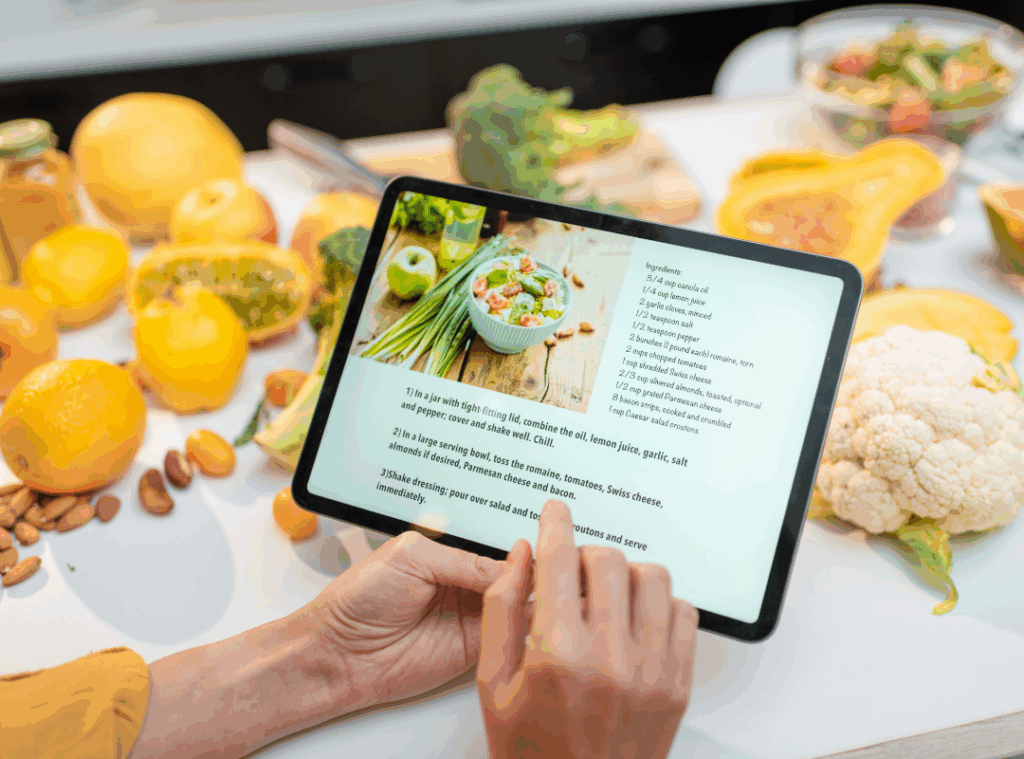


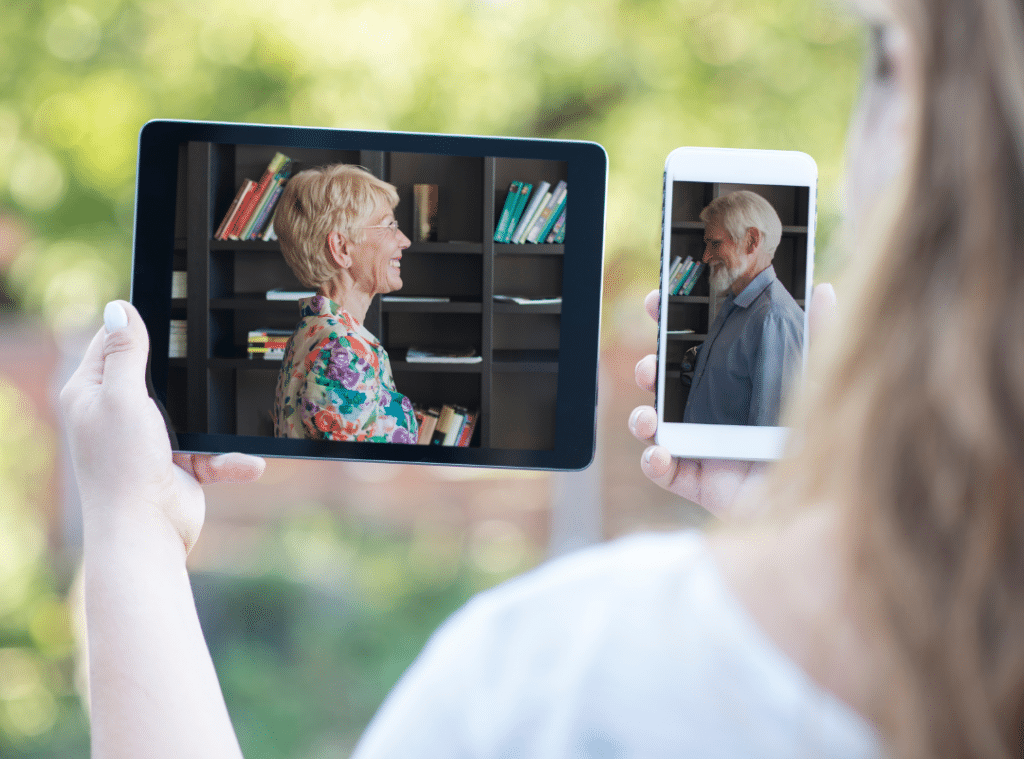
Senior Care Technology helps older adults stay safer, more connected, and more independent through tools like medical alerts, medication reminders, wearables, smart home devices, and monitoring systems. These solutions can make daily routines easier for seniors while giving families clearer ways to stay informed.
At Westmont Village Homes in Riverside, active adults can enjoy a 55+ living environment designed around comfort, connection, and daily ease. Technology is also more familiar than many families expect, and Pew Research Center’s smartphone research shows how widely mobile devices are now used across older age groups.
What Is Senior Care Technology?
Senior care technology refers to digital tools, connected devices, and monitoring systems that support safety, communication, health awareness, and daily independence for older adults. It includes elderly technology, healthcare technology, elderly monitoring devices, and everyday tools that help seniors manage routines with more confidence.
These tools are often used at home or in active living settings to support reminders, emergency response, wellness tracking, and easier communication with family. The goal is not to replace personal support. It is to make daily life feel more organized, responsive, and secure.
Why Older Adults and Families Use Care Technology
Families often look into senior care technology when they want more reassurance around daily routines, safety, and communication. If you are helping a parent stay independent, simple tools like reminders, alerts, and video calling can make support feel less stressful and more consistent.
For many older adults, technology also helps protect independence. Voice assistants, wearable devices, and smart home tools can help manage small daily challenges, especially when mobility, memory, or confidence in routines begins to change.
Senior Care Technology Options Families Commonly Compare
Choosing the right tool is easier when you compare what each one is meant to do. Some devices focus on emergency response, while others support medication routines, movement tracking, or daily convenience.
| Technology Type | What It Supports | Helpful For |
| Automated pill dispensers | Medication reminders and dosage organization | Seniors with daily medication routines |
| Medical alert systems | Emergency response access | Older adults living independently |
| Wearable devices | Activity, heart rate, fall alerts, and reminders | Families who want real-time updates |
| GPS tracking tools | Location awareness and safe-zone alerts | Added reassurance during outings |
| Smart home devices | Voice control, lighting, locks, and reminders | Safer and easier daily routines |
| Telehealth tools | Virtual provider communication | Convenient health-related conversations |
This comparison can help you focus on the tools that match real daily needs. The best monitor for elderly care or the right device for elderly support depends on comfort level, home setup, and how much family access is needed.
Medication Support: Automated Pill Dispensers and Reminders
Automated pill dispensers help older adults take medications at the right time and in the right amount. These devices can reduce confusion by organizing doses and sending reminders when it is time to take them.
For families, medication reminders offer a simple way to support consistency without constant checking in. Some systems can also notify a caregiver if a dose is missed, making daily care feel more manageable.
Emergency Support: Medical Alert Systems and Wearables
Medical alert systems give older adults a direct way to request help during an emergency. They are often worn as pendants or wristbands and may include features such as fall detection, emergency calling, or location support.
This matters because CDC older adult falls data reports that over 14 million, or 1 in 4, older adults report falling every year. Wearable devices can add another layer of awareness by tracking activity, heart rate, sleep, and movement patterns in a format many seniors can use daily.
Home Safety and Daily Living: Smart Home Technology
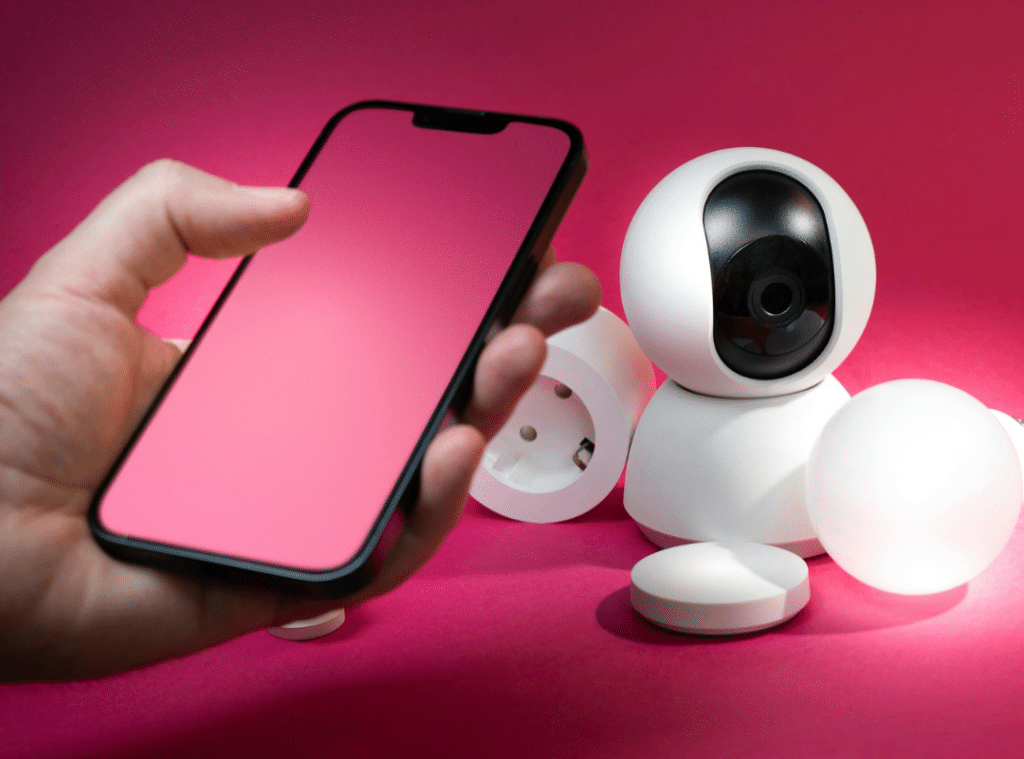
Smart home technology can make daily living safer and more convenient through voice commands, lighting control, reminders, security features, and climate settings. These tools can be especially helpful when bending, walking across a room, or remembering small tasks becomes more difficult.
Westmont Village Homes supports 55+ active living with amenities that encourage comfort and routine, including spacious living areas, walking paths, an indoor pool and whirlpool tub, a fitness center, a library, resident and guest parking, and on-site maintenance. To learn more about the community setting, you can contact the Westmont Village Homes team.
Telehealth and Healthcare Technology for the Elderly
Telehealth tools allow older adults to speak with healthcare providers through video or phone appointments when appropriate. The National Institute on Aging’s telehealth guidance explains how video calling and other technologies can help people connect with providers from home.
Healthcare technology and the elderly often work best when the setup is simple. A tablet, smartphone, or computer with clear instructions can help older adults feel more comfortable using virtual visits and staying connected.
A Real-Life Scenario: Choosing the Right Technology Mix
A family may start with one concern, such as missed medication reminders, then realize that a wearable alert device and voice assistant could also support daily routines. This kind of thoughtful mix can help a parent feel more independent while giving loved ones better peace of mind.
The right setup does not need to feel overwhelming. A simple plan might include one tool for medication, one for emergency response, and one for communication, with each device chosen around comfort and ease of use.
How to Choose Senior Care Technology That Fits Daily Life
The best senior care technology is the technology someone will actually use. Before choosing a device, consider the person’s routine, comfort with apps, mobility, home layout, and the level of family involvement required.
Helpful factors to review include:
- Ease of setup and daily use
- Emergency response features
- Family or caregiver access
- Comfort with voice, app, or wearable controls
- Fit with current home routines
If you are also exploring lifestyle routines that support confidence and independence, you may find Healthy Independent Living Activities for Seniors helpful. For broader planning, Westmont Village Homes also offers a cost comparison tool to help families review choices in a clear, value-focused way.
Explore Active 55+ Living with Thoughtful Support
Senior care technology can help older adults feel safer, more connected, and more confident in their daily routines. From elderly monitoring devices to smart home tools, these options work best when they support real needs without making life feel harder.
If you are exploring 55+ active living in Riverside, Westmont Village Homes offers a setting designed for comfort, connection, and independence. You can schedule a tour, contact us with questions, or call us at 951-697-2060 to speak with the team.
Frequently Asked Questions
What are the care technologies for the elderly?
Care technology for the elderly includes tools that support safety, provide reminders, facilitate communication, and promote daily independence. Common examples include medical alert systems, wearable devices, automated pill dispensers, GPS tracking tools, smart home devices, telehealth platforms, and elderly monitoring devices. These tools can help older adults manage routines with more confidence. They can also help families stay informed when extra support is needed.
What are 5 nursing healthcare technologies?
Five common nursing healthcare technologies include electronic health records, telehealth platforms, remote monitoring systems, medication management tools, and wearable health devices. These technologies help organize information, support communication, and monitor health-related changes. They are often used by healthcare teams to coordinate care. For families, understanding these tools can make healthcare conversations easier to follow.
What are the top 5 emerging technologies?
The top emerging technologies in elder care include AI-supported monitoring, smart home automation, wearable health tools, remote monitoring, and telehealth platforms. These tech-enabled elder care innovations are designed to support safety, connection, and more responsive daily care. Many tools focus on early alerts and easier communication. The most useful option depends on the person’s routine, comfort level, and support needs.
What are the 10 examples of technology?
Ten examples of technology include smartphones, tablets, smartwatches, medical alert devices, automated pill dispensers, voice assistants, smart locks, video calling tools, GPS trackers, and telehealth platforms. For older adults, these tools can support connection, provide reminders, enhance safety, and offer convenience. Some devices help with health awareness, while others make daily tasks easier. The best choice is the one that fits naturally into everyday life.