

For Residents who are deaf, hard of hearing, or have speech disabilities – dial 711 to connect to a free Telecommunications Relay Service (TRS) operator who helps facilitate phone conversations with our Community and staff. This nationwide service provides an accessible way to communicate using text telephone (TTY), voice, or video relay assistance.

Step Into Westmont Living®

Memory Care Morgan Hill: Supportive Environments for Seniors

Memory Care Morgan Hill: Safe and Supportive Environments

It’s interesting how many people overlook the importance of specialized care when it comes to dementia and Alzheimer’s.

In Morgan Hill, Westmont of Morgan Hill provides memory care environments that prioritize safety and support for those facing these challenges.

You’ll find compassionate professionals who understand unique needs and create tailored care plans.

As you explore these options, you may start to wonder how these nurturing spaces can profoundly impact residents and their families.

Morgan Hill Memory Care – Specialized Dementia and Alzheimer’s Support

When managing the challenges of dementia and Alzheimer’s, having specialized support can make a world of difference for both you and your loved ones. In Morgan Hill, memory care services provide compassionate, tailored assistance designed to meet the unique needs of individuals facing these conditions. You’ll find trained professionals who understand the complexities of dementia, offering engaging activities that promote cognitive function and emotional well-being. The supportive environment fosters social interaction, reducing feelings of isolation and encouraging meaningful connections. With a focus on personalized care plans, you can trust that your loved one receives the attention and dignity they deserve. Together, you can navigate this journey, ensuring a safe and nurturing space for everyone involved. This includes access to trained staff available 24/7, providing immediate support when needed.

Westmont of Morgan Hill – Exceptional Senior Living and Memory Care Services

At Westmont of Morgan Hill, you’ll discover exceptional senior living and memory care services designed to enhance the quality of life for residents and their families. Here, you’ll find a compassionate team that provides personalized care tailored to individual needs. The environment fosters safety and comfort, allowing residents to thrive while enjoying engaging activities that promote social interaction and cognitive stimulation. You’ll appreciate the beautifully designed living spaces that encourage a sense of community and belonging. With nutritious meals crafted to meet dietary requirements, your loved ones will receive the support they need for peak wellness. Westmont of Morgan Hill truly prioritizes dignity, respect, and the overall well-being of each resident, ensuring peace of mind for families. Additionally, the facility emphasizes the importance of trained staff to deliver specialized care that meets each resident’s unique needs.

Explore 55+ Communities in Morgan Hill, CA – Vibrant & Supportive Living

Exploring 55+ communities in Morgan Hill, CA, offers an exciting opportunity for those seeking a vibrant and supportive lifestyle. These communities provide an enriching environment where you can thrive and connect with like-minded individuals. Here are some benefits you’ll discover:

  1. Social Engagement: Participate in group activities that foster friendships and reduce isolation.
  2. Wellness Programs: Access fitness classes designed to keep you active and healthy.
  3. Dining Options: Enjoy nutritious meals prepared with your dietary needs in mind.
  4. Supportive Services: Benefit from on-site assistance to enhance your daily living experience.

In these communities, you’ll find a welcoming atmosphere that promotes well-being, allowing you to focus on what truly matters—building relationships and enjoying life. Moreover, you’ll be able to maintain personal freedom while being part of a community that encourages self-sufficiency and personal growth.

Senior Living in Morgan Hill, CA – Independent, Assisted, and Memory Care Options

As you consider your options for senior living in Morgan Hill, CA, you’ll find a range of choices that cater to varying needs—whether you seek the independence of your own space, the assistance of trained staff, or specialized memory care services. Independent living allows you to maintain your lifestyle while enjoying community amenities. If you need more help, assisted living offers personal care while encouraging your independence. Memory care facilities provide a secure environment for those facing memory challenges with staff trained to offer compassionate support. Each option focuses on enhancing your quality of life, ensuring that you or your loved ones receive the care and connection necessary for a fulfilling experience. Additionally, memory care programs often incorporate personalized care that aligns with residents’ unique preferences and histories.

Nursing Homes in Morgan Hill – Find Compassionate Skilled Care for Seniors

Nursing homes in Morgan Hill offer a compassionate solution for seniors needing skilled care and support. These facilities prioritize well-being and provide a nurturing environment tailored to individual needs. Here are four key benefits to evaluate:

  1. Trained Staff: Caregivers are dedicated to ensuring the comfort and safety of residents.
  2. Personalized Care Plans: Each resident receives a customized approach to meet their unique health requirements.
  3. Social Activities: Engaging programs foster community connections and reduce feelings of isolation.
  4. Nutritious Meals: Delicious and balanced dining options support overall health and enhance quality of life.

Choosing the right nursing home can provide peace of mind, knowing your loved ones are in capable hands and receiving the compassionate care they deserve.

In Morgan Hill, you’ll find a blend of compassion and professionalism at Westmont of Morgan Hill, where memory care isn’t just about managing symptoms but celebrating life. Here, the warmth of personalized support contrasts beautifully with the challenges of dementia and Alzheimer’s. With vibrant activities and nurturing environments, your loved ones can thrive amidst the complexities of their condition. Choosing Westmont of Morgan Hill means embracing dignity and connection, ensuring that every moment is filled with purpose and joy, not just safety. For more information, call us at 408-779-8490.


What Level of Care Do You Need?

Discover the level of care you or your family member requires. 


Frequently Asked Questions About Memory Care and Assisted Living

What is the average monthly cost of memory care?

The average monthly cost for memory care varies depending on location, level of care needed, and amenities offered. Nationally, memory care costs typically range from $4,000 to $7,500 per month, with some premium communities exceeding this range. Since memory care requires specialized support for individuals with dementia or Alzheimer’s, it is generally more expensive than standard assisted living. Many communities provide customized pricing based on a resident’s needs, so it’s best to inquire directly for a personalized estimate.

What is the difference between memory care and dementia care?

Memory care is a specialized type of senior living designed for individuals with Alzheimer’s or other forms of dementia, offering structured routines and enhanced safety features. “Dementia care” is a broader term that encompasses various types of care settings, including in-home care, skilled nursing, and memory care communities. Memory care communities provide 24/7 supervision, cognitive therapies, and trained staff to support residents with memory-related conditions. While both focus on dementia, memory care facilities offer a secure environment with tailored programs to improve quality of life.

How long can you stay in memory care?

Residents can stay in memory care for as long as they require support, often until the end of life. Many memory care communities provide comprehensive services that adapt to residents’ evolving needs, ensuring continuity of care. However, some residents may need to transition to a skilled nursing facility if they develop complex medical conditions beyond the scope of memory care. The length of stay varies based on individual health, family preferences, and the level of care provided.

What disqualifies someone from assisted living?

Assisted living is ideal for seniors who need help with daily activities but do not require intensive medical care. Residents may be disqualified if they have severe medical conditions requiring 24/7 nursing care, such as advanced-stage illnesses or ventilator dependency. Unmanageable behavioral concerns, such as extreme aggression or wandering that poses a safety risk, may also prevent admission. Each community has its own criteria, so it’s essential to discuss specific care needs with the facility before making a decision.




Depression and Memory Loss – Essential Facts You Need to Know

Depression and Memory Loss: What You Need to Know Now

Experiencing depression and memory loss together can feel like you’re trapped in a fog, unable to think clearly or remember simple things. Many people don’t realize that depression doesn’t just affect mood—it can also disrupt your memory and thinking skills. If you’ve ever asked, Does depression affect memory?—The answer is yes, and research continues to uncover how deep that connection runs. Symptoms like forgetfulness, indecision, and confusion can all be rooted in emotional health. These cognitive changes often mimic early dementia symptoms, adding to the distress. Fortunately, understanding the link between mood and memory can empower individuals to seek help. Regaining mental clarity and confidence through treatment and community support is possible. At Westmont of Morgan Hill, we offer resources that provide real solutions. If you’re concerned about memory problems linked to mood, you’re not alone—and help is closer than you think.

How Does Depression Affect Memory?

If you’ve ever wondered, can depression cause memory loss? Science says yes. Depression can slow down your brain’s ability to store and recall information. You might find it hard to focus on tasks or forget details you just learned. Studies suggest chronic sadness alters brain function, especially in working memory and learning. When constantly battling negative thoughts, your brain has less energy to focus on remembering things. So, if you’re struggling with attention or forgetfulness, it’s not just in your head—it’s your brain signaling that it needs care. This is why early recognition of depression and memory loss is key to recovery. Therapy, medication, or lifestyle changes can start making a difference sooner than you think.

Explore how depression impacts memory and discover tools that support mental clarity.

Recognizing the Early Signs of Cognitive Decline

Noticing unusual memory lapses can be unsettling. You may find yourself repeating questions or forgetting everyday routines. These small moments add up and become more disruptive over time. Depression often heightens these issues. People may misplace items, forget conversations, or struggle with word-finding. These aren’t just side effects but symptoms of deeper problems affecting brain health. And while dementia might be a concern, often these symptoms stem from treatable causes. Recognizing the link between depression and memory loss early allows for faster depression memory loss treatment that can reduce cognitive fog and improve functioning. At Westmont of Morgan Hill, we support residents through holistic memory care programs that address emotional and mental needs.

Learn how to spot memory challenges early and when to seek guidance.

The Link Between Depression and Memory Loss

What Happens During Diagnosis

Getting help starts with understanding what’s going on. The diagnostic process usually begins with a physical exam to rule out other causes, like thyroid problems or vitamin deficiencies, that may mimic depression symptoms. Once medical conditions are ruled out, providers move on to mental health assessments. These often include cognitive testing to pinpoint how memory and thinking are affected. During these evaluations, professionals can determine whether your memory issues are connected to mood disorders. If you’ve been wondering, does depression affect memory?, assessments can give you the clarity and direction you need. The correct diagnosis leads to the right care, which makes all the difference.

Visit specialized geriatric care resources to learn more about the evaluation process.

The Power of Treatment and Recovery

Hope is accurate, and recovery is possible. With the right combination of treatment, many people experience remarkable improvements in both mood and memory. Depression memory loss treatment typically involves antidepressants, which not only lift mood but also improve attention and recall. Therapy, especially Cognitive Behavioral Therapy (CBT), is another powerful tool. It helps retrain the brain to respond differently to stress, improving mental outlook and cognitive sharpness. Lifestyle also plays a role—adequate sleep, exercise, and a nutritious diet all support brain function. Suppose you’ve been asking whether depression and memory loss recovery is possible. In that case, the answer is yes—with the proper support and persistence, many people return to complete mental clarity and emotional stability.

Recovery starts with one step—reach out to professionals who can guide you.


What Level of Care Do You Need?

Discover the level of care you or your family member requires.


Community Support is Essential for Healing

You’re never alone in this journey. Many individuals and families face similar challenges, and connecting with others can reduce isolation and fear. Community resources like support groups, mental wellness programs, and caregiver networks offer a lifeline. These services don’t just provide information—they offer connection, understanding, and encouragement. Joining a support group allows individuals to share their experiences, learn from others, and develop healthier coping strategies. It’s a step toward healing that reinforces your emotional strength. At Westmont of Morgan Hill, we encourage families and individuals to explore these opportunities. The bond of shared experience can do more for recovery than you might imagine.

Tap into community support networks near you and take your next step toward healing.

Lifestyle Factors Contributing to Memory Loss

Creating a Plan for Long-Term Wellness

To indeed manage the impact of depression and memory loss, a long-term strategy is vital. This includes consistent medical care, regular mental health check-ins, and lifestyle adjustments prioritizing cognitive health. Whether improving sleep habits or reducing stress through mindfulness, small changes can lead to significant improvements. Remember: even if symptoms overwhelm, the brain can change and heal. Regular engagement in stimulating activities—like puzzles, reading, or music—helps keep your mind active and sharp. Involving loved ones in your care plan can also ensure you’re surrounded by people who understand and support your needs.

If you’ve been asking, can depression cause memory loss?, it’s time to act on the answer and take proactive steps.

You’re Not Alone—We’re Here to Help

Understanding the complex relationship between depression and memory loss is the first step toward healing. The next is reaching out. Whether you’re facing mild memory lapses or navigating more profound emotional struggles, help is within reach. At Westmont of Morgan Hill, our compassionate team is ready to support you with resources tailored to your needs—from professional counseling to memory care programs that enhance everyday life. Don’t wait for the fog to lift on its own. Take the first step and reclaim your clarity.

Call Westmont of Morgan Hill today at 408-779-8490 to get the support you deserve.


How to Manage Memory Loss

Frequently Asked Questions

Is memory loss a side effect of depression?

Yes, memory loss can be a side effect of depression. Many people with depression experience difficulty concentrating, remembering details, or making decisions. These cognitive symptoms are often called “brain fog” and can affect daily functioning. It’s essential to recognize that this is a common and treatable aspect of depression.

Can memory loss from depression be reversed?

Memory issues caused by depression are often reversible with proper treatment. As mood improves through therapy, medication, or lifestyle changes, cognitive functions like memory and focus typically return to normal. However, recovery time can vary from person to person. Early intervention often leads to better outcomes.

How to pull yourself out of a depressive episode?

Pulling yourself out of a depressive episode often involves a combination of small, manageable steps. These can include reaching out for support, establishing a routine, practicing self-care, and staying physically active. Professional help, such as therapy or medication, can also be crucial. Be patient with yourself—healing takes time and persistence.

What are the symptoms of a depressive episode?

A depressive episode is marked by persistent sadness, loss of interest or pleasure in activities, fatigue, and changes in sleep or appetite. Other symptoms may include feelings of worthlessness, difficulty concentrating, and thoughts of hopelessness or suicide. These symptoms usually last at least two weeks and can vary in severity. Seeking help if you’re experiencing any of these signs is essential.


Why Choose Morgan Hill Senior Housing for Your Golden Years?

Have you ever wondered where you can truly thrive in your golden years?

Choosing Westmont of Morgan Hill Senior Housing offers a vibrant community designed specifically for active seniors like you.

With an array of amenities and a supportive atmosphere, it’s an ideal setting to foster connections and maintain a healthy lifestyle.

Discover what makes Westmont of Morgan Hill unique and how it can enrich your retirement experience.


Explore Morgan Hill Senior Housing Options for Your Retirement

Are you considering a vibrant retirement lifestyle in Morgan Hill? Discovering the right senior housing option can be an exciting journey. Here, you’ll find spacious one and two-bedroom apartments designed for comfort and convenience, complete with patios or balconies for your private outdoor space. Community amenities, like a cozy dining room, arts and crafts room, and a computer lab, create an inviting atmosphere where you can engage with others. You’ll also have access to fitness areas, walking paths, and social spaces that promote an active lifestyle. This supportive environment is perfect for seniors who value connection and community, allowing you to thrive while serving others and making meaningful contributions to your new home. Additionally, nutritious dining options are provided to ensure you enjoy delicious meals that support healthy aging.

Why Choose 55 Plus Communities in Morgan Hill, CA?

Why consider a 55-plus community in Morgan Hill, CA? These communities offer a supportive environment tailored for active seniors like you. You’ll find a welcoming atmosphere designed to foster friendships and connections, which can enhance your overall well-being. Living among peers with similar interests and experiences can create a strong sense of belonging.

In Morgan Hill, you’ll enjoy beautiful surroundings, convenient access to local amenities, and a lifestyle encouraging engagement and activity. You deserve a place to thrive, explore new hobbies, and share experiences with others. Choosing a 55 Plus community means embracing a vibrant, fulfilling life in a nurturing, engaging setting during your golden years. Additionally, social connection promotes overall well-being, helping residents reduce loneliness and build meaningful relationships.

morgan hill senior housing

Amenities & Benefits of 55 Plus Communities in Morgan Hill, CA

Living in a 55 Plus community in Morgan Hill, CA, means enjoying many amenities designed to enhance your lifestyle and well-being. You’ll find spacious one- and two-bedroom apartments featuring a private patio or balcony. Engage in community life with a cozy dining room, arts and crafts room, and a relaxing library. Stay active with an exercise room, walking path, and bocce ball court, all promoting a vibrant lifestyle. Socialize in the game room or BBQ area, which is perfect for gatherings. This supportive environment fosters connections while prioritizing comfort and convenience, ensuring you thrive in your golden years. Embrace a lifestyle that encourages both personal growth and community involvement. Additionally, the community offers wellness programs that include yoga and fitness classes to promote physical health and well-being.

How to Find the Best Morgan Hill Senior Housing for Rent

Finding the best senior housing for rent in Morgan Hill can feel overwhelming, but it doesn’t have to be. Start by identifying what features and amenities are important to you, like spacious apartments, community activities, or outdoor spaces. Research local options online, and don’t hesitate to reach out to current residents for their insights. Schedule personalized tours to get a feel for each community’s atmosphere and offerings. Pay attention to how staff interacts with residents; supportive and friendly staff can make a big difference. Finally, consider your budget and any assistance programs available for low-income seniors. With careful planning and exploration, you’ll find a welcoming home that suits your needs and lifestyle. Additionally, ensure the community has safety modifications in place to protect residents from everyday hazards.

Renting vs. Buying: Morgan Hill Senior Housing Options

Deciding whether to rent or buy senior housing in Morgan Hill can significantly impact your lifestyle and finances. Each option has its perks and considerations, so weighing them carefully is crucial.

Here are some factors to take into account:

  • Flexibility: Renting allows you to relocate quickly if your needs change.
  • Maintenance: Renters typically avoid repair responsibilities, while homeowners manage upkeep.
  • Costs: Buying often requires a more significant upfront investment and ongoing expenses while renting can offer more predictable monthly costs.
  • Community: Many rental communities foster social engagement, which can enhance your quality of life.

Ultimately, reflect on what fits your current needs and plans best. You’re doing the right thing by exploring your options in this exciting chapter of life.

Choosing Westmont of Morgan Hill Senior Housing means stepping into a vibrant community where your golden years can truly shine. With friendly neighbors and engaging activities, you’ll feel like you’re part of a close-knit family. Imagine sipping your morning coffee on your private patio, surrounded by lush gardens and laughter. This supportive environment nurtures your physical health and fosters meaningful connections. Embrace this exciting chapter of life in a place that values your happiness and well-being. For more information, call us at 408-779-8490.


Find Where You Belong

Dive into the vibrant life our Westmont communities have to offer.


Frequently Asked Questions

1. What types of senior housing are available in Morgan Hill?

Morgan Hill senior housing options include independent living, assisted living, and memory care communities, catering to various levels of care and lifestyle needs. Some communities also offer skilled nursing and rehabilitation services.

2. How much does senior housing cost in Morgan Hill?

The cost of Morgan Hill senior housing varies based on the type of care and amenities provided. Independent living tends to be more affordable, while assisted living and memory care have higher costs due to personalized care services. It’s best to contact specific communities for detailed pricing.

3. What amenities do Morgan Hill senior housing communities offer?

Many Morgan Hill senior housing communities provide dining services, housekeeping, transportation, fitness programs, and social activities. Some also offer on-site medical care, therapy services, and landscaped outdoor spaces for residents to enjoy.

4. How do I choose the best senior housing option in Morgan Hill?

When selecting Morgan Hill senior housing, consider factors like level of care, location, budget, amenities, and resident reviews. Touring communities and speaking with staff and residents can help in making the best decision.

5. Are there affordable senior housing options in Morgan Hill?

Yes, Morgan Hill senior housing includes affordable housing options, low-income senior apartments, and communities that accept Medi-Cal or veteran benefits. Availability may vary, so it’s recommended to check with local housing authorities or community providers.

Would you like these in a different format or with additional details?


Why Meaningful Activities for Seniors Matter

Why Meaningful Activities for Seniors Matter in Retirement Life

It’s almost as if the world would come to a standstill without meaningful activities for seniors in retirement. You might think that simply enjoying leisure time is enough, but there’s so much more at stake.

Engaging in hobbies, volunteering, or even taking a class can transform those years into a vibrant chapter full of purpose and connection. At Westmont of Morgan Hill, we believe that these pursuits are essential for enhancing the quality of life for seniors.

So, what exactly makes these activities so important, and how can they greatly enhance your experience in retirement?


Meaningful activities for seniors

As you navigate retirement, engaging in meaningful activities can greatly enhance your quality of life. Finding ways to contribute to your community or connect with others can profoundly reduce feelings of isolation. Activities such as volunteering, mentoring, or participating in local events not only fulfill your desire to serve but also foster social connections. Research shows that these interactions can improve mental well-being and cognitive function. Additionally, creative pursuits, like art or storytelling, allow for self-expression and personal reflection. Engaging in meaningful activities enriches your life, provides a sense of purpose, and strengthens community ties. Companionship is essential for a fulfilling senior life, fostering a joyful aging experience. Embrace opportunities to connect, learn, and share your wisdom, making your retirement fulfilling and impactful.

meaningful activities for seniors

Activities for seniors

Finding enjoyable activities can greatly enhance the retirement experience. Engaging in hobbies like gardening, painting, or baking can stimulate your mind and provide a sense of accomplishment. Joining book clubs or online learning classes fosters social connections while keeping your intellect sharp. You might also consider participating in group exercise classes, which not only improve physical health but also create a supportive community. Even volunteering from home, like making calls to lonely neighbors or supporting local charities, can give you a sense of purpose. Each of these activities promotes emotional well-being and combats feelings of isolation. Additionally, incorporating outdoor activities into your routine can significantly boost your overall well-being. Exploring various interests will enrich your life and contribute positively to those around you.

meaningful activities for seniors

Unique activities for seniors

While many activities for seniors focus on traditional hobbies or social gatherings, exploring unique options can bring fresh excitement and engagement into retirement. Consider trying these distinctive activities that not only entertain but also foster connections:

  • Crafting community projects, like quilts or murals, can unite neighbors for a common cause.
  • Participating in intergenerational storytelling and sharing your life experiences with younger generations enriches both sides.
  • Engaging in local history tours and community projects like quilts or murals covering your town’s hidden gems deepens your appreciation for your community.
  • Organizing themed potluck dinners, where each dish tells a story, creates a warm, inviting atmosphere.

These activities stimulate your mind and enhance social bonds, providing a sense of purpose and joy in your retirement journey. Additionally, social interaction is vital in improving seniors’ cognitive function and overall quality of life.

Engaging in meaningful activities during retirement isn’t just a nice idea; it’s essential for your well-being. Research shows that staying active in hobbies, volunteering, and connecting socially can dramatically improve mental and emotional health. You’ll combat feelings of loneliness and enrich your life with purpose and joy. At Westmont of Morgan Hill, we understand the importance of these activities. So, don’t underestimate the power of engaging in them—embracing meaningful pursuits can genuinely transform your retirement into a fulfilling and vibrant chapter. For more information, feel free to call us at 408-779-8490.


Compare The Costs of Senior Living vs Staying at Home

How Do The Costs Of Moving Into A Quality Senior Care Community Compare With The Costs Of Staying At Home?


FAQs About Meaningful Activities for Older Adults

What are examples of meaningful activities?

Meaningful activities bring purpose, joy, or a sense of accomplishment. Examples include volunteering, gardening, creating art, learning a new skill, or engaging in physical activities like yoga or walking. Activities that involve social interaction, such as joining clubs or participating in group discussions, can also be highly fulfilling. Additionally, spiritual or meditative practices, such as prayer or mindfulness exercises, can provide a deep connection and purpose.

What is a meaningful activity for the elderly?

A meaningful activity for the elderly aligns with their interests, abilities, and values. For example, activities like reminiscing with family, crafting, cooking favorite recipes, or participating in community service can bring joy and fulfillment. Elderly individuals often enjoy activities that connect them to others, such as book clubs or group exercise classes. The key is to ensure the activity is enjoyable and accommodates their physical and cognitive abilities.

How do I stop boredom in old age?

To combat boredom in old age, it’s important to engage in activities that stimulate the mind, body, and emotions. Joining a hobby group, taking up a new interest, or setting small, achievable goals can bring daily excitement. Staying socially connected through regular visits with friends and family or participating in community events can also reduce feelings of loneliness. Exploring opportunities for lifelong learning, such as taking online courses or attending workshops, keeps the mind active and curious.

What activities should older adults do?

Older adults should focus on activities that promote physical health, mental stimulation, and social connection. Light exercises like walking, stretching, or water aerobics can improve mobility and overall health. Mentally stimulating activities, such as puzzles, reading, or learning new skills, can enhance cognitive function. Social activities, including group outings or volunteer work, help maintain a sense of belonging and purpose. Tailoring activities to individual preferences ensures they are both enjoyable and beneficial.


Advantages of Senior Living That Allows Pets

Senior Living That Allows Pets: Love, Comfort, and Companionship

Studies show that 70% of seniors feel less lonely when they have a pet by their side. At Westmont of Morgan Hill, senior living communities that embrace pets, this companionship often transforms the atmosphere, fostering deeper connections among residents.

You might wonder how implementing a pet-friendly policy at Westmont of Morgan Hill can enhance not just individual lives, but the entire community’s dynamic. The benefits extend far beyond mere affection, impacting emotional well-being and social interactions.

What factors should you consider when exploring these pet-friendly options at Westmont of Morgan Hill?

Senior living that allows pets

Finding a senior living community that welcomes pets can be a game-changer for many older adults. Imagine the joy of having your furry friend by your side, providing companionship and comfort. With around 70% of assisted living communities allowing pets, you’ve got options to explore. Facilities often have specific rules, like breed restrictions and care responsibilities, but these guidelines guarantee a safe environment for everyone. Your pet can enhance your social interactions, helping you connect with fellow residents. Plus, knowing your beloved companion is nearby can greatly reduce feelings of loneliness. As you research communities, consider the policies that best match your needs, guaranteeing a nurturing home for both you and your pet. Additionally, social connection with other residents can be fostered through shared experiences involving pets, enriching the community atmosphere.


Pet-friendly senior housing

Have you ever wondered how much more fulfilling your life could be in a pet-friendly senior housing community? Living with pets fosters companionship, reduces loneliness, and encourages social interactions. Here’s a glimpse of what pet-friendly senior housing offers:

Feature Description
Pet Types Dogs, cats, and small animals welcome
Community Activities Pet parades, training sessions, and playdates
Care Assistance On-site support for pet grooming and walking
Health Benefits Lower stress, increased physical activity

You’ll experience love and comfort in these communities through your furry friends. Imagine sharing your space with a loyal companion, enhancing your daily life and overall well-being. Finding the right community can truly make a difference. Additionally, the presence of pets can help combat loneliness, which is essential for a fulfilling senior life.

senior living that allows pets

Sample pet policy in assisted living

Many assisted living communities recognize the joy and companionship pets bring their residents, implementing pet policies catering to furry friends and their owners. A typical policy might allow up to two pets, with restrictions on breed and size. Residents often need proof of vaccinations and guarantee their pets are well-behaved. Communities may also require a contingency plan for pet care in case of health issues. Some facilities even have community pets to enhance social interaction among residents. Engaging with a pet-friendly environment enriches lives and fosters a sense of belonging, making it essential to understand these policies as you explore options for your new home. Additionally, a pet-friendly atmosphere can contribute to compassionate care and overall well-being, ensuring that residents and their pets thrive in a supportive community.

In a world where companionship is often a luxury, pet-friendly senior living at Westmont of Morgan Hill proves that love comes with a wagging tail or a gentle purr. You might think you’re adopting a pet, but it’s the pet adopting you—bringing joy, laughter, and purpose into your days. So, as you consider your next chapter, remember that the best roommates might just have four legs and a penchant for cuddles. After all, who needs a human when you’ve got unconditional love? For more information, call us at 408-779-8490.


Find Where You Belong

Dive into the vibrant life our Westmont communities have to offer.


Frequently asked questions

Do nursing homes allow pets to visit?

Many nursing homes allow pets to visit as they recognize the emotional and therapeutic benefits pets provide residents. Policies vary depending on the facility, so checking with the specific nursing home about their pet visitation rules is essential. Pets must be well-behaved, vaccinated, and accompanied by their owner during the visit. Some nursing homes even have resident therapy animals or allow residents to keep small pets in their rooms.

Does affordable housing allow pets?

Affordable housing policies on pets vary by location and specific property rules. Many affordable housing units do allow pets, but there are often restrictions on the type, size, or number of pets. Some properties may require pet deposits or additional monthly fees to cover potential damages. It’s essential to review the lease agreement and discuss pet policies with the property manager before moving in.


Events for Seniors: Perfect for Fun and Learning

Why Events for Seniors Are Perfect for Lifelong Fun and Learning

You might be surprised by the myriad benefits that events tailored for seniors by Westmont of Morgan Hill can offer. From fostering social connections to enhancing cognitive abilities, these gatherings provide a unique blend of fun and learning that can enrich your life in numerous ways. By participating in these activities organized by Westmont of Morgan Hill, you not only get to enjoy the company of like-minded individuals but also engage in stimulating mental exercises that keep your brain sharp. Additionally, the physical activities and new experiences can contribute to your overall well-being, making these Westmont of Morgan Hill events a perfect recipe for a fulfilling and enjoyable lifestyle.

Social Connections and Companionship

Encouraging social connections and fostering companionship are vital aspects of events for seniors. Community engagement and friendship building significantly create a supportive and inclusive environment for older adults. These events provide opportunities for seniors to interact, share experiences, and form lasting relationships with their peers. Social interactions lead to heartwarming tales and second families within senior living communities.


Stimulating the Mind and Memory

Engaging in activities that stimulate cognitive function is key to keeping your mind sharp and memory agile. Brain games and memory exercises are wonderful ways to challenge your brain and enhance your cognitive abilities. These activities can be both enjoyable and beneficial for seniors seeking mental acuity. Engaging in these activities stimulates your brain and provides a sense of accomplishment and satisfaction. They can help improve memory retention, enhance problem-solving skills, and boost overall cognitive function. By incorporating brain games and memory exercises into your routine, you can actively work towards keeping your mind sharp and memory strong as you age. Regular mental stimulation is crucial for preventing cognitive decline and maintaining cognitive health in older adults.

Physical Health Benefits

Ready to discover how participating in events tailored for seniors can enhance your physical health? Engaging in activities designed to boost mobility can help you move with more ease and confidence.

Additionally, forming social connections during these events can contribute to an overall sense of wellness.

Improved Mobility Through Activities

Engaging in regular physical activities can greatly enhance your mobility as a senior. By participating in group exercises and outdoor adventures, you can experience a wide range of benefits that contribute to improved mobility and overall physical health:

  1. Enhanced Flexibility: Group exercises such as yoga or Tai Chi can help increase flexibility, making it easier to perform daily tasks and reducing the risk of injury. Regularly practicing these activities can also improve joint health and range of motion.
  2. Increased Strength: Outdoor adventures like hiking or swimming can help build muscle strength, essential for maintaining balance and stability as you age.
  3. Better Cardiovascular Health: Exercise like aerobics or dancing can improve cardiovascular health by increasing stamina and endurance.

Social Connections Boost Wellness

Connecting with others brings joy to your life and plays a crucial role in enhancing your physical well-being. Social connections are like medicine for your body and soul. When you engage with others at events for seniors, you nurture your mental wellness and provide emotional support to those around you. These interactions can have a significant impact on your physical health. Research shows that strong social connections can lower the risk of developing chronic diseases such as heart disease and dementia. By fostering friendships and participating in community activities, you boost your immune system and reduce stress levels. When you feel supported and connected to others, your body releases feel-good hormones that can help alleviate pain, improve your overall well-being, and reduce symptoms of depression and anxiety.

events for seniors

Exploring New Interests and Hobbies

Ready to discover new passions and interests? From painting to gardening, many diverse hobby options are waiting for you to explore.

Engage with like-minded individuals, attend social events, and join skill-building workshops to enhance your talents and connect with others meaningfully.

Diverse Hobby Options

Exploring new interests and hobbies can bring a sense of excitement and fulfillment to your life as a senior. As you venture into this journey of discovery, consider the following diverse hobby options:

  1. Creative Arts: Awaken your inner artist through painting, pottery, or crafting. Engaging in creative activities can be therapeutic and provide a platform for self-expression.
  2. Outdoor Adventures: Embrace the beauty of nature by taking up activities like hiking, birdwatching, or gardening. Being outdoors promotes physical well-being and offers a chance to connect with the natural world.
  3. Culinary Exploration: Delight your taste buds and expand your culinary skills by trying out new recipes or joining a cooking class. Cooking can be a delightful hobby that allows you to experiment with flavors and share meals with loved ones.

These diverse hobby options cater to various interests and provide opportunities for personal growth and enjoyment. Embrace the excitement of exploring new hobbies and let them surprisingly enrich your life.

Social Interaction Opportunities

For seniors looking to enhance their social interactions while exploring new hobbies and interests, there are various opportunities to connect with like-minded individuals and build meaningful relationships. Engaging in activities that cater to your interests provides mental stimulation and emotional support through social interaction. Participating in events designed for seniors allows you to meet people who share your passions, fostering a sense of community and belonging. Additionally, individualized care plans can ensure that your unique needs and preferences are considered, enhancing your overall experience.

Exploring new interests and hobbies can open doors to meeting individuals who may become lifelong friends, offering companionship and support as you navigate this stage of life. Whether it’s joining a book club, art class, or gardening group, these social interaction opportunities provide avenues for personal growth and connection.

Sharing experiences and learning from others enriches your life and contributes to your overall well-being.

Skill-Building Workshops

Engage in skill-building workshops to explore new interests and hobbies that spark your curiosity and passion. These workshops offer a wonderful opportunity to learn something new, meet like-minded individuals, and indulge in activities that bring joy and fulfillment to your life. Here are three fantastic options to ponder:

  1. DIY Projects: Unleash your creativity and handy skills by joining workshops that focus on do-it-yourself projects. From crafting and woodworking to gardening and home decor, there are endless possibilities to explore and create beautiful things with your own hands.
  2. Cooking Classes: Enroll in cooking classes to delight your taste buds and sharpen your culinary skills. Whether you’re a beginner looking to master the basics or an experienced cook eager to try new recipes, these workshops provide a fun and interactive environment to enhance your cooking abilities.
  3. Art Workshops: Channel your inner artist in art workshops that cater to various mediums such as painting, pottery, or sculpture. These classes offer a therapeutic outlet for self-expression and a chance to develop your artistic talents in a supportive setting.

Embrace the opportunity to engage in skill-building workshops, and let the journey of self-discovery and learning enhance your golden years.

Enhancing Emotional Well-being

Enhancing Emotional Well-being

To promote emotional well-being among seniors, it’s vital to prioritize activities that encourage positivity and connection. Engaging in events that focus on emotional resilience can profoundly impact mental health. Participating in group discussions, mindfulness sessions, or expressive arts workshops can help seniors navigate and cope with the various emotions that come with aging. These activities provide a safe space for individuals to share their feelings, reduce stress, and enhance their overall well-being.

Additionally, attending events that nurture positive connections with others can greatly influence emotional health. Social interactions are important in combating loneliness and isolation, which are common among seniors. Seniors can build meaningful relationships and a sense of belonging within their community by engaging in group activities, volunteering opportunities, or support groups.

These connections offer emotional support and contribute to a sense of purpose and fulfillment in life. Prioritizing activities that improve emotional well-being is essential for living a happy and fulfilling senior life.

Building a Sense of Community

Building a sense of community is essential for seniors as they navigate through the various stages of life. By fostering friendships and promoting unity, seniors can create a supportive network that enhances their well-being.

Here are three key ways in which building a sense of community can benefit seniors:

  1. Social Connection: Engaging in community events allows seniors to interact with others who share similar interests, forming meaningful friendships and connections.
  2. Emotional Support: Being part of a community gives seniors a sense of belonging and support during joyful and challenging times, reducing feelings of isolation and loneliness.
  3. Shared Learning: Communities offer seniors opportunities to learn from one another, share experiences, and exchange knowledge, promoting unity and a sense of togetherness.

Through building a sense of community, seniors can cultivate lasting relationships, find comfort in a supportive environment, and continue to grow and learn together.

Now that you’ve learned about the benefits of events for seniors, it’s time to immerse yourself in a new activity, challenge your mind with brain games, or simply enjoy the company of others at a social event. See how these experiences can bring lifelong fun, learning, and well-being into your life with Westmont of Morgan Hill. Don’t just take our word for it – experience the positive impact firsthand! Contact us at 408-779-8490 to learn more.


Compare The Costs of Senior Living vs Staying at Home

How Do The Costs Of Moving Into A Quality Senior Care Community Compare With The Costs Of Staying At Home?


FAQs for Activities and Social Engagement for Older Adults

  1. What activities are good for older adults?
    Activities that are enjoyable and beneficial for older adults include light exercise like walking or yoga, creative hobbies such as painting or knitting, and mentally stimulating games like puzzles or card games. Activities should align with their physical abilities and personal interests to promote physical, mental, and emotional well-being.
  2. How do I keep my 80-year-old busy?
    Keeping an 80-year-old busy can involve engaging them in their favorite hobbies, like gardening or reading, or introducing social activities such as book clubs or group classes. Encouraging regular routines with a mix of relaxing, social, and active pursuits helps maintain a sense of purpose and fulfillment.
  3. How do senior citizens socialize?
    Senior citizens can socialize by participating in community events, joining clubs or organizations, and attending group activities such as fitness classes or senior centers. Technology also offers opportunities to connect with loved ones through video calls or social media, expanding their social interactions.
  4. What are team-building activities for older adults?
    Team-building activities for older adults can include group games like trivia, collaborative art projects, or physical activities like chair volleyball. These activities foster community, encourage teamwork, and provide opportunities to build meaningful connections.


Westmont Living Communities Offer Technology Training

Technology training isn’t just for the young, as many senior living residents have a desire to keep up with the new tech gadgets so that they can communicate with extended family members. Some residents just crave life-long learning. Either way, both groups are benefitting from an ongoing technology program which is a part of Westmont’s Live Your Way® program–Westmont’s holistic approach to whole-body wellness. The weekly dose of technology training uses Epylog, a research-backed, video storytelling program that intentionally uses answer videos to offer optimal learning and cognitive retention for active adults and seniors. At Westmont, it is taught by activity professionals who customize the sessions based upon those who attend the classes. Finally, it’s never too late to be reminded of the importance of technology for all ages by remembering National Technology Day in January!

Westmont Living Cares: Southern California Strong!

Southern Californians know the devastation that firestorms create and the stressful impact this has on families. We have compiled some options and resources to help during this time and when you need to plan ahead. Together, we can navigate these challenges and support one another. Stay safe.


Housing for Seniors:

If you have a senior who needs temporary housing:  Westmont of Culver City, Westmont of Riverside and Westmont of Cypress may have short-term apartment availability. San Diego Communities that have short term, rental furnished apartments are Westmont of Escondido, Westmont of Carmel Valley, Westmont of Encinitas, Westmont of La Mesa and Westmont at San Miguel Ranch  Please contact the Community Relations Director within these communities directly.


Resources During an Emergency

  • Los Angeles Fire Department (LAFD): lafd.org for fire updates and resources.
  • American Red Cross: Find local shelters and assistance: redcross.org.
  • Air Quality Updates: Check airnow.gov for real-time air quality levels in your area.
  • Local Assistance Centers: Contact your local emergency services for temporary housing and support options.


Volunteering and Donation Opportunities

  1. Donate: Contribute to reputable organizations who are also first responders such as California Fire Foundation and The Salvation Army 
  2. Volunteer: Offer your time at local shelters or distribution centers.
  3. Support Local First Responders: Send snacks, water, or thank-you notes to fire stations.
  4. Check on Neighbors: Ensure seniors, those with disabilities, and pets are safe and have transportation in case of evacuation.


Emergency Preparedness: Ahead of an Emergency 

  1. Create an Evacuation Plan:
    • Identify multiple exit routes from your home and community.
    • Have a designated meeting spot for your family.
    • Ensure everyone knows how to safely evacuate, including seniors and pets.
  2. Pack an Emergency Kit:
    • Include essentials like water, non-perishable food, medications, copies of important documents, flashlights, batteries, and a first-aid kit.
    • Don’t forget personal hygiene items and face masks for smoke protection.
  3. Protect Your Home:
    • Clear dry vegetation and debris at least 30 feet from your home.
    • Close windows and doors and set your home’s HVAC system to recirculate air if smoke levels rise.


Most important is to stay informed by signing up for local emergency alerts through Cal Fire or your county’s alert system. And, following local news and social media sites for real-time updates.

Crafts for Dementia Patients: Easy Ideas for Cognitive Health

Crafts for Dementia Patients: Simple Ideas for Cognitive Health

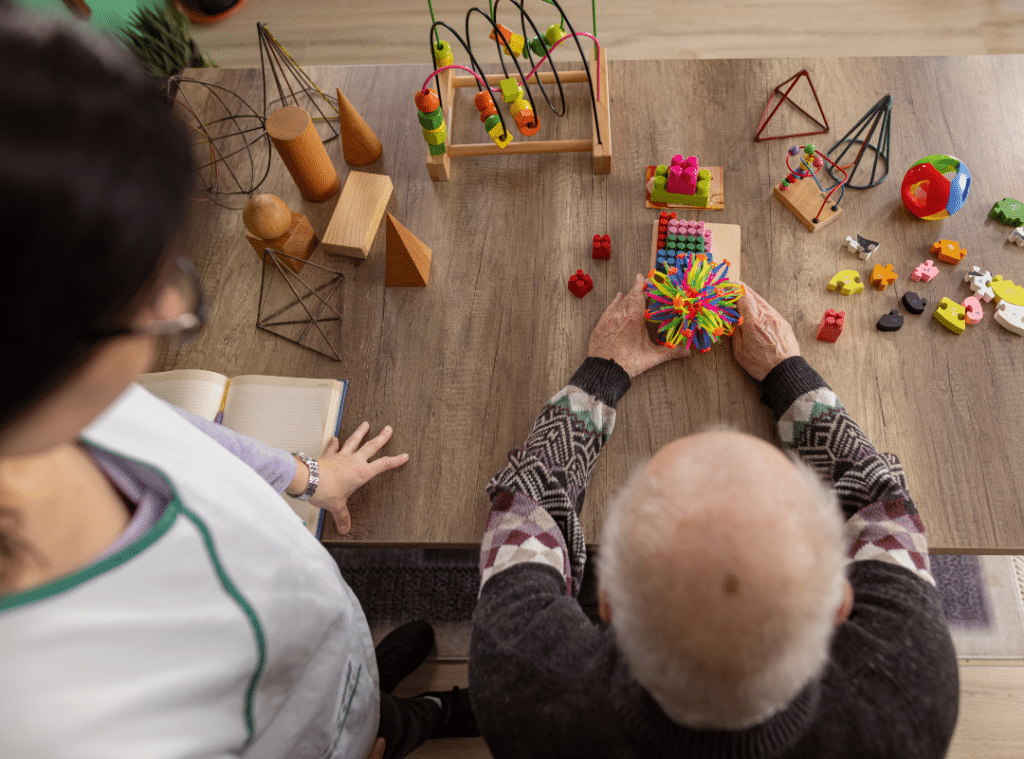
When you think about supporting a loved one with dementia, crafts might not be the first thing that comes to mind, but they can play an essential role in cognitive health. At Westmont of Morgan Hill, we believe that engaging in simple projects allows you to foster connections while enhancing fine motor skills and memory recall. You might be surprised by the variety of activities that not only offer a sense of accomplishment but also encourage social interaction. Curious about some easy craft ideas that could make a meaningful difference? Let’s explore those together.

Crafts for dementia patients

Crafting can be a meaningful and therapeutic activity for dementia patients, offering them a chance to express themselves and engage their minds. When you introduce crafts, you’re not just providing an activity; you’re creating an opportunity for emotional connection and cognitive stimulation.

Research shows that engaging in arts and crafts can slow cognitive decline and elevate mood. Consider selecting activities tailored to the individual’s abilities. Simple projects like stringing beads or painting can evoke a sense of accomplishment and joy. These crafts allow for creative expression while also encouraging fine motor skills.

Incorporating familiar materials or themes can enhance engagement, making patients feel more connected to their past. It’s important to foster a supportive environment where they can share their creations and experiences with others, promoting social interaction. Additionally, engaging in these activities can enhance cognitive functions and contribute to the overall well-being of dementia patients.

Simple crafts for dementia patients

Engaging in simple crafts can provide dementia patients with a sense of purpose and enjoyment. These activities not only promote creativity but also enhance cognitive function and emotional well-being.

For instance, creating a painted-bead necklace allows patients to express themselves while improving fine motor skills. All they need are a few wooden beads and some paint, making it easy and accessible.

Another great option is making paper flowers. Using pre-cut shapes can simplify the process and encourage a sense of accomplishment. These flowers can brighten up a room or serve as thoughtful gifts.

You might also consider decorating clay pots. Patients can personalize their pots with paint, fostering creativity and providing an opportunity to care for plants. This is a lovely way to combine artistry with nurturing.

Lastly, assembling a scrapbook can engage their memory and stimulate conversations about cherished moments. It’s a wonderful way to reminisce and create a lasting legacy. Engaging in crafts is an effective way to enhance cognitive health and provide emotional support for dementia patients.

crafts for dementia patients

Creative activities for dementia patients

Creative activities play an essential role in enhancing the quality of life for dementia patients. Engaging in crafts can stimulate cognitive function, improve emotional well-being, and foster social connections. Simple activities, like making painted-bead necklaces or decorating bookmarks, can evoke feelings of accomplishment and joy. These projects often require minimal supervision and can be adapted to suit various stages of dementia, ensuring everyone can participate.

Consider incorporating collaborative crafts, such as scrapbooking or baking decorated sugar cookies. These activities not only spark creativity but also encourage reminiscing and storytelling, which can strengthen bonds between you and the patient. Additionally, crafting paper flowers or personalized mugs provides a sense of ownership and pride in their creations.

Don’t forget about nature-inspired activities like painting or creating birdhouses, which can enhance mood and promote a connection to the outdoors. Engaging in these creative pursuits can be particularly beneficial, as they align with the principles of personalized care plans that focus on maintaining each individual’s quality of life.

Engaging in crafts with dementia patients at Westmont of Morgan Hill can be like planting seeds in a garden. Each simple project, whether it’s a painted-bead necklace or a decorated clay pot, nurtures their cognitive health and emotional well-being. Just like flowers blooming from tender care, these activities spark joy and connection, reminding us of cherished memories. By fostering creativity, you’re not just creating art; you’re cultivating moments of happiness that enrich their lives and strengthen their bond. For more information, please call us at 408-779-8490.


Find Where You Belong

Dive into the vibrant life our Westmont communities have to offer.


Questions on Dementia Caregivers

  1. What are the crafting ideas for people with dementia?
    Crafting activities such as painting, coloring, scrapbooking, and making simple jewelry can be enjoyable and therapeutic for people with dementia. These crafts provide a sense of accomplishment and can help improve fine motor skills and reduce stress. Always choose projects that are safe, easy to complete, and can be done with minimal assistance.
  2. What type of art is best for dementia patients?
    Art activities that are simple and sensory-focused, like watercolors, finger painting, or collage-making, are excellent for dementia patients. These activities encourage creativity, reduce anxiety, and promote self-expression without requiring perfection or precision. Avoid projects that could be frustrating or involve sharp tools.
  3. What is a hobby for a person with dementia?
    Gardening, listening to or playing music, folding laundry, or working on puzzles are great hobbies for people with dementia. These activities provide mental stimulation and a sense of purpose while being adaptable to their cognitive abilities. Tailor the hobby to the individual’s interests and ensure it is manageable.
  4. What are three things to never do with your loved one with dementia?
    Never argue or try to correct them when they are confused; instead, redirect or reassure them. Avoid giving them complex instructions or too many choices, as this can lead to frustration. Lastly, do not isolate them—maintain regular social interactions and engage them in activities to promote emotional well-being.


The Rise of Senior Social Clubs | Westmont of Morgan Hill

The Rise of Senior Social Clubs: A Hub for Fun and Community

You may be surprised to learn that the number of senior social clubs, like Westmont of Morgan Hill, has increased by 25% in the past five years alone. But what is driving this significant growth, and what makes these clubs such a popular choice among older adults seeking fun and community? Let’s explore the factors behind this trend and uncover the unique benefits and opportunities these social hubs provide for seniors looking to stay active, engaged, and connected in their golden years.

The Evolution of Senior Social Clubs

Over the years, senior social clubs have undergone significant transformations to meet the changing needs and interests of older adults. These clubs have evolved into vibrant hubs of social engagement and recreational programs tailored to enhance the well-being and joy of their members. Senior social clubs now offer a wide array of social engagement opportunities, fostering connections and friendships among older adults who may be seeking companionship and support. Through group activities, outings, and events, these clubs create a sense of community where individuals can share experiences and build lasting relationships. Moreover, recreational programs have become a cornerstone of senior social clubs, providing members with opportunities to stay active, learn new skills, and explore their interests. From fitness classes to art workshops, these programs cater to a diverse range of preferences, ensuring that every member can find an activity that brings them joy and fulfillment. Engaging in these diverse recreational programs not only fosters social connections but also enhances cognitive abilities and mental well-being.

Diverse Activities for Every Interest

Looking for activities tailored to your interests? Senior social clubs offer a wide array of options, catering to diverse hobbies and passions. These clubs provide a supportive environment for seniors to engage in therapeutic art activities that promote mental and emotional well-being.

Varied Activity Options

With a plethora of activities tailored to suit every interest, senior social clubs offer a vibrant and engaging environment for individuals looking to stay active and connected. These clubs provide a wide range of options to cater to diverse preferences, guaranteeing there’s something for everyone to enjoy. Here are some of the varied activity options you can explore:

  • Artistic Expression: Engage in creative workshops where you can showcase your artistic talents and learn new skills, fostering a sense of belonging within the artistic community.
  • Nature Excursions: Set off on outdoor adventures like hiking, birdwatching, or gardening to connect with nature and stay active.
  • Cultural Exploration: Immerse yourself in cultural activities such as museum visits, concerts, or theater outings.
  • Physical Fitness: Stay fit and healthy with group exercise classes, yoga sessions, or dance workshops customized for seniors.
  • Intellectual Stimulation: Participate in book clubs, educational lectures, or discussion groups to keep your mind sharp and engaged.

These varied activities ensure that you can pursue your interests while nurturing connections and creating lasting memories within the senior social club community.

Inclusive Interest Offerings

Amidst the diverse array of activities available at senior social clubs, there exists a rich tapestry of inclusive interest offerings designed to cater to every individual’s passion and curiosity. Creative workshops provide a space for artistic expression, whether through painting, pottery, or crafting. These workshops not only nurture creativity but also foster a sense of accomplishment and social connection. For older adults seeking mental stimulation, book clubs and discussion groups offer intellectual stimulation and the opportunity to engage in lively conversations. Gardening clubs provide a therapeutic outlet for nature lovers, cultivating not just plants but also friendships and a sense of community.

Benefits of Socializing in Retirement

Curious about how staying socially active in your retirement years can enhance your well-being and overall quality of life? Socializing in retirement offers numerous benefits that contribute to a fulfilling and joyful life. Here are some reasons why engaging with others can be incredibly rewarding:

  • Mental Stimulation: Interacting with peers in social settings can keep your mind sharp and active.
  • Emotional Support: Building connections with others provides a strong support system during both good and challenging times.
  • Sense of Belonging: Being part of a community fosters a feeling of belonging and purpose.
  • Increased Happiness: Socializing can boost your mood, reduce feelings of loneliness, and bring joy into your life.
  • Improved Physical Health: Engaging with others can lead to more active lifestyles, which can have positive effects on your overall health. Regular social interactions can also help seniors stay motivated to maintain their physical wellness.

senior social clubs

Creating Lasting Bonds and Friendships

As you engage in activities and events at senior social clubs, you have the opportunity to build strong connections with like-minded individuals who share your interests. These interactions can lead to fostering meaningful relationships that bring joy and companionship into your life. By participating in these clubs, you open the door to cultivating lasting friendships that can enrich your social circle and provide support as you navigate through your retirement years.

Building Strong Connections

Creating lasting bonds and friendships at senior social clubs isn’t just about socializing; it’s about forming meaningful connections that enrich your life in countless ways. Building strong connections within these clubs goes beyond casual interactions; it involves fostering relationships that bring joy, support, and a sense of belonging to your life. Here are some ways to build strong connections at senior social clubs:

  • Participate in group activities: Engage in group outings, games, and workshops to bond with others over shared interests.
  • Attend social events: Show up to social gatherings and themed events to meet new people and strengthen existing relationships.
  • Volunteer together: Join hands with fellow club members to give back to the community, creating a sense of camaraderie and purpose.
  • Share personal stories: Open up and listen to others’ experiences, creating a deeper understanding and connection.
  • Support each other: Offer a helping hand, lend a listening ear, and celebrate milestones together to build lasting friendships based on mutual care and respect.

Fostering Meaningful Relationships

To cultivate lasting bonds and friendships at senior social clubs, it’s essential to focus on fostering meaningful relationships that go beyond surface interactions. Social engagement plays a pivotal role in creating a sense of belonging and connection within the community. By actively participating in group activities, sharing stories, and listening with empathy, you can establish personal connections that have the potential to blossom into enduring friendships.

At senior social clubs, every interaction presents an opportunity to deepen relationships and build a support system. Engaging in conversations that are meaningful and genuine can lead to shared experiences that strengthen the bond between individuals.

Taking the time to understand each other’s backgrounds, interests, and aspirations lays the foundation for a friendship that transcends the boundaries of age.

Cultivating Lasting Friendships

To develop lasting bonds and friendships within senior social clubs, it’s essential to nurture genuine connections enriched by shared experiences and understanding. Friend-making events and social engagement play a pivotal role in fostering these meaningful relationships. Here are some tips to cultivate lasting friendships:

  • Participate in Group Activities: Engage in group activities like book clubs, art classes, or group outings to bond over shared interests.
  • Attend Friend-Making Events: Make an effort to attend friend-making events organized by the club to meet new people and expand your social circle.
  • Listen and Share: Actively listen to others and share your own stories and experiences to build rapport and trust.
  • Volunteer Together: Volunteering for community projects or within the club can create strong bonds through shared goals and experiences.
  • Support Each Other: Be there for your friends in times of need, offering support, empathy, and companionship.

senior social clubs

Wellness and Health Programs Offered

Wellness and health programs are at the heart of our senior social clubs, offering a range of activities and services designed to support your physical and mental well-being.

When it comes to mental wellness, our clubs provide various resources such as mindfulness meditation sessions, cognitive stimulation activities, and support groups to help you maintain a positive outlook and emotional balance. These programs are tailored to nurture your cognitive abilities and provide a space for self-expression and emotional support.

On the physical health front, our clubs offer fitness classes, nutrition workshops, and health screenings to make sure you stay active and informed about your well-being.

Staying physically active is essential for maintaining strength, flexibility, and overall health as you age. The programs are designed to cater to different fitness levels and preferences, promoting a holistic approach to wellness.

Community Impact and Outreach Efforts

Enhancing the lives of seniors and fostering a sense of belonging in the community is central to our senior social clubs’ mission. We believe in creating a warm and inclusive environment where seniors can thrive and actively contribute to the community. Here are some ways our senior social clubs make a difference:

  • Volunteer Opportunities: We offer various volunteer opportunities that allow seniors to give back to the community and make a positive impact.
  • Community Events: Our clubs organize engaging community events that bring seniors together with people of all ages, fostering connections and building relationships.
  • Support Programs: We provide support programs that address the specific needs of seniors in our community, ensuring they receive the care and assistance they require.
  • Collaborations with Local Organizations: We collaborate with local organizations to expand our reach and create a more significant impact on the community.
  • Outreach Initiatives: Our outreach initiatives aim to raise awareness about senior issues and promote inclusivity and understanding among community members.

Future Trends in Senior Club Development

As senior social clubs continue to evolve in their mission to empower and engage older adults, it’s essential to look toward future trends that will shape the development of these important community hubs.

In the coming years, technology integration will play a significant role in enhancing the experiences offered at senior clubs. By embracing digital tools and platforms, clubs can provide personalized experiences tailored to the diverse interests and needs of their members. This tech-savvy approach will foster greater connectivity and engagement among seniors, promoting a sense of belonging and social interaction.

Moreover, sustainable practices and environmental initiatives will be key components of senior club development in the future. Implementing eco-friendly solutions such as energy-efficient buildings, recycling programs, and community gardens can benefit the environment and create a healthier and more socially responsible space for seniors to enjoy.

You’ve seen how senior social clubs are not just a place for fun, but an essential hub for community and connection. Did you know that studies show that older adults who engage in social activities have a 25% lower risk of developing dementia? By joining a senior social club like Westmont of Morgan Hill, you’re not only having a great time but also investing in your long-term cognitive health. So why wait? Come join us at Westmont of Morgan Hill and make lasting memories while staying sharp! Contact us at 408-779-8490.

What Level of Care Do You Need?

Discover the level of care you or your family member requires. 


Frequently asked questions

Where is the best place for seniors to meet?


Seniors can meet at community centers, senior clubs, or local parks, which often host activities designed for older adults. Libraries and coffee shops are also great options for casual socializing. Many seniors enjoy attending religious or spiritual gatherings for connection. Additionally, senior living communities frequently offer organized meetups for residents to foster friendships.

What are social activities for the elderly?


Social activities for the elderly can include board games, arts and crafts, or gardening groups. Exercise classes like yoga, tai chi, or dancing are popular and promote both socializing and physical health. Book clubs and movie nights provide a more relaxed way for seniors to engage with others. Volunteering and attending educational workshops also offer enriching experiences for older adults.

What is the best social club for seniors?


The best social club for seniors often depends on personal interests, but organizations like the AARP offer numerous events and resources. Local senior centers or community groups are excellent for fostering friendships through regular activities. Many cities also have specialized groups, such as walking clubs, chess clubs, or travel groups, which cater to seniors’ specific hobbies. Senior-specific membership clubs often provide tailored social events, fitness programs, and educational opportunities.


Floor Plans & Pricing

Make yourself at home where a happy, healthy lifestyle goes hand-in-hand with your personal fulfillment, enrichment, and growth.

Answer a few quick questions to unlock the exciting future senior living can offer!

Resident Login