

For Residents who are deaf, hard of hearing, or have speech disabilities – dial 711 to connect to a free Telecommunications Relay Service (TRS) operator who helps facilitate phone conversations with our Community and staff. This nationwide service provides an accessible way to communicate using text telephone (TTY), voice, or video relay assistance.

Step Into Westmont Living®

What Does Hospice Mean?

What Does Hospice Mean?

When you hear the community Westmont of Morgan Hill you might have a general idea of what it entails, but have you ever truly understood the depth of care and compassion that this specialized form of support offers?

Westmont of Morgan Hill encompasses a range of services and values that go beyond mere medical care, touching upon the very essence of human dignity and comfort in the face of life’s most challenging moments.

Let’s explore the profound meaning and significance of Westmont of Morgan Hill hospice care, shedding light on its core principles and the impact it has on individuals and families during one of life’s most delicate shifts.

Key Takeaways

  • Focuses on end-of-life care and comfort.
  • Provides emotional, spiritual, and physical support.
  • Emphasizes dignity, respect, and pain management.
  • Includes family involvement and end-of-life planning.
  • Offers holistic care for physical, emotional, social, and spiritual needs.


Definition of Hospice

If you or a loved one is facing a terminal illness, understanding the definition of hospice can provide clarity and support during a challenging time. Hospice isn’t just a place but a philosophy that focuses on providing compassionate end-of-life care. It emphasizes enhancing the quality of life for individuals with terminal illnesses by managing pain and symptoms while offering emotional and spiritual support to both patients and their families.

At the core of the hospice philosophy is the belief that every person has the right to dignity, respect, and comfort during their final days. Hospice care aims to help individuals live as fully and comfortably as possible, making the passage from life to death with peace and acceptance.

This approach recognizes the holistic needs of patients, addressing not only physical symptoms but also emotional, social, and spiritual aspects.

In essence, hospice care is about honoring the journey towards the end of life with compassion and understanding. It provides a supportive environment where individuals can find comfort, solace, and companionship during a challenging and sensitive time.

Goals of Hospice Care

Understanding the goals of hospice care is vital for individuals facing terminal illnesses and their families. The primary focus is on patient comfort, ensuring that their physical and emotional needs are met during this challenging time. Hospice care places a strong emphasis on family involvement, recognizing the importance of their support and presence in the patient’s journey.

In addition to providing medical care, hospice teams offer emotional support to both the patient and their loved ones. This includes counseling, spiritual guidance, and assistance in coping with the emotional aspects of end-of-life care. By addressing these needs, hospice aims to improve the quality of life for patients and their families.

End-of-life planning is another pivotal goal of hospice care. This involves helping patients and families make decisions about their care preferences, ensuring that their wishes are respected and honored.

Hospice teams work collaboratively with patients and families to create a personalized care plan that focuses on comfort, dignity, and support throughout the end-of-life process.

Hospice Services Provided

When entering hospice care, you’ll find a variety of services tailored to meet your unique needs. From pain management to emotional support, hospice offers thorough care options to enhance your quality of life.

Additionally, families receive guidance and assistance to navigate this challenging time with compassion and understanding.

Care Options Offered

Exploring the care options offered in hospice can provide valuable insight into the support and services available to individuals facing end-of-life care. In hospice, the focus is on providing comfort, dignity, and quality of life during this challenging time.

Here are four essential care options offered in hospice, including specialized pain management and emotional and spiritual support services:

  1. Pain Management: Skilled professionals work to alleviate physical discomfort through medications and therapies, ensuring the patient’s comfort. Additionally, expertise and deep understanding of elderly needs play a pivotal role in tailoring pain management strategies for elderly individuals.
  2. Emotional Support: Trained counselors and social workers offer emotional support to both the patient and their loved ones, helping them navigate their feelings and concerns.
  3. Spiritual Care: Hospice provides spiritual support tailored to the individual’s beliefs, offering solace and guidance during this spiritual journey.
  4. 24/7 Access to Care: Patients have access to hospice staff around the clock, ensuring that any needs or concerns are addressed promptly, providing reassurance and comfort.

These care options are designed to offer holistic support and comfort, aiming to enhance the quality of life for individuals receiving palliative and end-of-life care.

Support for Families

The care options offered in hospice extend beyond the patient to encompass essential support for their families as well. Family involvement is a cornerstone of hospice care, recognizing the importance of loved ones in the patient’s journey. As a family member, you play a crucial role in decision-making and care planning, ensuring that your loved one’s wishes and needs are met with compassion and understanding.

Additionally, establishing routines aligned with preferences and needs can enhance the caregiving experience Caregiving Routine and Support.

Emotional support is a key component of hospice services for families. Coping with a loved one’s illness can be overwhelming, and hospice provides counseling and resources to help you navigate these difficult emotions. By offering guidance and a listening ear, hospice aims to ease the burden on families during this challenging time.

Hospice Team Members

A critical element of hospice care is the dedicated team of professionals who collaborate to provide compassionate support and comfort to patients and their families during a challenging time. This collaborative effort, where residents play a crucial role in the community, ensures that individuals facing the end of life receive holistic care that addresses their physical, emotional, and spiritual needs. Here are some key aspects of hospice team members:

  1. Team Dynamics: The hospice team consists of various professionals, including doctors, nurses, social workers, chaplains, and volunteers, who work together seamlessly to provide all-encompassing care.
  2. Communication Strategies: Effective communication is crucial in hospice care, with team members regularly updating each other on the patient’s condition and preferences to provide consistent and personalized support.
  3. Emotional Support: Hospice team members offer emotional support not only to the patient but also to their family members, helping them navigate the complex emotions that arise during this challenging time.
  4. Education and Guidance: Team members provide education and guidance to both patients and families, empowering them to make informed decisions and find peace in the midst of uncertainty.

Eligibility for Hospice Care

Understandably, when considering hospice care for yourself or a loved one, grasping the criteria that determine eligibility for this specialized form of end-of-life support is crucial.

Hospice care is typically available to individuals with a terminal illness and a life expectancy of six months or less. To qualify for hospice services, a healthcare provider must certify the prognosis. Financial considerations are also important; many hospice services are covered by Medicare, Medicaid, and private insurance plans.

It’s crucial to have end-of-life planning discussions with your loved ones to ensure your wishes are understood and respected. These conversations can help you make informed decisions about hospice care and prepare for the emotional and practical aspects of end-of-life care.

Hospice provides compassionate care that focuses on improving quality of life and providing support to both patients and their families during this challenging time.

Benefits of Hospice Services

Exploring the benefits of hospice services can provide invaluable insights into the compassionate care and support available to individuals facing terminal illness. When considering hospice care, here are four essential benefits to keep in mind:

  1. Emotional Support: Hospice services offer not only medical assistance but also emotional support for both the individual and their loved ones. This can help in addressing the complex emotions that often come with end-of-life care.
  2. End-of-Life Care: Hospice services focus on providing specialized care tailored to the individual’s needs as they near the end of their life. This includes pain management, symptom control, and overall comfort to guarantee a peaceful shift.
  3. Family Support: Hospice care extends its support to family members and caregivers, offering guidance, counseling, and respite care to assist them in coping with the challenges of caregiving and grief.
  4. Enhanced Quality of Life: By prioritizing comfort and dignity, hospice services aim to improve the quality of life for individuals facing terminal illness, ensuring they can live their remaining days with as much comfort and support as possible.

To sum up, hospice is a compassionate and holistic approach to end-of-life care, focusing on providing comfort, dignity, and support to individuals facing a terminal illness. It aims to enhance the quality of life for patients in their final stages while also offering emotional support and guidance to their families. Hospice care guarantees that patients receive the care and support they need to live their final days with peace, dignity, and comfort. If you need more information, please contact Westmont of Morgan Hill at 408-779-8490.


Find Where You Belong

Dive into the vibrant life our Westmont communities have to offer.


Frequently Asked Questions

Can Hospice Care Be Provided at Home?

Yes, hospice care can be provided at home, ensuring comfort and respect for patient autonomy. This compassionate option allows individuals to receive end-of-life care in familiar surroundings, surrounded by loved ones, enhancing overall quality of life.

How Is Pain Managed in Hospice Care?

In hospice care, pain is managed through medication management tailored to your needs. Additionally, emotional support is provided to ease any distress. You are not alone in this journey; compassionate care is here for you.

Are Alternative Therapies Offered in Hospice?

In hospice care, alternative therapies like holistic healing are often offered to address the mind-body connection. These therapies can provide comfort and support for you and your loved ones during this challenging time, promoting overall well-being.

What Happens if a Patient’s Condition Improves?

If unexpectedly improving while in hospice, the care team reevaluates. If you’re no longer eligible due to getting better, they support your shift out. Your well-being remains their priority throughout this journey.

How Are Family Members Supported in Hospice?

Supporting you during hospice, family members receive emotional support through counseling. They can also benefit from respite care, providing relief for caregivers. These services aim to help you navigate this challenging time with compassion and understanding.


 

Adaptive Technologies in Memory Care: Enhancing Daily Lives at Westmont of Morgan Hill

Introduction to Adaptive Technologies in Memory Care

In the serene setting of Morgan Hill, CA, Westmont of Morgan Hill stands as a beacon of innovation and compassion in the field of memory care. Our commitment to enhancing the daily lives of our residents is exemplified through the integration of adaptive technologies. These technologies not only offer practical solutions but also provide a gateway to improved quality of life for individuals living with memory impairments.

The Role of Technology in Modern Memory Care

Technology in memory care is no longer a luxury but a necessity. At Westmont of Morgan Hill, we understand that each resident has unique needs and challenges. Adaptive technologies are specifically designed to cater to these individual requirements, ensuring that every person receives personalized and effective care.

How Adaptive Technologies Improve Daily Living

Adaptive technologies in memory care encompass a wide range of tools and systems designed to assist with everyday activities, cognitive stimulation, safety, and overall well-being. These technologies are not just tools; they are extensions of our care philosophy, enabling our residents to experience a higher level of independence and dignity.


Enhancing Safety and Independence

Innovative Solutions for Everyday Challenges

At the heart of our approach to memory care is the use of adaptive technologies to address everyday challenges. From simple devices that aid in daily tasks to more complex systems that ensure safety and security, we harness technology to create an environment that is both safe and empowering for our residents.

Personalized Care Through Technology

Each resident at Westmont of Morgan Hill benefits from a personalized approach to care, significantly enhanced by adaptive technologies. These technologies allow us to tailor our support to the specific needs of each individual, ensuring that they receive the most effective and compassionate care possible.

Empowering Residents with Memory Impairments

Adaptive technologies play a crucial role in empowering our residents. By providing tools that assist with daily tasks and cognitive functions, we help maintain their independence and sense of self-worth. These technologies are not just about assistance; they are about enabling our residents to live their lives to the fullest.

Cognitive Stimulation and Engagement

Interactive Technologies for Cognitive Health

Cognitive health is a critical aspect of memory care, and at Westmont of Morgan Hill, we leverage adaptive technologies to stimulate and engage the minds of our residents. Interactive games, virtual reality experiences, and personalized cognitive exercises are just some of the ways we use technology to enhance cognitive well-being.

Tailored Activities for Enhanced Engagement

Our approach to cognitive stimulation is deeply personalized. Adaptive technologies enable us to create activities and programs that are tailored to the interests and abilities of each resident. This personalized approach ensures that every individual is engaged in a meaningful and enjoyable way.

The Role of Technology in Social Interaction

Adaptive technologies also play a vital role in fostering social interaction among our residents. Through group activities and technology-enabled communication tools, we encourage socialization and connection, which are essential for emotional well-being.

The Role of Technology in Social Interaction

The Role of Technology in Social Interaction

Continuously Advancing Care Through Technology

Staying Ahead with Innovative Solutions

At Westmont of Morgan Hill, we are committed to staying at the forefront of memory care technology. We continuously explore and integrate the latest advancements in adaptive technologies, ensuring that our residents benefit from the most effective and innovative solutions available.

The Impact of Technology on Memory Care

The impact of adaptive technologies on memory care cannot be overstated. These tools not only enhance the day-to-day lives of our residents but also significantly improve the overall quality of care we provide. By embracing technology, we are able to offer a level of care that is truly transformative.

Personalized and Compassionate Care

The Intersection of Technology and Human Touch

While adaptive technologies are crucial, they complement rather than replace the human element of care. At Westmont of Morgan Hill, we blend technology with the compassionate touch of our skilled caregivers. This synergy ensures that our residents receive care that is both technically advanced and deeply empathetic.

Enhancing Caregiver Efficiency and Responsiveness

Adaptive technologies also enhance the efficiency and responsiveness of our caregivers. By utilizing tools for monitoring and communication, our staff can respond more quickly to the needs of residents, ensuring timely and effective care.

Customized Care Plans with Technological Integration

Each resident’s care plan at Westmont of Morgan Hill is a unique blend of traditional caregiving and technological support. By integrating adaptive technologies into these plans, we can provide care that is not only effective but also highly personalized.

The Future of Memory Care Technology

Embracing Emerging Technologies

Looking to the future, Westmont of Morgan Hill remains dedicated to embracing emerging technologies in memory care. We are constantly exploring new ways to enhance the lives of our residents through innovation, whether it’s through cutting-edge health monitoring systems or advanced cognitive stimulation tools.

The Promise of Technological Advancements

The potential of technological advancements in memory care is immense. From AI-driven diagnostics to virtual reality therapies, the future holds exciting possibilities for enhancing the quality of life for individuals with memory impairments.

Continuous Learning and Adaptation

Our commitment to technology in memory care is rooted in a philosophy of continuous learning and adaptation. We understand that the field of adaptive technologies is ever-evolving, and we are dedicated to staying informed and adaptable to ensure the best care for our residents.

Building a Community of Care and Technology

Technology as a Tool for Connection

At Westmont of Morgan Hill, technology is also used to build a sense of community among residents, staff, and families. Through various platforms, we facilitate communication and connection, creating a supportive and engaged community.

Involving Families in Care

We recognize the importance of involving families in the care process. Adaptive technologies provide families with insights into the well-being of their loved ones and enable them to be a part of their care journey, even from a distance.

A Hub of Innovation in Morgan Hill

Westmont of Morgan Hill is not just a memory care facility; it is a hub of innovation and compassion in Morgan Hill. Our use of adaptive technologies positions us as a leader in the field, setting a standard for excellence in memory care.

Conclusion

A Commitment to Excellence in Memory Care

In conclusion, at Westmont of Morgan Hill, our commitment to integrating adaptive technologies in memory care is driven by our dedication to enhancing the lives of our residents. By leveraging these innovations, we provide care that is not only effective but also deeply compassionate and personalized.

Join Us in Enhancing Lives

If you are seeking memory care services that blend innovative technology with compassionate care, we invite you to explore what Westmont of Morgan Hill has to offer. To learn more about our approach and how we can assist you or your loved one, please contact us at 408-779-8490.

Best Healthcare Options for Senior

When maneuvering the complexities of healthcare options for a senior, the choices can seem overwhelming. From in-home care services to assisted living facilities, each option offers unique benefits tailored to meet specific needs. But which one is truly the best for your loved one?

Consider personalized care, 24/7 support, cognitive stimulation, and end-of-life comfort. The best healthcare option for a senior is not a one-size-fits-all solution; it’s about finding the perfect fit that prioritizes their well-being and quality of life, such as Westmont of Morgan Hill.

Key Takeaways

  • Personalized in-home care services tailored to individual needs.
  • Assisted living facilities with 24/7 support and healthcare services.
  • Memory care programs for cognitive stimulation and emotional support.
  • Hospice care prioritizes comfort, dignity, and end-of-life support.
  • Telemedicine options for remote consultations and health monitoring.

In-Home Care Services

When considering healthcare options for a senior, in-home care services provide a personalized and convenient solution. Customized assistance is a key benefit of in-home care services, as caregivers offer tailored support based on each senior’s needs. This customized approach guarantees that seniors receive the specific assistance required to maintain their health and well-being at home.

In addition to personalized assistance, in-home care services also emphasize home safety. Caregivers are trained to identify potential safety hazards within the home environment and implement strategies to prevent accidents and injuries. By addressing issues such as fall risks, medication management, and emergency preparedness, in-home care services help seniors maintain a safe and secure living space.

Community support and resources, like those provided by Westmont Living, can further enhance the quality of care offered to seniors in their homes.

Assisted Living Facilities

Assisted living facilities, also called residential care facilities, offer seniors a supportive living environment where they can receive assistance with daily activities while maintaining independence. These facilities prioritize senior independence and provide quality care through various services:

  1. Personalized Care Plans: Tailored assistance based on individual needs and preferences to support senior residents’ daily routines.
  2. Social Engagement Programs: Activities and events designed to foster social connections and mental stimulation, promoting overall well-being.
  3. 24/7 Support: Round-the-clock availability of trained staff to ensure immediate assistance and supervision when needed.
  4. Healthcare Services: Access to healthcare professionals for regular check-ups, medication management, and coordination of medical appointments.

Assisted living facilities aim to create a safe and comfortable environment where seniors can thrive independently while receiving the necessary support.

Memory Care Programs

Memory Care Programs offer specialized services tailored to meet the unique needs of individuals with memory impairments. These programs focus on creating individualized treatment plans that cater to each person’s specific cognitive challenges and abilities.

Research shows that personalized care in memory programs can improve the quality of life and overall well-being of seniors with memory-related issues.

Specialized Memory Care

Numerous studies have highlighted the importance of specialized memory care programs in providing tailored support for seniors with memory impairment. These programs offer a range of benefits that cater to individuals’ specific needs, ensuring they receive the best care possible.

Here are four key components of specialized memory care:

  1. Person-Centered Approach: Tailoring care plans to the individual’s preferences and abilities, enhancing their sense of identity and autonomy within the program.
  2. Structured Routine: Implementing a predictable daily schedule helps reduce anxiety and confusion, promoting a sense of security and stability.
  3. Therapeutic Activities: Engaging in cognitive stimulation exercises, such as puzzles or memory games, to maintain mental acuity and slow cognitive decline.
  4. Trained Staff: A team of experts trained in memory care who can provide emotional support, understanding, and specialized care to residents is needed.

Specialized memory care programs are designed to enhance the quality of life for seniors with memory impairments by focusing on cognitive stimulation and emotional support. Thus, they offer a holistic approach to memory care.

What Level of Care Do You Need?

Discover the level of care you or your family member requires.

Individualized Treatment Plans

Effective memory care programs prioritize creating individualized treatment plans customized to each senior resident’s unique needs and preferences. Personalized care in memory care programs involves a holistic approach that considers not only the medical aspects but also the emotional and social well-being of the seniors. By customizing treatment plans, caregivers can ensure that seniors receive the specific care and support they require, leading to better outcomes and quality of life.

Key Aspects Benefits
Tailored Medical Care Addresses specific health conditions and medication needs
Cognitive Stimulation Engages seniors in activities to maintain mental sharpness
Emotional Support Provides counseling and companionship to enhance well-being

These individualized treatment plans are designed based on thorough assessments of each senior’s cognitive abilities, medical history, and social preferences. By integrating personalized care and a holistic approach, memory care programs can better cater to the diverse needs of senior residents, promoting overall well-being and quality of life.

Hospice Care

Regularly, hospice care is a specialized form of healthcare that focuses on enhancing the quality of life for individuals with terminal illnesses. Hospice care offers thorough end-of-life support and comfort care for patients and their families. Here are four key aspects to keep in mind when contemplating hospice care:

  1. Multidisciplinary Team: Hospice care involves a team of healthcare professionals, including doctors, nurses, social workers, and spiritual counselors, who collaborate to promote the patient’s physical, emotional, and spiritual well-being.
  2. Pain Management: One of the primary goals of hospice care is to manage pain effectively, using a combination of medications, therapies, and other interventions to keep the patient comfortable and enhance their quality of life.
  3. Family Support: Hospice care not only focuses on the patient but also offers support and guidance to family members, assisting them in dealing with the emotional and practical challenges of caring for a loved one with a terminal illness.
  4. Quality of Life: Hospice care prioritizes the patient’s quality of life, maximizing comfort, dignity, and overall well-being during the end-of-life journey.

Telemedicine Options

When considering healthcare options for a senior, exploring the benefits of remote consultations and the convenience of virtual check-ups through telemedicine is vital. Remote consultations provide access to healthcare professionals without needing travel, offering a convenient and efficient way to address medical concerns. Additionally, telemedicine aligns to provide extensive medical care for seniors by offering personalized care and preventive measures Ultimate Guide To Senior Whole Health Plans.

Virtual check-ups can help seniors monitor their health status regularly, promoting proactive management of potential health issues.

Remote Consultations Benefits

Telemedicine options offer significant benefits for seniors seeking healthcare solutions. When it comes to remote consultations, the advantages are clear:

  1. Telemedicine Effectiveness: Studies have shown that remote consultations can be as effective as in-person visits for many routine medical issues.
  2. Convenience: Remote consultations eliminate the need for seniors to travel to healthcare facilities, saving time and energy.
  3. Accessibility: Seniors in rural or underserved areas can access healthcare professionals more easily through remote consultations.
  4. Cost-Effective: Remote consultations are often more affordable than traditional in-person visits, helping seniors save on transportation and other associated costs.

Virtual Check-up Convenience

Enhancing the healthcare experience for a senior, virtual check-up convenience through telemedicine options offers a streamlined approach to monitoring and managing health conditions. Telehealth benefits include easy access to healthcare professionals from the comfort of your home, saving time, and reducing the need for frequent in-person visits. Online consultations allow for real-time interactions with doctors, enabling quick assessment of symptoms and medication adjustments without the hassle of traveling to a clinic.

Consider the following table illustrating the advantages of virtual check-ups for seniors:

Benefits of Virtual Check-ups Details
Convenience Access care from home at your convenience
Time-saving Eliminate travel time to and from appointments
Enhanced Monitoring Regular check-ups without leaving home

With virtual check-up convenience, seniors can proactively manage their health while promptly receiving quality care and medical advice. Embracing telemedicine options empowers seniors to stay engaged in their health journey without the added stress of traditional healthcare visits.

Senior Wellness Programs

Many senior citizens benefit significantly from participating in structured Senior Wellness Programs to enhance their physical and mental well-being. These programs offer a holistic approach to senior health, focusing on senior fitness and mental health to promote overall wellness.

Here are four key components of Senior Wellness Programs:

  1. Tailored Exercise Routines: Senior fitness classes are carefully crafted to cater to the specific needs and limitations of older adults, improving strength, flexibility, and balance.
  2. Nutritional Guidance: These programs often include nutritional counseling to ensure seniors consume a balanced diet, supporting their overall health and well-being.
  3. Mental Health Workshops: Mental health is an essential aspect of senior wellness, with programs offering workshops and activities to promote cognitive function, emotional well-being, and social interaction.
  4. Health Monitoring: Regular health assessments and monitoring help track progress, identify areas for improvement, and guarantee seniors receive personalized care to address their unique health needs.

Senior Wellness Programs play a pivotal role in enhancing the quality of life for older adults, promoting longevity, independence, and overall well-being.

Geriatric Care Management

Geriatric Care Management involves coordinating and overseeing the medical and social needs of elderly individuals to guarantee they receive thorough and personalized care. Care coordination is necessary to ensure seniors receive the right services at the right time, avoiding duplication or gaps in care. Communication strategies are important in this coordination, ensuring that information flows smoothly between healthcare providers, caregivers, and family members.

The table below outlines key aspects of Geriatric Care Management:

Aspects Description Importance
Care Coordination Coordinating medical and social services for seniors Essential
Communication Ensuring effective information exchange Crucial
Family Involvement Involving family members in care decisions Supportive
Caregiver Support Providing assistance and resources for caregivers Vital

Family involvement and caregiver support are fundamental components of Geriatric Care Management, as they contribute significantly to the overall well-being and quality of life of elderly individuals.

Palliative Care Services

Palliative Care Services aim to improve the quality of life for individuals facing serious illnesses by focusing on symptom management, pain relief, and emotional support. When considering palliative care services, here are four key aspects to keep in mind:

  1. Comfort Care: Palliative care emphasizes providing comfort and improving the quality of life for patients, ensuring that their physical and emotional needs are met.
  2. End-of-Life Support: This service offers support to the patient and their families, helping them navigate the challenges of end-of-life care.
  3. Holistic Approach: Palliative care takes a holistic approach, considering the individual’s physical, emotional, and spiritual needs to provide all-encompassing support.
  4. Collaborative Team: Healthcare professionals, including doctors, nurses, social workers, and counselors, create a personalized care plan that meets each patient’s unique needs.

Find Where You Belong

Dive into the vibrant life our Westmont communities have to offer.

To sum up, the best healthcare options for a senior encompass various services tailored to their unique needs. In-home care services offer personalized assistance, while assisted living facilities like Westmont of Morgan Hill provide 24/7 support. Memory care programs focus on cognitive stimulation, hospice care prioritizes comfort, and telemedicine options offer convenient access to healthcare professionals. Additional support services like senior wellness programs and geriatric care management further enhance the quality of healthcare for a senior.


6 Fun Word Games for Seniors to Boost Mental Agility


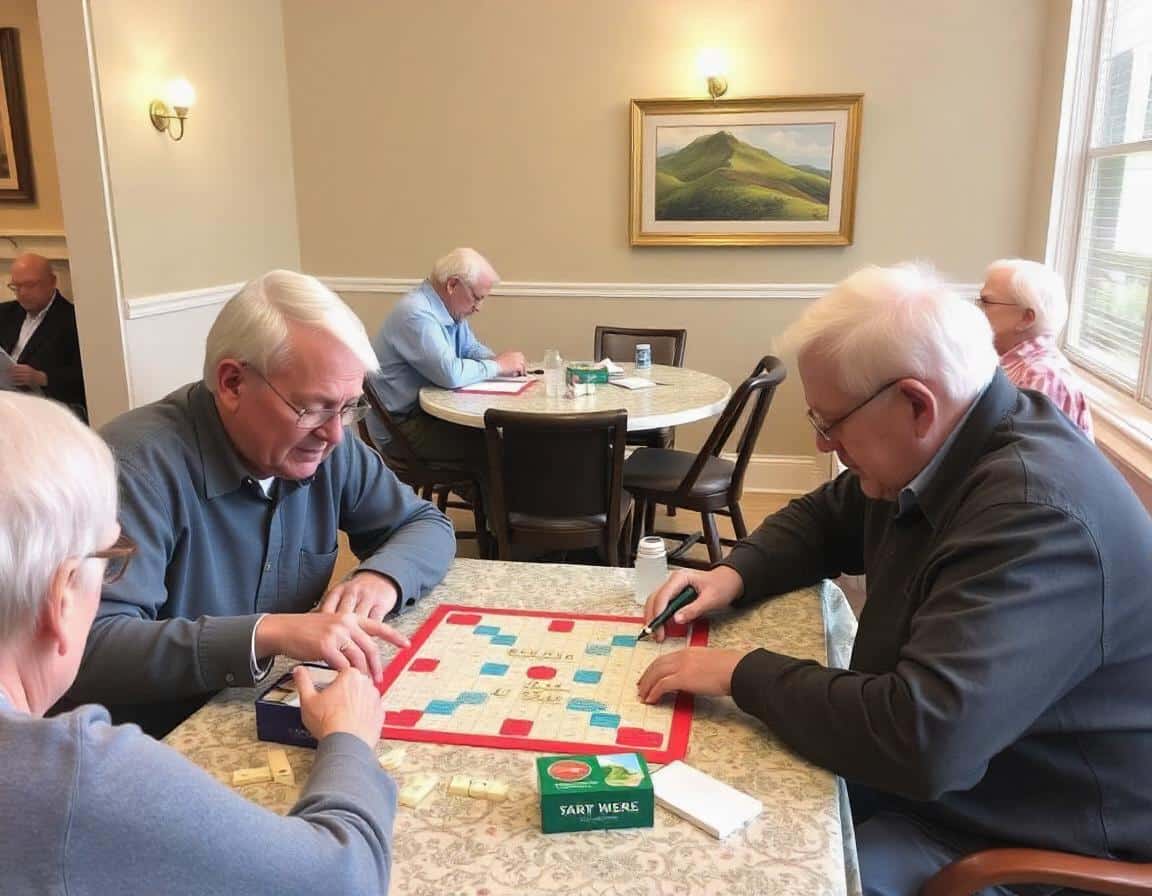
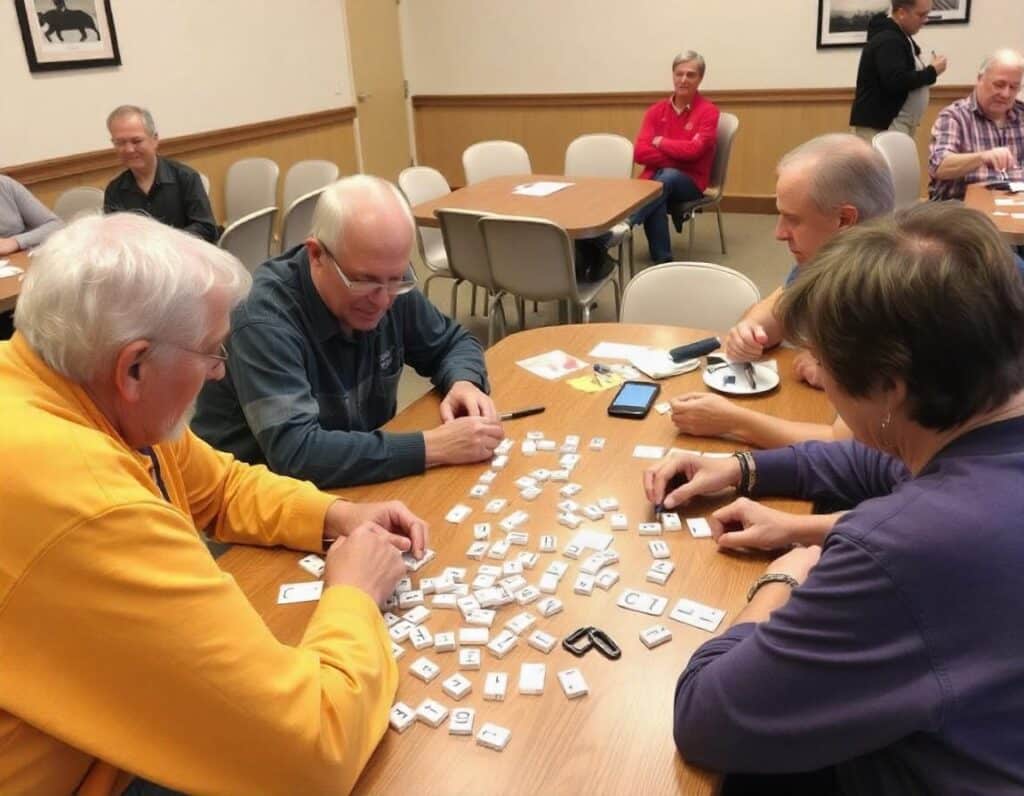
Staying mentally active becomes crucial as you age to prevent cognitive decline and keep your mind sharp. And what better way to do so than with word games that are both entertaining and stimulating? At Westmont of Morgan Hill, we understand the importance of brain stimulation for seniors. We’ve curated a list of 6 fun word games designed to boost your mental agility, memory, and overall well-being. From Scrabble Twist to Words in Words, these games are perfect for seniors looking to challenge themselves, have fun, and stay engaged – all from the comfort of their homes. So, exercise your brain and unlock a sharper, healthier you!


Stay Sharp with Westmont of Morgan Hill

Brain stimulation keeps the mind sharp and prevents various age-related health conditions. Here are some stimulating word games your senior loved one should play to have fun, boost their mood, and keep their brain stimulated.


Word Games Galore

Before we examine the exciting world of word games, remember that the goal is to have fun while exercising your brain. Word games are an excellent way to boost mental agility, memory, and mood, making them a necessary part of a healthy aging routine.


What Level of Care Do You Need?

Discover the level of care you or your family member requires.


Scrabble Twist: A Classic with a Twist

The classic Scrabble game gets a modern twist with Scrabble Twist, designed specifically for seniors. This game is perfect for those who want to challenge their vocabulary and strategic thinking skills while having fun.

Scrabble Twist

Scrabble Twist

Boggle: Finding Hidden Words

Games like Boggle are perfect for seniors who love word puzzles and challenges. This classic word game requires players to find hidden words in a grid of letters, promoting creative and critical thinking.


Boggle is an excellent way to improve vocabulary, concentration, and memory. Its simple yet challenging gameplay is ideal for seniors looking to stay mentally active and engaged. You can play Boggle online or purchase the board game for a fun family activity.


Digital Delights

If you’re looking for a convenient way to access word games, digital options are the way to go! You can find many word games online, like the ones listed in 10 Word Games for Seniors | Deptford. Digital word games offer flexibility and ease of use, making them perfect for seniors who want to stay mentally active.


Words with Friends: Social Word-Building

Digital word games like Words with Friends allow you to connect with friends and family while exercising your brain. This popular app lets you play word games with others in real time, promoting social interaction and mental stimulation.


Upwords: Building on Classics

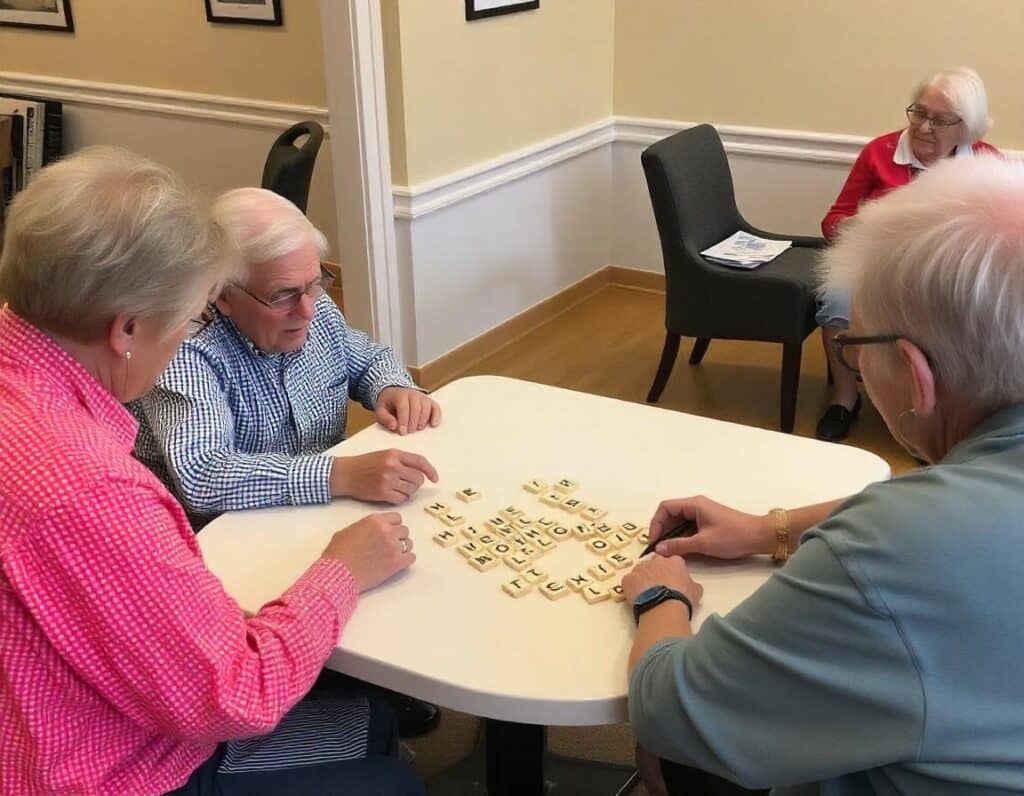
For a twist on traditional word games, try Upwords! This digital version of the classic game lets you build on existing words, creating a fun and challenging experience.

Delights like Upwords offer a unique spin on classic word games, making them more engaging and entertaining for seniors. By stacking new words on top of existing ones, you can play faster while stimulating your brain and having fun.

Seniors Playing Upwords

Upwords

Rhyming Fun

While word games are an excellent way to exercise your brain, they can also be a blast! Rhyming games, in particular, are a great way to get your creative juices flowing and have fun with language. They’re also an excellent way to improve your memory and cognitive function, which is imperative for seniors.


Rhyming Ball: A Toss-Up of Words

To start with a Rhyming Ball, you only need a ball and a group of friends or family members. Players take turns tossing the ball to each other, and when someone catches it, they have to come up with a word that rhymes with the previous word. For example, if the first player says “cat,” the next player might say “hat.” It’s a simple yet engaging game for seniors looking to boost their mental agility and memory.


Hidden Gems

There are numerous word games beyond the classics for seniors looking to exercise their brains and have fun. You can find inspiration online, such as the list of 10 Free Brain Games & Memory Exercises for Seniors. These hidden gems can provide a fresh challenge and keep your loved one engaged and mentally active.


Words in Words: Uncovering Secret Messages

One of the most intriguing word games for seniors is Words in Words. This game involves finding hidden words within other words, which requires attention to detail and creative thinking. By playing Words in Words, your loved one can improve their cognitive function, memory, and problem-solving skills while having fun uncovering secret messages.


Find Where You Belong

Dive into the vibrant life our Westmont communities have to offer.


Summing up

Considering this, it’s clear that incorporating word games into your daily routine can significantly impact mental agility and memory. From Scrabble Twist to Words in Words, these six fun word games for seniors are designed to stimulate the brain, boost mood, and enhance overall cognitive function. Explore Brain Exercises For Seniors (15 Games For Cognitive Improvement) for more brain-stimulating activities. At Westmont of Morgan Hill, we’re committed to providing seniors with engaging activities that promote healthy aging. Contact us at 408-779-8490 to learn more about our senior living community and how we can support your loved one’s cognitive health.


Age-Related Memory Loss, Forgetful, and Dementia


As you navigate the natural aging process, you may wonder: “Is my forgetfulness a normal part of getting older, or is it something more serious?” You’re not alone in this concern. Many people experience some degree of forgetfulness as they age. However, it’s essential to understand the differences between age-related memory loss, forgetful, and dementia. At Westmont of Morgan Hill, we’re committed to helping you distinguish between these conditions and providing guidance on maintaining your cognitive health. By recognizing the signs and symptoms of each, you can take proactive steps to address any concerns and ensure a healthier, happier you. So, let’s explore the differences between age-related memory loss, forgetful, and dementia and what you can do to stay on top of your mental game.


Defining the Terms

To understand the differences between age-related memory loss, forgetfulness, and dementia, it’s vital to define each term.


Age-Related Memory Loss: What’s Normal?

Memory loss is a natural part of aging, and it’s common for you to experience some decline in your memory as you grow older. This memory loss is usually mild and doesn’t significantly impact your daily life. For example, remember where you placed your keys or struggle to recall a word. However, these instances are typically fleeting and don’t disrupt your daily routine.


Forget: A Common Complaint

Forgetfulness is a common complaint among older adults. It’s often characterized by minor memory lapses, such as forgetting a phone number or where you parked your car. As you age, you may find yourself becoming more forgetful, but this doesn’t necessarily mean you’re developing dementia.


Memory loss due to forgetfulness is often specific to a particular task or event and may not significantly impact daily life. For instance, you might forgetful a friend’s birthday but still remember their name and your relationship with them. Forgetful can be frustrating, but it’s a normal part of aging and doesn’t necessarily indicate a more serious cognitive decline.

Age-Related Memory Loss

Age-Related Memory Loss

Dementia: A Serious Cognitive Decline

Normal cognitive function involves memory, thinking, and communication. Dementia, on the other hand, is a severe cognitive decline that affects these functions, making it difficult to perform daily tasks and maintain independence. It is often characterized by significant memory loss, confusion, and difficulty with communication, problem-solving, and judgment.

Age-related cognitive decline can increase the risk of dementia, but it’s not the only factor. Other risk factors include genetics, lifestyle choices, and underlying medical conditions. Suppose you’re experiencing significant memory loss, confusion, or difficulty with daily tasks. In that case, it’s vital to consult with a healthcare professional to rule out dementia or other underlying conditions.


What Level of Care Do You Need?

Discover the level of care you or your family member requires.


Symptoms of Dementia

You may be wondering what symptoms to look out for if you or a loved one is experiencing dementia. Dementia is a broad term that encompasses a range of symptoms, including memory loss, communication difficulties, problem-solving impairments, and mood changes.


Memory Loss and Forgetful

The most common symptom of dementia is memory loss, particularly short-term memory loss. You may need help remembering recent events, learning new information, or recalling familiar words and names. For example, you might need to remember where you placed your keys or help remember your grandchildren’s names.


Communication and Language Difficulties

Difficulties with communication and language are also common in people with dementia. You may need help finding the right words, following conversations, or understanding written or spoken language. For instance, you might need help understanding complex sentences or following instructions.


Memory loss can also impact one’s ability to communicate effectively. One may repeat themselves, struggle to express one’s thoughts, or have trouble understanding others.


Problem-Solving and Judgment Impairments

Other key symptoms of dementia include problem-solving and judgment impairments. You may need help making sound decisions, solving problems, or completing everyday tasks. For example, you might need help managing finances, cooking meals, or performing personal care tasks.


Judgment impairments can also lead to safety concerns, such as leaving the stove on or wandering away from home.


Mood Changes and Emotional Disturbances

Loss of emotional control and mood changes are common in people with dementia. You may experience rapid mood swings, anxiety, depression, or agitation. For instance, you might become easily agitated or withdrawn or exhibit sudden mood changes.


Mood changes can be unpredictable in people with dementia. Various factors, including environmental changes, medical conditions, or social interactions, may trigger them.

Remember, if you’re experiencing any of these symptoms, it’s important to consult with a healthcare professional for proper diagnosis and treatment. At Westmont of Morgan Hill, our team is dedicated to providing personalized care and support for individuals with dementia. Contact us at 408-779-8490 to learn more about our services.

Mood Changes and Emotional Disturbances

Mood Changes and Emotional Disturbances

Recognizing Early Warning Signs

For individuals experiencing age-related memory loss, it’s vital to recognize the early warning signs that may indicate a more severe condition like dementia.


Subtle Changes in Daily Life

Around you, subtle changes may be taking place, such as needing reminders for daily tasks, misplacing items, or struggling to follow recipes. These changes seem minor but can indicate a more significant issue.


Increased Forgetful and Confusion

Subtle forgetful can quickly escalate into confusion, making it difficult to perform everyday tasks. You might need help remembering recent events, conversations, or appointments.

Signs of increased forgetful and confusion can manifest in various ways, such as forgetting the names of familiar people or places, having trouble understanding written or spoken language, or experiencing difficulty with problem-solving. If you’re experiencing these symptoms, it’s crucial to consult with a healthcare professional to determine the underlying cause.


Difficulty with Learning New Information

Life can become increasingly challenging when you struggle to learn new information, such as remembering new phone numbers, passwords, or instructions. This difficulty can be a sign of a more significant cognitive decline.


Increased difficulty with learning new information can also lead to feelings of frustration and anxiety, making it vital to address these concerns with a healthcare professional. By doing so, you can receive guidance on managing your symptoms and developing strategies to improve your memory and cognitive function.


Remember, recognizing early warning signs is crucial in determining the best course of action for your health. If you’re concerned about your memory or are experiencing any of these symptoms, don’t hesitate to contact a healthcare professional at Westmont of Morgan Hill, located in Morgan Hill, CA, and reachable at 408-779-8490.

Difficulty with Learning New Information

Difficulty with Learning New Information

The Role of Genetics and Lifestyle

Not all cases of dementia are solely the result of genetic factors, and neither are they entirely preventable through lifestyle choices. However, both play a significant role in determining your risk of developing dementia.


Genetic Factors Contributing to Dementia

An individual’s genetic makeup can increase their susceptibility to dementia. Research suggests that specific genetic mutations, such as those associated with Alzheimer’s disease, can significantly raise the risk of developing dementia. While genetic factors are not the sole cause of dementia, they can contribute to its development. This includes:

  • Familial Alzheimer’s disease, caused by rare genetic mutations
  • Apolipoprotein E (APOE) gene, which increases the risk of Alzheimer’s disease

This is why understanding your family medical history is crucial in assessing your risk of developing dementia.


Lifestyle Choices Affecting Cognitive Health

Healthy lifestyle choices can significantly reduce your risk of developing dementia. Making informed decisions about your diet, exercise, and overall well-being can lower your chances of cognitive decline.


Genetic predisposition aside, adopting a healthy lifestyle can help mitigate the risk of dementia. This includes maintaining a balanced diet, engaging in regular physical activity, getting adequate sleep, and managing stress.

Lifestyle Choices Affecting Cognitive Health

Lifestyle Choices Affecting Cognitive Health

The Impact of Exercise and Diet on Brain Function

The connection between exercise, diet, and brain function is undeniable. A healthy diet rich in fruits, vegetables, and whole grains, combined with regular physical activity, can significantly improve cognitive function and reduce the risk of dementia.


With a healthy diet and regular exercise, you can improve blood flow to the brain, reduce inflammation, and promote the growth of new brain cells. This, in turn, can help improve memory, concentration, and overall cognitive function.


By understanding the interplay between genetics and lifestyle choices, you can take proactive steps to reduce your risk of developing dementia and maintain optimal cognitive health.


How to Improve Memory

Now that you’ve learned about the differences between age-related memory loss, forgetful, and dementia, it’s imperative to take proactive steps to improve your memory and reduce the risk of cognitive decline.


Strategies for Enhancing Memory

Tactics such as repetition, organization, and visualization can help strengthen your memory. Try breaking down complex information into smaller chunks, creating mental or physical notes, and associating new information with something familiar.


Techniques for Compensating for Memory Loss

For individuals experiencing memory loss, developing strategies to compensate for forgetfulness can be incredibly empowering. This might include using calendars, reminders, and lists to stay organized and relying on technology, such as smartphones and voice assistants, to aid memory.


Compensating for memory loss requires creativity and flexibility. You can maintain independence and confidence by finding ways to work around memory limitations. For example, you might use Post-it notes to remember important tasks or appointments or enlist the help of a friend or family member to provide reminders.


The Benefits of Cognitive Training and Stimulation

Engaging in mentally stimulating activities can significantly impact cognitive health for older adults. Activities like learning a new language, practicing puzzles or games, and participating in creative pursuits can help build cognitive reserve and reduce the risk of dementia.


Plus, staying mentally active can positively impact overall well-being, reducing stress and anxiety while promoting a sense of accomplishment and fulfillment. You can proactively maintain your mental health by incorporating cognitive training and stimulation into your daily routine.


If you’re concerned about your memory or are experiencing symptoms of forgetfu, consider reaching out to a healthcare professional, such as a geriatrician, for guidance and support. At Westmont of Morgan Hill, we’re dedicated to helping older adults maintain their cognitive health and independence. Contact us today at 408-779-8490 to learn more about our services and how we can support you.


Distinguishing Between Age-Related Memory Loss and Dementia

After understanding the differences between age-related memory loss, forgetful, and dementia, it’s essential to know how to distinguish between age-related memory loss and dementia.


Critical Differences in Symptoms and Progression

Any noticeable decline in memory or cognitive function should prompt you to seek medical attention. The critical differences between age-related memory loss and dementia lie in the severity and progression of symptoms. Age-related memory loss typically involves minor lapses that do not disrupt daily life. In contrast, dementia is characterized by significant memory loss and functional decline that interferes with daily activities.

Critical Differences in Symptoms and Progression

Critical Differences in Symptoms and Progression

The Importance of Early Diagnosis and Intervention

Age-related memory loss can be a precursor to dementia, making early diagnosis and intervention crucial. Identifying the underlying causes of memory loss can help prevent or slow cognitive decline.


Distinguishing between age-related memory loss and dementia requires a comprehensive evaluation by a healthcare professional. They will assess your medical history, conduct cognitive tests, and perform imaging studies to determine the underlying cause of memory loss. Early intervention can significantly improve treatment outcomes and quality of life.


Ruling Out Other Possible Causes of Memory Loss

Memory loss can be attributed to various factors, including underlying medical conditions, medication side effects, and nutritional deficiencies. It’s important to rule out these potential causes before diagnosing age-related memory loss or dementia.


Another critical step in distinguishing between age-related memory loss and dementia is identifying any reversible causes of memory loss. Treating underlying medical conditions, adjusting medications, or addressing nutritional deficiencies can help improve memory function.

Recall, if you’re concerned about your memory or are experiencing symptoms of dementia, don’t hesitate to call Westmont of Morgan Hill at 408-779-8490 for guidance and support.


Find Where You Belong

Dive into the vibrant life our Westmont communities have to offer.


To Wrap Up

As you navigate the complexities of age-related memory loss, forgetfulness, and dementia, remember that it’s crucial to distinguish between normal forgetfulness and warning signs of a more severe condition. You’ve learned that forgetfulness can be a natural part of aging. However, when combined with functional loss, it may indicate dementia. By recognizing early warning signs, staying active, and maintaining a healthy lifestyle, you can take control of your brain health. If you’re concerned about your memory or a loved one’s, don’t hesitate to contact a geriatrician or a trusted healthcare professional at Westmont of Morgan Hill (408-779-8490). Stay informed, stay proactive, and remember that prioritizing your cognitive well-being is never too early.


5 Daily Personal Activities Every Senior Should Experience

Welcome to Westmont of Morgan Hill, where we’re dedicated to enhancing the lives of seniors in our vibrant community in Morgan Hill, CA. Aging is a journey; we believe every moment should be cherished and filled with joy. This guide unveils five must-try daily personal activities tailored to seniors. These activities aren’t just routines but pathways to happiness, vitality, and fulfillment. Whether you’re seeking moments of tranquility, physical wellness, or opportunities for creativity, we’ve curated a list that promises to enrich your daily life.


1. Morning Meditation for Peace and Clarity

Embrace the Stillness: Begin your day with a gentle meditation session, allowing yourself to ease into the present moment. Find a quiet space, sit comfortably, and focus on your breath. Let go of worries and distractions as you cultivate a sense of inner peace.

Benefits of Morning Meditation: Studies have shown that regular meditation can reduce stress, improve cognitive function, and promote emotional well-being. By incorporating this practice into your daily routine, you’ll start each day with a calm and centered mind, ready to embrace whatever comes your way.


2. Daily Walks for Physical Health

Step into Wellness: Lace up your walking shoes and venture outdoors for a rejuvenating stroll. Whether it’s a leisurely walk around the neighborhood or a scenic hike in nature, prioritize daily movement to keep your body active and robust.

The Power of Walking: Walking is a low-impact exercise that offers numerous health benefits for seniors. Regular walks are essential for maintaining mobility and independence as you age, from improving cardiovascular health to boosting mood and energy levels.

Physical Health

Physical Health

3. Creative Expression through Art or Writing

Unleash Your Creativity: Engage in creative activities that speak to your soul, whether painting, writing, or crafting. Set aside time each day to explore your artistic side and express yourself freely.

Artistic Outlets for Seniors: Artistic pursuits provide an outlet for self-expression, stimulate cognitive function, and enhance overall well-being. Creating can bring immense joy and fulfillment whether you’re a seasoned artist or a novice.


4. Cultivating Gratitude with Daily Reflection

Count Your Blessings: Take a few moments each day to reflect on what you’re grateful for. Cultivating gratitude can shift your perspective and bring more joy, whether it’s a beautiful sunset, a loving family, or a cherished memory.

The Science of Gratitude: Research has shown that practicing gratitude can improve mental health, reduce stress, and enhance overall life satisfaction. By making gratitude a daily habit, you’ll cultivate a positive outlook and find joy in life’s simple pleasures.


5. Connecting with Loved Ones Near and Far

Nurture Relationships: Reach out to loved ones through phone calls, video chats, or handwritten letters. Prioritize meaningful connections with family and friends, even miles apart.

The Importance of Social Connection: Strong social connections are essential for emotional well-being and longevity, especially for seniors. You’ll feel supported, valued, and connected to a larger community by staying connected with loved ones.


FAQs:

What if I’ve never meditated before?

  • Meditation is a practice that anyone can learn and benefit from, regardless of experience. Start with short sessions and gradually increase the duration as you become more comfortable.

How can I incorporate creativity into my daily routine if I’ve never considered myself artistic?

  • Creativity comes in many forms, so feel free to explore different mediums until you find something that resonates with you. The process of creating is what matters most, not the result.

I live alone and don’t have many opportunities for social interaction. How can I stay connected with others?

  • Consider joining community groups, attending classes or workshops, or volunteering in your area. You can also explore online forums and social media platforms to connect with like-minded individuals.

Conclusion:

As you embark on this journey of daily personal activities, remember that each moment is an opportunity to cultivate joy and meaning in your life. Whether you’re savoring the stillness of meditation, exploring your creativity through art, or connecting with loved ones near and far, embrace these activities with an open heart and a sense of curiosity. At Westmont of Morgan Hill, we’re here to support you on your path to wellness and fulfillment with daily personal activities. If you’d like to learn more about how our community can enhance your daily life, please don’t hesitate to contact us at 408-779-8490.


Health Care Services in Independent Living: What’s Available?

When considering a transition to an independent living community, health care services often emerge as a pivotal factor in decision-making. At Westmont of Morgan Hill, we pride ourselves on providing comprehensive healthcare services tailored to each resident’s unique needs, ensuring independence and support.


Understanding Health Care Services in Independent Living

Independent living offers a unique blend of autonomy and access to personalized healthcare services to support seniors in maintaining their health and wellness while enjoying a vibrant, community-oriented lifestyle.


Routine Health Monitoring

At Westmont of Morgan Hill, routine health monitoring is a cornerstone of our health care services. By taking a proactive approach, we can promptly identify and address potential health issues, which promotes long-term well-being and peace of mind for our residents and their families.


Medication Management

Proper medication management is crucial for maintaining health and preventing complications. Our skilled staff provides meticulous oversight and assistance with medication, ensuring that residents receive the correct dosages at the right times every time.


Access to Medical Professionals

A key benefit of living in an independent community like Westmont of Morgan Hill is direct access to a network of medical professionals. Whether it’s routine check-ups or specialized care, we facilitate seamless coordination with healthcare providers to meet the diverse needs of our residents.


Personalized Care Plans

Every Westmont of Morgan Hill resident benefits from a personalized care plan meticulously crafted to meet their health and wellness needs. This personalized approach ensures that each resident receives the required support and care.


Physical Therapy and Rehabilitation

For residents recovering from surgery or an injury or simply aiming to improve mobility and strength, our on-site physical therapy and rehabilitation services provide invaluable support, aiding in faster recovery and enhanced quality of life.


Nutritional Support

Nutrition plays a vital role in senior health. That’s why Westmont of Morgan Hill offers nutritional support, including personalized meal plans crafted by nutritionists, to ensure that all dietary needs and preferences are met, promoting optimal health and vitality.


Lifestyle and Wellness Programs

At Westmont of Morgan Hill, health care extends beyond medical services, including a wide range of lifestyle and wellness programs. These programs enhance our residents’ physical, mental, and social well-being.


Fitness and Exercise Programs

Our community offers a variety of fitness and exercise programs, from yoga and Pilates to water aerobics and walking clubs. We have designed these programs to cater to all fitness levels, motivating residents to remain active and involved.


Mental Health and Cognitive Support

Mental health and cognitive well-being are integral to overall health. Westmont of Morgan Hill provides a range of activities and resources designed to support cognitive health, including memory care services, brain games, and educational workshops.


Social and Community Engagement

Social interaction and community engagement are vital for senior well-being. Our community fosters a vibrant social environment, with a calendar full of events, clubs, and activities that encourage interaction, friendship, and a sense of belonging.


Safety and Emergency Services

A key aspect of health care services in independent living involves ensuring resident safety and providing prompt response in emergencies. Westmont of Morgan Hill prioritizes resident safety through state-of-the-art systems and trained staff ready to respond quickly.


24/7 On-Site Staff

Our community is staffed around the clock by trained professionals to handle health emergencies. This constant presence provides residents and their families peace of mind, knowing that help is always available.

24/7 On-Site Staff

24/7 On-Site Staff

Emergency Response Systems

Westmont of Morgan Hill has equipped each residence with emergency response systems. In a health issue or emergency, residents can quickly alert staff, ensuring rapid response and assistance.


Secure Living Environment

We understand the importance of a secure living environment for the well-being of our residents. Our community features secured entrances, exits, and surveillance systems to provide all a safe and comfortable living space.


Tailored Support for Chronic Conditions

Managing chronic conditions requires specialized care and attention. At Westmont of Morgan Hill, we provide expert and compassionate support tailored to meet the specific needs of residents with chronic health conditions.


Diabetes Management

For residents living with diabetes, our community provides comprehensive support, including dietary planning, blood sugar monitoring, and coordination with healthcare providers to manage the condition effectively.


Heart Health Programs

Heart health is paramount for seniors. Our community offers programs focused on cardiovascular health, including diet plans rich in heart-healthy foods and exercises designed to improve heart function and overall well-being.


Memory Care Services

For residents experiencing memory loss or cognitive decline, our specialized memory care services offer a supportive and nurturing environment, with activities and therapies designed to enhance mental function and quality of life.


The Westmont of Morgan Hill Difference

Choosing Westmont of Morgan Hill means selecting a community that truly understands and prioritizes the health and well-being of its residents. Our holistic approach to health care in independent living sets us apart, ensuring every resident enjoys a life of wellness and fulfillment.


Expert Staff and Personalized Attention

Our team of healthcare professionals and support staff are not only experts in their fields but are also deeply committed to the well-being of each resident. We reflect our commitment to providing personalized attention and care to everyone in our community.


A Community Focused on Well-Being

At Westmont of Morgan Hill, well-being is at the heart of everything we do. We have designed every aspect of our community, from healthcare services to lifestyle and wellness programs, to promote the health and happiness of our residents.


An Invitation to Vibrant Senior Living

We invite you to experience the vibrant, health-focused lifestyle that Westmont of Morgan Hill offers. Our community is not just a place to live; it’s a place to thrive, with comprehensive healthcare services ensuring that every day is full of vitality and joy.

Discover Vibrant Senior Living with Expert Health Care at Westmont of Morgan Hill

In conclusion, Westmont of Morgan Hill is a beacon of excellence in providing health care services within an independent living setting. Our dedicated approach to health and wellness ensures that our residents lead vibrant, fulfilling lives supported by a team of caring professionals. Should you or your loved ones have any questions or need further assistance regarding our healthcare services, please don’t hesitate to contact us at 408-779-8490. Our friendly staff is always here to help, guiding you through the options and ensuring your transition to independent living is smooth and worry-free.


Welcome to Westmont of Morgan Hill, where your health and happiness are our highest priorities.


Does Medicare Provide Quality Elder Care Services?

Medicare Elder Care At Westmont Of Morgan Hills

As we age, the importance of quality healthcare services becomes increasingly paramount, particularly regarding elder care. Many seniors and their families wonder about the role of Medicare in providing these essential services. With its deep commitment to elder care excellence, Westmont of Morgan Hill sheds light on this crucial topic, guiding you through the maze of Medicare elder care services.

Understanding Medicare’s Coverage

Medicare, a cornerstone of senior healthcare in the United States, offers a range of services to address the diverse needs of the elderly. However, understanding the extent and limitations of its coverage is vital for making informed care decisions. At Westmont of Morgan Hill, we emphasize the importance of grasping the specifics of Medicare to ensure seniors receive the care they deserve.


The Limitations of Medicare in Elder Care

Despite its broad coverage, Medicare has limitations, particularly in long-term care scenarios. Recognizing these boundaries is crucial to plan effectively for elder care needs. With its expertise in senior care, Westmont of Morgan Hill is poised to help families navigate these complexities, ensuring that their loved ones receive comprehensive care.

The Role of Medicare Advantage Plans

Medicare Advantage plans, offered by private companies approved by Medicare, provide an alternative way to receive Medicare benefits. These plans often include additional coverage not found in Original Medicare, such as dental, vision, and sometimes even fitness programs. Understanding these options can significantly impact seniors’ quality of elder care.

The Role of Medicare Advantage Plans

The Role of Medicare Advantage Plans

Comparing Traditional Medicare and Medicare Advantage

The choice between Traditional Medicare and Medicare Advantage plans is a critical decision for seniors. Each has its pros and cons, especially concerning elder care services. Westmont of Morgan Hill offers expert guidance to help seniors and their families make the best choice for their unique needs, ensuring a higher quality of life.

Medicare and Prescription Drug Coverage

Effective medication management is a crucial aspect of elder care, significantly impacting a senior’s health and quality of life. Medicare Part D plays a vital role by providing prescription drug coverage. At Westmont of Morgan Hill, we understand the intricacies of Medicare Part D and assist seniors in maximizing their benefits for optimal medication management.

Navigating Medicare Supplements for Comprehensive Care

Medicare Supplement Insurance, commonly known as Medigap, fills the “gaps” in Original Medicare coverage. These policies can cover copayments, deductibles, and other out-of-pocket expenses, offering seniors a more comprehensive safety net. Westmont of Morgan Hill helps families understand how Medigap can bolster their elder care plans, ensuring no detail is overlooked.

Choosing the Right Medigap Policy

Selecting the appropriate Medigap policy requires careful consideration of the senior’s health needs and financial situation. With various plans available, making an informed choice can be daunting. The expertise of Westmont of Morgan Hill becomes invaluable in this process, providing clarity and confidence in your Medigap selection.

The Impact of Medicare on Senior Living Options

Understanding how Medicare interacts with different senior living options is essential for planning elder care. While Medicare provides limited coverage for nursing home care under specific conditions, it does not cover the cost of custodial care in assisted living facilities. Westmont of Morgan Hill offers insights into navigating these distinctions, helping families make informed decisions about their loved ones’ living arrangements.

Planning for Long-Term Care Beyond Medicare

Long-term care planning is a critical aspect of elder care that often exceeds Medicare’s scope. Exploring alternative funding options, such as long-term care insurance, personal savings, or veterans’ benefits, becomes crucial. Westmont of Morgan Hill stands ready to assist families in developing a comprehensive long-term care strategy that ensures their loved one’s needs are fully met.

Medicare and Home Health Care Services

For many seniors, receiving care in the comfort of their own homes is a preferred option. Medicare can cover certain home health care services under specific conditions, such as part-time skilled nursing care, physical therapy, and occupational therapy. Westmont of Morgan Hill guides families through the eligibility requirements and helps coordinate the necessary services, ensuring seniors receive the best possible care at home.

The Benefits of Home Health Care for Seniors

Home health care offers numerous benefits, including personalized care, comfort, and familiarity with home surroundings. Understanding how to maximize Medicare coverage for these services can enhance the quality of life for many seniors. Westmont of Morgan Hill’s expertise in elder care ensures that families can access the full range of benefits.

Making Informed Decisions with Medicare

Medicare policies and coverages can change, impacting the services available to seniors. Staying informed about these changes is crucial for maintaining quality elder care. Westmont of Morgan Hill prioritizes keeping families updated on the latest Medicare developments, ensuring they can make informed decisions about their elder care needs.

Leveraging Expert Advice for Medicare Planning

Navigating the complexities of Medicare requires expertise and experience. Leveraging professional guidance can make a significant difference in seniors’ quality of care. At Westmont of Morgan Hill, our team is dedicated to providing expert advice and support, helping families utilize Medicare to its fullest potential for their elder care needs.

Navigating Medicare for Quality Elder Care

Navigating the intricacies of Medicare to secure quality elder care can be challenging. However, with the right knowledge and support, it’s entirely possible. Westmont of Morgan Hill is a beacon of expertise and guidance in this journey, ensuring that seniors and their families make informed, confident decisions about elder care. Our commitment to excellence in senior care makes us an invaluable partner in leveraging Medicare for the well-being of your loved ones.

Let Westmont of Morgan Hill Guide You

Are you navigating the complexities of Medicare for elder care? Let Westmont of Morgan Hill be your guide. Our senior care expertise and a deep understanding of Medicare position us to offer unparalleled support. For personalized guidance and to explore how we can assist you in securing quality elder care services through Medicare, contact us at 408-779-8490. Together, we can ensure your loved ones receive the care they deserve.


Need Help with Aging Parents? Find Balance & Support!

Understanding the Challenges in Caring and Help with Aging Parents

Caring for aging parents can be both rewarding and challenging. As they enter their golden years, their needs change, and so does the support they require. This journey often involves balancing emotional, physical, and logistical aspects that will help with aging parents, which can be overwhelming for many families.


Westmont of Morgan Hill: Your Partner in Elderly Care

We recognize these challenges at Westmont of Morgan Hill and strive to provide comprehensive support and resources. Our expertise lies in offering compassionate and professional care, ensuring your loved ones receive the best possible assistance while maintaining their dignity and independence.


Addressing Common Concerns in Elderly Care

When dealing with aging parents, several concerns arise, such as health management, mobility issues, and emotional well-being. It’s crucial to approach these concerns with patience and understanding, ensuring your parents feel supported and valued.


Navigating the Emotional Landscape of Aging

Building Strong Emotional Connections with Elderly Parents

As parents age, they often experience various emotions, from fear of losing independence to feelings of isolation. Establishing solid emotional connections is essential, providing security and belonging.


Westmont of Morgan Hill: A Community of Compassion and Care

At Westmont of Morgan Hill, we prioritize creating a nurturing environment where elderly individuals can thrive emotionally. Our approach includes personalized attention, social activities, and a community that fosters connection and support.


Understanding and Responding to Emotional Needs

Understanding the emotional needs of aging parents is key to providing adequate care. This involves active listening, empathy, and creating opportunities for meaningful interactions.


Practical Solutions for Everyday Challenges

Simplifying Daily Life for Aging Parents

The practical aspects of caring for elderly parents can be daunting. Numerous factors must be considered, from managing medications to ensuring a safe home environment.


Leveraging Westmont of Morgan Hill’s Expertise

Our Westmont of Morgan Hill team is equipped to handle these daily challenges. We offer tailored solutions that simplify the lives of our residents, ensuring they can enjoy their days without the stress of managing everyday tasks.


Tips for Managing Medication and Health Routines

Effective management of medication and health routines is crucial. We guide organizing medications, scheduling doctor’s appointments, and understanding health care needs.

Tips for Managing Medication and Health Routines

Tips for Managing Medication and Health Routines

Enhancing Quality of Life for Aging Parents

Promoting Active and Engaging Lifestyles

An active lifestyle is vital for the well-being of aging parents. Engaging in physical activities, hobbies, and social events can significantly enhance their quality of life.


Westmont of Morgan Hill: A Hub of Activity and Engagement

At Westmont of Morgan Hill, we offer a variety of programs and activities designed to keep our residents engaged and active. From exercise classes to art workshops, we aim to cater to diverse interests and encourage a vibrant community life.


Encouraging Participation in Community Events

Participation in community events fosters a sense of belonging and can be immensely beneficial for elderly individuals. We regularly organize events that unite residents, staff, and families, creating a warm and inclusive atmosphere.


The Role of Technology in Elderly Care

Embracing Modern Solutions for Enhanced Care

Technology plays a crucial role in modern elderly care. From health monitoring devices to communication tools, technological advancements have made it easier to provide high-quality care.


Westmont of Morgan Hill’s Innovative Approach to Elderly Care

At Westmont of Morgan Hill, we integrate technology into our care practices. This includes using health tracking systems, providing access to digital communication platforms, and utilizing safety-enhancing devices in our facility.


Benefits of Technology in Daily Elderly Care

Technology in elderly care offers numerous benefits, such as improved health monitoring, more accessible communication with family members, and increased safety for residents.


Support for Families: Navigating the Journey Together

Understanding the Family’s Role in Elderly Care

The involvement of family is crucial in the journey of elderly care. Family members must be informed, involved, and supported throughout the process.


How Westmont of Morgan Hill Assists Families

At Westmont of Morgan Hill, we understand the importance of family support. We provide resources, counseling, and guidance to help families navigate the complexities of elderly care.


Creating a Supportive Environment for Family Members

Creating a supportive environment for both residents and their families is a priority. We encourage family involvement in care plans and offer various channels for communication and feedback.


Planning for the Future: Long-Term Care Considerations

Preparing for Long-Term Elderly Care Needs

Planning for long-term care is an essential aspect of caring for aging parents. It involves considering various factors such as health needs, financial planning, and legal considerations.


How Westmont of Morgan Hill Facilitates Future Planning

Our Westmont of Morgan Hill team is dedicated to assisting families in planning for the future. We offer consultations on long-term care options, financial planning, and legal matters related to elderly care.


Key Considerations in Long-Term Care Planning

Essential considerations in long-term care planning include understanding the different types of care available, assessing financial resources, and preparing necessary legal documents.


Embracing the Golden Years with Dignity and Respect

Cultivating a Respectful and Dignified Environment

At Westmont of Morgan Hill, aging should be a dignified and respected phase of life. Our approach is centered on treating each resident with the utmost respect and recognizing their life experiences and contributions.


Personalized Care that Honors Individuality

Our personalized care plans are designed to honor the individuality of each resident. We take the time to understand their preferences, history, and personality, ensuring that our care is as unique as they are.


The Importance of Dignity in Elderly Care

Maintaining dignity in elderly care is not just about meeting physical needs; it’s about nurturing the spirit and acknowledging the whole person. This philosophy is at the heart of all we do at Westmont of Morgan Hill.


The Westmont of Morgan Hill Difference: A Commitment to Excellence

A Legacy of Quality Care and Community Trust

Westmont of Morgan Hill has built a legacy of providing quality care, earning the trust of our community. Our commitment to excellence is evident in every aspect of our services, from our skilled staff to state-of-the-art facilities.


A Community That Feels Like Home

We strive to create an environment that feels like home. Our residents enjoy comfortable living spaces, delicious meals, and a warm, friendly atmosphere that fosters a sense of belonging.


Why Choose Westmont of Morgan Hill?

Choosing Westmont of Morgan Hill means choosing a community that values quality, compassion, and respect. Our residents and their families can rest assured that they are in capable and caring hands.


A Partner in Your Family’s Journey

Caring for aging parents is a significant responsibility, but you don’t have to do it alone. Westmont of Morgan Hill is here to be your partner in this journey, offering balanced support, expert care, and a loving community for your loved ones.


Join Our Community at Westmont of Morgan Hill

We invite you to explore what Westmont of Morgan Hill has to offer. Whether you’re seeking advice on elderly care or a welcoming place for your aging parents, we are here to help.


Contact Us for Compassionate Care

If you need help with aging parents, please don’t hesitate to contact us. Our team is ready to provide the support and guidance you need. Call us at 408-779-8490 to learn more about our services and how we can assist you in finding balance and support in caring for your aging loved ones.


How Memory Care Center Encourages Resident Independence at Westmont of Morgan Hill

Understanding the Role of Memory Care in Promoting Independence

At Westmont of Morgan Hill, our approach to memory care is not just about providing support; it’s about nurturing independence in each resident. Recognizing the unique challenges individuals with memory impairments face, our Memory Care Center is designed to offer a balance of safety and self-sufficiency.


Tailoring Care to Individual Needs

Each resident at our Memory Care Center is treated as an individual. Personalized care plans are developed to respect and accommodate personal habits, preferences, and histories. This person-centric approach ensures comfort and encourages residents to engage in daily activities with a sense of familiarity and independence.


Creating a Safe and Supportive Environment

Safety is paramount in our Memory Care Center. The environment is designed to minimize risks while promoting freedom of movement. This includes secure outdoor areas where residents can enjoy nature and indoor spaces arranged to reduce confusion and promote ease of navigation.

Empowering Through Activities and Engagement

Engaging in Meaningful Activities

We believe in the power of engagement to boost independence. Our calendar is filled with activities that cater to different interests and abilities, from art classes to music therapy. These activities are not just for enjoyment; they are tools to help maintain cognitive and motor skills.

Empowering Through Activities and Engagement

Empowering Through Activities and Engagement

Encouraging Social Interaction

Socialization plays a crucial role in maintaining a sense of self. Our Memory Care Center facilitates various social events and group activities, allowing residents to interact, build friendships, and feel part of a community. This sense of belonging can be incredibly empowering for individuals dealing with memory issues.


Integrating Technology for Enhanced Independence

Innovative technologies are employed to enhance independence safely. From simple devices like automatic lights to more advanced systems like wander management technology, we use tools that help residents maintain autonomy while ensuring their safety.

Training Staff to Support Independence

Expert Care with a Gentle Touch

Our staff are not just caregivers but trained professionals in memory care. They understand the importance of encouraging independence while providing the necessary support discreetly. This balance ensures that residents feel capable and confident in their abilities.


Continuous Staff Education

We invest in continuous training for our staff to ensure they are up-to-date with the latest memory care. This education includes techniques for encouraging independence and understanding the evolving needs of our residents.

Nurturing Cognitive and Emotional Well-being

Cognitive Stimulation for Mental Agility

At Westmont of Morgan Hill’s Memory Care Center, cognitive stimulation is vital to our program. Activities like memory games, puzzles, and reminiscing sessions are designed to keep the mind active and engaged, helping to slow the progression of memory-related conditions and enhance the sense of independence.


Emotional Support for Confidence and Independence

Understanding the emotional needs of our residents is crucial. Our staff are trained to provide not just physical care but emotional support as well. Recognizing and responding to each resident’s emotional state, we help build confidence and a sense of security, which is fundamental in fostering independence.

The Role of Family in Supporting Independence

Encouraging Family Involvement

Family plays a vital role in the lives of our residents. At Westmont of Morgan Hill, we encourage families to be involved in care planning and activities. This involvement helps residents maintain strong family ties and contributes to their sense of independence and well-being.


Providing Resources and Support to Families

We understand that caring for a loved one with memory issues can be challenging. That’s why we offer resources and support for families, including educational sessions and support groups. This helps families understand how to support their loved ones best and strengthens the care network surrounding each resident.

Adapting to Changing Needs

Flexible Care Plans

As a premier Memory Care Center, we recognize that the needs of our residents can change over time. Our care plans are not static; they are continually adjusted to align with each resident’s evolving needs, ensuring that the right level of support is always provided to maintain as much independence as possible.


Advanced Medical Monitoring and Care

We employ advanced medical monitoring and care techniques to ensure the health and safety of our residents. This includes regular health assessments and the integration of medical care into daily routines, all designed to maximize independence while ensuring comprehensive care.

A Commitment to Independence and Quality of Life

We are deeply committed to enhancing our residents’ quality of life at Westmont of Morgan Hill. Our Memory Care Center is more than just a place for care; it’s a community that empowers, supports, and respects the independence of each individual. We understand the challenges those with memory impairments face, and we dedicate ourselves to providing a nurturing environment that encourages independence at every stage.

Experience Compassionate Memory Care Today

If you or a loved one are considering memory care options, we invite you to experience compassionate, personalized care at Westmont of Morgan Hill. Call us at 408-779-8490 to learn more about our services and how we can help maintain independence and dignity for those you care about.


Floor Plans & Pricing

Make yourself at home where a happy, healthy lifestyle goes hand-in-hand with your personal fulfillment, enrichment, and growth.

Answer a few quick questions to unlock the exciting future senior living can offer!

Resident Login