

Step Into Westmont Living®

Celebrating National Senior Health and Fitness Day – Movement, Vitality, and Joy!

Celebrating National Senior Health and Fitness Day – Movement, Vitality, and Joy!
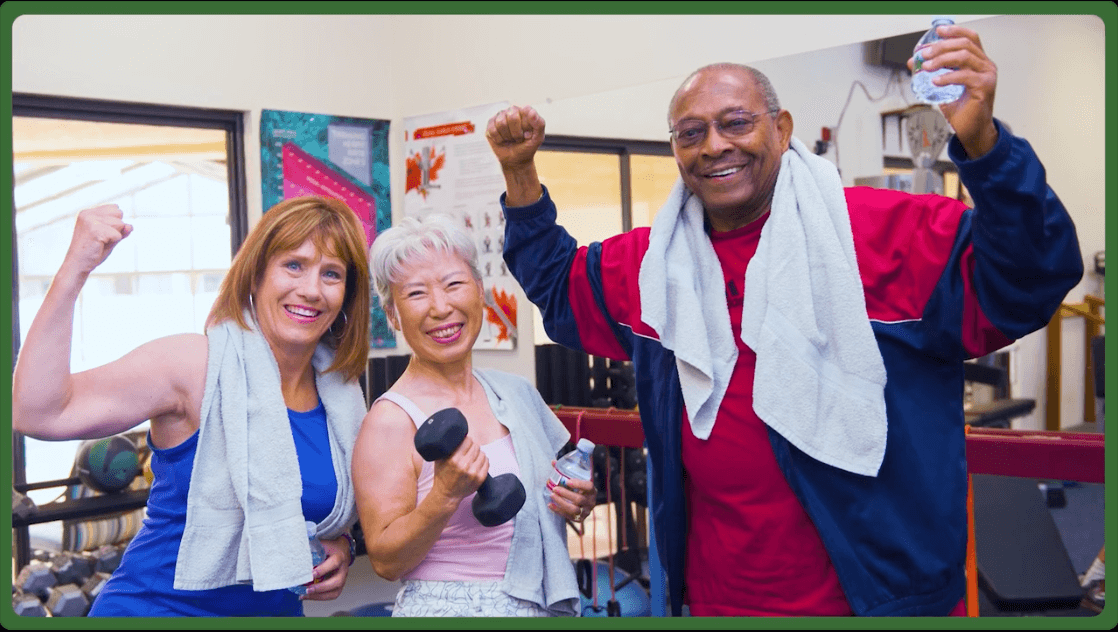
May 28th, 2025, marks National Senior Health and Fitness Day, a time to celebrate the power of movement and the importance of maintaining an active, balanced lifestyle at every stage of life. At Westmont Living, we believe wellness is more than just exercise — it’s a commitment to optimal physical health through fitness, proper nutrition, rest, and relaxation.

This year, we’re honoring the Health & Fitness dimension of our wellness philosophy by showcasing our vibrant community in action. From cardio drumming and water aerobics to gentle mind-body practices and energizing group workouts, our seniors continue to inspire us with their strength, enthusiasm, and dedication to well-being. Join us in celebrating the movement, momentum, and meaningful moments that shape a healthier tomorrow.

Essential Home Safety for Seniors: Tips for Fall Prevention

Home Safety for Seniors: Preventing Falls at Home

Aging at home brings comfort, familiarity, and independence—but it can also introduce risks without proper precautions. The most common threat? Falls. At Westmont of Morgan Hill, we understand how crucial home safety for seniors is to overall well-being. With simple changes and an informed approach, seniors can reduce hazards and remain confident in their daily lives. Good lighting, thoughtful furniture placement, and elderly safety devices are all effective ways to ensure security.

Even routines like wearing sturdy shoes and engaging in balance exercises can significantly affect safety. The goal isn’t just to prevent falls; it’s to empower seniors to maintain their independence in a safe, welcoming home environment. Let’s explore how the proper knowledge and resources can support long-term comfort and peace of mind.

Why Home Safety for Seniors Matters

Falls are the number one cause of injury among older adults. That reality makes home safety for seniors a top priority. Many of these accidents occur due to preventable hazards—poor lighting, loose rugs, and uneven surfaces. Knowing where these dangers lie is half the battle. Implementing a home safety checklist for seniors can help identify and fix risks before they lead to harm.

Minor updates, like adding light switches at both ends of a hallway or replacing a loose stair tread, can significantly lower risk. This means fewer disruptions, fewer hospital visits, and greater peace of mind for seniors. For loved ones, it implies reassurance that their family member is protected in the place they call home.

Simple Ways to Strengthen Home Safety

Staying safe doesn’t mean making significant renovations. Many effective changes are simple and inexpensive. Rearranging furniture to create clear walking paths, removing throw rugs, and using nightlights in key areas are practical starts. The bathroom, a familiar spot for accidents, can benefit from installing grab bars and non-slip mats. Stairways should be well-lit and equipped with handrails. These minor adjustments follow the core principles of home safety for the elderly, fall prevention, and have a significant impact over time. Home safety modifications aren’t about changing how seniors live—it’s about making where they live safer.

Identifying Hidden Hazards in the Home

It’s easy to overlook everyday items that may pose risks. A pair of slippers without grip, a coffee table placed too close to a walkway, or cluttered steps can all be dangerous. Conducting regular walkthroughs with a home safety for seniors checklist can make a difference. Keep wires tucked away, store frequently used items at waist level, and avoid waxy floor cleaners that create slick surfaces. Encourage loved ones to participate in these assessments, offering fresh eyes and helpful suggestions. The more attentive the home environment, the more manageable daily life becomes for seniors.

The Role of Elderly Safety Devices

Technology plays a helpful role in modern home safety. Elderly safety devices such as medical alert systems, motion sensor lights, and fall detectors bring another layer of protection. These tools give seniors greater confidence, knowing that help is always available. Simple additions like smart doorbells and stove shut-off devices can prevent emergencies before they happen. You can explore various fall prevention devices designed to work discreetly in the background, enhancing safety without disrupting comfort. When integrated thoughtfully, these devices elevate both security and peace of mind.

Senior Citizen Safety Tips for Daily Life

Daily habits can either promote safety or increase risk. Adopting senior citizen safety tips into everyday routines is key. Start with the basics: wear supportive footwear with non-slip soles, drink plenty of water to avoid dizziness, and rise slowly from bed or chairs. Set reminders to take medications at the correct times and avoid multitasking while walking. Good nutrition, hydration, and regular exercise contribute to a sharper mind and more substantial body. Practicing these habits consistently can turn everyday routines into moments of preventive care. Integrating these patterns into your lifestyle aligns with essential home safety tips every senior should follow.

How Communities and Resources Support Safety

You’re not alone when it comes to building a safer home. Government programs, local non-profits, and aging organizations offer guidance and resources for at-home seniors. From online materials to hands-on support, there are plenty of tools available. Community centers often provide workshops on safety for older adults, helping residents learn the latest strategies and stay connected with peers. Community engagement boosts emotional health while also introducing valuable services. Friends and family can also assist in navigating options or simply checking in to offer encouragement. The collective support strengthens the home environment and the senior’s sense of belonging.

Planning for Emergency Situations at Home

Even with every precaution, emergencies can happen. Planning means you’ll be ready, not surprised. An emergency kit should include water, medication, a flashlight, backup glasses, and key contact numbers. Keep it in a familiar, easy-to-reach place. Ensure smoke detectors and carbon monoxide alarms are working and loud enough to be heard throughout the home. Communication is just as important. Create a list of emergency contacts and display it clearly near the phone. Practicing evacuation procedures with a loved one can build confidence and clarity in a crisis. These strategies are not just practical—they are essential parts of home safety for seniors.

home safety for seniors

Joining Community Events for Home Safety Support

Connecting with the community offers more than social interaction—it’s a powerful tool for personal safety. Whether it’s a seminar on fall prevention or a wellness check hosted by a local agency, engaging in events designed for seniors encourages empowerment. Workshops on home safety for the elderly, including fall prevention, provide personalized tips and allow seniors to ask questions in real time. Events like these promote awareness and can inspire new safety habits. Knowledge is a lifelong tool; it uplifts everyone involved when shared in the right environment.

For more helpful insights or personalized support with creating a safer living space, contact Westmont of Morgan Hill at 408-779-8490 today.


Find Where You Belong

Dive into the vibrant life our Westmont communities have to offer.


Frequently Asked Questions

How can I make my house safer for the elderly?

To make your home safer for older adults, remove tripping hazards such as loose rugs or clutter. Install grab bars in the bathroom, ensure adequate lighting throughout the house, and use non-slip mats in key areas. You can also consider adding handrails on both sides of the stairs and using furniture that’s easy to get in and out of. These small changes can significantly reduce the risk of falls and injuries.

Where do old people go to get taken care of?

Older adults can receive care in several settings depending on their needs. Options include in-home care, assisted living communities, nursing homes, and memory care facilities. Some also choose independent living communities that offer support as needed. The best choice depends on their level of independence, health conditions, and personal preferences.

How much does a home safety assessment cost?

The cost of a home safety assessment varies based on location and provider, but it typically ranges from $100 to $500. Some organizations offer free or discounted assessments, especially for veterans or low-income seniors. A professional, such as an occupational therapist, will evaluate the home and suggest safety modifications. It’s a valuable investment to help prevent accidents and promote independent living.

How to take care of an 80-year-old?

Caring for an 80-year-old involves supporting their physical, emotional, and social needs. Ensure they eat balanced meals, stay hydrated, and attend regular medical checkups. Encourage safe physical activity, keep their living environment safe, and provide companionship or social engagement. Listening to their preferences and involving them in decisions helps maintain their dignity and independence.


Cinco de Mayo

Celebrating Cinco de Mayo at Westmont Living: Culture, Community & Connection 🎉🌮💃

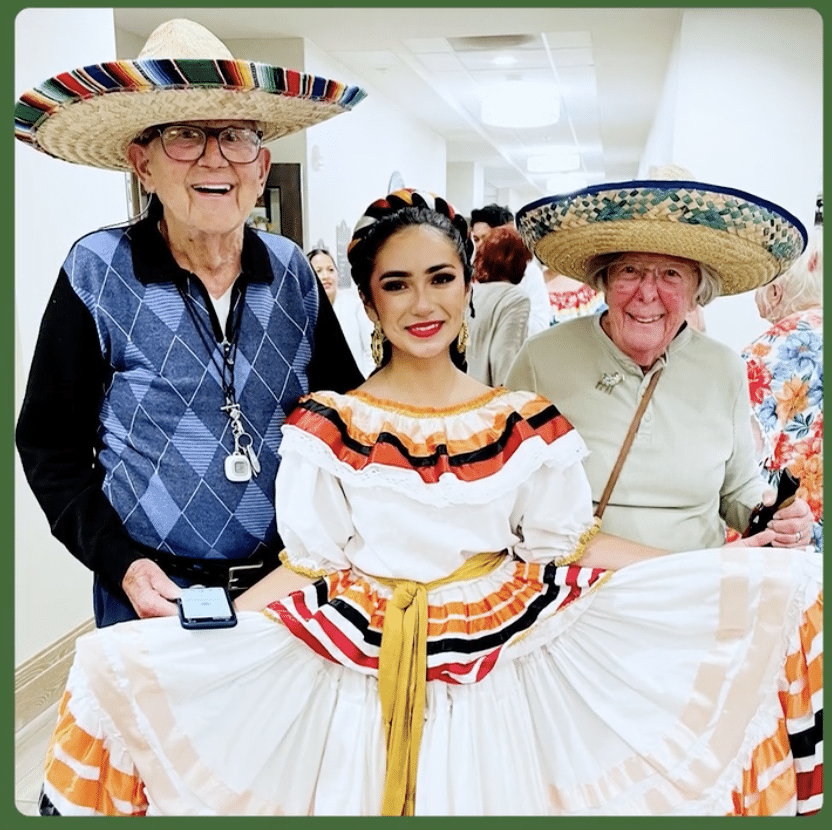
Cinco de Mayo is more than just a festive day filled with tacos and mariachi music—it’s a meaningful celebration of culture, community, and resilience. At Westmont Living, we’re proud to honor this holiday across our communities with joy, inclusivity, and of course, a lot of great food!

A Little History 🌎
Cinco de Mayo commemorates the Battle of Puebla in 1862, when a small Mexican army triumphed over a much larger French force. While it’s not Mexico’s Independence Day (that’s September 16), the victory has become a symbol of perseverance and pride—especially celebrated in the United States as a way to honor Mexican culture and heritage.

Community Comes Alive 🇲🇽
From vibrant decorations and traditional music to flavorful dishes like tacos, guacamole, and sweet treats, our residents and staff came together to celebrate in true Westmont style. Some communities enjoyed live performances, others hosted themed buffets and socials—but all shared in the spirit of togetherness.

Celebrating with Heart ❤️
At Westmont Living, we believe in creating spaces where everyone feels seen, valued, and celebrated. Cinco de Mayo gives us a chance to learn from one another, share stories, and connect through cultural traditions in meaningful (and fun!) ways.

A heartfelt thank you to all the residents, team members, and local performers who made this year’s Cinco de Mayo celebrations so memorable. Here’s to many more moments of unity, joy, and cultural appreciation! ¡Feliz Cinco de Mayo! 🎊

Choosing a Continuous Care Retirement Community

Choosing a Continuous Care Retirement Community for Your Future

If you’re planning for your retirement years and value both independence and future security, selecting a Continuous Care Retirement Community (CCRC) could be the ideal solution. These communities offer a unique blend of living arrangements, from independent residences to assisted living and skilled nursing, all within a single campus. For those seeking a comfortable and flexible lifestyle, especially in locations like Morgan Hill, CCRCs provide peace of mind and an opportunity to age in place without disruption.

A Continuous Care Retirement Community supports your current lifestyle and adjusts to your changing needs over time. Residents can truly thrive with engaging social opportunities, round-the-clock care, and personalized wellness programs.

Understanding Continuous Care Retirement Communities

A Continuous Care Retirement Community, such as Westmont of Morgan Hill, provides a seamless transition between different levels of care. Whether you begin with independent living or assisted living, you’ll have the support you need as your medical or personal needs evolve.

Residents benefit from:

  • On-site medical professionals available 24/7
  • Access to both wellness and rehabilitation services
  • Planned social activities for community building

Living in a Continuing Care Retirement Community near Morgan Hill, CA, means you’re not just choosing a place to stay — you’re selecting a holistic lifestyle solution designed for your long-term comfort and safety.

Explore what sets this lifestyle apart through the 24/7 onsite healthcare services that ensure prompt, responsive care when it matters most.

Comparing CCRC and Assisted Living Options

It’s important to distinguish between traditional assisted living and the offerings of a Continuous Care Retirement Community. Assisted living often provides limited care and typically involves relocating if your health needs increase. CCRCs, however, ensure continuity by offering multiple tiers of care without the need to move.

Feature CCRC Advantages Assisted Living Limitations
Care Continuum Seamless care transitions May require relocation
Medical Access 24/7 availability Restricted medical services
Community Life Strong social network Varies by location

CCRCs are an excellent choice for those who value aging in one place. They offer security and flexibility that many other retirement options can’t match. Personalized care plans further enhance the value of staying in a single community where evolving needs are anticipated and met.


continuous care retirement community

The Real Benefits of CCRCs

Choosing a Continuous Care Retirement Community enhances overall well-being through a structured yet personalized environment. You can access amenities that enrich your life, such as wellness programs, fitness classes, nutritious meals, and engaging activities.

Beyond the daily perks, the continuity of care provides emotional reassurance. Residents form lasting relationships and feel more grounded knowing they won’t have to relocate due to increased care needs. CCRCs also cultivate peace of mind for families by offering stable, long-term support in one place.

According to the National Investment Center for Seniors Housing & Care, residents in CCRCs report higher satisfaction than those in standalone assisted living facilities. This reinforces the appeal of the Highest-Rated Continuing Care Retirement Communities, which prioritize resident experience and quality care.

For an added layer of reassurance, the professional care services available in CCRCs adapt to personal care preferences, making your golden years truly golden.

What to Watch Out For

While the benefits are numerous, it’s crucial to recognize that a major problem with continuing care retirement communities is the complexity and variability in contracts and pricing. Without a clear understanding, some residents may feel blindsided by unexpected costs, particularly when moving to a higher level of care.

Some CCRCs require a hefty entrance fee, which may or may not be refundable. Others offer monthly rentals with fewer upfront costs but less predictability in future expenses. It’s vital to:

  • Review the contract types available
  • Ask about what services are included
  • Understand conditions for transitioning between care levels

Doing your due diligence helps prevent financial or emotional surprises down the road.

Financial Considerations When Choosing a CCRC

When evaluating your options, consider the financial model of the Continuous Care Retirement Community you’re interested in. Common structures include:

  • Type A (Life Care) – Higher entrance fees but predictable care costs
  • Type B (Modified) – Mid-range fees and partially covered care costs
  • Type C (Fee-for-Service) – Lower entrance costs, but pay-as-you-go services

It’s essential to weigh your financial stability and future health needs. Transparency around pricing is vital to ensure your retirement is as stress-free as possible. Learn more about how assisted living costs can impact long-term financial planning, and ask the community for a full breakdown of included services.

Finding the Right Community Near You

If you’re looking for a Continuing Care Retirement Community near Morgan Hill, CA, you’ll find Westmont of Morgan Hill a standout option. It ranks among the highest-rated Continuing Care Retirement Communities for its comprehensive services, community culture, and resident satisfaction.

Make a checklist of your priorities:

  • Location and proximity to family
  • Quality of care staff, and medical access
  • Activities, dining options, and wellness programs
  • Transparency of contract terms

To help with your research, refer to this List of Continuing Care Retirement Communities that compares CCRCs by state, cost structure, and amenities.

Is a CCRC Right for You?

Ask yourself these questions:

  • Do I want to avoid relocating in the future?
  • Am I financially prepared for entrance and ongoing fees?
  • Do I value a community lifestyle that adapts to health changes?

If you answered yes to any of the above, a CCRC might be your best option. You’ll gain the security of knowing your needs will be met while enjoying independence now. Communities like Westmont also offer tailored care services tailored to your needs.

Your Next Chapter Starts Here

Retirement is not just about slowing down — it’s about choosing how you want to live. A Continuous Care Retirement Community like Westmont of Morgan Hill gives you the freedom to enjoy life today with the safety net for tomorrow. With access to top-rated healthcare, enriching social connections, and a thoughtfully designed living environment, you’re not just planning for the future but embracing it.

Schedule a visit and experience a top-tier CCRC’s vibrant, caring culture firsthand. For more information, call us at 408-779-8490 or schedule a tour of our community.


Compare The Costs of Senior Living vs Staying at Home

How Do The Costs Of Moving Into A Quality Senior Care Community Compare With The Costs Of Staying At Home?


Frequently Asked Questions

What is the downside of CCRC?

One potential downside of a Continuing Care Retirement Community (CCRC) is the high upfront entrance fee, which can be a financial barrier for many seniors. Monthly payments may also increase, especially if additional care services are needed. Some residents find the contract terms complex or restrictive, making it essential to review agreements carefully. Additionally, not all CCRCs offer the same quality of care or amenities, so thorough research is vital before committing.

What is a continuing care retirement community?

A Continuing Care Retirement Community (CCRC) is a type of senior living community that offers multiple levels of care—typically independent living, assisted living, and skilled nursing care—on one campus. This setup allows residents to age in place and transition between care levels as their needs change. CCRCs provide a long-term solution for seniors who want a stable environment with access to health care. These communities often feature amenities such as dining, fitness centers, and social activities to support an active lifestyle.

What is the best age to go to a CCRC?

Most people move into a CCRC in their late 70s to early 80s, though some choose to relocate in their late 60s or early 70s to enjoy the community’s amenities while still active and independent. Moving in earlier can offer more time to build relationships and take advantage of lifestyle offerings. It’s also easier to adjust when you’re still healthy and mobile. However, the right time varies based on personal health, finances, and readiness to transition from a private home.

How much does CCRC cost per month?

Monthly costs for a CCRC typically range from $2,000 to over $5,000, depending on location, residence size, and level of care. This fee generally includes housing, meals, utilities, and some services or activities. Higher levels of care, like assisted living or nursing, may incur additional charges. Entrance fees, which are often required upfront, can range from $100,000 to over $1 million, making CCRCs a significant financial investment.


Incorporating Senior Spirituality in Assisted Living

Embracing Spirituality in Assisted Living Environments

Supporting spirituality in assisted living is more than a comfort—it’s a pillar of well-being in later years. At Westmont of Morgan Hill, incorporating spiritual care into daily life helps residents connect with purpose, reflect on their lives, and foster meaningful relationships with others.

As we age, spiritual reflection often takes on greater significance. By embracing this aspect of human experience, assisted living communities can create an inclusive, compassionate atmosphere where every resident feels heard and valued. This article explores how spirituality can be nurtured through personalized care, diverse practices, and intentional community-building.

Understanding the Role of Spirituality in Assisted Living

The emotional and psychological benefits of spirituality in later life are well-documented. Within assisted living, providing space for spiritual exploration supports emotional resilience and a more profound sense of purpose. Seniors participating in spiritual practices tend to experience less anxiety, improved emotional well-being, and stronger social bonds.

By integrating spirituality in elderly care routines, caregivers help residents navigate aging with dignity and hope. Storytelling, reflection sessions, and prayer groups are powerful tools for emotional connection. Encouraging open dialogue and offering family engagement opportunities also fosters intergenerational spiritual support.

Embracing Diverse Spiritual Practices

Each resident has a unique spiritual background. Recognizing these individual paths and providing inclusive activities ensures no one feels left out. Respecting a resident’s identity includes honoring their beliefs, rituals, and traditions. The spiritual needs of elderly people living in residential/nursing homes should be prioritized alongside physical and emotional care.

By offering personalized spiritual care and a variety of activities, Westmont nurtures inclusive engagement for all residents.

Recognizing Individual Spiritual Paths

Every person’s spiritual journey is personal and sacred. Whether rooted in religion or personal philosophy, it deserves recognition. Caregivers can engage residents through thoughtful conversations and respectful listening, building trust and a safe space for spiritual exploration.

Meeting the spiritual needs of the elderly living in residential/nursing homes also means acknowledging spiritual grief, joy, hope, and doubt. Residents should be encouraged to express themselves freely, cultivating deeper community bonds.

Consider resources like the National Institute on Aging on healthy aging to understand individualized care needs further.

Inclusive Spiritual Activities Offered

Inclusion can be practiced through scheduled activities that allow residents to participate regardless of their belief systems. These offerings strengthen the collective spirit of the community while supporting personal growth:

Activity Type Description
Mindfulness Sessions Guided meditations to foster inner peace.
Interfaith Dialogues Safe spaces to share spiritual beliefs and traditions.
Community Prayer Circles Opportunities to connect through group prayer or silent reflection.

These experiences allow seniors to experience spirituality in assisted living that is both meaningful and accessible. Providing personalized care plans further reinforces the commitment to honoring individual spiritual goals.

Respecting Diverse Spiritual Practices

Creating Opportunities for Spiritual Connections

For many, spirituality is found through connection to others, to a higher power, or to themselves. Weekly events and one-on-one conversations promote these bonds.

You can enhance your residents’ well-being by organizing moments encouraging emotional depth and interpersonal engagement. Spirituality in elderly populations often centers around connection, ritual, and shared understanding.

Weekly Spiritual Gatherings

Weekly gatherings offer structure and shared space for exploration. Residents are invited to meditate, pray, or engage in open conversation. These consistent events encourage vulnerability, healing, and laughter—all vital elements of spiritual health.

In hosting such gatherings, you also address the question: How can you assist residents in meeting their spiritual needs? Simply by showing up and creating opportunities for connection, the answer unfolds.

Personalized Spiritual Activities

Not all residents seek communal experiences. For many, spirituality is deeply personal. Creative options like music therapy, journaling, or nature walks allow individualized reflection. Encourage residents to co-create their practices.

Programs like peer mentorship can provide spiritual companionship and foster a sense of shared meaning within the community.

Creating Sacred Spaces in Senior Spirituality

The Positive Impact of Spirituality on Seniors

Embracing spirituality in later life can transform the aging experience. From lowered stress to enhanced purpose, spiritual engagement brings measurable benefits. Whether residents attend church services or simply enjoy moments of silence, their emotional health is enriched.

Meaningful rituals offer stability and peace, especially during health challenges or life transitions. More than tradition, spirituality is a coping mechanism and a source of strength.

A Harvard Health study supports this, noting improved resilience and quality of life in elderly populations who engage spiritually.

Tailoring Spiritual Experiences for Individual Needs

One size does not fit all. Assessing each resident’s needs is key to building a genuinely supportive environment. Some may prefer faith-based services; others may feel nourished by mindfulness or meditation.

When considering how to assist residents in meeting their spiritual needs, begin by listening. Use spiritual assessments to learn what brings them comfort or meaning. Then, design experiences that reflect those preferences.

These may include:

  • Morning affirmations
  • Sacred text readings
  • Candlelight reflections
  • Quiet space for prayer or solitude

Through this, spirituality in assisted living becomes a custom journey instead of a generic offering.

Spirituality and Emotional Health

Encouraging Exploration and Growth in Spiritual Journeys

Encouragement is one of the most potent forms of spiritual care. Residents may feel hesitant to explore unfamiliar practices or share personal beliefs. By fostering curiosity and validating every path, you create a brave space for growth.

Offer workshops, film screenings, or book clubs on different philosophies or faiths. Invite residents to host sessions or lead discussions. Not only do they learn more about themselves, but they also inspire others to do the same.

Supporting spirituality in elderly residents means empowering them to participate actively in their spiritual evolution. Their stories become part of your community’s larger narrative.

Cultivating a Spiritually Rich Community Environment

A spiritually rich community doesn’t emerge by chance. It results from thoughtful intention, mutual respect, and consistent care. When the spiritual needs of elderly people living in residential or nursing homes are fully addressed, the community thrives.

Train staff to approach every interaction with empathy and cultural sensitivity. Foster ongoing conversations about belief systems and values. Celebrate holidays and sacred observances across faiths.

Use tools like the Aging and Spirituality Journal to guide your efforts and keep evidence-based practices.

By nurturing spirituality in assisted living, you’re doing more than caring for the aging body—you’re honoring the whole person.


Ensuring Ongoing Spiritual Growth

A Spirit-Filled Space for Every Resident

Just as each resident brings a unique story, so does their spiritual identity, which adds color and depth to your community. When you support residents’ spiritual journeys, you cultivate an environment of dignity, connection, and purpose.

Like sunlight in a garden, spiritual care nurtures growth in even the most difficult seasons. Whether residents seek guidance, express gratitude, or simply be still, they deserve a place that respects and uplifts their spirit.

To learn more about how we can support your spiritual journey, call us at 408-779-8490 or schedule a tour.


Find Where You Belong

Dive into the vibrant life our Westmont communities have to offer.


Frequently Asked Questions

What is the role of spirituality in patient care?

Spirituality is vital in patient care because it supports emotional and mental well-being, especially during illness or recovery. It can help patients find meaning, hope, and comfort in their experiences, often reducing anxiety and stress. Many healthcare providers now incorporate spiritual assessments into care plans to better understand each patient’s values and beliefs. This holistic approach can enhance the patient’s overall healing process and satisfaction with their care.

What is the role of spirituality in the life of the elderly?

For many elderly individuals, spirituality is essential to peace, purpose, and resilience. It helps them cope with aging, loss, and health challenges while maintaining identity and connection. Spiritual practices such as prayer, meditation, or attending services can foster social bonds and reduce feelings of isolation. Spirituality supports emotional well-being and contributes to a more positive outlook in later life.

What are examples of spiritual needs in aged care?

Spiritual needs in aged care may include the desire for meaning, dignity, connection, and the ability to practice one’s faith or beliefs. Residents might want access to religious services, sacred texts, or conversations with chaplains or spiritual advisors. Some may seek opportunities for reflection, companionship, or peace during end-of-life care. Recognizing and addressing these needs can significantly improve the quality of life and emotional comfort in aged care settings.

What are the three principles of assisted living?

The three core principles of assisted living are independence, dignity, and personalized care. Independence allows residents to make choices and maintain control over daily routines. Dignity ensures they are treated with respect and compassion in every interaction. Customized care means services are tailored to each individual’s needs, balancing support with autonomy to promote a fulfilling lifestyle.

Can Senior Care Assisted Living Provide True Comfort?

Can Senior Care Assisted Living Offer Comfort?

At Westmont of Morgan Hill, senior care assisted living isn’t just a place to reside—it’s where comfort meets purpose. The aging journey can bring uncertainty, especially when decisions around care must be made. Families often wonder: Does my mom need assisted living or nursing home care? Or when to move from assisted living to a nursing home? These questions carry emotional weight and reflect a deep desire for dignity and warmth. True comfort can be found in an environment that offers personalized care and heartfelt connection. From thoughtfully designed spaces to daily engagement, the experience becomes more than routine—it becomes home. With residential care facilities for the elderly options available, seniors find safety, joy, and community. Keep reading to understand how comfort truly flourishes in this setting.

Understanding Senior Care Assisted Living

Senior care assisted living bridges independence and support, helping seniors enjoy life while receiving care suited to their needs. It differs from more clinical setups like nursing homes. If you’ve wondered what assisted living is vs a nursing home, know that assisted living focuses more on maintaining independence with support in daily living. In contrast, nursing homes deliver skilled nursing for complex medical conditions.

At Westmont of Morgan Hill, services include help with medications, meals, hygiene, and mobility, without compromising autonomy. Residents enjoy curated lifestyles that match their preferences. The balance of freedom and assistance creates comfort rooted in dignity and control.

Who Qualifies for Assisted Living?

Who qualifies for assisted living? The answer depends on levels of independence and care needs. Seniors who can manage most of their day but require occasional help with bathing, dressing, or medication are strong candidates. These individuals are often not ready for a long-term care facility vs a nursing home, but need more support than independent living provides.

Evaluations at Westmont of Morgan Hill are tailored and compassionate. Families receive guidance to understand the best fit. Knowing that a safe, supportive environment awaits can bring peace of mind and help seniors confidently transition.

5 Levels of Care in Assisted Living

There are typically 5 levels of care in assisted living, and each stage is customized for residents’ evolving needs. From light assistance to advanced support, care plans change in real time. At the foundational level, seniors may need meal support or medication reminders. More advanced levels include help with transfers, continence care, and memory-related support.

What sets Westmont apart is the commitment to adapting with dignity. Staff regularly evaluate needs and adjust services accordingly, ensuring residents receive the required support. This tiered approach promotes comfort and stability through change.

Creating Comfort Through Personalized Spaces

At Westmont of Morgan Hill, comfort begins with space. Rooms reflect personal tastes and are filled with familiar items that tell a resident’s story. Empowering seniors to decorate their space enhances autonomy and belonging. Unlike a sterile long-term care facility or nursing home, this environment feels warm, intimate, and familiar.

Shared spaces are designed for interaction, encouraging community bonding. From cozy sitting areas to sun-filled patios, each corner is crafted with comfort in mind. This sense of home helps seniors transition more quickly and fosters emotional well-being.


Tailored Care Plans for Individual Needs


Connection and Community: The Heart of Comfort

Comfort thrives when people feel seen and valued. At Westmont, programs and events are designed to promote daily engagement. Whether it’s art classes, music sessions, or conversation circles, residents stay active in ways that stimulate both heart and mind.

Social engagement reduces loneliness, a key contributor to health decline. Studies show that strong connections can even extend life. So a vibrant social environment should be a top priority, whether you’re comparing options like assisted living near Morgan Hill, CA, or exploring general senior care options. Learn more about how community connection fosters companionship.

Engagement Supports Mental and Emotional Health

Daily mental stimulation through guided activities, puzzles, or group discussions is crucial to emotional wellness. Residents at Westmont are encouraged to participate in creative programs like painting, storytelling, and group exercise, which nurture joy and cognitive strength.

Programs are built around resident interests, ensuring relevance and enjoyment. Even simple routines like shared coffee chats can uplift spirits. These moments reinforce the comfort that senior care assisted living strives to offer—familiarity, laughter, and love.

Dining as an Experience of Comfort

Dining at Westmont is another pillar of comfort. Meals are more than nourishment; they’re shared experiences that spark conversation and connection. Each meal, from breakfast to dessert, is crafted carefully to appeal to various tastes and dietary needs.

Fresh ingredients, rotating menus, and attention to personal preferences elevate the dining experience. Residents have choices, and that autonomy enhances their overall satisfaction. Eating well also supports energy, mood, and health—all essential to comfort.

When to Move from Assisted Living to Nursing Home

Families often wonder when to move from assisted living to nursing home environments. The shift usually occurs when medical needs become more complex than assisted living can accommodate. Conditions like advanced dementia, intensive rehabilitation, or full-time skilled nursing often necessitate the move.

Westmont’s team works closely with families to navigate this change gently and informatively. The focus remains on maintaining comfort and familiarity even during transitions. Resources are shared to ensure that each decision supports the resident’s dignity and well-being.

Exploring Assisted Living Near Morgan Hill, CA

Finding quality assisted living near Morgan Hill, CA, can feel overwhelming, but Westmont of Morgan Hill simplifies the process. With compassionate care, personalized service plans, and a vibrant community, Westmont is a standout choice.

Tours and consultations are available to help families feel confident in their decisions. See firsthand how comfort, connection, and care intertwine in a setting designed for fulfillment. Learn more about Westmont of Morgan Hill.

Your Path to Lasting Comfort Begins Now

If you’re weighing the decision between senior care, assisted living or wondering if your mom needs assisted living or a nursing home, you’re not alone. These are meaningful conversations, and Westmont of Morgan Hill guides you every step of the way. Discover the peace of mind from knowing your loved one is cared for with respect, joy, and purpose. Call us today at 408-779-8490 or visit our website to schedule a personal tour.


Compare The Costs of Senior Living vs Staying at Home

How Do The Costs Of Moving Into A Quality Senior Care Community Compare With The Costs Of Staying At Home?


Frequently Asked Questions

What is the difference between assisted living and senior care?

Assisted living is a specific type of senior care that offers help with daily activities such as bathing, dressing, and medication management while promoting independence. Senior care is a broader term that can include assisted living, in-home care, skilled nursing, and memory care. Each type of care offers different levels of support depending on the individual’s needs. Assisted living bridges the gap between independent living and more intensive medical care.

Does Medicare ever pay for assisted living?

Medicare does not typically cover assisted living costs because it is considered custodial care rather than medical care. However, Medicare may cover certain healthcare services that residents receive while in an assisted living community, such as physical therapy or doctor visits. Long-term care insurance or Medicaid (depending on the state) may help with some assisted living costs. Reviewing your specific coverage or speaking with a benefits advisor to understand your options is essential.

How to get a senior into assisted living?

The first step is to assess the senior’s needs through a healthcare provider or a senior living advisor. Once assisted living needs are confirmed, families can tour communities, compare amenities, and review pricing. After choosing the right community, the move-in process usually involves completing medical forms, financial paperwork, and scheduling the transition. Open communication and early planning can help make the move smoother and more comfortable for everyone involved.

When should a person go into assisted living?

A person should consider assisted living when they begin to need regular help with daily activities or are struggling to live safely and comfortably on their own. Warning signs include frequent falls, poor nutrition, medication mismanagement, or feelings of isolation. Assisted living can offer a safer environment and a greater sense of community. Consulting with a doctor or care professional can help determine the right timing.


How to Improve Appetite in the Elderly

How to Improve Appetite in the Elderly for Better Nutrition

Imagine a garden where the flowers bloom brightly, but the soil lacks nutrients. Just like those flowers, older adults may struggle with appetite, impacting their health and nutrition.

At Westmont of Morgan Hill, we understand the importance of addressing this issue with compassion and practical strategies that enhance their eating experience.

By exploring effective methods and nutrient-rich options, you can help rekindle their interest in food and improve their overall well-being.

How can you create a more inviting dining atmosphere?

Struggling with Appetite Loss? How to Improve Appetite in the Elderly

If you or a loved one are struggling with appetite loss, know that you’re not alone; many elderly individuals face this challenge. It’s important to understand that appetite changes can stem from various factors, including medications, health conditions, or even emotional stress. To improve appetite, consider serving more diminutive, more frequent meals instead of three large ones, which can feel overwhelming. Incorporating favorite foods and flavors can also make meals more appealing. Encourage hydration, as thirst can sometimes be mistaken for hunger. Engaging in light physical activity can stimulate appetite, too. Finally, creating a pleasant dining environment—perhaps with soft music or good company—can enhance the meal experience, making it more enjoyable and inviting for your loved one. Additionally, exploring personalized nutrition options can help ensure meals meet specific dietary needs and preferences.

Best Supplements to Increase Appetite in Elderly Adults

Sometimes, additional support may be necessary despite your best efforts to improve your appetite through meal adjustments and environmental changes. Certain supplements can help stimulate appetite in elderly adults. Here are some options to take into account:

  • Omega-3 Fatty Acids: Known to enhance appetite and improve overall health.
  • Zinc: Essential for taste and smell, contributing to a more enjoyable eating experience.
  • Vitamin D: Linked to improved mood and appetite regulation.
  • B Vitamins: Important for energy metabolism, promoting a healthier appetite.
  • Protein Supplements: Can provide essential nutrients while increasing caloric intake.

Additionally, incorporating nutrient-dense foods into their diet can help support overall well-being and stimulate appetite. Before introducing any supplement, consult with a healthcare professional to verify safety and appropriateness for individual needs. Supporting an elder’s nutritional health can significantly affect their well-being.

How to Increase Appetite in Elderly Naturally: Proven Methods

Many elderly individuals face challenges with appetite due to various factors, including changes in taste, medications, or health conditions. To help increase appetite naturally, consider incorporating smaller, more frequent meals instead of large ones. This can make eating feel less overwhelming. Flavor enhancements, like herbs and spices, can also stimulate taste buds and make food more appealing. Light physical activity, such as walking, can boost hunger signals. Creating a pleasant dining environment—such as eating with friends or family—can enhance the overall experience. Finally, consider trying new foods or textures, as the variety can spark meal interest. By implementing these strategies, you can foster a more enjoyable and nutritious eating experience for the elderly. A balanced diet is crucial for the overall well-being of seniors, helping to maintain their health and vitality.

Nutrient-Rich Foods to Increase Appetite in Elderly Individuals

While aging often leads to decreased appetite, incorporating nutrient-rich foods can greatly enhance the desire to eat. By focusing on flavorful and nutritious options, you can support the elderly in your care. Here are some foods to contemplate:

  • Avocados: Packed with healthy fats and calories.
  • Greek Yogurt: Rich in protein and probiotics, aiding digestion.
  • Sweet Potatoes: High in vitamins and naturally sweet.
  • Nuts and Seeds: Nutrient-dense snacks loaded with healthy fats.
  • Lean Proteins: Chicken, fish, and legumes help maintain muscle mass.

Including these foods in meals can create a more appealing dining experience, ensuring proper nutrition and overall health for the elderly. It’s all about making mealtime enjoyable and nourishing. Additionally, personalized menu planning allows for tailored meal options that cater to individual preferences and dietary needs, enhancing meal enjoyment and satisfaction.

how to improve appetite in the elderly

Herbal and Natural Remedies to Boost Appetite in Seniors

Exploring herbal and natural remedies can be a compassionate approach to boost seniors’ appetite effectively. Consider incorporating herbs like ginger and peppermint, which stimulate appetite and aid digestion. You might also try fenugreek seeds, which have been shown to enhance hunger. Natural flavor enhancers such as lemon and garlic can make meals more appealing.

Encouraging seniors to sip on herbal teas, like chamomile or dandelion, can also be beneficial. These not only promote relaxation but may stimulate appetite. Always consult a healthcare professional before introducing new remedies to ascertain they fit well with any existing health conditions or medications. You support their nutritional needs and overall well-being by offering these gentle yet practical solutions.

In aging, nurturing one’s appetite is like tending a delicate garden. At Westmont of Morgan Hill, we believe that you can cultivate a thriving environment that encourages better nutrition by embracing nutrient-rich foods, engaging in light activity, and creating a warm dining atmosphere. Consider the gentle support of supplements and herbal remedies as rain for your garden, fostering growth and vigor. Remember, each meal is an opportunity to nourish both body and soul, helping seniors flourish in their golden years. For more information, feel free to contact us at 408-779-8490.


Compare The Costs of Senior Living vs Staying at Home

How Do The Costs Of Moving Into A Quality Senior Care Community Compare With The Costs Of Staying At Home?


FAQs: Appetite Loss in Seniors

How do you treat loss of appetite in the elderly?

Loss of appetite in seniors can be addressed by identifying and managing underlying causes such as medications, health conditions, or emotional factors. Encouraging small, nutrient-dense meals and incorporating favorite foods can help stimulate interest in eating. Creating a pleasant mealtime environment, maintaining a routine, and engaging in light physical activity before meals may also improve appetite. If the issue persists, consulting a healthcare professional can help determine if medical interventions or supplements are necessary.

What is the best appetite enhancer for seniors?

The best appetite enhancer for seniors depends on individual needs and underlying causes of appetite loss. Natural options include high-protein shakes, nutrient-dense snacks, and herbs like ginger or turmeric. Prescription appetite stimulants, such as Megestrol acetate or Mirtazapine, may be recommended by a doctor in severe cases. Hydration is also crucial, as dehydration can suppress appetite. Always consult a healthcare provider before introducing supplements or medications.

What happens when an elderly person eats very little?

Eating very little can lead to malnutrition, weight loss, muscle weakness, and a weakened immune system in seniors. Over time, this may increase the risk of infections, falls, and slower recovery from illnesses. Cognitive decline and fatigue can also result from inadequate nutrition. If a senior is consistently eating very little, it is essential to assess their health, medication side effects, and emotional well-being. Early intervention can help prevent serious complications and improve their quality of life.

Why is my 90-year-old not eating or drinking?

A 90-year-old may stop eating or drinking due to various reasons, including underlying medical conditions, difficulty swallowing, medication side effects, or cognitive decline. Loss of thirst and appetite can also be part of the body’s natural aging process or indicate an approaching end-of-life stage. Depression, loneliness, or changes in taste and smell can further contribute to reduced intake. It is important to consult a healthcare professional to determine the cause and explore ways to encourage hydration and nutrition.


Memory Care Morgan Hill: Supportive Environments for Seniors

Memory Care Morgan Hill: Safe and Supportive Environments

It’s interesting how many people overlook the importance of specialized care when it comes to dementia and Alzheimer’s.

In Morgan Hill, Westmont of Morgan Hill provides memory care environments that prioritize safety and support for those facing these challenges.

You’ll find compassionate professionals who understand unique needs and create tailored care plans.

As you explore these options, you may start to wonder how these nurturing spaces can profoundly impact residents and their families.

Morgan Hill Memory Care – Specialized Dementia and Alzheimer’s Support

When managing the challenges of dementia and Alzheimer’s, having specialized support can make a world of difference for both you and your loved ones. In Morgan Hill, memory care services provide compassionate, tailored assistance designed to meet the unique needs of individuals facing these conditions. You’ll find trained professionals who understand the complexities of dementia, offering engaging activities that promote cognitive function and emotional well-being. The supportive environment fosters social interaction, reducing feelings of isolation and encouraging meaningful connections. With a focus on personalized care plans, you can trust that your loved one receives the attention and dignity they deserve. Together, you can navigate this journey, ensuring a safe and nurturing space for everyone involved. This includes access to trained staff available 24/7, providing immediate support when needed.

Westmont of Morgan Hill – Exceptional Senior Living and Memory Care Services

At Westmont of Morgan Hill, you’ll discover exceptional senior living and memory care services designed to enhance the quality of life for residents and their families. Here, you’ll find a compassionate team that provides personalized care tailored to individual needs. The environment fosters safety and comfort, allowing residents to thrive while enjoying engaging activities that promote social interaction and cognitive stimulation. You’ll appreciate the beautifully designed living spaces that encourage a sense of community and belonging. With nutritious meals crafted to meet dietary requirements, your loved ones will receive the support they need for peak wellness. Westmont of Morgan Hill truly prioritizes dignity, respect, and the overall well-being of each resident, ensuring peace of mind for families. Additionally, the facility emphasizes the importance of trained staff to deliver specialized care that meets each resident’s unique needs.

Explore 55+ Communities in Morgan Hill, CA – Vibrant & Supportive Living

Exploring 55+ communities in Morgan Hill, CA, offers an exciting opportunity for those seeking a vibrant and supportive lifestyle. These communities provide an enriching environment where you can thrive and connect with like-minded individuals. Here are some benefits you’ll discover:

  1. Social Engagement: Participate in group activities that foster friendships and reduce isolation.
  2. Wellness Programs: Access fitness classes designed to keep you active and healthy.
  3. Dining Options: Enjoy nutritious meals prepared with your dietary needs in mind.
  4. Supportive Services: Benefit from on-site assistance to enhance your daily living experience.

In these communities, you’ll find a welcoming atmosphere that promotes well-being, allowing you to focus on what truly matters—building relationships and enjoying life. Moreover, you’ll be able to maintain personal freedom while being part of a community that encourages self-sufficiency and personal growth.

Senior Living in Morgan Hill, CA – Independent, Assisted, and Memory Care Options

As you consider your options for senior living in Morgan Hill, CA, you’ll find a range of choices that cater to varying needs—whether you seek the independence of your own space, the assistance of trained staff, or specialized memory care services. Independent living allows you to maintain your lifestyle while enjoying community amenities. If you need more help, assisted living offers personal care while encouraging your independence. Memory care facilities provide a secure environment for those facing memory challenges with staff trained to offer compassionate support. Each option focuses on enhancing your quality of life, ensuring that you or your loved ones receive the care and connection necessary for a fulfilling experience. Additionally, memory care programs often incorporate personalized care that aligns with residents’ unique preferences and histories.

Nursing Homes in Morgan Hill – Find Compassionate Skilled Care for Seniors

Nursing homes in Morgan Hill offer a compassionate solution for seniors needing skilled care and support. These facilities prioritize well-being and provide a nurturing environment tailored to individual needs. Here are four key benefits to evaluate:

  1. Trained Staff: Caregivers are dedicated to ensuring the comfort and safety of residents.
  2. Personalized Care Plans: Each resident receives a customized approach to meet their unique health requirements.
  3. Social Activities: Engaging programs foster community connections and reduce feelings of isolation.
  4. Nutritious Meals: Delicious and balanced dining options support overall health and enhance quality of life.

Choosing the right nursing home can provide peace of mind, knowing your loved ones are in capable hands and receiving the compassionate care they deserve.

In Morgan Hill, you’ll find a blend of compassion and professionalism at Westmont of Morgan Hill, where memory care isn’t just about managing symptoms but celebrating life. Here, the warmth of personalized support contrasts beautifully with the challenges of dementia and Alzheimer’s. With vibrant activities and nurturing environments, your loved ones can thrive amidst the complexities of their condition. Choosing Westmont of Morgan Hill means embracing dignity and connection, ensuring that every moment is filled with purpose and joy, not just safety. For more information, call us at 408-779-8490.


What Level of Care Do You Need?

Discover the level of care you or your family member requires. 


Frequently Asked Questions About Memory Care and Assisted Living

What is the average monthly cost of memory care?

The average monthly cost for memory care varies depending on location, level of care needed, and amenities offered. Nationally, memory care costs typically range from $4,000 to $7,500 per month, with some premium communities exceeding this range. Since memory care requires specialized support for individuals with dementia or Alzheimer’s, it is generally more expensive than standard assisted living. Many communities provide customized pricing based on a resident’s needs, so it’s best to inquire directly for a personalized estimate.

What is the difference between memory care and dementia care?

Memory care is a specialized type of senior living designed for individuals with Alzheimer’s or other forms of dementia, offering structured routines and enhanced safety features. “Dementia care” is a broader term that encompasses various types of care settings, including in-home care, skilled nursing, and memory care communities. Memory care communities provide 24/7 supervision, cognitive therapies, and trained staff to support residents with memory-related conditions. While both focus on dementia, memory care facilities offer a secure environment with tailored programs to improve quality of life.

How long can you stay in memory care?

Residents can stay in memory care for as long as they require support, often until the end of life. Many memory care communities provide comprehensive services that adapt to residents’ evolving needs, ensuring continuity of care. However, some residents may need to transition to a skilled nursing facility if they develop complex medical conditions beyond the scope of memory care. The length of stay varies based on individual health, family preferences, and the level of care provided.

What disqualifies someone from assisted living?

Assisted living is ideal for seniors who need help with daily activities but do not require intensive medical care. Residents may be disqualified if they have severe medical conditions requiring 24/7 nursing care, such as advanced-stage illnesses or ventilator dependency. Unmanageable behavioral concerns, such as extreme aggression or wandering that poses a safety risk, may also prevent admission. Each community has its own criteria, so it’s essential to discuss specific care needs with the facility before making a decision.


Depression and Memory Loss – Essential Facts You Need to Know

Depression and Memory Loss: What You Need to Know Now

Experiencing depression and memory loss together can feel like you’re trapped in a fog, unable to think clearly or remember simple things. Many people don’t realize that depression doesn’t just affect mood—it can also disrupt your memory and thinking skills. If you’ve ever asked, Does depression affect memory?—The answer is yes, and research continues to uncover how deep that connection runs. Symptoms like forgetfulness, indecision, and confusion can all be rooted in emotional health. These cognitive changes often mimic early dementia symptoms, adding to the distress. Fortunately, understanding the link between mood and memory can empower individuals to seek help. Regaining mental clarity and confidence through treatment and community support is possible. At Westmont of Morgan Hill, we offer resources that provide real solutions. If you’re concerned about memory problems linked to mood, you’re not alone—and help is closer than you think.

How Does Depression Affect Memory?

If you’ve ever wondered, can depression cause memory loss? Science says yes. Depression can slow down your brain’s ability to store and recall information. You might find it hard to focus on tasks or forget details you just learned. Studies suggest chronic sadness alters brain function, especially in working memory and learning. When constantly battling negative thoughts, your brain has less energy to focus on remembering things. So, if you’re struggling with attention or forgetfulness, it’s not just in your head—it’s your brain signaling that it needs care. This is why early recognition of depression and memory loss is key to recovery. Therapy, medication, or lifestyle changes can start making a difference sooner than you think.

Explore how depression impacts memory and discover tools that support mental clarity.

Recognizing the Early Signs of Cognitive Decline

Noticing unusual memory lapses can be unsettling. You may find yourself repeating questions or forgetting everyday routines. These small moments add up and become more disruptive over time. Depression often heightens these issues. People may misplace items, forget conversations, or struggle with word-finding. These aren’t just side effects but symptoms of deeper problems affecting brain health. And while dementia might be a concern, often these symptoms stem from treatable causes. Recognizing the link between depression and memory loss early allows for faster depression memory loss treatment that can reduce cognitive fog and improve functioning. At Westmont of Morgan Hill, we support residents through holistic memory care programs that address emotional and mental needs.

Learn how to spot memory challenges early and when to seek guidance.

The Link Between Depression and Memory Loss

What Happens During Diagnosis

Getting help starts with understanding what’s going on. The diagnostic process usually begins with a physical exam to rule out other causes, like thyroid problems or vitamin deficiencies, that may mimic depression symptoms. Once medical conditions are ruled out, providers move on to mental health assessments. These often include cognitive testing to pinpoint how memory and thinking are affected. During these evaluations, professionals can determine whether your memory issues are connected to mood disorders. If you’ve been wondering, does depression affect memory?, assessments can give you the clarity and direction you need. The correct diagnosis leads to the right care, which makes all the difference.

Visit specialized geriatric care resources to learn more about the evaluation process.

The Power of Treatment and Recovery

Hope is accurate, and recovery is possible. With the right combination of treatment, many people experience remarkable improvements in both mood and memory. Depression memory loss treatment typically involves antidepressants, which not only lift mood but also improve attention and recall. Therapy, especially Cognitive Behavioral Therapy (CBT), is another powerful tool. It helps retrain the brain to respond differently to stress, improving mental outlook and cognitive sharpness. Lifestyle also plays a role—adequate sleep, exercise, and a nutritious diet all support brain function. Suppose you’ve been asking whether depression and memory loss recovery is possible. In that case, the answer is yes—with the proper support and persistence, many people return to complete mental clarity and emotional stability.

Recovery starts with one step—reach out to professionals who can guide you.


What Level of Care Do You Need?

Discover the level of care you or your family member requires.


Community Support is Essential for Healing

You’re never alone in this journey. Many individuals and families face similar challenges, and connecting with others can reduce isolation and fear. Community resources like support groups, mental wellness programs, and caregiver networks offer a lifeline. These services don’t just provide information—they offer connection, understanding, and encouragement. Joining a support group allows individuals to share their experiences, learn from others, and develop healthier coping strategies. It’s a step toward healing that reinforces your emotional strength. At Westmont of Morgan Hill, we encourage families and individuals to explore these opportunities. The bond of shared experience can do more for recovery than you might imagine.

Tap into community support networks near you and take your next step toward healing.

Lifestyle Factors Contributing to Memory Loss

Creating a Plan for Long-Term Wellness

To indeed manage the impact of depression and memory loss, a long-term strategy is vital. This includes consistent medical care, regular mental health check-ins, and lifestyle adjustments prioritizing cognitive health. Whether improving sleep habits or reducing stress through mindfulness, small changes can lead to significant improvements. Remember: even if symptoms overwhelm, the brain can change and heal. Regular engagement in stimulating activities—like puzzles, reading, or music—helps keep your mind active and sharp. Involving loved ones in your care plan can also ensure you’re surrounded by people who understand and support your needs.

If you’ve been asking, can depression cause memory loss?, it’s time to act on the answer and take proactive steps.

You’re Not Alone—We’re Here to Help

Understanding the complex relationship between depression and memory loss is the first step toward healing. The next is reaching out. Whether you’re facing mild memory lapses or navigating more profound emotional struggles, help is within reach. At Westmont of Morgan Hill, our compassionate team is ready to support you with resources tailored to your needs—from professional counseling to memory care programs that enhance everyday life. Don’t wait for the fog to lift on its own. Take the first step and reclaim your clarity.

Call Westmont of Morgan Hill today at 408-779-8490 to get the support you deserve.


How to Manage Memory Loss

Frequently Asked Questions

Is memory loss a side effect of depression?

Yes, memory loss can be a side effect of depression. Many people with depression experience difficulty concentrating, remembering details, or making decisions. These cognitive symptoms are often called “brain fog” and can affect daily functioning. It’s essential to recognize that this is a common and treatable aspect of depression.

Can memory loss from depression be reversed?

Memory issues caused by depression are often reversible with proper treatment. As mood improves through therapy, medication, or lifestyle changes, cognitive functions like memory and focus typically return to normal. However, recovery time can vary from person to person. Early intervention often leads to better outcomes.

How to pull yourself out of a depressive episode?

Pulling yourself out of a depressive episode often involves a combination of small, manageable steps. These can include reaching out for support, establishing a routine, practicing self-care, and staying physically active. Professional help, such as therapy or medication, can also be crucial. Be patient with yourself—healing takes time and persistence.

What are the symptoms of a depressive episode?

A depressive episode is marked by persistent sadness, loss of interest or pleasure in activities, fatigue, and changes in sleep or appetite. Other symptoms may include feelings of worthlessness, difficulty concentrating, and thoughts of hopelessness or suicide. These symptoms usually last at least two weeks and can vary in severity. Seeking help if you’re experiencing any of these signs is essential.


Why Choose Morgan Hill Senior Housing for Your Golden Years?

Have you ever wondered where you can truly thrive in your golden years?

Choosing Westmont of Morgan Hill Senior Housing offers a vibrant community designed specifically for active seniors like you.

With an array of amenities and a supportive atmosphere, it’s an ideal setting to foster connections and maintain a healthy lifestyle.

Discover what makes Westmont of Morgan Hill unique and how it can enrich your retirement experience.


Explore Morgan Hill Senior Housing Options for Your Retirement

Are you considering a vibrant retirement lifestyle in Morgan Hill? Discovering the right senior housing option can be an exciting journey. Here, you’ll find spacious one and two-bedroom apartments designed for comfort and convenience, complete with patios or balconies for your private outdoor space. Community amenities, like a cozy dining room, arts and crafts room, and a computer lab, create an inviting atmosphere where you can engage with others. You’ll also have access to fitness areas, walking paths, and social spaces that promote an active lifestyle. This supportive environment is perfect for seniors who value connection and community, allowing you to thrive while serving others and making meaningful contributions to your new home. Additionally, nutritious dining options are provided to ensure you enjoy delicious meals that support healthy aging.

Why Choose 55 Plus Communities in Morgan Hill, CA?

Why consider a 55-plus community in Morgan Hill, CA? These communities offer a supportive environment tailored for active seniors like you. You’ll find a welcoming atmosphere designed to foster friendships and connections, which can enhance your overall well-being. Living among peers with similar interests and experiences can create a strong sense of belonging.

In Morgan Hill, you’ll enjoy beautiful surroundings, convenient access to local amenities, and a lifestyle encouraging engagement and activity. You deserve a place to thrive, explore new hobbies, and share experiences with others. Choosing a 55 Plus community means embracing a vibrant, fulfilling life in a nurturing, engaging setting during your golden years. Additionally, social connection promotes overall well-being, helping residents reduce loneliness and build meaningful relationships.

morgan hill senior housing

Amenities & Benefits of 55 Plus Communities in Morgan Hill, CA

Living in a 55 Plus community in Morgan Hill, CA, means enjoying many amenities designed to enhance your lifestyle and well-being. You’ll find spacious one- and two-bedroom apartments featuring a private patio or balcony. Engage in community life with a cozy dining room, arts and crafts room, and a relaxing library. Stay active with an exercise room, walking path, and bocce ball court, all promoting a vibrant lifestyle. Socialize in the game room or BBQ area, which is perfect for gatherings. This supportive environment fosters connections while prioritizing comfort and convenience, ensuring you thrive in your golden years. Embrace a lifestyle that encourages both personal growth and community involvement. Additionally, the community offers wellness programs that include yoga and fitness classes to promote physical health and well-being.

How to Find the Best Morgan Hill Senior Housing for Rent

Finding the best senior housing for rent in Morgan Hill can feel overwhelming, but it doesn’t have to be. Start by identifying what features and amenities are important to you, like spacious apartments, community activities, or outdoor spaces. Research local options online, and don’t hesitate to reach out to current residents for their insights. Schedule personalized tours to get a feel for each community’s atmosphere and offerings. Pay attention to how staff interacts with residents; supportive and friendly staff can make a big difference. Finally, consider your budget and any assistance programs available for low-income seniors. With careful planning and exploration, you’ll find a welcoming home that suits your needs and lifestyle. Additionally, ensure the community has safety modifications in place to protect residents from everyday hazards.

Renting vs. Buying: Morgan Hill Senior Housing Options

Deciding whether to rent or buy senior housing in Morgan Hill can significantly impact your lifestyle and finances. Each option has its perks and considerations, so weighing them carefully is crucial.

Here are some factors to take into account:

  • Flexibility: Renting allows you to relocate quickly if your needs change.
  • Maintenance: Renters typically avoid repair responsibilities, while homeowners manage upkeep.
  • Costs: Buying often requires a more significant upfront investment and ongoing expenses while renting can offer more predictable monthly costs.
  • Community: Many rental communities foster social engagement, which can enhance your quality of life.

Ultimately, reflect on what fits your current needs and plans best. You’re doing the right thing by exploring your options in this exciting chapter of life.

Choosing Westmont of Morgan Hill Senior Housing means stepping into a vibrant community where your golden years can truly shine. With friendly neighbors and engaging activities, you’ll feel like you’re part of a close-knit family. Imagine sipping your morning coffee on your private patio, surrounded by lush gardens and laughter. This supportive environment nurtures your physical health and fosters meaningful connections. Embrace this exciting chapter of life in a place that values your happiness and well-being. For more information, call us at 408-779-8490.


Find Where You Belong

Dive into the vibrant life our Westmont communities have to offer.


Frequently Asked Questions

1. What types of senior housing are available in Morgan Hill?

Morgan Hill senior housing options include independent living, assisted living, and memory care communities, catering to various levels of care and lifestyle needs. Some communities also offer skilled nursing and rehabilitation services.

2. How much does senior housing cost in Morgan Hill?

The cost of Morgan Hill senior housing varies based on the type of care and amenities provided. Independent living tends to be more affordable, while assisted living and memory care have higher costs due to personalized care services. It’s best to contact specific communities for detailed pricing.

3. What amenities do Morgan Hill senior housing communities offer?

Many Morgan Hill senior housing communities provide dining services, housekeeping, transportation, fitness programs, and social activities. Some also offer on-site medical care, therapy services, and landscaped outdoor spaces for residents to enjoy.

4. How do I choose the best senior housing option in Morgan Hill?

When selecting Morgan Hill senior housing, consider factors like level of care, location, budget, amenities, and resident reviews. Touring communities and speaking with staff and residents can help in making the best decision.

5. Are there affordable senior housing options in Morgan Hill?

Yes, Morgan Hill senior housing includes affordable housing options, low-income senior apartments, and communities that accept Medi-Cal or veteran benefits. Availability may vary, so it’s recommended to check with local housing authorities or community providers.

Would you like these in a different format or with additional details?


Floor Plans & Pricing

Make yourself at home where a happy, healthy lifestyle goes hand-in-hand with your personal fulfillment, enrichment, and growth.

Answer a few quick questions to unlock the exciting future senior living can offer!

Resident Login