

Step Into Westmont Living®

How to Manage Anxiety in Seniors with Simple Steps 

Anxiety in seniors is a growing concern that often goes unnoticed or untreated. As people age, they may face health challenges, social isolation, or the loss of independence, all of which can contribute to emotional distress. While some stress is normal, persistent anxiety can interfere with daily life and overall well-being. Recognizing the signs early and taking a proactive approach to treatment can make a world of difference.

Families and caregivers must be aware that depression and anxiety in the elderly are not simply signs of aging but are treatable conditions. By understanding the triggers, symptoms, and available treatments—including anxiety meds for the elderly and natural remedies for anxiety in the elderly—you can empower your loved one to lead a healthier, more joyful life. The right support can restore a sense of control and calm to seniors navigating life’s later stages.

Recognizing the Symptoms of Anxiety in the Elderly

Identifying the symptoms of anxiety in the elderly is the first step toward managing it. Emotional signs may include excessive worry, fearfulness, irritability, or a sense of dread. Physical symptoms are also common and may include fatigue, restlessness, muscle tension, or gastrointestinal issues. Seniors may also struggle with sleep disturbances, which further impact their mental health.

It’s important to differentiate these signs from typical age-related changes. Some older adults withdraw socially or become unusually dependent on others when experiencing anxiety. Keep in mind that seniors often downplay their symptoms, making it more challenging for caregivers to recognize the issue. If your loved one exhibits these signs, consider consulting a professional for an evaluation. According to this guide, early recognition leads to better long-term outcomes.

How Do You Treat Severe Anxiety in the Elderly?

Understanding how to treat severe anxiety in the elderly is critical. A combination of approaches tends to work best, including medical, therapeutic, and lifestyle interventions. Physicians may recommend anxiety meds for the elderly, such as SSRIs, which are considered safe and effective when properly managed. Medication should always be monitored closely due to possible side effects and interactions with other prescriptions.

Psychotherapy, especially cognitive behavioral therapy (CBT), is a highly effective method for seniors. It helps them reframe negative thinking patterns and develop healthier coping strategies. Additionally, natural remedies for anxiety in the elderly, like herbal teas, aromatherapy, or supplements such as magnesium and omega-3s, may offer mild relief, particularly when used alongside traditional treatments.

Lifestyle changes—such as regular exercise, improved sleep hygiene, and structured routines—can also support emotional balance. For those experiencing depression and anxiety in the elderly, a comprehensive, multidisciplinary approach is often the key to meaningful recovery. Learn more about tailored solutions from this blog post.

Natural Remedies for Anxiety in the Elderly

If you’re seeking holistic alternatives, several natural remedies for anxiety in elderly populations can help reduce symptoms without the use of pharmaceuticals. One popular approach is incorporating mindfulness techniques such as meditation, yoga, and breathing exercises. These techniques have been shown to reduce cortisol levels and foster calmness.

Another natural remedy includes dietary adjustments. Nutrient-rich foods—especially those high in omega-3 fatty acids, magnesium, and B vitamins—support healthy brain function and reduce anxiety. Herbal options like chamomile, lemon balm, and lavender are frequently used in teas and essential oils to promote relaxation.

Spending time in nature, listening to calming music, or practicing gratitude journaling are also beneficial for emotional regulation. While these options may not completely replace medication for everyone, they provide meaningful support and may reduce the need for higher doses of anxiety meds for elderly individuals. For more ideas, the Cleveland Clinic offers a helpful overview of science-backed natural therapies.


Anxiety in Seniors


The Link Between Depression and Anxiety in the Elderly

It’s common for depression and anxiety in the elderly to occur together. Both can severely impact quality of life, independence, and physical health. Symptoms such as lack of interest in activities, chronic fatigue, feelings of worthlessness, and changes in appetite or sleep may be signs of coexisting disorders.

Addressing both conditions requires a balanced treatment plan. Medical providers often screen for depression when seniors present with anxiety because the two are deeply intertwined. Integrated care, involving therapy, medications, and social support, is often most effective.

Emphasizing social engagement, daily structure, and physical activity can prevent these conditions from spiraling. By treating both conditions together, seniors can experience improved mood, greater resilience, and a stronger sense of purpose. Learn more about managing overlapping emotional challenges at NIMH’s resource on late-life mental health.

Creating a Supportive Community Environment

Support systems play a powerful role in the emotional well-being of seniors. Whether from family, friends, or community programs, emotional support helps reduce isolation and fosters a sense of security. Senior living communities, like Westmont of Morgan Hill, provide a built-in network of peers, staff, and programs designed to uplift residents.

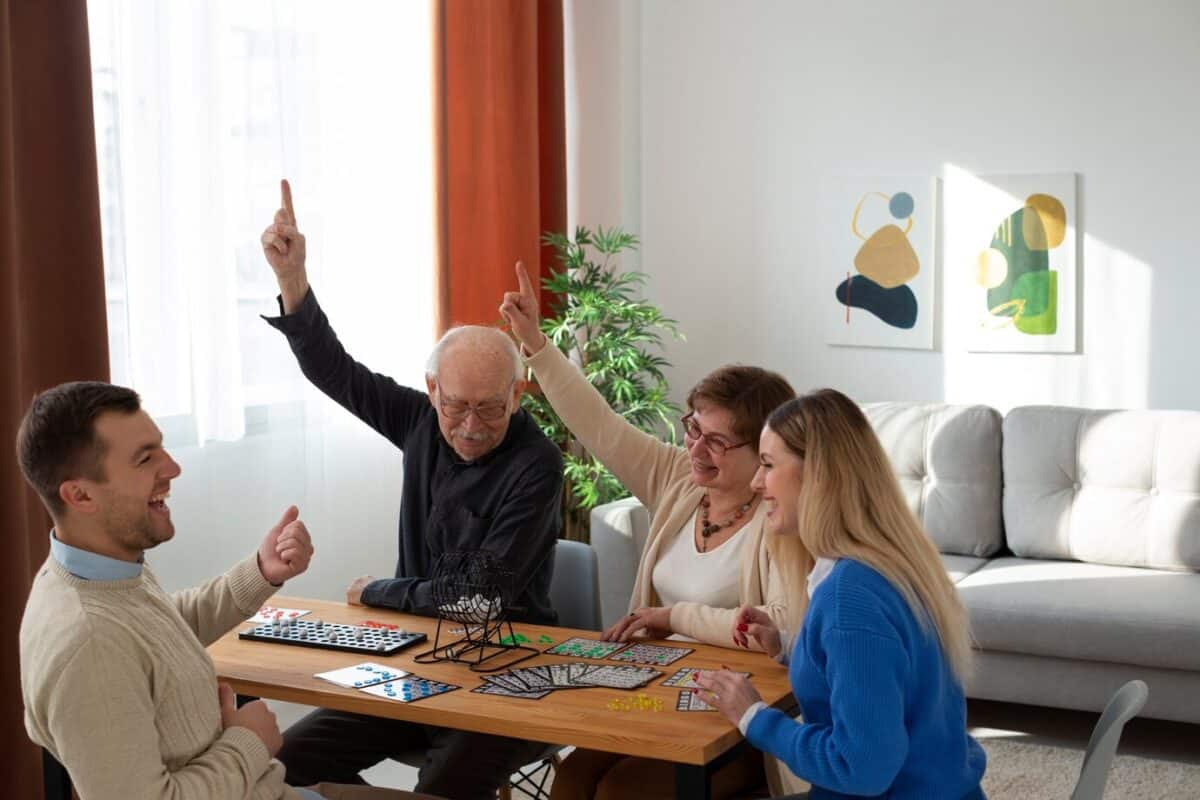
Participating in community activities, such as exercise groups, art classes, or group outings, helps seniors stay mentally stimulated. These experiences foster social bonding, offer distraction from anxious thoughts, and enhance cognitive function.

For seniors dealing with symptoms of anxiety in the elderly, a supportive community can be both healing and empowering. Read more on how senior anxiety is being addressed in supportive environments.

Caregiver Tips: Supporting a Loved One with Anxiety

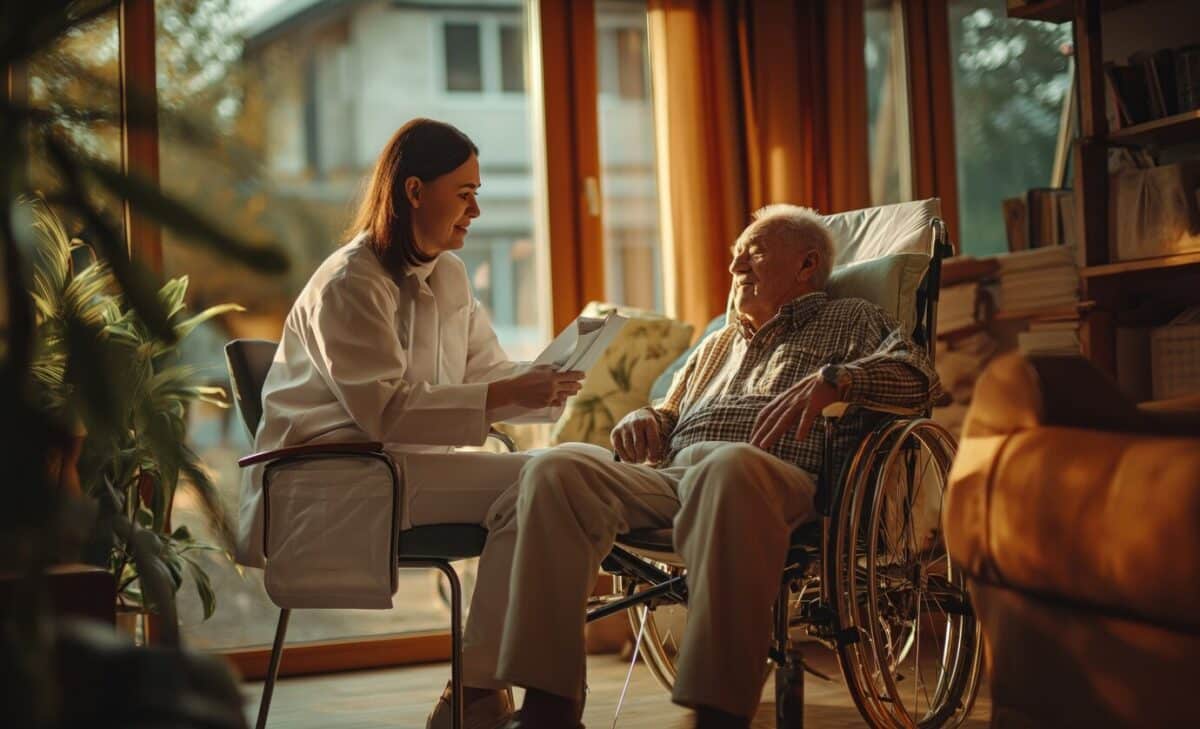
If you’re a caregiver, it’s essential to learn how to support an elderly loved one with anxiety. Start by fostering open communication. Listen patiently, without judgment, and encourage the expression of feelings. Creating a calm, predictable environment can go a long way in helping seniors feel secure.

Encourage activities that promote calmness, such as gardening, walking outdoors, or listening to music. Be cautious not to dismiss their fears, but rather validate them while helping reframe worries in a more positive light.

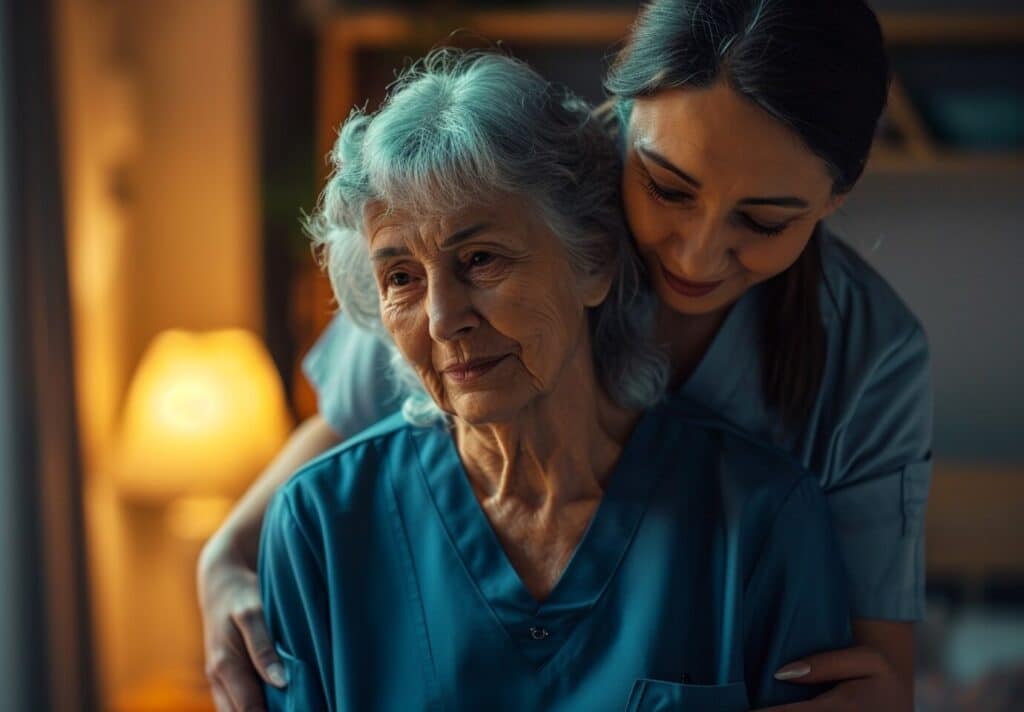
You can also accompany your loved one to medical or therapy appointments and help manage their medication regimen. Keep in mind that caregiver burnout is real, so be sure to prioritize your own well-being and seek respite care when needed. The more centered and emotionally balanced you are, the more you can provide meaningful support.

Helping Seniors Find Peace from Anxiety

Anxiety in seniors may be common, but it doesn’t have to be permanent or debilitating. With proper recognition, tailored treatment, and a strong support system, older adults can regain peace of mind and a sense of control. From natural remedies for anxiety in the elderly to understanding how to treat severe anxiety in the elderly, the path to healing is accessible and hopeful.

Westmont of Morgan Hill offers compassionate care and a nurturing environment where seniors can thrive. Our team is dedicated to helping residents manage anxiety through personalized services and engaging activities.

To take the next step, schedule a tour of our community at this link or call us directly at 408-779-8490. Let’s work together to help your loved one live a life of comfort, confidence, and calm.


Compare The Costs of Senior Living vs Staying at Home

How Do The Costs Of Moving Into A Quality Senior Care Community Compare With The Costs Of Staying At Home?


Frequently Asked Questions

What is the most common cause of anxiety in the elderly?

The most common cause of anxiety in the elderly is a combination of health-related concerns, including chronic illness, cognitive decline, and fear of losing independence. Other contributing factors include isolation, loss of a spouse, and financial stress. These life changes often heighten feelings of uncertainty and vulnerability, triggering anxiety.

How to calm an anxious elderly person?

To calm an anxious elderly person, use a calm tone and offer reassurance through gentle conversation and physical presence. Encourage slow breathing or distraction techniques like listening to calming music or going for a short walk. Creating a routine and safe environment also helps reduce feelings of fear and confusion.

Why does my anxiety get worse as I get older?

Anxiety can worsen with age due to increased health issues, memory concerns, and social changes like retirement or the loss of loved ones. The reduced ability to cope with stress and a shrinking social network can also heighten anxiety symptoms. Additionally, older adults may be more sensitive to medications or underlying conditions that trigger anxiety.

At what age does anxiety affect the most?

Anxiety can affect people of any age, but it is most commonly diagnosed in younger adults between 18 and 35. However, it often goes underdiagnosed in seniors due to overlapping symptoms with medical conditions or cognitive decline. Despite being less recognized, anxiety in older adults can still be serious and should be addressed with proper care.


Pneumonia Vaccination for Seniors: Definitive Guide

Pneumonia Vaccination for Seniors: Key Facts You Should Know

As we age, our immune systems become more vulnerable to infections like pneumonia. For seniors, this illness can escalate quickly, often leading to hospitalization or severe complications. That’s why pneumonia vaccination for seniors is not just recommended—it’s a vital component of preventive healthcare.

Vaccines like PCV13, PPSV23, and the newer PCV20 offer protection against the most dangerous strains of pneumococcal bacteria. Understanding how often a senior should get a pneumonia shot, which vaccines are best suited, and what the side effects of the pneumonia vaccine are is crucial for making informed decisions. Seniors and caregivers alike should prioritize this preventive step and seek professional guidance when navigating vaccine options.

Why Pneumonia Vaccination Matters for Seniors

Older adults are more susceptible to respiratory infections, and pneumonia is among the most dangerous. Complications from pneumonia can include bloodstream infections, lung abscesses, and even death. The pneumonia vaccine for elderly individuals plays a significant role in reducing these risks and maintaining independence and quality of life.

Vaccines like PCV13 and PPSV23 are commonly used and recommended. They are proven to lower the incidence of serious pneumococcal disease, particularly in those 65 and older. By reducing disease transmission, the pneumonia shot for seniors also helps protect the broader community. For additional senior health information, visit Westmont of Morgan Hill.

Understanding the Vaccine Options and Schedules

Several vaccines are available to prevent pneumonia. Most commonly used are PCV13 (Prevnar 13), PPSV23 (Pneumovax 23), and the newer PCV20 (Prevnar 20), which provides coverage for 20 strains. The frequency of pneumonia shots for seniors depends on the vaccine they’ve already received and their underlying medical conditions.

Generally, the CDC recommends:

  • PCV20 alone or a combination of PCV15 followed by PPSV23 for adults 65 and older.
  • A second dose of PPSV23 may be recommended five years after the first in high-risk patients.

Consult your healthcare provider to determine your ideal vaccine schedule. Many seniors are unaware of the differences between vaccines and whether they need boosters, making routine medical check-ins critical.

Learn more about elderly care and health planning from this comprehensive guide for caregivers.

What Are the Side Effects of the Pneumonia Vaccine?

It’s natural to ask, what are the side effects of the pneumonia vaccine before receiving it. Most seniors experience only mild effects, such as:

  • Redness or soreness at the injection site
  • Mild fever
  • Fatigue or muscle aches

These side effects usually resolve within a couple of days. In rare cases, individuals may experience allergic reactions, which is why informing your healthcare provider of any pre-existing allergies or sensitivities is essential. Knowing the facts about the pneumonia vaccine for elderly populations can help overcome hesitancy and ensure seniors get the protection they need.

For context, combining flu and pneumonia vaccinations can further reduce the chance of serious illness. Read more about how influenza affects seniors and why dual protection matters.

New Advancements in Pneumonia Vaccines

The introduction of PCV20 marks a significant advancement in pneumonia prevention. Approved by the FDA in 2021, this vaccine combines protection from multiple strains into a single shot. For many, this eliminates the need for separate PCV13 and PPSV23 doses.

PCV20 is a powerful option in pneumonia vaccination for seniors, offering broader protection and greater convenience. It’s covered under Medicare Part B when administered by a qualified provider. Many private insurance plans also cover it fully, but it’s best to confirm your benefits in advance.

Community healthcare teams like those at Westmont can help coordinate your vaccination needs. Learn more about navigating health care in assisted living to ensure you’re accessing all available resources.

Senior Booster Shots

Who Is Eligible and How to Access the Vaccine

If you’re 65 or older, you’re automatically eligible for the pneumonia shot for seniors under Medicare Part B. Those with certain chronic illnesses or compromised immune systems may qualify even earlier. Discussing your complete health history with your doctor will help determine the right schedule.

Wondering how to get a pneumonia shot if you’re on a fixed income? Most public health clinics offer free or low-cost options, and Medicare covers 100% of the cost if you meet the eligibility criteria.

For seniors who reside in communities like Westmont, vaccination coordination may already be part of the wellness program. Visit Vaccines for Seniors to learn how senior communities promote preventive healthcare.

How Often Should a Senior Get a Pneumonia Shot?

The frequency of vaccination is a common concern. So, how often should a senior get a pneumonia shot? The answer varies based on the vaccine:

  • PCV13: Typically administered once
  • PPSV23: May be given more than once, depending on risk factors
  • PCV20: One-time shot offering long-term protection

Booster doses may be necessary in certain cases, such as those with chronic kidney disease, undergoing cancer treatments, or having an immunocompromised state. Keep vaccination records handy and discuss any changes in your health with your doctor to adjust your schedule accordingly.

Building a Healthier Future Through Prevention

Staying proactive about vaccination is one of the best ways to support aging gracefully. Beyond the pneumonia vaccine, seniors should stay updated on other immunizations, such as shingles and influenza. Preventive care, like pneumonia vaccination for seniors, reduces medical emergencies and helps you maintain an active lifestyle well into your later years.

Accessing community wellness programs, engaging in regular physical activity, and maintaining a nutritious diet also enhance immunity. Here are a few helpful resources to support your wellness journey:

These resources offer up-to-date information and tools to help seniors stay protected and informed.

Make Pneumonia Prevention a Priority

Protecting your health with the pneumonia vaccine is a smart, proactive step toward a longer, healthier life. Knowing what the side effects of the pneumonia vaccine are, how often a senior should get a pneumonia shot, and the latest developments in pneumonia vaccines for elderly options gives you the confidence to take action.

Take the next step by speaking with your healthcare provider, reviewing your Medicare benefits, and exploring vaccination options available in your area. Whether you live independently or in a community like Westmont of Morgan Hill, you deserve access to excellent preventive care.

For more information, support, or to schedule a tour of Westmont of Morgan Hill, call 408-779-8490 or visit: Schedule a Tour. Their dedicated team is ready to help you achieve a vibrant and healthy lifestyle.


What Level of Care Do You Need?

Discover the level of care you or your family member requires. 


Frequently Asked Questions

How many doses of the pneumonia vaccine are required after age 65?

Most seniors age 65 and older are recommended to receive one dose of PCV20 or a series of PCV15 followed by PPSV23 at least one year later. The exact number of doses depends on your vaccination history. If you’ve previously had a pneumococcal vaccine, your doctor may adjust the schedule. It’s best to consult a healthcare provider for personalized guidance.

Are there any side effects to the pneumonia vaccine for seniors?

Yes, some seniors may experience mild side effects like redness, swelling, or soreness at the injection site. Others might have fatigue, low-grade fever, or muscle aches. Serious side effects are rare but should be reported to a healthcare professional. These symptoms usually resolve within a few days.

Who is eligible for the pneumonia vaccine?

The pneumonia vaccine is recommended for adults aged 65 and older, and for younger individuals with certain health conditions or weakened immune systems. People with chronic diseases such as diabetes, heart disease, or lung conditions also qualify. Your healthcare provider can confirm your eligibility based on your medical history.

How often should a senior have a pneumonia vaccine?

Seniors typically need just one pneumonia vaccine after age 65, either PCV20 or a combination of PCV15 and PPSV23. However, if previously vaccinated with an older version or before age 65, a follow-up dose may be needed. Timing varies, so consult with your doctor to ensure you are up to date.


Enhancing Family Communication in Memory Care

Improving Family Communication in Memory Care Today

Family communication in memory care is more than just a way to stay in touch—it’s a powerful tool for emotional bonding, understanding, and support. At Westmont of Morgan Hill, maintaining strong communication with loved ones in memory care can significantly improve quality of life, reduce confusion, and foster a sense of belonging.

This guide will explore strategies to enhance family communication in memory care, focusing on techniques that foster empathy, reduce misunderstandings, and create meaningful interactions. We’ll also look at how to navigate dementia communication difficulties using compassionate methods and how to build joyful memories that bring families closer together, even in the face of cognitive decline.


The Role of Communication in Emotional Support

Families prioritizing communication in memory care establishes a reliable emotional lifeline. This connection fosters trust and reduces feelings of anxiety and isolation, which are common for individuals with dementia. Engaging in intentional dialogue strengthens bonds and reinforces your loved one’s identity and dignity.

Practicing dementia communication techniques, such as using short, clear sentences and gentle tones, helps bridge cognitive gaps. These practices, combined with nonverbal communication with dementia patients—such as holding hands, smiling, or making eye contact—can communicate love and reassurance even when words fall short. Active listening and patience go a long way toward easing tension and fostering understanding.

Regular communication also ensures your loved one’s needs are consistently met and their voice remains a central part of their care journey. Family involvement is essential for emotional well-being in memory care.

Strategies for Effective Family Meetings

Effective family meetings are crucial in improving family communication in memory care. These meetings help coordinate care, share updates, and make each family member feel heard and involved.

Here are a few best practices:

  • Set a clear agenda to maintain focus.
  • Assign roles to ensure responsibilities are shared.
  • Encourage open dialogue and active listening.
  • Create a safe space where emotions can be expressed.

Family members should also prepare for these meetings by learning about early-stage dementia communication patterns. This helps set realistic expectations and encourages compassionate engagement. Scheduling meetings at regular intervals strengthens continuity and ensures nothing is overlooked. Strong family meetings build unity and contribute to better care outcomes.

For additional support, explore how to enhance family counseling during memory care planning.

Overcoming Common Communication Barriers

Families often face hurdles when trying to communicate with a loved one experiencing cognitive decline. Understanding these barriers can transform frustration into connection.

Common barriers include:

Communication Barrier Solution
Word confusion Use simple language and repeat key phrases
Emotional distress Validate feelings and redirect calmly
Misunderstood cues Observe nonverbal communication with dementia patients
Environmental distractions Find quiet, calming settings

Miscommunication is common, especially during the early and mid stages of dementia. Learning early-stage dementia communication patterns can help families adjust their approach and reduce stress. Techniques like gentle redirection, eye contact, and reassuring touch can replace confusion with calm.

Using compassionate care techniques will also improve clarity and mutual understanding during these interactions.

Creating Lasting Memories Together

One of the most rewarding ways to nurture family communication in memory care is through shared experiences. While cognitive changes may affect short-term memory, many individuals with dementia retain long-term memories, making reminiscing a valuable and enjoyable activity.

Here are ideas to create lasting memories:

  • Look through old photos and family videos
  • Cook a favorite family recipe together
  • Listen to music from your loved one’s youth
  • Take a slow walk outdoors or in a garden

These activities strengthen identity and provide joy. They also serve as non-threatening entry points for meaningful conversations. You can use fun questions to ask dementia patients, such as “What was your favorite vacation?” or “What’s the best meal you ever had?” These lighthearted prompts promote storytelling and connection.

Even simple routines—like a regular video call or afternoon snack—can evolve into cherished traditions that reinforce emotional bonds. Learn how social interaction boosts well-being and preserves cognitive function.

The Role of Family in Supporting Seniors

Supporting Caregivers Through Communication

Behind every memory care journey is a family caregiver who needs just as much support. Caregivers are often overwhelmed with responsibilities, and strong communication can be their lifeline, too.

Encourage regular check-ins to reduce caregiver isolation. Share responsibilities where possible and attend support groups to learn from others. These small efforts lighten the load and create a united caregiving front.

Caregivers also benefit from learning dementia communication techniques and strategies to manage dementia communication difficulties. Empowering them with these tools improves communication with loved ones and boosts their confidence and mental health.

Access to educational resources, such as online seminars or dementia-friendly communication guides from sites like the Alzheimer’s Association or Family Caregiver Alliance, can be instrumental in this journey.

Encouraging Joy Through Conversation

Even with cognitive changes, joyful conversations can still occur. Learning to adapt your approach opens new possibilities. By embracing fun questions to ask dementia patients, you create light-hearted moments that build connection.

Try these conversation starters:

  • “What’s the most fun you ever had as a kid?”
  • “Who was your first friend, and what did you do together?”
  • “What was your favorite job or hobby?”

These gentle questions unlock stories, stir memories, and help you see your loved one in a new light. They also effectively manage dementia communication difficulties, offering opportunities for laughter and comfort even during harder days.

Integrating these questions into daily routines helps maintain communication as the disease progresses, providing consistency and delight in small moments.

The Power of Connection in Memory Care

Communication is the thread that binds families together in the intricate memory care journey at Westmont of Morgan Hill. By practicing compassionate and consistent family communication in memory care, families strengthen emotional ties and enhance the lives of their loved ones.

From learning early stage dementia communication patterns to using non verbal communication with dementia patients, the tools shared here are meant to help you communicate with empathy and intention. By addressing dementia communication difficulties and embracing fun questions to ask dementia patients, families can turn everyday moments into lifelong memories.

If you’d like to learn more about Westmont of Morgan Hill or schedule a tour, please call us at 408-779-8490 or visit this link.


Compare The Costs of Senior Living vs Staying at Home

How Do The Costs Of Moving Into A Quality Senior Care Community Compare With The Costs Of Staying At Home?


Frequently Asked Questions

How do you communicate with a family of dementia patients?

Communicating with the family of a dementia patient involves clear, compassionate, and consistent dialogue. It’s important to share updates regularly, use simple language, and actively listen to their concerns. Encourage family involvement in care planning and offer emotional support to help them navigate the challenges of dementia. Transparency and empathy are key in building trust and cooperation.

What are the 3 R’s of communication for dementia?

The 3 R’s of communication for dementia are Repeat, Reassure, and Redirect. Repeating information helps reinforce understanding and reduces confusion. Reassuring your loved one can ease anxiety and provide comfort. Redirecting attention to a new activity or topic helps gently manage distressing behaviors or agitation.

What are five communication strategies you can use while caring for someone with dementia?

Five effective strategies include using simple language, maintaining eye contact, speaking slowly and clearly, using visual cues or gestures, and being patient with responses. It’s also helpful to minimize background noise and distractions. Always approach from the front and use a calm, friendly tone. These strategies foster a safer and more supportive communication environment.

What are three things to never do with your loved one with dementia?

Avoid arguing, correcting, or quizzing your loved one, as these actions can lead to frustration and agitation. It’s better to validate their feelings and redirect the conversation if needed. Never take aggressive or confusing behavior personally—they’re symptoms of the condition, not intentional. Patience and empathy go a long way in maintaining peace and connection.


The Ultimate Guide To Caring For Elderly Parents

Practical Guide to Caring for Elderly Parents at Home

When it comes to caring for elderly parents, families often find themselves navigating unfamiliar territory, full of emotional, physical, and logistical demands. From managing medical appointments and ensuring safety to offering emotional support, the caregiving journey can be both challenging and rewarding.

It’s crucial to approach this responsibility with a structured plan, clear communication, and the right resources. Whether you’re just beginning this journey or adapting to changing needs, the following guide will provide valuable insights into assessing care, maintaining well-being, and finding support for both you and your loved ones.


Assessing and Organizing Care Needs

Evaluating their physical, emotional, and social needs is a foundational step in caring for elderly parents. Start by talking with your parents, other family members, and healthcare providers. This team approach ensures that you understand their needs clearly, whether they need daily assistance, medical supervision, or memory support.

Tailor a plan that considers their routine, preferences, and dignity. A well-structured plan includes timelines, professional input, and regular check-ins. Learn about personalized care plans that can adapt over time to evolving health conditions and lifestyle changes.

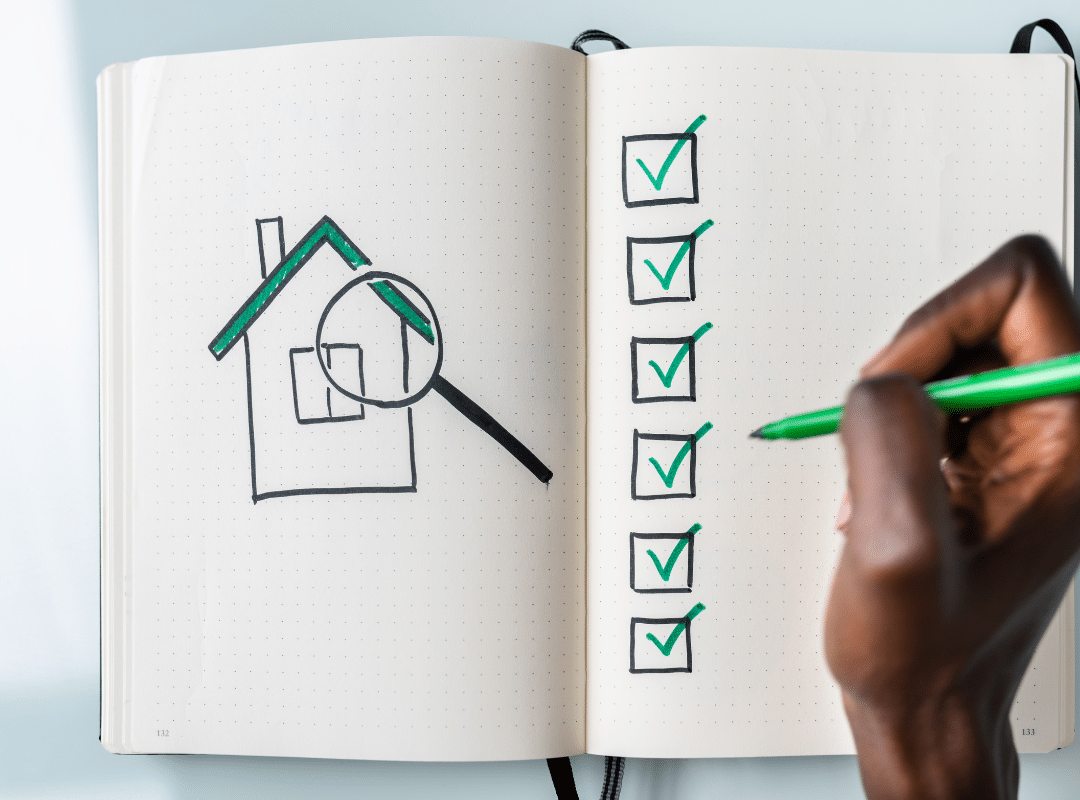
Incorporating a Caring for aging parents checklist ensures no essential details are overlooked. The checklist should include health records, emergency contacts, medication schedules, preferred hospitals, and legal documents like a power of attorney.

Types of Care Providers and Services

Understanding the range of care options is essential when living with elderly parents or deciding on alternative care settings.

Care Type Description Ideal For
In-Home Care Personal assistance at home for daily activities Parents needing companionship
Memory Care Specialized support for dementia and Alzheimer’s Parents with memory impairments
Hospice Services End-of-life care focusing on comfort and support Parents with terminal illnesses

Suppose you’re starting to notice signs your parent needs a nursing home, such as wandering, agitation, or inability to perform basic tasks safely. In that case, it might be time to explore more structured environments like memory care assisted living. These facilities offer trained staff, secure settings, and routine-based care.

Effective Caregiving Strategies

Mastering caregiving strategies ensures your parents feel safe and loved. Here are some important approaches:

  • Foster open communication. Understanding your parents’ concerns helps build trust and emotional closeness.
  • Use smart technology. Tools like medication reminders and fall sensors provide safety and convenience.
  • Create a safe living space. Declutter walkways, improve lighting, and install grab bars.
  • Accept help. Join support networks or ask family for backup care duties.

If you’re taking care of your mother, make sure her preferences are honored in every decision. Personalized care reinforces her dignity and autonomy. Resources like supportive housing options can also enhance her quality of life.

Balancing Caregiving and Self-Care

Providing care can quickly lead to burnout. Prioritizing self-care ensures you remain physically and emotionally equipped. Try these strategies:

  • Set boundaries to prevent exhaustion and maintain personal time.
  • Delegate tasks when needed—don’t try to do everything alone.
  • Schedule regular breaks to recharge.
  • Use therapy or support groups for emotional relief and encouragement.

Support your parents’ independence while also encouraging their safety. For instance, check out these tips for maintaining independence in assisted living.

Effective Elderly Care

End-of-Life Care and Emotional Well-Being

Supporting your parents during end-of-life stages is emotional, but essential. Honest conversations about their preferences help create peace and clarity for the whole family.

Open Conversations About Preferences

Discussing final wishes—living arrangements, treatments, and emotional/spiritual care—fosters a sense of control and reduces anxiety. Addressing these choices early prevents future misunderstandings and stress.

Supporting Emotional Well-Being

Aging parents, especially those with dementia, benefit from validation and empathy. If you’re learning how to deal with a parent with dementia, focus on maintaining routine, using gentle reminders, and offering reassurance.

To provide relief for caregivers and improve your parents’ quality of life, explore dementia respite care—a short-term solution that allows both parties to rest and reset.

Navigating Financial and Legal Considerations

Caring for elderly parents involves more than physical care. Prepare for the financial and legal side:

  • Estimate monthly costs for care, medication, and home modifications.
  • Understand what insurance covers and what it doesn’t.
  • Collect legal documents: wills, advance directives, and powers of attorney.
  • Explore Medicaid, veterans’ benefits, and nonprofit programs for financial assistance.
  • Speak with an elder law attorney or financial planner to avoid costly mistakes.

Sites like AARP’s Long-Term Care Planning provide helpful checklists and tools for financial planning.

Care Providers and Services for elder people

Utilizing Technology in Elder Care

Smart devices and tech tools are now key components in elder care, making everyday tasks easier and enhancing communication.

Smart Home Devices

Smart systems keep seniors safe and empower them to live independently longer. Devices to consider:

  • Smart doorbells and motion sensors
  • Voice-controlled assistants
  • Automated lighting systems
  • Emergency alert buttons
  • Smart thermostats for climate control

Wearable Health Monitors

Devices like smartwatches track vital signs and activity levels, sending alerts when something seems off. These tools are ideal for early detection and peace of mind. Read more about how wearables can assist at HealthTech Magazine.

Communication Technologies

Keeping in touch is easier than ever with:

  • Video chats via platforms like Zoom or FaceTime
  • Messaging apps for quick updates
  • Telemedicine appointments with specialists
  • Online forums for caregiver support

These technologies help preserve a social life and improve emotional health for both your parent and you.

Caregiving to a Senior

Empowering Your Journey in Elderly Care

Supporting your elderly parents is a profound act of love, but it doesn’t have to be overwhelming. With the right tools, insights, and professional assistance, you can provide the care they deserve while protecting your own well-being.

Whether you’re beginning the journey or seeking new solutions, use this time to learn, adapt, and strengthen your family bond. Utilize resources like Westmont Living or reach out directly at 858-456-1233 to explore expert care options and compassionate support.


Compare The Costs of Senior Living vs Staying at Home

How Do The Costs Of Moving Into A Quality Senior Care Community Compare With The Costs Of Staying At Home?


Frequently Asked Questions

How to care for an aging parent?

Caring for an aging parent starts with understanding their specific needs—medical, emotional, and daily living assistance. Create a plan that includes regular doctor visits, home safety assessments, and help with tasks like meals or transportation. If more support is needed, you may also consider professional services such as in-home care or assisted living. Open communication and regular check-ins can help maintain their independence while ensuring their well-being.

How to cope with caring for an elderly parent?

Coping involves balancing your responsibilities with self-care to avoid burnout. It’s important to seek support from family members, friends, or a caregiver support group. Setting boundaries, practicing stress management techniques, and taking regular breaks can help preserve your mental and emotional health. Remember, asking for help doesn’t mean you’re failing—it means you’re doing your best.

What does the Bible say about caring for our elderly parents?

The Bible encourages honoring and caring for one’s parents as a moral and spiritual duty. Scriptures like Exodus 20:12 and 1 Timothy 5:8 emphasize respect, compassion, and responsibility toward family elders. Providing care is seen as an act of love and righteousness, reflecting God’s design for family relationships. It’s viewed not just as an obligation but as a way to live out faith in action.

How to be more patient with an elderly parent?

Practicing patience starts with empathy—recognizing that aging can be frustrating or confusing for your parent too. Take a moment to breathe, listen actively, and manage your expectations. If you find yourself overwhelmed, step away briefly or talk to someone you trust. Developing a routine and using gentle communication can also ease tension and improve your caregiving relationship.


Gyms for Seniors: What to Expect and How to Start

Beginner’s Guide to Gyms for Seniors: What to Expect

Maintaining your health and mobility is vital as you age, and finding the right gyms for seniors can make that journey more rewarding. Whether you’re looking for light cardio, strength training, or low-impact balance workouts, many senior-friendly options are designed to support your goals safely and effectively. These gyms enhance your physical fitness and create opportunities for social interaction and mental stimulation.

If you’re wondering where to begin, don’t worry. Many gyms for seniors near you offer personalized fitness programs, flexible memberships, and amenities tailored to older adults. With resources like SilverSneakers and indoor gyms specifically designed for seniors, you’ll be able to access structured classes, professional guidance, and a motivating environment to stay active and engaged.

Understanding Senior Fitness Programs

Specialized fitness programs are essential for seniors aiming to improve strength, flexibility, and balance. These classes typically focus on low-impact routines to reduce the risk of injury. Examples include chair yoga, gentle aerobics, and resistance band exercises.

Beyond physical health, senior fitness programs enhance social connections and emotional well-being. Programs often incorporate fun group activities that help combat isolation. You’ll find that staying consistent with these routines boosts your mood and keeps your energy levels high. One great starting point is integrating moderate activity into your daily life.

Choosing the Right Gym for Your Needs

Location and Accessibility

Choosing from the best gyms for seniors involves more than just equipment. Proximity is key—look for gyms near your home or public transportation. Accessibility features such as ramps, elevators, and wide walkways are essential for a safe and convenient workout experience.

Many indoor gyms for seniors are located within senior living communities or local recreational centers. These options often include transportation services, which make attending regularly more manageable. Also, consider fitness amenities in senior communities that are tailored specifically to older adults.

Membership Options Available

Navigating membership plans can be tricky, but flexibility is essential. Many facilities offer month-to-month plans, and you may be eligible for a free gym membership for seniors near you through Medicare Advantage or other insurance providers. Always ask about discounts for older adults.

If you’re enrolled in programs like Silver Sneakers, you’ll gain access to hundreds of fitness centers. Review the Silver Sneakers list of gyms near you to see which locations are included and what services they offer. Comparing cost, quality, and comfort can help you select a plan that fits both your budget and goals.

Senior-Specific Programs Offered

Senior-oriented gyms often provide age-friendly options like aqua aerobics, tai chi, and chair-based strength training. These programs are especially beneficial in gyms for seniors near you, where community and consistency are key.

Programs such as SilverSneakers, Renew Active, and YMCA Senior Wellness offer structured fitness activities at little or no cost. Confirm that the gym staff is trained in senior fitness to ensure you’re receiving the best possible guidance and care.


gyms for seniors


Benefits of Gym Membership for Seniors

Enhanced Physical Health

Joining one of the best gyms for seniors helps maintain muscle tone, improve cardiovascular health, and enhance overall endurance. Strength training increases bone density, while balance exercises reduce fall risks.

Group classes in indoor gyms for seniors often include light resistance workouts, stationary cycling, or water-based activities that are easier on the joints. Staying physically active improves your immune system and supports healthy aging.

Improved Mental Well-Being

Fitness isn’t just about muscles—it also benefits your mind. Regular workouts at gyms for seniors can reduce anxiety, combat depression, and improve sleep quality. Cognitive functions like memory and attention span also improve with consistent exercise.

The sense of accomplishment from completing a workout can boost confidence and mood. This emotional uplift becomes even more significant when shared in a group setting.

Increased Social Engagement

Gyms offer a fantastic social environment. You can build relationships by attending regular classes, participating in challenges, or just chatting between sets. For seniors, this social connection is crucial for mental and emotional health.

Whether it’s sharing fitness tips or simply enjoying the company of others, the camaraderie found at gyms for seniors near you is irreplaceable.

Safety Measures and Tips for Visiting a Gym

Tip Details Emergency Protocols
Medical Clearance Consult your doctor before starting Carry ID and medical alert info
Equipment Guidance Ask trainers to demonstrate usage Learn where emergency buttons are located
Dress Comfortably Use non-slip footwear and breathable clothes Stay aware of the staff and emergency exits

Be sure to stay hydrated and listen to your body. Let someone know your schedule and avoid overexertion.

Effective Exercises for Seniors

  • Chair aerobics for mobility and cardiovascular health
  • Resistance bands for muscle building
  • Tai Chi and yoga for balance and flexibility
  • Water aerobics for low-impact full-body workouts
  • Treadmill walking for steady cardio

The programs offered by the best gyms for seniors include each of these exercises. They’re customizable, easy to follow, and offer room to grow at your own pace.

Gym Visit Frequency for Optimal Health

The CDC recommends 150 minutes of moderate exercise per week. Here’s how to break that down:

Frequency Activity Time
3-5 times/week Cardio 30 minutes
2-3 times/week Strength training 20-30 minutes
1-2 times/week Flexibility or balance 15-20 minutes

Regularity is more important than intensity. Consistency ensures better health outcomes and a safer fitness journey.

Resources and Support for Seniors in Fitness

Here are a few helpful tools:

These resources provide valuable insights into forming a lasting fitness habit. If you’re unsure where to start, speak with your primary care provider or visit your local senior center.

Ready to Start Your Fitness Journey?

Choosing the right gym can make all the difference in your health and happiness. Whether you’re looking for indoor gyms for seniors, a free gym membership for seniors near you, or simply a welcoming space to begin, you have plenty of options available.

Westmont of Morgan Hill provides a perfect example of a supportive environment designed specifically with senior needs in mind. Their trainers understand your challenges and help you set and reach realistic goals. Every visit brings you closer to improved strength, energy, and confidence. So don’t wait—explore the best gyms for seniors today and start transforming your life, one workout at a time.

To learn more or schedule a tour, call 408-779-8490 or visit Schedule a Tour.


Find Where You Belong

Dive into the vibrant life our Westmont communities have to offer.


Frequently Asked Questions

What is the best gym to join for seniors?

The best gym for seniors typically offers low-impact equipment, senior-specific classes, and a supportive environment. Look for facilities like YMCA, SilverSneakers-affiliated gyms, or local community fitness centers. These gyms usually have trainers who understand the needs of older adults. Accessibility, safety, and a variety of group classes are key features to consider.

What is the best fitness program for seniors?

The best fitness program for seniors includes a mix of balance, strength, flexibility, and cardiovascular training. For seniors, programs like SilverSneakers, EnhanceFitness, or Tai Chi are great options. These routines help reduce fall risk, increase mobility, and promote overall well-being. Always choose a program tailored to your physical condition and goals.

Does Medicare cover gym memberships for seniors?

Yes, some Medicare Advantage (Part C) plans offer gym membership benefits through programs like SilverSneakers, Renew Active, or Silver&Fit. Original Medicare (Parts A & B) generally does not cover gym memberships. It’s important to check with your plan provider to confirm which fitness benefits are included. Coverage varies by location and insurer.

What age is a senior at the gym?

Most gyms consider individuals aged 55 or older as seniors, though some set the threshold at 60 or 65. This designation often qualifies you for discounted rates or access to senior-focused programs. It’s best to ask your local gym about their specific age policy for senior membership.


Insomnia In Seniors: How Much Sleep Do Seniors Need?

Insomnia in Seniors: Understanding Their Sleep Needs

Insomnia in seniors is more common than many realize, and understanding its causes and solutions can lead to healthier, more restful nights. As people age, changes in their sleep patterns can make getting the recommended 7 to 9 hours of quality rest difficult. While occasional sleeplessness might not raise alarms, persistent issues may point to deeper problems.

At Westmont of Morgan Hill, we recognize the vital role that sleep plays in senior health. Whether you’re exploring a remedy for insomnia for elderly loved ones or are looking into natural remedies for insomnia in the elderly, it’s important to understand what’s at stake. From managing medications to improving lifestyle habits, there are numerous strategies seniors can implement to enjoy better sleep and improved well-being.

Changes in Sleep Patterns With Age

As you age, it’s natural to notice shifts in how and when you sleep. Many seniors experience lighter sleep, more frequent awakenings, and early-morning wake times. This is often due to the body’s shifting circadian rhythm and a decreased ability to process these signals effectively.

These changes can lead to insomnia in seniors, which may cause fatigue, irritability, and health issues. Establishing a structured bedtime routine and learning about natural remedies for insomnia in elderly individuals can greatly improve sleep quality. Restful sleep is critical for maintaining overall health, from mental clarity to immune strength.

Recognizing Insomnia Symptoms in Seniors

Identifying the signs of insomnia in elderly women and men is essential for early intervention. Some of the most common symptoms include:

  1. Difficulty falling or staying asleep
  2. Waking up too early and being unable to fall back asleep
  3. Daytime fatigue, mood changes, or resistance to sleep routines

These symptoms can stem from various causes including stress, environmental disruptions, or even drugs that cause insomnia in elderly individuals. If these signs persist, professional guidance may be needed to develop a personalized sleep improvement plan. Additional insights can be found in this blog on insomnia symptoms.

Sleep Patterns with Age

Effects of Insomnia on Daily Life

Chronic insomnia affects every part of your day, making once-simple tasks feel difficult and exhausting. Whether you’re experiencing it firsthand or caring for someone who is, it’s crucial to understand the emotional and physical toll it takes.

Daytime Fatigue Consequences

When seniors don’t get enough sleep, the consequences go far beyond just feeling tired:

  • Low energy and reduced participation in social activities
  • Impaired cognitive functioning, including forgetfulness and slow reaction times
  • Higher risk of accidents and falls, especially at home

It’s important to understand that these issues are not simply part of aging. Persistent sleep difficulties should be addressed using a remedy for insomnia for elderly patients, including behavior changes and medical guidance. For more insight, read about how sleep issues are not a normal consequence of aging here.

Mood and Concentration Impact

Without proper sleep, seniors may also face emotional challenges, including:

Emotional Effects Impact on Life
Irritability Strained relationships
Sadness or anxiety Withdrawn behavior
Lack of motivation Reduced participation in routines
Trouble focusing Increased errors and forgetfulness

Treating insomnia in seniors can help stabilize emotions and improve cognitive function, which is especially important for aging adults who want to maintain their independence.

Effective Treatment Options for Insomnia

Thankfully, there are several solutions to help seniors reclaim better sleep.

Behavioral Treatments

  • Cognitive Behavioral Therapy for Insomnia (CBT-I) is one of the most effective, evidence-based treatments available.
  • Sleep hygiene education, which includes teaching healthy habits like avoiding screens before bed and keeping a regular bedtime.
  • Relaxation techniques such as meditation and breathing exercises.

Medication Considerations

Sometimes, medications may be necessary. However, choosing the right medication for insomnia in the elderly is critical. Some options can cause side effects or dependency. Always consult with a healthcare provider before starting any new treatment.

Also, be aware of drugs that cause insomnia in elderly adults, including some antidepressants, corticosteroids, and blood pressure medications. If these are contributing to poor sleep, a physician may adjust dosages or suggest alternatives.

Common Sleep Disorders in Older Adults

Sleep disorders like sleep apnea, restless legs syndrome (RLS), and periodic limb movement disorder can also contribute to insomnia in seniors. Recognizing the symptoms of these conditions is crucial for identifying the best course of treatment.

For example, sleep apnea involves pauses in breathing during sleep, which can lead to fatigue and serious health issues. RLS, on the other hand, causes an irresistible urge to move the legs and can severely impact falling asleep.

Seniors should not hesitate to seek help if they suspect a disorder is affecting their sleep.

Insomnia Affects Daily Life and Health

Lifestyle Adjustments for Better Sleep Quality

Improving your sleep doesn’t always require medication. In fact, some of the best natural remedies for insomnia in elderly people involve simple lifestyle changes:

  1. Create a sleep-friendly environment with a cool, quiet, and dark room.
  2. Avoid caffeine and heavy meals in the evening.
  3. Stay active during the day to encourage better nighttime sleep.

These changes, when paired with good sleep hygiene, can serve as an effective remedy for insomnia for elderly individuals and help avoid or reduce reliance on medication for insomnia in the elderly.

To expand your understanding and get expert-approved guidance, consider exploring these external resources:

These sources offer valuable tips, research-backed advice, and deeper insights into managing insomnia in elderly women, men, and individuals with coexisting medical conditions.

The Power of Restful Sleep: Take Back Your Nights

At Westmont of Morgan Hill, we understand that addressing insomnia in seniors is more than just improving sleep—it’s about restoring joy, energy, and independence in daily life. By staying informed and proactive, you can explore personalized treatment paths that include natural remedies for insomnia in elderly, lifestyle changes, and when needed, careful use of insomnia in elderly medication.

If you or a loved one is struggling with insomnia in elderly women or is unsure if current medications are contributing to sleep issues, we’re here to help. Our team is committed to helping residents discover healthier rest and more vibrant days.

Call us at 408-779-8490 or schedule a visit at Westmont of Morgan Hill to learn more about our supportive community and personalized care plans.


What Level of Care Do You Need?

Discover the level of care you or your family member requires. 


Frequently Asked Questions

How do you treat insomnia in the elderly?

Treatment for insomnia in the elderly often begins with improving sleep hygiene, such as maintaining a consistent bedtime, avoiding caffeine late in the day, and creating a restful sleep environment. Cognitive Behavioral Therapy for Insomnia (CBT-I) is also effective and preferred over medication. In some cases, doctors may recommend short-term use of sleep aids, but these should be used cautiously due to potential side effects. It’s important to tailor treatment to the individual’s health conditions and lifestyle.

How do you get an elderly person to sleep through the night?

Helping an elderly person sleep through the night involves setting a calming bedtime routine and minimizing disturbances like light, noise, or late-night eating. Encouraging daytime activity and exposure to natural light can help regulate their internal clock. Avoiding long naps and limiting screen time before bed also supports better sleep. If sleep problems persist, consulting a healthcare provider is recommended to rule out underlying conditions.

What is the most common sleep problem in the elderly?

The most common sleep issue in older adults is insomnia, which includes trouble falling or staying asleep. This condition can stem from age-related changes in sleep patterns, health conditions, or medication side effects. Many seniors also experience fragmented sleep or wake up frequently during the night. Addressing these issues often requires a mix of lifestyle changes and medical guidance.

Why can’t older people sleep through the night?

Older adults often experience disrupted sleep due to changes in their circadian rhythm, which can cause them to feel sleepy earlier and wake up earlier. Health issues such as arthritis, sleep apnea, or the need to use the bathroom frequently can also interrupt sleep. Medications and emotional factors like anxiety or depression may contribute as well. Identifying and managing these factors is key to improving sleep quality.

The Activities that Keep Seniors Active in Memory Care Community

Keeping Seniors Active in Memory Care Through Meaningful Activities

Seniors active in memory care often experience life in more vibrant and fulfilling ways. At Westmont of Morgan Hill, each day is thoughtfully structured with experiences designed to engage residents on emotional, cognitive, physical, and social levels. These activities go beyond passing time—they’re essential for maintaining dignity, promoting joy, and enhancing well-being. Carefully chosen programming encourages participation, connection, and personal expression. Whether it’s calming activities for dementia patients or creative art projects, everything is curated to suit each resident’s unique needs.

Seniors deserve opportunities that respect their individuality while gently challenging their capabilities. Our goal is always to enrich their lives with purpose, laughter, and community. Through this, we see how seniors thrive in the right environment. Let’s explore how tailored programming makes all the difference. Discover more here.

The Power of Personalized Memory Care Activities

Personalized experiences allow seniors to feel seen and understood—something significant for those navigating memory loss. It brings familiarity and emotional comfort when caregivers align daily routines with individual histories and preferences. It might be a favorite flower to tend in the garden or a song from their youth playing during music therapy. These intentional touches anchor them in the present while gently connecting them to the past.

Group activities that feel natural and enjoyable for memory care patients often lead to better participation. Rather than focusing on clinical goals, these moments promote natural connections and emotional expression. And when a resident’s favorite activity becomes a daily tradition, it cultivates pride and routine. We’ve seen firsthand how minor adjustments can spark big emotional rewards.

Through family collaboration, we create personalized care plans that elevate the quality of life. In this way, every moment becomes an opportunity for empowerment and engagement.

Keeping Seniors Active in Memory Care Through Movement

Physical well-being plays a key role in memory care. Simple exercises tailored for comfort and ability help improve balance, boost energy, and reduce fall risks. Activities such as chair yoga and modified dance encourage movement in a gentle yet effective way. Residents often enjoy joining group sessions where movement is paired with music or games.

A well-rounded plan includes walking groups, stretching sessions, and indoor balance routines. These activities enhance cardiovascular health and promote a sense of routine. Our focus on physical health supports independence and confidence.

We encourage fun and connection through memory care activities for seniors, including movement. These sessions are also opportunities for social interaction, reinforcing that health and happiness are closely intertwined. You can explore exercises designed for strength and hip health here.

Social Engagement

Social Engagement and Connection in Memory Care

Being part of a community helps ease feelings of loneliness. Social activities foster belonging and comfort, especially when memory challenges make interaction harder. Group storytelling, community celebrations, and live music events give residents an open space to connect.

Fun activities for memory care residents can be as simple as sharing a laugh during a game or working on a collaborative craft. These small interactions can make someone’s entire day feel lighter and more connected. We aim to build friendships that bring warmth and support to everyday life.

We promote emotional expression in safe, joyful ways by encouraging conversations, singing, or playing games. Social connections not only boost mood but also help slow cognitive decline. The right environment creates space for both fun and familiarity.

Stimulating the Mind: Activities for Mental Agility

At the heart of memory care is cognitive stimulation. Residents benefit from engaging in tasks that gently challenge the brain. This includes word games, trivia, or storytelling circles. These interactions are enjoyable while encouraging memory recall, focus, and communication.

Introducing activities for dementia patients at home or in care communities doesn’t have to be complex. What matters most is consistency and creativity. A morning crossword puzzle, an afternoon trivia round, or a storytelling hour can help keep the brain sharp and spirits high.

Seniors active in memory care respond well to meaningful routines. For instance, playing a card game with familiar rules can spark recognition and joy. Games like Sudoku or matching pictures promote concentration and satisfaction.

Creative Expression: The Role of Arts and Crafts

Art can unlock memories, reduce anxiety, and encourage communication without relying on words. In memory care, hands-on creativity helps seniors process emotions and tap into parts of their identity that might otherwise feel out of reach.

With calming activities for dementia patients, the emphasis is on the process, not the product. Whether it’s painting, coloring, or building something simple, the joy comes from engaging the senses. Projects are designed with accessibility in mind, making it easy for everyone to join in, regardless of ability.

Arts and crafts can also serve as a way to build community. Group art sessions encourage residents to collaborate, share ideas, and celebrate one another’s creations. These activities offer mental stimulation and emotional grounding, especially in memory care settings.

Joy, Movement, and Memory—All in One Place

At Westmont of Morgan Hill, seniors experience a life enriched with purpose, joy, and community. Daily engagement through tailored experiences helps every individual thrive. Every interaction is meaningful, from group activities for memory care patients to particular expressions of creativity. Whether through physical movement, cognitive games, or calming pastimes, we see how these moments add up to something powerful.

Our team takes pride in crafting experiences that honor each resident’s life journey while opening new paths for connection and self-expression. These aren’t just activities—they’re building blocks for better living. Contact us today at 408-779-8490 to learn how Westmont of Morgan Hill supports your loved one with compassion, creativity, and care.


Compare The Costs of Senior Living vs Staying at Home

How Do The Costs Of Moving Into A Quality Senior Care Community Compare With The Costs Of Staying At Home?


Frequently Asked Questions

What stage is restlessness in dementia?

Restlessness often appears in the middle to later stages of dementia. It can signify confusion, discomfort, or anxiety, including pacing, fidgeting, or trying to leave a safe space. This behavior is usually the result of changes in the brain that affect memory, judgment, and emotional regulation. As dementia progresses, restlessness can become more pronounced and may require careful attention to safety and comfort.

What is strange behaviour in dementia patients?

Strange or unusual behavior in dementia patients can include repeating questions, talking to themselves, hiding objects, or becoming suspicious of others. These behaviors are caused by damage to brain regions that control reasoning and memory. While the actions may seem odd or unpredictable, they often express unmet needs, fear, or confusion. Understanding the cause can help caregivers respond with compassion and patience.

At what point should a dementia patient not live alone?

A person with dementia should not live alone once they begin showing signs of unsafe behavior, such as forgetting to turn off appliances, wandering, or neglecting personal hygiene. These risks typically become more frequent in the moderate stages of the disease. If the person can no longer manage daily tasks or make safe decisions, it’s time to consider more supportive living arrangements. Involving medical professionals and family in this decision can help ensure their well-being.

How long do most people live in memory care?

On average, people live in memory care for about 2 to 3 years, though this varies widely depending on the individual’s health and the stage of dementia at the time of admission. Some may stay for only a few months, while others may live there for several years. Memory care communities are designed to provide specialized support for residents as their needs increase. Regular assessments help ensure the right level of care is always in place.

Ways to Manage Rising Memory Care Facility Costs

Ways to Manage Memory Care Facility Costs Today

Managing memory care facility costs is a challenge many families face when planning for the future of a loved one. At Westmont of Morgan Hill, we understand how overwhelming it can feel to navigate pricing structures, coverage limitations, and service comparisons. The good news is that practical steps and resources are available to help reduce financial strain. From understanding average monthly fees to evaluating alternative care solutions and financial aid options, you can approach this journey with clarity and confidence. Whether planning for immediate needs or preparing for long-term care, assessing your budget and researching local providers can make a meaningful difference.

We invite you to contact Westmont of Morgan Hill to learn more about solutions that fit your family’s needs.

Understanding Memory Care Facility Cost Per Month

The memory care facility cost per month can vary dramatically based on location, services, and the level of care required. On average, memory care fees start around $5,000 and can rise well beyond $7,000 monthly. This is because memory care includes 24-hour supervision, cognitive therapies, and secure environments specifically designed for individuals with dementia or Alzheimer’s.

These costs may trend even higher in areas like Morgan Hill, California. That’s why it’s crucial to assess what each facility includes. Some may charge additional fees for medication management or special therapies, while others bundle everything into one monthly rate. Be proactive in asking for itemized costs and be wary of add-on fees. Understanding what you’re paying for can prevent surprises and help you compare costs more accurately.

For more insight, check out Westmont of Morgan Hill’s care offerings.

Cost of Memory Care vs Nursing Home

Comparing the cost of memory care vs nursing home care is a helpful step in financial planning. While both provide 24/7 support, nursing homes typically cater to individuals with severe medical conditions requiring clinical care, often making them more expensive. Memory care communities focus on residents with cognitive decline and provide structured routines, mental stimulation, and secure living environments.

The average monthly cost for a nursing home in the U.S. can exceed $9,000, while memory care tends to be slightly lower depending on the services provided. However, because memory care costs are rarely covered fully by insurance, families must often pay out of pocket. Memory care can offer a more cost-efficient and appropriate environment if your loved one does not require intensive medical treatment. Read more about choosing the proper care at Westmont Living.

Dementia Care Costs by State

Dementia care costs vary widely by state, influenced by regional economics, facility availability, and local demand. For instance, facilities in California are generally more expensive than those in Midwestern states due to the cost of living and staffing wages. In Morgan Hill, CA, the average monthly memory care cost often surpasses $6,500.

Understanding these state-by-state differences can be a game-changer in long-term planning. Some families even explore relocating to states with lower memory care expenses. If you’re curious about what dementia care looks like in your state or are considering a move to manage finances better, check reliable state comparison charts or connect with local aging service agencies. Learn more about our offerings and rates at Westmont of Morgan Hill for those considering Morgan Hill.

How to Reduce the Cost of Memory Care Facilities Near Morgan Hill, CA

The cost of memory care facilities near Morgan Hill, CA, can seem daunting, but you don’t have to face it alone. There are resources designed to help ease that burden. Financial aid programs like Medicaid Waivers, Veterans Benefits, and Long-Term Care Insurance are available to qualifying families.

Start by speaking to a care advisor about what services are covered and whether you can apply for financial assistance. Veterans who qualify may receive monthly stipends through Aid and Attendance, while long-term care insurance may reimburse memory care expenses depending on your policy. Some facilities, including Westmont of Morgan Hill, offer support in helping families navigate these options. Explore more about assistance programs to help lighten the load.

How Long-Term Planning Helps Manage Memory Care Facility Costs

One of the smartest moves you can make is to plan. Discuss memory care preferences early with your loved one and start building a dedicated care fund. Knowing the average memory care facility cost per month and projecting for future increases due to inflation can help you stay ahead of the curve.

Evaluate long-term care insurance policies thoroughly—many have waiting periods and exclusions, but if timed right, they can cover significant portions of care costs. Consider meeting with a financial planner to map out different scenarios and build a plan that includes emergency reserves. As prices continue to rise, especially in California, being financially prepared provides peace of mind.

Benefits of In-Home and Community Alternatives

Not every family needs or chooses to pursue full-time facility care immediately. Exploring in-home care or local support programs can extend independence and help manage expenses. Home health aides, adult day programs, and caregiver respite can provide essential support at a lower cost than full-time residential care.

While memory care facilities provide specialized attention, in-home care may suffice in the early stages of cognitive decline. This approach also allows your loved one to stay in familiar surroundings, reducing confusion and improving emotional well-being. If you’re unsure what level of care is appropriate, reach out to facilities for a care consultation.

memory care facility costs

What Makes Memory Care Worth the Investment

Although the cost of memory care vs nursing home or in-home care may be higher in some cases, memory care facilities offer unmatched specialization. Staff are trained to manage dementia behaviors, from wandering to anxiety, and provide cognitive therapies designed to slow decline. The safety, structure, and social stimulation can be invaluable.

At Westmont of Morgan Hill, we tailor programs to each resident’s history, interests, and abilities. Families gain peace of mind knowing their loved one is safe, supported, and engaged—and that reassurance can be worth every penny.

Make the Right Move Today

Managing memory care facility costs starts with understanding, planning, and exploring all your options. Whether you’re looking to reduce the cost of memory care facilities near Morgan Hill, CA, or comparing the cost of memory care vs nursing home expenses, the key is to stay informed and proactive.

If you’re ready to take the next step, contact us at Westmont of Morgan Hill at 408-779-8490. Let our team help you find the right solution for your loved one’s future—without the stress. We’re here to guide you every step of the way.


Compare The Costs of Senior Living vs Staying at Home

How Do The Costs Of Moving Into A Quality Senior Care Community Compare With The Costs Of Staying At Home?


Frequently Asked Questions

What is the average monthly cost of a memory care facility?

The average monthly cost of a memory care facility in the U.S. typically ranges from $4,000 to $7,000. This cost can vary based on location, the level of care needed, and the amenities offered. Memory care is often more expensive than standard assisted living due to the specialized services provided. Additional fees may apply for medical support or personal care needs.

Is memory care covered by Medicare?

Medicare does not cover the cost of long-term memory care facilities. However, it may cover certain medical services provided in memory care, such as doctor visits or prescriptions. For ongoing residential care, families often rely on private pay, long-term care insurance, or Medicaid (if eligible). It’s essential to explore all available options and financial planning resources.

What happens to dementia patients with no money?

Dementia patients without financial resources may qualify for state assistance programs like Medicaid, which can help cover long-term care costs. Many states offer Medicaid waivers specifically for memory care or assisted living. If the individual does not qualify, Adult Protective Services or social workers may intervene to help ensure they receive basic care and housing. Public nursing homes or nonprofit organizations may also offer support.

Are nursing homes cheaper than memory care?

Nursing homes are generally more expensive than memory care facilities due to the higher level of medical care provided. However, in some cases, memory care can be more costly if it’s located in a high-demand area or offers extensive personalized services. The cost difference also depends on the resident’s specific needs and the facility’s pricing structure. Comparing both options based on care level and amenities is essential when deciding.


Safety Protocols in Independent Living – Westmont of Morgan Hill

Safety Protocols Independent Living at Westmont of Morgan Hill

Safety is at the heart of everything in independent living, especially at Westmont of Morgan Hill. Safety practices must go beyond routine drills or emergency buttons for residents who value autonomy without sacrificing peace of mind. From health checkups and secure transport to wellness programs and trained personnel, a comprehensive plan ensures daily life remains enjoyable and worry-free. These efforts follow basic recommendations and reflect independent living standards designed to protect and empower. When staff and residents embrace these protections, they lead to a stronger, safer, and more connected community. And it’s in that setting where dignity and confidence thrive. With the right tools, training, and environment, everyone benefits from safe independent living rooted in respect and preparedness. 

Why Safety Protocols Matter in Independent Living

Regarding independent living, safety isn’t just a nice-to-have—it’s non-negotiable. Strong independent living guidelines ensure everyone feels secure while preserving their freedom. This philosophy appears in everyday routines and long-term planning at Westmont of Morgan Hill. Residents are encouraged to engage in discussions that strengthen community-wide awareness and ownership of safety practices. Regular risk assessments and property inspections are the foundation of a robust list of safety protocols, with a clear goal of preventing avoidable incidents. By placing resident participation at the core of these efforts, communities build resilience and create better outcomes for everyone.

Fire Safety Measures Built Around You

Knowing what to do in a fire situation is essential. Westmont of Morgan Hill takes a proactive approach with regular drills, updated evacuation maps, and equipment inspections that align with independent living rules and regulations. These fire drills help residents remember escape routes and provide real-time practice that builds calm responses in high-stress situations. After each drill, the community evaluates what worked and what could improve, adjusting protocols accordingly. These actions reflect a commitment to the highest independent living standards, creating an environment where safety isn’t a checklist—it’s a mindset. Explore these fall prevention tips to enhance home safety further.

Health Checkups Are a Safety Priority

Consistent healthcare is key to safe independent living. Regular checkups detect early health issues and ensure you stay ahead of potential emergencies. At Westmont of Morgan Hill, professionals visit routinely, providing screenings, wellness advice, and follow-up plans tailored to each resident. Access to medical support reflects a higher level of care and responsiveness. It’s not just about addressing problems—it’s about preventing them before they arise. The community’s collaboration with local healthcare providers enhances this system, reinforcing a broader list of safety protocols centered on prevention. Learn more about navigating senior health care and its impact on long-term well-being.

The Importance of Fire Drills

Mental Health Support for a Safer You

Safety isn’t just physical—it’s emotional, too. Westmont of Morgan Hill places equal importance on mental wellness, offering mindfulness sessions, one-on-one counseling, and wellness education. Programs like guided meditation and yoga are available, helping residents manage stress and improve clarity. Regular community workshops also provide tools to cope with life changes and foster emotional safety. Like physical well-being, maintaining emotional health is part of the broader independent living guidelines supporting whole-person care. Staying socially connected is also key—discover these mental health tips to protect emotional well-being.

Security You Can Count On

Safety begins with prevention. With dedicated security staff and surveillance systems, Westmont of Morgan Hill ensures a secure and peaceful environment—cameras, access control points, and on-site monitoring form a trusted perimeter. Residents can call for help anytime using built-in alert systems, knowing that trained staff are always available. These safeguards aren’t just about protection—they offer freedom. When people feel secure, they can live more fully and independently. All these features align with independent living standards, reinforcing daily confidence in the environment.

Emergency Systems That Work When You Need Them

In critical moments, response time matters. Emergency call buttons, wearable alert devices, and regularly updated contact systems are just a few of the tools that keep residents safe. These systems are tested frequently, ensuring they work when it counts most. By involving residents in safety planning and feedback, Westmont of Morgan Hill builds more vigorous, innovative protocols. That level of transparency and collaboration reflects a living environment shaped by resident input and professional expertise. This dual approach enhances the community’s list of safety protocols and ensures each feature is practical and reassuring.

Transportation That’s Safe and Reliable

Whether you’re headed to a doctor’s appointment or a social outing, transportation should never compromise your safety. Westmont of Morgan Hill drivers are trained in navigation and elder care best practices. Each vehicle is inspected regularly, and pickup areas are designed for easy, safe access. These services allow residents to maintain their routines without sacrificing their security. Reliable transportation supports safe independent living and keeps residents connected, active, and involved—essential to emotional and physical well-being.

Nutrition and Dietary Plans

The Power of Community Participation

Westmont of Morgan Hill believes that safety is strongest when it’s shared. Residents are regularly invited to attend safety workshops, emergency response demonstrations, and wellness events. These gatherings aren’t just informative—they foster community bonds and actively empower people to shape safety outcomes. Resident feedback is valued and incorporated, helping improve the evolving independent living rules and regulations that guide daily life. This culture of involvement ensures that every voice is heard and every concern is addressed with care and professionalism.

Smart Technology for Safer Living

Technology can enhance quality of life when implemented wisely. Westmont of Morgan Hill uses modern health tracking tools that alert staff to potential issues, allowing early intervention. These devices—like wearables and in-room monitors—offer residents peace of mind without invading privacy. When integrated with wellness programs, these tools encourage healthier habits and reinforce community-wide independent living standards. It’s a seamless blend of care and independence that helps every resident stay informed and in control.

Maintaining Personal Autonomy

Partnering with Emergency Responders

Collaboration with local first responders adds another layer to the safety net. Westmont of Morgan Hill conducts regular joint drills with fire departments and emergency personnel, ensuring everyone knows the proper actions to take in real emergencies. These partnerships help fine-tune protocols and elevate the entire safety system to a higher level of preparedness. As part of the broader independent living guidelines, these efforts represent a community that’s not just ready but resilient.

Westmont of Morgan Hill combines expert care, trusted security, and resident-driven practices to form a truly protective living environment. When safety becomes part of the culture—not just a checklist—residents thrive with confidence and connection. To see how Westmont of Morgan Hill supports safe, independent living at every level, contact us today at 408-779-8490 or visit us online.


What Level of Care Do You Need?

Discover the level of care you or your family member requires. 


Frequently Asked Questions

What are the 4 personal safety protocols?

The four key personal safety protocols are: maintaining awareness of your surroundings, keeping emergency contacts easily accessible, securing your home with locks and alarms, and planning emergencies. These measures help prevent accidents, reduce the risk of harm, and provide peace of mind. For older adults, these protocols can be lifesaving in urgent situations. It’s also important to regularly update safety plans and communicate them with family or caregivers.

What specific safety concerns would you have for an elderly patient who lives alone?

Elderly individuals living alone face safety concerns like falls, delayed response to medical emergencies, and social isolation. They may also be more vulnerable to scams or forget to take medications. Proper lighting, grab bars, and emergency alert systems can help reduce risks. Regular check-ins from family, friends, or care providers are also essential for ongoing safety.

What are the negatives of independent living?

Independent living can feel isolating for seniors who don’t have regular social interaction or mobility. It may not provide adequate support for those needing help with daily tasks, leading to health or safety issues over time. Costs can also add up if additional services need to be brought in. It’s essential to assess whether the environment matches a senior’s current and future needs.

How to safely proof a home for the elderly?

To safety-proof a home for the elderly, remove tripping hazards like loose rugs and install grab bars in the bathroom. Ensure hallways and staircases are well-lit and free of clutter. Place frequently used items within easy reach to avoid the need for climbing or bending. Emergency systems like medical alert buttons or motion sensors can also add valuable protection.

What Are the Best Ways to Care for Older Adults?

Best Ways to Care for Older Adults at Home

Caring for older adults goes far beyond essential support—it’s about fostering dignity, independence, and emotional connection. Whether you’re a family or a professional caregiver, understanding how to care for older adults means meeting their needs with both compassion and respect. From creating safe living spaces to promoting wellness and offering emotional support, the goal is always the same: helping them thrive. Home-based elder care is becoming more accessible, with more free services for senior citizens and government assistance than ever before. Families are now learning how to take care of the elderly at home in ways that align with their loved ones’ unique preferences and values. With a blend of personal involvement and helpful resources, you can give your loved one the care they deserve without compromising their independence. Supporting their journey takes more than tasks; it takes heart. And with a thoughtful approach, you can make a world of difference.

Understanding Individual Needs in Elder Care

When you explore how to care for older adults, it starts with recognizing their individuality. Everyone ages differently. One senior may need help with mobility, while another struggles with memory or loneliness. Tailoring care to these diverse needs ensures seniors feel understood and respected. Embrace their stories, routines, and the emotional nuances of aging. Simple gestures like remembering their favorite morning drink or listening to stories from their past go a long way. The more connected you are to their world, the better care you provide. Respecting preferences while assisting with hygiene or meals allows them to feel in control. This understanding leads to better outcomes and stronger bonds.


How to Take Care of the Elderly at Home with Confidence

Learning how to take care of the elderly at home involves preparation, patience, and flexibility. You might begin with small changes—clearing cluttered pathways or organizing medication. But caring at home also means adapting your routine, staying alert to changing health signs, and encouraging engagement. Emotional support is as vital as physical assistance. Spend time with your loved one, play their favorite music, or go on short walks together. You’ll likely find that the most meaningful care moments aren’t scheduled—they’re the spontaneous ones that bring joy or comfort. For deeper insight, this guide on family involvement shares how your role matters more than you might think.

Free In-Home Help for Seniors Can Make All the Difference

Providing quality care for older adults doesn’t have to be overwhelming or expensive. Today, some programs offer free in-home help for seniors, including home health aides, transportation to medical appointments, and respite care for family caregivers. These services, often funded by nonprofit groups or state agencies, give families a break and ensure older adults continue receiving care in familiar surroundings. Having trained professionals available, even part-time, eases the caregiving load while promoting safety and structure. For those who qualify, elderly care assistance from the government can be a life-changing support system that keeps seniors at home longer and healthier.

Creating a Safe and Comfortable Home Environment

Safety is a key factor in senior care. Slip hazards, poor lighting, and narrow hallways are common obstacles. Minor modifications—like adding grab bars or rearranging furniture for clearer walkways—make a huge impact. Make sure everything they need is within reach to avoid unnecessary strain. Your loved one will feel more confident moving about, knowing their home supports rather than hinders them. Equally important is emotional safety. Keep a predictable routine, offer reassurance during uncertain moments, and always involve them in decisions. This kind of secure environment nurtures both trust and independence. Explore fall prevention tips here for more ideas.

The Role of Technology in Senior Care

The Role of Technology in Senior Care

Encouraging Mental and Social Engagement

Mental stimulation is as essential as physical health. Seniors benefit from regular cognitive activities—doing puzzles, reading, or having thoughtful conversations. Social connections also matter. Isolation can lead to depression, so helping seniors stay involved with friends, family, or community groups is vital. Encourage them to join local events, participate in senior centers, or volunteer when possible. These activities provide purpose and structure to their days. Some seniors also thrive in wellness programs designed to improve mood and memory. Check out this wellness resource for inspiration on keeping minds sharp.

Elderly Care Assistance from the Government

If you’re caring for an aging loved one, don’t overlook elderly care assistance from the government. Programs like Medicaid, Veterans Affairs Aid and Attendance benefits, or state aging departments provide crucial resources. These include caregiver stipends, medical equipment, and in-home support services. Accessing these benefits takes some research, but the support is worth it. Knowing help is available lightens the emotional and financial load. Many families combine government services with personal caregiving to strike a healthy balance. Always explore what’s available in your area, as each state offers different assistance options. With the proper support, caring at home becomes much more manageable.

Empowering Seniors Through Independence

Independence is a cornerstone of self-worth, especially for seniors. Encouraging autonomy shows trust and respect. Let them manage tasks they can still handle, even if it takes longer. Support their choices whenever possible—what to wear, what to eat, how to spend their day. This simple act of inclusion strengthens their confidence. Independence doesn’t mean isolation; it means empowerment. Be their ally in maintaining skills, not just a helper. You’ll be surprised how this mindset shift positively affects their attitude and overall health. For more on how independence improves elder care, this article on social wellness is a helpful resource.

Accessing Free Services for Senior Citizens

Finding free services for senior citizens can help you build a comprehensive care plan without overextending your time or finances. Meal delivery, transportation, medication assistance, and wellness checks are often available through local community programs or Area Agencies on Aging. These services supplement your caregiving efforts and enhance the senior’s lifestyle and health. They provide structure, increase socialization, and give caregivers and seniors peace of mind. Staying connected to these free programs keeps care holistic and accessible. Don’t hesitate to contact local networks—they’re there to help.

You Don’t Have to Do It Alone

Caring for a loved one is rewarding but can also feel overwhelming. Whether navigating the challenges of aging parents or providing daily support, you don’t have to shoulder everything alone. Understanding how to care for the elderly at home becomes easier when you’re equipped with the right knowledge and resources. Explore the many programs offering free in-home help for seniors, tap into free services for senior citizens, and look into elderly care assistance from the government to lighten your load. By blending compassion with support, you ensure your loved ones live safely and meaningfully. If you want guidance or have questions, call us at 408-779-8490 or visit our site to learn more about how Westmont of Morgan Hill can support your journey.


Compare The Costs of Senior Living vs Staying at Home

How Do The Costs Of Moving Into A Quality Senior Care Community Compare With The Costs Of Staying At Home?


Frequently Asked Questions

What is the proper way to care for an elderly person?

Caring for an elderly person involves meeting their physical, emotional, and social needs with respect and compassion. This includes helping with daily tasks like bathing, eating, and managing medications, as well as ensuring they stay mentally and socially engaged. It’s important to create a safe, comfortable environment and involve them in decisions about their care. Regular check-ups and open communication with healthcare providers also help maintain their well-being.

What is a plan of care for an older adult? 

A plan of care for an older adult is a personalized document that outlines the specific medical, emotional, and daily living needs of the individual. It typically includes information on medications, health conditions, mobility assistance, and preferred routines. This plan helps caregivers and healthcare professionals stay coordinated and ensure consistent, high-quality care. It is often updated as the person’s needs change over time.

Where do old people go to get taken care of?

Older adults can receive care in a variety of settings depending on their needs. Some live at home with the help of family or in-home caregivers, while others move to assisted living communities, nursing homes, or specialized memory care facilities. Adult day centers also provide part-time support for those who live at home but need care during the day. The right setting depends on the individual’s health, mobility, and personal preferences.

What is it called when you take care of an old person?

Taking care of an older adult is commonly referred to as elder care or senior care. It can involve a range of services, including personal care, medical support, companionship, and assistance with daily living activities. People who provide this care are often called caregivers, and they may be family members, professional in-home aides, or staff at senior living communities. Elder care aims to support the aging process with dignity and compassion.


Floor Plans & Pricing

Make yourself at home where a happy, healthy lifestyle goes hand-in-hand with your personal fulfillment, enrichment, and growth.

Answer a few quick questions to unlock the exciting future senior living can offer!

Resident Login