



Anxiety in elderly treatment often includes emotional support, healthy routines, therapy, and medical guidance based on each person’s needs. If you are noticing ongoing worry, sleep problems, or distress in an older loved one, understanding the cause is the first step toward relief at The Oaks at Nipomo in Nipomo, California.
Anxiety can show up in quiet ways, especially later in life. You may see it in sleep changes, repeated worries, fear of being a burden, or withdrawal from daily routines. This guide walks through symptoms, common causes, nighttime anxiety, natural support, medication considerations, and what you can do next. For a broader look at daily well-being, you can also explore Is Health and Wellness for Seniors the Key to a Fulfilling Retirement?
What Anxiety in Elderly Treatment Usually Includes
Anxiety in elderly treatment is the process of helping an older adult manage persistent fear, worry, or emotional distress in a way that supports daily life. Treatment may include therapy, calming routines, social connection, physical activity, and a medication review when a healthcare provider deems appropriate.
The goal is not only to reduce anxious thoughts. It also helps the person sleep better, feel safer, stay engaged, and handle day-to-day life with more confidence. If you are trying to understand what kind of support may help, a care assessment can be a useful next step.
Symptoms of Anxiety in the Elderly You Should Not Ignore
Symptoms of anxiety in the elderly can show up in emotional, physical, and behavioral ways. You may notice constant worry, restlessness, fear about the future, trouble relaxing, poor sleep, or a growing sense that everyday tasks feel harder than they used to.
Emotional and Behavioral Signs
One of the behavioral symptoms of anxiety in older adults is avoidance. A person may pull back from social time, repeat the same concerns, seem unusually on edge, or become more fearful at night. Anxiety in elderly women may also appear as persistent worry, disrupted sleep, or emotional strain that is easy to dismiss as everyday stress.
When Symptoms Start Affecting Daily Life
Once anxiety begins affecting sleep, mood, confidence, or connection with others, it deserves closer attention. Small changes can build over time, especially when the person already feels physically vulnerable or emotionally overwhelmed.
What Is the Most Common Cause of Anxiety in the Elderly?
The most common cause of anxiety in the elderly is usually not one issue on its own. It is often a mix of health changes, grief, fear of losing independence, memory concerns, and the stress that can come with aging.
Health Changes, Loss, and Fear of Losing Independence
You may also see anxiety increase when an older adult feels isolated or unsure about the future. About 28% of older adults in the United States live alone, and the National Institute on Aging notes that isolation and loneliness are linked with higher risks for anxiety and depression, which can make ongoing worry harder to manage for some seniors. National Institute on Aging research on social isolation and loneliness can help put that connection into context.
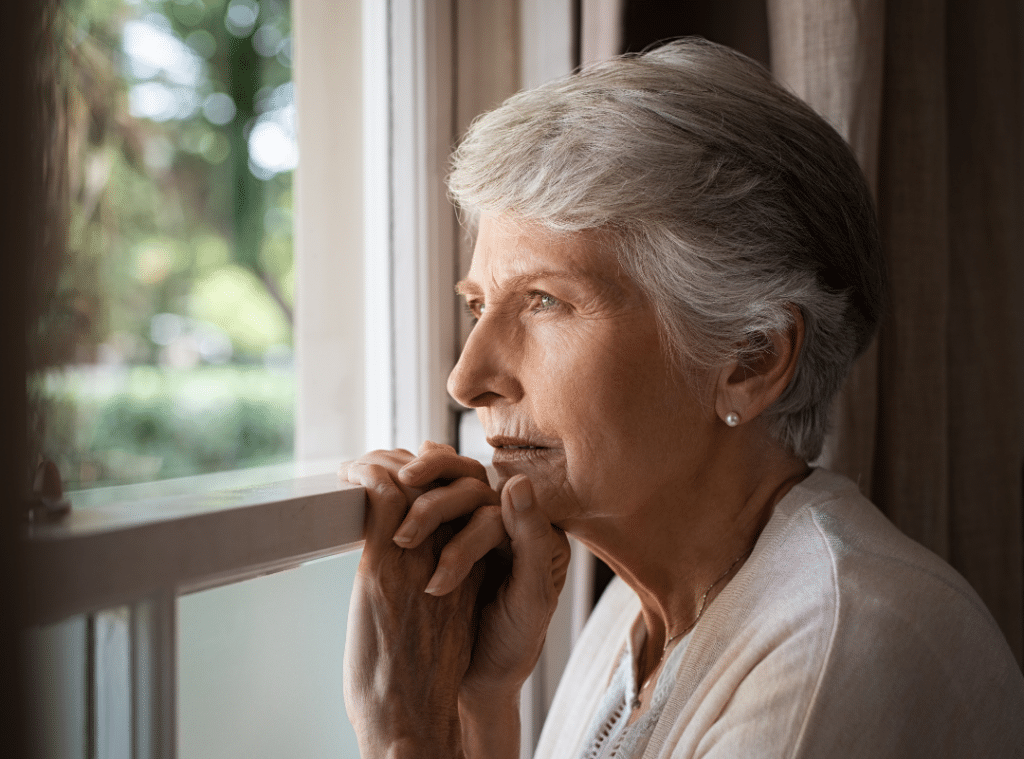
Anxiety in the Elderly at Night: Why It Can Feel Worse After Dark
Anxiety in the elderly at night can feel stronger because the day becomes quieter and worries have more room to surface. Sleep concerns, loneliness, fear of being alone, or worry about forgetting something the next day can all make nighttime feel more intense.
A calmer evening routine may help reduce some of that distress. Support can include gentle conversation, writing down worries before bed, and making the environment feel more reassuring and predictable.
| Common nighttime concern | What it may feel like | Supportive response |
| “What if I can’t sleep?” | Overwhelmed | Use slow breathing and a steady bedtime routine |
| “Will I be alone again?” | Isolated | Encourage connection and reassurance |
| “What if I forget tomorrow?” | Frightened | Write down reminders before bed |
| “Am I a burden?” | Insecure | Offer a calm, supportive conversation |
Natural Remedies for Anxiety in Elderly Adults
Natural remedies for anxiety in older adults may help when used as part of a consistent daily routine. Calming teas, gentle movement, mindfulness, social connection, and a nutritious diet can all support emotional balance and reduce feelings of stress.
Daily Habits That Support Calm
Simple habits often make the biggest difference:
- Gentle exercise, such as yoga or tai chi
- Mindfulness or meditation to stay grounded
- Time with family or friends to reduce isolation
- Consistent daily routines that feel calming
The National Institute on Aging also notes that physical activity can help reduce stress and anxiety, improve sleep, and support better day-to-day well-being. Their healthy aging tips for older adults align well with the kind of steady routines many families are already trying to build.
If you are looking at everyday quality of life, tools such as a lifestyle assessment can help guide the conversation.
What Is the Best Anti-Anxiety Medication for Elderly Adults?
The best anti-anxiety medication for elderly adults depends on the person’s health history, symptoms, and overall care needs. The original guidance highlights SSRIs such as escitalopram and sertraline as commonly considered options because they may have a more favorable side effect profile for older adults. SNRIs such as venlafaxine may also be used, though blood pressure should be monitored for changes.
Why Medication Choice May Be Different for Older Adults
Medication decisions should always be individualized. Benzodiazepines may carry added concerns in older adults because of the risk of falls and cognitive impairment, so families should talk closely with a healthcare provider about what fits the person’s needs. That extra caution matters even more when anxiety overlaps with memory changes, which is one reason families often ask about the best anti-anxiety medication for the elderly with dementia before making any treatment decision.
Anxiety and Depression in Older Adults: Why the Connection Matters
Anxiety and depression in older adults often appear together. Anxiety can make sadness feel heavier, and depression can make anxious thoughts feel harder to control. When both are present, daily life may feel more draining, and support needs may become easier to overlook.
This is one reason a full, thoughtful approach matters. Emotional support, therapy, daily structure, and medical guidance may all help someone feel more stable. The CDC’s stress-management guidance also emphasizes daily coping habits such as getting enough sleep, moving, and staying connected, which can support emotional well-being over time.
Support and Next Steps for a Calmer Everyday Life
Anxiety in older adults deserves real attention, not dismissal. When you understand the symptoms, possible causes, nighttime patterns, and treatment options, it becomes easier to make thoughtful decisions that support comfort and peace of mind. A common real-life pattern is a parent who seems more fearful after dark, repeats the same worries, and starts sleeping poorly. That kind of shift may be subtle at first, but it often signals that extra support would help.
If you are exploring what kind of environment or support may help a loved one feel more secure, schedule a tour, contact us, or call us at 805-723-5206. Whether you are considering Assisted Living, Memory Care, or Independent Living, you can also review the cost comparison tool to continue the conversation in a way that feels right for your family.
Frequently Asked Questions About Anxiety in the Elderly
What are anti-anxiety drugs for elderly people?
Anti-anxiety drugs for elderly people can include medications such as SSRIs and, in some cases, SNRIs. These are often considered because they may be effective and offer a more manageable side-effect profile for some older adults. Medication should always be chosen carefully based on the person’s health history and symptoms. A healthcare provider should guide the decision and monitor how the medication is working.
How do you deal with anxiety in the elderly?
You address anxiety among the elderly by combining reassurance, daily structure, healthy routines, and professional support as needed. Therapy, physical activity, mindfulness, and social connection can all help reduce distress. It also helps to listen without judgment and notice when symptoms are starting to affect sleep, mood, or daily life. The most helpful plan is one that matches the person’s specific needs.
How to talk to someone with anxiety?
Talk to someone with anxiety in a calm, patient, and supportive way. Let them share their fears without rushing to dismiss or fix everything right away. Simple reassurance, open-ended questions, and a steady tone can help them feel safer and more understood. If their anxiety seems persistent or severe, encourage them to speak with a healthcare professional.
How to manage severe anxiety?
Severe anxiety should be taken seriously and addressed with professional help. Therapy, medical evaluation, and close support can help identify the cause and create the right treatment plan. Daily habits such as sleep routines, calming practices, and regular connection may still help, but severe symptoms often need more than self-management alone. Early support can make a meaningful difference in comfort and quality of life.