Step Into Westmont Living®

Why You Should Choose Assisted Living in Morgan Hill

If you’re seeking a warm, enriching community for a loved one, assisted living in Morgan Hill provides an ideal balance of independence and care. Nestled in the heart of the Bay Area, Westmont of Morgan Hill offers personalized support, vibrant social activities, and top-notch amenities designed specifically for seniors.

Choosing the right environment for aging loved ones can be a challenging task. But with resources like the Morgan Hill Senior Center, proximity to Morgan Hill Apartments, and alternatives to a traditional Morgan Hill nursing home, Westmont provides a unique option where residents thrive emotionally, socially, and physically.

Why Choose Assisted Living in Morgan Hill?

Assisted living in Morgan Hill is more than just a location—it’s a lifestyle. Residents receive care tailored to their needs while enjoying the freedom of an independent lifestyle. With trained caregivers available around the clock, your loved one is always in good hands.

This vibrant community is located near both Morgan Hill Apartments and the Morgan Hill Senior Center, offering easy access to social services, recreational programs, and opportunities to engage with the broader community. For families exploring alternatives to a nursing home in Morgan Hill, assisted living offers a nurturing environment where independence is encouraged and dignity is preserved.

Personalized Care for Every Stage of Life

One of the most significant benefits of assisted living in Morgan Hill is its personalized approach to senior care. Every resident has unique needs, and Westmont provides individualized care plans to match those needs.

Service Feature What It Includes
ADL Support Assistance with bathing, dressing, and grooming
Medication Management Daily reminders and distribution
Wellness Programs Holistic physical and mental health support
Memory Care Options Specially designed programs for cognitive health

The focus on customized attention goes beyond health care. Whether your loved one is transitioning from a Morgan Hill nursing home or downsizing from Morgan Hill Apartments, they’ll find a sense of purpose and comfort at Westmont. Read more about care plans

Vibrant Community Life and Activities

At Westmont, life is never dull. The community encourages active participation in daily activities that promote mental, physical, and emotional well-being. Events often include collaborations with the Morgan Hill Senior Center, offering educational workshops, cultural outings, and holiday celebrations.

Some popular offerings include:

  • Art and music therapy
  • Outdoor gardening in the central courtyard
  • Fitness and yoga sessions
  • Movie nights and themed dinners

The goal is to create an environment where residents enjoy their days with friends and feel like they’re part of something larger. If you’re exploring beyond the more clinical setting of a Morgan Hill nursing home, these amenities provide the warmth and energy of a thriving social community.

Learn more about senior activities at Westmont

Healthy and Delicious Dining Experiences

Proper nutrition is a cornerstone of wellness, especially for seniors. Westmont’s culinary team crafts meals that are not only nutritious but also appealing to every palate. These meals cater to dietary preferences and health requirements, offering a dining experience that matches luxury living.

What to expect from dining at Westmont:

  1. Seasonal Menus made with fresh ingredients
  2. Special Diet Accommodations for diabetes, allergies, and more
  3. Interactive Cooking Demos and Chef Spotlights
  4. Dining Rooms that Feel Like Home

Residents transitioning from Morgan Hill Apartments or a Morgan Hill nursing home appreciate the variety and presentation, which go far beyond institutional meals. Discover how our nutrition programs support wellness.

Staying Connected with Family and Community

One of the most important aspects of a successful assisted living experience is the involvement of loved ones. Westmont encourages regular visits, family events, and open communication to ensure residents maintain strong emotional bonds.

Community engagement is also strengthened through partnerships with local organizations like the Morgan Hill Senior Center and volunteer-led programs. Whether you’re moving from a Morgan Hill nursing home or seeking a more interactive lifestyle than Morgan Hill Apartments may provide, assisted living creates meaningful moments that connect generations.

Family members are always welcome to join in activities, holiday meals, and workshops, ensuring that the transition to assisted living feels natural and uplifting.


assisted living morgan hill


Comparison: Assisted Living vs. Nursing Homes and Apartments

Understanding the differences between assisted living, a Morgan Hill nursing home, and Morgan Hill Apartments can help you make an informed decision.

Feature Assisted Living Nursing Home Apartments
Medical Care Light to moderate Intensive, 24/7 None
Community Activities Yes Limited Varies
Personalized Support Yes Yes No
Cost Mid-range Higher Lower
Independence High Low High

While Morgan Hill Apartments offer freedom, they lack the healthcare support and community programming found at Westmont. On the other hand, a Morgan Hill nursing home may be necessary for medical conditions requiring constant supervision, but it may not offer the same engaging lifestyle.

Nearby Amenities and Local Highlights

Westmont of Morgan Hill is strategically located to provide easy access to nearby services and recreational options that enhance the senior living experience.

  • Morgan Hill Senior Center: A hub for community engagement and education
  • Morgan Hill Apartments: Great for visiting family members to stay nearby
  • Morgan Hill Community Park: Perfect for weekend outings
  • Downtown Morgan Hill: Dining, shopping, and entertainment for all ages

A Community That Feels Like Home

Residents frequently describe Westmont as warm, inviting, and secure. Whether coming from a Morgan Hill nursing home or considering the move from Morgan Hill Apartments, many find Westmont to be a beautiful blend of comfort and care. Friendly staff, gorgeous landscaped grounds, and a focus on individual wellness create a space where seniors feel truly at home.

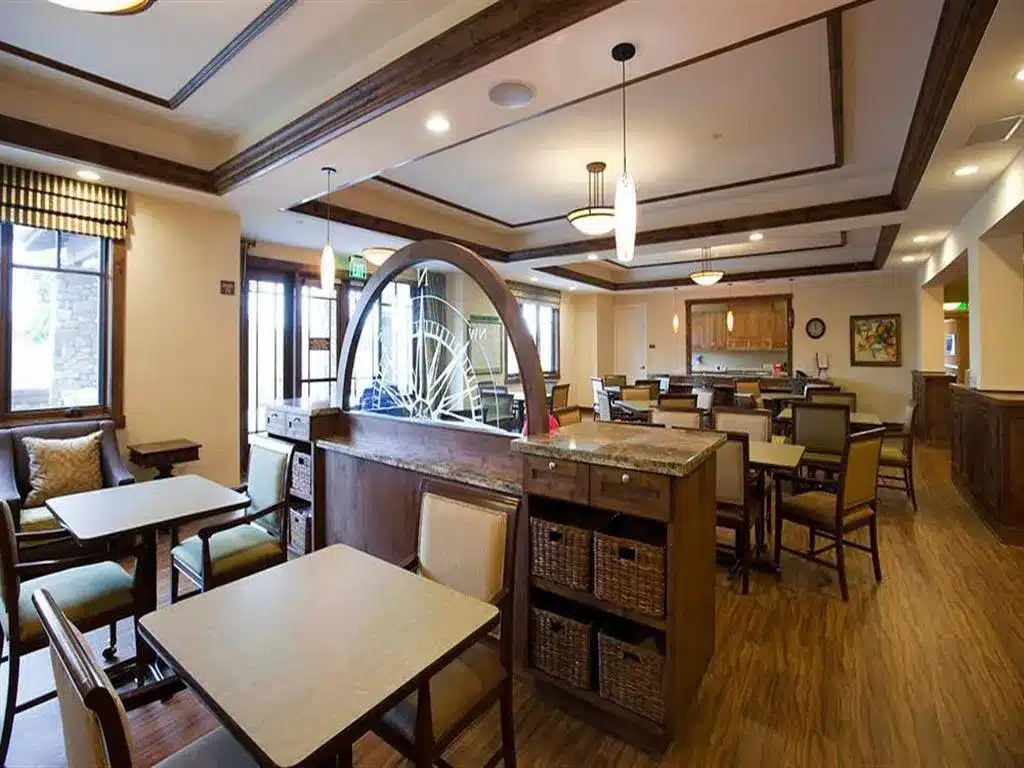
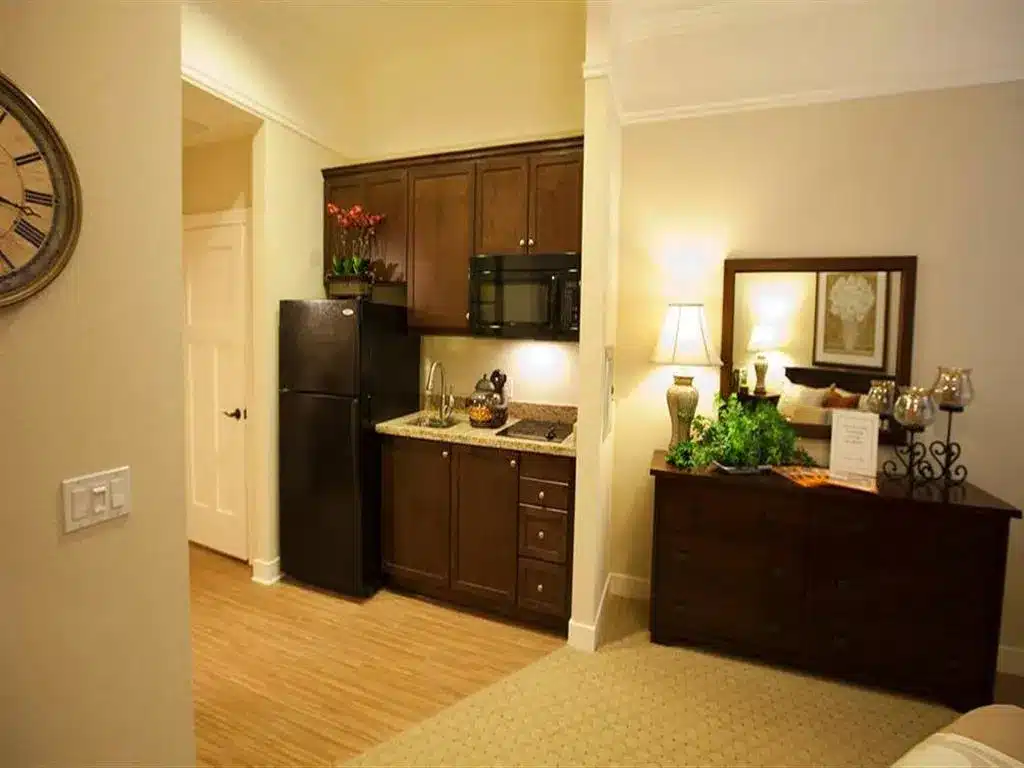
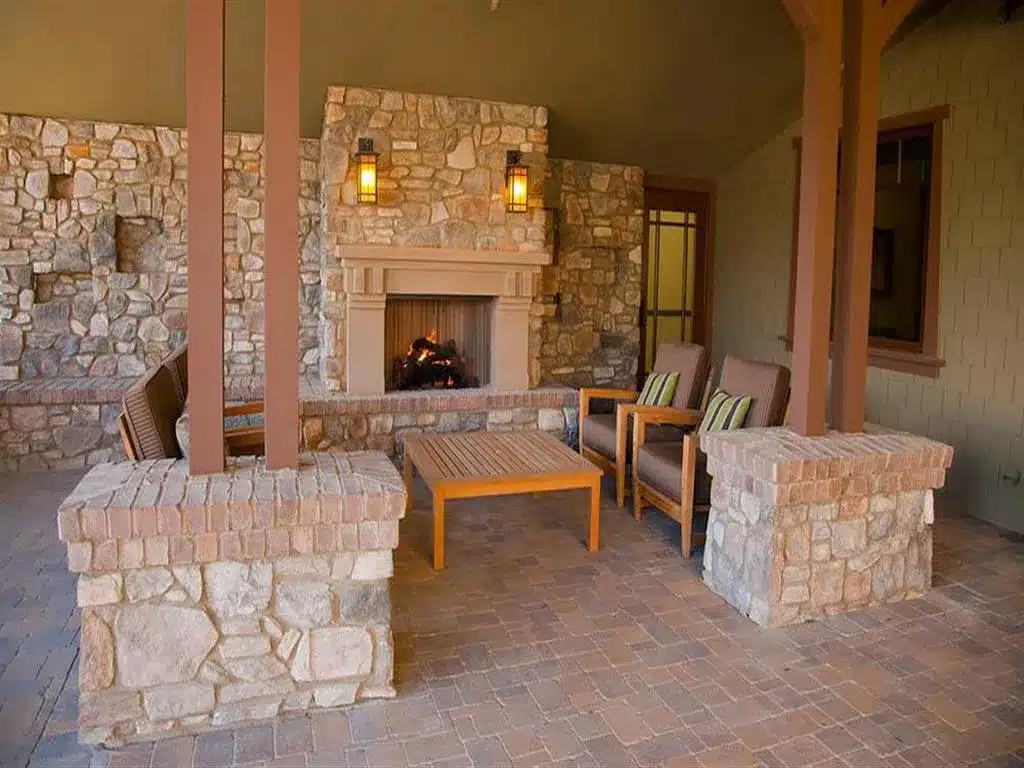
Take a look at our community design and amenities to explore what makes Westmont of Morgan Hill special.

Take the First Step Toward Better Living

Choosing assisted living in Morgan Hill means stepping into a lifestyle full of comfort, care, and connection. From personalized health support to enriching social experiences, Westmont of Morgan Hill empowers seniors to live with dignity and joy. It’s not just a place to stay—it’s a place to belong.

Don’t settle for a traditional Morgan Hill nursing home or isolated Morgan Hill Apartments when a fulfilling community awaits you. Take the first step today—call us at 408-779-8490 or schedule a tour to discover all the possibilities for yourself or a loved one.


What Level of Care Do You Need?

Discover the level of care you or your family member requires. 


Frequently Asked Questions

What services are offered in assisted living Morgan Hill communities?

Assisted living communities in Morgan Hill typically offer support with daily tasks like bathing, grooming, medication management, and meal preparation. Many also include housekeeping, transportation, and wellness programs. These services aim to help residents maintain independence while receiving the care they need. Some communities may also provide specialized memory care or rehabilitation services. It’s best to contact local facilities directly to learn about their full list of offerings.

How do I choose the right assisted living facility in Morgan Hill?

Start by considering your loved one’s medical, social, and personal needs. Tour several assisted living communities in Morgan Hill to compare services, staff interactions, and living conditions. Ask about safety measures, staff qualifications, and resident activities. Reading reviews and speaking to current residents or families can offer helpful insight. Ultimately, choose a place that feels safe, welcoming, and capable of providing quality care.

What is the cost of assisted living in Morgan Hill?

The cost of assisted living in Morgan Hill can vary depending on location, amenities, and level of care. On average, prices range from $4,000 to $6,500 per month. Some facilities offer all-inclusive pricing, while others charge separately for additional services. Long-term care insurance, veterans’ benefits, and Medicaid may help offset costs. Always request a detailed breakdown of fees before making a decision.

Are there any financial assistance options for assisted living in Morgan Hill?

Yes, several options can help cover the cost of assisted living in Morgan Hill. These may include long-term care insurance, VA Aid & Attendance benefits, and Medicaid programs for qualifying individuals. Some communities also offer payment plans or sliding scale fees based on income. It’s recommended to speak with a financial advisor familiar with senior care. They can help you navigate these resources and choose the best solution for your budget.


Discover Quality Care in Assisted Living Facilities in Morgan Hill, CA

If you’re searching for assisted living facilities in Morgan Hill, CA that offer comfort, care, and community, Westmont of Morgan Hill may be the solution you’ve been looking for. Choosing the right senior living option is about more than a location—it’s about finding a place that feels like home, where your loved one can thrive socially, emotionally, and physically.

This guide explores what makes senior care at Westmont exceptional—from personalized support and engaging lifestyle activities to experienced caregivers and modern safety measures. Whether you’re considering a transition for yourself or a family member, you’ll gain clarity on how 55-plus communities in Morgan Hill, CA can enhance quality of life while offering peace of mind.

Visit Westmont of Morgan Hill to learn more.

Understanding Assisted Living in Morgan Hill, CA

Assisted living is more than just a place to stay—it’s a supportive lifestyle. In senior living in Morgan Hill, CA, facilities like Westmont focus on fostering independence while offering assistance with daily tasks like bathing, dressing, and medication management.

Residents enjoy the freedom of their own space while also gaining access to care when needed. What truly sets these communities apart is their emphasis on social connection, mental stimulation, and emotional wellness. Family involvement and meaningful engagement are part of the daily rhythm, helping residents feel connected, supported, and seen.

This holistic approach supports seniors in living vibrant, purposeful lives within a caring, communal environment.

The Power of Personalized Care

At the heart of Westmont’s approach is personalized care, which ensures each resident receives support tailored to their unique needs. In top-tier assisted living facilities in Morgan Hill, CA, personalization is not a luxury—it’s the standard.

Customized Support Elements Resident Outcomes
Tailored daily routines Enhanced comfort
Medication management Better health outcomes
Regular wellness checks Proactive care
Caregiver consistency Trust and security
Resident choice in services Empowerment and dignity

Whether your loved one is active and independent or needs daily assistance, personalized care planning ensures they receive exactly the right level of support. This commitment to person-centered care is also a key benefit of many 55-plus communities in Morgan Hill, CA.

For a deeper dive into why personalized care matters, see this article on individualized memory care planning.

Enriching Lives with Activities and Lifestyle Options

Social connection and cognitive stimulation are critical to well-being. That’s why assisted living facilities in Morgan Hill, CA, like Westmont, prioritize daily programming designed to keep residents active and engaged.

From fitness classes and art workshops to book clubs and scenic outings, there’s something for everyone. Residents of senior living in Morgan Hill, CA, benefit from:

  • Group activities that foster friendships
  • Educational sessions and hobby-based clubs
  • Access to fitness classes and walking groups
  • Celebrations of holidays and milestones
  • Spiritual support and mindfulness workshops

By promoting autonomy through choice, these activities reduce loneliness and encourage a sense of belonging. Learn more about the benefits of daily engagement in assisted living.

Caregivers Who Make a Difference

Caregivers are the backbone of quality senior care. In trusted Morgan Hill nursing home alternatives like Westmont, you’ll find dedicated professionals who blend compassion with expertise.

Why Experienced Caregivers Matter

  • Trust Building: Familiar, consistent staff help residents feel safe and seen.
  • Health Monitoring: Ongoing assessments catch issues before they escalate.
  • Care Coordination: Staff work closely with healthcare providers and families.

Caregivers also take the time to get to know residents’ preferences—what brings them joy, how they prefer to be addressed, and their routines. This relationship-building is essential for quality of life and emotional wellness.

A holistic caregiving approach not only helps with daily care needs but also ensures seniors thrive emotionally and socially.

assisted living facilities morgan hill ca

The Value of Family Involvement

Families are integral partners in quality senior care. At Westmont, families are encouraged to be part of the journey—from care planning to celebrations.

How Family Participation Enhances Senior Living:

  • Regular visits that bring comfort and joy
  • Insightful input on residents’ preferences and habits
  • Advocacy and communication to ensure top-quality care

This high level of collaboration is one reason why many choose senior living in Morgan Hill, CA, for their aging loved ones. It’s a community effort—residents, families, and caregivers working together to ensure thriving, not just surviving.

Prioritizing Safety and Security

Safety is a non-negotiable in assisted living facilities in Morgan Hill, CA, and Westmont delivers with industry-standard measures and trained staff.

Key Safety Features:

  • 24/7 on-site staff
  • Emergency alert systems in every room
  • Regular safety drills and preparedness plans
  • Monitored entryways and security cameras
  • Medication safety protocols

With these protocols in place, residents and families can rest assured that security is a top priority. These same standards apply to some of the best Morgan Hill nursing home facilities, but with a more home-like, independent environment at Westmont.

For a general overview of what to expect from secure senior living options, you can explore SeniorLiving.org’s safety guide.

What Amenities Set Westmont Apart?

Residents of Westmont of Morgan Hill enjoy modern, thoughtfully designed amenities that balance comfort and community:

  • Chef-Prepared Dining: Meals catered to dietary needs and preferences
  • Outdoor Courtyards: Spaces for walking, gardening, or relaxing
  • Game & Movie Rooms: For shared fun and entertainment
  • Library & Reading Areas: Cozy spaces to unwind with a good book
  • Scheduled Transportation: Access to appointments and local outings

These amenities are designed to enhance daily life and encourage independence. It’s a big reason why many choose Westmont over traditional Morgan Hill nursing home options.

To explore the full suite of offerings, schedule a tour.

Ready to Explore Senior Living in Morgan Hill?

Finding the right fit among the many assisted living facilities in Morgan Hill, CA, can feel overwhelming—but it doesn’t have to be. Westmont of Morgan Hill combines personalized care, expert caregivers, safety, and vibrant community living to support seniors in thriving.

Whether you’re researching 55-plus communities in Morgan Hill, CA, or exploring alternatives to a Morgan Hill nursing home, we invite you to experience the Westmont difference.

📞 Call us at 408-779-8490 or
📍 Schedule a visit today to see our community in person.

Let us help your loved one feel right at home—where care meets connection.


Compare The Costs of Senior Living vs Staying at Home

How Do The Costs Of Moving Into A Quality Senior Care Community Compare With The Costs Of Staying At Home?


Frequently Asked Questions

What is the average monthly cost for assisted living in California?

The average monthly cost for assisted living in California typically ranges between $4,500 and $6,000, depending on the location and services offered. Larger cities like San Francisco or Los Angeles often have higher costs compared to smaller towns. Factors such as the level of care, amenities, and type of community can also affect pricing. It’s best to compare options locally to find the right fit for your budget and care needs.

Does Medicare pay for assisted living in CA?

Medicare generally does not cover the cost of assisted living in California, as it focuses on medical expenses rather than long-term personal care. Assisted living primarily provides help with daily activities such as bathing, meals, and medication management, which are considered non-medical services. However, Medicare may cover short-term skilled nursing or rehabilitation after a hospital stay. Families often look into Medi-Cal (California’s Medicaid program) or long-term care insurance for financial assistance.


What Nerve Recovery Signs Families Need to Look for in Seniors

Recovering from nerve damage can feel uncertain for both individuals and their families. However, knowing what to look for can bring peace of mind and allow you to take proactive steps. Whether your loved one is healing from surgery, injury, or a chronic condition, identifying key nerve recovery signs early can help you better support their healing journey.

This guide provides insight into the stages of nerve healing, how to recognize common progress indicators like twitching or tingling, and answers to questions such as “Is burning a sign of nerve healing?” You’ll also learn how to create an ideal environment for recovery and discover how to help nerves heal faster with supportive care and community resources.

For personalized assistance during recovery, Westmont of Morgan Hill offers compassionate support in a wellness-focused environment.

Understanding the Basics of Nerve Damage

Nerve damage can affect sensory, motor, or autonomic functions, making it difficult to perform daily tasks. Whether caused by trauma, surgery, or conditions like diabetes, nerve injury disrupts the body’s communication system.

There are three main types of nerve damage:

  • Neuropraxia: Temporary loss of function without nerve severance.
  • Axonotmesis: Damage to nerve fibers but preservation of surrounding structures.
  • Neurotmesis: Complete severance of the nerve.

Understanding where your loved one falls in this spectrum can help you identify what stage of recovery they are in—and which nerve recovery signs to expect.

Engaging in holistic recovery activities, like those offered through community-based experiences, can further support the healing process by improving mental and emotional well-being.

The 3 Key Stages of Nerve Healing

Healing doesn’t happen overnight. Knowing the stages of nerve healing will help you set realistic expectations and recognize small but meaningful signs of improvement.

Stage 1: Inflammation and Debris Clearance

After an injury, the body initiates an inflammatory response to clear out damaged tissue and prepare for regeneration. During this stage, inflammation is necessary—but must be managed properly.

What Happens Why It Matters
Swelling occurs Prepares for nerve regrowth
Macrophages clean debris Reduces infection risk
Nutrient demand increases Supports tissue repair

Proper nutrition is vital. Nutrients like protein, B vitamins, and omega-3s help regulate inflammation. This guide offers further reading on how nutrition impacts nerve regeneration.

Stage 2: Regeneration and Tingling Sensations

During this phase, axons begin to regrow. As new connections form, many people report burning, tingling, or sensitivity, which brings us to the common question: Is burning a sign of nerve healing? Yes, it often is. These sensations mean that nerve pathways are reconnecting and firing signals again.

These compressed nerve healing signs can vary:

  • Tingling or “pins and needles”
  • Increased temperature sensitivity
  • Muscle twitching or spasms

While sometimes uncomfortable, these signs often indicate progress.

Stage 3: Functional Recovery and Strength Return

This final phase marks the return of function and sensation. You’ll notice:

  • Improved muscle strength
  • Better coordination
  • Restored reflexes

Knowing what are the stages of nerve healing helps families identify when their loved one is moving from passive recovery to active rehabilitation.

For insights on how to maintain a healing-friendly atmosphere, check out this article on navigating assisted living healthcare.

nerve recovery signs


Recognizing Common Nerve Recovery Signs

Tracking nerve recovery signs can help you measure progress. Here are some of the most telling indicators:

1. Gradual Sensation Return

This includes:

  • Localized tingling or burning (often positive indicators)
  • Return of pressure or temperature sensitivity
  • Feeling of warmth at the injury site

Remember, is burning a sign of nerve healing? In many cases, yes. This burning can signal nerve signal reactivation, though persistent pain should still be reported to a physician.

2. Muscle Activity and Twitching

Compressed nerve healing signs include visible twitches, muscle spasms, or even slight movement in previously paralyzed areas. These usually suggest nerves are beginning to communicate with muscle fibers again.

3. Increasing Strength and Endurance

Recovery becomes noticeable when:

  • A person can grip or hold items better
  • Walking balance improves
  • Fatigue after simple tasks decreases

These are some of the clearest nerve recovery signs and can dramatically boost confidence and independence.

How to Help Nerves Heal Faster

While time and rest are key, there are ways to actively support the process. If you’re wondering how to help nerves heal faster, here are several proven strategies:

1. Prioritize Nutrition

A diet rich in omega-3s (from fatty fish), B12, and antioxidants supports nerve regeneration. For example, berries, leafy greens, and lean proteins are beneficial. You can explore this Harvard Health resource for more food-related healing tips.

2. Gentle Movement and Exercise

Low-impact exercises such as walking or aquatic therapy increase blood flow and reduce stiffness. Avoid high-intensity activities that could cause further damage.

3. Physical Therapy

A licensed therapist can develop a custom program to rebuild coordination and muscle function as part of your loved one’s long-term nerve recovery plan.

4. Emotional Support

Mental health plays a role in physical recovery. Mood disorders or anxiety can delay healing, so therapy or counseling should be considered part of holistic care.

Supportive Resources for Families

As a caregiver, you don’t have to go it alone. There are several resources designed to assist you in this journey:

These resources can help make the process smoother and more collaborative.

A Brighter Tomorrow Starts With Understanding

Every twitch, tingling sensation, or return of grip strength is more than just a fleeting moment—it’s a nerve recovery sign worth celebrating. Understanding what are the stages of nerve healing, recognizing the sometimes uncomfortable reality that burning is a sign of nerve healing, and identifying compressed nerve healing signs allow families to become empowered advocates in their loved one’s journey.

Want to know more about how to help nerves heal faster? Or see firsthand how a caring environment can make all the difference?

📞 Call Westmont of Morgan Hill today at 408-779-8490
📅 Or schedule a tour to see our community in action.

Because healing is possible—and you don’t have to do it alone.


Compare The Costs of Senior Living vs Staying at Home

How Do The Costs Of Moving Into A Quality Senior Care Community Compare With The Costs Of Staying At Home?


Frequently Asked Questions

What helps nerves heal?

Nerves can heal with time, but the process depends on the severity of the damage. A healthy lifestyle that includes proper nutrition, regular exercise, and avoiding smoking or excessive alcohol can support recovery. Physical therapy and targeted exercises often help stimulate nerve function. In some cases, a healthcare professional may recommend medications or surgical interventions to promote healing.

How do I know if my nerve is damaged?

Signs of nerve damage can include numbness, tingling, weakness, or sharp pain in the affected area. You may also notice reduced sensitivity to touch, temperature, or pressure. Muscle weakness and difficulty with coordination are other possible indicators. A doctor can confirm nerve damage through physical exams, nerve conduction studies, or imaging tests.

Can I still work with nerve damage?

Many people with nerve damage can continue working, though it may depend on the severity and type of job. Some roles may require adjustments, such as lighter duties or ergonomic support. Physical or occupational therapy can also help improve function and maintain independence at work. It’s best to discuss limitations and options with your healthcare provider and employer.

Will nerve pain ever go away?

Nerve pain can improve over time, especially if the underlying cause is treated early. For some, pain may gradually decrease as the nerves heal, but for others, it can persist long-term. Medications, therapy, and lifestyle changes can help manage symptoms effectively. A doctor can recommend personalized treatment plans to improve comfort and quality of life.


Cardio Exercises for Seniors to Improve Heart Health

As we age, staying active becomes more important than ever—especially when it comes to heart health. Cardio exercises for seniors are a safe and effective way to improve cardiovascular function, enhance mood, and support overall physical well-being.

Whether you’re living in a community like Westmont of Morgan Hill or enjoying retirement at home, adding the right cardio exercises into your routine can make a powerful difference. Even better, there are plenty of free cardio exercises for seniors that can be done at home—no gym or expensive equipment needed. In this article, we’ll explore the safest and most beneficial ways to get moving, build endurance, and protect your heart.

The Importance of Cardiovascular Exercise in Aging

Cardiovascular health plays a vital role in aging gracefully. Engaging in cardio exercises for seniors strengthens the heart, improves circulation, and helps manage chronic conditions like high blood pressure, type 2 diabetes, and arthritis.

Routine cardio workouts can also reduce stress and promote better sleep, making them a cornerstone of healthy aging. The body releases endorphins during physical activity, enhancing both mood and mental clarity. Even light movement improves flexibility, making daily tasks easier and reducing the risk of falls.

According to the American Heart Association, older adults should aim for at least 150 minutes of moderate aerobic activity each week. That may sound like a lot—but with so many cardio exercises for seniors at home, it’s easier than ever to reach this goal at your own pace.

Low-Impact Options: Safe and Joint-Friendly

For seniors, low-impact cardio is often the best choice. These exercises are gentle on joints but still provide powerful heart benefits.

Some excellent options include:

  • Chair exercises (especially beneficial for those with mobility limitations)
  • Walking indoors or outdoors
  • Swimming or water aerobics
  • Stationary cycling
  • Seated leg lifts and arm circles

At Westmont of Morgan Hill, we recommend starting with familiar movements, then slowly increasing duration or intensity. For additional ideas, check out our guide to 10 essential senior fitness workouts, which includes great cardio exercises for seniors, no equipment needed.

Free Cardio Exercises for Seniors at Home

You don’t need a gym membership to stay active. Many seniors prefer working out in the comfort of their own homes. Here’s a list of cardio exercises at home that are both effective and accessible:

Walking in Place

Marching in place while watching TV or listening to music is one of the simplest and most effective ways to get your heart pumping.

Arm Raises and Circles

These low-resistance moves improve shoulder mobility and increase heart rate when done in sets.

Seated Marching

Ideal for those with limited mobility, seated marching provides cardio benefits while reducing fall risks.

Step-Ups on a Low Stair

Strengthens legs and boosts cardiovascular endurance.

Side Steps and Grapevines

Add rhythm by stepping side to side across the room. A great warm-up or full workout, depending on intensity.

Looking for more ideas? These free cardio exercises for seniors are widely available through YouTube channels such as HASfit and SilverSneakers, offering instructor-led routines that are easy to follow and specifically designed for older adults.

cardio exercises for seniors

Staying Safe During Cardio Workouts

No matter your fitness level, safety comes first. To avoid injury and enjoy the full benefits of cardio exercises for seniors, follow these important precautions:

  • Always warm up with light movements and stretches before starting.
  • Wear proper footwear to avoid slipping or joint strain.
  • Stay hydrated, especially in warm climates or after longer sessions.
  • Listen to your body—stop if you feel dizzy, short of breath, or unwell.
  • Use chairs, railings, or wall support if necessary for balance.

If you’re new to exercise or have pre-existing conditions, speak with your healthcare provider before starting. Additionally, you can ease into movement with beginner-friendly chair workouts for seniors that promote strength and stamina.

Building a Weekly Routine that Works

Establishing a consistent exercise routine makes it easier to stay motivated and track your progress. Here’s a sample weekly plan tailored to cardio exercises for seniors at home:

  • Monday: 20-minute walk around the neighborhood
  • Tuesday: Chair exercises + arm circles (15–20 mins)
  • Wednesday: Stationary cycling or step-ups (20–30 mins)
  • Thursday: Yoga or stretching
  • Friday: Seated marching + side steps (15 mins each)
  • Saturday: Group class or virtual cardio session
  • Sunday: Rest or light stretching

Whether you prefer solo workouts or participating in group activities, the key is consistency. Mix in various activities to prevent boredom and strengthen different muscle groups.

cardio exercises for seniors

Lifestyle Tips for Healthy Aging

In addition to physical activity, certain lifestyle habits can boost your overall wellness:

  • Eat nutrient-rich foods like leafy greens, lean proteins, and whole grains.
  • Maintain strong social ties through community groups or family gatherings.
  • Get regular sleep, aiming for 7–9 hours per night.
  • Manage stress through breathing exercises, meditation, or hobbies.

Combining these habits with daily movement, like cardio exercises for seniors, supports longevity and enhances your day-to-day energy.

Real Results from Real Routines

Residents at Westmont of Morgan Hill consistently report increased vitality and improved outlook after integrating low-impact cardio into their routines. Even just 10–15 minutes a day can elevate your energy levels and help maintain independence.

For seniors who are hesitant to begin, know that every step counts—literally. Starting with cardio exercises for seniors, no equipment allows for a gentle introduction and builds confidence over time.

Take Charge of Your Heart Health Today

It’s never too late to prioritize your well-being. From walking in place to full-body chair workouts, the possibilities for cardio exercises for seniors at home are endless—and accessible to everyone.

Whether you’re just starting or looking to diversify your routine, these activities offer a low-barrier, high-reward path to a healthier, happier life. With plenty of free cardio exercises for seniors available online or within your community, staying active has never been more convenient.

Ready to Get Moving? Take the First Step Today!

Incorporating cardio into your routine doesn’t require a gym, expensive classes, or even a lot of space. With a little motivation and the right guidance, you can enjoy the benefits of a stronger heart, better mobility, and a more energized life.

If you’re looking for a community that supports your wellness journey, call Westmont of Morgan Hill at 408-779-8490 or schedule a tour today. Let’s move forward—together!


Find Where You Belong

Dive into the vibrant life our Westmont communities have to offer.


Frequently Asked Questions

What is the best cardio exercise for seniors?

The best cardio exercise for seniors is one that’s low-impact, safe, and easy to maintain consistently. Walking, swimming, and cycling are excellent options because they improve heart health without putting too much strain on the joints. Many seniors also enjoy group fitness classes like water aerobics, which add a social element. Ultimately, the best exercise is the one a senior enjoys and can stick with regularly.

What is the best cardio for a 70-year-old woman?

For a 70-year-old woman, gentle yet effective cardio like brisk walking, swimming, or stationary biking works well. These activities strengthen the heart while being gentle on the knees, hips, and back. Chair exercises and light dance classes are also good options, adding fun and variety. It’s important to start slow, monitor how the body responds, and gradually increase intensity under a doctor’s guidance.

What is the number one exercise seniors should do?

Walking is often considered the number one exercise for seniors because it’s accessible, safe, and effective. It supports cardiovascular health, strengthens muscles, and boosts mood. Even short daily walks can significantly improve mobility and overall wellness. Plus, walking requires no special equipment, making it easy to fit into any lifestyle.

What is the most effective cardio at home?

The most effective cardio exercises at home for seniors include marching in place, step-ups on a sturdy surface, or using a stationary bike. Chair-based cardio routines are also popular, especially for those with balance concerns. These workouts raise the heart rate while keeping movements controlled and safe. The key is consistency—doing a little every day can make a big difference in health and stamina.


Discover Safe and Stylish Morgan Hill Senior Apartments

Finding the perfect senior housing means more than just choosing a place to live—it means selecting a home that nurtures independence, supports well-being, and surrounds you with a vibrant community. At Westmont of Morgan Hill, residents enjoy thoughtfully designed spaces and enriching amenities explicitly tailored for older adults seeking both comfort and connection.

If you’re exploring Morgan Hill senior apartments, this community offers a safe, stylish, and welcoming environment perfect for every stage of retirement. From low-income senior housing in Morgan Hill, CA, to upgraded units, you’ll discover flexibility, quality, and warmth in every detail. Keep reading to find out why Westmont is one of the most popular Morgan Hill senior apartments for rent today.

Visit Westmont of Morgan Hill

Spacious, Accessible Apartments for Every Lifestyle

One of the standout features of Morgan Hill senior apartments is their smart and accessible design. Each unit offers single-level living with walk-in showers, grab bars, wide doorways, and accessible countertops—ideal for maintaining independence. Whether you’re looking for modern one-bedroom layouts or upgraded units with extra storage and amenities, Westmont offers a range of Morgan Hill senior apartments prices to suit different budgets.

Each apartment features a private patio or balcony, and many offer views of serene landscaping, allowing you to enjoy a peaceful lifestyle both indoors and out. Pet-friendly policies ensure that your furry companions are welcome too.

Need a little extra help? Westmont also provides personalized care plans so residents can age in place with dignity and support. Whether you’re independent or require some assistance, the team works with you to ensure a smooth, supported experience from day one.

Engaging Community Amenities to Enrich Your Life

Living in Morgan Hill senior apartments means having access to a range of community amenities designed to keep you engaged, connected, and comfortable. This community isn’t just a place to live—it’s a place to thrive.

  • Restaurant-style Dining Room: Freshly prepared meals in a shared setting foster connection and convenience.
  • Creative Studios: The arts and crafts room offers a variety of hands-on workshops and classes.
  • Recreation Lounge: Game nights, movie screenings, and hobby clubs all find their home here.

These amenities help seniors build friendships and stay mentally stimulated. According to SeniorHousingNet, socializing in senior housing communities has a direct impact on improved cognitive and emotional health. Here, opportunities for engagement are everywhere.

To see how these amenities create lasting bonds among residents, read about the benefits of independent living and how they foster community wellness.

Stay Active with Fitness and Outdoor Fun

A healthy lifestyle is crucial at any age, and Morgan Hill senior apartments make it easier with dedicated fitness options and outdoor recreation. Residents can participate in regularly scheduled group exercise classes, including gentle yoga, balance training, and stretching exercises specifically designed for seniors.

The outdoor walking trails encourage daily movement in a beautiful setting, while the bocce ball court promotes fun and friendly competition. And don’t forget the BBQ patio—perfect for weekend socials or family get-togethers.

These features support both physical and emotional health, a key factor in healthy aging. Discover the importance of social wellness in maintaining the vitality and engagement of seniors.


morgan hill senior apartments


Personalized Tours: See It for Yourself

Deciding to move into senior housing is a significant step, and at Westmont, the team goes the extra mile to make it a personal experience. When you book a tour of the Morgan Hill senior apartments, you’ll receive a walkthrough that focuses entirely on your preferences, health considerations, and future goals.

During your visit, you can:

  • See available floor plans and learn about Morgan Hill senior apartments prices
  • Preview community activities and ask about schedules
  • Learn more about the Morgan Hill Senior Housing waiting list
  • Chat with current residents about their experiences

Need help navigating options for low-income senior housing in Morgan Hill, CA? The staff can walk you through eligibility, applications, and even waiting list placement so you can make an informed choice.

You can also explore additional care levels for aging parents during your visit if your needs are expected to evolve over time.

Prime Location and Vibrant Local Scene

Westmont’s Morgan Hill senior apartments for rent are nestled in a charming community known for its scenic beauty, strong civic engagement, and local events. Residents can take part in city-sponsored festivals, seasonal farmers markets, and volunteer opportunities that connect them with the broader Morgan Hill community.

Whether you’re browsing boutique shops downtown or relaxing in a nearby park, the area offers much more than just residential convenience. For those who rely on public services or health care, Westmont is also conveniently located near hospitals, transit options, and shopping centers.

The Morgan Hill Senior Housing waiting list is actively managed, so seniors are encouraged to plan ahead if they’re targeting this desirable location.

Affordability and Housing Options

Many seniors exploring housing options are concerned about cost, and rightly so. Westmont of Morgan Hill offers flexible pricing options, including those for low-income senior housing in Morgan Hill, CA. From private-pay apartments to government-supported units, the staff can help you understand which housing fits your income level.

Interested in financial eligibility? Learn more about housing aid programs on Benefits.gov and discuss affordable housing opportunities with the leasing office. Understanding the Morgan Hill senior apartments’ prices and what’s included in your rent can help you plan with clarity.

For seniors seeking affordable yet high-quality housing in California, Westmont stands out as a trusted option.

Your New Chapter Starts at Morgan Hill

Life at Westmont of Morgan Hill senior apartments is all about comfort, connection, and confidence in your future. Whether you’re looking for Morgan Hill senior apartments for rent with upscale amenities or exploring options for low-income senior housing in Morgan Hill, CA, there’s something here for everyone.

Say goodbye to the stress of home upkeep and hello to supportive living, where your neighbors become friends and each day offers something new. With flexible floor plans, accessible designs, and a welcoming community spirit, your next chapter starts now.

Don’t miss your chance—reach out today to learn about availability, take a personalized tour, or ask about the Morgan Hill Senior Housing waiting list.

Call 408-779-8490 or schedule a tour to begin your journey.


Compare The Costs of Senior Living vs Staying at Home

How Do The Costs Of Moving Into A Quality Senior Care Community Compare With The Costs Of Staying At Home?


Frequently Asked Questions

What are Morgan Hill senior apartments?

Morgan Hill senior apartments are housing communities specifically designed for adults aged 55 and over. These apartments typically offer age-friendly layouts, security features, and low-maintenance living. Many also feature social amenities, such as fitness centers, activity rooms, and community events. They’re ideal for seniors who want independence without the upkeep of a traditional home. These communities can vary in style, from budget-friendly units to upscale options with added services.

How much do Morgan Hill senior apartments cost?

The cost of Morgan Hill senior apartments varies depending on location, amenities, and apartment size. On average, rents can range from $1,800 to $3,500 per month. Luxury apartments may charge more due to added features like concierge services, upgraded finishes, and wellness programs. Affordable housing options may be available for income-qualified seniors. It’s best to contact local communities directly for exact pricing and availability.

What amenities do Morgan Hill senior apartments offer?

Most Morgan Hill senior apartments offer features that promote senior comfort and social engagement. These may include on-site laundry, elevators, grab bars, emergency call systems, and community dining or event areas. Some properties also offer fitness classes, transportation services, and pet-friendly policies. The goal is to provide both safety and a vibrant lifestyle. Always check each apartment’s amenity list, as offerings vary.

Who qualifies for Morgan Hill senior apartments?

To qualify for Morgan Hill senior apartments, residents typically need to be 55 or older. Some communities require all residents to meet the age requirement, while others allow younger spouses or caregivers. Income limits may apply in low-income housing communities. Medical independence is typically required, as these apartments differ from assisted living facilities. Eligibility criteria may vary by apartment complex, so it’s important to verify requirements in advance.


Celebrating Centenarians Day: Honoring Our Remarkable Residents Across Our Communities

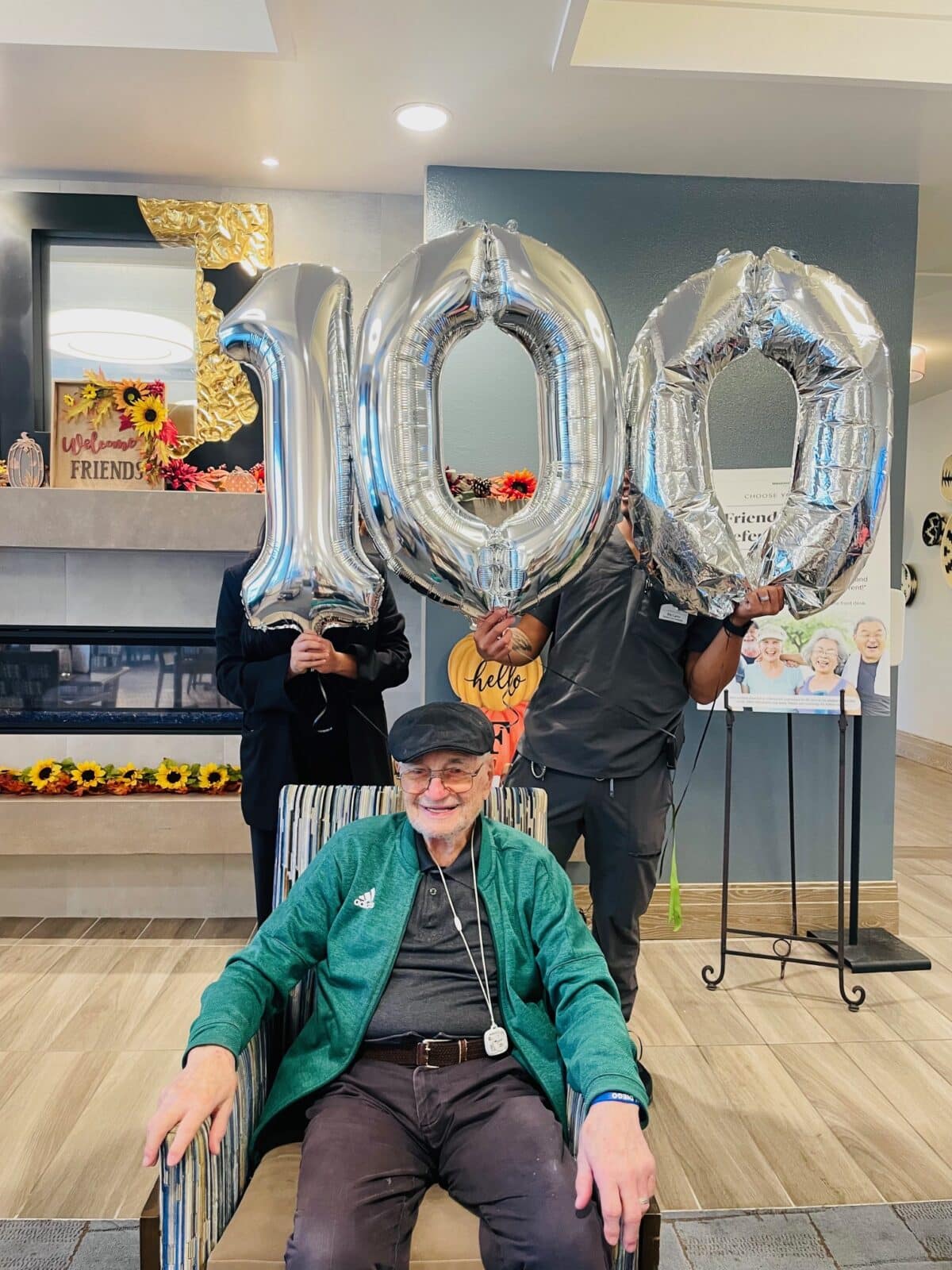
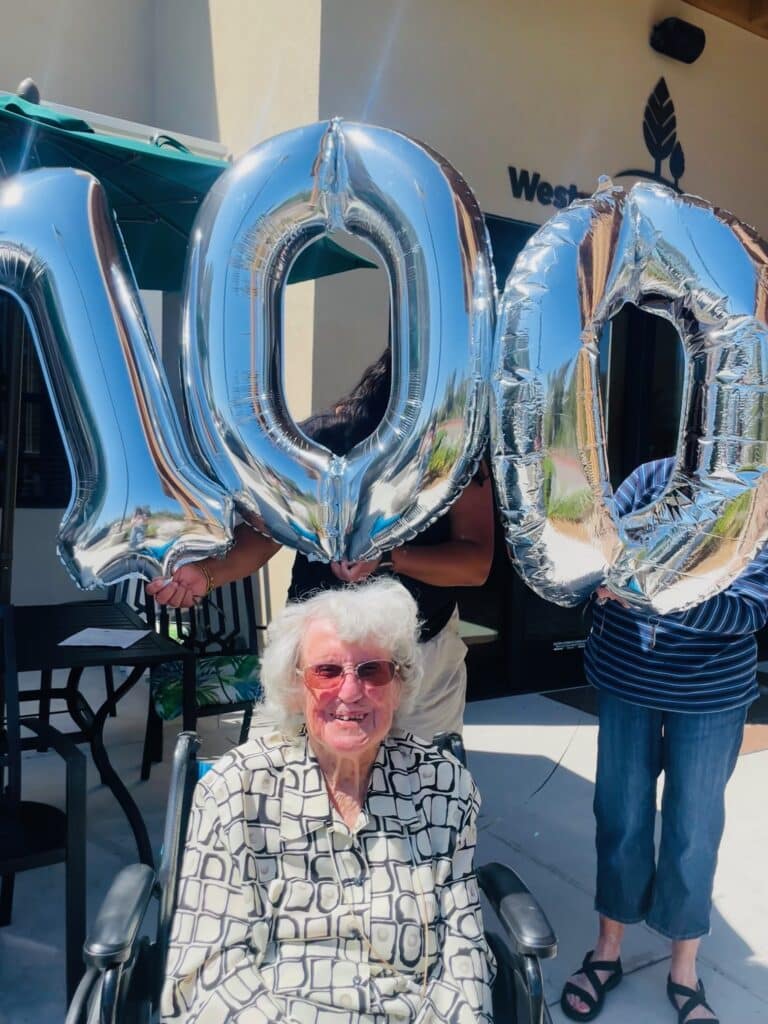
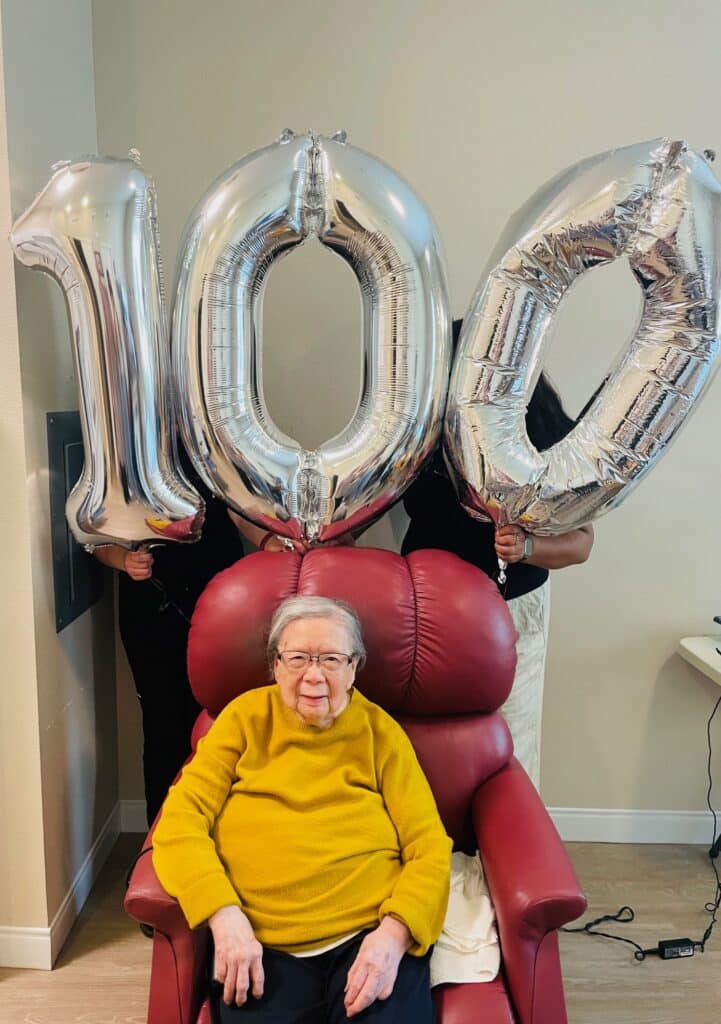
On September 22nd, we celebrate the first day of fall along with joining people around the world in celebrating Centenarians Day. It’s a special occasion dedicated to honoring those who have reached the incredible milestone of 100 years or more. This day is not only about celebrating longevity, but it’s about cherishing the wisdom, history, and enduring presence of centenarians in our lives.

Across all of our Communities, we are honored to have 24 extraordinary residents who are 100 years young and beyond, including 13 who have surpassed the century mark. Each one of them is a living connection to history, carrying with them stories that span a century of experiences, triumphs, and memories. Their journeys remind us of the resilience of the human spirit and the beauty of a life well-lived.

What Centenarians Day Means

  • Celebrating Longevity: Reaching 100 years is a remarkable achievement, a testament to strength, perseverance, and vitality.
  • Honoring Wisdom and History: Our centenarians are storytellers of times past, offering invaluable lessons, insights, and a bridge between generations.
  • Gratitude for Contributions: We celebrate not just their years, but their lifelong contributions, impacting families, communities, and the world in meaningful ways.

On this day, we encourage our centenarians, along with all our Residents, to continue to Live Your Way®. At Westmont Living, Live Your Way® means embracing life on your terms—with your style, your choices, and your passions. The legacies of our centenarians inspire us to live with gratitude, purpose, and joy each day.

To our 24 centenarian residents, thank you for your wisdom, your stories, and your shining example of resilience. Today and every day, we celebrate you.


Centenarians 2025

Lakeview Senior Living
William Walton – Born 1924 – Age 101
Westmont of Chico
Hope Heintz – Born 1924 – Age 101
Evelyn Penick – Born 1925 – Age 100
Dave Elliotte – Born 1924 – Age 101
Barbara Carney – Born 1923 – Age 102
Westmont of Escondido
Iris Wicks – Born 1923 – Age 101
The Oaks at Nipomo
Erving Morlee – Born 1924 – Age 100
Westmont at San Miguel Ranch
Maria Escarcega – Born 1925 – Age 100
Walter “Walt” Travis – Born 1924 – Age 101
Gracie Hill – Born 1925 – Age 100
Westmont of Brentwood
Bettye Sturla – Born 1925 – Age 100
Geraldine Baker – Born 1923 – Age 102
Constance Daniels-Idle – Born 1921 – Age 103
Westmont of Carmel Valley
Dorothy Goo – Born 1924 – Age 101
Westmont of Culver City
Betty Kronick – Born 1921 – Age 103
Westmont of Cypress
Terri Tamaru – Born 1925 – Age 100
Westmont of Encinitas
Beverly Evans – Born 1924 – Age 101
Rose Chang – Born 1924 – Age 100
Peter Sanzo – Born 1922 – Age 103
Westmont of Fresno
Vicki Coughlin – Born 1924 – Age 101
Georgia Hobson – Born 1925 – Age 100
Westmont of Morgan Hill
Florence Boyce – Born 1925 – Age 100
Westmont of Riverside
Inez-Blanche Holmes – Born 1922 – Age 102
Lois Wurschinger – Born 1925 – Age 100
Marina Gabus – Born 1920 – Age 105
Harold Platt – Born 1925 – Age 100


Home Safety Checklist for Seniors: Create a Safer Home Today

Maintaining independence and confidence starts with a secure living environment, especially for aging adults. A well-structured home safety checklist for seniors is one of the most powerful tools in helping older adults feel safe, supported, and able to age in place. These checklists provide a structured approach to assessing risks and preventing common household injuries, particularly falls.

Whether you’re living independently, caring for aging parents, or planning ahead, having a home safety checklist for seniors in place provides the structure and guidance needed to adapt your home for changing physical needs. This article outlines the key modifications, technologies, and support systems that make a significant difference in senior safety.

Importance of a Home Safety Checklist

Having a detailed home safety checklist for seniors is not just about preventing injuries—it’s about promoting independence and well-being. With aging comes changes in mobility, vision, and hearing, all of which can increase the likelihood of home accidents. By proactively assessing risks with a home safety checklist for adults, you can identify simple but important updates that make a dramatic difference.

For adult children assisting elderly loved ones, using a home safety checklist for parents can guide conversations and ensure everyone is on the same page. It also allows families to prevent crisis situations by addressing safety concerns before an accident happens.

To get started, download a free home safety checklist for seniors from resources like AARP or NCOA.

Key Areas to Evaluate for Safety

A proper home assessment begins with a walk-through of the most accident-prone areas in the house. These include entrances, bathrooms, bedrooms, kitchens, and stairways.

Entry Points and Walkways

  • Ensure all outdoor steps have handrails.
  • Keep porches, driveways, and walkways free of debris.
  • Use textured, non-slip surfaces where water can accumulate.
  • Upgrade locks and doorbells for security and ease of use.

Bathrooms

  • Install grab bars in the shower and near the toilet.
  • Use a raised toilet seat to prevent overexertion.
  • Place non-slip mats both inside and outside the shower.
  • Ensure there is proper ventilation and lighting.

Hallways and Stairs

  • Add motion-sensor lights in hallways and staircases.
  • Install handrails on both sides of the staircase.
  • Remove or tape down rugs that may pose a tripping hazard.

For more tips, visit Westmont of Morgan Hill.

Using Technology to Enhance Home Safety

Modern devices have made it easier than ever to integrate safety without compromising comfort or independence. Adding innovative technologies to your home safety checklist for seniors can significantly increase peace of mind.

Smart Home Features

  • Smart door locks allow remote access for caregivers.
  • Voice-controlled lights reduce the risk of tripping and falling in the dark.
  • Video doorbells add a layer of security and assist with mobility issues.
  • Fall detection sensors alert caregivers in the event of an emergency.

These features are ideal for any home safety checklist for adults, helping family members stay connected and informed.

Medical Alert Systems

Medical alert systems provide 24/7 emergency support with the push of a button. Some come with fall detection, while others include GPS tracking for those with memory issues. For a home safety checklist for parents, this tool offers both protection and peace of mind.

home safety checklist for seniors

Room-by-Room Checklist

Here’s a breakdown of room-specific safety checks. Use this as a free home safety checklist for seniors or modify it based on specific needs:

Kitchen

  • Store heavy items on lower shelves.
  • Replace slick flooring with slip-resistant surfaces.
  • Check appliances regularly for faulty wiring.
  • Install smoke and carbon monoxide detectors.

Living Room

  • Secure area rugs with non-slip pads.
  • Keep furniture arranged to allow wide walkways.
  • Use chairs with armrests for easier mobility.
  • Ensure cords and cables are tucked away.

Bedroom

  • Install a nightlight or motion sensor lamp.
  • Keep a flashlight and phone within reach.
  • Use a bed rail if mobility is limited.
  • Place a non-slip mat beside the bed.

For more bathroom-specific tips, visit Bathroom Help for the Elderly.

Emergency Preparedness Tips

Preparedness is a key aspect of any home safety checklist for seniors. Accidents and natural disasters can occur without warning, and planning is essential.

  • Post emergency numbers in large print near each phone.
  • Prepare a go-bag with medications, ID, and medical information.
  • Test smoke and CO2 detectors monthly.
  • Ensure easy access to fire extinguishers.

For those creating a home safety checklist for parents, this section can be a lifesaving guide.

Support and Community Resources

Creating a safe home is easier with the right support. Many local senior centers, healthcare organizations, and nonprofits offer a free home safety checklist for seniors and may even assist with home modifications.

  • Contact your local Area Agency on Aging for free assessments.
  • Join neighborhood watch groups for added security.
  • Involve family and neighbors in safety check routines.

You can also explore local programs through websites like Eldercare Locator or Rebuilding Together, which offer assistance with home repairs and aging-in-place modifications.

Reassess Often: Safety Is Ongoing

Safety needs change over time. What works today may not work tomorrow. Revisit your home safety checklist for seniors every 6-12 months or after any significant life event such as surgery, a fall, or the loss of a caregiver.

Here are signs that your safety plan may need an update:

  • Increased difficulty navigating stairs.
  • More frequent forgetfulness or disorientation.
  • Changes in mobility, vision, or hearing.

Create reminders to re-evaluate your home safety checklist for adults and keep open communication with your family and care providers.

Building Confidence Through Prevention

Proactively ensuring home safety builds confidence and reduces anxiety for seniors and their families. A complete home safety checklist for seniors provides reassurance, prevents accidents, and ultimately supports long-term independence.

Whether you’re completing a home safety checklist for parents or preparing your own space, the effort is worth it. The right tools, technology, and planning can transform your home into a haven of security and comfort.

Take Action Toward a Safer Home

Your home should be a place of peace, not stress. By implementing the strategies in this guide and utilizing a free home safety checklist for seniors, you’re taking the first step toward ensuring long-term safety and comfort.

At Westmont of Morgan Hill, we specialize in supporting seniors who wish to thrive in secure and enriching environments. Reach out to us at 408-779-8490 for questions or schedule a tour to see how our community can meet your needs.

Your safety is our priority, and with the right checklist, your home can be your strongest foundation for independence.


What Level of Care Do You Need?

Discover the level of care you or your family member requires. 


Frequently Asked Questions

What are the safety tips for seniors at home?

Some key home safety tips for seniors include keeping walkways clear of clutter, installing grab bars in bathrooms, and using non-slip mats. Good lighting throughout the home, especially in hallways and staircases, can help prevent falls. It’s also important to keep frequently used items within easy reach to avoid using step stools or ladders. Medication should be clearly labeled and stored securely.

What is a home safety checklist?

A home safety checklist is a guide used to evaluate and improve the safety of a home, especially for seniors. It covers areas like fall prevention, fire hazards, emergency preparedness, and accessibility. The checklist helps ensure that each room meets basic safety standards, like having smoke detectors, secure railings, and clutter-free floors. Using this checklist regularly can prevent accidents and support independent living.

What is the Take 5 safety checklist?

The Take 5 safety checklist is a quick, five-step tool used to identify hazards before performing a task. Though commonly used in workplace settings, it can also apply to home safety, especially for seniors and caregivers. The steps include: Stop, Look, Assess, Control, and Proceed. It’s designed to encourage awareness and prevent accidents through a brief safety review.

How to make your home safe for the elderly?

To make a home safe for the elderly, start by removing tripping hazards like loose rugs and electrical cords. Install grab bars in bathrooms, handrails on stairs, and adequate lighting in all rooms. Ensure that the flooring is non-slip and that emergency contact numbers are easily accessible. Regularly review the living space for potential dangers and adjust as needed to accommodate changing mobility or health needs.


Recognizing 10 Key Signs and Symptoms in Senior Health

As we age, recognizing important signs and symptoms becomes vital for maintaining quality of life and preventing avoidable health issues. Seniors and their loved ones should remain vigilant to both physical and emotional changes, even those that may seem like a regular part of aging. While some issues are harmless, others could signal the need for medical attention or lifestyle adjustments.

Understanding the normal signs of aging at 70 or the normal signs of aging at 80 is different from identifying troubling health patterns. It’s essential to distinguish between expected changes and more concerning physical signs of old age that could lead to falls, cognitive decline, or worse. Let’s explore how to identify these signals and take proactive steps for wellness.

For more information and support, visit Westmont of Morgan Hill

1. Unexplained Weight Loss and Nutritional Support

Signs and symptoms such as sudden weight loss can be an early indicator of malnutrition or a more serious underlying condition. Unlike the normal signs of aging at 70, significant unintentional weight loss is not considered typical.

You can mitigate risks by:

  • Scheduling regular nutritional assessments.
  • Incorporating nutrient-dense meals into your diet.
  • Exploring appetite-boosting tips, such as those in this boosting appetite guide.

2. Fatigue, Weakness, and Low Energy Levels

Fatigue and low energy are among the most common physical signs of old age, but that doesn’t mean they should be ignored. Especially if the tiredness is ongoing, it could be more than just a normal sign of aging at 80.

Review key fatigue contributors:

  • Nutritional deficiencies (elderly malnutrition guide).
  • Emotional health and stress.
  • Underlying conditions like thyroid disorders or cardiovascular issues.

Boost energy naturally through proper nutrition (nutrition tips), physical activity, and community involvement (mental health wellness guide).

3. Muscle Strength and Balance Changes

While some decline is expected, significant balance issues are not merely normal signs of aging at 70. Reduced mobility is one of the more visible physical signs of old age and increases the risk of falls.

Tips to strengthen and stabilize:

  • Practice balance-focused exercises like tai chi.
  • Consult physical therapists for customized routines.
  • Adapt your home environment to reduce fall risks.

4. Cognitive Function and Mood Changes

Memory lapses are a normal sign of aging at 80, but when they escalate into confusion or mood swings, they become concerning signs and symptoms of cognitive decline or mental health disorders.

Look for:

  • Forgetfulness that disrupts daily life.
  • Withdrawal from social activities.
  • Depression or anxiety symptoms.

Support cognitive wellness through:

  • Brain exercises.
  • Social interaction.
  • Professional mental health support.

5. Persistent Aches and Sleep Troubles

Chronic pain is not just a part of getting older—it’s a physical sign of old age that should be addressed with effective pain management. It’s also commonly linked with poor sleep, which worsens other signs and symptoms.

Tips for managing discomfort:

  • Try low-impact exercises, massage, or acupuncture.
  • Focus on good sleep hygiene, including establishing a consistent bedtime routine and avoiding caffeine late in the day.
  • Adopt mindfulness or breathing techniques for better rest.

6. Digestive Concerns and Bloating

Digestive problems like bloating, constipation, and gas are often dismissed as normal signs of aging at 70, but they may signal dietary issues or medication side effects.

Promote digestive health by:

  • Increasing fiber and hydration.
  • Avoiding processed and trigger foods.
  • Consulting with healthcare providers about persistent symptoms.


senior physical therapy


7. Changes in Vision and Hearing

Hearing difficulty and vision loss may seem like physical signs of old age, but identifying sudden changes is key. In some cases, these are also signs and symptoms of more serious issues like macular degeneration or dementia-related sensory decline.

Watch for:

  • Trouble following conversations.
  • Repeatedly increasing the TV volume.
  • Clouded or blurry vision.

Get help through:

  • Annual eye and hearing exams.
  • Assistive devices like glasses or hearing aids.

Making home lighting adjustments.

8. Monitoring for End-of-Life Indicators

One of the more delicate but important subjects is recognizing the signs of death in elderly eyes and other late-life indicators. These can include:

  • Glassy or tearful eyes.
  • Fixed gaze or pupils that don’t respond to light.
  • A sudden decline in awareness or engagement.

Understanding these changes helps families make compassionate, informed decisions. Resources such as Hospice Foundation of America offer education and support.

9. Importance of Health Screenings

Health screenings are your front line against many of the signs and symptoms of aging. Even when someone appears healthy, routine assessments ensure subtle issues don’t go undetected.

Recommended checks include:

  • Blood pressure and cholesterol.
  • Diabetes and thyroid panels.
  • Cognitive and mental health evaluations.
  • Vision, hearing, and mobility assessments.

Proactive screening empowers seniors to thrive, not just survive.

10. Addressing Social Isolation

Unlike the physical signs of old age, loneliness isn’t visible, but it deeply affects health. Isolation can worsen fatigue, mood changes, and even the signs of death in elderly eyes as engagement dwindles.

Prevent isolation by:

  • Participating in clubs, groups, or volunteer opportunities.
  • Staying connected with family through phone or video calls.
  • Attending senior center events or church gatherings.

Organizations like AARP offer practical tips and programs to combat senior loneliness.

When to Seek Professional Help

While many signs and symptoms are manageable with lifestyle changes, others require professional intervention. Don’t wait until conditions become severe.

Seek help if you notice:

  • Sudden or extreme fatigue.
  • Noticeable confusion or behavioral shifts.
  • Dramatic weight loss or appetite changes.
  • Severe or ongoing pain.

Healthcare professionals—from primary care physicians to nutritionists and therapists—offer support tailored to the unique challenges of aging.

Be Proactive, Stay Empowered

Staying healthy as you age means more than simply accepting changes—it means knowing what’s normal and when to act. Whether you’re observing the normal signs of aging at 70, identifying physical signs of old age, or worried about more serious symptoms like the signs of death in elderly eyes, education and awareness are your best tools.

By understanding these signs and symptoms, you empower yourself or your loved one to take timely action. Through screenings, social connection, and professional guidance, seniors can maintain independence, wellness, and dignity.

At Westmont of Morgan Hill, we offer resources and care tailored to each stage of life’s journey. Learn more about our community by visiting Schedule a Tour or calling us directly at 408-779-8490. Let’s make aging a chapter of strength, connection, and thriving.


Compare The Costs of Senior Living vs Staying at Home

How Do The Costs Of Moving Into A Quality Senior Care Community Compare With The Costs Of Staying At Home?


Frequently Asked Questions

What are the signs and symptoms of old age?

Signs and symptoms of old age include physical, mental, and emotional changes such as slower movement, joint stiffness, memory lapses, and reduced hearing or vision. Seniors may also experience more fatigue, sleep disturbances, and thinner skin. It’s common for older adults to notice a decrease in muscle mass and balance. These changes are a natural part of the aging process.

What are the signs and symptoms of health?

Signs are objective indications of illness that can be observed, such as a fever or rash, while symptoms are subjective experiences like pain or dizziness. In general health, common signs include inflammation, abnormal test results, or changes in weight. Symptoms might include fatigue, nausea, headaches, or breathlessness. Recognizing both can help with early diagnosis and treatment.

What are the five signs an elderly person may be in their final year?

Five signs that an elderly person may be in their final year include frequent hospitalizations, rapid physical decline, reduced appetite, increased sleeping, and withdrawal from social interaction. You may also notice difficulty swallowing or communicating. Changes in breathing patterns and a general loss of interest in surroundings are also common. These signs should prompt discussions about palliative or hospice care.

What are the most common health problems in an elderly person?

Common health problems in elderly individuals include arthritis, heart disease, diabetes, and high blood pressure. Cognitive decline, such as dementia or Alzheimer’s, is also prevalent. Many older adults experience mobility issues, hearing loss, or vision impairment. Regular checkups and healthy lifestyle habits can help manage or delay these conditions.


Supporting Wellness Through Senior Nutrition Expertise

Good nutrition is one of the most important pillars of health in older adults, yet it is often overlooked. At Westmont of Morgan Hill, Senior Nutrition is not just a dietary focus—it’s an essential strategy to help residents maintain vitality, reduce the risk of chronic illness, and enjoy a better quality of life. Our professional dietitians develop customized plans to meet individual nutritional needs while considering medical conditions, preferences, and lifestyle.

As people age, their bodies go through changes that affect nutrient absorption and appetite, which is why a strong nutrition plan is vital. With increased awareness of the Importance of nutrition in elderly, we emphasize a proactive and personal approach that incorporates healthy snacks for senior citizens, well-balanced meals, and support from trained experts. At Westmont, nutrition is more than a service—it’s a daily commitment to resident wellness and dignity.

Understanding the Nutritional Needs of Seniors

Aging adults require different levels of nutrients to stay healthy, strong, and independent. Decreased metabolism, reduced appetite, and the body’s declining ability to absorb vitamins and minerals all contribute to a greater need for nutrient-dense foods. This makes understanding senior nutrition crucial in ensuring that older adults receive the best care possible.

Meals tailored to seniors’ health conditions and preferences help enhance both nutrition and overall satisfaction. Including diverse foods such as leafy greens, lean proteins, and dairy alternatives can help address common deficiencies. Our dietitians are trained to balance these elements to create optimal diets for our residents.

Overcoming Age-Related Nutrition Challenges

As seniors age, they often experience issues such as reduced taste sensitivity, chewing or swallowing difficulties, and medication side effects that can hinder food intake. These challenges may lead to malnutrition, even in supportive living environments. Understanding and overcoming these issues is at the heart of our approach to senior nutrition.

Weight fluctuations, weakened immune function, and fatigue are signs that indicate the need for dietary interventions. The Importance of nutrition in elderly care cannot be overstated—it plays a direct role in maintaining strength, mental clarity, and independence. Learn how addressing malnutrition can improve long-term outcomes for older adults.

Dietitians’ Role in Personalizing Senior Diets

Our team of expert dietitians works closely with residents to build nutrition plans that reflect both their health needs and food preferences. By focusing on the diet plan for old age above 65, we ensure that meals are not just nutritious but also appealing and easy to digest.

Incorporating healthy snacks for senior citizens, such as yogurt, fruit, and nut butter, adds variety and helps maintain steady energy levels. These plans are carefully designed, often incorporating fresh produce, fiber-rich foods, and lean proteins to prevent disease and promote overall vitality. Nutrient-rich foods are a key part of this preventive strategy.

The Dietitian's Approach to Senior Nutrition

Tailored Meal Plans to Enhance Daily Health

Assessing Nutritional Needs Individually

We begin by assessing each resident’s medical history, current medications, allergies, and daily routines. These individualized evaluations help identify nutrient deficiencies and potential dietary conflicts. This attention to detail reflects our commitment to addressing the importance of nutrition in elderly health care.

Through regular follow-ups and resident feedback, we update these meal plans to reflect changing health conditions. These assessments are crucial in promoting optimal senior nutrition.

Custom Strategies for Diverse Needs

Every senior’s nutritional needs are unique, which is why we offer flexible meal options and meal delivery schedules. Whether it’s accommodating diabetes or gluten intolerance, we craft each plan with purpose. Our strategies to improve nutrition in the elderly include serving small, frequent meals and offering nutrient-dense options that promote a better appetite and digestion.

These efforts also include education on healthy snacks for senior citizens and portion control to help residents make informed decisions that suit their energy needs.

Addressing Health-Specific Diet Requirements

When developing a diet plan for old age above 65, dietitians focus on managing chronic conditions while maintaining dietary pleasure. Low-sodium diets, heart-healthy choices, and reduced sugar options are balanced with satisfying flavors and familiar favorites.

Additionally, residents with dental concerns may benefit from softer foods, while others with mobility issues may need assistance during meals. Our approach takes all these into account for a truly resident-centered experience.

Programs that Support Nutritional Engagement

Interactive Workshops for Residents

To increase awareness of nutrition, we offer fun and educational workshops where residents learn to identify healthy foods and prepare simple recipes. These sessions build knowledge and foster independence while also creating a community around shared meals.

Strategies to improve nutrition in the elderly often include group activities, hands-on learning, and team support. This engagement helps combat loneliness and reinforces healthy habits that extend beyond the dining room.

Exciting Seasonal Menu Choices

Our chefs and dietitians collaborate on seasonal menus to keep dining experiences fresh and appealing. Using locally sourced ingredients, we provide meals that are flavorful, colorful, and nourishing. These initiatives demonstrate the value of senior nutrition in promoting holistic wellness.

Menus rotate to reflect resident feedback and changing health needs, ensuring everyone has something to look forward to. Learn more about seasonal dining inspiration from Westmont of Culver City.

How Good Nutrition Improves Well-Being

Nutrition influences every aspect of senior health—from brain function to mobility to emotional stability. A well-balanced diet can help prevent chronic conditions such as hypertension, osteoporosis, and type 2 diabetes. Eating well also supports immune strength and healing capacity.

The importance of nutrition in elderly adults becomes even clearer when examining its role in cognition and emotional health. Consuming omega-3-rich foods, leafy greens, and antioxidants can help protect the brain and support a more active, engaged lifestyle.

Empowering Seniors Through Daily Nutrition

Good nutrition empowers seniors to live independently, engage socially, and feel confident in their health journey. Collaborating with trained professionals helps older adults navigate dietary restrictions while still enjoying their meals. Personalized attention and meaningful meal routines contribute significantly to mental well-being and life satisfaction.

Whether through a comprehensive diet plan for old age above 65 or casual advice on healthy snacks for senior citizens, the focus remains on quality of life. Explore our Morgan Hill community to see how nutrition and care come together in a vibrant and supportive environment.

A Nutritional Foundation for a Vibrant Life

Aging well starts with eating well. At Westmont of Morgan Hill, our approach to senior nutrition is more than meal planning—it’s a path to living with vitality and joy. Through personalized guidance, engaging programs, and thoughtful meal preparation, our residents experience better health outcomes and increased satisfaction.

We don’t just serve meals—we support lifestyles. With an emphasis on the importance of nutrition in elderly care, strategies to improve nutrition in the elderly, and a resident-centered approach, our team helps make every bite count.

To learn more or schedule a visit, click here or call 408-779-8490 today.

Frequently Asked Questions

What is the best nutrition for seniors?

The best nutrition for seniors includes a balanced diet rich in fruits, vegetables, lean proteins, whole grains, and low-fat dairy. It’s essential to include foods high in fiber, calcium, and vitamin D to support bone and digestive health. Limiting processed foods, added sugars, and saturated fats can also help prevent chronic illnesses. Hydration is equally important, so seniors should drink plenty of water throughout the day.

What are the nutritional needs for the elderly?

As people age, their metabolism slows and their need for certain nutrients increases. Seniors typically require fewer calories but more vitamins and minerals, especially calcium, vitamin D, B12, and fiber. Protein is also vital for maintaining muscle mass and strength. Meeting these needs helps reduce the risk of chronic conditions and supports healthy aging.

What are nutritional strategies for older adults?

Nutritional strategies for older adults include eating smaller, more frequent meals and focusing on nutrient-dense foods. Incorporating a variety of colors and textures makes meals more appealing and ensures a wide range of nutrients. Fortified foods and supplements may help fill in nutritional gaps, especially for those with restricted diets. It’s also helpful to limit sodium and added sugars to support heart health.

Should seniors eat a banana every day?

Yes, a banana a day can be beneficial for seniors due to its high potassium and fiber content. Potassium helps regulate blood pressure, while fiber supports digestion. Bananas are also easy to digest and can be a quick energy boost. However, seniors with diabetes should monitor their portion sizes due to the natural sugar content.

Enhancing Senior Behavioral Health in Assisted Living

Senior behavioral health is a crucial element of overall well-being in assisted living environments like Westmont of Morgan Hill. As seniors navigate the complexities of aging, their emotional and cognitive health becomes just as important as their physical care. Whether managing new diagnoses or adapting to lifestyle changes, mental and behavioral health support must be intentional, compassionate, and tailored to individual needs.

Seniors in assisted living often face unique challenges—social isolation, cognitive decline, and the grief of losing loved ones. These factors can amplify mental health concerns, making it critical to provide consistent emotional and psychological support. At Westmont of Morgan Hill, we prioritize structured routines, therapeutic activities, and family involvement to foster emotional balance and meaningful connections.

Understanding Senior Behavioral Health Challenges

Senior behavioral health is impacted by a range of life transitions. Aging adults commonly experience cognitive impairments, grief, and physical limitations that contribute to emotional distress. These challenges can cause behavioral shifts such as withdrawal, aggression, or confusion, which are often misinterpreted as simply “part of aging.” However, they may signal more serious conditions that require intervention.

When considering what is the most common mental illness in the elderly, depression tops the list. Studies show that depression affects up to 20% of seniors in assisted living facilities. Left untreated, it can severely impact quality of life. Other illnesses include anxiety, bipolar disorder, and dementia-related conditions, forming the four common mental illnesses in the elderly.

That’s why we take a holistic approach to care that includes both clinical evaluations and personalized emotional support. This model is further explored in our blog post on Seniors and Mental Health, which debunks common myths and highlights practical tools for intervention.

Identifying and Managing Common Mental Illnesses in the Elderly

Understanding and recognizing the four common mental illnesses in the elderly—depression, anxiety, bipolar disorder, and neurocognitive disorders like dementia—is essential. Knowing how to deal with mental illness in elderly loved ones means first being able to identify warning signs such as sleep disturbances, mood swings, or lack of interest in favorite activities.

Each condition affects seniors differently. For example:

  • Depression often presents as fatigue or irritability, rather than sadness.
  • Anxiety may center around fears of falling, illness, or being a burden.
  • Bipolar disorder can be triggered by medication changes or chronic illness.
  • Dementia brings behavioral challenges that require memory care expertise.

Proactive screening and intervention can make a profound difference. This article from the CDC outlines valuable insights into the prevalence and impact of mental illness in older adults.

How to Improve Mental Health in Elderly Residents

Knowing how to improve mental health in elderly individuals starts with daily routines that foster purpose and connection. At Westmont of Morgan Hill, we employ structured activities and therapy programs designed to encourage emotional resilience.

Some effective strategies include:

  • Mindfulness and breathing exercises to manage stress
  • Group therapy sessions to address grief and anxiety
  • Art and music therapy for emotional expression
  • Cognitive stimulation through games and discussion

We also encourage family members to participate in these activities, strengthening relationships and reducing the emotional distance that can develop over time.

To learn more about the importance of targeted emotional care, visit our resource on Anxiety in Older Adults.

Building Emotional Strength Through Connection

Isolation is one of the greatest threats to senior behavioral health. That’s why community-building and personal engagement are at the core of our programs. Regular social interaction not only improves mood but also enhances memory retention and self-esteem.

To counteract isolation, we promote:

  • Resident social groups
  • Daily communal meals
  • Collaborative creative workshops
  • Outdoor group activities and nature walks

When seniors feel seen and valued, they thrive. These connections are especially crucial for residents with mental health concerns, offering both distraction and emotional nourishment.


senior behavioral health


The Role of Families and Caregivers

Families play a pivotal role in supporting senior behavioral health. Maintaining open communication, sharing medical updates, and encouraging participation in activities all contribute to emotional stability.

Here’s how families can support loved ones:

  • Recognize how to deal with mental illness in elderly relatives by staying informed and compassionate
  • Understand what the most common mental illness is in the elderly, so they know what to expect
  • Use technology (video calls, photo sharing) to bridge long-distance gaps
  • Participate in family engagement programs designed to build stronger bonds

Caregivers also need support. Those tending to seniors with behavioral challenges are at risk of burnout. That’s why we encourage them to adopt self-care practices, join peer groups, and access respite care when needed.

Creating Safe and Stimulating Environments

Environmental design plays an underrated but critical role in senior behavioral health. Safe, accessible, and welcoming spaces reduce anxiety and confusion, particularly for residents with dementia or bipolar disorder.

Here are a few ways we ensure our facility promotes mental well-being:

  • Clearly marked hallways and doors to reduce disorientation.
  • Soft lighting and natural views for mood stabilization.
  • Private quiet areas for meditation or one-on-one therapy.
  • Outdoor walking paths encourage light exercise and relaxation.

All these elements work together to create an environment that is not only safe but uplifting—a place where residents feel comfortable expressing themselves.

Compassionate Care at End-of-Life

Behavioral health remains a top priority even in palliative care stages. Seniors facing end-of-life transitions often experience increased anxiety, grief, or existential fear. Facilitating thoughtful discussions about legacy, wishes, and meaning can help ease emotional distress.

We train our staff to:

  • Provide non-judgmental listening.
  • Encourage journaling, prayer, or storytelling.
  • Offer spiritual counseling when desired.
  • Involve family in memory-sharing rituals.

A peaceful, emotionally supported transition preserves dignity and provides closure for both residents and families.

Community and External Resources for Support

Many tools and resources, beyond those at Westmont of Morgan Hill, support senior behavioral health. These include:

  • National Institute on Aging: Offers research and tips on managing depression in seniors
  • Mental Health America: Provides assessments, treatment options, and caregiver support
  • Local community senior centers: Often provide free therapy, exercise classes, and peer engagement

Combining facility-based care with community outreach can dramatically improve outcomes for elderly residents.

Championing Emotional Wellness in Senior Living

Caring for senior behavioral health isn’t just about managing symptoms—it’s about preserving dignity, identity, and joy. Whether you’re a caregiver, family member, or assisted living professional, your role in supporting mental wellness is powerful.

If you’re wondering how to improve mental health in elderly individuals or struggling with how to deal with mental illness in elderly loved ones, know that help and resources are always available. Compassionate support, community engagement, and proactive care can make all the difference.

To see how Westmont of Morgan Hill champions this mission, schedule a tour or contact us directly at 408-779-8490. Let’s work together to ensure that every senior experiences a life filled with purpose, connection, and peace.


What Level of Care Do You Need?

Discover the level of care you or your family member requires. 


Frequently Asked Questions

How to deal with mental health in the elderly?

Supporting elderly mental health involves encouraging regular social interaction, physical activity, and routine medical checkups. It’s important to create a safe, understanding environment where they can express emotions freely. Professional counseling, support groups, and medications can also be beneficial when needed. Family involvement plays a crucial role in reducing isolation and promoting emotional well-being.

What is an example of Behavioural health?

An example of behavioral health is managing depression through therapy and lifestyle changes such as exercise and mindfulness. It includes the connection between behavior, mental well-being, and physical health. Substance abuse treatment and stress management are also key components of behavioral health care. It addresses both mental illnesses and the habits that affect overall well-being.

What is the mental health of senior citizens?

The mental health of senior citizens refers to their emotional, psychological, and social well-being as they age. Common concerns include loneliness, cognitive decline, depression, and anxiety. Good mental health helps seniors enjoy life, maintain independence, and handle daily stressors. Proper care involves medical support, companionship, and engaging activities that keep the mind active.

What is the most common mental health issue in older adults?

Depression is the most common mental health issue among older adults. It often goes undiagnosed because its symptoms can be mistaken for normal signs of aging or physical illness. Depression in seniors can lead to decreased quality of life and increased risk of physical health problems. Early detection and treatment through therapy, medication, or social engagement can significantly improve outcomes.


Floor Plans & Pricing

Make yourself at home where a happy, healthy lifestyle goes hand-in-hand with your personal fulfillment, enrichment, and growth.

Answer a few quick questions to unlock the exciting future senior living can offer!

Resident Login