


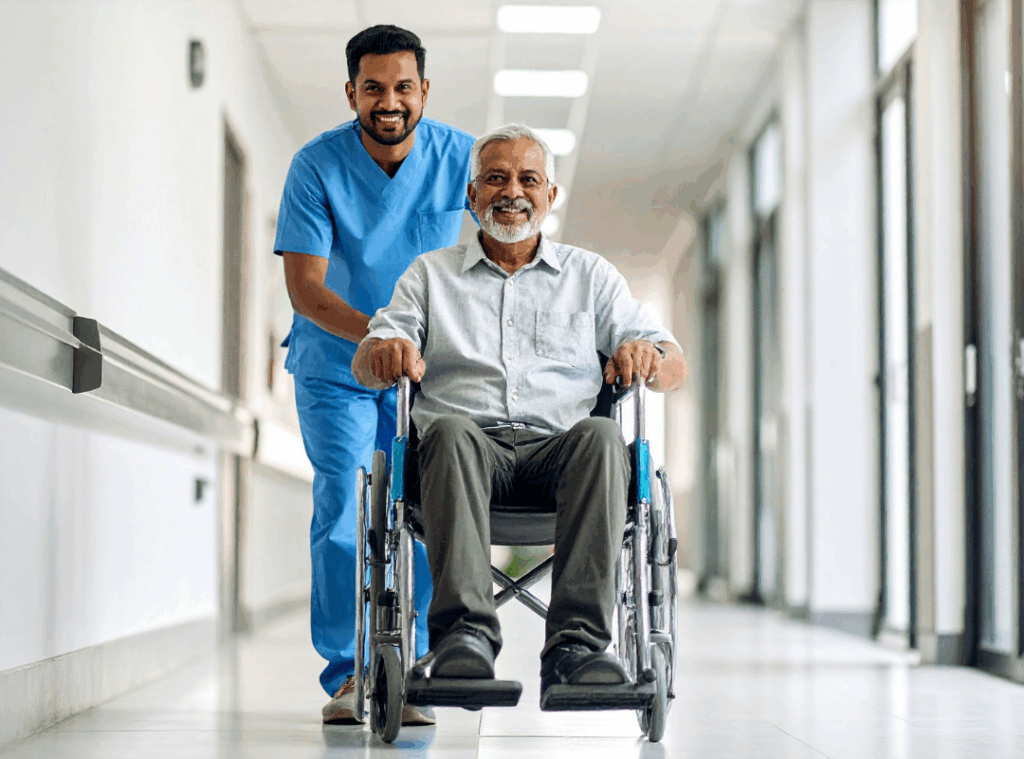
Impaired mobility in seniors refers to difficulty moving safely or independently due to aging, illness, or injury. Recognizing the early signs of mobility issues helps prevent falls, maintain independence, and improve quality of life. At Westmont of Riverside, seniors receive supportive care designed to promote safe, confident movement.
Understanding impaired mobility in seniors also helps families respond quickly to sudden loss of mobility in elderly adults. This guide explains causes, symptoms, risks, and solutions so you can support safer aging and better long-term well-being.
What Is Impaired Mobility in Seniors?
Impaired mobility in seniors is a reduced ability to move safely or independently. This may affect walking, standing, sitting, or transitioning between positions. Over time, mobility challenges can interfere with daily activities and independence.
Common Mobility Issues Examples
Mobility issues examples often include difficulty walking, poor balance, and reduced strength. These symptoms may develop gradually or appear suddenly, especially during a sudden loss of mobility in the legs in elderly adults. Identifying these signs early helps reduce risks and improve quality of life.
What Causes Loss of Mobility in Elderly Adults?
Several factors contribute to impaired mobility in seniors. Aging affects muscles and joints, but medical conditions often accelerate the decline in mobility. Understanding the causes of loss of mobility in older adults helps families act early.
Common causes include:
- Arthritis and joint stiffness
- Stroke or neurological conditions
- Muscle weakness or frailty
- Injuries such as fractures
- Chronic illnesses like Parkinson’s disease
Sudden Loss of Mobility Warning Signs
A sudden loss of mobility in elderly adults may signal stroke, infection, or injury. Immediate evaluation is important to prevent complications and support recovery.
According to the Centers for Disease Control and Prevention, more than 1 in 4 older adults falls each year, making early mobility assessment essential for safety.
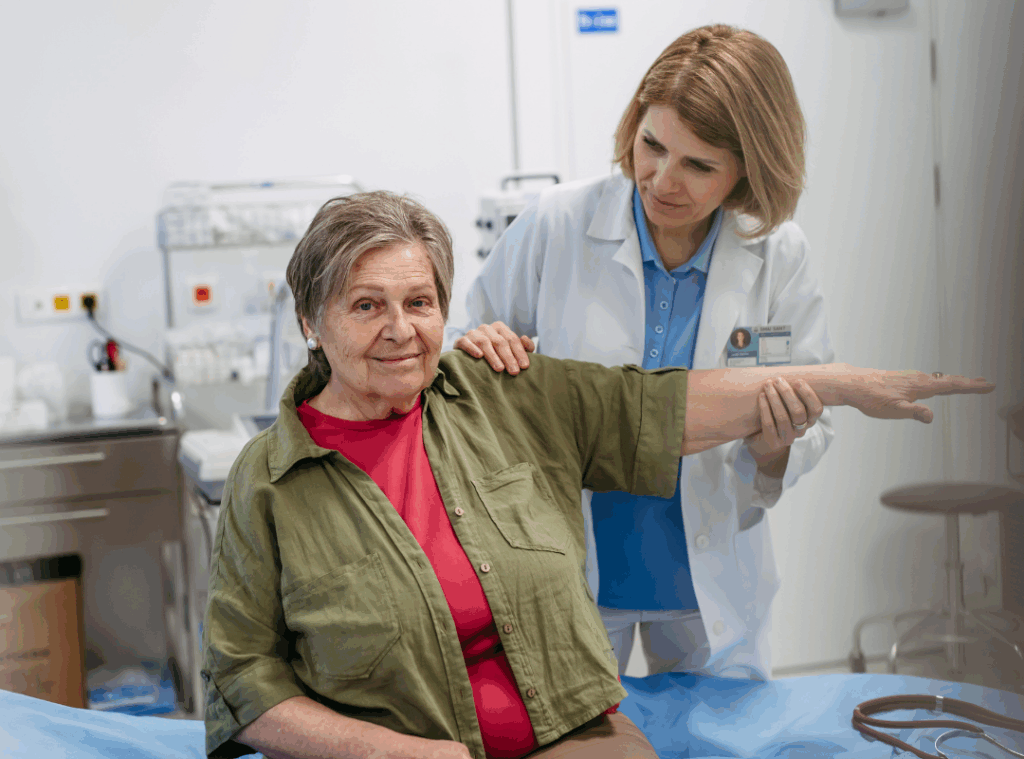
Percentage of Elderly With Mobility Issues
Mobility challenges increase with age. Understanding the percentage of the elderly with mobility issues helps families recognize how common this concern is.
| Age Group | Percentage With Mobility Issues | Common Causes |
| 65–74 | ~15% | Arthritis, muscle weakness |
| 75–84 | ~25% | Balance decline, chronic illness |
| 85+ | ~40% | Frailty, neurological conditions |
According to the National Institute on Aging, mobility limitations significantly increase after age 75, making proactive support important.
Effects of Reduced Mobility in Elderly Adults
The effects of reduced mobility in elderly adults extend beyond physical limitations. Reduced movement can affect independence, emotional health, and overall well-being.
Physical Effects
Limited mobility may lead to muscle loss, poor balance, and an increased risk of falls. These changes may worsen without early intervention.
Emotional Effects
Mobility challenges may also lead to isolation or anxiety. Seniors may avoid activities due to fear of falling, affecting their mental health and confidence.
Addressing mobility concerns early helps maintain independence and quality of life.
Symptoms of Mobility Issues to Watch For
Recognizing symptoms of mobility issues allows families to take proactive steps. These symptoms may develop slowly or appear suddenly.
Common symptoms include:
- Difficulty walking
- Slower movement
- Frequent falls
- Balance issues
- Trouble standing or sitting
If you notice a sudden loss of mobility in legs in elderly adults, seeking medical evaluation is recommended.
Can Mobility Issues Be Corrected?
Many families wonder if mobility issues can be corrected. In many cases, mobility can improve with proper support and care.
Treatment options may include therapy, assistive devices, and lifestyle adjustments. According to the World Health Organization, mobility support and assistive devices help reduce the risk of falls and improve independence.
Creating a supportive environment also helps seniors remain active and confident.
Supportive Living Options for Seniors With Mobility Challenges
Seniors experiencing impaired mobility benefit from supportive communities designed for safety and independence. Westmont of Riverside lifestyle options include:
- Assisted Living
- Independent Living
- Memory Care plus skilled nursing
Residents also benefit from thoughtfully designed amenities, including the Fitness Center, On-site Therapy Services, Scheduled Transportation, Emergency Response Systems, and Spacious & Comfortable Living Areas. These features help support safer mobility and daily independence.
You may also find helpful strategies in Overcoming Balance Problems in Old Age for Better Mobility, which shares practical ways to improve stability and support safer movement for seniors experiencing mobility challenges.
Supporting Safer Mobility at Westmont of Riverside
Mobility challenges can feel overwhelming, but the right support makes a meaningful difference. At Westmont of Riverside, seniors benefit from personalized care, wellness programs, and supportive living designed to promote independence and safety.
If you or a loved one is experiencing mobility concerns, schedule a tour, contact our team, or call us at 951-697-2000 to learn how supportive living can improve daily life.
Reviewed by senior care professionals at Westmont of Riverside.
Frequently Asked Questions
What are the causes of impaired mobility in older adults?
Impaired mobility in older adults is commonly caused by aging, illness, or injury. Conditions like arthritis, stroke, and muscle weakness often contribute to a decline in mobility. Sudden loss of mobility in elderly adults may indicate a serious medical concern. Early evaluation helps determine treatment and improve outcomes.
How would you assist a patient who has limited mobility?
Assisting someone with limited mobility involves creating a safe environment and encouraging movement. Assistive devices, therapy, and supervision help prevent falls. Maintaining routines and encouraging activity support mobility. Professional care environments provide additional support and safety.
What are the mobility impairments of the elderly?
Mobility impairment in seniors includes difficulty walking, standing, or maintaining balance. These mobility issues examples may appear gradually or suddenly. Reduced mobility increases the risk of falls and affects independence. Early support helps improve safety and quality of life.
How to deal with losing mobility?
Dealing with mobility loss begins with identifying the cause and developing a care plan. Physical therapy, assistive devices, and supportive environments may help. Staying active also supports emotional well-being. Early intervention helps seniors maintain independence longer.