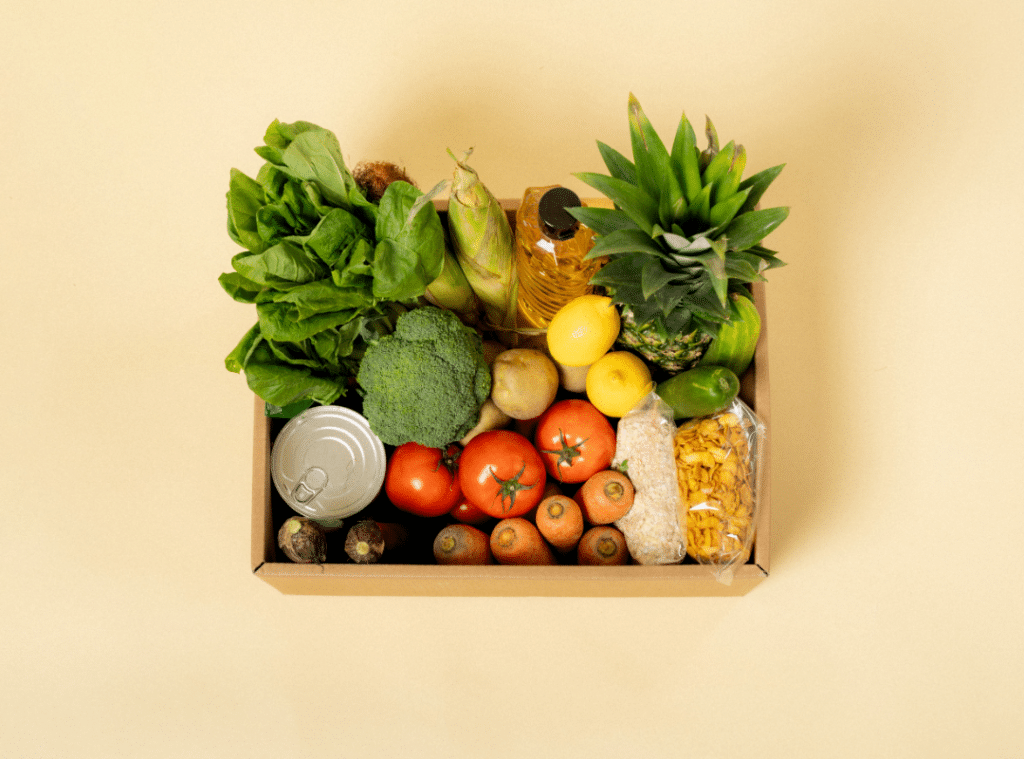


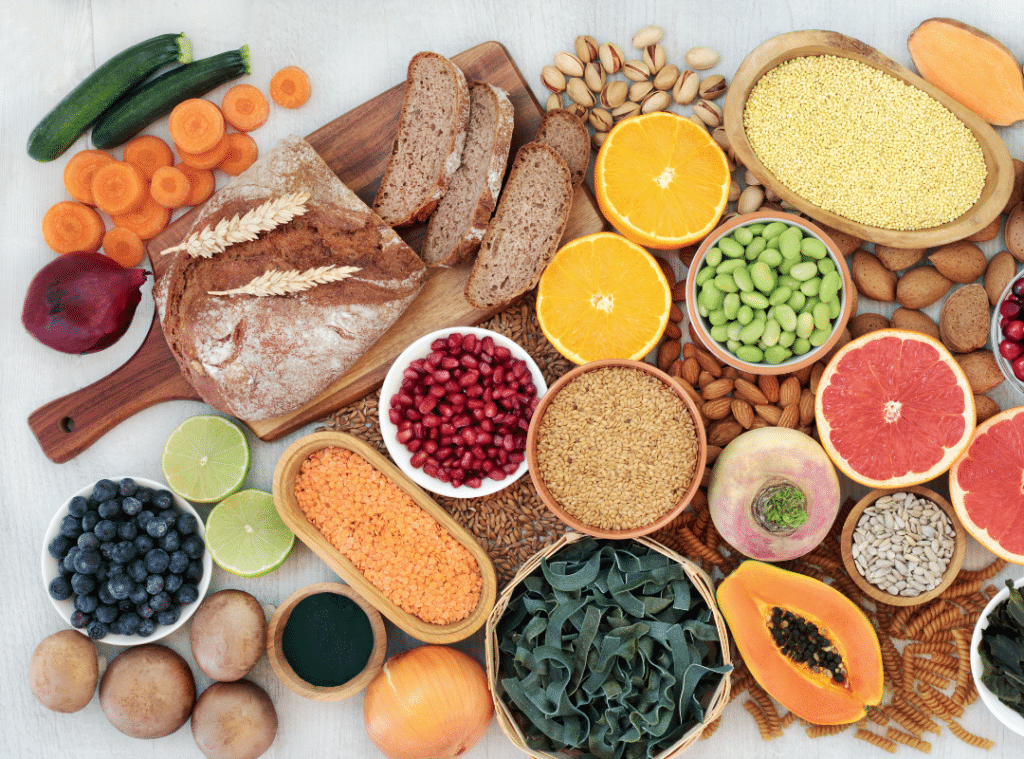
The best foods for nerve health are foods rich in vitamins, antioxidants, and minerals that help support nerve function and overall wellness. A balanced diet centered on whole foods can also support comfort, mobility, and overall health as you age.
At Westmont of Morgan Hill, healthy living starts with practical daily choices that feel sustainable. This guide shares foods to focus on, foods to limit, and simple ways to support nerve health through everyday nutrition. If you want to explore a closely related topic, you can also read Nerve Recovery Signs: What Families Need to Look For.
What Are the Best Foods for Nerve Health and Why Do They Matter?
The best foods for nerve health help nourish your nervous system with the nutrients it needs to function well. Nerves rely on steady support from vitamins and minerals to send signals, support movement, and protect your overall health.
According to the National Institute of Neurological Disorders and Stroke, peripheral neuropathy affects an estimated 20 million people in the United States, highlighting how important daily nutrition and lifestyle choices can be.
Key nutrients that support nerve function
Foods good for nerves and muscles often contain vitamin B, antioxidants, potassium, and magnesium. These nutrients work together to support nerve communication, reduce stress on the body, and promote overall balance in your daily routine.
A simple way to think about it is this:
- Vitamin B supports nerve health
- Antioxidants help manage inflammation
Best Foods for Nerve Health to Add to Your Diet
If you are looking for 7 foods that heal nerve damage, several nutrient-rich choices stand out. Leafy greens like spinach and broccoli provide vitamin B, while berries and cherries offer antioxidants. Zucchini adds potassium and magnesium, sweet potatoes provide vitamins A and C, and quinoa delivers complete protein and other nutrients that support overall nerve function.
Fun Fact: Your nerves rely on steady nourishment to help your brain and body communicate well, which is one reason balanced meals can make such a meaningful difference over time.
Best fruits and vegetables for nerve support
If you are searching for the best fruit for nerves repair or fruits good for nerves and muscles, berries and cherries are strong options to include in your routine. For a simple approach, try building meals around:
- Leafy greens
- Berries or cherries
- Sweet potatoes
- Zucchini
- Quinoa
What Drink Is Good for Nerve Damage?
If you are wondering what drink is good for nerve damage or which juice is good for nerves, hydration is an important part of a healthy routine. Fluids help support your body’s daily functions, especially when paired with nutrient-rich meals.
A balanced eating pattern matters just as much as what you drink. Healthy eating guidance from the National Institute on Aging supports focusing on nutrient-dense foods and healthy habits that support overall wellness as you age.
Natural Ways to Help Manage Nerve Pain
Food is one important part of nerve support, but daily comfort can also come from simple habits. Ingredients like turmeric and ginger, along with soothing options like essential oils and warm compresses, can be part of a supportive routine.
Simple ways to support nerve comfort at home
You may find these habits helpful:
- Use warm compresses to encourage relaxation
- Try soothing essential oils like lavender or peppermint
- Include anti-inflammatory ingredients such as turmeric and ginger

Foods to Avoid If You Have Nerve Pain or Neuropathy
Knowing the bad food for nerve pain can be just as useful as knowing what to eat. Foods high in sugar, processed ingredients, alcohol, refined carbohydrates, and excess caffeine can make it harder to maintain a steady, balanced routine.
This can be especially important if you are dealing with food for nerve pain in legs and want to support better daily habits. Vitamin B12 guidance from the NIH Office of Dietary Supplements also highlights how key nutrients support nerve health, making a balanced diet even more important.
Foods to Eat vs Foods to Limit for Nerve Health
| Support Nerve Health | May Worsen Nerve Pain |
| Spinach and broccoli | Sugary snacks and pastries |
| Berries and cherries | Processed foods |
| Sweet potatoes | Alcohol |
| Zucchini | Refined carbohydrates |
| Quinoa | Excess caffeine |
This quick comparison can make meal planning feel easier. Small, steady changes often feel more manageable than trying to change everything at once.
Supporting Wellness at Westmont of Morgan Hill
Westmont of Morgan Hill supports residents through Assisted Living, Memory Care, and Independent Living in a setting designed for comfort and daily well-being. Community amenities like the Fireside Restaurant, Live Your Way Wellness Program, Fitness Center, scheduled transportation, and spacious common areas can make healthy routines easier to maintain.
If you would like to learn more, you can explore the lifestyle options, browse the community blog, or use the care assessment for added guidance.
Explore the Next Step for Healthier Daily Living
The best foods for nerve health are often simple, familiar foods that fit naturally into everyday meals. When you build your routine around whole foods and balanced habits, you give your body steady support for long-term wellness.
If you are exploring senior living in Morgan Hill, you can schedule a tour, contact us, or call us at 408-779-8490 to learn more about daily life at Westmont of Morgan Hill.
Frequently Asked Questions
What are 7 foods that may heal nerve damage?
Seven foods that may help support nerve health include leafy greens, berries, cherries, zucchini, sweet potatoes, quinoa, and other nutrient-rich whole foods. These foods provide vitamins, antioxidants, and minerals that help support overall nerve function. They are most helpful when you include them regularly in a balanced eating pattern. A steady routine often matters more than relying on just one food. For the best support, pair good nutrition with guidance from your healthcare provider.
What helps nerves heal faster?
A healthy routine that includes balanced meals, hydration, rest, and supportive daily habits can help support nerve health. Nutrient-rich foods give your body the building blocks it needs for overall wellness. Comfort-focused habits like warm compresses and anti-inflammatory ingredients may also be useful in daily life. Staying consistent with your routine can make a meaningful difference over time. If symptoms continue or worsen, it is important to speak with a healthcare provider.
Which food is best for nerves?
There is not just one best food for nerves, but leafy greens, berries, sweet potatoes, zucchini, and quinoa are strong choices. These foods support nerve health by providing vitamins, antioxidants, and minerals. They also fit well into meals for people looking for foods good for nerves and muscles. The best results usually come from eating a variety of nutrient-rich foods regularly. A balanced pattern is often more effective than focusing on one single ingredient.
Which drink is good for nerves?
Hydration is one of the most practical ways to support your body as part of a healthy daily routine. Drinking enough fluids can work alongside nutrient-rich meals to support overall wellness. If you are focused on nerve health, it helps to think about drinks as one part of a balanced lifestyle. Pairing hydration with whole foods gives your body broader support. Simple, consistent habits are often the easiest to maintain.