



Signs of Nerve Regeneration often include tingling, burning sensations, twitching, and the gradual return of strength or feeling. If you are recovering from nerve damage, these changes can be reassuring because they may suggest your body is healing over time. At Westmont of Fresno, located at 7442 North Millbrook Avenue, Fresno, CA 93720, a supportive daily routine can help recovery feel more manageable.
Recovery does not always move in a straight line. You may notice progress in small ways first, such as a little more sensation in your feet or better control in your hands. If you want to support nerve health through everyday choices, foods that help neuropathy and improve nerve health is a helpful related read.
What Are the Signs of Nerve Regeneration?
Signs of nerve regeneration are physical changes that suggest damaged nerves are starting to recover. The most common signs are tingling, burning, twitching, and a slow return of movement or sensation.
Sensory Changes
You may first notice small sensory shifts before larger functional changes. These can include a pins-and-needles feeling, warmth, or sensitivity returning to an area that once felt numb.
Movement and Strength Improvements
As healing continues, muscles may respond better and daily movements may feel easier. That might mean steadier walking, a better grip, or less weakness during ordinary tasks.
- Tingling or pins-and-needles sensations
- Burning or warmth in the affected area
- Small muscle twitches
- Better movement or coordination
- Return of touch or temperature sensitivity
Understanding the Nerve Healing Process in Seniors
Nerve healing is usually slow, and that can feel frustrating when you want clear answers. Peripheral neuropathy can affect sensation, movement, and balance, especially in the hands and feet. MedlinePlus explains peripheral neuropathy and how symptoms may affect daily movement and feeling.
Why Recovery Can Feel Uneven
Some days may feel better than others. That is common because healing nerves can send mixed signals as they reconnect, which is why mild discomfort and improvement sometimes happen at the same time.
Is Burning a Sign of Nerve Healing?
Yes, burning can be one of the Signs of Nerve Regeneration. As damaged nerves begin sending signals again, those returning messages may feel like warmth, tingling, or burning instead of normal sensation at first.
This feeling is often temporary, especially when it appears alongside less numbness or slightly better movement. If burning becomes intense, constant, or starts disrupting sleep or daily life, it is a good idea to speak with a healthcare professional.
Is Twitching a Sign of Nerve Healing?
Yes, twitching can also be a positive sign. When nerves start reconnecting with muscles, you may notice small involuntary movements that suggest nerve signals are returning.
Twitching is often mild and brief during recovery. If it becomes painful, spreads widely, or comes with growing weakness, you should seek medical guidance to make sure another issue is not involved.
Compressed Nerve Healing Signs to Watch For
When pressure on a nerve begins to ease, symptoms often improve in stages. You may notice less sharp pain first, followed by better strength, less numbness, and easier movement.
| Healing Sign | What It May Mean |
| Less sharp or radiating pain | Reduced nerve irritation |
| Better grip or balance | Improved nerve-muscle signals |
| Less numbness | Sensation may be returning |
| Easier daily movement | Reduced inflammation or pressure |
If you are focusing on daily wellness while recovering, the lifestyle options at Westmont of Fresno can support a more comfortable routine.
Signs of Nerve Regeneration in Feet and Hands
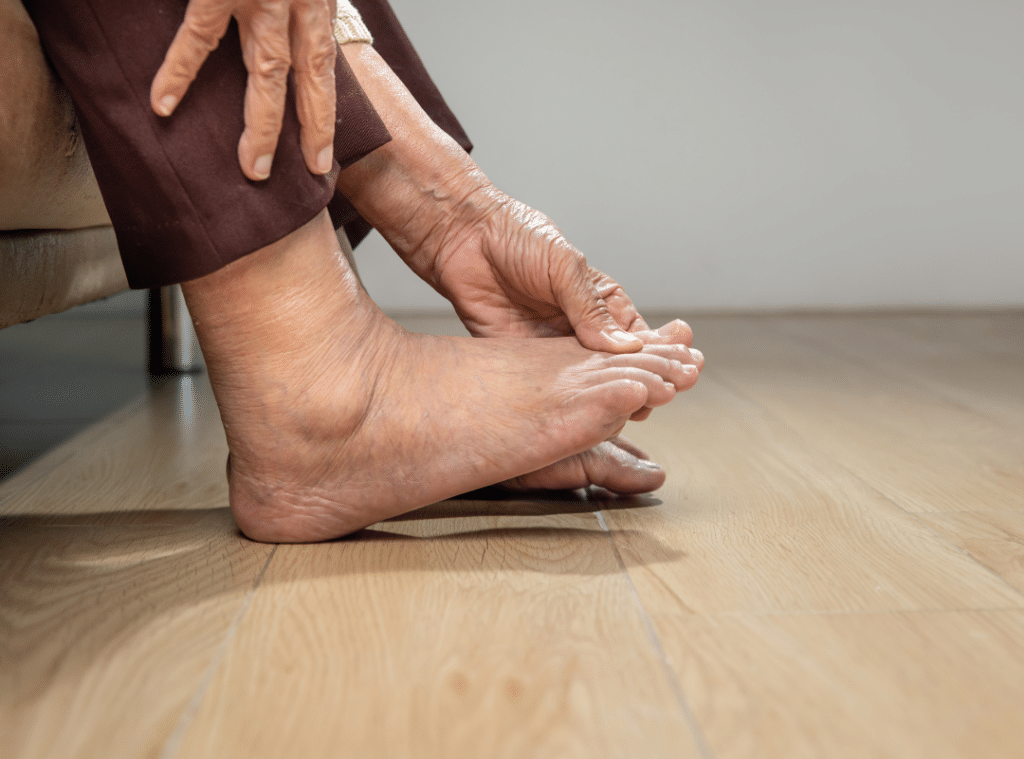
The feet and hands are often where people first notice nerve symptoms. Nerve problems commonly affect the feet and legs first and may later involve the hands, so changes like tingling, burning, numbness, or better balance can be meaningful signs to watch.
- In your feet, more warmth, tingling, or steadier walking
- In your hands, improved grip, better touch sensitivity, or less numbness
- In both areas, a gradual return of feeling that makes everyday tasks easier
What Are the Stages of Nerve Healing?
Nerve healing usually follows a sequence, even if the timeline varies from person to person. NIH research on peripheral nerve repair explains that peripheral nerve regeneration may proceed at about 1 inch per month in many cases, though recovery still depends on the severity and distance of regrowth.
Degeneration
The damaged part of the nerve breaks down first. This clears the way for healing to begin.
Regeneration
New nerve fibers begin growing toward the area they need to reach. This is when early sensory changes often appear.
Remyelination
The protective covering around the nerve rebuilds. This helps signals travel more effectively.
Functional Recovery
Strength, movement, and sensation improve little by little. This final stage may take the longest, but it is often where daily progress becomes more noticeable.
Support That Helps You Focus on Recovery
Healing from nerve damage often feels easier when your day supports rest, movement, and comfort. At Westmont of Fresno, that may include the Live Your Way Wellness Program, a fitness center, scheduled transportation, and spacious and comfortable living areas that help you stay focused on recovery without added stress.
If you want help deciding what level of support fits your current needs, the care assessment can be a useful next step.
Feel More Confident About the Next Step
Even small changes like less numbness, a little more balance, or better hand control can be meaningful signs of progress. Guidance, patience, and a supportive setting can make recovery feel less overwhelming and more manageable from day to day.
If you would like to learn more about life at Westmont of Fresno, Schedule a Tour, Contact Us, or Call Us at 559-446-1266 to start the conversation.
Frequently Asked Questions
What causes nerve damage?
Nerve damage can happen for several reasons, including injury, surgery, diabetes, poor circulation, infections, or ongoing pressure on a nerve. Some cases begin suddenly, while others develop slowly over time. Repetitive motion can also irritate or damage nerves in certain parts of the body. Finding the cause matters because treatment and recovery often depend on what started the problem. A healthcare professional can help identify the most likely source.
What helps nerves?
Nerves often respond best to a mix of steady medical care and healthy daily habits. Good nutrition, enough sleep, gentle movement, hydration, and managing underlying conditions can all support nerve health. The National Institute on Aging highlights the benefits of exercise for older adults, including support for strength, balance, and mobility. These habits may help recovery over time.
Can you live with nerve damage?
Yes, many people live with nerve damage and still maintain a meaningful, active life. The right support may include medical care, therapy, movement, and practical changes to daily routines. Some symptoms improve gradually, while others may need ongoing management. The key is to watch for changes, protect safety, and stay in touch with qualified professionals. Early support often makes daily life more comfortable.
What are the signs of nerve damage in your hands?
Common signs of nerve damage in your hands include numbness, tingling, burning, weakness, or trouble gripping objects. Some people also notice pain that comes and goes, especially with repeated use. In more advanced cases, tasks like buttoning clothes or holding a cup may feel harder. Symptoms can overlap with healing sensations, so timing and pattern matter. If the problem continues or worsens, an evaluation is a smart next step.
Is burning a sign of nerve healing?
Yes, burning can be a sign of nerve healing when nerves begin sending signals again after damage. That sensation may feel uncomfortable, but it can happen during recovery as feeling starts to return. Burning is more reassuring when it appears with less numbness or slightly better movement. It should still be monitored if it becomes severe or constant. A doctor can help you tell the difference between healing and irritation.