


Aging affects every part of the body, and your eyes are no exception. Many older adults begin noticing signs of eye aging, such as slow focusing, dryness, blurry vision, and increased sensitivity to light. These changes can be subtle at first, but recognizing them early helps you protect your long-term eye health and avoid complications.
At Westmont of Escondido, we understand how challenging it can be for seniors and their families to navigate vision changes. Whether you’re researching how to reverse aging eyesight, exploring how to reverse aging eyes naturally, or trying to understand the signs of aging under the eyes, this guide offers practical, supportive steps to keep your eyes healthy throughout the aging process. To learn more about senior wellness, visit Westmont of Escondido.
Common Age-Related Eye Conditions
As you age, various eye conditions can begin to appear, and many of these are connected to common old-age eye problems. Conditions such as cataracts cloud the lens of the eye, while age-related macular degeneration affects central vision. Glaucoma, another primary concern, often develops without noticeable symptoms, making early detection vital. Many seniors also deal with dry eyes and presbyopia, which create visual fatigue and difficulty seeing close objects.
Understanding the signs of eye aging allows you to act quickly before vision loss progresses. Regular checkups help identify issues like glaucoma, diabetic eye disease, and retinal changes at an early stage. You can also protect your eyes by controlling glare, improving indoor lighting, and taking steps to ease digital eye strain. Regular eye health check-ups are as important as monitoring heart health, bone health, and other senior wellness needs.
Symptoms of Aging Eyes
Recognizing early symptoms is essential for anyone who wants to maintain clear vision and slow the progression of age-related eye problems. Common signs include:
- Eye fatigue after reading or using digital devices
- Noticeable vision changes, especially when focusing up close
- Dry eyes caused by reduced tear production
These early aging signs may also be accompanied by puffiness, wrinkles, and dullness, which many describe as signs of aging under the eyes. Paying attention to these changes gives you a chance to discuss treatment options with your eye doctor before symptoms worsen. Annual eye exams remain essential for older adults, especially for those seeking to reverse age-related vision changes or protect long-term visual health.
Diagnosis of Eye Problems
Diagnosing age-related eye issues requires thorough testing and professional evaluation. Your eye care provider will examine the cornea, retina, optic nerve, and overall visual ability. These tests help detect early indicators of glaucoma, macular degeneration, and other conditions commonly linked to eye problems associated with old age.
Regular eye checkups also support those researching how to reverse aging eyes naturally, as early diagnosis makes lifestyle-based improvements far more effective. Providers also monitor intraocular pressure using advanced tools. Learn more about the importance of these tests by visiting this resource on monitoring intraocular pressure.
| Diagnostic Technique | Purpose |
| Visual Acuity Test | Measures clarity of vision |
| Fundus Examination | Evaluates the retina and optic nerve |
| Tonometry | Measures eye pressure |
| OCT Scan | Creates cross-sectional images of the retina |
Treatment Options for Seniors
When eye aging signs begin affecting your daily life, treatment options are available to restore comfort and improve vision clarity. Many seniors benefit from:
- Updated eyeglasses or contact lenses
- Refractive surgeries like LASIK
- Advanced treatments such as injections for macular degeneration or laser procedures for glaucoma
These interventions also support seniors experiencing old age eye problems and offer effective pathways for those wondering how to reverse aging eyesight or manage chronic visual decline. Maintaining good hydration is another essential step, as proper moisture supports eye comfort. Learn more about senior hydration benefits here: proper hydration.
Preventive Measures for Eye Health
Prevention is the best way to slow the aging of the eyes. Wearing UV-blocking sunglasses, using protective eyewear during outdoor tasks, and reducing screen glare all help protect your vision. Adjust indoor lighting to prevent squinting, and consider blue-light filters if you use digital devices frequently.
Chronic conditions like diabetes or high blood pressure can make eye problems in old age worse, so managing overall health is essential. Seniors should also stay informed about the symptoms of blurry vision and how to address them. For more guidance, visit Navigating Blurry Vision.
If you’re interested in natural vision strategies, you can explore how to reverse the effects of aging on your eyes, such as improving your diet, adjusting your lifestyle habits, and staying hydrated.
Nutritional Support for Vision
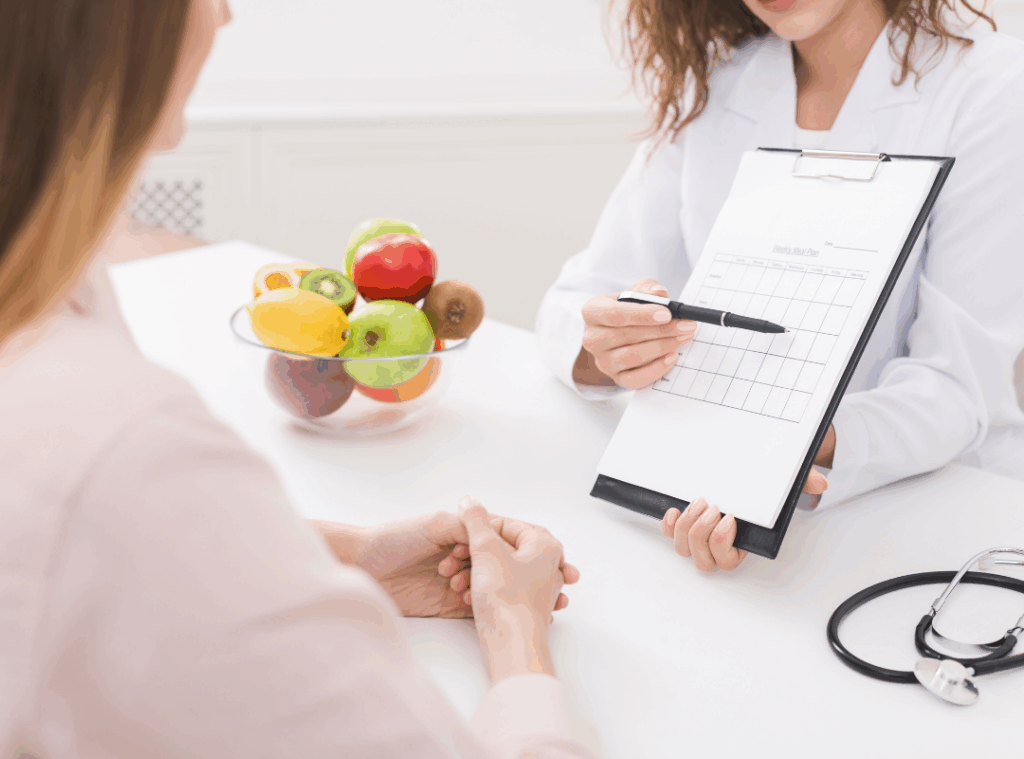
Nutrition plays a decisive role in minimizing signs of eye aging and supporting long-term vision.
Key Nutrients for Eyes
Nutrients like lutein, zeaxanthin, omega-3 fatty acids, vitamin C, and vitamin E help strengthen the retina and protect against oxidative stress. These nutrients are essential for seniors concerned about age-related eye problems, or for those researching how to reverse aging eyes with supplemental support naturally.
Foods That Improve Eye Health
Leafy greens, citrus fruits, carrots, walnuts, bell peppers, and oily fish all support healthy vision. Using these foods together in balanced meals can decrease eye aging signs and brighten the appearance of the signs of aging under the eyes.
Supplements to Consider
Lutein, zeaxanthin, fish oil, and antioxidant vitamins can offer additional support for those exploring how to reverse age-related eye problems and improve daily eye comfort.
Resources for Eye Care Services
Finding reliable eye care services is essential for seniors and caregivers. The American Academy of Ophthalmology offers excellent educational resources, and the Cleveland Clinic provides extensive vision care options. For additional trusted information, visit:
These resources help you better understand eye aging signs, navigate old age eye problems, and make informed treatment decisions.
Ready to Protect Your Vision? Call Westmont of Escondido Today!
Understanding the signs of eye aging is the first step toward protecting your long-term vision. By staying proactive with regular eye exams, improving nutrition, and learning how to reverse aging eyesight, you’re already moving toward stronger, clearer eyesight.
If you or a loved one is experiencing signs of aging under the eyes or other old-age eye problems, now is the perfect time to take action. Call Westmont of Escondido at 760-737-5110 for personalized support, guidance, and senior living resources designed to help you thrive. You can also book a visit anytime by scheduling a tour here: Schedule a Tour.
Let us help you protect your eyes—and your independence—starting today.
Frequently Asked Questions
At what age do your eyes start aging?
Eye aging typically begins in your early to mid-40s, when the lenses naturally lose flexibility. This makes it harder to focus on close objects, a condition known as presbyopia. Although changes begin around this age, factors such as genetics, lifestyle, and overall health can accelerate or slow the process. Regular eye exams are crucial for detecting early changes and maintaining healthy vision as you age.
What are the symptoms of aging eyes?
Common symptoms include difficulty reading small print, needing brighter light, and experiencing blurry or distorted vision. You may also notice dry eyes, increased sensitivity to glare, and slower adjustment to light changes. Some people develop floaters or reduced peripheral vision over time. These symptoms can vary, so consult an eye specialist for proper evaluation and guidance.
How to stop eye aging?
While you can’t stop the natural aging process, you can slow it down with healthy habits. Protecting your eyes from UV rays, eating nutrient-rich foods, and staying hydrated all support long-term eye health. Limiting screen time and practicing the 20-20-20 rule can also reduce strain. Regular eye checkups help detect changes early and allow for timely treatment.
How to stop eyes from deteriorating?
Preventing further deterioration involves consistent eye care and lifestyle adjustments. A balanced diet rich in antioxidants, omega-3 fatty acids, and vitamins helps support the retina and overall eye function. Wearing protective eyewear, managing chronic conditions like diabetes, and reducing smoking can also make a significant difference. Early intervention through routine eye exams ensures you catch issues before they progress.