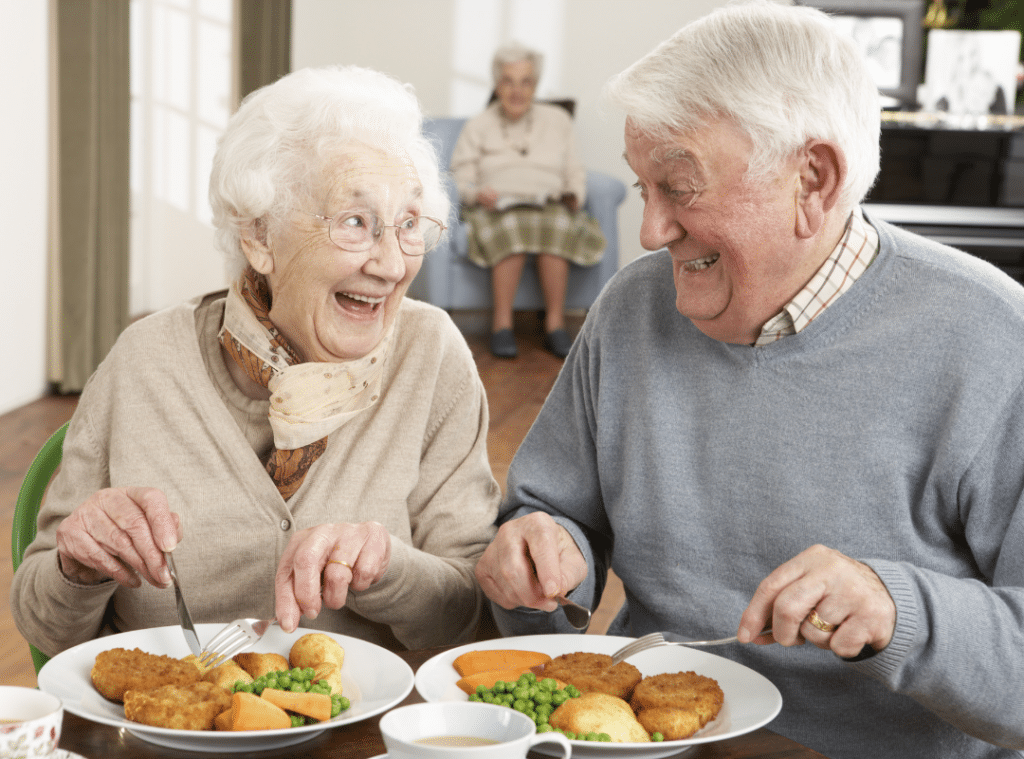


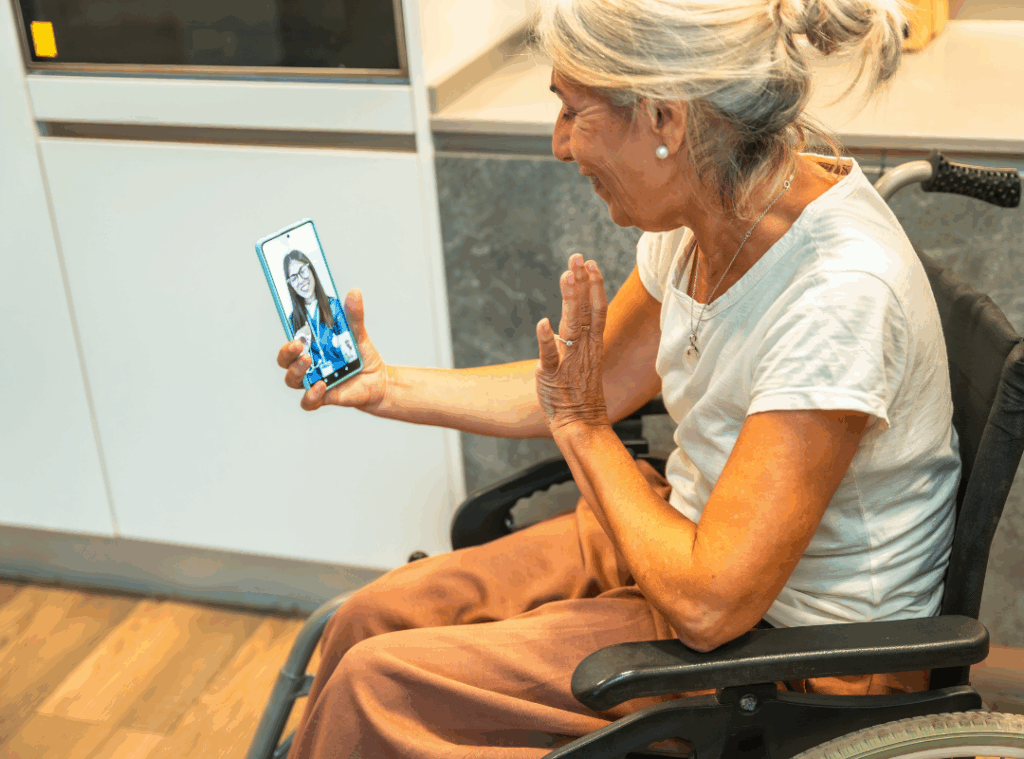
Mobility is a major part of living independently, especially as we age. When movement becomes difficult, even simple daily tasks can feel overwhelming. For many older adults, challenges in elderly mobility may lead to frustration or isolation, making social engagement and routine activities harder to maintain.
The good news is that understanding your mobility needs and accessing proper support can restore confidence and improve overall wellness. Westmont at San Miguel Ranch offers resources, programs, and personalized care designed to strengthen independence and help you thrive at every stage. Whether you’re exploring elderly mobility devices, searching for help after a sudden loss of mobility in the elderly, or curious about tools like an elderly Mobility Scale calculator, support is available to guide you every step of the way.
Visit Westmont at San Miguel Ranch to learn more about how to enhance mobility and wellness.
The Impact of Mobility Issues on Daily Life
Mobility challenges affect nearly every aspect of your daily routine. Simple tasks such as walking to the kitchen, standing from a chair, or getting the mail can become exhausting or risky as elderly mobility declines. Social activities, errands, and household chores may become more difficult, leading some seniors to feel isolated or dependent on others.
Understanding these challenges is the first step in addressing them. Whether you’re coping with chronic pain, exploring elderly mobility devices, or experiencing a sudden loss of mobility in the elderly, it’s essential to recognize how these changes influence your physical and emotional well-being.
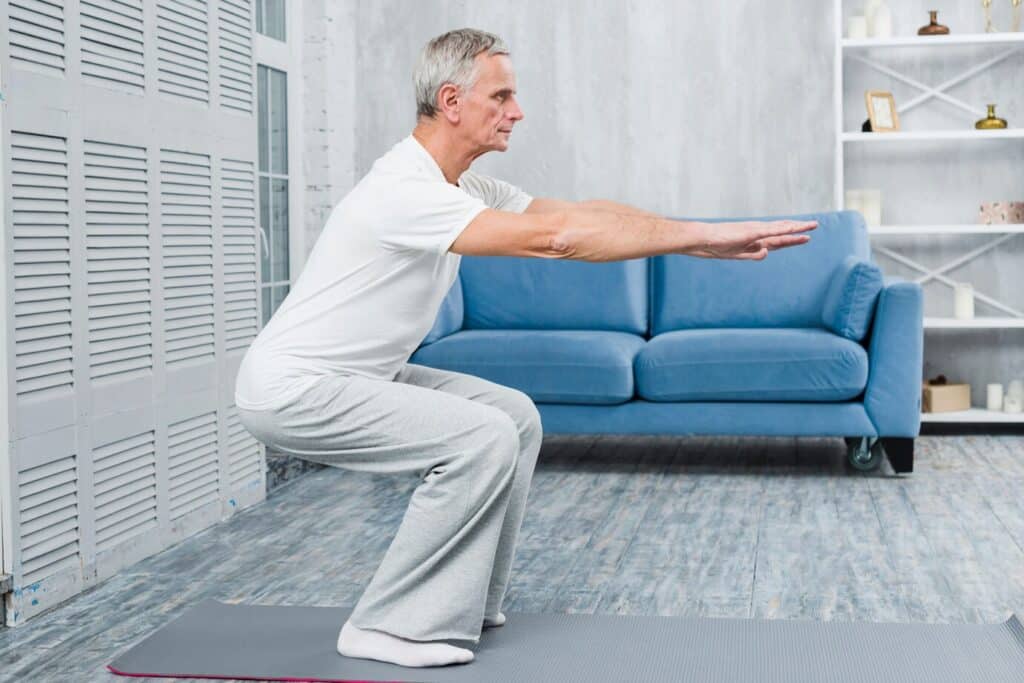
Incorporating simple leg exercises into your routine can significantly improve confidence and stability. Support from loved ones and adaptive tools—such as walkers or canes—can also make day-to-day tasks safer and easier, helping you maintain the independence you deserve.
Understanding the Causes of Mobility Challenges
Many factors contribute to changes in elderly mobility, and understanding them can help you find the right solutions. Muscle weakness, arthritis, neurological conditions, and natural aging all play key roles. Tracking changes in the elderly Mobility Scale age range or using an elderly Mobility Scale calculator can help families and caregivers assess needs more accurately.
Here’s a simple overview of the most common causes:
| Cause | Description | Impact on Mobility |
| Muscle Weakness | Reduced muscle strength | Difficulty standing or walking |
| Joint Problems | Arthritis, stiffness | Pain and limited movement |
| Pain | Chronic discomfort | Reduced activity levels |
| Neurological Issues | Problems affecting balance | Higher fall risk |
| Aging | Natural muscle and bone decline | Overall mobility reduction |
Learn how creating an arthritis-friendly environment can promote comfort and independence for seniors.
The Role of Physical Activity in Maintaining Independence
Staying active is essential for maintaining mobility. Regular physical activity builds strength, improves balance, and enhances coordination—all of which are important for reducing fall risk. For many seniors, movement routines are also a meaningful way to combat the emotional impact of decreased mobility.
Try simple exercises such as walking, stretching, or guided balance work. Over time, these activities support healthier joints and stronger muscles. You can even use tools like an elderly Mobility Scale calculator to monitor progress and adjust routines based on your elderly Mobility Scale age range.
You’ll feel more empowered, confident, and capable when mobility becomes part of your weekly wellness plan. Practices like heel-to-toe walking can significantly improve stability.
Strategies for Fall Prevention and Safety
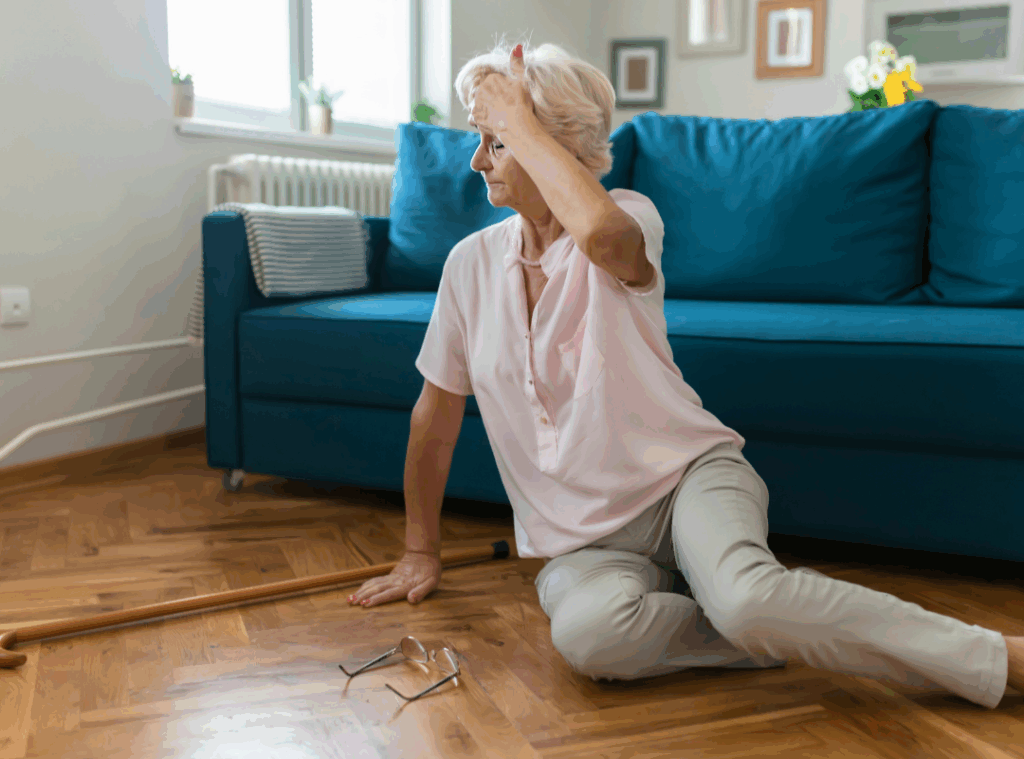
Creating a safer home environment is one of the most effective ways to prevent falls—especially for those using mobility devices or recovering from a sudden loss of mobility. Small changes can make a significant impact, helping you move more confidently.
Home Safety Measures
Start by identifying hazards around your home. Remove clutter, secure loose rugs, and install intense lighting. Additional modifications, such as grab bars, non-slip bathroom mats, and organized walkways, make daily activities safer. A professional home safety assessment can also ensure your environment matches your needs at your current elderly Mobility Scale age range.
Fall prevention matters—over 25% of seniors experience falls every year. Prioritizing safety today can protect your independence tomorrow.
Physical Activity Importance
Regular physical activity complements fall-prevention strategies. Strengthening core and leg muscles reduces fall risk and improves balance. Senior-friendly exercises, guided routines, and physician-approved programs can all support healthier movement patterns.
Resources such as the CDC’s fall prevention information and the National Institute on Aging’s exercise recommendations provide helpful guidance.
Professional Resources for Mobility Support
If mobility becomes challenging, professional support can make a tremendous difference. Physical therapists, occupational therapists, and rehabilitation specialists help assess your movement, recommend mobility devices for older adults, and create personalized exercise plans.
These experts can also help individuals experiencing sudden mobility loss in the elderly regain strength safely while monitoring progress using an Elderly Mobility Scale calculator. Assistive technologies, adaptive equipment, and structured therapeutic exercises all contribute to a higher quality of life.
You don’t have to navigate mobility changes alone—professional help is an empowering step toward reclaiming independence.
Exercises to Enhance Strength and Balance
Incorporating strength and balance exercises into your weekly routine is one of the best ways to improve mobility in older adults. These activities reduce fall risk, support better posture, and increase confidence.
| Exercise | Purpose | Frequency |
| High Step | Builds leg strength | 3× weekly |
| Eyes-Closed Balance | Improves stability | Daily |
| Stand Up – Sit Down | Strengthens core and legs | 3× weekly |
Start gradually with 15–25 repetitions and always consult your physician before beginning any new program.
Ready to Regain Your Mobility and Confidence?
At Westmont at San Miguel Ranch, we understand how important mobility is to living fully and independently. Whether you’re adapting to new elderly mobility devices, recovering from a sudden loss of mobility in the elderly, or simply wanting to strengthen daily movement, we’re here to support you.
Our team is ready to guide you through exercises, safety strategies, and professional resources designed to help you thrive. Every step you take—no matter how small—brings you closer to renewed independence.
Call us today at 619-271-4385 or schedule a tour to experience the difference for yourself.
Frequently Asked Questions
What is mobility in the elderly?
Mobility in the elderly refers to a person’s ability to move independently and perform everyday activities such as walking, standing, or getting in and out of chairs. It includes balance, strength, coordination, and flexibility. As people age, these abilities may naturally decline, making daily tasks more challenging. Maintaining mobility is essential because it directly affects quality of life, independence, and overall well-being.
Can an elderly person regain mobility?
Yes, many elderly individuals can regain mobility with the proper support, consistency, and intervention. Physical therapy, strength-building exercises, and assistive devices often play a major role in restoring function. Early detection and treatment of mobility problems also increase the chances of improvement. With personalized care plans and encouragement, seniors can often regain confidence and move more comfortably.
Why is mobility important in the elderly?
Mobility is crucial for seniors because it enables them to perform daily tasks independently and maintain a higher quality of life. It also reduces the risk of falls, a leading cause of injury among older adults. Staying mobile supports physical health, boosts mental well-being, and encourages social engagement. Overall, mobility helps seniors remain active, confident, and connected to their community.
What causes mobility issues in the elderly?
Mobility issues in the elderly can stem from several factors, including muscle weakness, joint problems, chronic health conditions, and balance impairments. Conditions such as arthritis, osteoporosis, and neurological disorders often contribute to reduced mobility. Age-related changes, such as decreased flexibility and slower reflexes, can also make mobility more difficult. Additionally, inactivity or prolonged bed rest may worsen these challenges over time.