



Caring for the elderly is a responsibility rooted in love, dignity, and a desire to help seniors maintain the best possible quality of life. At Westmont at San Miguel Ranch, families often seek ways to balance emotional connection with practical daily care, all while honoring each senior’s independence and unique needs. This guide explores that balance, how emotional support, communication, daily structure, and care coordination come together to form a holistic approach to senior wellness.
As you explore this expanded guide, you’ll also find helpful insights into the importance of elderly care, how to build a supportive environment, and practical tools that make caregiving easier every day. For even more resources, visit: Westmont of San Miguel Ranch.
Understanding Emotional Needs When Caring for the Elders
When caring for the elderly, emotions play a decisive role. Seniors often experience feelings related to loneliness, changes in independence, or shifts in routine. Validating their feelings helps them feel respected, understood, and connected. One of the key components of elderly care is offering emotional reassurance, something that can significantly reduce stress and promote mental well-being.
Encouraging storytelling, initiating conversations, and spending quality time consistently build trust. Active empathy helps seniors feel safe expressing their emotions, which is essential to their long-term emotional resilience. To further support emotional health, fostering social connections plays a vital role in reducing isolation.
Communication as the Foundation of Compassionate Care
Open, thoughtful communication is one of the most vital skills in caring for the elderly. It enhances clarity, reduces misunderstandings, and ensures seniors stay involved in decisions that affect their daily lives.
Active Listening for Trust and Understanding
Active listening helps seniors feel acknowledged. Practicing reflective responses, asking open-ended questions, and maintaining presence in conversations leads to stronger connections.
This approach builds confidence and underscores the importance of elderly care by encouraging seniors to express their preferences, fears, or concerns openly. It also aligns with the personalized support emphasized in tailored senior care.
Nonverbal Communication Matters
Nonverbal cues, such as gentle gestures, soft eye contact, and warm facial expressions, speak volumes when caring for the elderly. Seniors may communicate discomfort or worry more through nonverbal cues than through words. Watching for these signs helps caregivers respond with compassion and respect, essential elements of high-quality senior care. Supportive engagement is constructive for emotional wellness, as highlighted in memory care therapy.
Encouraging Honest Dialogue
Open communication encourages shared decision-making and greater peace of mind. Seniors feel empowered when they can voice their needs and preferences, contributing to smoother care planning. Inclusive conversations create opportunities for families to stay connected and informed, and family engagement can further strengthen this support system.
Creating a Supportive and Safe Living Environment
A supportive environment enhances both comfort and independence. Safety features, accessible spaces, and a nurturing atmosphere help reduce stress for both seniors and caregivers. Light adjustments, clutter reduction, or soothing colors offer subtle improvements that support emotional well-being.
Building structure through routines also aligns with the daily needs of elderly care, such as personal hygiene, mobility, nutrition, and social interaction. Reinforcing these daily needs helps seniors feel grounded and secure.
Additionally, incorporating helpful technologies, such as medication reminders or video calling, can increase confidence in determining how to effectively care for the elderly at home. Providing opportunities for recreation, sensory engagement, and community involvement enriches everyday living.
For further reading, explore trusted aging support resources such as:
Navigating Health and Medical Care With Confidence
A major part of the importance of elderly care involves understanding and organizing medical and health-related needs. Regular check-ups, medication reviews, and insurance assessments help ensure seniors receive the right support at the right time.
- Health Insurance Review – Confirm that coverage meets their evolving medical needs.
- Medication Management – Simple tools such as pillboxes, alarms, or pharmacy synchronization can help prevent missed or doubled doses.
- Routine Appointments – Consistent monitoring allows adjustments to treatments as needs change.
For those learning how to take care of the elderly at home, having a clear list of medical providers, emergency contacts, and medication schedules is essential. Keeping these records organized contributes to safer, more dependable care.
Supporting Independence and Respecting Choice
Seniors thrive when they retain a sense of control. Supporting independence, whether through choice-making, using adaptive tools, or encouraging participation in daily decisions, aligns with the importance of elderly care and strengthens their confidence.
Providing options instead of directives encourages autonomy. This can include choosing clothing, selecting preferred activities, or having input in weekly routines. Empowerment nurtures emotional wellness and creates an atmosphere of mutual respect.
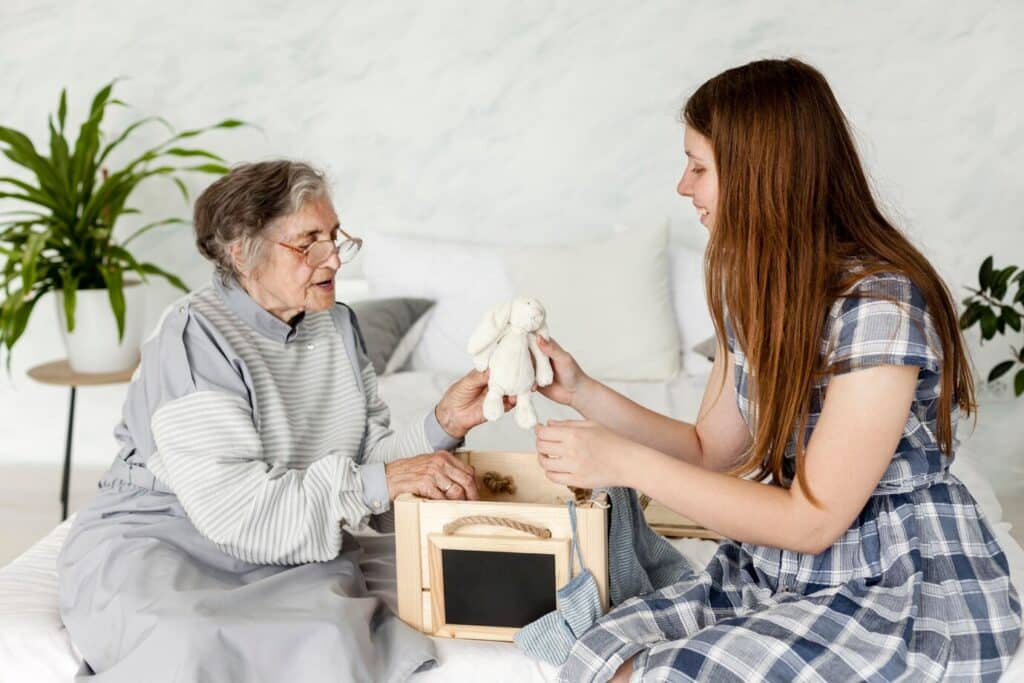
Caregiver Balance: Caring for Yourself While Caring for the Elders
Caregiving requires compassion, patience, and self-awareness. Without proper boundaries and time management, burnout becomes a real risk. Identifying personal limits, prioritizing tasks, and scheduling restorative breaks are essential.
Support groups, respite options, and local resources can help caregivers manage stress more effectively. Understanding government assistance for elderly care can also help reduce financial strain. Programs such as Medicaid, Veterans Affairs benefits, and state-level senior support programs may offer valuable financial relief depending on eligibility.
Essential Support and Resources for Caregivers
Support networks bring strength and clarity during the caregiving journey. Online communities, training opportunities, respite programs, and educational tools help caregivers stay informed and confident. These support systems simplify planning, lighten emotional load, and improve the quality of care delivered.
Exploring government assistance for elderly care can open the door to additional services or financial aid. Assistance may also help supplement the list of daily needs for elderly care, making the caregiving process more manageable.
A Compassionate Step Forward, Connect With Us Today
Caring for the elderly is an act of love, patience, and commitment. At Westmont at San Miguel Ranch, we understand the deep responsibility families carry, and we are here to support you every step of the way. Whether you’re navigating emotional needs, daily care routines, or long-term planning, our team is ready to help guide your journey with compassion and expertise.
To discover how our community can support your loved one, call us today at 619-271-4385 or schedule a tour. Your next step toward peace of mind begins here.
Frequently Asked Questions
How much is assisted living in Chula Vista?
Assisted living in Chula Vista typically ranges from $3,500 to $6,000 per month, depending on the level of care, amenities, and community location. Prices may be higher for communities that offer specialized services, such as memory care or enhanced nursing support. Factors like room size, dining options, and wellness programs can also affect monthly costs. It’s best to request a personalized quote from local communities to get the most accurate pricing for your needs.
Why is it important to care for our elders?
Caring for our elders is essential because they have contributed to our families and communities throughout their lives. Providing support ensures they maintain dignity, comfort, and quality of life as they age. Their well-being often relies on consistent emotional connection, medical attention, and daily assistance. By caring for them, we also strengthen family bonds and honor the values they’ve passed down.
What is the meaning of caring for the elderly?
Caring for the elderly means providing physical, emotional, and social support to help them live safely and comfortably. It involves assisting with daily tasks, ensuring they receive proper medical care, and offering companionship. This type of care can take place at home, in assisted living, or within specialized communities. Ultimately, it reflects respect, compassion, and responsibility toward older adults.
How do you care for your elders?
Caring for elders starts with understanding their personal needs, preferences, and health conditions. Providing help with daily activities such as bathing, meals, medication, and mobility is often necessary. Emotional support, regular communication, and companionship are equally crucial for their well-being. When needed, families may also seek professional caregivers or assisted living communities to ensure comprehensive support.
What is most important in caring for an older adult?
The most important aspect of caring for older adults is maintaining their safety, dignity, and independence to the greatest extent possible. This includes thoughtful assistance with daily tasks and ensuring their living environment is secure. Emotional connection and social engagement also play a significant role in their overall health. Tailoring care to their physical and cognitive needs helps them enjoy a higher quality of life.