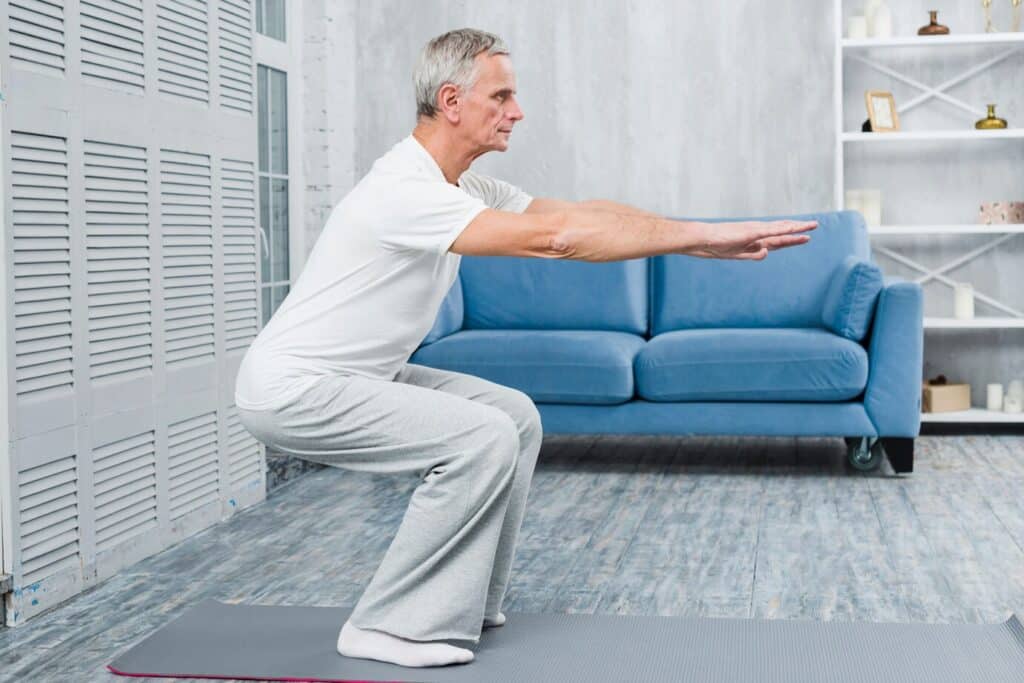


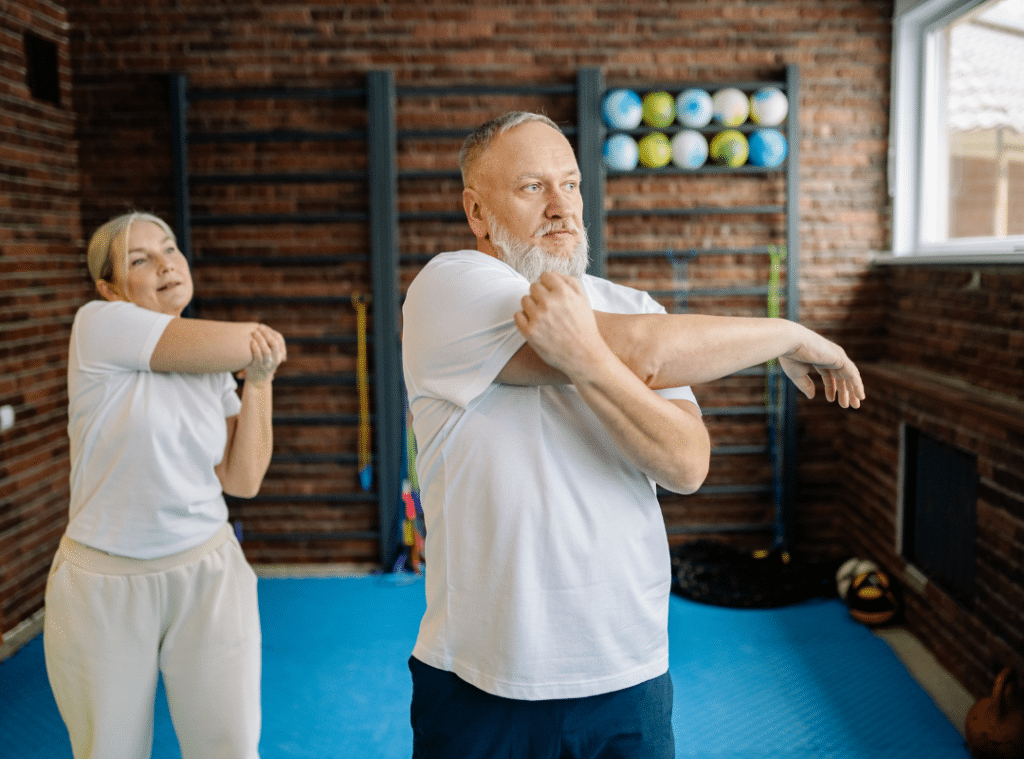
A 10-minute core workout for seniors can be an effective way to support balance, posture, and steady daily movement without a long exercise session. Short, gentle routines done consistently can help you feel stronger and more confident at home.
If you want a simple place to start, daily movement can make a real difference. At The Oaks at Nipomo in Nipomo, wellness-focused living supports active lifestyles with features like a Fitness Center and the Live Your Way Wellness Program. You can also explore Staying Active in the Golden Years: Sports and Fitness Programs in Independent Living for more movement ideas.
Why Core Strength Matters More as You Age
Your core includes the muscles in your abdomen, lower back, hips, and pelvis. These muscles help you stand tall, get out of a chair, walk with more control, and stay steadier during everyday tasks.
Strong core support matters because falls are common as people age. CDC older adult falls data reports that over 14 million, or 1 in 4 older adults, report falling every year, which makes strength, balance, and steady movement especially important.
Signs Your Core May Need Attention
- Trouble standing up from a chair
- Feeling unsteady while walking
- Slouching posture
- Lower back discomfort during movement
Is a 10 Minute Core Workout Effective for Seniors?
Yes, a focused 10-minute session can be effective when done regularly. Short workouts are easier to keep up with, and that consistency often matters more than doing a longer routine once in a while.
What Makes 10 Minutes Work
Adults age 65 and older benefit from weekly movement that includes muscle-strengthening and balance activities, and CDC guidance for older adults says some activity is better than none. A short daily routine can be a practical way to build that habit and support better movement over time.
Daily 10 Minute Core Workout for Seniors at Home
You can complete this routine in a chair or standing near a sturdy support. Move slowly, breathe naturally, and stop if anything feels painful.
- Seated marches – 1 minute
- Seated knee lifts – 1 minute
- Gentle torso twists – 1 minute
- Standing side bends – 1 minute
- Heel-to-toe balance hold – 1 minute
- Seated leg extensions – 1 minute
- Reaching across the body – 1 minute
- Pelvic tilts in chair – 1 minute
- Deep core breathing – 1 minute
- Light stretch – 1 minute
Best Core Exercises for Seniors Based on Ability Level
Choosing the right starting point helps you stay comfortable and consistent. A routine should feel manageable, not overwhelming.
| Ability Level | Good Starting Exercises | Main Goal |
| Beginner | Seated marches, breathing, twists | Stability |
| Moderate | Standing reaches, side bends | Balance |
| Advanced | Light weights, longer holds | Strength |
If you are returning after a break, begin with seated movements and gradually increase the challenge. CDC activity recommendations for older adults explain that older adults benefit from regular movement that supports strength, balance, and daily independence.
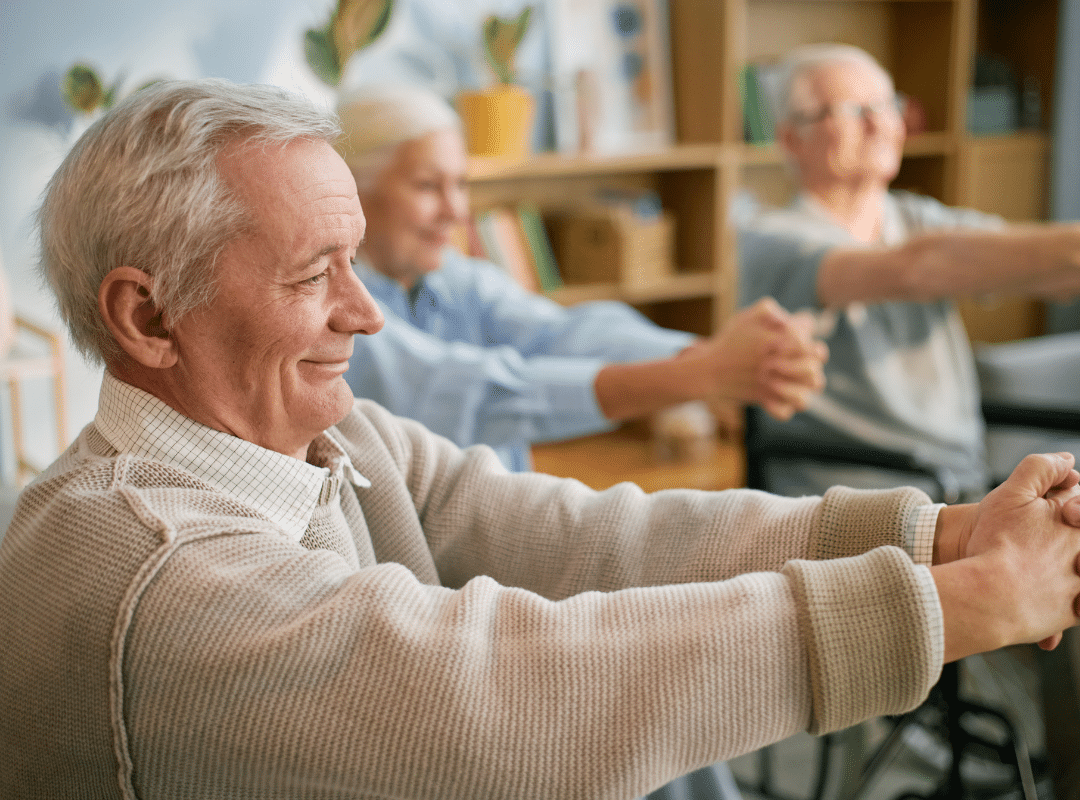
Movements to Modify if You Have Back Pain or Scoliosis
Some movements may need to be adjusted if you have scoliosis or ongoing back discomfort. Fast twisting, deep crunches, and jerking motions may place extra strain on areas that already feel sensitive.
Safer Alternatives for Gentle Core Support
Posture holds, seated marches, breathing-based core engagement, and supported standing movements are often easier starting points. The goal is to stay active in a controlled way, not to push through pain.
How to Tighten Your Stomach While Sitting
Sit tall with both feet flat on the floor. Gently draw your belly inward as if tightening around your waist, and keep breathing normally.
Simple Times to Practice
You can practice this while reading, watching TV, or resting in a chair between daily activities. Hold for five to ten seconds, relax, and repeat a few times to build better body awareness and posture.
Build Strength With Daily Support in Nipomo
A short daily routine can be the start of feeling steadier, stronger, and more comfortable in your own movement. Supportive surroundings, wellness opportunities, and space for regular activity can make healthy habits easier to maintain.
If you would like to see how active living fits into daily life, schedule a tour, contact the team, or call 805-723-5206 to learn more about The Oaks at Nipomo.
Frequently Asked Questions
What is the best core exercise for seniors?
Seated marches are one of the best starting core exercises for many seniors. They engage the midsection while also encouraging upright posture. They are gentle and easy to modify for different comfort levels. Chair-based movements can work well if you want a steady and approachable starting point. Progress can happen by adding time, control, or repetition.
Is a 10-minute core workout effective?
Yes, a 10-minute core workout can be effective when done consistently. Short sessions are often easier to fit into your day, which helps build routine and momentum. Over time, they may support balance, posture, and movement control. Good form matters just as much as repetition. Even a small daily effort can add up.
What core exercises should a person with scoliosis avoid?
Exercises that cause pain or forceful twisting are often best avoided. Fast rotational movements and aggressive crunches may not feel comfortable for some people. Gentle supported movements are usually a better starting point. Your needs can vary depending on how your back feels from day to day. Professional guidance may be helpful if symptoms persist.
How to tighten your stomach while sitting?
Sit upright with your shoulders relaxed and your feet grounded. Gently pull your abdominal muscles inward while breathing normally. Hold briefly, then release and repeat. This is a simple way to practice core engagement without getting on the floor. It can also help support better posture throughout the day.