

If you’re looking for a safe, low-impact way to improve balance and feel steadier on your feet, pilates for seniors is a smart place to start. Pilates focuses on gentle core strength, posture, and controlled movement, which can support everyday tasks like walking, standing, and reaching with greater confidence. Harvard Health notes Pilates is designed to improve balance, flexibility, and core strength, which are key to healthy aging.
Ready for supportive wellness in Cypress? Explore how movement, community, and healthy routines can fit together at Westmont of Cypress. Call 714-252-7144 or schedule a visit to learn more.
Why Pilates Helps Seniors Stay Steady
Balance changes can happen gradually with age, and they’re not just about the legs. Your core (the muscles around your abdomen, back, and hips) helps stabilize your body in motion. Adding balance-focused activity is widely recommended for older adults. The CDC encourages adults 65+ to include balance activities alongside strength and aerobic activities as part of their weekly physical activity.
What this means for seniors
A stronger core and better body awareness can help you feel more stable during daily routines like:
- stepping into the shower
- carrying groceries
- getting up from a chair
- walking on uneven sidewalks
And when your movement feels more confident, you’re more likely to stay active, social, and independent.
Helpful related reading: Daily routines in assisted living contribute significantly to emotional and physical well-being, providing structure and consistency that enhance overall quality of life.
Key Benefits of Pilates for Overall Stability
Pilates can be especially helpful because it’s controlled, adjustable, and typically low-impact. In addition to improved balance, it often supports posture, flexibility, and coordination.
Here are the benefits many older adults notice with consistent practice:
- Stronger core and posture support (helps you stand and move with better alignment)
- Better balance and fall-risk awareness (balance training helps older adults prevent falls)
- Improved flexibility and mobility (easier reaching, bending, and turning)
- Greater coordination for safer everyday movement
- Low-impact conditioning that can be adapted for sore joints or limited mobility
Incorporating exercises like Pilates into a senior’s routine can help maintain an active lifestyle, which is crucial for overall health and well-being as one ages.
Pilates Moves That Boost Balance
If you’re new to Pilates, start simple and build gradually. (And if you have a medical condition, recent surgery, or significant balance concerns, check with your clinician or a licensed therapist first.)
Seniors aged 80 and older should aim for at least 150 minutes of moderate activity per week to maintain their independence and well-being.
Standing balance exercises (beginner-friendly)
These can be done near a sturdy chair or counter for support:
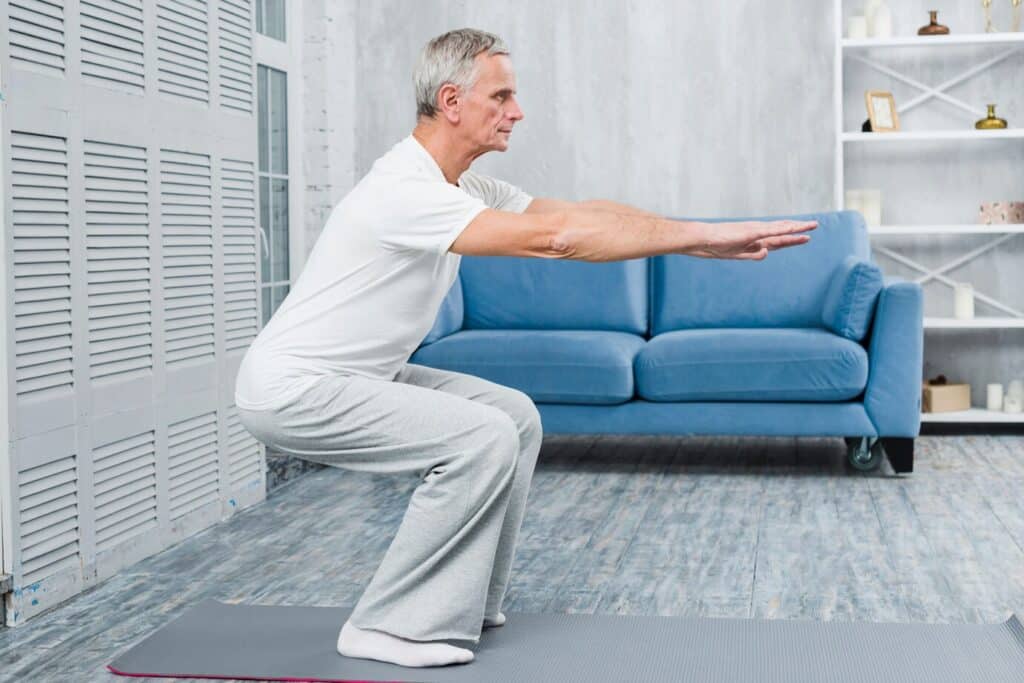
- Single-leg stand (supported): hold a counter lightly; lift one foot an inch or two
- Heel-to-toe walk: slow steps in a straight line
- Side leg lifts: stand tall and lift the leg to the side (small range is fine)
- Calf raises: rise gently onto toes, then lower slowly
- Arm reaches with steady feet: reach forward/overhead while keeping posture tall
Incorporating standing balance exercises into your routine is crucial for preventing falls by improving coordination and strength.
Core strengthening movements (for stability)
Pilates is famous for controlled core work. Start with modifications:
- Pelvic curl/bridge (gentle): strengthens glutes and core for steadier walking
- Toe taps (supine): support deep core engagement without stressing the spine
- Modified plank (wall or counter): builds core and shoulder stability safely
Consistent practice of these exercises, at least 2-3 times a week, can significantly enhance muscle strength and balance over time.
Seated stability drills (great for pilates for elderly beginners)
If standing feels intimidating, seated work still helps:
- Seated marches: lift one knee at a time, slow and controlled
- Seated torso twists: gentle rotation to improve mobility
- Seated leg extensions: strengthen thighs for safer sit-to-stand
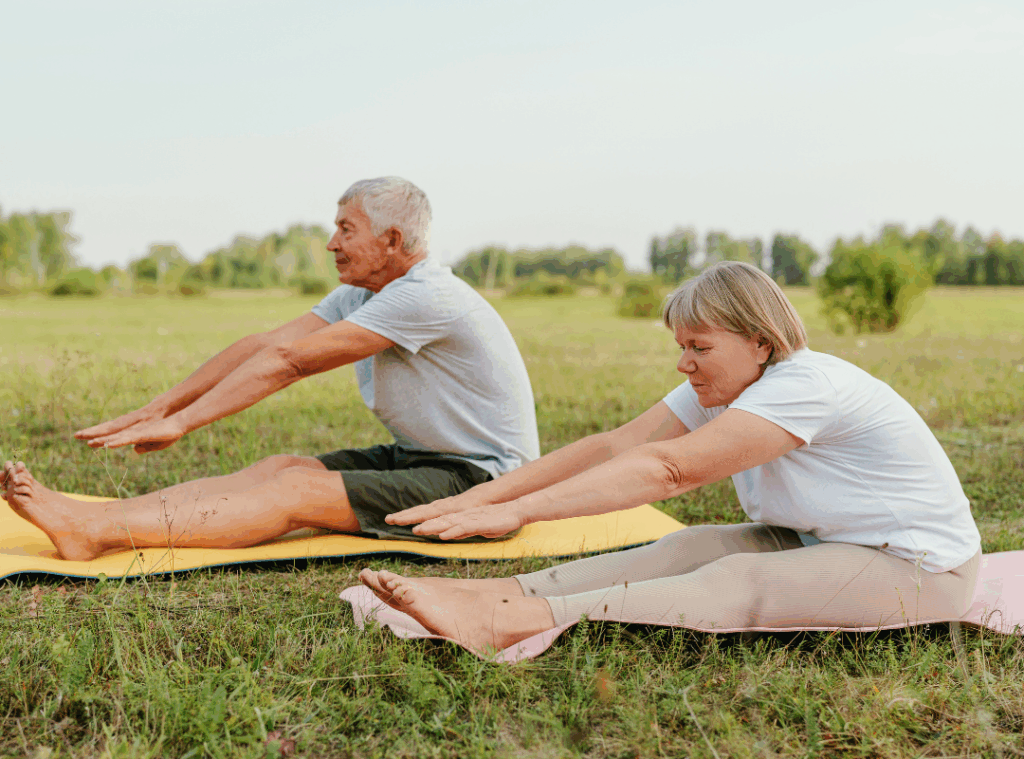
- Seated arm reaches: engage posture and core
- Breathing practice: helps control movement and reduce tension
Customizing Pilates for Your Needs
Pilates should meet you where you are. Whether you’re active, returning to exercise, or managing mobility limits, small adjustments make a big difference.
Quick self-check before you start
- Do you feel dizzy when standing up quickly?
- Do you need support when stepping over thresholds or curbs?
- Are there joint limitations (hip, knee, shoulder, back) that need modifications?
If “yes,” consider starting with seated or supported exercises, or ask for guidance from a trained professional.
Simple modifications that keep Pilates comfortable
- Use a chair for balance support during standing moves
- Shortened range of motion (small movement is still effective)
- Slow down: controlled movement improves body awareness
- Add props (pillow, rolled towel) for comfort and alignment
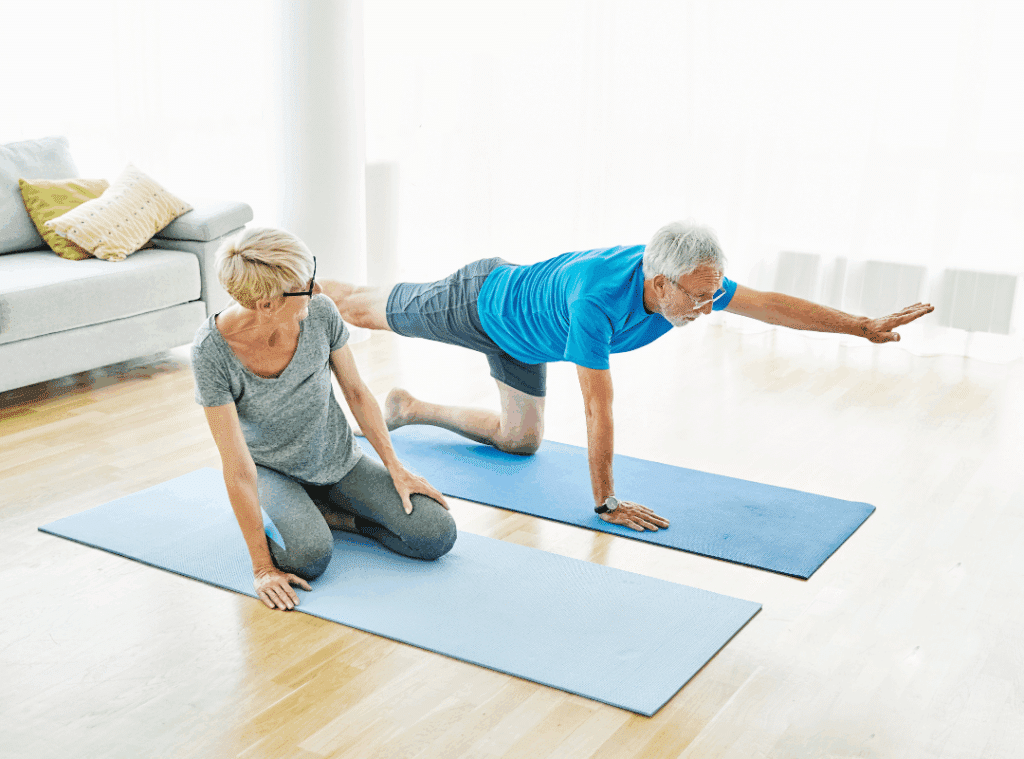
Pilates at Home and on YouTube
Many seniors love the flexibility of pilates for seniors at home, especially when energy levels or schedules vary. If you’re trying pilates for seniors on YouTube, keep it safe:
- Choose “beginner,” “senior,” or “chair Pilates” sessions
- Look for instructors who cue modifications and proper form
- Avoid fast-paced routines or advanced floor transitions at first
- Keep a sturdy chair nearby for support
- Stop if you feel sharp pain, dizziness, or numbness
For reputable, evidence-based movement guidance, you can also explore:
- CDC physical activity guidance for older adults
- NIH/NIA: Three types of exercise (including balance)
- Mayo Clinic: Balance exercises and fall prevention
- Harvard Health: Pilates for older adults
Finding Pilates Support Near Cypress, CA
If you’ve searched for pilates for seniors near Cypress, CA, you may be looking for more than a class; you may want a routine you can actually stick with. At Westmont of Cypress, wellness is designed to feel accessible and encouraging. Residents can support their wellness goals with community features like a Fitness Center, Pool, Outdoor Courtyard, and Live Your Way Wellness Program, plus 24-hour availability for peace of mind.
What this means for seniors (and adult children)
A supportive environment makes it easier to:
- Stay consistent with healthy routines
- move safely with confidence
- reduce the stress of “doing it alone.”
- build social connection while staying active
Staying Safe With Pilates
Pilates is generally safe when done correctly, but your body’s signals matter.
- Warm up first (even 3–5 minutes helps)
- Prioritize alignment over intensity
- Use a support (chair/counter) for balance work
- Hydrate and take breaks
- If you have osteoporosis, joint replacements, or chronic pain, ask your clinician or therapist about safe modifications
Older adults especially benefit from including balance training because fall risk increases after age 65, and balance exercise helps prevent falls.
Build Balance One Gentle Step at a Time
Starting pilates for seniors doesn’t have to be intimidating. With small, steady steps, Pilates can help you feel stronger, more stable, and more confident in everyday life, whether you practice seated, supported, or at home.
If you’d like a community where wellness routines are easier to maintain, explore Westmont of Cypress. Call 714-252-7144 or schedule a tour to see how we can support your lifestyle in Cypress.
Frequently Asked Questions
Is Pilates suitable for seniors?
Yes, Pilates is very suitable for seniors because it focuses on gentle, controlled movements that improve strength, flexibility, and balance. The exercises are low-impact, making them easier on joints and muscles than high-intensity workouts. Pilates can be modified to match different mobility levels, including seated or supported exercises. Many seniors also find that regular Pilates practice helps reduce stiffness and improve posture. As always, it is best to consult a healthcare provider before starting a new exercise routine.
What are the best Pilates exercises for seniors?
Some of the best Pilates exercises for seniors include leg lifts, seated marches, pelvic tilts, and gentle spine stretches. These movements help strengthen the core while supporting stability and balance. Chair-based Pilates exercises are especially helpful for seniors who need extra support. Breathing exercises are also a key part of Pilates and can improve relaxation and body awareness. A certified instructor can help tailor exercises to individual abilities and goals.
Which is better for seniors, Pilates or yoga?
Both Pilates and yoga offer benefits for seniors, and the best choice depends on individual preferences and physical needs. Pilates tends to focus more on core strength, posture, and controlled movements. Yoga often emphasizes flexibility, balance, and relaxation through longer stretches and poses. Some seniors enjoy combining both practices for a well-rounded routine. Choosing the option that feels comfortable and enjoyable is most important for long-term consistency.
What is the most beneficial exercise for seniors?
The most beneficial exercise for seniors is one that improves strength, balance, flexibility, and cardiovascular health while being safe and enjoyable. Activities like walking, Pilates, swimming, and light strength training are commonly recommended. Balance-focused exercises are especially important for reducing the risk of falls. Consistency matters more than intensity, so regular movement is key. A mix of exercises often provides the greatest overall benefit for healthy aging.