

For Residents who are deaf, hard of hearing, or have speech disabilities – dial 711 to connect to a free Telecommunications Relay Service (TRS) operator who helps facilitate phone conversations with our Community and staff. This nationwide service provides an accessible way to communicate using text telephone (TTY), voice, or video relay assistance.

Step Into Westmont Living®

Should You Try the Keto Diet for Seniors? Key Insights

Exploring new dietary horizons can be a gentle shift towards better health for seniors at Westmont of Pinole. Considering the keto diet, you might find it offers unique benefits, especially for managing energy levels and blood sugar. However, it has challenges and potential pitfalls, particularly concerning nutrient balance. Understanding how this diet fits into your lifestyle and health needs is essential. So, what should you keep in mind before making this significant change?

Keto diet for seniors

The keto diet for seniors can open up new avenues for improving health and managing weight effectively. Limiting carbohydrates encourages your body to enter ketosis, which burns fat for energy instead of glucose. This process can improve blood sugar control, particularly beneficial for seniors managing diabetes or prediabetes.

Additionally, the diet can help maintain lean muscle mass, countering age-related muscle loss. It’s important to focus on nutrient-dense foods such as leafy greens, nuts, seeds, and healthy fats. Incorporating high-quality proteins like fish and eggs can further support your health.

However, avoiding high-carb foods, including grains and starchy vegetables, is essential, which can hinder your progress. While many seniors have reported positive outcomes, it’s critical to approach the keto diet with caution.

Consulting a healthcare professional before starting is key, as they can guide you in monitoring your nutrient intake and ensuring you stay hydrated. A well-structured approach enhances your well-being and empowers you to serve others by setting a positive example in your community. Additionally, focusing on good nutrition can further enhance the benefits of the keto diet for seniors.

Keto diet for seniors over 70

As you step into your 70s, embracing the keto diet can be a game changer for your health and well-being. This low-carb, high-fat approach can help you manage your weight, improve blood sugar levels, and even support heart health.

Research shows that many seniors adopting the keto diet experience substantial benefits, including enhanced energy and retention of lean muscle mass, important for mobility and independence.

However, it’s significant to approach the keto diet mindfully. Due to potential nutrient deficiencies from restricted food groups, consider consulting a healthcare professional before making significant changes. They can guide you in tailoring the diet to guarantee you’re meeting your nutritional needs. Staying hydrated and monitoring your body’s response to this new way of eating is also critical. Additionally, incorporating fiber-rich foods into your meals can support digestion and overall health while on the keto diet.

28-day keto diet for seniors

Adopting a day keto diet can be a practical way for seniors to enjoy the benefits of this low-carb, high-fat eating approach without feeling overwhelmed. This structured plan allows you to focus on nutrient-dense foods that support your health while minimizing the potential for confusion or excess calorie intake.

Start your day with a breakfast rich in healthy fats, like scrambled eggs cooked in olive oil, paired with avocado. For lunch, consider a leafy green salad topped with grilled chicken and a dressing made from olive oil and vinegar. Snack on nuts or cheese to maintain energy levels.

Dinner can feature baked salmon with steamed broccoli, offering essential omega-3 fatty acids and fiber. Additionally, ensuring a balanced diet is crucial to support overall health and well-being as you transition to this eating style.

Staying hydrated and monitoring your body’s response to the diet is essential. You might find it helpful to consult a healthcare professional to tailor the keto approach to your needs. This way, you can avoid nutrient deficiencies while promoting weight management and improved blood sugar control.

keto diet for seniors

Is the Keto diet safe for a 70-year-old woman?

Considering a ketogenic diet at 70 can raise significant safety concerns, especially for women. While many older adults succeed with this low-carb, high-fat diet, it’s vital to approach it cautiously.

You might experience benefits like weight loss and improved blood sugar levels, but potential risks exist, such as nutrient deficiencies and adverse reactions.

Before starting, consult your healthcare provider to guarantee this diet meets your health needs. They can assess your medical history and recommend necessary adjustments.

For instance, proper hydration and balanced nutrient intake are essential, so you might need to incorporate supplements to avoid deficiencies in vitamins and minerals. Tailored dietary plans are important for seniors to ensure their nutritional needs are met while following any diet.

Monitoring your body’s response is also key. Some individuals report side effects like constipation or dyslipidemia, which can be managed with dietary adjustments or medications.

Regular check-ups will help you stay on track and address issues early on.

Ultimately, the keto diet can be safe for a 70-year-old woman, but it requires careful planning and support. By prioritizing your health and working closely with professionals, you can make informed choices that serve your well-being.

To summarize, the keto diet can benefit seniors, especially those over 70, but it’s crucial to approach it thoughtfully. For instance, consider Jane, a 72-year-old who, with her doctor’s guidance, adopted a keto plan and saw improvements in her energy levels and blood sugar control. By prioritizing nutrient-rich foods and regular monitoring, you can enjoy the potential benefits of keto while supporting your overall health. Always consult with your healthcare provider before making any significant dietary changes. If you’re looking for assistance or more information, contact Westmont of Pinole at 510-758-1122.


Find Where You Belong

Dive into the vibrant life our Westmont communities have to offer.


Frequently Asked Questions About Keto and Seniors

  1. Is the keto diet safe for seniors?
    Yes, the keto diet can be safe for seniors when done under the guidance of a healthcare provider or dietitian. It is important to monitor for potential side effects such as dehydration or nutrient deficiencies and ensure the diet is tailored to individual health needs, especially if existing medical conditions exist.
  2. Does a keto diet work for seniors?
    The keto diet can be effective for seniors, particularly for weight loss and managing conditions like type 2 diabetes. However, results vary depending on factors such as metabolism, activity levels, and adherence to the diet.
  3. What is the best weight loss diet for seniors?
    The best weight loss diet for seniors prioritizes nutrient density, promotes gradual weight loss, and aligns with their health goals and medical conditions. A Mediterranean or DASH diet may be a better alternative for some seniors, but the keto diet can also work when customized for individual needs.
  4. What is the age limit for the keto diet?
    The keto diet has no strict age limit, but it may require greater caution and adjustments for older adults. Seniors should consult a healthcare provider to evaluate whether this diet is appropriate for their health.
  5. Who should not go on a keto diet?
    People with certain conditions, such as severe liver or kidney disease, pancreatic issues, or a history of disordered eating, should avoid the keto diet. Additionally, individuals taking medications like insulin or blood pressure drugs need medical supervision if considering this diet.
  6. What to eat on keto according to the age chart?
    A keto diet for seniors should focus on high-quality fats (like avocado and olive oil), moderate protein (such as fish, eggs, and lean meats), and low-carb vegetables (like spinach and zucchini). Adjusting calorie and nutrient intake to meet age-related metabolic changes is crucial for maintaining health and energy levels.




Senior Living Technology: Revolutionizing Senior Care

Imagine a safety net woven from threads of technology, catching seniors as they navigate the complexities of aging at Westmont of Pinole. You might find it intriguing how advancements like telehealth and smart home devices are both conveniences and lifelines that enhance our residents’ independence and quality of life. These innovations are reshaping the senior care landscape at Westmont of Pinole, fostering connections between residents and caregivers. But what does this mean for the future of assisted living, and how might these tools evolve to meet the growing needs of our aging population?


Senior Living Technology

Senior living technology is revolutionizing how we care for our aging population, enhancing their quality of life and ensuring their safety.

As caregivers and community leaders, you can leverage advanced tools to create a nurturing environment that meets the unique needs of seniors. By adopting technologies like personal emergency response systems and medication management tools, you not only promote independence but also reassure families that their loved ones are safe.

These innovations streamline communication, allowing residents to engage with staff and each other easily.

With features like real-time health monitoring and automated check-in systems, you can focus on providing meaningful care instead of getting bogged down by administrative tasks. Health-monitoring gadgets empower seniors to maintain their independence and provide peace of mind to their families.

This technology improves operational efficiency and fosters a sense of community among residents.

Technology to help seniors live independently

Living independently is a cherished goal for many older adults, and technology plays an essential role in making it a reality. By embracing innovative tools, you can empower seniors to maintain their autonomy while ensuring their safety and well-being.

Personal emergency response systems (PERS) allow quick access to help during emergencies, providing peace of mind for seniors and their families.

Smart home devices, like automated lighting and thermostats, can enhance comfort while reducing the risk of accidents. Medication management tools help seniors easily remember when to take their medications, promoting adherence and overall health.

Telehealth platforms enable virtual consultations, allowing seniors to connect with healthcare providers from their homes.

Engagement technologies foster social interaction through digital platforms, helping to combat loneliness. Activity monitoring systems can track daily routines and wellness, notifying caregivers of concerns. Additionally, integrating smart home tech can significantly improve the quality of life for seniors by providing increased safety and independence.

senior living technology

Senior living technology programs

Senior living technology programs

There’s a growing recognition of how technology programs can transform residents’ experience in senior living communities. These programs aren’t just about gadgets but about enhancing quality of life.

Imagine residents engaging in social activities through digital platforms, fostering connections that combat loneliness. With integrated technology, you can provide families peace of mind, knowing their loved ones are safe and well cared for.

Consider programs like the Sentrics360 Suite, which combines entertainment, engagement, and safety into one platform tailored for seniors. This allows you to customize solutions that meet your community’s specific needs.

You can monitor residents’ well-being with real-time data, ensuring timely responses to their needs. Furthermore, technology integration enhances care quality and efficiency, allowing for a more responsive care environment.

Moreover, these programs enhance communication among residents and staff, creating a more connected community. Streamlining processes reduces caregiver burdens and empowers staff to focus more on personal interactions rather than administrative tasks.

As you implement these innovative technologies, you’ll witness a positive shift in both resident satisfaction and operational efficiency. Embracing these changes means you’re not just adapting; you’re revolutionizing the senior living experience for everyone involved.

Electronics for the elderly

As technology continues to reshape how we care for and engage with the elderly, incorporating user-friendly electronics into their daily lives can greatly enhance their independence and overall well-being.

Devices like tablets and smartphones can help seniors stay connected with family and friends, reducing feelings of isolation. Intuitive interfaces allow them to access video calls, social media, and online resources easily.

Smart home devices, such as voice-activated assistants, empower seniors to control their environment, adjusting lights or thermostats without assistance. These technologies not only promote comfort but also encourage autonomy.

Wearable health monitors can track essential signs and alert caregivers if something seems amiss, offering seniors and their families peace of mind.

Moreover, personal emergency response systems (PERS) provide an added layer of safety, ensuring immediate help is just a button press away.

Integrating these electronics into daily routines can create a supportive atmosphere that values independence while prioritizing safety and health. Additionally, a personalized approach to technology adoption can enhance seniors’ experiences by tailoring solutions to their unique needs.

Embracing these innovations paves the way for a more connected and fulfilling life for our elderly loved ones, enhancing their quality of life in meaningful ways.

Elderly technology gadgets

Often, elderly technology gadgets can greatly enhance the daily lives of seniors, making them feel more connected and secure. These gadgets, designed with seniors in mind, promote independence while guaranteeing safety.

For instance, personal emergency response systems (PERS) allow seniors to summon help instantly, offering them and their families peace of mind.

Smart home devices, like voice-activated lights and thermostats, simplify daily tasks, making living spaces more accessible. Tablets with user-friendly interfaces enable seniors to connect with loved ones through video calls, reducing feelings of isolation.

Wearable health monitoring devices track essential signs and daily activity, providing valuable data for healthcare providers and caregivers. These devices can alert you to changes in health, allowing for proactive care.

Moreover, medication management tools send reminders to guarantee seniors take their medications on time, enhancing adherence and well-being.

Technology for seniors

Regularly, technology designed for seniors transforms daily living, making it easier and more enjoyable. From personal emergency response systems (PERS) that guarantee safety to medication management tools that remind you when it’s time to take your pills, these innovations are tailored to meet your needs.

Smart home devices, like voice-activated lights and thermostats, empower you to control your environment effortlessly.

Telehealth platforms also bridge the gap between you and healthcare professionals, allowing virtual consultations from your living room. This saves time and fosters independence, enabling you to manage your health proactively.

Activity monitoring systems provide valuable daily wellness checks, guaranteeing you feel connected and supported.

Moreover, digital platforms encourage social interaction, helping combat feelings of isolation. You can engage with loved ones through video calls or community updates, fostering a sense of belonging.

As caregivers utilize these technologies, they can focus more on your care than administrative tasks.

In essence, technology for seniors enhances your quality of life, guaranteeing that you remain engaged, safe, and independent while receiving the support you deserve.

Future of assisted living

The future of assisted living is set to become a dynamic blend of advanced technology and compassionate care tailored to meet the unique needs of seniors.

Imagine a world where AI and machine learning predict health issues before they arise, allowing caregivers to provide proactive support. Wearable devices will continuously monitor essential signs, giving you peace of mind while enhancing residents’ independence.

As virtual reality opens doors to cognitive stimulation, seniors will engage in immersive activities that combat isolation and promote mental well-being. You’ll witness communities where integrated platforms streamline communication, ensuring families stay connected with their loved ones effortlessly.

Safety features, like real-time location systems and advanced eCall technologies, will empower staff to respond swiftly to residents’ needs, enhancing overall care quality. With user-friendly interfaces designed specifically for seniors, technology will become an ally rather than a barrier.

Incorporating senior living technology truly transforms care for the aging population. Imagine a scenario where an elderly woman named Margaret, living alone, uses a smart home system that not only reminds her to take her medications but also alerts her family and caregivers if she falls. This connection boosts her independence and provides peace of mind to her loved ones. As technology continues to evolve, it promises a brighter, more secure future for seniors everywhere. For more information, contact Westmont of Pinole at 510-758-1122.


Compare The Costs of Senior Living vs Staying at Home

How Do The Costs Of Moving Into A Quality Senior Care Community Compare With The Costs Of Staying At Home?


Questions on Elderly Care Technology

  1. What technology is used to help elderly people?
    The technology used to help elderly individuals includes wearable health monitors, medical alert systems, and smart home devices like voice-activated assistants and fall detectors. Additionally, telehealth platforms and medication management apps enhance their safety, health, and independence.
  2. How can technology help the elderly?
    Technology can improve the quality of life for elderly individuals by providing tools for health monitoring, emergency assistance, and social connection. It enables independence, reduces caregiver burden, and supports aging by addressing mobility, communication, and medical needs.
  3. What is the elderly care technology industry?
    The elderly care technology industry focuses on creating innovative products and services to support seniors’ health, safety, and well-being. This includes advancements in wearable devices, telemedicine, remote patient monitoring, and smart living solutions tailored for aging populations.
  4. What technology is used in assisted living facilities?
    Assisted living facilities use technology such as electronic health records (EHRs), fall detection systems, and automated lighting for safety. They also incorporate tools like resident engagement platforms, medication dispensers, and telehealth systems to provide comprehensive care and improve residents’ experiences.


Senior Care Planning: Key Strategies for Every Family

Senior Care Planning: Key Strategies for Families

Imagine standing at a crossroads, each path representing a different journey for your aging loved one. You know that effective senior care planning can significantly influence their quality of life, but where do you start? At Westmont of Pinole, we believe that you can create a personalized care plan that empowers them by evaluating their unique needs and involving them in the process. However, steering through financial options and caregiver roles can be intimidating. What strategies can you implement to guarantee a smooth change and maintain open communication among family members?


Senior care planning

Senior care planning is an essential process that helps guarantee older adults receive the personalized support they need as their circumstances change. This planning tool identifies the specific needs of seniors, coordinating care effectively among family members, healthcare professionals, and caregivers. You create a roadmap that benefits everyone involved by outlining necessary services and responsibilities.

A well-structured care plan empowers seniors to express their preferences while providing caregivers with a clear list of tasks tailored to individual needs. This collaborative approach fosters communication among all team members, enhancing the quality of care and ensuring everyone is informed and engaged in the process.

Engaging in an elder care planning meeting allows you to evaluate your loved one’s needs and organize responsibilities realistically. This teamwork clarifies roles and encourages the senior’s input, ensuring their voice is heard. Additionally, family involvement is paramount for the happiness and health of the elderly, reinforcing the importance of collaboration in care planning.

Ultimately, a detailed care plan serves as a guide for ongoing support, helping to navigate the complexities of aging while emphasizing the importance of adaptability and continuous reassessment of care needs.

Care plan for elderly at home

Creating a detailed care plan for elderly individuals at home is essential for guaranteeing their well-being and comfort. Start by evaluating their unique needs, including medical conditions, mobility, and daily activities. This foundational understanding allows you to tailor the plan effectively.

Next, involve your loved one in the planning process. Encourage them to express their preferences and concerns, fostering a sense of autonomy. Clearly outline the roles and responsibilities of caregivers, whether they’re family members or professional aides. This transparency helps everyone stay organized and focused on care objectives.

Incorporate regular check-ins to re-evaluate the care plan. Life can change quickly, and your loved one’s needs may evolve, requiring adjustments in care levels or responsibilities. A flexible approach guarantees continuity of care, even when circumstances shift.

Utilizing local resources can enhance the care plan. Connect with community services or senior care advisors who can offer support and guidance. They can help you navigate available options, guaranteeing your loved one receives extensive care tailored to their situation. Additionally, consider integrating personalized care services that cater to their unique needs and preferences.


Compare The Costs of Senior Living vs Staying at Home

How Do The Costs Of Moving Into A Quality Senior Care Community Compare With The Costs Of Staying At Home?


Senior care plan rates

Understanding the costs associated with care plans for the elderly can significantly impact your home caregiving approach. Senior care plan rates can vary markedly based on location, the type of care needed, and the level of services provided.

For instance, in-home care may cost between $20 to $50 per hour, while assisted living facilities typically range from $3,000 to $6,000 monthly.

Evaluating your budget and exploring various payment options, such as out-of-pocket expenses, government assistance, or community resources, is essential. Each family’s financial situation is unique, and understanding the available resources can help you make informed decisions. Additionally, many families find support through government assistance programs, which can significantly alleviate the financial strain of care.

Moreover, consider the long-term implications of your choices. Investing in quality care can enhance your loved one’s well-being and potentially reduce considerable health-related expenses.

Engage in open discussions with care providers and family members to ensure everyone is on the same page regarding financial expectations.

senior care planning

Senior care plan insurance

When managing the complexities of elder care, having the right insurance can significantly ease the financial burden of senior care plans. Understanding the different types of coverage available is essential. Long-term care insurance, for example, can help cover various expenses related to assisted living, in-home care, or nursing facilities. This type of policy is designed to support families in affording the necessary services for their loved ones.

It’s essential to evaluate the specifics of each plan, including what services are covered, any limitations, and waiting periods. Some plans offer more extensive coverage, while others might have lower premiums but higher out-of-pocket costs.

In addition, consider looking into government programs like Medicaid or Veterans Affairs benefits, which can also provide financial assistance for elder care. Financial planning and resources can be crucial in ensuring your loved ones receive the necessary care without causing undue financial strain.

Traversing these options can be overwhelming, but seeking guidance from professionals specializing in elder care planning can help clarify your choices.

In summary, effective senior care planning at Westmont of Pinole isn’t just about meeting physical needs; it’s about nurturing the dignity and autonomy of our loved ones. Research shows that involving seniors in care decisions dramatically enhances their well-being. By regularly reassessing care plans and exploring financial options, you can adapt to changing circumstances and guarantee a supportive environment. Open communication among family members fosters collaboration, making the journey smoother for everyone involved. Your proactive approach truly matters. For more information or assistance, please call us at 510-758-1122.


FAQs About Elder Care Planning

What is elder care planning?

Elder care planning involves assessing the current and future needs of older adults to ensure they receive the proper support, resources, and services to maintain their quality of life. This process often includes financial planning, health care decisions, housing arrangements, and legal documentation.

What are the 4 stages of the care planning process?

The four stages of care planning typically include assessment, planning, implementation, and evaluation. Each stage focuses on identifying needs, developing strategies, implementing those plans, and reviewing progress to ensure the care plan is effective and adaptable over time.

What is a senior care plan?

A senior care plan is a personalized approach to managing the health, social, and daily living needs of an older adult. It often includes a combination of medical care, assistance with daily tasks, and support services designed to enhance independence and well-being.

Does the state of California pay for elderly care?

California offers various programs to help cover the costs of elderly care, such as Medi-Cal (California’s Medicaid program) and In-Home Supportive Services (IHSS). Eligibility and coverage depend on income, assets, and specific care needs, so it’s essential to explore program requirements and benefits.


Westmont Living Communities Offer Technology Training

Technology training isn’t just for the young, as many senior living residents have a desire to keep up with the new tech gadgets so that they can communicate with extended family members. Some residents just crave life-long learning. Either way, both groups are benefitting from an ongoing technology program which is a part of Westmont’s Live Your Way® program–Westmont’s holistic approach to whole-body wellness. The weekly dose of technology training uses Epylog, a research-backed, video storytelling program that intentionally uses answer videos to offer optimal learning and cognitive retention for active adults and seniors. At Westmont, it is taught by activity professionals who customize the sessions based upon those who attend the classes. Finally, it’s never too late to be reminded of the importance of technology for all ages by remembering National Technology Day in January!

Westmont Living Cares: Southern California Strong!

Southern Californians know the devastation that firestorms create and the stressful impact this has on families. We have compiled some options and resources to help during this time and when you need to plan ahead. Together, we can navigate these challenges and support one another. Stay safe.


Housing for Seniors:

If you have a senior who needs temporary housing:  Westmont of Culver City, Westmont of Riverside and Westmont of Cypress may have short-term apartment availability. San Diego Communities that have short term, rental furnished apartments are Westmont of Escondido, Westmont of Carmel Valley, Westmont of Encinitas, Westmont of La Mesa and Westmont at San Miguel Ranch  Please contact the Community Relations Director within these communities directly.


Resources During an Emergency

  • Los Angeles Fire Department (LAFD): lafd.org for fire updates and resources.
  • American Red Cross: Find local shelters and assistance: redcross.org.
  • Air Quality Updates: Check airnow.gov for real-time air quality levels in your area.
  • Local Assistance Centers: Contact your local emergency services for temporary housing and support options.


Volunteering and Donation Opportunities

  1. Donate: Contribute to reputable organizations who are also first responders such as California Fire Foundation and The Salvation Army 
  2. Volunteer: Offer your time at local shelters or distribution centers.
  3. Support Local First Responders: Send snacks, water, or thank-you notes to fire stations.
  4. Check on Neighbors: Ensure seniors, those with disabilities, and pets are safe and have transportation in case of evacuation.


Emergency Preparedness: Ahead of an Emergency 

  1. Create an Evacuation Plan:
    • Identify multiple exit routes from your home and community.
    • Have a designated meeting spot for your family.
    • Ensure everyone knows how to safely evacuate, including seniors and pets.
  2. Pack an Emergency Kit:
    • Include essentials like water, non-perishable food, medications, copies of important documents, flashlights, batteries, and a first-aid kit.
    • Don’t forget personal hygiene items and face masks for smoke protection.
  3. Protect Your Home:
    • Clear dry vegetation and debris at least 30 feet from your home.
    • Close windows and doors and set your home’s HVAC system to recirculate air if smoke levels rise.


Most important is to stay informed by signing up for local emergency alerts through Cal Fire or your county’s alert system. And, following local news and social media sites for real-time updates.

Senior Living Activities: Fun and Fulfilling Ideas

Like a fine tapestry, the fabric of senior living activities at Westmont of Pinole weaves together threads of joy and purpose. You might find that engaging in various activities stimulates your mind and fosters meaningful connections with others. Whether it’s exploring creative pursuits or participating in community events, a world of options is waiting to be uncovered at Westmont of Pinole. What impactful activities can enrich your daily life and enhance your well-being? Let’s explore those possibilities together.


Senior living activities

Senior living activities are indispensable in enhancing the quality of life for residents in assisted living communities. These activities aren’t just about keeping busy; they’re essential for fostering physical health, stimulating cognitive functions, and promoting social interaction.

When you engage residents in regular exercise, like walking clubs or gentle yoga, you support their physical well-being. At the same time, activities that challenge the mind—such as puzzles or memory games—help maintain cognitive abilities.

Social interaction is another key benefit. Organizing group activities, like game nights or art classes, helps combat loneliness and builds community. Additionally, these activities give residents a sense of purpose, which is crucial for their overall well-being. Engaging in indoor games can also create opportunities for connection and strengthen relationships among residents and caregivers.

Moreover, you strengthen those essential connections by involving families in shared activities. You can also boost staff morale by creating a positive environment where everyone participates in meaningful events.

Ultimately, offering various engaging activities enhances individual lives and creates a vibrant community where joy and laughter thrive. Emphasizing these aspects in your planning guarantees each resident feels valued and included.

Active senior living communities

Active senior living communities offer a vibrant lifestyle that encourages engagement and connection among residents.

You’ll find a rich tapestry of activities to foster friendships and promote well-being. From fitness classes tailored to different ability levels to art workshops that spark creativity, there’s something for everyone.

These communities focus on creating an atmosphere where residents feel valued and included.

You can participate in group outings to local attractions or join clubs that reflect your interests, whether it’s gardening or book discussions. Regular events like themed parties and shared meals help nurture social bonds and enhance the sense of belonging.

Moreover, active senior living communities prioritize health and safety, ensuring all activities are enjoyable and secure. Personalized care plans are often developed to cater to individual needs, ensuring that every resident feels supported in their pursuits.

You’ll have access to resources that support both physical and mental wellness, from exercise programs to educational workshops.

Senior living activities

Activities in nursing homes

Engaging in activities within nursing homes greatly enhances the quality of life for residents. These activities serve as crucial components of daily living by fostering social connections, stimulating cognitive functions, and promoting physical health. Here are some popular activities that you can contemplate implementing:

Activity Type Benefits Examples
Physical Activities Improves fitness and mobility Chair yoga, walking clubs
Creative Workshops Encourages self-expression Painting, crafting sessions
Social Events Builds community and connection Game nights, themed parties

Incorporating diverse activities that cater to various interests and abilities is key. Always listen to residents’ preferences and adapt offerings accordingly. Think about organizing intergenerational events, inviting local schools to share experiences, and promoting interaction. It’s also essential to reflect on cultural backgrounds by celebrating diverse traditions and creating a sense of belonging. Additionally, integrating smart home technology can enhance residents’ safety and independence, allowing them to engage more fully in these activities.

Ultimately, these activities enhance individual well-being and create a warm, engaging environment where everyone can thrive. Your support in facilitating these opportunities can make a significant difference in the lives of nursing home residents.

Senior living activities for adults

Regularly incorporating various activities in senior living can greatly enhance residents’ overall well-being. Engaging in diverse activities promotes physical health, fosters social connections, and boosts mental stimulation.

As a caregiver or activity planner, you can create an environment that supports fulfillment and joy among residents.

Consider these enjoyable senior living activities for adults:

  • Art and Craft Sessions: Encourage creativity through painting, knitting, or pottery. These activities can serve as wonderful outlets for self-expression.
  • Fitness Classes: Tailor exercise programs to various fitness levels, such as chair yoga or gentle aerobics, ensuring everyone can participate and enjoy the benefits of movement.
  • Book and Discussion Clubs: Foster intellectual engagement by organizing book clubs where residents can share thoughts and insights on various topics. Additionally, incorporating brain-boosting games can further enhance cognitive skills and social interaction among residents.

Independent living activities for seniors

When it comes to independent living activities for seniors, finding opportunities that promote both enjoyment and personal growth is essential. Engaging in hobbies like gardening, painting, or crafting sparks creativity and provides a sense of accomplishment.

Consider joining a book club or taking up a new language; these activities stimulate your mind and foster social connections with others.

Physical fitness is equally important. You can participate in walking groups or gentle yoga classes tailored to your needs. These exercises enhance your well-being while encouraging camaraderie among fellow participants.

Volunteering is another fulfilling way to give back to your community. Whether you help at a local food bank or tutor children, your contributions can create meaningful connections.

Don’t forget about technology! Attending workshops on digital skills can empower you to stay connected with family and friends.

Finally, consider organizing movie nights or game days with peers; laughter and shared experiences are invaluable for joy and companionship.

Senior living activities

Assisted Living activities calendar

Creating an activities calendar for assisted living residents fosters engagement and community. By offering a variety of activities tailored to residents’ interests and abilities, you help them stay active, connected, and fulfilled.

A well-planned calendar enhances their daily lives and strengthens relationships among residents and staff.

To make your activities calendar effective, consider including:

  • Diverse Options: Schedule a mix of physical, creative, and educational activities to cater to different interests.
  • Regular Updates: Keep the calendar fresh by rotating activities and incorporating resident feedback to guarantee everyone feels involved.
  • Seasonal Events: Celebrate holidays and seasonal changes with themed activities to encourage participation and excitement.

Small group activities for nursing home residents

Engaging in small group activities can greatly enhance the quality of life for nursing home residents. These activities foster social interaction, boost morale, and create community. Organizing small group activities provides residents with opportunities to connect, share experiences, and enjoy each other’s company. Here are some ideas to contemplate:

Activity Type Description
Art Sessions Residents can explore their creativity through painting or crafting.
Book Clubs Foster discussions around favorite books, encouraging reading and socialization.
Game Nights Organize bingo or card games, promoting friendly competition and teamwork.
Gardening Groups Residents can enjoy the outdoors while nurturing plants, enhancing their well-being.


In the vibrant tapestry of senior living at Westmont of Pinole, activities weave together joy and connection, transforming ordinary days into extraordinary experiences. Whether you’re painting a masterpiece with new friends or savoring the tranquility of a garden, each moment offers a chance to thrive. Imagine the laughter during game night contrasting with the peaceful reflection of a book discussion. These engaging activities enrich your life and strengthen bonds, reminding you that every day holds the promise of fun and fulfillment. For more information, feel free to contact us at 510-758-1122.


Compare The Costs of Senior Living vs Staying at Home

How Do The Costs Of Moving Into A Quality Senior Care Community Compare With The Costs Of Staying At Home?


Frequently asked questions

  1. What activities are available for the elderly to stay active?
    Many senior living communities offer group fitness classes, walking clubs, yoga, and gardening activities to promote physical health. Additionally, hobbies like painting, puzzles, book clubs, and social events help keep the mind active and encourage social engagement.
  2. How do you keep old people entertained?
    Providing diverse activities like music programs, movie nights, board games, and craft workshops ensures entertainment and enjoyment. Additionally, interactive experiences such as storytelling sessions, virtual tours, and group outings offer engaging opportunities to connect with others.
  3. How can I make the transition to assisted living easier?
    To ease the transition, personalize the space with familiar items such as photos, favorite furniture, or décor to make it feel like home. Visiting frequently, encouraging participation in activities, and building relationships with staff and residents can also help seniors feel comfortable and connected.
  4. How do I make my assisted living room cozy?
    Add personal touches like soft blankets, throw pillows, and warm lighting to create a homelike feel. Incorporating cherished items, family photos, and plants can make the space feel more inviting and reflect personal style.


How to Manage Geriatric Rhinitis | Westmont of Pinole

Geriatric Rhinitis: How to Manage Nasal Issues in Older Adults

When it comes to geriatric rhinitis, the complexities of managing nasal issues in older adults can be quite challenging. Imagine moving through a maze of symptoms and treatment options tailored to address the unique needs of aging nasal passages. As you explore the multifaceted strategies available to alleviate discomfort and improve the quality of life in older individuals, with the support of Westmont of Pinole, you’ll discover a wealth of practical insights and expert recommendations that could greatly impact their daily well-being.

Understanding Geriatric Rhinitis

What exactly is geriatric rhinitis and how does it affect older adults?

Geriatric rhinitis, also known as age-related rhinitis, is a common condition among the elderly characterized by chronic nasal symptoms such as congestion, runny nose, and postnasal drip. Research findings suggest that changes in the nasal mucosa, decreased immune function, and age-related alterations in the nervous system contribute to the development of geriatric rhinitis. Additionally, regular exercise improves circulation and reduces stress, which can potentially help in managing symptoms and improving overall health in older adults.

Prevention strategies for geriatric rhinitis involve maintaining proper nasal hygiene, avoiding irritants such as tobacco smoke and strong odors, and staying hydrated to keep the nasal passages moist. Regular nasal saline irrigation can also help alleviate symptoms and prevent exacerbations. Additionally, staying up to date with vaccinations, particularly against influenza and pneumococcal infections, can further reduce the risk of developing complications associated with geriatric rhinitis.


Common Symptoms in Older Adults

As you age, you may experience nasal changes that lead to common symptoms like increased nasal congestion, decreased sense of smell, and postnasal drip.

Treatment options such as nasal saline sprays, decongestants, and antihistamines can help alleviate these symptoms.

Lifestyle modifications like humidifying the air, staying hydrated, and avoiding irritants can also provide relief for older adults dealing with nasal issues.

Age-Related Nasal Changes

Older adults often experience a range of age-related nasal alterations that can impact their daily lives. As individuals age, they may encounter issues such as nasal dryness and imbalances in moisture levels within the nasal passages. This can lead to discomfort, irritation, and even nosebleeds. Additionally, nasal congestion becomes more prevalent in older adults, affecting the optimization of airflow through the nasal passages. These changes can result in difficulties breathing, disrupted sleep patterns, and decreased quality of life. Nasal dryness is a common concern among older adults, as the nasal mucosa thins with age, reducing the production of mucus and moisture. This can lead to a sensation of dryness, itchiness, and an increased risk of infection. Understanding these age-related nasal alterations is essential for effectively managing nasal issues in older adults and improving their overall well-being. Proactive steps and good nasal hygiene practices can help alleviate these symptoms and maintain nasal health.

Treatment Options Available

When addressing nasal issues in older adults, it’s essential to explore the various treatment options available to alleviate common symptoms that may arise. Nasal irrigation is a widely used method to help clear out mucus and irritants from the nasal passages, providing relief from congestion and promoting better breathing. This technique involves using a saline solution to rinse the nasal passages, reducing inflammation and improving overall nasal health. Allergy testing can be pivotal in identifying specific allergens that may be triggering nasal symptoms in older adults. By pinpointing the exact allergens causing the issues, targeted treatment plans can be developed to manage symptoms effectively, enhancing overall quality of life.

Lifestyle Modifications for Relief

Exploring additional measures beyond medical interventions can greatly enhance the management of nasal issues in older adults. Lifestyle modifications play a pivotal role in providing relief from common symptoms associated with geriatric rhinitis. Incorporating relaxation techniques such as deep breathing exercises, meditation, or yoga can help reduce stress levels, which in turn may alleviate nasal congestion and irritation. Mindful breathing, for example, can reduce anxiety and improve overall well-being.

Additionally, making dietary changes by avoiding trigger foods like spicy dishes or dairy products known to exacerbate nasal symptoms can be beneficial. Consuming a well-balanced diet rich in fruits, vegetables, and lean proteins can support overall sinus health and reduce inflammation.

Ensuring proper hydration by drinking an adequate amount of water throughout the day is also essential for maintaining nasal moisture and promoting ideal nasal function. By implementing these lifestyle modifications, older adults can complement medical treatments and improve their quality of life by effectively managing their nasal issues.

Triggers and Risk Factors

Identifying the triggers and risk factors associated with nasal issues in older adults is vital for effectively managing and treating these conditions. Allergen avoidance plays a significant role in minimizing nasal inflammation, a common issue exacerbated by environmental triggers in older individuals. As we age, structural changes in the nasal passages can lead to increased susceptibility to irritants and allergens. Understanding these triggers and risk factors is pivotal for tailoring treatment plans to address the specific needs of older adults with nasal issues. By identifying and minimizing exposure to allergens and environmental triggers, healthcare providers can help manage symptoms and improve the quality of life for older individuals experiencing nasal problems. Proper education on allergen avoidance techniques and environmental control measures can empower both healthcare providers and older adults to work together in effectively managing nasal issues and promoting better respiratory health.

Non-Pharmacological Management Strategies

To effectively manage nasal issues in older adults, implementing non-pharmacological strategies is crucial. Nasal irrigation, a technique where a saline solution is used to cleanse the nasal passages, can help alleviate congestion and reduce inflammation. This method is particularly beneficial for older adults who may have difficulty with traditional decongestants. Regular nasal irrigation can help clear out mucus, allergens, and irritants, promoting easier breathing and reducing the frequency of nasal symptoms.

Additionally, using a humidifier in the living space can add moisture to the air, preventing the nasal passages from drying out. Dry air can exacerbate nasal issues, leading to discomfort and irritation. By maintaining an ideal humidity level, older adults can experience relief from congestion, nasal dryness, and irritation. Humidifiers are especially useful during the winter months or in arid climates when indoor air tends to be drier.

Incorporating these non-pharmacological strategies into daily routines can greatly improve nasal health and overall quality of life for older adults.


geriatric rhinitis


Pharmacological Treatment Options

When managing nasal issues in older adults, it’s essential to take into account medication for congestion, potential side effects, and dosage adjustments tailored to seniors’ needs.

Understanding the effects of these medications on older individuals, including potential interactions and contraindications, is vital for effective treatment.

Dosage adjustments may be necessary to accommodate age-related changes in metabolism and potential sensitivities in older adults.

Medication for Congestion

The pharmacological treatment options for nasal congestion in older adults involve a range of medications aimed at addressing the underlying causes of the congestion. Common medications used to alleviate congestion in older adults include decongestants, antihistamines, intranasal corticosteroids, and saline nasal sprays. These medications work in different ways to reduce nasal swelling, relieve inflammation, and improve breathing. It is important to consult with a healthcare provider before starting any new medication to validate it is safe and appropriate for your specific health needs.

Below is a table outlining the main medications used for nasal congestion in older adults:

Medication Type Function
Decongestants Reduce nasal swelling
Antihistamines Block histamine to reduce congestion
Intranasal Corticosteroids Reduce inflammation in the nasal passages
Saline Nasal Sprays Moisturize and clear nasal passages

Understanding the function of each medication type can help in choosing the most suitable option for managing nasal congestion effectively.

Side Effects Consideration

Exploring the pharmacological treatment options for nasal congestion in older adults, it’s vital to be aware of potential side effects that may arise from the use of these medications. While decongestants like pseudoephedrine can help alleviate nasal congestion, they may lead to side effects such as elevated blood pressure, insomnia, and urinary retention, which can be particularly worrisome for older individuals with pre-existing conditions.

Nasal steroid sprays, another common treatment, may cause dryness, irritation, and nosebleeds.

When investigating medication alternatives for older adults, it’s important to weigh the potential risks and benefits. Natural remedies like saline nasal sprays or steam inhalation can offer relief without the side effects associated with some medications. These remedies can help moisturize nasal passages, reduce inflammation, and alleviate congestion.

However, consulting a healthcare provider before starting any new treatment is crucial, especially in older adults who may have multiple health concerns or be taking other medications that could interact with these remedies. Balancing effectiveness with potential side effects is fundamental in managing nasal issues in older adults.

Dosage Adjustments for Seniors

To maximize treatment outcomes for nasal issues in older adults, adjusting medication dosages is essential. When it comes to seniors, special considerations must be taken into account to guarantee medication safety and effectiveness. Effective communication between healthcare providers, seniors, and caregivers is crucial to prevent adverse effects and optimize treatment results.

Dosage Adjustments for Seniors

It’s important to adjust medication dosages for older adults due to changes in metabolism, organ function, and potential medication interactions. By tailoring dosages to individual needs, healthcare providers can minimize side effects and enhance therapeutic benefits. Effective communication with seniors about their medication regimen, including dosage adjustments, can help prevent misunderstandings and assure compliance. Regular monitoring and dose adjustments as needed are key to maintaining medication safety and optimizing treatment outcomes.

Considerations for Dosage Adjustments Rationale Impact
Metabolism changes in seniors Altered drug metabolism Risk of over or underdosing
Organ function decline Impaired drug clearance Increased risk of toxicity
Potential drug interactions Altered drug effects Diminished treatment efficacy

Lifestyle Modifications for Relief

Implementing lifestyle modifications can play a significant role in alleviating nasal issues in older adults. Dietary changes, such as reducing intake of inflammatory foods like processed sugars and increasing consumption of anti-inflammatory foods like fruits and vegetables, can help reduce nasal congestion and inflammation.

Regular exercise routines not only improve overall health but also enhance circulation, which can aid in relieving nasal congestion. Stress reduction techniques, such as mindfulness meditation or deep breathing exercises, can help decrease cortisol levels and alleviate nasal symptoms.

Ensuring good sleep hygiene practices, like maintaining a consistent sleep schedule and creating a relaxing bedtime routine, can also contribute to better nasal health by allowing the body to repair and regenerate during sleep. By incorporating these lifestyle modifications, older adults can potentially experience relief from nasal issues and improve their overall quality of life.

Seeking Professional Help

When facing persistent nasal issues that lifestyle modifications alone can’t adequately address, seeking professional help becomes essential. In the domain of geriatric rhinitis, consulting with healthcare providers who specialize in nasal conditions can offer valuable insights and tailored treatment plans to improve your quality of life. Here are three key steps to ponder:

  • Specialist Referrals: Seek guidance from an otolaryngologist (ENT specialist) or an allergist who can provide expert evaluation and management of your nasal symptoms.
  • Allergy Testing: Identifying specific allergens through testing can help pinpoint triggers contributing to your rhinitis, allowing for targeted treatment strategies.
  • Surgical Interventions: In cases where conservative measures are ineffective, surgical options like septoplasty or turbinate reduction may be recommended to address structural issues causing nasal congestion.


To sum up, by addressing geriatric rhinitis through a combination of lifestyle modifications, pharmacological treatments, and professional guidance, older adults can find relief from chronic nasal symptoms. Imagine a future where clear breathing and comfort are no longer elusive goals, but achievable realities. Embrace this journey towards improved nasal health, supported by tailored care and expertise from Westmont of Pinole, to experience a better quality of life in your golden years. Contact us at 510-758-1122 for more information.


Must-Have Gardening Stuff for Old People | Westmont of Pinole

Gardening Stuff for Old People: Must-Have Tools and Accessories

When it comes to tending to your garden with ease and comfort, having the right tools and accessories is key. From ergonomic hand tools that reduce strain on your joints to raised garden beds that eliminate the need for excessive bending, there are essential items that can make a world of difference in your gardening experience. But what other must-have tools and accessories cater to the specific needs of older individuals? Let’s explore practical solutions that can enhance your gardening routine and guarantee you enjoy your time in the garden to the fullest, with the help of Westmont of Pinole.

Ergonomic Hand Tools

When it comes to gardening, having the right tools can make all the difference, especially for older individuals. Ergonomic hand tools are designed to provide a proper grip, offering arthritis relief and reducing strain on your hands and joints while ensuring comfort during use. These tools are essential for older individuals looking to continue their love for gardening without experiencing unnecessary discomfort.

The key feature of ergonomic hand tools lies in their comfortable handles. These handles are specifically crafted to fit the natural contours of your hand, reducing the strain caused by traditional gardening tools. By providing a secure and ergonomic grip, these tools enable you to work in your garden for longer periods without feeling fatigued or experiencing pain in your hands.

Investing in ergonomic hand tools is a practical choice for older gardeners who seek to enjoy their gardening activities without compromising their comfort and well-being. With these tools, you can pursue your passion for gardening while minimizing the physical strain on your body.


gardening stuff for old people


Raised Garden Beds

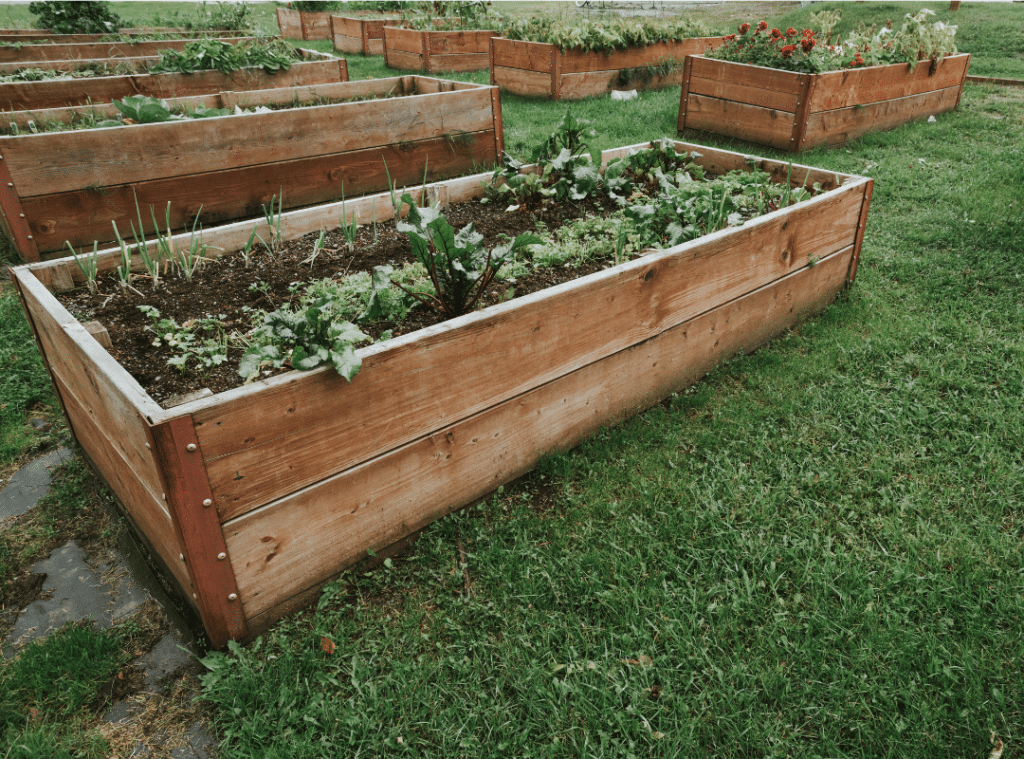
When it comes to gardening, raised beds offer a range of benefits for older individuals. They provide improved drainage, better soil quality, and easier weed control. Choosing the right materials like cedar or composite wood can guarantee longevity and minimal maintenance for your raised garden beds. Additionally, raised beds can promote sustainable practices by maximizing water conservation through rainwater harvesting systems.


Benefits of Raised Beds

Raised garden beds offer numerous benefits for gardeners of all ages, particularly for those with limited mobility or space constraints. When considering the advantages of raised beds, the following points are vital:

  1. Soil Composition: Raised beds allow for better control over the soil composition by enabling gardeners to fill them with high-quality soil, rich in nutrients and organic matter. This promotes healthier plant growth and higher yields.
  2. Plant Placement: With raised beds, you have the flexibility to adjust the height of the bed, making it easier to reach and tend to your plants without bending or kneeling. This feature is especially beneficial for older gardeners or those with physical limitations.
  3. Improved Drainage: Raised beds provide excellent drainage, preventing waterlogging and root rot, particularly in areas with clay soil or poor drainage.
  4. Weed Control: The elevated design of raised beds helps to reduce weed growth, saving you time and effort in maintaining your garden.
  5. Proper vaccinations for seniors are crucial for overall health and well-being, ensuring that older adults stay protected against preventable diseases.

These benefits make raised garden beds a practical and efficient choice for all gardeners, especially those looking for a more manageable gardening solution.

Best Materials to Use

To construct raised garden beds that are durable and effective, selecting the right materials is essential. When choosing materials for raised garden beds, opt for weather-resistant furniture such as cedar or redwood. These types of wood are naturally resistant to rot, decay, and insect damage, ensuring longevity for your raised beds. Additionally, consider using galvanized steel or composite lumber for a sturdy and long-lasting construction.

To protect your hands while working on your raised beds, invest in a pair of durable gloves. Look for gloves made from tough materials like leather or heavy-duty synthetic fabrics to shield your hands from cuts, blisters, and splinters. These gloves will provide the necessary protection while handling materials and tools during the construction and maintenance of your raised garden beds.

Accessibility Features for Seniors

  1. Height: Opt for raised beds that are at a comfortable elevation for seniors to reduce bending and stooping, typically around 2-3 feet high. Consider affordability for long-term sustainability.
  2. Width: Ensure the breadth of the raised beds allows for easy reach from all sides, approximately 3-4 feet wide for convenient access.
  3. Accessible Pathways: Leave ample space between raised beds for seniors to navigate easily with mobility aids, such as walkers or wheelchairs.
  4. Adaptive Tools: Provide adaptive gardening tools with ergonomic handles and easy-grip features to help seniors with limited mobility manage tasks comfortably.

Knee Pads and Seats

When tending to your garden, ensuring comfort and support for your knees is essential. Knee pads and seats are indispensable tools for older gardeners, providing comfortable support and preventing injuries during prolonged periods of kneeling or sitting. These accessories feature a versatile design, offering multi-functional use beyond just gardening tasks. Additionally, knee pads are essential for enhancing knee protection while working in the garden.

Consider the following comparison between knee pads and seats:

Knee Pads Seats
Lightweight and portable for ease of movement Offers a stable and comfortable seating option
Cushioned padding for enhanced knee protection Adjustable height settings for personalized use
Straps for secure attachment during movement Storage compartments for tools and accessories

Selecting the right knee pads or seat can greatly enhance your gardening experience by prioritizing your comfort and safety. Whether you prefer the flexibility of knee pads or the stability of a seat, these tools are designed to cater to your specific needs while working in the garden.


gardening stuff for old people


Lightweight Garden Hoses

If you’re searching for a sturdy and easy-to-manage solution for watering your garden, lightweight garden hoses are a practical choice. These hoses are designed to be easy to handle and efficient for older gardeners. Here are some key features to keep in mind when selecting a lightweight garden hose:

  1. Compact Storage: Opt for hoses that can be effortlessly coiled and stored without occupying too much space in your shed or garage. Look for models with a flexible design that allows for trouble-free storage.
  2. Robust Construction: Choose hoses made from high-quality materials like reinforced rubber or vinyl to guarantee longevity and resistance to kinks and cracks. A strong construction will prevent leaks and maintain water flow over time.
  3. Easy Maneuverability: Select hoses with ergonomic handles and lightweight materials for comfortable handling, reducing strain on your hands and back during watering sessions.
  4. Convenient Length: Take into account the size of your garden and choose a hose length that provides adequate reach without unnecessary extra length, making it easier to handle and store.

Investing in a lightweight garden hose with these features will make watering your garden a breeze while ensuring resilience and easy maintenance. Seniors can enjoy gardening as a fulfilling and therapeutic activity, enhancing their overall well-being.


gardening stuff for old people


Wheelbarrows With Easy Maneuverability

For gardeners seeking efficient transportation and handling of heavy loads, wheelbarrows with easy maneuverability are important tools. When selecting a wheelbarrow, look for models with sturdy yet lightweight materials that offer excellent maneuverability. Opt for designs with two wheels for added stability, making it easier for older individuals to control and balance the load.

Storage solutions for wheelbarrows are vital to maintain their longevity. Store them in a dry, covered area to prevent rusting and damage. Consider hanging them on hooks or using wall-mounted racks to save space in your gardening shed or garage.

Maintenance tips for wheelbarrows include regularly checking the tire pressure to guarantee smooth operation. Grease the wheels and pivot points to prevent squeaking and ensure smooth maneuverability. Additionally, inspect the handles for any signs of wear and tear, replacing them if necessary to maintain a comfortable grip. By following these storage and maintenance guidelines, your wheelbarrow will continue to serve you efficiently for years to come.


gardening stuff for old people


Garden Tool Organizers

Efficient organization of garden tools is essential for optimizing your gardening space and workflow. When it comes to garden tool organizers, here are some key features to keep in mind:

  1. Compact Storage: Look for organizers that offer space-saving storage solutions to maximize space in your gardening area. Compact designs are especially beneficial for older gardeners who may have limited mobility.
  2. Vertical Hanging: Opt for organizers that allow tools to be hung vertically. Hanging your tools vertically not only saves space but also makes it easier to access and store them without bending or reaching down.
  3. Durable Materials: Choose organizers made from sturdy materials like metal or heavy-duty plastic to ensure durability and stability. These materials can withstand outdoor conditions and heavy tools.
  4. Easy Installation: Select organizers that are easy to set up without the need for complicated tools or equipment. Simple installation processes make it convenient for older gardeners to set up and start organizing their tools efficiently.


To wrap things up, with these essential tools and accessories from Westmont of Pinole (510-758-1122), gardening for older individuals can be a breeze. The ergonomic hand tools will feel like a natural continuation of your hand, while the elevated garden beds will make planting and caring for your plants a delight. Don’t overlook the knee pads and seats for extra comfort, lightweight garden hoses for effortless watering, and wheelbarrows that move smoothly like a hot knife through butter. Gardening has never been easier!


How to Prevent Kidney Failure in Elderly People

Preventing Kidney Failure in Elderly People: Tips for Better Health

As you navigate the world of senior health, ensuring your kidneys remain in the best condition becomes essential. The journey towards preventing kidney failure in elderly individuals is a multifaceted one, encompassing various lifestyle adjustments that can greatly impact your overall well-being. From managing blood pressure to making mindful dietary choices, each step you take plays an important role in safeguarding your kidney health. Stay tuned to unravel the intricate web of strategies that can pave the way for a healthier future with Westmont of Pinole.


kidney failure in elderly people


Understanding Kidney Function

To truly comprehend how to prevent kidney failure in elderly individuals, it’s important to first grasp the intricate workings of kidney function. The kidney anatomy is a marvel of biological engineering, consisting of millions of nephrons that filter waste and excess fluids from the blood. Renal function, the process through which the kidneys perform this significant filtration, is vital for maintaining overall health.

Understanding how the kidneys regulate electrolytes, blood pressure, and fluid balance is key to preventing kidney failure. The intricate network of blood vessels within the kidneys plays a significant role in renal function, ensuring that essential nutrients are filtered back into the bloodstream while waste products are excreted through urine. Additionally, age-related changes in kidney function, such as decreased glomerular filtration rate GFR, can impact the risk of kidney failure in the elderly.


kidney failure in elderly people


Maintaining Healthy Blood Pressure

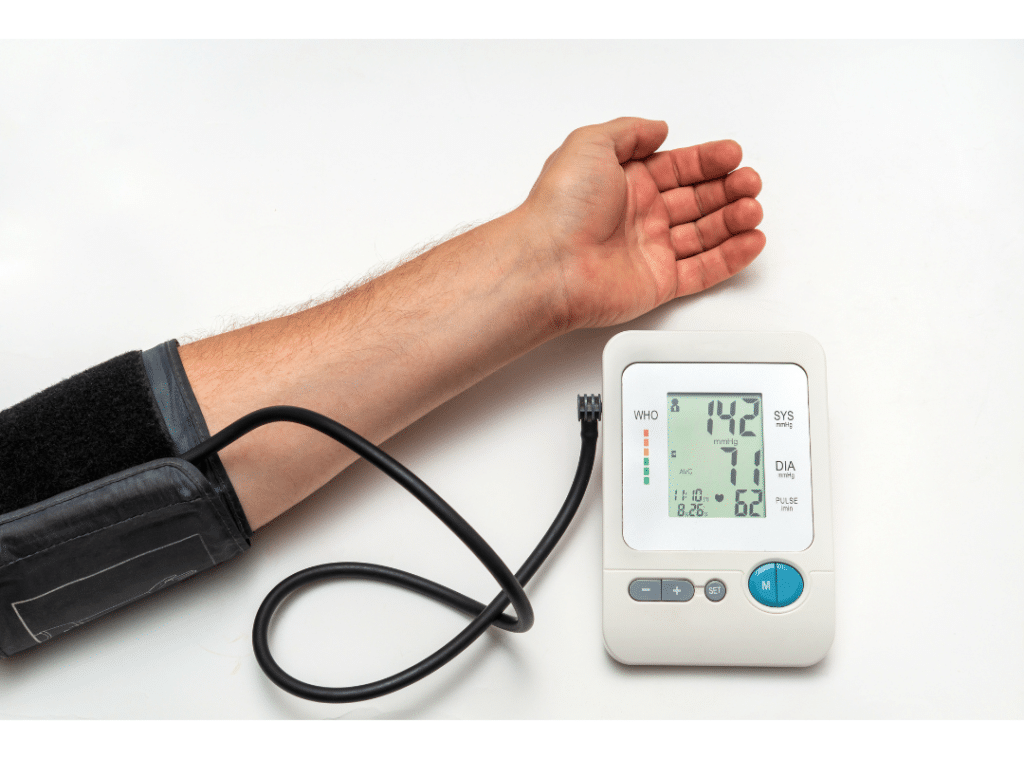
Maintaining healthy blood pressure is essential for supporting ideal kidney function in elderly individuals. High blood pressure can strain the kidneys over time, leading to potential kidney damage and increasing the risk of kidney failure. To help maintain healthy blood pressure levels, consider monitoring your medication intake as prescribed by your healthcare provider and implementing stress management techniques into your daily routine. Additionally, staying active and following a balanced diet can further support kidney health in the elderly.


Tips for Maintaining Healthy Blood Pressure:

Monitor Medication Stress Management Stay Active
Follow prescribed doses Practice relaxation techniques Engage in regular exercise
Keep track of side effects Prioritize self-care Maintain a healthy weight
Attend regular check-ups Cultivate hobbies Limit alcohol consumption
Communicate with your doctor Spend time in nature Avoid tobacco products
Adjust medications as needed Seek support from loved ones Eat a balanced diet

kidney failure in elderly people

Adopting a Kidney-Friendly Diet

For elderly individuals looking to support their kidney health, adopting a kidney-friendly diet is necessary. Renal health is important as we age, and dietary restrictions play a significant role in maintaining ideal kidney function. To promote kidney health, it’s important to limit sodium intake. High sodium levels can increase blood pressure and put extra strain on the kidneys. Additionally, reducing phosphorus-rich foods such as dairy, whole grains, and nuts can benefit those with compromised renal function. Incorporating more fruits and vegetables into your diet can also support renal health. These foods are naturally low in sodium and high in essential vitamins and minerals.

Moreover, staying hydrated by drinking an adequate amount of water is crucial for kidney function. When planning meals, consider consulting with a healthcare provider or a dietitian to create a personalized kidney-friendly diet plan. By being mindful of dietary restrictions and making informed food choices, you can take proactive steps toward preventing kidney failure and promoting overall well-being in your later years. Aging individuals can also benefit from including fiber-rich foods in their diet to support digestive health and prevent constipation.


kidney failure in elderly people


Staying Hydrated

Maintaining sufficient hydration levels is important for supporting optimal kidney function. Adequate water intake helps sustain proper hydration levels, benefiting overall health and particularly kidney function. Here are some essential tips to stay hydrated:

  1. Monitor Water Consumption: Keep track of the amount of water you drink daily to make sure you meet recommended levels for your age and health status.
  2. Drink Throughout the Day: Instead of consuming large amounts of water at once, sip water consistently throughout the day to sustain hydration levels.
  3. Consider Hydrating Foods: Include foods with high water content in your diet, such as fruits and vegetables, to complement your water intake.
  4. Limit Dehydrating Beverages: Reduce the consumption of dehydrating beverages like caffeinated drinks and alcohol that can lead to dehydration.

Staying well-hydrated is crucial for kidney health, as dehydration can impact kidney function and lead to complications.


kidney failure in elderly people


Regular Exercise Benefits

Regular exercise offers numerous benefits for kidney health in elderly individuals. Engaging in exercise routines and increasing physical activity levels can have a positive impact on kidney function. Research suggests that regular exercise can help lower blood pressure, improve cardiovascular health, and maintain a healthy weight, all of which are vital for reducing the risk of kidney disease. Incorporating moderate-intensity activities like walking, swimming, or cycling into your daily routine can help improve overall kidney function. These exercises promote better blood flow to the kidneys, aiding in the removal of waste and toxins from the body.

Additionally, staying active can help regulate blood sugar levels, which is important for kidney health. It is recommended to aim for at least 150 minutes of moderate exercise per week, spread out over several days. Consult with a healthcare provider before starting any new exercise regimen, especially if you have existing health conditions. By prioritizing regular physical activity, you can notably reduce the likelihood of kidney complications as you age. Moreover, participating in group exercise classes like Zumba Gold can add a social element to your fitness routine, enhancing your overall well-being.


What Level of Care Do You Need?

Discover the level of care you or your family member requires. 


To sum up, by taking proactive steps such as monitoring blood pressure, adopting a kidney-friendly diet, staying hydrated, and engaging in regular exercise, elderly individuals can markedly reduce their risk of kidney failure. Remember, prevention is key to maintaining kidney health, so incorporating these lifestyle changes can go a long way in safeguarding your kidneys for years to come. As the saying goes, “An ounce of prevention is worth a pound of cure.” For more information on senior living and health services, contact Westmont of Pinole at 510-758-1122.


The Leading Causes of Dementia

Leading Causes of Dementia

When considering the factors that contribute to dementia, it becomes evident that various causes can lead to this complex condition. From the well-known Alzheimer’s Disease to the lesser-discussed Frontotemporal Dementia, the spectrum is broad. Understanding these leading causes is essential not only for awareness but also for potential prevention strategies.

As you explore the intricacies of each type, you’ll gain a deeper insight into the multifaceted nature of dementia and the importance of early recognition. Presented by Westmont of Pinole.

Key Takeaways

  • Alzheimer’s Disease is a leading cause of dementia in older adults.
  • Vascular dementia is caused by reduced blood flow to the brain.
  • Risk factors for vascular dementia include high blood pressure and diabetes.
  • Lewy Body Dementia is characterized by visual hallucinations and motor problems.
  • Lifestyle habits and genetic predisposition contribute to the development of vascular dementia.

Alzheimer’s Disease

Alzheimer’s Disease is a progressive neurological disorder that primarily affects older adults. Caregiver support is vital for individuals with Alzheimer’s Disease due to the challenges they face in daily activities and memory loss. Providing a structured environment, maintaining routines, and offering emotional support are important aspects of caregiving.

Research advancements in Alzheimer’s Disease have led to a better understanding of the disease’s mechanisms, potential risk factors, and treatment options. Scientists have made significant progress in identifying biomarkers that may assist in early diagnosis and tracking disease progression. Additionally, ongoing clinical trials are exploring new medications and interventions to improve symptoms and slow down cognitive decline.

Caregivers benefit from staying informed about these research advancements as it can guide them in providing the best care possible for their loved ones. By staying up-to-date with the latest findings, caregivers can adapt their approach and ensure they’re implementing the most effective strategies to support individuals living with Alzheimer’s Disease.

Vascular Dementia

Vascular dementia, caused by reduced blood flow to the brain, often stems from conditions like stroke or atherosclerosis. This type of dementia is typically linked to risk factors such as high blood pressure, diabetes, and smoking. Understanding the symptoms, diagnostic procedures, and treatment options available for vascular dementia is essential for effective management and care.

Risk Factors Overview

What factors contribute to the development of vascular dementia? Vascular dementia is often linked to lifestyle habits and genetic predisposition. Lifestyle habits such as smoking, lack of physical activity, and poor diet can increase the risk of developing vascular dementia. Smoking, in particular, can damage blood vessels and increase the likelihood of vascular problems that lead to dementia.

Furthermore, genetic predisposition plays a role in the development of vascular dementia. Individuals with a family history of vascular issues or a genetic predisposition to conditions like hypertension or diabetes may be more susceptible to developing vascular dementia. These genetic factors can influence how the blood vessels in the brain function and their ability to withstand damage over time.

Understanding these risk factors for vascular dementia is essential in taking proactive steps to reduce the likelihood of developing this condition. By adopting a healthy lifestyle that includes regular physical activity, a balanced diet, and avoiding harmful habits like smoking, individuals can help protect their brain health and potentially lower their risk of vascular dementia.

Symptoms and Diagnosis

When observing individuals with suspected vascular dementia, identifying specific symptoms and conducting precise diagnostic assessments are critical steps in understanding and addressing this cognitive impairment. Early detection plays a vital role in managing vascular dementia. Common symptoms to watch for include cognitive decline, behavioral changes, and memory loss.

  • Early Detection: Recognizing the signs of vascular dementia at an early stage can help initiate appropriate interventions and support systems promptly.
  • Cognitive Decline: Symptoms may include difficulties with thinking, reasoning, and decision-making, impacting daily activities and quality of life.
  • Behavioral Changes: Individuals with vascular dementia may exhibit changes in behavior, such as agitation, irritability, or apathy, which can be distressing for both the affected person and their caregivers.

Treatment Options Available

Early intervention is key when it comes to managing vascular dementia. Treatment options for vascular dementia focus on cognitive therapies and lifestyle modifications. Cognitive therapies aim to improve memory, thinking skills, and overall cognitive function. These therapies include cognitive rehabilitation, reality orientation, and reminiscence therapy. Lifestyle modifications play an essential role in managing vascular dementia by promoting overall brain health and reducing risk factors. These modifications involve regular physical exercise, a balanced diet rich in fruits and vegetables, adequate sleep, and social engagement.

Cognitive Therapies Lifestyle Modifications
Cognitive Rehabilitation Regular Exercise
Reality Orientation Balanced Diet
Reminiscence Therapy Adequate Sleep
Social Engagement

Lewy Body Dementia

Lewy Body Dementia is characterized by symptoms such as visual hallucinations, fluctuating cognition, and motor problems similar to Parkinson’s disease. Diagnosis often involves a combination of medical history, physical examination, and cognitive tests to differentiate it from other types of dementia. Managing Lewy Body Dementia can be complex due to the need for a multidisciplinary approach involving medications, lifestyle modifications, and caregiver support to address its impact on daily life.

Symptoms of Lewy Body Dementia

Characterized by the presence of abnormal protein deposits in the brain, Lewy Body Dementia (LBD) manifests through a range of symptoms that can greatly impact an individual’s cognitive and physical functions. Early detection of these symptoms is pivotal for timely intervention and management. Caregiver support plays an essential role in providing assistance and comfort to individuals affected by LBD.

  • Fluctuating Cognitive Abilities: Individuals with LBD may experience variations in their cognitive functions, leading to fluctuations in attention, alertness, and overall cognition.
  • Visual Hallucinations: Visual hallucinations are a common symptom of LBD, where individuals may see things that aren’t actually present, which can be distressing for both the individual and caregivers.
  • Motor Symptoms: LBD can also present with motor symptoms similar to Parkinson’s disease, including tremors, stiffness, and difficulties with balance and movement.

Understanding and recognizing these symptoms are fundamental steps in providing appropriate care and support for individuals living with Lewy Body Dementia.

Diagnosis and Treatment

When diagnosing Lewy Body Dementia, healthcare professionals rely on a combination of medical history assessments, physical examinations, and cognitive tests to evaluate the presence of characteristic symptoms associated with this neurodegenerative disorder. The diagnosis of Lewy Body Dementia can be challenging due to overlapping symptoms with other types of dementia, such as Alzheimer’s disease. Cognitive decline, particularly in attention and executive function, is a key feature of Lewy Body Dementia. Memory loss is also common, although it may not be as prominent in the early stages compared to Alzheimer’s disease.

In addition to cognitive symptoms, individuals with Lewy Body Dementia may experience visual hallucinations, fluctuations in alertness and attention, and motor symptoms similar to Parkinson’s disease. Due to the complexity of symptoms, a multidisciplinary approach involving neurologists, psychiatrists, geriatricians, and neuropsychologists is often necessary for an accurate diagnosis.

Once diagnosed, treatment strategies focus on managing symptoms through a combination of medication, therapy, and support services to improve quality of life for individuals living with Lewy Body Dementia.

Impact on Daily Life

The impact of Lewy Body Dementia on daily life can be significant, affecting various aspects of an individual’s functioning and independence. Caregiver challenges are important, as those with Lewy Body Dementia may experience fluctuations in alertness and attention, leading to the need for constant supervision to guarantee their safety.

Additionally, the presence of visual hallucinations and delusions can be distressing for both the individual and their caregivers, requiring patience and understanding to manage effectively.

Financial impact is also a concern, as the costs associated with providing care for someone with Lewy Body Dementia can be substantial. From medical expenses to home modifications to hiring additional help, the financial burden can be overwhelming for families.

It’s vital for caregivers to seek support and resources, such as dementia respite care benefits, to navigate these challenges and maintain the well-being of both the individual with Lewy Body Dementia and themselves.

Frontotemporal Dementia

Frontotemporal dementia is a progressive neurodegenerative disorder that primarily affects the frontal and temporal lobes of the brain. This type of dementia is distinct from Alzheimer’s disease and typically manifests in individuals under the age of 65. Frontotemporal dementia is often associated with genetic mutations, which can contribute to the development of the condition. These genetic mutations can lead to abnormal protein deposits in the brain, causing nerve cell damage and ultimately resulting in cognitive decline.

One key characteristic of frontotemporal dementia is the pronounced behavioral changes that individuals may experience. These changes can include alterations in personality, social behavior, and emotional regulation. Individuals with frontotemporal dementia may exhibit apathy, impulsivity, or inappropriate behaviors, which can be challenging for both the affected individual and their caregivers.

Understanding the genetic underpinnings and behavioral symptoms of frontotemporal dementia is essential for providing appropriate care and support to those living with this condition.

Mixed Dementia

Characterized by the coexistence of multiple types of dementia pathology in the brain, mixed dementia presents a complex clinical scenario that poses diagnostic and treatment challenges. This condition manifests with a combination of Alzheimer’s disease and vascular dementia, leading to a more severe cognitive decline and memory loss compared to each type alone. The overlapping symptoms make it difficult to differentiate from other forms of dementia, requiring a thorough evaluation by healthcare professionals.

  • Challenges in Diagnosis: The presence of different types of dementia pathology complicates the accurate diagnosis of mixed dementia, necessitating advanced imaging techniques and cognitive assessments.
  • Treatment Complexity: Managing mixed dementia involves addressing the distinct underlying causes, requiring a multifaceted treatment approach that targets both Alzheimer’s-related neurodegeneration and vascular factors.
  • Progression Variability: The progression of mixed dementia varies among individuals, with some experiencing rapid cognitive decline and others showing a more gradual deterioration, making personalized care essential for best outcomes.


Less Common Causes

When considering the landscape of dementia, it becomes apparent that beyond the commonly recognized forms like Alzheimer’s and vascular dementia, there exist less common causes that contribute to cognitive impairment.

Traumatic brain injury, genetics, infections, and brain tumors are among the less widespread causes of dementia. Traumatic brain injury, resulting from a severe blow or jolt to the head, can lead to long-term cognitive consequences.

Genetics also play a role in less prevalent forms of dementia, with certain gene mutations increasing the risk of developing cognitive decline. Infections, such as HIV-related dementia or Creutzfeldt-Jakob disease, can also lead to cognitive impairment.

Additionally, brain tumors, although rare, can cause dementia symptoms depending on their location and size.

Understanding these less common causes of dementia is essential for accurate diagnosis and appropriate treatment. While Alzheimer’s and vascular dementia are more common, healthcare professionals must also consider these less widespread factors when evaluating patients with cognitive impairment.

To sum up, Alzheimer’s Disease, Vascular Dementia, and Lewy Body Dementia are the primary causes of dementia, each with unique characteristics and underlying mechanisms. Frontotemporal Dementia and Mixed Dementia also play a role in the range of cognitive decline. Grasping the different origins of dementia is crucial for early detection and tailored treatment approaches. Ongoing exploration into rarer causes will continue to advance our understanding and capacity to manage this intricate neurological condition.

For more information on dementia care and support, please contact Westmont of Pinole at 510-758-1122.


Find Where You Belong

Dive into the vibrant life our Westmont communities have to offer.


Frequently Asked Questions

Can Dementia Be Prevented Through Lifestyle Changes?

Lifestyle changes can potentially reduce the risk of dementia. Brain exercises and social engagement are essential. Stay mentally active with puzzles and games and maintain relationships. A healthy lifestyle can positively impact cognitive health.

Is Dementia Hereditary?

Yes, dementia can have a genetic risk. Your family history plays a role in determining your likelihood of developing the condition. Understanding your genetic predisposition can help in early detection and preventive measures.

What Are the Early Signs of Dementia?

You may notice early signs of dementia like cognitive decline and memory loss. Pay attention to forgetfulness, confusion with time or place, difficulty completing familiar tasks, mood or personality changes, and language trouble.

How Does Age Impact the Risk of Developing Dementia?

As you age, the risk of developing dementia increases due to various risk factors such as genetic predisposition, cardiovascular health, and lifestyle choices. Age-related cognitive decline can exacerbate these factors, leading to higher susceptibility to dementia.

Are There Specific Foods That Can Help Prevent Dementia?

Eating a diet rich in fruits, vegetables, whole grains, and healthy fats like those found in fish can provide nutritional benefits for brain health. These foods are packed with antioxidants and omega-3 fatty acids, supporting cognitive function.


Floor Plans & Pricing

Make yourself at home where a happy, healthy lifestyle goes hand-in-hand with your personal fulfillment, enrichment, and growth.

Answer a few quick questions to unlock the exciting future senior living can offer!

Resident Login