For Residents who are deaf, hard of hearing, or have speech disabilities – dial 711 to connect to a free Telecommunications Relay Service (TRS) operator who helps facilitate phone conversations with our Community and staff. This nationwide service provides an accessible way to communicate using text telephone (TTY), voice, or video relay assistance.

Step Into Westmont Living®

Celebrating National Senior Health and Fitness Day – Movement, Vitality, and Joy!

Celebrating National Senior Health and Fitness Day – Movement, Vitality, and Joy!
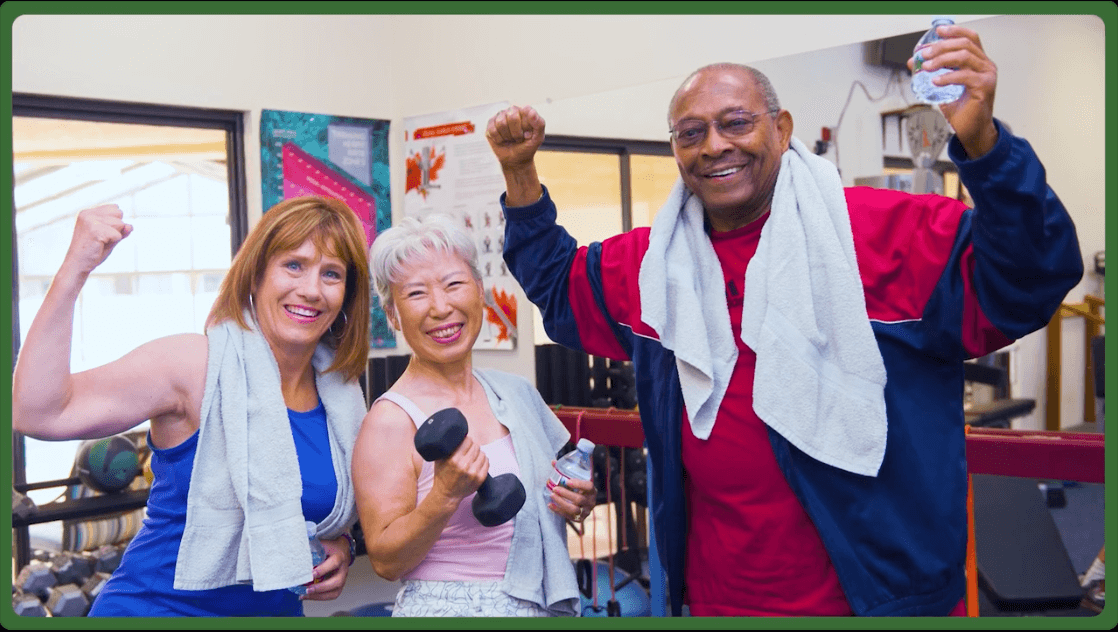
May 28th, 2025, marks National Senior Health and Fitness Day, a time to celebrate the power of movement and the importance of maintaining an active, balanced lifestyle at every stage of life. At Westmont Living, we believe wellness is more than just exercise — it’s a commitment to optimal physical health through fitness, proper nutrition, rest, and relaxation.

This year, we’re honoring the Health & Fitness dimension of our wellness philosophy by showcasing our vibrant community in action. From cardio drumming and water aerobics to gentle mind-body practices and energizing group workouts, our seniors continue to inspire us with their strength, enthusiasm, and dedication to well-being. Join us in celebrating the movement, momentum, and meaningful moments that shape a healthier tomorrow.

Memory Care Pinole CA: Personalized Senior Support

Memory Care Pinole CA: Compassionate, Personalized Living

In the heart of the Bay Area, Westmont of Pinole is a compassionate leader in memory care in Pinole, CA. It offers more than just a residence—it’s a home filled with dignity, connection, and personalized attention. Families navigating the emotional journey of supporting a loved one with cognitive decline find comfort in the tailored support offered here. From thoughtfully designed environments to engaging routines promoting mental well-being, this community prioritizes safety and warmth. The care staff builds trust with each resident through meaningful interaction and customized care, creating a space where seniors feel understood and secure.

Memory care isn’t just about medical support—it’s about helping individuals hold onto their identity while forming new connections. So many families choose Westmont of Pinole when seeking memory care solutions in California. Knowing that your loved one has a place to thrive becomes priceless as the need for reliable and nurturing memory care grows. And here in Pinole, a supportive solution is closer than you think.

What Makes Memory Care in Pinole Unique

When you explore memory care in Pinole, CA, you’re investing in a unique blend of emotional support, safety, and daily stimulation. Every resident benefits from personalized routines reflecting their past interests and health needs. At Westmont of Pinole, these plans are crafted with expert insight, ensuring comfort and familiarity every step. Their approach to Westmont Memory Care incorporates constant training for staff and consistent communication with families, allowing for a smooth transition and continued trust. The difference lies in the details—from secure living areas to holistic health practices—each element is designed with the resident’s quality of life in mind. Learn more about the benefits of memory care.

A Community That Cares Deeply

At Westmont of Pinole, personalized support is the foundation of every resident’s experience. This community nurtures well-being and emotional stability through individualized routines, memory-stimulating activities, and a secure environment. Whether it’s a favorite song, a familiar aroma, or a kind gesture, the team makes daily life feel safe and recognizable. That sets memory care Pinole CA apart—it’s not just about treatment, but also about preserving joy and identity. In this setting, seniors are encouraged to express themselves and participate in activities that foster self-worth. Discover the impact of personalized memory care routines.

Westmont of Pinole: Purposeful and Personalized Living

Choosing Westmont Memory Care means choosing a community where residents are more than just patients—they’re family. This philosophy informs everything, from staff interactions to the structure of each day. Here, residents benefit from a harmonious mix of routine and flexibility, allowing them to thrive without stress. With 24-hour support, specialized programming, and inviting gathering areas, your loved one has the tools to remain socially engaged and mentally stimulated. This Pinole-based residence redefines what memory care in California can be.

Cognitive Engagement and Daily Activities

Memory care thrives when it includes meaningful interaction. Westmont’s calendar is filled with activities carefully designed to stimulate cognitive function. Each moment—from morning stretching to art sessions—serves a purpose. That purpose? To provide enrichment, structure, and fun. You’ll find residents painting, listening to music, reminiscing with peers, or enjoying nature in safe outdoor areas. These experiences reduce anxiety and foster connection, reinforcing why Pinole senior housing with an intense activity program matters. Cognitive health is nurtured here, not just maintained.

Safe Spaces Foster Confidence and Belonging

Security and comfort go hand-in-hand at Westmont. Thoughtful architectural elements, straightforward navigation, and cozy common areas create a nurturing environment where residents feel in control. Families find peace of mind knowing their loved one isn’t just safe but actively supported. Every staff member understands the nuances of memory loss and how to build relationships based on patience and empathy. That sense of community makes memory care in Pinole, CA, more than a service—it makes it a lifeline. The importance of familiar spaces and structured environments cannot be overstated. You can explore how engagement strategies support resident well-being.

The Role of Family in Memory Care

One of the most essential aspects of memory care is family involvement. At Westmont, your insights help shape care routines and improve emotional well-being. Participation in care planning, activity selection, and daily communication ensures your loved one’s preferences are honored. Regular check-ins and supportive staff ensure you remain part of the journey. This collaborative approach turns families into trusted allies in care. Together, you and Westmont create a nurturing, sustainable plan for your loved one.

Financial Considerations and Value

Understanding the cost of memory care is essential—and it’s also where Westmont helps make things manageable. While pricing depends on the level of care and room choice, the value delivered far exceeds the numbers. The peace of mind, safety, and quality of care are all part of what makes this investment worthwhile. Families looking into memory care in California often weigh amenities, support services, and long-term affordability. Fortunately, Westmont offers transparent cost breakdowns and guidance on available financial aid options. Here’s a helpful breakdown of typical costs.

memory care pinole ca

Explore the Comforts of Pinole Senior Housing

Located in a charming part of the Bay Area, Pinole senior housing offers a peaceful, welcoming atmosphere that supports aging with dignity. At Westmont of Pinole, that atmosphere is elevated with care, connection, and community. Residents enjoy time outdoors, shared meals with friends, and participation in various events that keep life interesting and joyful. Choosing this type of living means choosing continued growth—even in the face of memory challenges. And that’s something truly valuable.

Schedule a tour today to learn more about how memory care in Pinole, CA, can benefit your family or to see the vibrant life at Westmont of Pinole firsthand. Experience the compassion, safety, and support your loved one deserves.


Find Where You Belong

Dive into the vibrant life our Westmont communities have to offer.


Frequently Asked Questions

What is the average cost of a memory care unit?

The average cost of a memory care unit in the United States typically ranges from $4,000 to $7,000 monthly. In California, prices can be higher, often averaging between $5,000 and $8,000 due to the cost of living and level of care provided. These costs usually cover housing, meals, 24-hour supervision, and specialized dementia support. Additional services may result in higher monthly fees.

What is the difference between memory care and dementia care?

Memory care is a specialized type of senior living designed specifically for individuals with Alzheimer’s or other forms of dementia. It provides structured routines, secure environments, and trained staff to manage cognitive decline. Dementia care, on the other hand, is a broader term that can include care provided in various settings, such as at home, in assisted living, or in skilled nursing facilities. Memory care is one specific approach to dementia care, tailored to meet the unique needs of those with memory loss.

Does California Medicaid pay for memory care?

California’s Medicaid program, Medi-Cal, may help cover some memory care costs through specific programs and waivers. While it typically does not pay for room and board in memory care communities, it may cover personal care, supervision, and medication management. Eligibility and coverage depend on income, assets, and medical necessity. Families are encouraged to speak with a Medi-Cal advisor or local Area Agency on Aging for assistance navigating the application process.

How do you know when it’s time for memory care?

It may be time to consider memory care when a loved one with dementia is no longer safe living at home or their needs exceed what can be managed by family or in-home caregivers. Signs include increased wandering, aggression, confusion, or difficulty managing daily activities like bathing or taking medication. Memory care communities offer structured, supportive environments that can improve quality of life and safety. A doctor or geriatric care specialist can help guide this decision based on medical evaluations.


Cinco de Mayo

Celebrating Cinco de Mayo at Westmont Living: Culture, Community & Connection 🎉🌮💃

Cinco de Mayo is more than just a festive day filled with tacos and mariachi music—it’s a meaningful celebration of culture, community, and resilience. At Westmont Living, we’re proud to honor this holiday across our communities with joy, inclusivity, and of course, a lot of great food!

A Little History 🌎
Cinco de Mayo commemorates the Battle of Puebla in 1862, when a small Mexican army triumphed over a much larger French force. While it’s not Mexico’s Independence Day (that’s September 16), the victory has become a symbol of perseverance and pride—especially celebrated in the United States as a way to honor Mexican culture and heritage.

Community Comes Alive 🇲🇽
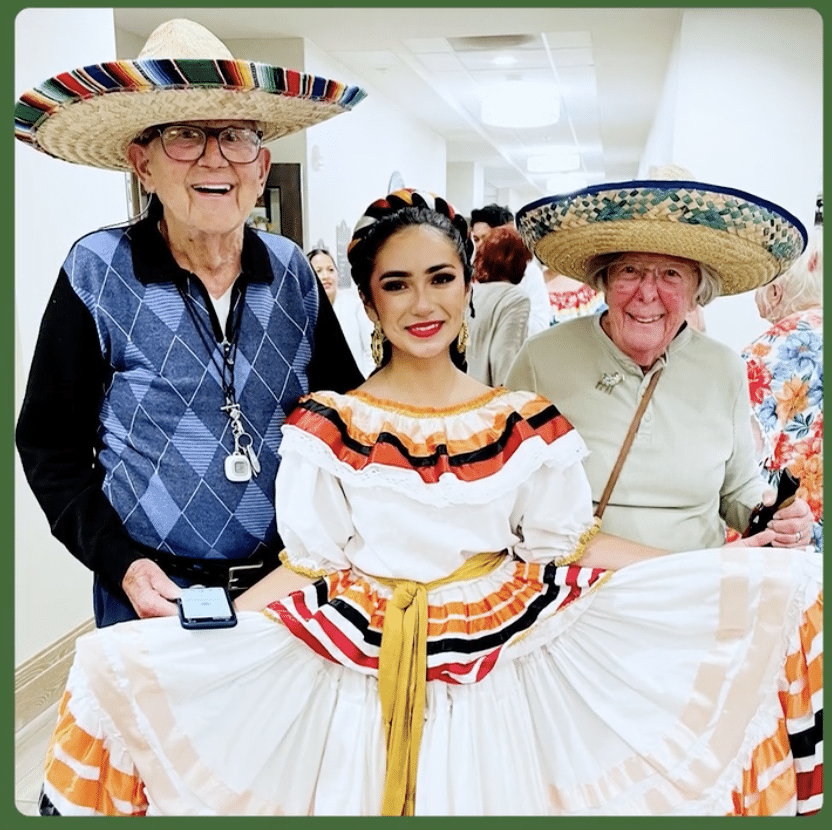
From vibrant decorations and traditional music to flavorful dishes like tacos, guacamole, and sweet treats, our residents and staff came together to celebrate in true Westmont style. Some communities enjoyed live performances, others hosted themed buffets and socials—but all shared in the spirit of togetherness.

Celebrating with Heart ❤️
At Westmont Living, we believe in creating spaces where everyone feels seen, valued, and celebrated. Cinco de Mayo gives us a chance to learn from one another, share stories, and connect through cultural traditions in meaningful (and fun!) ways.

A heartfelt thank you to all the residents, team members, and local performers who made this year’s Cinco de Mayo celebrations so memorable. Here’s to many more moments of unity, joy, and cultural appreciation! ¡Feliz Cinco de Mayo! 🎊

Sitters for Seniors: Care, Companionship, and Support

Sitters for Seniors: Personalized Care in Pinole, CA

If you’re searching for sitters for seniors who offer compassionate and consistent support, Westmont of Pinole provides the warmth, connection, and personalized attention your loved one deserves. Our dedicated team enhances daily life for seniors through companionship, non-medical care, and emotional engagement. Whether your loved one needs a little help around the house or someone to spend time with, the right sitter can make all the difference.

What Do Sitters for Seniors Do?

Sitters offer so much more than presence. These caregivers build emotional bridges, becoming trusted companions who provide conversation, encouragement, and assistance with routine tasks. Sitters for the elderly at home can support seniors through light housekeeping, meal preparation, and shared activities, while also providing essential emotional comfort. Their work is non-medical, yet profoundly impactful, especially when your loved one faces isolation. In a setting like Westmont of Pinole, these sitters play a vital role in sustaining independence while building daily moments of joy.

Private Sitters for Elderly Near Pinole, CA

Choosing private sitters for the elderly near Pinole, CA, allows families to personalize care in familiar environments. Private sitters often build strong, one-on-one relationships, giving seniors the comfort of continuity and consistent care. Whether your loved one lives alone or in a senior community, having a familiar face by their side can reduce confusion and promote calm. For families in Pinole and nearby cities, private sitters offer the flexibility to adapt care hours and routines to individual needs. When routines feel personalized, seniors feel seen, supported, and understood.

Knowing When to Seek Help

You may start wondering when a sitter becomes necessary. Consider companion care if your loved one begins forgetting meals, appears withdrawn, or their living space becomes unkempt. Often, families notice changes in hygiene or mood, which can be early signs of declining independence. Engaging day sitters for the elderly offers supervision and friendship during the most critical hours. When met with the proper support, these signs can turn around a senior’s sense of purpose and connection.

Hourly Rate for Elderly Sitters: What to Expect

Families understandably want to understand the hourly rate for elderly sitters before making commitments. Rates can vary based on location, experience, and duration of care. In the Pinole area, hourly rates typically range from $20 to $35, depending on the level of engagement and service needed. More specialized sitters may cost more, especially if care hours are frequent or require special training. Budgeting appropriately helps ensure continuity of care without surprise costs. While most insurance doesn’t cover non-medical services, many communities offer flexible packages or support in finding financial aid.

Can You Find Free Sitters for Elderly Loved Ones?

While full-time, unpaid care is rare, community-based programs offer free sitters for elderly individuals. Local volunteer networks, church groups, or senior-focused nonprofits sometimes coordinate part-time sitters at no cost. Though availability is limited, these programs provide respite for family caregivers and brief companionship for seniors in need. For families exploring care options, it’s worth contacting area agencies on aging or speaking to Westmont’s team for guidance. No-cost resources may not replace consistent private care but can provide temporary support.

The Transition to Care: What to Do 6 Months Before Retirement

If you’re planning for your loved one’s lifestyle shift, knowing what to do 6 months before retirement can make the transition smoother. Begin by assessing current living conditions, health needs, and emotional well-being. Is their home safe and accessible? Are there signs they’ll need more social engagement or help with errands? This is the right time to explore sitters for the elderly at home who can ease the transition into retirement by establishing supportive routines. Planning builds confidence and ensures your loved one feels secure as they begin this new chapter.

sitters for seniors

How Sitters Support Well-Being Every Day

Beyond physical support, day sitters for the elderly are crucial in promoting mental and emotional health. A caring presence helps seniors feel less alone and more active. Sitters encourage hobbies, join in conversation, and even help navigate minor challenges that can feel overwhelming. Their daily presence creates structure, and their friendship boosts self-esteem. This emotional engagement may not be medical care, but it’s essential care—one that uplifts and stabilizes.

What Are the Benefits of Retirement with the Right Support?

Retirement should be a season of ease and connection, not stress. With support from trusted sitters, seniors can enjoy what are the benefits of retirement: more time for hobbies, reduced stress, and a chance to rekindle friendships or discover new passions. Having reliable care in place reduces anxiety for both seniors and their families. With someone ensuring meals are prepped, medication reminders are followed, and meaningful conversation happens daily, retirement becomes something to look forward to—not fear.

Where to Begin Your Search

Finding a trusted sitter starts with local insight. If you’re in California, especially near Pinole, Westmont offers guidance on pairing your loved one with compatible sitters for seniors who meet their needs. You can begin your search through our senior living advisors, local care directories, or by exploring personalized care options available at Westmont communities. These resources take the guesswork out of selection and ensure peace of mind.

The Heart Behind the Help

The decision to bring a sitter into your loved one’s life is often rooted in love and a desire for them to feel safe, happy, and supported. At Westmont of Pinole, we understand how deeply personal that decision is. Whether you’re researching private sitters for the elderly near Pinole, CA, or simply exploring the hourly rate for elderly sitters, know that help is available. Seniors deserve care that respects their dignity and enriches their lives. And with the right sitter, that’s precisely what they receive.

To speak with a team member or explore local options for senior sitters, visit Westmont of Pinole or call us at 510-758-1122. We’re here to help every step of the way.


Compare The Costs of Senior Living vs Staying at Home

How Do The Costs Of Moving Into A Quality Senior Care Community Compare With The Costs Of Staying At Home?


Frequently Asked Questions

How much should you pay someone to sit with the elderly?

The cost to hire someone to sit with an elderly person varies depending on location, experience, and the level of care needed. On average, rates range from $15 to $25 per hour, with higher rates in major cities or for overnight care. Some caregivers may charge a flat rate for extended shifts or daily care. It’s important to discuss expectations and duties in advance to agree on a fair price.

Does Medicare pay for caregivers for seniors?

Medicare typically does not pay for long-term or personal in-home care, such as a sitter or companion. However, it may cover short-term home health services a doctor prescribes after a hospital stay, like physical therapy or skilled nursing care. For ongoing non-medical help, seniors may need to look into Medicaid, long-term care insurance, or private pay options. Each situation is different, so checking specific coverage is essential.

What does a sitter for the elderly do?

An elderly sitter provides companionship and essential supervision to ensure the senior’s safety and comfort. Duties may include conversation, helping with light tasks, monitoring for emergencies, and offering emotional support. Sitters do not typically provide medical care but may remind clients to take medication or assist with mobility. Their presence helps reduce loneliness and gives families peace of mind.


Explore Exceptional Senior Living Pinole CA Has to Offer

Find Exceptional Senior Living Pinole CA Has to Offer

If you’re looking for exceptional senior living in Pinole, CA, Westmont of Pinole is the perfect choice.

At Westmont of Pinole, you’ll find a vibrant community focused on comfort and care, with engaging activities tailored to each resident’s interests.

Our modern apartments offer safety features and spacious layouts, ensuring a homely atmosphere.

With a compassionate team dedicated to personalized support, you’ll discover an enriching environment where residents thrive.

Keep exploring to learn how Westmont of Pinole can enhance the living experience for you or your loved one.

Senior Living in Pinole, CA: Where Comfort Meets CareExplore Life at Westmont of Pinole: Senior Living Redefined

What makes senior living in Pinole, CA, a truly enriching experience? You’ll find a vibrant community that prioritizes comfort and care, allowing residents to thrive in a supportive environment. The scenic surroundings and welcoming atmosphere enhance daily life, fostering connections among peers and staff. Engaging activities and programs are tailored to meet the diverse interests of residents, encouraging socialization and personal growth. You’ll appreciate the focus on holistic wellness, where physical, emotional, and spiritual needs are addressed. The dedicated team works tirelessly to provide personalized care, ensuring each resident feels valued and respected. In Pinole, you can experience a fulfilling lifestyle that balances independence with the support you or your loved one may need, truly redefining senior living. Additionally, the emphasis on social connection plays a crucial role in reducing loneliness and enhancing the overall well-being of residents.

Why Choose Westmont of Pinole for Your Loved One?

Choosing the right senior living community for your loved one can be challenging, but Westmont of Pinole stands out for its commitment to quality care and resident well-being. Here, you’ll find a compassionate team dedicated to providing personalized support, ensuring your loved one feels valued and at home. The community fosters a vibrant atmosphere, encouraging social engagement through various activities tailored to residents’ interests. Safety and comfort are prioritized, with secure environments that promote independence while offering assistance when needed. By choosing Westmont of Pinole, you’re not just selecting a place to live; you’re investing in a nurturing environment where your loved one can thrive, surrounded by caring staff and a supportive community. Additionally, the community offers personalized care services to meet each resident’s unique needs, ensuring their dignity and independence are upheld.

senior living pinole ca

Modern Apartments for Rent in Pinole, CA, Tailored for Seniors

If you’re searching for modern apartments in Pinole, CA, designed specifically for seniors, you’ll find options that perfectly blend comfort and independence. These apartments feature open layouts, easy access to amenities, and safety features that prioritize your well-being. You’ll enjoy spacious living areas, modern kitchens, and ample storage, all tailored to enhance your lifestyle.

Many communities also offer social activities and wellness programs, fostering a sense of belonging and engagement. Everything you need is available with nearby parks, shops, and medical facilities. Choosing a modern apartment in Pinole means embracing a fulfilling lifestyle while maintaining your independence. You deserve a space that reflects your needs and aspirations, allowing you to thrive in your golden years. Additionally, these communities often emphasize nutritious dining options that support healthy aging and enhance overall well-being.

Find Your Perfect Apartment in Pinole, CA, at Westmont Living

Finding your ideal apartment in Pinole, CA, is easy at Westmont Living, where comfort meets community. Here, you’ll discover thoughtfully designed spaces that prioritize your needs and enhance your lifestyle. Each apartment has modern amenities, ensuring you feel at home while enjoying the convenience of supportive services.

At Westmont Living, you’re not just finding a place to live; you’re becoming part of a vibrant community that fosters connection and engagement. With various floor plans and social activities, you can choose what suits you best. Our dedicated staff is committed to helping you navigate this new chapter, ensuring you feel welcomed and supported. Embrace a fulfilling life in a space that truly reflects you. Additionally, residents can enjoy various social and recreational activities that promote engagement and well-being.

In choosing Westmont of Pinole, you’re not just finding a place to live; you’re discovering a vibrant community where every day feels like a new chapter in a beautiful story. Just as a well-tended garden flourishes, your loved one will thrive in an environment rich with care and connection. Let the comfort of modern living and compassionate support at Westmont of Pinole nurture their golden years, transforming life’s later stages into a celebration of joy, growth, and cherished memories. For more information, please call us at 510-758-1122.


Compare The Costs of Senior Living vs Staying at Home

How Do The Costs Of Moving Into A Quality Senior Care Community Compare With The Costs Of Staying At Home?


Frequently Asked Questions

What is the average cost of a senior living facility in California?

The average cost of a senior living facility in California varies depending on the type of care needed. Assisted living typically ranges from $4,500 to $6,000 per month, while memory care services often cost more, averaging between $5,000 and $7,500 monthly. Independent living communities are generally less expensive, ranging from $2,500 to $4,500 per month. The exact cost can also depend on the location, amenities offered, and level of personalized care required.

Who qualifies for low-income senior housing in California?

Low-income senior housing in California is available to seniors aged 62 and older who meet specific income limits set by the U.S. Department of Housing and Urban Development (HUD). Eligibility is typically based on the area’s median income, with seniors earning less than 50% to 80% of the median income qualifying for assistance. Seniors may also need to provide documentation of income, assets, and other financial information during the application process. Additionally, housing options often prioritize those with the greatest financial need.

How much does it cost to live at Senior Living?

The cost of living in a senior living community depends on the type of care and services provided. Independent living generally ranges from $2,500 to $4,500 per month, while assisted living can cost between $4,500 and $6,000 per month. Memory care services often range from $5,000 to $7,500 monthly due to the specialized care required. Costs can also vary based on location, apartment size, and additional services like dining, transportation, or personalized health care plans.

What is the median household income in Pinole, CA?

The median household income in Pinole, CA, is approximately $95,000 annually, though this figure may vary slightly based on the most recent census or local economic changes. This income level reflects the diverse economic landscape of the area, which includes a mix of working professionals, retirees, and families. Pinole’s median income is slightly higher than the national average, making it a desirable community for residents. Its affordability and proximity to larger metropolitan areas add to its appeal for both retirees and working families.


What Are Care Plans in Nursing? Key Components Described

What Are Care Plans in Nursing? Key Components Explained

Nursing care plans at Westmont of Pinole are essential documents guiding your patient care. They outline specific goals, interventions, and evaluations tailored to each patient’s needs.

The key components include assessment, diagnosis, planning, implementation, and evaluation. Using care plans enhances communication within the healthcare team and guarantees personalized, effective treatment.

This structured approach improves patient outcomes and empowers patients in their care journey. Continue to discover more about creating effective care plans at Westmont of Pinole.

What Are Care Plans in Nursing? A Comprehensive Guide

Nursing care plans are essential roadmaps that guide patient care and guarantee everyone on the healthcare team is aligned. They outline specific patient goals, interventions, and evaluations tailored to individual needs. When you engage in the care planning process, you assess the patient’s condition, identify problems, and collaborate with the team to establish clear objectives. This plan serves as a communication tool among healthcare professionals and empowers patients by involving them in their care. Regularly reviewing and updating care plans ensures that the interventions remain relevant and practical. Ultimately, these plans foster a holistic approach, promoting a sense of belonging and support for patients as they navigate their healthcare journey. Additionally, regular assessments are vital in adapting care plans to meet evolving patient needs.

What Are Care Plans in Nursing, and Why Are They Important?

While steering through the complexities of patient care, understanding the significance of care plans in nursing becomes crucial. Care plans are essential tools that guide your approach to providing personalized care for each patient. They help you assess individual needs, set achievable goals, and outline specific interventions tailored to them. This structured approach enhances patient outcomes and fosters effective communication among the healthcare team. By utilizing care plans, you guarantee continuity of care, allowing for adjustments as a patient’s condition evolves. Ultimately, these plans enable you to deliver compassionate, efficient, and focused care, reinforcing your commitment to serving others while promoting a positive patient healthcare experience. Additionally, a qualified healthcare team ensures that care plans are implemented effectively, prioritizing the overall well-being of residents.

A Clear Explanation of What Care Plans in Nursing Are

Care plans play a central role in guiding your nursing practice when you think about effective patient care. These structured documents outline each patient’s specific needs, ensuring personalized care. They help you set goals, evaluate progress, and adjust interventions based on patient responses. A well-structured care plan also incorporates elements from a Healthcare Management Plan to ensure comprehensive patient support.

Key Components Explanation
Assessment Collect data on the patient’s health status.
Diagnosis Identify health issues based on assessment.
Planning Develop measurable goals and interventions.
Implementation Carry out the care plan and provide care.

Nursing Care Plans Examples for Various Scenarios

Developing effective nursing care plans requires practical examples to illustrate how they can be tailored to meet diverse patient scenarios. For instance, if a patient has diabetes, you’d focus on monitoring blood sugar levels, educating them about diet, and encouraging regular exercise. In another scenario, a patient recovering from surgery may need a plan that includes pain management, wound care, and mobility assistance. If you’re caring for an elderly patient with dementia, your plan might emphasize safety, routine establishment, and communication techniques. Each plan should address specific needs, set achievable goals, and include interventions that promote the patient’s well-being. By personalizing care plans, you guarantee that each patient receives the support they need to thrive. Additionally, implementing structured environments can further enhance the quality of care for individuals with memory challenges.

what are care plans in nursing

How to Create Nursing Care Plans: Examples and Tips

How can you create effective nursing care plans that truly address your patients’ needs? Start by thoroughly evaluating your patient’s condition—gather data on their medical history, current symptoms, and lifestyle. Next, identify the patient’s primary concerns and prioritize them. Formulate clear, measurable goals that are achievable within a specific timeframe. Then, outline the specific nursing interventions tailored to meet these goals, ensuring they align with best practices. Don’t forget to involve the patient in this process; their input is invaluable. Regularly evaluate the effectiveness of your care plan, making adjustments as necessary. Document everything meticulously to track progress and facilitate communication with your healthcare team. Following these steps will create care plans that foster positive patient outcomes.

To summarize, care plans in nursing act as a compass, guiding you through the intricate journey of patient care at Westmont of Pinole. Understanding their key components and the significance of personalized strategies allows you to navigate challenges effectively and enhance health outcomes. Remember, each care plan is a unique blueprint tailored to meet individual needs, fostering collaboration between you, your patients, and the healthcare team. Embrace this crucial tool, and watch your nursing practice flourish as you provide exceptional care. For more information, feel free to contact us at 510-758-1122.


What Level of Care Do You Need?

Discover the level of care you or your family member requires. 


Frequently Asked Questions

What is a care plan in nursing?

A care plan in nursing is a comprehensive document that outlines the personalized care and treatment required for a patient. It serves as a guide for nurses and other healthcare providers to deliver consistent, efficient, and high-quality care tailored to the patient’s needs. The plan typically includes an assessment of the patient’s condition, specific goals for recovery or management, and interventions to achieve those goals. It is dynamic and updated as the patient’s condition evolves to ensure the care provided remains relevant.

What are the 5 main components of a care plan?

The five main components of a care plan are:

  1. Assessment: Gathering and analyzing data about the patient’s physical, emotional, and social health.
  2. Diagnosis: Identifying the patient’s health problems or needs based on the assessment.
  3. Goals and Objectives: Setting measurable, time-specific targets for the patient’s care and recovery.
  4. Interventions: Listing specific actions or treatments required to achieve the established goals.
  5. Evaluation: Monitoring and assessing the effectiveness of the interventions and updating the plan as needed.

Each component plays a vital role in creating a structured approach to patient care.

What are the 4 main parts of a nursing care plan?

The four main parts of a nursing care plan are:

  1. Assessment: Collecting data through patient history, physical exams, and diagnostic results.
  2. Nursing Diagnosis: Determining health issues that the nurse can address based on the assessment.
  3. Planning and Implementation: Establishing goals and executing interventions to address the diagnosis.
  4. Evaluation: Reviewing the outcomes of the interventions and revising the care plan accordingly.

These parts ensure a systematic and patient-focused approach to nursing care.

What is the purpose of a plan of care?

The purpose of a plan of care is to provide a clear and structured framework for delivering personalized, patient-centered healthcare. It helps ensure that all healthcare providers involved in the patient’s care work toward common goals, improving communication and coordination. A care plan promotes consistency, accountability, and quality by defining specific actions and expected outcomes. Ultimately, it helps optimize patient outcomes by addressing individual needs organizationally and holistically.


How Can Group Activities for Elderly Promote Connection?

How Group Activities for the Elderly Improve Connection and Fun

Group activities for elderly individuals at Westmont of Pinole are essential for enhancing connections and fun. They provide opportunities for self-expression through arts and crafts, which reduce stress and improve emotional well-being.

These activities foster social interaction, combat loneliness, and create a sense of belonging. Whether participating in reading groups or outdoor picnics, the joy of shared experiences boosts mood and self-esteem.

At Westmont of Pinole, you’ll find even more ways to enrich your lives with activities that inspire creativity and community.

Fun and Creative Group Activities for the Elderly: Enhance Their Day

When you think about ways to brighten an elderly person’s day, engaging them in fun and creative group activities can make a significant difference. Activities like painting, pottery, or knitting spark creativity and foster social connections. For instance, art sessions promote self-expression while reducing stress, and knitting circles enhance mental and physical well-being. Gardening activities encourage teamwork, allowing seniors to enjoy nature and witness the joy of growth together. These interactions can combat loneliness and isolation, enhancing their overall quality of life. Organizing these group activities creates opportunities for joy, learning, and connection, ensuring that every elderly individual feels valued and included in their community. Additionally, engaging in art activities can reduce stress and anxiety, providing therapeutic benefits and contributing to their emotional well-being.

Indoor Group Activities for the Elderly That Inspire Creativity and Fun

Indoor Group Activities for the Elderly That Inspire Creativity and Fun

Engaging in indoor group activities can spark creativity and elevate the spirits of elderly individuals, especially during inclement weather or when mobility is limited. Activities like arts and crafts, where you can paint or create jewelry, foster self-expression and connection. Joining a book club or exploring new writing styles encourages social interaction while stimulating the mind. Participating in group art sessions enhances social connections and promotes emotional well-being among seniors.

Activity Type Benefits
Arts and Crafts Promote creativity and self-expression
Reading Groups Enhance cognitive engagement
Music Sessions Boost mood and inspire joy

These activities provide fun and build camaraderie among participants, creating a supportive environment that enriches lives and nurtures friendships.

Exciting Indoor Group Activities for the Elderly to Boost Mental Health

Indoor group activities offer an excellent opportunity to enhance mental health for elderly individuals, building on the creativity and connection fostered by previous pursuits like arts and crafts. Engaging in activities such as puzzles, trivia games, or book clubs stimulates cognitive function and fosters social interaction. These activities can reduce feelings of isolation and promote a sense of belonging. Also, consider organizing writing workshops or music sessions, as they encourage self-expression and emotional well-being. Combining mindfulness exercises like guided meditation can further support mental clarity and relaxation. By facilitating these exciting indoor activities, you help create an enriching environment that nurtures both mental health and meaningful connections among participants. Additionally, social interaction can significantly boost mood and self-esteem, contributing to overall emotional well-being.

Outdoor Group Activities for the Elderly to Stay Active and Social

Outdoor group activities provide a fantastic way for elderly individuals to stay active and social, promoting both physical health and emotional well-being. Engaging in leisurely walks in parks offers fresh air and the chance to connect with others. Organizing picnics with family or friends fosters companionship while enjoying nature. Activities like bird watching and gentle exercises like tai chi encourage movement without overwhelming participants. Exploring local nature trails introduces variety and scenic beauty, enhancing the overall experience. These activities improve physical fitness and combat feelings of isolation, providing essential social interaction. By facilitating these outdoor gatherings, you’re helping seniors maintain their health and enrich their lives through meaningful connections. Additionally, participating in outdoor games can improve mood and create opportunities for socialization, enhancing the overall experience.

Outdoor Group Activities for the Elderly That Encourage Adventure and Wellness

Exploring the great outdoors offers elderly individuals a chance to embrace adventure and wellness while connecting with nature and others. Activities like gentle hiking or nature walks promote physical fitness and enhance mental well-being. Consider organizing bird-watching groups where you can enjoy the tranquility of nature and share experiences with fellow enthusiasts. Tai chi in a park provides low-impact exercise, fostering balance and flexibility. Picnics can create excellent social opportunities, allowing for laughter and connection. Engaging in these outdoor activities helps combat feelings of isolation, boosts mood, and encourages a sense of community. By enabling these adventures, you’re not just promoting wellness; you’re also enriching lives and creating lasting bonds among participants.

Group activities at Westmont of Pinole can significantly enrich your life, especially as you age. Studies show that seniors who participate in social activities are 50% less likely to experience feelings of loneliness. By connecting with others through painting, gardening, or game nights, you nurture friendships and enhance your overall well-being. So, embrace these opportunities to explore new interests, share laughter, and create lasting memories—it’s never too late to enjoy life to the fullest! For more information, feel free to call us at 510-758-1122.


Compare The Costs of Senior Living vs Staying at Home

How Do The Costs Of Moving Into A Quality Senior Care Community Compare With The Costs Of Staying At Home?


Frequently asked questions

What are good group activities for seniors?

Group activities for seniors encourage social interaction and create a sense of community. Some great options include game nights with board games or card games, arts and crafts sessions, and book clubs. Group outings like visits to local museums, nature walks, or attending a community event are also excellent. These activities help seniors stay mentally and socially engaged while providing opportunities for meaningful connections with peers.

What activities are good for the elderly?

Activities for the elderly should be both enjoyable and tailored to their abilities. Gentle hobbies like gardening, knitting, or puzzles can be relaxing and stimulating. Music therapy, light dancing, or social group participation are excellent ways to keep their spirits high. Volunteering or participating in local senior programs can give a sense of purpose and belonging.

What are fun exercises for the elderly?

Fun exercises for the elderly can be both low-impact and engaging. Chair yoga, water aerobics, or tai chi are excellent options that promote flexibility, balance, and relaxation. Group fitness classes designed for seniors can add a social aspect to exercise, making it more enjoyable. Walking in nature, light strength training, or even simple dance routines can also be entertaining ways to stay active and healthy.

How do you keep old people entertained?

Keeping seniors entertained involves various activities catering to their interests and energy levels. Engaging in hobbies such as painting, cooking, or listening to music can be fulfilling. Social opportunities, like attending events, joining clubs, or playing games with friends, provide interaction and enjoyment. Introducing new activities, such as learning to use technology or exploring a new skill, can keep their minds active and curious.


Senior Home Activities: Ideas to Make Each Day Exciting

Senior Home Activities: Ideas to Make Every Day Exciting

To make every day exciting at Westmont of Pinole, you can organize themed parties, engage in creative arts and crafts, or host cooking classes to share favorite family recipes.

Activities like gardening clubs and trivia games promote social interaction and cognitive stimulation.

Gentle exercises or dance classes can also enhance physical well-being.

You’ll create a vibrant community at Westmont of Pinole by fostering connections through these joyful activities.

Discover more ideas that can elevate daily life further in your exploration ahead.

Engaging Senior Home Activities to Inspire Joy and Connection

When you engage in activities that spark joy and foster connections, you’re not just filling your day; you’re enriching your life and the lives of those around you. Consider organizing themed parties or group outings to local attractions, where laughter and shared experiences abound. Create clubs based on common interests, like book discussions or gardening, to cultivate friendship and community. Incorporating creative expression through art and music can also provide a therapeutic outlet, allowing residents to share their talents. Remember, the goal is to create an environment where everyone feels included and valued. By thoughtfully planning these activities, you inspire joy and connection, enhancing the overall well-being of your community. Additionally, engaging in group settings can lead to lower stress levels and higher satisfaction in social relationships, further enriching the experience.

Senior Home Activities for Adults: Promoting Wellness and Connection

Engaging in activities tailored for adults in senior homes can greatly enhance wellness and foster meaningful connections among residents. Organizing group outings, themed parties, and clubs based on shared interests create opportunities for social interaction that combat loneliness. Incorporating arts and crafts encourages creative expression while promoting mental engagement. Additionally, consider hosting educational workshops that stimulate curiosity and lifelong learning. These activities provide residents with a sense of purpose and help build a robust community spirit. When you prioritize wellness through enjoyable, inclusive activities, you nurture a supportive environment where everyone feels valued and connected. Ultimately, these connections lead to happier, healthier lives for all. Regular physical activity maintains mobility and independence, which is essential for overall well-being.

senior home activities

How Senior Home Activities for Adults Foster Mental and Physical Health

Participating in activities at senior homes brings joy and greatly boosts mental and physical health. Engaging regularly helps you feel more connected and enhances your overall well-being. Here are three key benefits:

  1. Cognitive Stimulation: Activities like puzzles or discussions can sharpen memory and cognitive functions, keeping your mind active.
  2. Physical Exercise: Gentle exercises or dance classes improve mobility and strength, essential for maintaining independence.
  3. Social Interaction: Group activities foster friendships and reduce feelings of loneliness, which is crucial for emotional health. Additionally, trivia games can support overall brain health, potentially reducing cognitive decline.

Unique Activities for Seniors That Go Beyond the Ordinary

While traditional activities like bingo and card games have their charm, exploring unique options can enrich seniors’ lives unexpectedly. Consider introducing cooking classes where residents can share family recipes or learn new cuisines. Organizing photography outings can spark creativity and allow for shared experiences. You might also host gardening clubs, where participants can cultivate plants and enjoy nature. Craft workshops, like creating personalized greeting cards, can foster connection and expression. Another idea is to arrange intergenerational storytelling sessions, inviting local students to share stories and memories. These unique activities enhance engagement and promote social interaction, encouraging seniors to connect deeply with each other and their community. Additionally, incorporating diverse activities reflects individual preferences and abilities, ensuring all residents feel involved and valued.

How Unique Activities for Seniors Bring Joy to Everyday Life

Unique activities for seniors offer a revitalizing way to bring joy into their daily routines, enriching life with new experiences and connections. Engaging in these activities fosters social bonds and enhances overall well-being. Here are three ways unique activities can brighten their days:

  1. Cognitive Stimulation: Activities like puzzles or trivia keep minds sharp and encourage friendly competition.
  2. Creative Expression: Painting or crafting provides an outlet for emotions, boosting self-esteem and creativity.
  3. Physical Engagement: Dance classes or gentle yoga promote fitness while encouraging laughter and camaraderie.

Inspiring activities at Westmont of Pinole ignite interest and involvement, transforming each day into a delightful adventure. Blending fun, fitness, and friendships will foster a vibrant community that celebrates every moment. Remember, whether it’s a cheerful crafting session or a spirited dance class, each experience enhances well-being and connection. So, let’s embrace excitement and explore endless possibilities together, ensuring that every resident feels fulfilled, valued, and ready to relish the joy of living each day to the fullest! For more information, feel free to call us at 510-758-1122.


Find Where You Belong

Dive into the vibrant life our Westmont communities have to offer.


Frequently asked questions

What Are Some Fun Senior Activities?

Fun senior activities can range from social games to creative pursuits. Activities like bingo, card games, and trivia nights encourage social interaction and cognitive stimulation. Creative hobbies such as painting, knitting, or gardening allow seniors to express themselves and find relaxation. Group outings to local parks, museums, or concerts can also add a sense of adventure and community. Ultimately, fun activities should match the individual’s interests and abilities to ensure enjoyment and engagement.

What Activities Keep Seniors Active?

Activities that keep seniors active often involve physical movement and mental engagement. Walking, yoga, or water aerobics are excellent low-impact exercises that promote mobility and overall health. Dancing or tai chi combines physical activity with balance and coordination, reducing the risk of falls. For outdoor enthusiasts, gardening or nature walks are great ways to stay active while enjoying fresh air. Structured group fitness classes can also provide opportunities for both exercise and socialization.

How Do You Entertain an Elderly Person at Home?

Entertaining an elderly person at home can be both simple and meaningful. You can engage them in board games, puzzles, or card games that challenge their mind while keeping things lighthearted. Listening to their favorite music or watching classic movies together can evoke cherished memories. If they enjoy learning, introduce them to new hobbies like crafting or cooking or teach them basic technology skills to connect with loved ones virtually. Above all, spending quality time and creating moments of connection can make any activity enjoyable.

What Are Some Nursing Home Activities?

Nursing home activities are designed to support residents’ physical, mental, and emotional well-being. Common activities include arts and crafts, music therapy, and movie nights, which allow for creativity and relaxation. Exercise classes, such as chair yoga or group stretching, help maintain physical fitness. Social activities like birthday celebrations, group games, or themed events foster a sense of community. Nursing homes also often provide opportunities for residents to participate in spiritual or cultural programs, catering to their diverse interests and backgrounds.


Working With Elderly People: Advice for a Fulfilling Career

When you work with elderly people at Westmont of Pinole, you build connections, foster understanding, and create joy. This field isn’t just about providing care; it’s about enriching lives, both theirs and yours. You might wonder how to navigate the challenges of aging or how to make a lasting impact in their lives. It’s vital to embrace patience and empathy while seeking ways to engage them meaningfully. Let’s explore the essential strategies to help you thrive in this rewarding career at Westmont of Pinole and discover what makes it fulfilling.

Working with elderly people

Working with elderly people can open up a world of rewarding experiences and deep connections. When you engage with seniors, you’re not just providing care; you’re sharing stories, wisdom, and life lessons that enrich your lives. Each interaction presents an opportunity to learn about their unique histories, interests, and perspectives, which can profoundly shape your understanding of aging.

You’ll find that patience and empathy are crucial in your role. Many elderly individuals face physical limitations and emotional challenges, and your ability to listen and respond compassionately makes a significant difference. Building trust is essential; taking the time to understand their needs fosters a sense of safety and comfort.

Moreover, every day can brighten their lives with small acts of kindness, whether it’s a simple conversation, assisting with daily tasks, or encouraging them to participate in activities they enjoy. Companionship is vital for seniors’ well-being and improves mental and physical health.

These moments build lasting relationships that can uplift both you and them. By dedicating yourself to their well-being, you’re not just a caregiver but a valuable companion who helps them navigate their journey with dignity and joy.


Find Where You Belong

Dive into the vibrant life our Westmont communities have to offer.


What do you like most about working with the elderly

One of the most rewarding aspects of engaging with elderly individuals lies in the deep connections you can forge through shared experiences and stories. When you take the time to listen to their life narratives, you not only gain insight into their rich histories but also create a bond that can brighten their day. Each conversation becomes a treasure trove of wisdom and perspective, reminding you of the beauty of life’s journey.

As you work with seniors, you’ll likely find yourself cherishing moments such as:

  • The joy on their faces as they reminisce about their youth.
  • The laughter that comes from sharing funny anecdotes.
  • The profound gratitude expressed when you provide companionship.

These connections foster a sense of purpose, allowing you to make a meaningful impact in their lives. You realize that your presence often alleviates feelings of loneliness and isolation. Additionally, your role contributes to their overall well-being, aligning with the importance of personalized care plans catering to their unique needs and preferences.

High-paying jobs working with elderly

Careers in elder care can be surprisingly lucrative, offering several high-paying job opportunities for those passionate about supporting seniors.

For instance, Physical Therapists who help improve mobility and health can earn a median salary of around $87,930. Similarly, Occupational Therapists specializing in aiding seniors to regain daily living skills, also enjoy competitive pay.

You’ll find that Registered Nurses (RNs) focusing on geriatrics can command impressive salaries as well, especially with advanced degrees and certifications.

Social Workers, who address emotional and social challenges faced by elderly individuals, also have rewarding financial prospects, particularly in healthcare settings.

If you prefer a more hands-on role, Certified Nursing Assistants (CNAs) and Home Health Aides may earn less initially but can advance their careers considerably.

The demand for these positions is growing, ensuring job security and the potential for higher earnings. Additionally, working in personalized care allows professionals to significantly enhance the quality of life for seniors, creating a fulfilling and impactful career path.

In this field, your dedication to enhancing seniors’ quality of life fulfills a crucial need and opens doors to stable, well-paying career paths.

Embracing this journey allows you to make a real difference while securing a sustainable future.

working with elderly people

Working with elderly people statistics

As the elderly population grows, understanding the statistics surrounding elder care becomes increasingly essential. About 13% of the U.S. population is aged 65 and older, which is projected to double by 2050.

Significantly, the age group of 85 and older is the fastest growing, so there’s an urgent need for compassionate professionals in this field.

Consider these impactful statistics:

  • By 2050, 1 in 5 Americans will be over 65, highlighting the growing demand for elder care services.
  • The job growth for Home Health Aides is expected to soar by 37%, reflecting the increasing need for caregivers who can provide personalized support.
  • Median salaries for elder care professionals vary widely, with opportunities for financial stability and advancement depending on your role and experience.

These figures underscore the importance of your role in older adults’ lives and showcase the fulfilling career paths available. Additionally, integrating technology in elder care enhances service delivery and improves residents’ quality of life.

Embracing these statistics can inspire you to make a meaningful difference while building a rewarding career in elder care.

In the grand tapestry of life, working with elderly people at Westmont of Pinole can feel like holding a treasure chest overflowing with wisdom and stories waiting to be uncovered. You’ll enrich their lives and discover a profound sense of purpose that makes every day feel like an adventure. The laughter, the tears, and the shared moments create bonds that transcend time. So, immerse yourself in this rewarding journey at Westmont of Pinole, and you’ll find that every interaction is a golden opportunity to make a difference. For more information, you can reach us at 510-758-1122.


FAQs About Working with Older Adults

What should I consider when working with older people?

When working with older adults, it’s important to show patience, empathy, and respect for their experiences. Be attentive to their needs, communicate clearly, and consider physical or cognitive challenges they may face. Building trust and understanding their preferences can greatly enhance your interactions.

What is it called when you work with older people?

Working with older people is often referred to as geriatrics or gerontology, depending on the context. Geriatrics focuses on healthcare for older adults, while gerontology studies the aging process and how it affects individuals and society.

How do you deal with elderly people?

When interacting with elderly people, approach them with kindness, respect, and a genuine willingness to listen. Adapt your communication style to ensure clarity and offer assistance without being overbearing. Foster an environment of dignity and independence whenever possible.

What do you need to know when working with the elderly?

Understanding the unique physical, emotional, and social challenges that come with aging is key when working with the elderly. Awareness of common health issues, memory changes, and the importance of companionship can help provide better care and support. Always be sensitive to their individuality and life experiences.




Independent Living Options: Guide to Senior Freedom

Independent Living Options: A Guide to Senior Freedom

When considering independent living options at Westmont of Pinole, you’re not just exploring a place to stay; you’re seeking a lifestyle that aligns with your desires for freedom and community. Westmont of Pinole offers various amenities and social opportunities tailored to your needs, but finding the right fit requires careful evaluation of your priorities. As you navigate this journey, consider what truly matters to you in this next chapter of life. What aspects will enhance your well-being and happiness? The answers might surprise you.

Independent living options

When considering independent living options, you’ll find a range of communities designed to support your desire for autonomy while offering essential services and social opportunities. These communities typically cater to seniors aged 55 and older, providing private apartments or cottages without the burdens of property maintenance.

The beauty of independent living lies in its commitment to enhancing your quality of life. With amenities like fitness centers, dining options, and organized social activities, you’ll have ample opportunities to engage with peers and stay active.

Many communities also offer housekeeping and transportation services, allowing you to focus on your interests rather than chores.

As you explore your options, think about what matters most to you. Do you seek a vibrant community with diverse activities or prefer a quieter environment? Gathering insights from current residents can be invaluable in your decision-making process.

Ultimately, independent living fosters an enriching lifestyle while maintaining the independence you cherish. By prioritizing your needs and preferences, you can find a community that resonates with your values and supports your journey in this exciting stage of life. Additionally, social connection in these communities promotes overall well-being and reduces loneliness among residents.

Independent living options

independent living facilities for seniors

As you explore independent living options, it’s essential to understand the various types of independent living facilities available for seniors. These communities cater to diverse lifestyles and financial situations, offering multiple choices to support your independence while providing essential services.

You might consider Continuing Care Retirement Communities (CCRCs), which offer a continuum of care, allowing you to change to assisted living or nursing care if needed. Retirement homes typically provide a more communal living experience, while senior apartments offer private living spaces with access to shared amenities.

If budget is a concern, subsidized low-income housing can also be an option. Each facility type has unique benefits, so think about what matters most. Do you value social opportunities, on-site activities, or specific amenities?

Visiting and assessing the atmosphere, resident engagement, and available services is vital to finding the right fit. Gathering insights from current residents can provide valuable perspectives. Additionally, consider the benefits of a maintenance-free lifestyle that many independent living facilities offer, which can enhance your quality of life.


What Level of Care Do You Need?

Discover the level of care you or your family member requires. 


Options for independent living

Exploring options for independent living can feel overwhelming, but knowing what’s available helps you make informed decisions tailored to your lifestyle.

You’ll find various types of communities, including Continuing Care Retirement Communities, retirement homes, senior apartments, and subsidized low-income housing. Each option offers unique benefits suited to different needs and preferences.

Consider what matters most to you. Do you value a vibrant social life with organized activities? Or do you prefer a quieter environment where you can enjoy solitude?

Look for communities that provide amenities like fitness centers, dining options, and social clubs, which can enhance your quality of life. Additionally, consider communities that foster a sense of belonging and security in supportive housing to ensure a nurturing environment.

Accessibility is another vital factor. Confirm the community has wheelchair ramps and accessible bathrooms to accommodate your needs.

Think about location, too — being close to family and friends can significantly affect your overall happiness.

Lastly, connect with current residents. Their insights can provide valuable perspectives on the community atmosphere and activities.

In choosing an independent living option, remember that “home is where the heart is.” At Westmont of Pinole, finding a community that aligns with your lifestyle and values is crucial. By exploring our facilities, engaging with residents, and prioritizing your needs, you can discover a place that feels like home. Embrace the freedom of independent living, and enjoy the vibrant connections and activities that enrich your life. Your happiness and well-being are worth the effort in this critical decision. For more information, feel free to reach out to us at 510-758-1122.


Frequently Asked Questions About Independent Living

How much does Medicare pay for independent living?

Medicare typically does not cover the costs of independent living, as it is not considered a medical service. Independent living expenses are generally paid out of pocket, through retirement savings, or other private funding sources.

What is defined as independent living?

Independent living refers to housing designed for seniors who can live independently but want a maintenance-free lifestyle. These communities often offer amenities like meal services, housekeeping, social activities, and access to transportation.

What is the average cost of independent living facilities?

The average cost of independent living facilities ranges from $2,500 to $4,000 per month, depending on location and the amenities offered. Costs may vary significantly based on factors like the type of housing and the level of services included.

How do you qualify for independent living?

To qualify for independent living, you must generally be a senior, often aged 55 or older, and capable of living independently without daily medical care. Some communities may have specific financial requirements or require proof of income to ensure you can cover monthly expenses.


Floor Plans & Pricing

Make yourself at home where a happy, healthy lifestyle goes hand-in-hand with your personal fulfillment, enrichment, and growth.

Answer a few quick questions to unlock the exciting future senior living can offer!

Resident Login