



Oral health for seniors helps protect comfort, nutrition, speech, and confidence as you age. Healthy teeth and gums make meals easier to enjoy, support social connections, and reduce preventable discomfort. The CDC reports that 1 in 6 adults aged 65 and older has untreated cavities, which is one reason prevention is so crucial in later life.
At Lakeview Senior Living in Lincoln City, OR, wellness includes the daily routines that help residents feel their best. This guide explains common concerns, simple prevention steps, and when to seek support. For another Lakeview wellness resource, you can also read Influenza in the Elderly: Understanding Its Dangers.
What Oral Health for Seniors Means as You Age
Oral health for seniors means maintaining healthy teeth, gums, and daily mouth comfort as dental needs change over time. Many older adults notice dry mouth, gum sensitivity, tooth wear, or reduced hand strength that can make brushing harder.
That is one reason why is good oral hygiene especially important for older adults. Strong daily habits help lower the risk of pain, infection, and eating difficulties. Good oral care also supports confidence during meals, conversations, and family visits.
Common Oral Health Problems Older Adults Face
Several dental concerns become more common later in life. Spotting them early often leads to better comfort and simpler treatment.
Cavities and Tooth Decay
Dry mouth and plaque buildup may increase the risk of cavities. Saliva helps protect teeth naturally, so changes in moisture levels can matter.
Gum Disease
Red, swollen, or bleeding gums may signal gum disease. If left untreated, gums can recede, and teeth may become less stable.
Denture and Tooth Wear Issues
Ill-fitting dentures, cracked teeth, or worn enamel can make chewing uncomfortable. Prompt dental care can help restore daily ease.
For a broader look at oral health and aging, the National Institute of Dental and Craniofacial Research offers guidance on dry mouth, gum disease, and other common concerns in older adults.
10 Ways to Take Care of Your Teeth Every Day
These 10 ways to take care of your teeth can support long-term oral wellness:
- Brush twice daily with fluoride toothpaste
- Clean between teeth each day
- Drink water often
- Limit sugary snacks and drinks
- Schedule regular dental visits
- Replace worn toothbrushes regularly
- Clean dentures daily if worn
- Choose tooth-friendly meals and snacks
- Avoid tobacco products
- Address tooth pain early
These habits also support people seeking ways to care for their teeth naturally, since consistency, hydration, nutrition, and early prevention all play a role.
Oral Care for the Elderly With Dementia or Changing Needs
Oral care for the elderly with dementia often works best when routines feel calm and familiar. Brushing at the same time each day can reduce confusion and make care easier.
Helpful approaches include:
- Use short, gentle verbal cues
- Choose a soft toothbrush with an easy grip
- Watch for refusal to eat or sudden sensitivity
If daily support becomes more important, communities offering Compass Rose Memory Care can provide structured wellness support in a respectful setting. The National Institute on Aging also shares practical oral health guidance for older adults and caregivers.
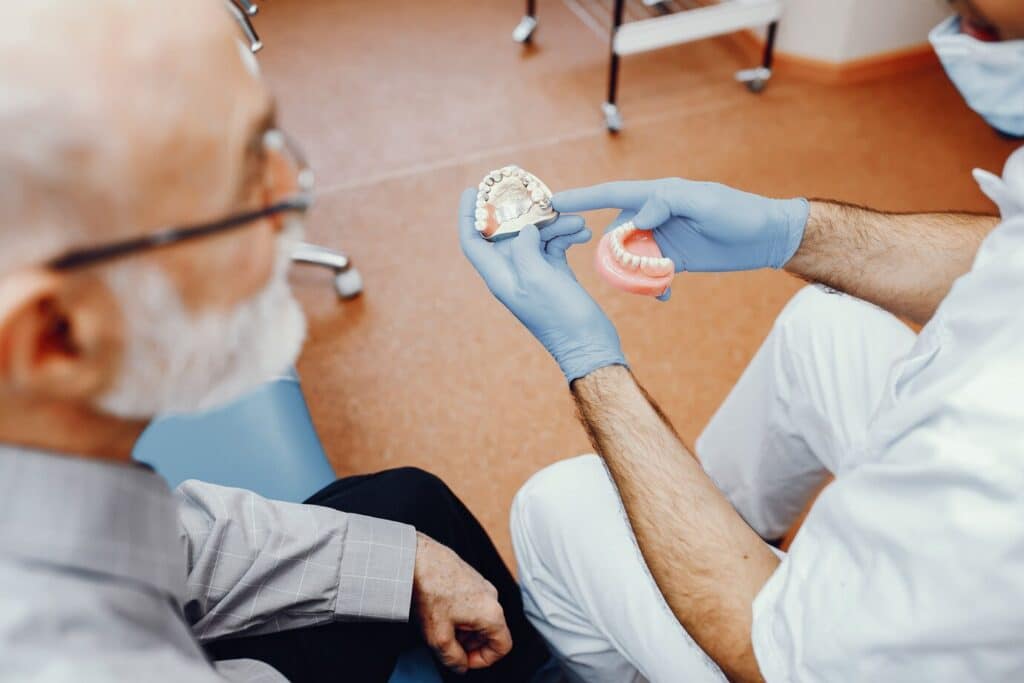
Denture-Related Issues
Helpful Daily Oral Care Checklist
| Concern | What to Watch For | Smart Next Step |
| Dry mouth | Sticky mouth, trouble swallowing | Increase hydration, ask the dentist |
| Bleeding gums | Redness or tenderness | Schedule cleaning |
| Denture pain | Slipping or sore spots | Denture adjustment |
| Tooth pain | Sharp sensitivity | Dental exam |
| Trouble eating | Avoiding meals | Oral health review |
This checklist can be helpful at home, in oral care in elderly nursing home settings, or within supportive senior living communities.
Wellness Support at Lakeview Senior Living
Daily comfort often begins with simple routines and the right environment. Lakeview Senior Living offers Assisted Living, Independent Living Cottages, and Compass Rose Memory Care, along with amenities such as the Live Your Way Wellness Program, scheduled transportation, concierge services, and 24-hour availability.
If you would like to explore a community that values wellness and everyday ease, you can schedule a tour, contact us, or call us at 541-994-7400 to learn more.
Reviewed by the Lakeview Senior Living team for wellness-focused educational guidance.

The Importance of a Balanced Diet
Frequently Asked Questions
What is the 3-3-3 rule for teeth?
The 3-3-3 rule can refer to brushing for about three minutes, three times daily, and replacing a toothbrush every three months. Different dental providers may explain it a little differently. The main idea is staying consistent with daily care. For older adults, a simple routine is often easier to maintain. Ask your dentist to recommend a brushing routine that fits your needs.
What is good oral hygiene for older adults?
Good oral hygiene for older adults means brushing twice daily, cleaning between teeth, staying hydrated, and keeping up with routine dental visits. Dentures should also be cleaned daily if worn. It also helps to watch for pain, sores, bad breath, or bleeding gums. These signs can point to a problem that needs attention. Consistent care supports comfort, nutrition, and confidence.
How often should a 70-year-old go to the dentist?
Most 70-year-olds should see a dentist about every six months. Some people need more frequent visits if they have dry mouth, gum disease, dentures, or ongoing dental concerns. Regular appointments make it easier to catch small problems before they become more uncomfortable. That matters even more when brushing or flossing has become harder. A dentist can recommend the best visit schedule for your needs.
What is the 2-2-2 rule for teeth?
The 2-2-2 rule usually means brushing twice a day for 2 minutes and visiting the dentist twice a year. It is a simple reminder of the basics of oral care. Many older adults find it useful because it is easy to remember. It does not replace personalized advice if you have dentures, gum issues, or tooth sensitivity. Your dentist may suggest a different routine based on your oral health.