

Step Into Westmont Living®

Discover Luxury Independent Senior Living Options

Exploring luxury independent senior living is more than choosing a place to live—it’s about finding a lifestyle that offers elegance, comfort, and community. Whether you’re downsizing or simply seeking a vibrant setting with refined amenities, luxury communities can elevate your retirement experience in a meaningful way.

From top-tier dining and fitness centers to beautifully designed residences and social programs, today’s luxury senior living options are designed to help you thrive. At places like Westmont of Pinole, residents enjoy the perfect blend of independence and personalized services. Learn more about this unique community by visiting Westmont of Pinole.

Types of Luxury Independent Senior Living

There’s a wide array of options when it comes to luxury independent senior living near you. These communities range from urban high-rises to resort-style campuses nestled in serene settings. Each offers high-end finishes, concierge services, and an emphasis on personal enrichment.

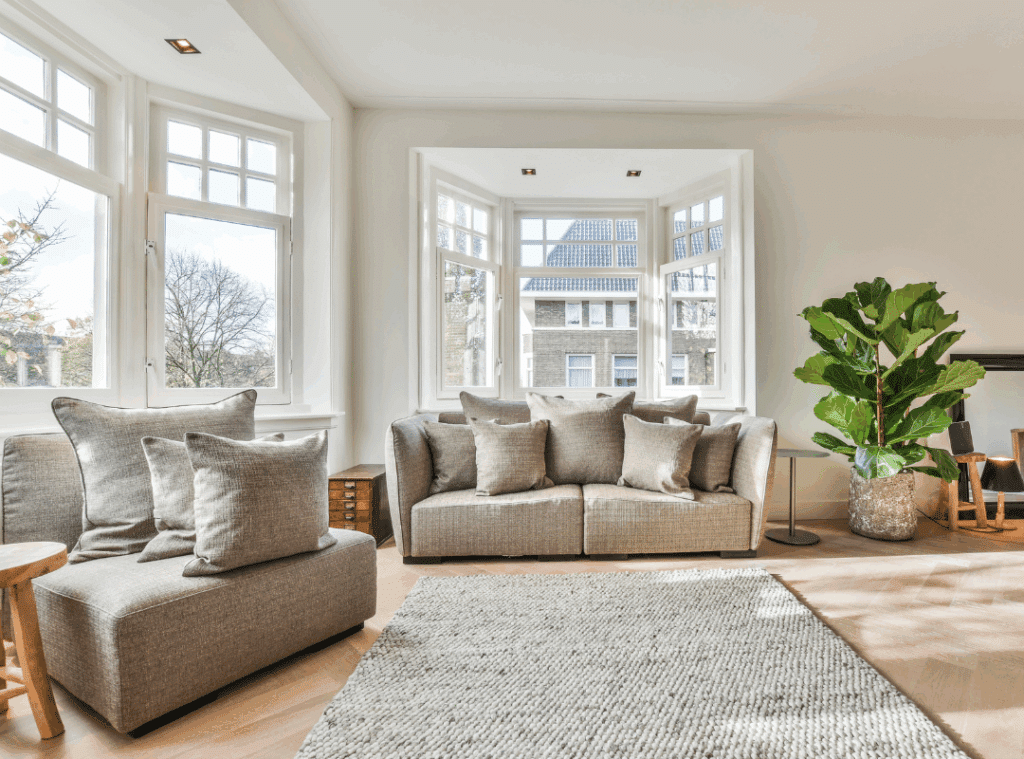
Modern luxury independent senior living floor plans include spacious one-bedroom and two-bedroom apartments, often featuring granite countertops, walk-in closets, stainless steel appliances, and in-unit laundry. These floor plans are designed with comfort, convenience, and elegance in mind.

One popular choice is Westmont of Culver City, which showcases a lifestyle full of warmth and engagement. The design and offerings at this community highlight the best of what luxury senior living has to offer.

Amenities and Services That Define Luxury

Luxury independent senior living is distinguished by its premium amenities, thoughtful services, and attention to detail. Everything is curated to make life easier, healthier, and more enjoyable.

Amenities Services
Rooftop lounges and game rooms Concierge and valet services
Spa and wellness centers 24-hour emergency response
Gourmet dining with chef-prepared meals Personalized wellness coaching
State-of-the-art fitness studios Weekly housekeeping and linen service

From fitness programs and art classes to tech lounges and pet-friendly accommodations, luxury communities are designed to engage your mind, body, and spirit. Westmont Living even offers luxury meets care services, blending comfort with top-quality support.

Understanding the Cost of Luxury Living

Knowing the luxury independent senior living cost is essential when making a decision. In many areas, monthly rates range from $4,000 to $10,000, with premium options exceeding $20,000 per month. These rates typically include meals, housekeeping, transportation, and access to all amenities.

Luxury independent senior living in Florida is particularly sought after, offering sunshine, tax benefits, and access to elite communities. Whether you choose a coastal retreat or a bustling city, the cost reflects the location, services, and floor plan size.

Be sure to explore all aspects of the financial commitment, including entry fees, care package costs, and add-on services. You can learn more about related financial topics in this article about assisted living in Oregon.

Vibrant Community and Social Life

A major benefit of luxury senior living is the vibrant community atmosphere it fosters. These communities offer a rich calendar of events, from wine tastings and film nights to educational lectures and yoga classes.

  • Daily Happy Hours: Connect with neighbors in a relaxed setting.
  • Volunteer Opportunities: Give back while staying active.
  • Cultural Outings: Explore museums, theaters, and local attractions.

Social life is central to well-being in retirement. Whether you’re an extrovert or enjoy more intimate gatherings, luxury independent senior living near you offers flexibility and inclusion. Westmont communities, for example, host engaging social activities that build lasting friendships.

Care Standards and Staff Excellence

One of the most vital elements of a luxury senior living experience is the caliber of its staff. From executive chefs and licensed nurses to personal trainers and activity coordinators, each team member plays a role in elevating resident life.

Qualifications and Retention

Top-tier communities invest heavily in staff development and retention. Look for communities that offer:

  • Low staff turnover
  • Ongoing training and certifications
  • Clear communication and compassionate care

When researching your options, be sure to ask about caregiver experience and how they’re prepared to meet your evolving needs.

Safety and Health Protocols

Health and safety are key priorities in luxury independent senior living. Reputable communities conduct regular safety drills, maintain high hygiene standards, and adhere to federal and local regulations. Explore more about how staff ensure care and compassion.

From emergency response systems to sanitized shared spaces, everything is in place to ensure peace of mind.


luxury independent senior living​


Choosing the Right Luxury Community

Finding your ideal luxury community takes time and thoughtful consideration. Here’s what to evaluate:

Atmosphere and Lifestyle

Do you feel at home when touring the community? Is the vibe active, relaxed, or a balance of both? The right luxury senior living atmosphere will offer a sense of belonging and purpose. Look for:

  • A full schedule of events and clubs
  • Resident involvement in decision-making
  • A warm and welcoming environment

Floor Plan Flexibility

The appeal of luxury independent senior living floor plans lies in their variety and customization. Whether you need a cozy suite or a multi-bedroom unit with a patio, there’s something for every taste.

Florida as a Destination

Considering luxury independent senior living in Florida? With its warm climate and high-quality communities, Florida remains a top destination for retirees. From Naples to Palm Beach, luxury properties abound with scenic views and proximity to medical facilities, golf courses, and cultural venues.

Explore this list of Florida’s top luxury senior communities for more ideas.

Begin Your Journey with Confidence

Finding the right luxury independent senior living community is a personal and rewarding journey. It’s about more than upscale amenities—it’s about choosing a place where you can flourish.

Take the time to tour multiple communities, ask about care standards, and review luxury independent senior living cost comparisons to find the best fit. Whether you’re drawn to the coastlines of Florida or staying local with luxury independent senior living near you, the right place will feel like home from day one.

To learn more about one of California’s premier options, contact Westmont of Pinole at 510-758-1122 or schedule a tour. Your luxury lifestyle is waiting.


What Level of Care Do You Need?

Discover the level of care you or your family member requires. 


Frequently Asked Questions

What is the average cost of senior independent living?

The average cost of senior independent living typically ranges from $2,000 to $4,000 per month, depending on location, amenities, and apartment size. Luxury communities or those in high-demand areas may cost significantly more. This fee generally includes rent, utilities, meals, housekeeping, and access to social activities. However, it usually does not include healthcare or personal care services.

What is the downside of 55+ communities?

One downside of 55+ communities is the limited age diversity, which may feel isolating for some residents. Rules and homeowners’ association (HOA) restrictions can also be strict, limiting things like extended visits from younger family members. In some communities, costs such as HOA fees or amenity charges can add up quickly. Additionally, these communities may lack on-site medical support or care services.

What is the difference between senior living and independent living?

Senior living is a broad term that includes independent living, assisted living, and memory care. Independent living is specifically designed for seniors who are active and self-sufficient but want the convenience of community living. It focuses on amenities, maintenance-free living, and social activities, without providing personal or medical care. Senior living options can offer varying levels of support, depending on the individual’s needs.


What to Love About Pinole Senior Living?

Choosing the right community for your loved ones is one of the most important decisions a family can make. Pinole Senior Living offers a balanced combination of affordability, comfort, and a vibrant lifestyle tailored for older adults. Whether you’re exploring senior living for yourself or someone you care about, Westmont of Pinole provides a safe, connected environment that encourages well-being and personal growth.

From flexible Pinole senior living floor plans to engaging activities and essential nearby amenities, residents experience a high quality of life rooted in community, care, and companionship. With glowing Pinole senior living reviews and a commitment to enriching lives, it’s easy to see why so many families choose Westmont of Pinole as their home.

Visit our website at Westmont of Pinole for more information.

Affordable Housing Options for Seniors

Affordability is key when exploring senior living, and Pinole senior living communities understand the importance of quality care without financial strain. Whether you’re seeking a studio or a spacious two-bedroom unit, flexible Pinole senior living floor plans are available to meet varying preferences and budgets. Many communities, including Westmont of Pinole, accept Section 8 and offer financial guidance for families navigating the transition.

Residents benefit from more than just cost-effective housing. With services designed to promote wellness, independence, and socialization, these communities deliver real value. Understanding financial assistance programs can also ease your journey into senior living. These programs may cover move-in fees, monthly rent, or health-related services.

In short, affordable living doesn’t mean sacrificing quality. In fact, many Pinole senior living options combine budget-friendly solutions with amenities that elevate everyday life.

A Welcoming Community Atmosphere

One of the standout features of Westmont of Pinole is its deeply welcoming environment. Seniors can enjoy a warm sense of belonging as they integrate into a community built on friendship and mutual respect. The importance of community bonding cannot be overstated—residents frequently express their appreciation through heartfelt Pinole senior living reviews, often citing the close-knit environment as a top benefit.

Community rooms, walking trails, and daily social activities offer frequent chances to engage and build connections. These everyday experiences are designed to bring joy and meaningful interaction, especially important for seniors who may feel isolated.

Discover more about the role of positive social dynamics in building an inclusive and joyful atmosphere for everyone.

Proximity to Essential Amenities

What sets Pinole Senior Living apart is the convenience of local resources. Senior residents have easy access to nearby amenities such as grocery stores, pharmacies, restaurants, and hospitals. Just minutes from the community, the Pinole Senior Center provides activities, support services, and opportunities for social engagement.

This close proximity supports an active, independent lifestyle. Residents can manage their errands without stress, take part in enriching programs, and enjoy a strong connection to their local neighborhood. For family members, knowing that everything a senior might need is nearby offers peace of mind.

Plus, Westmont of Pinole includes personalized support services to assist residents in navigating medical appointments or daily errands when needed. This support ensures safety while still honoring each person’s independence.

Engaging Activities and Events

Keeping life fun and active is central to the Pinole senior living experience. From fitness classes to cultural outings, residents can choose from a range of scheduled events tailored to their interests. These options aren’t just for fun—they help promote physical health, cognitive engagement, and emotional well-being.

Activities offered at Westmont of Pinole include:

  • Group fitness programs for seniors of all mobility levels
  • Creative arts and crafts to encourage self-expression
  • Themed community socials that bring people together
  • Volunteer opportunities for those who want to stay active in service

These events provide not only entertainment but also a sense of purpose. Social involvement helps prevent loneliness and strengthens community ties. According to this article, staying active and engaged in later years has a direct impact on mental and emotional health.

Scenic Surroundings and Accessibility

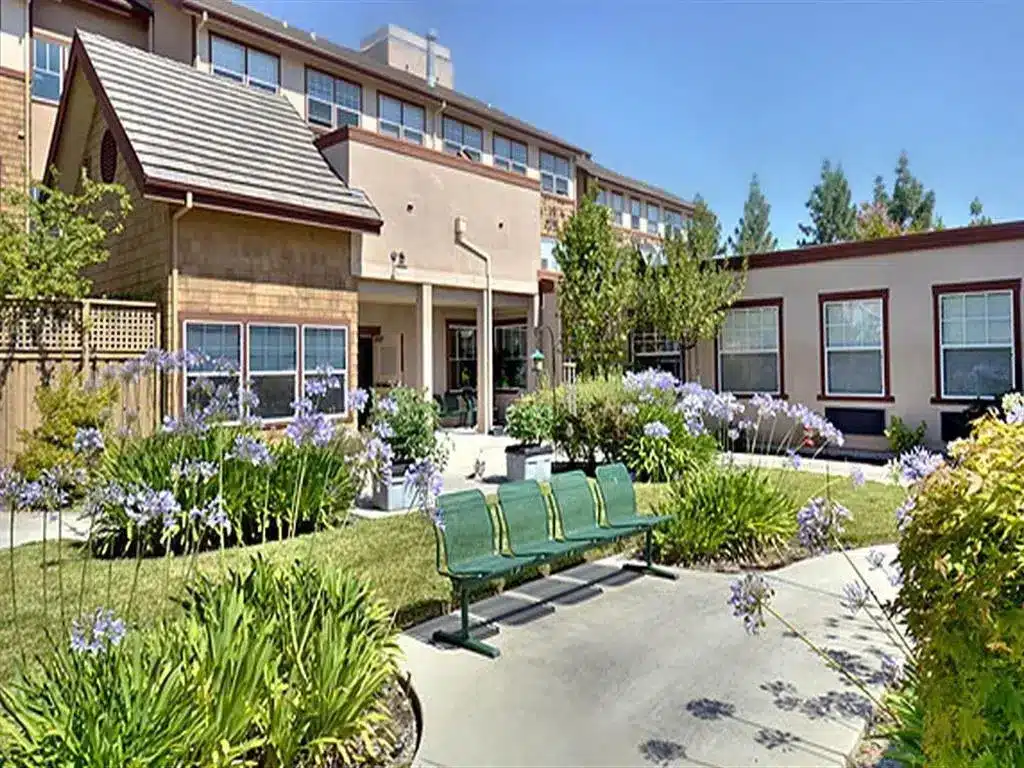
Set in a beautiful part of the Bay Area, Pinole senior living communities are known for their serene settings. Residents enjoy relaxing walks, lush landscaping, and beautiful views that provide calm and a connection to nature. Whether you’re enjoying a quiet morning in the courtyard or taking a stroll by the water, the scenic beauty enhances daily life.

Accessibility also plays a major role in resident satisfaction. Westmont of Pinole provides convenient transportation services, making it easy to get to medical appointments, stores, or entertainment venues. This accessibility ensures that seniors can enjoy their independence while knowing support is just a call away.

Outdoor settings are not only peaceful—they’re proven to promote better emotional well-being, increase mobility, and lower stress. These are crucial elements of a happy retirement.

Supportive Services and Management

Behind every great senior community is a dedicated team. At Westmont of Pinole, the staff goes above and beyond to create a caring, personalized experience. Whether residents need help with daily activities or simply want someone to talk to, support is always available.

Supportive services include:

  • Customized care plans based on individual needs
  • Health and wellness monitoring
  • Regular family updates and open communication
  • Access to wellness and dining programs

These thoughtful services help residents thrive both emotionally and physically. Having trusted professionals close by allows seniors to relax and truly enjoy retirement. It’s no surprise that many Pinole senior living reviews praise the staff’s warmth, professionalism, and attentiveness.


pinole senior living


Why Families Choose Westmont of Pinole

With its strong reputation and enriching environment, it’s clear why Westmont of Pinole remains a top choice for families seeking compassionate care and meaningful living for their loved ones. From the flexible Pinole senior living floor plans to its scenic surroundings and professional staff, the community checks every box.

Online Pinole senior living reviews consistently reflect positive experiences, from outstanding care to memorable social events. Residents and families alike note how the team makes them feel at home, valued, and supported.

To read more reviews or explore current availability, visit the Westmont of Pinole website. For insights on move-in expectations and service pricing, this guide on finances and move-in costs is a helpful resource.

A Life of Comfort, Care, and Connection Awaits

Pinole Senior Living at Westmont of Pinole offers more than just a place to live—it provides a vibrant community where seniors can flourish. With flexible Pinole senior living floor plans, scenic surroundings, and rave Pinole senior living reviews, families can trust that their loved ones are in excellent hands. Every detail, from supportive services to engaging events, is thoughtfully designed to ensure a fulfilling lifestyle.

Whether you’re planning ahead or looking for immediate options, consider touring Westmont of Pinole to experience the warmth and quality of the community firsthand. Call 510-758-1122 or schedule a tour today to begin your journey toward comfort, care, and connection.


Compare The Costs of Senior Living vs Staying at Home

How Do The Costs Of Moving Into A Quality Senior Care Community Compare With The Costs Of Staying At Home?


Frequently Asked Questions

What is the cheapest way for a senior to live?

The cheapest way for a senior to live often involves low-income senior housing, shared housing, or subsidized government programs like HUD-assisted housing. Many seniors also save money by downsizing or moving to 55+ affordable communities. Local senior service agencies may also offer guidance on budget-friendly living options.

Does Medicare cover senior living?

Medicare does not cover the cost of senior living communities like independent or assisted living. However, it may cover some medical services within those settings, such as doctor visits, hospital stays, or short-term rehabilitation. Long-term custodial care and housing expenses are not included under Medicare.

Who qualifies for low-income senior housing in California?

To qualify for low-income senior housing in California, applicants typically need to be at least 62 years old and meet income limits set by HUD or state programs. Income thresholds are based on area median income (AMI), and applicants must usually earn below 50%–60% of AMI. Proof of age, income, and residency may be required.

What is the average cost of senior independent living?

The average cost of senior independent living in the U.S. ranges from $2,000 to $4,000 per month, depending on location, amenities, and services provided. Luxury communities may cost more, while affordable housing options can bring the cost down. This fee usually includes rent, utilities, basic maintenance, and community activities.


Discover the Role of Music Therapy in Assisted Living

At Westmont of Pinole, music therapy is more than a program—it’s a transformative journey that empowers residents to connect emotionally, cognitively, and socially. Music has long been recognized as a powerful therapeutic tool, and its impact in assisted living environments is even more profound. Through singing, instrument playing, rhythmic movement, and personalized playlists, seniors experience renewed energy, reduced stress, and stronger connections to both memories and community.

This article explores the many dimensions of music therapy, highlighting its role in enhancing physical health, stimulating brain function, and fostering emotional expression. Whether you’re considering a career in music therapy positions or looking to understand how your loved ones can benefit, this comprehensive guide will walk you through the incredible potential of integrating music into daily care. Learn how music therapy activities are tailored at Westmont of Pinole to support every resident’s unique needs and preferences.

Visit Westmont of Pinole’s website to learn more about our services and programs.

What Is Music Therapy and Why Does It Matter

Music therapy is a clinical and evidence-based practice that uses music interventions to accomplish individualized goals. These goals often span across emotional healing, social connection, and cognitive enhancement. At its core, music therapy benefits include promoting relaxation, improving mood, and enhancing memory retention.

Residents at Westmont of Pinole engage in tailored musical interventions facilitated by licensed therapists. Techniques can include guided imagery, improvisation, songwriting, and listening exercises. The focus is not just on musical enjoyment but on healing and wellness. With a strong emphasis on types of music therapy like cognitive-behavioral and neurologic music therapy, every session becomes a step toward better living.

Explore how personalized music therapy enhances memory recall and emotional bonding among seniors.

Personalized Music Therapy at Westmont of Pinole

At Westmont of Pinole, every resident receives a unique, personalized music therapy plan. Therapists assess individual preferences, cultural backgrounds, and emotional states to craft sessions that feel both comforting and engaging. From gentle drumming circles to vocal improvisation, these experiences resonate on a deeply personal level.

The team also leverages research-backed approaches such as the seven types of music therapy, including receptive, active, analytical, and community-based models. This allows therapists to create interventions that align perfectly with a resident’s emotional and cognitive goals. Group singing, instrument playing, and movement-based exercises are just a few examples of the therapeutic modalities used.

Discover more in our article on how music enhances memory care and emotional health for seniors.

Strengthening Brain Function Through Music

One of the most exciting aspects of music therapy is its ability to stimulate the brain. Seniors participating in rhythmic exercises and memory-based musical tasks often show improved attention spans, verbal fluency, and problem-solving skills.

How Music Activates the Brain

Music activates multiple brain regions simultaneously, engaging areas responsible for language, emotion, and memory. When participating in music therapy activities, seniors stimulate their brains in ways that encourage neural plasticity—essentially helping the brain to adapt and grow. These activities include call-and-response songs, melody-based games, and collaborative composition sessions.

Explore the science behind how music influences brain activity in older adults.

Music and Memory Recall

Memory recall improves through the use of familiar tunes that trigger past experiences. For example, residents who struggle to remember daily events can often sing along to old songs word-for-word. Using customized playlists, Westmont of Pinole helps residents build connections between past and present, a core benefit of music therapy.

Choosing the right songs plays a critical role in maximizing this effect.


The Healing Harmony

Emotional Expression and Healing

Emotionally, music therapy serves as a gateway to inner healing. Seniors often face feelings of isolation, anxiety, and depression. Music helps break through those emotional barriers by creating a safe space for expression.

Releasing Emotions Through Music

Songs with lyrical depth or sentimental meaning can prompt tears, laughter, or deep reflection—each of which is an important step toward emotional healing. Residents are encouraged to sing, play instruments, or simply listen and reflect. These emotional releases reduce stress hormones and foster a sense of peace and resilience.

Creating a Safe Space for Expression

Music therapy activities also encourage verbal and non-verbal self-expression. This can be especially important for individuals with dementia or other communication challenges. Using rhythm and melody, therapists help residents express feelings that might otherwise go unspoken.

Physical Wellness Through Rhythmic Movement

Music isn’t just good for the mind—it’s great for the body too. At Westmont of Pinole, many music therapy sessions integrate light movement to improve coordination, flexibility, and endurance.

Activities like drumming, chair dancing, or tambourine tapping improve circulation and motor skills. Seniors are more motivated to move when music is involved, making physical activity more enjoyable and sustainable. Over time, this contributes to reduced risk of falls and better overall health outcomes.

Building Social Bonds Through Group Sessions

One of the lesser-known music therapy benefits is its role in fostering meaningful relationships. Group sessions at Westmont of Pinole are designed to encourage teamwork, storytelling, and shared laughter.

When residents join together in a music circle or chorus, they form bonds that go beyond words. These experiences break down social isolation and encourage residents to form supportive friendships.

Family involvement is also encouraged. Intergenerational sessions enable residents to share their musical preferences and talents with children and grandchildren, creating lasting memories.

Exploring Music Therapy Careers

If this therapeutic approach inspires you, there are many music therapy positions available in senior living communities. A career in music therapy requires certification, clinical training, and a passion for helping others. Roles vary from activity coordinators with musical backgrounds to board-certified music therapists leading clinical interventions.

To learn more about these opportunities, visit the American Music Therapy Association and explore job listings, education requirements, and professional development resources.

The Future of Music Therapy in Senior Living

The future of music therapy looks bright with innovations in virtual sessions, artificial intelligence-generated playlists, and wearable rhythm technology. Westmont of Pinole stays ahead of the curve by incorporating digital tools that personalize music experiences even further.

Through partnerships with community musicians, telehealth therapists, and local arts organizations, the community is continually expanding its types of music therapy to ensure residents receive the most up-to-date and effective care.

Let the Healing Begin: Embrace the Sound of Wellness

The evidence is clear: music therapy holds remarkable promise in the realm of assisted living. From enhanced brain function and emotional expression to stronger physical health and social engagement, its benefits touch every aspect of senior wellness.

At Westmont of Pinole, we don’t just use music—we live it. And with more than 90% of residents reporting improved mood after music sessions, the results speak for themselves.

Call us today at 510-758-1122 or schedule a tour to experience how music therapy can bring harmony, joy, and healing into your life or the life of your loved one.


What Level of Care Do You Need?

Discover the level of care you or your family member requires. 


Frequently Asked Questions

How does music therapy work?

Music therapy works by using musical activities—such as listening, singing, playing instruments, or songwriting—to achieve therapeutic goals. A licensed music therapist tailors the experience to the individual’s emotional, cognitive, or physical needs. It helps patients express themselves, reduce anxiety, and improve communication. The process encourages healing by tapping into the brain’s natural response to rhythm and melody.

What are the 4 types of music therapy?

The four main types of music therapy are receptive, active, improvisational, and songwriting. Receptive therapy involves listening to music to relax or reflect. Active therapy includes playing instruments or singing along. Improvisational therapy encourages the spontaneous creation of music, while songwriting allows individuals to express personal thoughts and emotions through lyrics and melody.

What is the meaning of music therapy?

Music therapy is a clinical and evidence-based use of music interventions to accomplish individualized goals within a therapeutic relationship. A trained music therapist conducts it and supports mental, emotional, and physical health. The therapy can help manage stress, improve memory, enhance communication, and promote overall well-being. It’s widely used in hospitals, senior care, schools, and rehabilitation settings.

How does music help mental health?

Music positively impacts mental health by reducing stress hormones and promoting relaxation. It can elevate mood, provide emotional release, and help manage symptoms of anxiety and depression. Music also fosters connection, self-expression, and cognitive stimulation. For many, it serves as a safe and enjoyable way to cope with difficult emotions.


How to Enhance Social Wellness in Senior Living

Social wellness plays a vital role in maintaining a high quality of life, especially in senior living communities. At Westmont of Pinole, residents find countless opportunities to grow, connect, and thrive socially in a supportive and enriching environment.

Building and sustaining relationships boosts emotional health, cognitive functioning, and even longevity. If you’re wondering why social wellness is important, the answer lies in its power to reduce loneliness, promote mental clarity, and enhance life satisfaction. In this guide, you’ll discover how to cultivate meaningful connections and stay engaged every day.

Building Connections and Overcoming Barriers

Adjusting to a new senior living environment can be overwhelming, but focusing on how to improve social health helps ease the transition. Start with small actions—greet your neighbors, attend a coffee meet-up, or join a group walk. These steps not only ease anxiety but strengthen your sense of belonging.

Many new residents wonder which factors are aspects of social health, and the answer is consistent communication, emotional support, and participation in group activities. Breaking down internal barriers like shyness or fear of rejection opens the door to genuine friendships. Engaging with others significantly enhances social wellness, which, in turn, uplifts your mental and emotional well-being. For additional inspiration, check out the benefits of independent living communities for seniors.

Identifying Common Interests and Joining Community Activities

Shared interests are the gateway to meaningful relationships. Whether it’s a book club or gardening group, finding others who enjoy the same hobbies is one of the best ways to improve social health. Participating in activities tailored to your interests makes it easier to bond with others and keep loneliness at bay.

Social interactions also contribute to mental stimulation and emotional resilience. According to research from the National Institute on Aging, engaging in hobbies and group events can significantly boost mood and reduce the risk of cognitive decline.

Shared Interests Spark Friendships

Hobbies such as arts and crafts, cooking, or music aren’t just pastimes—they’re tools for connection. These shared passions are examples of social health in action, showing how emotional well-being and personal relationships are intertwined. When you share your hobbies, you’re also sharing your personality, making it easier for others to relate.

Consider joining a local creative writing group or volunteering to organize an event. Each activity becomes a channel for self-expression and relationship-building. Engaging in indoor games for adults can also provide fun, conversation, and a mental boost.

Group Activities Foster Connections

Group participation is one of the most effective ways to improve social health. Activities like group fitness classes, trivia nights, and community outings encourage teamwork and communication.

Here are three strategies that enhance social wellness:

  • Join creative workshops like painting or floral design.
  • Attend music nights or talent shows where residents can showcase their skills.
  • Volunteer for leadership roles in resident committees or event planning.

These settings foster a sense of purpose and mutual support, important factors of social health that contribute to long-term happiness.

Engaging Hobbies Enhance Interaction

Exploring hobbies that spark joy also builds relationships. Painting, gardening, or reading may seem solitary, but they often lead to spontaneous conversations and new friendships. Shared activities represent powerful examples of social health, illustrating how community connections naturally grow from shared experiences.

Interactive workshops, book clubs, and group projects offer opportunities for engaging in deeper dialogue. Participating in social activities transforms hobbies into fulfilling social experiences.

Staying Active and Engaged

Maintaining an active lifestyle supports both physical and social wellness. At Westmont of Pinole, residents are encouraged to stay moving and engaged. Attending group workouts, cooking classes, or music therapy sessions provides healthy outlets for connection.

Here are three engaging options:

  • Arts and crafts clubs to channel creativity
  • Walking groups to enjoy nature and chat
  • Cultural movie nights to inspire conversation

These activities exemplify how to improve social health through consistent participation and shared goals.

Volunteering Opportunities

Volunteering is a meaningful way to connect with your community. It enhances your sense of purpose, encourages collaboration, and strengthens emotional bonds—key indicators of why social wellness is important.

Residents can organize donation drives, assist with reading programs, or help plan events. These volunteer opportunities not only benefit the community but also offer genuine examples of social health in practice. They build self-esteem and deepen relationships while giving back.


Identifying Common Interests

Embracing Community Events

Senior living communities are full of life and celebration. From holiday parties to educational sessions, every event offers a platform to interact and build friendships. Attending community gatherings is a great way to improve social health—it exposes you to diverse people, new experiences, and opportunities to connect.

Themed Parties and Celebrations

Themed events are fun, low-pressure ways to spark conversation. They create a sense of unity and allow residents to celebrate shared traditions or discover new ones together.

Popular celebrations include:

  • Holiday parties with music and food
  • Cultural nights with themed decorations
  • Trivia competitions and friendly games

These events demonstrate why social wellness is important—they create joy, belonging, and unforgettable memories.

Educational Seminars and Workshops

Educational sessions offer a chance to learn while bonding with fellow residents. Whether you’re exploring new tech skills or wellness strategies, these sessions encourage collaborative learning, a strong factor in social health.

Some popular seminar topics:

  • Digital literacy for seniors
  • Nutrition and brain health
  • Creative writing and journaling

Engaging in lifelong learning helps you feel accomplished while supporting social connection.

Outdoor Social Activities

Fresh air and friendly conversation go hand in hand. Outdoor events, such as garden walks, BBQs, or bocce ball tournaments, naturally bring people together.

Try these outdoor ideas:

  • Picnics in the courtyard
  • Nature photography clubs
  • Seasonal gardening projects

Each outing adds vitality to your day and enhances your social wellness by encouraging positive interaction in relaxed environments.

Practicing Self-Care and Managing Fears and Anxieties

Sometimes social interaction can feel intimidating, especially after major life changes. Prioritizing self-care can help ease anxiety and build confidence.

Here are simple steps:

  • Practice mindfulness to stay grounded.
  • Eat balanced meals to support mental clarity.
  • Set small social goals, like greeting someone new each day.

These habits are practical ways to improve social health and remind you that personal wellness is deeply connected to your relationships.

Creative Pursuits and Hobbies

Coping With Challenges and Final Thoughts

Challenges like hearing loss, mobility limitations, or social anxiety can make connections difficult. But with a supportive community, these barriers become manageable.

Consider:

  • Using assistive devices to stay involved
  • Reaching out to activity coordinators for one-on-one support
  • Starting with low-stress activities like small discussion groups

With consistency, each connection strengthens your social confidence and deepens your experience of social wellness.

Build Friendships, Enrich Your Life

Your journey to better social wellness starts with a single step. Whether you’re attending an art class, joining a gardening club, or sharing lunch with a neighbor, you’re investing in your happiness and vitality. Social interaction isn’t just enjoyable—it’s essential. It shows us why social wellness is important, how to be our best selves, and how to build a life rich in connection.

Explore Westmont of Pinole’s welcoming environment and discover firsthand the benefits of an active, social lifestyle. To learn more or schedule a visit, please call 510-758-1122 or visit Schedule a Tour.


Compare The Costs of Senior Living vs Staying at Home

How Do The Costs Of Moving Into A Quality Senior Care Community Compare With The Costs Of Staying At Home?


Frequently Asked Questions

What is the meaning of social wellness?

Social wellness refers to the ability to build and maintain healthy relationships with others. It involves effective communication, mutual respect, and active participation in social activities. A strong sense of social wellness contributes to emotional balance and overall mental health. It’s about feeling connected and supported in your community or social circle.

What is social well-being?

Social well-being is a broader concept that includes the quality of relationships and a sense of belonging within a community. It focuses on how individuals interact with others and how those connections affect their quality of life. A person with strong social well-being typically experiences less stress and greater satisfaction in life. It also supports mental and physical health.

How do I improve my social wellness?

To improve social wellness, try engaging in community events, joining clubs, or reconnecting with friends and family. Practicing active listening and showing empathy in conversations can also strengthen relationships. Volunteering or offering support to others is another great way to build meaningful connections. The key is consistent, positive social interaction.

What is an example of a social wellness goal?

An example of a social wellness goal might be committing to call or meet a friend or family member once a week. Another could be joining a local hobby group to meet new people and expand your social network. These goals help create a routine for social interaction. Setting simple, achievable goals encourages lasting connections and personal growth.


Understanding the Average Cost of Memory Care Services

Caring for a loved one with Alzheimer’s or dementia comes with emotional and financial decisions, particularly when choosing the right care environment. The average cost of memory care is a vital factor for families navigating this transition. Whether comparing providers or exploring payment options, it’s essential to understand what’s included in the cost and how it varies across regions.

At Westmont of Pinole in Pinole, CA, the average cost of memory care is around $6,935 per month. But depending on services, location, and individual needs, costs can range from over $4,000 to more than $11,000 monthly. Understanding the financial implications and planning accordingly can help your loved one receive the care they need while preserving peace of mind.

What Influences Memory Care Pricing?

Several elements determine memory care prices, including care level, location, amenities, and staffing. Families often ask about the monthly memory care facility cost and why it can differ even among facilities in the same area.

Core Factors That Shape Memory Care Pricing

When selecting a community, it’s important to assess:

  • Location. Urban areas, especially in California, tend to have higher memory care prices due to demand and local cost of living.
  • Care Needs. Residents needing more intensive support, such as advanced Alzheimer’s care, often incur higher costs.
  • Amenities and Safety. Communities offering features like secured gardens, 24/7 staff, and life-enrichment programs may charge more.
  • Staff Ratios. Personalized care typically requires higher staff-to-resident ratios, impacting the overall price.

Learn more about levels of care in senior living to see how these variables influence cost.

Regional Pricing Examples and Pinole, CA Comparison

The cost of memory care facilities near Pinole, CA, reflects the Bay Area’s overall high cost of living. While Westmont of Pinole averages around $6,935 monthly, facilities in neighboring cities like San Francisco or Oakland may exceed $10,000, depending on services provided.

To help families evaluate options, here’s a regional comparison:

Region Median Monthly Cost Cost Range
Bay Area (CA) $7,500 $5,000 – $11,000
Midwest $5,200 $4,000 – $8,000
Southeast $4,500 $3,000 – $6,500

For more on cost breakdowns, view the cost considerations in memory care facilities.

Services and Amenities Included

The cost of memory care often includes essential services and enriching amenities that support cognitive health, safety, and comfort.

Services Amenities
24/7 trained staff Secured outdoor walking paths
Assistance with ADLs Common rooms for socializing
Daily meals and snacks Enrichment programs
Cognitive support therapies Transportation for appointments

These services contribute to the memory care facility cost per month, ensuring residents receive comprehensive, person-centered care.

To learn how amenities affect cost and quality of life, check out the unique features of memory care.

Cost of Alzheimer’s Care Facilities

The cost of Alzheimer’s care facilities typically exceeds that of general assisted living due to the specialized care required. Memory care staff receive advanced training in handling behaviors associated with dementia, and communities often have safety protocols tailored for wandering prevention and cognitive decline.

Families comparing Alzheimer’s care costs to general senior housing may notice a 20-30% increase. For instance, a standard assisted living unit might cost $5,000/month, while a comparable memory care apartment could exceed $6,500, depending on location and care level.

For a national perspective, this Alzheimer’s Association fact sheet provides updated data on caregiving and cost trends.

Who Pays for Dementia Care?

Understanding who pays for dementia care is a critical step in financial planning. Here are the primary funding sources:

  1. Private Pay. Many families use personal savings, retirement funds, or home equity to cover costs.
  2. Long-Term Care Insurance. If available, policies may cover part of the monthly memory care facility cost.
  3. Veterans Benefits. Aid & Attendance benefits can assist qualified veterans and spouses with memory care expenses.
  4. Medicaid Waivers. In some states, Medicaid may partially cover memory care. California offers limited support under specific programs.

Still wondering who pays for dementia care when resources run thin? Some nonprofits and local agencies offer grants or financial assistance for eligible families. Eldercare Locator is a great starting point.


average cost of memory care


Financial Planning Strategies

As the average cost of memory care rises annually, it’s essential to plan wisely. Here are some strategies to consider:

  • Evaluate Total Costs. Factor in all monthly expenses, including ancillary services and medication.
  • Use a Financial Advisor. A professional can help navigate insurance and investment options.
  • Explore Shared Accommodations. Opting for shared rooms can reduce the memory care prices significantly.
  • Inquire About Move-In Specials. Some communities offer limited-time pricing or waived fees.

We recommend checking this resource on how to pay for senior care for deeper insight into funding options.

Tax Considerations

Memory care costs may qualify as deductible medical expenses under IRS guidelines if a doctor certifies that the resident requires substantial supervision due to cognitive impairment.

Tips to maximize tax relief:

  • Keep organized receipts of all related expenses.
  • Consult a tax advisor to evaluate eligibility.
  • Consider the implications of paying with pre-tax health savings account (HSA) funds.

Being informed about tax benefits can help offset the cost of Alzheimer’s care facilities and ensure long-term sustainability.

Touring and Choosing a Facility

When comparing memory care prices, consider both the emotional and financial impact. Tour multiple facilities, compare care models, ask about staff training, and read reviews. At Westmont of Pinole, you can expect a personalized experience that blends quality with compassionate care.

You can learn more about the assisted living cost factors as part of your decision-making process.

Your Next Step Toward Compassionate Care

Choosing memory care for your loved one is one of your most important decisions. By understanding the average cost of memory care, evaluating the cost of memory care facilities near Pinole, CA, and factoring in the cost of Alzheimer’s care facilities, you can confidently plan for a future filled with dignity, support, and peace of mind.

At Westmont of Pinole, we offer tailored memory care services in a secure, nurturing environment. Whether you’re asking who pays for dementia care or exploring how memory care prices fit into your family’s plan, our team is here to help you every step of the way.

To schedule a tour or ask questions, please call 510-758-1122 or click here. Let us help you find clarity, comfort, and the best path forward.


Compare The Costs of Senior Living vs Staying at Home

How Do The Costs Of Moving Into A Quality Senior Care Community Compare With The Costs Of Staying At Home?


Frequently Asked Questions

What is the monthly cost of caring for a patient with dementia?

The monthly cost of dementia care can vary widely based on location and level of care, but on average, it ranges from $4,000 to $7,000. Memory care communities, which specialize in dementia support, often charge more due to enhanced staffing and safety features. Additional costs may apply for medical care, therapies, or personal needs. Families should also consider long-term financial planning when budgeting for care.

Which is more expensive, assisted living or memory care?

Memory care is typically more expensive than assisted living. This is due to the specialized training staff receive, the higher caregiver-to-resident ratio, and added security features designed to support those with cognitive impairments. On average, memory care costs about 20–30% more than standard assisted living. The added cost reflects the higher level of supervision and care required.

What is the average time spent in memory care?

Most individuals remain in memory care for about 2 to 3 years, though this can vary greatly depending on health progression and individual needs. Some residents may need care for a shorter period, while others may stay longer as their condition advances. The duration often depends on how early they enter care and the stage of dementia. Personalized care plans can help extend quality of life during this time.

Is dementia treatment expensive?

Yes, dementia treatment can be expensive, especially over the long term. Costs can include medical visits, prescription medications, cognitive therapies, and specialized residential care. Many families also face indirect costs such as lost income or home modifications. Insurance and financial assistance programs can help offset some of these expenses.

What is the difference between memory care and dementia care?

Memory care is a type of long-term residential service specifically designed for individuals with dementia, offering 24/7 supervision, structured routines, and secured environments. Dementia care is a broader term that includes any support provided to someone with dementia, whether at home, in hospitals, or in assisted living. While memory care is a setting, dementia care refers more to the services and support strategies. Both aim to enhance safety and quality of life for those with memory loss.


Senior Living with Meals for Daily Convenience

Enjoy Comfort and Care in Senior Living With Meals

When considering the next chapter of your life or a loved one’s, choosing a senior living with meals plan can be transformative. At Westmont of Pinole in Pinole, CA, this thoughtful approach to daily living goes beyond nutrition – it builds community, enhances emotional wellness, and promotes independence.

Whether you’re exploring independent and assisted living or looking for independent assisted living facilities with meal services included, one thing remains clear: food plays a decisive role in senior wellness. With specially designed menus and social dining settings, senior living with facility meals included ensures comfort, connection, and quality of life.

Nutritional Needs of Seniors

As we age, our bodies face new challenges that impact how we absorb nutrients and maintain energy. At Westmont of Pinole, dietary planning is tailored to meet those evolving needs. Many seniors deal with health conditions, medications, or reduced appetite, which makes strategic meal planning essential.

Meals rich in whole grains, fruits, lean proteins, and healthy fats support energy levels and help prevent chronic illness. Each resident’s needs are considered to ensure a senior living with meals program that promotes physical and emotional wellness. Personalized meal planning is a cornerstone of these services, and key nutrients for seniors can help enhance health outcomes and support longevity.

Residents in independent assisted living communities also appreciate the convenience of meals that match their lifestyle, offering both nutritional value and flexibility without the need to cook.

Importance of Social Dining Experiences

Eating well isn’t only about food. At Westmont of Pinole, mealtime is a community event. Dining areas are designed to foster togetherness, which is vital in independent and assisted living environments.

Engaging in shared meals helps reduce isolation and encourages residents to build friendships. In fact, the heart of social interaction in assisted living is often the dining table itself. Here’s how communal meals enhance the living experience:

Benefits Examples Outcomes
Community Building Shared meals Stronger relationships
Emotional Support Group activities Reduced isolation
Joyful Atmosphere Themed dining events Increased happiness
Engagement Opportunities Cooking classes Social and cognitive stimulation

Choosing independent assisted living facilities that prioritize shared dining supports both emotional and mental health.

Enhancing Emotional Well-Being Through Meals

The emotional impact of food is often overlooked, yet it’s deeply tied to comfort, memory, and self-worth. Sharing a meal, especially one that feels familiar or indulgent, can lift spirits and offer emotional nourishment.

At Westmont of Pinole, dining services focus on:

  1. Comfort foods that bring a sense of home and security.
  2. Nostalgic recipes that evoke happy memories and family traditions.
  3. Thoughtful presentation to boost self-esteem and mealtime enjoyment.
  4. Social mealtimes that foster interaction and joy.

A supportive dining atmosphere also helps residents feel valued and respected. Learn more about how a supportive dining environment contributes to happiness and community bonding.

Dining Services Tailored for Senior Residents

Unlike traditional meal programs, senior living facilities with facility meals ensure that every plate is intentional. Dining services at Westmont of Pinole are not just about food—they’re about experience. Resident feedback helps shape menus, and attention is given to flavor, texture, and personal preference.

Menus are built around wellness and satisfaction. Residents enjoy chef-prepared meals and have access to both formal sit-down options and grab-and-go convenience. From dietary restrictions to favorite dishes, every detail is covered. Menus for assisted living facilities should be exciting, not repetitive, and Westmont makes that possible.

This kind of customization is a hallmark of modern independent assisted living, where nutrition and pleasure are paramount.

Engaging Community Through Culinary Activities

Incorporating activities related to food helps make dining fun and interactive. At Westmont of Pinole, residents aren’t just eating—they’re engaging. These experiences transform food into a gateway for creativity, connection, and lifelong learning.

Popular programs include:

  • Culinary Workshops. Explore international cuisine or learn how to make new dishes.
  • Recipe Sharing. Residents swap beloved family recipes and stories.
  • Themed Dining Events. Celebrate holidays and cultures with curated menus.
  • Gardening & Farm-to-Table. Residents grow herbs and vegetables for use in daily meals.

Studies show that outdoor engagement tied to gardening and food preparation can reduce stress and promote mental well-being. These culinary activities build friendships and strengthen the overall community feel in independent assisted living facilities.


senior living with meals


Why Meal Inclusion Matters in Senior Living

Choosing a senior living with a meal plan means freedom from grocery shopping, cooking, and cleaning—a welcome relief for many seniors. But the value goes beyond convenience. Meal inclusion supports:

  • Consistent nutrition
  • Predictable mealtimes that support routine
  • Increased social interaction
  • Reduced risk of malnutrition

In independent and assisted living environments, where some residents may have limited mobility or appetite, having professionally prepared meals ensures better health outcomes and quality of life. It’s also an important safety measure, especially for those managing chronic conditions.

For those comparing options, this article from A Place for Mom dives into how meal plans enhance senior living.

Comparing Independent and Assisted Living Dining Options

Not all independent assisted living communities are the same. Some prioritize culinary excellence, while others offer more functional options. Westmont of Pinole delivers a premium experience by combining nutritional science with delicious food.

Whether you’re fully independent or need some assistance, meal services are adapted to fit your lifestyle and medical needs. By bridging the gap between independent and assisted living, Westmont provides residents with the best of both worlds.

Additionally, check out this Senior Living Dining Trends article to explore how dining experiences are evolving across the industry.

Savor Every Moment in Senior Living With Meals

At Westmont of Pinole, dining is more than nutrition—it’s connection, celebration, and care. With options tailored to your needs and preferences, senior living with meals becomes a source of comfort, joy, and health.

Every meal is an opportunity to nourish both the body and spirit. Whether you’re exploring independent assisted living, seeking menus for assisted living facilities, or want a vibrant community with senior living facility meals included, Westmont of Pinole has you covered.

Ready to experience it for yourself?

For more information or to schedule a tour, please call us at 510-758-1122 or visit Schedule a Tour.


Find Where You Belong

Dive into the vibrant life our Westmont communities have to offer.


Frequently Asked Questions

How can I help my elderly parents with meals?

You can support your elderly parents by preparing nutritious meals in advance, setting up a meal delivery service, or helping them shop for groceries and plan menus. Consider their dietary needs, health conditions, and preferences. Encouraging routine mealtimes and joining them for meals can also provide emotional support and ensure they eat regularly.

How do you plan meals for the elderly?

Meal planning for the elderly should focus on balanced nutrition, easy preparation, and accommodating dietary restrictions like low-sodium or diabetic-friendly meals. Include a variety of fruits, vegetables, whole grains, and lean proteins. Planning simple weekly menus and incorporating favorite dishes to keep meals enjoyable and consistent is helpful.

What are the easy meals for seniors?

Easy meals for seniors often include soups, stews, casseroles, and one-pan dishes that require minimal prep and cleanup. Soft foods like scrambled eggs, oatmeal, and steamed vegetables are ideal for those with chewing difficulties. Frozen healthy meals or pre-chopped ingredients can also simplify cooking while maintaining nutrition.

What do most assisted living facilities provide?

Most assisted living facilities offer meals, housekeeping, personal care assistance, transportation, and social activities. Residents typically receive help with daily tasks like bathing, dressing, and medication management. These services aim to support independence while ensuring safety and comfort in a community setting.


Ethical Considerations in Memory Care for Autonomy & Safety

Ethical Considerations in Memory Care for Safer, Respectful Living

Navigating the complexities of ethical considerations in memory care is essential to ensure residents receive the dignity, safety, and autonomy they deserve. As cognitive impairments such as Alzheimer’s disease become more common, caregivers and families are increasingly faced with making ethical decisions that impact a loved one’s daily life. At Westmont of Pinole, these decisions are guided by compassion, best practices, and a strong ethical framework.

Providing respectful memory care isn’t just about assistance with tasks—it’s about understanding legal and ethical issues with dementia, such as informed consent, dignity in care, and balancing independence with safety. These layers of responsibility demand well-informed practices and open communication among care providers, residents, and families.

For more information, visit our website at Westmont of Pinole.

The Growing Need for Ethical Memory Care Services

With the rise in dementia diagnoses, especially Alzheimer’s disease, there is a greater need for ethically grounded memory care. Families and professionals alike must contend with ethical issues Alzheimer’s disease often presents, such as how much decision-making power to retain or transfer. Compassionate care should always include respect for individual rights while addressing safety concerns.

Implementing healthcare ethical principles—such as autonomy, beneficence, justice, and non-maleficence in dementia care—creates a strong foundation for quality services. Caregivers must be equipped with the skills to recognize and resolve these ethical tensions. Incorporating memory care services helps ensure that each individual’s dignity and rights are upheld.

Respecting Autonomy in Cognitive Decline

In any dementia care setting, preserving senior autonomy is a critical ethical issue. Even as mental functions decline, individuals deserve to have their voice heard in decision-making. Recognizing the core principle of autonomy under healthcare ethical principles supports the delivery of compassionate, individualized care.

What Does Autonomy Mean in Memory Care?

Autonomy refers to the right to make decisions about one’s own life, and it remains essential even after a dementia diagnosis. Encouraging autonomy while managing safety is a fine balance. Residents should have choices in their daily routines, personal care, and activities.

Practicing ethical, non-stigmatizing care is especially important. What does ethical, non-stigmatizing care focus on in dementia care? It focuses on treating individuals with respect, avoiding assumptions about their abilities, and encouraging engagement regardless of their cognitive stage.

Addressing Barriers to Independence

While autonomy is ideal, legal and ethical issues with dementia often complicate implementation. Issues like competency evaluations and guardianship arrangements can alter the level of control a person has. Families and providers must ensure that these transitions uphold non-maleficence in dementia care, avoiding harm while enabling the resident to live meaningfully.

Ethical Dilemma Approach Solution
The resident wants to leave unattended Weigh autonomy vs safety Supervised outings
Refusal of medication Respect preferences while preventing harm Engage in open dialogue
Choice of clothing or meals Support independence Provide safe options

Empowering Residents Through Choice

Providing options wherever possible is key to maintaining dignity. Allowing residents to decide what to wear, who to spend time with, or what to eat reflects ethical considerations in memory care. Empowerment leads to improved mood and engagement.

Involving families in care plans further enhances autonomy while honoring safety. Learn more about this approach through family engagement strategies.

Challenges to Maintaining Autonomy

Maintaining Safety with an Ethical Lens

Safety is a cornerstone of memory care. However, strict measures can sometimes feel restrictive to residents. Ethical memory care strikes a careful balance: ensuring physical security without infringing on personal freedoms.

Risk Mitigation with Compassion

Measures such as locked doors and alarm systems are necessary, but must be implemented with care. Routine evaluations, person-centered routines, and gentle supervision all support non-maleficence in dementia care by minimizing risks without causing emotional distress.

Creating a safe environment also means addressing triggers that cause confusion or fear. Educating staff on trauma-informed practices and healthcare ethical principles allows for care that is not only effective but also humane. For more insights on this balance, see ethical memory care in practice.

Ethical Conflicts in Memory Care

Balancing safety and autonomy often results in ethical tension. Families and caregivers may disagree on what’s best for a resident, especially when the person with dementia expresses a wish that might seem unsafe.

Autonomy vs Protective Oversight

One of the most common ethical issues Alzheimer’s disease presents is the resident’s right to make risky choices. For example, can a person with mid-stage dementia decide to cook for themselves? Often, the answer lies in supervised independence—a compromise that addresses both autonomy and safety.

These scenarios also raise legal and ethical issues with dementia, such as liability and consent. Ethical frameworks guide these decisions by prioritizing both harm prevention and respect for autonomy.

Tools for Ethical Decision-Making

  • Ethics committees – Helpful in resolving complex dilemmas
  • Family conferences – Align care decisions among stakeholders
  • Personalized care plans – Tailored strategies for each resident
  • Staff training – Focus on healthcare ethical principles, including respect, empathy, and safety

Encouraging Family Involvement

Advancing Ethical Practices with Technology

Emerging tools like GPS trackers, motion sensors, and AI-enabled health monitors improve safety while supporting independence. But ethical use of these technologies must address privacy, consent, and transparency.

Respecting privacy and dignity even in the age of surveillance reflects ethical considerations in memory care. Used correctly, technology enhances well-being and autonomy without sacrificing trust.

Explore external resources such as Ethical Technology Use in Memory Care and Privacy and Ethics in Elder Tech for more information.

Best Practices for Ethical, Person-Centered Care

Ethical memory care is not just policy—it’s a practice woven into every daily interaction. From how meals are offered to how residents are spoken to, every action reflects a philosophy of dignity and empathy.

  • Promote autonomy through choice-based routines
  • Train staff in healthcare ethical principles
  • Respect cultural and spiritual beliefs
  • Avoid stigmatizing language or behavior
  • Communicate openly with family members

Programs like Westmont’s memory care approach show how structured, resident-focused care enhances well-being and ethical treatment.

A Compassionate Commitment to Memory Care Ethics

At Westmont of Pinole, honoring the ethical considerations in memory care means more than adhering to rules—it’s about embracing a philosophy of empathy, respect, and thoughtful decision-making. When you understand what ethical non-stigmatizing care focuses on in dementia care, you begin to see each resident as more than their diagnosis.

By staying informed on legal and ethical issues with dementia, respecting non-maleficence in dementia care, and applying healthcare ethical principles, you help create a safer, more empowering environment for those you love.

To learn more about how we provide compassionate, ethical memory care, please call 510-758-1122 or schedule a visit through this link.


What Level of Care Do You Need?

Discover the level of care you or your family member requires. 


Frequently Asked Questions

What are the ethical considerations in patient care?

Ethical considerations in patient care revolve around principles like autonomy, beneficence, non-maleficence, and justice. Healthcare providers must respect patients’ rights to make decisions about their own care while ensuring actions are in their best interest. It’s also important to avoid harm and treat all patients fairly, regardless of their background. Confidentiality, informed consent, and cultural sensitivity are also crucial elements.

Which of the following may present ethical problems associated with dementia care?

Ethical problems in dementia care often include issues around consent, autonomy, and safety. As cognitive abilities decline, it becomes harder for patients to make informed decisions, raising concerns about who should act in their best interest. Balancing respect for independence with the need for supervision can be challenging. There are also concerns about the use of restraints and access to appropriate resources.

What are ethical considerations in aged care?

In aged care, ethical considerations include respecting the dignity and autonomy of elderly individuals, even as their physical or cognitive health changes. Informed consent, fair treatment, and cultural sensitivity must be maintained. Providers must also weigh the balance between safety and independence. Ethical challenges can arise when deciding on interventions or long-term care options.

What are the ethical considerations for mental health patients?

Ethical considerations for mental health patients focus on autonomy, confidentiality, informed consent, and the right to treatment. Professionals must carefully navigate decisions about involuntary treatment or hospitalization. It’s also essential to protect patients’ privacy while ensuring their safety and well-being. Cultural competence and non-discrimination are key in delivering respectful mental health care.


Can Trauma Cause Memory Loss? Impact on Mental Health

Can Trauma Cause Memory Loss? What You Should Know

Trauma doesn’t just leave emotional scars—it can affect how the brain stores and retrieves information. One of the most common yet misunderstood symptoms is memory loss. But can trauma cause memory loss? The answer is yes, and it’s often a direct result of the brain’s protective mechanisms. When you experience something deeply distressing, your brain might suppress or fragment those memories to shield you from pain.

This phenomenon isn’t rare. From childhood trauma and memory loss to adult experiences of complex PTSD and memory loss, the relationship between trauma and memory disruption is well-documented. Fortunately, therapies and support systems can help you reclaim your memory and emotional health. At Westmont of Pinole, compassionate care is available to guide you through recovery.

How Trauma Affects the Brain and Memory

Trauma changes how the brain processes and stores memories. When exposed to extreme stress, the amygdala, hippocampus, and prefrontal cortex react in a way that can suppress or distort memory. This is especially prevalent in individuals with complex PTSD and memory loss, where recurring trauma makes long-term memory retrieval more difficult.

In many cases, dissociative amnesia is a key feature, where people are unable to recall important personal details, usually related to the traumatic event. This form of memory loss isn’t caused by brain injury, but rather by emotional overwhelm and psychological defense mechanisms.

Understanding these neurological changes—such as neuroplasticity and altered memory pathways—is vital for developing recovery plans. For more on related conditions, read about depression and memory loss and how they can exacerbate trauma symptoms.

Types of Trauma That Impact Memory

Not all trauma is the same. Some forms have a more profound impact on memory, especially when they occur during formative years. For example:

  • Childhood trauma and memory loss often coexist, as the developing brain is highly vulnerable.
  • Emotional trauma from betrayal or neglect can create memory fragmentation.
  • Physical trauma, like car accidents, can lead to dissociative amnesia or repression.

Even seemingly minor traumatic experiences can result in memory gaps, depending on an individual’s emotional resilience. Trauma experienced early in life may also alter the formation and storage of memories, affecting adult cognitive function.

Community environments like Westmont of Chico emphasize holistic healing, especially for seniors dealing with late-life trauma.

Signs and Symptoms of Trauma-Related Memory Loss

Recognizing the symptoms of trauma-related memory issues is the first step toward healing. You may experience:

  • Difficulty recalling specific life events.
  • Emotional numbing or a disconnect from past experiences.
  • Dissociative amnesia affects both short- and long-term memory.

Symptoms may also include panic attacks, nightmares, or flashbacks. These responses are common in those with complex PTSD and memory loss, and they often interfere with daily functioning. Some individuals report feeling like their memories belong to someone else or that they’re viewing them from outside their body—a key sign of dissociation.

Anxiety and depression can further impact memory. Explore how anxiety affects memory to understand the interconnectedness of these conditions better.

Neurological changes in the brain

Can Memory Loss from Trauma Be Reversed?

Can memory loss from trauma be reversed? The good news is, yes—at least partially. While some memories may remain inaccessible, therapeutic techniques can help retrieve or work around them.

How to fix memory loss from trauma often involves the following:

  • Emotional safety: A secure environment encourages memory retrieval.
  • Therapeutic recall: Professionals guide you through past events.
  • Cognitive restructuring: Reframes your narrative to reduce emotional weight.

According to mental health experts, neuroplasticity allows the brain to form new pathways. This means that with effort and guidance, healing is possible. While complete reversal isn’t always guaranteed, managing symptoms and improving memory function is achievable with time and support.

Effective Therapies for Trauma and Memory

Therapy is a crucial component in treating trauma-related memory loss. Modalities such as:

  • Cognitive Behavioral Therapy (CBT): Helps reframe negative thought patterns.
  • EMDR (Eye Movement Desensitization and Reprocessing): Especially helpful for complex PTSD and memory loss.
  • Dialectical Behavior Therapy (DBT): Improves emotional regulation and stress response.
  • Trauma-informed yoga and mindfulness: Support emotional release and mental clarity.

These methods are especially effedctive in individuals dealing with childhood trauma and memory loss, as they address early emotional wounds. Supportive communities like Lakeview Senior Living offer access to both therapy and a compassionate environment, which is key for sustained healing.

Steps to Fix Memory Loss from Trauma

Wondering how to fix memory loss from trauma? These steps can guide you toward recovery:

  1. Seek professional diagnosis: Identify whether the memory loss is trauma-related or stems from another condition.
  2. Establish emotional safety: Secure surroundings are essential for opening up suppressed memories.
  3. Engage in therapy: Consistent counseling using proven methods like EMDR or CBT is vital.
  4. Journaling: Keeping a memory journal may help fill in the blanks.
  5. Use of memory aids: Visual timelines or voice recordings can aid recollection.

If you’re dealing with dissociative amnesia, patience is key. Recovery doesn’t always follow a straight line, and there will be ups and downs. But with persistence, memory gaps often shrink, and emotional resilience grows.

Memory Loss Treatable?

Community Resources and Continued Care

Recovery doesn’t happen in isolation. Community support plays a huge role in healing from trauma-related memory loss. At Westmont of Pinole, residents benefit from:

  • Personalized memory care programs.
  • Therapeutic recreational activities.
  • On-site licensed counselors are familiar with trauma care.
  • Secure and structured environments that promote safety and trust.

Looking for more resources? These articles provide valuable insights:

A Brighter Future: Rebuilding After Trauma

Can trauma cause memory loss? Absolutely—but it doesn’t mean your story ends there. With the right care, therapy, and support systems, people can heal, grow, and recover lost pieces of their identity. Whether you’re facing childhood trauma and memory loss, dissociative amnesia, or wondering if memory loss from trauma can be reversed, know that help is available.

At Westmont of Pinole, we are dedicated to supporting you through every stage of recovery. If you or a loved one is seeking answers or support, reach out to us at 510-758-1122 or schedule a tour today. Healing begins with one brave step—and you don’t have to take it alone.


Compare The Costs of Senior Living vs Staying at Home

How Do The Costs Of Moving Into A Quality Senior Care Community Compare With The Costs Of Staying At Home?


Frequently Asked Questions About Trauma and Memory Loss

What kind of trauma causes memory loss?

Memory loss can result from both physical and emotional trauma. Emotional trauma, such as abuse, neglect, or witnessing a traumatic event, may lead to dissociative amnesia, where the brain blocks out specific memories. Physical trauma, including concussions or brain injuries, can damage areas responsible for memory storage. In both cases, the brain protects itself by limiting access to painful or overwhelming experiences.

Can the brain heal itself after emotional trauma?

Yes, the brain can begin to heal itself after emotional trauma through neuroplasticity. This process allows the brain to form new neural connections and pathways, especially with the support of therapy, mindfulness practices, and a stable environment. Recovery times vary based on the individual and the severity of the trauma. While complete recovery may not always be possible, significant improvement is often achievable.

How to get your memory back after trauma?

Recovering memory after trauma involves a combination of therapeutic methods such as cognitive behavioral therapy (CBT), EMDR (Eye Movement Desensitization and Reprocessing), and memory-strengthening exercises. Maintaining a consistent routine, reducing stress, and engaging in memory games or journaling can also help. Support from trained professionals is key to safely navigating repressed or fragmented memories. Patience and persistence play an important role in the healing process.

Can trauma cause brain fog?

Yes, trauma can lead to brain fog, a condition marked by confusion, difficulty concentrating, and forgetfulness. Emotional and psychological stress impact the brain’s ability to function clearly, often due to heightened cortisol levels. Sleep disturbances, anxiety, and depression, commonly associated with trauma, can also contribute to cognitive fatigue. Managing stress and seeking professional help can reduce symptoms over time.


Fun and Engaging Independent Living Activities

Discover Independent Living Activities for Seniors

At Westmont of Pinole in Pinole, CA, vibrant living isn’t just a phrase—it’s a way of life. Residents here are welcomed into a dynamic community where engaging independent living activities encourage connection, creativity, movement, and meaning. With thoughtfully designed events, programs, and workshops, seniors can embrace each day with purpose and joy.

From fitness classes to art workshops and enriching day trips, Westmont of Pinole offers a variety of opportunities tailored for older adults. These independent living activities empower residents to remain active, both physically and socially, while fostering an environment where friendships flourish.

Social Activities and Events

Social activities for older people form the heartbeat of community life. Residents are invited to join in on themed parties, happy hours, and interest clubs. These events combat loneliness and enhance emotional wellness, allowing for deep bonds to develop over shared laughter and storytelling.

Whether you attend a holiday celebration or a casual afternoon tea, each event offers unique opportunities to form new friendships. These gatherings contribute significantly to overall well-being by promoting consistent engagement and uplifting the spirit.

Fitness and Health Programs

Staying active is crucial for maintaining mobility and independence. At Westmont of Pinole, wellness is woven into daily routines through diverse fitness options designed for all ability levels.

Diverse Fitness Classes Offered

Fitness classes are a favorite among the many activities for assisted living facilities. These include:

  1. Water aerobics
  2. Chair yoga and tai chi
  3. Dance and movement therapy
  4. Strength and resistance training

These classes support physical wellness and build a sense of community. In fact, regular exercise has been shown to reduce the risk of falls and improve mental clarity.

Outdoor Activity Opportunities

Residents benefit from a variety of outdoor things for seniors to do, including:

  • Scenic nature walks
  • Gardening clubs
  • Bocce ball and lawn games

These activities blend exercise with fresh air and social engagement. Enhanced by smart home technology, safety and accessibility are always top of mind.

Wellness-Focused Programs Available

Health-focused initiatives are key parts of independent living activities. These programs may include:

  • Group fitness tailored to all levels
  • Nutrition education
  • Walking and mindfulness clubs
  • Guest-led wellness seminars

Together, these offerings support residents in overcoming common health challenges like balance issues, chronic conditions, and emotional stress.

Creative Classes and Workshops

Creative expression is a cornerstone of well-being in later life. Senior citizen activities that celebrate lifelong learning and imagination allow residents to explore painting, pottery, writing, and more.

Art and Craft Studio

In the art studio, residents are invited to:

  1. Sculpt pottery
  2. Paint with watercolor or acrylic
  3. Craft seasonal decorations
  4. Participate in gallery-style exhibits

These independent living activities encourage both self-expression and social connection.

Skill-Building Workshops

Skill-building workshops allow residents to pursue hobbies or discover new ones. These hands-on experiences contribute to a sense of accomplishment and are among the most meaningful things seniors can do.

Literary and Writing Groups

Residents also enjoy:

  • Book clubs
  • Memoir writing sessions
  • Poetry readings
  • Collaborative storytelling

These activities promote cognitive stimulation and emotional reflection while fostering community dialogue.

Outings and Day Trips

Regular excursions allow residents to explore local attractions. Organized visits to museums, parks, and restaurants provide cultural enrichment and break the routine. Complimentary transportation ensures ease of access.

These day trips are among the most cherished senior citizen activities, combining exploration with social opportunity.

Spiritual Activities

For many, spirituality is a pillar of wellness. Westmont of Pinole offers:

  • Worship groups
  • Guided meditation
  • Volunteer missions
  • Interfaith discussion circles

These independent living activities support inner peace and community building.


 independent living activities


Games and Cognitive Challenges

Engaging games like trivia, card tournaments, and brain teasers maintain mental sharpness. Group games foster camaraderie, while individual challenges offer personal satisfaction.

These things for seniors to do also support cognitive health and provide uplifting entertainment.

Community Engagement and Volunteer Opportunities

Residents are encouraged to give back through:

  • Volunteering at local nonprofits
  • Mentoring youth
  • Participating in community cleanup days
  • Supporting shelter outreach programs

Such activities deepen the connection between residents and the surrounding community, reinforcing purpose and pride.

External Resources for More Inspiration

Explore more ideas and support for independent senior living:

Create Your Next Chapter with Purpose

At Westmont of Pinole, independent living activities are more than just scheduled events—they’re an invitation to thrive. Whether it’s dancing, volunteering, learning a new skill, or joining a social circle, each moment is crafted to help you live your best life.

Engage in social activities for older people that lift your spirit, enjoy activities for assisted living facilities that promote health, and explore senior citizen activities that awaken your creativity. With the support of an enthusiastic staff and enriching programs, every day brings something new to experience.

Ready to discover what Westmont of Pinole offers? Call 510-758-1122 or visit our website to schedule a tour today!


What Level of Care Do You Need?

Discover the level of care you or your family member requires. 


Frequently Asked Questions

What are the independent living skills activities?

Independent living skills activities help individuals manage daily tasks on their own. These activities include cooking, cleaning, budgeting, using transportation, and managing personal health. Practicing these skills promotes self-sufficiency and confidence in handling everyday responsibilities. They are essential for seniors, young adults, and people with disabilities transitioning to more independent lifestyles.

What is an example of living independently?

An example of living independently is an older adult managing their own apartment without relying on daily assistance. They handle grocery shopping, cooking meals, and paying bills on time. This setup allows them to maintain freedom and control over their day-to-day life. Support services may still be available if needed, but the individual leads their own routine.

What is an independent living thing?

An independent living thing refers to any organism capable of performing essential life functions without relying on another organism. In human contexts, it typically describes a person who manages their own needs, such as housing, food, and personal care. It emphasizes autonomy and the ability to function without constant support. In biology, it refers to organisms like animals or plants that survive and reproduce independently.

What are basic independent living skills?

Basic independent living skills include cooking, cleaning, money management, personal hygiene, and time management. These foundational skills help individuals live safely and effectively on their own. They are taught through daily practice and often reinforced through training programs or support services. Mastering these skills boosts independence and overall quality of life.


How the 5 Levels of Care in Assisted Living Work

Understanding the 5 Levels of Care in Assisted Living

Choosing the proper care plan can feel overwhelming, but understanding the five levels of care in assisted living makes the decision easier. These levels match varying health, emotional, and personal care needs while supporting independence. Whether you’re helping a parent transition or planning your future, it’s crucial to know how these care options compare to others, such as assisted living vs senior housing, and how they align with the unique needs of older adults.

At Westmont of Pinole in Pinole, CA, residents benefit from a structured system that evolves with them. From occasional help with daily tasks to around-the-clock support, the levels of assisted living create a customizable care path that grows alongside your loved one’s needs.

What Is Assisted Living and Why Do Levels Matter

Assisted living is a care model that provides support while promoting independence. Unlike a traditional nursing home, assisted living emphasizes autonomy with assistance for tasks like bathing, medication management, and housekeeping. When comparing assisted living vs senior housing, it’s essential to recognize that senior housing typically offers fewer services and is more suited for independent seniors who need minimal to no daily support.

The five levels of care in assisted living define the depth and frequency of assistance provided. This ensures that seniors receive appropriate support and that costs are covered efficiently. For instance, someone needing only light help with dressing and meals would be placed in a lower level of care than someone requiring daily mobility assistance and medical monitoring.

Learn more about the advantages of assisted living and how they support residents beyond just physical health.

What Are the 5 Levels of Care in Assisted Living?

The levels of assisted living facilities are designed to ensure a senior’s evolving needs are met seamlessly. Below is a breakdown of what each level includes:

Level 1: Minimal Assistance

Residents are mostly independent, needing only minor help, such as medication reminders or occasional dressing support.

Level 2: Limited Assistance

Includes all Level 1 support, with added help like scheduled check-ins and assistance with some personal care tasks.

Level 3: Moderate Assistance

Daily support with bathing, grooming, mobility, and regular health monitoring.

Level 4: Frequent Assistance

Residents may require assistance multiple times per day for activities of daily living (ADLs) and more in-depth care.

Level 5: Comprehensive Assistance

This includes continuous monitoring, help with all ADLs, and care often approaching nursing-level support.

Determining the right level relies on a professional care assessment evaluating your loved one’s condition. The assessment process ensures a tailored plan that balances independence with necessary assistance.

How to Get Into Assisted Living

If you’re wondering how to get into assisted living, the process usually starts with a consultation. Here’s what to expect:

  1. Initial Inquiry. Contact communities to gather basic info and arrange tours.
  2. Assessment. A nurse or care coordinator evaluates physical and cognitive health to place the individual in one of the levels of assisted living.
  3. Financial Planning. Understand costs and explore options such as long-term care insurance or Medicaid if applicable.
  4. Move-in Coordination. Transitioning into the community with personal belongings and introductions to staff.

The entire process of how to get into assisted living can vary by location, but a reputable community like Westmont of Pinole will guide you each step of the way.

For more on navigating this transition, visit AARP’s Assisted Living Guide.


5 levels of care in assisted living​


The Role of Family and Ongoing Assessment

Selecting the right level of care isn’t a one-time decision. It requires ongoing evaluation and communication with care providers. Family involvement helps ensure that any physical or cognitive health changes are promptly addressed. Learn how frequent check-ins lead to better outcomes with customized care plans.

Some questions to ask during assessments include:

  • Has the resident experienced recent falls?
  • Are they managing medication independently?
  • Do they show signs of memory decline?
  • Is their current care level meeting all their needs?

Understanding how the five levels of care in assisted living evolve with a resident helps families feel secure about their loved one’s well-being.

Exploring Other Types of Retirement Communities

While assisted living may be the right fit for many, it’s not the only option. There are several types of retirement communities tailored to diverse lifestyles and needs:

  • Independent Living – Best for active seniors needing minimal support. Includes social events and amenities.
  • Memory Care – Designed for those with Alzheimer’s or dementia.
  • Continuing Care Retirement Communities (CCRCs) – Offer a spectrum of care, from independent living to skilled nursing, within the same campus.
  • Home Care Services – Personalized care is provided at home, though costs can add up with increased hours.

Understanding the different types of retirement communities is critical when weighing assisted living vs senior housing. Each option has its own benefits depending on a senior’s health, social needs, and lifestyle preferences. SeniorLiving.org provides a detailed comparison of available options.

For those needing more specialized support, consider these care center types to ensure a tailored fit.

Why Levels of Assisted Living Make a Difference

The levels of assisted living ensure personalized attention as your loved one’s condition changes. This structure promotes flexibility while also helping families manage expectations and finances. Here’s why understanding these levels matters:

  • Right Fit. Ensures services align with current needs.
  • Budget Control. Avoid overpaying for unnecessary services.
  • Emotional Security. Smooth transitions between levels help residents adjust.
  • Future Planning. Families can anticipate next steps before emergencies arise.

As your loved one progresses through the five levels of care in assisted living, having these distinctions helps caregivers and families make better-informed decisions.

Find the Right Fit at Westmont of Pinole

Whether researching for a loved one or planning, understanding the levels of assisted living facilities empowers you to choose confidently. Westmont of Pinole offers full care with a compassionate team and a focus on personalized wellness. Each level is crafted to meet residents exactly where they are.

Check out how level assessments work in real time to help you understand how care levels match your family member’s needs.

Let Us Help You Make the Right Choice

Understanding the five levels of care in assisted living gives you the insight needed to make confident, informed decisions. Whether you’re evaluating assisted living vs senior housing, exploring the types of retirement communities, or wondering how to get into assisted living, the goal remains the same—finding a safe, enriching environment for yourself or a loved one.

To learn more about Westmont of Pinole’s offerings or to schedule a tour, call us at 510-758-1122 or visit this link.


Compare The Costs of Senior Living vs Staying at Home

How Do The Costs Of Moving Into A Quality Senior Care Community Compare With The Costs Of Staying At Home?


Frequently Asked Questions

What is a Level 3 home?

A Level 3 home typically refers to a senior care residence that provides extensive support for individuals with significant physical or cognitive needs. This includes 24-hour supervision, assistance with daily living activities, medication management, and other medical services. Level 3 care is designed for residents who need more than minimal help but do not require full-time nursing care. It’s commonly found in assisted living facilities or specialized care homes.

What is the highest level of long-term care?

The highest level of long-term care is skilled nursing care, usually provided in a nursing home or skilled nursing facility (SNF). This level includes round-the-clock medical supervision by licensed nurses, rehabilitation services, and care for complex medical conditions. It is typically intended for individuals recovering from surgery, managing chronic illness, or needing end-of-life care. Skilled nursing is the most intensive and medically oriented option available in long-term care.

What is the highest level of care?

The highest level of care refers to acute or skilled nursing care, which involves comprehensive medical services delivered by healthcare professionals. It includes constant monitoring, IV therapy, wound care, and other advanced treatments. This level of care is often needed after hospitalization or for individuals with severe medical conditions. It ensures patients receive the highest degree of attention and medical oversight.

What are the 4 phases of health care?

The four phases of health care are preventive, acute, chronic, and end-of-life care. Preventive care focuses on avoiding illness through screenings and lifestyle choices. Acute care addresses immediate, short-term medical needs like surgery or emergencies. Chronic care manages long-term conditions such as diabetes, while end-of-life care provides comfort and support in the final stages of life.

What is the highest level of aged care?

The highest level of aged care is residential in a high-dependency unit or nursing home. This includes full-time personal and medical assistance for seniors with significant health or mobility issues. Services often cover daily living help, specialized dementia care, and regular nursing interventions. It ensures older adults receive continuous and comprehensive support in a secure setting.


Floor Plans & Pricing

Make yourself at home where a happy, healthy lifestyle goes hand-in-hand with your personal fulfillment, enrichment, and growth.

Answer a few quick questions to unlock the exciting future senior living can offer!

Resident Login