Step Into Westmont Living®

Living With Purpose: How Our Residents Give Back and Strengthen Their Communities

Living With Purpose: How Our Residents Give Back and Strengthen Their Communities

At the heart of our Mission is a simple but powerful promise: to provide inspiring life experiences that enable our residents and their families to lead full and enriching lives. While many Senior Living communities focus solely on care, amenities, and hospitality, we believe that truly enriching lives means creating opportunities for connection, contribution, and purpose.

This philosophy shines through in our Values, especially the guiding principle of Involvement, which reminds us that participation is the foundation of making a meaningful difference in the community. Time and again, our residents show us that no matter one’s age, the impact of giving back is profound for both  the community and for the individual.

Giving Back Through Generosity

Across our Communities, residents actively engage in initiatives that support the greater good. These are not passive activities, but rather they are moments of genuine contribution, leadership, and camaraderie. A few examples include:

Annual Toy Drives

Residents and team members come together each holiday season to collect toys for local children and families. For many of our Residents, this tradition is a meaningful reminder of the joy and hope they’ve shared across generations. Their generosity fills not only donation bins, but hearts.

Our Westmont of Riverside Community annually partners with Marine Corps Reserve Toys for Tots and is an official Toys for Tots drop-off location for the larger Community. Residents, families, team members, and neighbors are encouraged to donate new, unwrapped toys. These toys are collected and sorted by local campaign coordinators, which are often Marine Reservists, Marine Corps League members, or local community volunteers before being distributed to families identified through trusted social service agencies and nonprofit partners.

One of the highlights of this partnership is the opportunity for our Residents to meet the Marines who make the program possible. Local Marines personally visit Westmont of Riverside to collect the donated toys, offering moments of connection, gratitude, and pride.

Lifestyle Director Todd Mills shared how meaningful this experience has been for the Community:

“Our Residents light up when the Marines arrive. It’s more than just dropping off toys—it’s a shared moment of respect, service, and community spirit. Many of our Residents have lifelong ties to the military, so being able to contribute to Toys for Tots makes them feel connected to something bigger.”
Todd Mills, Lifestyle Director, Westmont of Riverside

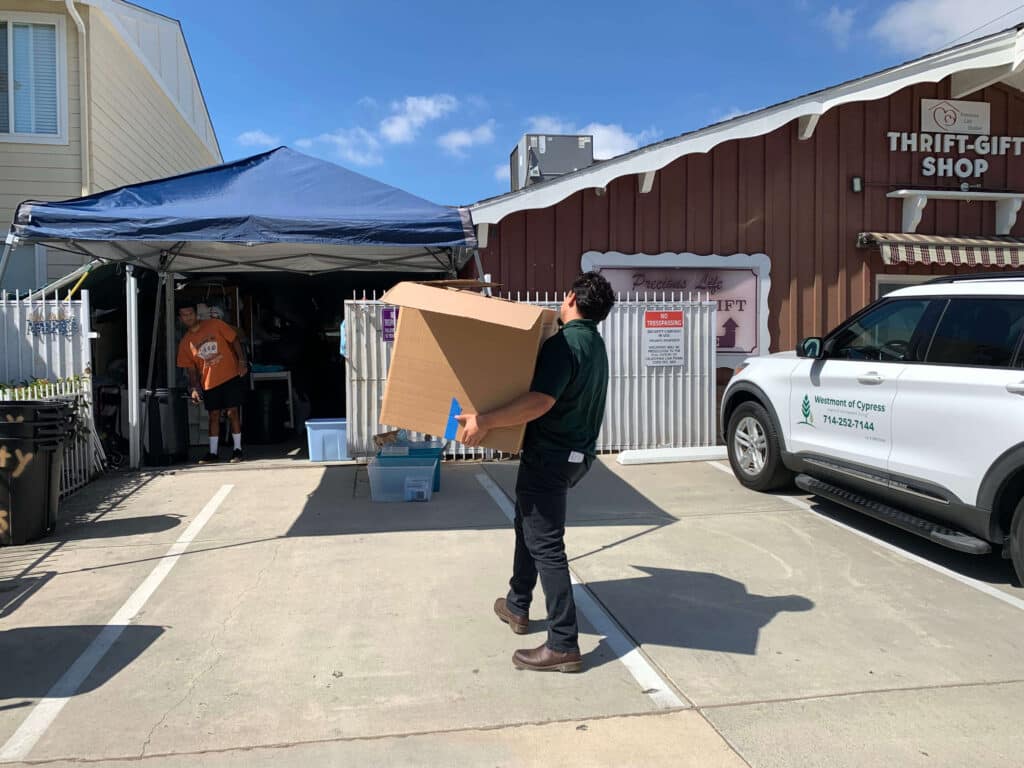
Local Food Drives

Our communities proudly partner with local food pantries to help address food insecurity. Residents sort, package, and contribute non-perishable goods, knowing their efforts directly support neighbors in need. This involvement builds a sense of shared responsibility and reinforces that purpose has no age limit.

Charity Crafting & Service Projects

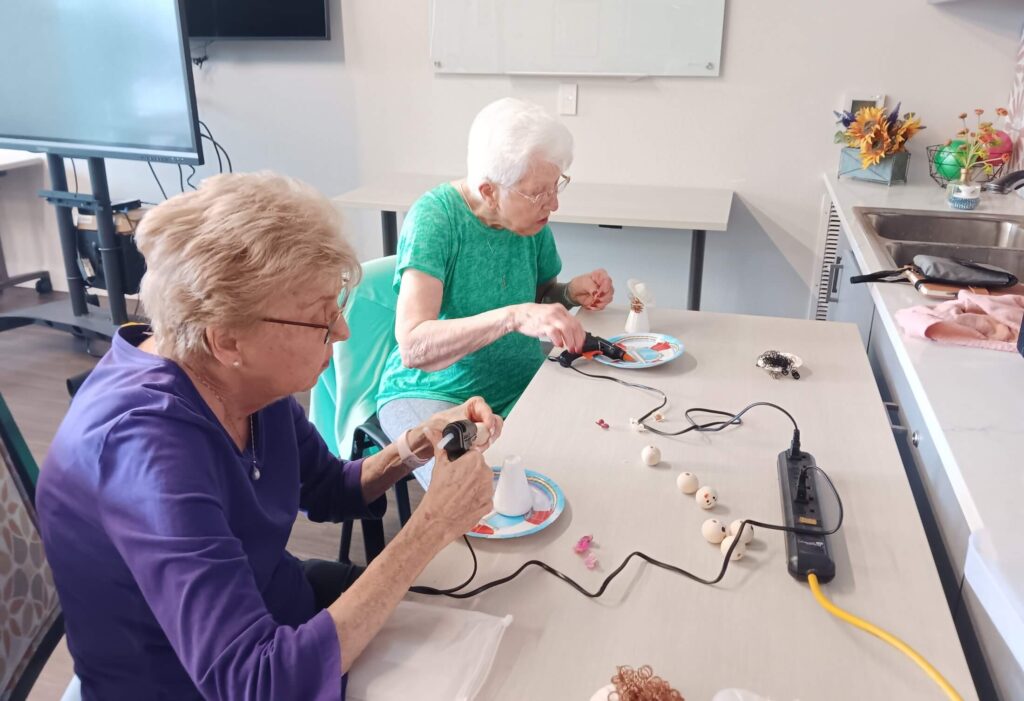
From knitting scarves and beanies for shelters to assembling hygiene kits for outreach programs, residents regularly transform their hobbies into acts of service. These projects nurture creativity, connection, and a sense of accomplishment that comes from helping others.

Our Westmont of Cypress Community is home to a remarkable resident-led group called Women of Westmont, who meet monthly to organize and lead a variety of service projects throughout the year. Their efforts reflect the true spirit of involvement and purpose by giving back in meaningful ways.

Some of their recent initiatives include gathering essential items for local shelters, creating handmade scarves and dolls for women’s shelters, and coordinating additional acts of kindness that support vulnerable community members.

Women of Westmont Mission Statement: “To inspire and enrich all lives through social interaction, service projects, educational programs, and mental and physical health activities to become the best versions of ourselves.”

This is purposeful living in action, aligned with our Vision to exceed expectations while inspiring hearts and minds.

A Community That Gives Together, Grows Together

When residents step forward to support their local communities, something remarkable happens: they rediscover the sense of identity, agency, and belonging that comes from helping others. And when we support these efforts, we honor our Mission by creating spaces where meaningful experiences flourish.

Involvement isn’t just a value we talk about, but it’s a way of life in our Communities.

What Is the Impact of Age on Flexibility?

As we grow older, it’s natural for our bodies to change, but what is the impact of age on flexibility? For many seniors, the gradual loss of range of motion and increased stiffness are more than just physical inconveniences. These changes can affect independence, daily function, and even emotional well-being.

At Westmont of Pinole, we understand how vital flexibility is for maintaining an active, fulfilling lifestyle. Through tailored programs and expert guidance, our senior living community helps residents stay mobile and independent. Learn how age affects flexibility—and what you can do to maintain or even improve it.

Visit Westmont of Pinole for more information on our wellness programs.

How the Aging Process Affects Flexibility

Age-related flexibility loss stems from a combination of muscle changes, biochemical shifts, and lifestyle habits. While natural aging plays a role, decreased physical activity is often the main contributor to stiffness.

At what age does flexibility start to diminish? Studies show that flexibility tends to decline around age 30, with more noticeable reductions after age 50. By age 65, many individuals experience loss of flexibility in their legs, reduced shoulder mobility, and stiffer joints.

This decline impacts daily activities like walking, climbing stairs, and reaching for items. Without intervention, flexibility loss increases the risk of injury and limits independence.

To preserve your mobility, it’s essential to stay active and engage in regular stretching routines. Learn how to maintain your flexibility through our gentle exercise programs.

The Science Behind Flexibility Loss

Several biological processes contribute to flexibility decline:

Biochemical Changes in the Body

Aging tissues undergo significant biochemical alterations. These include:

  1. Dehydration of muscle fibers leads to stiffness.
  2. Collagen cross-linking makes tissues less elastic.
  3. Reduced production of elastin, a protein vital for flexibility.

These changes directly affect mobility and posture. They also explain how flexibility is related to the likelihood of injury—tighter muscles are more prone to strain and damage. Combat these effects through hydration, proper nutrition, and consistent movement. For added support, explore how a balanced diet can enhance muscle health.

Extracellular Matrix and Muscle Stiffness

The extracellular matrix, a network of proteins that supports cells, becomes stiffer with age. This makes muscle tissue less pliable, increasing tension in tendons and ligaments. Additionally, sedentary behavior accelerates this process.

Incorporating leg exercises for seniors can minimize the loss of flexibility in the legs and promote circulation. Even small changes, like ankle circles and seated leg lifts, can make a big difference.

If you’re managing joint conditions like osteoporosis, read more on osteoporosis and hip pain.

Flexibility Training: Benefits for Seniors

Improving flexibility isn’t just for athletes. For older adults, flexibility training can:

  • Increase range of motion
  • Improve posture and alignment
  • Reduce stiffness and pain
  • Prevent injuries and falls

A good flexibility regimen empowers seniors to move more freely, boosting self-confidence and independence.

What Are Two Exercises That Someone Can Do to Improve Their Flexibility?

Great question! Here are two easy yet effective exercises:

  1. Seated Hamstring Stretch. Sit on a chair, extend one leg, and reach toward your toes. Hold for 20–30 seconds. This targets the hamstrings, helping reduce the loss of flexibility in the legs.
  2. Overhead Side Stretch. While standing or seated, raise one arm overhead and gently lean to the opposite side. This improves flexibility in the torso and back.

Try adding these stretches into your daily routine, or join a group stretching class for guided instruction and social engagement.


what is the impact of age on flexibility


Flexibility and Injury Prevention

How is flexibility related to the likelihood of injury? Inflexible muscles and joints are more susceptible to strains, tears, and falls. When muscles can’t extend properly, they’re more likely to give out under stress.

Improving flexibility enhances joint function and coordination. It also improves balance, which significantly reduces fall risk—a major concern for aging adults. A flexible body reacts better to slips, missteps, or uneven surfaces.

Read more from Harvard Health about how stretching helps prevent injury and keeps your body limber.

The Role of Movement in Maintaining Flexibility

Consistency is key. Physical activity, even at low intensity, supports flexibility and muscle strength. Some ideal options include:

  • Walking. Increases circulation and maintains leg flexibility
  • Yoga. Improves flexibility, strength, and balance
  • Tai Chi. Enhances joint mobility and reduces fall risk

Contrary to popular belief, flexibility can be improved at any age. A well-rounded fitness plan, including dynamic stretches and balance exercises, can lead to significant improvements.

At Westmont of Pinole, our wellness programming is designed to encourage these movements in a fun and engaging way.

Can Flexibility Improve With Age?

Yes! While the age when flexibility starts to diminish is a valid concern, the good news is that it’s never too late to regain flexibility.

Studies show that older adults can experience improved range of motion after consistent stretching for 6–8 weeks. Benefits include better posture, faster recovery, and less joint pain.

Flexibility also supports independence. Seniors with improved mobility report greater confidence in completing daily tasks like cooking, cleaning, and walking outdoors.

Here’s another great resource on stretching tips for seniors from the National Council on Aging.

Why Professional Support Matters

While self-directed stretching is effective, guidance from trained professionals can optimize results. At Westmont of Pinole, we:

  • Provide personalized assessments of mobility
  • Design custom flexibility routines
  • Monitor progress to avoid overexertion

A structured plan makes it easier to stick with the program. Plus, our social and group-based fitness activities make the experience enjoyable and encouraging.

Making Flexibility a Lifestyle

Maintaining flexibility is about more than exercise—it’s a lifestyle commitment. Small choices each day, like stretching during commercial breaks or walking after dinner, lead to lasting results.

Encouraging a loved one to stay active or participate together can foster connection and motivation. Whether through community programs or at-home routines, the benefits are profound.

And remember, improving flexibility can start today—no matter your age.

Stay Limber, Stay Independent: Embrace Flexibility at Every Age

In conclusion, what is the impact of age on flexibility? It’s significant—but also manageable. With consistent stretching, guided movement, and support from professionals, older adults can regain mobility and protect themselves from injury.

By understanding how flexibility is related to the likelihood of injury, recognizing at what age flexibility starts to diminish, and implementing exercises that improve flexibility, seniors can continue living vibrant, active lives.

At Westmont of Pinole, we’re dedicated to helping residents stay strong, independent, and engaged. Visit our community at Westmont of Pinole, or call us at 510-758-1122.

Ready to take the next step? Schedule a Tour and discover how our programs support lasting mobility and wellness.


What Level of Care Do You Need?

Discover the level of care you or your family member requires. 


Frequently Asked Questions

What is the impact of age and flexibility?

As we age, our muscles lose elasticity, and joints may become stiffer, which reduces overall flexibility. This can make everyday movements—like bending, stretching, or turning—more difficult. Reduced flexibility may also affect posture, balance, and mobility, increasing the risk of falls or injuries. However, staying active with regular stretching or low-impact exercises can help preserve flexibility and improve joint health.

What is the impact of age on flexibility, Quizlet?

On Quizlet, educational resources typically describe that flexibility tends to decline with age due to changes in connective tissues and decreased activity levels. These changes can lead to reduced joint range of motion and tighter muscles. The platform may also highlight that regular physical activity, particularly stretching, can slow down this decline. It’s a helpful tool for students to understand the physiological basis behind flexibility loss.

What is the impact of age on flexibility, Brainly?

Brainly users often explain that aging causes muscles and tendons to lose elasticity, leading to decreased flexibility. They may also mention that the spine compresses and joints become less lubricated over time. As a result, older adults might experience stiffness, limited movement, or discomfort. Brainly answers typically encourage consistent physical activity to manage or minimize these effects.

How does age affect joint flexibility?

With age, the cartilage in joints wears down and synovial fluid production decreases, making movements stiffer and less fluid. Ligaments may also become less elastic, reducing the joint’s ability to move freely. This natural aging process can cause discomfort or limit the range of motion, especially in weight-bearing joints like the hips and knees. Regular stretching, strength training, and mobility exercises can help maintain joint flexibility as we grow older.


What Is the Importance of Medication Reminders for the Elderly?

As people age, keeping track of daily medications can become increasingly challenging. That’s why medication reminders for the elderly are essential in supporting independence, health, and safety. From forgetfulness to more serious cognitive decline, seniors are at greater risk of missing or mismanaging doses, something that could result in serious health complications.

At Westmont of Pinole in Pinole, CA, we recognize the critical role that timely medication plays in senior health. By leveraging tools like medication reminder devices, mobile apps, and even medication reminder watches, we empower residents and caregivers to stay on top of health routines. Learn more about how we help here: Westmont of Pinole.

Why Medication Reminders Are Essential

Forgetfulness, chronic conditions, and multiple prescriptions can complicate a senior’s ability to take medication consistently. That’s where medication reminders for the elderly come in—they ensure prescriptions are taken correctly and on time.

Whether it’s using medication reminder alarms for the elderly or digital pillboxes, these tools help seniors avoid missed doses, harmful drug interactions, or unnecessary emergency visits. Studies show that medication adherence directly affects health outcomes in older adults (CDC source).

At Westmont of Pinole, we provide personalized medication management plans to support our residents’ overall well-being.

The Role of Caregivers and Preventive Health

Supporting a senior through daily medication routines requires teamwork. Caregivers, whether professional or family, can set up reminders, offer pill-packing assistance, and reinforce healthy habits.

Key methods include:

  • Educating seniors about their prescriptions
  • Establishing consistent daily routines
  • Using medication reminder devices with voice prompts or lights

Preventive care, including regular screenings, can identify medication-related issues early. You can learn more about the importance of this approach in our blog on maximizing health services at 60.

Medication Challenges: Dementia, Arthritis, and Vision

Dementia and Memory Issues

One of the biggest obstacles for seniors is memory loss. For those with dementia, forgetting a pill is common, but it can be dangerous. Medication reminders for dementia patients are a necessity, offering structure through cues like:

  • Audible reminders
  • Visual pill organizers
  • Timed alerts on medication reminder watches

These devices help reduce anxiety and confusion while fostering independence. Caregivers can also consider digital tools that sync with their phones to track doses in real time.

Learn more about managing medication and cognitive changes in our blog on smart medication strategies.

Physical Limitations

Conditions such as arthritis can make simple tasks—like opening a bottle—painful or impossible. Seniors may also struggle with fine motor skills or tremors. Adaptive strategies can include:

  • Easy-open caps
  • Pre-filled blister packs
  • Automatic pill dispensers

Pairing these tools with medication reminder alarms for the elderly ensures that physical barriers don’t lead to missed doses. For deeper guidance, check out our article on safe medication practices.


medication reminders for the elderly​


Tools and Technology for Medication Management

As tech becomes more senior-friendly, the options for reminders continue to expand.

Smart Devices

Smart systems are increasingly used in homes and senior living communities. Common types of medication reminder devices include:

  • Pill dispensers with voice or light alerts
  • Watches programmed with medication schedules
  • Mobile apps integrated with health tracking

These solutions often allow caregivers to monitor medication adherence remotely, reducing risks and offering peace of mind. For a list of top-rated medication tech, you can explore Medical News Today’s guide to pill organizers.

Medication Reminder Watches

A newer trend involves wearable tech. Medication reminder watches offer the following benefits:

  • Stylish yet functional designs
  • Vibration alerts for discreet reminders
  • Digital displays showing upcoming doses

Watches can also sync with mobile apps for tracking doses and sending alerts to caregivers. For seniors who prefer minimal tech, these devices provide a simpler alternative to smartphones.

Alarms and Apps

A basic but effective solution includes medication reminder alarms for the elderly. These may be:

  • Set on digital clocks
  • Programmed into smartphones
  • Built into pill dispensers

Apps like Medisafe or Pill Reminder offer clean interfaces tailored to senior users, with adjustable fonts and color-coded pills. Plus, caregivers can get notified if a dose is missed.

Health Monitoring in Reminder Systems

Modern medication systems offer more than just alerts. Many combine reminders with health tracking to create a more holistic care routine.

Feature Benefit
Heart Rate Sensors Detect cardiovascular irregularities
Fall Detection Alerts Improve safety in home settings
Daily Activity Monitoring Encourage movement and engagement
Environmental Sensors Ensure safe living conditions
Medication Adherence Logs Assist doctors in evaluating routines

Integrated systems like these provide critical data to healthcare providers while helping seniors maintain routines.

Future Innovations in Senior Medication Support

Looking ahead, advancements in senior health tech are promising. Here are a few trends reshaping medication support:

  • AI-powered medication schedulers to automate dosage times and refill reminders
  • Voice-activated pill dispensers for those with limited dexterity or vision
  • Telehealth integration that alerts providers when adherence drops

These innovations will make medication reminders for the elderly more personalized, accurate, and user-friendly.

For more on aging tech trends, visit AARP’s article on caregiving tech.

Benefits for Families and Caregivers

With multiple options—from medication reminders for dementia patients to alarms and apps—families can customize support for their loved ones. The right reminder system:

  • Reduces caregiver stress
  • Promotes senior independence
  • Prevents hospitalizations
  • Improves medication compliance

If your loved one lives alone or in a senior community, these tools offer peace of mind by ensuring safety and consistency.

Empower Medication Success with Westmont of Pinole

At Westmont of Pinole, we recognize how crucial medication adherence is to maintaining senior health. Our community incorporates medication reminders for the elderly into daily routines, blending human care with smart technologies like medication reminder devices and medication reminder alarms for the elderly. Whether your loved one needs help managing chronic conditions or has memory challenges, our personalized care plans offer the support they need.

For more information or to speak with our team, please call us at 510-758-1122. You can also schedule a tour and explore our supportive senior living environment.


Find Where You Belong

Dive into the vibrant life our Westmont communities have to offer.


Frequently Asked Questions

Do medication reminders help seniors?

Yes, medication reminders are extremely helpful for seniors. As older adults often take multiple medications, it can be challenging to remember each dose and timing. Reminders—whether digital, verbal, or written—can significantly improve adherence and prevent missed or double doses. Tools like medication reminder devices, pill organizers, or even caregiver alerts can support independence while promoting health and safety.

What are the main concerns with medications for the elderly?

The main concerns with medications for the elderly include drug interactions, side effects, and dosing errors. Seniors often manage multiple chronic conditions, which increases the risk of complications when medications are not carefully monitored. Age-related changes in liver and kidney function can also affect how drugs are processed. Regular consultations with healthcare providers and having a clear medication care plan can help manage these concerns effectively.

What is a medication care plan for the elderly?

A medication care plan for the elderly is a structured guide that outlines all prescribed medications, their dosages, timings, and purposes. It helps caregivers and seniors keep track of medications and ensures consistency and safety in administration. This plan may include notes on allergies, potential side effects, and contact information for healthcare providers. It plays a crucial role in preventing medication errors and improving overall medication management.

How do you remind a patient to take medication?

Reminding a patient to take their medication can be done in several ways, depending on their needs and preferences. Options include alarm-based medication reminder apps, pillboxes with timers, written schedules, or verbal cues from caregivers. For patients with memory issues, especially those with dementia, visual aids and routine-based reminders are also effective. The goal is to create a reliable and repeatable system that supports adherence and minimizes confusion.


Enhancing Communications in Assisted Living Between Residents & Staff

Clear and consistent communications in assisted living are the foundation for a thriving, compassionate senior living environment. At Westmont of Pinole, our team understands how vital it is to create a space where every resident feels heard, respected, and supported.

For families, caregivers, and staff members, knowing what services are included in assisted living, how to build relationships with residents, and how to engage meaningfully requires intentional communication strategies. Whether you’re learning how to work in assisted living, supporting a loved one, or managing a team, this guide offers actionable solutions that bridge the gap between staff and residents, improve the quality of care, and elevate day-to-day life for everyone involved.

Visit Westmont of Pinole to explore how we’re leading the way in senior living communication and connection.

Why Communication is Key in Assisted Living

At the heart of any successful assisted living community lies strong communication. Thoughtful communication ensures that residents feel acknowledged and secure, and that staff can deliver the best care possible. Whether it’s managing medications, understanding meal preferences, or recognizing emotional shifts, the way information is exchanged matters deeply.

Effective communications in assisted living also ease the transition for new residents and foster long-term engagement. From orientation to ongoing care, communication helps tailor services to resident needs, which is especially important when understanding what services are included in assisted living, such as personal care, housekeeping, medication management, and social activities.

👉 Learn how personalizing living spaces can boost resident well-being

Understanding Resident Communication Styles

Every resident in an assisted living community has a lifetime of stories and communication habits that shape how they engage with others. Tailoring your approach to match their preferences is essential.

Communication Style Description
Verbal Face-to-face conversations, storytelling
Non-Verbal Smiles, hand gestures, body posture
Technology-Based Video calls, digital reminders

Cultural backgrounds, cognitive changes, and hearing or vision impairments can also affect how seniors express themselves. Recognizing these nuances ensures your approach is empathetic and effective, especially when using an assisted living communication system that incorporates visual and auditory aids.

👉 Explore essential elder caregiving tips

Building Trust Through Verbal and Non-Verbal Communication

Authentic connection in assisted living comes from understanding the subtle art of both verbal and non-verbal communication. Words matter—but so do gestures, tone, and facial expressions.

  • Speak clearly, slowly, and with warmth.
  • Maintain eye contact and open body language.
  • Smile often and nod to acknowledge feelings.
  • Listen actively, especially when residents share concerns or emotions.

Incorporating these elements into your daily routine strengthens relationships and builds a deeper sense of belonging within the community. For those learning how to work in assisted living, mastering these skills is a vital first step.

👉 Effective strategies for senior community engagement

Personalizing Communication for Every Resident

A one-size-fits-all approach doesn’t work in senior care. Tailoring communication strategies ensures that every resident feels respected and supported.

Personalized Plans Matter

Develop a profile for each resident that includes:

  • Their preferred communication method
  • Languages spoken
  • Cultural customs
  • Cognitive or physical limitations

Use this information to build routines that align with the resident’s daily life. This is also a great way to reinforce what services are included in assisted living, such as daily wellness check-ins and social programming.

👉 Memory care communication strategies

Using Technology to Your Advantage

An effective assisted living communication system should integrate technology to improve responsiveness. Tools such as:

  • Video calling platforms
  • Emergency response systems
  • Digital activity calendars
  • Care coordination apps

These platforms not only make staff communication more efficient but also keep families informed, offering peace of mind.

Learn more about assistive technologies from the National Institute on Aging and how they can benefit older adults and caregivers.


Enhancing Verbal Communications with Empathy and Patience

Overcoming Common Communication Barriers

Despite best intentions, miscommunication can happen. Here’s how to minimize it:

  • Use plain language and avoid jargon.
  • Ask clarifying questions and encourage feedback.
  • Provide printed materials in large fonts.
  • Offer multilingual support when possible.

Language differences, hearing issues, and memory loss are common in assisted living. Addressing these proactively ensures residents feel heard and included. This approach is critical for new caregivers learning how to work in assisted living, where patience and clarity are key.

Creating a Feedback-Friendly Culture

Feedback is essential in continuously improving communication and services. Open dialogue empowers residents and fosters mutual trust.

Feedback Mechanisms to Consider

  1. Resident Satisfaction Surveys – Gather data on communication effectiveness.
  2. Monthly Forums – Create space for concerns and suggestions.
  3. Family Check-Ins – Partner with families to align care expectations.
  4. Staff Communication Training – Reinforce empathetic listening skills.

By integrating these into your assisted living communication system, you create an environment of trust, transparency, and continuous growth.

Ongoing Training for Staff

A strong communication culture depends on well-trained staff. Consistent training ensures everyone understands how to connect with residents respectfully and effectively.

Include modules on:

  • Dementia-sensitive communication
  • Non-verbal cues interpretation
  • De-escalation techniques
  • Technology used for real-time updates

This kind of training is crucial to delivering high-quality care and supports team members who are new to how to work in new-to-assisted living roles.

What to Say to Someone in Assisted Living

Knowing what to say to someone in assisted living can uplift their spirits and build a connection. Some thoughtful conversation starters include:

  • “Tell me about your favorite memory from childhood.”
  • “What activities do you enjoy most here?”
  • “What would you like to do this weekend?”

Avoid overwhelming topics or asking too many questions at once. Instead, focus on listening and creating space for meaningful dialogue.

👉 Tips on conversations with aging loved ones – AARP

The Power of Adaptability in Communication

Assisted living communities are dynamic environments. As residents’ needs evolve, so should communication strategies. Here’s how to adapt:

  • Reevaluate communication plans quarterly.
  • Introduce new tech tools gradually.
  • Encourage intergenerational dialogue through volunteer programs.
  • Be open to changing care plans based on feedback.

Your ability to adapt not only strengthens connections but also reflects a deep respect for resident individuality.

Experience Compassionate Communication at Westmont of Pinole

In assisted living, communication isn’t just about information—it’s about connection, dignity, and trust. At Westmont of Pinole, we believe that excellent communications in assisted living foster happier residents, more confident families, and a more engaged care team.

Are you ready to experience a senior living community where every voice matters? Visit us today to learn more about our approach to communication and care.

📞 Call us at 510-758-1122
📅 Schedule a Tour
🔗 Explore Westmont of Pinole


Compare The Costs of Senior Living vs Staying at Home

How Do The Costs Of Moving Into A Quality Senior Care Community Compare With The Costs Of Staying At Home?


Frequently Asked Questions

Why is communication important in aged care?

Communication is essential in aged care because it builds trust and ensures residents feel heard, respected, and valued. Clear communication helps caregivers understand residents’ needs, preferences, and health concerns, which supports better care outcomes. It also reduces misunderstandings that may lead to frustration or stress for both residents and staff. Strong communication fosters a supportive, compassionate environment where seniors feel safe and connected.

What is an example of communication in a care home?

An example of communication in a care home is when staff explain daily routines, such as mealtimes or activities, in a calm and respectful manner. This helps residents feel included and aware of what to expect throughout the day. Caregivers may also use visual aids, body language, or gentle reminders to support residents with memory challenges. These practices ensure residents stay engaged, informed, and comfortable in their environment.

What is communication in caregiving?

Communication in caregiving refers to the way caregivers share information, listen, and respond to residents’ needs with empathy and clarity. It involves verbal exchanges, such as conversations, as well as nonverbal cues like facial expressions and gestures. Good communication ensures that caregivers can provide accurate, personalized care while building meaningful relationships with residents. Ultimately, it enhances trust, dignity, and overall quality of life for those receiving care.

How to communicate effectively with residents?

To communicate effectively with residents, caregivers should speak clearly, use simple language, and maintain a calm, reassuring tone. Active listening is equally important, giving residents time to express themselves without interruption. Nonverbal cues such as eye contact, nodding, and gentle touch can reinforce understanding and compassion. By being patient and respectful, caregivers can create a positive environment where residents feel comfortable and supported.


Why the Retirement Community in Pinole, CA Stands Out?

Are you searching for the ideal retirement community that Pinole, CA, residents trust? Look no further than Westmont of Pinole. Nestled in a scenic location, this vibrant community offers everything seniors need to thrive in comfort, connection, and care.

From personalized support services to engaging social events and tranquil nature views, this retirement community in Pinole, CA, delivers a well-rounded lifestyle. Whether you’re planning for the future or ready to make the move now, Westmont of Pinole presents a perfect blend of independence and support, making it a top choice for senior living.

A Welcoming and Supportive Environment

When you step into Westmont of Pinole, you’ll instantly feel the warmth of a community designed for your comfort and well-being. The welcoming atmosphere greets you like an old friend, making it easy to envision a new chapter in your life. You’ll find supportive staff ready to assist, ensuring that every need is met with compassion and care. They take the time to listen, helping you navigate the shift to senior living with confidence. With personalized plans tailored just for you, every detail is considered.

Whether it’s connecting with neighbors or participating in community events, you’ll discover a place where you belong—a vibrant environment that nurtures both heart and home. Additionally, living in a senior community promotes independence and social engagement, allowing you to thrive while enjoying a fulfilling lifestyle.

Abundant Amenities for a Comfortable Lifestyle

At Westmont of Pinole, you’ll find a wealth of recreational activities that cater to your interests and passions. With convenient on-site services, you can focus on enjoying your day without the hassle of chores. Embrace a lifestyle where comfort and engagement go hand in hand, making every moment fulfilling. Additionally, the community fosters a sense of belonging that enhances your overall well-being and enjoyment of life.

Diverse Recreational Activities

With a wealth of diverse recreational activities available, you’ll find that life at Westmont of Pinole is both enriching and enjoyable. You’ll have the chance to engage in various activities that not only promote well-being but also foster connections with others. Here are just a few highlights:

  • Cultural excursions to explore local art, history, and music
  • Fitness programs are designed to keep you active and healthy
  • Creative workshops that nurture your artistic side
  • Social events that encourage friendships and community bonding

These offerings are why retirement community Pinole CA reviews consistently highlight the vibrant lifestyle available to residents. Participating in brain-stimulating activities can also help maintain cognitive health and support longevity.

Convenient On-Site Services

How convenient would it be to have a host of essential services right at your fingertips? At the retirement community in Pinole, CA, you’ll discover on-site dining options that cater to your tastes, offering delicious meals without the hassle of cooking. Imagine enjoying a freshly prepared dish while socializing with neighbors.

Additionally, maintenance services are readily available, ensuring your home remains in top condition without the stress of upkeep. You can focus on what truly matters—building connections and enjoying your time. With these convenient amenities, you’ll experience a lifestyle designed for comfort and ease.

Furthermore, access to healthcare services ensures peace of mind, allowing you to prioritize your well-being as you enjoy your retirement.

Engaging Social Activities and Community Events

At Westmont of Pinole, you’ll find a vibrant community filled with engaging social activities and events that bring residents together. From lively gatherings to diverse classes and workshops, there’s always something exciting happening that encourages connection and friendships.

Embrace the chance to explore new interests and enjoy a fulfilling lifestyle in a supportive environment. The community’s commitment to mental and physical well-being ensures that residents can participate in activities that enhance their quality of life.

Vibrant Community Gatherings

What could be more fulfilling than connecting with others in a vibrant community? At the retirement community in Pinole, CA, social connections flourish through various engaging gatherings. You’ll find yourself surrounded by friendly faces during lively community celebrations and events that bring everyone together. Here are some highlights of what you can expect:

  • Themed parties that spark joy and laughter
  • Regular game nights to foster friendly competition
  • Art and craft workshops for creative expression
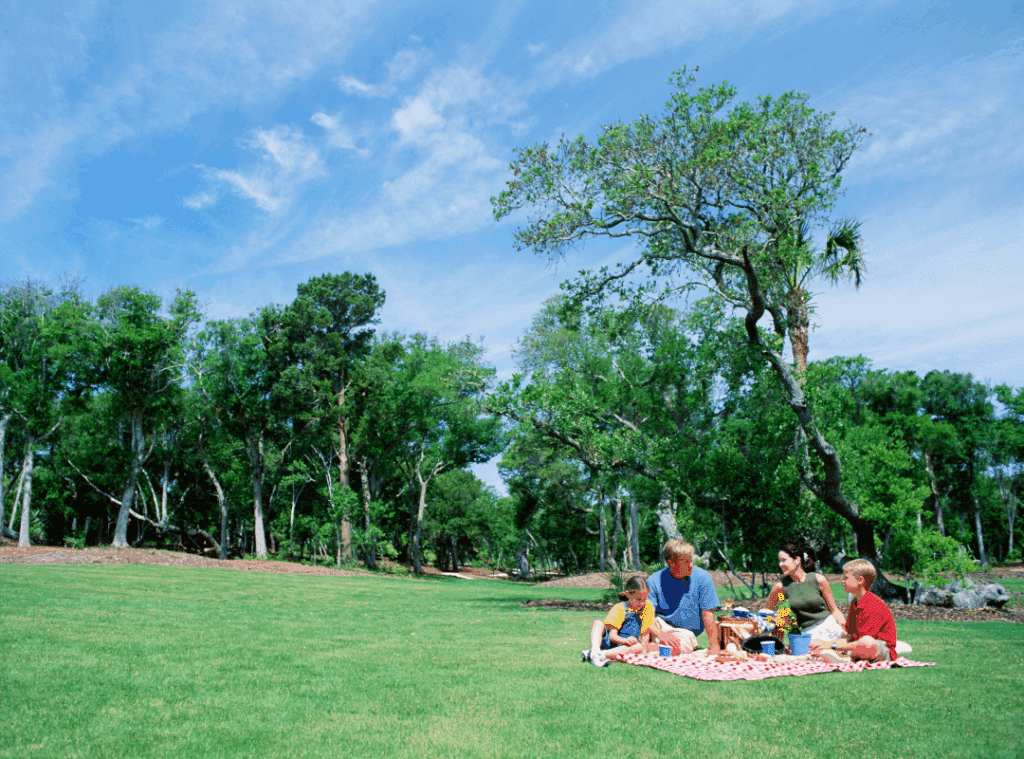
  • Outdoor picnics that celebrate nature and camaraderie

These activities not only promote fun but also create meaningful relationships among residents.

Diverse Activity Offerings

A wealth of engaging activities awaits you at the retirement community in Pinole, CA, ensuring each day is filled with excitement and connection. Whether you’re exploring new hobbies or staying active, these offerings empower you to live a vibrant, fulfilling life.

Community events provide opportunities to celebrate together, strengthen bonds, and create lasting memories. This culture of connectivity is often praised in retirement community Pinole, CA reviews, which speak to the genuine friendships formed here.


retirement community pinole ca


Scenic Location With Access to Nature

Nestled among mature eucalyptus trees, the scenic location of Pinole offers residents a tranquil retreat with stunning views of San Francisco Bay. You’ll find yourself surrounded by nature, perfect for rejuvenating walks and peaceful moments. With ample opportunities to explore, this community is designed to enhance your well-being.

  • Beautiful nature trails invite leisurely strolls and invigorating hikes
  • Scenic views provide a perfect backdrop for social gatherings
  • Nearby parks offer spaces for picnics and outdoor activities
  • The serene atmosphere encourages relaxation and reflection

This environment also supports a balanced lifestyle, ideal for residents in search of new apartments in Pinole, CA that offer tranquility and convenience.

Affordable Housing Options for Seniors

While searching for an ideal retirement community, you’ll discover that the retirement community in Pinole, CA, offers both accessibility and an inviting environment. You can find various choices that prioritize senior accessibility and comfort, making it easier to settle into your new home.

Here’s a quick overview of some affordable living options:

Housing Type Features Price Range
One-Bedroom Spacious kitchen, accessible bathroom $1,200 – $1,500
Two-Bedroom Larger living area, community access $1,500 – $1,800
Studio Apartment Cozy, efficient layout $1,000 – $1,200

These options make the transition to senior living more attainable for those looking for a retirement community in Pinole, CA, for rent.

Commitment to Resident Well-Being and Safety

Ensuring resident well-being and safety is a top priority at Westmont of Pinole, where you’re not just a number—you’re part of a caring community. Here, you’ll find a commitment to creating a secure environment, supported by:

  • Extensive healthcare resources tailored to your needs
  • 24-hour staffing ensures immediate assistance and support
  • Well-defined emergency protocols for quick response
  • Regular safety drills to keep everyone prepared

This dedication not only enhances safety but also offers the reassurance families need when choosing a retirement community in Pinole, CA, for their loved ones.

Why Seniors Love Living in Pinole

Pinole isn’t just a place to live—it’s a community that welcomes seniors with open arms. It’s home to several new apartments in Pinole, CA, offering modern amenities, scenic surroundings, and accessibility to nearby shopping and healthcare. Its small-town charm combined with urban convenience makes it an ideal location for retirement.

Want to explore what else makes Pinole ideal for retirement? Check out Seniorly’s guide to retirement in Pinole or visit California for nearby attractions.

Ready for Your Next Chapter? Schedule a Visit Today

In this vibrant retirement community, Pinole, CA, you’re not just finding a place to live—you’re discovering a lifestyle. Did you know that over 70% of residents report feeling more socially active since moving here? With lush gardens, personalized care, and enriching activities, your golden years can be filled with joy, adventure, and friendship.

Don’t wait to start the next chapter of your life. For more information, call us at 510-758-1122 or schedule a tour today!


Compare The Costs of Senior Living vs Staying at Home

How Do The Costs Of Moving Into A Quality Senior Care Community Compare With The Costs Of Staying At Home?


Frequently Asked Questions

What is the most affordable retirement community in California?

The most affordable retirement communities in California are typically found in smaller towns or inland regions like Bakersfield, Hemet, or Modesto. These areas offer lower living costs while still providing access to essential services, medical care, and senior-friendly amenities. Affordability depends on whether you’re looking for independent living, assisted living, or a 55+ community. It’s important to compare monthly fees, included services, and housing options to determine true value. Always visit in person and ask for pricing breakdowns to ensure it fits your budget.

What is the best age for a retirement community?

The best age to consider moving into a retirement community is typically between 60 and 75, depending on individual needs and lifestyle preferences. Many people choose to move when they are still active and independent, so they can enjoy amenities and social opportunities. Others wait until they require more support or wish to downsize. The decision often depends on factors like health, finances, and personal goals. Planning early can lead to a smoother and more fulfilling transition.

What is the best age to go into a retirement village?

Most residents move into retirement villages between the ages of 65 and 80, when they seek a maintenance-free lifestyle and a community environment. These communities often appeal to people who want to stay socially active while enjoying amenities like fitness centers, clubs, and organized outings. It’s ideal to move in while you’re still healthy enough to take full advantage of the lifestyle. However, every person’s situation is different—some may move earlier for convenience, while others wait until later for more care. Evaluating your needs and long-term plans can help determine the right age.

Can I live in a senior community in California?

Yes, you can live in a senior community in California if you meet the community’s age and eligibility requirements. Most senior living communities are designed for adults 55 and older, although some offer flexibility for younger spouses or caregivers. California offers a wide variety of senior housing options, from active 55+ communities to assisted living and continuing care facilities. Before moving in, you’ll need to complete an application and sometimes a health assessment, depending on the type of care offered. It’s also helpful to review community rules, fees, and services to find the best fit.


National Assisted Living Week 2025: Celebrating an Ageless Adventure Across Westmont Living Communities

Each September, assisted living communities across the country come together to celebrate National Assisted Living Week® (NALW) — a time to honor the residents, families, and team members who make senior living meaningful and full of heart.

This year’s theme, “Ageless Adventure,” encouraged everyone to rediscover the joy of exploration, creativity, and connection — a beautiful reminder that adventure has no age limit.

Across all Westmont Living communities, our residents and staff embraced the spirit of the theme, filling the week with laughter, storytelling, and unforgettable moments.


A Week of Celebration and Connection

Each day brought a new reason to smile:

  • Sunday – Grandparents Day
    We kicked off the week celebrating the love, legacy, and wisdom of grandparents with family gatherings, music, and heartfelt tributes.

  • Monday – Team Spirit Tour
    Communities proudly represented their favorite sports teams with jerseys, hats, and cheer-worthy enthusiasm.

  • Tuesday – Time Traveler’s Tuesday
    Residents and staff traveled through time with vintage outfits and nostalgic decorations.

  • Wednesday – Passport to Adventure
    Culinary and cultural celebrations highlighted flavors and traditions from around the world.

  • Thursday – Heroes Among Us
    We recognized everyday heroes who inspire us — from veterans and first responders to caregivers and community leaders.

  • Friday – Whimsical Wonderland
    A magical day of costumes and creativity, where residents dressed as favorite storybook and fantasy characters.

  • Saturday – Ageless Adventure Day
    We wrapped up the week with nostalgic camp-style fun and reflection on how life’s greatest adventures never end.


Adventure Without Age

At its heart, National Assisted Living Week was a celebration of connection, joy, and purpose. Residents reflected on personal adventures, staff deepened their relationships, and families came together to share in the moments that make life at Westmont Living truly meaningful.


🎥 Watch the Highlights

We’re proud to share a special video featuring our communities from California to Oregon as they celebrated this year’s Ageless Adventure together.


At Westmont Living, we believe that every day is an opportunity to explore, create, and connect.

Thank you to our residents, families, and team members for making this year’s celebration one to remember.

#AgelessAdventure #NALW2025 #WestmontLiving #SeniorLivingWithHeart #LiveYourWay

Engaging Fun Games to Play Outside for Seniors

Staying active, social, and mentally stimulated is key to healthy aging—and fun games to play outside for seniors are one of the best ways to achieve that. Whether you’re living in a retirement community like Westmont of Pinole or enjoying your backyard at home, outdoor activities offer more than just entertainment. They improve mood, promote fitness, and create lasting friendships.

From classic lawn games to relaxing nature activities, this guide explores playful options that are easy to organize, safe for all ability levels, and enjoyable indoors or out. Whether you’re seeking fun games to play outside for seniors at home, group games requiring no equipment, or sit-down games for senior citizens, you’ll find something here that promotes joy and connection.

The Benefits of Outdoor Games for Senior Health

Engaging in outdoor games is more than a pastime—it’s a wellness tool. These games support both mental and physical health, making them a great choice for seniors who want to stay sharp and energized.

  • Outdoor Fitness: Light movement improves cardiovascular health, flexibility, and balance.
  • Community Bonding: Playing games encourages meaningful conversations and companionship.
  • Cognitive Engagement: Games involving strategy, memory, or problem-solving help maintain mental acuity.
  • Vitamin D Boost: Spending time outdoors helps regulate calcium and bone health. Learn more about vitamin D’s role in aging.

Regular play contributes to an overall sense of purpose and fulfillment, enhancing both mood and longevity.

Designing Safe and Accessible Play Spaces

To fully enjoy fun games to play outside for seniors, the environment must be supportive. Here’s how to create inclusive play areas:

  • Accessible Paths: Wide, smooth paths accommodate wheelchairs or walkers.
  • Comfortable Seating: Benches and shaded areas allow for rest and socializing.
  • Weather Protection: Shade structures or umbrellas guard against sun exposure.
  • Engaging Layouts: Incorporate sensory gardens, game areas, and open spaces for nature activities.

For more ideas, explore senior-friendly outdoor spaces.

Safe and Accessible Outdoor Space

Safe and Accessible Outdoor Space

Lawn Games for Every Ability Level

Outdoor lawn games are a great way to bring seniors together in a fun, inclusive way. These activities are adaptable and encourage low-impact movement.

Croquet

Classic and elegant, croquet offers strategy and gentle activity.

Bocce Ball

This easy-to-learn game fosters teamwork and is ideal for players of all skill levels.

Horseshoes

Great for coordination and competition, this game is a senior favorite.

These activities require minimal setup, making them ideal fun games to play outside for seniors at home. Add adaptive equipment as needed so everyone feels confident joining in.

As mentioned in this article, engaging in outdoor play is linked to improved mood and reduced stress levels.

Nature-Based Games and Activities

Embracing the natural world is both therapeutic and stimulating for seniors. These activities can be tailored to different energy levels and interests.

Gardening

Tending to plants helps with dexterity and emotional well-being. From herbs to flowers, gardening gives seniors a sense of purpose and achievement. Residents at Oceanview Senior Living enjoy quail egg garden activities for even more interaction with the outdoors.

Benefit Description Example
Mood Enhancement Reduces anxiety and stress Planting flowers
Physical Activity Encourages mobility and strength Herb gardens
Brain Health Boosts focus and memory Layout planning
Social Connection Fosters collaboration and sharing Community gardens

Bird Watching

Create a cozy viewing area with snacks and binoculars. Keep a journal of sightings or join a local birding group for more social fun.

Nature Scavenger Hunts

Looking for fun games to play outside for seniors, no equipment? Try a scavenger hunt. Use simple prompts like “a red leaf” or “a smooth rock” to get everyone exploring.

These nature-based games are perfect additions for those interested in fun games to play outside for seniors indoors, too—bring in potted plants, recorded bird calls, or virtual garden tours for a similar experience.

Gardening and Planting Activities

Gardening and Planting Activities

Social Games That Spark Joy

Staying socially connected is essential for mental health in older adults. These group games are a great way to get everyone talking, laughing, and reminiscing.

Sit-Down Card Games

Whether it’s bridge, poker, or Uno, card games are versatile and ideal sit-down games for senior citizens. They can be played indoors or at shaded picnic tables outdoors.

Dominoes

An old favorite, dominoes blend strategy with storytelling and can be played as a team or one-on-one.

Cornhole Toss

Simple, fun, and flexible for all mobility levels, cornhole adds a playful competitive edge that makes every game exciting.

For more examples of fun indoor and outdoor games, check out A Place for Mom’s guide to senior games.

Keep the Mind Sharp with Outdoor Play

Fun doesn’t stop at the body—outdoor play is also a brain booster! Here are some ways to add mental stimulation to your game plan:

  • Memory Games: Name-that-flower, bird bingo, or trivia in the garden.
  • Problem Solving: Puzzle-based scavenger hunts encourage creative thinking.
  • Flexibility Exercises: Games that require adapting to new rules or partners foster mental agility.

These games can even be adapted into fun games to play outside for seniors indoors, especially on rainy days, using indoor plants, bird videos, or table games with creative prompts.

How to Organize a Successful Outdoor Game Day

Planning outdoor game events doesn’t have to be complicated. Here’s a simple checklist:

  1. Pick the Right Time: Avoid mid-day heat. Opt for mornings or late afternoons.
  2. Choose Inclusive Games: Offer a mix of competitive and relaxing activities.
  3. Prepare the Area: Ensure it’s accessible, shaded, and safe.
  4. Invite Participation: Use signage or announcements to spread the word.
  5. Have Refreshments Handy: Light snacks and cold water go a long way.

Need inspiration for indoor setups, too? Convert patios or sunrooms into game zones for more fun games to play outside for seniors indoors.

Ready to Get Moving? Let’s Play!

Outdoor games aren’t just a pastime—they’re a path to better health, deeper relationships, and more joy in every season of life. Whether you’re drawn to gardening, bocce, scavenger hunts, or sit-down games for senior citizens, there are endless ways to stay engaged and uplifted.

The data doesn’t lie—seniors who stay socially and physically active are more likely to live longer, healthier lives. So grab a friend, step outside, and discover your favorite new game.

At Westmont of Pinole, we encourage playful, purposeful living every day. Visit our community page to learn more or schedule a tour today.

Want more ideas? Check out the National Institute on Aging for additional activity ideas for older adults.


What Level of Care Do You Need?

Discover the level of care you or your family member requires. 


Frequently Asked Questions

What are the interesting outdoor games for seniors?

Outdoor games for seniors should be engaging, safe, and easy to enjoy without requiring too much physical strain. Options like bocce ball, horseshoes, shuffleboard, and lawn bowling are both entertaining and social. Walking bingo or nature scavenger hunts also add a fun twist to outdoor gatherings. These games encourage light movement, fresh air, and meaningful interaction with others.

What games are popular for seniors?

Popular games for seniors often include classics that combine fun with mental stimulation. Card games like bridge, rummy, and canasta remain favorites, while board games such as Scrabble, chess, and checkers are timeless choices. Bingo is especially well-loved in group settings because of its simplicity and social aspect. Puzzle games, both physical and digital, also help seniors stay mentally active while having fun.

What are some fun activities for seniors?

Fun activities for seniors range from creative hobbies to light physical exercise. Arts and crafts, gardening, or cooking classes allow for creativity and self-expression. Light exercise, such as walking clubs, yoga, or dance sessions, keeps the body active and healthy. Additionally, group activities like trivia nights, storytelling circles, or music therapy bring joy and foster a sense of community.

What games are appropriate for a senior citizens’ party?

At senior citizens’ parties, games should focus on fun, laughter, and inclusivity. Trivia contests, charades, or karaoke provide lively entertainment and encourage participation. Group bingo or card tournaments are simple yet engaging options for everyone. For a more relaxed atmosphere, word games or “name that tune” challenges are also excellent choices to spark conversation and smiles.


Top 10 Games for Seniors to Stay Entertained & Social

Staying mentally sharp and socially connected becomes increasingly important as we age. One of the most enjoyable and effective ways to achieve this is through engaging games for seniors. Whether you’re looking for a relaxing solo activity, a fun group game, or something to get you moving, the right games can provide entertainment, foster friendships, and even boost your cognitive health.

At Westmont of Pinole, we understand the value of incorporating play into daily life. From sit-down games for senior citizens to lively party games for senior citizens, we offer a variety of options that enhance wellness, encourage participation, and support joyful aging. Below, we explore some of the best game ideas to enrich the lives of seniors, including physical, mental, and social experiences.

Learn more about our vibrant community here:
👉 Westmont of Pinole

Why Brain Teasers Matter for Seniors

Engaging in puzzles and brain games can do wonders for cognitive health. Activities like jigsaw puzzles, Sudoku, and word games not only stimulate the mind but may also help delay age-related memory loss or dementia. These free games for seniors are more than just pastimes—they’re tools for enhancing memory, strategic thinking, and emotional well-being.

For more details on how puzzles improve memory, check out this article on brain-boosting games.

Jigsaw Puzzles: A Perfect Blend of Focus and Fun

Jigsaw puzzles are a beloved classic that delivers a sense of accomplishment while also boosting brain power. From 100-piece designs to challenging 1,000-piece landscapes, they make excellent sit-down games for senior citizens.

  • Improve problem-solving abilities
  • Encourage patience and attention to detail
  • Offer solo or group entertainment

Pair this activity with a peaceful setting or background music for a relaxing afternoon that sharpens the mind and soothes the soul.

Learn more about cognitive-boosting activities.

Sudoku: Logic Meets Fun

If you enjoy numbers and problem-solving, Sudoku is the ultimate choice. Its flexibility in difficulty levels makes it perfect for beginners and seasoned puzzle-lovers alike.

  • Enhances logic and concentration
  • Available in print and mobile apps
  • A go-to for free games for seniors that challenge the brain

Use techniques like penciling in numbers or working box-by-box to develop strategies. Many residents enjoy timing their puzzles for added excitement.

Word Games Galore

Word Games Galore

Word Games: Entertaining and Educational

Word games are fantastic games for seniors who want to boost their memory and expand their vocabulary. Whether it’s Boggle, Bananagrams, or online word searches, these games provide hours of mental stimulation.

Benefit Result
Vocabulary Growth Improved language skills
Memory Stimulation Enhanced mental retention
Social Opportunity Laughter and connection

Explore more on this topic in our article about cognitive games for seniors.

Scrabble: Strategic Wordplay

Scrabble combines vocabulary with strategy, making it one of the best sit-down games for senior citizens.

Tips to enhance your Scrabble experience:

  • Maximize word scores by aiming for double/triple letter bonuses
  • Learn a few two-letter words for quick wins
  • Enjoy head-to-head competition or casual play

This game offers rich social opportunities while also encouraging mental agility.

See more on how Scrabble fosters quality time.

Crossword Puzzles: Solo Fun That Sharpens the Mind

Crossword puzzles are ideal for quiet moments. These adaptable free games for seniors help enhance language and problem-solving skills.

Why seniors love crosswords:

  • No time limit—go at your own pace
  • Great for morning coffee rituals
  • Available online, in print, or on mobile apps

They’re a wonderful solo pastime that supports vocabulary retention and gives a strong sense of satisfaction.

Chess & Checkers: The Ultimate Showdown

Chess & Checkers: The Ultimate Showdown

Chess & Checkers: Classic Strategy Games

Looking for a little healthy competition? Chess and checkers offer strategic gameplay that promotes cognitive flexibility and critical thinking.

Game Benefits
Chess Encourages long-term planning
Checkers Strengthens tactical thinking
Both Provide social interaction & fun

These games for seniors are perfect for regular meetups or casual family nights.

Clue: Collaborative Mystery Solving

Clue is a fun, interactive board game that offers both excitement and teamwork. It’s among the top party games for senior citizens looking to enjoy a good mystery with friends or family.

Why Clue works:

  • Encourages deductive reasoning
  • Promotes social engagement
  • Keeps the excitement alive with each new round

Whether played with grandkids or peers, Clue provides a great opportunity to bond while thinking critically.

Card Games: Friendly Competition and Connection

Card games like Bridge, Go Fish, and Rummy are popular party games for senior citizens and also fantastic for casual afternoons. These games are simple to learn, adaptable to different group sizes, and ideal for all skill levels.

  • Foster laughter and conversation
  • Sharpen math and memory skills
  • Works great in both small and large groups

Card games remain one of the most inclusive and beloved free games for seniors in community settings.

Poker: Bluffing and Betting

Poker: Bluffing and Betting

Physical Games: Stay Active, Stay Joyful

Don’t overlook the benefits of physical games for seniors. Staying active doesn’t have to mean high-intensity workouts. Light movement games can offer just the right balance of fun and fitness.

Here are a few options:

  • Balloon Volleyball – fun, safe, and energizing
  • Chair Yoga Bingo – blend of activity and entertainment
  • Ring Toss or Bean Bag Toss – ideal for hand-eye coordination

For more ideas on staying physically active in a safe and enjoyable way, check out the National Institute on Aging’s tips.

Solo Delights: Games at Your Own Pace

Prefer your own company? Solo games for seniors like Solitaire, digital crosswords, or online trivia games are perfect for moments of reflection and independence.

  • Solitaire: Boosts focus and logic
  • Online Trivia: Keeps you learning new facts daily
  • Brain Training Apps: Accessible on tablets or smartphones

These are excellent choices for anyone who enjoys relaxing alone while keeping their mind engaged.

Ready to Play? Discover Games and Joy at Westmont of Pinole

Games do more than entertain—they enrich lives, boost brainpower, and create meaningful moments. Whether you’re interested in sit-down games for senior citizens, seeking free games for seniors to play solo, or looking for engaging party games for senior citizens, there’s something for everyone.

At Westmont of Pinole, we offer a vibrant community where games are more than pastimes—they’re a path to connection, wellness, and fulfillment. We also provide safe spaces for physical games for seniors, ensuring that movement and fun go hand-in-hand.

📞 To learn more, give us a call at 510-758-1122
📅 Schedule a tour today and experience the joy and connection waiting for you!


Find Where You Belong

Dive into the vibrant life our Westmont communities have to offer.


Frequently Asked Questions

What games are good for senior citizens?

Games that are good for senior citizens are those that stimulate the mind, encourage social interaction, and are easy to learn. Popular choices include board games like Scrabble, card games such as Bridge or Rummy, and puzzles like Sudoku or crosswords. These games not only entertain but also help maintain memory, focus, and problem-solving skills. Group games like Bingo and trivia are also excellent because they build community and reduce feelings of isolation.

What is the 20 Questions game for seniors?

The 20 Questions game for seniors is a fun and engaging activity where one person thinks of an object, person, or place, and others try to guess what it is by asking up to 20 yes-or-no questions. It’s a simple game that encourages critical thinking and memory recall while sparking conversation. Because the rules are straightforward, seniors of all cognitive levels can enjoy playing it. This game also provides mental stimulation and laughter, making it a great choice for family gatherings or group activities.

What activities are good for seniors?

Seniors benefit from activities that balance physical movement, mental stimulation, and social engagement. Gentle exercises like walking, yoga, and chair aerobics improve mobility and strength, while puzzles, reading, and brain games support cognitive health. Arts and crafts, gardening, or music activities allow for creativity and relaxation. Social activities such as game nights, book clubs, or group outings keep seniors connected and reduce loneliness.

What is a senior’s favorite game?

While preferences vary, many seniors enjoy classic and familiar games that are easy to play and bring back fond memories. Bingo is often considered a favorite because it’s simple, social, and exciting, with the chance to win small prizes. Card games like Solitaire, Bridge, or Poker are also very popular among older adults. Additionally, puzzle-based games and trivia challenges often rank high as favorites since they keep the mind sharp while being enjoyable.


Wellness and Fitness in Retirement: Unlocking a Fulfilling Path

Retirement is not the end—it’s the beginning of a vibrant, purposeful lifestyle focused on wellness and fitness in retirement. For many older adults, this chapter offers freedom: the time to care for your body, nurture your mind, and engage in meaningful social connections. But what does that actually look like?

At Westmont of Pinole, we believe in empowering seniors to enjoy every moment by staying active, eating well, connecting with others, and prioritizing mental and physical health. Whether you’re wondering what happens after retirement, or exploring what to do in retirement in the United States, our community is designed to support your journey to lasting vitality.


Retirement is not the end—it’s the beginning of a vibrant, purposeful lifestyle focused on wellness and fitness in retirement. For many older adults, this chapter offers freedom: the time to care for your body, nurture your mind, and engage in meaningful social connections. But what does that actually look like?

At Westmont of Pinole, we believe in empowering seniors to enjoy every moment by staying active, eating well, connecting with others, and prioritizing mental and physical health. Whether you’re wondering what happens after retirement, or exploring what to do in retirement in the United States, our community is designed to support your journey to lasting vitality.

Embracing an Active Lifestyle

A major part of wellness and fitness in retirement is staying physically active. Whether it’s walking, swimming, dancing, or gardening, movement is the gateway to stronger muscles, improved balance, and a brighter mood. Physical activity also reduces the risk of chronic conditions such as heart disease and arthritis—two common concerns as we age.

At Westmont of Pinole, we offer personalized fitness options, from daily walking groups to community-led yoga and chair aerobics. These programs are thoughtfully designed to encourage social engagement while improving overall wellness.

Exploring springtime activities is another fun way to integrate exercise and seasonal joy into your daily life. Staying active means staying independent—and that’s one of the best gifts retirement can offer.

Prioritizing Nutrition for Energy and Longevity

While staying active keeps the body in motion, good nutrition fuels it. Choosing the right foods in retirement can enhance immunity, mental clarity, and energy levels.

Focus on incorporating colorful fruits, leafy greens, whole grains, lean proteins, and healthy fats into every meal. These nutrient-rich foods contribute to both short-term energy and long-term health. At Westmont of Pinole, residents enjoy chef-prepared meals that are as delicious as they are nourishing.

Meal planning and mindful snacking also play a crucial role. Keeping healthy snacks like Greek yogurt, almonds, or fresh berries on hand can help you stay energized throughout the day.

Check out our guide to a nourishing diet and discover how simple changes can yield big benefits. Remember, what should you do in retirement? Start with eating well—your future self will thank you.

Cultivating Social Connections

Human connection is the heart of happiness in retirement. Whether you’re meeting friends for coffee, joining a book club, or attending a community event, social interaction significantly boosts emotional well-being.

For women, especially those adjusting to solo living post-retirement, finding things to do in retirement for women—like creative workshops, exercise classes, or volunteering—can bring a renewed sense of purpose.

At Westmont of Pinole, our events calendar is filled with opportunities for connection, from game nights to excursions and wellness retreats. The goal is to create a supportive, inclusive space where residents feel seen and celebrated.

Engaging in regular social interaction isn’t just enjoyable—it’s crucial for maintaining cognitive health and fighting loneliness.

Supporting Mental and Emotional Wellness

Wellness and fitness in retirement isn’t just about the body—it’s also about the mind. The transition to retirement can bring both excitement and emotional challenges. That’s why mental health support is just as important as physical fitness.

Engaging in activities like journaling, meditation, or simply sitting in a peaceful garden can help manage stress and improve your emotional state. Lifelong learning through online classes or creative hobbies is also beneficial for brain health and self-esteem.

Mental health challenges are common during this life phase, but help is available. Westmont of Pinole provides wellness programs, counseling referrals, and communal spaces for emotional support.

Read about managing anxiety in the elderly and take the first step in caring for your mental well-being. After all, discovering what happens after retirement means finding peace within.

Cultivating Social Connections

Cultivating Social Connections

The Importance of Preventive Healthcare

Health maintenance in retirement goes beyond reactive care. Proactive, preventive healthcare is key to identifying concerns early and living longer, healthier lives.

Regular screenings, dental checkups, and annual eye exams can prevent small problems from becoming major issues. Vaccinations like shingles, flu, and pneumonia shots are especially important as we age.

At Westmont of Pinole, we support residents with appointment scheduling and access to healthcare services. Our goal is to help you maintain independence and vitality through every decade of retirement.

Explore the benefits of regular health screenings to stay ahead of health issues and protect your long-term well-being.

Enriching Retirement Through Purpose and Passion

One of the most exciting parts of aging well is rediscovering passions and pursuing new goals. Whether it’s painting, learning a language, or volunteering, finding purpose in retirement leads to a longer, more satisfying life.

Curious about what to do in retirement in the United States? Explore your local library, take part in travel clubs, or join classes at a nearby senior center. Retirement is your opportunity to live by your own design.

Things to do in retirement for women might include launching a blog, mentoring younger generations, or joining wellness retreats focused on self-care. At Westmont of Pinole, our programs are inclusive and diverse—helping everyone find their spark.

For more nationwide inspiration, explore resources like the National Institute on Aging – Healthy Aging and SilverSneakers, which provide ideas for living your best retired life.

Ready to Thrive? Begin Your Journey Today

Retirement is not a slowdown—it’s a reinvention. By focusing on wellness and fitness in retirement, you give yourself the gift of joy, energy, and purpose every day.

Whether you’re curious about what happens after retirement or actively exploring what you should do in retirement, Westmont of Pinole offers the perfect place to thrive. Our team is here to support your journey every step of the way.

Join a community that celebrates your uniqueness and helps you live life to the fullest. From fitness and nutrition to friendships and peace of mind, everything you need for a vibrant retirement is right here.

📞 Call us at 510-758-1122 or schedule a tour today. Your new chapter of wellness and fulfillment is just a visit away.


Compare The Costs of Senior Living vs Staying at Home

How Do The Costs Of Moving Into A Quality Senior Care Community Compare With The Costs Of Staying At Home?


Frequently Asked Questions

What is the importance of wellness and fitness?

Wellness and fitness are essential for maintaining a healthy and fulfilling lifestyle, especially as we age. Regular exercise supports physical health, reduces the risk of chronic conditions, and improves mobility. Beyond the physical benefits, wellness also includes mental and emotional health, which are strengthened by activities like mindfulness and social engagement. Prioritizing wellness ensures a better quality of life and greater independence in daily living.

What are the benefits of exercise in retirement?

Exercise in retirement provides numerous health benefits, from boosting cardiovascular health to improving balance and flexibility. It helps reduce the risk of falls, lowers stress, and can even sharpen memory and cognitive function. Staying active also enhances social connections, as many retirees join fitness groups or classes. Overall, regular exercise supports longevity and a more vibrant retirement.

What is the role of fitness and wellness in your life now?

Fitness and wellness play a key role in maintaining independence, energy, and overall happiness as you age. They provide structure to daily routines, offering both physical activity and mental relaxation. Incorporating wellness practices like exercise, meditation, and balanced nutrition helps manage stress and improve mood. This balance ensures that life in retirement is not only longer but also healthier and more enjoyable.

How do you stay fit in retirement?

Staying fit in retirement can be achieved through a combination of physical activity, balanced nutrition, and social engagement. Many retirees enjoy walking, swimming, yoga, or light strength training to stay active. Nutrition plays a big part, with a focus on fresh, whole foods that support energy and health. Additionally, joining community groups or wellness programs provides motivation and makes fitness a more enjoyable, social experience.

Celebrating Centenarians Day: Honoring Our Remarkable Residents Across Our Communities

On September 22nd, we celebrate the first day of fall along with joining people around the world in celebrating Centenarians Day. It’s a special occasion dedicated to honoring those who have reached the incredible milestone of 100 years or more. This day is not only about celebrating longevity, but it’s about cherishing the wisdom, history, and enduring presence of centenarians in our lives.

Across all of our Communities, we are honored to have 24 extraordinary residents who are 100 years young and beyond, including 13 who have surpassed the century mark. Each one of them is a living connection to history, carrying with them stories that span a century of experiences, triumphs, and memories. Their journeys remind us of the resilience of the human spirit and the beauty of a life well-lived.

What Centenarians Day Means

  • Celebrating Longevity: Reaching 100 years is a remarkable achievement, a testament to strength, perseverance, and vitality.
  • Honoring Wisdom and History: Our centenarians are storytellers of times past, offering invaluable lessons, insights, and a bridge between generations.
  • Gratitude for Contributions: We celebrate not just their years, but their lifelong contributions, impacting families, communities, and the world in meaningful ways.

On this day, we encourage our centenarians, along with all our Residents, to continue to Live Your Way®. At Westmont Living, Live Your Way® means embracing life on your terms—with your style, your choices, and your passions. The legacies of our centenarians inspire us to live with gratitude, purpose, and joy each day.

To our 24 centenarian residents, thank you for your wisdom, your stories, and your shining example of resilience. Today and every day, we celebrate you.


Centenarians 2025

Lakeview Senior Living
William Walton – Born 1924 – Age 101
Westmont of Chico
Hope Heintz – Born 1924 – Age 101
Evelyn Penick – Born 1925 – Age 100
Dave Elliotte – Born 1924 – Age 101
Barbara Carney – Born 1923 – Age 102
Westmont of Escondido
Iris Wicks – Born 1923 – Age 101
The Oaks at Nipomo
Erving Morlee – Born 1924 – Age 100
Westmont at San Miguel Ranch
Maria Escarcega – Born 1925 – Age 100
Walter “Walt” Travis – Born 1924 – Age 101
Gracie Hill – Born 1925 – Age 100
Westmont of Brentwood
Bettye Sturla – Born 1925 – Age 100
Geraldine Baker – Born 1923 – Age 102
Constance Daniels-Idle – Born 1921 – Age 103
Westmont of Carmel Valley
Dorothy Goo – Born 1924 – Age 101
Westmont of Culver City
Betty Kronick – Born 1921 – Age 103
Westmont of Cypress
Terri Tamaru – Born 1925 – Age 100
Westmont of Encinitas
Beverly Evans – Born 1924 – Age 101
Rose Chang – Born 1924 – Age 100
Peter Sanzo – Born 1922 – Age 103
Westmont of Fresno
Vicki Coughlin – Born 1924 – Age 101
Georgia Hobson – Born 1925 – Age 100
Westmont of Morgan Hill
Florence Boyce – Born 1925 – Age 100
Westmont of Riverside
Inez-Blanche Holmes – Born 1922 – Age 102
Lois Wurschinger – Born 1925 – Age 100
Marina Gabus – Born 1920 – Age 105
Harold Platt – Born 1925 – Age 100


Floor Plans & Pricing

Make yourself at home where a happy, healthy lifestyle goes hand-in-hand with your personal fulfillment, enrichment, and growth.

Answer a few quick questions to unlock the exciting future senior living can offer!

Resident Login