

Step Into Westmont Living®

Events for Seniors: Perfect for Fun and Learning

Why Events for Seniors Are Perfect for Lifelong Fun and Learning

You might be surprised by the myriad benefits that events tailored for seniors by Westmont of Morgan Hill can offer. From fostering social connections to enhancing cognitive abilities, these gatherings provide a unique blend of fun and learning that can enrich your life in numerous ways. By participating in these activities organized by Westmont of Morgan Hill, you not only get to enjoy the company of like-minded individuals but also engage in stimulating mental exercises that keep your brain sharp. Additionally, the physical activities and new experiences can contribute to your overall well-being, making these Westmont of Morgan Hill events a perfect recipe for a fulfilling and enjoyable lifestyle.

Social Connections and Companionship

Encouraging social connections and fostering companionship are vital aspects of events for seniors. Community engagement and friendship building significantly create a supportive and inclusive environment for older adults. These events provide opportunities for seniors to interact, share experiences, and form lasting relationships with their peers. Social interactions lead to heartwarming tales and second families within senior living communities.


Stimulating the Mind and Memory

Engaging in activities that stimulate cognitive function is key to keeping your mind sharp and memory agile. Brain games and memory exercises are wonderful ways to challenge your brain and enhance your cognitive abilities. These activities can be both enjoyable and beneficial for seniors seeking mental acuity. Engaging in these activities stimulates your brain and provides a sense of accomplishment and satisfaction. They can help improve memory retention, enhance problem-solving skills, and boost overall cognitive function. By incorporating brain games and memory exercises into your routine, you can actively work towards keeping your mind sharp and memory strong as you age. Regular mental stimulation is crucial for preventing cognitive decline and maintaining cognitive health in older adults.

Physical Health Benefits

Ready to discover how participating in events tailored for seniors can enhance your physical health? Engaging in activities designed to boost mobility can help you move with more ease and confidence.

Additionally, forming social connections during these events can contribute to an overall sense of wellness.

Improved Mobility Through Activities

Engaging in regular physical activities can greatly enhance your mobility as a senior. By participating in group exercises and outdoor adventures, you can experience a wide range of benefits that contribute to improved mobility and overall physical health:

  1. Enhanced Flexibility: Group exercises such as yoga or Tai Chi can help increase flexibility, making it easier to perform daily tasks and reducing the risk of injury. Regularly practicing these activities can also improve joint health and range of motion.
  2. Increased Strength: Outdoor adventures like hiking or swimming can help build muscle strength, essential for maintaining balance and stability as you age.
  3. Better Cardiovascular Health: Exercise like aerobics or dancing can improve cardiovascular health by increasing stamina and endurance.

Social Connections Boost Wellness

Connecting with others brings joy to your life and plays a crucial role in enhancing your physical well-being. Social connections are like medicine for your body and soul. When you engage with others at events for seniors, you nurture your mental wellness and provide emotional support to those around you. These interactions can have a significant impact on your physical health. Research shows that strong social connections can lower the risk of developing chronic diseases such as heart disease and dementia. By fostering friendships and participating in community activities, you boost your immune system and reduce stress levels. When you feel supported and connected to others, your body releases feel-good hormones that can help alleviate pain, improve your overall well-being, and reduce symptoms of depression and anxiety.

events for seniors

Exploring New Interests and Hobbies

Ready to discover new passions and interests? From painting to gardening, many diverse hobby options are waiting for you to explore.

Engage with like-minded individuals, attend social events, and join skill-building workshops to enhance your talents and connect with others meaningfully.

Diverse Hobby Options

Exploring new interests and hobbies can bring a sense of excitement and fulfillment to your life as a senior. As you venture into this journey of discovery, consider the following diverse hobby options:

  1. Creative Arts: Awaken your inner artist through painting, pottery, or crafting. Engaging in creative activities can be therapeutic and provide a platform for self-expression.
  2. Outdoor Adventures: Embrace the beauty of nature by taking up activities like hiking, birdwatching, or gardening. Being outdoors promotes physical well-being and offers a chance to connect with the natural world.
  3. Culinary Exploration: Delight your taste buds and expand your culinary skills by trying out new recipes or joining a cooking class. Cooking can be a delightful hobby that allows you to experiment with flavors and share meals with loved ones.

These diverse hobby options cater to various interests and provide opportunities for personal growth and enjoyment. Embrace the excitement of exploring new hobbies and let them surprisingly enrich your life.

Social Interaction Opportunities

For seniors looking to enhance their social interactions while exploring new hobbies and interests, there are various opportunities to connect with like-minded individuals and build meaningful relationships. Engaging in activities that cater to your interests provides mental stimulation and emotional support through social interaction. Participating in events designed for seniors allows you to meet people who share your passions, fostering a sense of community and belonging. Additionally, individualized care plans can ensure that your unique needs and preferences are considered, enhancing your overall experience.

Exploring new interests and hobbies can open doors to meeting individuals who may become lifelong friends, offering companionship and support as you navigate this stage of life. Whether it’s joining a book club, art class, or gardening group, these social interaction opportunities provide avenues for personal growth and connection.

Sharing experiences and learning from others enriches your life and contributes to your overall well-being.

Skill-Building Workshops

Engage in skill-building workshops to explore new interests and hobbies that spark your curiosity and passion. These workshops offer a wonderful opportunity to learn something new, meet like-minded individuals, and indulge in activities that bring joy and fulfillment to your life. Here are three fantastic options to ponder:

  1. DIY Projects: Unleash your creativity and handy skills by joining workshops that focus on do-it-yourself projects. From crafting and woodworking to gardening and home decor, there are endless possibilities to explore and create beautiful things with your own hands.
  2. Cooking Classes: Enroll in cooking classes to delight your taste buds and sharpen your culinary skills. Whether you’re a beginner looking to master the basics or an experienced cook eager to try new recipes, these workshops provide a fun and interactive environment to enhance your cooking abilities.
  3. Art Workshops: Channel your inner artist in art workshops that cater to various mediums such as painting, pottery, or sculpture. These classes offer a therapeutic outlet for self-expression and a chance to develop your artistic talents in a supportive setting.

Embrace the opportunity to engage in skill-building workshops, and let the journey of self-discovery and learning enhance your golden years.

Enhancing Emotional Well-being

Enhancing Emotional Well-being

To promote emotional well-being among seniors, it’s vital to prioritize activities that encourage positivity and connection. Engaging in events that focus on emotional resilience can profoundly impact mental health. Participating in group discussions, mindfulness sessions, or expressive arts workshops can help seniors navigate and cope with the various emotions that come with aging. These activities provide a safe space for individuals to share their feelings, reduce stress, and enhance their overall well-being.

Additionally, attending events that nurture positive connections with others can greatly influence emotional health. Social interactions are important in combating loneliness and isolation, which are common among seniors. Seniors can build meaningful relationships and a sense of belonging within their community by engaging in group activities, volunteering opportunities, or support groups.

These connections offer emotional support and contribute to a sense of purpose and fulfillment in life. Prioritizing activities that improve emotional well-being is essential for living a happy and fulfilling senior life.

Building a Sense of Community

Building a sense of community is essential for seniors as they navigate through the various stages of life. By fostering friendships and promoting unity, seniors can create a supportive network that enhances their well-being.

Here are three key ways in which building a sense of community can benefit seniors:

  1. Social Connection: Engaging in community events allows seniors to interact with others who share similar interests, forming meaningful friendships and connections.
  2. Emotional Support: Being part of a community gives seniors a sense of belonging and support during joyful and challenging times, reducing feelings of isolation and loneliness.
  3. Shared Learning: Communities offer seniors opportunities to learn from one another, share experiences, and exchange knowledge, promoting unity and a sense of togetherness.

Through building a sense of community, seniors can cultivate lasting relationships, find comfort in a supportive environment, and continue to grow and learn together.

Now that you’ve learned about the benefits of events for seniors, it’s time to immerse yourself in a new activity, challenge your mind with brain games, or simply enjoy the company of others at a social event. See how these experiences can bring lifelong fun, learning, and well-being into your life with Westmont of Morgan Hill. Don’t just take our word for it – experience the positive impact firsthand! Contact us at 408-779-8490 to learn more.


Compare The Costs of Senior Living vs Staying at Home

How Do The Costs Of Moving Into A Quality Senior Care Community Compare With The Costs Of Staying At Home?


FAQs for Activities and Social Engagement for Older Adults

  1. What activities are good for older adults?
    Activities that are enjoyable and beneficial for older adults include light exercise like walking or yoga, creative hobbies such as painting or knitting, and mentally stimulating games like puzzles or card games. Activities should align with their physical abilities and personal interests to promote physical, mental, and emotional well-being.
  2. How do I keep my 80-year-old busy?
    Keeping an 80-year-old busy can involve engaging them in their favorite hobbies, like gardening or reading, or introducing social activities such as book clubs or group classes. Encouraging regular routines with a mix of relaxing, social, and active pursuits helps maintain a sense of purpose and fulfillment.
  3. How do senior citizens socialize?
    Senior citizens can socialize by participating in community events, joining clubs or organizations, and attending group activities such as fitness classes or senior centers. Technology also offers opportunities to connect with loved ones through video calls or social media, expanding their social interactions.
  4. What are team-building activities for older adults?
    Team-building activities for older adults can include group games like trivia, collaborative art projects, or physical activities like chair volleyball. These activities foster community, encourage teamwork, and provide opportunities to build meaningful connections.



Westmont Living Communities Offer Technology Training

Technology training isn’t just for the young, as many senior living residents have a desire to keep up with the new tech gadgets so that they can communicate with extended family members. Some residents just crave life-long learning. Either way, both groups are benefitting from an ongoing technology program which is a part of Westmont’s Live Your Way® program–Westmont’s holistic approach to whole-body wellness. The weekly dose of technology training uses Epylog, a research-backed, video storytelling program that intentionally uses answer videos to offer optimal learning and cognitive retention for active adults and seniors. At Westmont, it is taught by activity professionals who customize the sessions based upon those who attend the classes. Finally, it’s never too late to be reminded of the importance of technology for all ages by remembering National Technology Day in January!

Westmont Living Cares: Southern California Strong!

Southern Californians know the devastation that firestorms create and the stressful impact this has on families. We have compiled some options and resources to help during this time and when you need to plan ahead. Together, we can navigate these challenges and support one another. Stay safe.


Housing for Seniors:

If you have a senior who needs temporary housing:  Westmont of Culver City, Westmont of Riverside and Westmont of Cypress may have short-term apartment availability. San Diego Communities that have short term, rental furnished apartments are Westmont of Escondido, Westmont of Carmel Valley, Westmont of Encinitas, Westmont of La Mesa and Westmont at San Miguel Ranch  Please contact the Community Relations Director within these communities directly.


Resources During an Emergency

  • Los Angeles Fire Department (LAFD): lafd.org for fire updates and resources.
  • American Red Cross: Find local shelters and assistance: redcross.org.
  • Air Quality Updates: Check airnow.gov for real-time air quality levels in your area.
  • Local Assistance Centers: Contact your local emergency services for temporary housing and support options.


Volunteering and Donation Opportunities

  1. Donate: Contribute to reputable organizations who are also first responders such as California Fire Foundation and The Salvation Army 
  2. Volunteer: Offer your time at local shelters or distribution centers.
  3. Support Local First Responders: Send snacks, water, or thank-you notes to fire stations.
  4. Check on Neighbors: Ensure seniors, those with disabilities, and pets are safe and have transportation in case of evacuation.


Emergency Preparedness: Ahead of an Emergency 

  1. Create an Evacuation Plan:
    • Identify multiple exit routes from your home and community.
    • Have a designated meeting spot for your family.
    • Ensure everyone knows how to safely evacuate, including seniors and pets.
  2. Pack an Emergency Kit:
    • Include essentials like water, non-perishable food, medications, copies of important documents, flashlights, batteries, and a first-aid kit.
    • Don’t forget personal hygiene items and face masks for smoke protection.
  3. Protect Your Home:
    • Clear dry vegetation and debris at least 30 feet from your home.
    • Close windows and doors and set your home’s HVAC system to recirculate air if smoke levels rise.


Most important is to stay informed by signing up for local emergency alerts through Cal Fire or your county’s alert system. And, following local news and social media sites for real-time updates.

Fun Fact About Long Term Care: Interesting Insights Revealed

Fun Fact About Long-Term Care: Surprising Insights Revealed

Did you know that 40% of long-term care recipients are aged 18 to 64? This statistic challenges the common belief that long-term care is only for the elderly, revealing that younger adults often face unexpected health issues requiring support. Understanding this demographic shift is essential, as over 70% of those turning 65 will need some form of long-term care in their lives. At Westmont of Morgan Hill, we recognize the importance of this information for planning and resources. What does this mean for you, and how can you better prepare for the unexpected?

Fun fact about Long-term care

Did you know that about 70% of individuals who reach age 65 will need some form of long-term care in their lifetime? That staggering statistic highlights the importance of understanding long-term care services.

Many people think it’s only for the elderly, but almost 40% of long-term care recipients are working-age adults aged 18 to 64. This reveals that care needs can arise unexpectedly at any stage in life.

As you consider your future and those you care for, it’s essential to acknowledge the rising demand for long-term care services. With the aging population, especially the baby boomers, the number of individuals needing care is projected to increase considerably.

By 2020, over 12 million Americans were expected to require assistance. This demand necessitates focusing on personalized care plans to address individual needs effectively.

This awareness can spur proactive planning. Whether it’s educating yourself about resources, engaging with your community, or discussing options with your loved ones, being informed can make a difference.

fun fact about long term care​

Interesting facts about long-term care

As you explore the landscape of long-term care, you’ll find some eye-opening facts that underscore its significance. Did you know that about 70% of individuals reaching age 65 will need some form of long-term care? It’s a staggering number, highlighting the importance of planning ahead.

Notably, 40% of long-term care recipients are working-age adults, showing that care needs can arise unexpectedly at any stage of life.

Around 74% of those aged 55-65 also express concern about needing long-term care, emphasizing a growing awareness of the potential need for such services.

It’s essential to recognize that while one-third of today’s 65-year-olds may never require long-term care, 20% will need it for over five years.

With the aging baby boomer population expected to push the 65+ demographic to 71 million, the demand for long-term care services will only increase. Furthermore, many facilities emphasize personalized care plans to ensure residents receive tailored support that meets their unique needs.


Long-term care facts

Long-term care is a critical aspect of health and wellness that many people overlook until it’s too late. Did you know that approximately 70% of Americans over 65 will eventually need long-term care services? This statistic highlights the importance of planning.

It’s not just the elderly who require assistance; around 40% of long-term care recipients are working-age adults, ages 18 to 64.

Costs for long-term care can be staggering. The average private nursing home room exceeds $90,000 annually, and home healthcare services have seen a 13% increase since 2008. Additionally, traditional health insurance, including Medicare, typically doesn’t cover long-term care expenses, leaving many in a financial bind.

Understanding these facts is essential for your financial and emotional well-being. Engaging with your community can provide valuable information and support. Networking can help you learn about available resources and options. Moreover, a safe and supportive environment in assisted living facilities can significantly enhance the quality of long-term care experiences.


As you reflect on these surprising insights about long-term care, consider the unexpected twists life can take. Did you know that nearly half of those needing care are younger than you might think? With over 70% of people over 65 facing care needs, staying informed and prepared is essential. What if you or a loved one suddenly needed support? The best time to plan is now because you never know what tomorrow might bring. Stay alert and proactive! For more information, contact Westmont of Morgan Hill at 408-779-8490.


What Level of Care Do You Need?

Discover the level of care you or your family member requires. 


FAQs on Long-Term Care (LTC)

  1. Why is LTC important?
    LTC is essential for supporting individuals who need assistance with daily activities due to aging, chronic illness, or disability. It ensures they receive the care, safety, and dignity they deserve while improving their quality of life. LTC provides peace of mind and professional support in managing complex care needs for families.
  2. How long do most people live in long-term care?
    The length of stay in long-term care varies widely, but on average, most residents live in care facilities for about 2 to 3 years. However, factors such as health conditions, age, and the type of care required can influence this duration significantly.
  3. What is the best description of long-term care?
    Long-term care refers to services designed to meet the health and personal care needs of individuals who cannot perform everyday activities independently. These services can include medical care, assistance with daily living tasks, and emotional and social support provided in settings like assisted living, nursing homes, or at home.
  4. What are the three major components of long-term care?
    The three major components of LTC are personal care, medical services, and social support. Personal care includes help with activities like bathing, dressing, and eating, while medical services address ongoing health needs. Social support fosters emotional well-being and engagement through community and recreational activities.


Crafts for Dementia Patients: Easy Ideas for Cognitive Health

Crafts for Dementia Patients: Simple Ideas for Cognitive Health

When you think about supporting a loved one with dementia, crafts might not be the first thing that comes to mind, but they can play an essential role in cognitive health. At Westmont of Morgan Hill, we believe that engaging in simple projects allows you to foster connections while enhancing fine motor skills and memory recall. You might be surprised by the variety of activities that not only offer a sense of accomplishment but also encourage social interaction. Curious about some easy craft ideas that could make a meaningful difference? Let’s explore those together.

Crafts for dementia patients

Crafting can be a meaningful and therapeutic activity for dementia patients, offering them a chance to express themselves and engage their minds. When you introduce crafts, you’re not just providing an activity; you’re creating an opportunity for emotional connection and cognitive stimulation.

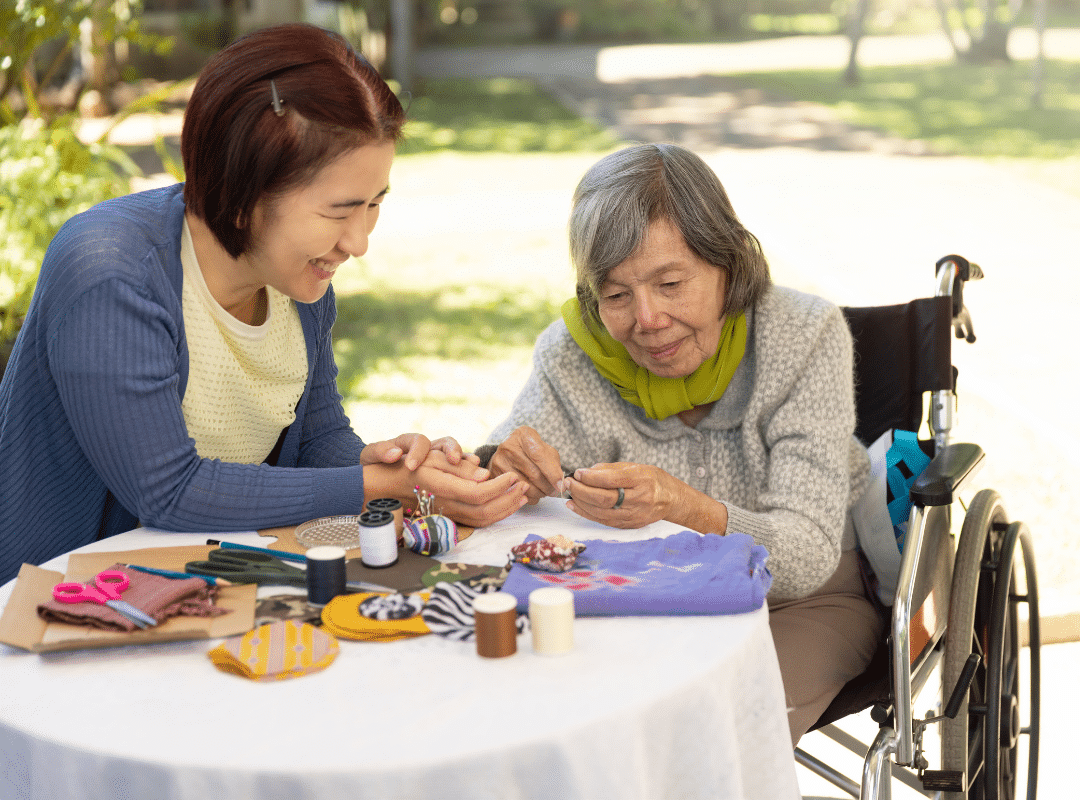
Research shows that engaging in arts and crafts can slow cognitive decline and elevate mood. Consider selecting activities tailored to the individual’s abilities. Simple projects like stringing beads or painting can evoke a sense of accomplishment and joy. These crafts allow for creative expression while also encouraging fine motor skills.

Incorporating familiar materials or themes can enhance engagement, making patients feel more connected to their past. It’s important to foster a supportive environment where they can share their creations and experiences with others, promoting social interaction. Additionally, engaging in these activities can enhance cognitive functions and contribute to the overall well-being of dementia patients.

Simple crafts for dementia patients

Engaging in simple crafts can provide dementia patients with a sense of purpose and enjoyment. These activities not only promote creativity but also enhance cognitive function and emotional well-being.

For instance, creating a painted-bead necklace allows patients to express themselves while improving fine motor skills. All they need are a few wooden beads and some paint, making it easy and accessible.

Another great option is making paper flowers. Using pre-cut shapes can simplify the process and encourage a sense of accomplishment. These flowers can brighten up a room or serve as thoughtful gifts.

You might also consider decorating clay pots. Patients can personalize their pots with paint, fostering creativity and providing an opportunity to care for plants. This is a lovely way to combine artistry with nurturing.

Lastly, assembling a scrapbook can engage their memory and stimulate conversations about cherished moments. It’s a wonderful way to reminisce and create a lasting legacy. Engaging in crafts is an effective way to enhance cognitive health and provide emotional support for dementia patients.

crafts for dementia patients

Creative activities for dementia patients

Creative activities play an essential role in enhancing the quality of life for dementia patients. Engaging in crafts can stimulate cognitive function, improve emotional well-being, and foster social connections. Simple activities, like making painted-bead necklaces or decorating bookmarks, can evoke feelings of accomplishment and joy. These projects often require minimal supervision and can be adapted to suit various stages of dementia, ensuring everyone can participate.

Consider incorporating collaborative crafts, such as scrapbooking or baking decorated sugar cookies. These activities not only spark creativity but also encourage reminiscing and storytelling, which can strengthen bonds between you and the patient. Additionally, crafting paper flowers or personalized mugs provides a sense of ownership and pride in their creations.

Don’t forget about nature-inspired activities like painting or creating birdhouses, which can enhance mood and promote a connection to the outdoors. Engaging in these creative pursuits can be particularly beneficial, as they align with the principles of personalized care plans that focus on maintaining each individual’s quality of life.

Engaging in crafts with dementia patients at Westmont of Morgan Hill can be like planting seeds in a garden. Each simple project, whether it’s a painted-bead necklace or a decorated clay pot, nurtures their cognitive health and emotional well-being. Just like flowers blooming from tender care, these activities spark joy and connection, reminding us of cherished memories. By fostering creativity, you’re not just creating art; you’re cultivating moments of happiness that enrich their lives and strengthen their bond. For more information, please call us at 408-779-8490.


Find Where You Belong

Dive into the vibrant life our Westmont communities have to offer.


Questions on Dementia Caregivers

  1. What are the crafting ideas for people with dementia?
    Crafting activities such as painting, coloring, scrapbooking, and making simple jewelry can be enjoyable and therapeutic for people with dementia. These crafts provide a sense of accomplishment and can help improve fine motor skills and reduce stress. Always choose projects that are safe, easy to complete, and can be done with minimal assistance.
  2. What type of art is best for dementia patients?
    Art activities that are simple and sensory-focused, like watercolors, finger painting, or collage-making, are excellent for dementia patients. These activities encourage creativity, reduce anxiety, and promote self-expression without requiring perfection or precision. Avoid projects that could be frustrating or involve sharp tools.
  3. What is a hobby for a person with dementia?
    Gardening, listening to or playing music, folding laundry, or working on puzzles are great hobbies for people with dementia. These activities provide mental stimulation and a sense of purpose while being adaptable to their cognitive abilities. Tailor the hobby to the individual’s interests and ensure it is manageable.
  4. What are three things to never do with your loved one with dementia?
    Never argue or try to correct them when they are confused; instead, redirect or reassure them. Avoid giving them complex instructions or too many choices, as this can lead to frustration. Lastly, do not isolate them—maintain regular social interactions and engage them in activities to promote emotional well-being.


The Rise of Senior Social Clubs | Westmont of Morgan Hill

The Rise of Senior Social Clubs: A Hub for Fun and Community

You may be surprised to learn that the number of senior social clubs, like Westmont of Morgan Hill, has increased by 25% in the past five years alone. But what is driving this significant growth, and what makes these clubs such a popular choice among older adults seeking fun and community? Let’s explore the factors behind this trend and uncover the unique benefits and opportunities these social hubs provide for seniors looking to stay active, engaged, and connected in their golden years.

The Evolution of Senior Social Clubs

Over the years, senior social clubs have undergone significant transformations to meet the changing needs and interests of older adults. These clubs have evolved into vibrant hubs of social engagement and recreational programs tailored to enhance the well-being and joy of their members. Senior social clubs now offer a wide array of social engagement opportunities, fostering connections and friendships among older adults who may be seeking companionship and support. Through group activities, outings, and events, these clubs create a sense of community where individuals can share experiences and build lasting relationships. Moreover, recreational programs have become a cornerstone of senior social clubs, providing members with opportunities to stay active, learn new skills, and explore their interests. From fitness classes to art workshops, these programs cater to a diverse range of preferences, ensuring that every member can find an activity that brings them joy and fulfillment. Engaging in these diverse recreational programs not only fosters social connections but also enhances cognitive abilities and mental well-being.

Diverse Activities for Every Interest

Looking for activities tailored to your interests? Senior social clubs offer a wide array of options, catering to diverse hobbies and passions. These clubs provide a supportive environment for seniors to engage in therapeutic art activities that promote mental and emotional well-being.

Varied Activity Options

With a plethora of activities tailored to suit every interest, senior social clubs offer a vibrant and engaging environment for individuals looking to stay active and connected. These clubs provide a wide range of options to cater to diverse preferences, guaranteeing there’s something for everyone to enjoy. Here are some of the varied activity options you can explore:

  • Artistic Expression: Engage in creative workshops where you can showcase your artistic talents and learn new skills, fostering a sense of belonging within the artistic community.
  • Nature Excursions: Set off on outdoor adventures like hiking, birdwatching, or gardening to connect with nature and stay active.
  • Cultural Exploration: Immerse yourself in cultural activities such as museum visits, concerts, or theater outings.
  • Physical Fitness: Stay fit and healthy with group exercise classes, yoga sessions, or dance workshops customized for seniors.
  • Intellectual Stimulation: Participate in book clubs, educational lectures, or discussion groups to keep your mind sharp and engaged.

These varied activities ensure that you can pursue your interests while nurturing connections and creating lasting memories within the senior social club community.

Inclusive Interest Offerings

Amidst the diverse array of activities available at senior social clubs, there exists a rich tapestry of inclusive interest offerings designed to cater to every individual’s passion and curiosity. Creative workshops provide a space for artistic expression, whether through painting, pottery, or crafting. These workshops not only nurture creativity but also foster a sense of accomplishment and social connection. For older adults seeking mental stimulation, book clubs and discussion groups offer intellectual stimulation and the opportunity to engage in lively conversations. Gardening clubs provide a therapeutic outlet for nature lovers, cultivating not just plants but also friendships and a sense of community.

Benefits of Socializing in Retirement

Curious about how staying socially active in your retirement years can enhance your well-being and overall quality of life? Socializing in retirement offers numerous benefits that contribute to a fulfilling and joyful life. Here are some reasons why engaging with others can be incredibly rewarding:

  • Mental Stimulation: Interacting with peers in social settings can keep your mind sharp and active.
  • Emotional Support: Building connections with others provides a strong support system during both good and challenging times.
  • Sense of Belonging: Being part of a community fosters a feeling of belonging and purpose.
  • Increased Happiness: Socializing can boost your mood, reduce feelings of loneliness, and bring joy into your life.
  • Improved Physical Health: Engaging with others can lead to more active lifestyles, which can have positive effects on your overall health. Regular social interactions can also help seniors stay motivated to maintain their physical wellness.

senior social clubs

Creating Lasting Bonds and Friendships

As you engage in activities and events at senior social clubs, you have the opportunity to build strong connections with like-minded individuals who share your interests. These interactions can lead to fostering meaningful relationships that bring joy and companionship into your life. By participating in these clubs, you open the door to cultivating lasting friendships that can enrich your social circle and provide support as you navigate through your retirement years.

Building Strong Connections

Creating lasting bonds and friendships at senior social clubs isn’t just about socializing; it’s about forming meaningful connections that enrich your life in countless ways. Building strong connections within these clubs goes beyond casual interactions; it involves fostering relationships that bring joy, support, and a sense of belonging to your life. Here are some ways to build strong connections at senior social clubs:

  • Participate in group activities: Engage in group outings, games, and workshops to bond with others over shared interests.
  • Attend social events: Show up to social gatherings and themed events to meet new people and strengthen existing relationships.
  • Volunteer together: Join hands with fellow club members to give back to the community, creating a sense of camaraderie and purpose.
  • Share personal stories: Open up and listen to others’ experiences, creating a deeper understanding and connection.
  • Support each other: Offer a helping hand, lend a listening ear, and celebrate milestones together to build lasting friendships based on mutual care and respect.

Fostering Meaningful Relationships

To cultivate lasting bonds and friendships at senior social clubs, it’s essential to focus on fostering meaningful relationships that go beyond surface interactions. Social engagement plays a pivotal role in creating a sense of belonging and connection within the community. By actively participating in group activities, sharing stories, and listening with empathy, you can establish personal connections that have the potential to blossom into enduring friendships.

At senior social clubs, every interaction presents an opportunity to deepen relationships and build a support system. Engaging in conversations that are meaningful and genuine can lead to shared experiences that strengthen the bond between individuals.

Taking the time to understand each other’s backgrounds, interests, and aspirations lays the foundation for a friendship that transcends the boundaries of age.

Cultivating Lasting Friendships

To develop lasting bonds and friendships within senior social clubs, it’s essential to nurture genuine connections enriched by shared experiences and understanding. Friend-making events and social engagement play a pivotal role in fostering these meaningful relationships. Here are some tips to cultivate lasting friendships:

  • Participate in Group Activities: Engage in group activities like book clubs, art classes, or group outings to bond over shared interests.
  • Attend Friend-Making Events: Make an effort to attend friend-making events organized by the club to meet new people and expand your social circle.
  • Listen and Share: Actively listen to others and share your own stories and experiences to build rapport and trust.
  • Volunteer Together: Volunteering for community projects or within the club can create strong bonds through shared goals and experiences.
  • Support Each Other: Be there for your friends in times of need, offering support, empathy, and companionship.

senior social clubs

Wellness and Health Programs Offered

Wellness and health programs are at the heart of our senior social clubs, offering a range of activities and services designed to support your physical and mental well-being.

When it comes to mental wellness, our clubs provide various resources such as mindfulness meditation sessions, cognitive stimulation activities, and support groups to help you maintain a positive outlook and emotional balance. These programs are tailored to nurture your cognitive abilities and provide a space for self-expression and emotional support.

On the physical health front, our clubs offer fitness classes, nutrition workshops, and health screenings to make sure you stay active and informed about your well-being.

Staying physically active is essential for maintaining strength, flexibility, and overall health as you age. The programs are designed to cater to different fitness levels and preferences, promoting a holistic approach to wellness.

Community Impact and Outreach Efforts

Enhancing the lives of seniors and fostering a sense of belonging in the community is central to our senior social clubs’ mission. We believe in creating a warm and inclusive environment where seniors can thrive and actively contribute to the community. Here are some ways our senior social clubs make a difference:

  • Volunteer Opportunities: We offer various volunteer opportunities that allow seniors to give back to the community and make a positive impact.
  • Community Events: Our clubs organize engaging community events that bring seniors together with people of all ages, fostering connections and building relationships.
  • Support Programs: We provide support programs that address the specific needs of seniors in our community, ensuring they receive the care and assistance they require.
  • Collaborations with Local Organizations: We collaborate with local organizations to expand our reach and create a more significant impact on the community.
  • Outreach Initiatives: Our outreach initiatives aim to raise awareness about senior issues and promote inclusivity and understanding among community members.

Future Trends in Senior Club Development

As senior social clubs continue to evolve in their mission to empower and engage older adults, it’s essential to look toward future trends that will shape the development of these important community hubs.

In the coming years, technology integration will play a significant role in enhancing the experiences offered at senior clubs. By embracing digital tools and platforms, clubs can provide personalized experiences tailored to the diverse interests and needs of their members. This tech-savvy approach will foster greater connectivity and engagement among seniors, promoting a sense of belonging and social interaction.

Moreover, sustainable practices and environmental initiatives will be key components of senior club development in the future. Implementing eco-friendly solutions such as energy-efficient buildings, recycling programs, and community gardens can benefit the environment and create a healthier and more socially responsible space for seniors to enjoy.

You’ve seen how senior social clubs are not just a place for fun, but an essential hub for community and connection. Did you know that studies show that older adults who engage in social activities have a 25% lower risk of developing dementia? By joining a senior social club like Westmont of Morgan Hill, you’re not only having a great time but also investing in your long-term cognitive health. So why wait? Come join us at Westmont of Morgan Hill and make lasting memories while staying sharp! Contact us at 408-779-8490.

What Level of Care Do You Need?

Discover the level of care you or your family member requires. 


Frequently asked questions

Where is the best place for seniors to meet?


Seniors can meet at community centers, senior clubs, or local parks, which often host activities designed for older adults. Libraries and coffee shops are also great options for casual socializing. Many seniors enjoy attending religious or spiritual gatherings for connection. Additionally, senior living communities frequently offer organized meetups for residents to foster friendships.

What are social activities for the elderly?


Social activities for the elderly can include board games, arts and crafts, or gardening groups. Exercise classes like yoga, tai chi, or dancing are popular and promote both socializing and physical health. Book clubs and movie nights provide a more relaxed way for seniors to engage with others. Volunteering and attending educational workshops also offer enriching experiences for older adults.

What is the best social club for seniors?


The best social club for seniors often depends on personal interests, but organizations like the AARP offer numerous events and resources. Local senior centers or community groups are excellent for fostering friendships through regular activities. Many cities also have specialized groups, such as walking clubs, chess clubs, or travel groups, which cater to seniors’ specific hobbies. Senior-specific membership clubs often provide tailored social events, fitness programs, and educational opportunities.


What Does Hospice Mean?

What Does Hospice Mean?

When you hear the community Westmont of Morgan Hill you might have a general idea of what it entails, but have you ever truly understood the depth of care and compassion that this specialized form of support offers?

Westmont of Morgan Hill encompasses a range of services and values that go beyond mere medical care, touching upon the very essence of human dignity and comfort in the face of life’s most challenging moments.

Let’s explore the profound meaning and significance of Westmont of Morgan Hill hospice care, shedding light on its core principles and the impact it has on individuals and families during one of life’s most delicate shifts.

Key Takeaways

  • Focuses on end-of-life care and comfort.
  • Provides emotional, spiritual, and physical support.
  • Emphasizes dignity, respect, and pain management.
  • Includes family involvement and end-of-life planning.
  • Offers holistic care for physical, emotional, social, and spiritual needs.


Definition of Hospice

If you or a loved one is facing a terminal illness, understanding the definition of hospice can provide clarity and support during a challenging time. Hospice isn’t just a place but a philosophy that focuses on providing compassionate end-of-life care. It emphasizes enhancing the quality of life for individuals with terminal illnesses by managing pain and symptoms while offering emotional and spiritual support to both patients and their families.

At the core of the hospice philosophy is the belief that every person has the right to dignity, respect, and comfort during their final days. Hospice care aims to help individuals live as fully and comfortably as possible, making the passage from life to death with peace and acceptance.

This approach recognizes the holistic needs of patients, addressing not only physical symptoms but also emotional, social, and spiritual aspects.

In essence, hospice care is about honoring the journey towards the end of life with compassion and understanding. It provides a supportive environment where individuals can find comfort, solace, and companionship during a challenging and sensitive time.

Goals of Hospice Care

Understanding the goals of hospice care is vital for individuals facing terminal illnesses and their families. The primary focus is on patient comfort, ensuring that their physical and emotional needs are met during this challenging time. Hospice care places a strong emphasis on family involvement, recognizing the importance of their support and presence in the patient’s journey.

In addition to providing medical care, hospice teams offer emotional support to both the patient and their loved ones. This includes counseling, spiritual guidance, and assistance in coping with the emotional aspects of end-of-life care. By addressing these needs, hospice aims to improve the quality of life for patients and their families.

End-of-life planning is another pivotal goal of hospice care. This involves helping patients and families make decisions about their care preferences, ensuring that their wishes are respected and honored.

Hospice teams work collaboratively with patients and families to create a personalized care plan that focuses on comfort, dignity, and support throughout the end-of-life process.

Hospice Services Provided

When entering hospice care, you’ll find a variety of services tailored to meet your unique needs. From pain management to emotional support, hospice offers thorough care options to enhance your quality of life.

Additionally, families receive guidance and assistance to navigate this challenging time with compassion and understanding.

Care Options Offered

Exploring the care options offered in hospice can provide valuable insight into the support and services available to individuals facing end-of-life care. In hospice, the focus is on providing comfort, dignity, and quality of life during this challenging time.

Here are four essential care options offered in hospice, including specialized pain management and emotional and spiritual support services:

  1. Pain Management: Skilled professionals work to alleviate physical discomfort through medications and therapies, ensuring the patient’s comfort. Additionally, expertise and deep understanding of elderly needs play a pivotal role in tailoring pain management strategies for elderly individuals.
  2. Emotional Support: Trained counselors and social workers offer emotional support to both the patient and their loved ones, helping them navigate their feelings and concerns.
  3. Spiritual Care: Hospice provides spiritual support tailored to the individual’s beliefs, offering solace and guidance during this spiritual journey.
  4. 24/7 Access to Care: Patients have access to hospice staff around the clock, ensuring that any needs or concerns are addressed promptly, providing reassurance and comfort.

These care options are designed to offer holistic support and comfort, aiming to enhance the quality of life for individuals receiving palliative and end-of-life care.

Support for Families

The care options offered in hospice extend beyond the patient to encompass essential support for their families as well. Family involvement is a cornerstone of hospice care, recognizing the importance of loved ones in the patient’s journey. As a family member, you play a crucial role in decision-making and care planning, ensuring that your loved one’s wishes and needs are met with compassion and understanding.

Additionally, establishing routines aligned with preferences and needs can enhance the caregiving experience Caregiving Routine and Support.

Emotional support is a key component of hospice services for families. Coping with a loved one’s illness can be overwhelming, and hospice provides counseling and resources to help you navigate these difficult emotions. By offering guidance and a listening ear, hospice aims to ease the burden on families during this challenging time.

Hospice Team Members

A critical element of hospice care is the dedicated team of professionals who collaborate to provide compassionate support and comfort to patients and their families during a challenging time. This collaborative effort, where residents play a crucial role in the community, ensures that individuals facing the end of life receive holistic care that addresses their physical, emotional, and spiritual needs. Here are some key aspects of hospice team members:

  1. Team Dynamics: The hospice team consists of various professionals, including doctors, nurses, social workers, chaplains, and volunteers, who work together seamlessly to provide all-encompassing care.
  2. Communication Strategies: Effective communication is crucial in hospice care, with team members regularly updating each other on the patient’s condition and preferences to provide consistent and personalized support.
  3. Emotional Support: Hospice team members offer emotional support not only to the patient but also to their family members, helping them navigate the complex emotions that arise during this challenging time.
  4. Education and Guidance: Team members provide education and guidance to both patients and families, empowering them to make informed decisions and find peace in the midst of uncertainty.

Eligibility for Hospice Care

Understandably, when considering hospice care for yourself or a loved one, grasping the criteria that determine eligibility for this specialized form of end-of-life support is crucial.

Hospice care is typically available to individuals with a terminal illness and a life expectancy of six months or less. To qualify for hospice services, a healthcare provider must certify the prognosis. Financial considerations are also important; many hospice services are covered by Medicare, Medicaid, and private insurance plans.

It’s crucial to have end-of-life planning discussions with your loved ones to ensure your wishes are understood and respected. These conversations can help you make informed decisions about hospice care and prepare for the emotional and practical aspects of end-of-life care.

Hospice provides compassionate care that focuses on improving quality of life and providing support to both patients and their families during this challenging time.

Benefits of Hospice Services

Exploring the benefits of hospice services can provide invaluable insights into the compassionate care and support available to individuals facing terminal illness. When considering hospice care, here are four essential benefits to keep in mind:

  1. Emotional Support: Hospice services offer not only medical assistance but also emotional support for both the individual and their loved ones. This can help in addressing the complex emotions that often come with end-of-life care.
  2. End-of-Life Care: Hospice services focus on providing specialized care tailored to the individual’s needs as they near the end of their life. This includes pain management, symptom control, and overall comfort to guarantee a peaceful shift.
  3. Family Support: Hospice care extends its support to family members and caregivers, offering guidance, counseling, and respite care to assist them in coping with the challenges of caregiving and grief.
  4. Enhanced Quality of Life: By prioritizing comfort and dignity, hospice services aim to improve the quality of life for individuals facing terminal illness, ensuring they can live their remaining days with as much comfort and support as possible.

To sum up, hospice is a compassionate and holistic approach to end-of-life care, focusing on providing comfort, dignity, and support to individuals facing a terminal illness. It aims to enhance the quality of life for patients in their final stages while also offering emotional support and guidance to their families. Hospice care guarantees that patients receive the care and support they need to live their final days with peace, dignity, and comfort. If you need more information, please contact Westmont of Morgan Hill at 408-779-8490.


Find Where You Belong

Dive into the vibrant life our Westmont communities have to offer.


Frequently Asked Questions

Can Hospice Care Be Provided at Home?

Yes, hospice care can be provided at home, ensuring comfort and respect for patient autonomy. This compassionate option allows individuals to receive end-of-life care in familiar surroundings, surrounded by loved ones, enhancing overall quality of life.

How Is Pain Managed in Hospice Care?

In hospice care, pain is managed through medication management tailored to your needs. Additionally, emotional support is provided to ease any distress. You are not alone in this journey; compassionate care is here for you.

Are Alternative Therapies Offered in Hospice?

In hospice care, alternative therapies like holistic healing are often offered to address the mind-body connection. These therapies can provide comfort and support for you and your loved ones during this challenging time, promoting overall well-being.

What Happens if a Patient’s Condition Improves?

If unexpectedly improving while in hospice, the care team reevaluates. If you’re no longer eligible due to getting better, they support your shift out. Your well-being remains their priority throughout this journey.

How Are Family Members Supported in Hospice?

Supporting you during hospice, family members receive emotional support through counseling. They can also benefit from respite care, providing relief for caregivers. These services aim to help you navigate this challenging time with compassion and understanding.


Adaptive Technologies in Memory Care: Enhancing Daily Lives at Westmont of Morgan Hill

Introduction to Adaptive Technologies in Memory Care

In the serene setting of Morgan Hill, CA, Westmont of Morgan Hill stands as a beacon of innovation and compassion in the field of memory care. Our commitment to enhancing the daily lives of our residents is exemplified through the integration of adaptive technologies. These technologies not only offer practical solutions but also provide a gateway to improved quality of life for individuals living with memory impairments.

The Role of Technology in Modern Memory Care

Technology in memory care is no longer a luxury but a necessity. At Westmont of Morgan Hill, we understand that each resident has unique needs and challenges. Adaptive technologies are specifically designed to cater to these individual requirements, ensuring that every person receives personalized and effective care.

How Adaptive Technologies Improve Daily Living

Adaptive technologies in memory care encompass a wide range of tools and systems designed to assist with everyday activities, cognitive stimulation, safety, and overall well-being. These technologies are not just tools; they are extensions of our care philosophy, enabling our residents to experience a higher level of independence and dignity.


Enhancing Safety and Independence

Innovative Solutions for Everyday Challenges

At the heart of our approach to memory care is the use of adaptive technologies to address everyday challenges. From simple devices that aid in daily tasks to more complex systems that ensure safety and security, we harness technology to create an environment that is both safe and empowering for our residents.

Personalized Care Through Technology

Each resident at Westmont of Morgan Hill benefits from a personalized approach to care, significantly enhanced by adaptive technologies. These technologies allow us to tailor our support to the specific needs of each individual, ensuring that they receive the most effective and compassionate care possible.

Empowering Residents with Memory Impairments

Adaptive technologies play a crucial role in empowering our residents. By providing tools that assist with daily tasks and cognitive functions, we help maintain their independence and sense of self-worth. These technologies are not just about assistance; they are about enabling our residents to live their lives to the fullest.

Cognitive Stimulation and Engagement

Interactive Technologies for Cognitive Health

Cognitive health is a critical aspect of memory care, and at Westmont of Morgan Hill, we leverage adaptive technologies to stimulate and engage the minds of our residents. Interactive games, virtual reality experiences, and personalized cognitive exercises are just some of the ways we use technology to enhance cognitive well-being.

Tailored Activities for Enhanced Engagement

Our approach to cognitive stimulation is deeply personalized. Adaptive technologies enable us to create activities and programs that are tailored to the interests and abilities of each resident. This personalized approach ensures that every individual is engaged in a meaningful and enjoyable way.

The Role of Technology in Social Interaction

Adaptive technologies also play a vital role in fostering social interaction among our residents. Through group activities and technology-enabled communication tools, we encourage socialization and connection, which are essential for emotional well-being.

The Role of Technology in Social Interaction

The Role of Technology in Social Interaction

Continuously Advancing Care Through Technology

Staying Ahead with Innovative Solutions

At Westmont of Morgan Hill, we are committed to staying at the forefront of memory care technology. We continuously explore and integrate the latest advancements in adaptive technologies, ensuring that our residents benefit from the most effective and innovative solutions available.

The Impact of Technology on Memory Care

The impact of adaptive technologies on memory care cannot be overstated. These tools not only enhance the day-to-day lives of our residents but also significantly improve the overall quality of care we provide. By embracing technology, we are able to offer a level of care that is truly transformative.

Personalized and Compassionate Care

The Intersection of Technology and Human Touch

While adaptive technologies are crucial, they complement rather than replace the human element of care. At Westmont of Morgan Hill, we blend technology with the compassionate touch of our skilled caregivers. This synergy ensures that our residents receive care that is both technically advanced and deeply empathetic.

Enhancing Caregiver Efficiency and Responsiveness

Adaptive technologies also enhance the efficiency and responsiveness of our caregivers. By utilizing tools for monitoring and communication, our staff can respond more quickly to the needs of residents, ensuring timely and effective care.

Customized Care Plans with Technological Integration

Each resident’s care plan at Westmont of Morgan Hill is a unique blend of traditional caregiving and technological support. By integrating adaptive technologies into these plans, we can provide care that is not only effective but also highly personalized.

The Future of Memory Care Technology

Embracing Emerging Technologies

Looking to the future, Westmont of Morgan Hill remains dedicated to embracing emerging technologies in memory care. We are constantly exploring new ways to enhance the lives of our residents through innovation, whether it’s through cutting-edge health monitoring systems or advanced cognitive stimulation tools.

The Promise of Technological Advancements

The potential of technological advancements in memory care is immense. From AI-driven diagnostics to virtual reality therapies, the future holds exciting possibilities for enhancing the quality of life for individuals with memory impairments.

Continuous Learning and Adaptation

Our commitment to technology in memory care is rooted in a philosophy of continuous learning and adaptation. We understand that the field of adaptive technologies is ever-evolving, and we are dedicated to staying informed and adaptable to ensure the best care for our residents.

Building a Community of Care and Technology

Technology as a Tool for Connection

At Westmont of Morgan Hill, technology is also used to build a sense of community among residents, staff, and families. Through various platforms, we facilitate communication and connection, creating a supportive and engaged community.

Involving Families in Care

We recognize the importance of involving families in the care process. Adaptive technologies provide families with insights into the well-being of their loved ones and enable them to be a part of their care journey, even from a distance.

A Hub of Innovation in Morgan Hill

Westmont of Morgan Hill is not just a memory care facility; it is a hub of innovation and compassion in Morgan Hill. Our use of adaptive technologies positions us as a leader in the field, setting a standard for excellence in memory care.

Conclusion

A Commitment to Excellence in Memory Care

In conclusion, at Westmont of Morgan Hill, our commitment to integrating adaptive technologies in memory care is driven by our dedication to enhancing the lives of our residents. By leveraging these innovations, we provide care that is not only effective but also deeply compassionate and personalized.

Join Us in Enhancing Lives

If you are seeking memory care services that blend innovative technology with compassionate care, we invite you to explore what Westmont of Morgan Hill has to offer. To learn more about our approach and how we can assist you or your loved one, please contact us at 408-779-8490.

Best Healthcare Options for Senior

When maneuvering the complexities of healthcare options for a senior, the choices can seem overwhelming. From in-home care services to assisted living facilities, each option offers unique benefits tailored to meet specific needs. But which one is truly the best for your loved one?

Consider personalized care, 24/7 support, cognitive stimulation, and end-of-life comfort. The best healthcare option for a senior is not a one-size-fits-all solution; it’s about finding the perfect fit that prioritizes their well-being and quality of life, such as Westmont of Morgan Hill.

Key Takeaways

  • Personalized in-home care services tailored to individual needs.
  • Assisted living facilities with 24/7 support and healthcare services.
  • Memory care programs for cognitive stimulation and emotional support.
  • Hospice care prioritizes comfort, dignity, and end-of-life support.
  • Telemedicine options for remote consultations and health monitoring.

In-Home Care Services

When considering healthcare options for a senior, in-home care services provide a personalized and convenient solution. Customized assistance is a key benefit of in-home care services, as caregivers offer tailored support based on each senior’s needs. This customized approach guarantees that seniors receive the specific assistance required to maintain their health and well-being at home.

In addition to personalized assistance, in-home care services also emphasize home safety. Caregivers are trained to identify potential safety hazards within the home environment and implement strategies to prevent accidents and injuries. By addressing issues such as fall risks, medication management, and emergency preparedness, in-home care services help seniors maintain a safe and secure living space.

Community support and resources, like those provided by Westmont Living, can further enhance the quality of care offered to seniors in their homes.

Assisted Living Facilities

Assisted living facilities, also called residential care facilities, offer seniors a supportive living environment where they can receive assistance with daily activities while maintaining independence. These facilities prioritize senior independence and provide quality care through various services:

  1. Personalized Care Plans: Tailored assistance based on individual needs and preferences to support senior residents’ daily routines.
  2. Social Engagement Programs: Activities and events designed to foster social connections and mental stimulation, promoting overall well-being.
  3. 24/7 Support: Round-the-clock availability of trained staff to ensure immediate assistance and supervision when needed.
  4. Healthcare Services: Access to healthcare professionals for regular check-ups, medication management, and coordination of medical appointments.

Assisted living facilities aim to create a safe and comfortable environment where seniors can thrive independently while receiving the necessary support.

Memory Care Programs

Memory Care Programs offer specialized services tailored to meet the unique needs of individuals with memory impairments. These programs focus on creating individualized treatment plans that cater to each person’s specific cognitive challenges and abilities.

Research shows that personalized care in memory programs can improve the quality of life and overall well-being of seniors with memory-related issues.

Specialized Memory Care

Numerous studies have highlighted the importance of specialized memory care programs in providing tailored support for seniors with memory impairment. These programs offer a range of benefits that cater to individuals’ specific needs, ensuring they receive the best care possible.

Here are four key components of specialized memory care:

  1. Person-Centered Approach: Tailoring care plans to the individual’s preferences and abilities, enhancing their sense of identity and autonomy within the program.
  2. Structured Routine: Implementing a predictable daily schedule helps reduce anxiety and confusion, promoting a sense of security and stability.
  3. Therapeutic Activities: Engaging in cognitive stimulation exercises, such as puzzles or memory games, to maintain mental acuity and slow cognitive decline.
  4. Trained Staff: A team of experts trained in memory care who can provide emotional support, understanding, and specialized care to residents is needed.

Specialized memory care programs are designed to enhance the quality of life for seniors with memory impairments by focusing on cognitive stimulation and emotional support. Thus, they offer a holistic approach to memory care.

What Level of Care Do You Need?

Discover the level of care you or your family member requires.

Individualized Treatment Plans

Effective memory care programs prioritize creating individualized treatment plans customized to each senior resident’s unique needs and preferences. Personalized care in memory care programs involves a holistic approach that considers not only the medical aspects but also the emotional and social well-being of the seniors. By customizing treatment plans, caregivers can ensure that seniors receive the specific care and support they require, leading to better outcomes and quality of life.

Key Aspects Benefits
Tailored Medical Care Addresses specific health conditions and medication needs
Cognitive Stimulation Engages seniors in activities to maintain mental sharpness
Emotional Support Provides counseling and companionship to enhance well-being

These individualized treatment plans are designed based on thorough assessments of each senior’s cognitive abilities, medical history, and social preferences. By integrating personalized care and a holistic approach, memory care programs can better cater to the diverse needs of senior residents, promoting overall well-being and quality of life.

Hospice Care

Regularly, hospice care is a specialized form of healthcare that focuses on enhancing the quality of life for individuals with terminal illnesses. Hospice care offers thorough end-of-life support and comfort care for patients and their families. Here are four key aspects to keep in mind when contemplating hospice care:

  1. Multidisciplinary Team: Hospice care involves a team of healthcare professionals, including doctors, nurses, social workers, and spiritual counselors, who collaborate to promote the patient’s physical, emotional, and spiritual well-being.
  2. Pain Management: One of the primary goals of hospice care is to manage pain effectively, using a combination of medications, therapies, and other interventions to keep the patient comfortable and enhance their quality of life.
  3. Family Support: Hospice care not only focuses on the patient but also offers support and guidance to family members, assisting them in dealing with the emotional and practical challenges of caring for a loved one with a terminal illness.
  4. Quality of Life: Hospice care prioritizes the patient’s quality of life, maximizing comfort, dignity, and overall well-being during the end-of-life journey.

Telemedicine Options

When considering healthcare options for a senior, exploring the benefits of remote consultations and the convenience of virtual check-ups through telemedicine is vital. Remote consultations provide access to healthcare professionals without needing travel, offering a convenient and efficient way to address medical concerns. Additionally, telemedicine aligns to provide extensive medical care for seniors by offering personalized care and preventive measures Ultimate Guide To Senior Whole Health Plans.

Virtual check-ups can help seniors monitor their health status regularly, promoting proactive management of potential health issues.

Remote Consultations Benefits

Telemedicine options offer significant benefits for seniors seeking healthcare solutions. When it comes to remote consultations, the advantages are clear:

  1. Telemedicine Effectiveness: Studies have shown that remote consultations can be as effective as in-person visits for many routine medical issues.
  2. Convenience: Remote consultations eliminate the need for seniors to travel to healthcare facilities, saving time and energy.
  3. Accessibility: Seniors in rural or underserved areas can access healthcare professionals more easily through remote consultations.
  4. Cost-Effective: Remote consultations are often more affordable than traditional in-person visits, helping seniors save on transportation and other associated costs.

Virtual Check-up Convenience

Enhancing the healthcare experience for a senior, virtual check-up convenience through telemedicine options offers a streamlined approach to monitoring and managing health conditions. Telehealth benefits include easy access to healthcare professionals from the comfort of your home, saving time, and reducing the need for frequent in-person visits. Online consultations allow for real-time interactions with doctors, enabling quick assessment of symptoms and medication adjustments without the hassle of traveling to a clinic.

Consider the following table illustrating the advantages of virtual check-ups for seniors:

Benefits of Virtual Check-ups Details
Convenience Access care from home at your convenience
Time-saving Eliminate travel time to and from appointments
Enhanced Monitoring Regular check-ups without leaving home

With virtual check-up convenience, seniors can proactively manage their health while promptly receiving quality care and medical advice. Embracing telemedicine options empowers seniors to stay engaged in their health journey without the added stress of traditional healthcare visits.

Senior Wellness Programs

Many senior citizens benefit significantly from participating in structured Senior Wellness Programs to enhance their physical and mental well-being. These programs offer a holistic approach to senior health, focusing on senior fitness and mental health to promote overall wellness.

Here are four key components of Senior Wellness Programs:

  1. Tailored Exercise Routines: Senior fitness classes are carefully crafted to cater to the specific needs and limitations of older adults, improving strength, flexibility, and balance.
  2. Nutritional Guidance: These programs often include nutritional counseling to ensure seniors consume a balanced diet, supporting their overall health and well-being.
  3. Mental Health Workshops: Mental health is an essential aspect of senior wellness, with programs offering workshops and activities to promote cognitive function, emotional well-being, and social interaction.
  4. Health Monitoring: Regular health assessments and monitoring help track progress, identify areas for improvement, and guarantee seniors receive personalized care to address their unique health needs.

Senior Wellness Programs play a pivotal role in enhancing the quality of life for older adults, promoting longevity, independence, and overall well-being.

Geriatric Care Management

Geriatric Care Management involves coordinating and overseeing the medical and social needs of elderly individuals to guarantee they receive thorough and personalized care. Care coordination is necessary to ensure seniors receive the right services at the right time, avoiding duplication or gaps in care. Communication strategies are important in this coordination, ensuring that information flows smoothly between healthcare providers, caregivers, and family members.

The table below outlines key aspects of Geriatric Care Management:

Aspects Description Importance
Care Coordination Coordinating medical and social services for seniors Essential
Communication Ensuring effective information exchange Crucial
Family Involvement Involving family members in care decisions Supportive
Caregiver Support Providing assistance and resources for caregivers Vital

Family involvement and caregiver support are fundamental components of Geriatric Care Management, as they contribute significantly to the overall well-being and quality of life of elderly individuals.

Palliative Care Services

Palliative Care Services aim to improve the quality of life for individuals facing serious illnesses by focusing on symptom management, pain relief, and emotional support. When considering palliative care services, here are four key aspects to keep in mind:

  1. Comfort Care: Palliative care emphasizes providing comfort and improving the quality of life for patients, ensuring that their physical and emotional needs are met.
  2. End-of-Life Support: This service offers support to the patient and their families, helping them navigate the challenges of end-of-life care.
  3. Holistic Approach: Palliative care takes a holistic approach, considering the individual’s physical, emotional, and spiritual needs to provide all-encompassing support.
  4. Collaborative Team: Healthcare professionals, including doctors, nurses, social workers, and counselors, create a personalized care plan that meets each patient’s unique needs.

Find Where You Belong

Dive into the vibrant life our Westmont communities have to offer.

To sum up, the best healthcare options for a senior encompass various services tailored to their unique needs. In-home care services offer personalized assistance, while assisted living facilities like Westmont of Morgan Hill provide 24/7 support. Memory care programs focus on cognitive stimulation, hospice care prioritizes comfort, and telemedicine options offer convenient access to healthcare professionals. Additional support services like senior wellness programs and geriatric care management further enhance the quality of healthcare for a senior.


6 Fun Word Games for Seniors to Boost Mental Agility


Staying mentally active becomes crucial as you age to prevent cognitive decline and keep your mind sharp. And what better way to do so than with word games that are both entertaining and stimulating? At Westmont of Morgan Hill, we understand the importance of brain stimulation for seniors. We’ve curated a list of 6 fun word games designed to boost your mental agility, memory, and overall well-being. From Scrabble Twist to Words in Words, these games are perfect for seniors looking to challenge themselves, have fun, and stay engaged – all from the comfort of their homes. So, exercise your brain and unlock a sharper, healthier you!


Stay Sharp with Westmont of Morgan Hill

Brain stimulation keeps the mind sharp and prevents various age-related health conditions. Here are some stimulating word games your senior loved one should play to have fun, boost their mood, and keep their brain stimulated.


Word Games Galore

Before we examine the exciting world of word games, remember that the goal is to have fun while exercising your brain. Word games are an excellent way to boost mental agility, memory, and mood, making them a necessary part of a healthy aging routine.


What Level of Care Do You Need?

Discover the level of care you or your family member requires.


Scrabble Twist: A Classic with a Twist

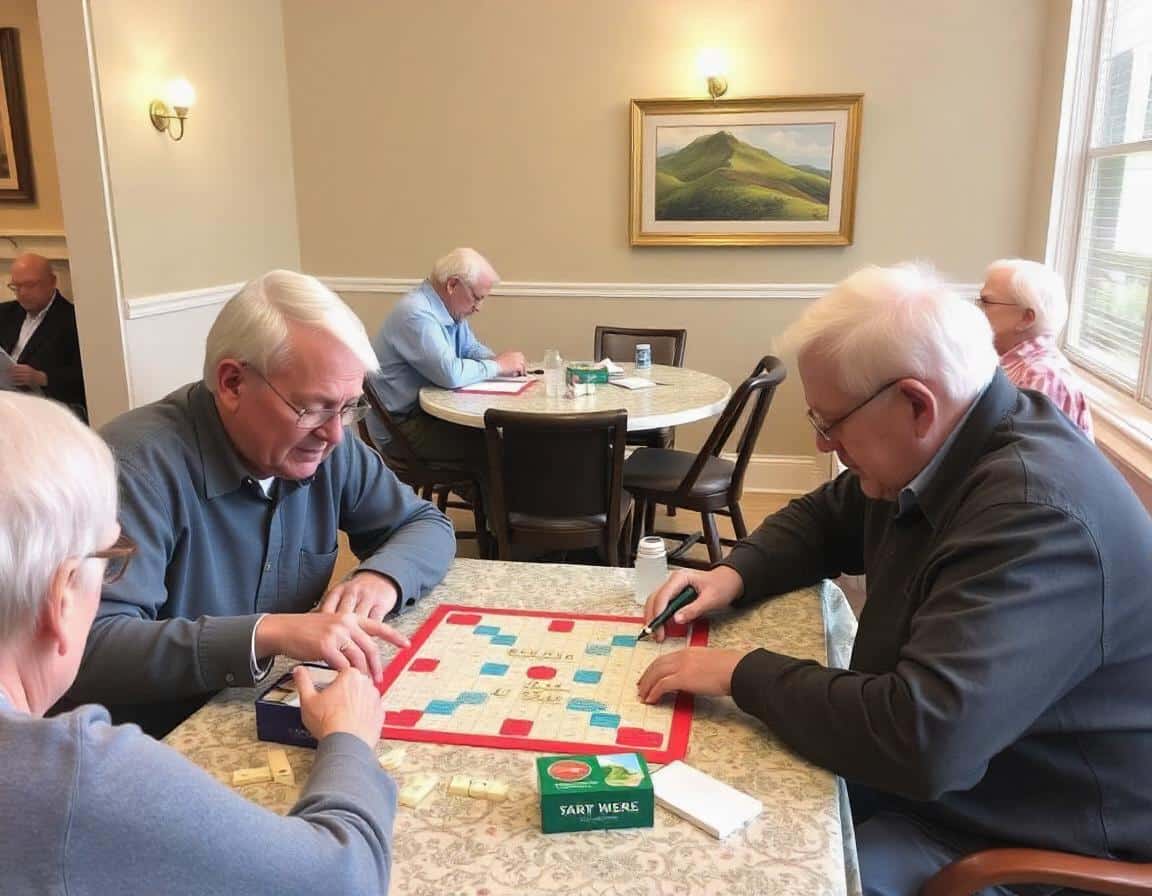
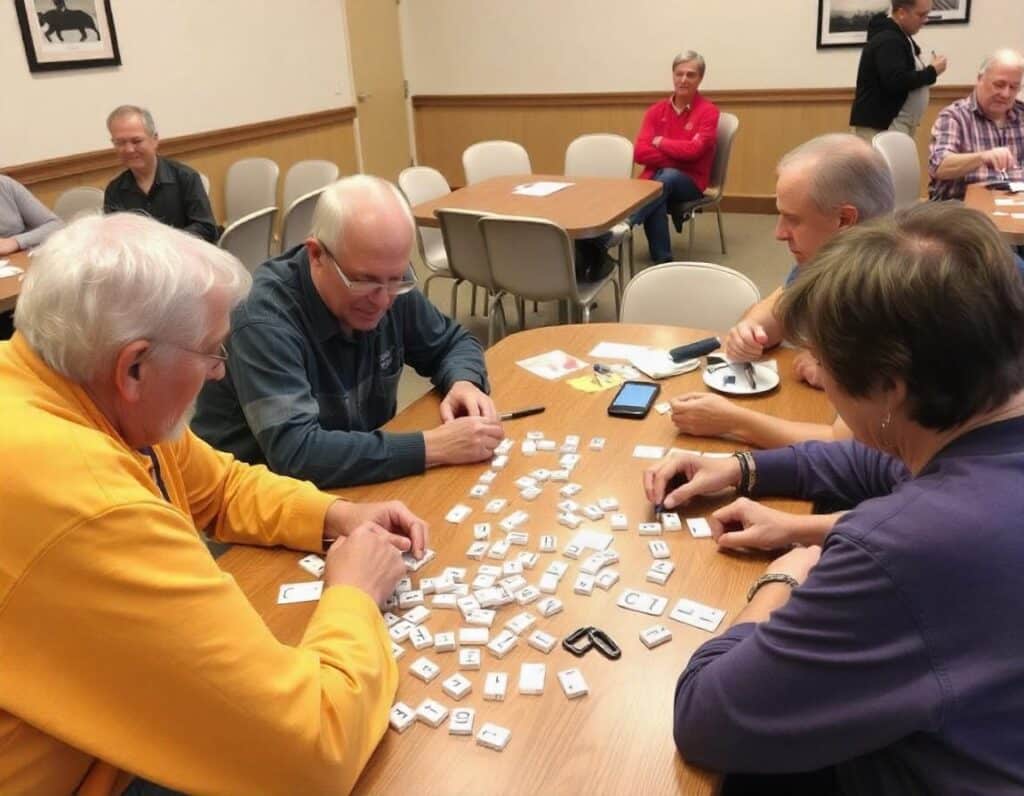
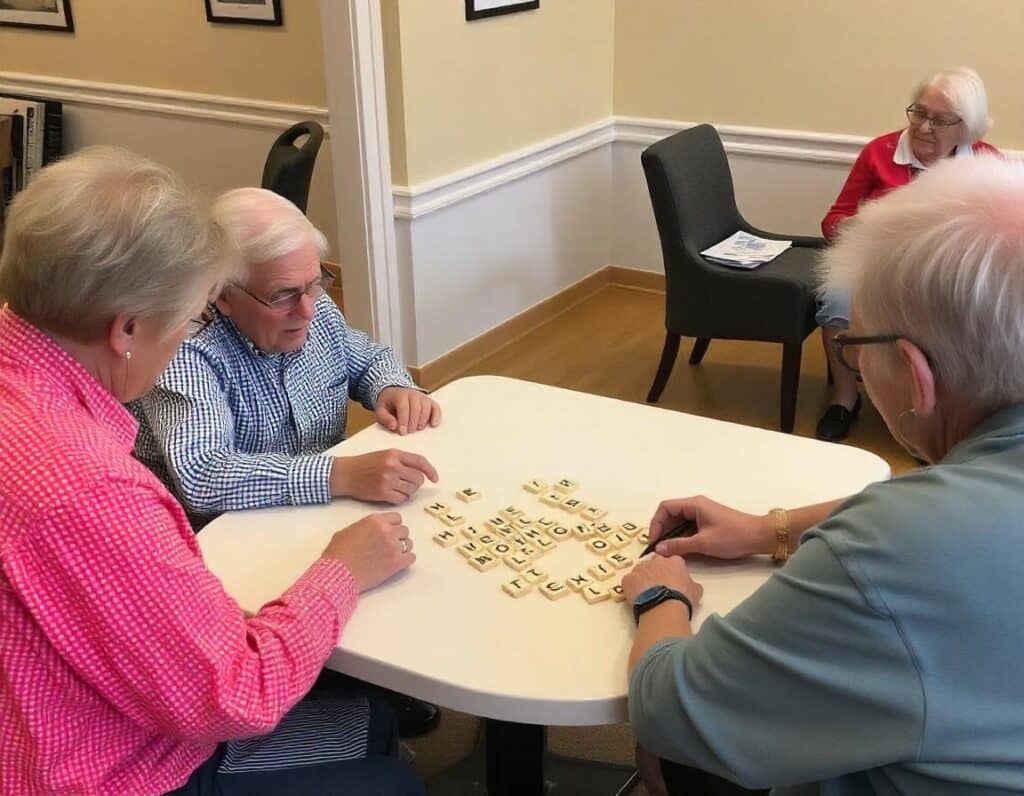
The classic Scrabble game gets a modern twist with Scrabble Twist, designed specifically for seniors. This game is perfect for those who want to challenge their vocabulary and strategic thinking skills while having fun.

Scrabble Twist

Scrabble Twist

Boggle: Finding Hidden Words

Games like Boggle are perfect for seniors who love word puzzles and challenges. This classic word game requires players to find hidden words in a grid of letters, promoting creative and critical thinking.


Boggle is an excellent way to improve vocabulary, concentration, and memory. Its simple yet challenging gameplay is ideal for seniors looking to stay mentally active and engaged. You can play Boggle online or purchase the board game for a fun family activity.


Digital Delights

If you’re looking for a convenient way to access word games, digital options are the way to go! You can find many word games online, like the ones listed in 10 Word Games for Seniors | Deptford. Digital word games offer flexibility and ease of use, making them perfect for seniors who want to stay mentally active.


Words with Friends: Social Word-Building

Digital word games like Words with Friends allow you to connect with friends and family while exercising your brain. This popular app lets you play word games with others in real time, promoting social interaction and mental stimulation.


Upwords: Building on Classics

For a twist on traditional word games, try Upwords! This digital version of the classic game lets you build on existing words, creating a fun and challenging experience.

Delights like Upwords offer a unique spin on classic word games, making them more engaging and entertaining for seniors. By stacking new words on top of existing ones, you can play faster while stimulating your brain and having fun.

Seniors Playing Upwords

Upwords

Rhyming Fun

While word games are an excellent way to exercise your brain, they can also be a blast! Rhyming games, in particular, are a great way to get your creative juices flowing and have fun with language. They’re also an excellent way to improve your memory and cognitive function, which is imperative for seniors.


Rhyming Ball: A Toss-Up of Words

To start with a Rhyming Ball, you only need a ball and a group of friends or family members. Players take turns tossing the ball to each other, and when someone catches it, they have to come up with a word that rhymes with the previous word. For example, if the first player says “cat,” the next player might say “hat.” It’s a simple yet engaging game for seniors looking to boost their mental agility and memory.


Hidden Gems

There are numerous word games beyond the classics for seniors looking to exercise their brains and have fun. You can find inspiration online, such as the list of 10 Free Brain Games & Memory Exercises for Seniors. These hidden gems can provide a fresh challenge and keep your loved one engaged and mentally active.


Words in Words: Uncovering Secret Messages

One of the most intriguing word games for seniors is Words in Words. This game involves finding hidden words within other words, which requires attention to detail and creative thinking. By playing Words in Words, your loved one can improve their cognitive function, memory, and problem-solving skills while having fun uncovering secret messages.


Find Where You Belong

Dive into the vibrant life our Westmont communities have to offer.


Summing up

Considering this, it’s clear that incorporating word games into your daily routine can significantly impact mental agility and memory. From Scrabble Twist to Words in Words, these six fun word games for seniors are designed to stimulate the brain, boost mood, and enhance overall cognitive function. Explore Brain Exercises For Seniors (15 Games For Cognitive Improvement) for more brain-stimulating activities. At Westmont of Morgan Hill, we’re committed to providing seniors with engaging activities that promote healthy aging. Contact us at 408-779-8490 to learn more about our senior living community and how we can support your loved one’s cognitive health.


Floor Plans & Pricing

Make yourself at home where a happy, healthy lifestyle goes hand-in-hand with your personal fulfillment, enrichment, and growth.

Answer a few quick questions to unlock the exciting future senior living can offer!

Resident Login