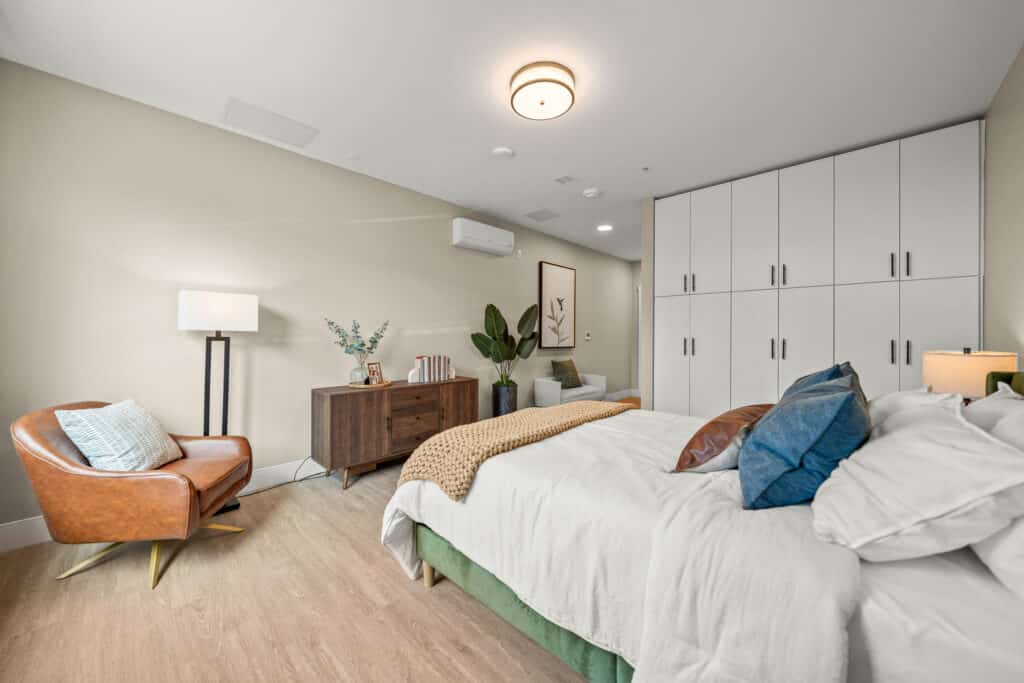
Independent senior apartments are private residences for older adults who want a simpler lifestyle without the upkeep of a traditional home. These communities combine apartment-style living with shared amenities, social opportunities, and convenient services that support independence.
Many seniors begin searching for independent senior apartments because they want more comfort, fewer household responsibilities, and a community setting that still feels personal.
When families search for independent senior apartments, they usually want clear information about lifestyle, features, and location. Westmont of Culver City offers a senior living option in a central Los Angeles area location with apartment-style residences, community amenities, and daily conveniences. This guide explains how independent senior apartments in Culver City, CA work, what families often compare, and what to look for when evaluating senior housing there.
Why Independent Senior Apartments Appeal to Many Older Adults
Independent senior apartments are designed for older adults who want to remain active and self-directed while enjoying a more manageable living environment. Compared with a standard apartment, the difference often comes down to convenience, built-in amenities, and the social side of community life.
That matters because connection and engagement can play an important role in healthy aging. The National Institute on Aging notes that staying socially connected may help support both mental and physical well-being in older adults.
At Westmont of Culver City, residents can explore Independent Living while also being in a community that offers Assisted Living and Memory Care.
Features Found in Independent Senior Apartments
The best independent senior apartments usually make daily life easier without removing privacy or independence. In many cases, families comparing independent senior apartments in Culver City CA focus on practical apartment features first.
| Apartment Feature |
Why It Matters |
| Apartment Style Living |
Offers a private and comfortable home setting |
| Full Kitchens or Kitchenettes |
Gives flexibility for meals and routines |
| Washers & Dryers |
Adds everyday convenience |
| Housekeeping |
Reduces household chores |
| Utilities Included |
Helps simplify monthly budgeting |
| Cable Ready |
Supports easy entertainment setup |
| Emergency Response Systems |
Adds peace of mind |
| Month-to-Month Rentals |
Offers more flexibility |
These features are part of why independent senior apartments in Culver City CA, appeal to older adults who want less maintenance and more freedom in their day-to-day routine.
Community Amenities That Support Daily Life
When families evaluate senior housing in Culver City, CA, they often look beyond the apartment itself. Shared amenities can shape how active, comfortable, and connected daily life feels.
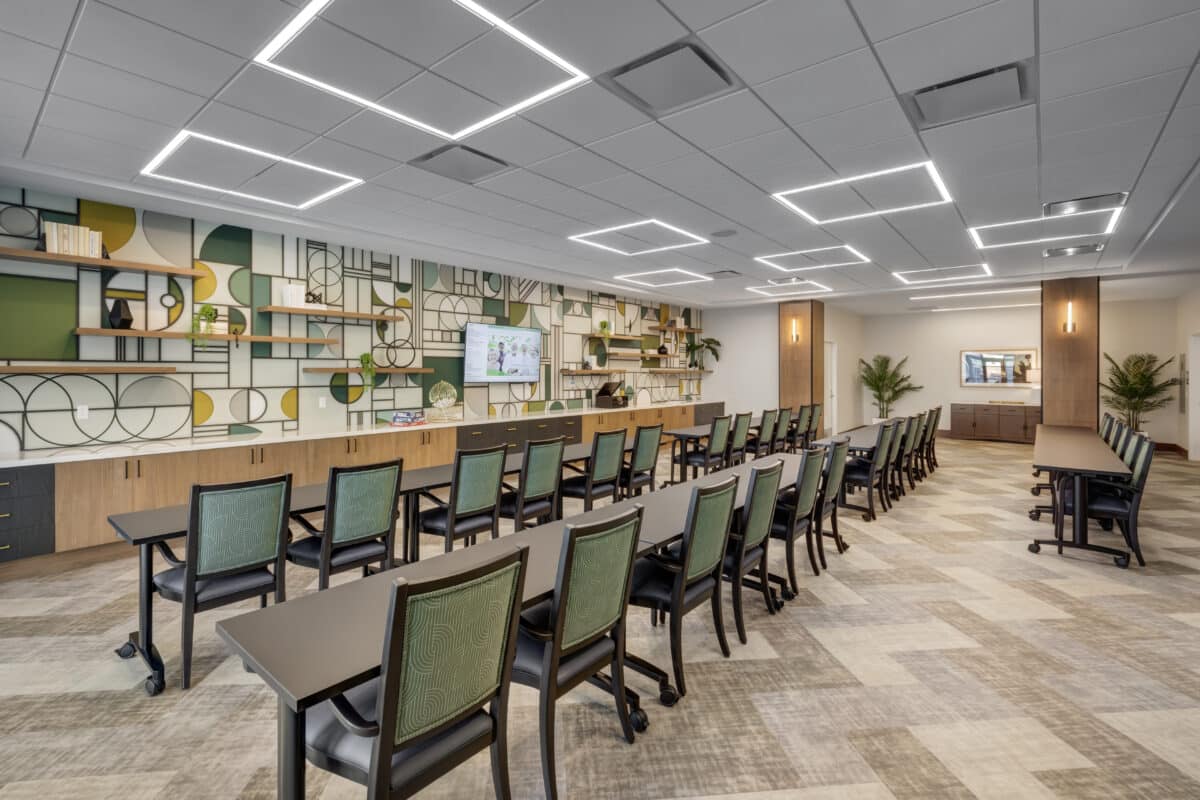
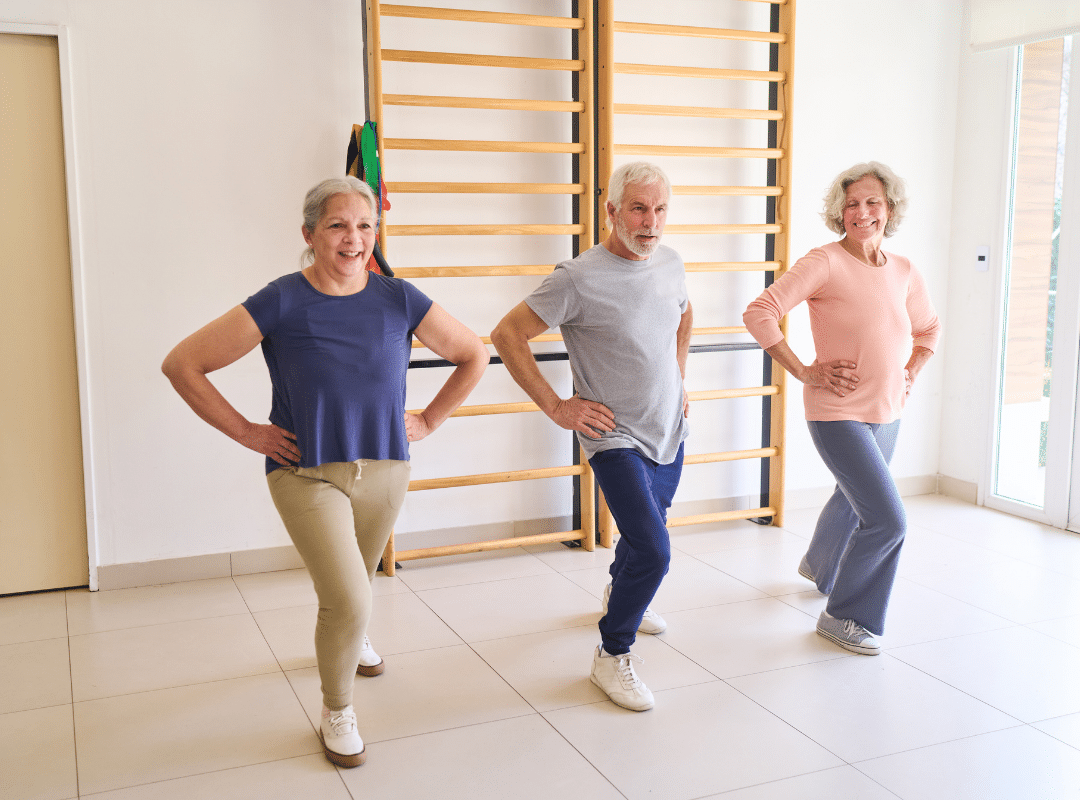
At Westmont of Culver City, residents can enjoy amenities such as Live Your Way Wellness Program, Dine Your Way, Fitness Center, Outdoor Courtyard, Movie Theater, Library, Hair Salon, Craft & Activity Room, Multipurpose Room, Scheduled Transportation, Concierge Services, Resident & Guest Parking, On-Site Maintenance, and Pet Friendly living.
A few amenities often stand out most for families comparing communities:
- Fitness Center and Certified Silver Sneakers Provider for movement and wellness
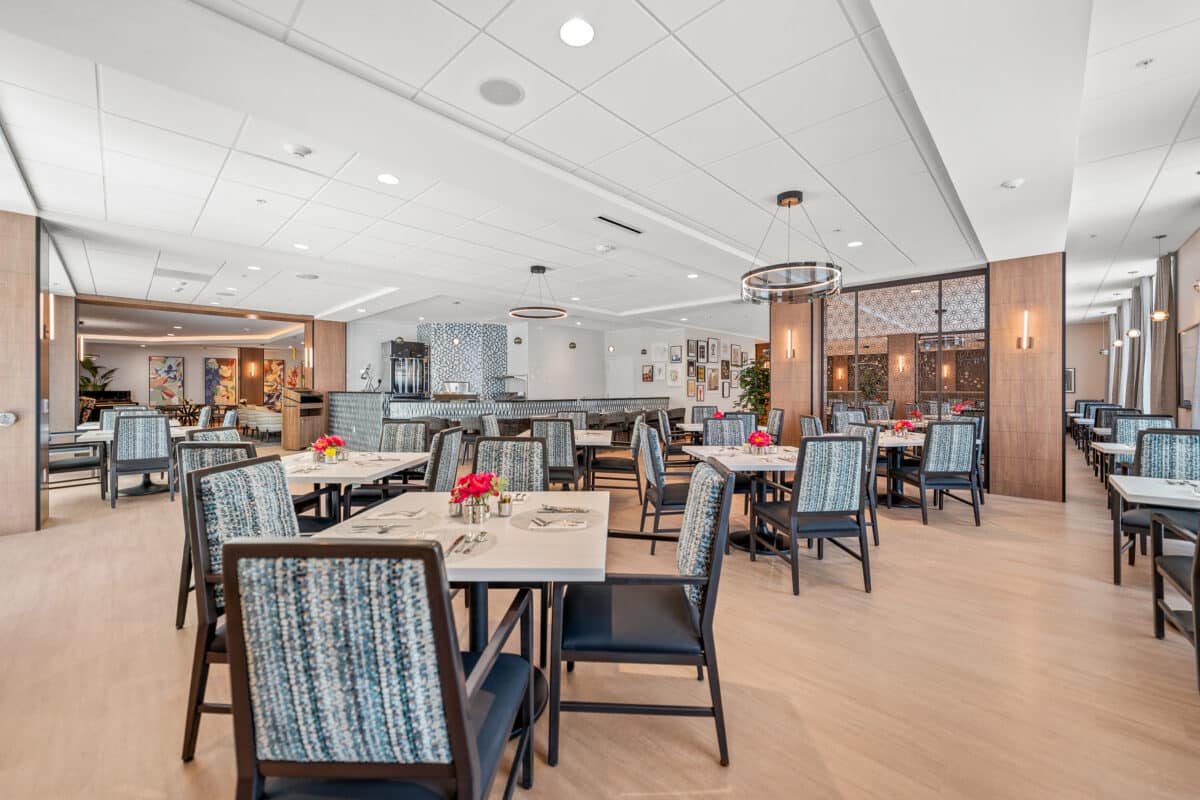
- Sweetwater Bistro and Dine Your Way for flexible dining
- Scheduled Transportation and Central Location for convenience
You can explore more on the Westmont of Culver City amenities page.
Independent Senior Apartments in Culver City: What Families Compare
Families researching independent senior apartments in Culver City, CA usually compare four things closely: location, apartment features, amenities, and lifestyle fit. Availability also matters, which is why some searches include independent senior apartments in Culver City, CA, with no waiting list.
Culver City is especially appealing for its proximity to areas like Playa Vista, Marina del Rey, and the broader Westside of Los Angeles. That makes senior housing in Culver City, CA, relevant not only to residents but also to families seeking a convenient location near medical offices, restaurants, shopping, and loved ones.
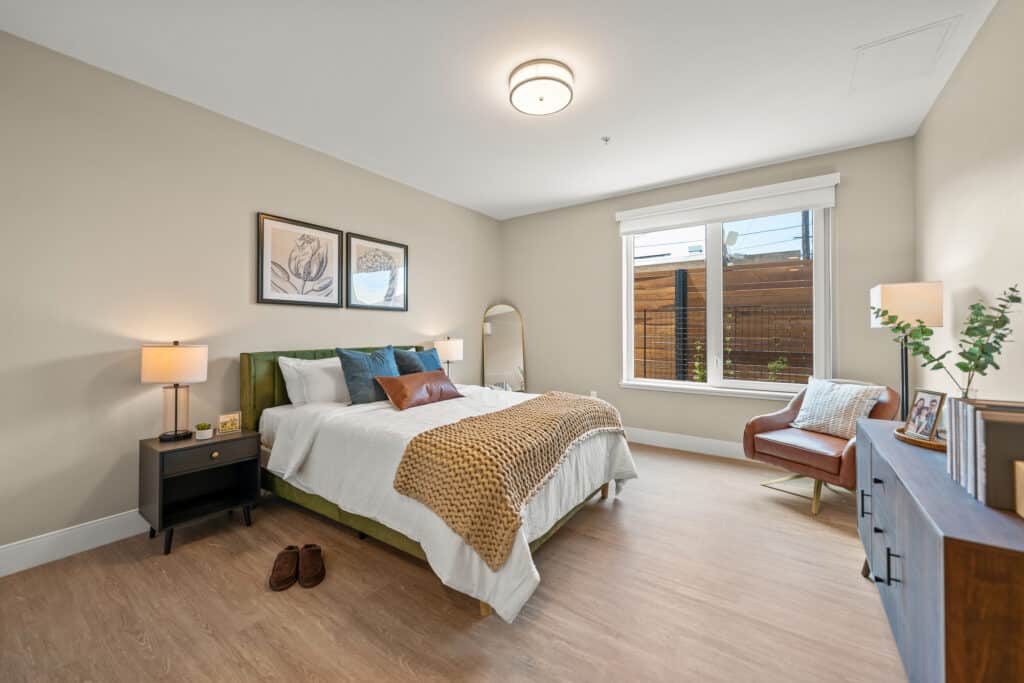
Many people also browse photos of Culver City Senior Housing during the research process, as images help families picture apartment layouts, shared spaces, and the overall community feel before scheduling a visit.
Families who want to compare options more carefully can also review the Care Assessment,Cost Comparison tool, andLifestyle Assessment.
Understanding the Demand for Senior Housing
Demand for independent senior apartments continues to grow as the older adult population increases. The U.S. Census Bureau projects that by 2030, one in five Americans will be retirement age. That helps explain why more families are planning when exploring senior housing in Culver City, CA, and similar markets.
This trend also helps explain why search terms such as independent senior apartments Culver City CA, independent senior apartments Culver City CA no waiting list, and Culver City Senior Housing photos are becoming more common as families begin researching earlier.
About Westmont of Culver City
Westmont of Culver City is located in Culver City, California, and offers Independent Living, Assisted Living, and Memory Care. The community includes amenities such as Live Your Way Wellness Program, Sweetwater Bistro, Fitness Centre, Library, Movie Theatre, Hair Salon, Outdoor Courtyard, On-site Therapy Services, and Scheduled Transportation.
Apartment homes include Apartment Style Living, Full Kitchens or Kitchenettes, Housekeeping, Utilities Included, Washers & Dryers, Month-to-Month Rentals, and Emergency Response Systems. Families exploring independent senior apartments in Culver City, CA often value this mix of privacy, convenience, and community access.
To learn more, you can visit the Westmont of Culver City homepage, browse the Westmont of Culver City blog, or use the contact page.

Independent Senior Apartments in Culver City: A Clear Next Step
For many older adults, independent senior apartments offer a practical middle ground between maintaining a house and moving into a setting with more daily support. They provide private living, shared amenities, and easier routines in one place.
If you are comparing independent senior apartments in Culver City, CA, it helps to focus on lifestyle fit, apartment features, and location rather than price alone. Many families researching senior housing in Culver City, CA, also look at photos, dining options, transportation, and long-term flexibility before choosing a community.
For families reviewing housing costs or income-based programs in California, the California Department of Housing and Community Development and its senior housing resources can also be helpful starting points.
If you are exploring senior housing in Culver City, CA, a community visit can help you better understand how the location, amenities, and apartment features fit your goals. Reviewing photos of Culver City Senior Housing is helpful, but seeing the environment in person often provides greater clarity. Schedule a tour at Westmont of Culver City to explore the community and learn more about available apartment options. You can also call us at 310-736-4118 or contact us to speak with the team.
Frequently Asked Questions
Who qualifies for the $3000 senior assistance program in California?
Eligibility depends on the specific California program being referenced. In many cases, qualification is tied to age, California residency, and household income. Some programs are designed for lower-income older adults or those receiving fixed retirement income. Income thresholds can vary by county and by program type. Families can review state housing and income resources through the California Department of Housing and Community Development.
Is it expensive to live in Culver City?
Culver City is generally considered a higher-cost area because of its location within Los Angeles County. Housing costs are often above national averages, which can make planning especially important for older adults and families. That said, value depends on what is included in the monthly cost. Many seniors compare independent senior apartments Culver City, CA, based on bundled amenities, transportation, and maintenance support. Looking at the full lifestyle package often gives a better picture than rent alone.
How much are senior apartments in California?
Senior apartment costs in California vary widely depending on the city, apartment size, and the services or amenities included. Larger metro areas usually cost more than smaller inland markets. Some communities include utilities, housekeeping, or transportation, which can change the overall value. Families comparing senior housing in Culver City, CA, should look at both monthly rent and included features. A side-by-side comparison often makes the decision easier.
What is considered low income for a senior citizen in California?
Low-income guidelines in California are usually based on area median income and household size. These limits can differ by county and are updated periodically. Housing programs may use categories such as very low, low, or moderate income when reviewing eligibility. Because the numbers can change, it is best to review current state guidance rather than rely on a single statewide figure. The California Department of Housing and Community Development provides current income limit information.