

Step Into Westmont Living®

The Importance of Continuing Education in Independent Living

Continuing Education in Independent Living: Learning Never Ends

Continuing education in independent living is more than just a lifestyle perk—it’s a powerful tool for fostering growth, engagement, and cognitive vitality in senior communities like Westmont of Carmel Valley. Independent living residents benefit from opportunities beyond comfort and safety. Educational programs provide enrichment, empower lifelong learning, and cultivate meaningful social connections.

In this article, we explore how educational opportunities enhance daily life in senior communities, explain what are the qualifications for independent living, and uncover answers to common questions like how much does continuing education cost and what is live continuing education?

The Role of Lifelong Learning in Personal Growth

Lifelong learning supports self-discovery, fueling fulfillment and curiosity across all stages of life. In independent living settings, educational pursuits allow residents to explore topics that spark interest, from creative writing to tech classes. Each new subject is a pathway to self-improvement and purpose.

Continuing education encourages residents to tap into passions and find fresh daily motivation. Whether it’s learning a new language or diving into local history, these experiences promote a deeper understanding of oneself and the world. Westmont of Carmel Valley champions this approach, offering programming that aligns with the values of continuing education in independent living. You can read more on the benefits of embracing lifelong learning.

Enhancing Cognitive Health Through Education

Education directly supports brain health through mental stimulation. Classes and workshops keep the mind agile, offering protection against cognitive decline.

Brain Fitness Benefits

Residents strengthen memory, increase focus, and delay cognitive deterioration through engaging classes and intellectual challenges. Participation in educational activities such as guest lectures, puzzles, or foreign language classes boosts mental resilience. In fact, studies from institutions like Harvard Health reinforce that learning new skills contributes to long-term brain health.

Pairing these learning experiences with a healthy lifestyle, including brain-healthy foods, amplifies the benefits.

Mental Stimulation Activities

From memory games to strategic board games and technology classes, Westmont residents engage in activities that stimulate cognitive function and foster socialization. These experiences help enhance mood, boost confidence, and reduce dementia risk. Find more ways to stay sharp with cognitive games for seniors.

Lifelong Learning Importance

Continuing Education in Independent Living empowers older adults to:

  • Stimulate brain activity
  • Build meaningful friendships
  • Adapt to new life phases with confidence

Through community engagement and diverse class offerings, residents experience the joy of continual growth.

Building social connections between seniors

Building Community and Social Connections

Shared educational experiences lay the foundation for meaningful relationships. At Westmont, classes provide natural opportunities for residents to bond over shared interests, creating a strong sense of belonging.

These social ties not only reduce isolation but also support emotional health. As residents learn together, they form support networks that enrich everyday life. This reflects the deep community value embedded in Continuing Education in Independent Living programs.

Adapting to Change With Ongoing Education

As technology and society evolve, education becomes a tool for adaptation. By staying informed, senior residents can embrace changes confidently.

Embracing New Technologies

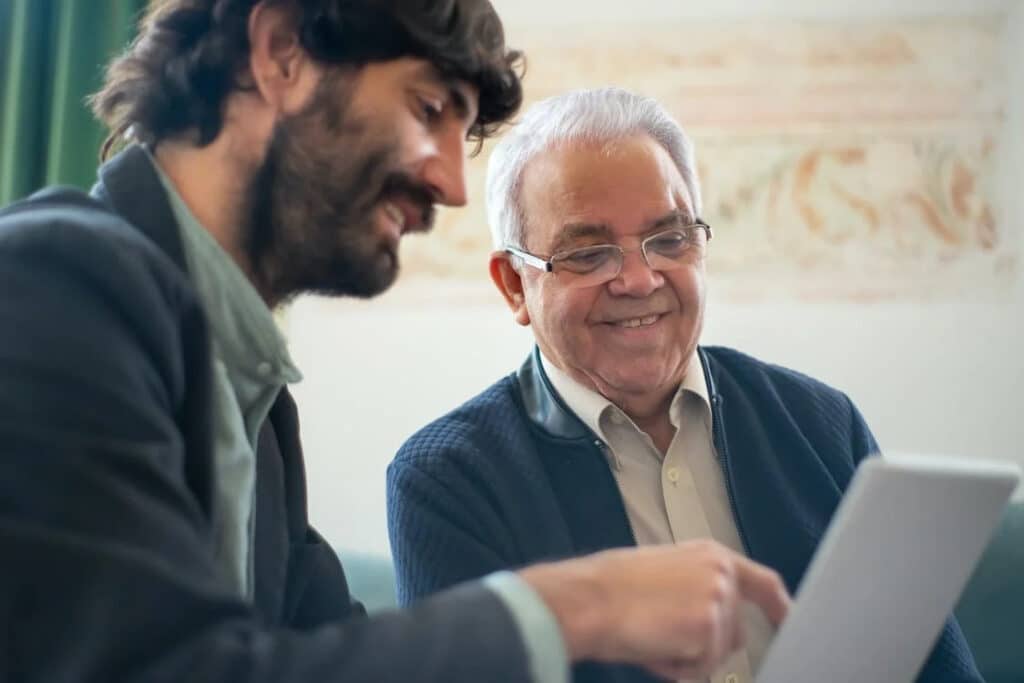
Online classes and digital tools help residents stay connected and empowered. Through virtual learning platforms, seniors access a wide range of content from TED Talks to streaming courses on art and science.

  • Stay connected with family using digital communication tools
  • Access curated online lectures
  • Manage health with smart devices

Navigating Life Transitions

Learning equips seniors to handle changes like downsizing, relocating, or new health challenges. With the skills and emotional resilience developed through education, transitions become manageable.

This practical empowerment underscores live continuing education—real-time, interactive sessions that offer immediate value and connection. Live instruction, such as video conferencing classes or in-person seminars, helps residents apply knowledge in real-world scenarios.

Embrace technology for seniors

Educational Offerings at Westmont of Carmel Valley

Westmont of Carmel Valley offers an inspiring range of programs that embody the spirit of continuing education in independent living.

  • Course Variety. Topics include art, digital literacy, world history, and wellness.
  • Expert Instructors. Skilled facilitators deliver engaging lessons designed for all learning levels.
  • Interactive Learning. Hands-on experiences build confidence and spark curiosity.

These programs ensure that all residents, regardless of background, can participate. Wondering what are the qualifications for independent living? At communities like Westmont, residents must be able to live independently with minimal assistance. A strong indicator of readiness is a desire to stay active and socially engaged through education.

Strategies for Incorporating Learning Into Daily Life

Integrating learning into your routine is easy, especially in a setting like Westmont of Carmel Valley. Here are a few tips:

  • Set aside dedicated time for reading or online courses
  • Join group discussions or book clubs
  • Explore new hobbies through structured workshops
  • Watch educational documentaries or webinars

Online learning platforms like Coursera or Senior Planet allow seniors to pursue interests at their own pace.

The Broader Societal Benefits of Continuing Education

The advantages of continuing education in independent living extend far beyond individual growth:

  • It fosters an informed and engaged community
  • Encourages advocacy and civic participation
  • Bridges generational understanding and mutual respect

Residents who invest in learning inspire others to do the same, creating a positive feedback loop of intellectual curiosity and social responsibility.

Understanding how much does continuing education cost? is an important consideration. Fortunately, many classes at Westmont are included as part of residency or offered at low cost. Online resources often provide free or discounted content, ensuring affordability doesn’t limit access.

Promoting Active Citizenship

A Future Enriched by Learning

Investing in continuing education in independent living creates a ripple effect of enrichment, independence, and connection. Whether you’re taking a virtual art class, attending a workshop on aging well, or learning to use new tech tools, the benefits are lifelong.

If you’re curious about making learning a daily habit, or wondering what is live continuing education and how it fits into your routine, the team at Westmont of Carmel Valley is here to guide you. And if you’re evaluating whether you or a loved one are ready for this lifestyle, begin by exploring what are the qualifications for independent living?

Educational opportunities are just one of the many ways we support a vibrant, fulfilling lifestyle. To learn more, call us at 858-465-7356 or schedule a tour.

Discover the possibilities that education can unlock at Westmont of Carmel Valley, where every chapter of life includes the opportunity to learn and grow.


Compare The Costs of Senior Living vs Staying at Home

How Do The Costs Of Moving Into A Quality Senior Care Community Compare With The Costs Of Staying At Home?


Frequently Asked Questions

What is the downside of CCRC?

One of the main downsides of Continuing Care Retirement Communities (CCRCs) is the high upfront entrance fee, which can be a financial barrier for some seniors. Additionally, contracts can be complex and may include clauses that limit refunds or make it difficult to leave. Depending on the care level, some residents may also feel restricted by rules or less independent. Reviewing the fine print and visiting multiple CCRCs to compare environments and policies is important.

How much do Continuing Care Retirement Communities cost?

The cost of a CCRC varies widely depending on location, contract type, and level of care. Entrance fees can range from $100,000 to over $1 million, and monthly fees typically fall between $2,000 and $5,000. These costs usually include housing, meals, utilities, and access to healthcare services. Some CCRCs offer refundable entrance fees or different pricing models based on the services included.

What is the best age to go to a CCRC?

Many people move into a CCRC in their early to mid-70s while they are still healthy and independent. Moving in earlier allows residents to fully enjoy the community amenities and form connections before needing higher levels of care. Waiting too long may limit availability or eligibility, especially if health conditions progress. It’s best to plan ahead and explore options before the need for care becomes urgent.

Does Medicare cover Continuing Care Retirement Communities?

Medicare does not cover the entrance or monthly fees associated with living in a CCRC. However, it may cover certain medical services provided within the community, such as doctor visits, hospital care, or short-term skilled nursing under specific conditions. Long-term custodial care, which is often needed in CCRCs, is not covered by Medicare. Residents typically rely on long-term care insurance or personal funds for these expenses.


Cinco de Mayo

Celebrating Cinco de Mayo at Westmont Living: Culture, Community & Connection 🎉🌮💃

Cinco de Mayo is more than just a festive day filled with tacos and mariachi music—it’s a meaningful celebration of culture, community, and resilience. At Westmont Living, we’re proud to honor this holiday across our communities with joy, inclusivity, and of course, a lot of great food!

A Little History 🌎
Cinco de Mayo commemorates the Battle of Puebla in 1862, when a small Mexican army triumphed over a much larger French force. While it’s not Mexico’s Independence Day (that’s September 16), the victory has become a symbol of perseverance and pride—especially celebrated in the United States as a way to honor Mexican culture and heritage.

Community Comes Alive 🇲🇽
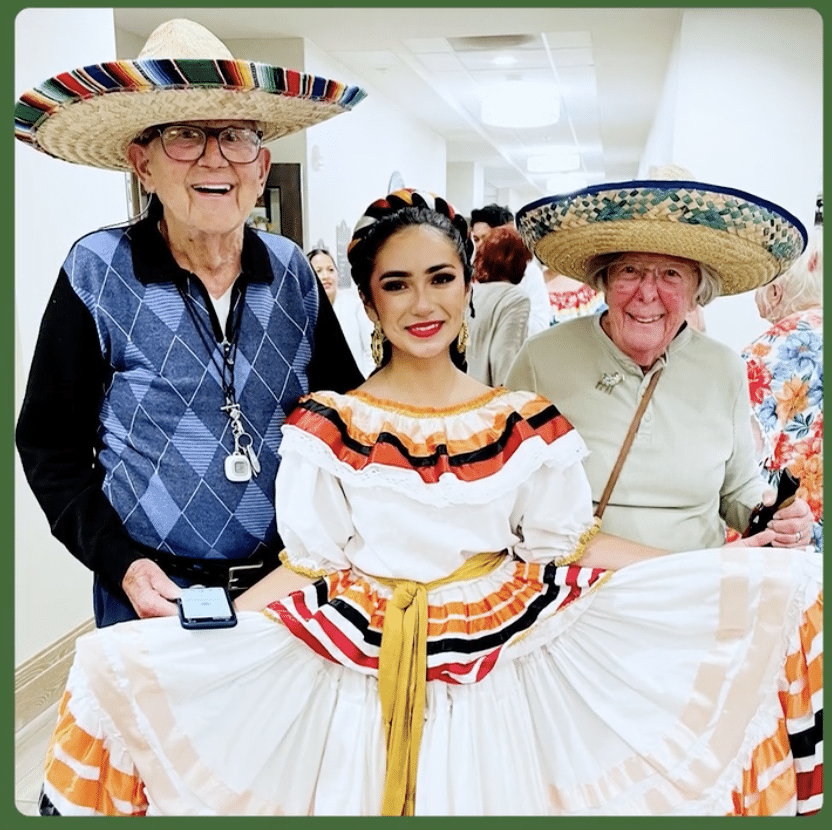
From vibrant decorations and traditional music to flavorful dishes like tacos, guacamole, and sweet treats, our residents and staff came together to celebrate in true Westmont style. Some communities enjoyed live performances, others hosted themed buffets and socials—but all shared in the spirit of togetherness.

Celebrating with Heart ❤️
At Westmont Living, we believe in creating spaces where everyone feels seen, valued, and celebrated. Cinco de Mayo gives us a chance to learn from one another, share stories, and connect through cultural traditions in meaningful (and fun!) ways.

A heartfelt thank you to all the residents, team members, and local performers who made this year’s Cinco de Mayo celebrations so memorable. Here’s to many more moments of unity, joy, and cultural appreciation! ¡Feliz Cinco de Mayo! 🎊

Discover the Gentle Chair Yoga Positions for the Elderly

Staying active as we age does not have to be complicated, scary, or painful. Chair yoga for the elderly is one of the safest and most enjoyable ways for older adults to keep moving while protecting their joints and balance. This gentle form of exercise uses a chair for support, allowing seniors to stretch, breathe, and strengthen their bodies without having to get down on the floor.

At Westmont of Carmel Valley, wellness is designed to meet residents where they are. Programs like yoga for seniors help build confidence, improve mobility, and foster joy through movement. Whether someone is new to exercise or returning after time away, chair yoga offers a welcoming and supportive place to start.

Discover the Chair Yoga Positions for the Elderly

Chair yoga for the elderly is a fantastic way for seniors to improve flexibility, reduce muscle tension, and feel more relaxed throughout the day. Because poses are adapted for seated positions, participants feel supported and safe while still enjoying the benefits of yoga.

Some essential poses include the Seated Forward Bend, Chair Cat-Cow Stretch, and Seated Side Stretch. These movements improve circulation, promote relaxation, and support smoother daily movements like standing, reaching, and walking.

To practice safely, seniors should always use a sturdy chair and focus on posture and breathing. Engaging in chair yoga can also foster meaningful social connections, making exercise feel fun rather than a chore. Keep reading to discover how chair yoga can truly enhance daily life.

For more information on senior wellness and activities, visit Westmont of Carmel Valley.

Benefits of Chair Yoga for Seniors Over 70

The benefits of chair yoga for seniors over 70 go far beyond simple stretching. This gentle practice supports both physical and mental well-being, making it ideal for aging adults.

Physically, chair yoga helps improve circulation, which can reduce joint stiffness and discomfort. Improved flexibility makes everyday activities like dressing, bending, and reaching easier and safer. Emotionally, chair yoga promotes relaxation and helps manage stress, anxiety, and tension.

Socially, group chair yoga sessions foster connection and shared experiences, which are vital for emotional health. Combined with healthy habits like nutrition and movement, chair yoga becomes a powerful wellness tool. Helpful guidance like these senior healthcare tips also supports overall daily wellness.

chair yoga for elderly

Essential Chair Yoga for the Elderly Beginners

For chair yoga for elderly beginners, starting slowly is key to success. Each pose can be modified, adjusted, or skipped depending on comfort and ability. There is no competition, only progress at your own pace.

These essential chair yoga positions are easy to learn and highly effective. Each one supports flexibility, relaxation, and confidence while helping seniors reconnect with their bodies. A helpful resource for getting started is this guide on chair yoga poses for strength, flexibility, and relaxation.

Key Chair Yoga Poses Explained

Below are three foundational poses commonly used in chair yoga programs for the elderly. Each pose supports safe movement and breathing.

Pose Description Benefits
Seated Forward Bend Inhale arms overhead, exhale, and fold forward Gently stretches the back and hamstrings
Chair Cat-Cow Stretch Hands on knees, inhale to arch, exhale to round Improves spine flexibility and posture
Seated Side Stretch Raise one arm and lean sideways Enhances side-body flexibility

By practicing these movements regularly, seniors can improve mobility and experience greater calm. Chair-based routines like these boost strength and flexibility while keeping the body supported.

Benefits of Each Chair Yoga Pose

Each pose offers unique advantages. The Seated Forward Bend encourages relaxation and flexibility, while the Chair Cat-Cow Stretch supports spinal health and reduces tension. The Seated Side Stretch helps with reaching and turning motions used every day.

By using pose variations, seniors can adjust each movement to their comfort level. Practicing yoga for seniors regularly also supports mental clarity, improved focus, and emotional balance. Adding structured movement like chair workouts for seniors can further enhance balance and reduce fall risk.


What Level of Care Do You Need?

Discover the level of care you or your family member requires.


Tips for Practicing Chair Yoga for the Elderly Safely

Safety is essential when practicing chair yoga for the elderly. A sturdy, wide chair without wheels provides the best support. Keeping feet flat on the floor and maintaining good posture helps prevent strain.

Hydration is essential, so water should always be nearby. Seniors should also focus on slow breathing and gentle movements, stopping immediately if pain occurs. Programs like accessible chair yoga allow older adults to improve their balance and flexibility safely.

Incorporating Free Chair Exercises Into Daily Life

One of the most significant advantages of chair yoga is its ease of integration into daily routines. Free chair exercises can be done in short sessions throughout the day, making consistency simple.

  • Gentle morning stretches to wake the body
  • Midday chair yoga breaks to boost energy
  • Evening relaxation poses for better sleep
  • Sharing chair yoga with friends or family

Small movement sessions can lead to big improvements in strength, mood, and confidence over time.

chair yoga for elderly

Community Connection Through Yoga for Seniors

Beyond physical health, yoga for seniors plays a vital role in building community. Group chair yoga classes encourage interaction, laughter, and shared goals.

  • Builds friendships through shared movement
  • Creates a sense of belonging
  • Supports emotional well-being
  • Makes exercise enjoyable and social

At senior living communities like Westmont of Carmel Valley, chair yoga becomes more than exercise, it becomes a meaningful connection point.

Explore More Resources on Chair Yoga

Seniors and their families can explore many helpful resources for chair yoga for the elderly. Online tutorials, books, DVDs, and community classes all provide guidance. Trusted wellness platforms like Yoga Journal and Harvard Health offer helpful insights on yoga for seniors s interested in and gentle movement options.

Engaging with these resources helps seniors feel confident, informed, and motivated on their wellness journey.

Ready to Feel Stronger, Happier, and More Supported?

Call Westmont of Carmel Valley Today

At Westmont of Carmel Valley, wellness is built into everyday life. Programs like chair yoga for the elderly, chair yoga for seniors over 70, and free chair exercises help residents stay active, confident, and connected.

Call us today at 858-465-7356 to learn more about our community and wellness programs. You can also schedule a tour and see how gentle movement and supportive living can make every day better.

Frequently Asked Questions

Does chair yoga for seniors really work?

Yes, chair yoga for seniors is effective for improving flexibility, balance, and overall mobility, especially for those with limited strength or stability. It provides gentle movements that support joint health without putting stress on the body. Many seniors also experience reduced stiffness, better circulation, and improved posture with regular practice. Beyond physical benefits, chair yoga can help lower stress and promote relaxation. Consistency is key to seeing long-term results.

What are the best chair yoga exercises for seniors?

Some of the best chair yoga exercises for seniors include seated spinal twists, chair cat-cow stretches, seated leg lifts, and gentle neck and shoulder rolls. These movements help maintain the range of motion and reduce joint stiffness. Breathing exercises paired with simple stretches can also improve lung capacity and relaxation. Chair-supported balance poses add confidence and stability. A well-rounded routine focuses on flexibility, strength, and calm breathing.

Which type of yoga is best for seniors?

Gentle yoga styles are generally best for seniors, such as chair yoga, restorative yoga, and gentle hatha yoga. These styles emphasize slow movements, proper alignment, and breath awareness. They are designed to accommodate physical limitations while still providing meaningful benefits. Seniors can safely build strength and flexibility without high-impact movements. Choosing a class led by an instructor experienced with older adults is important.

Is chair yoga better than walking?

Chair yoga and walking offer distinct benefits, so neither is necessarily better than the other. Chair yoga focuses on flexibility, balance, joint mobility, and relaxation, making it ideal for seniors with limited endurance or mobility challenges. Walking is excellent for cardiovascular health and overall stamina. Many seniors benefit most from combining both activities into their routine. Together, they support physical health, balance, and overall well-being.


Brain Exercises for Dementia to Improve Focus and Recall

Brain Exercises for Dementia: Improve Focus and Recall Daily

Engaging in daily brain exercises can play a pivotal role in enhancing focus and recall for those dealing with dementia. Research indicates that activities like crossword puzzles and memory games stimulate neural pathways, fostering cognitive resilience.

However, many might overlook the importance of social interactions in these exercises. Understanding the full impact of these combined approaches can lead to more effective strategies for cognitive health.

At Westmont of Carmel Valley, we explore what specific exercises can best enhance cognitive function and overall well-being.

How Brain Exercises for Dementia Can Help Slow Cognitive Decline

While you may not be able to reverse the effects of dementia, engaging in brain exercises can considerably slow cognitive decline. Research indicates that stimulating mental activities, such as puzzles and problem-solving tasks, activate neural pathways and promote neuroplasticity. This adaptability of the brain helps preserve cognitive functions longer. Regular engagement in these exercises can enhance memory, attention, and reasoning skills, which are often affected by dementia. Additionally, social interactions during these activities can provide emotional support, reducing feelings of isolation and depression. By incorporating structured brain exercises into daily routines, caregivers and loved ones can create an environment that fosters cognitive resilience, ultimately improving the quality of life for those affected by dementia. Furthermore, consistent mental stimulation through memory games can improve overall health outcomes.

Top Mental Exercises to Prevent Dementia and Strengthen Memory

Engaging in targeted mental exercises not only helps slow cognitive decline but also plays an essential role in preventing dementia and enhancing memory. Activities like crossword puzzles, Sudoku, and strategy games stimulate your brain, encouraging neural connections that strengthen cognitive functions. Regular reading and writing improve comprehension and retention skills while learning a new language or instrument challenges your brain in novel ways. Additionally, mindfulness and meditation can enhance focus and reduce stress, which are crucial for memory health. Social interactions through group activities or volunteering also stimulate cognitive engagement, fostering emotional well-being. Incorporating these exercises into your daily routine can create a protective effect against dementia, ultimately benefiting you and those you serve in your community. Furthermore, mental stimulation is crucial for overall well-being and leads to greater independence.

Effective Mental Exercises for Alzheimer’s Patients to Enhance Cognition

As Alzheimer’s disease progresses, incorporating practical mental exercises becomes essential for enhancing cognition and maintaining quality of life. Engaging in targeted activities can stimulate brain function and improve memory recall. Here are three effective mental exercises to evaluate:

  • Puzzles and Games: Sudoku or crosswords can challenge your cognitive abilities and enhance problem-solving skills.
  • Memory Recall Activities: Regularly practicing recall through storytelling or discussing past events can strengthen neural connections.
  • Learning New Skills: Taking up a new hobby, such as painting or playing an instrument, encourages brain plasticity and fosters creativity. Additionally, engaging in social interaction through games can significantly boost emotional well-being and reduce feelings of isolation.

Gentle & Engaging Seated Exercises for Dementia Patients

Incorporating gentle and engaging seated exercises can significantly benefit dementia patients by promoting physical activity while minimizing strain. These exercises help maintain mobility and enhance mental focus, creating a sense of accomplishment. Additionally, these activities can be part of a personalized care plan tailored to meet each resident’s unique needs.

Here’s a simple table to illustrate some practical seated exercises:

Exercise Benefits
Seated Marching Improves circulation and mood
Arm Raises Enhances upper body strength
Seated Side Bends Increases flexibility and range
Wrist and Ankle Rolls Boosts coordination and relaxation

Encouraging regular participation in these exercises not only fosters physical well-being but also nurtures emotional connections. Engaging in these activities helps dementia patients feel more empowered and involved in their care.

brain exercises for dementia

Vascular Dementia Exercise Tips: Boosting Brain Health Through Movement

Regular physical activity is essential to enhance brain health in individuals with vascular dementia. Movement increases blood flow to the brain, improving cognitive function and overall well-being. Here are a few exercise tips to ponder:

  • Aim for consistency: Engage in moderate aerobic activities, like walking or swimming, at least 150 minutes weekly.
  • Incorporate strength training: Two days a week, include exercises that target major muscle groups, enhancing physical stability and coordination.
  • Encourage social interaction: Join group classes or walking clubs to foster connections, boosting motivation and mental health.

Incorporating daily brain exercises can greatly slow cognitive decline and improve focus and recall for those with dementia. At Westmont of Carmel Valley, engaging in activities like crossword puzzles and memory games stimulates your neural pathways, fostering cognitive resilience. Social interactions during these exercises enrich the experience and promote emotional well-being. Just as a vintage car needs regular maintenance to keep running smoothly, your brain thrives when you challenge it daily. Start today by calling us at 858-465-7356 and watch your cognitive health flourish.


Compare The Costs of Senior Living vs Staying at Home

How Do The Costs Of Moving Into A Quality Senior Care Community Compare With The Costs Of Staying At Home?


FAQs: Brain Exercises and Dementia

What is the best exercise for dementia?

The best exercise for dementia combines physical movement and cognitive engagement. Activities like walking, dancing, or tai chi improve blood flow to the brain, supporting overall cognitive function. Additionally, mentally stimulating exercises such as puzzles, reading, or learning a new skill can help maintain memory and problem-solving abilities. Regular social interaction, combined with these activities, also plays a crucial role in slowing cognitive decline.

What is the number one brain exercise for memory improvement?

One of the most effective brain exercises for memory improvement is engaging in learning-based activities. Practicing recall exercises, such as memorizing lists and then reciting them, strengthens memory retention. Other beneficial activities include playing strategy games like chess, solving crossword puzzles, or learning a new language. Consistent mental stimulation helps strengthen neural connections, improving overall cognitive function.

Do brain exercises help dementia?

Yes, brain exercises can help slow the progression of dementia and improve cognitive function. While they cannot cure dementia, activities that challenge memory, reasoning, and problem-solving skills can help maintain brain health. Engaging in mentally stimulating tasks, such as puzzles, reading, and memory games, may enhance neural plasticity. When combined with a healthy lifestyle, brain exercises can support overall cognitive well-being.

What is the 2-finger test for dementia?

The 2-finger test for dementia is a simple screening tool used to assess cognitive function and motor skills. It involves asking a person to touch their index finger to their nose and then to an examiner’s finger, repeating the action multiple times. This test evaluates coordination, motor planning, and cognitive processing, which can be affected in dementia. While it is not a diagnostic test, it can indicate potential cognitive impairment and the need for further evaluation.


Experience the Life-Changing Benefits of Assisted Living

Experience the Life-Changing Benefits of Assisted Living – Is It Time to Make the Move?

You might notice that daily tasks are becoming more challenging, and moving to assisted living has crossed your mind. At Westmont of Carmel Valley, it’s not just about receiving help; it’s about embracing a lifestyle that offers support and community. With tailored care plans, social activities, and around-the-clock staff, many find assisted living at Westmont of Carmel Valley transforms their quality of life. But how do you know if it’s the right time for you or a loved one to make the move? Exploring the signs can lead to valuable insights.

Assisted Living Benefits

When considering assisted living, you’ll find many benefits designed to enhance your quality of life and provide peace of mind. One of the standout features is the personalized care plans tailored to your unique needs. These plans guarantee you receive assistance with daily activities, medication management, and even transportation for medical appointments, all coordinated with your family’s involvement.

Regular assessments adapt your care as your needs change, emphasizing your independence while integrating medical, social, and emotional support. This collaborative approach fosters a nurturing environment, allowing you to thrive physically and emotionally.

Moreover, assisted living communities offer a vibrant lifestyle filled with activities and social events. From art classes to movie nights, you’re encouraged to connect with others and build friendships, creating a sense of community that combats isolation. Health and wellness programs are designed to support your overall well-being, ensuring a balanced and active lifestyle.

With around-the-clock care and trained staff ready to assist in emergencies, you can feel secure knowing help is always available. Maintenance-free living relieves household chores, allowing you to focus on what truly matters—enjoying life.

Embrace the opportunity to enhance your well-being and experience the enriching benefits that assisted living has to offer.

Who Qualifies for Assisted Living

Determining who qualifies for assisted living involves evaluating a combination of physical, emotional, and social needs. If you or a loved one struggles with daily activities like bathing, dressing, or medication management, assisted living might be the right fit. These facilities cater to individuals who require assistance but want to maintain independence.

Typically, candidates for assisted living are older adults facing challenges related to mobility, chronic health issues, or cognitive decline. Consider this option if social isolation becomes a concern, as assisted living offers vibrant communities and opportunities for engagement. Social connection is essential for overall well-being, making assisted living a beneficial choice for many seniors.

It’s crucial to assess the specific needs of the person in question. Personalized care plans guarantee that each resident receives the support they require, whether it’s help with daily living tasks or access to social activities.

If you recognize that a loved one could benefit from a more supportive environment, exploring assisted living can be a compassionate choice. Ultimately, it’s about enhancing quality of life, guaranteeing safety, and fostering connections within a caring community.

independent living specialists

How Does Assisted Living Work Financially

Steering through the financial aspects of assisted living can feel overwhelming, especially after recognizing its benefits for those needing support. Understanding costs and potential funding sources is vital for making informed decisions.

Here’s a breakdown of some common financial aspects:

Financial Aspect Description
Monthly Fees Residents typically pay a monthly fee covering accommodation, meals, and basic care services.
Additional Costs Extra services like personal care or therapy may incur additional charges.
Payment Sources Options include personal savings, long-term care insurance, and Medicaid for eligible residents.
Financial Assistance Local agencies may provide resources or assistance for maneuvering costs and funding options.

It’s essential to assess your financial situation and explore various funding sources. Many assisted living communities offer financial advisors or resources to help you understand the costs involved. Investing in assisted living is not just about expenses; it’s about securing a supportive environment that enhances the quality of life for you or your loved one. With careful planning, you can find a solution that meets your financial and care needs. Additionally, exploring government assistance programs can provide crucial support in covering costs.

Moving to assisted living at Westmont of Carmel Valley can transform your life or that of a loved one. Did you know that nearly 90% of residents feel more connected and less lonely in these vibrant communities? With personalized care and 24/7 support, you can focus on enjoying life rather than struggling with daily tasks. If you sense that it’s time for a change, embracing assisted living at Westmont of Carmel Valley is your best decision. For more information, call us at 858-465-7356.


Compare The Costs of Senior Living vs Staying at Home

How Do The Costs Of Moving Into A Quality Senior Care Community Compare With The Costs Of Staying At Home?


Frequently Asked Questions on Assisted Living

1. What are the benefits of assisted living?

Assisted living provides seniors with personalized care, a safe environment, and access to social activities promoting well-being. It offers help with daily tasks such as bathing, dressing, and medication management while preserving independence. Residents also enjoy amenities, housekeeping, and nutritious meals, enhancing their quality of life.

2. How often should you visit your parents in assisted living?

Visitation frequency depends on your parent’s needs and preferences, but regular visits can help maintain emotional connections and monitor their well-being. Many families visit weekly or bi-weekly, but the key is finding a balance that fosters meaningful engagement without feeling overwhelmed. Flexibility and open communication with your loved one can guide the best schedule.

3. Does the state of California pay for assisted living?

California’s Medi-Cal program offers limited assistance through the Assisted Living Waiver (ALW) for eligible low-income seniors. This program covers services in participating facilities but may have waitlists and eligibility requirements. Private pay or long-term care insurance typically covers the remaining costs.

4. How long does it take to settle into assisted living?

Most seniors take a few weeks to a few months to fully adjust to assisted living. The transition period varies based on personality, health, and social involvement. Encouraging participation in activities and building relationships with staff and other residents can ease the adjustment process.


Bathroom Help for Elderly: Simplified Safety & Independence

Bathroom Help for Elderly Made Simple – Enhance Safety and Independence Today

Like a well-crafted ship steering through stormy seas, ensuring bathroom safety for the elderly requires careful planning and the right tools. At Westmont of Carmel Valley, we understand how simple adjustments can create a world of difference in their daily lives. By implementing essential safety measures, you can reduce fall risks and enhance independence, but what specific changes can lead to lasting improvements? Exploring tailored solutions with Westmont of Carmel Valley could empower your loved ones to confidently maintain their routines, ultimately transforming their bathing experience into one of safety and dignity.

Bathroom Help for the Elderly

When it comes to ensuring a safe and comfortable bathroom experience for elderly individuals, it’s essential to consider their unique needs and challenges. You should start by decluttering the bathroom and removing unnecessary items that pose a tripping hazard. Keeping frequently used items within easy reach will help prevent awkward bending or stretching.

Consider installing grab bars near the toilet and in the shower or bathtub. These provide vital support and stability, making it easier for seniors to navigate these areas safely. Non-slip mats can significantly reduce the risk of slipping, so swap out throw rugs for rubberized alternatives.

Consider upgrading to a walk-in shower, simplifying the bathing process. Adding a shower chair can also enhance safety, allowing seniors to sit while bathing and reducing fall risks. Additionally, a personalized approach to care can help address specific needs and preferences, ensuring that safety measures are tailored to each individual.

Don’t forget to adjust the water heater to a safer temperature to prevent burns.

bathroom help for elderly​

Bathroom safety equipment for the elderly

Ensuring bathroom safety for elderly individuals involves utilizing specialized equipment designed to minimize risks and enhance independence. Incorporating these tools can greatly improve their comfort and confidence while maneuvering the bathroom. Furthermore, providing a supportive environment can significantly contribute to their overall well-being.

Equipment Type Description Price (PHP)
Bathing Sponge Bendable foam handle for easy grip 624.38
Bath Lift Lightweight, recyclable plastic for easy use 21,581.63
Transfer Board Smooth shift from wheelchair to chair 5,287.26
Shower Chair Provides stability and comfort during showers 8,044.81

Investing in these essential items prevents falls and encourages seniors to maintain their routines without relying too heavily on others. Remember, each piece of equipment serves a specific purpose, contributing to their safety and autonomy. As you explore options, focus on what best meets their unique needs, ensuring a supportive, nurturing environment. By prioritizing bathroom safety equipment, you empower your loved ones to live more independently while feeling secure.

Bathroom safety products

Choosing the proper bathroom safety products can make a significant difference in the lives of elderly individuals. These products help reduce the risk of falls and enhance independence, allowing seniors to navigate their bathrooms safely.

Start with grab bars; installing them near toilets and in the shower provides vital support. Non-slip mats can help prevent slips on wet surfaces, while shower chairs offer a stable place to sit during bathing.

For added convenience, consider a transfer bench to assist with safely entering and exiting the tub. Bath lifts, like the Bellavita Dive Bath Lift, are excellent options for those who need help getting in and out of the bathtub.

Additionally, raised toilet seats can make sitting down and standing up easier for seniors. Finally, don’t forget about transfer boards, which can assist in moving from wheelchairs to the toilet or shower. Incorporating personalized care services can further enhance the safety and comfort of seniors in their daily routines.

By embracing simple safety measures with Westmont of Carmel Valley, you can transform your bathroom into a haven of independence and security. Imagine stepping onto a non-slip mat, feeling grounded, while sturdy grab bars offer a reassuring grip. A shower chair invites you to relax under the warm cascade of water, free from worry. With these practical enhancements, you’re not just ensuring safety; you’re reclaiming the joy of your daily routine, fostering a sense of dignity and well-being in every moment. For more information, please call us at 858-465-7356.


What Level of Care Do You Need?

Discover the level of care you or your family member requires. 


FAQs for Elderly Bathroom Assistance

1. How can I help an elderly person go to the bathroom?

Assist an elderly person by ensuring the bathroom is safe and accessible. Offer steady support while respecting their privacy, and use tools like raised toilet seats, grab bars, and non-slip mats to reduce the risk of falls. If needed, consider installing a commode near their bed for easier access.

2. What is the purpose of grab bars in the bathroom for elderly people?

Grab bars provide stability and support, helping elderly individuals maintain balance while moving around the bathroom. They reduce the risk of slips and falls, especially when entering or exiting the shower or sitting down and standing up from the toilet.

3. What can I use to help me get up from the toilet?

Raised toilet seats, grab bars, and safety frames can make standing up from the toilet easier. These tools provide extra height and leverage, reducing knee and joint strain. For additional support, consider a commode chair with armrests.


Do You Need a Reliable Sitter for Your Elderly Parent?

Need a Reliable Sitter for Your Elderly Parent? Here’s How to Find the Best Care

Many overlook that a sitter’s personality can significantly impact your elderly parent’s emotional well-being. You might think any caregiver will do, but finding someone who genuinely connects with your loved one is essential. Start by inventorying your parent’s specific needs and preferences, which will guide your search. As you evaluate potential sitters, consider how their skills and demeanor align with your parent’s personality. At Westmont of Carmel Valley, we understand the importance of this connection and can help you find a caregiver who is the right fit. What’s the next step in ensuring you choose the right person for this critical role?

Sitter for Elderly

Finding a reliable sitter for elderly parents can be challenging, but it’s essential for ensuring their well-being and happiness. As you search for the right fit, think about the specific types of help your loved ones need. Many seniors benefit from assistance with daily activities like bathing, dressing, and eating, while others may require companionship to combat loneliness.

Transportation to medical appointments or social outings is another essential service that significantly enhances their quality of life.

In addition to these practical needs, consider the emotional support a sitter can offer. Engaging in conversations, playing games, or walking together can create meaningful connections.

Medication reminders and light housekeeping support also significantly maintain a safe and comfortable living environment.

A good sitter should tailor their services to your parents’ needs, focusing on their physical and emotional well-being. By taking the time to identify these requirements, you’ll be better equipped to find a compassionate and reliable sitter who enriches their lives and fosters a sense of security. Family involvement is paramount for the happiness and health of the elderly, ensuring their care is holistic and personalized.

residential care vs assisted living

Sitter for Elderly jobs

Sitter for elderly jobs offers a fulfilling opportunity for individuals who want to impact seniors’ lives positively. As a sitter, you’ll provide essential companionship and support, helping to alleviate loneliness and enhance the overall well-being of your clients. Your role will involve engaging in meaningful conversations, participating in activities like games or walks, and offering emotional support to those in your care.

These flexible jobs allow you to choose from full-time or part-time positions in various settings, including homes, nursing facilities, or hospitals. While you won’t perform medical tasks, you’ll play a significant role in monitoring well-being and ensuring a safe environment.

This position is perfect for compassionate individuals who enjoy interacting with seniors and want to make a difference. Additionally, the demand for elderly sitters is growing, providing job security and opportunities for advancement. Companionship is vital for seniors’ well-being and improves mental and physical health.

If you want to serve others while gaining valuable experience, consider a sitter for the elderly job. It’s a chance to enrich the lives of seniors and bring joy to their everyday experiences.

How to Become a Sitter for the Elderly

Becoming a reliable companion for elderly individuals involves understanding their unique needs and building meaningful connections.

First, you should focus on developing empathy and patience, as many seniors face challenges related to loneliness and physical limitations. You’ll find that creating a supportive environment can significantly enhance their quality of life.

Here are some key steps to becoming a great elderly sitter:

  • Learn about their interests: Engage in conversations to discover hobbies or activities they enjoy, fostering more profound connections.
  • Stay organized: Keep track of their schedules, including medications and appointments, to guarantee they feel secure and cared for.
  • Communicate effectively: Listen actively and show genuine interest in their stories and experiences, making them feel valued.

Additionally, incorporating social engagement into their routine can significantly improve their emotional well-being.

Finding a reliable sitter for your elderly parent is like nurturing a delicate plant. You need the right environment, attention, and care to help it thrive. At Westmont of Carmel Valley, we understand the importance of this process. You’re cultivating trust and comfort by evaluating your parent’s needs, seeking recommendations, and involving them in the selection process. Just as a gardener patiently tends to each flower, take the time to choose a sitter who truly understands and respects your loved one’s unique needs. For assistance finding the right care, contact us at Westmont of Carmel Valley at 858-465-7356. This careful selection will blossom into a positive caregiving experience.


Compare The Costs of Senior Living vs Staying at Home

How Do The Costs Of Moving Into A Quality Senior Care Community Compare With The Costs Of Staying At Home?


Frequently Asked Questions About Elderly Sitters

1. How much does it cost to hire a sitter for the elderly?

The cost to hire an elderly sitter varies depending on location, experience, and the level of care required. On average, hourly rates range from $15 to $30, with some agencies charging more for specialized services or overnight stays.

2. What does an elderly sitter do?

An elderly sitter provides companionship and monitors the well-being of seniors, ensuring they are safe and comfortable. Their duties may include light housekeeping, meal preparation, medication reminders, and engaging in social activities.

3. Does Medicare cover sitters for the elderly?

Medicare typically does not cover the cost of non-medical sitters or companions. Coverage may be available for medical home health services if prescribed by a doctor, but personal care and companionship are usually out-of-pocket expenses.

4. What is the difference between a caregiver and a sitter?

A caregiver often provides more comprehensive personal care, such as bathing, dressing, and managing medications, while a sitter focuses on companionship and supervision. Caregivers are typically trained to handle medical needs, whereas sitters offer non-medical support and social engagement.


Discover the Top 7 Advantages of Assisted Living

Discover the Top 7 Advantages of Assisted Living – Is It Right for Your Loved One?

When considering assisted living at Westmont of Carmel Valley, you’ll find benefits like tailored care, round-the-clock support, and engaging social activities. You’ll also encounter a maintenance-free lifestyle that allows your loved one to embrace leisure and connection. However, balancing these advantages with potential drawbacks and emotional factors during this change is essential. As you weigh these elements, you might wonder what specific benefits at Westmont of Carmel Valley will genuinely enhance your loved one’s quality of life.

advantages of assisted living

Advantages of Assisted Living

When considering the change to assisted living, many find that this choice offers many advantages tailored to improve their quality of life. One notable benefit is the personalized care plans designed to meet individual needs. Staff members assess each resident’s requirements, guaranteeing they receive the proper support for daily activities. This tailored approach addresses medical needs and promotes independence and emotional well-being.

Moreover, 24-hour care gives you peace of mind, knowing that trained professionals are always available to assist with emergencies or health concerns. The community fosters a vibrant social environment, offering various activities and events encouraging friendships and engagement. This camaraderie can significantly boost emotional health.

Additionally, you’ll enjoy maintenance-free living, allowing you to focus on leisure and interests rather than chores. Safety features like emergency response systems and accessible designs guarantee residents can navigate the community confidently. Furthermore, residents benefit from personalized care services that prioritize empathy and attentiveness in their daily support.

Ultimately, assisted living prioritizes a holistic approach to wellness, integrating medical, social, and emotional support, which can profoundly enhance the lives of residents and their families. It’s a compassionate choice that nurtures growth, connection, and comfort.

advantages of assisted living

Disadvantages of Assisted Living

While assisted living offers many benefits, it is essential to acknowledge some potential disadvantages that may affect your decision. The cost of assisted living can be pretty high, which may strain your budget. Additionally, some residents may feel lost as they shift from their homes to a communal living environment. This change can lead to feelings of loneliness or isolation for some individuals.

Here’s a quick overview of the disadvantages you might consider:

Disadvantage Description Impact on Residents
High Cost Monthly fees can be expensive and may increase. Financial strain on families.
Loss of Independence Residents may feel less control over their lives. Possible feelings of frustration.
Limited Personal Space Shared living environments may feel cramped. Privacy concerns for some.

It’s essential to weigh these factors carefully, as they can significantly impact your loved one’s quality of life. Open conversations about their feelings can help guarantee you make the best decision together. Additionally, a personalized approach to care can mitigate some of these disadvantages, ensuring that residents feel valued and understood in their new environment.

5 Levels of Care in Assisted Living

Choosing assisted living involves understanding the various levels of care available to meet individual needs. You’ll find that facilities offer a spectrum of care tailored to each resident’s unique circumstances. There’s a fit for everyone, from minimal assistance with daily activities to extensive support for those with chronic health issues.

At the base level, residents may only need help with housekeeping, medication management, or meal preparation. As needs change, they can shift to higher levels of care, which include 24-hour supervision and hands-on assistance with personal activities such as bathing or dressing.

Facilities often provide specialized services for memory care, ensuring safety and support for those experiencing cognitive decline. Regular assessments are conducted to adjust care plans, ensuring that every resident receives the appropriate level of support as their situation evolves. This needs-based assessment process allows caregivers to create tailored care strategies that promote independence and well-being.

This personalized approach enhances the quality of life and promotes independence, allowing your loved one to thrive in a nurturing environment. By understanding the levels of care in assisted living, you can make informed decisions prioritizing their well-being and happiness.

In choosing assisted living at Westmont of Carmel Valley for your loved one, you’re not just providing care but enhancing their quality of life. Did you know that nearly 80% of residents feel happier and more engaged in community activities? This statistic highlights the positive impact of social connections and support systems in these environments. While evaluating the potential challenges is crucial, the benefits often outweigh them, ensuring your loved one receives the care and companionship they deserve. For more information, please call us at 858-465-7356.


Find Where You Belong

Dive into the vibrant life our Westmont communities have to offer.


FAQs About Assisted Living

1. What are the pros and cons of assisted living?

Pros: Assisted living provides seniors with personalized care, social opportunities, and a safe environment while maintaining independence. It relieves families of caregiving stress and offers amenities like meals and housekeeping.

Cons: Costs can be high, and transitioning to a new environment may be challenging for some. Limited medical care compared to nursing homes may not meet the needs of seniors with significant health issues.

2. Who benefits from assisted living?

Seniors who need help with daily activities like bathing, dressing, or medication management benefit the most. It’s ideal for those seeking social engagement, safety, and a supportive community while maintaining as much independence as possible.

3. Is assisted living worth it?

Assisted living is often worth it for seniors who value quality of life, security, and social connections. It can reduce isolation, improve health outcomes, and provide peace of mind for families, making it a valuable investment for many.

4. What is the best age to move to assisted living?

There is no set age to move to assisted living; it depends on individual needs and health conditions. Most residents transition in their late 70s to early 80s when daily tasks become more challenging, but some choose to move earlier for a more active, maintenance-free lifestyle.


Westmont Living Communities Offer Technology Training

Technology training isn’t just for the young, as many senior living residents have a desire to keep up with the new tech gadgets so that they can communicate with extended family members. Some residents just crave life-long learning. Either way, both groups are benefitting from an ongoing technology program which is a part of Westmont’s Live Your Way® program–Westmont’s holistic approach to whole-body wellness. The weekly dose of technology training uses Epylog, a research-backed, video storytelling program that intentionally uses answer videos to offer optimal learning and cognitive retention for active adults and seniors. At Westmont, it is taught by activity professionals who customize the sessions based upon those who attend the classes. Finally, it’s never too late to be reminded of the importance of technology for all ages by remembering National Technology Day in January!

Westmont Living Cares: Southern California Strong!

Southern Californians know the devastation that firestorms create and the stressful impact this has on families. We have compiled some options and resources to help during this time and when you need to plan ahead. Together, we can navigate these challenges and support one another. Stay safe.


Housing for Seniors:

If you have a senior who needs temporary housing:  Westmont of Culver City, Westmont of Riverside and Westmont of Cypress may have short-term apartment availability. San Diego Communities that have short term, rental furnished apartments are Westmont of Escondido, Westmont of Carmel Valley, Westmont of Encinitas, Westmont of La Mesa and Westmont at San Miguel Ranch  Please contact the Community Relations Director within these communities directly.


Resources During an Emergency

  • Los Angeles Fire Department (LAFD): lafd.org for fire updates and resources.
  • American Red Cross: Find local shelters and assistance: redcross.org.
  • Air Quality Updates: Check airnow.gov for real-time air quality levels in your area.
  • Local Assistance Centers: Contact your local emergency services for temporary housing and support options.


Volunteering and Donation Opportunities

  1. Donate: Contribute to reputable organizations who are also first responders such as California Fire Foundation and The Salvation Army 
  2. Volunteer: Offer your time at local shelters or distribution centers.
  3. Support Local First Responders: Send snacks, water, or thank-you notes to fire stations.
  4. Check on Neighbors: Ensure seniors, those with disabilities, and pets are safe and have transportation in case of evacuation.


Emergency Preparedness: Ahead of an Emergency 

  1. Create an Evacuation Plan:
    • Identify multiple exit routes from your home and community.
    • Have a designated meeting spot for your family.
    • Ensure everyone knows how to safely evacuate, including seniors and pets.
  2. Pack an Emergency Kit:
    • Include essentials like water, non-perishable food, medications, copies of important documents, flashlights, batteries, and a first-aid kit.
    • Don’t forget personal hygiene items and face masks for smoke protection.
  3. Protect Your Home:
    • Clear dry vegetation and debris at least 30 feet from your home.
    • Close windows and doors and set your home’s HVAC system to recirculate air if smoke levels rise.


Most important is to stay informed by signing up for local emergency alerts through Cal Fire or your county’s alert system. And, following local news and social media sites for real-time updates.

Floor Plans & Pricing

Make yourself at home where a happy, healthy lifestyle goes hand-in-hand with your personal fulfillment, enrichment, and growth.

Answer a few quick questions to unlock the exciting future senior living can offer!

Resident Login