

For Residents who are deaf, hard of hearing, or have speech disabilities – dial 711 to connect to a free Telecommunications Relay Service (TRS) operator who helps facilitate phone conversations with our Community and staff. This nationwide service provides an accessible way to communicate using text telephone (TTY), voice, or video relay assistance.

Step Into Westmont Living®

Celebrating Centenarians Day: Honoring Our Remarkable Residents Across Our Communities

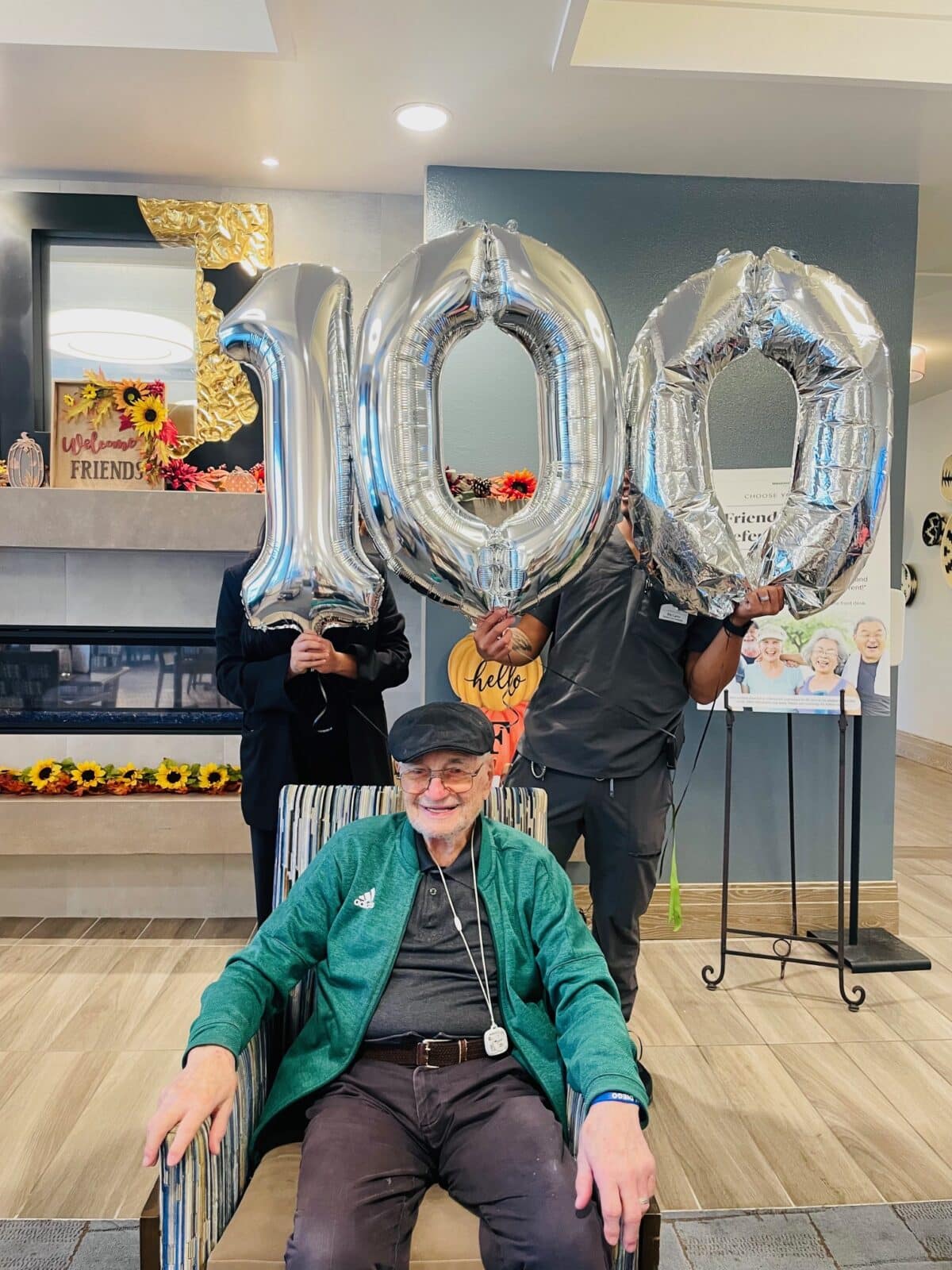
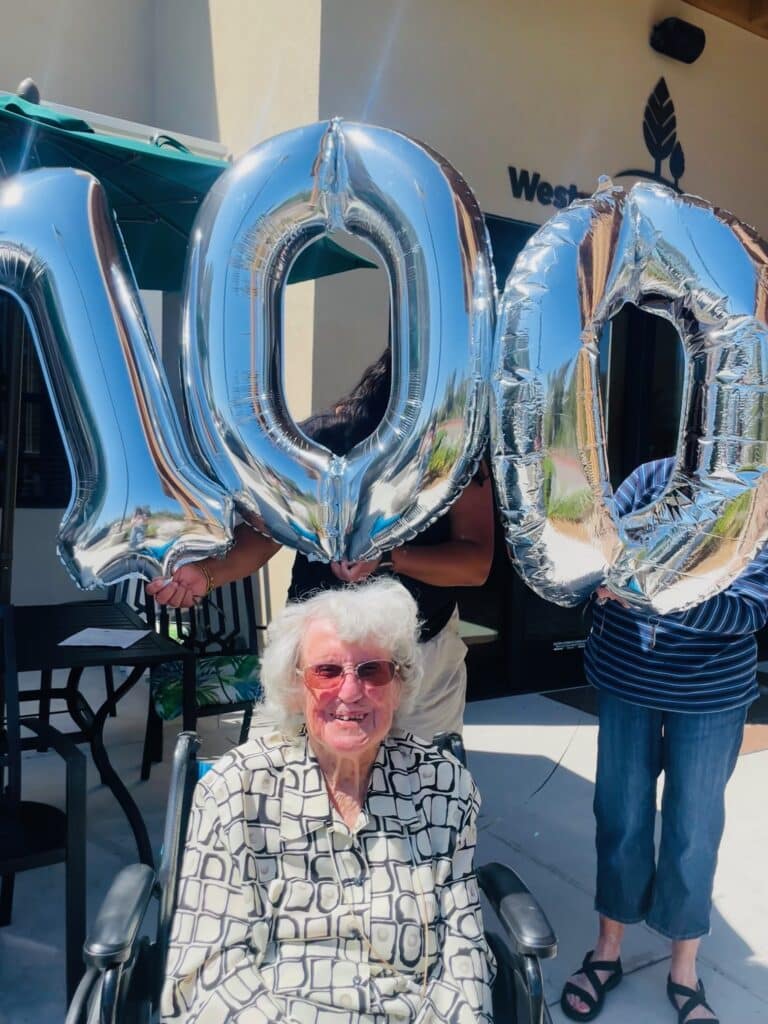
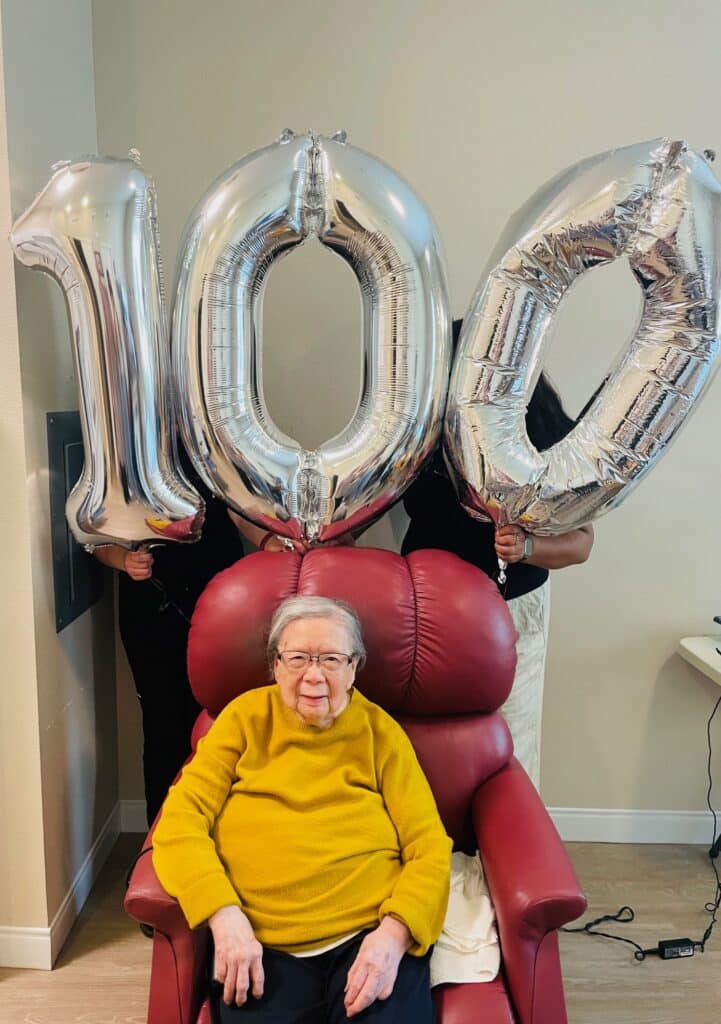
On September 22nd, we celebrate the first day of fall along with joining people around the world in celebrating Centenarians Day. It’s a special occasion dedicated to honoring those who have reached the incredible milestone of 100 years or more. This day is not only about celebrating longevity, but it’s about cherishing the wisdom, history, and enduring presence of centenarians in our lives.

Across all of our Communities, we are honored to have 24 extraordinary residents who are 100 years young and beyond, including 13 who have surpassed the century mark. Each one of them is a living connection to history, carrying with them stories that span a century of experiences, triumphs, and memories. Their journeys remind us of the resilience of the human spirit and the beauty of a life well-lived.

What Centenarians Day Means

  • Celebrating Longevity: Reaching 100 years is a remarkable achievement, a testament to strength, perseverance, and vitality.
  • Honoring Wisdom and History: Our centenarians are storytellers of times past, offering invaluable lessons, insights, and a bridge between generations.
  • Gratitude for Contributions: We celebrate not just their years, but their lifelong contributions, impacting families, communities, and the world in meaningful ways.

On this day, we encourage our centenarians, along with all our Residents, to continue to Live Your Way®. At Westmont Living, Live Your Way® means embracing life on your terms—with your style, your choices, and your passions. The legacies of our centenarians inspire us to live with gratitude, purpose, and joy each day.

To our 24 centenarian residents, thank you for your wisdom, your stories, and your shining example of resilience. Today and every day, we celebrate you.


Centenarians 2025

Lakeview Senior Living
William Walton – Born 1924 – Age 101
Westmont of Chico
Hope Heintz – Born 1924 – Age 101
Evelyn Penick – Born 1925 – Age 100
Dave Elliotte – Born 1924 – Age 101
Barbara Carney – Born 1923 – Age 102
Westmont of Escondido
Iris Wicks – Born 1923 – Age 101
The Oaks at Nipomo
Erving Morlee – Born 1924 – Age 100
Westmont at San Miguel Ranch
Maria Escarcega – Born 1925 – Age 100
Walter “Walt” Travis – Born 1924 – Age 101
Gracie Hill – Born 1925 – Age 100
Westmont of Brentwood
Bettye Sturla – Born 1925 – Age 100
Geraldine Baker – Born 1923 – Age 102
Constance Daniels-Idle – Born 1921 – Age 103
Westmont of Carmel Valley
Dorothy Goo – Born 1924 – Age 101
Westmont of Culver City
Betty Kronick – Born 1921 – Age 103
Westmont of Cypress
Terri Tamaru – Born 1925 – Age 100
Westmont of Encinitas
Beverly Evans – Born 1924 – Age 101
Rose Chang – Born 1924 – Age 100
Peter Sanzo – Born 1922 – Age 103
Westmont of Fresno
Vicki Coughlin – Born 1924 – Age 101
Georgia Hobson – Born 1925 – Age 100
Westmont of Morgan Hill
Florence Boyce – Born 1925 – Age 100
Westmont of Riverside
Inez-Blanche Holmes – Born 1922 – Age 102
Lois Wurschinger – Born 1925 – Age 100
Marina Gabus – Born 1920 – Age 105
Harold Platt – Born 1925 – Age 100


Nutritious Snacks for Seniors to Boost Energy & Wellness

When it comes to maintaining energy and overall health, choosing the right snacks for seniors is essential. At Westmont of Carmel Valley, we’ve found that small, intentional dietary changes can significantly improve wellness and daily vigor. Whether you’re caring for yourself or helping a loved one, the right snacks can make all the difference.

From protein-packed yogurt to soft snacks for the elderly with chewing difficulties, there are endless options for every taste and dietary need. This guide explores delicious, practical, and easy-to-prepare snack ideas—including homemade snacks for seniors, packaged snacks for the elderly, and nutrient-dense smoothies—that support well-being at any stage of life.

Nutrient-Packed Berries

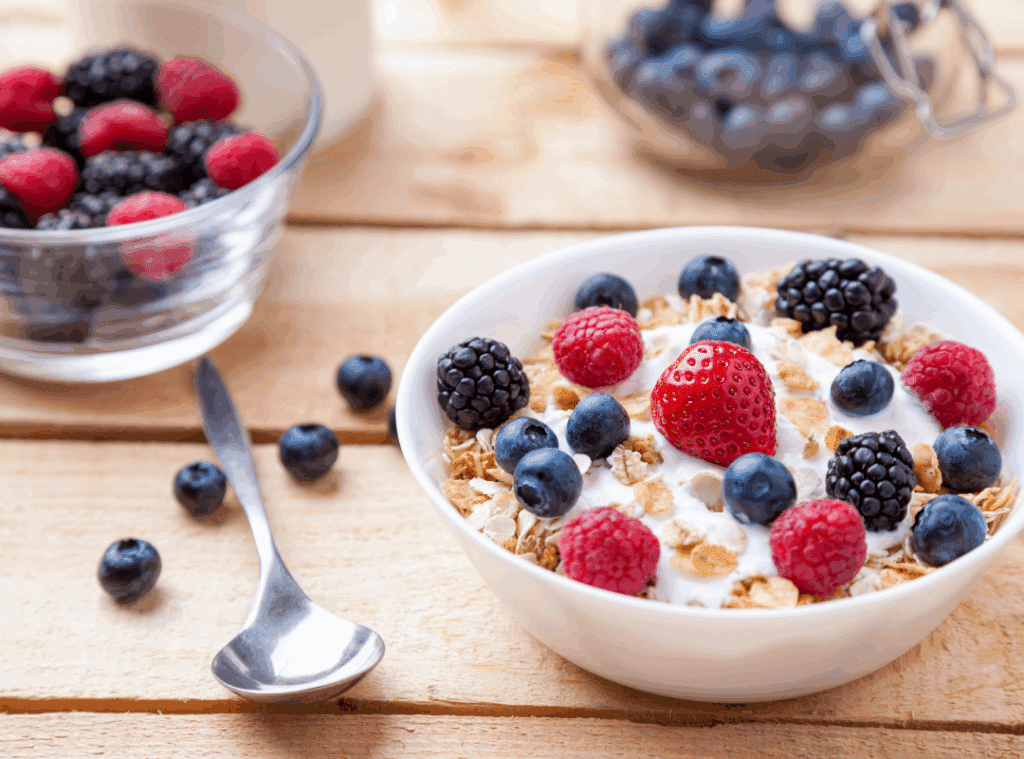
Berries are among the best snacks for seniors. They’re rich in antioxidants, fiber, and vitamins, which promote heart and brain health. Whether blended into smoothies, sprinkled over oatmeal, or enjoyed fresh, they’re a simple way to improve nutrition. They’re also ideal as snacks for seniors in nursing homes, providing both flavor and function without requiring much preparation.

Regular consumption of nutrient-rich foods like berries has been linked to better cognitive performance and reduced inflammation, making them perfect snacks for seniors with dementia as well.

Protein-Rich Greek Yogurt

Greek yogurt is a highly beneficial soft snack for elderly individuals who may have dental challenges or prefer lighter textures. It’s loaded with protein, calcium, and probiotics, all supporting gut health and muscle maintenance. Add some honey or nutrient-packed berries for a flavorful and brain-boosting snack.

This option also works well as one of the best packaged snacks for the elderly, especially when choosing plain, low-sugar varieties in single-serve cups. Proper nutrition through yogurt can help manage chronic conditions while supporting daily vitality.

Creative Pairing Ideas

  1. Blueberries + Yogurt – Antioxidants + protein combo
  2. Yogurt + Granola – Soft yet textured for satisfying crunch
  3. Yogurt + Flaxseed – Boosts omega-3s and fiber

Crunchy Bite-Size Vegetables

Crisp vegetables like carrots, bell pepper strips, and cucumber slices are ideal homemade snacks for seniors that provide hydration, fiber, and essential vitamins. Paired with hummus or guacamole, they offer an excellent energy-boosting and heart-healthy option.

These veggies also serve well as snacks for seniors in nursing homes, offering visual appeal and interactive eating that can enhance appetite. Essential vitamins from fresh vegetables can be particularly important for seniors with reduced taste or appetite.

Versatile Egg Options

Eggs are one of the most affordable and protein-rich snacks for seniors. Hard-boiled eggs are portable and easy to prep in bulk, while poached eggs can add variety and nutrition to any snack plate.

Why Eggs Work for Seniors

  • Soft snacks for the elderly, when scrambled or poached
  • Full of B12, which supports brain function
  • Ideal homemade snack for seniors—affordable and versatile

Eggs also cater to special dietary needs and are often a great addition to snacks for seniors with dementia due to their brain-boosting nutrients like choline.

Flavorful Hummus Dips

Hummus is another soft, nutrient-dense option that pairs wonderfully with veggies or crackers. It’s full of fiber, healthy fats, and plant-based protein—perfect for snacking any time of day.

For packaged snacks for the elderly, single-serve hummus cups make it easy and clean to enjoy in various settings. Flavors like roasted garlic, red pepper, or classic tahini are all great additions to a senior’s snack rotation.

Energizing Oatmeal Choices

Oatmeal isn’t just for breakfast—it also makes a filling and healthy snack. It’s rich in soluble fiber, which supports heart health and stabilizes blood sugar, making it one of the top snacks for seniors with dementia and others needing slow-release energy.

Oatmeal Snack Tips

  • Add berries or sliced bananas
  • Sweeten with cinnamon or honey
  • Store in jars for easy, grab-and-go homemade snacks for seniors

Avoid overly processed instant packets, which often contain added sugars and sodium. Instead, try making your own nutritious options at home or at a community kitchen.

Refreshing Smoothie Ideas

Smoothies offer hydration, vitamins, and easy digestion—all important benefits when choosing snacks for seniors. They’re especially good soft snacks for the elderly who may have trouble chewing, and they can be adjusted to meet specific needs like low sugar or high protein.

Simple Smoothie Recipes

  • Banana & Peanut Butter – Rich in potassium and protein
  • Berry Blend + Greek Yogurt – Antioxidant-packed
  • Spinach + Mango – Nutrient-dense and refreshing

Smoothies are also excellent snacks for seniors with dementia, especially when their appetite is low. You can easily sneak in spinach, flaxseed, or even supplements for a nourishing boost.

Convenient Packaged Snacks for the Elderly

While fresh and homemade snacks for seniors are ideal, there are plenty of healthy packaged snacks for the elderly that offer convenience without compromising nutrition. Look for options with low sodium, minimal sugar, and high fiber or protein.

Great Choices Include:

  • Low-sugar granola bars
  • Trail mix with unsalted nuts and dried fruit
  • Whole grain crackers with nut butter
  • Applesauce cups with no added sugar

Having these on hand makes it easy to support snacks for seniors in nursing homes or those with active lifestyles.


snacks for seniors


Creating Memory-Friendly Snacks for Seniors with Dementia

It’s important to select snacks for seniors with dementia that are easy to chew, digest, and don’t require utensils. Snack time can also serve as an opportunity for routine and stimulation.

Some great options include:

  • Smooth yogurt cups
  • Sliced banana with peanut butter
  • Cheese cubes with soft whole-grain crackers
  • Mini muffins made with vegetables or fruit

These options are not only delicious but can also reduce agitation and encourage independence with eating.

Conclusion: Snack Smart, Live Well

Choosing the right snacks for seniors isn’t just about curbing hunger—it’s about fueling the body, enhancing brain health, and supporting emotional wellness. Whether you’re preparing homemade snacks for seniors or stocking up on smart packaged snacks for the elderly, a little planning goes a long way.

At Westmont of Carmel Valley, we emphasize healthy, flavorful, and accessible snack options that promote wellness for every resident. From soft snacks for the elderly to vibrant smoothies and energy-boosting oatmeal, every bite can contribute to a better quality of life.

To learn more about how we support nutrition and wellness, call us at 858-465-7356 or schedule a visit today.


Compare The Costs of Senior Living vs Staying at Home

How Do The Costs Of Moving Into A Quality Senior Care Community Compare With The Costs Of Staying At Home?


Frequently Asked Questions

What are good snacks for old people?

Good snacks for older adults should be both nutritious and easy to digest. Options like yogurt, applesauce, boiled eggs, and soft fruits offer essential vitamins and minerals. Whole grain crackers with cheese or nut butter are also filling and heart-healthy. These snacks support energy, bone health, and overall well-being.

What is an easy finger food for seniors?

Easy finger foods for seniors include sliced fruit, cheese cubes, soft granola bars, and small sandwiches. These options are simple to prepare and don’t require utensils, making them ideal for those with limited mobility or dexterity. Soft foods like banana slices or mini muffins are gentle on the teeth and gums. Finger foods are also great for social settings or snacking throughout the day.

What are sweet snacks for seniors?

Sweet snacks for seniors can include naturally sweet options like fruit cups, raisins, and apples with honey or cinnamon. Low-sugar pudding, yogurt with berries, and oatmeal cookies are tasty yet gentle alternatives to candy. These choices satisfy sweet cravings while providing fiber and nutrients. Always watch the sugar content to avoid blood sugar spikes.

What are high-protein snacks for elderly people?

High protein snacks for elderly people include Greek yogurt, hard-boiled eggs, cottage cheese, and protein bars with low sugar. Nuts butters on whole grain toast or almonds and walnuts are also excellent sources. Protein helps maintain muscle mass and supports immune health. Including a variety of protein-rich snacks can enhance nutrition and energy throughout the day.


How to Overcome Challenges and Celebrate Life in Solo Aging

Solo aging is a path that more and more individuals are choosing or finding themselves on, and it doesn’t have to be daunting. With the right mindset, support systems, and preparation, this lifestyle offers both freedom and opportunity. Whether by circumstance or choice, solo agers can lead lives filled with connection, growth, and empowerment.

From fostering new friendships to exploring purposeful activities, solo aging opens the door to meaningful experiences. With a bit of planning and creativity, this phase of life can be both liberating and deeply fulfilling. Let’s explore the many solo aging benefits, real-life inspiration, and solo aging solutions that support thriving independently in later years.

Westmont of Carmel Valley offers vibrant community living designed to help solo agers live fully with safety, support, and social engagement.


Understanding Solo Aging and Its Importance

Solo aging involves navigating later life without a spouse, partner, or adult children for support. As society shifts and lifespans extend, more people are identifying as solo agers, finding empowerment in planning their lives independently.

Those in the solo aging age range—typically those in their 60s and up—can greatly benefit from proactive planning. Establishing supportive networks not only enhances your quality of life but also prepares you for future needs. Embracing independence doesn’t mean being alone—it means having the freedom to shape your lifestyle around what truly matters to you.

Building a Support Network for Loneliness

A strong social network is crucial for combating the isolation that often accompanies solo aging. Whether you’re in your 60s or 80s, it’s never too late to build connections that provide emotional and practical support.

Importance of Connection

Loneliness is a common concern, but solo aging solutions include fostering relationships that enrich your life. Staying connected with friends and family, joining clubs, and volunteering can all help reduce feelings of isolation. Initiatives like senior companions can also improve emotional and physical health.

Engaging Community Activities

Active participation in group events, classes, and hobbies is among the greatest solo aging benefits. Whether it’s yoga, art, or gardening, these pursuits foster purpose and belonging. Activities hosted at places like Westmont of Carmel Valley provide enriching experiences that nurture social bonds and self-esteem.

Professional Support Resources

For those living solo, professional help adds structure and peace of mind. Nutritionists, counselors, healthcare providers, and financial planners can become vital members of your support team. Access to healthcare and wellness resources helps you manage the nuances of aging, especially when you’re navigating it solo.

Creating a Safe and Comfortable Living Environment

Independence thrives in safe, accessible spaces. Ensuring that your living space supports mobility and well-being is key to the solo aging lifestyle. Features like grab bars, wide doorways, and proper lighting reduce risks while promoting peace of mind.

Feature Purpose
Safety enhancements Prevent falls and accidents
Comfortable amenities Encourage daily enjoyment
Security measures Provide reassurance for living alone
Welcoming environment Foster connection and calm
Accessibility upgrades Maintain independence longer

Engaging in Meaningful Activities for Fulfillment

Staying mentally, physically, and emotionally engaged is one of the best solo aging solutions. Whether through hobbies, creative outlets, or giving back to others, fulfillment comes from staying connected to what inspires you.

  • Creative arts: Music, writing, or painting can provide self-expression and reduce stress.
  • Learning opportunities: Take classes or attend workshops to keep your mind sharp.
  • Volunteering: Serving others fosters purpose and introduces you to a broader community.

To explore activities that support mental wellness and connection, consider these programs for seniors.


Creating a Safe and Comfortable Living Environment


Financial Planning and Healthcare Considerations

Financial Security Strategies

Preparing financially is crucial for solo aging. Work with a financial advisor who understands the unique needs of solo agers, particularly around long-term care, estate planning, and budgeting for unexpected costs.

  • Set up a budget that includes medical, housing, and lifestyle expenses. 
  • Explore options like annuities, long-term care insurance, and retirement investments. 
  • Use free tools from AARP’s Retirement Planning to make informed decisions. 

Healthcare Access Essentials

With no spouse or child to advocate on your behalf, it’s critical to establish a healthcare plan. Build a relationship with a primary care provider, understand your Medicare benefits, and create advance directives.

Planning ahead ensures that your preferences are honored, even if you’re unable to communicate them directly later on.

Exploring Community Living Options for Solo Agers

Community living can offer a perfect blend of independence and support. For those embracing solo aging, these environments reduce isolation and offer on-site services that promote well-being.

  • Independent living: Ideal for those who are self-sufficient but want social opportunities.
  • Assisted living: Provides help with daily tasks while preserving autonomy.
  • Co-housing: Shared living spaces with private rooms, where residents collaborate and support each other.

Westmont of Carmel Valley offers housing and care options that cater specifically to solo agers. Schedule a community tour to explore what living solo in a vibrant, connected environment could look like for you.

Real-Life Inspiration: Solo Aging Stories

There is no shortage of inspiring solo aging stories that highlight resilience, joy, and growth. From individuals who found purpose in later-life careers to those who forged lifelong friendships in senior communities, these stories emphasize that aging alone does not mean aging lonely.

Explore these Aging Solo stories from Next Avenue for powerful examples of solo agers thriving across the country.

Whether you’re planning your journey or already well into it, these examples remind us that solo aging can be vibrant, purposeful, and deeply satisfying.

Your Future, Your Way: Thriving as a Solo Ager

Solo aging is not just a demographic shift—it’s a lifestyle choice with powerful potential. By embracing the solo aging benefits of independence, flexibility, and personal growth, you can design a life that reflects your values and priorities.

Lean into solo aging solutions like community living, professional planning, and engaging activities. Stay inspired by real solo aging stories that reflect your aspirations. Most importantly, know that this journey is yours to shape, and resources like Westmont of Carmel Valley are here to support you every step of the way.

To learn more about how we support solo agers, call us at 858-465-7356 or schedule a tour today.


Compare The Costs of Senior Living vs Staying at Home

How Do The Costs Of Moving Into A Quality Senior Care Community Compare With The Costs Of Staying At Home?


Frequently Asked Questions

What is solo aging?

Solo aging refers to growing older without a spouse, partner, or adult children to rely on for caregiving or decision-making support. It often applies to seniors who are single, childless, or geographically distant from family. Solo agers may need to plan for housing, healthcare, and legal matters proactively. Establishing a strong support network and considering senior living options early are key strategies.

What is the 40-70 rule for aging parents?

The 40-70 rule suggests that by the time you are 40, and your parents are around 70, it’s time to start important conversations about their future care. This includes discussions on finances, healthcare preferences, living arrangements, and end-of-life wishes. The rule helps families plan ahead of a crisis. Early conversations often lead to better outcomes and reduced stress later on.

What does it mean to age alone?

To age alone means navigating the aging process without close family or a traditional support system. This can involve making all personal, medical, and financial decisions independently. While it may present unique challenges, many older adults thrive through community involvement, professional caregiving support, and well-organized planning. Aging alone emphasizes the importance of building a trusted network of friends and advisors.

How to tell if you’re aging well?

Signs of aging well include maintaining physical mobility, mental sharpness, emotional well-being, and strong social connections. People who age well often stay active, eat healthily, manage stress, and engage in meaningful activities. Regular medical check-ups and a proactive attitude toward preventive care also support healthy aging. Overall, it’s about quality of life, not just longevity.

Boost Health with 30 Minutes of Exercise for Seniors Daily

Aging gracefully isn’t just about managing your health—it’s about actively improving it. One of the most effective ways seniors can protect their physical and mental well-being is through regular movement. Thirty minutes of exercise for seniors can significantly boost quality of life, increase independence, and improve mood, all without needing intense routines or expensive equipment.

At Westmont of Carmel Valley, residents are empowered to embrace wellness with easy, enjoyable exercises. Whether you’re just starting or returning to fitness later in life, the benefits of a short daily commitment are endless. In this guide, we’ll explore how incorporating 30 minutes of exercise for seniors at home, with or without equipment, can support better health outcomes for those over 60 and beyond.

For more information, visit our website at Westmont of Carmel Valley.

The Benefits of Daily Senior Exercise

Introducing just 30 minutes of exercise for seniors into your day can improve cardiovascular health, reduce inflammation, and even prevent cognitive decline. It’s a simple commitment with profound benefits. For seniors, especially those aged 60 and above, movement enhances strength, balance, and flexibility, decreasing the risk of falls and injuries.

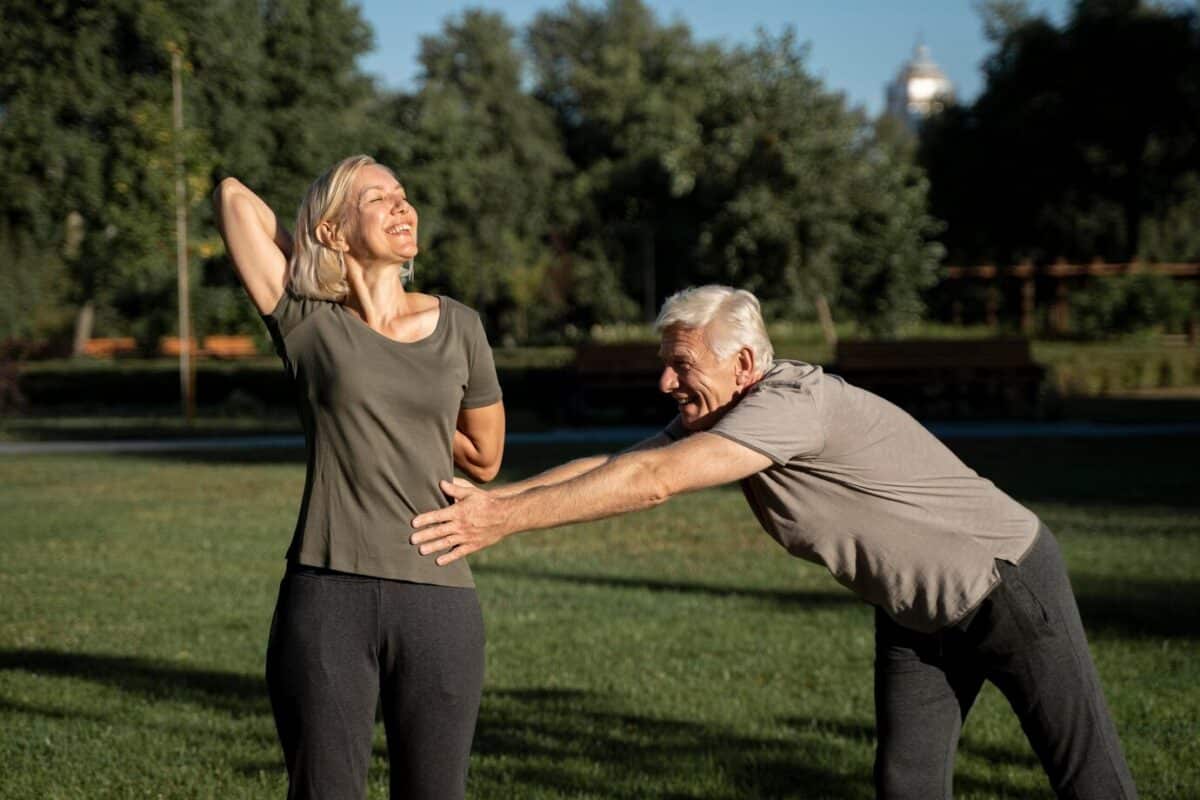
Engaging in Exercise for Seniors Over 60 at Home can involve light aerobics, chair yoga, or guided stretching—all of which improve circulation and joint mobility. For those over 75, even walking or gentle resistance training can offer meaningful improvements in endurance and posture. Incorporating social engagement activities into workouts also provides mental stimulation and community connection, further enhancing emotional well-being.

Supporting Heart Health and Managing Illnesses

Heart disease, diabetes, and arthritis are common concerns for older adults, but a consistent fitness routine can help mitigate their effects. 30 minutes of exercise for seniors at home—even split into two 15-minute sessions—can reduce blood pressure, strengthen heart muscles, and support healthy weight management.

Individuals with diabetes benefit from movement, as it helps regulate blood sugar and improves insulin sensitivity. Additionally, for individuals experiencing joint stiffness or chronic inflammation, low-impact exercises such as tai chi or water aerobics can help alleviate pain without overexertion. Adding light strength workouts, like 30 minutes of exercise for seniors with weights, increases bone density and helps maintain muscle mass.

To learn more about how daily activity supports overall wellness, explore this guide on daily physical activity.

Brain Benefits: Cognitive Strength Through Movement

Just like your muscles, your brain needs regular exercise to stay in top shape. Consistent activity stimulates the release of brain-derived neurotrophic factor (BDNF), a protein that supports memory and learning. Even simple exercise for seniors over 75, such as walking or stretching, improves blood flow to the brain and enhance mood-regulating neurotransmitters.

Thirty minutes of exercise for seniors also helps slow the progression of age-related cognitive decline and may reduce the risk of dementia. Exercises that incorporate balance and coordination, such as dance or yoga, promote both mental agility and physical control. Activities that improve mobility, like those mentioned in this article on senior physical therapy, have dual cognitive and physical benefits.

Getting Started: Safe and Simple Exercise Routines

Getting into a routine doesn’t require gym memberships or intense training. Begin with what feels manageable. Try starting your day with 10 minutes of stretching, followed by a short walk around your neighborhood or down the hallway. Gradually work up to 30 minutes of exercise for seniors at home by combining sessions.

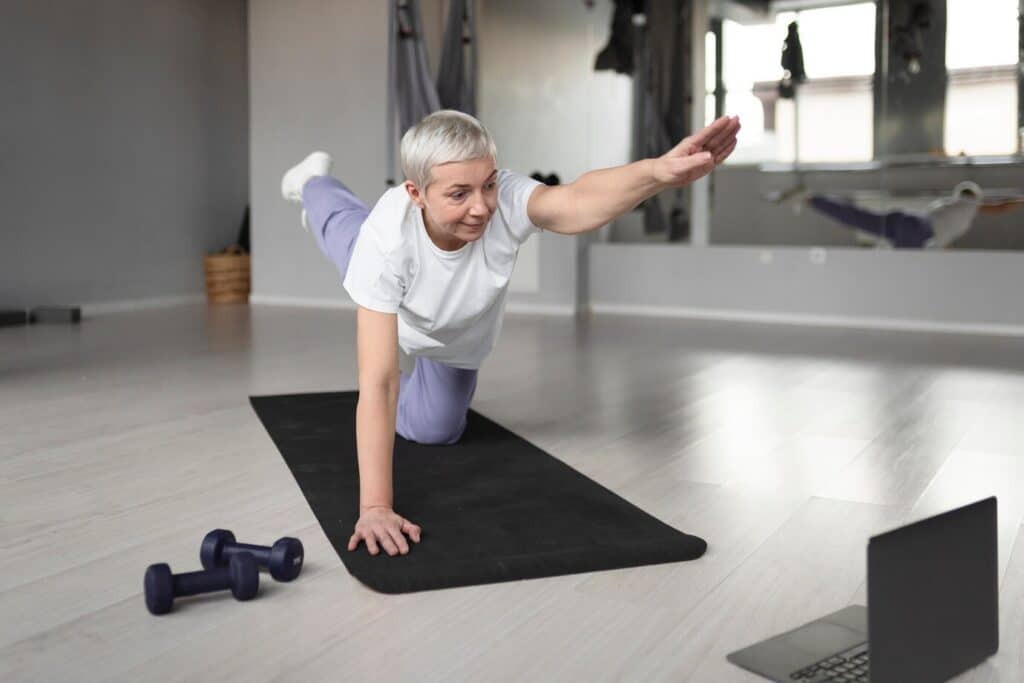
If you’re open to strength training, try using water bottles or resistance bands for a 30-minute exercise for seniors with weights. Focus on key muscle groups like legs, back, and arms. Always prioritize safety—use sturdy furniture for balance or choose seated exercises when needed. Senior fitness programs from the CDC offer great tips for safely increasing your activity level.


Enhanced Cognitive Function

Staying Consistent: Building Healthy Habits

Success comes with consistency. Designate a specific time each day for your workout, and set reminders if needed. Creating a weekly schedule that includes rest days and varied exercises—such as yoga, cardio, and strength—keeps the routine exciting and balanced.

Joining others can help you stay motivated. Whether it’s a friend, family member, or neighbor, accountability boosts commitment. If you’re unsure how to begin, many communities offer beginner-friendly classes or virtual options that support exercise for seniors over 60 at home and beyond. For additional support, read about strength and balance workouts that cater specifically to aging adults.

Fun and Connection: The Joy of Social Exercise

Movement doesn’t have to feel like a chore—it can be fun! Choosing activities that bring joy increases the likelihood of long-term success. Join a walking group, participate in gardening, or dance to your favorite music. The more enjoyable your activity, the more likely you’ll make it a lifelong habit.

Incorporating group fitness or games adds a social element that boosts mood and reduces loneliness. Whether you’re enjoying a stroll with a neighbor or trying out exercise for seniors over 75 in a group tai chi class, staying connected matters. Consider joining community sessions or outdoor games for an added layer of fun and engagement.

Helpful Tools for Home Workouts

To maximize your 30-minute exercise for seniors at home, you can use simple tools like:

  • A yoga mat for comfort during stretching.
  • Light dumbbells or resistance bands for strength-building.
  • A chair for support during balance exercises.
  • Free apps or YouTube channels tailored to exercise for seniors over 60 at home.

External resources such as SilverSneakers and Go4Life by NIH also provide video tutorials, printable guides, and full workout routines suited to every ability level.

Stay Active, Stay Independent

Ultimately, 30 minutes of exercise for seniors is not just about physical health—it’s about maintaining independence, boosting confidence, and enhancing vitality. Whether you’re living in a senior community or enjoying your own home, staying active helps you do the things you love for longer.

Whether it’s walking the dog, gardening, or spending time with grandchildren, physical strength makes everyday tasks easier. The benefits aren’t just in the moment—they build upon each other to create long-term wellness, reduce hospital visits, and increase happiness.


Flexibility Exercises for Mobility

Your Health, Your Time to Shine

You have the power to transform your future one step at a time. Committing to just 30 minutes of exercise for seniors each day is a gift to your body, mind, and spirit. Whether it’s a walk through your neighborhood or a strength session in your living room, every move counts.

Let your journey to better health start today. Explore more resources, discover routines that excite you, and make your wellness a priority. For more information or to explore our community, call us at 858-465-7356 or schedule a tour with Westmont of Carmel Valley. A more active, vibrant life is waiting—are you ready to take the first step?


Find Where You Belong

Dive into the vibrant life our Westmont communities have to offer.


Frequently Asked Questions

What is the number one exercise for seniors?

Walking is the number one exercise for seniors. It’s low-impact, easy on the joints, and helps improve cardiovascular health, balance, and mood. Walking also supports muscle tone and endurance, making it an ideal daily activity. Plus, it can be done almost anywhere without special equipment.

What is the most effective 30-minute workout?

A 30-minute workout that combines cardio, strength training, and flexibility is most effective for seniors. This can include a mix of brisk walking, light resistance exercises (like resistance bands or bodyweight squats), and stretching. This balanced routine boosts heart health, maintains muscle mass, and enhances mobility. It also helps prevent falls and supports overall independence.

What is the best free exercise app for seniors?

One of the best free exercise apps for seniors is SilverSneakers GO. It offers guided workouts tailored for older adults, including strength, flexibility, and balance routines. The app is easy to use and allows users to modify exercises based on their fitness level. It’s available on both iOS and Android for free, even without a SilverSneakers membership.

What is the AARP #1 exercise for seniors?

AARP recommends walking as the #1 exercise for seniors due to its many health benefits and accessibility. Walking supports heart health, weight management, and joint flexibility. It’s also a great way to stay socially and mentally engaged if done with a partner or group. AARP also encourages adding light strength and balance exercises for a well-rounded routine.


Questions to Ask Elderly: Build Memories With Loved Ones

Questions to Ask Elderly Loved Ones to Build Lasting Bonds

Connecting deeply with our aging loved ones often starts with the right questions to ask elderly individuals. These moments of shared reflection and storytelling can be both heartwarming and enlightening. Whether it’s your parents, grandparents, or an elderly woman you admire, asking the right questions helps preserve precious memories and strengthens relationships that span generations.

When considering the questions to ask elderly parents about their lives, you create a unique opportunity to learn about your family history, core values, and life-changing experiences. Not only does this deepen your understanding of your roots, but it also nurtures emotional well-being for both you and your loved one. From funny anecdotes to discussions about health, this guide offers a heartfelt path to connection.

Family History and Ancestry

Have you ever felt curious about where your family came from? Diving into your loved one’s ancestry is a powerful way to open up a meaningful conversation. Start with questions to ask elderly parents about their lives, like:

  • Where did our ancestors originate from?
  • What were your parents like growing up?
  • Do you know the story behind our family name?

These prompts help bring forward long-forgotten stories that carry the essence of family values and traditions. Discovering the past together can foster a deep sense of pride and identity. For instance, activities like watching quail eggs hatch can tie family memories to nature, making heritage exploration even more engaging.

Childhood Memories and Experiences

Your loved one’s early years hold a treasure trove of joyful, funny, and sometimes surprising moments. Asking about their childhood helps preserve a part of history while offering laughter and warmth. Try asking:

  • What was your favorite toy or game as a child?
  • Did you ever get in trouble at school?
  • What was your favorite family meal?

These funny questions to ask older adults not only generate laughter but also allow younger family members to connect in a lighthearted way. Conversations like these often reveal the humanity and humor behind your loved one’s personality. Reflecting on the past also opens the door to discussions about nutrition for older adults, showing how diet and habits have evolved over time.

Significant Life Changes and Lessons

Discussing big life events offers insight into how your loved one faced challenges and celebrated victories. Asking about major milestones provides context and appreciation for their resilience. These questions to ask the elderly might include:

  • What life event changed you the most?
  • How did you adapt to unexpected situations?
  • What’s the most valuable lesson life has taught you?

Such conversations tie into questions to ask older adults about health, especially when discussing how they coped with illness, aging, or emotional transitions. Encouraging storytelling here can be deeply therapeutic. These stories often highlight personal growth and complement discussions on emotional well-being.

Travel Adventures and Experiences

Travel experiences open up a world of fascinating stories and new perspectives. Older adults often have incredible tales of trips, both grand and humble. Consider asking:

  • What’s the most unforgettable trip you’ve ever taken?
  • Who was your favorite travel companion?
  • Did any travel experiences change your worldview?

These questions to ask elderly women and men alike can provide wonderful insights and also highlight their adventurous spirit. You may also hear about the importance of shared experiences and communal joy, similar to what is fostered in thoughtfully designed assisted living spaces.

Hobbies, Interests, and Achievements

Your loved one’s passions often reflect their values and personal fulfillment. These interests are essential topics that reveal what made their life meaningful. Ask these questions to learn more about elderly parents ‘ life to learn more:

  • What hobbies have brought you the most joy?
  • Is there an accomplishment you’re especially proud of?
  • Did you ever dream of a different career?

Exploring this area can even inspire the next generation to pursue passions and embrace creativity. These stories also encourage shared activities like trying brain-boosting games or new hobbies as a family.


questions to ask elderly​


Health and Wellness Conversations

Discussing wellness is essential, especially as health becomes more of a focus in later years. When handled with care, these discussions can be constructive and comforting. Try including questions to ask older adults about health, such as:

  • What has helped you maintain your health over the years?
  • Are there health habits you wish you’d started earlier?
  • What advice would you give younger generations about staying healthy?

These conversations often bridge the gap between generations, providing practical advice while showing respect for lived experiences. You can also explore Mayo Clinic’s guide to healthy aging or National Institute on Aging’s health resources for evidence-based guidance.

Humor and Lighthearted Moments

Not every conversation needs to be serious. Sharing laughs can be one of the most joyful ways to connect. Use these funny questions to ask older adults to spark some smiles:

  • What was the most embarrassing thing that ever happened to you?
  • What old-fashioned trend do you wish would come back?
  • If you could prank someone today, what would you do?

Light-hearted questions allow your loved one’s personality to shine through and remind everyone that fun and laughter never go out of style.

Creating a Legacy Through Conversations

Every answer you receive, every memory shared, helps build a legacy that can be passed on. Whether it’s deep reflections or funny questions to ask older adults, your role in gathering these stories is meaningful. These moments of connection preserve not just personal history, but also love, values, and wisdom.

At Westmont of Carmel Valley, we believe that intentional conversations enrich the lives of seniors and their families. If you’re looking to help your loved one live in a nurturing, engaging community, we invite you to visit us. You can schedule a tour or get more details about our services at Westmont of Carmel Valley or call us at 858-465-7356.

Turn Questions Into Cherished Connections

Don’t wait for a special occasion to start meaningful conversations. The best time to ask is now. Whether you’re focused on legacy, laughs, or wellness, asking the right questions to ask elderly loved ones opens a world of stories and emotions.

Use this guide as your invitation to explore your loved one’s journey. With every question, you honor their life, preserve their voice, and build lasting memories that will continue to shape your family’s story.


What Level of Care Do You Need?

Discover the level of care you or your family member requires. 


Frequently Asked Questions

What is the 20 Questions game for seniors?

The 20 Questions game for seniors is a fun and engaging way to stimulate memory, encourage conversation, and foster social interaction. It involves one person thinking of an object, person, or place, and the others asking yes-or-no questions to guess what it is within 20 tries. This game is great for group settings or one-on-one time, helping improve cognitive function in a lighthearted way. It’s especially useful in memory care or family gatherings to keep seniors mentally active.

What’s a good question to ask a senior leader?

A thoughtful question to ask a senior leader is, “What leadership lesson took you the longest to learn?” This question opens the door to valuable insights based on years of experience and reflection. It also shows respect for their journey while allowing others to learn from their perspective. Such a question can spark meaningful discussions and inspire emerging leaders.

What are five good questions to ask someone?

Five good questions to ask someone include:

  1. What’s the best advice you’ve ever received?
  2. What accomplishment are you most proud of?
  3. What’s a challenge that taught you something important?
  4. What’s your favorite memory?
  5. If you could relive any moment, what would it be?
    These open-ended questions help build deeper connections and understanding.

What questions should to ask your aging parents?

Ask your aging parents questions that help preserve their legacy and support their needs, such as:

  1. What was your childhood like?
  2. What are your most cherished family traditions?
  3. Are there any important documents we should organize together?
  4. What kind of care would you prefer if needed in the future?
    These questions encourage reflection, planning, and emotional connection.


Senior Health Tips for Vibrant Wellness and Aging

Senior Health Tips for Vibrant Aging and Wellness

Senior health is about more than avoiding illness—it’s about creating a lifestyle that supports energy, mobility, and emotional well-being. At Westmont of Carmel Valley, our approach to wellness includes balanced nutrition, regular physical activity, mental stimulation, and meaningful social engagement.

Understanding and addressing the unique needs of aging adults requires staying informed about health topics for senior citizens, practicing senior health and fitness strategies, and accessing reliable senior insurance services. With the right support and daily habits, seniors can enjoy a fulfilling, active lifestyle. Discover how to enhance your wellness with the insights below or visit us at Westmont of Carmel Valley.


Smart Nutrition Choices for Healthy Aging

Fueling the body with the right nutrients supports energy and boosts the immune system. Key elements of senior health include eating a variety of fruits, vegetables, lean proteins, and whole grains. Prioritizing hydration and mindful eating ensures your digestive and cognitive systems perform at their best.

A proper diet not only supports senior health and wellness but also helps manage chronic conditions like diabetes and heart disease. Nutrient-dense options like leafy greens, berries, and almonds offer antioxidants that protect the body from age-related decline. Learn how senior nutrition programs can support your personal goals.

Staying Active: The Key to Longevity

One of the most impactful health topics for senior citizens is the role of physical activity. Regular movement improves muscle strength, balance, and cardiovascular health, helping prevent falls and promote independence. Whether it’s walking, water aerobics, or strength training, staying active is a pillar of senior health and fitness.

The CDC recommends at least 150 minutes per week of moderate-intensity exercise. This might include stretching, resistance training, or even simple leg exercises. Staying active also has cognitive benefits and reduces the risk of dementia. And always consult your doctor before beginning any new fitness routine.

For more on how movement benefits older adults, check out this guide from the National Institute on Aging.

Mindfulness for Mental Balance

Mental wellness is just as important as physical health. Meditation, breathing exercises, and gratitude practices are simple tools to reduce stress. These senior health and wellness strategies are easy to integrate into daily life and can improve sleep, reduce anxiety, and even lower blood pressure.

Start with mindfulness meditation—just five minutes a day can make a significant impact. Combine that with breathing techniques or relaxing activities like gentle yoga or journaling. These practices help build resilience and provide emotional clarity.

A calm mind contributes to healthier interactions, better decision-making, and overall vitality in aging.

Why Regular Screenings Matter

Routine medical checkups and screenings are essential parts of senior health. Staying ahead of potential problems through early detection can be life-saving. Whether it’s monitoring blood pressure, cholesterol, vision, or bone density, proactive care is empowering.

Healthcare providers can also guide you through managing chronic conditions and help navigate senior insurance services to ensure coverage for necessary screenings and treatments. Preventative care is not just smart—it’s foundational to quality of life.

Learn more about why regular screenings are essential.

Social Wellness and Connection

Loneliness is a growing health concern for seniors. Forming and maintaining social bonds directly supports senior health and wellness. Whether it’s through family, friends, or new community groups, staying connected can reduce depression, enhance self-worth, and keep the mind sharp.

From book clubs and volunteering to shared gardening or game nights, the opportunities are endless. Participating in social activities not only brings joy but also keeps you mentally engaged and emotionally grounded.

Emotional and Mental Health in Aging

Among the most important health topics for senior citizens is emotional well-being. Emotional struggles can often go unrecognized in older adults, but conditions like depression, anxiety, or grief need attention. Regular interaction, therapy, and community participation play vital roles in supporting emotional health.

Using mindfulness practices, staying active, and building routines are helpful strategies. Plus, having access to the right mental health care via senior insurance services ensures continuity of care when it’s needed most.

Understanding Senior Insurance Services

Navigating senior insurance services can feel overwhelming. Medicare, supplemental insurance, and long-term care policies all play a role in managing medical costs and accessing care. Knowing what’s covered and where to find assistance empowers seniors to make informed decisions.

Ensure you explore options that cover wellness services, rehabilitation, preventive care, and prescription medications. Organizations like Medicare.gov offer tools and support to help seniors understand their coverage and make informed decisions during enrollment periods.

It’s also wise to consult with a professional advisor to understand your benefits and ensure your health needs are fully supported throughout retirement.

Mindfulness and Stress Management 

Living Well with Purpose and Engagement

The pursuit of purpose and continued learning is a core component of senior health and fitness. Hobbies, travel, and volunteering contribute to personal growth and a sense of identity. Whether you’re exploring a new passion or mentoring younger generations, staying mentally active enhances life satisfaction.

Staying mentally stimulated by reading, attending workshops, or engaging in creative outlets has been shown to improve memory and slow cognitive decline. Building these practices into your routine helps shape a rewarding and empowered aging journey.

Creating a Wellness Routine that Works

A comprehensive senior health and wellness plan should incorporate:

  • A colorful, nutrient-rich diet
  • Daily physical activity suited to your ability
  • Mindfulness practices for stress relief
  • Routine screenings and medical checkups
  • Strong social ties and community involvement
  • Clear understanding of senior insurance services

By blending all these elements, you create a solid foundation for long-term wellness. It’s not about being perfect—it’s about making consistent, small decisions that support your well-being.

A Healthy Future Starts Now

Aging vibrantly means embracing your health journey with intention and support. From nourishing meals and regular exercise to meaningful friendships and preventive care, each choice adds up to a better tomorrow.

Prioritize senior health by learning about essential health topics for senior citizens, staying active through senior health and fitness, and leveraging the support of trusted senior insurance services. With the right resources and community, the golden years can be your most fulfilling yet.

At Westmont of Carmel Valley, we’re here to walk alongside you every step of the way. Ready to see how we support your lifestyle and well-being? Schedule a tour or call us at 858-465-7356.


What Level of Care Do You Need?

Discover the level of care you or your family member requires. 


Frequently Asked Questions

What are the health issues of the elderly?

Elderly individuals commonly face health issues such as arthritis, heart disease, diabetes, osteoporosis, and cognitive decline, including dementia or Alzheimer’s. Vision and hearing loss, poor balance, and weakened immunity are also prevalent. These conditions can impact daily functioning and quality of life, making regular health checkups and preventive care essential.

What is the maximum income for a senior’s health card?

The maximum income for a Seniors Health Card varies depending on the country and program. For example, in Australia, as of 2025, singles must earn below $95,400 and couples below $152,640 combined (subject to change). Eligibility is based on adjusted taxable income and may include certain government benefits or allowances.

What is the best health plan for seniors?

The best health plan for seniors often includes comprehensive coverage for doctor visits, hospital care, prescription drugs, and preventive services. Medicare combined with a supplemental plan (like Medigap or Medicare Advantage in the U.S.) is a popular option. The ideal plan depends on the senior’s health needs, medications, budget, and preferred providers.

What is the care of the older person?

Care for older individuals involves supporting their physical, emotional, and social well-being. It can include assistance with daily activities, medication management, mobility support, and regular health monitoring. Emotional support, companionship, and access to community services also play a vital role in promoting a high quality of life for seniors.


Boosting Retirement Savings – 7 Surprising Hacks

Boosting Retirement Savings: 7 Powerful Money Hacks

Planning for the future can feel overwhelming, especially when retirement seems years away. But starting early and making strategic financial decisions now can significantly influence the size of your nest egg later. Whether you’re just beginning or catching up on your goals, understanding these key tactics of Westmont of Carmel Valley for boosting retirement savings can help you gain control and peace of mind.

This guide highlights seven practical strategies you can apply at any age, from using a boosting retirement savings calculator to finding the best way to save for retirement in your 50s, at 45, or even how to save for retirement in your 40s. With smart planning, education, and consistency, you’ll grow your savings and strengthen your financial security for the years ahead.


Start Early and Stay Consistent

The earlier you begin saving for retirement, the more you benefit from compound interest. Even small, regular contributions can grow significantly over time. Boosting retirement savings becomes easier when you automate your savings and stick to a monthly goal.

Use a boosting retirement savings calculator to visualize how your savings will grow. This helps keep you motivated and accountable. You can also review your progress by maintaining an updated record of financial dealings, ensuring you stay aligned with your retirement objectives.

Maximize Employer Contributions

One of the most effective and overlooked strategies for boosting retirement savings is maximizing your employer’s match on retirement plans like a 401(k) or 403(b).

Free Money Opportunity

Think of matching contributions as free money. By not taking full advantage of them, you’re leaving potential earnings on the table. Using a boosting retirement savings calculator will show how these extra contributions can accelerate your financial growth. Don’t miss this opportunity, especially if you’re focused on the best way to save for retirement at 45 or older.

Meet Employer Match

If your employer offers a match, contribute enough to qualify. Gradually increase your contribution rate when you receive a raise. This is especially important if you’re trying to catch up in your 40s or 50s. Learning about financial assistance programs can also help you stretch your budget and increase your contribution levels.

Explore Tax Benefits

Employer contributions are often pre-tax, reducing your taxable income and helping you save more. Consider combining this with other tax-deferred accounts like IRAs. If you’re using platforms such as boosting retirement savings, you can explore multiple account types for maximum tax efficiency. Understand how to balance income and benefits eligibility to further optimize your income.

Embrace an Economical Lifestyle

Cutting back on unnecessary expenses can free up funds for retirement savings. Start with tracking your spending, then redirect funds from dining out, unused subscriptions, or impulse buys into your retirement accounts.

Living frugally is the best way to save for retirement in your 50s and beyond. It also empowers you to allocate resources to healthcare, housing, or long-term care. This mindset not only enhances your retirement savings plan but also aligns with sustainable living and community support.

Economical Lifestyle

Diversify Your Investments

Spreading your investments across different asset classes—stocks, bonds, real estate—helps manage risk while optimizing returns. This is critical for long-term growth and financial stability.

Asset Class Variety

Each asset class behaves differently. By diversifying, you protect your retirement portfolio from market volatility. This is an important component for how to save for retirement in your 40s or at 45, ensuring that one downturn doesn’t derail your entire strategy.

Risk Mitigation Strategies

Diversification is one of the best strategies for reducing risk. For example:

Asset Class Risk Level Expected Return
Stocks High High
Bonds Moderate Moderate
Real Estate Moderate Moderate to High
Cash Equivalents Low Low

Using platforms like boosting retirement savings, or consulting with a certified financial planner can help you build a portfolio that matches your goals and risk tolerance.

Take Advantage of Catch-Up Contributions

If you’re over 50, you’re eligible for catch-up contributions to your IRA and 401(k). These additional contributions allow you to make up for lost time and significantly increase your savings.

This strategy is one of the best ways to save for retirement in your 50s. Use a boosting retirement savings calculator to understand how much more you can contribute and how it affects your retirement timeline. Don’t underestimate the power of these extra dollars, especially as retirement approaches.

Prioritize Healthcare Planning

Medical costs can erode your retirement savings if you don’t plan ahead. Build a fund for future healthcare expenses, including insurance premiums and long-term care needs.

Explore HSAs (Health Savings Accounts), which are tax-advantaged and can be used for medical expenses in retirement. Understanding how to plan for healthcare is critical to your long-term success in boosting retirement savings.

Read more about your healthcare funding options.

Continuously Educate Yourself

Financial literacy empowers you to make smart investment decisions. Stay up to date by attending workshops, reading blogs, and following trusted financial sources.

Here are some options:

Educating yourself is a lifelong tool and essential for anyone looking for the best way to save for retirement at 45, in your 40s, or beyond.

Unlock a Secure and Fulfilling Retirement

Implementing these seven smart strategies for boosting retirement savings can transform your financial future. From starting early and making consistent contributions to maximizing employer match, living economically, and diversifying your investments, each step builds toward a more secure retirement.

Don’t wait—use tools like a boosting retirement savings calculator, consult with platforms like Boosting retirement savings Fidelity, and explore what’s the best way to save for retirement in your 50s, at 45, or how to save for retirement in your 40s. With intentional planning and continuous learning, your retirement can be both financially secure and deeply fulfilling.

To learn more or schedule a visit, call Westmont of Carmel Valley at 858-465-7356 or explore our website: Schedule a Tour.


Compare The Costs of Senior Living vs Staying at Home

How Do The Costs Of Moving Into A Quality Senior Care Community Compare With The Costs Of Staying At Home?


Frequently Asked Questions

How long will $300,000 last in retirement?

The longevity of $300,000 in retirement depends on your lifestyle, expenses, and where you live. If you withdraw $30,000 per year, it could last about 10 years, assuming no investment growth. However, you may stretch that further by conservatively investing and managing costs. It’s wise to use a retirement savings calculator for a more personalized estimate.

How much will $500,000 last in retirement?

With $500,000 in retirement savings, your funds could last around 16 to 20 years if you withdraw 3-4% annually. This assumes moderate investment returns and controlled expenses. Your actual timeframe may vary based on healthcare costs, inflation, and lifestyle choices. Creating a detailed retirement budget can help you plan more effectively.

How long will $1,000,000 last in retirement?

A $1,000,000 retirement nest egg can potentially last 25 to 30 years if you follow a 4% annual withdrawal strategy. This duration assumes moderate investment growth and disciplined spending. It may last longer if supplemented by Social Security or part-time income. Regularly reviewing your financial plan ensures better long-term security.

How to increase savings for retirement?

To boost your retirement savings, start by contributing the maximum allowed to tax-advantaged accounts like 401(k)s and IRAs. Cut unnecessary expenses and redirect those funds into savings or investments. Consider delaying retirement or working part-time to increase contributions and allow your money to grow. Reviewing your savings strategy annually helps keep you on track.


Guide to Elderly Blood Sugar Levels Chart for Seniors’ Health

Elderly Blood Sugar Levels Chart: Your Health Guide

As we age, keeping blood sugar in check becomes more than a recommendation—it becomes a necessity. For older adults, managing glucose levels is key to preventing long-term complications such as heart disease, neuropathy, and kidney damage. Whether you’re managing diabetes or simply want to remain proactive about your health, understanding how elderly blood sugar levels chart data can guide decisions is a powerful tool.

At Westmont of Carmel Valley, we prioritize your health and empower you with knowledge. By learning how aging affects glucose regulation, what levels are considered healthy, and how to respond to fluctuations, you’re better equipped to enjoy a fulfilling and independent lifestyle. Let’s explore how the elderly blood sugar levels chart and related tools can help you or your loved one thrive in later years.

Understanding the Elderly Blood Sugar Levels Chart

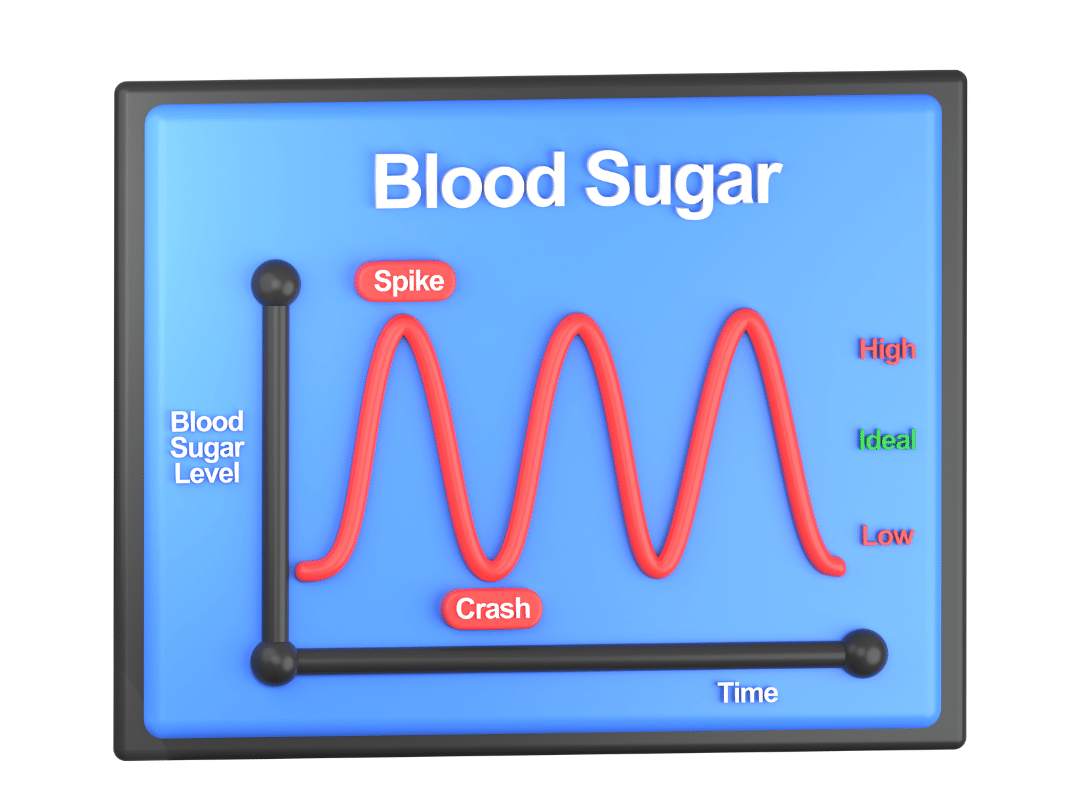
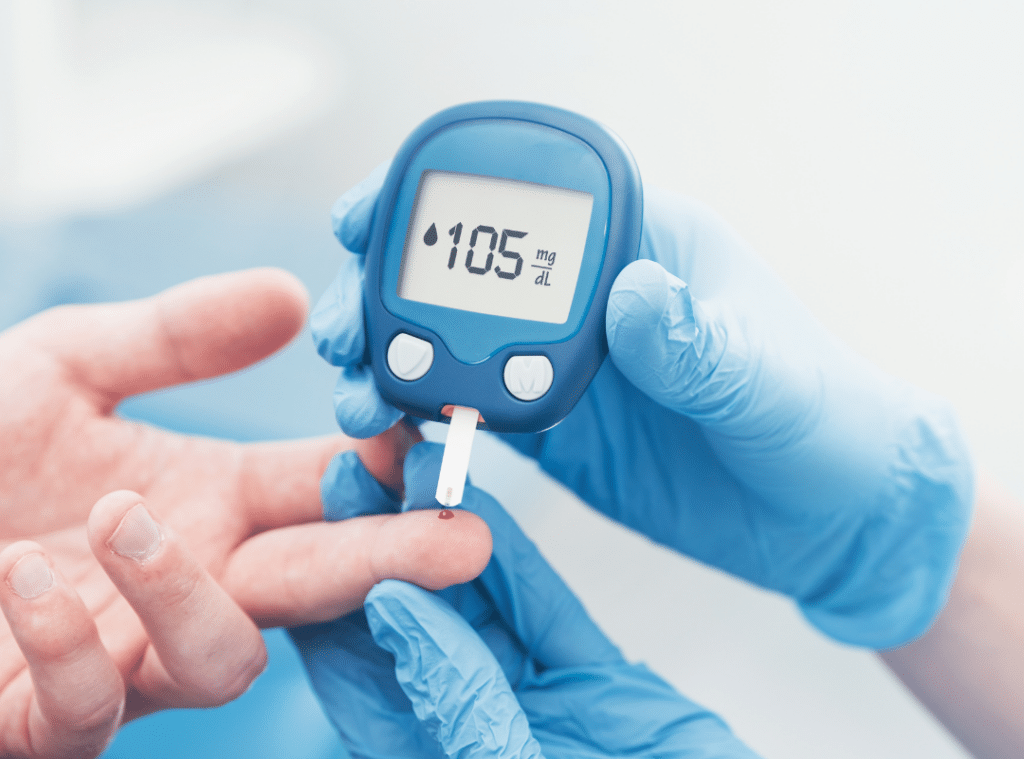
For seniors, understanding how blood sugar should look across different times of the day is the first step toward proactive health. The normal blood sugar levels chart provides a great baseline: fasting blood glucose should typically range between 70–99 mg/dL. However, the ideal ranges for older adults are slightly more relaxed to reduce the risk of hypoglycemia. For example, a fasting range of 80–130 mg/dL and bedtime levels from 100–180 mg/dL are considered reasonable.

You might be wondering, what level of blood sugar is dangerous? A reading consistently above 180 mg/dL post-meal may indicate hyperglycemia, while levels under 70 mg/dL suggest hypoglycemia—both of which require medical attention. Monitoring your glucose against an elderly blood sugar levels chart can help you catch warning signs early.

The Importance of Age-Specific Blood Sugar Charts

Glucose regulation doesn’t follow a one-size-fits-all model. That’s why tools like the female blood sugar levels chart by age and the blood sugar level age 50 to 60 charts are essential. These charts accommodate changes in metabolism, hormonal shifts, and physical activity levels.

For instance, what is the normal blood sugar level for a 70-year-old may differ slightly from that of someone in their 50s. A 70-year-old might have a post-meal target closer to 180 mg/dL, while a 50-year-old should aim for closer to 140 mg/dL. By using age-appropriate charts, seniors and their caregivers can tailor dietary, medicinal, and exercise regimens more accurately.

For a detailed comparison of blood sugar charts by age and gender, visit the CDC’s Blood Sugar Resources.

What Level of Blood Sugar Is Dangerous?

It’s crucial to recognize what level of blood sugar is dangerous to prevent emergencies. Danger begins when levels deviate far from the normal range. Blood sugar over 250 mg/dL can lead to ketoacidosis, a life-threatening condition requiring immediate medical attention. Similarly, if your glucose drops below 54 mg/dL, severe hypoglycemia can occur, leading to confusion, seizures, or unconsciousness.

Having a reliable elderly blood sugar levels chart on hand helps track where your current readings stand. Seniors, especially those on medications like insulin or sulfonylureas, should remain vigilant and keep emergency glucose tablets or snacks close by.

Gender-Specific Monitoring: Female Blood Sugar Levels Chart by Age

Did you know that gender can affect how blood sugar behaves with age? The female blood sugar levels chart by age reflects hormonal differences, including menopause, which can impact insulin sensitivity. Women aged 50 and older might experience increased blood sugar fluctuations due to estrogen decline.

By using a gender-specific chart, women can better understand and address these hormonal impacts. Whether you’re 55 or 75, knowing your personal targets—like maintaining fasting blood sugar below 130 mg/dL—will enhance disease prevention and energy levels throughout the day.

We recommend visiting the American Diabetes Association for more resources tailored to women and senior health.

Best Practices for Ages 50 to 60

Seniors in their early retirement years should pay special attention to the blood sugar level age 50 to 60 range. This stage often involves major lifestyle changes—retirement, reduced physical activity, or increased stress—that may alter glucose control. A healthy fasting glucose target for this group is between 80 and 120 mg/dL, with post-meal readings ideally below 160 mg/dL.

This age group benefits greatly from preemptive lifestyle shifts such as reducing processed carbohydrates, walking daily, and maintaining consistent meal times. Pairing this knowledge with a normal blood sugar levels chart can help you stay on track and delay or prevent diabetes onset.


elderly blood sugar levels chart​


Monitoring Tools and Tips for Seniors

Keeping tabs on your glucose doesn’t have to be stressful. Thanks to modern devices like continuous glucose monitors (CGMs), tracking your levels against the elderly blood sugar levels chart is easier than ever. These tools offer real-time data, trending insights, and even alerts when levels dip or spike.

Daily monitoring is essential for seniors with comorbid conditions like hypertension or kidney disease. When paired with symptom recognition, such as confusion, dizziness, or increased thirst, you’re better prepared to respond quickly.

For more insight on how technology helps track senior health, check out Johns Hopkins’ Diabetes Tools.

Nutrition and Medication: A Powerful Duo

Medication plays a vital role, but it should be complemented with smart dietary choices. Metformin remains a popular choice among seniors, offering glucose regulation with minimal side effects. However, some may also need insulin or GLP-1 agonists for added control.

Nutrition supports these treatments. High-fiber, low-glycemic meals reduce sugar spikes, while hydration and regular protein intake support consistent energy. By syncing your medication and food intake with an elderly blood sugar levels chart, you improve day-to-day wellness and long-term outcomes.

Recognizing the Signs of Blood Sugar Fluctuations

Understanding symptoms linked to dangerous blood sugar levels can save lives. Hyperglycemia symptoms include frequent urination, fatigue, dry mouth, and blurred vision. Hypoglycemia, on the other hand, causes shakiness, sweating, dizziness, and confusion.

If you’re ever unsure, compare symptoms with your elderly blood sugar levels chart and test immediately. Seniors should also educate their caregivers and loved ones on what symptoms to watch for and how to respond.

Working With Healthcare Professionals

Managing blood sugar effectively in later years involves ongoing collaboration with your healthcare team. They can help interpret your female blood sugar levels chart by age, make adjustments to medication, and recommend lifestyle changes. They may also recommend checking your A1C levels every 3-6 months to ensure your average blood sugar is within a safe range.

An individualized plan helps align personal health goals with practical steps, keeping both seniors and caregivers informed and empowered.

A Healthier Future Starts With Awareness

The journey toward better health begins with understanding your body. Using an elderly blood sugar levels chart and resources like the normal blood sugar levels chart empowers seniors to stay independent and proactive. Whether you’re reviewing the blood sugar level in the age 50 to 60 range or checking what the normal blood sugar level is for a 70-year-old, being informed allows you to manage diabetes with confidence.

Take Charge of Your Blood Sugar Health Today

Managing your blood sugar is a lifelong commitment, but it doesn’t have to be overwhelming. By using age- and gender-specific tools like the elderly blood sugar levels chart, you’ll be better prepared to maintain a high quality of life. Whether you’re watching for signs, choosing better foods, or consulting your doctor, each step adds up to a healthier future.

Westmont of Carmel Valley is here to support your wellness journey every step of the way. If you’re seeking expert guidance in a compassionate environment, call us today at 858-465-7356. You can also explore our services and schedule a tour by visiting our community page. Let’s work together to turn knowledge into lasting health.


Compare The Costs of Senior Living vs Staying at Home

How Do The Costs Of Moving Into A Quality Senior Care Community Compare With The Costs Of Staying At Home?


Frequently Asked Questions

What is the healthiest way to age?

The healthiest way to age is by maintaining a balanced lifestyle that includes regular physical activity, nutritious eating, mental stimulation, and strong social connections. Prioritizing preventive healthcare and regular checkups also plays a crucial role. Staying mentally positive and emotionally connected helps promote overall well-being as you age. Aging healthily means focusing on both body and mind for long-term vitality.

What are the 10 healthy tips?

Ten healthy tips for aging well include: staying active, eating a balanced diet, getting regular sleep, managing stress, staying hydrated, maintaining social ties, avoiding tobacco, limiting alcohol, keeping the brain engaged, and scheduling regular health screenings. These habits support physical, mental, and emotional health. Incorporating them into your daily life helps prevent chronic illness and promotes longevity. Consistency is key to seeing long-term benefits.

What is the daily ritual for healthy aging?

A good daily ritual for healthy aging includes starting the day with light exercise or stretching, eating a nutritious breakfast, staying mentally active with reading or puzzles, and maintaining hydration. Social interaction, even if just a phone call, also supports emotional health. Ending the day with relaxation techniques like meditation or a walk can improve sleep and reduce stress. This routine keeps the mind and body functioning optimally.

What is the 1 rule of aging?

The number one rule of aging is to keep moving, both physically and mentally. Staying active helps maintain strength, flexibility, and cognitive health. Movement can be anything from walking to doing puzzles, as long as it keeps you engaged. Staying curious and connected is essential for healthy and fulfilling aging.


10 Tips for Healthy Aging Every Senior Should Know

10 Tips for Healthy Aging Today

As you explore 10 tips for healthy aging by Westmont of Carmel Valley, it’s essential to make intentional health choices—not just to live longer, but to thrive actively. Prioritizing the right habits now shapes how you enjoy later years, helping you age with vitality, purpose, and joy.

By embracing 10 tips for healthy aging, you’ll discover practical ways to nurture your body, mind, and spirit. These strategies offer clear answers to how to maintain good health in old age, reveal signs you are aging well, and guide how to age healthily, so you understand why healthy ageing is important. These Health Tips for 70-year-olds also inspire anyone seeking to age more gracefully.

Simply Living Longer Isn’t Enough

While living into old age is wonderful, the real goal is quality of life. Focusing on how to maintain good health in old age means building daily habits that nurture wellness and joy. You want to recognize signs you are aging well—like sustained mobility, sharp memory, and emotional resilience.

Activities such as regular exercise, creative projects, and nurturing social bonds matter. These evidence-based health tips for 70-year-olds illustrate why healthy ageing is important: it reduces disease, enhances mood, and deepens life satisfaction. Plus, prevention is crucial—how to age healthy prevention through early screenings and immunizations helps protect your future self. Embrace a community, celebrate small wins, and step confidently into what makes life meaningful.

1. Eat a Rainbow

Filling your plate with colorful fruits and vegetables is a vibrant way to maintain good health in old age. This habit delivers diverse nutrients essential for immunity, heart health, and digestion—key signs you are aging well include sustained energy and lowered inflammation.

Colorful produce supplies antioxidants and fiber, contributing to why is healthy ageing important for preventing chronic disease. Limiting processed foods and boosting wellness by prioritizing leafy greens, berries, and orange veggies. Interested in eating well? Check out resources like the Harvard Healthy Eating Plate for expert guidance. The benefits of incorporating fermented foods are well supported for even more gut-friendly tips.

2. Sidestep Falls

Regular Physical Activity

Maintaining strength and balance is key to maintaining good health in old age and a key sign of good health. Just 30 minutes of walking several times a week strengthens muscles and improves coordination—foundational health tips for 70-year-olds.

Balance and Strength Exercises

Try standing on one leg, heel-to-toe walking, and chair rises. These routines are part of fall prevention, answering how to age healthily, prevention with proven impact, like reducing falls by up to 30%. They’re also a big reason why healthy ageing is important, as they preserve independence and reduce injury risks.

Exercise Frequency Duration
Standing on One Leg 3× weekly 10–15 seconds
Heel-to-Toe Walk Daily 5–10 minutes
Chair Rises 2–3× weekly 10–15 reps
Side Leg Raises 3× weekly 10–15 reps
Balance Beam Walk 2–3× weekly 5–10 minutes

Home Safety Measures

Making your home safer further strengthens how to maintain good health in old age. Prioritize clear lighting, grab bars, non-slip mats, and easy-to-reach storage—simple but effective how to age healthy prevention. Fall prevention is tied directly to why healthy ageing is important, especially when independence matters most.

3. Toast With a Smaller Glass

Limiting alcohol is crucial to maintaining good health in old age and signaling signs you are aging well (like clear thinking and steady balance). Health guidelines suggest a max of 3 drinks daily and seven weekly for older adults—part of how to age healthy, prevention. Always check with your physician, since health tips for 70-year-olds often include adjusting intake when medications or chronic conditions are present.

4. Know the Low‑Down on Sleep in Later Life

Good sleep is an important cornerstone of healthy ageing and is a big part of maintaining good health in old age. Quality rest enhances memory, mood, and metabolism—key signs you are aging well.

  • Stick to a consistent sleep schedule.
  • Improve your sleep environment: cool, dark, quiet.
  • Cut back on caffeine and screen time before bed.
  • Stay active, but avoid evening workouts.

Trouble sleeping? It may be time to talk with a doctor—how to age healthily. Prevention continues even while you rest.


10 tips for healthy aging


5. Flatten Your (Virtual) Opponent, Sharpen Your Mind

Mental engagement supports why healthy ageing is important and is essential for maintaining good health in old age. Brain games, puzzles, and learning new skills—these are all indicators of signs you are aging well.

  • Solve crosswords or Sudoku.
  • Play chess and strategy games.
  • Try brain-training apps.
  • Join discussion groups or classes.

These activities embed lifelong healthy aging prevention, keeping your mind agile and focused.

6. Enjoy Safer Sex

Sexual health is part of why is healthy ageing important and an important sign you are aging well. Choosing safer practices like condoms, lubrication, and open communication supports both emotional and physical health. These habits are essential health tips for 70 year olds and help prevent infections—another form of how to age healthy prevention.

7. Get Your Medications Checked

Keeping your meds in check is vital to maintaining good health in old age. Regular medication reviews with your doctor address side effects and interactions—another smart Health Tips for 70-year-olds approach. This clearly shows you are aging well, proactively managing health complexities. Why is healthy ageing important? Because coordination between drugs and diagnoses ensures safety and wellness.

8. Speak Up When You Feel Down or Anxious

Mental health is as vital as physical health. Recognizing early signs you are aging well includes emotional stability, and speaking up when you’re not. Whether it’s sadness, anxiety, or withdrawal, seeking help is a powerful step in maintaining good health in old age. Talking to professionals or support networks is impactful. How to age healthily, prevention, reinforcing why healthy ageing is important, and care.

9. Get Your Shots

Vaccinations are a practical way to age healthily, reflecting why healthy ageing is important and a critical health tip for 70-year-olds. Consider:

  • Flu shot (annually)
  • Pneumococcal vaccine
  • Tetanus/diphtheria booster
  • Shingles vaccine

Safeguarding against infection is a strong sign you are aging well, and a cornerstone of maintaining wellness into later life.

10. Nurture Connection & Purpose

Social engagement supports why is healthy ageing important and helps with how to maintain good health in old age. Feeling connected—through volunteering, clubs, faith, or hobbies—delivers emotional richness, stress protection, and cognitive benefit: absolutely a key health tip for 70 year olds and an important sign you are aging well.

Why Prevention Matters Every Step

These 10 tips for healthy aging double as principles of how to age healthy —not only addressing immediate wellness, but also future-proofing your vitality. Whether it’s fall avoidance, immune support, mental fitness, or emotional resilience, prevention is at the heart of why is healthy ageing important.

Age Strong & Thrive

Embracing these 10 tips for healthy aging empowers you to live fully and with purpose. From nutrition and fitness to mental sharpness, safety, and connection—these principles guide How to maintain good health in old age.

Watch for signs you are aging well, practice healthy aging, and understand why healthy aging is important, especially if you’re looking for health tips for 70-year-olds. Let this guide inspire your path to thriving in every season of life. For more insights, check out resources like AARP’s Healthy Living and World Health Organization—Ageing and Health, empowering your journey.

A Vital Next Step

Are you ready to age strong and thrive? These actionable steps help you do just that—empowering longevity, wellness, and joy.


What Level of Care Do You Need?

Discover the level of care you or your family member requires. 


Frequently Asked Questions

What is the healthiest way to age?

The healthiest way to age is by adopting a balanced lifestyle that supports both physical and mental well-being. This includes staying active, eating a nutrient-rich diet, getting regular health checkups, and staying socially connected. Avoiding harmful habits like smoking and excessive drinking also plays a major role. Prioritizing mental health through mindfulness or hobbies contributes to overall vitality in later years.

What are the 10 healthy tips?

The top 10 healthy aging tips include staying physically active, eating a balanced diet, getting quality sleep, staying socially engaged, managing stress, avoiding tobacco and limiting alcohol, keeping your brain active, staying hydrated, visiting your doctor regularly, and maintaining a positive attitude. These practices support a longer, more independent life. Together, they help maintain strength, energy, and mental clarity. Consistency in these habits makes a big difference over time.

What is the daily ritual for healthy aging?

A daily ritual for healthy aging can include light exercise like walking or stretching, eating balanced meals, practicing gratitude or mindfulness, and maintaining a regular sleep schedule. Staying mentally engaged through reading, puzzles, or social interaction is also beneficial. Even simple routines like drinking water first thing in the morning and limiting screen time before bed help. Small, consistent actions each day lead to long-term health benefits.

What is the 1 rule of aging?

The number one rule of aging is to stay active in both body and mind. Regular movement helps prevent chronic conditions and improves mood, while mental activity keeps the brain sharp. Staying engaged socially and emotionally is equally important. Aging well means embracing change and taking proactive steps toward health every day.


Drinkable Meals for Elderly: Easy & Nutritious Options

Drinkable Meals for the Elderly: Nutritious Solutions That Work

Ensuring seniors maintain proper nutrition can be challenging, especially when appetite or chewing issues are a concern. That’s where drinkable meals for the elderly come in. These easy-to-consume options by Westmont of Carmel Valley can help older adults meet their daily nutritional needs in a convenient, tasty way that supports overall health and well-being.

Numerous healthy drinkable meals for the elderly, from protein-packed shakes to nutrient-rich vegetable juices and fermented drinks, can aid digestion, increase energy, and help manage conditions such as diabetes. Let’s explore the best drinkable meals for the elderly to include in your daily care routine.

Smoothies for Nutrient-Rich Hydration

Smoothies are a cornerstone of drinkable meals for the elderly. They’re customizable, easy to digest, and contain essential vitamins and minerals. Combine leafy greens like kale or spinach with bananas, berries, and nut butters for a balanced blend of nutrients.

Use hydrating bases like coconut water or oat milk, and include extras like chia seeds or protein powders to enhance the smoothie’s nutritional value. Smoothies also offer an excellent vehicle to incorporate appetite stimulants for seniors who need extra encouragement to eat.

To ensure balance, avoid pre-packaged options with added sugars. Preparing smoothies at home allows you to control every ingredient and cater to specific dietary needs.

Protein Shakes for Muscle Support

Protein shakes are one of the best drinkable meals for the elderly because they address age-related muscle loss and support daily energy needs. Whether pre-made or homemade, they’re simple to prepare and packed with beneficial nutrients.

You can explore nutrient-rich food tips to enhance your shakes with Greek yogurt, nut butters, flax seeds, and fruits. These additions help build strength and support immunity.

Key Nutrient Benefits

Diets rich in protein benefit aging adults significantly. Food supplement drinks for the elderly, like protein shakes, help with cell repair, immune support, and hydration. Try shakes with added calcium and vitamin D to support bone health for a complete nutritional approach.

Simple Meal Prep Strategies

Store pre-portioned protein powder, frozen fruits, and nut milks to make assembling a meal quick and stress-free. These healthy, drinkable meals for the elderly allow caregivers to deliver consistent nutrition while simplifying their routine.

Flavor and Variety

Variety matters. Offer options like chocolate-banana, vanilla-berry, or peanut butter-cinnamon to ensure seniors enjoy every sip. Creating diverse drinkable meals for the elderly, and these recipes keep routines fresh and help maintain consistent intake.

To support custom dietary plans, consult professionals like the ones featured in this nutritionist guide for assisted living.

Diabetic-Friendly Drinkable Meals

For seniors managing diabetes, meal replacement shakes tailored for glucose control are essential. Brands like Glucerna offer nutritional supplement drinks for elderly NHS patients focused on maintaining stable blood sugar.

Smoothies made with low-glycemic fruits (e.g., berries, apples) and protein sources like Greek yogurt help prevent spikes. Additions like cinnamon and chia seeds may even help regulate insulin levels.

Vegetable-based juices are another fantastic solution. Think spinach, cucumber, celery, or beet juice blends. These options offer fiber and nutrients with minimal sugars, perfect for balanced, diabetic-friendly diets.

Kefir for Gut Health and Nutrition

Kefir is a fermented drink rich in probiotics, and it’s a favorite among the healthy drinkable meals for elderly for promoting gut health. This cultured milk drink is delicious and easy to digest, making it suitable for seniors with sensitive stomachs.

Digestive and Immune Benefits

Kefir contains a wide range of beneficial bacteria and yeast that improve digestion, reduce inflammation, and enhance immune function. Its high calcium and vitamin D content also supports bone health. Whether consumed alone or blended into smoothies, kefir is an easy and powerful addition to your drinkable meals for the elderly routine.

Try incorporating kefir into other meals too—add it to oatmeal, salad dressings, or soups for a creamy, probiotic-rich touch.

Kombucha: A Refreshing and Functional Option

Kombucha, a fermented tea beverage, is another functional drink that supports digestion. Rich in enzymes and probiotics, kombucha contributes to a balanced gut microbiome.

The fermentation process reduces sugar content while increasing beneficial acids. Seniors who enjoy light, sparkling drinks may find kombucha more appealing than heavy meal replacements, helping them stay hydrated and energized.

Explore brands with no added sugar and try flavor options like ginger-lemon or hibiscus. Kombucha is a fantastic alternative for those seeking healthy drinkable meals for the elderly that also deliver flavor and function.

Learn more about gut health from the Cleveland Clinic’s probiotic guide.


drinkable meals for elderly


Vegetable Juices: Low-Calorie Nutrient Boosters

Fresh vegetable juices are low in calories yet high in nutrients, making them a perfect base for drinkable meals for the elderly. Carrot juice provides beta-carotene for eye health, beet juice aids blood flow, and tomato juice is loaded with antioxidants.

You can also blend kale, spinach, and cucumber with herbs like parsley for a green juice packed with vitamins K, C, and iron.

These options align well with the NHS guidelines for nutritional supplement drinks for the elderly and are ideal for weight management, hydration, and nutrient support.

Try combining these juices with kefir or protein powders to turn them into more complete meal replacements.

Enhancing Daily Diets with Supplement Drinks

When appetite is low or medical conditions limit food intake, food supplement drinks for the elderly become essential. In the UK, the NHS often recommends formulations like Fortisip or Ensure, which are designed to meet daily nutrient needs in liquid form.

These drinks offer balanced macros—carbs, fats, and proteins—and include essential vitamins and minerals. They can easily be integrated into any routine, especially for individuals recovering from illness or surgery.

To maximize benefit, schedule drinkable meals at consistent times and pair them with light snacks if tolerated. Variety and flavor choices help prevent “taste fatigue,” ensuring that seniors remain engaged and nourished.

Easy Recipes for Drinkable Meals at Home

Creating drinkable meals for the elderly and recipes at home ensures you maintain control over quality and content. Here are a few simple ideas:

  • Protein Smoothie: 1 banana, 1 scoop protein powder, 1/2 cup kefir, 1 tbsp peanut butter, cinnamon, and almond milk.
  • Green Juice: 1 cup spinach, 1 celery stalk, 1/2 cucumber, 1/2 green apple, 1/4 lemon, and water.
  • Diabetic Shake: 1/2 cup berries, 1/2 cup Greek yogurt, 1 scoop vanilla protein, flaxseed, and unsweetened almond milk.

These drinkable meals for the elderly recipes are fast, versatile, and easy to adapt to taste or dietary needs.

A Delicious Way to Promote Senior Wellness

The journey to better senior nutrition doesn’t have to be bland or complicated. By incorporating drinkable meals for the elderly, including nutritional supplement drinks for the elderly, the NHS recommendations, you provide both nourishment and joy. These drinks offer hydration, improved digestion, muscle support, and blood sugar control.

Whether you’re preparing healthy, drinkable meals for the elderly at home or exploring ready-to-drink solutions, each option plays a vital role in promoting senior health.

To explore more wellness tips or discuss your loved one’s dietary needs, contact Westmont of Carmel Valley at 858-465-7356 or schedule a tour to learn more.


Compare The Costs of Senior Living vs Staying at Home

How Do The Costs Of Moving Into A Quality Senior Care Community Compare With The Costs Of Staying At Home?


Frequently Asked Questions

What is the best meal replacement drink for the elderly?

The best meal replacement drink for the elderly is one that offers a balance of protein, fiber, healthy fats, and essential vitamins and minerals. Options like Boost, Ensure, or Glucerna (for diabetics) are commonly recommended by healthcare providers. These drinks help maintain energy and nutrition, especially for seniors with poor appetite or difficulty chewing. It’s best to consult a doctor to choose one tailored to individual health needs.

What is the best drink for elderly people?

The best drink for elderly individuals depends on their health status, but generally includes water, herbal teas, low-sugar juices, and nutritional shakes. Hydration is key, so water should always be the top choice. For added nutrition, drinks like Ensure or homemade smoothies with fruits, vegetables, and protein powder are beneficial. Avoid sugary sodas and caffeinated beverages when possible.

What is the downside of Ensure?

Ensure can be beneficial, but there are a few downsides to consider. It contains added sugars, which may not be ideal for seniors managing diabetes or trying to limit sugar intake. Some seniors may also experience digestive discomfort, such as bloating or gas. Additionally, it should not replace whole meals regularly without a doctor’s supervision.

Should elderly people drink Ensure?

Yes, elderly people can drink Ensure, especially if they have difficulty eating balanced meals or need extra calories and nutrients. It is often recommended for seniors recovering from illness or dealing with malnutrition. However, Ensure should be used as a supplement, not a complete meal replacement, unless advised by a healthcare provider. Always review ingredients to ensure it’s appropriate for individual dietary needs.


Floor Plans & Pricing

Make yourself at home where a happy, healthy lifestyle goes hand-in-hand with your personal fulfillment, enrichment, and growth.

Answer a few quick questions to unlock the exciting future senior living can offer!

Resident Login