Step Into Westmont Living®

What Causes Unsteadiness in Older People and How to Prevent It

Unsteadiness in older people is commonly caused by muscle weakness, inner ear changes, medication side effects, vision decline, or health conditions that affect balance. Many causes can improve with early support, movement, and medical guidance. If you or a loved one is noticing changes, Westmont of Carmel Valley offers a welcoming setting focused on wellness, confidence, and safety through Independent Living, Assisted Living, and Memory Care.

Many families first notice changes in balance when a loved one hesitates on stairs, reaches for furniture, or avoids walks they once enjoyed. If that sounds familiar, reviewing the cause early can help protect mobility and peace of mind. You can also explore the Care Assessment for added guidance.


What Level of Care Do You Need?

Discover the level of care you or your family member requires. 


What Causes Unsteadiness in Older People?

The most common causes of unsteadiness in older people are muscle weakness, inner ear disorders, medication side effects, chronic health conditions, and vision changes. Balance depends on several body systems working together, so even one change can affect stability.

Physical Causes of Balance Problems

Natural loss of strength, slower reflexes, and joint stiffness can make walking feel less secure. Reduced foot sensation may also affect how you respond to uneven ground.

Medical Causes of Balance Problems

Diabetes, heart conditions, dehydration, low blood pressure, and inner ear issues can all affect steadiness. According to the National Institute on Aging, more than 1 in 4 adults aged 65 and older fall each year, making early attention to balance changes especially important.

Why Do I Feel Off Balance but Not Dizzy?

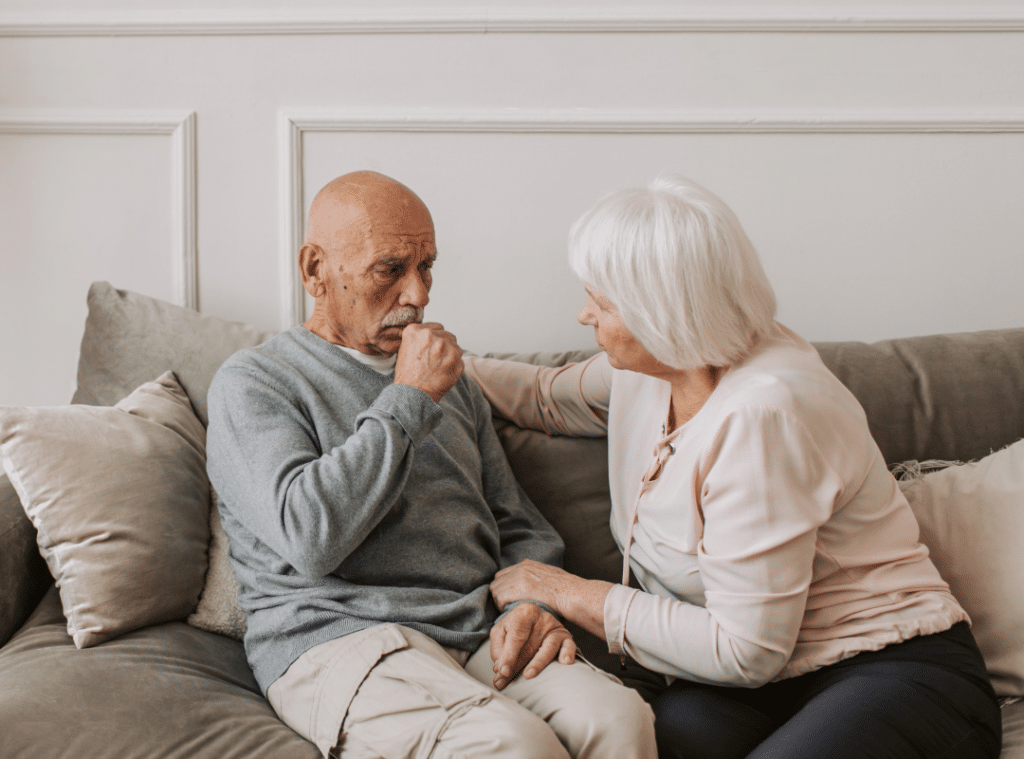
Why do I feel off balance but not dizzy? Often, these points include postural control issues, muscle weakness, vision changes, or nerve-related issues rather than spinning vertigo. You may feel steady while sitting, but less secure while walking, turning, or getting up too quickly.

This sensation may happen more often in dim lighting, on uneven flooring, or when you are tired. If symptoms continue, a professional evaluation can help identify the exact cause and the best next step.

what causes unsteadiness in older people

Treatment for Loss of Balance in Elderly Adults

Treatment for loss of balance in elderly adults depends on the underlying cause. Many people improve through a mix of exercise, medical review, and supportive daily habits.

Professional Treatment Options

Physical therapy, vestibular therapy, medication review, and vision correction may help restore confidence and reduce the risk of falls. The Centers for Disease Control and Prevention recommends regular movement and practical fall-prevention steps to lower the risk of injury in older adults.

At-Home Support

  • Rise slowly from bed or chairs
  • Stay hydrated throughout the day
  • Wear supportive footwear
  • Keep pathways clear and well-lit
  • Use handrails where helpful
Symptom or Cause Possible Support
Weakness Strength and balance training
Medication side effects Provider review
Inner ear issues Vestibular therapy
Vision changes Updated eye care
Fall risk at home Safety improvements

What Neurological Disorders Cause Balance Problems?

What neurological disorders cause balance problems? Conditions such as Parkinson’s disease, stroke effects, peripheral neuropathy, and multiple sclerosis may affect walking, coordination, and posture control. Neurological causes are especially important to consider when balance changes feel new, sudden, or more severe than expected.

Symptoms That Need Prompt Care

Seek prompt medical attention if balance changes happen suddenly or come with:

  • Weakness or numbness
  • Confusion
  • Trouble speaking
  • Repeated falls
  • Severe dizziness

Early evaluation often leads to better treatment planning.

what causes unsteadiness in older people

When Should I Be Worried About Balance Problems?

When should I be worried about balance problems? You should take action when symptoms are new, worsening, or limiting everyday life. If you stop enjoying outings, avoid stairs, or feel nervous walking alone, additional support may be needed.

If balance problems cause frequent stumbling, sudden staggering, or repeated near-falls, it is wise to schedule a professional assessment. The Mayo Clinic advises seeking care for dizziness that is sudden, severe, or linked with fainting, chest pain, or other concerning symptoms.

what causes unsteadiness in older people

Support That Helps You Stay Active and Confident

At Westmont of Carmel Valley, residents enjoy thoughtful amenities that support wellness and daily ease, including the Fitness Center, Live Your Way Wellness Program, On-site Therapy Services, Scheduled Transportation, Emergency Response Systems, Library, Movie Theater, Outdoor Courtyard, and Sweetwater Bistro. Apartment features such as Apartment Style Living, Housekeeping, Utilities Included, and Emergency Response Systems can also support comfort and peace of mind.

If balance changes are making daily routines harder, the right setting can help you feel safer and more comfortable. You can schedule a tour, contact us, or call us at 858-465-7356 to learn more.

You may also find helpful guidance in Fun Social Activities for Older People in San Diego, a Westmont of Carmel Valley resource that supports movement, connection, and everyday confidence.


Find Where You Belong

Dive into the vibrant life our Westmont communities have to offer.


Frequently Asked Questions

Why do I feel I am losing my balance?

Losing balance can happen when muscles weaken, vision changes, medications shift, or inner ear problems develop. It may also relate to circulation or nerve changes. Many causes build gradually over time, so the change may feel subtle at first. A professional review can help identify what is contributing. Early support can reduce fall risk and improve confidence.

Why do I feel off balance while walking?

Feeling off-balance while walking may stem from weak legs, joint stiffness, poor footwear, or reduced sensation in the feet. Some people notice it more on uneven surfaces or in low light. Inner ear issues can also play a role. If walking feels less steady than before, an evaluation is a smart next step. Treatment often improves comfort and stability.

What causes unsteadiness as you age?

What causes unsteadiness as you age often includes reduced strength, slower reflexes, declining vision, and changes in the inner ear’s balance system. Chronic conditions and medications may add to the issue. Small changes can combine over time. Staying active can help maintain steadiness. Supportive care may also make daily life easier.

What causes staggering in the elderly?

Staggering in the elderly may be caused by sudden dizziness, weakness, neurological issues, medication reactions, or dehydration. It can also occur after an illness or a change in blood pressure. If staggering starts suddenly or keeps happening, prompt medical care is important. Falls become more likely when this symptom is ignored. Early attention matters.


Impairment of Well-Being: Signs Seniors Should Monitor

Impairment of Well-Being is a decline in emotional, physical, or social wellness that can affect independence and daily life. For older adults, early signs may include mood changes, isolation, lower energy, or less interest in routines. At Westmont of Carmel Valley, recognizing these shifts early can help support stronger health and well-being.

If you notice changes in yourself or a loved one, understanding what to watch for can make the next steps clearer. Supportive routines, social connections, and the right environment often make a meaningful difference. For another local wellness-focused read, you can explore Fun Social Activities for Older People in San Diego.


Compare The Costs of Senior Living vs Staying at Home

How Do The Costs Of Moving Into A Quality Senior Care Community Compare With The Costs Of Staying At Home?


What Is Impairment of Well-Being?

Impairment of well-being happens when one or more parts of wellness begin to decline. This may involve physical strength, emotional balance, confidence, memory, or connection with others. While aging brings natural changes, an ongoing decline that affects daily life deserves attention.

If you have asked what well-being is, it includes feeling healthy, engaged, safe, and connected. Strong mental well-being supports resilience, motivation, and an overall better quality of life.

Signs of Impairment of Well-Being Seniors Should Monitor

Many warning signs start subtly and become clearer over time. Paying attention early can help prevent deeper challenges later.

Emotional Changes

You may notice sadness, irritability, anxiety, or a shorter temper. Persistent emotional shifts can affect relationships, motivation, and confidence.

Social Changes

Avoiding phone calls, skipping family visits, or withdrawing from favorite activities may signal declining mental well-being or loneliness.

Physical Routine Changes

Look for poor sleep, lower appetite, reduced movement, or trouble managing everyday tasks. These patterns often affect long-term health and well-being.

Why Mental Well-Being Matters With Age

Emotional wellness has a direct effect on physical wellness. According to the World Health Organization, around 14% of adults age 60 and older live with a mental disorder, which makes emotional support an important part of healthy aging.

The 10 importance of mental health can often be seen in everyday life: steadier moods, better sleep, stronger relationships, healthier habits, sharper thinking, and improved coping skills. Helpful guidance from the National Institute on Aging and the CDC Healthy Aging program also reinforces the value of staying socially connected, active, and supported as you age.

How Lifestyle and Community Support Recovery

Your surroundings can influence wellness every day. Opportunities for movement, connection, and convenience often help restore confidence and routine.

Wellness Through Movement

Residents can stay active through the Live Your Way Wellness Program, the Fitness Center, and the Certified Silver Sneakers Provider.

Daily Comfort and Ease

Features like Housekeeping, Scheduled Transportation, Concierge Services, and Emergency Response Systems can reduce daily stress.

Meaningful Engagement

Spaces such as the Library, Movie Theater, Craft & Activity Room, Sweetwater Bistro, and Outdoor Courtyard support enjoyable social experiences.

Learn more about available Lifestyle Options.


impairment of well-being​

Quick Reference Table: Signs and Helpful Responses

Sign to Watch What It May Mean Helpful Next Step
Avoiding social events Isolation or low mood Encourage regular connection
Less activity Reduced motivation or mobility Rebuild a daily routine
Mood swings Emotional stress Speak with a healthcare provider
Trouble with chores Physical or cognitive strain Explore added support
Poor sleep Anxiety or discomfort Review routines and care needs

When Additional Support May Be the Right Move

Sometimes, a few lifestyle adjustments are enough. In other cases, a supportive environment can improve confidence, comfort, and peace of mind. If routines feel overwhelming, safety concerns are growing, or isolation is increasing, it may be time to explore additional support.

Westmont of Carmel Valley offers Independent Living, Assisted Living, and Memory Care, allowing care to match changing needs while preserving dignity and independence.

Explore a More Supported and Connected Lifestyle

Recognizing Impairment of Well-Being early often leads to better outcomes and a stronger sense of control. If you are considering next steps for yourself or someone you love, a welcoming community can make daily life easier and more enjoyable.

We invite you to schedule a tour, contact us, or call us at 858-465-7356 to learn more about life at Westmont of Carmel Valley.


Compare The Costs of Senior Living vs Staying at Home

How Do The Costs Of Moving Into A Quality Senior Care Community Compare With The Costs Of Staying At Home?


Frequently Asked Questions

What is impairment of well-being?

Impairment of well-being refers to a decline in emotional, physical, or social well-being that affects daily life. It may appear as isolation, low mood, reduced mobility, or loss of confidence. Some changes happen gradually, which is why early awareness matters. The right support can often improve comfort and independence.

What are the 5 C’s of well-being?

The 5 C’s often refer to connection, confidence, competence, character, and caring. Together, these areas support a balanced and meaningful life. For older adults, connection and confidence can be especially valuable during life transitions. Strong well-being usually includes emotional, physical, and social support.

What are 5 signs of poor mental well-being?

Five common signs are persistent sadness, anxiety, withdrawal from others, poor sleep, and low motivation. Some people may also experience irritability or trouble concentrating. If these patterns continue, added support may help. Early action often leads to better outcomes.

What is the meaning of impairment in health?

Impairment in health means reduced physical, mental, or emotional functioning. It may be temporary or ongoing, depending on the cause. Examples include mobility limitations, memory changes, or emotional distress. Supportive care can help maintain quality of life.


San Diego Retirement Communities Compare with Confidence

San Diego Retirement Communities help older adults compare lifestyle, support, location, and long-term value in one clear decision. The right fit depends on what you want daily life to feel like, how much support you need, and how well the community aligns with your plans.

At Westmont Living, located at 3636 Nobel Dr, Suite 330, San Diego, CA 92122, families can explore senior living options with greater confidence by considering services, amenities, location, and care needs together. As more families plan for later-life living, the U.S. Census Bureau’s older-population data show that 55.8 million people in the United States were age 65 and older in 2020, making clear planning even more valuable.


Compare The Costs of Senior Living vs Staying at Home

How Do The Costs Of Moving Into A Quality Senior Care Community Compare With The Costs Of Staying At Home?


What Are San Diego Retirement Communities?

San Diego Retirement Communities are senior living settings that help older adults compare lifestyle, independence, support, amenities, and care options in one place. Depending on your needs, these communities may include Active Adult, Independent Living, Assisted Living, or Memory Care.

These options help you compare what matters most, from independence and daily convenience to more personalized support. If you are unsure which level fits your situation, reviewing living options can help you understand the choices available before you make a decision.

How to Compare Retirement Communities in San Diego

The best retirement communities in San Diego are not chosen by one factor alone. A strong choice usually balances lifestyle, care needs, location, amenities, and long-term value.

Start by comparing:

  • The level of support you or your loved one may need
  • The daily lifestyle and amenities that matter most
  • The location and convenience for family visits
  • The next-step resources available for planning

As you compare San Diego retirement communities near me, focus on how each option supports your current lifestyle while leaving room for future needs. This approach is especially helpful if you are weighing luxury senior living options in San Diego or comparing different service levels with a family member.

Active Adult, Independent Living, Assisted Living, and Memory Care: Which Option Fits?

The right living option depends on how much independence, support, and structure you want in daily life. Some older adults want a setting focused on activity and connection, while others may need more personal support or memory care.

When Active Adult or Independent Living May Fit

Active Adult or Independent Living may be worth exploring if you want more freedom, connection, and lifestyle convenience without feeling tied to home maintenance. These options may appeal to older adults who want a more social setting with access to community life.

When Assisted Living or Memory Care May Be Worth Exploring

Assisted Living or Memory Care may be a better fit when daily support, safety, or guided care becomes more important. If you are helping a parent compare choices, the care assessment can be a helpful next step. For a broader planning context, the Administration for Community Living’s long-term care basics explains that long-term care may include support with personal and everyday tasks.

Comparing Value, Services, and Lifestyle Features

A clear comparison can help you move beyond surface-level impressions. Looking at services, amenities, and lifestyle fit side by side makes it easier to see which community best supports your needs.

What to Compare Why It Matters What to Ask
Living option Helps match lifestyle and care needs Which service level fits my current needs?
Amenities Shows daily lifestyle value What amenities are available?
Dining and wellness Supports comfort and routine What dining or wellness options can I explore?
Location Impacts convenience and access Is the community near familiar areas or family?
Future needs Supports long-term planning Can it support change over time?

For next-step planning, you can review the floor plan and pricing details to better understand available options.

Amenities and Daily Life at Westmont Living

Amenities can shape how comfortable and connected daily life feels. At Westmont Living, the approved amenities include Live Your Way, Dine Your Way, and Compass Rose.

Amenities to Ask About During a Tour

During a visit, ask how each amenity supports daily routines, personal choice, and community connection. A tour is also a good time to notice how the setting feels, how team members communicate, and whether the environment feels welcoming.

san diego retirement communities

Choosing a Community Based on Location and Lifestyle

Location matters because retirement living is also about staying connected to the life you enjoy. If you are searching for a San Diego retirement communities map or San Diego retirement communities near me, think about convenience, family access, and familiar surroundings.

You may also be comparing 55-and-older communities in San Diego for rent or new 55 Plus communities in San Diego County. Keep the focus on fit, not just availability. The right setting should feel practical, comfortable, and aligned with your lifestyle. For lifestyle planning, the National Institute on Aging’s cognitive health guidance notes that staying connected through social activities can support cognitive function.

Planning for Cost Without Losing Sight of Value

Cost is part of the decision, but value comes from what the community provides in daily comfort, support, and peace of mind. A thoughtful comparison should consider services, amenities, location, and the community’s support for your current and future needs.

Questions to Ask About Monthly Value

Ask what is included, what may vary, and how the community helps families plan with confidence. For additional guidance, moving resources can help you think through the transition with more clarity.

Real-Life Scenario: Helping a Parent Compare Retirement Living Options

You may be helping a parent who is still independent but wants more connection, convenience, or support nearby. At first, the choices can feel overwhelming because each community may present services and amenities differently.

A helpful approach is to compare needs first, then match those needs to living options. You might review services, schedule a visit, ask about daily life, and read communicating with Senior Living Communities for added guidance before using the contact page to ask direct questions.

Find the Right San Diego Retirement Community for Your Next Chapter

Choosing among San Diego Retirement Communities becomes easier when you focus on the full picture: lifestyle, care needs, services, amenities, location, and long-term value. A strong fit should help you or your loved one feel informed, comfortable, and supported.

To continue exploring your options, you can schedule a tour, contact Westmont Living, or call 858-456-1233 to speak with someone who can help you take the next step with clarity.


Find Where You Belong

Dive into the vibrant life our Westmont communities have to offer.


Frequently Asked Questions

What are the best 55+ communities in San Diego, CA?

The best 55+ communities in San Diego, CA depend on your lifestyle, care needs, location preferences, and plans. Some people may prefer an active adult or independent living setting, while others may need assisted living or memory care. It helps to compare services, amenities, and the overall feel of each community. A tour can give you a clearer sense of whether the community fits your daily routine and comfort level.

How much does senior living cost per month in San Diego?

Senior living costs in San Diego vary based on location, services, amenities, and level of support. The best way to understand value is to ask what is included and what may change based on care needs. Comparing only the monthly cost may not show the full picture. Look at the lifestyle, support, dining, amenities, and long-term planning value before choosing.

Is San Diego a good place for retirees?

Yes, San Diego can be a strong choice for retirees seeking access to senior living options, lifestyle conveniences, and a comfortable setting. Many people are drawn to the area because it offers a balance of connection, activity, and support. The right community can help you stay engaged while also planning for future needs. Your best fit will depend on your lifestyle, location preferences, and desired level of care.

How much does it cost to live in a 55+ community in California?

The cost to live in a 55+ community in California depends on the location, services, amenities, and type of living option. Active adult and independent living may differ from assisted living or memory care because the level of support is different. Ask each community what is included so you can clearly compare the value. A direct conversation with the community team can help you understand which option best fits your needs.


Dementia Care in San Diego, CA That Feels Like Family

Finding the proper dementia care in San Diego, CA can feel overwhelming, emotional, and confusing—especially when someone you love needs more support every day. Families want safety, kindness, structure, and a place where their loved one feels understood, not rushed or ignored. That is precisely where thoughtful memory care makes a difference.

At Westmont of Carmel Valley, families discover a warm and supportive community designed specifically for seniors facing memory loss. From personalized care plans to engaging daily activities, this community focuses on dignity, comfort, and connection—helping residents and families feel confident every step of the way.

Why Dementia Care in San Diego, CA Matters So Much

Choosing the proper dementia care in San Diego, CA, is about more than location—it is about quality of life. Dementia affects memory, communication, mood, and daily routines, making specialized support essential. Without proper care, seniors may experience anxiety, confusion, or isolation.

San Diego families benefit from communities that understand these challenges and respond with structure, patience, and compassion. Specialized programs ensure seniors receive consistent routines, emotional reassurance, and professional oversight—all while maintaining as much independence as possible.

If your loved one has Alzheimer’s or another form of dementia, having trained caregivers nearby can reduce stress for the entire family and create a safer, more supportive environment.

Understanding Alzheimer’s Disease and Its Daily Impact

Alzheimer’s disease is more than memory loss. It can confuse, changes in personality, difficulty completing familiar tasks, and challenges with communication. Over time, these symptoms affect independence and safety.

Families often wonder what happens next and how to prepare. Learning what to expect can ease the transition into assisted living or memory care. This helpful guide explains what happens after an Alzheimer’s diagnosis and how families can plan with confidence.

Education and understanding help families make informed decisions and create a supportive network that benefits everyone involved.

The Importance of Specialized Alzheimer’s Care in San Diego

General senior care is not enough for memory loss. Alzheimer’s care in San Diego requires specialized training, structured routines, and environments designed to reduce confusion and anxiety.

At Westmont, residents benefit from specialized memory care programs that focus on safety, engagement, and emotional well-being. These programs are created to meet seniors where they are—physically, emotionally, and cognitively.

Personalized Care Plans That Adapt Over Time

Every resident’s journey with dementia is unique. That is why personalized care plans are essential in a memory care facility in San Diego. Caregivers assess cognitive abilities, daily habits, and personal preferences to build routines that feel familiar and comforting.

These care plans evolve as needs change, ensuring consistent support without overwhelming the resident. Engaging routines and memory-enhancing activities help residents feel purposeful and secure.

Trained Caregivers Who Truly Understand Dementia

Caregivers trained in San Diego elderly care know how to communicate calmly, respond with empathy, and reduce stress during challenging moments. Their training allows them to recognize behavioral changes early and adjust care approaches accordingly.

A dedicated dementia care specialist provides expert guidance, ensuring residents receive consistent, respectful, and informed support every day.

Engaging Therapeutic Activities That Spark Joy

Daily engagement is essential in Alzheimer’s care in San Diego. Therapeutic activities such as music therapy, gardening, and creative expression help stimulate memory and improve emotional health.

Residents benefit from meaningful experiences that encourage social interaction and cognitive stimulation. Additional therapy services support mobility, confidence, and overall wellness.

What Makes a Memory Care Facility in San Diego Stand Out

Choosing the right memory care facility in San Diego means looking beyond amenities. Families should focus on care quality, safety, and engagement.

Key Features Families Should Look For

  • Personalized care plans tailored to dementia stages
  • Trained caregivers with memory care expertise
  • Secure environments designed to prevent wandering
  • Daily therapeutic and social activities
  • Ongoing communication with families

These features ensure seniors receive consistent, compassionate care while families enjoy peace of mind.

 

dementia care san diego ca


Benefits of Personalized Alzheimer’s Care Plans

Personalized care plans improve comfort, dignity, and overall happiness. When caregivers understand dietary preferences, routines, and emotional needs, seniors feel safer and more at ease.

These plans also provide emotional reassurance for families, knowing their loved one is supported through every stage of dementia. This approach enhances independence where possible and reduces residents’ frustration.

Activities That Enhance Quality of Life

Engaging activities are a cornerstone of effective dementia care in San Diego, CA. Memory games, sensory gardens, music sessions, and group programs encourage connection and mental stimulation.

These experiences help residents feel valued and involved, while also supporting emotional health. Simple moments—like singing a familiar song or tending a garden—can bring comfort and joy.

Helpful Resources for Families Facing Dementia

Families navigating dementia are not alone. Trusted organizations provide education, support, and guidance:

These resources complement professional care and empower families to make informed decisions.

A Place Families Trust Among Retirement Homes in San Diego

Many families compare retirement homes in San Diego before realizing that memory care requires specialized support. Westmont of Carmel Valley combines the warmth of a retirement community with expert dementia care, creating a balanced environment that feels like home.

Residents benefit from structure, engagement, and professional oversight while maintaining social connections and personal dignity.

Ready to Talk About Dementia Care in San Diego, CA? Let Us Help

Choosing the proper dementia care in San Diego, CA, is one of the most important decisions your family will make. At Westmont of Carmel Valley, compassionate caregivers, personalized care plans, and engaging programs come together to support both residents and families.

You do not have to navigate this journey alone. Call 858-465-7356 today or schedule a tour to see how our community can bring comfort, confidence, and peace of mind to your family.


What Level of Care Do You Need?

Discover the level of care you or your family member requires. 


Frequently Asked Questions 

How much does memory care cost in San Diego?

Memory care in San Diego typically costs more than assisted living because it includes specialized supervision, secured environments, and dementia-trained staff. Monthly fees often vary based on the community, level of care needed, apartment size, and included services. Costs generally reflect 24-hour support, structured programming, and enhanced safety features. Some expenses may be offset through long-term care insurance, veterans’ benefits, or limited state assistance programs.

Where is the best place for someone with dementia?

The best place for someone with dementia depends on the stage of the condition and their daily care needs. In early stages, a familiar home setting with strong support may be appropriate. As symptoms progress, a dedicated memory care community can provide a safer environment with routines designed to support cognitive function. These settings also offer social engagement and staff who are explicitly trained in dementia care.

Who is financially responsible for a person with dementia?

Financial responsibility usually falls to the individual with dementia, using their income, savings, or assets. When they are unable to manage finances, a spouse, family member, or legally appointed guardian may oversee payments and decisions. Government programs, insurance policies, or veterans’ benefits can help reduce the burden but rarely cover all costs. Planning early with financial and legal professionals can prevent future stress.

When is it unsafe for a person with dementia to live alone?

It becomes unsafe when memory loss interferes with daily activities such as cooking, medication management, or personal hygiene. Warning signs include wandering, frequent falls, confusion about time or place, and difficulty recognizing emergencies. Safety risks increase significantly if the person forgets to lock doors or turn off appliances. At this point, supervised care or a memory care setting is often the safest option.


 

Discover the Gentle Chair Yoga Positions for the Elderly

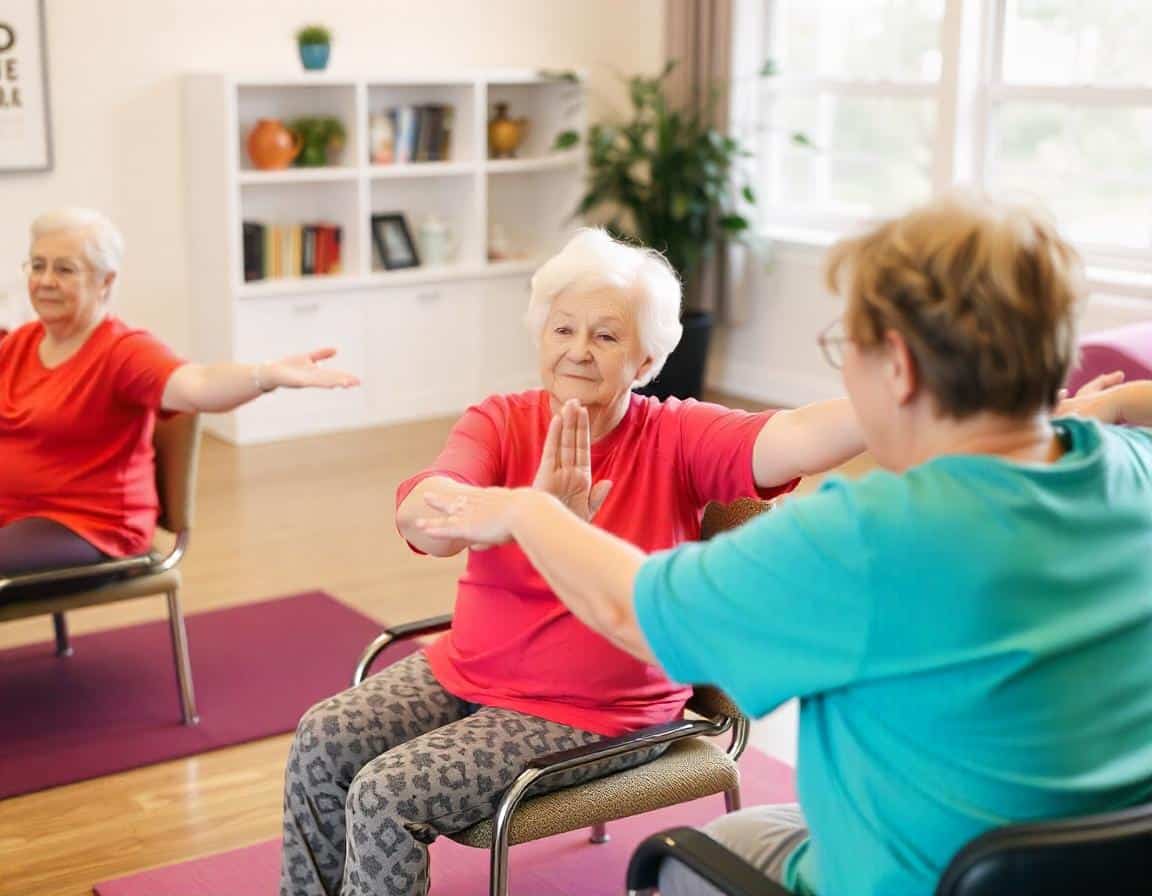
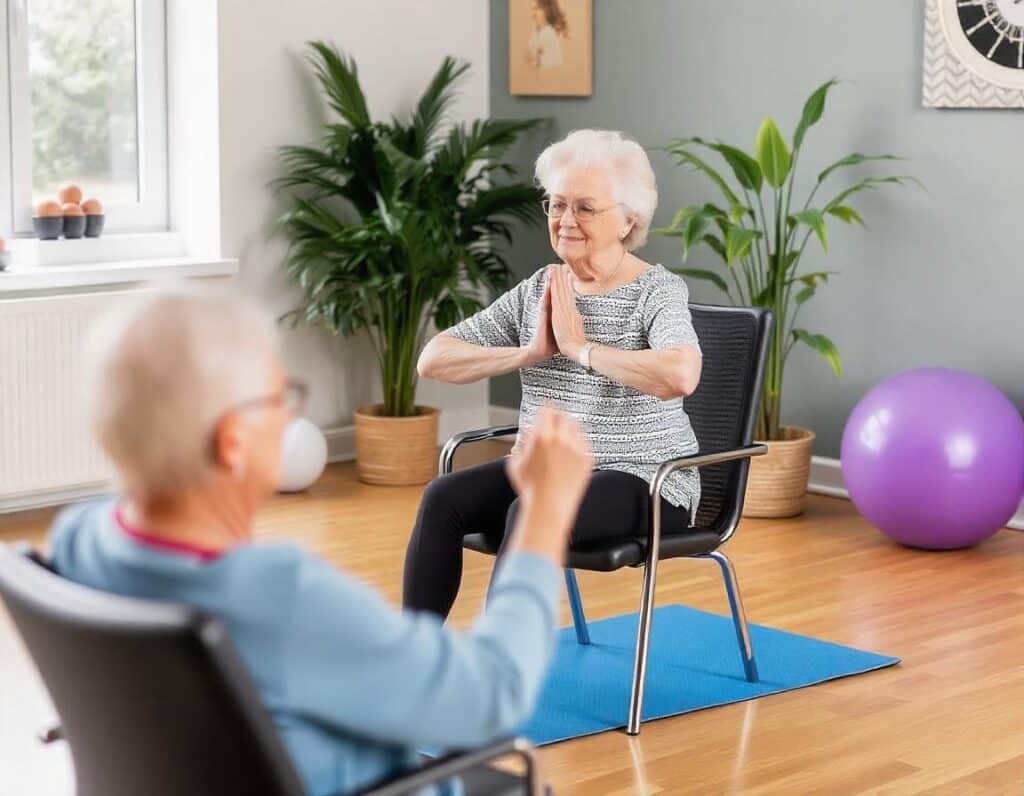
Staying active as we age does not have to be complicated, scary, or painful. Chair yoga for the elderly is one of the safest and most enjoyable ways for older adults to keep moving while protecting their joints and balance. This gentle form of exercise uses a chair for support, allowing seniors to stretch, breathe, and strengthen their bodies without having to get down on the floor.

At Westmont of Carmel Valley, wellness is designed to meet residents where they are. Programs like yoga for seniors help build confidence, improve mobility, and foster joy through movement. Whether someone is new to exercise or returning after time away, chair yoga offers a welcoming and supportive place to start.

Discover the Chair Yoga Positions for the Elderly

Chair yoga for the elderly is a fantastic way for seniors to improve flexibility, reduce muscle tension, and feel more relaxed throughout the day. Because poses are adapted for seated positions, participants feel supported and safe while still enjoying the benefits of yoga.

Some essential poses include the Seated Forward Bend, Chair Cat-Cow Stretch, and Seated Side Stretch. These movements improve circulation, promote relaxation, and support smoother daily movements like standing, reaching, and walking.

To practice safely, seniors should always use a sturdy chair and focus on posture and breathing. Engaging in chair yoga can also foster meaningful social connections, making exercise feel fun rather than a chore. Keep reading to discover how chair yoga can truly enhance daily life.

For more information on senior wellness and activities, visit Westmont of Carmel Valley.

Benefits of Chair Yoga for Seniors Over 70

The benefits of chair yoga for seniors over 70 go far beyond simple stretching. This gentle practice supports both physical and mental well-being, making it ideal for aging adults.

Physically, chair yoga helps improve circulation, which can reduce joint stiffness and discomfort. Improved flexibility makes everyday activities like dressing, bending, and reaching easier and safer. Emotionally, chair yoga promotes relaxation and helps manage stress, anxiety, and tension.

Socially, group chair yoga sessions foster connection and shared experiences, which are vital for emotional health. Combined with healthy habits like nutrition and movement, chair yoga becomes a powerful wellness tool. Helpful guidance like these senior healthcare tips also supports overall daily wellness.

chair yoga for elderly

Essential Chair Yoga for the Elderly Beginners

For chair yoga for elderly beginners, starting slowly is key to success. Each pose can be modified, adjusted, or skipped depending on comfort and ability. There is no competition, only progress at your own pace.

These essential chair yoga positions are easy to learn and highly effective. Each one supports flexibility, relaxation, and confidence while helping seniors reconnect with their bodies. A helpful resource for getting started is this guide on chair yoga poses for strength, flexibility, and relaxation.

Key Chair Yoga Poses Explained

Below are three foundational poses commonly used in chair yoga programs for the elderly. Each pose supports safe movement and breathing.

Pose Description Benefits
Seated Forward Bend Inhale arms overhead, exhale, and fold forward Gently stretches the back and hamstrings
Chair Cat-Cow Stretch Hands on knees, inhale to arch, exhale to round Improves spine flexibility and posture
Seated Side Stretch Raise one arm and lean sideways Enhances side-body flexibility

By practicing these movements regularly, seniors can improve mobility and experience greater calm. Chair-based routines like these boost strength and flexibility while keeping the body supported.

Benefits of Each Chair Yoga Pose

Each pose offers unique advantages. The Seated Forward Bend encourages relaxation and flexibility, while the Chair Cat-Cow Stretch supports spinal health and reduces tension. The Seated Side Stretch helps with reaching and turning motions used every day.

By using pose variations, seniors can adjust each movement to their comfort level. Practicing yoga for seniors regularly also supports mental clarity, improved focus, and emotional balance. Adding structured movement like chair workouts for seniors can further enhance balance and reduce fall risk.


What Level of Care Do You Need?

Discover the level of care you or your family member requires.


Tips for Practicing Chair Yoga for the Elderly Safely

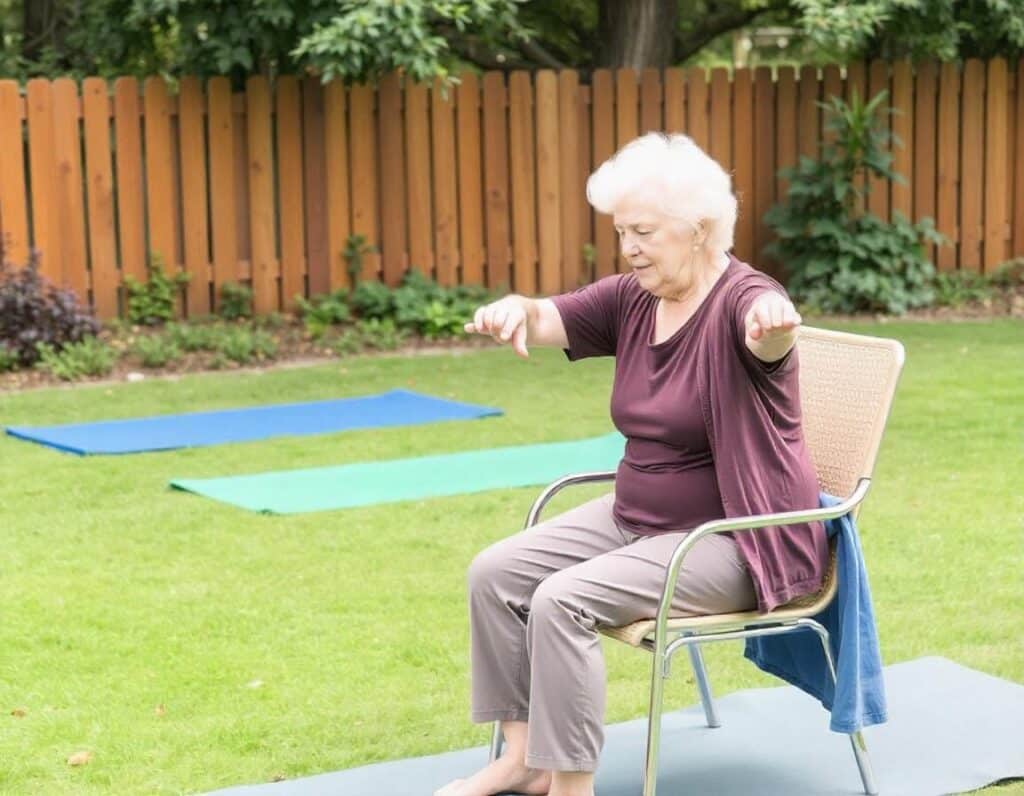
Safety is essential when practicing chair yoga for the elderly. A sturdy, wide chair without wheels provides the best support. Keeping feet flat on the floor and maintaining good posture helps prevent strain.

Hydration is essential, so water should always be nearby. Seniors should also focus on slow breathing and gentle movements, stopping immediately if pain occurs. Programs like accessible chair yoga allow older adults to improve their balance and flexibility safely.

Incorporating Free Chair Exercises Into Daily Life

One of the most significant advantages of chair yoga is its ease of integration into daily routines. Free chair exercises can be done in short sessions throughout the day, making consistency simple.

  • Gentle morning stretches to wake the body
  • Midday chair yoga breaks to boost energy
  • Evening relaxation poses for better sleep
  • Sharing chair yoga with friends or family

Small movement sessions can lead to big improvements in strength, mood, and confidence over time.

chair yoga for elderly

Community Connection Through Yoga for Seniors

Beyond physical health, yoga for seniors plays a vital role in building community. Group chair yoga classes encourage interaction, laughter, and shared goals.

  • Builds friendships through shared movement
  • Creates a sense of belonging
  • Supports emotional well-being
  • Makes exercise enjoyable and social

At senior living communities like Westmont of Carmel Valley, chair yoga becomes more than exercise, it becomes a meaningful connection point.

Explore More Resources on Chair Yoga

Seniors and their families can explore many helpful resources for chair yoga for the elderly. Online tutorials, books, DVDs, and community classes all provide guidance. Trusted wellness platforms like Yoga Journal and Harvard Health offer helpful insights on yoga for seniors s interested in and gentle movement options.

Engaging with these resources helps seniors feel confident, informed, and motivated on their wellness journey.

Ready to Feel Stronger, Happier, and More Supported?

Call Westmont of Carmel Valley Today

At Westmont of Carmel Valley, wellness is built into everyday life. Programs like chair yoga for the elderly, chair yoga for seniors over 70, and free chair exercises help residents stay active, confident, and connected.

Call us today at 858-465-7356 to learn more about our community and wellness programs. You can also schedule a tour and see how gentle movement and supportive living can make every day better.

Frequently Asked Questions

Does chair yoga for seniors really work?

Yes, chair yoga for seniors is effective for improving flexibility, balance, and overall mobility, especially for those with limited strength or stability. It provides gentle movements that support joint health without putting stress on the body. Many seniors also experience reduced stiffness, better circulation, and improved posture with regular practice. Beyond physical benefits, chair yoga can help lower stress and promote relaxation. Consistency is key to seeing long-term results.

What are the best chair yoga exercises for seniors?

Some of the best chair yoga exercises for seniors include seated spinal twists, chair cat-cow stretches, seated leg lifts, and gentle neck and shoulder rolls. These movements help maintain the range of motion and reduce joint stiffness. Breathing exercises paired with simple stretches can also improve lung capacity and relaxation. Chair-supported balance poses add confidence and stability. A well-rounded routine focuses on flexibility, strength, and calm breathing.

Which type of yoga is best for seniors?

Gentle yoga styles are generally best for seniors, such as chair yoga, restorative yoga, and gentle hatha yoga. These styles emphasize slow movements, proper alignment, and breath awareness. They are designed to accommodate physical limitations while still providing meaningful benefits. Seniors can safely build strength and flexibility without high-impact movements. Choosing a class led by an instructor experienced with older adults is important.

Is chair yoga better than walking?

Chair yoga and walking offer distinct benefits, so neither is necessarily better than the other. Chair yoga focuses on flexibility, balance, joint mobility, and relaxation, making it ideal for seniors with limited endurance or mobility challenges. Walking is excellent for cardiovascular health and overall stamina. Many seniors benefit most from combining both activities into their routine. Together, they support physical health, balance, and overall well-being.


Bronchitis in Old People: Key Symptoms, Causes, and Treatments

Caring for a loved one with bronchitis in old people can feel overwhelming, especially when symptoms appear suddenly or linger longer than expected. Older adults often experience bronchitis differently from younger people, and even mild symptoms can quickly become serious without proper attention. Understanding what to watch for and how to respond can make a huge difference in recovery and peace of mind.

This guide explains symptoms, recovery timelines, and treatment options for bronchitis, while helping families recognize when it’s time to seek medical help. With the right knowledge and support, seniors can breathe easier and stay healthier longer.


Key Symptoms of Bronchitis in Old People

Bronchitis in old people often begins with a persistent cough that doesn’t seem to go away. This cough may be dry or productive, meaning it brings up mucus. In many seniors, mucus can appear yellow or green, which may indicate a bacterial rather than a viral infection.

Other common symptoms include shortness of breath, wheezing, chest tightness, and increased fatigue. Older adults may also feel weaker than usual or struggle with everyday tasks. In some cases, seniors may experience confusion or disorientation instead of classic respiratory symptoms, making careful observation extremely important. Monitoring these early signs helps prevent complications like pneumonia and supports faster recovery.

bronchitis in old people

Common Bronchitis Causes in Seniors

Understanding the cause of bronchitis is essential when caring for older adults. The most frequent cause of acute bronchitis is a viral infection, often following a cold or flu. However, bacterial infections can also be a cause of bronchitis, especially when symptoms persist or worsen.

Other contributors include long-term exposure to cigarette smoke, air pollution, dust, or chemical fumes. Seniors with weakened immune systems or chronic conditions like heart disease, asthma, or COPD face higher risks. Identifying the correct cause of bronchitis allows healthcare providers to tailor care plans and choose the most effective bronchitis treatment.

bronchitis in old people

Is Bronchitis Contagious for Older Adults?

A prevalent question families ask is: Is bronchitis contagious? The answer depends on the type. Acute viral bronchitis is infectious, especially during the first few days of illness. Seniors can catch it from close contact with others who are sick.

On the other hand, chronic bronchitis is not infectious and develops over time due to lung irritation. Knowing whether bronchitis is contagious helps caregivers protect both the patient and others. Frequent handwashing, avoiding close contact during illness, and disinfecting shared surfaces can reduce the risk of spreading infections. For more details, the Centers for Disease Control and Prevention provides clear guidance on preventing respiratory illness.

Understanding Recovery Time and Lung Health

Recovery from acute bronchitis in seniors usually takes about 10 to 14 days, though coughing and fatigue may linger longer. In older people with bronchitis, healing can be slower due to age-related changes in lung function and immunity.

Chronic bronchitis often requires ongoing management rather than a quick recovery. Without proper treatment for chronic bronchitis, long-term lung damage and reduced breathing capacity can occur. Pulmonary rehabilitation, breathing exercises, and regular medical monitoring are essential for protecting lung health. Early recognition of symptoms and prompt care can significantly improve outcomes for elderly individuals.

Effective Bronchitis Treatment Options

Choosing the right bronchitis treatment depends on symptoms, severity, and overall health. Many cases improve with supportive care such as rest, hydration, and humidified air. Drinking warm fluids helps thin mucus and ease coughing.

Medical bronchitis treatment options may include expectorants to loosen mucus, bronchodilators to open airways, and anti-inflammatory medications. Natural remedies like honey or ginger tea can soothe irritated throats, but seniors should always consult healthcare providers before trying new remedies. According to the Mayo Clinic, most viral cases resolve without antibiotics, but monitoring is crucial in older adults.

bronchitis in old people

Chronic Bronchitis Treatment and Long-Term Care

For seniors with recurring symptoms, chronic bronchitis treatment focuses on long-term management. This may include daily inhalers, pulmonary therapy, and lifestyle changes to reduce exposure to lung irritants. In advanced cases, oxygen therapy may be recommended.

Consistent treatment for chronic bronchitis helps reduce flare-ups, improve breathing, and enhance quality of life. Vaccinations for flu and pneumonia are often part of preventive care, especially for seniors with existing lung conditions. Resources from the American Lung Association offer valuable information for families managing chronic lung disease.

When Are Antibiotics Necessary?

Many families wonder when antibiotics are appropriate. Most cases of bronchitis are viral, so antibiotics won’t help and may even cause harm by fostering antibiotic resistance. However, if a senior has a persistent cough with colored mucus, fever, or worsening symptoms, a bacterial infection may be present.

In these cases, antibiotics such as amoxicillin or doxycycline may be prescribed. A healthcare provider should continually evaluate the situation before starting antibiotics, especially for older adults who may have medication interactions. Supporting overall health with good nutrition also helps the immune system recover more effectively. Learn more about nutrition and aging from the National Institute on Aging.

Recognizing When to Seek Medical Help

Knowing when to seek help is critical in bronchitis in old people. Contact a healthcare provider if a cough lasts more than 2 weeks, breathing becomes difficult, or symptoms worsen rather than improve. Emergency care is needed if there is chest pain, high fever, blood in mucus, bluish lips, or sudden confusion.

Caregiver support is essential for spotting these warning signs early. Timely medical intervention can prevent serious complications and improve recovery outcomes.

Supportive Living and Respiratory Care

Communities like Westmont of Carmel Valley provide an added layer of support for seniors managing respiratory conditions. Trained staff can monitor symptoms, assist with medications, and coordinate care with healthcare providers. This proactive approach helps families feel confident that their loved ones are safe and supported.

Ready to Help Your Loved One Breathe Easier? Call Us Today

Managing bronchitis in old people doesn’t have to be stressful or confusing. With the right care, education, and support, seniors can recover more comfortably and avoid complications.

At Westmont of Carmel Valley, we are committed to supporting the health and well-being of our residents every day. Call us at 858-465-7356 to talk with our caring team or learn more about how we can help. You’re also welcome to schedule a tour and see our community for yourself.


What Level of Care Do You Need?

Discover the level of care you or your family member requires. 


FAQs About Bronchitis in the Elderly

  1. Is bronchitis serious in the elderly?

    Bronchitis can be more serious in elderly adults because aging weakens the immune system and lung function. Older adults are also more likely to have chronic conditions like heart disease, COPD, or diabetes that can worsen symptoms. What may start as mild bronchitis can progress to pneumonia if left untreated. Early medical attention helps reduce complications and supports a smoother recovery.

    How do you treat bronchitis in adults?

    Treatment for bronchitis in adults depends on whether it is viral or bacterial. Most cases are viral and managed with rest, fluids, cough suppressants, and anti-inflammatory medications. Doctors may prescribe antibiotics only if a bacterial infection is suspected. For older adults, treatment often includes close monitoring to prevent breathing difficulties or secondary infections.

    How long does bronchitis last in the elderly?

    Acute bronchitis in elderly adults typically lasts one to three weeks, though the cough may linger longer. Recovery can take longer than in younger adults due to a slower immune response. Chronic bronchitis may cause ongoing symptoms that persist for months or recur frequently. Proper treatment and follow-up care help shorten recovery time and prevent flare-ups.

    How severe is bronchitis?

    The severity of bronchitis ranges from mild discomfort to severe respiratory distress. In healthy individuals, symptoms are usually manageable, but severity increases with age and existing lung or heart conditions. Severe cases may include shortness of breath, chest pain, or low oxygen levels. Prompt medical evaluation helps determine severity and ensures appropriate care.


Discover the San Diego Memory Care Facility for Alzheimer’s

Finding the right San Diego memory care facility can feel overwhelming, especially when someone you love is facing Alzheimer’s disease or another form of dementia. You want safety, compassion, and a place that truly understands memory loss. At Westmont of Carmel Valley, families find peace of mind knowing their loved ones receive personalized attention in a secure, nurturing environment designed specifically for memory care and comfort.

As a trusted San Diego memory care facility, Westmont of Carmel Valley blends expert care, engaging activities, and family involvement to create a supportive community. Whether you are exploring memory care facilities, assisted living, or elderly care near San Diego, this community is built to help residents thrive with dignity and respect.

For more details about the community, visit Westmont of Carmel Valley’s official website.

Why Choose a San Diego Memory Care Facility Focused on Safety

When selecting a memory care facility, safety should always come first. At Westmont of Carmel Valley, every detail is designed to protect residents while still allowing them to enjoy independence.

This San Diego memory care facility features:

  • Secured entrances to prevent wandering
  • Carefully designed floor plans to reduce confusion
  • Comfortable common areas that feel familiar and calming

Advanced safety tools, such as state-of-the-art medical alert systems, enable staff to respond quickly during emergencies. These measures give families confidence that their loved ones are protected day and night. Choosing a secure environment is a key reason many families turn to elderly care near San Diego that specializes in memory support.

Specialized Staff Make the Difference in Memory Care and Assisted Living

One of Westmont of Carmel Valley’s biggest strengths is its highly trained team. Quality memory care and assisted living depend on staff who understand dementia-related behaviors and know how to respond with patience and empathy.

Caregivers receive ongoing education through thorough memory care training, ensuring residents receive consistent, compassionate care.

Staff Training Focus Areas

  • Understanding Alzheimer’s disease and dementia
  • Effective communication techniques
  • Emotional and behavioral support strategies

This training allows staff to assist with daily activities while honoring each resident’s dignity. Families searching for a San Diego memory care facility often choose Westmont of Carmel Valley because they trust the people providing care every day.

Personalized Care Plans for Individual Needs

No two residents experience memory loss the same way. That’s why personalized care plans are essential in top-tier memory care facilities.

At this San Diego memory care facility, each resident receives:

  • Individual assessments
  • Ongoing care plan updates
  • Collaboration between caregivers, healthcare providers, and families

This approach ensures care evolves as needs change. A safe and comfortable environment supports orientation and confidence, helping residents feel more at ease. Personalized care is a cornerstone of effective memory care and assisted living, especially for families seeking reliable elderly care near San Diego.

Engaging Therapeutic Activities That Spark Joy

Life in a San Diego memory care facility should be meaningful, not monotonous. Therapeutic activities play a vital role in improving mood, cognition, and social connection.

Residents at Westmont of Carmel Valley enjoy:

  • Music therapy to encourage reminiscence
  • Art therapy to inspire creativity
  • Gentle exercise to support physical health
  • Group activities that build friendships

Research shows that art therapy improves emotional and cognitive well-being, making it a valuable part of daily life. These programs are carefully tailored, making this community stand out among memory care facilities in the region.


san diego memory care facility


Family Involvement Strengthens Elderly Care Near San Diego

Families are an essential part of the care journey. At Westmont of Carmel Valley, open communication and collaboration are encouraged.

Family support includes:

  • Participation in care planning
  • Access to caregiver resources
  • Education about Alzheimer’s and dementia
  • Respite options for caregivers

Studies show that family involvement leads to improved memory care outcomes. This focus on connection makes this San Diego memory care facility a trusted choice for families seeking long-term elderly care in the area.

A Community That Offers Memory Care and Assisted Living

Some families need flexibility as care needs change. Westmont of Carmel Valley supports both memory care and assisted living, helping residents transition smoothly if additional care becomes necessary.

Families often ask about assisted living in San Diego that accepts Medicare. While Medicare does not typically cover long-term assisted living costs, knowledgeable staff can help families understand coverage options, benefits, and available resources. This guidance is especially valuable for those navigating complex care decisions.

For trusted health information, families can also explore resources from the Alzheimer’s Association and the National Institute on Aging, both of which offer helpful insights into dementia care.

Compassionate Interactions That Build Trust

Compassion is not just a value; it’s a daily practice. Staff members focus on meaningful interactions that help residents feel respected and understood.

Staff Engagement Emotional Support Resident Experience
Friendly greetings Active listening Personalized conversations
Empathy-driven care Comfort and reassurance Encouraged participation
Daily encouragement Trust-building moments Celebrated achievements

These thoughtful interactions create a warm environment that sets this San Diego memory care facility apart from others.

Visit and Experience Westmont of Carmel Valley

Seeing a community in person can make all the difference. A tour allows families to experience the atmosphere, meet caregivers, and explore living spaces designed for comfort and safety.

During your visit, you can:

  • Tour secured memory care areas
  • Observe engaging activities
  • Meet compassionate staff
  • Ask questions about care options

Families exploring memory care facilities often find clarity and confidence after visiting Westmont of Carmel Valley.

Your Loved One Deserves Exceptional Memory Care – Call Today

Choosing a San Diego memory care facility is one of the most important decisions you will ever make. At Westmont of Carmel Valley, your loved one is welcomed into a compassionate community that values safety, dignity, and connection.

If you are searching for trusted memory care and assisted living, compassionate elderly care near San Diego, or guidance on assisted living in San Diego that accepts Medicare, now is the time to talk with a caring expert.

📞 Call Westmont of Carmel Valley at 858-465-7356 or schedule a private tour today at this link. Peace of mind starts with one conversation.


Compare The Costs of Senior Living vs Staying at Home

How Do The Costs Of Moving Into A Quality Senior Care Community Compare With The Costs Of Staying At Home?


Frequently Asked Questions

How much does memory care cost in San Diego?

Memory care in San Diego typically costs more than assisted living because it includes specialized care, enhanced security, and trained staff. On average, monthly costs range from $5,500 to $8,000, depending on the community, level of care needed, and amenities offered. Factors such as private rooms, medical support, and location within San Diego can influence pricing. Some communities may also charge additional fees for higher levels of supervision or personalized care services.

What is the difference between memory care and dementia care?

Memory care is a type of senior living designed specifically for individuals with Alzheimer’s disease and other forms of dementia. Dementia care, on the other hand, is a broader term that refers to the support and medical care provided to someone with dementia in various settings. Memory care communities offer structured routines, secure environments, and staff trained in caring for individuals with cognitive conditions. Dementia care can also be provided at home, in assisted living, or in skilled nursing facilities.

Does Medicare pay for memory care in California?

Medicare does not typically cover the cost of room and board in memory care communities in California. However, it may pay for certain medical services, such as doctor visits, hospital stays, or short-term skilled nursing care. Some therapies or treatments received while living in memory care may also be covered if they are deemed medically necessary. Families often rely on private pay, long-term care insurance, or other assistance programs to help cover memory care costs.

What is the average life expectancy in memory care facilities?

Life expectancy in memory care facilities varies widely based on the individual’s age, overall health, and stage of cognitive decline at the time of admission. On average, residents may live two to ten years after a dementia diagnosis, though this is not specific to memory care alone. Memory care communities focus on quality of life, safety, and comfort rather than extending lifespan. With proper support and care, many residents experience improved well-being and daily stability.


Music for Elderly People That Brings Joyful Memories

Music has a magical way of reaching the heart, especially when it comes to music for elderly people. A familiar tune can unlock treasured memories, spark smiles, and even start conversations that bring people closer together. From classic sing-alongs to calming melodies, music helps seniors feel connected, relaxed, and understood.

At Westmont of Carmel Valley, music is more than background noise. It is a meaningful part of daily life that supports emotional wellness, social connection, and joyful living. Let’s explore how music can truly enrich the lives of older adults.

The Emotional Impact of Music on Seniors

Listening to music is not just about hearing sounds. For seniors, it becomes a profoundly emotional experience. Familiar songs can instantly bring back moments from childhood, family gatherings, or significant life milestones. This emotional response makes music for elderly people a powerful tool for comfort and healing.

Music can help reduce feelings of loneliness and sadness. When seniors listen to or share music, they often feel more connected to others. Group music sessions encourage conversation, laughter, and bonding. Research indicates that music therapy enhances memory care and emotional well-being, especially for older adults with memory loss.

Music also supports mental health by helping seniors express emotions that may be difficult to articulate. This is why music for seniors in nursing homes is often incorporated into daily activities.

Nostalgic Songs That Resonate With Seniors

Nostalgic music is especially meaningful for older adults. These songs act like memory keys, opening doors to the past and bringing back happy experiences. A carefully curated list of sing-along songs for seniors can turn an ordinary day into a joyful one.

Here are some popular songs for seniors that often spark smiles and conversations:

Song Title Artist Memory Trigger
You Are My Sunshine Jimmie Davis Childhood warmth
Sentimental Journey Doris Day Family vacations
Moon River Henry Mancini Dreamy reflections
Country Roads John Denver Home and belonging
Let It Be The Beatles Hope and resilience

These songs work beautifully in group settings. Singing together helps seniors feel included and confident. Creating a sing-along songs for seniors list also encourages participation, even for those who may feel shy at first. A supportive environment makes these musical moments even more meaningful.

Calming Melodies for Relaxation

Not all music needs lyrics to make an impact. Instrumental music for elderly people is excellent for relaxation and stress relief. Gentle melodies can create a peaceful atmosphere, helping seniors feel calm and safe.

Soft background music is constructive during quiet moments, rest times, or before bedtime. Many communities include instrumental music for elderly people as part of wellness routines because it supports emotional balance.

Benefits of Soothing Music

Soothing music has many benefits for seniors, including:

  • Lower stress and anxiety levels
  • Improved mood and emotional comfort
  • Better focus and mental clarity

Gentle piano, strings, or light jazz can help seniors unwind after a busy day. Studies show that music therapy supports emotional, cognitive, and social well-being in assisted living environments. This is why music for elderly people plays such an important role in senior communities.

Types of Calming Melodies

Some of the most effective calming music options include:

  • Soft instrumental music for elderly people with slow rhythms
  • Classical compositions for relaxation
  • Nature-inspired sounds for peaceful listening

When combined with other wellness activities, like brain-boosting games, music can enhance overall quality of life.

The Art of Songwriting for Self-Expression

Music is not only for listening. Creating music can be just as powerful. Songwriting gives seniors a chance to reflect, express emotions, and share personal stories creatively.

Emotional Memory Reflection

Writing songs can help seniors revisit meaningful life moments. A melody or lyric often triggers emotional memories and personal stories. Songwriting allows individuals to:

  • Explore important memories
  • Express feelings through words and music
  • Share personal experiences with others

This form of creativity strengthens confidence and emotional connection. It shows how music for elderly people supports self-expression and emotional growth.

Creating a Personal Anthem

A personal anthem is a song that represents someone’s life journey. Seniors can use songwriting prompts to guide the process:

Theme Prompt
Cherished Memories Write about a favorite life moment
Life Lessons Share wisdom learned over time
Nature’s Beauty Describe a peaceful place

Creating a personal anthem fosters pride, joy, and connection. It also complements other meaningful activities, such as learning about the benefits of music therapy for older adults from the National Institute on Aging.

Building Connections Through Musical Activities

Music brings people together. Group activities centered around music for seniors in nursing homes help create friendships and reduce isolation. Musical activities encourage participation, laughter, and shared experiences.

Popular group activities include:

  • Sing-alongs using a list of sing-along songs for seniors
  • Musical storytelling sessions
  • Rhythm and clapping games

These experiences help seniors feel valued and included. According to the Alzheimer’s Association, music can also support individuals with memory challenges by improving mood and engagement.

music for elderly people​

Exploring Senior Living Options With Music in Mind

When choosing a senior living community, music programs matter. Communities that prioritize music for elderly people often offer stronger emotional and social support. Look for places that provide:

  • Music therapy programs
  • Regular sing-alongs and live performances
  • Access to popular songs for seniors

Music-focused environments promote happiness, belonging, and fulfillment. Communities that include music for seniors in nursing homes or assisted living settings often see higher engagement and satisfaction among residents.

Let Music Lead You Home to Joy and Connection

Music has the power to turn ordinary days into meaningful moments. At Westmont of Carmel Valley, we use music to spark memories, build friendships, and create joy every single day. From calming instrumental music for the elderly to joyful sing-alongs featuring popular songs for seniors, music is woven into the heart of our community.

If you want to see how music can enrich your daily life or that of a loved one, we would love to talk with you. Call us today at 858-465-7356 or schedule a visit through our Schedule a Tour page. Let’s make every day more joyful together.


What Level of Care Do You Need?

Discover the level of care you or your family member requires. 


Frequently Asked Questions

What music would an 80-year-old listen to?

Many 80-year-olds enjoy music from their teens and early adulthood, typically from the 1940s and 1950s. Big band, swing, jazz standards, and early rock and roll are especially popular. Artists like Frank Sinatra, Nat King Cole, and Ella Fitzgerald often bring comfort and familiarity. This type of music can trigger positive memories and create a calming, enjoyable atmosphere.

What songs do 70-year-olds listen to?

People in their 70s often prefer music from the 1950s, 1960s, and early 1970s. This includes classic rock, Motown, folk, and soft pop songs they grew up with. Music by The Beatles, Elvis Presley, Simon & Garfunkel, and The Supremes is commonly enjoyed. These songs often remind them of meaningful life moments and social experiences.

Why is music good for the elderly?

Music is beneficial for the elderly because it supports emotional well-being and reduces stress and anxiety. It can help improve memory recall, especially for those with dementia or Alzheimer’s disease. Listening to familiar music may also encourage social interaction and reduce feelings of loneliness. In many cases, music can even improve mood, sleep quality, and overall quality of life.

What music do 65-year-olds like?

Many 65-year-olds enjoy music from the late 1960s through the 1980s, including classic rock, soft rock, country, and easy listening. Artists such as Fleetwood Mac, The Eagles, and Johnny Cash are often favorites. They may also enjoy instrumental music or acoustic versions of popular songs. Preferences vary, but familiarity and emotional connection play a major role in what they enjoy listening to.


A How-To Guide On Choosing The Best Exercise Bike For Seniors

Staying active as we grow older should feel safe, comfortable, and encouraging. At Westmont of Carmel Valley, we believe fitness should support independence, not feel overwhelming. That is why choosing the right exercise bike for seniors can make such a big difference in daily life.

An exercise bike for seniors offers a low-impact way to improve strength, heart health, and confidence. Whether you are just starting or getting back into a routine, this guide will help you understand what to look for, how to stay safe, and how to enjoy every ride.

Stay Active at Home With an Exercise Bike for Seniors

Choosing the best exercise bike for seniors at Westmont of Carmel Valley means focusing on comfort, safety, and ease of use. Seniors deserve equipment that works with their bodies, not against them.

Look for features like adjustable seat height, a sturdy frame, and non-slip pedals to help prevent accidents. Recumbent bikes offer extra back support, while upright bikes can gently engage your core. Both styles can be great options, depending on comfort and balance.

Start with short sessions and slowly increase your workout time as your stamina grows. Regular maintenance helps keep your exercise bike for seniors working smoothly for years. For more information about our community, visit Westmont of Carmel Valley.

exercise bike for seniors

Understanding the Benefits of Exercise Bikes for Seniors

An exercise bike for seniors is one of the easiest ways to stay active while protecting your joints. One of the most significant benefits is improved heart health. Gentle cycling strengthens the heart, improves circulation, and boosts endurance for everyday activities.

Because biking is low-impact, it is easier on the knees, hips, and ankles than other exercises. Seniors can adjust the speed and resistance to match their comfort level, making an exercise bike suitable for beginners and experienced users alike.

Many older adults find that regular use also improves mood and energy. According to the National Institute on Aging, consistent physical activity supports better sleep, balance, and mental health as we age.

In independent living settings, structured wellness programs help residents stay motivated. Sports and fitness programs support senior vitality and encourage healthy routines.

Key Features to Look for in an Exercise Bike

Choosing the right exercise bike for seniors means paying attention to features that increase comfort and safety.

Important features include:

  • Adjustable seat height for proper posture
  • A stable frame with a broad base
  • Easy-to-grip handlebars
  • Clear display screens
  • Non-slip pedals

Safety features such as emergency stop buttons and smooth resistance controls are constructive. Bikes designed for senior-friendly exercise prioritize comfort while reducing injury risks.

exercise bike for seniors

Types of Exercise Bikes Suitable for Seniors

Recumbent Bikes

Recumbent bikes are popular because they offer back support and a relaxed seating position. This style reduces joint pressure and makes longer sessions more comfortable.

Upright Bikes

Upright bikes allow seniors to sit taller and gently engage the core. They feel more like traditional bicycles and can improve posture.

Both options work well as an exercise bike for seniors, especially when adjusted correctly. Pairing regular exercise with a heart-healthy diet can further support overall wellness.


Folding and Electric Options in San Diego

Many seniors in San Diego prefer space-saving or assisted models.

A folding exercise bike for seniors in San Diego, CA, is ideal for apartments or smaller living spaces. These bikes fold easily and store away when not in use.

A foldable exercise bike for seniors in San Diego, CA, combines comfort with convenience, offering padded seats and smooth pedaling.

An electric exercise bike for seniors in San Diego, CA, adds motor assistance, making it easier to stay active on low-energy days. This option is excellent for seniors who want support without losing independence.

When choosing the best exercise bike for seniors in San Diego, CA, comfort and safety should always come first.

exercise bike for seniors

Safety Considerations When Using an Exercise Bike

Safety is essential when using an exercise bike for seniors. Regular bike maintenance keeps everything working properly. Always check resistance settings and pedals before starting.

Helpful safety tips include:

  • Wearing supportive footwear
  • Using a non-slip mat under the bike
  • Stretching before and after exercise
  • Staying hydrated

Listening to your body is key. Stop if you feel pain or dizziness. If you live in a retirement community, it is also helpful to understand policies such as family overnight stays, which can support your overall experience.

Tips for Getting Started With Your Exercise Bike

Adjusting Seat Height

Proper seat adjustment is essential for comfort. When seated, your leg should have a slight bend at the lowest point of the pedal. This helps prevent knee and hip strain while using an exercise bike for seniors.

Starting With Short Sessions

Begin with 10–15 minutes per session. Gradually increase time as strength improves. Tracking progress helps build confidence and motivation.

Incorporating guidance from senior physical therapy tips can improve movement and overall health.

Customizing Your Workouts for Better Results

Variety keeps workouts fun and effective. Change resistance levels, try interval pedaling, and adjust speed to match your energy. Customizing your routine helps you get the most out of your exercise bike for seniors.

According to the American Heart Association, even light cycling can significantly support heart health when done consistently.

Maintaining Your Exercise Bike for Longevity

Simple maintenance helps your exercise bike for seniors last longer. Wipe it down after use, tighten bolts, and keep moving parts lubricated. Store it in a dry place to prevent damage.

Taking care of your bike is an investment in your long-term health.

Let’s Get You Moving – Call Westmont of Carmel Valley Today

Staying active can transform your daily life. With the right exercise bike for seniors, you can build strength, protect your balance, and feel more confident every day.

At Westmont of Carmel Valley, we support active aging with wellness-focused living designed around you. Call us today at 858-465-7356 or schedule a tour to see how we help seniors thrive through movement, care, and community.

exercise bike for seniors

Frequently Asked Questions

What type of exercise bike is best for seniors?

The best exercise bike for seniors is typically a recumbent bike because it offers back support, a comfortable seat, and a stable riding position. Upright bikes can also work for active seniors who have good balance and joint strength. Look for bikes with easy step-through access, adjustable resistance, and a clear display. Safety features like non-slip pedals and sturdy frames are significant for older adults.

How long should a 70-year-old ride a stationary bike?

A 70-year-old can usually benefit from riding a stationary bike for about 20 to 30 minutes per session. Beginners may start with 10 to 15 minutes and gradually increase as endurance improves. The ride should feel comfortable and allow for steady breathing without strain. It is best to focus on consistency rather than long or intense workouts.

Is riding a stationary bike good exercise for seniors?

Yes, riding a stationary bike is an excellent form of exercise for seniors because it is low-impact and gentle on the joints. It helps improve cardiovascular health, leg strength, and overall mobility. Stationary biking can also support balance and coordination without increasing the risk of falls. Regular use may help seniors stay active and maintain independence.

What is the most comfortable bike for elderly people?

The most comfortable bike for elderly people is usually a recumbent exercise bike. These bikes feature a wide, cushioned seat with back support that reduces pressure on the hips and lower spine. The reclined position also makes it easier to pedal without stressing the knees. Many seniors find recumbent bikes easier to use for longer, more relaxed workouts.


Elder Care in San Diego, CA: Tips for Safe and Healthy Aging

Growing older does not mean giving up independence or joy. With the proper elder care in San Diego, seniors can live safely, stay socially connected, and feel supported every day. At Westmont of Carmel Valley, aging is about thriving, not just getting by. From trusted care resources to community programs and planning tools, San Diego offers powerful support for seniors and their families.

This guide makes aging easier by breaking down local services, healthcare planning, nutrition, safety, and financial steps. Whether you are planning or helping a loved one now, understanding elder care in San Diego enables you to make confident, stress-free decisions.

For more details about our community, visit Westmont of Carmel Valley.

Understanding In-Home Supportive Services

One of the most essential tools in elder care in San Diego is In-Home Supportive Services (IHSS). These services help seniors stay in their own homes while assisting with everyday tasks such as bathing, cooking, and medication reminders. For many families, this support creates peace of mind and allows aging adults to keep their routines.

IHSS also supports family caregivers, reducing burnout and stress. Strong family involvement improves outcomes and emotional well-being, which is why holistic care matters. Learn more about how family involvement plays a role in care with this helpful guide.

To qualify, seniors must meet county guidelines, and applications are handled locally. These free services for senior citizens are a key part of aging safely while preserving dignity and independence.

Navigating Local Aging Resources

Finding help should not feel overwhelming, but many families are unsure where to start. A San Diego senior resource guide makes navigating services much easier. These guides list housing support, meal programs, wellness services, and caregiver help all in one place.

Local agencies and nonprofits work closely with aging and independent services in San Diego to ensure seniors get the care they need. From transportation assistance to social programs, these resources encourage independence while preventing isolation.

A safe living environment is also essential. Choosing a secure, well-supported community makes a big difference. Learn how safety features support aging adults by exploring a safe, secure environment.

Planning for Health Care Needs

Healthcare planning is a cornerstone of effective elder care in San Diego. Having a plan in place ensures that seniors receive timely medical care, manage chronic conditions, and avoid unnecessary emergency visits.

Assessing Health Care Options

Every senior has unique needs. Evaluating medical history, mobility, and lifestyle helps families choose the right providers. Telehealth services now make it easier than ever to access doctors without travel, which supports independence and comfort.

Preventive care is just as critical. Regular screenings and wellness visits catch issues early and improve long-term outcomes. A personalized care plan helps align care services with individual goals.

Understanding Insurance Coverage

Insurance can feel confusing, but understanding it is critical. Knowing coverage limits helps families budget for care and avoid surprises. This is especially important when exploring free services for senior citizens or government-supported programs.

Some seniors may qualify for Medicaid waivers or veterans benefits. Learning about financial assistance programs can reduce financial stress and make long-term planning easier.

Coordinating Medical Appointments

Managing appointments can quickly become overwhelming. Simple tools like calendar alerts and caregiver coordination help seniors stay on track. Transportation options offered through aging and independent services in San Diego also support access to care.

Good communication among providers, caregivers, and family members ensures smoother care coordination and better health outcomes.

Importance of Nutrition and Meal Options

Nutrition plays a huge role in healthy aging. Balanced meals help seniors maintain strength, energy, and immune health. In quality elder care in San Diego, nutrition is never an afterthought.

Nutritional Meal Planning

Meal planning should reflect dietary needs, preferences, and medical requirements. Including fruits, vegetables, lean proteins, and whole grains supports overall wellness. Thoughtful planning also accommodates low-sodium or diabetic-friendly diets.

Nutrition programs offered through free services for senior citizens help ensure no senior goes without healthy meals.

Social Dining Opportunities

Eating together builds connection. Community dining reduces loneliness and turns meals into something seniors look forward to. Social dining programs offered through senior centers and communities promote emotional health while meeting nutritional needs.


elder care in san diego


Engaging in Community Programs

Community involvement keeps seniors active, curious, and happy. Programs across San Diego encourage learning, creativity, and social bonding. These opportunities are often listed in a San Diego senior resource guide, making them easy to find.

Participation improves mental health and reduces isolation. From fitness classes to volunteer groups, staying involved makes aging more fulfilling.

Protecting Vulnerable Adults

Safety is a critical part of elder care in San Diego. Unfortunately, some seniors face neglect or abuse. Knowing how to protect vulnerable adults is essential.

  • Build strong support networks
  • Learn the warning signs of abuse
  • Use caregiver education resources
  • Report concerns to the adult protective services in San Diego

If abuse is suspected, adult protective services in San Diego can investigate and provide immediate help. These services protect dignity, safety, and rights.

Financial and Legal Planning for Seniors

Financial and legal planning ensures seniors stay in control of their future. Estate planning, budgeting, and legal documents like powers of attorney protect both seniors and families.

Improving financial literacy helps seniors understand benefits and make informed choices. Many free services for senior citizens offer counseling and planning assistance. Partnering with an elder law attorney or financial advisor provides clarity and confidence.

For additional guidance, trusted resources like the National Council on Aging, California Department of Aging, and Medicare offer reliable, up-to-date information.

Ready to Experience Compassionate Elder Care in San Diego?

Call Today and See How Life Can Feel Easier

Aging should feel supported, not stressful. At Westmont of Carmel Valley, we help families navigate elder care in San Diego with compassion, expertise, and heart. From community living to personalized support, we are here to help you or your loved one thrive.

📞 Call us today at 858-465-7356
📅 Or schedule a tour and see the difference for yourself.

Your next chapter deserves comfort, care, and confidence.


Compare The Costs of Senior Living vs Staying at Home

How Do The Costs Of Moving Into A Quality Senior Care Community Compare With The Costs Of Staying At Home?


Frequently Asked Questions About Senior Living in San Diego

What is there to do in San Diego for elderly people?

There are many senior-friendly activities throughout San Diego that support an active, social lifestyle. Older adults can enjoy beach walks, harbor cruises, museums, and botanical gardens at a relaxed pace. Many community centers and senior centers offer fitness classes, arts and crafts, educational programs, and social events. San Diego also has excellent libraries, cultural festivals, and volunteer opportunities tailored for seniors.

How much does it cost to have a caregiver in San Diego?

The cost of hiring a caregiver in San Diego typically ranges from $30 to $40 per hour, depending on the level of care needed. Rates may be higher for specialized services such as dementia care, overnight care, or medical assistance. Some families reduce costs by scheduling part-time care or sharing caregiving responsibilities. Financial assistance may be available through long-term care insurance, veterans’ benefits, or specific local support programs.

Is San Diego a good place for seniors?

San Diego is widely considered a good place for seniors due to its mild climate, strong healthcare system, and wide range of lifestyle options. The city offers access to top-rated hospitals, senior-focused services, and age-friendly transportation. Many neighborhoods are walkable and close to shopping, dining, and recreation. The combination of outdoor living and quality care resources makes it appealing for retirement.

How much does senior living cost in San Diego?

Senior living costs in San Diego vary by community type and level of care. Independent living typically costs $3,000 to $4,000 per month, while assisted living often costs $5,000 to $7,000 per month. Memory care and higher-acuity services can cost more than $7,500 per month. Pricing depends on location, amenities, apartment size, and the amount of personal care provided.


Floor Plans & Pricing

Make yourself at home where a happy, healthy lifestyle goes hand-in-hand with your personal fulfillment, enrichment, and growth.

Answer a few quick questions to unlock the exciting future senior living can offer!

Resident Login