

Step Into Westmont Living®

Assisted Living in San Diego: Is It Right for Your Loved One?

Finding the right assisted living San Diego community for your loved one can be a pivotal decision, balancing the need for support with a desire for independence. San Diego offers a diverse range of assisted living communities tailored to different care needs, lifestyles, and budgets. From vibrant social environments to personalized healthcare support, the right community can significantly enhance a senior’s quality of life.

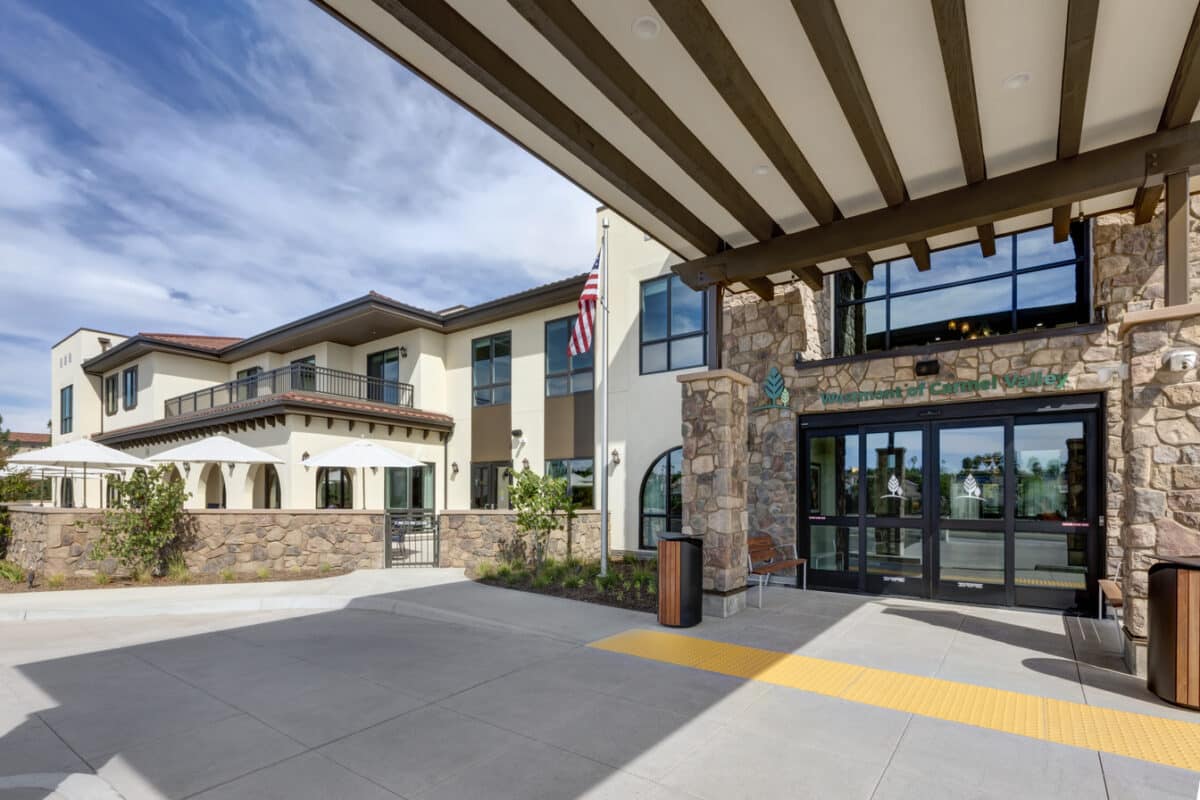
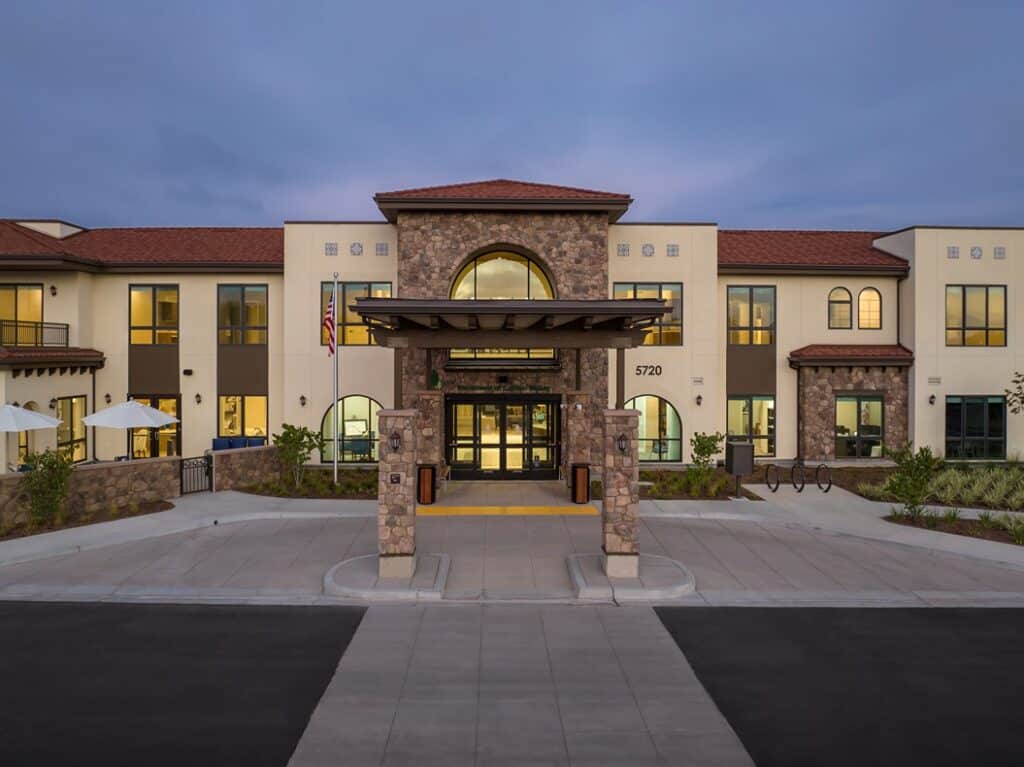
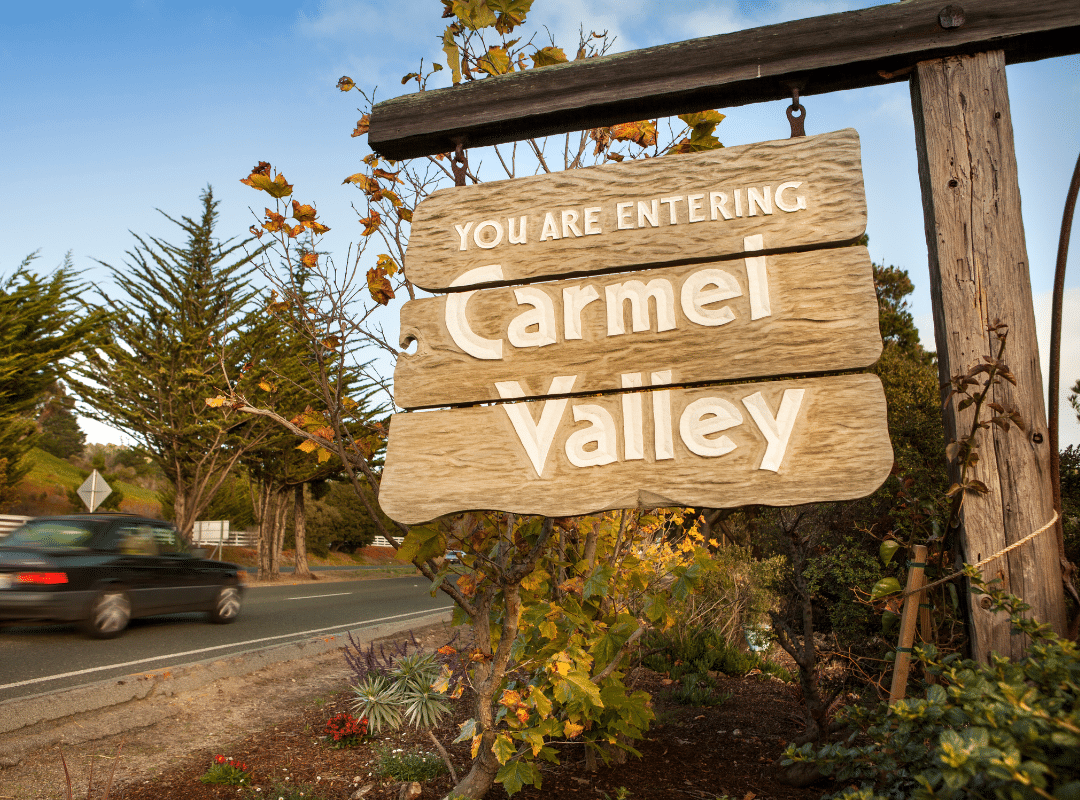
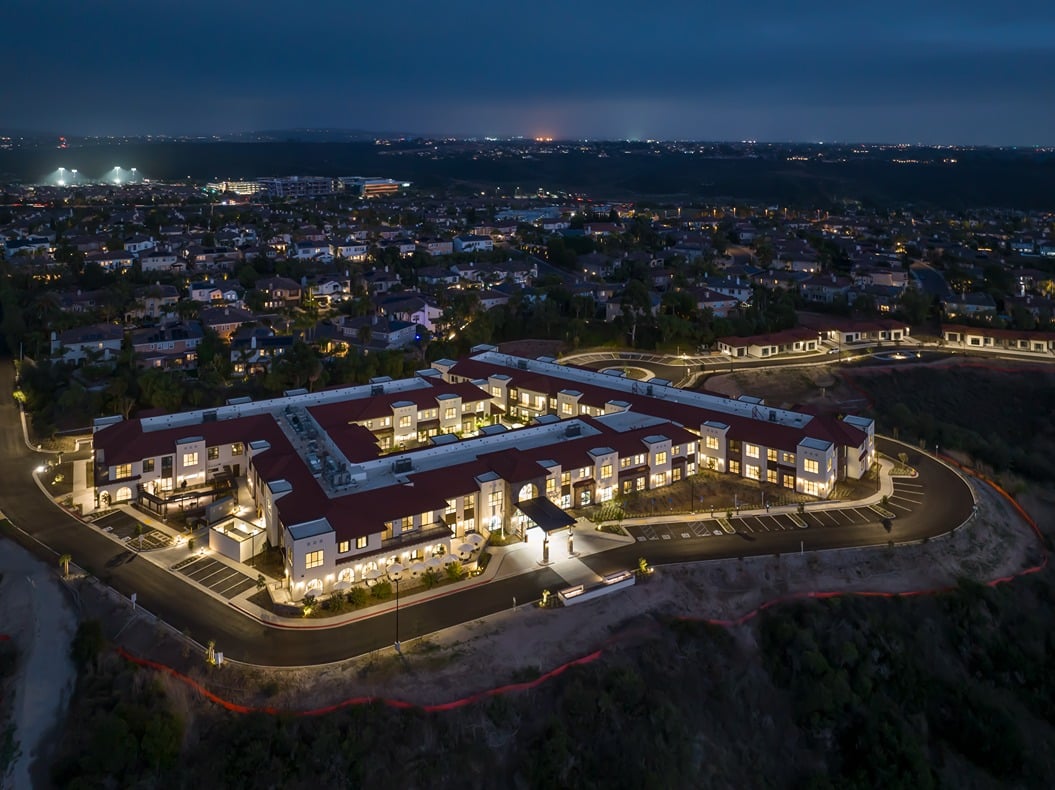
One standout option is Westmont of Carmel Valley, known for its compassionate care, exceptional amenities, and strong sense of community. Whether your loved one seeks a socially active setting or requires more focused care, Westmont Living’s offerings can meet those needs while offering peace of mind for families.

Understanding Assisted Living Options in San Diego

San Diego offers a range of senior living options that cater to both independent and assisted living needs. When comparing choices, it’s essential to consider which services best align with your loved one’s personal needs. While some communities prioritize independent living with minimal assistance, others focus on daily support, memory care, or rehabilitation services.

Westmont Living is among the best assisted living San Diego providers, offering flexible care plans and amenities that include social programming, fitness classes, wellness support, and 24-hour staff availability. Choosing the right environment begins with evaluating community culture, safety measures, staff qualifications, and resident feedback.

As an added bonus, many communities now recognize the importance of pet-friendly options, which not only enhance emotional well-being but also improve residents’ physical health. Read more about these thoughtful offerings at Assisted Living Options in San Diego.

Benefits of Choosing Assisted Living for Seniors

There are numerous advantages to selecting assisted living communities in San Diego for seniors. One of the most appealing benefits is the reduction in daily stress—seniors no longer have to worry about household chores, meal prep, or home maintenance. This frees them to spend time pursuing interests, attending social events, or simply relaxing.

At communities like Westmont Living, seniors enjoy maintenance-free living paired with seamless healthcare access. Medical professionals are available to assist with medications, therapies, and health monitoring. The environment also fosters social connection, which is crucial for emotional well-being and cognitive health.

To explore how assisted living supports residents’ unique health and lifestyle needs, check out the insights from Oceanview Senior Living.

Assessing the Needs of Your Loved One

Determining whether assisted living in San Diego is appropriate for your loved one begins with an honest evaluation of their current needs. Consider how much assistance they require with daily activities such as bathing, dressing, medication management, and meal preparation.

Here are some helpful criteria:

  • Mobility: Are there issues with balance, walking, or fall risk?
  • Medical Needs: Do they need help managing chronic conditions or medications?
  • Social Interaction: Do they feel isolated or lack opportunities for engagement?
  • Cognitive Function: Are memory concerns starting to interfere with daily life?

Families should also recognize the timing and signs that indicate it may be time to make the transition. Observing patterns such as forgetfulness, neglect of hygiene, or nutritional gaps can provide the push to begin exploring communities.

Exploring Costs and Financial Considerations

One of the most commonly asked questions is about assisted living San Diego prices. On average, assisted living in San Diego that accepts Medicare is more limited since Medicare typically doesn’t cover long-term care. However, some facilities do accept other forms of assistance, like Medicaid waivers, veterans’ benefits, or long-term care insurance.

Here’s a general breakdown of potential monthly costs:

Type of Care Estimated Monthly Cost Potential Financial Support
Assisted Living $4,019 Medicaid (in limited cases), Veterans Benefits
Dementia/Memory Care $5,530 Long-term Care Insurance
Skilled Nursing $7,000+ Medicare (short-term only), Medicaid
Personal Care Add-ons Varies Private Pay or Nonprofit Aid

These assisted living San Diego prices depend on location, level of care, amenities, and apartment size. For more on how pricing structures can vary, explore this helpful article on Senior Care Costs and Financing.

Many families are surprised to discover that, with proper planning and support, quality assisted living is within their reach.


assisted living san diego


Community Engagement and Family Involvement

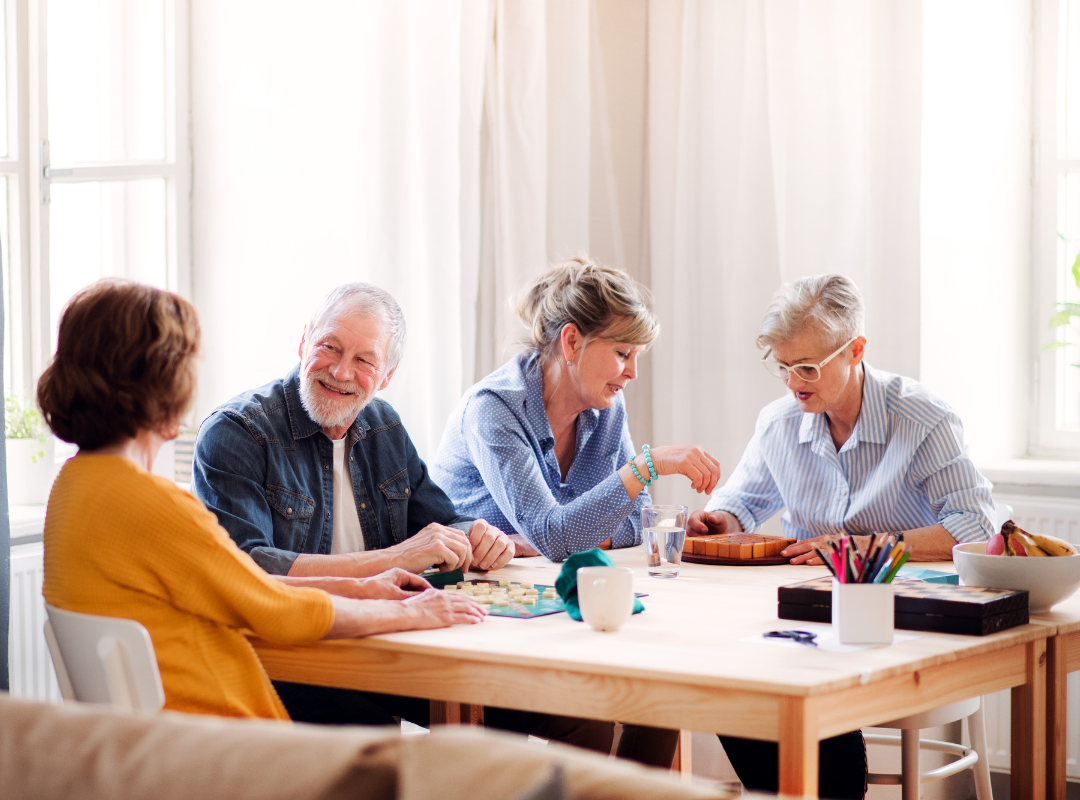
A critical factor in long-term satisfaction is the level of engagement residents have in their new home. The best assisted living San Diego communities, like Westmont of Carmel Valley, foster rich social calendars and encourage strong family connections. This helps combat loneliness and improves both mental and physical well-being.

Ways to enhance engagement include:

  • Attending community-hosted social and cultural events
  • Participating in wellness and fitness classes
  • Celebrating holidays and birthdays with family on-site
  • Contributing to resident councils and volunteer committees

Supporting social involvement is a cornerstone of Westmont Living, where families are invited to join community events and celebrations. Read more about effective engagement strategies in independent living communities.

The Role of Medicare and Medicaid

When researching assisted living in San Diego that accepts Medicare, it’s important to note that Medicare generally does not cover long-term residency costs. However, it may cover medical services such as physical therapy, hospital stays, or skilled nursing care provided on a short-term basis.

For those requiring financial aid, consider:

  • Medicaid Assisted Living Waivers: Limited and state-specific, but can help offset some costs.
  • Veterans Affairs Aid & Attendance Benefit: Often underutilized, this can significantly reduce expenses.
  • Long-Term Care Insurance: Some plans include assisted living coverage depending on policy terms.

Resources such as the California Department of Aging or BenefitsCheckUp can provide guidance on eligibility and aid programs.

Why Choose Westmont Living in San Diego?

If you’re exploring the best assisted living San Diego has to offer, Westmont of Carmel Valley stands out for its personalized care plans, luxury accommodations, and commitment to community connection. Their team works with each resident to understand their health needs, personal preferences, and lifestyle goals.

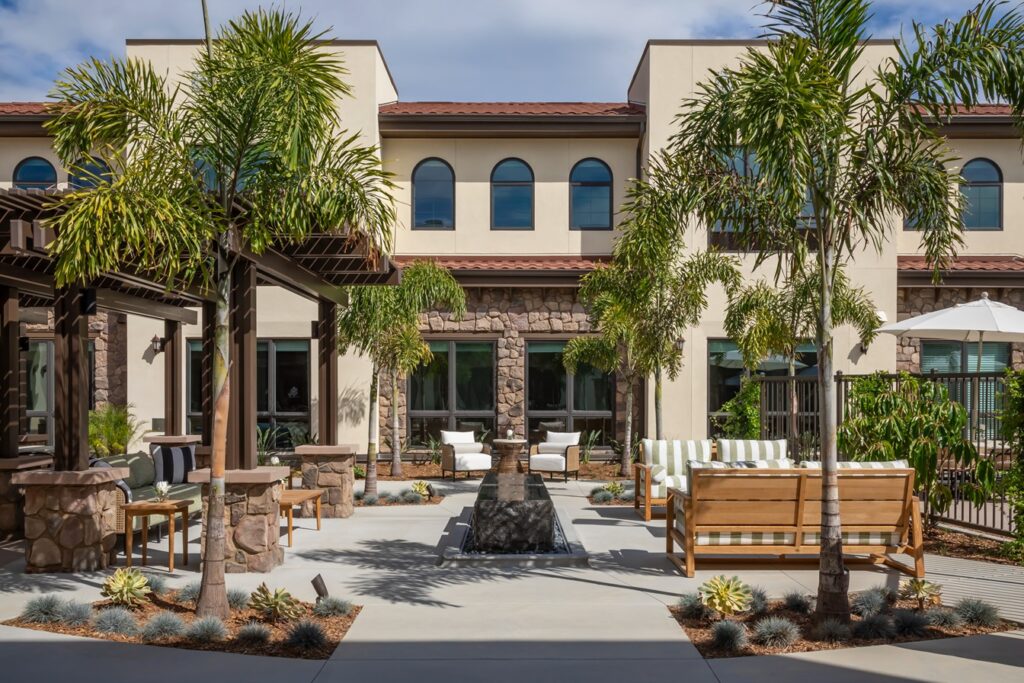
The facility blends natural beauty with modern comfort, offering gourmet meals, fitness centers, art studios, and spiritual services. It’s a place where seniors thrive with support, not feel limited by it.

Explore more about Westmont Living at Westmont of Carmel Valley or schedule a tour to experience the community firsthand.


Compare The Costs of Senior Living vs Staying at Home

How Do The Costs Of Moving Into A Quality Senior Care Community Compare With The Costs Of Staying At Home?


Frequently Asked Questions

How much does assisted living in San Diego cost?

The average cost of assisted living in San Diego is around $5,500 per month, though prices can vary depending on the level of care, location, and amenities offered. Communities with specialized services or luxury features may charge more. It’s essential to compare different facilities and request detailed pricing to understand what’s included. Some may offer bundled rates, while others charge separately for care services.

Does Medicare pay for assisted living in California?

Medicare does not cover the cost of assisted living in California or anywhere else in the U.S. It typically only covers medical services such as doctor visits, hospital stays, and short-term rehab; however, certain health-related services received while in assisted living—like physical therapy—may be covered. Medicare does not pay for long-term custodial care and housing costs.

Is it cheaper to live in an assisted living or nursing home?

In general, assisted living is less expensive than a nursing home. Assisted living typically ranges from $4,000 to $6,000 per month, while nursing homes can cost $9,000 or more due to the higher level of medical care provided. The right choice depends on the individual’s care needs and budget. Those requiring 24/7 skilled nursing care may have no choice but to opt for a nursing home.

Does insurance cover assisted living in California?

Most traditional health insurance plans in California do not cover assisted living. However, having a long-term care insurance policy in place may help offset some of the costs. Coverage varies by plan, so it’s essential to check the specific terms and benefits. Medicaid may help cover certain costs for eligible low-income individuals through specific programs.


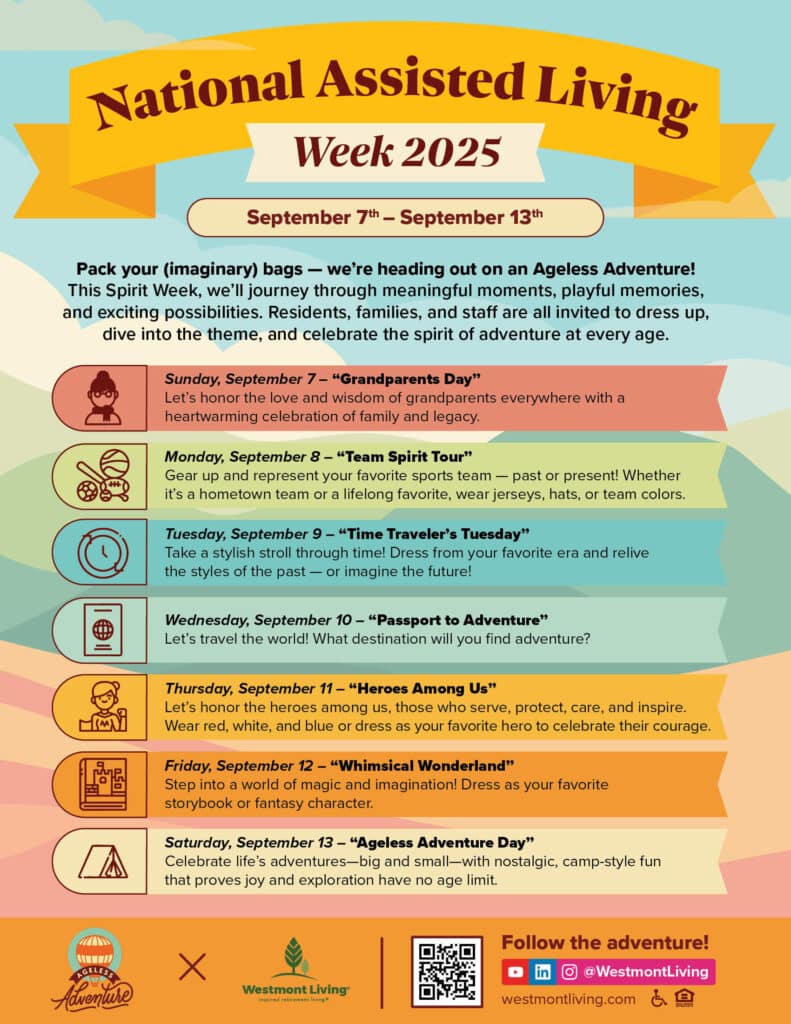
National Assisted Living Week 2025: Celebrating an Ageless Adventure Across Westmont Living Communities

Each September, assisted living communities across the country come together to celebrate National Assisted Living Week® (NALW) — a time to honor the residents, families, and team members who make senior living meaningful and full of heart.

This year’s theme, “Ageless Adventure,” encouraged everyone to rediscover the joy of exploration, creativity, and connection — a beautiful reminder that adventure has no age limit.

Across all Westmont Living communities, our residents and staff embraced the spirit of the theme, filling the week with laughter, storytelling, and unforgettable moments.


A Week of Celebration and Connection

Each day brought a new reason to smile:

  • Sunday – Grandparents Day
    We kicked off the week celebrating the love, legacy, and wisdom of grandparents with family gatherings, music, and heartfelt tributes.

  • Monday – Team Spirit Tour
    Communities proudly represented their favorite sports teams with jerseys, hats, and cheer-worthy enthusiasm.

  • Tuesday – Time Traveler’s Tuesday
    Residents and staff traveled through time with vintage outfits and nostalgic decorations.

  • Wednesday – Passport to Adventure
    Culinary and cultural celebrations highlighted flavors and traditions from around the world.

  • Thursday – Heroes Among Us
    We recognized everyday heroes who inspire us — from veterans and first responders to caregivers and community leaders.

  • Friday – Whimsical Wonderland
    A magical day of costumes and creativity, where residents dressed as favorite storybook and fantasy characters.

  • Saturday – Ageless Adventure Day
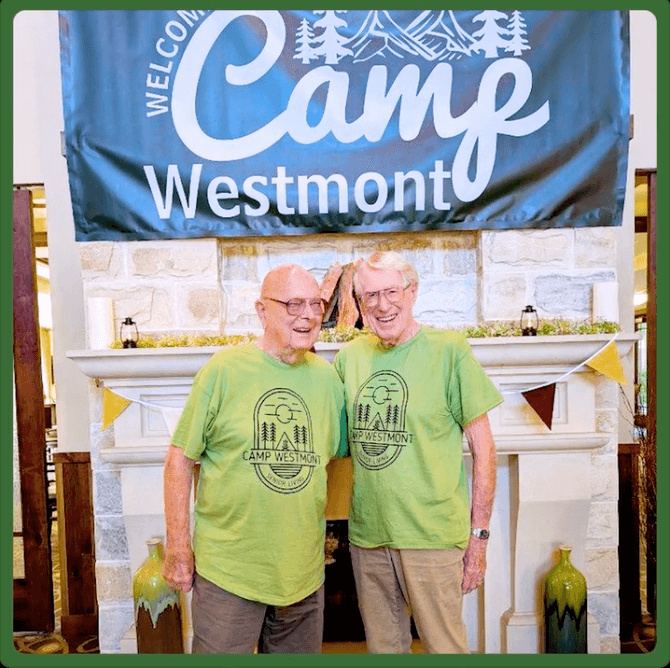
    We wrapped up the week with nostalgic camp-style fun and reflection on how life’s greatest adventures never end.


Adventure Without Age

At its heart, National Assisted Living Week was a celebration of connection, joy, and purpose. Residents reflected on personal adventures, staff deepened their relationships, and families came together to share in the moments that make life at Westmont Living truly meaningful.


🎥 Watch the Highlights

We’re proud to share a special video featuring our communities from California to Oregon as they celebrated this year’s Ageless Adventure together.


At Westmont Living, we believe that every day is an opportunity to explore, create, and connect.

Thank you to our residents, families, and team members for making this year’s celebration one to remember.

#AgelessAdventure #NALW2025 #WestmontLiving #SeniorLivingWithHeart #LiveYourWay

Thoughtful Questions to Ask Elderly People to Unlock Wisdom and Memories

Looking to spark meaningful conversations with seniors? Knowing the right questions to ask elderly people can help unlock cherished stories, wisdom, and laughter. Whether you’re visiting a loved one at Westmont of Carmel Valley or engaging with residents in your community, these conversations offer connection, joy, and valuable life lessons. In this guide, we explore fun, reflective, and insightful prompts that strengthen intergenerational relationships and celebrate aging with dignity.

For more details about our welcoming community, visit Westmont of Carmel Valley.


Discovering Cherished Family Traditions

Legacy in Every Recipe

Ask seniors about family rituals that shaped their upbringing. Many will joyfully recall:

  • Annual holiday traditions
  • Special meals handed down for generations
  • Cultural customs that defined family gatherings

These stories offer a gateway into personal values and family history. It’s also a great chance to introduce related topics like nutrition and meal planning, as food often plays a central role in memories.

Fun questions to ask elderly people

  • What was your favorite holiday growing up?
  • What recipe do you most enjoy passing down?
  • What’s one tradition you’d want your great-grandkids to continue?

Childhood Games and Adventures

Timeless Play and Imagination

Want a glimpse into the simpler joys of yesteryear? Ask about childhood games. Seniors might fondly share:

  • Climbing trees and building forts
  • Long summer days playing tag
  • Nature walks and treasure hunts

You can even relate these stories to nature-based activities like this scavenger hunt experience offered at Oceanview Senior Living.

Funny questions to ask older adults

  • What was the silliest thing you did as a kid?
  • Did you ever prank your siblings?

Were you more likely to get into trouble or stay out of it?


Life Lessons From the Heart

Wisdom Through the Decades

There’s no better way to grow than by learning from those who’ve already walked the path. When you ask seniors about life’s highs and lows, you receive priceless advice. Topics like:

  • Embracing change and evolving with time
  • Staying resilient through hard times
  • Investing in lifelong relationships

These themes pair beautifully with hobbies and wellness topics like cognitive enhancement through hobbies.

Questions to ask older adults about life

  • What’s one lesson you wish you’d learned sooner?
  • How did you handle big life transitions?
  • Who influenced your view of the world the most?

Navigating Change

From adapting to new technology to managing personal loss, seniors often share that flexibility and community support are key. Tools like social connections in senior communities help make transitions easier.

Historic Perspectives From Living Witnesses

Firsthand Stories That Shape Generations

A compelling angle is asking older adults about the historical events they lived through. These recollections personalize what textbooks often lack:

  • War and peace-time memories
  • Social and civil rights movements
  • Cultural and technological shifts

Whether it’s surviving the Great Depression or watching the moon landing, these moments shaped their worldview—and may influence yours.

Questions to ask elderly parents about their lives

  • What major event changed your life forever?
  • How did your family cope during wartime?
  • What was your reaction to the first TV or phone?

For a deeper dive into dementia-related historical storytelling, check out this resource from Alzheimer’s Association.

Career Wins and Workplace Wisdom

From Punch Cards to Promotions

Seniors have decades of workplace wisdom to share. Ask them about career achievements and the obstacles they overcame. You’ll often find gems like:

  • Lessons in teamwork
  • Stories of mentorship
  • Insights into workplace culture then vs. now

Encourage them to share what they’re proud of—it offers validation and celebration of their life’s work.

Questions to ask elderly people

  • What was your first job?
  • What’s one challenge at work you overcame?
  • What advice would you give someone just starting their career?

Assessing Aging and Well-being

Reflecting on Needs and Growth

Meaningful conversations can extend to care needs and healthy aging. Use prompts that explore:

  • Lifestyle choices that support aging
  • Physical, mental, and emotional wellness
  • Resources like care assessments

Touch on topics like physical movement, hobbies, or nutrition to keep the conversation engaging.

Passions That Lit the Way

Hobbies as a Window to the Soul

Ask about the pastimes that brought them joy, from gardening to painting to reading. These discussions can:

  • Reveal untold talents
  • Spark new ideas for shared activities
  • Celebrate the beauty of aging with purpose

Let them guide the conversation, and don’t be surprised if they invite you to try one of their favorite hobbies. Learn more about the benefits of purposeful aging via National Institute on Aging.

Fun questions to ask elderly people

  • What’s one thing you still dream of doing?
  • What hobby would you recommend to everyone?
  • What’s a skill you’re proud of mastering?

An Invitation to Explore Life Stories

Engaging with older adults using thoughtful, funny, and life-enriching prompts helps nurture mutual respect and understanding. These questions to ask elderly people—from heartfelt to humorous—unlock decades of wisdom and adventure.

Whether you’re asking fun questions to ask elderly people, diving deep with questions to ask older adults about life, or discovering lineage with questions to ask elderly parents about their lives, every answer is a priceless thread in the fabric of connection.

So next time you’re at Westmont of Carmel Valley, don’t hesitate. Ask. Listen. Laugh. And honor their stories.

If you’re interested in visiting or learning more about our senior living community, schedule a tour here or call us at 858-465-7356.

Start the Conversation Today

Don’t wait for the perfect moment—create it. The seniors in your life hold a treasure trove of stories, laughter, and life lessons. With just a few questions to ask elderly people, you’ll discover more than memories—you’ll find connection.

Let your next visit be filled with conversation, curiosity, and care. Explore Westmont of Carmel Valley to see how we celebrate every story, every day.


What Level of Care Do You Need?

Discover the level of care you or your family member requires. 


Frequently Asked Questions

What is the 20 Questions game for seniors?

The 20 Questions game for seniors is a fun and engaging activity where one person thinks of an object, person, or place, and others ask up to 20 yes-or-no questions to guess what it is. This game stimulates memory, logical thinking, and creativity while also sparking conversation. It’s simple to play, requires no special materials, and can be adapted for group or one-on-one settings. Seniors enjoy it because it promotes social interaction and keeps the mind active in a lighthearted way.

What questions to ask the elderly?

When asking questions to the elderly, it’s best to focus on topics that encourage them to share their experiences and wisdom. You might ask about their childhood memories, career highlights, favorite traditions, or life lessons. These questions help them feel valued and respected while also strengthening connections with family and friends. Simple, open-ended questions are most effective in sparking meaningful conversations.

What are 10 questions to ask adults?

Ten good questions to ask adults can focus on personal interests, values, and experiences. For example, you might ask: What’s your favorite book? Who has inspired you the most? What’s the best trip you’ve ever taken? What’s one lesson you’ve learned the hard way? These types of questions open up conversations that are thoughtful and personal. Asking questions like these fosters deeper understanding and helps build stronger connections.

What are 50 questions to ask adults?

Fifty questions to ask adults can cover a wide range of topics such as family, hobbies, work, travel, and personal goals. These can include fun and lighthearted questions like “What’s your favorite meal?” to more reflective ones like “What advice would you give your younger self?” Such a variety keeps conversations lively and prevents them from becoming repetitive. Having a long list of questions is especially helpful for group activities, social gatherings, or family time. It ensures everyone has a chance to share and connect in different ways.


Cough in Old Age: Is It Just a Cold?

Coughing is a common symptom that many people associate with the common cold or minor throat irritation. However, a cough in old age can be a sign of more serious underlying issues that demand attention. As we grow older, the immune system weakens, the lungs become less efficient, and other health conditions can contribute to more frequent or severe coughing. This is why understanding the cause, type, and timing of a cough is essential in elderly care.

Whether it’s a persistent dry cough in elderly women or elderly coughing at night disrupting rest, each episode should be taken seriously. In many cases, coughs are symptoms of manageable illnesses, but they can also signal infections, chronic diseases, or medication side effects. Knowing when you should worry about a cough in elderly individuals can significantly improve their health outcomes. Let’s explore the causes, symptoms, and treatment options in more detail to help you make informed decisions.

Understanding Acute Cough in the Elderly

As one of the most frequent reasons seniors visit their doctor, an acute cough is often the body’s way of clearing irritants from the airway. In older adults, however, even brief coughs can lead to complications due to age-related declines in immunity and respiratory function. Viral infections are the most common cause, but the recovery process tends to be slower in seniors.

It’s crucial to recognize that an acute cough can escalate into serious complications, especially when compounded by other illnesses. Seniors are also more vulnerable to influenza and pneumonia, so maintaining strong preventative care is key. Learn more about how these infections affect seniors by reading about the dangers of influenza in older adults.

Common Causes of Cough in Older Adults

So, why do the elderly cough so much? The causes vary, but some common culprits include:

  • Respiratory infections like colds, flu, and bronchitis
  • Chronic illnesses such as COPD and asthma
  • Heart conditions, which can cause fluid buildup in the lungs
  • Post-nasal drip and allergies
  • Medication side effects, especially from ACE inhibitors

Recognizing these triggers is crucial for selecting the appropriate course of treatment. If your loved one exhibits a lingering or worsening cough, especially with other symptoms like fever or fatigue, it’s best to seek professional care. Regular medical evaluations can help detect problems early and reduce risks.

Types of Cough and What They Mean

Understanding the different types of coughs can help you assess their severity and determine the appropriate treatment needs. These include:

  • Wet cough: Involves mucus and is typically a sign of infection
  • Dry cough: Often caused by allergies, medications, or irritants
  • Paroxysmal cough: Sudden and intense coughing, sometimes associated with asthma or pertussis
  • Nocturnal cough: Elderly coughing at night may point to heart failure, GERD, or chronic bronchitis

A dry cough in elderly women might be dismissed as minor, but when it persists for weeks or worsens over time, it may signal more serious conditions. Pay attention to accompanying symptoms and talk to a healthcare provider when unsure. For more on identifying serious respiratory issues, explore the importance of early detection.

When Should I Worry About a Cough in the Elderly?

When should I worry about a cough in elderly patients or loved ones? Here are key red flags:

  • Lasts longer than 3 weeks
  • Produces green, yellow, or bloody mucus
  • Accompanied by fever, fatigue, or chest pain
  • Interferes with sleep or causes shortness of breath
  • Leads to weight loss or confusion

These symptoms can indicate a more serious problem, such as pneumonia, heart failure, or even lung cancer. A comprehensive cough evaluation is essential. Learn more about chronic cough symptoms and what they can reveal by reading this article.


cough in old age


Effective Elderly Cough Treatment Options

Proper elderly cough treatment depends on the cause. Options include:

  • Medications: Antihistamines, decongestants, or antibiotics (if bacterial infection is present)
  • Home remedies: Honey, warm fluids, herbal teas
  • Environmental controls: Humidifiers to ease airway irritation, avoiding smoke
  • Lifestyle changes: Staying active, improving nutrition, and monitoring other chronic conditions

Simple remedies like warm honey-lemon tea and steam inhalation can bring relief. However, if symptoms persist, prescription medications or additional tests may be required. It’s vital to approach treatment holistically. The CDC also offers valuable resources for managing respiratory symptoms in seniors (CDC – Respiratory Health).

Natural Remedies Lifestyle Modifications
Honey for soothing Use of humidifiers
Warm herbal teas Avoiding smoke/irritants
Steam inhalation Staying well hydrated

For those managing chronic lung disease, consult your physician before taking over-the-counter products, as some may interact with current medications.

Preventing Elderly Coughing at Night

Nighttime coughing disrupts sleep and can lead to fatigue and worsening health. To manage an elderly person coughing at night, try the following:

  • Elevate the head during sleep
  • Avoid late-night meals that may trigger acid reflux
  • Use a vaporizer or humidifier
  • Stay away from allergens and dust

If nighttime coughing becomes a pattern, it might indicate heart problems or sleep apnea. Professional assessment and targeted treatment can significantly improve comfort and quality of life.

Supportive Senior Living Solutions

At Westmont of Carmel Valley, we take a proactive approach to senior health. Our experienced caregivers understand the challenges of managing a cough in old age, and we provide support through:

  • Regular health checks
  • Medication management
  • Comfortable living conditions
  • Access to on-site or affiliated medical professionals

You can explore our services or schedule a tour to see how we foster a healthier, safer living environment for seniors.

Take Action Before the Cough Worsens

A persistent cough in old age is not something to take lightly. Whether you’re managing a dry cough in elderly women, trying to understand why the elderly cough so much, or need help with elderly cough treatment, timely attention is crucial. Don’t wait until symptoms become severe or chronic. Being proactive can prevent complications and support a healthier lifestyle.

If you or someone you love is experiencing unexplained or persistent coughing, please contact your healthcare provider immediately. For trusted care and compassionate support, contact Westmont of Carmel Valley at 858-465-7356 or visit our community: Westmont of Carmel Valley.


Find Where You Belong

Dive into the vibrant life our Westmont communities have to offer.


Frequently Asked Questions

When is a cough serious in the elderly?

A cough in the elderly becomes serious when it lasts more than three weeks, produces blood, or is accompanied by weight loss, fever, or difficulty breathing. It could indicate pneumonia, chronic bronchitis, heart failure, or even lung cancer. If the cough interferes with sleep or daily activities, medical attention is strongly advised. Early diagnosis can help prevent complications.

How do you stop an elderly cough?

To stop a cough in the elderly, first identify the underlying cause, such as infection, allergies, acid reflux, or medication side effects. Treatment may include cough suppressants, inhalers, hydration, or antibiotics if an infection is present. Keeping indoor air moist and avoiding irritants like smoke can also help. Always consult a healthcare provider before starting any treatment.

What causes a prolonged cough in adults?

A prolonged cough in adults is often caused by postnasal drip, asthma, gastroesophageal reflux disease (GERD), or chronic bronchitis. Certain medications, like ACE inhibitors for high blood pressure, can also lead to persistent coughing. Environmental irritants and untreated infections may be contributing factors. If the cough lasts longer than 8 weeks, medical evaluation is recommended.

What causes coughing at the end of life?

Coughing at the end of life is commonly caused by fluid buildup in the lungs, infections, or the body’s reduced ability to clear the airway. It may also be due to terminal illnesses like advanced cancer or heart failure. In palliative care, treatment focuses on relieving discomfort using medications and supportive care. The goal is to maintain comfort and quality of life.


Tackling Caregiver Burnout: From Stress to Strength

Providing daily care for a loved one can be incredibly fulfilling, but it also comes with emotional, mental, and physical demands that can lead to caregiver burnout. This state of exhaustion often sneaks up gradually, making it hard for caregivers to notice the toll it’s taking on their health. Whether you’re helping an aging parent, a spouse, or a family friend, acknowledging the stress of caregiving is essential for maintaining long-term balance.

Understanding the warning signs and knowing the available caregiver burnout treatment options can help you regain control of your life. By learning how to manage stress, recognize caregiver burnout symptoms, and navigate the stages of caregiver burnout, you can ensure your well-being while continuing to support your loved one. Westmont of Carmel Valley is committed to supporting caregivers on this challenging path. Visit us at Westmont of Carmel Valley for more resources.

Understanding the Impact of Caregiver Burnout

Caregiver burnout is a state of chronic stress that results in physical, emotional, and mental exhaustion. Over time, the daily responsibilities of caregiving can overwhelm even the most dedicated individuals. It’s especially common among spouse caregivers, who may feel an unrelenting sense of duty, making it even harder to ask for help.

Burnout often progresses through several phases. The early stages of caregiver burnout might involve emotional fatigue and feeling overwhelmed, while the later stages can lead to depression, resentment, or complete detachment from the caregiving role. Recognizing these patterns can help you intervene before burnout becomes debilitating.

Whether you’re caring for someone part-time or around the clock, knowing your limits and setting healthy boundaries is essential. For tips on integrating self-care strategies into your routine, visit this helpful guide.

Identifying Caregiver Burnout Symptoms

Early detection of caregiver burnout symptoms can make a tremendous difference. These symptoms are often mistaken for general fatigue or stress, making them easy to overlook. Some of the most common signs include:

  • Emotional exhaustion or feelings of helplessness
  • Chronic irritability or mood swings
  • Difficulty sleeping or frequent insomnia
  • Headaches, body aches, or unexplained fatigue
  • Withdrawal from social activities or hobbies
  • Changes in appetite or weight

Pay attention to how you’re feeling physically and emotionally. Caregivers who overlook these warning signs often find themselves unable to continue providing effective care. Your mental and emotional health are just as important as the well-being of the person you’re helping. Read more about emotional health in senior care to better understand the role your mood and outlook play in caregiving success.

Exploring Caregiver Burnout Treatment Options

Recovering from caregiver burnout is possible with the right approach. The first step is recognizing that you need support, followed by taking action to implement effective caregiver burnout treatment methods. Here are some evidence-based strategies:

  • Therapy or counseling – Professional help can guide you through emotional challenges.
  • Support groups – Sharing with others who understand can be incredibly validating.
  • Respite care – Take breaks without guilt by utilizing short-term relief services.
  • Healthy lifestyle – Eat well, stay active, and prioritize sleep to regain energy.

Taking even small steps each day can help reverse the effects of burnout. Resources like Mental Health America and the Family Caregiver Alliance offer great advice and tools for building resilience.

Managing the Strain of Spouse Caregiver Burnout

Spouse caregiver burnout can feel especially intense due to the emotional connection between partners. When one spouse becomes the full-time caregiver, the relationship dynamic often shifts from one of companionship to one of obligation. This can lead to feelings of guilt, loss, or resentment, all of which are valid and common.

If you’re in this position, it’s essential to maintain your identity outside of the caregiver role. Speak openly with friends or a therapist about your feelings, and find time to engage in activities that bring you joy. Accepting that you cannot do everything alone is not a sign of failure—it’s a path toward sustainable caregiving.

Building a network of support around you is one of the most effective ways to reduce the weight of responsibility. Explore resources like AARP’s caregiving hub for additional guidance on navigating this unique challenge.


The Importance of Emotional Self-Care

Preventing Burnout by Understanding the Stages of Caregiver Burnout

Awareness of the stages of caregiver burnout can help you track your emotional health and take action early. These stages often unfold as follows:

  1. Enthusiasm and commitment – You start motivated and eager to help.
  2. Stress and frustration – Challenges start piling up, and energy begins to wane.
  3. Chronic exhaustion – Emotional and physical fatigue become constant.
  4. Burnout and detachment – You feel disconnected or numb about caregiving.
  5. Total burnout – Inability to cope, often requiring urgent intervention.

Learning to identify which stage you’re in helps you know when to reach out for help. Burnout doesn’t happen overnight, and recognizing its progression allows for earlier and more effective intervention.

Practical Solutions and Self-Care for Long-Term Wellness

To sustain your ability to care for others, you need to make room for your health. Start with these simple but effective strategies:

  • Delegate tasks – Involve family, friends, or hire part-time help.
  • Schedule personal time – Even 15 minutes daily can recharge your energy.
  • Practice relaxation techniques – Breathing exercises or journaling can ease stress.
  • Stay connected – Don’t isolate yourself. Social support is essential.

Incorporating senior companionship or activities that bring both you and your loved one joy can enhance your bond and reduce stress.

Legal and Financial Support for Caregivers

Legal and financial issues can add to caregiver stress if left unaddressed. Ensure you have documents such as healthcare directives and powers of attorney in place. Financially, review options such as Medicaid coverage, long-term care insurance, or government support programs.

Understanding senior care costs can help you better plan for the future and reduce the uncertainty that often contributes to burnout.

Building a Supportive Caregiving Community

No one should face the challenges of caregiving alone. Community can come in many forms—neighbors, professionals, friends, or other caregivers. Consider joining:

  • Local caregiver workshops
  • Facebook groups or online forums
  • Faith-based or nonprofit caregiver outreach programs
  • Recreational or cultural events to maintain social connections

Engaging in social and cultural activities is a powerful way to maintain your identity and emotional wellness during your caregiving journey.

Take the First Step Toward Balance and Healing

Being a caregiver doesn’t mean sacrificing your own health or happiness. The weight you carry is real, and caregiver burnout is not something to ignore. By learning to identify caregiver burnout symptoms, embracing supportive caregiver burnout treatment, and recognizing the stages of caregiver burnout, you can regain your energy and reclaim your peace of mind.

If you’re experiencing spouse caregiver burnout, know that help is available and that you are not alone. At Westmont of Carmel Valley, we’re here to support you through every phase. Call us at 858-465-7356 or schedule a tour today to learn more about how our community can offer relief and support on your caregiving journey.


Compare The Costs of Senior Living vs Staying at Home

How Do The Costs Of Moving Into A Quality Senior Care Community Compare With The Costs Of Staying At Home?


Frequently Asked Questions

What are the signs of caregiver burnout?

Caregiver burnout can manifest through emotional, physical, and mental exhaustion. Common signs include irritability, fatigue, trouble sleeping, feelings of hopelessness, and withdrawing from loved ones. You may also experience changes in appetite, frequent illnesses, or a loss of interest in activities you once enjoyed. Recognizing these symptoms early is key to seeking support and maintaining your well-being.

What are the five stages of burnout?

The five stages of burnout include the honeymoon phase, onset of stress, chronic stress, burnout, and habitual burnout. It starts with high energy and commitment, but gradually leads to physical and emotional fatigue. Over time, stress can become persistent and develop into full-blown burnout, affecting your daily functioning. Habitual burnout is the most severe stage and often requires professional help to recover.

What is caregiver breakdown?

Caregiver breakdown occurs when a caregiver’s mental and physical health deteriorates due to prolonged stress and lack of support. It can result in overwhelming exhaustion, depression, and even physical illness. This often occurs when caregivers neglect their own needs in order to focus entirely on the care recipient. Preventing breakdown involves setting boundaries and asking for help when needed.

Can you get PTSD from caregiving?

Yes, caregiving—especially in high-stress or traumatic situations—can lead to PTSD (Post-Traumatic Stress Disorder). This is more common when caregivers witness medical emergencies, aggression, or deterioration in a loved one’s health over time. Symptoms may include flashbacks, anxiety, nightmares, and emotional numbness. Seeking therapy or support groups can help manage and reduce these symptoms.


Boost Fitness with an Exercise Bike Workout for Seniors

As we age, staying active becomes even more essential—but it doesn’t have to mean high-impact routines or strenuous movements. A well-structured exercise bike workout for seniors can offer the perfect balance of comfort, safety, and effectiveness. Whether you’re recovering from an injury, managing joint pain, or simply looking for a consistent and enjoyable way to stay fit, an exercise bike can be your ideal companion.

At Westmont of Carmel Valley, we emphasize safe, accessible ways for seniors to enhance their well-being. In this guide, we’ll explore the benefits of stationary biking, explain how to get started at home, and share options like free exercise bike workouts for seniors, YouTube programs, and tailored regimens using the best exercise bike for seniors.

Why Choose an Exercise Bike Workout for Seniors?

Joint-Friendly and Heart-Healthy

A major benefit of an exercise bike workout for seniors is its low-impact nature. This form of cardio minimizes stress on your knees, hips, and ankles while promoting cardiovascular strength. It’s ideal for those with arthritis or limited mobility. Using a recumbent bike, in particular, adds back support and a relaxed seated position for extra comfort.

Easily Adjustable to Your Needs

Exercise bikes allow you to control resistance, pace, and duration, making them suitable for any fitness level. Whether you’re just starting out or looking to maintain endurance, options like the best exercise bike workout for seniors offer scalable routines.

Pairing cycling with leg strengthening exercises can also boost balance and help prevent falls, an essential benefit as you age.

Features to Look for in the Best Exercise Bike for Seniors

When selecting equipment, comfort and safety are paramount. Here’s what to look for in the best exercise bike for seniors:

  • Recumbent Design: A reclining seat offers support and stability, making workouts safer.
  • Easy-to-Use Controls: Seniors benefit from simple displays and intuitive resistance settings.
  • Built-in Programs: Some models offer guided workouts ideal for beginners or those wanting a structured routine.

You’ll find many options online or in-store, including affordable models that support a free exercise bike workout for seniors at home.

Exercise Bike Workout for Seniors at Home

Starting a home exercise bike routine can be simple and enjoyable. Here are a few tips for setting up an effective exercise bike workout for seniors at home:

  1. Create a Dedicated Space: Set up your bike near a window or in front of a TV for extra motivation.
  2. Follow a Schedule: Try biking for 20-30 minutes three to five times per week.
  3. Warm-Up & Cool-Down: Always begin and end with gentle pedaling and stretches to avoid injury.

Many seniors find success using online resources like exercise bike workouts for seniors on YouTube channels. These videos provide step-by-step guidance, music, and motivational tips tailored to older adults.

✅ Explore free online programs like SilverSneakers YouTube Channel or HASfit Seniors Workout for a free exercise bike workout for seniors you can do anytime.


exercise bike workout for seniors


Best Exercise Bike Workout for Seniors: Sample Routines

Here are three routines to try today, each designed to improve different aspects of senior fitness:

1. Beginner Ride (15 minutes)

  • Warm-up: 5 minutes, low resistance
  • Steady Pace: 7 minutes at moderate intensity
  • Cool-down: 3 minutes easy pedaling

Great for those new to biking, this is the best exercise bike workout for seniors just starting their journey.

2. Heart Health Interval (20 minutes)

  • Alternate: 1 minute fast, 2 minutes slow (5 rounds)
  • Benefits: Boosts heart rate, improves endurance

Try following an exercise bike workout for seniors YouTube interval video to stay motivated.

3. Endurance Ride (30 minutes)

  • Maintain: A steady, moderate pace for the full duration
  • Target: Cardiovascular improvement and calorie burn

Don’t forget to hydrate and take breaks when needed.

Tips for a Safe & Comfortable Ride

Even the best exercise bike workout for seniors is only effective if performed safely. Consider these tips:

Adjust Your Bike Properly

Ensure the seat is at the right height to avoid knee strain. Your leg should be slightly bent at the bottom of each pedal stroke. The seat’s distance from the handlebars should allow you to sit upright without leaning forward uncomfortably.

Monitor Your Heart Rate

Use a wearable tracker or monitor built into your bike. Aim to stay within 50-70% of your maximum heart rate. Too high? Reduce resistance. Too low? Pick up the pace a little.

Listen to Your Body

Exercise should be challenging, but not painful. If you feel dizzy, fatigued, or in discomfort, stop immediately and consult a health professional.

For more support, access quality health care through your assisted living community. It can make a big difference in how you exercise safely.

Making the Most of Your Routine

To maximize your results, combine your biking sessions with other senior wellness activities:

  • Strength Exercises: Include resistance bands or light weights off the bike
  • Healthy Meals: Proper senior nutrition boosts energy and aids recovery
  • Mobility Training: Improve flexibility and reduce stiffness

Also, consider integrating customized workout routines for even better results.

Check out the National Institute on Aging’s Exercise Guide or the CDC’s Healthy Aging resource for more insights on senior health and physical activity.

Final Thoughts: Pedal Toward a Healthier Tomorrow

Incorporating an exercise bike workout for seniors into your daily routine can be life-changing. With easy-to-follow routines, online resources like exercise bike workouts for seniors on YouTube, and the support of your community, staying active has never been more achievable.

Whether you’re opting for a free exercise bike workout for seniors or investing in the best exercise bike for seniors, remember to listen to your body and enjoy the ride. At Westmont of Carmel Valley, we’re here to help you thrive through every stage of your fitness journey.

Want to learn more or visit our community? Give us a call at 858-465-7356 or schedule a tour today.


What Level of Care Do You Need?

Discover the level of care you or your family member requires. 


Frequently Asked Questions

How long should a senior use a stationary bike?

Most seniors benefit from using a stationary bike for 20 to 30 minutes per session, several times a week. It’s important to start slowly and gradually increase duration and intensity based on fitness level. Always consult a doctor before beginning a new exercise program. Regular cycling improves heart health, mobility, and muscle strength without joint strain.

Can you lose belly fat by riding a stationary bike?

Yes, riding a stationary bike can help reduce belly fat as part of an overall fat-loss plan. It burns calories, boosts metabolism, and targets core muscles when done consistently. Combining cycling with a healthy diet enhances results. However, spot reduction isn’t possible—fat loss occurs throughout the body.

Is a stationary bike as good as walking for seniors?

For many seniors, a stationary bike is just as effective as walking and can even be a better option for those with joint pain or balance issues. It provides a low-impact cardiovascular workout and strengthens the lower body. The bike also allows control over intensity and duration. Both exercises offer excellent health benefits when done regularly.

Is 30 minutes a day on a stationary bike enough?

Yes, 30 minutes a day on a stationary bike is typically enough for seniors to maintain or improve overall fitness. It promotes heart health, burns calories, and supports muscle tone. For added benefits, consistency and variety in workout intensity are key. As always, listen to your body and adjust as needed.


Celebrating Centenarians Day: Honoring Our Remarkable Residents Across Our Communities

On September 22nd, we celebrate the first day of fall along with joining people around the world in celebrating Centenarians Day. It’s a special occasion dedicated to honoring those who have reached the incredible milestone of 100 years or more. This day is not only about celebrating longevity, but it’s about cherishing the wisdom, history, and enduring presence of centenarians in our lives.

Across all of our Communities, we are honored to have 24 extraordinary residents who are 100 years young and beyond, including 13 who have surpassed the century mark. Each one of them is a living connection to history, carrying with them stories that span a century of experiences, triumphs, and memories. Their journeys remind us of the resilience of the human spirit and the beauty of a life well-lived.

What Centenarians Day Means

  • Celebrating Longevity: Reaching 100 years is a remarkable achievement, a testament to strength, perseverance, and vitality.
  • Honoring Wisdom and History: Our centenarians are storytellers of times past, offering invaluable lessons, insights, and a bridge between generations.
  • Gratitude for Contributions: We celebrate not just their years, but their lifelong contributions, impacting families, communities, and the world in meaningful ways.

On this day, we encourage our centenarians, along with all our Residents, to continue to Live Your Way®. At Westmont Living, Live Your Way® means embracing life on your terms—with your style, your choices, and your passions. The legacies of our centenarians inspire us to live with gratitude, purpose, and joy each day.

To our 24 centenarian residents, thank you for your wisdom, your stories, and your shining example of resilience. Today and every day, we celebrate you.


Centenarians 2025

Lakeview Senior Living
William Walton – Born 1924 – Age 101
Westmont of Chico
Hope Heintz – Born 1924 – Age 101
Evelyn Penick – Born 1925 – Age 100
Dave Elliotte – Born 1924 – Age 101
Barbara Carney – Born 1923 – Age 102
Westmont of Escondido
Iris Wicks – Born 1923 – Age 101
The Oaks at Nipomo
Erving Morlee – Born 1924 – Age 100
Westmont at San Miguel Ranch
Maria Escarcega – Born 1925 – Age 100
Walter “Walt” Travis – Born 1924 – Age 101
Gracie Hill – Born 1925 – Age 100
Westmont of Brentwood
Bettye Sturla – Born 1925 – Age 100
Geraldine Baker – Born 1923 – Age 102
Constance Daniels-Idle – Born 1921 – Age 103
Westmont of Carmel Valley
Dorothy Goo – Born 1924 – Age 101
Westmont of Culver City
Betty Kronick – Born 1921 – Age 103
Westmont of Cypress
Terri Tamaru – Born 1925 – Age 100
Westmont of Encinitas
Beverly Evans – Born 1924 – Age 101
Rose Chang – Born 1924 – Age 100
Peter Sanzo – Born 1922 – Age 103
Westmont of Fresno
Vicki Coughlin – Born 1924 – Age 101
Georgia Hobson – Born 1925 – Age 100
Westmont of Morgan Hill
Florence Boyce – Born 1925 – Age 100
Westmont of Riverside
Inez-Blanche Holmes – Born 1922 – Age 102
Lois Wurschinger – Born 1925 – Age 100
Marina Gabus – Born 1920 – Age 105
Harold Platt – Born 1925 – Age 100


Nutritious Snacks for Seniors to Boost Energy & Wellness

When it comes to maintaining energy and overall health, choosing the right snacks for seniors is essential. At Westmont of Carmel Valley, we’ve found that small, intentional dietary changes can significantly improve wellness and daily vigor. Whether you’re caring for yourself or helping a loved one, the right snacks can make all the difference.

From protein-packed yogurt to soft snacks for the elderly with chewing difficulties, there are endless options for every taste and dietary need. This guide explores delicious, practical, and easy-to-prepare snack ideas—including homemade snacks for seniors, packaged snacks for the elderly, and nutrient-dense smoothies—that support well-being at any stage of life.

Nutrient-Packed Berries

Berries are among the best snacks for seniors. They’re rich in antioxidants, fiber, and vitamins, which promote heart and brain health. Whether blended into smoothies, sprinkled over oatmeal, or enjoyed fresh, they’re a simple way to improve nutrition. They’re also ideal as snacks for seniors in nursing homes, providing both flavor and function without requiring much preparation.

Regular consumption of nutrient-rich foods like berries has been linked to better cognitive performance and reduced inflammation, making them perfect snacks for seniors with dementia as well.

Protein-Rich Greek Yogurt

Greek yogurt is a highly beneficial soft snack for elderly individuals who may have dental challenges or prefer lighter textures. It’s loaded with protein, calcium, and probiotics, all supporting gut health and muscle maintenance. Add some honey or nutrient-packed berries for a flavorful and brain-boosting snack.

This option also works well as one of the best packaged snacks for the elderly, especially when choosing plain, low-sugar varieties in single-serve cups. Proper nutrition through yogurt can help manage chronic conditions while supporting daily vitality.

Creative Pairing Ideas

  1. Blueberries + Yogurt – Antioxidants + protein combo
  2. Yogurt + Granola – Soft yet textured for satisfying crunch
  3. Yogurt + Flaxseed – Boosts omega-3s and fiber

Crunchy Bite-Size Vegetables

Crisp vegetables like carrots, bell pepper strips, and cucumber slices are ideal homemade snacks for seniors that provide hydration, fiber, and essential vitamins. Paired with hummus or guacamole, they offer an excellent energy-boosting and heart-healthy option.

These veggies also serve well as snacks for seniors in nursing homes, offering visual appeal and interactive eating that can enhance appetite. Essential vitamins from fresh vegetables can be particularly important for seniors with reduced taste or appetite.

Versatile Egg Options

Eggs are one of the most affordable and protein-rich snacks for seniors. Hard-boiled eggs are portable and easy to prep in bulk, while poached eggs can add variety and nutrition to any snack plate.

Why Eggs Work for Seniors

  • Soft snacks for the elderly, when scrambled or poached
  • Full of B12, which supports brain function
  • Ideal homemade snack for seniors—affordable and versatile

Eggs also cater to special dietary needs and are often a great addition to snacks for seniors with dementia due to their brain-boosting nutrients like choline.

Flavorful Hummus Dips

Hummus is another soft, nutrient-dense option that pairs wonderfully with veggies or crackers. It’s full of fiber, healthy fats, and plant-based protein—perfect for snacking any time of day.

For packaged snacks for the elderly, single-serve hummus cups make it easy and clean to enjoy in various settings. Flavors like roasted garlic, red pepper, or classic tahini are all great additions to a senior’s snack rotation.

Energizing Oatmeal Choices

Oatmeal isn’t just for breakfast—it also makes a filling and healthy snack. It’s rich in soluble fiber, which supports heart health and stabilizes blood sugar, making it one of the top snacks for seniors with dementia and others needing slow-release energy.

Oatmeal Snack Tips

  • Add berries or sliced bananas
  • Sweeten with cinnamon or honey
  • Store in jars for easy, grab-and-go homemade snacks for seniors

Avoid overly processed instant packets, which often contain added sugars and sodium. Instead, try making your own nutritious options at home or at a community kitchen.

Refreshing Smoothie Ideas

Smoothies offer hydration, vitamins, and easy digestion—all important benefits when choosing snacks for seniors. They’re especially good soft snacks for the elderly who may have trouble chewing, and they can be adjusted to meet specific needs like low sugar or high protein.

Simple Smoothie Recipes

  • Banana & Peanut Butter – Rich in potassium and protein
  • Berry Blend + Greek Yogurt – Antioxidant-packed
  • Spinach + Mango – Nutrient-dense and refreshing

Smoothies are also excellent snacks for seniors with dementia, especially when their appetite is low. You can easily sneak in spinach, flaxseed, or even supplements for a nourishing boost.

Convenient Packaged Snacks for the Elderly

While fresh and homemade snacks for seniors are ideal, there are plenty of healthy packaged snacks for the elderly that offer convenience without compromising nutrition. Look for options with low sodium, minimal sugar, and high fiber or protein.

Great Choices Include:

  • Low-sugar granola bars
  • Trail mix with unsalted nuts and dried fruit
  • Whole grain crackers with nut butter
  • Applesauce cups with no added sugar

Having these on hand makes it easy to support snacks for seniors in nursing homes or those with active lifestyles.


snacks for seniors


Creating Memory-Friendly Snacks for Seniors with Dementia

It’s important to select snacks for seniors with dementia that are easy to chew, digest, and don’t require utensils. Snack time can also serve as an opportunity for routine and stimulation.

Some great options include:

  • Smooth yogurt cups
  • Sliced banana with peanut butter
  • Cheese cubes with soft whole-grain crackers
  • Mini muffins made with vegetables or fruit

These options are not only delicious but can also reduce agitation and encourage independence with eating.

Conclusion: Snack Smart, Live Well

Choosing the right snacks for seniors isn’t just about curbing hunger—it’s about fueling the body, enhancing brain health, and supporting emotional wellness. Whether you’re preparing homemade snacks for seniors or stocking up on smart packaged snacks for the elderly, a little planning goes a long way.

At Westmont of Carmel Valley, we emphasize healthy, flavorful, and accessible snack options that promote wellness for every resident. From soft snacks for the elderly to vibrant smoothies and energy-boosting oatmeal, every bite can contribute to a better quality of life.

To learn more about how we support nutrition and wellness, call us at 858-465-7356 or schedule a visit today.


Compare The Costs of Senior Living vs Staying at Home

How Do The Costs Of Moving Into A Quality Senior Care Community Compare With The Costs Of Staying At Home?


Frequently Asked Questions

What are good snacks for old people?

Good snacks for older adults should be both nutritious and easy to digest. Options like yogurt, applesauce, boiled eggs, and soft fruits offer essential vitamins and minerals. Whole grain crackers with cheese or nut butter are also filling and heart-healthy. These snacks support energy, bone health, and overall well-being.

What is an easy finger food for seniors?

Easy finger foods for seniors include sliced fruit, cheese cubes, soft granola bars, and small sandwiches. These options are simple to prepare and don’t require utensils, making them ideal for those with limited mobility or dexterity. Soft foods like banana slices or mini muffins are gentle on the teeth and gums. Finger foods are also great for social settings or snacking throughout the day.

What are sweet snacks for seniors?

Sweet snacks for seniors can include naturally sweet options like fruit cups, raisins, and apples with honey or cinnamon. Low-sugar pudding, yogurt with berries, and oatmeal cookies are tasty yet gentle alternatives to candy. These choices satisfy sweet cravings while providing fiber and nutrients. Always watch the sugar content to avoid blood sugar spikes.

What are high-protein snacks for elderly people?

High protein snacks for elderly people include Greek yogurt, hard-boiled eggs, cottage cheese, and protein bars with low sugar. Nuts butters on whole grain toast or almonds and walnuts are also excellent sources. Protein helps maintain muscle mass and supports immune health. Including a variety of protein-rich snacks can enhance nutrition and energy throughout the day.


How to Overcome Challenges and Celebrate Life in Solo Aging

Solo aging is a path that more and more individuals are choosing or finding themselves on, and it doesn’t have to be daunting. With the right mindset, support systems, and preparation, this lifestyle offers both freedom and opportunity. Whether by circumstance or choice, solo agers can lead lives filled with connection, growth, and empowerment.

From fostering new friendships to exploring purposeful activities, solo aging opens the door to meaningful experiences. With a bit of planning and creativity, this phase of life can be both liberating and deeply fulfilling. Let’s explore the many solo aging benefits, real-life inspiration, and solo aging solutions that support thriving independently in later years.

Westmont of Carmel Valley offers vibrant community living designed to help solo agers live fully with safety, support, and social engagement.


Understanding Solo Aging and Its Importance

Solo aging involves navigating later life without a spouse, partner, or adult children for support. As society shifts and lifespans extend, more people are identifying as solo agers, finding empowerment in planning their lives independently.

Those in the solo aging age range—typically those in their 60s and up—can greatly benefit from proactive planning. Establishing supportive networks not only enhances your quality of life but also prepares you for future needs. Embracing independence doesn’t mean being alone—it means having the freedom to shape your lifestyle around what truly matters to you.

Building a Support Network for Loneliness

A strong social network is crucial for combating the isolation that often accompanies solo aging. Whether you’re in your 60s or 80s, it’s never too late to build connections that provide emotional and practical support.

Importance of Connection

Loneliness is a common concern, but solo aging solutions include fostering relationships that enrich your life. Staying connected with friends and family, joining clubs, and volunteering can all help reduce feelings of isolation. Initiatives like senior companions can also improve emotional and physical health.

Engaging Community Activities

Active participation in group events, classes, and hobbies is among the greatest solo aging benefits. Whether it’s yoga, art, or gardening, these pursuits foster purpose and belonging. Activities hosted at places like Westmont of Carmel Valley provide enriching experiences that nurture social bonds and self-esteem.

Professional Support Resources

For those living solo, professional help adds structure and peace of mind. Nutritionists, counselors, healthcare providers, and financial planners can become vital members of your support team. Access to healthcare and wellness resources helps you manage the nuances of aging, especially when you’re navigating it solo.

Creating a Safe and Comfortable Living Environment

Independence thrives in safe, accessible spaces. Ensuring that your living space supports mobility and well-being is key to the solo aging lifestyle. Features like grab bars, wide doorways, and proper lighting reduce risks while promoting peace of mind.

Feature Purpose
Safety enhancements Prevent falls and accidents
Comfortable amenities Encourage daily enjoyment
Security measures Provide reassurance for living alone
Welcoming environment Foster connection and calm
Accessibility upgrades Maintain independence longer

Engaging in Meaningful Activities for Fulfillment

Staying mentally, physically, and emotionally engaged is one of the best solo aging solutions. Whether through hobbies, creative outlets, or giving back to others, fulfillment comes from staying connected to what inspires you.

  • Creative arts: Music, writing, or painting can provide self-expression and reduce stress.
  • Learning opportunities: Take classes or attend workshops to keep your mind sharp.
  • Volunteering: Serving others fosters purpose and introduces you to a broader community.

To explore activities that support mental wellness and connection, consider these programs for seniors.


Creating a Safe and Comfortable Living Environment


Financial Planning and Healthcare Considerations

Financial Security Strategies

Preparing financially is crucial for solo aging. Work with a financial advisor who understands the unique needs of solo agers, particularly around long-term care, estate planning, and budgeting for unexpected costs.

  • Set up a budget that includes medical, housing, and lifestyle expenses. 
  • Explore options like annuities, long-term care insurance, and retirement investments. 
  • Use free tools from AARP’s Retirement Planning to make informed decisions. 

Healthcare Access Essentials

With no spouse or child to advocate on your behalf, it’s critical to establish a healthcare plan. Build a relationship with a primary care provider, understand your Medicare benefits, and create advance directives.

Planning ahead ensures that your preferences are honored, even if you’re unable to communicate them directly later on.

Exploring Community Living Options for Solo Agers

Community living can offer a perfect blend of independence and support. For those embracing solo aging, these environments reduce isolation and offer on-site services that promote well-being.

  • Independent living: Ideal for those who are self-sufficient but want social opportunities.
  • Assisted living: Provides help with daily tasks while preserving autonomy.
  • Co-housing: Shared living spaces with private rooms, where residents collaborate and support each other.

Westmont of Carmel Valley offers housing and care options that cater specifically to solo agers. Schedule a community tour to explore what living solo in a vibrant, connected environment could look like for you.

Real-Life Inspiration: Solo Aging Stories

There is no shortage of inspiring solo aging stories that highlight resilience, joy, and growth. From individuals who found purpose in later-life careers to those who forged lifelong friendships in senior communities, these stories emphasize that aging alone does not mean aging lonely.

Explore these Aging Solo stories from Next Avenue for powerful examples of solo agers thriving across the country.

Whether you’re planning your journey or already well into it, these examples remind us that solo aging can be vibrant, purposeful, and deeply satisfying.

Your Future, Your Way: Thriving as a Solo Ager

Solo aging is not just a demographic shift—it’s a lifestyle choice with powerful potential. By embracing the solo aging benefits of independence, flexibility, and personal growth, you can design a life that reflects your values and priorities.

Lean into solo aging solutions like community living, professional planning, and engaging activities. Stay inspired by real solo aging stories that reflect your aspirations. Most importantly, know that this journey is yours to shape, and resources like Westmont of Carmel Valley are here to support you every step of the way.

To learn more about how we support solo agers, call us at 858-465-7356 or schedule a tour today.


Compare The Costs of Senior Living vs Staying at Home

How Do The Costs Of Moving Into A Quality Senior Care Community Compare With The Costs Of Staying At Home?


Frequently Asked Questions

What is solo aging?

Solo aging refers to growing older without a spouse, partner, or adult children to rely on for caregiving or decision-making support. It often applies to seniors who are single, childless, or geographically distant from family. Solo agers may need to plan for housing, healthcare, and legal matters proactively. Establishing a strong support network and considering senior living options early are key strategies.

What is the 40-70 rule for aging parents?

The 40-70 rule suggests that by the time you are 40, and your parents are around 70, it’s time to start important conversations about their future care. This includes discussions on finances, healthcare preferences, living arrangements, and end-of-life wishes. The rule helps families plan ahead of a crisis. Early conversations often lead to better outcomes and reduced stress later on.

What does it mean to age alone?

To age alone means navigating the aging process without close family or a traditional support system. This can involve making all personal, medical, and financial decisions independently. While it may present unique challenges, many older adults thrive through community involvement, professional caregiving support, and well-organized planning. Aging alone emphasizes the importance of building a trusted network of friends and advisors.

How to tell if you’re aging well?

Signs of aging well include maintaining physical mobility, mental sharpness, emotional well-being, and strong social connections. People who age well often stay active, eat healthily, manage stress, and engage in meaningful activities. Regular medical check-ups and a proactive attitude toward preventive care also support healthy aging. Overall, it’s about quality of life, not just longevity.

Boost Health with 30 Minutes of Exercise for Seniors Daily

Aging gracefully isn’t just about managing your health—it’s about actively improving it. One of the most effective ways seniors can protect their physical and mental well-being is through regular movement. Thirty minutes of exercise for seniors can significantly boost quality of life, increase independence, and improve mood, all without needing intense routines or expensive equipment.

At Westmont of Carmel Valley, residents are empowered to embrace wellness with easy, enjoyable exercises. Whether you’re just starting or returning to fitness later in life, the benefits of a short daily commitment are endless. In this guide, we’ll explore how incorporating 30 minutes of exercise for seniors at home, with or without equipment, can support better health outcomes for those over 60 and beyond.

For more information, visit our website at Westmont of Carmel Valley.

The Benefits of Daily Senior Exercise

Introducing just 30 minutes of exercise for seniors into your day can improve cardiovascular health, reduce inflammation, and even prevent cognitive decline. It’s a simple commitment with profound benefits. For seniors, especially those aged 60 and above, movement enhances strength, balance, and flexibility, decreasing the risk of falls and injuries.

Engaging in Exercise for Seniors Over 60 at Home can involve light aerobics, chair yoga, or guided stretching—all of which improve circulation and joint mobility. For those over 75, even walking or gentle resistance training can offer meaningful improvements in endurance and posture. Incorporating social engagement activities into workouts also provides mental stimulation and community connection, further enhancing emotional well-being.

Supporting Heart Health and Managing Illnesses

Heart disease, diabetes, and arthritis are common concerns for older adults, but a consistent fitness routine can help mitigate their effects. 30 minutes of exercise for seniors at home—even split into two 15-minute sessions—can reduce blood pressure, strengthen heart muscles, and support healthy weight management.

Individuals with diabetes benefit from movement, as it helps regulate blood sugar and improves insulin sensitivity. Additionally, for individuals experiencing joint stiffness or chronic inflammation, low-impact exercises such as tai chi or water aerobics can help alleviate pain without overexertion. Adding light strength workouts, like 30 minutes of exercise for seniors with weights, increases bone density and helps maintain muscle mass.

To learn more about how daily activity supports overall wellness, explore this guide on daily physical activity.

Brain Benefits: Cognitive Strength Through Movement

Just like your muscles, your brain needs regular exercise to stay in top shape. Consistent activity stimulates the release of brain-derived neurotrophic factor (BDNF), a protein that supports memory and learning. Even simple exercise for seniors over 75, such as walking or stretching, improves blood flow to the brain and enhance mood-regulating neurotransmitters.

Thirty minutes of exercise for seniors also helps slow the progression of age-related cognitive decline and may reduce the risk of dementia. Exercises that incorporate balance and coordination, such as dance or yoga, promote both mental agility and physical control. Activities that improve mobility, like those mentioned in this article on senior physical therapy, have dual cognitive and physical benefits.

Getting Started: Safe and Simple Exercise Routines

Getting into a routine doesn’t require gym memberships or intense training. Begin with what feels manageable. Try starting your day with 10 minutes of stretching, followed by a short walk around your neighborhood or down the hallway. Gradually work up to 30 minutes of exercise for seniors at home by combining sessions.

If you’re open to strength training, try using water bottles or resistance bands for a 30-minute exercise for seniors with weights. Focus on key muscle groups like legs, back, and arms. Always prioritize safety—use sturdy furniture for balance or choose seated exercises when needed. Senior fitness programs from the CDC offer great tips for safely increasing your activity level.


Enhanced Cognitive Function

Staying Consistent: Building Healthy Habits

Success comes with consistency. Designate a specific time each day for your workout, and set reminders if needed. Creating a weekly schedule that includes rest days and varied exercises—such as yoga, cardio, and strength—keeps the routine exciting and balanced.

Joining others can help you stay motivated. Whether it’s a friend, family member, or neighbor, accountability boosts commitment. If you’re unsure how to begin, many communities offer beginner-friendly classes or virtual options that support exercise for seniors over 60 at home and beyond. For additional support, read about strength and balance workouts that cater specifically to aging adults.

Fun and Connection: The Joy of Social Exercise

Movement doesn’t have to feel like a chore—it can be fun! Choosing activities that bring joy increases the likelihood of long-term success. Join a walking group, participate in gardening, or dance to your favorite music. The more enjoyable your activity, the more likely you’ll make it a lifelong habit.

Incorporating group fitness or games adds a social element that boosts mood and reduces loneliness. Whether you’re enjoying a stroll with a neighbor or trying out exercise for seniors over 75 in a group tai chi class, staying connected matters. Consider joining community sessions or outdoor games for an added layer of fun and engagement.

Helpful Tools for Home Workouts

To maximize your 30-minute exercise for seniors at home, you can use simple tools like:

  • A yoga mat for comfort during stretching.
  • Light dumbbells or resistance bands for strength-building.
  • A chair for support during balance exercises.
  • Free apps or YouTube channels tailored to exercise for seniors over 60 at home.

External resources such as SilverSneakers and Go4Life by NIH also provide video tutorials, printable guides, and full workout routines suited to every ability level.

Stay Active, Stay Independent

Ultimately, 30 minutes of exercise for seniors is not just about physical health—it’s about maintaining independence, boosting confidence, and enhancing vitality. Whether you’re living in a senior community or enjoying your own home, staying active helps you do the things you love for longer.

Whether it’s walking the dog, gardening, or spending time with grandchildren, physical strength makes everyday tasks easier. The benefits aren’t just in the moment—they build upon each other to create long-term wellness, reduce hospital visits, and increase happiness.


Flexibility Exercises for Mobility

Your Health, Your Time to Shine

You have the power to transform your future one step at a time. Committing to just 30 minutes of exercise for seniors each day is a gift to your body, mind, and spirit. Whether it’s a walk through your neighborhood or a strength session in your living room, every move counts.

Let your journey to better health start today. Explore more resources, discover routines that excite you, and make your wellness a priority. For more information or to explore our community, call us at 858-465-7356 or schedule a tour with Westmont of Carmel Valley. A more active, vibrant life is waiting—are you ready to take the first step?


Find Where You Belong

Dive into the vibrant life our Westmont communities have to offer.


Frequently Asked Questions

What is the number one exercise for seniors?

Walking is the number one exercise for seniors. It’s low-impact, easy on the joints, and helps improve cardiovascular health, balance, and mood. Walking also supports muscle tone and endurance, making it an ideal daily activity. Plus, it can be done almost anywhere without special equipment.

What is the most effective 30-minute workout?

A 30-minute workout that combines cardio, strength training, and flexibility is most effective for seniors. This can include a mix of brisk walking, light resistance exercises (like resistance bands or bodyweight squats), and stretching. This balanced routine boosts heart health, maintains muscle mass, and enhances mobility. It also helps prevent falls and supports overall independence.

What is the best free exercise app for seniors?

One of the best free exercise apps for seniors is SilverSneakers GO. It offers guided workouts tailored for older adults, including strength, flexibility, and balance routines. The app is easy to use and allows users to modify exercises based on their fitness level. It’s available on both iOS and Android for free, even without a SilverSneakers membership.

What is the AARP #1 exercise for seniors?

AARP recommends walking as the #1 exercise for seniors due to its many health benefits and accessibility. Walking supports heart health, weight management, and joint flexibility. It’s also a great way to stay socially and mentally engaged if done with a partner or group. AARP also encourages adding light strength and balance exercises for a well-rounded routine.


Floor Plans & Pricing

Make yourself at home where a happy, healthy lifestyle goes hand-in-hand with your personal fulfillment, enrichment, and growth.

Answer a few quick questions to unlock the exciting future senior living can offer!

Resident Login