

Step Into Westmont Living®

Early Signs of Alzheimer’s are in the Eye

Experts Say Early Signs of Alzheimer’s Are in the Eye

Alzheimer’s disease often begins subtly, and scientists are finding that one of the first places it shows up is in the eyes. Recent research reveals that early signs of Alzheimer’s are in the eye, visible before memory loss or confusion. The retina can reflect changes in brain health, and regular eye exams could become a groundbreaking tool for early detection. At Oceanview Senior Living, we believe in staying ahead of the curve. Monitoring eye health and supporting cognitive wellness go hand in hand, especially as you or your loved one ages. By taking these proactive steps, you protect your vision and future. Learn how routine checkups and nutrition could change how we detect Alzheimer’s. Discover more here.

Understanding Why Dementia Eyes Look Different

As research advances, one of the more surprising discoveries is how dementia eyes look different from healthy ones. In people with Alzheimer’s, subtle retinal changes, such as thinning nerve layers and amyloid plaque deposits, may appear long before noticeable memory issues arise. These retinal differences could offer vital clues, making eye exams an essential line of defense. Focusing on retinal structure and function gives us a unique window into the early effects of neurodegeneration.

Why Early Signs of Alzheimer’s in 60s Matter

For many, the 60s bring significant life changes, including retirement and more time with family. Unfortunately, this is also when early signs of Alzheimer’s in the 60s tend to emerge. Often dismissed as age-related forgetfulness, symptoms like difficulty recalling names or organizing daily activities could signal the start of cognitive decline. This is why integrating eye assessments into overall health checks during this decade becomes critical. Spotting retinal changes early offers hope for slowing progression and planning care strategies.

The Science Behind the Eye-Brain Connection

The eye is an extension of the brain, connected through the optic nerve, which means it’s uniquely positioned to reflect neurological changes. When you understand that early signs of Alzheimer’s are in the eye, it changes how we view both vision and memory care. Advanced imaging can now identify specific abnormalities in the retina associated with cognitive decline. This is more than science; it’s a shift in how we detect and understand Alzheimer’s at its earliest stages. See how your vision can reveal more.

Can an eye exam detect Alzheimer's?

Recognizing Early Signs of Dementia in Women

Although Alzheimer’s affects everyone differently, early signs of dementia in women may manifest with subtle emotional or language changes before memory loss becomes apparent. Eye tracking and visual tests are showing promise in identifying these gender-based differences. Women may experience increased visual sensitivity or contrast perception issues that aren’t always linked to cognitive decline right away. Knowing these distinctions helps create personalized care pathways and boost early intervention efforts.

Spotting Early Signs of Dementia in Men

In contrast, early signs of dementia in men can lean more toward spatial disorientation and difficulties with tasks that require coordination skills closely tied to vision. Men might also experience challenges recognizing familiar faces or judging distances. These issues can become apparent during routine eye exams, further proving that what’s happening in the eyes reflects what’s happening in the brain. By catching these indicators early, families can better prepare and respond with appropriate support systems. Get tips on healthy aging.

How Regular Eye Exams Support Cognitive Health

At Oceanview Senior Living, we encourage everyone to treat annual eye exams as essential as any doctor visit. The more we learn, the clearer it becomes that early signs of Alzheimer’s are in the eye, and skipping checkups means missing opportunities. Eye doctors can now monitor retinal blood flow, nerve fiber thickness, and other critical markers linked to dementia. Staying on top of these changes gives you or your loved one the best chance at early detection and care planning.

Advantages of OCTA in Alzheimer's Detection

Advantages of OCTA in Alzheimer’s Detection

Lifestyle and Nutrition for Eye and Brain Health

Supporting cognitive health through lifestyle starts with your plate. Nutrients like omega-3s, antioxidants, and vitamin E help protect both your eyes and brain. Combined with regular physical activity and social engagement, these choices promote better brain function. And remember, if you’re in your 60s, these decisions are even more critical, as early signs of Alzheimer’s in your 60s can still be slowed. It’s not just about prevention—it’s about giving yourself the best shot at a high quality of life.

Future Tools for Alzheimer’s Detection Through the Eyes

Technology is catching up with what researchers already believe: the eye might be the best place to catch Alzheimer’s early. Optical coherence tomography and AI-enhanced retinal scans could become mainstream tools in memory care. With more studies confirming that early signs of Alzheimer’s are in the eye, we’re moving closer to routine screenings that are fast, non-invasive, and highly accurate. Learn how to prepare for these advancements.

Oceanview Senior Living is proud to support families navigating memory care. Call 541-574-0550 to schedule a tour or speak with our care advisors. Let us help you take proactive steps today for a better tomorrow.


Compare The Costs of Senior Living vs Staying at Home

How Do The Costs Of Moving Into A Quality Senior Care Community Compare With The Costs Of Staying At Home?


Frequently Asked Questions

What are the first signs of Alzheimer’s in the eyes?

Early signs of Alzheimer’s in the eyes can include changes in the retina, such as thinning or the buildup of amyloid plaques. People may also notice subtle vision issues, like trouble with depth perception or difficulty reading. These changes are often not apparent initially but can be detected through advanced eye imaging. Ongoing research explores how the eyes may reveal neurological changes early on.

What is one of the very early signs of Alzheimer’s disease?

One of the earliest signs of Alzheimer’s is mild memory loss, especially forgetting recently learned information. Individuals might also struggle with planning or problem-solving tasks they once handled efficiently. This stage is often referred to as mild cognitive impairment (MCI), which may or may not progress to Alzheimer’s. These subtle changes can appear years before a formal diagnosis.

What is the early warning of Alzheimer’s?

Early warnings of Alzheimer’s can include memory lapses, confusion with time or place, and difficulty completing familiar tasks. A person might repeat questions, lose items frequently, or struggle to find the right words during conversation. These signs tend to worsen over time, making early recognition crucial. Seeking medical advice early can lead to better planning and care options.

Can Alzheimer’s be detected in an eye test?

Some advanced eye tests can help detect signs of Alzheimer’s by identifying changes in the retina or optic nerve. These tests are not yet standard for diagnosing Alzheimer’s but are being studied as potential noninvasive screening tools. The goal is to find markers in the eyes that reflect changes in the brain. While promising, these methods are still under research and not widely used in clinical practice.


Hypertension in Elderly: Know the Causes, Risks, & Management

Hypertension in Elderly: Causes, Risks, and Management

Hypertension in the elderly is a common but often overlooked condition that can lead to serious health complications. Factors like arterial stiffness and lifestyle choices significantly affect its development.

You might not notice symptoms until it’s too late, making regular monitoring essential. Understanding the underlying causes and effective management strategies can help mitigate risks.

At Oceanview Senior Living, we emphasize the importance of proactive health monitoring and education.

So, what specific steps can you take to protect your health?

Understanding Hypertension in Elderly: Symptoms, Treatment, and Prevention

As you age, understanding hypertension becomes increasingly vital, especially since many older adults experience high blood pressure without noticeable symptoms. Hypertension management is essential for mitigating the effects of aging that can compromise your health. Elevated blood pressure, particularly isolated systolic hypertension, may silently escalate the risk of cardiovascular diseases and cognitive decline. Regular monitoring is key; you should check your blood pressure routinely to catch any changes early. Adopting a heart-healthy lifestyle, including a balanced diet and regular exercise, can markedly aid in managing hypertension.

Additionally, working closely with healthcare professionals guarantees you follow an effective treatment plan tailored to your unique needs. By prioritizing your heart health, you can enhance your overall well-being and quality of life. Incorporating strengthening exercises can also improve balance and mobility, reducing the risk of hypertension-related falls.

Hypertension in the Elderly Guidelines: Managing Blood Pressure Safely

Managing blood pressure safely in older adults requires a thoughtful approach considering individual health status and the complexities of aging. You’ll want to prioritize medication adherence to guarantee that any antihypertensive regimen is effective. Regular check-ins with healthcare providers can help adjust medications as needed, particularly if managing multiple conditions. Incorporating lifestyle modifications is equally essential; encourage a heart-healthy diet rich in fruits, vegetables, and whole grains while limiting sodium intake. Aim for moderate exercise, like walking, to enhance overall health. By focusing on personalized strategies that blend medication and lifestyle changes, you can manage blood pressure effectively, ultimately improving the quality of life for older adults in your care. Additionally, it is crucial to recognize that chronic conditions can significantly impact the management of hypertension in seniors.

What Is Dangerously High Blood Pressure for the Elderly? Warning Signs & Risks

Understanding what constitutes dangerously high blood pressure in the elderly is vital, as it can significantly impact health outcomes. Blood pressure readings of 180/120 mmHg or higher are considered dangerous levels, indicating a hypertensive crisis that requires immediate medical attention. You should be vigilant for warning signs like severe headaches, shortness of breath, or chest pain, which may signal serious complications. Hypertension awareness is essential in recognizing these symptoms early, allowing for timely intervention. Failing to manage high blood pressure increases the risks of heart attack, stroke, and cognitive decline. By monitoring blood pressure regularly and knowing these danger signs, you can help improve health outcomes for yourself and those you care for. Additionally, high blood pressure is one of the significant risk factors for heart disease, emphasizing the need for regular check-ups and lifestyle modifications.

Common Causes of Hypertension in Elderly and How to Prevent It

Hypertension in the elderly often stems from physiological changes, lifestyle factors, and existing health conditions. Understanding these causes can help you implement effective prevention strategies. Here are four common contributors:

  1. Arterial Stiffness: As arteries age, they lose elasticity, increasing blood pressure.
  2. Sedentary Lifestyle: Lack of physical activity can contribute to weight gain and higher blood pressure.
  3. Poor Diet: High salt and low potassium intake can elevate blood pressure.
  4. Medication Non-Adherence: Not following prescribed treatments can worsen hypertension.

A heart-healthy diet is also crucial for managing blood pressure and promoting overall cardiovascular health in older adults.

hypertension in elderly

Recognizing the Symptoms of Hypertension in the Elderly: When to Seek Help

Recognizing the symptoms of hypertension in older adults can be challenging, as many individuals may not experience noticeable signs. Often, high blood pressure is referred to as a “silent killer,” leading to significant health risks if left undetected. While some may experience headaches, dizziness, or shortness of breath, these symptoms aren’t always present. Caregivers and family members need to engage in regular blood pressure monitoring, as symptom recognition can be subtle. If you notice any unusual changes in behavior or physical health, don’t hesitate to seek assistance from healthcare professionals. Early intervention can prevent complications, making awareness and proactive management essential for maintaining the well-being of older adults facing hypertension.

In conclusion, managing hypertension in the elderly is essential for preventing serious health issues. Did you know that nearly 77% of adults aged 65 and older have high blood pressure? This staggering statistic highlights the importance of regular monitoring and lifestyle changes. You can significantly reduce risks by staying proactive—adhering to treatment plans and making healthy choices. Early detection and intervention are key to maintaining your health and quality of life as you age. If you or a loved one needs hypertension assistance, contact Oceanview Senior Living at 541-574-0550 for expert guidance and support.


Compare The Costs of Senior Living vs Staying at Home

How Do The Costs Of Moving Into A Quality Senior Care Community Compare With The Costs Of Staying At Home?


Frequently Asked Questions


What is the main cause of hypertension in the elderly?

Hypertension in the elderly is primarily caused by the natural aging process, leading to blood vessel stiffening and reduced elasticity. Other contributing factors include lifestyle habits such as poor diet, lack of physical activity, obesity, and excessive salt intake. Chronic conditions like diabetes, kidney disease, and high cholesterol can also increase the risk of hypertension. Additionally, genetic predisposition and prolonged stress may contribute to high blood pressure in older adults.

How do you treat high blood pressure in the elderly?

Treatment for high blood pressure in the elderly typically involves lifestyle changes and medication. Doctors may prescribe antihypertensive drugs to help manage blood pressure while recommending dietary modifications, such as reducing sodium intake and increasing potassium-rich foods. Regular physical activity, stress management, and maintaining a healthy weight are also essential for controlling hypertension. Additionally, routine medical checkups help monitor blood pressure levels and adjust treatment as needed.

Can you live a long life on high blood pressure meds?

Yes, many people live long, healthy lives while taking high blood pressure medication. These medications help reduce the risk of severe complications such as heart disease, stroke, and kidney failure. However, it is essential to follow a doctor’s recommendations, maintain a healthy lifestyle, and monitor blood pressure regularly. Properly managed hypertension, a balanced diet, and exercise can significantly improve life expectancy.

What is dangerously high blood pressure for the elderly?

A blood pressure reading of 180/120 mmHg or higher is considered dangerously high (hypertensive crisis) and requires immediate medical attention. At this level, there is a significant risk of stroke, heart attack, kidney failure, or other life-threatening complications. Symptoms such as severe headaches, chest pain, shortness of breath, and vision changes may indicate an emergency. Elderly individuals with hypertension must monitor their blood pressure regularly and seek medical care if it reaches a dangerous level.


Celebrating National Senior Health and Fitness Day – Movement, Vitality, and Joy!

Celebrating National Senior Health and Fitness Day – Movement, Vitality, and Joy!
May 28th, 2025, marks National Senior Health and Fitness Day, a time to celebrate the power of movement and the importance of maintaining an active, balanced lifestyle at every stage of life. At Westmont Living, we believe wellness is more than just exercise — it’s a commitment to optimal physical health through fitness, proper nutrition, rest, and relaxation.

This year, we’re honoring the Health & Fitness dimension of our wellness philosophy by showcasing our vibrant community in action. From cardio drumming and water aerobics to gentle mind-body practices and energizing group workouts, our seniors continue to inspire us with their strength, enthusiasm, and dedication to well-being. Join us in celebrating the movement, momentum, and meaningful moments that shape a healthier tomorrow.

Cinco de Mayo

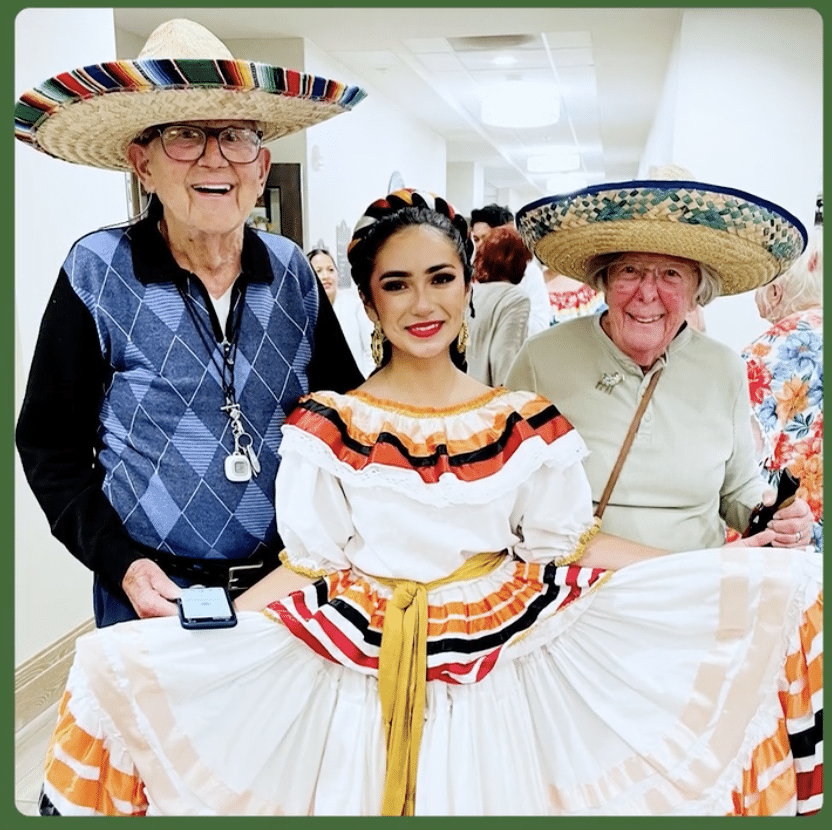
Celebrating Cinco de Mayo at Westmont Living: Culture, Community & Connection 🎉🌮💃

Cinco de Mayo is more than just a festive day filled with tacos and mariachi music—it’s a meaningful celebration of culture, community, and resilience. At Westmont Living, we’re proud to honor this holiday across our communities with joy, inclusivity, and of course, a lot of great food!

A Little History 🌎
Cinco de Mayo commemorates the Battle of Puebla in 1862, when a small Mexican army triumphed over a much larger French force. While it’s not Mexico’s Independence Day (that’s September 16), the victory has become a symbol of perseverance and pride—especially celebrated in the United States as a way to honor Mexican culture and heritage.

Community Comes Alive 🇲🇽
From vibrant decorations and traditional music to flavorful dishes like tacos, guacamole, and sweet treats, our residents and staff came together to celebrate in true Westmont style. Some communities enjoyed live performances, others hosted themed buffets and socials—but all shared in the spirit of togetherness.

Celebrating with Heart ❤️
At Westmont Living, we believe in creating spaces where everyone feels seen, valued, and celebrated. Cinco de Mayo gives us a chance to learn from one another, share stories, and connect through cultural traditions in meaningful (and fun!) ways.

A heartfelt thank you to all the residents, team members, and local performers who made this year’s Cinco de Mayo celebrations so memorable. Here’s to many more moments of unity, joy, and cultural appreciation! ¡Feliz Cinco de Mayo! 🎊

Are Your Old Care Services Meeting Your Needs?

Are Your Old Care Services Truly Meeting Your Needs?

Are your current old care services keeping up with your evolving needs? At Oceanview Senior Living, it’s important to periodically reevaluate your care to ensure you’re receiving the proper support. As needs shift with age, care plans must adapt in response to physical, emotional, and mental health changes. Taking an active role in your care journey ensures you receive routine services and genuinely personalized support. Communication with your providers is key, and knowing your available resources—from government support to local offerings—can make a real difference. Whether you’re assessing your health or your financial investment in care, now is the time to ask: is it working for you? At Oceanview, we help you explore better options that align with your goals, providing guidance every step of the way. Call us at 541-574-0550 to learn how your care can improve.

Understanding the Impact of Your Old Care Services

Before evaluating new paths, take time to understand what your current services offer. Your old care services should be flexible and responsive to your health status. Are you receiving regular, tailored care assessments? If your care feels static or disconnected from your day-to-day experiences, it’s time to reassess. Talking openly with your care team at Oceanview can clarify whether changes are needed. Ask questions about how services are adapted over time. Do they consider changes in mood, mobility, or cognitive function?

Review personalized support options, such as senior care plans that fit your lifestyle. Genuine care involves not only meeting current needs but anticipating future ones. By thoroughly understanding your existing services, you become better equipped to advocate for enhancements that matter most to you.

How to Contact Social Services for Elderly Care

One often overlooked area is tapping into broader support systems. Knowing how to contact social services for the elderly can open doors to valuable assistance programs. Social services are designed to connect seniors with the resources they deserve, including housing support, counseling, and health services. Many local government offices provide case managers to guide you through the process.

Oceanview can help direct you to the correct department if you are unsure where to begin. Social workers can assess your situation and recommend services tailored to your location and specific needs. This type of collaboration ensures that you’re not navigating care alone—there’s a system designed to support your well-being, and we’re here to help you access it.

Evaluating Quality Through Government-Free Services for Senior Citizens

When assessing the care you receive, it’s important to consider external resources, including government-free services for senior citizens. These services can enhance your existing care without adding extra costs. From health screenings and mental wellness programs to transportation and nutritional aid, government initiatives help fill gaps in care.

At Oceanview, we ensure that residents are informed of and connected to these vital offerings. Incorporating evidence-based care into your plan ensures that your care isn’t limited to in-house services. Instead, you benefit from a well-rounded approach integrating personal support and public aid.

Exploring the Benefits of a Tailored Approach

Exploring the Benefits of a Tailored Approach

Recognizing Health Changes and Adapting Old Care Services

Your body and mind naturally change with time, and your care should, too. Take note of energy, mobility, sleep, or emotional patterns shifts. Identifying these changes early allows for quicker adjustments to your care. If your current old care services aren’t evolving along with you, they may no longer be the right fit.

Mood fluctuations, memory lapses, or changes in appetite might signal the need for new approaches. At Oceanview, we emphasize mental health awareness and health tracking as part of our ongoing evaluations. If something feels different, speak up—it might be time to pivot to more specialized or proactive services.

Free In-Home Help for Seniors—A Hidden Gem

Many aren’t aware that free in-home help for seniors is available. These programs support daily tasks such as meal prep, medication reminders, hygiene assistance, and light housekeeping. Government and community organizations help ensure seniors can maintain independence safely.

Oceanview can help you explore these offerings if your care setup lacks daily support. Accessing free in-home help for seniors reduces pressure on families and supplements residential services. It’s about ensuring all your needs—big or small—are met.

Financial Planning with Elderly Care Assistance from the Government

Money shouldn’t be a barrier to quality care. If affordability is a concern, you may qualify for government assistance for elderly care. These financial aid programs help cover medical expenses, in-home support, and mobility aids. Understanding your eligibility can ease financial stress while maintaining excellent care.

Oceanview assists families with identifying programs and benefits that align with their needs. We support you in exploring every opportunity, ensuring your care experience is not compromised by cost concerns. If your old care services feel limited by budget constraints, it might be time to look into assistance programs that can lighten the load.

Exploring Care Options That Fit Your Future

Healthcare innovation is reshaping what’s possible. Telehealth, mobile apps, and lifestyle coaching give seniors more control over their well-being. With these options, your care can shift from reactive to proactive, offering faster responses and greater flexibility. If your current provider isn’t offering these tools, it’s time to explore alternatives.

Ask about wellness coaching or support groups. Consider digital tracking for medications or symptoms. At Oceanview, we incorporate these new technologies into our services to help residents thrive. Change doesn’t need to be overwhelming—it can be empowering with the right team.

Make the Shift to Care That Grows With You

Choosing to upgrade your care services can feel daunting, but it’s often necessary. If your old care services no longer reflect your physical or emotional needs, making a change could significantly improve your life. Transitioning can be smooth with the proper guidance. Oceanview supports each step—helping you assess your current services, explore government options, and integrate personalized solutions.

Whether tapping into government elderly care assistance or adding free in-home help for seniors, a slight change can bring significant relief. Communication, evaluation, and openness to new resources form the foundation of better care. You deserve a service that grows with you, not one that holds you back.

Call 541-574-0550 today and find out how Oceanview can help you create a care plan that works for you.


Compare The Costs of Senior Living vs Staying at Home

How Do The Costs Of Moving Into A Quality Senior Care Community Compare With The Costs Of Staying At Home?


Frequently Asked Questions

What is an example of elderly care?

Elderly care includes a wide range of services designed to support older adults in their daily lives. A typical example is assisted living, where seniors receive help with bathing, dressing, medication management, and meals. These services aim to promote independence while ensuring safety and comfort. Other examples include in-home care, adult day care, and nursing homes.

What services do seniors need most?

Seniors often need help with daily living activities, medical care, transportation, and social engagement. Many require assistance managing chronic conditions, taking medications, and preparing meals. Access to healthcare, companionship, and safe living environments are also essential. These services help seniors maintain quality of life and independence as they age.

What’s it called when you take care of old people?

The act of caring for elderly individuals is commonly referred to as “elderly care” or “senior care.” Depending on the setting, it may also be called geriatric care, aged care, or caregiving. Professional caregivers, family members, or healthcare workers may provide this care. The goal is to support older adults’ physical, emotional, and social needs.


Cost of Assisted Living in Oregon: What Seniors Should Know

Cost of Assisted Living in Oregon: What Seniors Need to Know

Steering through the assisted living landscape in Oregon can feel like wandering through a maze.

Understanding the costs involved is essential for you and your family, especially with the average monthly rate hovering around $5,825.

At Oceanview Senior Living, we recognize the importance of considering the price and the specific services you might need.

What factors influence these costs, and how can you guarantee you’re making the right choice for your future with us?

Cost of Assisted Living in Oregon: What Seniors & Families Should Know

When considering assisted living in Oregon, it’s crucial to understand the costs involved significantly since they can vary markedly by location. The average monthly cost for assisted living is around $5,825, but you might find lower rates in areas like Salem and Eugene. Conversely, expect to pay more in places like Medford and Grants Pass, where costs can reach $6,770. As you navigate this journey, remember that these expenses often reflect the quality of care and services. It’s essential to assess both your needs and budget carefully. By doing so, you can find a supportive environment that best serves you or your loved one, ensuring peace of mind during this significant change. Choosing a home that offers personalized care plans can significantly enhance the living experience for seniors.

Average Cost of Assisted Living in Portland, Oregon: What to Expect

Finding assisted living in Portland, Oregon, can feel overwhelming, but knowing what to expect regarding costs can help ease your mind. In 2024, the average monthly cost for assisted living in Portland is around $5,825. However, prices can vary based on the specific community and services offered. You might find options ranging from $5,550 in Salem to $6,770 in areas like Grants Pass. It’s crucial to evaluate your loved one’s needs and the level of care required, as these factors can impact costs considerably. Additionally, be sure to inquire about potential fee increases to avoid unexpected financial adjustments in the future. Remember, you’re not alone in this journey—resources and support are available to help you navigate the economic aspects and find the right fit for your family.

Oregon Medicaid Assisted Living Rates: Coverage & Eligibility

Maneuvering Oregon’s Medicaid system for assisted living can seem intimidating, but understanding coverage and eligibility can make the process smoother. Oregon’s Medicaid, known as the Oregon Health Plan (OHP), offers financial assistance for those who qualify. To be eligible, your monthly income must not exceed $2,829, and your assets should be limited to $2,000, though your primary residence and a vehicle are generally exempt. Programs like the K Plan provide support in home or community settings, while Medicaid Waivers allow for long-term care at home. Consulting a Medicaid planning professional can clarify your options, ensuring you navigate the system effectively. Additionally, exploring government assistance programs can provide further financial support options. Remember, you’re not alone in this journey—help is available for you and your loved ones.

Oregon Assisted Living Regulations: Standards & Compliance

Understanding Oregon’s assisted living regulations can greatly impact your search for care options that meet your needs. These standards guarantee residents receive safe, respectful, and high-quality care. Familiarizing yourself with these regulations helps you make informed decisions for your loved ones or yourself.

  • You deserve peace of mind knowing your care facility is compliant.
  • Quality care fosters a sense of community and belonging.
  • Safety standards protect residents from potential harm.
  • Regulations ensure staff training focuses on compassion and respect.
  • Compliance with personalized care services is essential for addressing individual needs effectively.

How Much Does 24/7 In-Home Care Cost Per Month in Oregon?

When considering 24/7 in-home care in Oregon, you’ll discover that the costs can vary considerably based on factors like location and the level of care required. You should pay between $5,400 and $7,200 per month for extensive care.

Here’s a breakdown of potential costs:

Location Average Monthly Cost Care Level
Portland $7,200 High-level care
Salem $5,400 Moderate care
Eugene $6,000 Customized services
Medford $6,800 Full support
Grants Pass $6,300 Basic assistance

Understanding these costs can help you make informed decisions about the care you or your loved one may need. It’s a significant step toward ensuring comfort and support at home.

cost of assisted living in oregon

Cost for Senior Assisted Living: Comparing Options & Affordability

How do you navigate the various costs of senior assisted living in Oregon while ensuring you find the right fit for your loved one? Understanding the average cost—around $5,825 per month—can feel overwhelming, especially with regional differences impacting prices. It’s crucial to weigh your options carefully.

  • Your loved one deserves comfort and care.
  • Affordability shouldn’t compromise quality.
  • You want peace of mind in their new home.
  • Finding the right community can make all the difference.

Explore various facilities, compare prices, and consider additional services, like memory care. Utilizing resources, such as financial assistance programs, can ease the burden. Remember, you’re not alone in this journey; support is available to help you make the best choice.

Steering the waters of assisted living in Oregon can feel overwhelming, but you’re not alone. Understanding costs, from the bustling streets of Portland to the serene corners of Salem, is crucial in making the right choice for you or your loved one. Remember, financial assistance options like Medicaid can lighten the load. At Oceanview Senior Living, we help you navigate these decisions. Take a deep breath, gather your resources, and explore the path that leads to comfort and care—because you deserve to feel at home, wherever possible. For more information, feel free to reach out to us at 541-574-0550.


Find Where You Belong

Dive into the vibrant life our Westmont communities have to offer.


Frequently Asked Questions About Assisted Living Costs in Oregon

How much does assisted living cost in Oregon?

The cost of assisted living in Oregon varies depending on the location, amenities, and level of care required. On average, the monthly cost ranges from $4,500 to $6,000, though some higher-end communities may charge more. Factors like private versus shared rooms, specialized care services, and community features can affect pricing. It’s always best to contact specific communities for accurate cost estimates based on individual needs.

Does Social Security pay for assisted living in Oregon?

Social Security benefits typically do not cover the full cost of assisted living in Oregon. However, some individuals may qualify for Supplemental Security Income (SSI) and Oregon Medicaid programs, which can help offset costs. The Aged and Physically Disabled Medicaid Waiver (APD Waiver) may assist eligible seniors. It’s essential to check with local Medicaid offices to determine specific qualifications and available benefits.

Is it cheaper to live in an assisted living facility or a nursing home?

Assisted living is generally more affordable than a nursing home because it provides a lower level of medical care. The average cost of assisted living is around $4,500 to $6,000 per month, while nursing homes can cost $8,000 or more per month due to 24/7 medical supervision. Assisted living is designed for seniors who need help with daily activities but do not require skilled nursing care. Choosing between the two depends on the necessary level of care and financial considerations.

How is most assisted living care usually paid for?

Most assisted living care is paid for out-of-pocket, using personal savings, pensions, or retirement income. Some seniors use long-term care insurance to help cover costs, while others may qualify for Medicaid waivers if they meet financial and medical eligibility requirements. Veterans may also access benefits through the VA Aid and Attendance program. Exploring various financial options, including selling assets or utilizing bridge loans, can help families manage expenses.


Small Group Activities for Nursing Home Residents

Engaging Small Group Activities for Nursing Home Residents

You might not realize that engaging in small group activities can significantly improve cognitive function and emotional well-being in nursing home residents at Oceanview Senior Living. While many focus on individual care, the connections fostered in these group settings make a difference. From crafting sessions to themed parties, these activities combat loneliness and spark joy and purpose. So, how can you implement these enriching experiences, particularly for those with specific needs?

Small Group Activities for Nursing Home Residents

In the heart of nursing homes, small group activities can transform daily routines into vibrant experiences that uplift residents’ spirits. Gathering small groups together creates opportunities for meaningful interactions that combat loneliness and foster connections.

These intimate settings encourage everyone to share their stories, laughter, and talents, establishing community.

Consider organizing book clubs, crafting sessions, or cooking classes tailored to residents’ interests. You might host a weekly game night, where friendly competition and shared joy spark camaraderie.

These activities stimulate cognitive functions and enhance emotional well-being by providing a sense of purpose and accomplishment. Additionally, personalized care plans ensure that activities are tailored to meet each resident’s unique interests and needs.

Make sure to involve residents in planning these activities. Their voices are invaluable; they know what excites them!

Rotate activities to keep things fresh and engaging, and remember to adapt them based on different abilities.

Small group activities promote independence and dignity, allowing residents to feel valued and appreciated.

small group activities for nursing home residents

Fun activities for the elderly in nursing homes

Finding joy in everyday moments can make a world of difference for elderly residents in nursing homes. Fun activities not only lift spirits but also foster connections among residents.

Consider hosting themed parties, where everyone can dress up and enjoy music that sparks nostalgia. Organizing game nights with classic board games or card games encourages friendly competition and laughter.

You might introduce arts and crafts sessions, allowing residents to express their creativity while socializing. Imagine the joy of creating personalized gifts for family members or decorations for the common areas!

Additionally, simple cooking classes can ignite memories and provide delicious treats to share.

Outdoor activities can also be a hit. Engaging in outdoor activities offers a chance to connect with nature, while group walks promote physical and mental well-being.

Don’t forget about movie nights featuring beloved classics, with popcorn and discussion afterward.

Activities for nursing home residents with dementia

While it’s essential to tailor activities for nursing home residents with dementia, engaging them in meaningful and enjoyable experiences can significantly enhance their quality of life. Consider activities that stimulate the senses and evoke positive memories, like music therapy or simple art projects. These promote cognitive function and provide a sense of accomplishment and joy. Music therapy is an evidence-based practice that addresses physical, emotional, cognitive, and social needs, making it a powerful tool in enhancing the well-being of residents.

Here’s a quick overview of some effective activities:

Activity Type Benefits
Music Engagement Stimulates memory and mood
Simple Crafts Encourages creativity and focus
Nature Walks It provides fresh air and calmness
Reminiscence Therapy Elicits cherished memories
Pet Therapy Reduces anxiety and fosters companionship

In the tapestry of life within Oceanview Senior Living, small group activities weave connections that brighten each day. By embracing fun and engaging experiences, you’re not just filling time but creating memories that linger like sweet melodies. Whether it’s a book club or a crafting session, these moments foster joy and community, reminding everyone they’re not alone. So, let’s make every gathering a celebration of life, ensuring that every resident feels valued and cherished. For more information, feel free to contact us at 541-574-0550.


What Level of Care Do You Need?

Discover the level of care you or your family member requires. 


Frequently asked questions

How do you entertain residents in a nursing home?

Entertainment in nursing homes often includes a mix of social, recreational, and creative activities tailored to residents’ interests and abilities. Examples include live music performances, movie nights, themed events, and interactive games that foster social engagement and mental stimulation.

What are fun physical activities for the elderly in nursing homes?

Fun physical activities for seniors in nursing homes can include chair yoga, group exercises, dance classes, or outdoor walking clubs. These activities not only promote physical health but also encourage social interaction and emotional well-being.

What activities can be done in a care home?

Care homes offer a variety of activities, including arts and crafts, gardening, board games, and storytelling sessions. Additionally, many care homes host events like bingo, trivia games, or cultural celebrations to engage residents and create a lively environment.

What is a good activity for the elderly?

A good activity for the elderly combines enjoyment with accessibility, such as puzzles, knitting, or music therapy. These activities stimulate cognitive function, provide relaxation, and can be easily adapted to different skill levels.


What Is a Care Plan? Benefits of Managing Senior Healthcare

Interestingly, many caregivers overlook the importance of a well-structured care plan until they face a sudden health crisis with a loved one. At Oceanview Senior Living, a care plan isn’t just a document; it’s an essential tool that streamlines healthcare management for seniors, ensuring that all their unique needs are met consistently. Understanding how a care plan functions and its many benefits can significantly improve the quality of care your loved ones receive. So, what exactly should you know about creating an effective care plan for senior healthcare?

What is a Care Plan

A care plan is a detailed document that outlines an individual’s specific health conditions, treatments, and care needs. It is a central hub for crucial information, helping you manage caregiving responsibilities effectively.

By summarizing health conditions, medication regimens, and contact details for healthcare providers, the care plan allows you to prioritize and organize tasks. This structured approach guarantees that the care recipient’s needs are met consistently, even during caregiver shifts.

When developing a care plan, include essential details like the individual’s name, date of birth, and emergency contacts. List health conditions and medications, specifying dosages and administration methods.

Regularly updating the care plan—ideally annually or with any health changes—keeps it relevant and actionable.

The benefits of a well-crafted care plan are significant. It reduces emergency visits, enhances medical management, and maintains the quality of life for the individual. Additionally, incorporating elements from a Physical Wellness Plan can further improve the overall effectiveness of the care plan.

Most importantly, a care plan empowers you as a caregiver, providing clarity and fostering confidence in your ability to meet the needs of those you serve.

what is a care plan

What is a Plan of Care Physical Therapy

Care plans aren’t just crucial for general caregiving and play a significant role in physical therapy. A Plan of Care in physical therapy outlines the specific interventions and goals tailored to meet an individual’s rehabilitation needs. It serves as a roadmap, guiding therapists in delivering consistent and effective care while addressing each patient’s unique challenges and aspirations.

The plan typically includes an assessment of the patient’s current physical abilities, diagnosing of their condition, and measurable goals to improve functionality. This structured approach helps prioritize treatment strategies, whether it’s enhancing mobility, strength, or overall health.

Moreover, the Plan of Care fosters communication between the therapist and the patient, encouraging active participation in the recovery process. It also provides a framework for evaluating progress over time, allowing adjustments as needed. Additionally, incorporating comprehensive health assessments can further help tailor the interventions to meet the patient’s specific needs.

Ultimately, a well-crafted physical therapy care plan enhances the quality of care and empowers patients, promoting greater independence and improved quality of life. Focusing on individualized goals ensures that each person receives the attention and support they truly need.

Why are care plans important?

Understanding the importance of care plans is essential for anyone involved in caregiving. Care plans are fundamental tools that consolidate critical information about a senior’s health conditions, treatment protocols, and personal care needs. Having a detailed plan, you can better organize and prioritize your caregiving tasks, ensuring that each need is met efficiently and effectively.

Care plans facilitate consistent care, particularly during changes between caregivers. This continuity is critical in maintaining the quality of care minimizing the risk of errors or oversights. When you have a clear outline of medications, dosages, and healthcare contacts, you empower yourself to make informed decisions, enhancing your confidence in managing care.

Moreover, care plans can significantly reduce emergency room visits and hospitalizations by promoting proactive health management. They help you stay ahead of potential issues, especially for chronic conditions. Incorporating personalized care services into the care plan can further enhance the quality of care provided.

Ultimately, these plans improve the care recipient’s quality of life and provide you with a structured approach to navigating the complexities of caregiving, ensuring that you can serve others with compassion and effectiveness.

In a world where forgetting your grocery list can lead to chaos, a care plan is the antidote for senior healthcare disarray. At Oceanview Senior Living, we understand the importance of meticulously documenting health conditions and treatments, ensuring caregivers avoid the frustrating game of medical charades. So, if you want to avoid emergency room roulette and guarantee your loved ones aren’t just another statistic, embracing a care plan isn’t just wise—it’s practically revolutionary. After all, who wouldn’t want a personalized blueprint for thriving? For more information, call us at 541-574-0550.


Compare The Costs of Senior Living vs Staying at Home

How Do The Costs Of Moving Into A Quality Senior Care Community Compare With The Costs Of Staying At Home?


FAQs About Care Plans

What is the meaning of a care plan?

A care plan is a detailed, personalized roadmap designed to address an individual’s healthcare needs. It outlines the goals, interventions, and actions required to achieve optimal health and well-being.

What are the 5 main components of a care plan?

The five main components of a care plan are:

  1. Assessment: Understanding the patient’s needs and health status.
  2. Diagnosis: Identifying health concerns or issues.
  3. Goals: Establishing measurable and achievable objectives.
  4. Interventions: Outlining specific actions to address the goals.
  5. Evaluation: Monitoring progress and adjusting the plan as needed.

How to write a care plan?

Writing a care plan involves assessing the patient’s needs, setting realistic and measurable goals, and identifying interventions to meet those goals. Regular evaluation and collaboration with the patient, caregivers, and healthcare providers are essential to ensure the plan remains effective.

What is the purpose of the patient plan of care?

The purpose of a patient plan of care is to provide a structured approach to managing and improving a patient’s health. It ensures coordinated care, aligns the efforts of healthcare providers, and helps achieve the best possible outcomes for the patient.


Westmont Living Communities Offer Technology Training

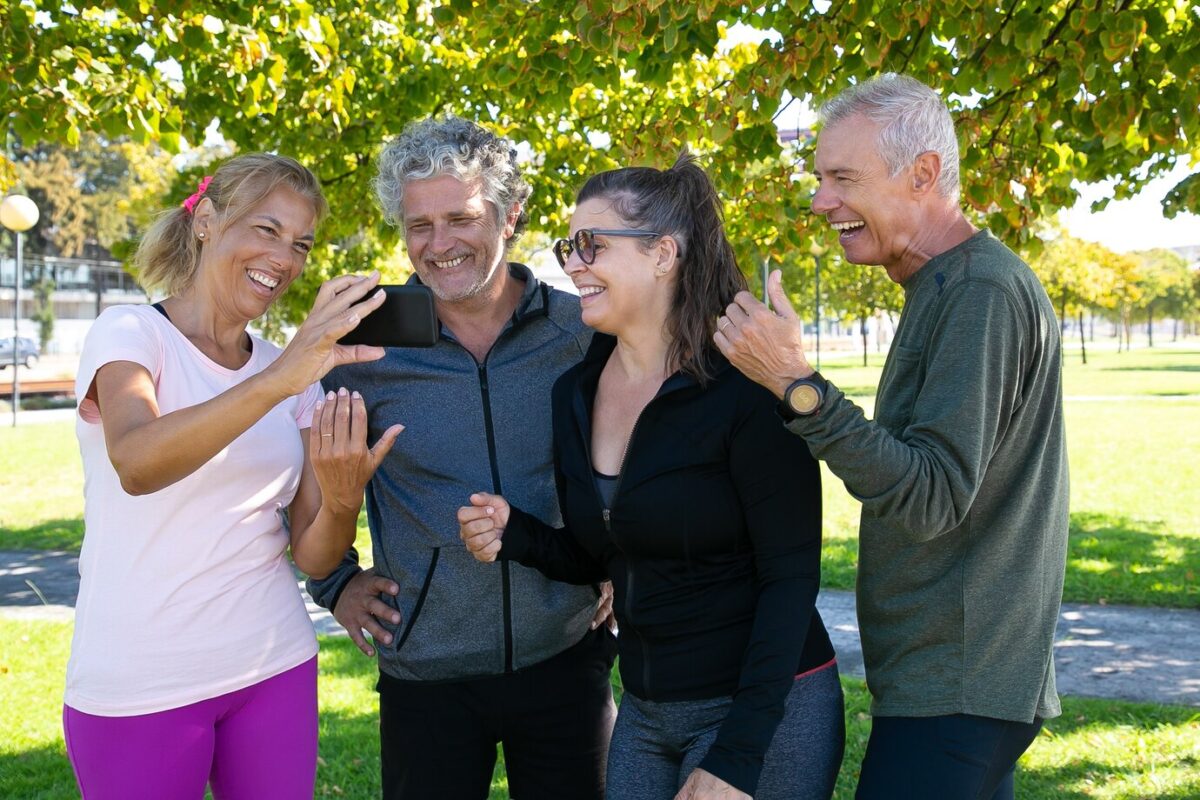
Technology training isn’t just for the young, as many senior living residents have a desire to keep up with the new tech gadgets so that they can communicate with extended family members. Some residents just crave life-long learning. Either way, both groups are benefitting from an ongoing technology program which is a part of Westmont’s Live Your Way® program–Westmont’s holistic approach to whole-body wellness. The weekly dose of technology training uses Epylog, a research-backed, video storytelling program that intentionally uses answer videos to offer optimal learning and cognitive retention for active adults and seniors. At Westmont, it is taught by activity professionals who customize the sessions based upon those who attend the classes. Finally, it’s never too late to be reminded of the importance of technology for all ages by remembering National Technology Day in January!

Westmont Living Cares: Southern California Strong!

Southern Californians know the devastation that firestorms create and the stressful impact this has on families. We have compiled some options and resources to help during this time and when you need to plan ahead. Together, we can navigate these challenges and support one another. Stay safe.


Housing for Seniors:

If you have a senior who needs temporary housing:  Westmont of Culver City, Westmont of Riverside and Westmont of Cypress may have short-term apartment availability. San Diego Communities that have short term, rental furnished apartments are Westmont of Escondido, Westmont of Carmel Valley, Westmont of Encinitas, Westmont of La Mesa and Westmont at San Miguel Ranch  Please contact the Community Relations Director within these communities directly.


Resources During an Emergency

  • Los Angeles Fire Department (LAFD): lafd.org for fire updates and resources.
  • American Red Cross: Find local shelters and assistance: redcross.org.
  • Air Quality Updates: Check airnow.gov for real-time air quality levels in your area.
  • Local Assistance Centers: Contact your local emergency services for temporary housing and support options.


Volunteering and Donation Opportunities

  1. Donate: Contribute to reputable organizations who are also first responders such as California Fire Foundation and The Salvation Army 
  2. Volunteer: Offer your time at local shelters or distribution centers.
  3. Support Local First Responders: Send snacks, water, or thank-you notes to fire stations.
  4. Check on Neighbors: Ensure seniors, those with disabilities, and pets are safe and have transportation in case of evacuation.


Emergency Preparedness: Ahead of an Emergency 

  1. Create an Evacuation Plan:
    • Identify multiple exit routes from your home and community.
    • Have a designated meeting spot for your family.
    • Ensure everyone knows how to safely evacuate, including seniors and pets.
  2. Pack an Emergency Kit:
    • Include essentials like water, non-perishable food, medications, copies of important documents, flashlights, batteries, and a first-aid kit.
    • Don’t forget personal hygiene items and face masks for smoke protection.
  3. Protect Your Home:
    • Clear dry vegetation and debris at least 30 feet from your home.
    • Close windows and doors and set your home’s HVAC system to recirculate air if smoke levels rise.


Most important is to stay informed by signing up for local emergency alerts through Cal Fire or your county’s alert system. And, following local news and social media sites for real-time updates.

Floor Plans & Pricing

Make yourself at home where a happy, healthy lifestyle goes hand-in-hand with your personal fulfillment, enrichment, and growth.

Answer a few quick questions to unlock the exciting future senior living can offer!

Resident Login