

Step Into Westmont Living®

When Should the Elderly Stop Taking Blood Thinners Safely?

As we grow older, managing medications becomes increasingly complex, especially when it comes to blood thinners. These medications are prescribed to prevent life-threatening conditions such as strokes or deep vein thrombosis. But when should the elderly stop taking blood thinners? The answer isn’t always simple and depends on factors like overall health, fall risk, cognitive function, and treatment goals.

Elderly individuals are more likely to face complications from continued blood thinner use, such as internal bleeding, drug interactions, and an increased risk of falls. Knowing when the elderly should stop taking blood thinners requires a thoughtful conversation with a healthcare provider, ongoing monitoring, and consideration of personal health goals. This article examines key factors that enable families and seniors to make informed decisions.

Visit Oceanview Senior Living for supportive services and personalized care to help manage your health journey.

Understanding the Need to Stop Blood Thinners

Determining when the elderly should stop taking blood thinners typically begins with changes in medical condition or treatment plans. For example, if atrial fibrillation has been successfully managed or if a procedure like a heart valve replacement no longer requires anticoagulation, your physician might consider tapering off the medication.

Blood thinners and falls in the elderly are a major concern—falls can lead to dangerous internal bleeding, especially if unnoticed. Furthermore, if new health challenges emerge, such as kidney or liver decline, or interactions with new prescriptions, the benefits of blood thinners might no longer outweigh the risks.

The side effects of Eliquis in the elderly, such as dizziness, bruising, or gastrointestinal bleeding, also become more severe with age. That’s why any changes in health should trigger a medication review. Seniors and caregivers can find guidance through healthcare management strategies that ensure patient safety while supporting informed decision-making.

What Happens When You Stop Taking Blood Thinners?

Understanding what happens when you stop taking blood thinners is critical before making any decision. Discontinuation without medical guidance may lead to a recurrence of stroke, pulmonary embolism, or blood clots. Seniors who stop anticoagulants abruptly could face serious cardiovascular events, especially if the original condition remains unresolved.

Medical providers often recommend tapering schedules and monitoring strategies when stopping blood thinners. Blood tests, imaging, and follow-up visits can track any rebound clotting risk. The percentage of elderly on blood thinners is significant—roughly one in three older adults in the U.S. are prescribed these medications, which underscores the importance of careful medication management.

Discussions around what happens when you stop taking blood thinners should be routine during health reviews, especially in care settings such as assisted living. A personalized plan ensures safety while reducing unnecessary risks.

Evaluating the Safest Blood Thinner for the Elderly

Choosing what is safest blood thinner for the elderly depends on an individual’s health history, lifestyle, and existing medications. Newer anticoagulants like apixaban (Eliquis) and dabigatran (Pradaxa) have been found safer in many cases, offering fewer dietary restrictions and no need for routine INR monitoring like warfarin.

However, even the safest blood thinner for the elderly can cause issues if not managed correctly. Factors such as kidney function, bleeding risk, blood thinners, and falls in the elderly must all be weighed. Some seniors may benefit from antiplatelet therapy instead of full anticoagulation, depending on their cardiovascular history.

Your doctor can help determine the safest and most effective treatment. A strong healthcare partnership, as discussed in this chronic care guide, supports informed decisions and minimizes risk.


when should elderly stop taking blood thinners


Monitoring the Percentage of Elderly on Blood Thinners

The increasing percentage of elderly on blood thinners reflects a growing emphasis on preventing strokes and managing chronic heart conditions. However, this trend also brings the need for vigilant monitoring. Seniors using blood thinners long-term should undergo regular assessments, including fall risk evaluations and medication reviews.

In communities like Oceanview Senior Living, healthcare staff often assist residents in understanding their prescriptions, recognizing side effects, and reporting concerns. Knowing the percentage of elderly on blood thinners helps healthcare providers prepare better preventative strategies.

National surveys show that nearly 33% of seniors aged 65+ use some form of anticoagulant or antiplatelet therapy. With such widespread use, managing these medications is a cornerstone of senior healthcare.

Addressing the Side Effects of Eliquis in the Elderly

The side effects of Eliquis in the elderly are often more pronounced than in younger populations. Common issues include excessive bruising, nosebleeds, gastrointestinal discomfort, and fatigue. These side effects can sometimes lead seniors or caregivers to stop the medication without consulting a doctor, which can be dangerous.

Understanding how to manage the side effects of Eliquis in the elderly starts with recognizing symptoms early and reporting them to a physician. In some cases, dosage adjustments or switching medications may alleviate problems without necessitating the complete cessation of treatment.

At facilities like Oceanview, caregivers are trained to observe such signs and provide consistent monitoring. For more detailed insights on medication safety for older adults, visit NCOA’s medication management tips.

Blood Thinners and Falls in Elderly Patients

One of the most serious concerns is the relationship between blood thinners and falls in elderly individuals. Even a minor fall can lead to internal bleeding or a brain hemorrhage. For seniors who are frail or have mobility challenges, the combination of blood thinners and high fall risk can be life-threatening.

Preventive steps include using mobility aids, fall-proofing the home, and engaging in low-risk exercises that improve balance. If a senior experiences frequent falls, it may be time to revisit the medication plan with a physician.

Communities offering assisted living services can also provide fall-prevention support and ensure medications are used safely and effectively.

Lifestyle Adjustments While Taking Blood Thinners

Whether continuing or discontinuing blood thinners, seniors should make thoughtful lifestyle adjustments. This includes diet planning to minimize food-drug interactions, especially avoiding excessive vitamin K for those on warfarin. Routine hydration, gentle exercise, and stress management can also help.

Additionally, consistent routines, soft grooming tools, and wearing shoes indoors can prevent cuts or injuries. Exercise programs should be tailored to balance benefits and safety, minimizing fall risks while encouraging mobility.

Mental well-being is just as important. Staying socially engaged and participating in mental stimulation activities can improve cognitive function, which plays a crucial role in medication compliance and self-care.

Support Services for Seniors on Blood Thinners

Practical support is key for managing blood thinners safely. Caregivers can assist with medication schedules, observe for side effects, and ensure all medications are compatible. Seniors benefit from services such as transportation to doctor’s visits, dietary planning, and emotional support.

Professional senior care communities offer comprehensive services that simplify life for individuals managing complex medical conditions. Assisted living with medication oversight ensures each senior receives the right care tailored to their evolving needs.

Having a trusted support team can dramatically reduce complications and promote long-term wellness.

Take Control of Your Health Decisions Today

Knowing when the elderly should stop taking blood thinners is not a one-size-fits-all answer. It requires careful assessment of medical history, daily functioning, and individual risk factors. With close guidance from healthcare professionals, family support, and proactive monitoring, seniors can navigate these decisions with confidence.

Oceanview Senior Living is here to help you or your loved one understand these options and live fully, safely, and independently. Schedule a tour today by visiting this link or contact us at 541-574-0550.


What Level of Care Do You Need?

Discover the level of care you or your family member requires. 


Frequently Asked Questions

What happens if you take blood thinners for too long?

Taking blood thinners for an extended period can increase the risk of bleeding complications, including internal bleeding and bruising. While they are effective in preventing clots, prolonged use without monitoring can lead to serious side effects. It’s important to have regular check-ups to ensure the benefits continue to outweigh the risks. Your doctor may adjust your dosage or explore alternatives over time.

Should a 90-year-old take blood thinners?

A 90-year-old can take blood thinners if there’s a strong medical reason, such as preventing stroke or treating atrial fibrillation. However, the risk of falls, bleeding, and drug interactions increases with age. Doctors typically evaluate the individual’s overall health, lifestyle, and risk factors before prescribing them. Personalized care and close monitoring are key to safe use in older adults.

What happens to your body when you stop taking blood thinners?

When you stop taking blood thinners, your blood returns to its normal clotting ability, which can increase the risk of forming new blood clots. This is particularly dangerous for those with a history of stroke, deep vein thrombosis, or heart issues. Always consult your doctor before stopping blood thinners, as they may need to taper your dosage or provide alternative protection. Stopping suddenly without guidance can be risky.

At what age do you stop taking blood thinners?

There is no specific age to stop taking blood thinners—it depends on your health condition and your doctor’s advice. Some older adults may continue using them safely into their 80s or 90s, while others may need to stop due to increased bleeding risks or new medical issues. Doctors consider factors like fall risk, kidney function, and overall frailty. Regular reassessment is essential to determine if continuing is safe.

Discover Exciting Retirement Hobbies for Every Senior

Fun & Fulfilling Retirement Hobbies for Seniors

Retirement opens a world of possibilities to explore passions you may not have had time for during your working years. Whether you’re seeking joy, purpose, relaxation, or social connection, retirement hobbies can add vibrancy to your daily routine at Oceanview Senior Living.

From gardening and photography to storytelling and crafts, there’s something for everyone. With the right hobby, you can improve your well-being, connect with others, and make each day more meaningful. Let’s explore the best ways to enjoy this exciting stage of life through creative and enriching activities. Learn more about Oceanview Senior Living.

Easy Hobbies for Relaxation and Enjoyment

When looking to ease into a new lifestyle, retirement hobbies focused on relaxation are a great place to start. Many seniors benefit from indoor hobbies for men, like adult coloring or model building. These calming pastimes can be both creative and soothing.

Mindful meditation provides a mental reset, while crafting, such as knitting or card-making, adds a sense of accomplishment. These hobbies are particularly popular among individuals seeking low-stress ways to express their creativity. Participating in art therapy can enhance emotional well-being and create meaningful moments of self-expression.

Creative Pursuits for Self-Expression

Artistic expression is not limited by age. Retirement hobbies for women often include creative journaling, painting, or storytelling. Writing short stories or memoirs can be therapeutic, allowing individuals to preserve memories and share wisdom.

Crafting is another great hobby, whether through DIY home décor or seasonal decorations. These activities can also serve as thoughtful gifts for friends and family. Games that challenge your mind, such as puzzles or brain-boosting activities, also offer a creative outlet and promote cognitive health.

Intellectual Activities to Stimulate the Mind

Many seniors find deep satisfaction in retirement hobbies that offer intellectual stimulation. Popular pastimes include:

  • Genealogy: Discovering your family tree through online records can be deeply rewarding.
  • Language Learning: Picking up a new language sharpens the brain and enhances cultural understanding.
  • Book Clubs: These are wonderful for discussion, socializing, and staying mentally active.

These hobbies appeal to those who love reading, writing, and lifelong learning. For hobbies for older people, this mental engagement fosters purpose and keeps the brain sharp. Strengthening social connections through these shared interests improves overall health and happiness.

Outdoor Adventures to Connect With Nature

Nature-based activities make ideal retirement hobbies for those who enjoy the outdoors. Bird-watching, gardening, or photography allows you to immerse yourself in your surroundings while staying active and mindful.

Bird-Watching Benefits

As a low-impact hobby, bird-watching promotes physical activity and mindfulness. It promotes physical wellness, stimulates observation skills, and often leads to joining social birding groups. It’s also an excellent option for hobbies for senior men who want to enjoy calm, purposeful time outdoors.

Pair this with fun outdoor games for even more fresh-air fun.

Themed Gardening

Gardening is one of the most popular hobbies for retired men and women alike. A themed garden—like a Zen or butterfly garden—adds focus and aesthetic value. It promotes movement, encourages seasonal planning, and invites family participation. It’s not only relaxing but also productive.

Nature Photography

Photography is another great way to connect with nature. Tips for beginners include using natural light, being patient, and focusing on details. This hobby is ideal for men during editing sessions, serving as a fun and creative outlet.


retirement hobbies


Engaging in Community and Social Activities

Hobbies that include a social element can significantly enhance your quality of life. Shared interests help foster friendships and build community.

Joining Clubs

From gardening circles to writing workshops, clubs bring people together. Retirement hobbies that are community-based offer a chance to interact while learning and having fun. Clubs also help newcomers feel welcome and provide a network of support.

Participating in Workshops

Workshops introduce new skills and can spark fresh interests. From cooking to computer classes, they keep you sharp and connected. These are particularly valuable hobbies for older people who want to stay active and involved in their community.

Volunteering

Volunteering is one of the most fulfilling hobbies for retired men and women. Opportunities include mentoring, helping in hospitals, or community gardening. These roles provide a sense of purpose and are often flexible, allowing you to choose what aligns with your passions.

Check out more benefits of volunteering for seniors.

Exploring Unique and Exciting Hobbies

Want to try something new? Unique retirement hobbies like treasure hunting or leatherworking can keep things interesting and give you a fresh challenge.

Activity Why Try It
Geocaching Combining tech and adventure by using GPS to find hidden items.
Leatherworking Hands-on crafting of belts, wallets, or home décor.
Cooking International Recipes A cultural, flavorful, and rewarding experience.
Calligraphy Beautiful, meditative writing for cards and letters.

These unusual hobbies can be enjoyed alone or with friends, offering fun ways to create, serve, and share.

Indoor Hobbies That Spark Joy

Sometimes, the best hobbies are right at home. Indoor hobbies for men include model train building, woodworking, or tinkering with tools; for women, sewing, scrapbooking, or candle-making offer creative outlets that require minimal space.

Both solo and group hobbies can be meaningful. For example, assembling puzzles or learning instruments like the guitar are stimulating and soothing, making them ideal hobbies for senior men and women alike.

Your Next Adventure Starts Now

There’s no shortage of retirement hobbies to make this chapter of your life fulfilling, fun, and purposeful. Whether you’re nurturing a garden, joining a book club, or capturing wildlife with your camera, each activity brings you closer to joy, health, and community. These pastimes aren’t just about passing time—they’re about enriching your life.

Embrace the hobbies that bring you happiness. Explore new passions, rediscover old ones, and connect with others as you go. Oceanview Senior Living is here to help you thrive every step of the way.

Ready to dive into an engaging lifestyle? Schedule a tour or call us at 541-574-0550 to learn more about the opportunities waiting for you!


Compare The Costs of Senior Living vs Staying at Home

How Do The Costs Of Moving Into A Quality Senior Care Community Compare With The Costs Of Staying At Home?


Frequently Asked Questions

What is the most popular hobby for retirees?

One of the most popular hobbies for retirees is gardening. It offers physical activity, mental relaxation, and a sense of purpose through nurturing plants. Many retirees also enjoy walking, reading, and crafting as fulfilling ways to spend their free time. The popularity of a hobby often depends on personal interests and lifestyle.

What can I do in retirement with no hobbies?

If you have no hobbies in retirement, start by exploring new interests through classes, volunteering, or community groups. Try attending local events, joining a book club, or learning a new skill online to see what excites you. Retirement is the perfect time to try things you’ve never had time for before. Keeping socially and mentally active can lead to discovering passions you didn’t expect.

What do retirees enjoy most?

Retirees often enjoy the freedom of time, travel opportunities, and spending quality moments with family and friends. Many find joy in relaxing routines, hobbies, or volunteering in their communities. They also value the chance to focus on health and well-being without work-related stress. Ultimately, enjoyment varies by individual priorities and lifestyle choices.

What hobby should a 70 year old have?

A 70-year-old should consider hobbies that match their physical abilities and personal interests, such as walking, painting, yoga, gardening, or photography. Social hobbies like card games, dancing, or group fitness can also promote emotional well-being. Cognitive activities like puzzles, writing, or music are great for maintaining mental sharpness. The key is to stay active, engaged, and happy.


Ball Exercises for Seniors to Strengthen Core & Posture

Ball Exercises for Seniors for Strength and Posture

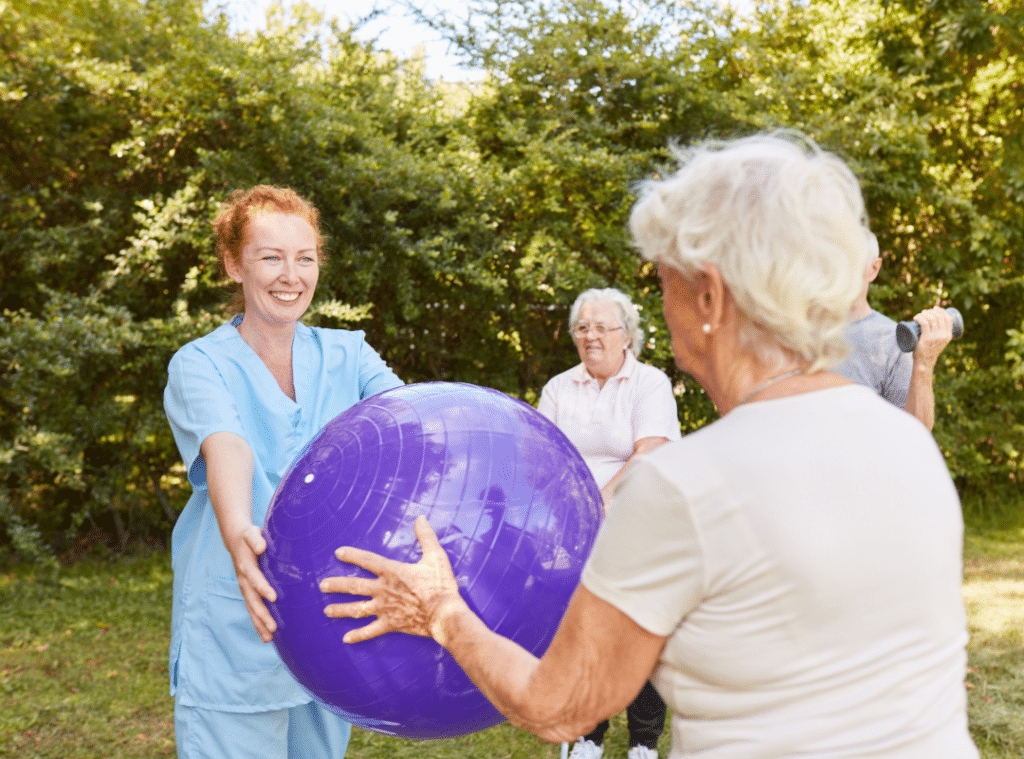
Ball exercises for seniors are more than just a fun way to stay active—they’re a powerful method for improving core strength, balance, and posture at any age. At Oceanview Senior Living, we prioritize wellness and encourage our residents to participate in activities that promote long-term mobility and overall health. Whether you’re just getting started with fitness or looking to add new challenges to your routine, ball-based workouts are an excellent, low-impact solution.

Using ball exercises for seniors at home offers flexibility and convenience. You don’t need a gym membership or special equipment—just stability or a small exercise ball and some motivation. These workouts not only support daily functioning but also promote confidence and independence. As you explore the best techniques and routines, you’ll discover how incorporating various ball workouts can strengthen your body, improve coordination, and make movement feel easier.

Learn more about our wellness programs at Oceanview Senior Living.


Why Ball Workouts Work for Seniors

Ball exercises are designed to target the muscles that matter most for senior wellness, especially the core. Strengthening your core leads to better posture, balance, and stability, which can prevent falls and support independent living. Stability ball exercises for seniors gently challenge coordination while providing support for those who need it.

Engaging in these activities regularly can:

  • Improve joint flexibility and range of motion
  • Strengthen abdominal and back muscles
  • Enhance posture and alignment
  • Reduce the risk of falls

Not only do these routines benefit physical health, but they also contribute to mental well-being. The feeling of accomplishment that comes from mastering a routine or maintaining balance on a stability ball is empowering. You can read more about the importance of strengthening your core and the overall benefits of senior fitness.

Best Ball Exercises for Core and Balance

Popular Core-Strengthening Ball Movements

When it comes to ball exercises for seniors, there are a few standouts that can really make a difference in core engagement and spinal support:

Exercise Description
Seated Ball Twist Sit tall and rotate your torso side to side.
Ball Bridge Lie on your back with your feet on the ball, then lift your hips.
Plank on the Ball Rest forearms on the ball while keeping your body in a straight line.
Seated Marches While sitting on the ball, lift your knees one at a time.

These best ball exercises for seniors promote a strong foundation and help seniors develop better awareness of their body’s movements. As you become more comfortable, you can incorporate small ball exercises for seniors, like squeezing a small ball between your knees during leg lifts for added resistance and control.

For more inspiration, take a look at this guide to fitness and wellness programs designed for older adults.

Improving Posture with Ball Exercises

Poor posture is common as we age, but you can reverse its effects with regular workouts that encourage alignment and flexibility. Ball exercises for seniors at home are especially effective for posture because they require active sitting, which naturally engages the core and strengthens the back muscles.

Seated Ball Exercises for Postural Support

Seated ball exercises for seniors are ideal for those with limited mobility or balance concerns. Try these posture-specific movements:

  1. Seated Overhead Stretch – Sit on the ball and raise your arms, reaching up to lengthen the spine.
  2. Side Bends – From the same seated position, bend slowly to each side to stretch the obliques.
  3. Back Extensions – Sit tall, squeeze shoulder blades together, and gently arch the upper back.

When combined with mobility exercises, these movements can significantly enhance posture and flexibility.

Alignment and Balance Techniques

Focus on balance by integrating these additional drills:

  • Ball Wall Squats: Place a stability ball against the wall behind your back and squat slowly.
  • Side Leg Lifts While Seated: Lift one leg at a time to the side, keeping your body seated tall.
  • Toe Taps: Sit on the ball and tap your toes in front of you, alternating feet to challenge coordination.

Balance is key to preventing falls. That’s why incorporating dynamic balance exercises into your routine is crucial.

Staying Safe During Ball Workouts

As you begin stability ball exercises for seniors, always prioritize safety. Here are some essential guidelines:

  • Choose a ball that matches your height and weight capacity.
  • Use a stable surface and non-slip flooring.
  • Start with seated ball exercises for seniors before advancing to standing movements.
  • If needed, perform exercises near a wall or with a partner for extra support.

Warm-ups and cooldowns should never be skipped. A 5-minute warm-up improves circulation and prepares your muscles, while a proper cooldown helps with recovery and reduces soreness.

And remember—pain is not part of the process. If something doesn’t feel right, stop and modify your movement or consult with a trainer or physician.

Try This Sample Routine at Home

Here’s a beginner-friendly ball exercise for senior’s at-home routine to get started:

  1. Warm-Up: March in place or do gentle shoulder rolls (5 minutes)
  2. Seated Ball March: 10 reps per leg
  3. Seated Twist with Small Ball: Hold a small ball and twist side to side (10 reps)
  4. Ball Bridge: 10 reps
  5. Wall Squats with Ball: 8–10 reps
  6. Cool Down Stretch: Reach overhead and side bend, hold each stretch for 15 seconds

If you’re looking for ideas tailored to your needs, you can also explore seniors’ exercise programs from SilverSneakers, which are often included with Medicare Advantage plans.

Keep the Momentum Going

Building consistency with exercise is just as important as the movements themselves. Here are some strategies to stay on track:

  • Set reminders for your workouts and treat them like important appointments.
  • Create a dedicated space for your ball exercises for seniors at home.
  • Track progress in a journal or app.
  • Celebrate small wins, such as completing a full routine or improving balance.

Involve family or friends to make it social and enjoyable. Group workouts—or even virtual check-ins—can boost motivation and make exercise a positive part of your weekly routine.

Bounce Back to Better Health

Forget the notion that aging means slowing down—ball exercises for seniors are proof that strength, balance, and vitality can grow at any stage of life. These routines are gentle, fun, and incredibly effective. Whether you choose small ball exercises for seniors or more dynamic stability ball exercises for seniors, you’re investing in long-term health and mobility.

At Oceanview Senior Living, we’re here to help you bounce back to better health with community fitness programs and compassionate support. For more information or to schedule a tour, call 541-574-0550 or click here.


Compare The Costs of Senior Living vs Staying at Home

How Do The Costs Of Moving Into A Quality Senior Care Community Compare With The Costs Of Staying At Home?


Frequently Asked Questions

What is the most beneficial exercise for seniors?

The most beneficial exercise for seniors is walking, as it improves cardiovascular health, boosts mood, and supports joint mobility with minimal impact. However, strength training, balance exercises, and flexibility routines like yoga or tai chi are also essential for overall well-being. A mix of these activities helps maintain independence and prevent falls. Always consult a healthcare provider before starting any new exercise routine.

How do you lose belly fat with a ball?

Using an exercise ball can help target core muscles, which in turn strengthen your abdomen and help reduce belly fat when combined with a healthy diet. Ball exercises like crunches, planks, and seated twists engage deep abdominal muscles more effectively than traditional floor exercises. Consistency and proper form are key. For best results, combine these moves with cardio activities like walking or cycling.

Is it better to sit on a ball or a chair?

Sitting on an exercise ball can improve posture and engage your core muscles, making it a useful tool for short periods. However, prolonged sitting without back support may cause discomfort or strain, especially for seniors. A supportive chair is generally better for long-term sitting. Alternate between the two to balance posture training with comfort.

What is the number one balance exercise for seniors?

The single-leg stand is often considered the number one balance exercise for seniors because it directly improves stability and coordination. To perform it safely, stand near a chair or wall for support and lift one foot for a few seconds at a time. This exercise helps strengthen ankle and leg muscles crucial for everyday movement. Practicing daily can significantly reduce the risk of falls.


How Seniors Can Preserve Healthy Eyes for Life Easily

Tips for Maintaining Healthy Eyes for Life After 60

As we age, preserving healthy eyes for life becomes essential for vision, independence, and overall well-being. Our eyes undergo natural changes, and for older adults, taking extra care of eye health can make all the difference in maintaining a vibrant lifestyle.

Oceanview Senior Living is committed to supporting senior eye health by emphasizing preventative care, nutrition, protection, and professional services. From eye-friendly diets to advanced vision care, each step you take today strengthens your long-term ability to see the world clearly.

Importance of Regular Eye Exams

Routine eye exams are one of the most effective ways to maintain healthy eyes throughout life. Regular screenings, especially for aging adults, help detect conditions like glaucoma, cataracts, and age-related macular degeneration before symptoms become severe.

Even if you feel your vision is fine, these appointments allow professionals to identify changes you might not notice. They can also uncover systemic conditions, like diabetes and hypertension, which often manifest first in the eyes. For anyone prioritizing elderly vision, proactive care is a must.

Eye professionals use modern technology to monitor your eye health and tailor recommendations to your individual needs. Not only do these exams support visual function, but they also contribute to your general wellness. Learn more about how yearly eye exams can safeguard your overall health.

Nutritional Choices for Eye Health

Your diet plays a critical role in keeping senior eye health at its best. Nutrients like Vitamins A, C, and E, along with minerals like zinc and selenium, support the structure and function of the eye, reducing the risk of degeneration.

Essential Vitamins and Minerals

Certain foods can dramatically improve eye health. Leafy greens, carrots, citrus fruits, eggs, and oily fish like salmon offer a powerful mix of vitamins and minerals. These support healthy eyes by fighting oxidative stress and strengthening eye tissue.

Want personalized guidance? Balanced nutrition plans help meet unique dietary needs, ensuring seniors receive the right fuel for clear vision.

Hydration and Eye Health

Dehydration can contribute to dry, irritated eyes, especially in seniors. Staying hydrated is essential for healthy eyes and optimal eye lubrication.

To support elderly vision, keep these tips in mind:

  • Drink plenty of water daily.
  • Use eye drops when necessary, especially in dry climates.
  • Eat water-rich foods like cucumbers, oranges, and celery.

These hydration methods help maintain moisture levels in your eyes. Supporting hydration through fiber-rich, hydrating foods benefits not just your eyes, but your entire system.

Foods to Include

Include superfoods in your meals to boost your eye health. Some top choices are:

  • Spinach and kale (lutein and zeaxanthin)
  • Carrots (beta carotene)
  • Salmon and mackerel (omega-3s)
  • Citrus fruits (Vitamin C)

Pair these with brain-friendly options found in this guide. Recipes like spinach salad with orange slices or grilled salmon with broccoli support both mental clarity and healthy eyes.

For more nutrition-based insight on eye care, visit the National Eye Institute – Healthy Eating.

Protecting Eyes From UV Damage

One of the simplest and most effective ways to support senior eye health is by wearing protective sunglasses. UV rays can accelerate cataract formation and increase the risk of macular degeneration.

When buying sunglasses, consider:

  • 100% UVA and UVB protection
  • Polarized lenses to reduce glare
  • Wraparound or wide frames for full coverage

This everyday habit makes a lasting difference in keeping your healthy eyes resilient against sun damage. It’s not just about fashion—it’s about functional, protective eye care.

Learn more about how UV rays affect your eyes at the American Academy of Ophthalmology.

Managing Chronic Conditions

For older adults, chronic illnesses like diabetes and hypertension pose significant risks to eye health. Diabetes, for instance, can lead to diabetic retinopathy, a leading cause of blindness in seniors.

Here are key strategies:

  • Monitor blood sugar and blood pressure levels regularly.
  • Take prescribed medications consistently.
  • Schedule comprehensive eye exams with a focus on disease prevention.

Lifestyle choices like reducing sugar intake, eating whole foods, and staying active enhance both general wellness and elderly vision protection. Managing these conditions doesn’t just support your body—it supports healthy eyes for life.

Utilizing Advanced Eye Care Services

Modern advances in eye care can significantly improve senior eye health. Today’s technology offers early detection and better treatment options for a wide range of eye issues common in aging.

Top services include:

  • Full diagnostic eye exams
  • Glaucoma and cataract management
  • Emergency eye care for sudden symptoms

By accessing these services, seniors can be proactive about preserving eye health. These tools are powerful in maintaining independence and improving quality of life.


healthy eyes for life​


The Role of Vision Therapy and Rehabilitation

Vision therapy helps retrain the eyes and brain to work together, especially when age-related decline affects tasks like reading or driving. Seniors can greatly benefit from structured programs that improve eye tracking, coordination, and focusing.

Conditions like macular degeneration or binocular vision dysfunction may be helped through customized therapies led by trained professionals. These programs are often paired with home exercises, glasses, or even digital tools to assist elderly vision improvement.

By participating in such therapy, you actively invest in your visual future—and your overall independence.

Learn more about therapy options through Vision Therapy Center.

Eye Care Support at Oceanview Senior Living

At Oceanview Senior Living, we understand the unique visual challenges of age. Our community is designed to support healthy eyes for life with access to:

  • Regular wellness checks
  • Assistance with eye appointments and medications
  • Nutritious, vision-supporting meals
  • Comfortable, well-lit living spaces that reduce eye strain

We ensure every resident maintains the best senior eye health possible in a safe, supportive environment.

Your Vision, Your Future: Take the Next Step

Vision is vital to independence and well-being. By incorporating eye-friendly habits into your lifestyle—like wearing UV protection, eating a nutrient-rich diet, managing chronic illness, and scheduling regular eye exams—you give yourself the gift of clear sight and freedom.

Healthy eyes are not a matter of luck—they’re a result of consistent care, informed choices, and support from a team that understands your needs. Oceanview Senior Living is proud to help our residents stay proactive in achieving healthy eyes for life.

Want to learn more about how we support elderly vision and well-being? Call us today at 541-574-0550 or schedule a tour to experience the difference.


What Level of Care Do You Need?

Discover the level of care you or your family member requires. 


Frequently Asked Questions

What are the signs of healthy eyes?

Healthy eyes typically have clear, white sclera (the white part of the eye) and evenly colored irises. There should be no redness, excessive tearing, or discharge. Vision should be sharp, and there shouldn’t be any persistent irritation, dryness, or floaters. Comfort and consistency, as well as clear sight, are key indicators of good eye health.

How do you keep your eyes healthy?

To keep your eyes healthy, maintain a balanced diet rich in vitamins A, C, and E, and omega-3 fatty acids. Regular eye exams, protecting your eyes from UV rays with sunglasses, and practicing good screen habits can prevent strain and long-term damage. Staying hydrated and getting adequate sleep also support eye health. Avoid smoking and manage conditions like diabetes and high blood pressure to reduce risks.

What are the characteristics of a healthy eye?

A healthy eye has a clear cornea, consistent tear production, and normal intraocular pressure. The retina and optic nerve should function correctly, supporting sharp vision and quick visual responses. Pupils should react to light evenly, without pain, redness, or unusual floaters. Good depth perception, color vision, and peripheral awareness are also signs of a healthy eye.

How do you test for healthy eyes?

Eye health is tested through comprehensive eye exams performed by optometrists or ophthalmologists. These include visual acuity tests, eye pressure checks (tonometry), and retinal examinations using dilation. Additional tests may assess color vision, peripheral vision, and eye movement. These evaluations help detect early signs of glaucoma, cataracts, or macular degeneration.


Guide to Advanced Senior Health Tools for Families

Explore Advanced Senior Health Tools for Loved Ones

Modern advanced senior health tools transform how families care for aging loved ones. These innovative solutions enhance independence, monitor health, and create peace of mind for both seniors and caregivers.

From tech products for seniors to cutting-edge medical advancements for seniors, today’s tools are more than just conveniences—they’re vital resources. Families looking to support seniors living independently or within assisted communities can now access various supportive technologies. Whether your loved one needs help managing medications, sleeping better, or staying socially connected, the right senior care technology can make a meaningful difference.

Digital Apps for Medication Management

Managing medications can be intimidating, but digital apps offer a streamlined solution to help you stay on track. Utilizing medication adherence strategies through apps like Medisafe can significantly enhance your routine. These applications provide personalized reminders, ensuring you never miss a dose. Plus, they alert you to potential drug interactions, keeping safety a priority.

Integrating tech for the elderly into medication management simplifies the process and fosters peace of mind for you and your caregivers. You can sync notifications with family, creating a supportive network that helps you stay accountable. Features like refill reminders and low supply alerts empower you to actively control your health. By embracing these tools, you’re not just managing medications—you’re improving your health with advanced senior health tools. Additionally, effective medication management in assisted living settings can be reinforced using these digital tools.

Cognitive Enhancement Tools for Mental Agility

As you seek to enhance your mental agility, cognitive enhancement tools can play an essential role in sharpening your brain’s capabilities. Brain training and cognitive games keep your mind active and bring joy to the process. Here are some tools you might find beneficial:

  • Lumosity: This free app offers over 40 engaging games specifically designed to strengthen cognitive abilities.
  • Dual N-Back: A challenging game that enhances working memory and fluid intelligence.
  • Peak: Features a variety of games tailored to improve specific cognitive skills, like problem-solving and attention.
  • Elevate: Personalizes workouts based on your needs to boost skills in reading, writing, and math.

Incorporating memory games into your routine can significantly enhance cognitive function and provide enjoyable interactions with family. These tech products for seniors foster mental sharpness and encourage connection and joy in family life. With these advanced senior health tools, seniors can retain their independence and continue to thrive.

Sleep Improvement Solutions for Better Rest

After focusing on mental agility, it’s important to contemplate how sleep quality directly impacts cognitive function and overall well-being. Consider implementing effective sleep hygiene tips to help your loved ones achieve better rest. Encourage them to maintain a consistent bedtime routine, which signals the body that it’s time to wind down. A relaxing pre-sleep activity, like reading or gentle stretching, can set the stage for restful slumber.

Limiting screen time before bed is vital, as the blue light emitted by devices can interfere with melatonin production. Ensure their sleep environment is conducive to rest—cool, dark, and quiet spaces promote better sleep quality. Exploring sleep apps such as SleepScore or Calm represents the kind of medical advancements for seniors that enhance wellness. These tools analyze sleep cycles and recommend improvements, offering tailored insights.

Prioritizing sleep using advanced senior health tools supports overall health. Regular exercise programs can also improve sleep quality by reducing stress and promoting physical well-being.


advanced senior health tools


Online Resources for Senior Health Information

While steering through the complexities of senior health, having reliable online resources can make a significant difference in accessing essential information. Here are some valuable tools to evaluate:

  • Online health webinars: Participate in informative sessions covering various health topics tailored for seniors and caregivers.
  • Virtual caregiver support groups: Connect with others who understand your journey, sharing experiences and advice in a supportive environment.
  • Health-focused websites: Explore resources like NCOA or AARP for up-to-date research and local events.
  • Interactive forums: Engage with experts and fellow caregivers in discussions that can provide insights and new strategies. Additionally, consider celebrating National Assisted Living Week to learn more about community resources available for seniors and their families.

These online platforms are excellent examples of senior care technology that helps families stay educated and connected.

Local Support Services for Enhanced Well-being

Finding local support services can greatly enhance your well-being and quality of life as you navigate the challenges of aging. Community support is crucial in connecting you with wellness programs tailored to your needs. These resources can provide everything from social engagement to health management, ensuring you’re never alone. Participating in community engagement programs can also help foster a sense of belonging and connection with others.

Here’s a quick overview of some local support services you can explore:

Service Type Description
Community Centers Offer social activities and wellness classes.
Home Health Services Provide in-home care and assistance.
Transportation Services Help with mobility to medical appointments.
Senior Advocacy Groups Support your rights and access to resources.

These tools for elderly living alone are often overlooked, but they are critical in promoting autonomy and safety. With the right local services and tech for the elderly, seniors can live more confidently and comfortably.

Embrace the Future of Senior Wellness

By embracing advanced senior health tools, you’re not just enhancing your loved one’s daily life—you’re laying the foundation for a healthier, more independent future. At Oceanview Senior Living, we believe technology can empower seniors to age gracefully and safely. From medical advancements for seniors to everyday tools for elderly living alone, innovation redefines senior wellness.

Whether you’re exploring new senior care technology or incorporating tech products for seniors into daily routines, there’s never been a better time to support aging loved ones with thoughtful, empowering tools.

For more information or to explore our community, please call us at 541-574-0550 or schedule a tour.


Compare The Costs of Senior Living vs Staying at Home

How Do The Costs Of Moving Into A Quality Senior Care Community Compare With The Costs Of Staying At Home?


Frequently Asked Questions

How do you say “enjoy your retirement”?

You can say “enjoy your retirement” in several heartfelt ways, such as “Wishing you a joyful and relaxing retirement” or “Hope your retirement is filled with happiness and adventure.” It’s a simple phrase that acknowledges someone’s years of hard work while celebrating their next chapter. You can also personalize it by adding details like, “Enjoy your well-earned time off—you deserve it!”

What is the happiest retirement age?

Many people report the happiest retirement age to be between 60 and 70, often around 65. This age range typically balances good health with financial readiness, allowing retirees to enjoy leisure and freedom. Happiness in retirement, however, depends more on personal fulfillment, health, and social connections than age alone.

What is the $1000 a month rule for retirement?

The $1000 a month rule refers to budgeting or saving enough so that you can withdraw $1000 per month during retirement. This could mean accumulating enough savings, Social Security income, or a combination of passive income sources to cover that amount. It’s often used as a starting point to assess whether your retirement plan aligns with your cost of living.

How do I stop feeling useless in retirement?

Feeling useless in retirement is common, especially for those who found identity in their careers. Staying engaged through volunteering, hobbies, part-time work, or mentoring can help restore a sense of purpose. Building a routine and nurturing relationships also adds structure and meaning to your days. Retirement is a transition—give yourself grace as you redefine fulfillment.


Coping with Loss: Seniors’ Guide to Managing Grief

Managing Grief as a Senior: A Healing Journey

Losing a loved one later in life can bring an intense emotional toll. At Oceanview Senior Living, we understand that managing grief is not just about coping with sadness—it’s about navigating a path to healing while honoring cherished memories and nurturing well-being.

Whether you’re facing recent loss or reflecting on old grief, this guide explores how you can move through the process with strength, support, and purpose. We’ll touch on the 9 stages of grief, explore tips for managing grief, and address how emotional health concerns like depression and anxiety can shape your experience. You are not alone—and there is hope in connection, care, and community.


Understanding the Nature of Grief

Grief is deeply personal and doesn’t follow a script. It arises in response to many types of loss, not just death, but changes in health, independence, or social roles. As a senior, you may also be navigating complex emotions tied to family dynamics, such as fears like “can I lose custody for depression and anxiety?” These concerns, while valid, highlight how closely grief can intertwine with mental health and personal identity.

There’s no “correct” way to grieve. What matters is allowing yourself space to feel and heal. Embracing support from friends, family, and your community, like the team at Oceanview, can help ease the burden. Maintaining social connections is comforting and can significantly improve emotional health and prevent prolonged isolation.

The Stages of Grief and Emotional Navigation

Though we often refer to the five stages of grief—denial, anger, bargaining, depression, acceptance—many experts now recognize nine stages of grief, adding shock, guilt, reconstruction, and hope. These phases don’t unfold in a straight line. Instead, grief often comes in waves, sometimes unexpectedly, as grief triggers remind us of our loved one.

Understanding these stages gives you a framework for emotional navigation. You may find solace in identifying your stage or recognizing the emotional transitions you’ve already made. Each step—each feeling—is valid.

Understanding Grief Stages

The nine stages of grief may include:

  1. Shock
  2. Denial
  3. Anger
  4. Bargaining
  5. Guilt
  6. Depression
  7. Reconstruction
  8. Acceptance
  9. Hope

These stages create a structure that supports healing. Knowing that managing grief includes moments of darkness and light can be reassuring. For some, processing these emotions alongside anxiety or clinical depression is an added challenge. It’s helpful to remember that support exists, including depression treatment centers specializing in senior care.

Emotional Responses Explored

Feelings of anger or guilt may seem out of place, but are natural components of grief. These reactions can be intensified by underlying conditions like depression and anxiety, which are common in older adults. Veterans, in particular, may face barriers when seeking help, especially if their depression and anxiety VA rating complicates access to benefits.

Knowing how these emotions intersect with grief is vital. If you’re worried about how mental health might impact your role as a grandparent or caregiver, you may ask, “Can I lose custody for depression and anxiety?” In most cases, with proper support and documentation, your right to care for loved ones remains intact.

Navigating Through Grief

No matter how intense your emotions feel, you are not alone. Talking with peers, journaling, or participating in grief groups can help externalize painful emotions. You might also benefit from mind-body practices like yoga or meditation, which promote emotional resilience. Emotional expression is essential to managing grief—don’t hesitate to seek spaces where you can be seen, heard, and supported.

The Importance of Seeking Support

Grief does not need to be experienced in isolation. Reaching out is one of the most effective tips for managing grief. Whether through family, faith groups, or grief-specific therapy, external support can ground you when your emotions feel unsteady.

Connecting With Loved Ones

Many seniors experience isolation after a loss. This is why reconnecting with others is so powerful. Family members, old friends, and even online communities can become pillars of healing. Simply sharing memories, photos, or stories of your loved one can ease the ache and help you integrate grief in meaningful ways.

Joining Support Groups

Support groups are especially beneficial in managing grief, as they normalize your experience. Hearing others share their journey provides reassurance and insight. You may want to explore local groups or try national resources like GriefShare or the American Hospice Foundation. These programs are designed for people like you, seeking to rebuild connection, strength, and purpose.

Effective Self-Care Strategies

Self-care plays a critical role in processing grief. Think of it as emotional first aid. Small acts of care can bring surprising relief when your heart is heavy.

  • Stay active: Movement releases endorphins, which combat depression and anxiety symptoms.
  • Eat nourishing food: Your body needs fuel to manage stress.
  • Prioritize rest: Grief is exhausting—sleep helps you recover.
  • Try therapy: Professional help can provide structured coping tools, especially if you’re considering depression treatment centers for deeper support.
  • Engage in hobbies: Activities you enjoy can spark joy amid sadness.

These tips for managing grief aren’t meant to rush your healing, but to support it gently over time.

Seeking Support: The Importance of Connection

Honoring Memories and Keeping Legacies Alive

As you walk through grief, find comfort in honoring your loved one’s legacy. Whether it’s planting a memorial garden, keeping a photo journal, or sharing stories with family, these acts provide connection and meaning.

At Oceanview Senior Living, we encourage you to explore rituals that reflect your bond—lighting a candle on birthdays, cooking their favorite meal, or listening to music you shared. These traditions can ease the heartache and create bridges between the past and the present.

Finding Hope and Healing Through Connection

Healing begins with connection. While sadness may never fully disappear, engaging with others transforms grief into growth. Participate in volunteer work, attend social events, or take a class. Even something as simple as walking with a neighbor can provide a lifeline of companionship.

Reconnection is one of the most overlooked yet impactful tips for managing grief. It reminds you that even in loss, life continues—and so can love, laughter, and purpose.

Rebuilding Strength and Moving Forward

Grief changes you, but it can also awaken your resilience. If you’re a veteran facing complex emotions, reviewing your depression and anxiety VA rating with a counselor can be the first step toward clarity. If you’re considering whether to explore depression treatment centers, know that prioritizing your mental health is never a sign of weakness—it’s a foundation for strength.

Above all, remind yourself that healing doesn’t mean forgetting. It means remembering with peace instead of pain. And with compassionate support, that transformation is possible.

You Are Not Alone: Discover Support at Oceanview

Grieving is never easy, but you don’t have to face it without support. At Oceanview Senior Living, we provide a compassionate environment to help you through every stage of your journey. Whether you’re navigating the nine stages of grief, managing ongoing depression and anxiety, or simply looking for tips for managing grief, we’re here to help you heal and grow.

Reach out today by calling 541-574-0550 or schedule a personalized tour by visiting this link. Whether you seek comfort, community, or professional guidance, we’re honored to be part of your journey.


What Level of Care Do You Need?

Discover the level of care you or your family member requires. 


Frequently Asked Questions

How do I manage grief?

Managing grief involves allowing yourself to feel your emotions without judgment. It’s important to seek support from trusted friends, family, or a counselor, and to maintain healthy routines like eating well and getting rest. Expressing your feelings through journaling, creative outlets, or physical activity can also help. Most importantly, be patient with yourself—healing takes time.

What are the 3 C’s of grief?

The 3 C’s of grief are Choose, Connect, and Communicate. Choose refers to making conscious choices about how to cope and move forward. Connect emphasizes the importance of leaning on others for support, whether through family, friends, or support groups. Communicating means expressing your thoughts and emotions instead of bottling them up.

What are the five stages of grief management?

The five stages of grief—denial, anger, bargaining, depression, and acceptance—describe the emotional journey many people experience after loss. These stages don’t always occur in order and may be revisited multiple times. They help frame the complex feelings that accompany grief. Understanding these stages can make it easier to navigate your emotions and seek support.

How to manage grief triggers?

Grief triggers can be managed by identifying them, such as certain dates, places, or songs, and preparing for them in advance. Creating a plan, like spending time with loved ones or engaging in a comforting activity, can ease the emotional impact. Grounding techniques and mindfulness exercises also help in the moment. Over time, triggers may feel less intense over time, but it’s okay to have strong emotions.


Embracing Senior Healthcare at Oceanview Senior Living

Senior Healthcare at Oceanview: Your Wellness Guide

At Oceanview Senior Living, everyone deserves compassionate and personalized care. Our commitment to senior healthcare ensures that residents thrive physically, mentally, and emotionally. Focusing on proactive health and vibrant community living, we support a lifestyle filled with dignity, joy, and connection.

From tailored care programs to cutting-edge technology and meaningful social interaction, our comprehensive approach is designed to meet your needs. Whether you need routine checkups or are exploring programs for seniors without family, Oceanview provides the tools and support to live fully and independently.


Understanding the Unique Healthcare Needs of Seniors

Every stage of life brings different healthcare needs, and aging is no exception. At Oceanview, we recognize the importance of geriatric assessments that allow us to tailor care for each individual. Whether it’s coordinating with senior healthcare providers or focusing on emotional well-being, we address every aspect of aging with compassion.

An individualized care plan often includes medication management, nutritional counseling, and a wellness check for elderly residents to track physical and cognitive health. We also provide access to essential health services that promote independence and improve daily life. For those without close relatives, programs for seniors without family ensure no one feels alone in their healthcare journey.

The Importance of Physical Health in Aging

Maintaining physical health is a pillar of senior healthcare. Regular screenings, nutrition, and fitness can significantly enhance quality of life and longevity. Simple habits can have lasting impacts.

Regular Check-Ups Importance

Routine wellness check for elderly residents helps us catch health issues early and adjust care plans. These checkups are essential in monitoring chronic conditions and discussing new concerns. Our effective medication management ensures you get the right treatments while minimizing side effects. We work closely with senior healthcare providers to coordinate care and keep you informed.

Nutrition and Exercise Balance

Healthy eating and physical activity are cornerstones of vitality. We focus on balanced meals and movement to support residents’ strength, mobility, and overall wellness. Every action counts, whether walking daily or participating in gentle stretching.

Our dynamic balance exercises help improve stability and prevent falls, which are key concerns in senior healthcare. We also ensure nutritious meals are served, reinforcing health and independence.

Enhancing Mental and Emotional Well-Being

Good mental health is just as crucial as physical health. Oceanview fosters a warm, engaging environment where mental and emotional wellness flourish.

Social Engagement Opportunities

Connection combats loneliness and builds resilience. We create strong community ties through social activities, events, and clubs. Residents engage in stimulating pastimes and develop lasting friendships.

Our social activities are central to mental well-being. These opportunities are particularly vital for programs for seniors without family, ensuring everyone feels supported.

Stress Management Techniques

Mindfulness, yoga, and relaxation techniques are integrated into our wellness offerings. Emotional care is part of our holistic model. Guided meditations and support groups create a peaceful and reassuring atmosphere. Residents learn to manage stress and find calm in their day-to-day routines.

Nutrition, Hydration, and Preventive Care Strategies

Simple yet effective habits go a long way in preventing illness and boosting overall vitality.

  • Nutritious meals support energy levels and chronic condition management.
  • Hydration routines are encouraged to avoid confusion and fatigue.
  • Preventive screenings, including vaccines and exams, are scheduled routinely.

These strategies and access to senior health care services ensure comprehensive care tailored to individual needs.

The Role of Technology in Supporting Senior Health

Technology enhances senior healthcare by making support more accessible and efficient. From virtual appointments to real-time health tracking, we embrace tools that empower residents.

Technology Benefits Examples
Telehealth Easy access to care Virtual check-ins
Wearables Continuous health data Heart rate, step count
Health Apps Medication alerts Digital pill trackers
Alerts Emergency support Medical alert systems
Messaging Quick contact with doctors HIPAA-compliant tools

These innovations improve coordination with senior healthcare providers and provide residents and loved ones with peace of mind.

Learn more about senior health tech tools and how they’re transforming the aging experience.

Navigating Common Health Concerns for Seniors

Community Engagement and Social Connections

Our thriving community encourages involvement, friendship, and personal growth.

  • Art and book clubs provide creative outlets.
  • Group fitness classes foster movement and camaraderie.
  • Volunteering and events bring purpose and joy.

These connections are a cornerstone of senior healthcare, particularly within programs for seniors without family who benefit most from an active support system.

Exploring Oceanview Senior Living Services and Amenities

Oceanview residents enjoy a wide range of senior healthcare services supported by luxurious amenities. Personalized care plans and wellness programming keep everyone engaged and healthy.

From nutritious meals to fitness spaces and exercise opportunities, we aim to provide everything you need under one roof. Our community also offers secure 24/7 support, which includes having access to 24-hour caregivers near Newport, OR, for peace of mind.

Residents who need assistance but don’t have immediate family members can benefit from specially designed programs for seniors without family, ensuring they receive personalized, dignified care.

The Support of 24-Hour Care

Safety and assistance around the clock are important aspects of senior healthcare. Access to 24-hour caregivers near Newport, OR, ensures consistent and compassionate support for those requiring more frequent care or facing health challenges.

Oceanview partners with top-rated senior healthcare providers and coordinates with medical teams to provide seamless transitions from hospital to home. Whether it’s help with daily activities, medication administration, or mobility support, our team is always ready.

Explore more about in-home care options provided by the National Institute on Aging.

Trusted Senior Healthcare Providers

Choosing the right senior healthcare providers can significantly improve quality of life. At Oceanview, our network of licensed professionals—including nurses, therapists, and care coordinators—collaborates to provide holistic and respectful care.

From post-surgical recovery to managing chronic conditions, these dedicated senior health care services are delivered with a focus on dignity and independence. We also help residents and families navigate their healthcare journey with clarity and compassion.

A Place Where You’re Cared For Like Family

Our inclusive environment offers a dependable alternative for individuals exploring programs for seniors without family. Oceanview ensures every resident receives the attention, love, and community they deserve.

Our staff gets to know each resident personally, building trust and providing support that feels like home. No one is alone at Oceanview—we treat you like family.

Discover the Oceanview Experience Today

At Oceanview Senior Living, our approach to senior healthcare goes beyond routine checkups. We believe in enriching your life through wellness, community, and personal attention. Whether you’re seeking 24-hour caregivers near Newport, OR, building new friendships, or accessing reliable senior health care services, our team is here to support you.

Your health is our priority—body, mind, and spirit. Start your next chapter with confidence, connection, and care.

For more information about our community and services, please call Oceanview Senior Living at 541-574-0550. Ready to visit? Schedule a tour here and take the first step toward a healthier, happier future.


Compare The Costs of Senior Living vs Staying at Home

How Do The Costs Of Moving Into A Quality Senior Care Community Compare With The Costs Of Staying At Home?


Frequently Asked Questions

What is the meaning of senior health?

Senior health refers to older adults’ physical, emotional, and mental well-being, typically those aged 65 and above. It includes managing chronic conditions, promoting healthy aging, and maintaining independence. Good senior health focuses on prevention, timely care, and lifestyle choices that support overall quality of life.

What is the best healthcare for senior citizens?

The best healthcare for senior citizens is comprehensive, accessible, and tailored to individual needs. It often includes primary care, specialty services for chronic conditions, preventive screenings, and mental health support. Medicare, Medicaid, and supplemental insurance plans can help cover essential services and reduce out-of-pocket costs.

What is a senior healthcare support worker?

A senior healthcare support worker assists older adults with daily activities and medical needs in care homes, hospitals, or private residences. They help with bathing, dressing, medication reminders, and mobility support. Their goal is to enhance the comfort, dignity, and quality of life for seniors.

Why do you want to be a senior healthcare assistant?

Many people become senior healthcare assistants because they are passionate about helping others and making a meaningful difference. The role offers the opportunity to build strong relationships and support individuals during a vulnerable stage of life. It also provides valuable experience in the healthcare field and a sense of personal fulfillment.

Your Guide to Choosing the Best Assisted Living in Newport

Discover the Best Assisted Living Newport Options Today

Deciding where to move a loved one for assisted living can feel overwhelming, especially when balancing comfort, care, and lifestyle. In Newport, Oregon, Oceanview Senior Living offers a thoughtful blend of compassionate support and engaging daily life. The search begins with understanding what defines an excellent assisted living experience—from tailored care plans and friendly staff to wellness programs that enrich everyday moments. With increasing demand for luxury assisted living facilities, families want more than just a place to live—they want vibrant communities that feel like home.

Oceanview meets those expectations and goes beyond, offering scenic beauty and personalized services in one of the most welcoming coastal cities. Whether exploring options nearby or looking into broader assisted living Oregon solutions, your journey should start with informed choices. And with trusted guidance and the right questions, you can find the ideal setting. Let’s explore what makes Assisted Living Newport truly stand out.

Explore Assisted Living in Newport for Better Living

When looking at assisted living Newport communities, it’s helpful to focus on how each facility enhances daily life. Many blend modern care with hospitality-inspired living, creating welcoming and secure spaces. Oceanview Senior Living, for instance, emphasizes tailored care programs and encourages independence while offering support when needed. Families often seek out communities that use technology for safety, like 24/7 response systems, ensuring peace of mind. With social programs, resident clubs, and engaging activities built into daily routines, residents’ emotional and mental well-being is a top priority. As you consider different adult communities in Oregon, think about how each facility integrates connection and care, because it’s not just about living, it’s about thriving.

What to Look for in Luxury Assisted Living Facilities

Choosing the right facility is more than medical care—it’s about quality of life. At Oceanview, residents enjoy beautifully designed living spaces, restaurant-style dining, and access to local attractions. The rise of luxury assisted living facilities means seniors experience elegance without sacrificing care. Everything from spa services to cultural excursions is designed to keep residents engaged. Comfort blends with convenience through thoughtful amenities like landscaped gardens, wellness classes, and spacious rooms. A luxury assisted living facility can provide the perfect solution when you’re seeking a home that balances independence and support.

Why Location Matters in Assisted Living Oregon

Location plays a crucial role when exploring options for assisted living in Oregon. Coastal communities like Newport offer picturesque views and a sense of tranquility that supports well-being. Easy access to healthcare providers, shopping, and cultural venues adds appeal. Oceanview’s proximity to essential services and the peaceful oceanfront make it a standout among retirement villages in Oregon. With walking trails and nearby parks, residents enjoy active lifestyles while staying connected to nature. A well-located facility strengthens those ties even more if a family lives nearby or enjoys visiting often.

Personalized Care and Certified Staff Set the Standard

A vital factor in evaluating any community is the level of care provided. Oceanview employs skilled professionals with continuous training and certifications to stay updated with senior care standards. Their attention to detail and warm approach create a nurturing environment that gives families confidence. This commitment ensures that as residents’ needs change, the support evolves. It’s one reason Oceanview remains a top choice for those seeking assisted living Newport options.

Engaging Amenities in Adult Communities in Oregon

One of the best aspects of adult communities in Oregon is the variety of activities and amenities available. Oceanview offers art classes, wellness workshops, fitness sessions, and movie nights, encouraging creativity and connection. These daily experiences provide purpose and joy, helping residents stay mentally and physically active. With communal spaces like lounges, libraries, and gardens, there’s always a place to relax or socialize. When looking at adult communities, remember: the right amenities can transform assisted living into a truly enriching experience.

Smart Financial Planning for Assisted Living

Understanding the costs associated with assisted living is essential. Oceanview helps families navigate financing, providing transparency around monthly fees, what’s included, and any potential extras. This guides insurance coverage and state programs that can assist with budgeting. With resources like these financial planning tips, families can confidently plan. While luxury assisted living facilities may have higher rates, the enhanced lifestyle and peace of mind are often well worth the investment.

assisted living newport

Visit Oceanview Senior Living in Newport

Visiting in person is one of the best ways to determine if a facility feels like home. Schedule a tour at Oceanview to meet staff, observe activities, and speak with current residents. During your visit, note the atmosphere, cleanliness, and resident interactions. These details speak volumes about what daily life is truly like. As a leader in assisted living in Newport, Oceanview provides a warm, supportive community where seniors flourish and families feel reassured.

For personalized support and more information about Oceanview Senior Living, call us at 541-574-0550 or visit our website. Discover how assisted living in Newport can offer your loved one the comfort, care, and vibrant lifestyle they deserve.


Compare The Costs of Senior Living vs Staying at Home

How Do The Costs Of Moving Into A Quality Senior Care Community Compare With The Costs Of Staying At Home?


Frequently Asked Questions

How do you pay for assisted living when you have no money?

If you or your loved one cannot afford assisted living, there are several options to explore. Medicaid may cover some assisted living costs depending on the state and eligibility. Veterans may also qualify for Aid and Attendance benefits. Additionally, some communities offer financial assistance or sliding-scale fees based on income.

What is the going rate for assisted living?

The cost of assisted living varies by location, level of care needed, and amenities offered. The average monthly fee in the U.S. ranges from $3,500 to $5,500. Urban areas and communities with more services tend to cost more. Getting quotes directly from local communities is best to understand pricing and what’s included.

What is one of the biggest drawbacks of assisted living?

One of the main drawbacks is the adjustment period, which can be emotionally challenging for some seniors. Leaving home and adapting to a new environment with unfamiliar routines can take time. Some individuals may also feel a loss of independence at first. However, many residents eventually find comfort in the support and social opportunities offered.


Independent Living in Newport: Ideal Choice for Active Senior

Independent Living Newport: A Coastal Lifestyle Redefined

Independent living Newport offers the best of both worlds—freedom and community. At Oceanview Senior Living, your days are filled with purpose, relaxation, and opportunities to build lasting friendships. Located along the breathtaking Oregon Coast, this is where active seniors come to thrive. Whether walking on the beach, joining a wellness class, or enjoying a chef-prepared meal with new friends, this lifestyle supports your independence while enhancing your well-being. 

Privacy, comfort, and community blend seamlessly here. You’ll love the personalized attention, vibrant social life, and access to resources that keep you engaged. It’s time to enjoy life at your pace, with the reassurance that you’re in a caring, connected environment. This is more than a residence—it’s a fresh start filled with promise, belonging, and meaningful moments.

A Warm Welcome to Senior Living Newport, Oregon

Nestled along the scenic coastline, Senior Living Newport, Oregon, provides the ideal environment for seniors ready to embrace an active and fulfilling lifestyle. Oceanview Senior Living makes it easy to settle into a rhythm where you feel supported and appreciated. With like-minded residents nearby and staff who prioritize your comfort, you’ll immediately sense the unique charm of this coastal community. Every detail is thoughtfully designed, from the open communal spaces to the daily social events that unite people. Life here is vibrant, peaceful, and just a few steps from the ocean.

Independent Living Newport With a Strong Sense of Community

At Oceanview Senior Living, you’re never just passing time—you’re making connections. The independent living Newport lifestyle includes daily opportunities to participate in engaging conversations, relax by the fire with a neighbor, or laugh during a lively game night. These small but powerful interactions are the foundation of community here. Staff members are present but never intrusive and always available when needed. Emotional connection and companionship are key elements of a satisfying life, and this community excels at creating an atmosphere where these values shine.

Activities That Make Retirement Villages in Oregon Shine

Forget the idea that retirement slows you down. At Oceanview, your days can be as active or laid-back as you choose. What sets retirement villages in Oregon apart is their focus on personal fulfillment. That means a rotating calendar of activities: creative arts, movie nights, book discussions, wellness classes, and community outings. Whether stretching during morning yoga or chatting over coffee in the bistro, there’s always something to look forward to. Social engagement has been shown to improve mental sharpness and overall happiness, and Oceanview fosters this daily through its dynamic programming.

Comfort That Defines Senior Living Oregon Coast

What makes the Senior Living Oregon Coast lifestyle exceptional is how it merges beauty with practicality. Oceanview’s living spaces are cozy, modern, and ideally suited for independent seniors. Each residence includes thoughtful features like wide doorways, natural lighting, and plenty of space for your favorite furnishings. But it goes beyond aesthetics. Housekeeping, maintenance, and meal preparation are handled by a compassionate team, giving you the gift of time. You get to focus on your passions, friends, and future. And when you step outside, the serene coastal views remind you daily why this choice was the right one. The balance of support and independence makes Oceanview a standout in senior living.

The Best Retirement Communities in Oregon Are Built Around You

Every resident is different, and the best retirement communities in Oregon recognize that personalization is key. Oceanview Senior Living listens, adapts, and evolves with you. That could mean tailored wellness plans, assistance with scheduling appointments, or creating new events based on resident feedback. The team here knows that senior living should never be one-size-fits-all. Instead, it’s about giving you the tools and environment to flourish on your terms. Oceanview isn’t just a community; it’s your community. The people here become friends, neighbors, and extended family, which makes it feel like home.

independent living Newport

Luxury Meets Purpose With Resort-Style Living

Oceanview’s amenities make every day feel like a getaway. Enjoy chef-prepared meals in a spacious dining room or share stories with friends on the outdoor patio. The fitness center offers a range of classes to keep your body strong and your spirit energized. Meanwhile, lounges and libraries provide cozy spaces for reflection or connection. This is independent living Newport with thoughtful, high-end touches that enhance your lifestyle while preserving your freedom. The amenities aren’t just beautiful—they’re designed to encourage connection and joy.

Senior Living Oregon: Your Wellness Comes First

Regarding seniors living in Oregon, your wellness is always the priority. Oceanview Senior Living understands that a holistic approach is key to long-term vitality. Wellness here isn’t limited to physical health; it also includes emotional and mental wellness. Programs are curated to align with your preferences and abilities, whether you’re trying meditation for the first time or joining a walking group. You’re empowered to take charge of your well-being with every supportive measure. Oceanview provides the environment; you create the experience.

Begin Your Journey Today

There’s no better time to explore independent living in Newport now. Oceanview Senior Living invites you to take the first step toward the vibrant, connected lifestyle you deserve. Here, you can thrive surrounded by breathtaking views, compassionate people, and experiences that make each day meaningful. Schedule a tour or call us at 541-574-0550 to learn more about our welcoming community and life on the Oregon Coast. Your new chapter begins here—and we can’t wait to welcome you home.


Find Where You Belong

Dive into the vibrant life our Westmont communities have to offer.


Frequently Asked Questions

What is the best age to move into independent living?

There’s no perfect age, but many people choose to move into independent living in their late 60s to early 80s. The right time depends on your lifestyle, health, and desire for a maintenance-free living environment. It may be a great time to consider the move if you seek more social opportunities and freedom from home upkeep.

What is an example of independent living?

An example of independent living is a senior community where residents live in private apartments or cottages and enjoy amenities like dining, housekeeping, and planned activities. These communities offer freedom and privacy while providing access to services that make life easier. Residents can come and go as they please, just with added support if needed.

How much does independent living cost in California?

California’s independent living cost varies depending on location, community amenities, and apartment size. On average, monthly fees can range from $2,500 to $5,000. Some communities may charge more for premium services or locations, so it’s important to compare options and ask what’s included in the price.

What is a centre for independent living?

A Centre for Independent Living (CIL) is a nonprofit organization that supports people with disabilities living independently. These centers offer resources like advocacy, peer support, skills training, and assistance with housing or employment. They are different from senior independent living communities, as they focus on empowering individuals of all ages with disabilities.


Building a Sense of Community in Independent Living Facilities

Sense of Community in Independent Living Spaces

Creating a sense of community in independent living facilities like Oceanview Senior Living is more than just organizing events—it’s about fostering connections, purpose, and a sense of belonging. Residents thrive when they feel part of something larger than themselves. From daily social interactions to intentional programming that honors residents’ experiences, the feeling of togetherness transforms a living facility into a proper home. Open communication, thoughtful engagement, and family involvement all play a vital role in deepening these connections. When seniors are actively included in shaping their environment, they flourish emotionally, socially, and mentally. At Oceanview Senior Living, every activity, interaction, and shared experience is designed to support this goal. It’s not simply about living independently; it’s about living meaningfully with others. Discover how we build a vibrant and caring environment—where everyone belongs.

Why a Sense of Community Matters in Senior Living

The sense of community meaning goes far beyond physical proximity. It’s about emotional closeness, mutual support, and shared identity. In a senior living setting, this becomes especially important. When residents experience strong bonds with those around them, they feel safer, more secure, and more engaged. Studies show that older adults with a firm sense of community report better mental health, lower levels of loneliness, and more fulfilling lives. Facilities like Oceanview foster this by designing daily interactions that create familiarity and comfort. You’re not just a resident but part of a collective with shared values and respect.

Crafting Programs That Foster a Sense of Community

Thoughtfully designed programs serve as the heartbeat of an independent living community. Hosting events that reflect resident interests strengthens emotional ties and provides routine opportunities for connection. Whether it’s cultural nights, gardening clubs, or painting classes, each gathering is a chance for individuals to come together. For example, a sense of community might be seen in a monthly storytelling circle where residents share life memories—these shared narratives deepen bonds. These activities are not simply entertainment but the building blocks of identity and belonging.

Read how social events build connections in our communities.

The Four Elements of Sense of Community in Action

Psychologist David McMillan identified the four elements of sense of community: membership, influence, integration, fulfillment of needs, and shared emotional connection. Oceanview Senior Living applies these principles daily. Residents have a voice in activity planning (influence), participate in structured events (membership), receive consistent emotional and physical care (fulfillment of needs), and form deep relationships through shared experiences (emotional connection). Understanding and implementing these principles isn’t just theory—it’s how we turn a facility into a flourishing community.

Explore how companionship in independent living supports emotional health.

Family as Part of the Community Circle

A vibrant community doesn’t stop with the residents; families are a vital piece of the puzzle. When families participate in events, provide input, or simply share meals, the sense of community grows stronger. Encouraging family members to join planning committees or help lead activities turns passive visits into purposeful involvement. This collaboration allows residents to feel supported and valued while enriching the environment with warmth and familiarity. You might host a seasonal celebration where families gather to share stories or create memory boards. These events create enduring connections that uplift everyone involved.

Shared Interests Create Lasting Friendships

The quickest way to form friendships is through shared interests. When residents discover common passions—from knitting to playing chess—it unlocks the power of belonging. These hobbies, when integrated into group activities, foster joy and collaboration. A sense of community synonym could be “shared belonging,” and it’s through these daily moments that such belonging is cultivated. By designing spaces where these interests can flourish, such as reading lounges or hobby rooms, we foster a culture of friendship and support that makes everyday life more enjoyable.

Open Communication Builds Stronger Bonds

Open communication is a pillar in building trust. At Oceanview Senior Living, we encourage residents to express their thoughts during group discussions and feedback sessions. It’s not just about being heard—it’s about feeling valued. By inviting residents to co-create events and contribute ideas, we foster collaboration. Transparency also helps staff respond to each individual’s emotional and physical needs. As residents share their stories and experiences, they form emotional bridges with those around them, amplifying the sense of community throughout the space.


Regular Social Events and Gatherings

Regular Social Events and Gatherings

Wellness Programming with Community at Its Core

Wellness programming supports the body, mind, and soul—and it’s even more impactful when designed with community in mind. Fitness classes promote camaraderie, meditation groups encourage shared reflection, and group outings support active engagement. Incorporating programs like journaling or gratitude circles helps residents connect with themselves and one another. At Oceanview, our wellness initiatives are designed to weave connection into every activity, enhancing personal health and collective harmony.

Learn how healthy routines enrich independence.

Everyday Moments That Make a Difference

Sometimes, small, consistent moments shape a vibrant community. Morning coffee chats, hallway hellos, and shared mealtimes might seem simple, but they build familiarity and connection. These interactions lay the groundwork for deeper friendships and emotional support. A resident helping another with a crossword puzzle or two neighbors taking a walk after dinner are living examples of the sense of community meaning in action. Encouraging and recognizing these moments fosters a positive atmosphere where kindness and support thrive.

Creating Inclusive Environments for All

An authentic sense of community means everyone feels welcome. At Oceanview, inclusivity is built into our approach. From multilingual staff to diverse cultural celebrations, we ensure that every resident sees themselves reflected in the community. Residents from different backgrounds can share their traditions, stories, and values. This mutual exchange not only educates but also connects. When people feel seen and heard, they participate more fully, enriching the lives of those around them.

Thrive with a True Sense of Belonging

A strong sense of community doesn’t just happen; it’s built intentionally. Oceanview Senior Living understands the value of shared connection, and we infuse it into every aspect of life—from wellness programs to creative activities and family involvement. With deep roots in emotional connection and daily engagement, our residents find more than just a place to live. They find people who care, friends who support, and a community that feels like family.

Ready to experience the difference a connected community can make? Call us today at 541-574-0550 and let Oceanview Senior Living welcome you home.


What Level of Care Do You Need?

Discover the level of care you or your family member requires. 


Frequently Asked Questions

Why is the community important for the elderly?

Community plays a vital role in supporting older adults’ emotional, mental, and physical well-being. It provides a sense of belonging, combats loneliness, and encourages social engagement, which is linked to better cognitive and physical health. A strong community also ensures access to resources, support systems, and shared experiences that enrich daily life.

How would you describe the sense of community?

A sense of community is the feeling of connection, belonging, and mutual support among individuals in a group. It’s built on trust, shared values, and regular interaction. When people feel part of a community, they feel accepted, valued, and motivated to contribute to the group’s well-being.

What are the roles of the elderly in the community? 

The elderly play meaningful roles in communities as mentors, volunteers, caregivers, and cultural keepers. Their life experiences and wisdom enrich younger generations and contribute to a community’s identity. By staying active and engaged, older adults continue to shape and support the social fabric around them.

What is the importance of the sense of community? 

A strong sense of community promotes mental and emotional health by providing individuals with a support network and a feeling of purpose. It encourages cooperation, safety, and mutual care among members. This connection is essential for the elderly, reducing isolation and enhancing overall quality of life.


Floor Plans & Pricing

Make yourself at home where a happy, healthy lifestyle goes hand-in-hand with your personal fulfillment, enrichment, and growth.

Answer a few quick questions to unlock the exciting future senior living can offer!

Resident Login