Step Into Westmont Living®

Coughs in the Elderly: Causes, Concerns, and Care

When it comes to coughs in the elderly, you might be surprised by the range of causes and the potential impact on their overall health. Understanding the underlying issues is essential, whether it’s a persistent dry cough or a more concerning wet cough. At Oceanview Senior Living, we recognize that factors like chronic conditions or even simple allergies can play a significant role. The implications go beyond just discomfort; they can seriously affect quality of life. So, what strategies can you implement to support better respiratory health and address these concerns effectively?


Coughs in the elderly

Coughing can be a common and distressing symptom for many elderly individuals, often signaling underlying health issues.

It’s essential to understand that not all coughs are the same; they can vary in type and cause. You might notice that some seniors experience wet coughs involving mucus production. This type can suggest respiratory infections or other irritants. Conversely, dry coughs, which produce little to no mucus, could indicate allergies or environmental sensitivities.

When caring for the elderly, it’s important to recognize that persistent coughing can lead to complications, such as incontinence or rib fractures. You must encourage medical evaluation if you observe a cough lasting over three weeks.

Immediate attention is especially warranted for night coughs, which can disrupt sleep and may indicate serious conditions, including asthma or lung cancer. Additionally, weaker immune responses in older adults can result in more severe complications from common illnesses like colds.

You can support seniors by ensuring they stay hydrated and comfortable, using humidifiers, and monitoring their symptoms closely.

Chronic cough in the elderly

Chronic cough in the elderly often signals an underlying health concern that deserves attention and care. If you’re caring for an older adult with a persistent cough, it’s vital to consider various potential causes. Postnasal drip is often the leading culprit, but don’t overlook factors like sinus infections, smoking, or sensitivity to air pollution.

Conditions such as acid reflux, asthma, and lung infections can also contribute markedly. You should encourage a medical evaluation, especially if the cough lasts over eight weeks or worsens over time. Early intervention can help identify the root cause and facilitate appropriate treatment. Additionally, chronic conditions like heart disease may exacerbate the severity of a cough, underscoring the importance of comprehensive health assessments for older adults.

Chronic cough can interfere with daily activities and quality of life, making it imperative to address it proactively. Hydration, humidifiers, and avoiding irritants can offer some relief in managing chronic cough.

Cough in old age

A significant number of older adults experience various types of coughs as they age, which can indicate underlying health issues. You might notice that some coughs are chronic, often due to postnasal drip, while others can be wet or dry, each with its own implications.

A wet cough, for instance, typically produces mucus, and if you see any blood-tinged mucus, it’s important to seek medical attention. On the other hand, a dry cough may not necessarily signify an infection but could indicate allergies or irritants in your environment.

Pay attention to any persistent or worsening cough, as it may require evaluation to rule out serious conditions. Nighttime coughing is common but can disrupt sleep and signal issues like asthma or even lung cancer.

If you or someone you care for is frequently experiencing coughing spells, especially if they occur multiple times a day, it’s critical to consult a healthcare professional. Understanding the cause of a cough is crucial for appropriate management and care. Additionally, chronic conditions can significantly impact the health and management of coughs in seniors.

coughs in the elderly

Bronchitis in elderly

While various coughs can indicate different health concerns, bronchitis is a common condition that affects many elderly individuals. This inflammation of the bronchial tubes can lead to persistent coughing and discomfort. Recognizing the signs early on can help you provide the best care.

You might notice symptoms such as:

  • A persistent, productive cough with thick mucus
  • Wheezing or shortness of breath, especially during exertion
  • Fatigue and general malaise
  • Chest tightness or discomfort
  • Fever or chills, indicating possible infection

Bronchitis can be caused by infections or irritants like smoke and pollution, which are particularly harmful to older adults. Recognizing symptoms and causes of pneumonia is also essential, as bronchitis can lead to complications such as pneumonia.

Monitoring these symptoms closely is crucial, especially since elderly individuals can experience complications more easily.

If you suspect bronchitis, encourage a visit to a healthcare provider for a proper evaluation. Treatment may include rest, hydration, and medications to ease symptoms.

Dry cough in elderly Woman

Dry cough in elderly women can be particularly distressing, often leading to discomfort and disrupted daily activities. This cough typically produces little to no mucus, making it less likely to indicate an infection. However, it can stem from various underlying issues, such as postnasal drip, allergies, or even acid reflux.

It’s essential to recognize that a persistent dry cough can signal a need for medical evaluation, especially if it worsens over time.

You may notice that environmental factors, like dry air or cigarette smoke, exacerbate the cough. Encouraging hydration can help soothe throat irritation while using humidifiers can improve air quality at home.

It’s important to maintain an empathetic approach when caring for elderly women experiencing this symptom, as they may feel vulnerable or anxious about their health.

Understanding the specific triggers and potential causes of a dry cough can empower you to provide better care. Always encourage seeking medical advice if the cough persists or is accompanied by other concerning symptoms.

Your support and attention can greatly enhance their comfort and well-being during this challenging time.

Elderly cough treatment

When treating cough in the elderly, it’s essential to tailor the approach based on the cough type and underlying causes. Identifying whether the cough is chronic, dry, or paroxysmal can guide your treatment decisions.

Here are some effective strategies you can consider:

  • Stay Hydrated: Encourage plenty of fluids to soothe the throat and thin mucus.
  • Use Humidifiers: Adding moisture to the air can ease irritation and make breathing more comfortable.
  • Implement Antihistamines: These can help alleviate symptoms by reducing postnasal drip for dry coughs.
  • Consider Cough Suppressants: Over-the-counter options like dextromethorphan may temporarily relieve persistent coughing.
  • Seek Medical Attention: If the cough lingers or worsens, a healthcare professional’s evaluation is essential to rule out serious conditions.

Elderly coughing up phlegm

Coughing up phlegm can be a concerning symptom for elderly individuals, often signaling an underlying respiratory issue. This wet cough, characterized by mucus production, might indicate infections such as bronchitis or pneumonia, particularly common in older adults.

You should pay close attention to the color and consistency of the phlegm—green or yellow mucus can suggest a bacterial infection, while clear mucus may not be as alarming.

If you notice blood-tinged phlegm, it’s vital to consult a healthcare professional immediately, as this could signal more serious conditions like lung disease or cancer.

Environmental factors, such as exposure to smoke or pollutants, can also exacerbate coughing and phlegm production.

Caring for elderly individuals who cough up phlegm involves ensuring they stay hydrated and possibly using humidifiers to ease respiratory discomfort.

Encouraging them to avoid irritants will also help. Regular medical evaluations are significant, especially if the cough persists or worsens.

Elderly coughing at night

Nighttime coughing in elderly individuals can be particularly distressing. It often interrupts sleep and leads to increased fatigue and discomfort.

When you care for an older adult experiencing this issue, it’s vital to understand the potential causes and implications of nighttime coughs.

Common reasons for nighttime coughing include:

  • Mucus accumulation in the throat leads to irritation.
  • Gastroesophageal reflux (GERD), which can cause coughing when lying down.
  • Asthma or COPD, both of which can worsen at night.
  • Allergies to dust mites or pet dander in the bedroom.
  • Sinus infections, resulting in postnasal drip.

If nighttime coughing persists, it’s important to seek medical attention.

Early intervention can identify underlying issues, preventing complications.

You can help by keeping the sleeping environment comfortable—consider using a humidifier and ensuring the head is elevated.

Monitoring symptoms and noting changes can also provide valuable information for healthcare professionals.

Best cough medicine for the elderly

Finding the right cough medicine for elderly individuals can greatly improve their comfort and well-being, especially since some over-the-counter options may not suit this age group.

When selecting cough medicine, consider the type of cough: productive (wet) or non-productive (dry). For wet coughs, expectorants containing guaifenesin can help thin mucus, making it easier to cough up. However, antihistamines or cough suppressants like dextromethorphan may be more appropriate for dry coughs.

It’s essential to avoid medications with alcohol or high levels of caffeine, as these can lead to adverse effects in older adults. Always read labels carefully and be aware of potential interactions with other medications, especially for those managing chronic conditions.

Consulting a healthcare professional before starting any new medication is a wise step to ensure the chosen treatment aligns with your loved one’s specific health needs.

Persistent cough in 70-year-old

A 70-year-old’s persistent cough can be concerning, as it often signals underlying health issues that may require prompt attention. You should consider several common causes that could be at play:

  • Postnasal drip: Mucus accumulation can irritate the throat, leading to a cough.
  • Chronic bronchitis: Often linked to smoking or environmental irritants.
  • Gastroesophageal reflux disease (GERD): Acid can irritate airways, triggering coughs.
  • Lung infections: Conditions like pneumonia can cause a prolonged cough.
  • Asthma: This condition may worsen with age, causing persistent symptoms.

If your loved one is experiencing a persistent cough, it’s vital to encourage them to seek medical evaluation. A healthcare provider can thoroughly examine, identify the underlying cause, and recommend appropriate treatment.

Early intervention is important to prevent complications and manage any serious conditions effectively. Remember, addressing a persistent cough improves quality of life and enhances overall health and well-being.

Your support during this time can make a significant difference in their journey to recovery.

Persistent dry cough in old age

Persistent dry cough in older adults can be particularly troubling, often signaling underlying health issues that require attention. This type of cough is usually non-productive, meaning it doesn’t produce mucus, and it can stem from various causes. You should consider these common factors:

Cause Description
Postnasal Drip Mucus accumulation can irritate the throat.
GERD Acid reflux may lead to throat irritation.
Environmental Irritants Allergens or pollutants can trigger coughing.
Medications Some medications, like ACE inhibitors, can cause a dry cough.

If you or someone you care for experiences a persistent dry cough, seeking medical advice is essential. While simple home remedies like staying hydrated and using humidifiers can provide temporary relief, persistent symptoms may indicate more serious conditions, such as asthma or chronic lung diseases. Early evaluation can help identify the root cause and guide appropriate treatment, ensuring better health outcomes for older adults. Always stay informed and proactive about respiratory health.

In the tapestry of aging, a persistent cough can symbolize deeper health concerns, like threads unraveling from a well-worn fabric. At Oceanview Senior Living, it’s essential to recognize these signs as calls for attention and care. Understanding the causes and implementing supportive strategies can help restore balance and comfort. Don’t underestimate the power of hydration and appropriate treatments; they can weave resilience back into daily life, allowing your loved ones to breathe easier and embrace each moment fully. For more information or assistance, please call us at 541-574-0550.


What Level of Care Do You Need?

Discover the level of care you or your family member requires. 


Questions About Coughing in the Elderly

  1. What causes a dry cough in the elderly?
    Dry coughs in the elderly can be caused by various factors, including allergies, postnasal drip, or chronic conditions like asthma or chronic obstructive pulmonary disease (COPD). Certain medications, such as ACE inhibitors for high blood pressure, may also lead to a persistent dry cough.
  2. What causes coughing in the elderly?
    Coughing in the elderly can result from respiratory infections, chronic conditions like COPD or bronchitis, or irritants like smoke or allergens. It may also indicate underlying health issues such as acid reflux or congestive heart failure.
  3. When should I worry about a cough in the elderly?
    You should be concerned if the cough persists for more than a few weeks, and is accompanied by fever, shortness of breath, chest pain, or blood in the sputum. These symptoms could indicate a serious condition like pneumonia, heart problems, or cancer, and warrant immediate medical attention.
  4. How do you stop an elderly cough?
    Treating an elderly cough involves addressing the underlying cause, such as taking medications for infections or allergies, using humidifiers to soothe dry airways, or staying hydrated. Consult a doctor to determine the best course of treatment and avoid over-the-counter cough remedies unless prescribed.
  5. Is a cough a symptom of congestive heart failure?
    A cough can be a symptom of congestive heart failure, particularly if it produces frothy or pink sputum. This type of cough is caused by fluid buildup in the lungs due to the heart’s inability to pump blood effectively, requiring prompt medical attention.


How Occupational Therapy for Seniors Helps with Daily Activities

How Occupational Therapy for Seniors Helps With Daily Tasks

Imagine a world where daily tasks become more manageable and less challenging as you age. Occupational therapy for seniors at Oceanview Senior Living offers practical solutions and personalized interventions to help you navigate through your daily activities with greater ease and confidence. By uncovering the secrets behind how occupational therapy empowers seniors to maintain their independence and enhance their quality of life, you can gain valuable insights into the transformative impact it can have on your daily routine.

Benefits of Occupational Therapy for Seniors

Occupational therapy for seniors offers a multitude of benefits that can greatly enhance their quality of life. Through cognitive stimulation, seniors can engage in activities that challenge their thinking, memory, and problem-solving skills. This not only helps maintain cognitive function but can also prevent mental decline. Additionally, occupational therapy provides emotional support by creating a safe space for seniors to express their feelings and concerns, with a focus on personalized care plans tailored to their unique needs. Therapists offer guidance and encouragement, fostering emotional well-being and resilience in seniors facing challenges.

Engaging in occupational therapy can lead to improved overall mental health and increased self-esteem. By participating in activities tailored to their interests and abilities, seniors can find joy and fulfillment in their daily lives. The cognitive stimulation and emotional support provided through occupational therapy can help seniors maintain a sense of purpose and independence. It’s a valuable resource that empowers seniors to live their lives to the fullest.


What Level of Care Do You Need?

Discover the level of care you or your family member requires. 


Enhancing Mobility and Functional Independence

Improving your mobility and functional independence is a key focus of occupational therapy for seniors. Occupational therapists work with you to assess your individual needs and develop personalized plans to enhance your ability to move around and perform daily activities. They also collaborate with other healthcare professionals to ensure a holistic approach to senior care.

Strategies for Daily Living Tasks

When facing challenges with daily living tasks, such as dressing, cooking, or bathing, it can be overwhelming to navigate these activities independently. Occupational therapy offers valuable strategies to make these tasks more manageable. Task simplification is key; breaking down activities into smaller steps can make them less intimidating. Additionally, utilizing adaptive equipment can enhance independence. Energy conservation techniques are essential for seniors.

Learning how to perform tasks efficiently and pacing oneself can help conserve energy throughout the day. Time management skills can also be honed through occupational therapy. Prioritizing tasks and creating a routine can make daily living more organized and less stressful. Seniors can benefit from engaging activities and amenities to complement their therapy sessions.

Promoting Safety and Fall Prevention

Facing challenges with daily living tasks can increase the risk of accidents and falls for seniors. As an occupational therapist, we grasp the significance of promoting safety and fall prevention in your daily life. Two key strategies that can notably decrease the risk of falls are home modifications and balance exercises. Home modifications play a pivotal role in creating a safer environment for seniors. Simple changes like installing grab bars in the bathroom, adding non-slip mats, improving lighting, and decluttering can make a notable difference in preventing falls.

As part of occupational therapy, we can evaluate your home and recommend specific modifications tailored to your needs. Additionally, integrating balance exercises into your daily routine can improve your stability and decrease the risk of falls. These exercises focus on enhancing strength, flexibility, and coordination, ultimately improving your overall balance and reducing the likelihood of accidents. Regular physical activity is also crucial for maintaining strength and balance in seniors, further reducing the risk of falls.


Improving Quality of Life Through Therapy

Enhancing your quality of life through therapy is a fundamental aspect of occupational therapy for seniors. Therapy not only focuses on physical rehabilitation but also on mental stimulation and emotional well-being. Engaging in activities that challenge your mind can help maintain cognitive function and prevent decline. Additionally, incorporating physical activity into your daily routine can improve mobility, strength, and overall health. Social engagement is another pivotal component of therapy for seniors. Connecting with others through group therapy sessions or community activities can combat feelings of isolation and loneliness. Building relationships and sharing experiences with fellow seniors can provide a sense of belonging and support.

Emotional support is a key pillar of occupational therapy. Coping with life changes, health issues, or loss can be overwhelming, but having a therapist to talk to and lean on can make a significant difference. Therapy offers a safe space to express your feelings and receive guidance on managing stress and emotions, ultimately enhancing your overall quality of life. Companionship in therapy can further empower self-sufficiency and promote a sense of independence and confidence.

To sum up, occupational therapy for seniors at Oceanview Senior Living is a valuable resource for enhancing mobility, promoting safety, and improving quality of life. By providing strategies for daily living tasks and focusing on fall prevention, occupational therapists help seniors maintain their independence and confidence. With the support of therapy, seniors can navigate daily tasks with ease, prioritize activities, and create routines that support their functional abilities. Embrace the benefits of occupational therapy at Oceanview Senior Living to live life to the fullest. Contact us at 541-574-0550.


Top 3 Senior Services for Maintaining Health and Wellness

When it comes to senior services focused on maintaining health and wellness, Oceanview Senior Living offers three vital areas that can significantly impact the well-being of older adults.

These services cater to essential needs, from tailored fitness programs designed to enhance physical strength and flexibility to meal delivery services that guarantee proper nutrition without the hassle of cooking.

Finally, in-home care options from Oceanview Senior Living provide personalized support for daily tasks, personal care, and medication management, allowing seniors to age gracefully in familiar surroundings.

These services are essential in promoting a healthy and fulfilling lifestyle for seniors, but there’s more to discover.

Key Takeaways

  • Personalized fitness programs for seniors enhance strength, flexibility, and mobility.
  • Meal delivery services cater to dietary needs with high-quality pre-cooked meals.
  • In-home care offers personalized assistance, companionship, and medication management.
  • Fitness classes designed for seniors promote socialization and active living.
  • Trained caregivers provide quality in-home support for aging individuals.

What Level of Care Do You Need?

Discover the level of care you or your family member requires.

Fitness Programs

Are you looking to stay active and energized as you age? Participating in fitness programs tailored for seniors can be a fantastic way to maintain your health and wellness. Personal training sessions offer individualized attention to help you achieve your fitness goals while ensuring safety and proper form. These one-on-one sessions can be customized to your needs, whether you want to improve strength, flexibility, or overall mobility.

Additionally, exercise classes designed for seniors provide a fun and social way to stay active. These classes often cater to different fitness levels and can include activities like yoga, water aerobics, or low-impact cardio workouts. Not only do these classes help you stay physically fit, but they also offer the opportunity to connect with others who share your commitment to health.

Meal Delivery Services

Proper nutrition is key to maintaining health and wellness as a senior. Meal delivery services can provide the nutritional benefits you need while also offering a convenient solution for meal planning. These services cater to your dietary requirements and preferences, ensuring that each meal is balanced and tailored to your needs.

These meal delivery services offer nutritional benefits and bring convenience and ease to your daily meal routines, allowing you to focus on your health and wellness.

In-Home Care Options

Exploring in-home care services can offer valuable support and assistance when considering options for maintaining your health and wellness as a senior. In-home care options provide personalized care in the comfort of your home, allowing you to maintain independence while receiving the needed help. Caregivers undergo thorough caregiver training to guarantee they can provide high-quality assistance with daily tasks, personal care, and companionship.

Additionally, in-home care services often include medication management to help you stay organized with your medications and make sure you’re taking them as prescribed. Having a caregiver around can also provide peace of mind to you and your loved ones, knowing that someone is there to help whenever needed.

Overall, in-home care options can be an excellent solution for seniors looking to maintain their health and wellness while aging.

Home Care Services: a customized approach for well-being and happiness

Frequently Asked Questions

Are There Any Discounts or Financial Assistance Options Available for Seniors?

Various programs and services offer financial assistance and discounts tailored for seniors. Many organizations offer support to help alleviate the financial burden and make essential services more accessible.

Can I Combine Different Services to Create a Personalized Care Plan?

You can combine various services to tailor a personalized care plan. Integrating different services like home care, transportation, and social activities can create a holistic approach to meet your unique health and wellness needs.

How Can I Assess the Quality and Reliability of These Senior Services?

When evaluating senior health and wellness services, seek service evaluations from reputable sources. Look for trustworthy recommendations from healthcare professionals or senior advocacy organizations. Consider factors like accreditation, staff qualifications, and client testimonials to guarantee quality and reliability.

Are There Any Social or Recreational Activities Included in the Programs?

Absolutely, social engagement and recreational therapy are often integral parts of senior services. They promote mental well-being and social connections, enhance quality of life, foster relationships, and create enjoyable experiences for participants.

What Is the Process for Transitioning Between Different Levels of Care as Needed?

When changing care, services will adjust to your needs. Providers customize your care plan to guarantee a smooth shift. Your well-being is the top priority, and support is available every step of the way.

Find Where You Belong

Dive into the vibrant life our Westmont communities have to offer.


Final Thoughts

To sum up, Oceanview Senior Living offers essential support for the elderly to age comfortably and independently. Fitness programs, meal delivery services, and in-home care options provide personalized assistance tailored to individual needs. By prioritizing physical health, nutrition, and daily care, seniors can live with peace of mind and support in their homes. Embrace Oceanview Senior Living’s health and senior services by calling 541-574-0550 to guarantee a healthy and fulfilling lifestyle as you age gracefully.


Essential Tips for Mental Health Wellness in Seniors

Enhance your mental health wellness in seniors at Oceanview Senior Living by prioritizing connections with community events and volunteering to combat loneliness.

Stay active through group exercises like dancing or yoga for physical and social benefits.

Keep your mind sharp with brain games and puzzles to maintain cognitive abilities.

Eat a balanced diet with essential nutrients for overall well-being and hydration.

Guarantee quality sleep by promptly establishing a bedtime routine and addressing any sleep disorders.

Remember to manage stress, attend regular check-ups, and engage in hobbies for holistic mental wellness.

These tips offer a solid foundation for promoting your mental health.


What Level of Care Do You Need?

Discover the level of care you or your family member requires.


Key Takeaways

  • Engage in community events to combat loneliness and boost mental well-being.
  • Participate in group exercise for physical benefits and social interaction.
  • Keep the brain active with cognitive exercises and brain games.
  • Maintain a healthy diet rich in nutrients for mood and cognitive function.
  • Prioritize quality sleep with a relaxing bedtime routine for overall wellness.


Social Connections

Regarding senior mental health wellness, one essential aspect to consider is the impact of social connections. Community events can provide a sense of belonging and purpose, fostering positive mental well-being. Encouraging seniors to participate in such events can help combat feelings of loneliness and isolation. Additionally, volunteer opportunities offer a meaningful way to connect with others and contribute to the community, boosting self-esteem and happiness.

Community events allow seniors to meet new people, form friendships, and share experiences. These social interactions can lead to camaraderie and support, enhancing mental health. Encouraging seniors to volunteer benefits others and allows them to stay active, engaged, and connected to the world around them.

Incorporating community events and volunteer opportunities into seniors’ routines can profoundly impact their mental well-being, providing a sense of purpose and fulfillment.


Physical Activity

Regular physical activity plays an essential role in promoting senior mental health wellness. Engaging in activities that get your body moving benefits your physical health and positively impacts your mental well-being. Here are some practical ways to incorporate physical activity into your routine:

  • Group exercise: Joining a fitness class or a group exercise session provides the physical benefits of working out and offers social interaction and support, which can boost your mood and overall mental health.
  • Outdoor walks: Strolling in nature can be a rejuvenating experience. The fresh air, sunlight, and natural surroundings can help reduce stress, anxiety, and depression.
  • Dance classes: Dancing isn’t only a fun way to stay active but a great way to express yourself creatively, which can uplift your mental health.
  • Tai Chi or Yoga: Mindful movements like Tai Chi or Yoga can help improve balance, flexibility, and mental focus, promoting a sense of calm and relaxation.


Mental Stimulation

Incorporating mental stimulation into your daily routine is critical to further enhancing your senior mental health wellness. Engaging in cognitive exercises and playing brain games can benefit your overall mental well-being. These activities challenge your brain, keeping it active and healthy.

Cognitive exercises, such as puzzles, sudoku, or crosswords, are excellent ways to stimulate your brain. These activities can help improve memory, concentration, and problem-solving skills. Additionally, they can enhance cognitive function and promote overall brain health.

Brain games, like memory matching games or word association activities, are also great for mental stimulation. These games provide entertainment and help maintain cognitive abilities and mental sharpness. By regularly engaging in these activities, you can keep your brain active and maintain mental acuity.

Incorporating cognitive exercises and brain games into your daily routine can be enjoyable and rewarding. They’re simple yet effective ways to boost your mental health and well-being as a senior.


Healthy Diet

Consider integrating a balanced and nutritious diet into your daily routine to promote your senior mental health wellness. Eating well can greatly impact your mood, cognitive function, and overall well-being. Here are some essential tips to help you maintain a healthy diet:

  • Balanced meals: To provide your body with essential nutrients, make sure your meals include a variety of fruits, vegetables, whole grains, lean proteins, and healthy fats.
  • Nutritional supplements: Consult with your healthcare provider about integrating supplements like vitamin D, B vitamins, or omega-3 fatty acids into your diet to support your mental health.
  • Hydration: Drink ample water throughout the day to stay hydrated, as dehydration can impact your mood and cognitive abilities.
  • Mindful eating: Practice mindful eating by savoring your meals, paying attention to hunger cues, and avoiding distractions to enhance your overall eating experience and digestion.


Quality Sleep

Prioritizing quality sleep is vital for the best mental health wellness in seniors. Sleep hygiene plays a notable role in ensuring you get the rest you need for your overall well-being. Establishing a relaxing bedtime routine, keeping your sleep environment comfortable, and avoiding stimulants before bed can all contribute to better sleep quality.

It’s essential to be aware of common sleep disorders that can affect seniors, such as insomnia, sleep apnea, and restless leg syndrome. If you suspect a sleep disorder, consult a healthcare professional for proper diagnosis and treatment. Addressing sleep disorders promptly can significantly improve your quality of life and mental health.


Stress Management

Managing stress is vital to maintaining peak mental health wellness in seniors. When dealing with stress, it’s essential to incorporate relaxation techniques and mindfulness practices into your daily routine. These can help calm your mind and reduce anxiety levels.

Additionally, effective time management is key to preventing stress from overwhelming you. Prioritizing tasks and setting realistic goals can help you feel more in control and less stressed.

Remember to also focus on self-care strategies, such as regular exercise, healthy eating, and engaging in activities you enjoy. Taking care of your physical well-being can significantly impact your mental health and ability to cope with stress.

Lastly, don’t hesitate to seek support from loved ones or a mental health professional if you find yourself struggling to manage stress effectively. Remember, you deserve peace of mind and a healthy emotional state.


Regular Check-ups

Prioritize your well-being by scheduling regular check-ups with your healthcare provider. Mental health screenings are essential as we age, ensuring early detection and intervention if needed. These check-ups provide an opportunity to discuss any concerns or changes in your mental health, allowing for timely support.

Your healthcare provider can also recommend therapy options tailored to your needs, whether it’s individual counseling, group therapy, or other forms of mental health support. Regular check-ups focus on physical health and play an important role in monitoring and enhancing your mental well-being.


Engage in Hobbies

Engaging in hobbies is a valuable way to nurture your mental wellness as a senior. As you journey through your golden years, finding joy in creative outlets and personal interests can significantly enhance your well-being. Here are some insightful tips to help you make the most of engaging in hobbies:

  • Time for Yourself: Daily indulge in activities that bring you happiness and fulfillment.
  • Explore New Horizons: Step out of your comfort zone and try new hobbies that ignite your passion and curiosity.
  • Social Connections: Engaging in group hobbies can foster new friendships and provide a sense of community and belonging.
  • Mindful Relaxation: Hobbies like painting, gardening, or crafting can be mindful practices that promote relaxation and reduce stress levels.


Find Where You Belong

Dive into the vibrant life our Westmont communities have to offer.


Final Thoughts

Remember, your mental health is just as important as your physical health. By incorporating social connections, physical activity, mental stimulation, a healthy diet, quality sleep, stress management, regular check-ups, and engaging in hobbies, you are setting yourself up for a happier and healthier life as a senior. Don’t hesitate to reach out for support and prioritize your daily well-being. You deserve to live your best life at any age.

For more information on mental health wellness in seniors, contact Oceanview Senior Living at 541-574-0550.


Can Osteoporosis Cause Hip Pain In Seniors?


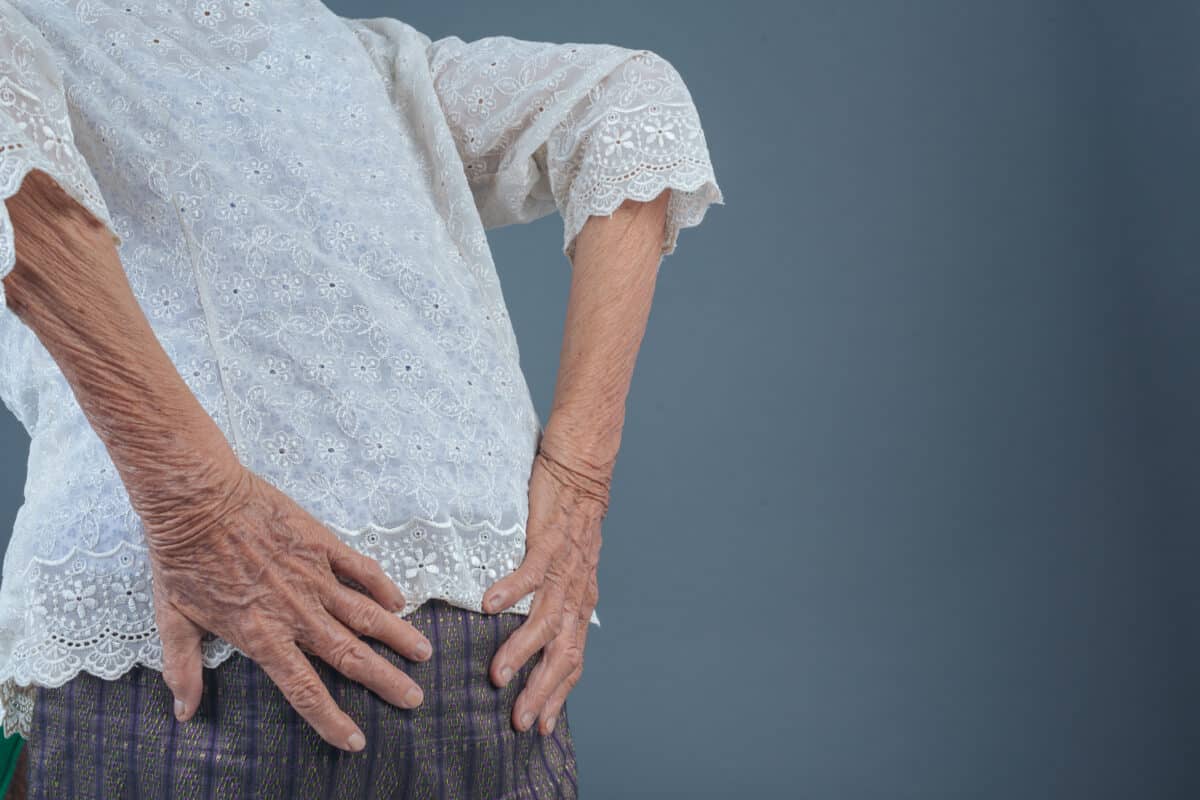
As you age, you may wonder if osteoporosis could be the culprit behind your hip pain. You’re not alone – osteoporosis affects approximately 10 million Americans over the age of 50, and it’s more common in women. But can osteoporosis cause hip pain? The answer is yes, and understanding the connection between osteoporosis and hip pain is crucial for seniors like you who want to maintain their independence and mobility. This article by Oceanview Senior Living will investigate the relationship between osteoporosis and hip pain, exploring the signs, symptoms, risk factors, diagnosis, and treatment options. By the end of this article, you’ll better understand how osteoporosis can impact your hip health and how you can manage your symptoms.


The Prevalence of Osteoporosis in Seniors

Before we probe the connection between osteoporosis and hip pain, it’s imperative to understand the scope of osteoporosis among seniors. As you age, your risk of developing osteoporosis increases, making it a significant concern for seniors.


Statistics on Osteoporosis in Seniors

With approximately 10 million Americans over the age of 50 affected by osteoporosis, it’s a widespread issue that demands attention. Women are more likely to be affected, with nearly 20% of women and 5% of men experiencing osteoporosis. These numbers highlight the importance of understanding osteoporosis and its impact on daily life.


The Impact of Osteoporosis on Daily Life

One of the most significant consequences of osteoporosis is its ability to limit daily activities and independence. As bones weaken, even simple tasks like walking or bending can become challenging, leading to a decline in overall quality of life.


A decline in bone density can also lead to a loss of confidence, making you more hesitant to engage in activities you once enjoyed. This can result in social isolation, depression, and a sense of vulnerability. Furthermore, the fear of falling or fracturing a bone can create anxiety, making it difficult to perform everyday tasks. By understanding the impact of osteoporosis on daily life, you can take proactive steps to manage your condition and maintain your independence.

Osteoporosis on Daily Life

Osteoporosis on Daily Life

Age-related Osteoporosis

There’s a common misconception that osteoporosis is an inevitable part of aging, but understanding the disease can help you take control of your bone health. Age-related osteoporosis, also known as primary osteoporosis, is the most common type of osteoporosis, and it affects millions of seniors worldwide.


Definition and Explanation of Age-related Osteoporosis

Elucidation of age-related osteoporosis reveals a complex process where your body’s natural bone remodeling process is disrupted, leading to an imbalance between bone resorption and formation. As you age, your body’s ability to replace old bone tissue with new bone tissue slows down, resulting in a net loss of bone mass and density.


How it Affects Bone Density and Structure

The effects of age-related osteoporosis on bone density and structure are multifaceted. As your bones lose density, they become more porous and fragile, making them prone to fractures. The trabecular bone, the spongy tissue inside your bones, is particularly affected, leading to decreased bone strength and an increased risk of hip fractures.


The definition of age-related osteoporosis highlights the importance of understanding the underlying mechanisms contributing to bone loss. As you age, your body’s production of hormones, such as estrogen and testosterone, decreases, increasing the production of cytokines, which stimulate bone resorption. This, combined with reduced physical activity and a diet lacking imperative nutrients, creates a perfect storm for bone loss. By understanding these factors, you can take proactive steps to prevent or manage age-related osteoporosis and reduce your risk of hip pain and fractures.


Transient Osteoporosis

It is essential to understand that osteoporosis is not just one condition; different forms of osteoporosis can affect your hips. According to the Mayo Clinic, “Osteoporosis—Symptoms and Causes” can lead to hip pain. One such form is transient osteoporosis, a rare condition that causes temporary bone loss in the upper part of your thighbone (femur).


Definition and explanation of transient osteoporosis

The term “transient” means temporary, and this form of osteoporosis is characterized by a sudden onset of bone loss in the hip, which can cause pain and weakness. Unlike age-related osteoporosis, transient osteoporosis is not related to aging or menopause.


Differences from age-related osteoporosis

The definition of transient osteoporosis highlights its distinct nature compared to age-related osteoporosis. While age-related osteoporosis is a gradual process that occurs over time, transient osteoporosis develops suddenly and temporarily.


Plus, unlike age-related osteoporosis, which affects multiple bones throughout the body, transient osteoporosis primarily affects the hip joint. Additionally, the symptoms of transient osteoporosis tend to resolve on their own within 6-12 months. In contrast, age-related osteoporosis is a chronic condition that requires ongoing management.


Does Osteoporosis Cause Hip Pain?

Not surprisingly, osteoporosis can indeed cause hip pain, particularly in seniors. According to the Mayo Clinic, “Hip fracture – Symptoms & causes,” hip fractures are a common consequence of osteoporosis, leading to pain, limited mobility, and decreased quality of life.


The Link Between Osteoporosis and Hip Pain

Understanding the relationship between osteoporosis and hip pain is crucial in managing this condition. Osteoporosis weakens bones, making them more susceptible to fractures, which can lead to hip pain.


How Osteoporosis Leads to Hip Pain

Painful hip fractures are a common consequence of osteoporosis. When your bones weaken, they become more prone to breaks, which can occur even with minor falls or twists.


Plus, bone weakening can lead to micro-fractures, which can cause chronic pain and discomfort. Furthermore, the resulting inflammation and swelling can exacerbate the pain, making it difficult to perform everyday activities.


Signs and Symptoms: Recognizing Hip Pain from Osteoporosis

Many seniors experience hip pain, but it’s crucial to recognize whether it’s related to osteoporosis or another underlying condition. Understanding the signs and symptoms of hip pain from osteoporosis can help you seek timely medical attention and prevent further complications.

Signs and Symptoms

Signs and Symptoms

Common symptoms of hip pain from osteoporosis

With osteoporosis, you may experience a range of symptoms, including pain at rest, swelling and bruising, limited range of motion, and sudden pain that worsens with weight-bearing activities. These symptoms can significantly impact your daily activities and overall well-being.


Red flags to watch out for

Osteoporosis can lead to severe consequences if left untreated. Be cautious of red flags such as sudden, severe pain, difficulty walking, or limited mobility, as these may indicate a hip fracture or other serious complications.


Symptoms that persist or worsen over time, such as gradual worsening of pain, limited range of motion, or difficulty performing daily activities, should prompt you to consult your doctor. Early diagnosis and treatment can significantly improve your outcomes and prevent further bone loss.


Other Possible Causes of Hip Pain Not Related to Osteoporosis

To ensure an accurate diagnosis, it’s vital to consider other potential causes of hip pain unrelated to osteoporosis. While osteoporosis can significantly contribute to hip pain, other conditions can cause similar symptoms.


Alternative explanations for hip pain

Hip pain can be related to joint inflammation. Osteoarthritis, rheumatoid arthritis, and other inflammatory joint conditions can cause it. Bursitis, tendinitis, and muscle or ligament sprains can also contribute to hip pain.


Importance of accurate diagnosis

Hip pain can have multiple underlying causes, making an accurate diagnosis crucial for effective treatment. Ruling out other potential causes of hip pain helps your doctor develop a personalized treatment plan tailored to your needs.


Understanding the underlying cause of your hip pain is vital in determining the best course of treatment. Considering all possible causes, your doctor can develop a comprehensive plan to alleviate your pain, prevent further complications, and improve your overall bone health.


What Level of Care Do You Need?

Discover the level of care you or your family member requires.


Are You at Risk for Hip Pain from Osteoporosis?

Once again, understanding the risk factors for osteoporosis can help you and your doctor work together to reduce your risk. Some risk factors are modifiable, but it is impossible to avoid others.


Factors that increase the risk of hip pain from osteoporosis

Individuals with specific characteristics may be more prone to developing osteoporosis and experiencing hip pain. These factors include:

  • Being a woman, especially those who have undergone menopause
  • Having a family history of osteoporosis or hip fractures
  • Aging, as bone loss happens more quickly with age
  • Having a low body weight puts you at higher risk due to less bone mass
  • Lack of physical activity and weight-bearing exercise
  • Inadequate calcium and vitamin D intake
  • Chronic heavy alcohol use or smoking
  • Certain medications, such as glucocorticoids, that can cause bone loss
  • This list is not exhaustive, and it’s essential to consult your doctor to determine your specific risk factors.


Lifestyle changes to reduce the risk

Risk reduction starts with making conscious lifestyle choices. Incorporating these changes can lower your chances of developing osteoporosis and experiencing hip pain.


To reduce your risk, focus on maintaining a healthy diet rich in calcium and vitamin D, engaging in regular weight-bearing exercises, and quitting smoking. Additionally, limiting alcohol consumption and managing your medications can also help mitigate the risk of osteoporosis. Taking proactive steps can safeguard your bone health and minimize the likelihood of hip pain.


Diagnosing Hip Pain from Osteoporosis

Your doctor will use a combination of medical history, physical examination, and diagnostic imaging tests to diagnose hip pain caused by osteoporosis accurately.


Medical history and physical examination

A vital part of diagnosing hip pain from osteoporosis is understanding your medical history, including any previous injuries or conditions that may be contributing to your symptoms. Your doctor will ask you questions about your risk factors for osteoporosis, such as your age, family history, and lifestyle habits. A physical examination will also assess your range of motion and identify any signs of osteoporosis, such as limited mobility or swelling.


Imaging tests and diagnostic tools

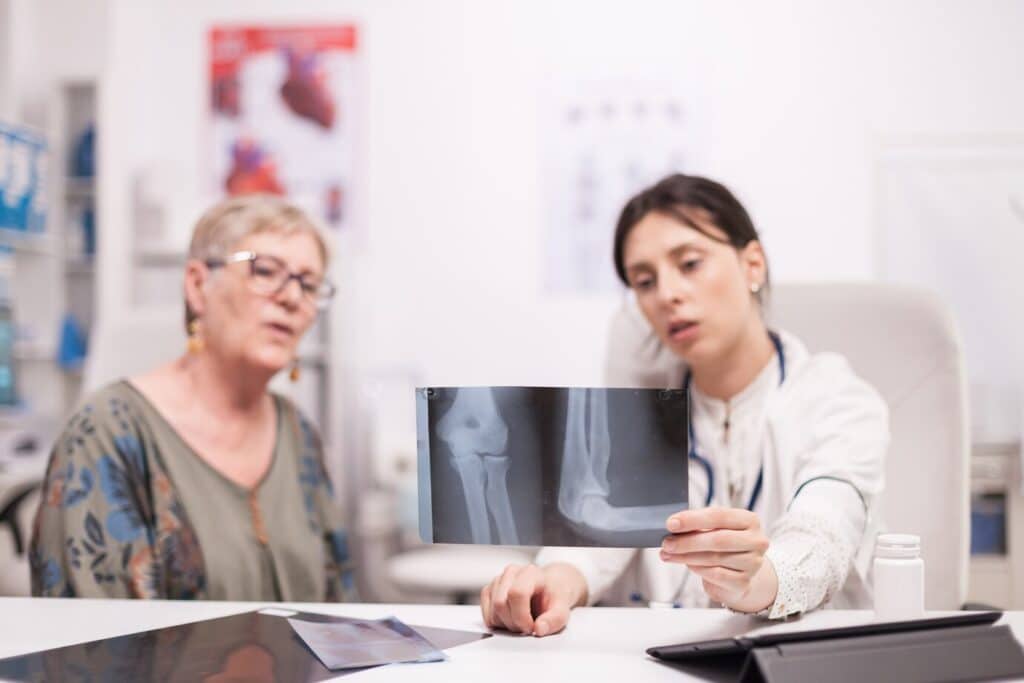
Medical imaging tests are crucial in diagnosing hip pain from osteoporosis. These tests can help your doctor visualize your bones and detect any signs of bone loss, fractures, or other abnormalities. Standard imaging tests used to diagnose osteoporosis include X-rays, bone density scans (DEXA scans), and magnetic resonance imaging (MRI).


This is especially important in diagnosing transient osteoporosis, where an MRI can detect bone marrow edema, a common finding in this condition. Additionally, blood tests may be done to assess your calcium and vitamin D levels and other markers related to your bone health. While these tests can’t diagnose osteoporosis, they can provide valuable insights into bone health and rule out other causes of hip pain.


Treatment of Hip Pain from Osteoporosis

Unlike other conditions, treating hip pain caused by osteoporosis requires a multifaceted approach that addresses not only the pain but also the underlying bone loss and weakness. Your healthcare provider will work with you to develop a personalized treatment plan that combines lifestyle modifications, physical therapy, and medications to alleviate pain, prevent further fractures, and enhance your overall bone health.


Medications and pharmaceutical interventions

With the guidance of your healthcare provider, medications can play a crucial role in managing hip pain from osteoporosis. Non-steroidal anti-inflammatory (NSAID) medications can help relieve pain and inflammation. At the same time, bisphosphonates can slow bone loss and improve bone density, reducing the risk of fractures.


Non-pharmacological treatments and therapies

Focusing on promoting bone health and preventing further fractures, non-pharmacological treatments, and therapies can be highly effective in managing hip pain from osteoporosis. These may include restrictions on weight-bearing activities, using walking aids, simple at-home exercises or physical therapy, and calcium and vitamin D supplements.


Pain management is a critical aspect of treating hip pain from osteoporosis. Your healthcare provider may recommend a combination of physical therapy, exercise, and lifestyle modifications to help manage pain and improve mobility. For example, water exercises can be an excellent way to relieve weight-bearing stress on the hip while maintaining strength and flexibility. Additionally, a customized exercise program can help you maintain mobility and reduce the risk of falls. By working with your healthcare provider, you can develop a comprehensive treatment plan that addresses your unique needs and helps you manage hip pain from osteoporosis.


Managing Hip Pain from Osteoporosis

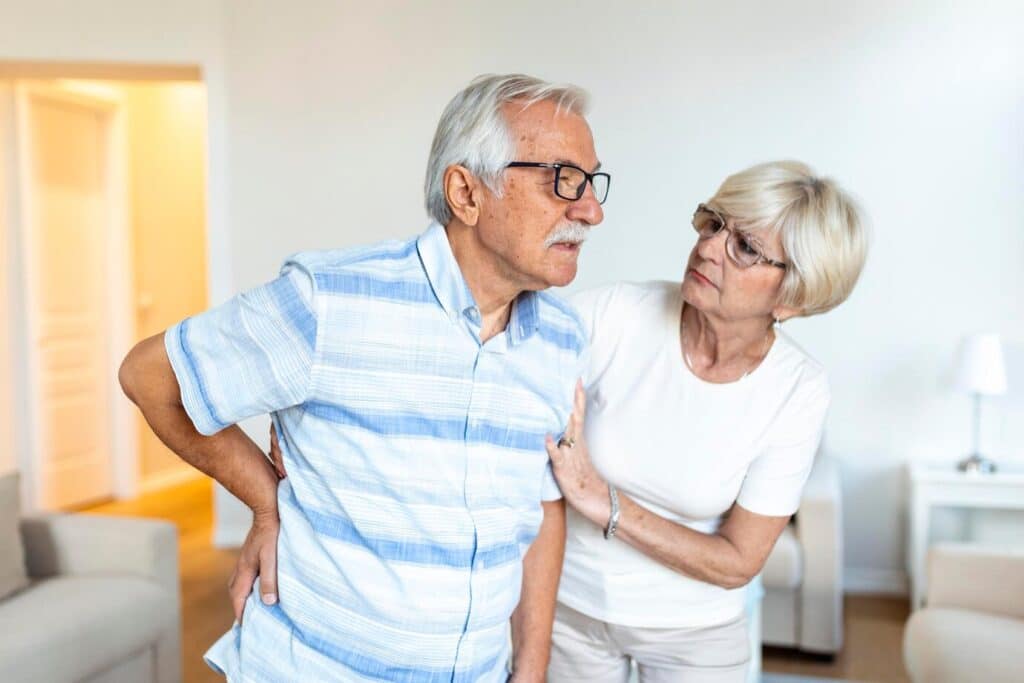
For individuals with osteoporosis, managing hip pain is crucial to maintaining their quality of life. Effective management involves a combination of lifestyle modifications, alternative therapies, and medical interventions tailored to the individual’s specific needs.
Managing Hip Pain from Osteoporosis

Managing Hip Pain from Osteoporosis

Lifestyle modifications for pain management

Managing your daily activities to reduce hip stress can help alleviate pain. This may involve modifying your daily routine, such as taking regular breaks to rest, using assistive devices like canes or walkers, and engaging in low-impact exercises like swimming or cycling.


Alternative therapies and complementary approaches

To complement traditional medical treatments, alternative therapies like acupuncture, massage, and yoga can help manage hip pain and improve overall well-being. These approaches can also help reduce stress and anxiety, which can exacerbate pain.


Understanding the benefits of alternative therapies is vital in developing a comprehensive pain management plan. For instance, acupuncture can stimulate the release of natural pain-relieving chemicals. Massage can also improve circulation and reduce muscle tension.


Conversely, yoga can help improve flexibility and balance, reducing the risk of falls and fractures. By incorporating these alternative approaches into your treatment plan, you can experience enhanced pain relief and overall health.


Preventing Hip Fractures from Osteoporosis

Keep in mind that preventing hip fractures from osteoporosis requires a multifaceted approach. Taking proactive steps can reduce your risk of fractures and maintain your independence.


Strategies for fall prevention

Falls are a significant concern for seniors, as they can lead to hip fractures. To prevent falls, remove tripping hazards from your home, install handrails in critical areas, and improve lighting. Additionally, exercise regularly to improve balance and strength.


Exercises and physical therapy for strengthening bones

Therapy-focused exercises can help strengthen your bones and reduce your risk of fractures. Work with a physical therapist to develop a customized exercise program that targets your hips, spine, and wrists.


Fractures can be devastating, but exercise and physical therapy can prevent them. By incorporating weight-bearing exercises, such as walking or jogging, into your routine, you can strengthen your bones and reduce your risk of fractures. Exercises that improve balance and flexibility, such as tai chi or yoga, can also help prevent falls. Remember to consult with your healthcare provider before starting any new exercise program.


Living with Hip Pain from Osteoporosis

Now that you’ve been diagnosed with osteoporosis, it’s imperative to understand how to manage your hip pain and maintain your quality of life. Living with hip pain can be challenging, but with the proper coping mechanisms, emotional support, and strategies to maintain independence, you can learn to adapt and thrive.


Coping mechanisms and emotional support

On top of the physical challenges, living with hip pain from osteoporosis can take a toll on your mental and emotional well-being. It’s crucial to develop coping mechanisms to deal with the frustration, anxiety, and depression that may come with chronic pain. Seek emotional support from family, friends, or support groups to help you stay positive and motivated.


Maintaining independence and daily function

Daily activities may become more challenging with hip pain. However, it’s imperative to maintain your independence and daily function as much as possible. Simple grocery shopping, cooking, or showering may require adjustments. However, with the right strategies, you can continue to live a fulfilling life.


With the help of physical therapy, occupational therapy, or home health care, you can learn new ways to perform daily tasks that minimize strain on your hips. For example, you may need to use assistive devices like canes or walkers to reduce pressure on your hips while walking or standing. Modifying your home, such as installing handrails or non-slip mats, can help prevent falls and reduce the risk of further injury.


The Future of Osteoporosis Treatment and Research

All advancements in osteoporosis research and treatment are focused on improving diagnosis, prevention, and management of the disease, ultimately enhancing the quality of life for individuals like you who are affected by it.


Emerging trends and advancements

Innovative approaches, such as gene therapy, stem cell therapy, and nanotechnology, which promise more effective and targeted therapies, are expected to provide future breakthroughs in osteoporosis treatment.


Hope for improved treatments and outcomes

Emerging research on osteoporosis brings new hope for improved treatments and outcomes, particularly in personalized medicine and early intervention.


The development of more targeted and effective therapies is expected to significantly improve osteoporosis treatment outcomes, enabling individuals like you to manage their condition better and reduce the risk of fractures and related complications. As researchers uncover the underlying mechanisms of osteoporosis, new opportunities for prevention and treatment will emerge, offering a brighter future for those affected by the disease.


Find Where You Belong

Dive into the vibrant life our Westmont communities have to offer.


Final Words

Following this comprehensive guide, you now better understand how osteoporosis can cause hip pain in seniors. Remember, it’s necessary to recognize the signs and symptoms of osteoporosis, especially if you’re at risk due to age, family history, or other factors. By taking proactive steps, such as incorporating exercise into your daily routine, maintaining a healthy diet, and consulting with your doctor, you can reduce your risk of hip fractures and alleviate hip pain. If you’re experiencing hip pain, don’t hesitate to seek medical attention. Learn more about Does Osteoporosis Cause Hip Pain with Exercise? and take control of your bone health today. At Oceanview Senior Living in Newport, OR, we’re committed to providing seniors with the support and resources they need to maintain their overall well-being. Call us at 541-574-0550 to learn more about our senior living community.


 

Breaking Down the Stages of Osteoporosis In Seniors

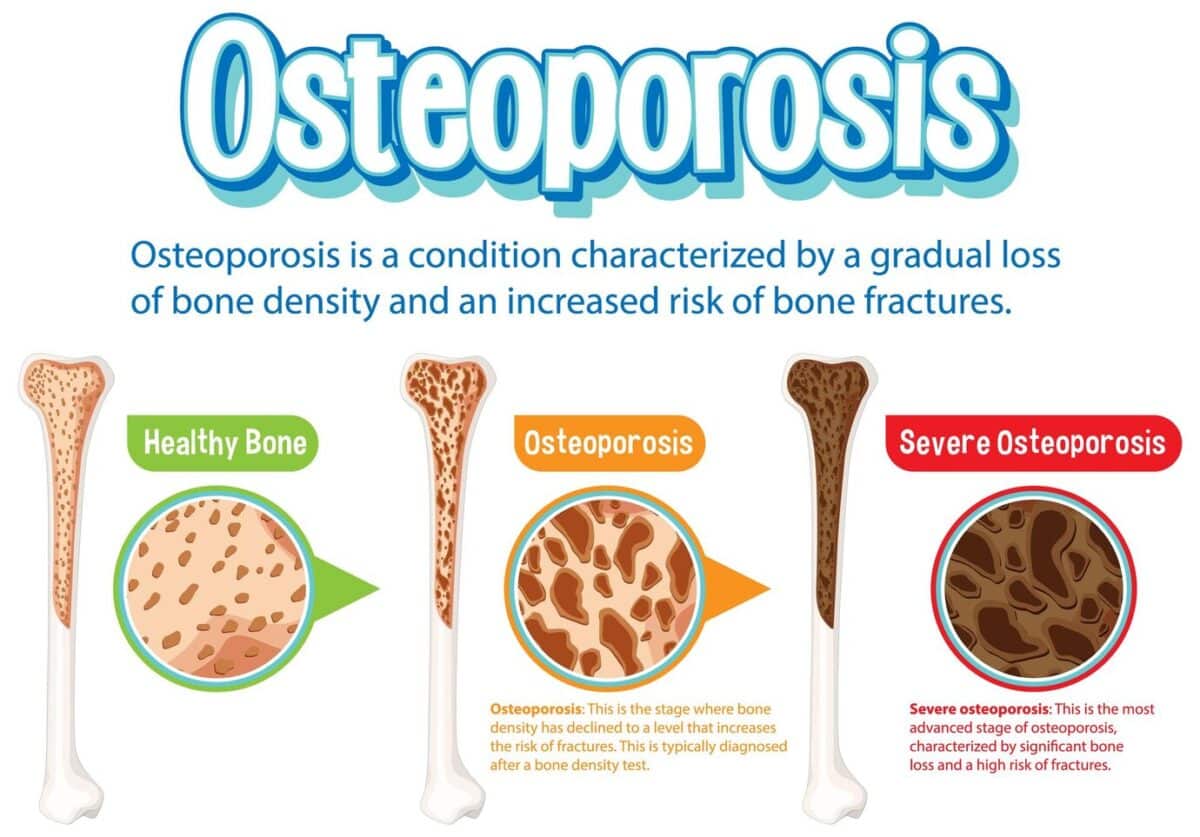
Your bones naturally lose density as you age, making them more prone to fractures. Osteoporosis, a silent bone disease, can creep up on you without warning signs until it’s too late. According to Osteoporosis: What You Need to Know as You Age, understanding the stages of osteoporosis is crucial in preventing bone fractures and managing the condition. In this article, we’ll probe into the four stages of osteoporosis, from its early signs to its severe consequences, and explore how doctors diagnose each stage. By grasping the progression of osteoporosis by Oceanview Senior Living, you’ll be better equipped to take control of your bone health and reduce the risk of fractures as you age.

Stage 1

Your body constantly breaks down old bone and replaces it with new bone tissue. At stage 1 of osteoporosis, your bone loss and formation are balanced, meaning you no longer make more bone material than you’re losing.

Normal Bone Density

A bone density scan will show a T-score between +1 and -1 for people in this stage, indicating an average bone density. This means your bones are still strong and healthy, and you’re not at risk of fractures.

Early Warning Signs

The National Institute on Aging notes no symptoms at this stage. However, it’s crucial to be aware of your bone health, especially if you risk osteoporosis due to family history, age, or other factors.

To identify potential issues early, it’s crucial to maintain regular check-ups with your doctor and discuss any concerns you may have about your bone health. By being proactive, you can take steps to prevent or slow down bone loss, reducing your risk of osteoporosis and fractures.

Early Warning Signs

Early Warning Signs

Stage 2

Assuming you’ve reached stage 2 of osteoporosis, your bone mass or density is lower than usual for your age. This stage is often referred to as osteopenia, a precursor to osteoporosis. At this point, bone loss occurs faster than bone formation. However, your bones are less likely to fracture because they haven’t yet deteriorated significantly. You may not experience any symptoms, but taking steps to reduce your risk of developing osteoporosis is necessary. According to the National Health Service (NHS), osteopenia doesn’t constantly develop into osteoporosis.

Osteopenia: The Precursor to Osteoporosis

One of the primary concerns during stage 2 is osteopenia, a condition in which bone density is lower than usual. While it’s not yet osteoporosis, it increases your risk of developing the condition. The good news is that you can reduce your risk of osteoporosis by exercising regularly, eating a balanced diet rich in calcium and vitamin D, and avoiding smoking and excessive alcohol consumption.

Subtle Changes in Bone Structure

Although you may not notice any significant changes in your bone structure on the surface, subtle changes are occurring. Your bones are becoming weaker and more prone to fractures, even if you don’t experience any symptoms. It’s necessary to be proactive and prevent further bone loss.

To better understand the subtle changes in your bone structure, consider this: your bones have a thick outer layer and a spongy inner layer. As you age, the spongy inner layer becomes less dense, making your bones more susceptible to fractures. Additionally, the vertebrae in your spine can become compressed, leading to a loss of height and stooped posture. These changes can occur gradually over time, making regular monitoring of your bone health necessary. If you’re concerned about osteoporosis, consult your doctor about getting a bone density scan, which can help identify potential issues early on. For more information on the symptoms of osteoporosis, including early and late-stage signs, consult with your healthcare provider.

Osteopenia

Osteopenia

Stage 3

While osteoporosis may still be asymptomatic at this stage, the accelerated bone loss significantly increases the risk of fractures.

Osteoporosis: Weakened Bones

On the brink of full-blown osteoporosis, your bones are becoming increasingly fragile, making them more susceptible to fractures.

Increased Risk of Fractures

Stage 3 osteoporosis is characterized by a heightened risk of fractures, even from minor falls or bumps that wouldn’t have caused harm earlier.

It’s important to understand that these fractures can occur spontaneously, without any obvious trauma and maybe the first indication of osteoporosis. As bone density continues to decline, the likelihood of experiencing a fracture increases, which can significantly impact one’s quality of life.

Weakened Bones

Weakened Bones

Common Symptoms

With osteoporosis progressing to stage 3, you may notice subtle changes in your body, such as a slight loss of height or a stooped posture.

Understanding these early symptoms is crucial, as they can be a warning sign for potential fractures. If you’re experiencing any unusual aches or pains, consult with your healthcare provider to determine the underlying cause and take preventative measures.

Stage 4

Many seniors may not realize they have osteoporosis until they reach Stage 4, the most severe stage of the condition. At this point, bone loss is significant, and the risk of fractures is exceptionally high. According to the Mayo Clinic, osteoporosis can lead to Osteoporosis—symptoms and causes, including back pain, stooped posture, and loss of height.

What Level of Care Do You Need?

Discover the level of care you or your family member requires.

Severe Osteoporosis: Advanced Bone Loss

In Stage 4, bone loss is advanced, and the body can no longer quickly replace bone tissue. This leads to a significant decrease in bone density, making bones weak and brittle.

Symptoms Description
Back pain Persistent back pain due to vertebral compression fractures
Stooped posture Kyphosis or curvature of the spine due to vertebral compression fractures
Loss of height Noticeable decrease in height due to vertebral compression fractures

Debilitating Consequences

Debilitating consequences of Stage 4 osteoporosis can significantly impact your daily life. You may experience chronic pain, limited mobility, and a decreased quality of life.

Stage 4 osteoporosis can also lead to a higher risk of falls and fractures, which can be life-threatening. Working with your healthcare provider to manage your condition and prevent further bone loss is necessary.

Diagnosis

Remember that diagnosing osteoporosis typically involves a combination of tests and evaluations to determine your bone density and overall health.

Bone Density Tests

Determining your bone density is a crucial step in diagnosing osteoporosis. A bone density test, also known as a dual-energy X-ray absorptiometry (DXA) scan, measures the mass and strength of your bones. This test is the most common method used to diagnose osteoporosis and assess your risk of fractures.

Medical History and Physical Exam

Medically speaking, your doctor will likely start by reviewing your medical history and performing a physical exam to assess your overall health and identify any potential risk factors for osteoporosis.

This evaluation will help your doctor identify any underlying conditions or lifestyle factors contributing to bone loss, such as a family history of osteoporosis, previous fractures, or certain medications.

Imaging Tests

An imaging test, such as an X-ray or computed tomography (CT) scan, may be ordered to confirm osteoporosis diagnosis or rule out other conditions that may be causing your symptoms.

Physical signs of osteoporosis, such as vertebral compression fractures or height loss, may also be visible on an imaging test, which can help your doctor determine the severity of your condition.

Find Where You Belong

Dive into the vibrant life our Westmont communities have to offer.


As a reminder, understanding the stages of osteoporosis is crucial for seniors like you to take proactive steps in managing this silent bone disease. By recognizing the signs and symptoms of each stage, you can work with your healthcare provider to develop a personalized plan to slow bone loss, reduce the risk of fractures, and improve your overall quality of life. If you’re concerned about the stages of osteoporosis or have questions about the stages of osteoporosis, don’t hesitate to reach out to
Oceanview Senior Living at 541-574-0550. Knowledge is power, and taking control of your bone health is crucial for a happy and healthy senior living experience.


Top Best Food for Brain Recovery in Oceanview Senior Living


As you age, you’re likely to experience memory loss and other common age-related symptoms, but did you know that certain foods can help improve your mental health and even reduce the need for some medications? At Oceanview Senior Living in Newport, OR, we understand the importance of a healthy diet in supporting brain recovery. Incorporating the right foods into your diet can improve your memory, increase your energy levels, and even experience better digestion. In this article, we’ll explore the best food for brain recovery and how our health and wellness plans can help you learn how to cook healthy meals tailored to your physical and mental health needs. With our expert guidance and supportive community, you can take the first step towards a healthier, happier you. Call us today at 541-574-0550 to learn more about our programs and services.


Why Eating Nutritious Meals is Important for Seniors

Aging brings about numerous changes in your body, and your diet plays a significant role in maintaining your overall health. As you grow older, your body’s nutritional requirements evolve, making it vital to consume a balanced diet that caters to your needs.


The Impact of Malnutrition on Cognitive Function

Eating a poor diet can have severe consequences on your cognitive function, including memory loss, decreased focus, and reduced mental clarity. Malnutrition can lead to a decline in brain health, making it challenging to perform daily tasks and maintain independence. Studies have shown that malnutrition is a common issue among seniors, affecting up to 15% of older adults in the United States.


How Diet Affects Brain Health in Older Adults

Seniors who consume a diet rich in whole foods, fruits, vegetables, and healthy fats tend to have better cognitive function and a lower risk of dementia. A well-balanced diet provides the necessary nutrients and antioxidants that support brain health, reducing the risk of age-related mental decline.


It is important to note that a healthy diet is about consuming the right foods and avoiding unhealthy ones. Processed foods, sugary snacks, and saturated fats can negatively impact brain health, increasing the risk of cognitive decline and dementia. Making informed dietary choices can support brain health and reduce the risk of age-related cognitive impairment.


Healthy Diet

Healthy Diet

The Science Behind Brain Recovery

If you’re looking to improve your brain health, it’s crucial to understand the science behind brain recovery. A healthy diet is vital in supporting brain function and promoting recovery. 


Neuroplasticity and Nutrition

Any changes you make to your diet can significantly impact your brain health. Neuroplasticity, the brain’s ability to adapt and change, is influenced by the foods you eat. A nutrient-rich diet can help support neuroplasticity, promoting brain recovery and improving cognitive function.


The Role of Omega-3 Fatty Acids in Brain Health

One of the most critical nutrients for brain health is omega-3 fatty acids. These crucial fatty acids, particularly EPA and DHA, play a vital role in brain function and development. They have been shown to support cognitive health, improve memory, and even reduce the risk of dementia.

Recovery from cognitive decline requires a diet rich in omega-3 fatty acids. These nutrients help to reduce inflammation in the brain, promote neural connections, and support the growth of new brain cells. By incorporating foods high in omega-3s, such as fatty fish, nuts, and seeds, into your diet, you can support your brain health and promote recovery. 


What Level of Care Do You Need?

Discover the level of care you or your family member requires.


The Best Food for Brain Recovery for Seniors for Improving Memory

You’re likely aware that a healthy diet is crucial in maintaining overall health, especially as you age. But did you know certain foods can specifically support brain health and even improve memory?

Incorporating these foods into your diet can improve your mental clarity, focus, and memory, leading to a better quality of life.


Fatty Fish: A Rich Source of Omega-3s

Memory-boosting fatty fish like salmon, trout, and sardines are packed with omega-3 fatty acids, which are vital for brain function and development. These healthy fats have been shown to improve cognitive function, reduce inflammation, and even support brain growth.


Nuts and Seeds: Rich in Antioxidants and Healthy Fats

Best of all, nuts and seeds are a tasty and convenient way to support brain health. Rich in antioxidants and healthy fats, these foods can help reduce oxidative stress and inflammation, negatively impacting cognitive function.


Rich in vitamins, minerals, and antioxidants, nuts and seeds like walnuts, chia seeds, and flaxseed oil are a great addition to a brain-healthy diet. Plus, they’re easy to incorporate into your daily routine, whether as a snack or added to oatmeal or yogurt.


Leafy Greens: Packed with Vitamins and Minerals

Fueling your body with the proper nutrients is vital for optimal brain function. Leafy greens like spinach, kale, and collard greens are packed with vitamins A, C, and K and minerals like calcium and iron, all of which support cognitive health.

Foods rich in vitamins and minerals, like leafy greens, are critical in maintaining healthy brain function. Incorporating these foods into your diet can improve focus, concentration, and memory, leading to a better quality of life.

Leafy Greens

Leafy Greens

Berries: Boosting Memory with Antioxidants

Vitamins and minerals aren’t the only vital nutrients for brain health. Berries like blueberries, strawberries, and raspberries are rich in antioxidants, which help reduce oxidative stress and inflammation, which can negatively impact cognitive function.


Minerals like manganese and copper in berries play a critical role in supporting brain health. By incorporating berries into your diet, you can improve memory, focus, and cognitive function, leading to a better quality of life.


Meal Planning for Brain Recovery

Meal planning is a crucial aspect of brain recovery. Incorporating the right foods into your diet can improve your mental health and reduce the risk of age-related symptoms. 


Breakfast Ideas to Boost Brain Function

Functional foods like oatmeal, eggs, and berries are excellent breakfast options to boost brain function. Oatmeal is rich in fiber, which can help lower cholesterol levels and improve blood flow to the brain. Eggs are an excellent source of protein, vitamin B12, and choline, which are necessary for brain health. Berries are packed with antioxidants and flavonoids that can help improve memory and cognitive function.


Lunch and Dinner Options for a Healthy Brain

Meal planning for brain recovery involves incorporating foods rich in omega-3 fatty acids, antioxidants, and other necessary nutrients. Fatty fish like salmon, sardines, and trout are excellent options for lunch and dinner, as they are rich in omega-3 fatty acids that can help improve brain health. Other healthy choices include lean proteins, whole grains, and a variety of colorful vegetables.


Brain health is closely linked to gut health, so it’s necessary to include foods that promote a healthy gut microbiome. Fermented foods like kimchi, sauerkraut, and yogurt can help improve digestion and reduce inflammation in the brain. Additionally, foods rich in antioxidants like berries, leafy greens, and other fruits and vegetables can help protect the brain from oxidative stress and inflammation.

Meal Planning

Meal Planning

Snacking for Brain Health

Brain-boosting snacks like nuts, seeds, and dried fruits can help improve cognitive function and memory. Walnuts, in particular, are rich in omega-3 fatty acids and antioxidants that can help improve brain health. Other healthy snack options include dark chocolate, which can help improve blood flow to the brain, and coffee, which can help improve focus and concentration.

Healthy snacking is necessary for brain recovery, as it can help maintain energy levels and support cognitive function throughout the day. Incorporating brain-boosting snacks into your diet can improve your overall brain health and reduce the risk of age-related symptoms.


Find Where You Belong

Dive into the vibrant life our Westmont communities have to offer.


Conclusion

Ultimately, incorporating the best food for brain recovery into your diet can significantly impact your overall health and well-being, especially as you age. At Oceanview Senior Living in Newport, OR, we understand the importance of nutrition in maintaining cognitive function and overall health. You can improve your memory, energy levels, and digestion by focusing on brain-healthy foods such as fatty fish, coffee, dark chocolate, and nuts. Call us today at 541-574-0550 to learn more about our programs and how we can support your journey to optimal health.


7 Vital Tips for Senior Medical Care

Welcome to Oceanview Senior Living in Newport, OR, where we understand the importance of senior medical care. As we age, our healthcare needs evolve, requiring attention to specific aspects to ensure optimal well-being. This comprehensive guide will delve into seven vital tips for seniors and their families. Whether you’re navigating healthcare options for yourself or a loved one, our insights aim to empower you with the knowledge needed to make informed decisions and prioritize health above all else.

1. Regular Health Check-ups 

Regular health check-ups are the cornerstone of proactive senior medical care. Schedule routine visits with healthcare professionals to monitor vital signs, assess overall health, and detect any underlying issues early on. These check-ups enable timely interventions and adjustments to treatment plans, minimizing the risk of complications. At Oceanview Senior Living, we advocate for proactive healthcare management and offer support in arranging regular check-ups for our residents, ensuring their health remains a top priority.

  • Schedule annual physical examinations
  • Monitor blood pressure, cholesterol levels, and weight
  • Stay up-to-date with vaccinations and screenings
  • Discuss any concerns or changes in health with healthcare providers promptly

2. Medication Management 

Effective medication management is crucial for seniors to maintain their health and well-being. Keep a detailed record of all medications, including dosage instructions and potential side effects. Ensure medications are taken as prescribed and adhere to the recommended schedule. Oceanview Senior Living provides medication management assistance, ensuring residents receive their medications safely and on time, reducing the risk of adverse reactions or missed doses.

  • Organize medications in pill organizers or blister packs
  • Review medication lists regularly with healthcare providers
  • Understand potential drug interactions and side effects
  • Seek clarification on medication instructions or concerns
Medication Management 

Medication Management

3. Healthy Lifestyle Choices 

Encouraging healthy lifestyle choices is fundamental in senior medical care. Emphasize the importance of nutritious meals, regular exercise, adequate sleep, and stress management techniques. 

  • Incorporate fruits, vegetables, whole grains, and lean proteins into meals
  • Engage in regular physical activity, such as walking, swimming, or yoga
  • Prioritize sufficient sleep and relaxation
  • Explore hobbies and activities that promote mental and emotional well-being

4. Fall Prevention 

Fall prevention is significant in senior medical care, as falls can result in severe injuries and complications. Conduct a home safety assessment to identify potential hazards and make necessary modifications to reduce the risk of falls. Oceanview Senior Living prioritizes resident safety by implementing fall prevention measures and assisting in navigating the community safely.

  • Remove tripping hazards, such as loose rugs or cluttered walkways
  • Install grab bars and handrails in bathrooms and stairways
  • Ensure adequate lighting throughout the home
  • Encourage the use of mobility aids, such as canes or walkers, if necessary

5. Social Connection and Engagement 

Maintaining social connections and engaging in meaningful activities are vital for seniors’ well-being. Encourage participation in social events, clubs, and group activities to foster connections with peers and reduce feelings of isolation. Oceanview Senior Living promotes a vibrant community atmosphere where residents can forge friendships, participate in recreational activities, and enjoy enriching experiences.

  • Attend social gatherings and events within the community
  • Join clubs or groups based on interests or hobbies
  • Volunteer or engage in community service activities
  • Stay connected with family and friends through regular visits or virtual communication

6. Advanced Care Planning 

Advanced care planning allows seniors to express their healthcare preferences and make informed decisions about future medical treatment. Discuss end-of-life care wishes, designate a healthcare proxy, and create advance directives to ensure healthcare wishes are respected. Oceanview Senior Living supports residents in navigating advanced care planning discussions and provides resources to assist in documenting preferences.

  • Initiate conversations about end-of-life care with loved ones and healthcare providers
  • Complete legal documents, such as living wills and durable power of attorney for healthcare
  • Review and update advance directives regularly
  • Share copies of advance directives with healthcare providers and family members

7. Mental Health and Emotional Well-being 

Prioritizing mental health and emotional well-being is essential for seniors to maintain a high quality of life. Recognize signs of depression, anxiety, or cognitive decline and seek appropriate support and interventions. 

  • Encourage open communication about feelings and emotions
  • Participate in cognitive exercises and brain-stimulating activities
  • Seek professional counseling or therapy when needed
  • Foster a supportive and compassionate environment within the community

In conclusion, prioritizing senior medical care is paramount for ensuring a high quality of life and well-being. By implementing the seven essential tips outlined in this guide, individuals and their families can confidently navigate healthcare decisions and promote optimal health outcomes. At Oceanview Senior Living in Newport, OR, we are committed to supporting our residents’ health and wellness journey every step of the way. For personalized assistance or further information about our senior care services, please don’t hesitate to contact us at 541-574-0550.

Takeaways:

  • Prioritize regular health check-ups and medication management for senior individuals.
  • Encourage healthy lifestyle choices, fall prevention measures, and social engagement.
  • Facilitate advanced care planning discussions and prioritize mental health and emotional well-being.


Need Elder Care Assistance? Top Tips for Families!

Need Elder Care Assistance? Top Tips for Families!

When you consider elder care assistance for your loved ones, the abundance of information and options can be overwhelming. At Oceanview Senior Living in Newport, OR, we understand the intricacies of making these crucial decisions. This guide aims to simplify the process, providing you with actionable tips and expert advice to ensure the well-being of your senior family members.

Understanding the Basics of Elder Care

Elder care encompasses a wide range of services tailored to meet the unique needs of older adults. It can include anything from personal care and companionship to specialized medical attention. Recognizing the signs that your loved one might benefit from elder care assistance is the first step toward enhancing their quality of life.

Evaluating Your Loved One’s Needs

It is crucial to assess the daily living activities your senior family member can manage independently and those they need help with. Bathing, dressing, meal preparation, and medication management can significantly impact their autonomy and self-esteem.

Social Engagement and Emotional Well-being

Elder care isn’t just about physical health; it’s equally important to consider emotional and social well-being. Engaging activities, companionship, and a supportive community can prevent feelings of loneliness and isolation, which are common among seniors.

Social Engagement and Emotional Well-being

Social Engagement and Emotional Well-being

Choosing the Right Type of Elder Care Assistance

In-Home Care vs. Senior Living Communities

Deciding between in-home care services and transitioning to a senior living community like Oceanview Senior Living depends on the level of care required, social needs, and personal preferences. Each option has its benefits, which can help you make an informed decision.

Specialized Care for Chronic Conditions

If your loved one is dealing with chronic health conditions, specialized care may be necessary. Look for services that offer expertise in managing specific health issues, ensuring your family members receive the attention and treatment they deserve.

Financial Planning for Elder Care

The cost of elder care assistance can be a significant concern for many families. Planning and exploring various funding options, including insurance, government aid, and private pay, can alleviate financial stress and provide peace of mind.

Navigating Legal and Healthcare Directives

It’s essential to have open conversations about legal and healthcare preferences early on. Establishing power of attorney and advance healthcare directives ensures your loved one’s wishes are respected, and you’re legally prepared to decide on their behalf if necessary.

Understanding Medicare and Medicaid

Navigating the complexities of Medicare and Medicaid can be challenging but is crucial for managing healthcare costs. Familiarize yourself with the coverage options and eligibility requirements to maximize the benefits for your loved one’s care needs.

Leveraging Technology for Senior Care

Advancements in technology offer innovative solutions to enhance the safety and well-being of seniors. Consider incorporating medical alert systems, video communication tools, and health monitoring devices to keep your loved one safe and connected.

Apps and Online Resources for Caregivers

Many apps and online resources are available to assist caregivers in managing schedules, health records, and care plans. These tools can streamline the caregiving process and provide valuable support and information.

Building a Support Network

Caring for an elder can be both rewarding and challenging. Building a strong support network, including family, friends, and professional caregivers, can provide the emotional and practical assistance you need to navigate the caregiving journey.

Engaging with Community Resources

Local community centers, senior organizations, and healthcare providers often offer programs and services beneficial to seniors and their caregivers. Engaging with these resources can provide your loved one with additional support, education, and social opportunities.

The Role of Nutrition and Physical Activity

Proper nutrition plays a vital role in maintaining the health and vitality of seniors. Tailoring meals to meet specific dietary needs and preferences can help manage health conditions and improve overall well-being.

Encouraging Gentle Physical Activity

Regular, gentle physical activity is crucial for maintaining mobility, strength, and mental health. Encourage activities like walking, stretching, or chair exercises, always considering your loved one’s ability and comfort level.

Personalizing Care to Enhance Quality of Life

Personalized care goes beyond medical needs, encompassing hobbies, past careers, and life stories. At Oceanview Senior Living, we believe in honoring each resident’s unique history, tailoring activities and care to reflect personal preferences and histories, and enhancing overall quality of life.

The Importance of a Stimulating Environment

Creating a stimulating environment that encourages engagement and activity is essential for seniors’ mental and emotional well-being. From art classes to music sessions, providing diverse and accessible activities can significantly impact their daily lives.

Continuous Assessment and Adaptation

As needs and conditions evolve, continuous assessment of your loved one’s health and well-being is crucial. Regular check-ins and consultations with healthcare providers ensure that care plans remain appropriate and responsive to changing needs.

Flexibility in Care Planning

Flexibility in care planning allows for adjustments as circumstances change. Whether it’s increasing care hours, introducing new therapies, or considering a move to a senior living community, staying adaptable ensures that your loved one always receives the care they need.

Empowering Your Elderly Loved Ones with Compassionate Care

Choosing the right elder care assistance involves careful consideration, planning, and understanding your loved one’s needs and preferences. At Oceanview Senior Living, we’re committed to providing expert guidance and compassionate care, helping families navigate the complexities of elder care with confidence and ease.

Ready to Explore Elder Care Solutions? We’re Here to Help!

If you’re seeking elder care assistance for a loved one and need expert advice, Oceanview Senior Living in Newport, OR, is here to help. Our team of dedicated professionals is committed to empowering seniors to live their best lives, offering personalized care and a vibrant community atmosphere.

Contact Us at 541-574-0550

Please don’t hesitate to reach out for more information or to discuss your specific needs. Call us at 541-574-0550. Let’s work together to provide the care and support your loved one deserves.


How Can Aging & Adult Services Enhance Senior Living?

Understanding the Significance of Aging & Adult Services

Aging is a natural part of life, but it brings challenges that can impact seniors’ quality of life. Oceanview Senior Living, located in Newport, OR, recognizes the unique needs of the aging population. Our commitment to providing top-tier aging and adult services is rooted in our deep understanding of these needs.


Personalized Care: A Cornerstone of Effective Senior Living

At Oceanview Senior Living, personalized care is key to enhancing the lives of our residents. Our approach is tailored to meet the individual requirements of each senior, ensuring they receive the care and attention they need. From daily living assistance to specialized medical care, our team is equipped to handle diverse needs.


The Role of Technology in Enhancing Senior Care

Technological advancements have revolutionized the way aging and adult services are delivered. At Oceanview Senior Living, we harness these innovations to provide our residents with the best care.


Embracing Community and Social Connections

A vital aspect of senior well-being is social interaction. Our facility encourages community-building activities and social events to keep our residents connected and engaged. This enhances their emotional well-being and promotes a sense of belonging and community spirit.


Tailored Nutrition and Wellness Programs

Understanding the importance of nutrition and physical wellness, Oceanview Senior Living offers tailored programs to ensure our residents maintain a healthy lifestyle. 

Tailored Nutrition and Wellness Programs

Tailored Nutrition and Wellness Programs

The Importance of Mental Health in Senior Care

Mental health is as crucial as physical health, especially for seniors. We aim to provide a holistic approach to senior care, addressing all aspects of health and well-being.


Safety and Security: A Top Priority

At Oceanview Senior Living, the safety and security of our residents are paramount. Our facility has advanced security systems and trained staff to ensure a safe and secure environment. We understand that peace of mind is essential for our residents and their families.


Engaging Activities for a Fulfilling Lifestyle

Engagement in meaningful activities is key to a fulfilling senior lifestyle. We offer a variety of programs and activities that cater to the interests and hobbies of our residents. From art classes to gardening clubs, we aim to provide opportunities for personal growth and enjoyment.


Lifelong Learning and Intellectual Stimulation

Aging doesn’t mean an end to learning and growth. Oceanview Senior Living embraces the concept of lifelong learning, offering various educational programs and workshops. These activities are designed to stimulate the mind, encourage curiosity, and provide intellectual fulfillment, which is crucial for maintaining cognitive health in seniors.


Customized Assisted Living Services

Each senior has unique needs, and at Oceanview Senior Living, our assisted living services are customized to meet these individual requirements. Whether it’s help with medication management, mobility assistance, or personal care, our professional staff is trained to provide compassionate and competent support.


A Focus on Independence and Dignity

Maintaining independence and dignity is a core value at Oceanview Senior Living. Our programs and facilities are designed to empower seniors, allowing them to live independently while still providing the necessary support. This balance is crucial for the self-esteem and happiness of our residents.


The Role of Family and Community Involvement

Family and community play a significant role in the lives of seniors. We encourage and facilitate regular family involvement and strive to maintain a strong connection between our residents and the local community. This integration fosters a sense of belonging and contributes to the overall well-being of our seniors.


Compassionate End-of-Life Care

End-of-life care is a sensitive and crucial service. Our staff provides compassionate and dignified care to ensure comfort and peace for residents in their final days. We also offer support to families during these challenging times, emphasizing empathy and understanding.


Building a Community of Respect and Inclusion

Oceanview Senior Living is more than just a facility; it’s a community built on respect and inclusion. We celebrate the diversity of our residents and create an environment where everyone feels valued and accepted. This approach enriches the lives of our seniors and fosters a harmonious living environment.


Continuous Improvement and Innovation

We are committed to continuous improvement and innovation in our services. By staying abreast of the latest trends in senior care and regularly soliciting feedback from our residents and their families, we ensure that our services remain at the forefront of quality senior care.


Embracing a Bright Future at Oceanview Senior Living

In conclusion, Oceanview Senior Living in Newport, OR, represents a beacon of hope and excellence in aging and adult services. Our comprehensive approach to senior care ensures that each resident receives the personalized attention, respect, and quality of life they deserve. From advanced healthcare services to engaging community activities, our commitment is to enhance every aspect of senior living. We believe in creating a comfortable, joyful, and growing environment for our residents in their golden years.


Your Journey to Exceptional Senior Living Begins Here

Are you or a loved one considering a transition to senior living? Look no further than Oceanview Senior Living. We invite you to discover how our aging and adult services can significantly enhance the senior living experience. Join us in a community where every day is an opportunity for happiness, health, and fulfillment.


Ready to learn more? Contact us today at 541-574-0550 to discuss how we can assist you or your loved one embrace a vibrant and enriching senior lifestyle. At Oceanview Senior Living, your well-being is our priority, and we are here to guide you every step of the way.


Floor Plans & Pricing

Make yourself at home where a happy, healthy lifestyle goes hand-in-hand with your personal fulfillment, enrichment, and growth.

Answer a few quick questions to unlock the exciting future senior living can offer!

Resident Login