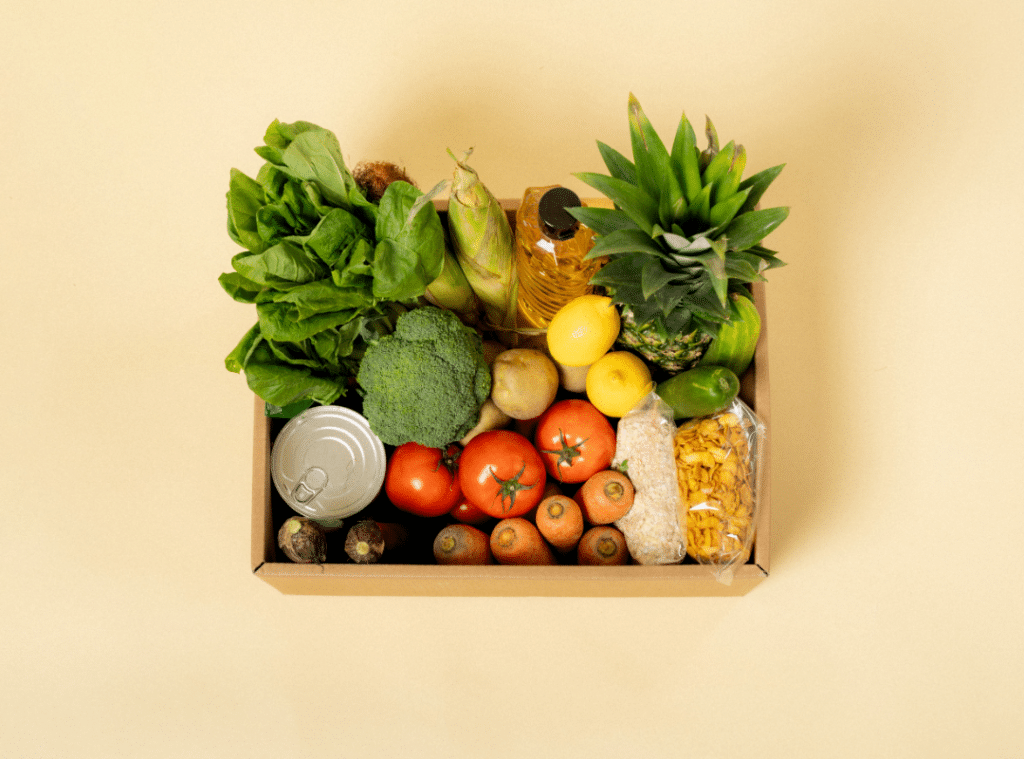


Foods to Avoid After 60 often include items high in sodium, added sugar, unhealthy fats, or food safety risks. Choosing better options can support heart health, steady energy levels, digestion, and overall long-term wellness. If you want to stay active and feel your best, small changes to your food choices can make a real difference. Residents at Westmont Village Homes enjoy a lifestyle that promotes healthy routines, physical activity, and everyday comfort.
As your body changes with age, nutrition needs may shift too. This guide explains what foods may be worth limiting, what to choose more often, and how smart habits can help you enjoy the years ahead.

What Changes in Nutrition After 60?
After 60, your metabolism may slow, muscle mass can naturally decline, and hydration becomes more important. Some people also notice changes in digestion, appetite, or how certain foods affect energy levels.
That means nutrient-packed meals matter more than ever. Protein, fiber, healthy fats, fruits, vegetables, and whole grains can help support strength and daily wellness. The CDC reports that 6 in 10 U.S. adults have a chronic disease, which makes daily food habits an important part of healthy aging.

Foods to Avoid After 60 and Why They Matter
Some foods are best limited because they may raise blood pressure, blood sugar, or inflammation, or offer little nutrition.
Empty-Calorie Snacks and Sugary Drinks
Chips, candy, pastries, and soda can add calories quickly without helping you feel satisfied. Frequent intake may lead to weight gain and energy crashes.
Highly Processed High-Sodium Foods
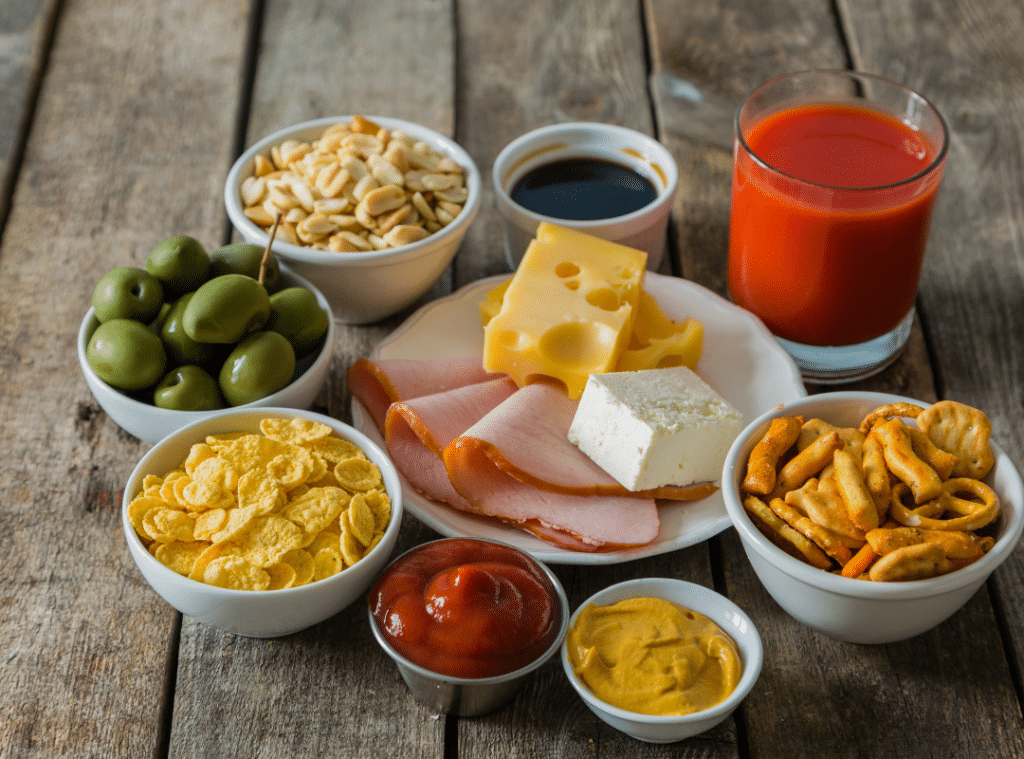
Frozen meals, processed meats, and packaged snacks can contain large amounts of sodium. Too much sodium may increase blood pressure.
Fried Foods
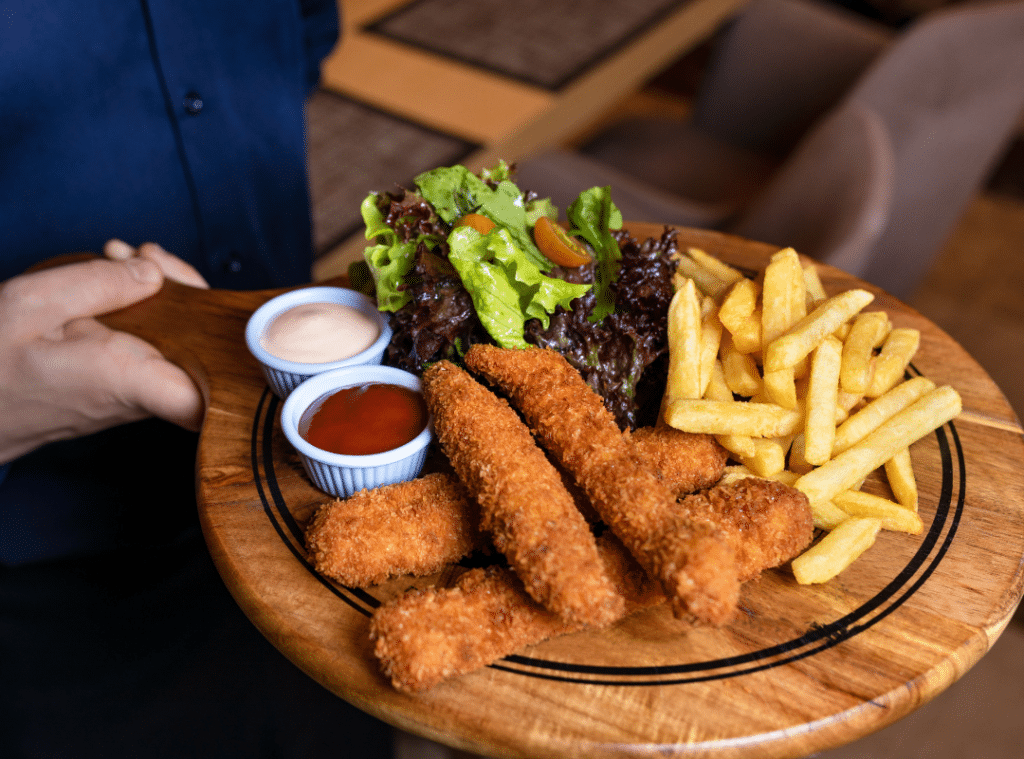
Deep-fried foods are often high in saturated fat and can be harder to digest.
Raw or Unpasteurized Foods
Raw seafood, undercooked eggs, and unpasteurized dairy may pose food safety risks that can be more serious with age. Food safety guidance is available from the FDA.
Grapefruit and Some Medications
Grapefruit can affect how some medications are processed. If you take prescriptions, ask your healthcare provider or pharmacist.

7 Foods to Avoid Over 60
If you want a quick list, these are commonly limited:
- Sugary cereals
- Processed meats
- Fried fast foods
- Sugary beverages
- Salty frozen meals
- Raw sprouts or unpasteurized items
- Heavy desserts high in added sugar
These foods can still fit occasionally for some people, but balance matters most.
Breakfast Foods to Avoid After 60
Breakfast can shape your energy for the day. Many packaged breakfast foods digest quickly and may leave you hungry soon after.
Common Morning Choices to Limit
- Sugary cereals
- Pastries and donuts
- Processed breakfast meats
- Oversized sweet coffee drinks
Better Morning Options
Try oatmeal with fruit, eggs if they fit your dietary needs, Greek yogurt, whole-grain toast, or nuts. These choices often provide steadier energy and better nutrition.
The American Heart Association recommends focusing on whole foods while limiting added sugar and sodium.
Smart Food Swaps for Healthy Aging
| Limit | Choose More Often |
| Sugary soda | Water with fruit infusion |
| Fried potatoes | Roasted sweet potatoes |
| Processed meats | Lean poultry or fish |
| Pastries | Oatmeal with berries |
| Salty snacks | Unsalted nuts |
| Candy | Fresh fruit |
Small, consistent swaps often matter more than strict dieting. For more nutrition-focused reading, explore this related guide on a healthy diet for seniors.
A Simple Daily Example: Choosing a Better Breakfast
If you often feel tired after a sweet breakfast, your body may be reacting to a quick rise and drop in blood sugar. A pastry and sweet coffee may feel convenient, but they may not keep you satisfied for long.
A more balanced morning could include oatmeal with berries, yogurt with nuts, or eggs with whole-grain toast if they fit your dietary needs. You still get comfort and flavor, but with more protein, fiber, and steady energy.

Healthy Living Goes Beyond Food
Nutrition works best when paired with movement, connection, and routine. At Westmont Village Homes, residents have access to amenities that support an active lifestyle, including a Fitness Center, Walking Path, Pickleball Court, Indoor Pool and Whirlpool Tub, Library, and Outdoor Courtyard.
If you enjoy staying engaged, explore the community blog page for more wellness ideas and lifestyle inspiration.
Feel Better With Smarter Daily Choices
You do not need a perfect diet to improve how you feel. Better food choices after 60 can support energy, confidence, and long-term wellness. Start with one or two simple changes that feel realistic for your routine.
If you’d like to explore active adult living in Riverside, schedule a tour, contact the team, or call 951-697-2060 to learn more about life at Westmont Village Homes.
Frequently Asked Questions on Seniors and Healthy Eating
What should you not eat after 60?
Foods high in added sugar, sodium, and unhealthy fats are often best limited after 60. Examples include sugary drinks, heavily processed snacks, fried foods, and excess desserts. These foods may affect heart health, blood pressure, and energy. Focus on balance, not strict avoidance. Nutrient-dense meals are usually the better everyday choice.
Are hard-boiled eggs bad for people over 60?
No, hard-boiled eggs are not automatically bad for people over 60. Eggs provide protein, vitamin D, and other nutrients that can support healthy aging. Individual needs vary, especially if you manage cholesterol or other health conditions. Portion size and your overall diet matter most. Ask your healthcare provider if you need personalized advice.
Which fruits should seniors not eat?
Most fruits can be part of a healthy diet for seniors. Some people may choose smaller portions of higher-sugar fruits if managing blood sugar. Dried fruit can also be easy to overeat because it is concentrated. Whole fruits with fiber, such as berries and apples, are often a great choice. Personal health needs should guide decisions.
What breakfast foods should seniors avoid?
Breakfast foods high in sugar or sodium are often best limited. Examples include pastries, sugary cereals, processed meats, and oversized sweet coffee drinks. These options may cause quick energy crashes or excess sodium intake. Meals with protein and fiber usually provide steadier energy. Oatmeal, yogurt, fruit, or eggs can be smart options.