

August in Riverside gets undeniably hot. The soaring temperatures often force older adults indoors for most of the day. While staying cool protects your physical safety, being cooped up inside with the air conditioning running constantly can take a significant toll on your mental health.
Healthcare professionals often recommend modified nature therapy to older adults. Engaging with the natural world delivers measurable, proven benefits for lowering blood pressure, reducing anxiety levels, and improving overall emotional well-being. You don’t have to sacrifice your mental health to stay physically safe from the heat.
The Particular Challenge of Riverside Summers
Riverside summers are no joke. When temperatures climb past 100 degrees for days at a time, staying indoors isn’t a choice; it’s a necessity. But the mental health cost of that confinement adds up quickly. Seniors often describe who describe August as the hardest month of the year, not because of the heat itself, but because of the isolation it forces.
Acknowledging that is important. You aren’t being dramatic. The heat genuinely limits your options, and that limitation has real psychological consequences.
The Toll of Indoor Isolation
A situation we often see involves a senior who feels restless and irritable because the afternoon heat keeps them indoors. They pace the house, their sleep suffers, and they feel disconnected from the world. They might watch hours of negative news, which only increases their anxiety.
They need an outlet, but a strenuous walk in the heat poses too much chance. This is where modified nature therapy becomes incredibly valuable. You don’t need to hike a trail or spend hours in the sun to experience the benefits of nature.
Accessible Outdoor Engagement
Simple activities can provide a deep sense of purpose and calm. Tending to a small container garden on a shaded patio early in the morning serves as excellent therapy. Working with soil actually exposes you to harmless bacteria that trigger the release of serotonin in the brain.
Watching birds, watering plants, or simply sitting outside during the cooler twilight hours can significantly improve your mood and reset your circadian rhythm, which helps you sleep better at night. If it’s simply too hot to go outside, bringing nature indoors works too. Tending to houseplants or sitting by a window with a clear view of trees offers similar psychological benefits.
The Science Behind Nature Therapy
Research consistently shows that even brief exposure to natural environments reduces cortisol levels, the hormone associated with stress. Looking at greenery, listening to birdsong, and feeling a breeze on your skin all activate the parasympathetic nervous system, which is your body’s natural “rest and digest” response.
For seniors managing anxiety, depression, or chronic pain, this natural stress reduction can be genuinely therapeutic. It doesn’t replace medical treatment, but it complements it beautifully.
Connecting Through Community Events
Connecting with the Community outdoors also helps break the cycle of isolation. Events like National Night Out offer a wonderful way to spend an evening outside connecting with your neighbors. You can enjoy local creativity, talk to neighbors, and get fresh air before the heat of the day sets in.
Planning your outdoor time around structured events gives you something to look forward to and ensures you don’t spend the entire week trapped inside.
Enjoying the Grounds at Village Homes
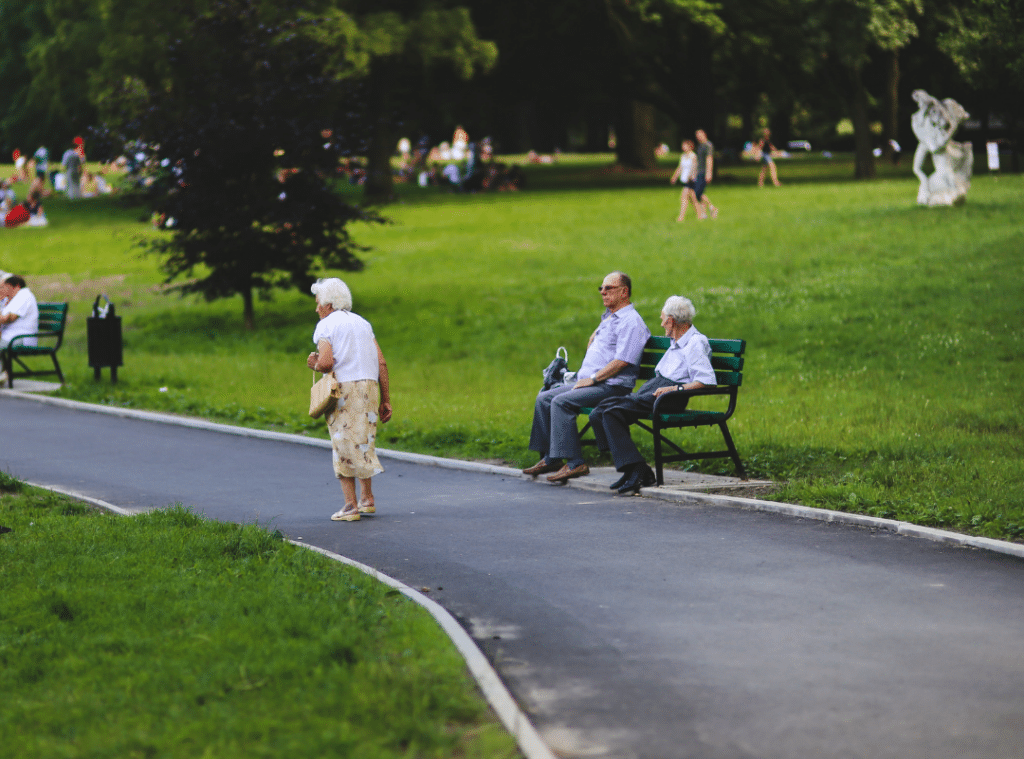
At Westmont Village Homes, our beautifully landscaped grounds and walking paths allow Residents to enjoy nature safely. We maintain shaded areas and comfortable seating so Residents can experience the outdoors without risking heat exhaustion. We encourage outdoor engagement during the cooler parts of the day to support both physical and mental health.
To learn more about our Community and our beautiful outdoor spaces, visit Westmont Village Homes or call us at (951) 697-2060.
Building a Nature Habit
The key to making nature therapy work is consistency. A single afternoon in the garden won’t overhaul your mental health, but a daily ten-minute ritual of sitting outside with your morning coffee absolutely can. Start small and build from there.
Tell someone about your new habit. Ask a neighbor to join you for an early morning walk before the heat sets in. Accountability makes habits stick, and having a walking partner turns a solitary health practice into a social connection. Two birds, one stone.