

As we age, digestion often becomes more sensitive—so meals that used to feel “fine” can suddenly cause gas, bloating, or heartburn. This guide explains which foods become harder to digest as you get older, what symptoms to watch for, and simple swaps that feel better.
Need help supporting a loved one’s comfort and routine? Schedule a visit or call 831-855-8168 to learn how dining and daily life can feel easier at Westmont of Santa Cruz.
You can also explore more wellness resources on our website: https://westmontliving.com/.
Understanding digestive health changes in aging adults
Getting older doesn’t “break” digestion—but it can change how your body handles certain foods. Many older adults notice that food moves a bit more slowly through the digestive tract, and the gut can become more reactive to larger, heavier meals. Medications and lower activity levels can also play a role.
One helpful starting point is focusing on nutrient-dense foods in portions that feel comfortable—because the “best” diet is the one your body tolerates consistently.
List of foods that are hard to digest
Below is a practical list of foods that many older adults find hard to digest. (You don’t have to avoid these forever—sometimes it’s about portion size, preparation, and timing.)
- High-fat and fried foods (fried chicken, chips, creamy sauces): can trigger heartburn and make you feel heavy.
- Full-fat dairy (milk, ice cream, some cheeses): may cause gas, bloating, or diarrhea if lactose intolerance develops or worsens with age.
- Spicy foods (hot peppers, heavy chili sauces): may worsen reflux or stomach irritation in some people.
- Acidic foods (tomato products, citrus): common heartburn triggers.
- Carbonated drinks can add extra gas and bloating.
- Large portions of raw cruciferous veggies (broccoli, cabbage) and beans: healthy, but can cause gas—especially if your body isn’t used to them.
- Highly processed foods: often lower in fiber and can contribute to constipation.
Older adults may also experience changes in appetite and nutritional needs. If you’re supporting a loved one who’s eating less or losing weight, this guide on physiological changes can help you spot patterns early.
Is red meat harder to digest as you get older?
For some people, yes—red meat can feel harder to digest as you get older, especially in large portions or when it’s tough/greasy. Research on protein digestion in older adults suggests that digestion and breakdown of certain proteins can be less efficient under “older gut” conditions, and preparation methods can matter (tender cuts, slower cooking, smaller portions).
Try this instead: choose softer textures (stews, shredded meats), smaller portions, or rotate in easier proteins like fish, eggs, tofu, or yogurt (lactose-free if needed).
Hard-to-digest food symptoms to watch for
These are common hard-to-digest food symptoms—especially after higher-fat meals, dairy, spicy dishes, or large portions:
- Bloating or belly “pressure.”
- Excess gas or burping
- Heartburn or sour taste in the throat
- Stomach cramps
- Constipation or irregular stools
When to call a clinician: get medical advice if symptoms are new, frequent, or worsening—especially with unexplained weight loss, trouble swallowing, blood in stool, persistent vomiting, severe pain, or dehydration. GERD symptoms that happen often also deserve a check-in.
Foods easy to digest as you get older
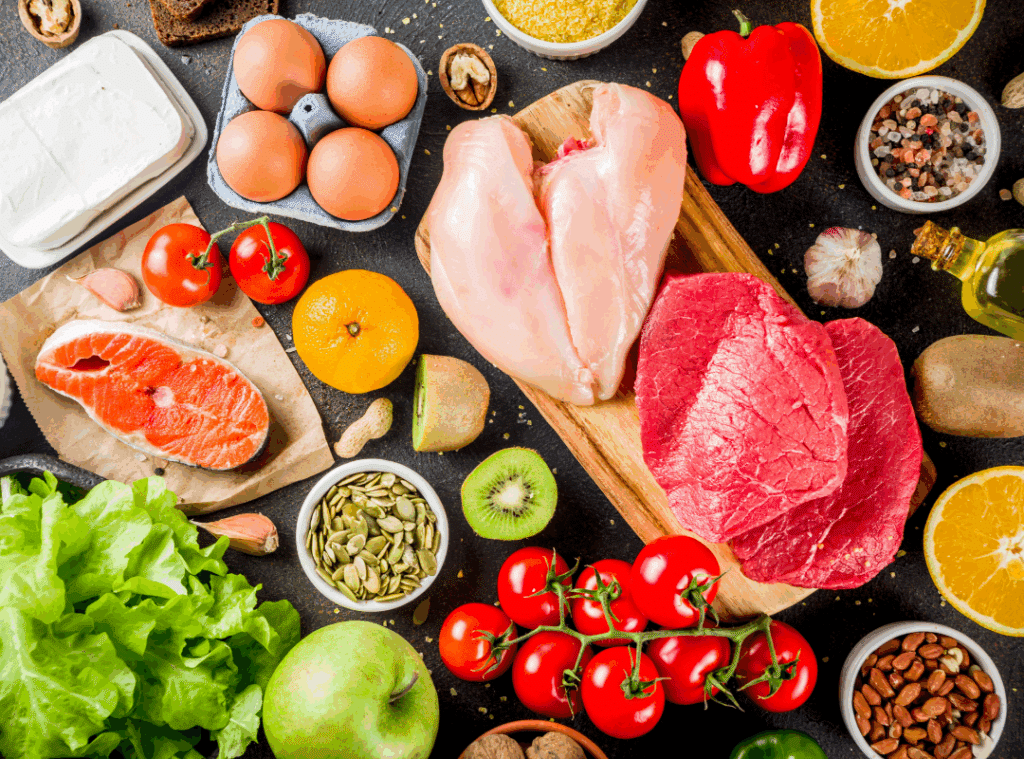
If you’re aiming for foods easy to digest as you get older, focus on softer textures, gentle cooking methods, and balanced plates.
Often well-tolerated options:
- Oatmeal, rice, and other soft whole grains
- Cooked vegetables (roasted, steamed, or in soups)
- Bananas, applesauce, melon, and peeled pears
- Eggs, fish, tofu, or tender poultry
- Yogurt with live cultures (or lactose-free yogurt)
- Broth-based soups and stews
- Smoothies (not too much added sugar)
What this means for seniors: A “lighter” meal doesn’t have to be less satisfying. Warm soups, cooked veggies, and softer proteins can reduce discomfort while still supporting strength and energy.
If constipation is part of the picture, the National Institute on Aging notes that fiber + fluids work together, and too many processed/high-fat foods can make constipation worse.
Practical tips to reduce digestive discomfort
Small habits often make the biggest difference:
- Go smaller, more often: 4–5 mini-meals can feel better than 2 huge ones.
- Chew longer than you think you need to.
- Stay upright after meals, especially if reflux is an issue.
- Add fiber gradually: sudden “fiber overload” can cause gas.
- Hydrate steadily through the day: helps stools stay softer.
- Choose gentler cooking methods: baked, grilled, slow-cooked, or steamed instead of fried.
- Track triggers for 1–2 weeks: a simple note like “tomato sauce → heartburn” is powerful.
Safety note (supplements): If you’re considering lactase pills, probiotics, or other digestive supplements, check with a clinician or pharmacist first—especially if your loved one takes multiple medications.
What this means at Westmont of Santa Cruz
Digestive comfort is one of those “little” things that affects everything—sleep, energy, mood, and social connection.
At Westmont of Santa Cruz in Soquel, residents can enjoy restaurant-style dining with a varied menu and a schedule designed around everyday living. If mobility or strength changes are affecting meals (or daily routines), Westmont also offers an on-site therapy program (EmpowerMe) with services like physical, occupational, and speech therapy, based on individualized goals and physician involvement.
And because lifestyle matters, the community is set up to support connection and daily well-being—whether that’s relaxing outdoor time, joining activities, or simply finding a comfortable routine that feels like home.
For broader senior wellness support, you may also find these helpful:
- common health challenges
- how dining supports nutrition in care settings: personalized nutrition
- Simple ideas for fiber-rich foods
Ready for a calmer, more supported daily routine?
Managing foods hard to digest as you get older is rarely about strict rules—it’s about comfort, consistency, and smart swaps. Start with a few gentle changes (smaller portions, less fried food, lactose-free options if needed), watch for patterns, and ask a healthcare professional when symptoms don’t improve.
Call 831-855-8168 to speak with a friendly team member at Westmont of Santa Cruz and schedule a tour. We’re happy to answer questions and help you explore the right next step—at your pace.
Frequently Asked Questions
Does it get harder to digest food as you get older?
Yes, digestion can become more challenging with age due to changes in metabolism, digestive enzymes, and muscle strength in the digestive tract. The stomach may produce less acid, which can slow digestion and affect nutrient absorption. Many older adults also experience slower gut motility, leading to bloating or constipation. Medications and reduced physical activity can further impact digestive comfort. Eating balanced meals and staying hydrated can help support healthy digestion.
What is the hardest food for the body to digest?
Foods that are high in fat, heavily processed, or very fibrous can be harder for the body to digest. Fried foods, fatty cuts of meat, and creamy sauces often take longer to break down and may cause discomfort. Tough, chewy meats can also strain the digestive system, especially for seniors. Spicy foods and highly refined snacks may irritate the stomach lining. Choosing simpler, whole foods can make digestion easier.
What foods are good for elderly people with digestive problems?
Soft, nutrient-dense foods are often best for seniors with digestive concerns. Options like cooked vegetables, oatmeal, yogurt, eggs, and bananas are gentle on the stomach. Foods rich in probiotics, such as yogurt or kefir, can help support gut health. Lean proteins like fish or chicken are easier to digest than red meat. Eating smaller, more frequent meals may also reduce digestive strain.
What are 5 foods that seniors should eat?
Seniors benefit from foods that are easy to digest and rich in essential nutrients. Examples include leafy greens for vitamins, fatty fish for heart-healthy omega-3s, whole grains like oats for fiber, yogurt for calcium and probiotics, and berries for antioxidants. These foods support digestion, bone health, and overall wellness. Including a variety of colors and textures helps ensure balanced nutrition. Preparing foods in softer forms can make them easier to eat and digest.