
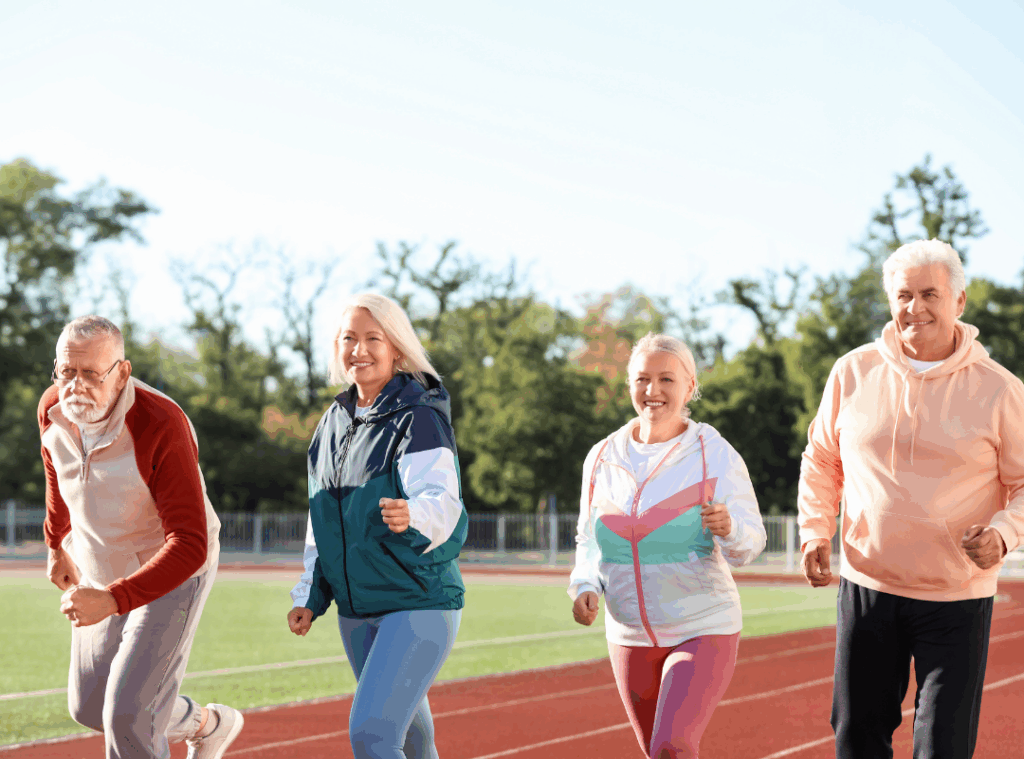
A 10-minute walking workout for seniors is a simple, low-impact way to build strength, support heart health, and boost energy—without needing special equipment. The goal is not speed. It’s a steady movement, good posture, and a pace that feels safe and doable today.
Want support staying active in a community setting? Explore life at Westmont of Santa Cruz and schedule a tour to see how daily wellness can fit into your routine.
The 10-minute plan (easy, effective, and adjustable)
This 10-minute walking workout for seniors is free—you can do it outdoors, at home, or as an indoor walking workout using a hallway, living room loops, or marching in place.
Warm-up (2 minutes)
Start gently to wake up your joints and balance.
- Stand tall, shoulders relaxed, eyes forward
- Walk slowly for 60 seconds
- Add 30 seconds of easy arm swings
- Finish with 30 seconds of heel-to-toe steps (hold a counter if needed)
What this means for seniors: A warm-up helps reduce stiffness and lowers the chance of strain, especially first thing in the morning.
Workout (6 minutes)
Use “comfortable intervals” to improve stamina—without overdoing it.
Repeat this cycle 3 times:
- 1 minute: brisk-but-safe pace (you can talk, but you feel warmer)
- 1 minute: easy pace (catch your breath)
Tip: If you use a cane/walker, keep the brisk minute gentle. The goal is effort—not speed.
Cool-down (2 minutes)
- Walk slowly for 90 seconds
- Finish with 30 seconds of relaxed breathing: inhale through the nose, exhale slowly
If you like stretching, keep it light and pain-free.
Options by age and ability
Walking exercise for seniors over 60
If you feel steady on your feet, focus on posture and rhythm:
- Try slightly longer arm swings
- Add a gentle “tall spine” check every minute (chin level, shoulders down)
- Keep steps smooth—no rushing corners
Walking workout for seniors over 80
Safety and confidence come first. Try this version:
- Do the full 10 minutes at an “easy-to-moderate” pace
- Use a sturdy counter, hallway wall, or rail for support if needed
- Replace brisk intervals with “slightly faster” steps for 20–30 seconds
What this means for seniors: Consistency matters more than intensity. Short, safe walks can help maintain mobility and independence over time.
Free indoor walking workout for seniors
Indoor walking counts. Good options include:
- Hallway “laps” (turn slowly)
- Marching in place during TV commercials
- Step-touch side steps (hold a chair back)
If floors are slippery, wear grippy shoes and clear throw rugs.
Why 10 minutes helps (even if it feels “too short”)
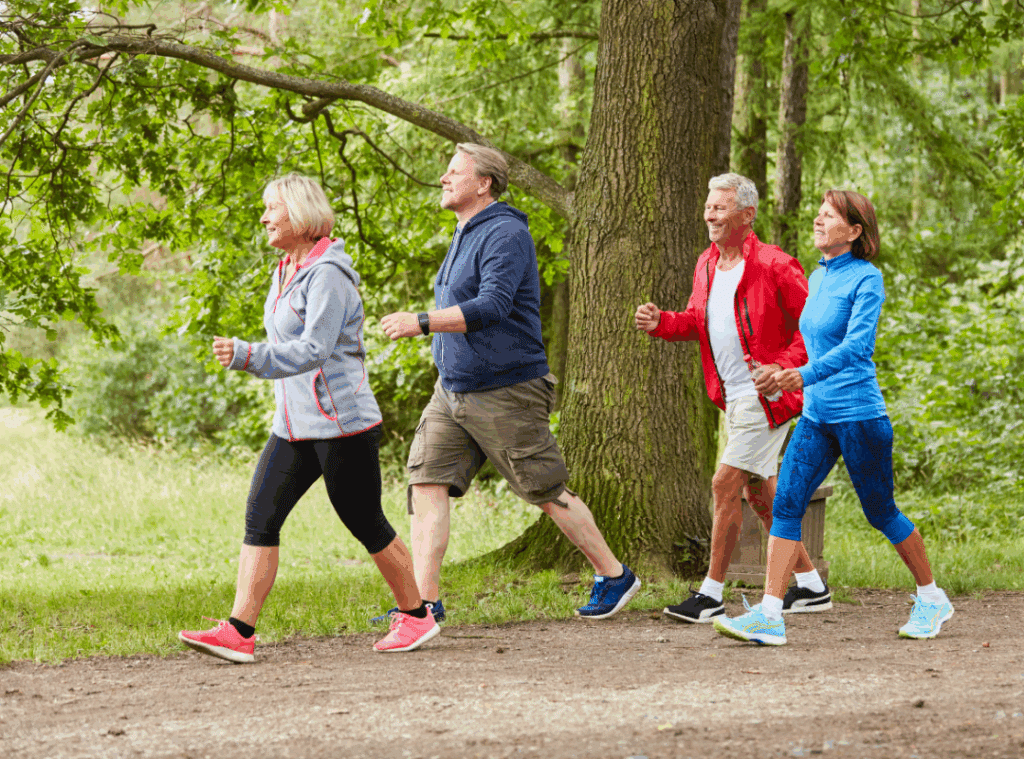
Ten minutes is enough to make progress when you repeat it often. Many health guidelines recommend building toward weekly activity goals, and brisk walking is a common example of moderate activity.
Walking can support:
- Heart health and circulation
- Mood and stress relief (movement plus fresh air or light)
- Leg strength and balance (especially with consistent practice)
Helpful reads:
- CDC activity guidelines for older adults
- NIH/NIA exercise and physical activity overview
- NIA outdoor walking safety tips
- American Heart Association activity recommendations
Stay safe while you walk (simple, senior-friendly tips)
Before you begin, consider checking with your clinician—especially if you have chest pain, dizziness, recent falls, or medication changes.
- Choose stable shoes with good traction
- Walk in good light and watch for uneven pavement
- Pick routes with places to sit if you need a break
- Use the “talk test”: you should be able to speak a sentence
- Stop immediately if you feel sharp pain, faintness, or pressure in the chest
Extra support at home can help reduce fall risk, too—see these home safety modifications for practical ideas.
Make walking easier in Soquel and Santa Cruz County
If you enjoy getting outside, look for flatter, more predictable paths. Santa Cruz County Parks notes an ADA-accessible, creekside stroll at Heart of Soquel County Park—nice for shorter walks and a calm pace.
For longer paved outings, West Cliff Drive in Santa Cruz is a well-known multi-use path with an asphalt surface (great for adjusting distance).
On days when the weather changes, return to your free indoor walking workout for seniors—short indoor sessions still count.
If you want ideas to pair with walking, these related reads can help:
- Mobility exercises to support steadier movement
- Monitoring progress to stay consistent
- Staying active for simple over-80 routines
- A heart-healthy diet to support energy and longevity
For more resources and information, visit us at https://westmontliving.com/.
A supportive next step
If you or your family are exploring Independent Living, Assisted Living, or Memory Care, staying active can be easier when you have the right environment and encouragement. At Westmont of Santa Cruz, we focus on everyday well-being and meaningful routines—like simple movement that helps you feel your best.
Want to see if Westmont of Santa Cruz feels like the right fit?
Call 831-855-8168 to speak with our team, or schedule a visit here: this link.
You can also learn more about community life at Westmont of Santa Cruz.
Frequently Asked Questions
How many minutes a day should a 70-year-old walk?
Most health experts recommend that a 70-year-old aim for about 20 to 30 minutes of walking each day, depending on overall health and mobility. This amount can be broken into shorter sessions, such as two or three 10-minute walks, to make it more manageable. Walking at a comfortable pace helps support heart health, joint flexibility, and balance. It’s always best to start slowly and increase time as endurance improves. A healthcare provider can offer personalized guidance based on individual needs.
Can I lose weight by walking 10 minutes a day?
Walking 10 minutes a day can be a helpful starting point, especially for building consistency and creating a daily routine. While this amount alone may not lead to significant weight loss, it does help burn calories and improve metabolism over time. When combined with healthy eating and gradual increases in walking duration, it can support weight management. Even short walks help reduce sedentary behavior, which is important for overall health. Consistency matters more than intensity at the beginning.
What is the 3 3 3 rule walking?
The 3 3 3 rule walking method typically involves walking for three minutes at a comfortable pace, three minutes at a faster pace, and three minutes at a slower, recovery pace. This pattern can be repeated several times during a walk to add variety and gentle intensity. It helps improve cardiovascular fitness without overexertion, making it suitable for many older adults. The changing pace also keeps walks more engaging. Adjusting speeds based on comfort and ability is encouraged.
What are the best exercises for seniors walking?
Walking itself is one of the best exercises for seniors, but adding a few simple movements can enhance its benefits. Gentle stretching before and after walking helps improve flexibility and reduce stiffness. Balance exercises, such as heel-to-toe walking or standing on one foot near support, can be incorporated safely. Light-strength exercises, such as arm swings or using small hand weights, support muscle health. These additions make walking more effective and well-rounded for overall fitness.