



Elderly Sleep Problems often involve trouble falling asleep, waking often, lighter rest, or feeling tired during the day. These changes can happen with age, daily habits, health concerns, medications, or shifts in the body’s sleep rhythm.
At Westmont of La Mesa in La Mesa, CA, restful routines are part of a supportive lifestyle. If you or someone you love is noticing restless nights, this guide explains common causes, signs to watch for, and practical ways to support better sleep.
What Are Elderly Sleep Problems?
Elderly sleep problems are changes in sleep that affect rest, energy, mood, and daily function in older adults. They may include insomnia, frequent waking, daytime sleepiness, lighter sleep, or trouble getting deep, restorative rest.
These concerns are often connected to sleep hygiene, changes in circadian rhythm, fragmented sleep, health conditions, medication side effects, or reduced daytime activity. The CDC sleep guidance for adults 65 and older lists 7 to 8 hours of sleep as the recommended amount for this age group.
Common Causes of Sleep Problems in Older Adults
Sleep problems in older adults often come from a mix of physical, lifestyle, and routine-related factors. Chronic pain, certain medications, health conditions, caffeine, screen time, large meals before bed, and irregular sleep schedules can all make rest harder.
Why Sleep Quality Changes With Age
Sleep can become lighter and more broken with age. You may wake more often during the night, feel sleepy earlier in the evening, or wake earlier in the morning. MedlinePlus guidance on aging-related sleep changes explains that many older adults have a harder time falling asleep and wake more often during the night.
Signs That Sleep Issues May Be Affecting Daily Life
Sleep concerns may need attention when they begin affecting how you feel, think, or move through the day. If you or your loved one wakes often and feels unusually tired, foggy, or irritable, poor sleep may be affecting daily routines.
Common signs can include daytime sleepiness, forgetfulness, low mood, confusion, frustration, or less interest in regular activities. These changes can feel discouraging, especially when the person wants to stay active but does not feel rested enough to do so.
Consequences of Lack of Sleep in Elderly Adults
Poor sleep can affect an older adult’s energy, mood, focus, and daily comfort. Over time, the consequences of lack of sleep in older adults may include daytime fatigue, trouble concentrating, memory concerns, and a reduced ability to manage daily tasks with confidence.
Sleep deprivation may also impair immune function and make it harder for the body to recover. If sleep issues persist, it is helpful to review routines, comfort, medications, and health concerns with guidance from a qualified professional.
Sleep Concern, Possible Cause, and Helpful Next Step
Sleep concerns are easier to address when you can connect the pattern to a possible cause. This table provides a simple way to review what may be happening and how the next step may help.
| Sleep Concern | Possible Cause | Helpful Next Step |
| Waking often at night | Fragmented sleep or a poor sleep environment | Create a calming bedtime routine |
| Trouble falling asleep | Caffeine, screens, or irregular schedule | Limit stimulation before bed |
| Daytime tiredness | Poor nighttime rest or long naps | Keep naps short and review sleep habits |
| Restlessness or discomfort | Chronic pain or health-related concerns | Speak with a healthcare provider |
| Difficulty maintaining deep sleep | Circadian rhythm changes | Get natural light and keep a steady schedule |
If your family is unsure what level of support may fit changing needs, the care assessment can be a helpful place to start.
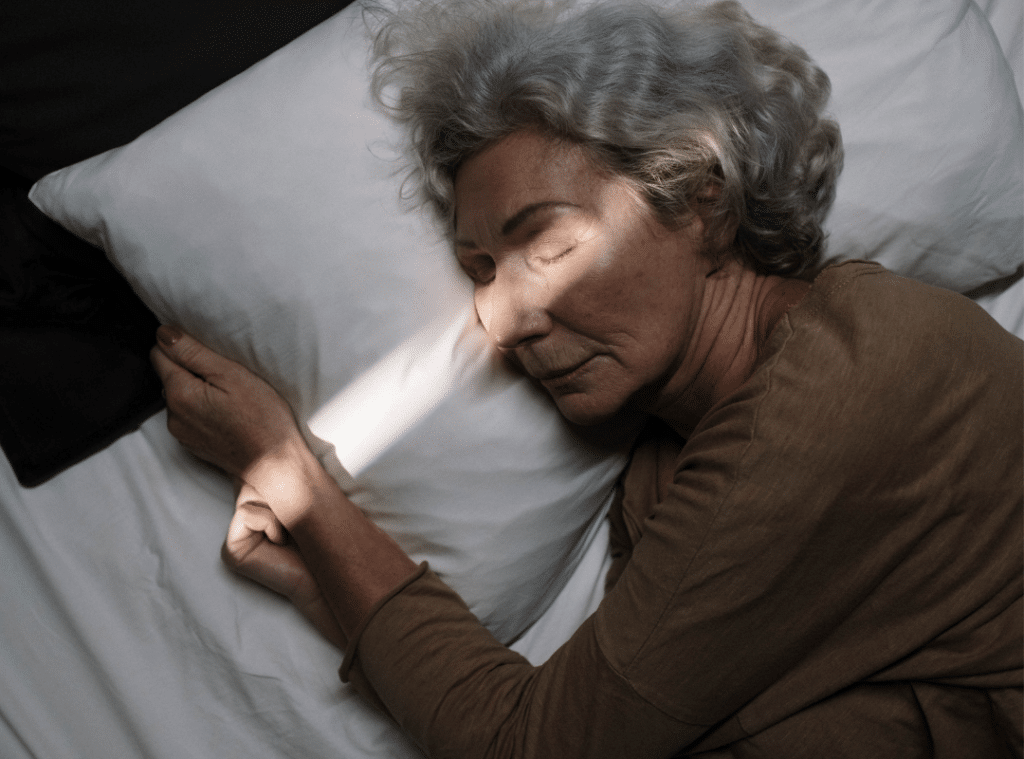
How to Increase Deep Sleep in Elderly Adults
Learning how to increase deep sleep in elderly adults often begins with steady daily habits. A consistent bedtime, gentle movement, natural light during the day, and a calm sleep space can all support better rest.
Simple Bedtime Habits That Support Rest
Small changes can make nighttime feel more settled. Helpful habits may include:
- Keep a quiet routine before bed.
- Reduce bright screens in the evening.
- Make the room cool, dark, and comfortable.
- Try deep breathing or light meditation.
For more ways to support daily well-being, explore Health and Wellness Programs for Seniors to Boost Vitality.
Natural Sleep Remedies for Elderly Adults
Natural sleep remedies for elderly adults may include calming routines, herbal tea, relaxation techniques, reduced evening stimulation, and a more comfortable sleep environment. Some people also ask about melatonin, but supplements should be discussed with a healthcare provider first.
A thoughtful remedy for insomnia in older adults should be tailored to the person’s health, medications, and daily routine. The National Institute on Aging sleep booklet notes that healthy bedtime habits may help prevent or manage insomnia, and cognitive behavioral therapy may also help.
When Sleepless Nights Need More Attention
An elderly person who has not slept for days should be taken seriously, especially if the change is sudden or accompanied by confusion, weakness, pain, distress, or unusual behavior. In these cases, families should contact a healthcare provider for guidance.
Families also ask, do the elderly sleep a lot before death? Sleep changes alone should not be treated as a clear sign of end-of-life decline. Many factors can affect sleep, including illness, medications, fatigue, emotional stress, and changes in routine. Medical guidance can help families understand what is happening with more clarity.
How Westmont of La Mesa Supports Daily Wellness and Restful Routines
Daily structure can help older adults feel more settled, especially when sleep problems are tied to changes in routine, activity levels, or stress. Westmont of La Mesa offers Assisted Living, Memory Care, and Independent Living, with lifestyle support that may help residents maintain meaningful daily rhythms.
Amenities such as the Live Your Way Wellness Program, Dine Your Way, Outdoor Courtyard, Fitness Center, On-site Therapy Services, Scheduled Transportation, and 24-Hour Availability can support comfort and consistency without making sleep feel like a clinical task. Learn more about the community’s lifestyle options.
Find Supportive Senior Living in La Mesa
Better sleep often starts with simple, steady choices: a calmer bedtime, a more comfortable setting, daily movement, and the right support when routines become harder to manage. If sleep concerns are affecting your loved one’s mood, energy, or confidence, you do not have to sort through the next step alone.
Westmont of La Mesa welcomes families who want thoughtful guidance in a warm senior living setting. You can schedule a tour, contact us with questions, or call us at 619-369-9700 to speak with the team.
Frequently Asked Questions
What is the best treatment for insomnia in the elderly?
The best treatment for insomnia in the elderly often starts with better sleep habits and a consistent routine. A calm bedtime, limited caffeine, reduced screen time, and regular daytime activity may help. Cognitive Behavioral Therapy for Insomnia may also be helpful for some older adults. If sleep problems continue, a healthcare provider can review health concerns, medications, and whether short-term treatment is appropriate.
What is the most common sleep disorder in the elderly?
Insomnia is one of the most common sleep concerns in older adults. It can include trouble falling asleep, waking during the night, waking too early, or feeling tired after sleep. Older adults may also experience lighter, more fragmented rest as sleep patterns change with age. A healthcare provider can help identify whether insomnia is linked to habits, medications, pain, or another health concern.
What causes sleepless nights in the elderly?
Sleepless nights among the elderly can be caused by changes in circadian rhythm, chronic pain, medications, health conditions, stress, caffeine, screen use, or irregular sleep habits. Daytime naps that are too long may also make nighttime sleep harder. A quiet room, steady schedule, and relaxing routine can help support better rest. If sleeplessness is sudden or ongoing, medical guidance is recommended.
How to make an elderly person sleep?
You cannot force an elderly person to sleep, but you can help create conditions that support rest. Keep the bedroom quiet and comfortable, encourage a regular bedtime, limit caffeine later in the day, and reduce screen use before sleep. Gentle relaxation, natural light during the day, and regular activity may also help. If sleep problems persist, a healthcare provider can evaluate for pain, medication side effects, or other causes.