
Eating a balanced diet for a healthy life is more than just a lifestyle choice—it’s a commitment to aging with strength, vitality, and purpose. Seniors who prioritize nutrition are more likely to enjoy improved cognitive function, better energy levels, and a reduced risk of chronic illnesses. At Westmont of Escondido, we emphasize the importance of personalized nutrition in promoting longevity and enhancing daily living.
Adopting a balanced diet for a healthy life means intentionally choosing foods that nourish the body and support wellness goals. By focusing on essential nutrients, whole foods, and smart portioning, seniors can maintain muscle strength, cognitive clarity, and emotional well-being. Whether you’re adjusting to dietary changes or creating a sustainable, balanced diet chart, every choice you make today helps pave the way to healthier aging tomorrow.
The Role of Nutrition in the Aging Process
As we age, our bodies undergo changes that increase nutritional needs and sensitivities. Maintaining a balanced diet for a healthy life ensures that aging adults receive the right mix of macronutrients and micronutrients. This helps regulate metabolism, prevent illness, and promote energy levels.
Nutritional imbalances can lead to fatigue, weaker immunity, and increased risks of chronic diseases. To avoid this, include foods from a balanced diet, such as leafy greens, lean proteins, and whole grains, to support a healthy life. A thoughtful meal plan aligned with fiber-rich foods supports digestion, bone health, and emotional stability.
Essential Nutrients for Older Adults
Understanding what nutrients your body needs is key to a healthy lifestyle. The foundation of a balanced diet food list should include protein, calcium, vitamin D, B12, and fiber. Each of these elements plays a unique role in maintaining strength and preventing disease.
At Westmont of Escondido, we tailor meals to accommodate senior dietary needs. Explore how personalized menu planning helps meet these nutritional goals daily.
Importance of Protein
Protein is a vital part of a balanced diet chart, especially for older adults. It supports muscle mass, immune function, and tissue repair. Ideally, seniors should include high-quality protein in each meal to maintain lean body mass and vitality.
| Protein Sources | Benefits |
| Chicken & turkey | Builds muscle and supports immune health |
| Eggs & dairy | Aids in nutrient absorption and bone strength |
| Beans & lentils | Plant-based protein and fiber combo |
Working with nutritionists in assisted living can help residents understand protein needs, portion sizes, and sources tailored to individual requirements.
Nutrient-Dense Foods
Eating a variety of nutrient-rich foods is key to crafting a balanced diet for a healthy life. These include vegetables, fruits, lean proteins, and whole grains that are low in calories but high in vitamins and minerals. This approach also supports weight management and chronic disease prevention.
To further enhance nutrient intake, consider essential nutrients found in foods like dark leafy greens, berries, and whole grains. Variety is the secret ingredient in every successful meal plan.
The Importance of Fruits and Vegetables
Fruits and vegetables are the cornerstone of any balanced diet. They’re loaded with antioxidants, vitamins, and fiber that support heart, bone, and brain health. Seniors should aim to consume at least five servings daily.
Discover how incorporating these into your diet can help prevent chronic illnesses. Learn more about nutrients commonly deficient in older adults and how fruits and vegetables can close those nutritional gaps.
Daily Portion Recommendations
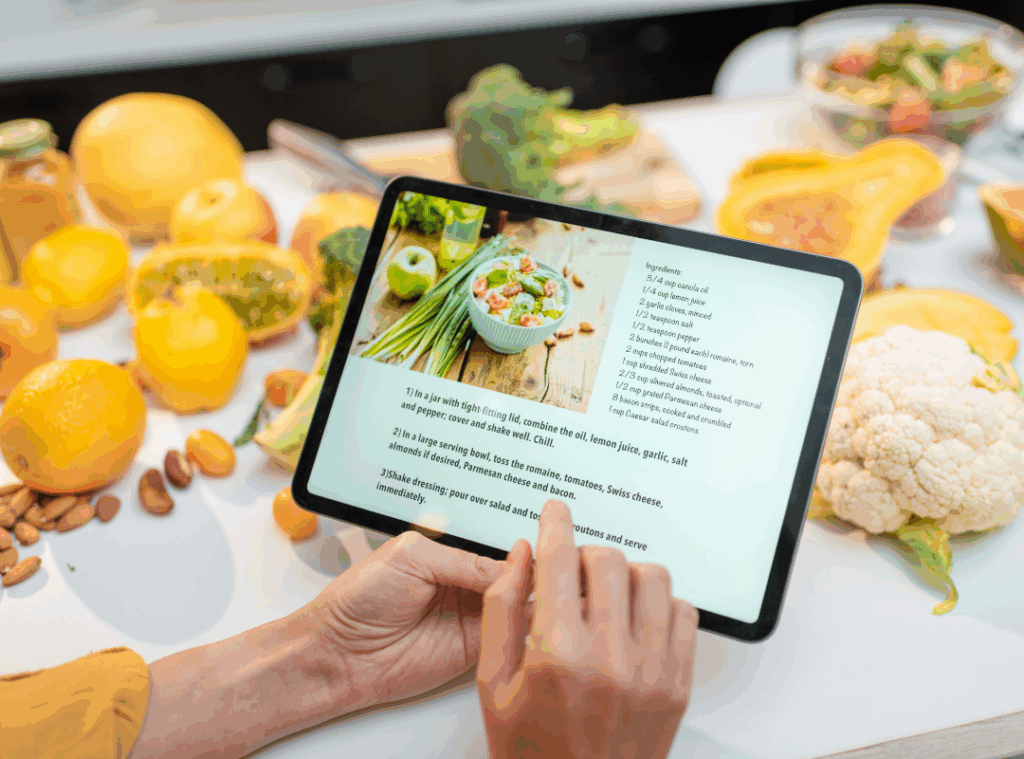
Getting five servings a day may sound overwhelming, but it becomes second nature with planning. Blend spinach into smoothies, top oatmeal with berries, or snack on baby carrots. Following a balanced diet for a healthy life, a food list helps track daily portions and ensures variety.
| Food Group | Suggested Serving |
| Fruits | 2–3 per day |
| Vegetables | 2–3 per day |
| Leafy Greens | 1–2 per day |
Health Benefits Overview
Fruits and vegetables help reduce the risk of heart disease, stroke, and certain types of cancer. They also improve digestion and energy levels. Think of them as your body’s natural medicine.
| Nutrient | Benefits | Food Sources |
| Fiber | Digestive support | Beans, peas, whole fruits |
| Vitamin C | Immune support | Oranges, bell peppers |
| Potassium | Blood pressure regulation | Bananas, spinach |
Whole Grains for Long-Term Energy
Whole grains are fiber-rich and provide long-lasting energy. Replace white rice with brown rice or oatmeal with steel-cut oats to stay full longer and avoid blood sugar spikes. A balanced diet food list often starts with these energy-boosting staples.
Harvard’s nutrition guide offers insights into choosing healthy whole grains for everyday meals.
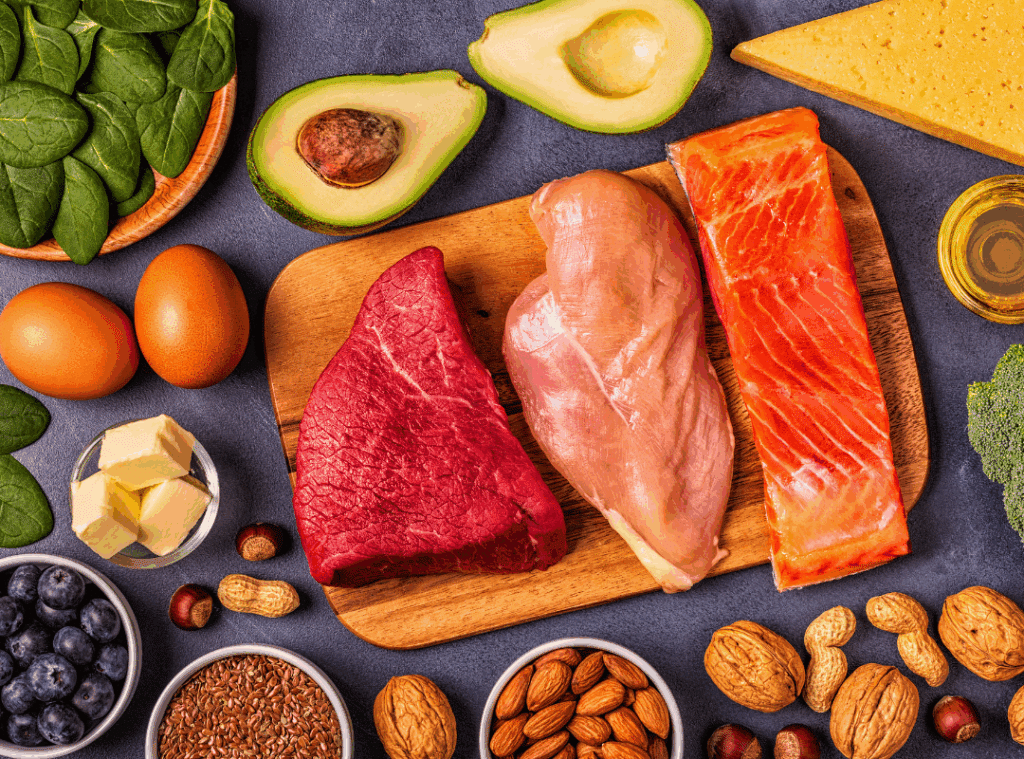
Protein Sources for Muscle Health
Muscle mass naturally decreases with age, making protein more important than ever. Use your balanced diet for a healthy life meal plan to include:
- Grilled chicken and turkey
- Salmon and sardines
- Beans and lentils
- Greek yogurt and low-fat cheese
Spread protein intake throughout the day for optimal results. If necessary, consult a healthcare provider about supplements.
Reducing Saturated Fat, Sugar, and Salt
Consuming excessive amounts of saturated fat, sugar, and salt can increase the risk of chronic diseases. Seniors are especially vulnerable to high blood pressure, heart disease, and diabetes—conditions that are heavily influenced by dietary choices.
Use low-sodium spices, natural sweeteners, and healthy fats like avocado and olive oil. These changes can make your balanced diet chart both delicious and heart-healthy. The American Heart Association’s dietary tips are a great external resource for this.
Practical Tips for Daily Balance
Here are simple ways to stay on track with your balanced diet for a healthy life:
- Follow a balanced diet chart and keep it visible for accountability.
- Prepare meals ahead of time to avoid unhealthy snacking.
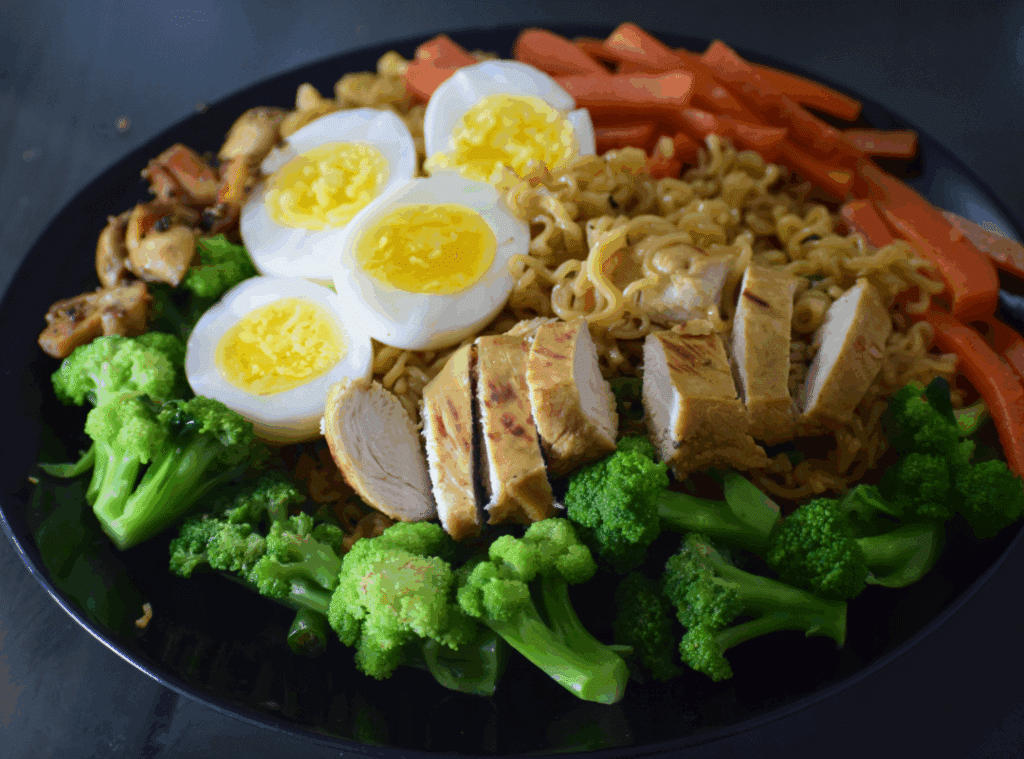
- Portion your plate: Half vegetables, one-quarter protein, one-quarter whole grains.
- Drink plenty of water, and limit sugary drinks.
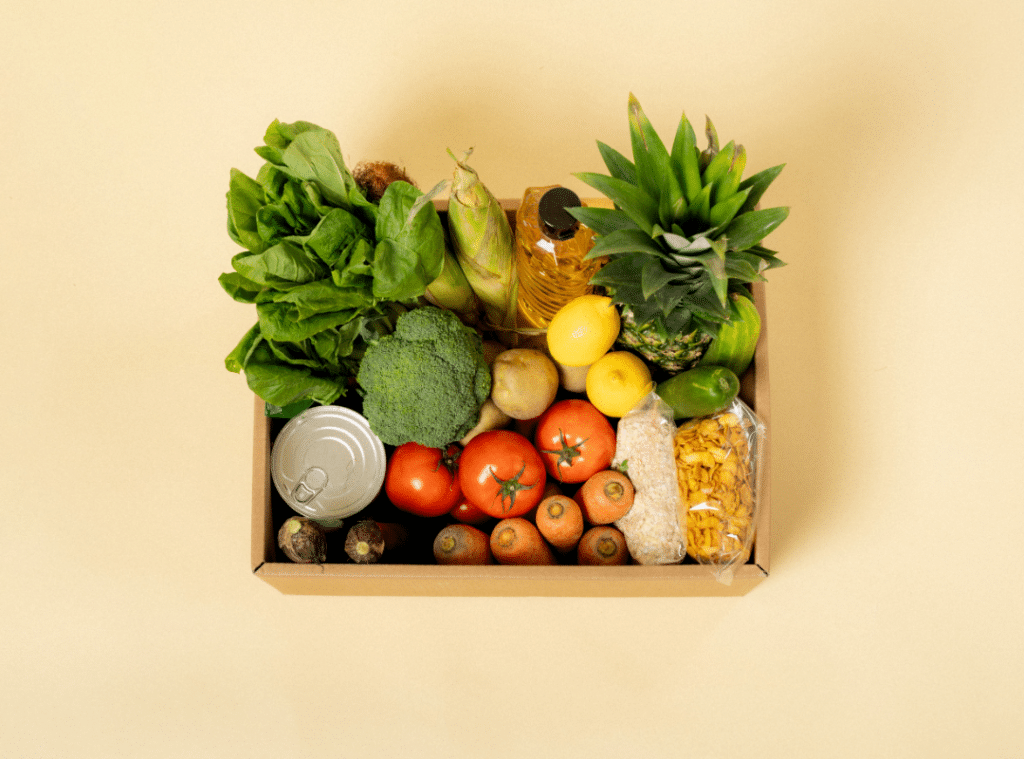
- Use a shopping list based on your balanced diet food list to avoid impulse buys.
A Healthy Diet Is the Best Gift to Your Future Self
Let’s be honest—while pizza and soda might be tempting, they won’t do your golden years any favors. Aging vibrantly requires dedication to a balanced diet for a healthy life that supports physical, emotional, and mental well-being.
Start today with a customized balanced diet for a healthy life food list that includes fruits, vegetables, lean proteins, and whole grains. Then bring it to life with a practical, achievable, balanced diet for a healthy life meal plan designed to keep you strong, energized, and inspired every day.
At Westmont of Escondido, we believe that health starts with what’s on your plate. Call us at 760-737-5110 or schedule a tour to see how we incorporate personalized nutrition into daily living.
Let your food be your fuel, and let every meal be a step toward a brighter, healthier tomorrow.
Frequently Asked Questions
What is a balanced diet for a healthy life?
A balanced diet for a healthy life includes a variety of foods that provide the essential nutrients your body needs to function properly. It typically involves eating the right proportions of fruits, vegetables, whole grains, lean proteins, and healthy fats. Drinking plenty of water and limiting added sugars, salt, and processed foods is also key. This approach helps support energy, immunity, and long-term well-being.
What are the 7 things you need in a balanced diet?
The seven components of a balanced diet include carbohydrates, proteins, fats, vitamins, minerals, fiber, and water. Each plays a vital role in maintaining your body’s health. Carbohydrates provide energy, while proteins help build and repair tissues. Including all seven ensures your body runs efficiently and stays resilient.
What is the best diet for a healthy life?
The best diet for a healthy life is one that is rich in whole, minimally processed foods and tailored to your individual health needs. The Mediterranean diet, for example, emphasizes vegetables, fruits, nuts, legumes, whole grains, and lean proteins like fish and chicken. It’s well-known for its heart health benefits and sustainable eating habits. Consistency and balance are more important than strict rules or short-term diets.
What are 10 tips for a healthy lifestyle?
- Eat a variety of nutrient-rich foods.
- Stay physically active daily.
- Get at least 7-8 hours of quality sleep each night.
- Stay hydrated by drinking enough water.
- Limit processed foods, added sugars, and excess salt.
- Avoid smoking and limit alcohol consumption.
- Manage stress through relaxation or hobbies.
- Maintain regular medical checkups.
- Practice good hygiene and handwashing.
- Surround yourself with positive relationships for mental wellness.